

Chapters:

Need help with your trip?
Our support team is available 24/7. Request a callback or call us directly at (833) 619-0908
Miyazaki usually fits a simple pattern, an airport arrival, a night near the station, then a quick pivot to Aoshima or downtown shrines. What many visitors miss is how much the city rewards timing, coastal distance, and early closing hours.
That easy first draft can waste time. Aoshima, Tachibanadori, and the shrine district sit apart enough that taxis and train changes matter, and evening dining thins out fast once the dinner rush passes.
This guide keeps the days in a tighter order, so you can pair transit with the right sights, eat before kitchens close, and leave room for the coast, the museum, and a final city-center walk.
Useful things to know
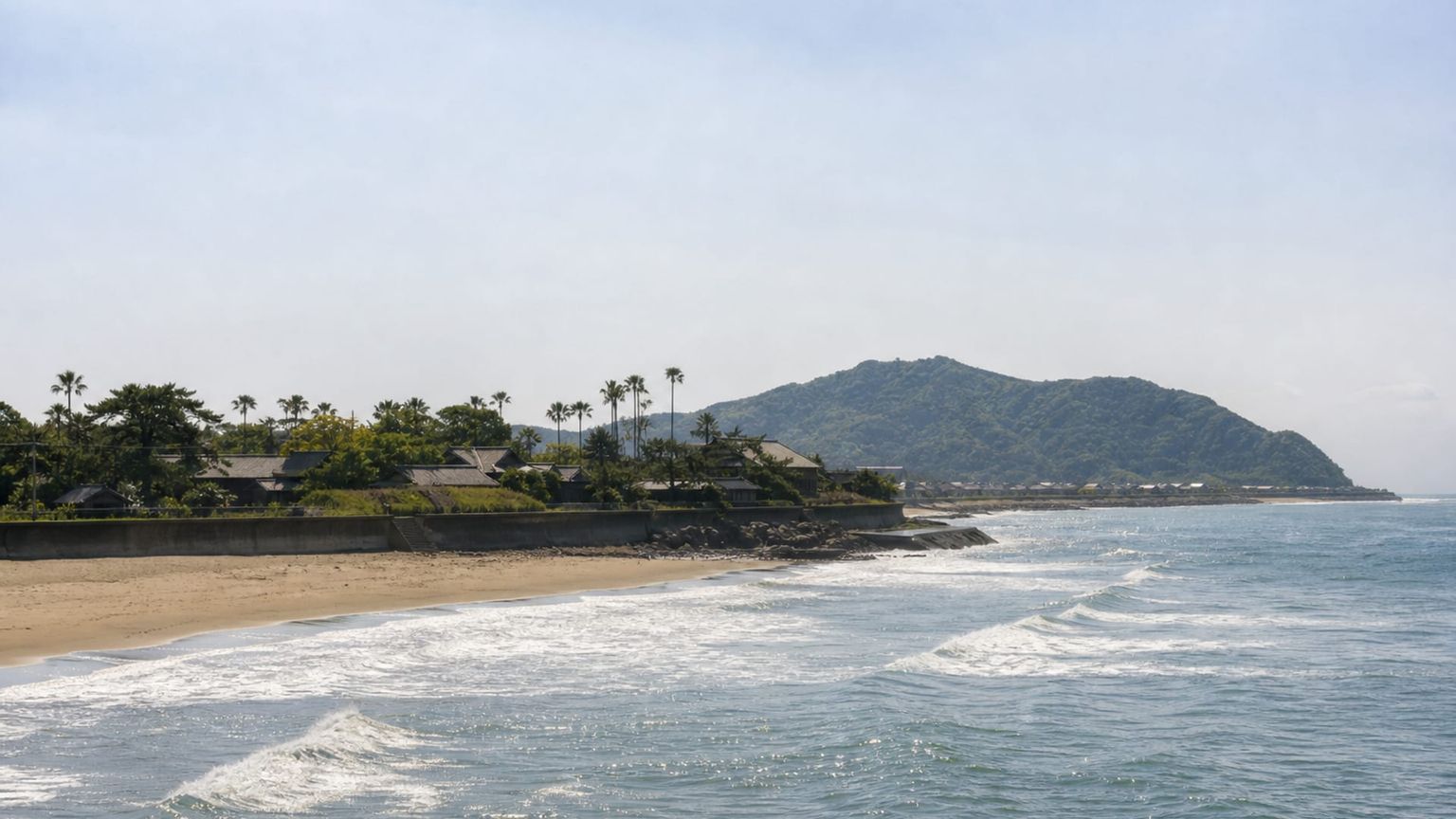

Main language(s): Japanese
Konnichiwa (koh-nee-chee-wah) – Hello / good afternoon
Onegaishimasu (oh-neh-guy-shee-mahs) – Please
Arigatou gozaimasu (ah-ree-gah-toh goh-zai-mahs) – Thank you
Eigo o hanasemasu ka? (eh-goh oh hah-nah-seh-mahs kah) – Do you speak English?
Ikura desu ka? (ee-koo-rah deh-soo kah) – How much does it cost?

Currency: The local currency is the Japanese yen (JPY, ¥).

Cash and cards: Cards and contactless are accepted in many hotels, shops, and chain restaurants, but carry about ¥5,000 to ¥10,000 ($35 to $70) in cash.

Tipping: Tipping is not customary; round up only for very small change or exceptional private guides.

Traditional food: Miyazaki wagyu, chicken nanban, hiyajiru, mango parfait

Water and coffee costs: Water about ¥100 to ¥150 ($1 to $1.50), bar espresso about ¥400 to ¥500 ($3 to $4).

Taxis and ride apps: Taxi apps are limited; use GO or Uber if available, but expect more airport rank taxis.

Plug and voltage: Type A/B socket, 100V

Dining and shop opening hours: Breakfast is usually 7:00-9:00, lunch 11:30-14:00, and dinner 18:00-21:00. Many restaurants close early, and some eateries stop taking orders before closing.

Emergency number: Call 110 for police and 119 for fire or ambulance.
Where to stay in Miyazaki
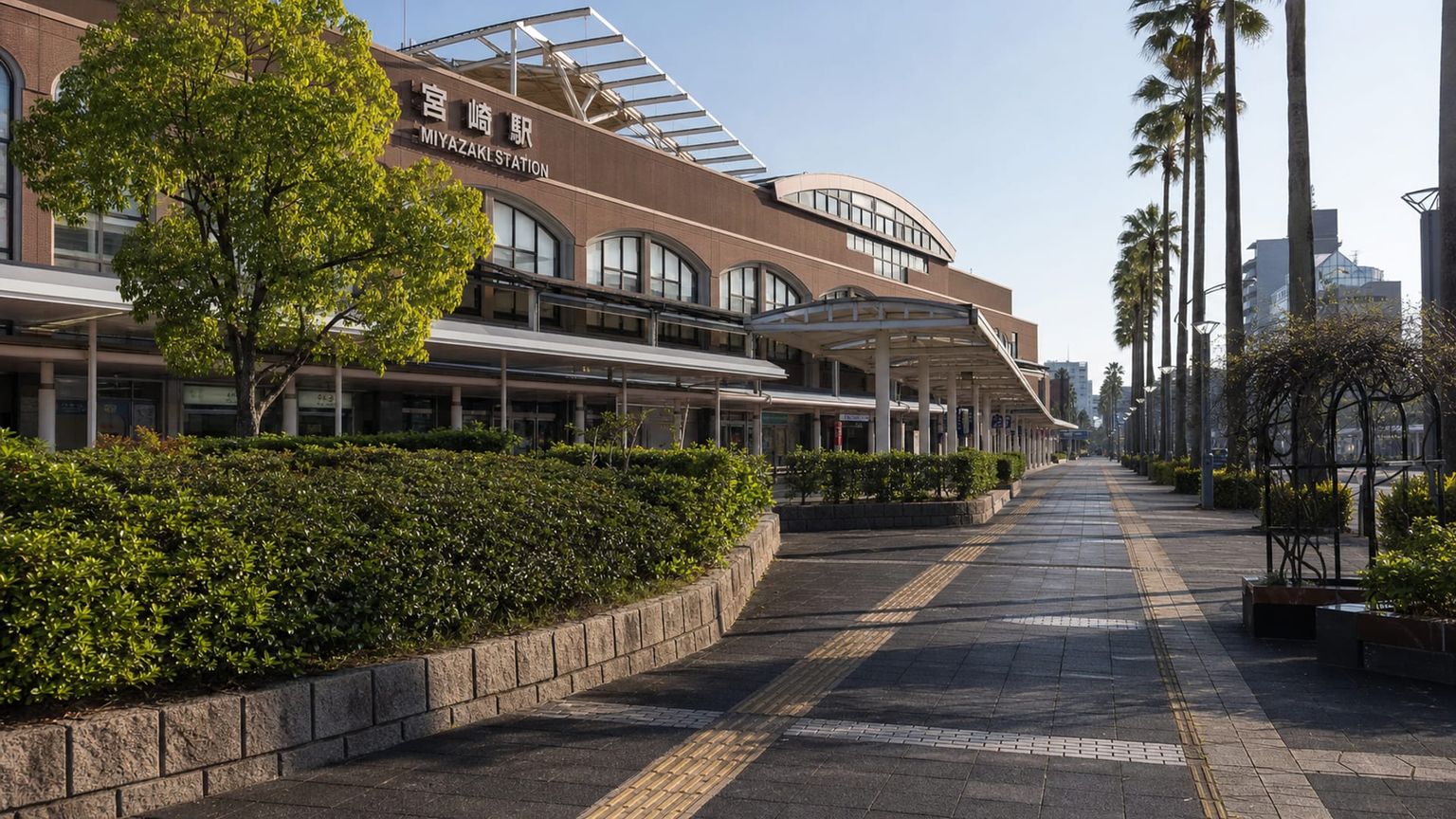
Miyazaki Station is the city’s main rail and tram hub, with hotels, restaurants, and daily errands clustered within a short walk. It suits travelers who want the easiest connection to JR lines, airport buses, and downtown streets.
Best for: Rail arrivals, short stays, and travelers who want the simplest transport links
What to expect: Busy sidewalks by day, with office workers, shoppers, and steady movement around the station front.
Hotel prices: Usually about $70 to $160 per night for well-rated stays
Distance to major sights: About 10 minutes on foot to Miyazaki Prefectural Office and about 15 minutes by tram to Aoshima-bound JR connections
Quietness: Lively in the day, then noticeably calmer after dinner once commuter traffic thins.
Main trade-off: You gain easy transit and many chain hotels, but the immediate streets can feel less atmospheric than the coast or riverside areas.
Good to know: If you plan early starts, staying here cuts down on transfers, especially for airport bus departures and train connections.
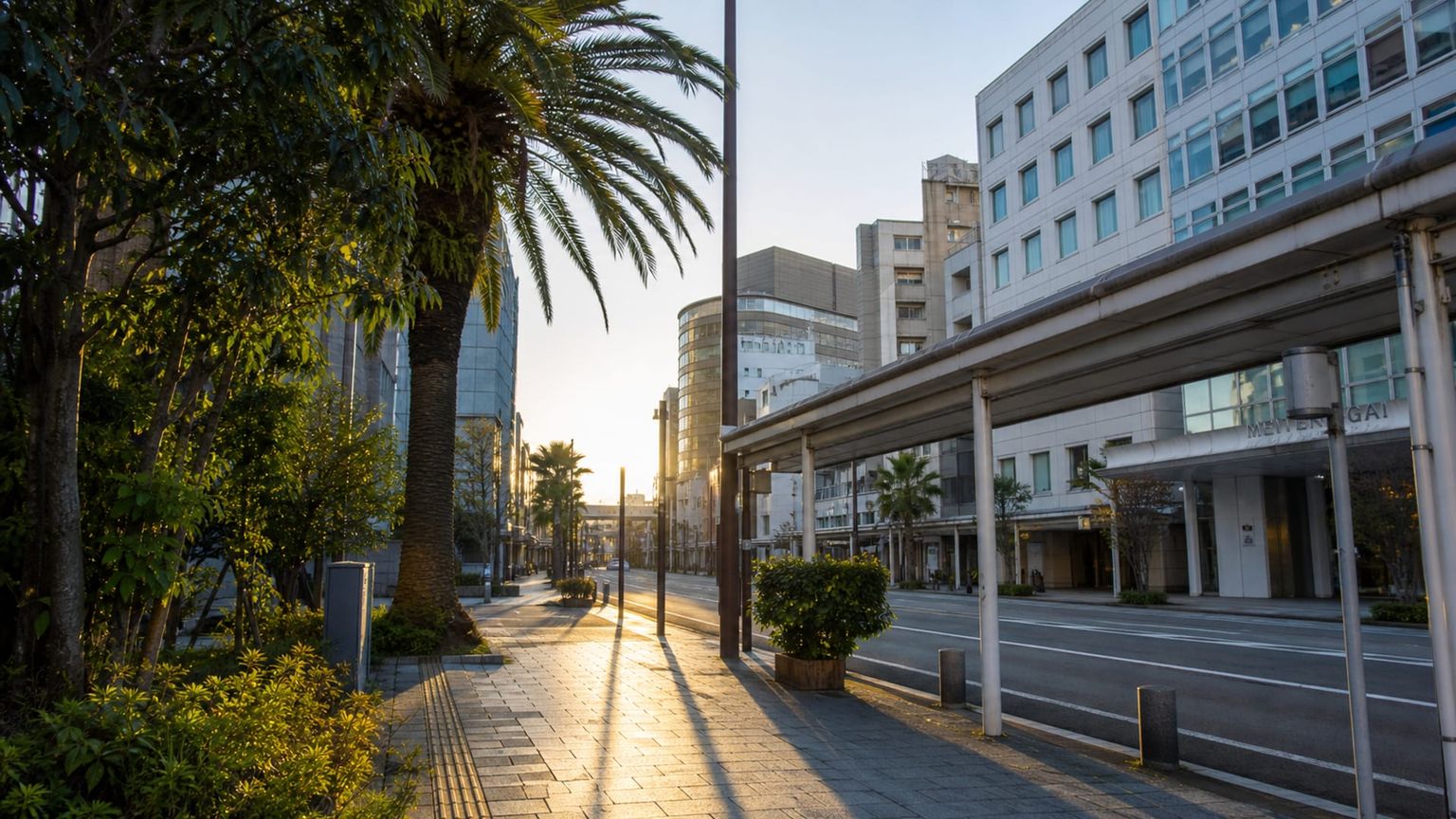
The city center around Tachibanadori and Nishitachi holds the densest mix of shopping streets, izakaya, and midrange hotels in Miyazaki. It works well for evenings out, casual dining, and walking to the prefectural office area and major bus stops.
Best for: Dining, nightlife, and visitors who want the widest choice of restaurants nearby
What to expect: Lively sidewalks, bright storefronts, and more pedestrians at night than most other parts of the city.
Hotel prices: Usually about $80 to $180 per night for well-rated stays
Distance to major sights: About 10 minutes on foot to Miyazaki Prefectural Office, about 20 minutes by bus to Miyazaki Station
Quietness: Active through the evening, then quieter late at night once the restaurant crowd clears.
Main trade-off: Rooms can cost more than in outlying districts, and weekend nights bring more noise near the main dining streets.
Good to know: Book ahead for Friday and Saturday stays, since the best-located rooms near the entertainment streets go first.
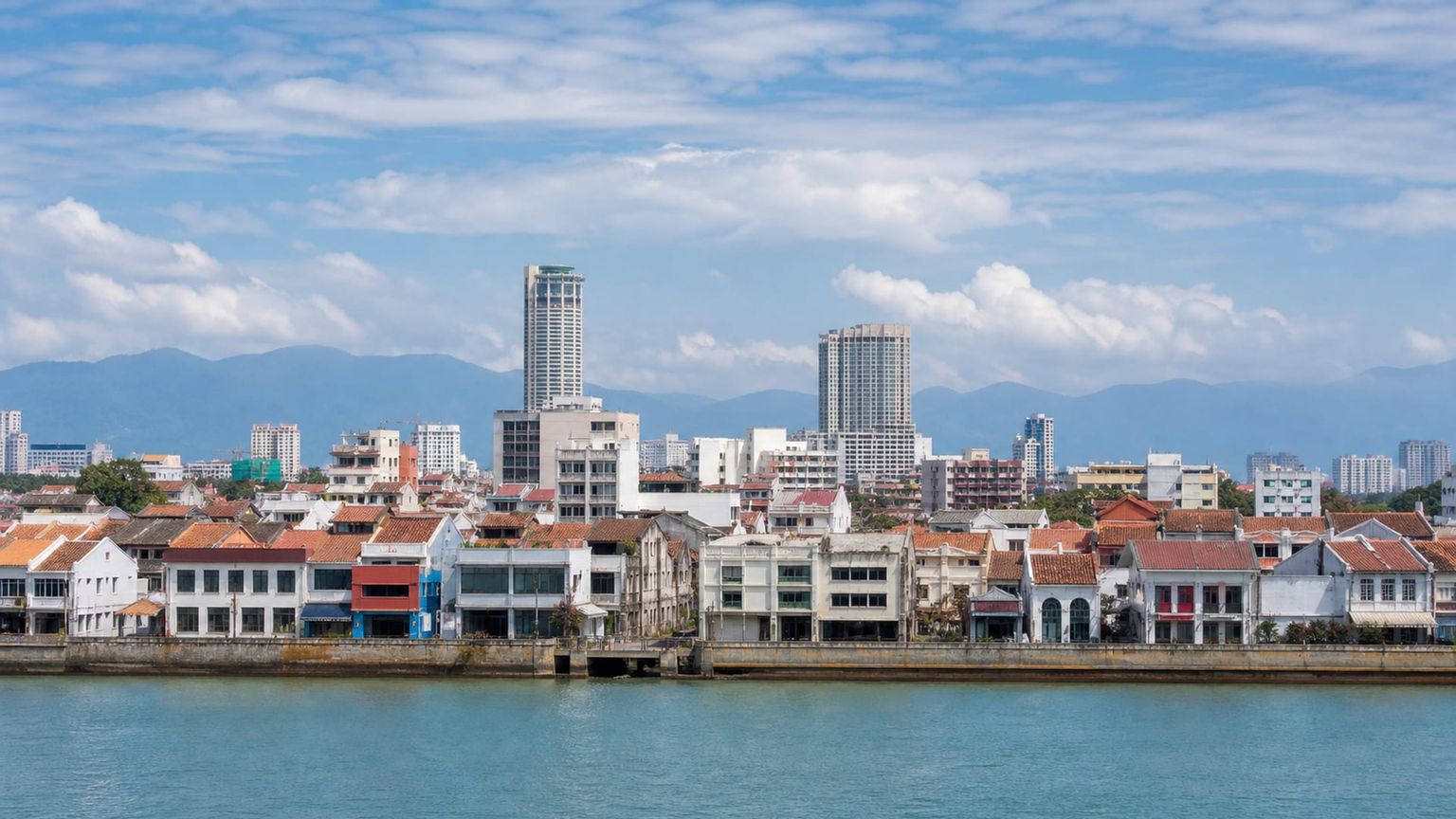
Aoshima sits on Miyazaki’s south coast, where beach access, the oceanfront promenade, and the famous island shrine shape the stay. It suits travelers who want a resort-style base with easy sea views and quick access to the southern coastal sights.
Best for: Beach time, coastal walks, and travelers who want a resort-style overnight near the sea
What to expect: Touristy but relaxed, with surfers, shrine visitors, and holidaymakers around the waterfront and station area.
Hotel prices: Usually about $90 to $220 per night for well-rated stays
Distance to major sights: About 10 minutes on foot to Aoshima Shrine and about 25 minutes by train to Miyazaki Station
Quietness: Calmer in the morning and evening, with more day-tripper activity near the beach and shrine in daylight hours.
Main trade-off: You trade central convenience for a longer ride into the city and fewer late-night dining choices.
Good to know: If you want sunset walks and an early beach start, check the train schedule carefully, since evening returns thin out.
Travelers usually avoid the outer parts of Miyazaki Station’s suburban fringe, including area farther west toward Miyazaki Airport (KMI), because they sit well away from Aoshima, the central shopping streets, and the main dining clusters. The southern coastline beyond Aoshima and the inland districts west of downtown are also less convenient, with fewer visitor amenities and more dependence on taxis or infrequent evening buses.
Hotel deals
How to get around Miyazaki efficiently
Miyazaki has no subway, so most visitors move by airport bus, city bus, tram, train, and taxi, with each mode serving a different stretch of the city.

Metro
for longer distances
Miyazaki has no subway or metro network, so the closest equivalent is the Miyazaki Kotsu bus network, which links Miyazaki Airport, Miyazaki Station, and the city center. A one-way airport bus ticket typically costs about $2 ($300) to $3 ($450), and the ride to central Miyazaki takes roughly 20 to 30 minutes, depending on traffic.

Bus and tram
for convenience
Miyazaki Kotsu runs the main city buses, with useful links from Miyazaki Airport and Miyazaki Station to downtown, Aoshima, and other parts of the prefecture. Fares are distance-based, so shorter trips often cost about $1 to $2 ($200 to $300), and day-to-day travel is easiest if you keep small cash or a transport card ready for boarding and tapping off where required.

Taxi
for convenience or late hours
Licensed taxis wait at Miyazaki Airport, stations, and hotel stands, and street hailing is uncommon outside busy areas. Fares are metered, not fixed, with airport trips to central Miyazaki usually costing about $20 to $30 ($3,000 to $4,500), and most cabs take cash, with many also accepting major credit cards and IC cards.
*Prices are based on rates updated as of June 2026 and may change at the time of travel.
Use the airport bus for the airport run, rail for Aoshima, buses and trams for downtown links, and taxis when you want to save time between the station, the office district, and the coast.
Iconic landmarks
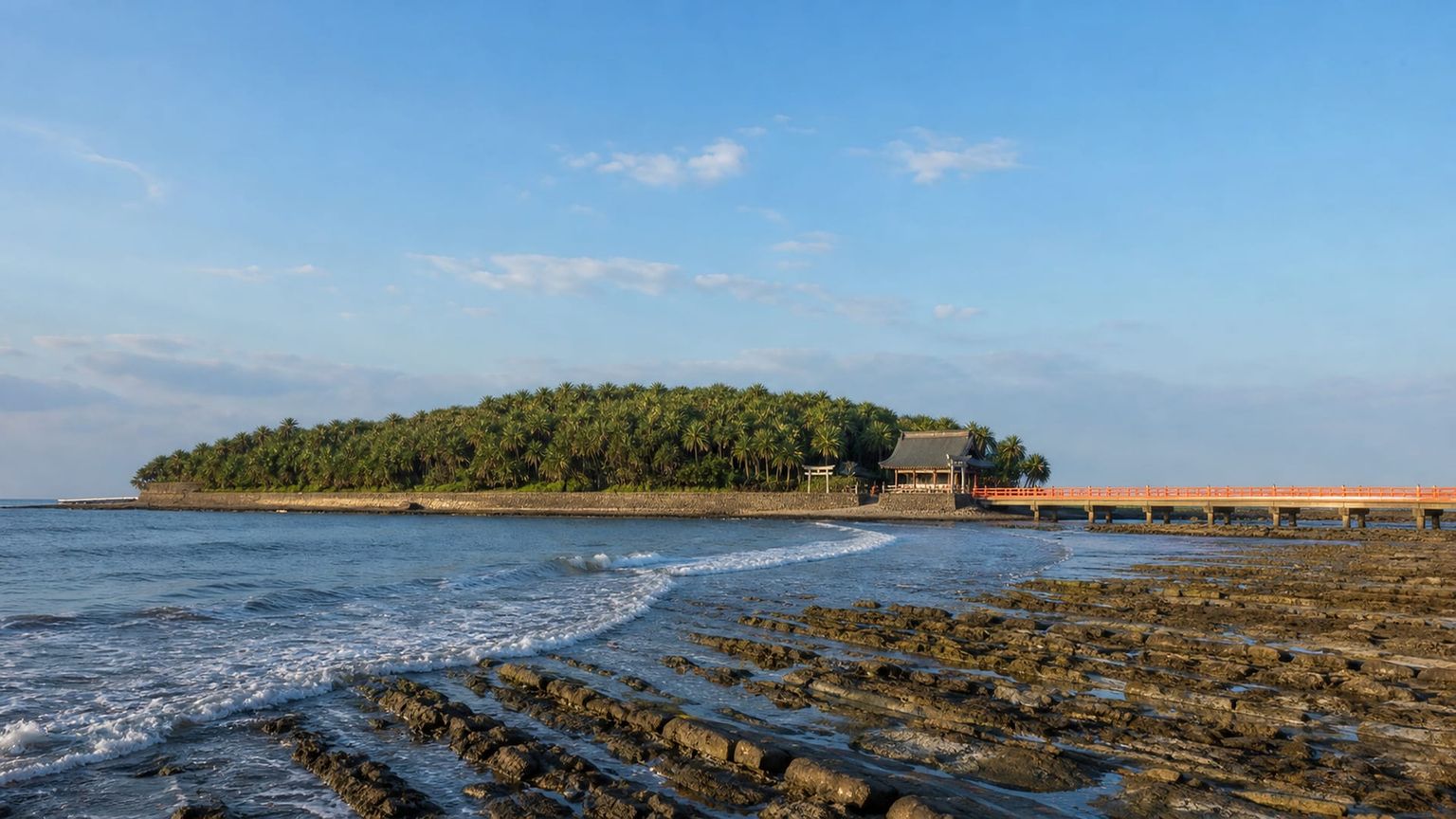
Aoshima Island and Aoshima Shrine
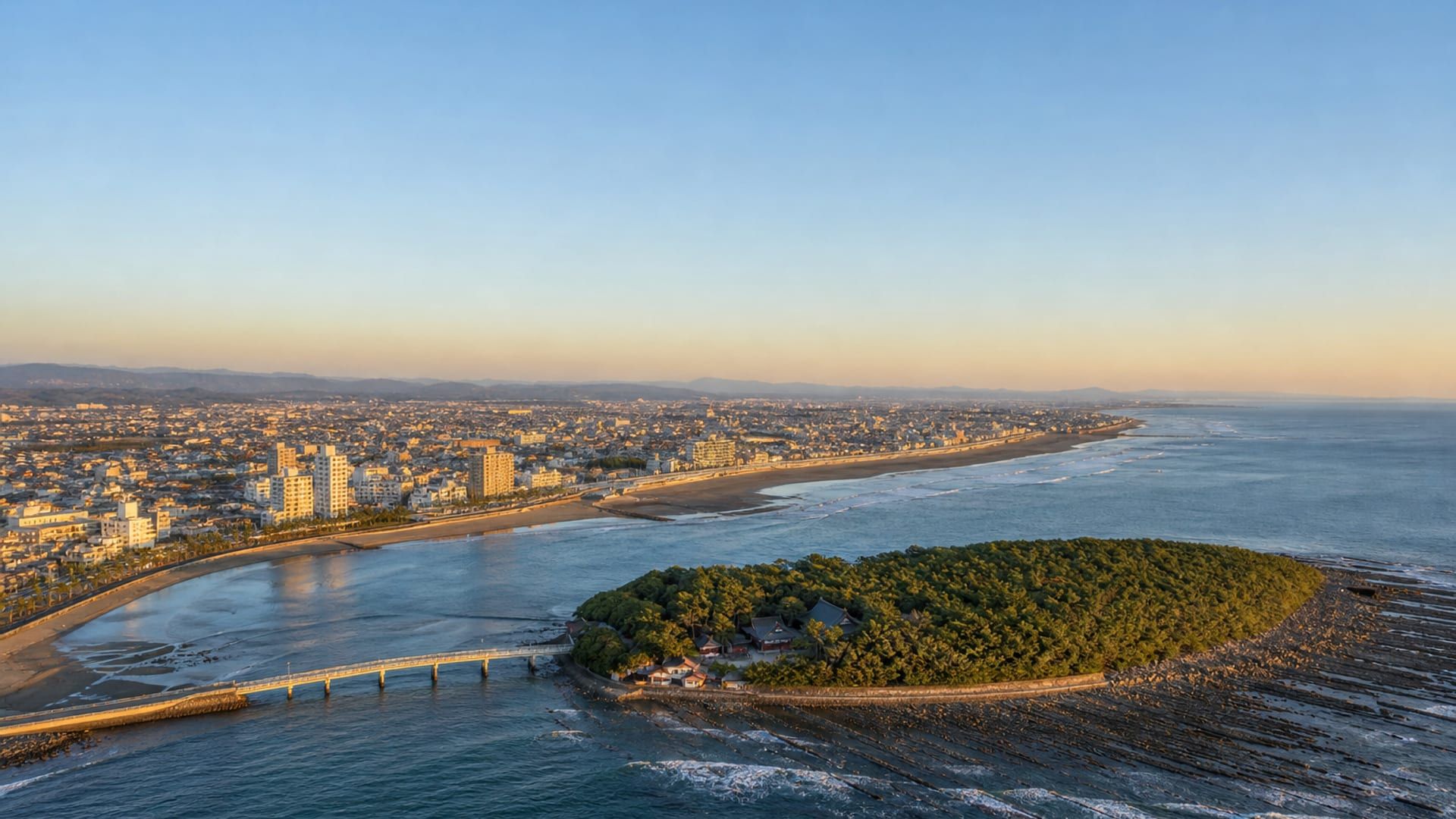
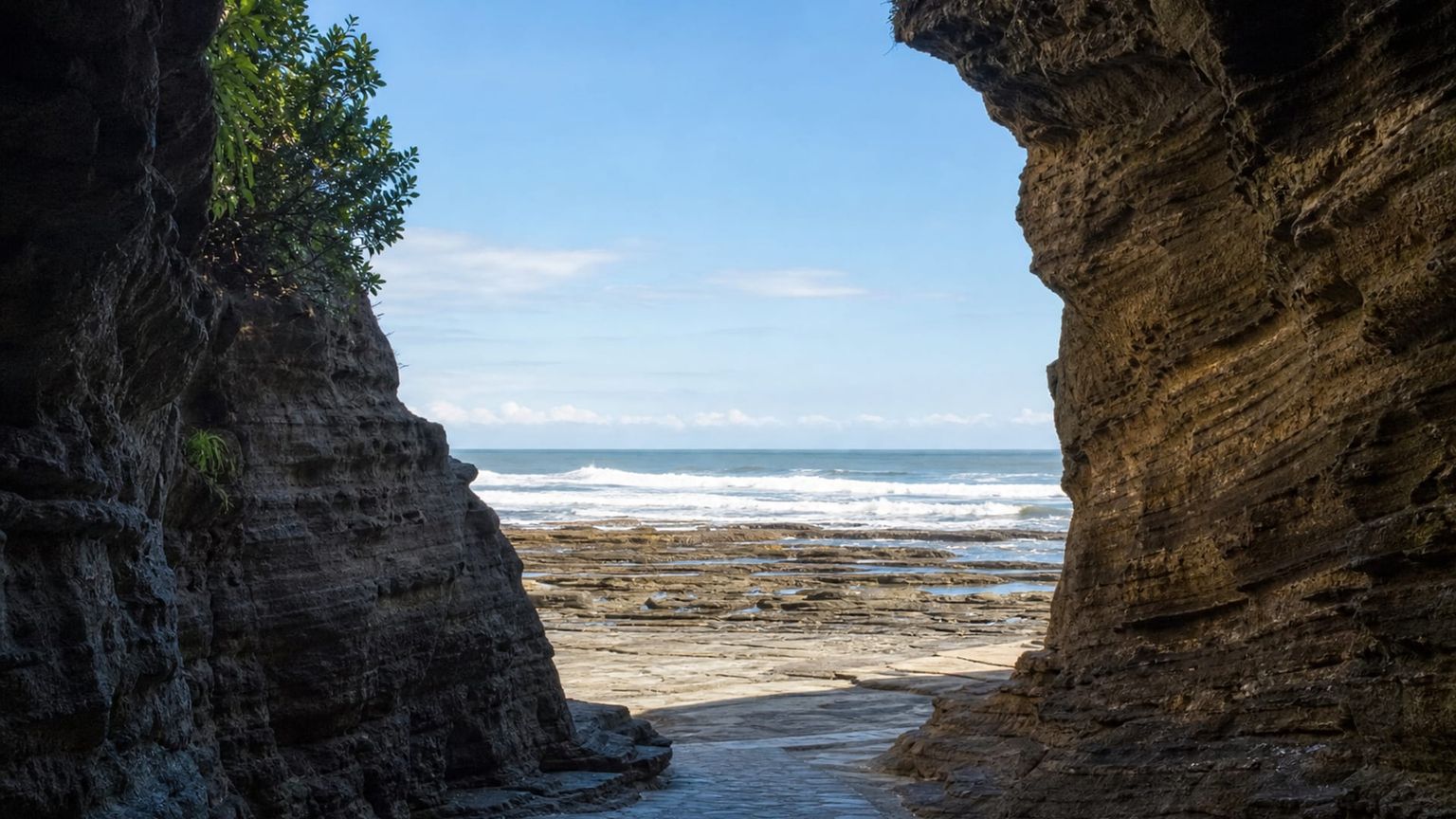
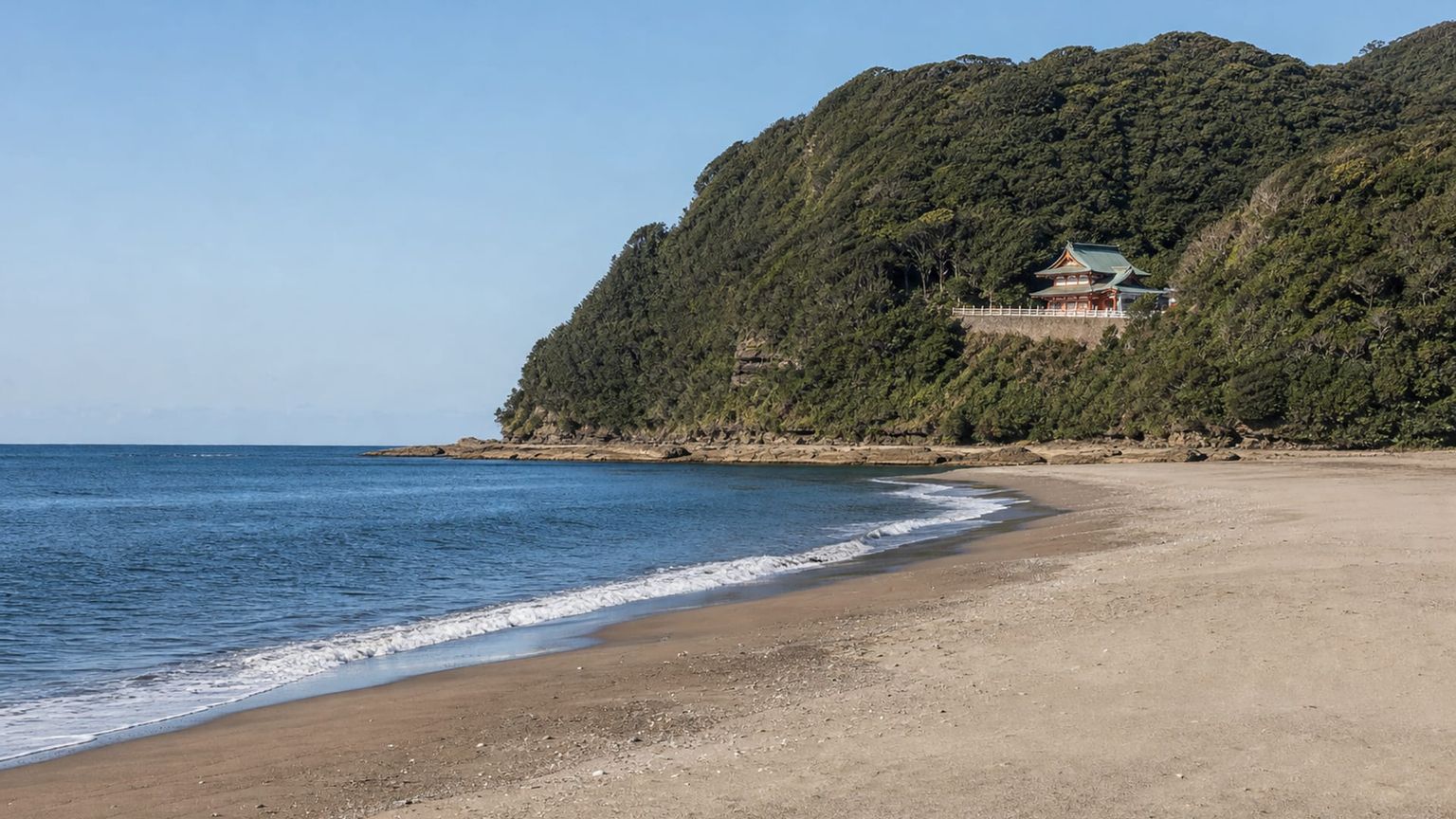
Aoshima is a small island reached by a short bridge south of Miyazaki city. Aoshima Shrine sits in dense subtropical growth, and the surrounding coastal rocks, known as the Devil’s Washboard, line the shore at low tide.
Time needed: About 1 to 2 hours
Entry: Free to access; shrine grounds and island paths have no admission fee, though small paid parking lots and nearby attractions may charge separately. Visit the official site for details.
Tip: Go at low tide if you want clear views of the rock shelves and shoreline.
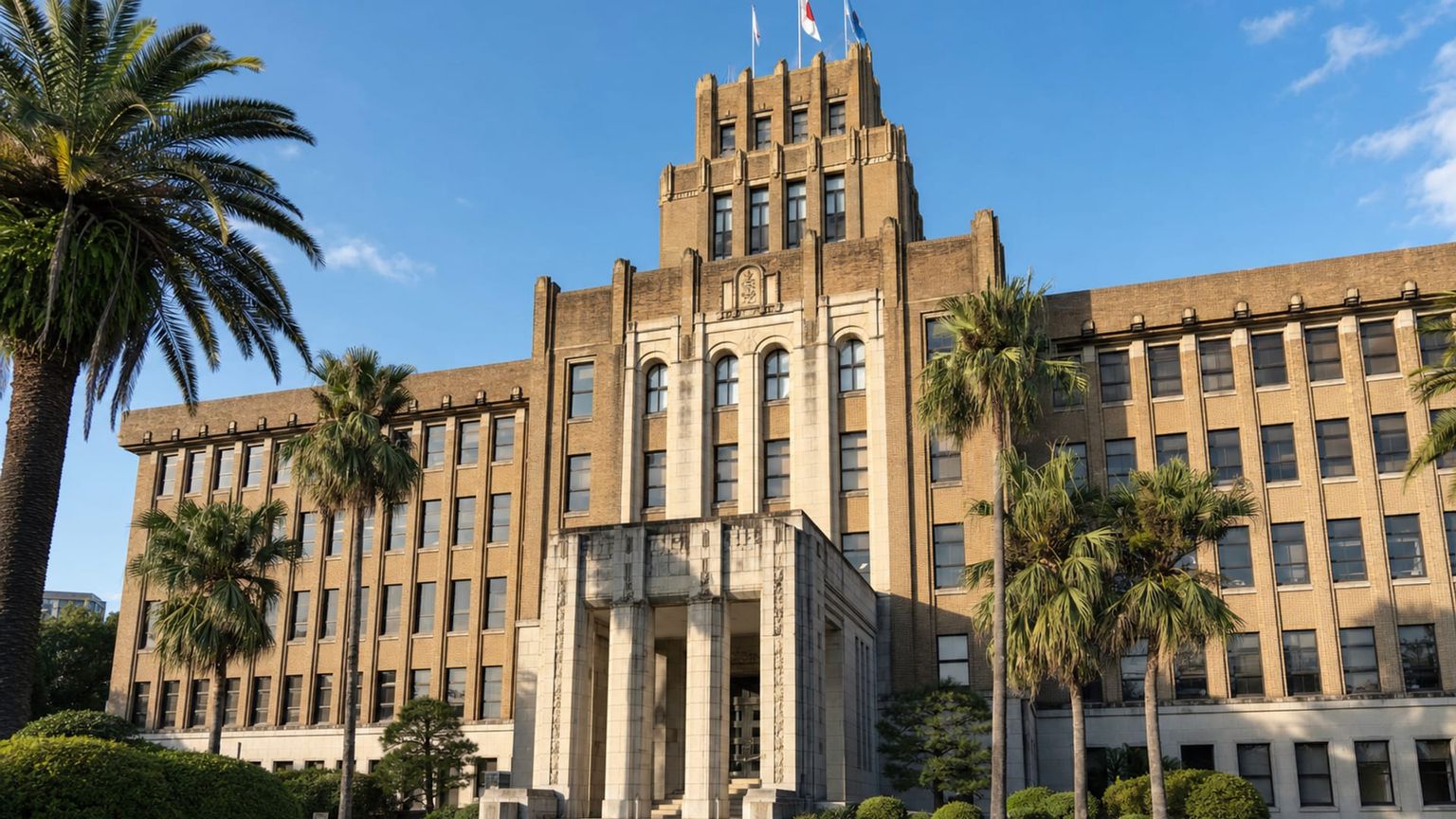
Miyazaki Prefectural Office Observation Deck
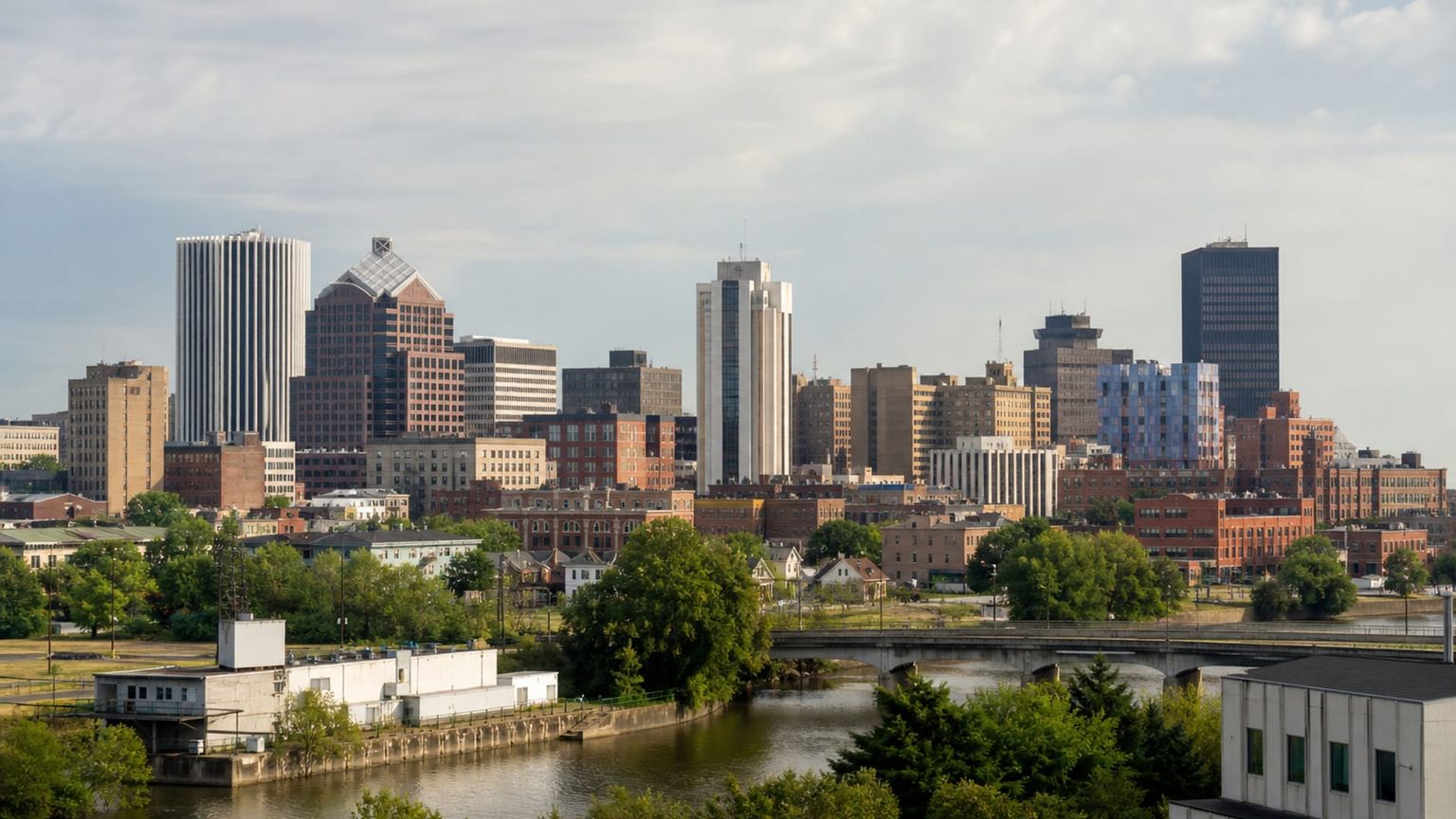
The observation deck on the top floor of the Miyazaki Prefectural Office gives a high, central look over the city grid, the Oyodo River, and the Pacific on clear days. It also offers an easy stop between downtown sights.
Time needed: About 30 to 45 minutes
Entry: Free to access; the observation deck is open without admission, subject to building hours and occasional closures for government use or events. Visit the official site for details.
Tip: Visit late afternoon for clearer light over the river and the ocean beyond.
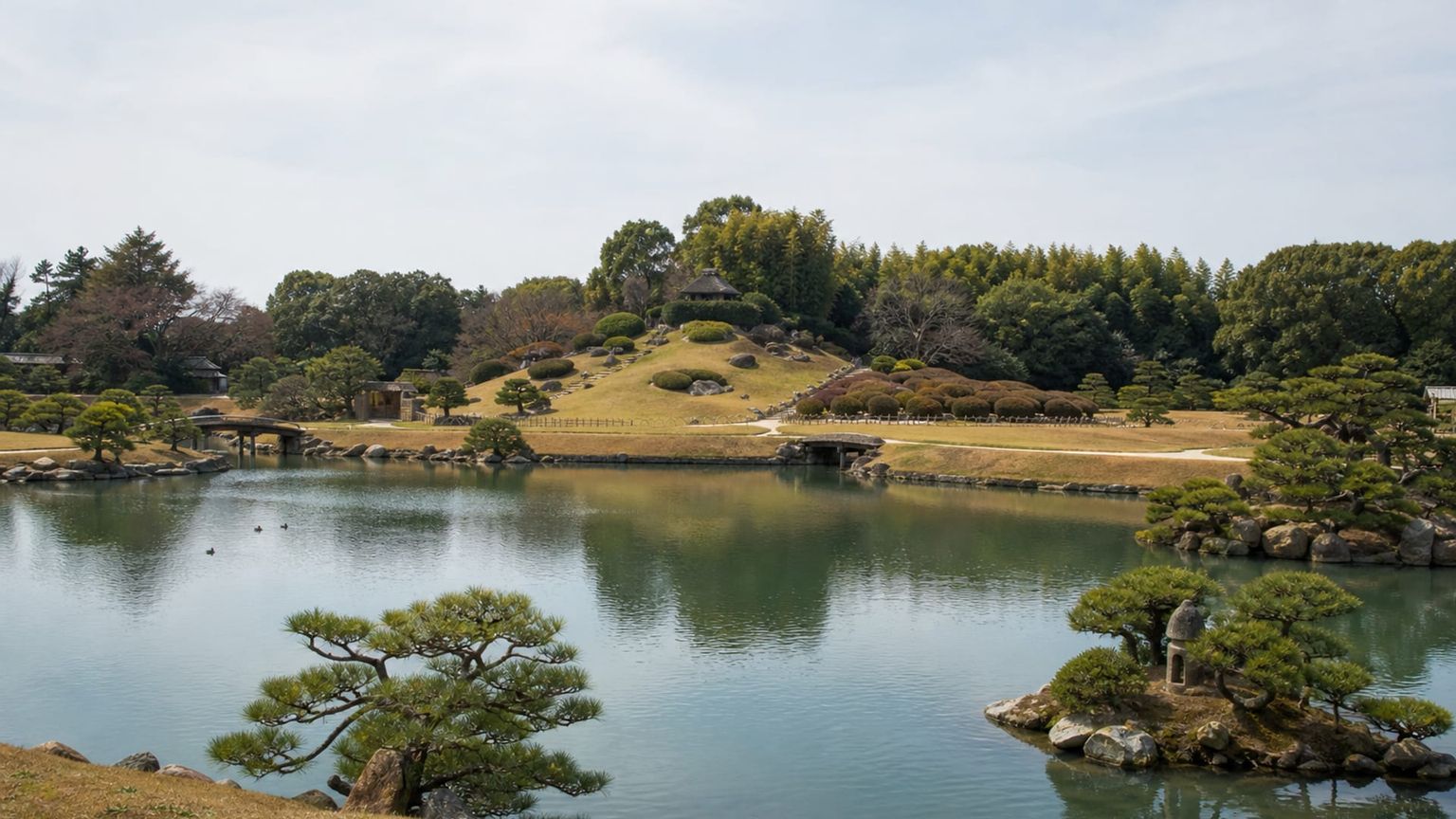
Miyazaki Shrine
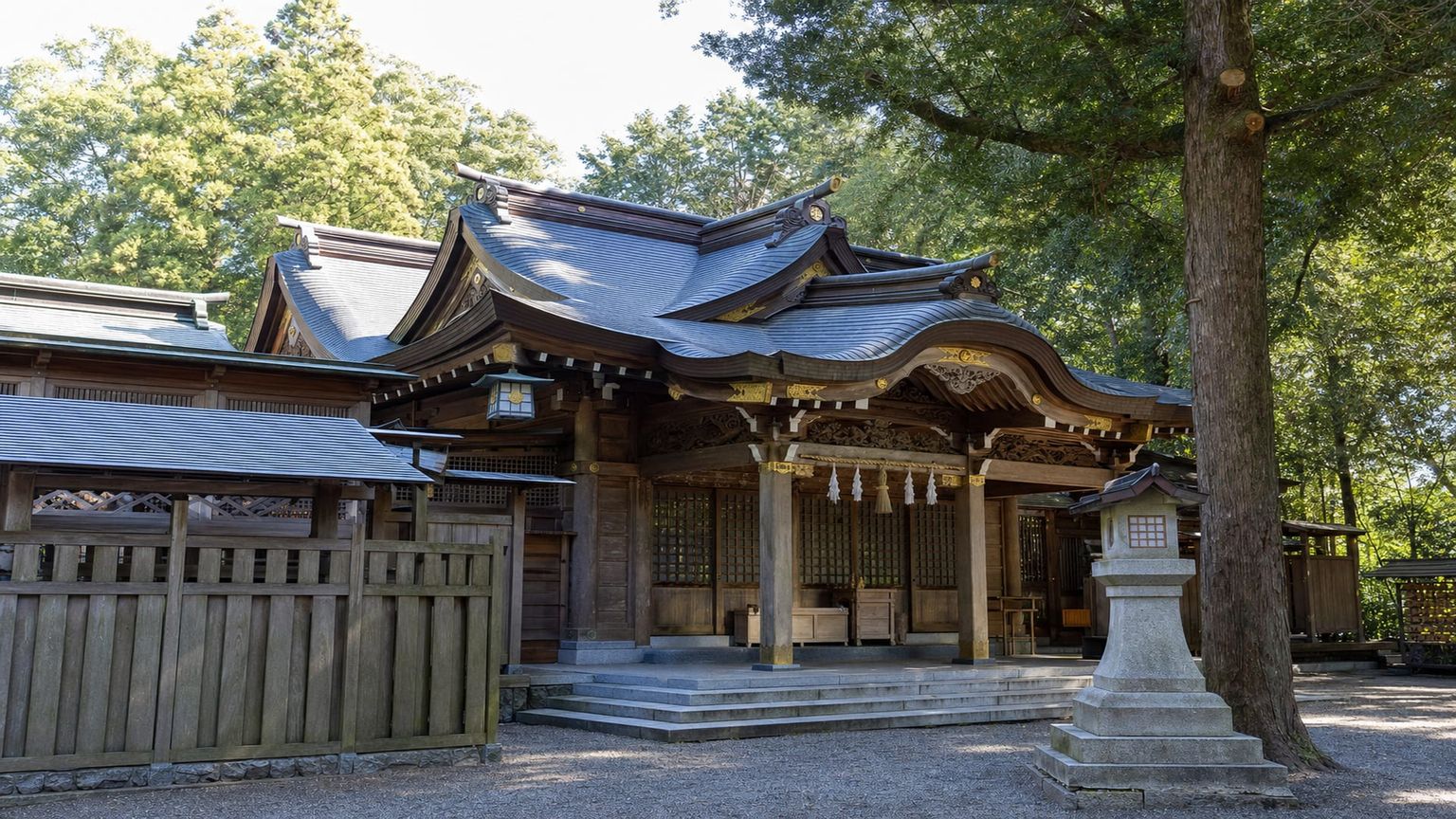
Miyazaki Shrine stands in a forested precinct north of downtown and honors Emperor Jimmu, the legendary first emperor of Japan. The broad approach, tall trees, and main hall make it one of the city’s key cultural stops.
Time needed: About 45 minutes to 1 hour
Entry: Free to access; the grounds are open without admission, while amulets, votive tablets, and festival areas cost separately if you choose them. Visit the official site for details.
Tip: Arrive early to walk the grounds before crowds build and light gets harsh.
Overlooked sites worth visiting

Aoshima Shrine
A small shrine on Aoshima Island, reached by a short bridge from the mainland. Its path passes through subtropical forest, then opens to the hall and the island’s rocky shore.
Time needed: About 45 minutes to 1 hour
Entry: Free to access. The grounds are open without an admission fee, so there is no ticket to buy. Expect a separate charge only if you choose to enter any attached paid exhibits or facilities nearby.
Tip: Go at low tide to pair the shrine walk with the rock formations.

Miyazaki Prefectural Art Museum
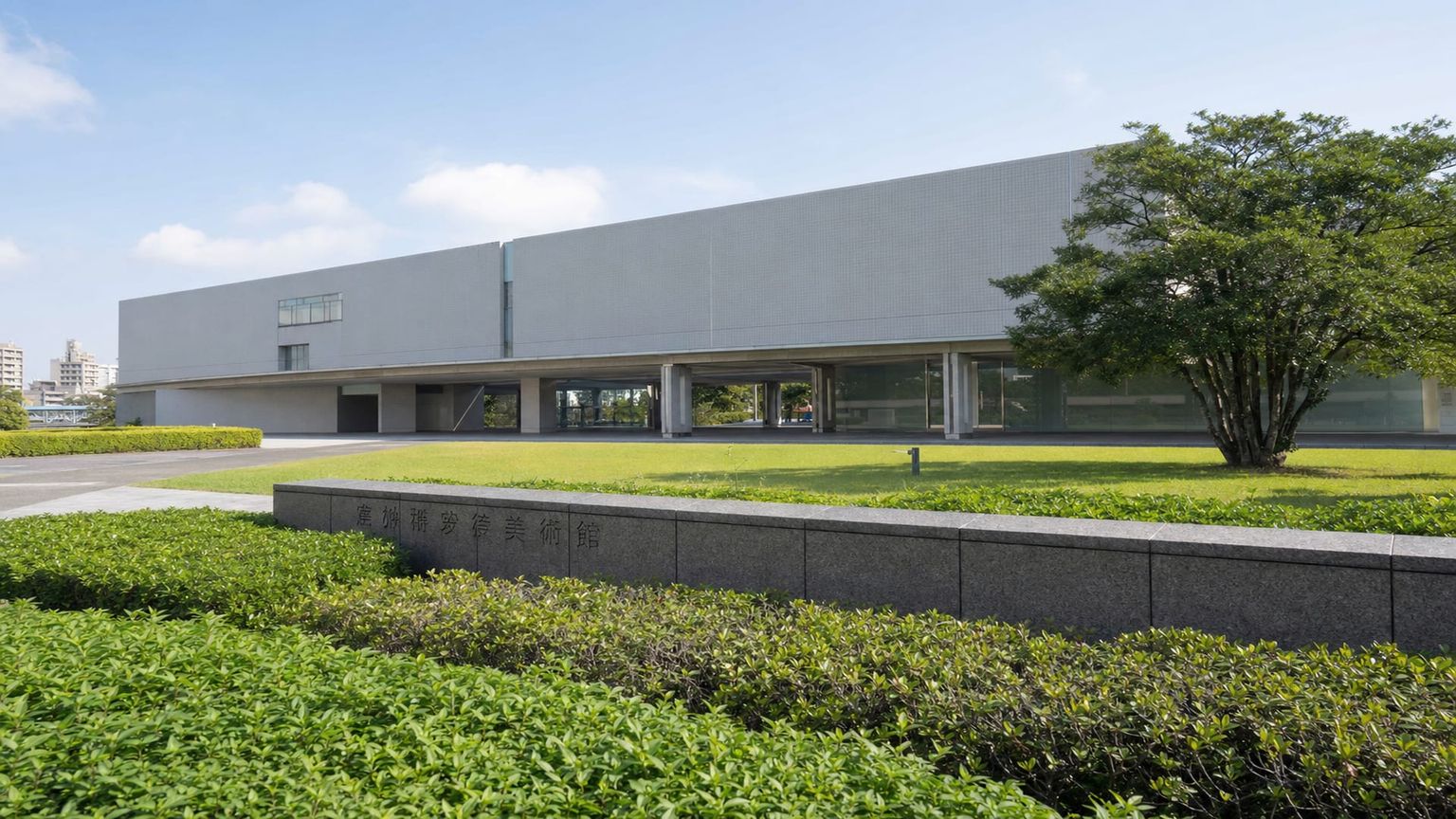
This compact museum in Miyazaki City pairs local art with rotating exhibitions. The collection includes works by Ichiro Ueno and other Kyushu artists, with a calm cafe and garden on site.
Time needed: About 1 to 2 hours
Entry: Permanent collection admission is free. Special exhibitions usually cost about $4 to $8 ($4 to 1,200) for adults, with discounts for students and children; check the current show before you go. Visit the official site for details.
Tip: Check the current exhibition first, since special shows change often.
Traditional food
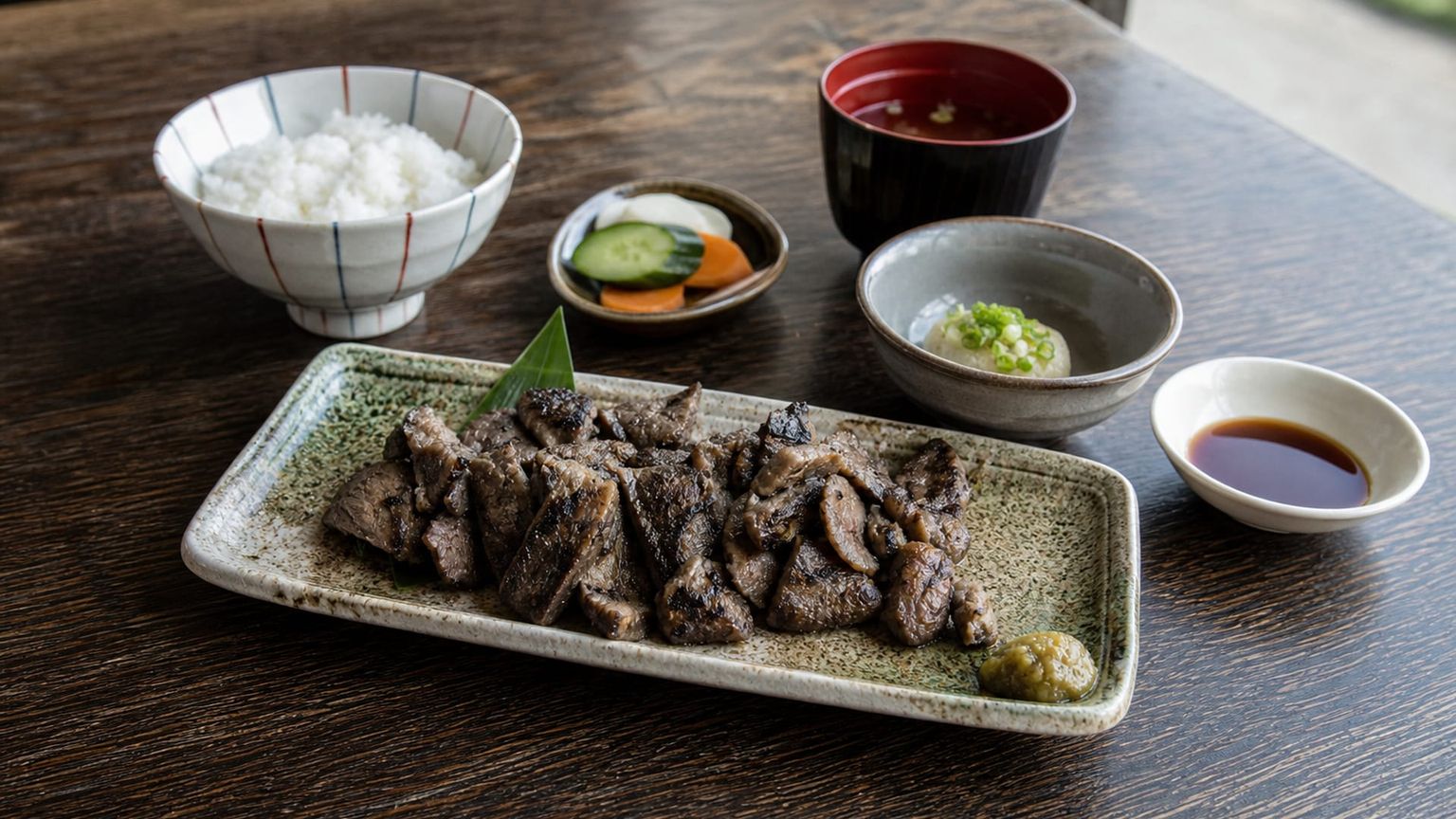
Miyazaki cooking leans on chicken nanban, wagyu, fresh seafood, mango, and cold noodles in summer, with izakaya and set-meal spots serving the day’s catch or grill over charcoal.
Chicken nanban
This fried chicken is coated in sweet vinegar and usually topped with tartar sauce, which gives Miyazaki its best-known comfort dish. Ogura Honten is the canonical stop, with a long local following and a central location.
Miyazaki wagyu
The prefecture’s beef comes to the table as steak, yakiniku, or a carefully grilled set, with marbling that suits simple seasoning. Wagyu Daisen Miyachiku Honten is a strong canonical choice in Miyazaki City.
Hiyajiru
This chilled miso-and-dashi rice bowl arrives with grilled fish, herbs, and crisp vegetables, making it a local summer staple. The dish is closely associated with Naniwa Sushi, a long-running Miyazaki restaurant.
Mango parfait
Miyazaki mango appears in layered parfaits with cream, ice cream, and fruit, turning the prefecture’s famous harvest into an easy dessert stop. Fruits Garden Nichinan Aoshima Paradise is the clearest canonical match.
Best time to visit Miyazaki
Miyazaki shifts by season, with coastal heat, clear winter air, and a summer schedule that rewards early starts and long, shaded breaks.
Best for: Shrine visits, coastal walks, and mild sightseeing days
What you get: About 52°F to 77°F (11°C to 25°C), with manageable crowds outside Golden Week
Trade-offs: Golden Week can push hotel demand and train use higher
Best for: Beach time, mango desserts, and the Aoshima coastline
What you get: About 72°F to 91°F (22°C to 33°C), with heavier humidity and more day-trip traffic
Trade-offs: Heat and rain can shorten outdoor windows
Best for: Balanced days for downtown walks, museums, and shrine visits
What you get: About 57°F to 82°F (14°C to 28°C), with comfortable conditions and moderate crowds
Trade-offs: Typhoon season can still affect early autumn
Best for: Clear views from the observation deck and quiet city-center stays
What you get: About 41°F to 61°F (5°C to 16°C), with lighter crowds and shorter days
Trade-offs: Beach weather is limited, and evenings cool quickly
A realistic 5-day plan in Miyazaki
Five days in Miyazaki work best when you separate coast, downtown, and museum time instead of trying to stack everything into one long loop. The plan below keeps transfers short, matches meals to opening hours, and leaves space for the tide at Aoshima.
Land at Miyazaki Airport (KMI), then take the airport bus to Miyazaki Station area in about 25 to 30 minutes for roughly $5 ($700). If you want an easier first evening, stay near the station or in Miyazaki City Center, where you can drop bags, drink water, and head out for a light dinner of chicken nanban or a simple set meal near Tachibanadori before an early night.
Start with Miyazaki Shrine in the morning, then continue to the Miyazaki Prefectural Office Observation Deck, which is about 10 minutes away by taxi or a short ride on local transport through the downtown grid. The shrine visit takes about 45 minutes to 1 hour, and the deck needs about 30 to 45 minutes, so you can still pause for lunch in the Miyazaki City Center area before a relaxed afternoon walk back through the office district.
Begin on Aoshima Island with Aoshima Shrine, then spend time along the shore at Aoshima Island and Aoshima Shrine, where the bridge crossing, the island path, and the rock shelves give you the best coastal views. From Miyazaki Station, the train ride to Aoshima takes about 25 minutes, and the shrine visit itself takes about 45 minutes to 1 hour, so plan lunch nearby and linger until the tide and light improve the shoreline.
Head to the Miyazaki Prefectural Art Museum first, then return to the city center for an evening in the Tachibanadori and Nishitachi area, where cafes and restaurants are concentrated. The museum needs about 1 to 2 hours, and a tram or taxi ride from Miyazaki Station area takes about 10 to 15 minutes, which leaves time for dinner and an unhurried stroll past the shopfronts before dark.
For your last day, start with a final museum stop or a second look at the Miyazaki Prefectural Art Museum if a special exhibition is running, then spend the afternoon shopping in Miyazaki City Center along Tachibanadori. Finish with coffee in the Miyazaki Station area, where trains and airport buses make an easy departure the next morning, and choose a quiet dinner close by so you do not need a late transfer.
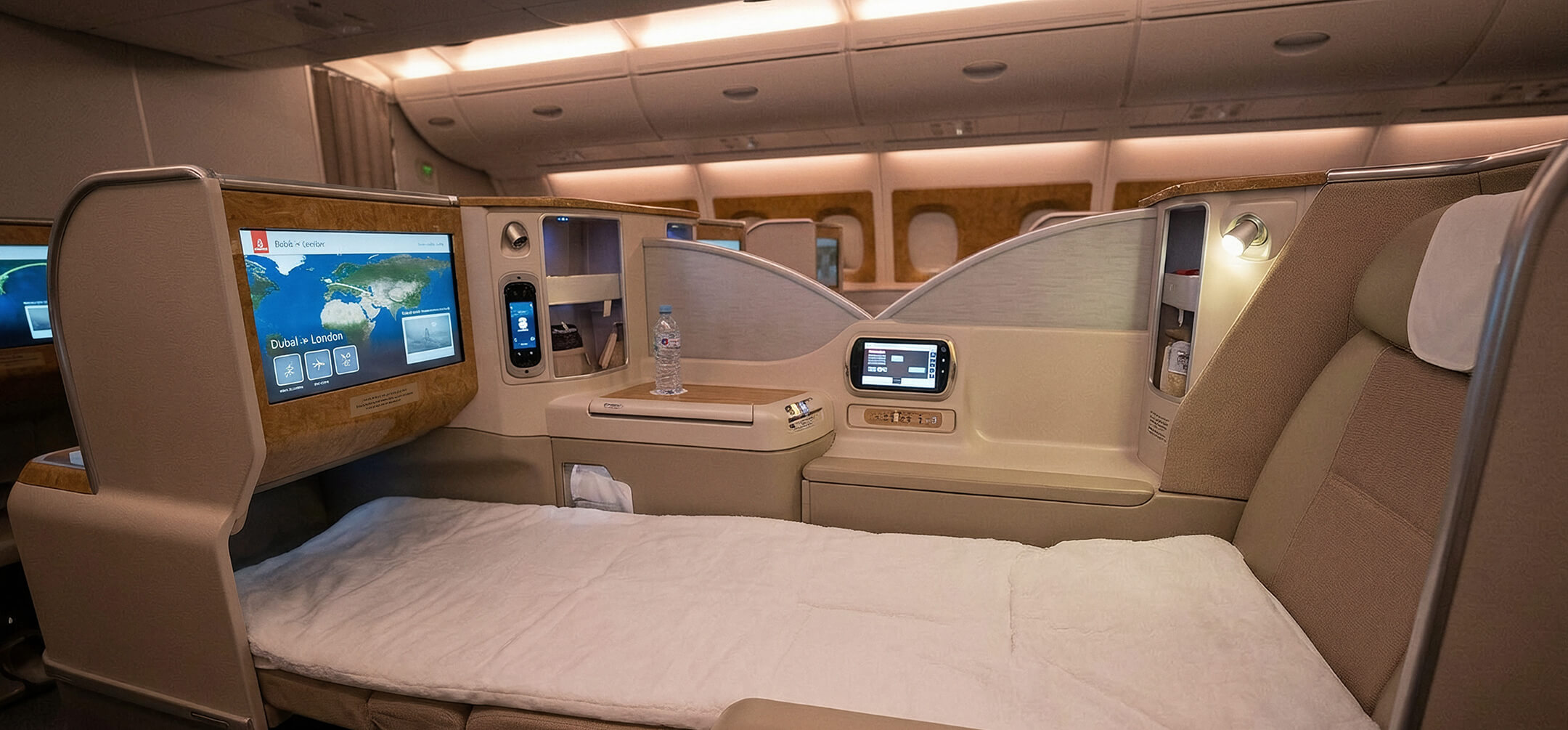
Business-class flights from the US to Miyazaki
Long-haul flights to Miyazaki usually funnel through one-stop connections, so route choice matters more than the airline logo alone. From both coasts of the United States, the main difference is whether you want to save time or accept a longer connection for a better fare.
From New York, Japan Airlines, All Nippon Airways, Korean Air, China Airlines, Cathay Pacific, and Singapore Airlines all appear on one-stop options, with total travel times of about 14 to 15 hours nonstop not available, so expect a connection through HND, NRT, ICN, TPE, HKG, or SIN. Round-trip fares from New York to Miyazaki usually start at $4,800 and can reach $8,500.
Los Angeles itineraries also run through HND, NRT, ICN, TPE, HKG, or SIN, and the shorter flying time from the West Coast keeps total trip time at about 12 to 13 hours when schedules line up well. Japan Airlines, All Nippon Airways, Korean Air, China Airlines, Cathay Pacific, and Singapore Airlines all show up on these routes, with round-trip fares usually running $4,100 to $7,200.
Miyazaki feels different when you slow down
A good Miyazaki trip has a clear order: an airport bus into the station area, a morning at Miyazaki Shrine, a coast day at Aoshima, then an evening around Tachibanadori or Nishitachi before an easy return to the hotel. Keep one eye on the tide, one on restaurant hours, and one on the train schedule. If you want a trip shaped around those details, AranGrant experts can help you plan it well