

Chapters:

Need help with your trip?
Our support team is available 24/7. Request a callback or call us directly at (833) 619-0908
Nanchang usually gets organized as a quick stop between better-known Chinese cities, with travelers centering the trip on one riverside landmark and a museum visit before moving on. What often gets missed is how much time the central districts can absorb once traffic, timed entry, and cross-river transfers enter the picture.
That approach can leave whole afternoons compressed into taxis and short queues, while the city’s lakefront paths, older commercial streets, and newer river district sit farther apart than they first appear. Even simple meals can turn awkward if you do not plan around restaurant break periods.
This guide breaks the city into smaller, workable pieces, so each day follows the distance between sights, the pace of local dining hours, and the easiest district-to-district connections.
Useful things to know

Main language(s): Mandarin Chinese
你好 (nǐ hǎo) – Hello
请 (qǐng) – Please
谢谢 (xiè xie) – Thank you
你会说英语吗? (nǐ huì shuō yīngyǔ ma?) – Do you speak English?
多少钱? (duō shao qián?) – How much does it cost?

Currency: The local currency is the Chinese yuan (CNY, ¥).

Cash and cards: Cards and contactless are accepted at many hotels and larger shops, but carry about ¥200 to ¥500 ($28 to $70) in cash for taxis and small places.

Tipping: Tipping is not customary; rounding up small amounts is fine.

Traditional food: Nanchang rice noodles, steamed braised chicken, crock soup, white sugar cake

Water and coffee costs: Water about ¥2 ($0.30), bar espresso about ¥20 ($2.75).

Taxis and ride apps: DiDi works here; keep your destination in Chinese, and some drivers prefer cash or Alipay.

Plug and voltage: Type A/C/I socket, 220V

Dining and shop opening hours: Breakfast is roughly 07:00-09:00, lunch 11:30-13:30, and dinner 17:30-20:30. Many restaurants close between lunch and dinner, while night food stalls stay open later.

Emergency number: 110 police, 120 ambulance, 119 fire.
Where to stay in Nanchang
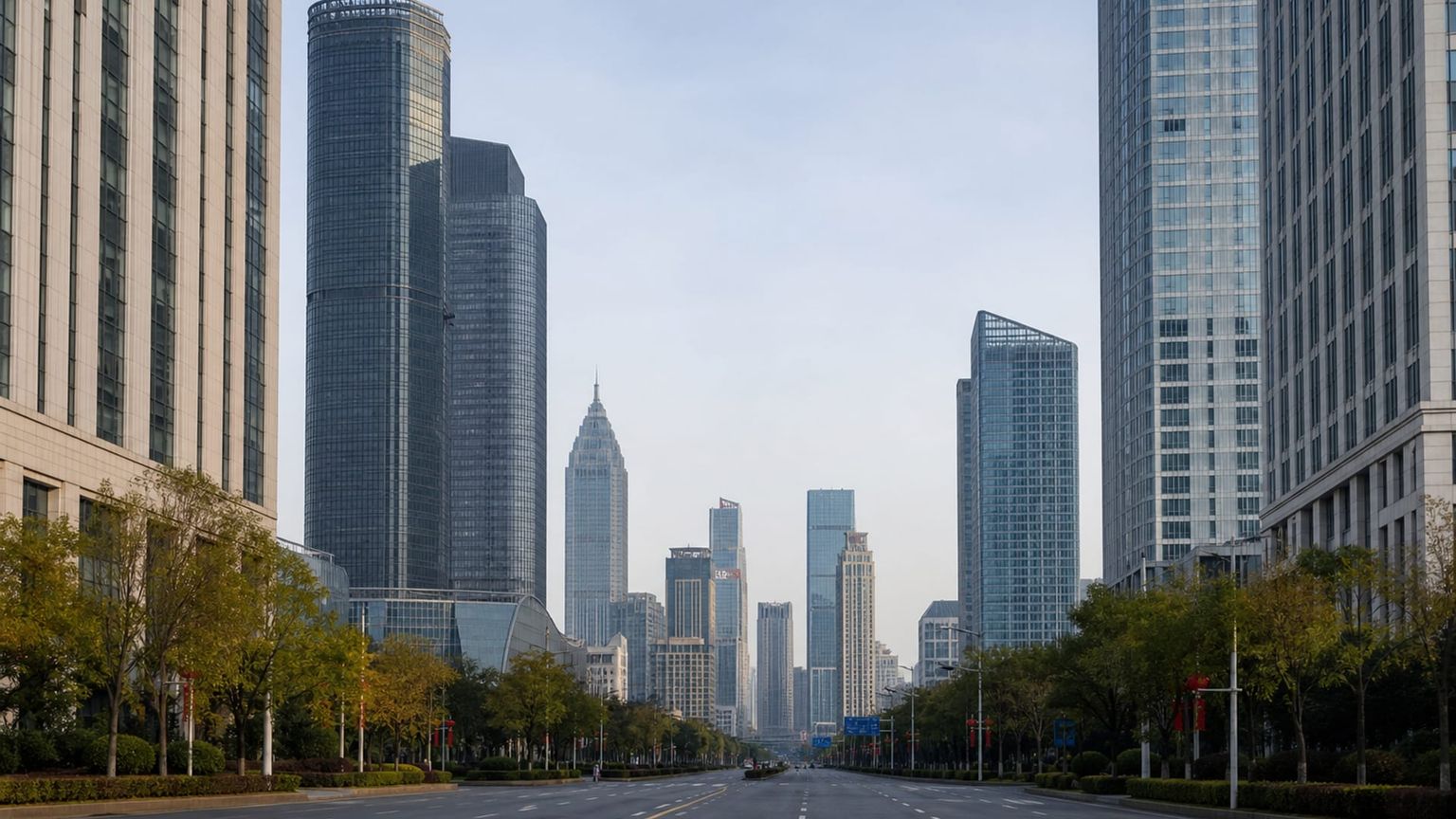
Nanchang’s central district puts you close to the city’s core shopping streets, government offices, and the main lakefront sights. It works well for visitors who want the shortest hops to Bayi Square, Tengwang Pavilion, and the busiest dining strips.
Best for: First-time visits, sightseeing, and easy access to central dining and shopping
What to expect: Busy roads, steady foot traffic, and the most activity near commercial streets and major squares.
Hotel prices: Usually about CNY 300 to CNY 700 (~$42 to ~$97) per night for well-rated stays
Distance to major sights: About 10 to 20 minutes by taxi to Bayi Square and Tengwang Pavilion
Quietness: Daytime is lively and traffic-heavy; evenings are calmer on residential side streets, but active around malls and restaurants.
Main trade-off: Hotels near the main commercial streets cost more, and peak-hour traffic can slow short taxi rides.
Good to know: If you plan to move between several central sights in one day, this area cuts down on cross-town backtracking.
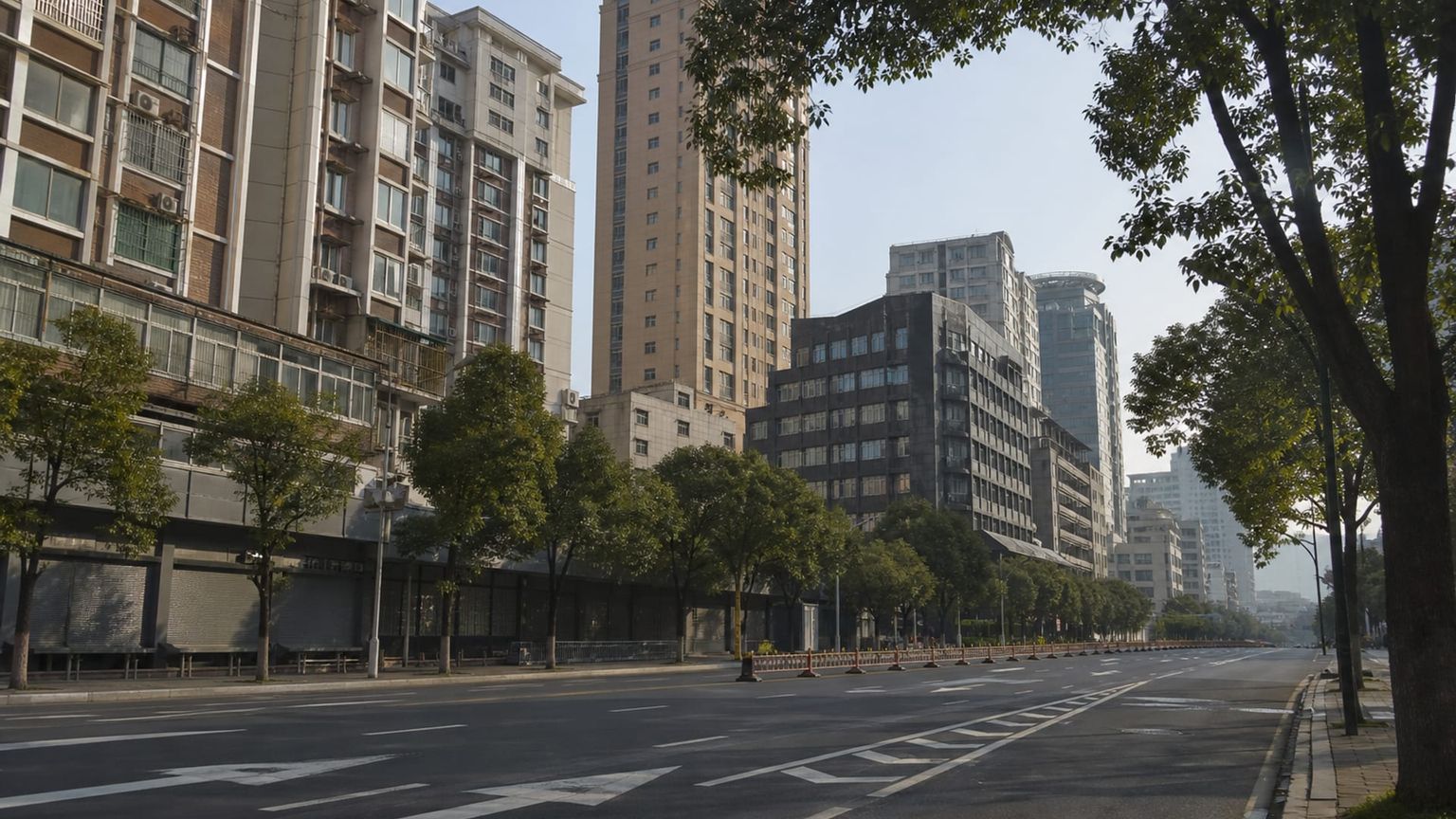
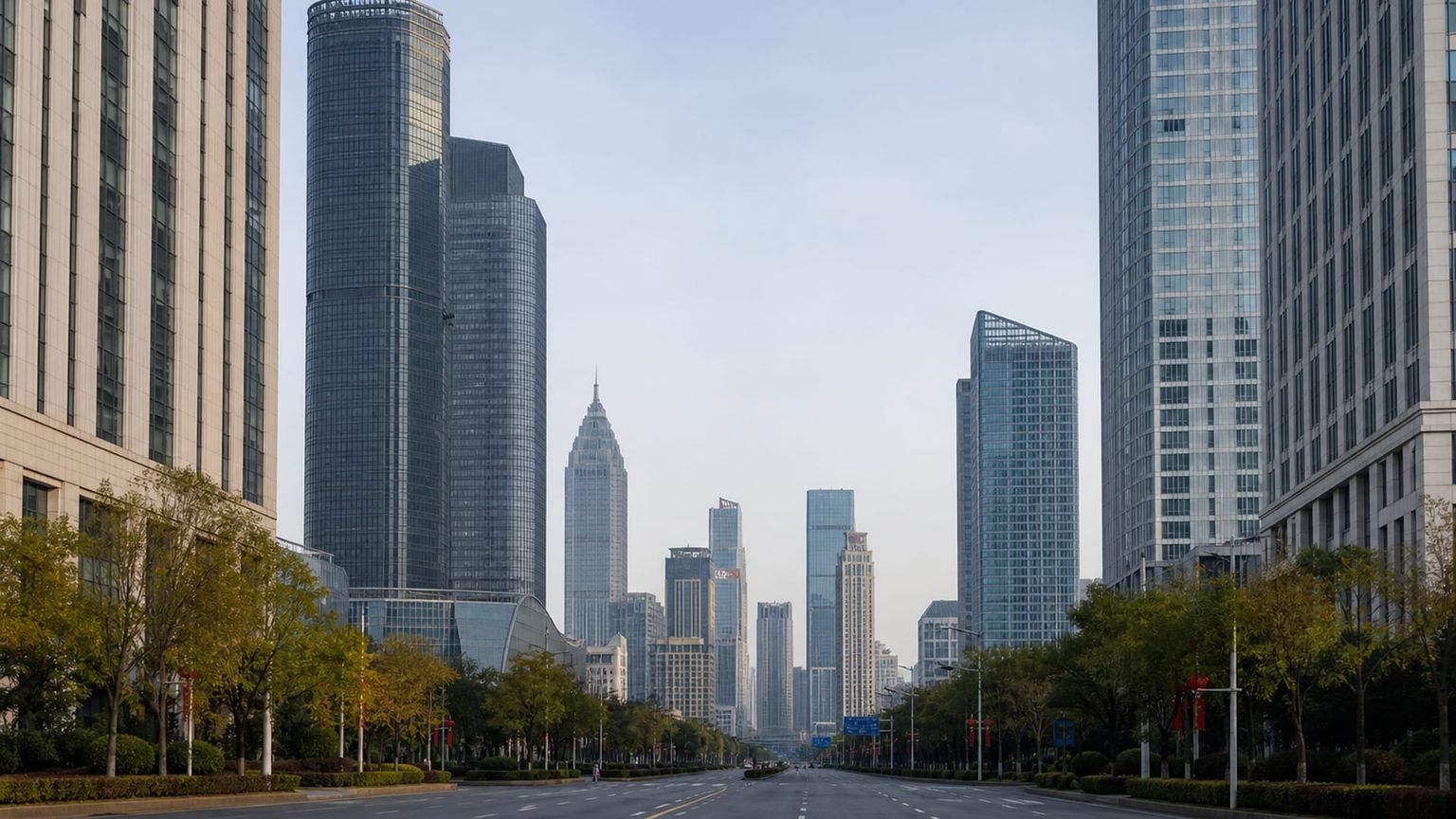
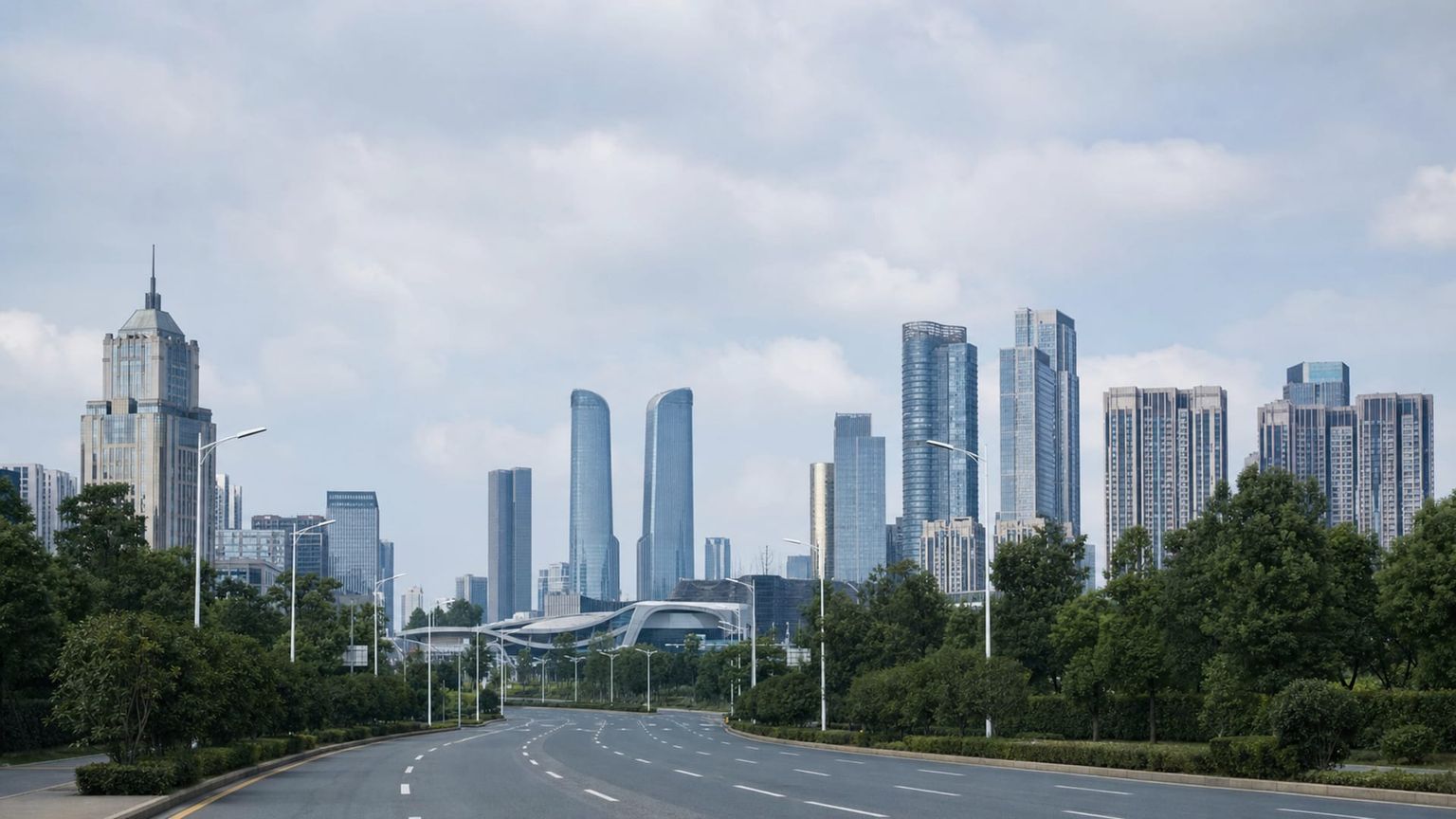
Honggutan is Nanchang’s newer riverfront district, with modern towers, larger hotels, and broad streets laid out for business travel and conventions. It also gives you quick access to the Gan River waterfront and some of the city’s newer dining and shopping complexes.
Best for: Business travel, newer hotels, riverfront walks, and modern shopping centers
What to expect: Wide avenues, newer developments, and a heavier weekday office crowd than in the older center.
Hotel prices: Usually about CNY 280 to CNY 650 (~$39 to ~$90) per night for well-rated stays
Distance to major sights: About 15 to 25 minutes by taxi to Bayi Square, roughly 20 to 30 minutes to Tengwang Pavilion
Quietness: Daytime can be busy around offices and malls; evenings are quieter on residential blocks, with activity concentrated in commercial clusters.
Main trade-off: You may trade a slightly longer ride to the oldest sights for newer hotels and more space between buildings.
Good to know: Late-night dining is more limited outside the main commercial pockets, so check the hotel’s immediate block before booking.
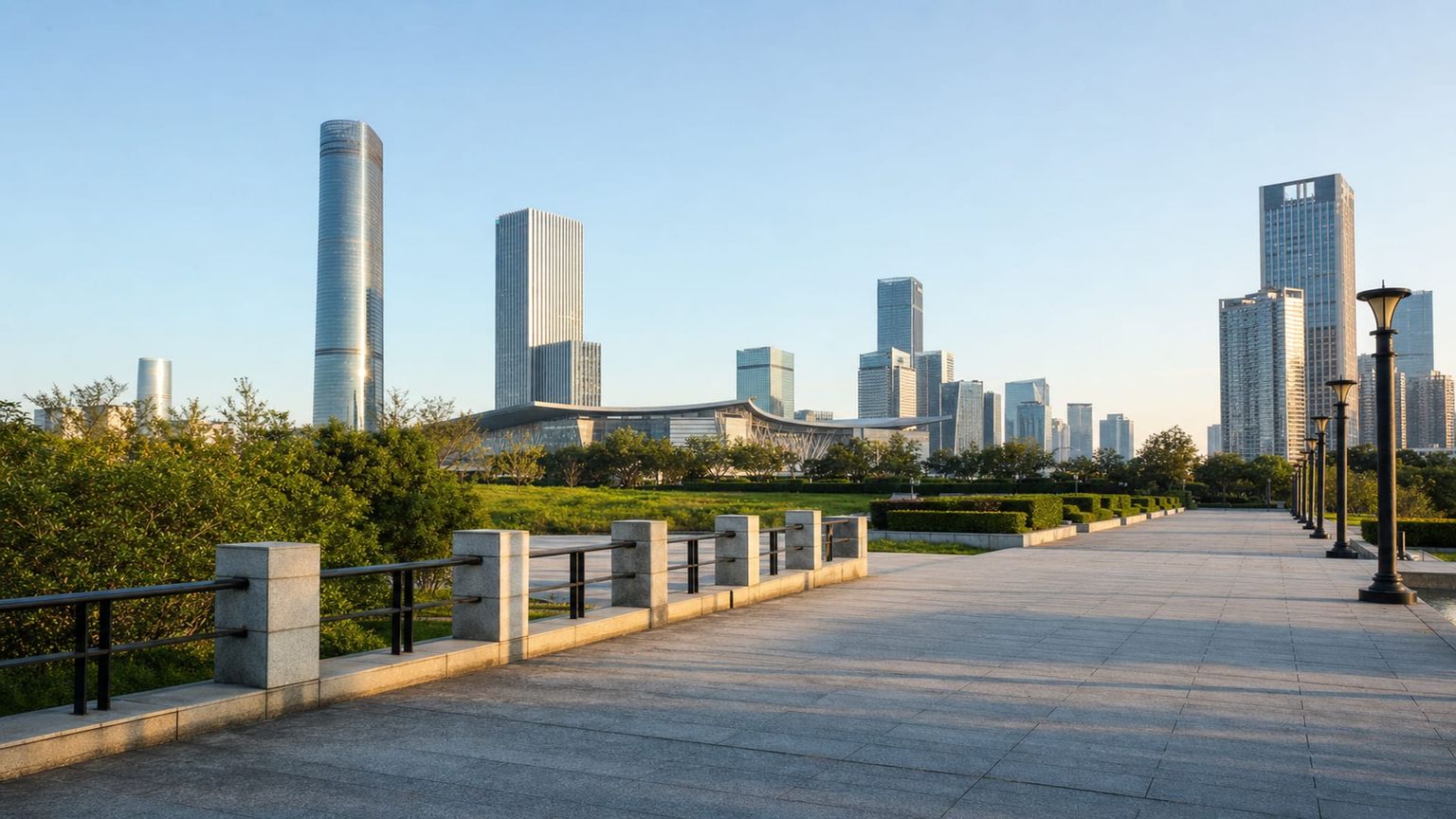
Xihu sits southwest of the historic core and includes older commercial streets, dense neighborhoods, and some of the city’s better-known local food areas. It suits travelers who want an urban base with easy access to central Nanchang without staying directly in the busiest tourist zone.
Best for: Food-focused stays, local atmosphere, and access to central Nanchang without the busiest core
What to expect: Dense streets, active local commerce, and more neighborhood life than polished tourist zones.
Hotel prices: Usually about CNY 220 to CNY 520 (~$31 to ~$72) per night for well-rated stays
Distance to major sights: About 15 to 25 minutes by taxi to Bayi Square, roughly 20 to 30 minutes to Tengwang Pavilion
Quietness: Daytime is active and busy around shops and markets; evenings are quieter on residential lanes, though main roads stay lively.
Main trade-off: You may spend more time in traffic during rush hours, and hotel quality varies more block by block.
Good to know: Street parking and narrow lanes can complicate late returns by car, so confirm the exact hotel entrance if you are arriving after dark.
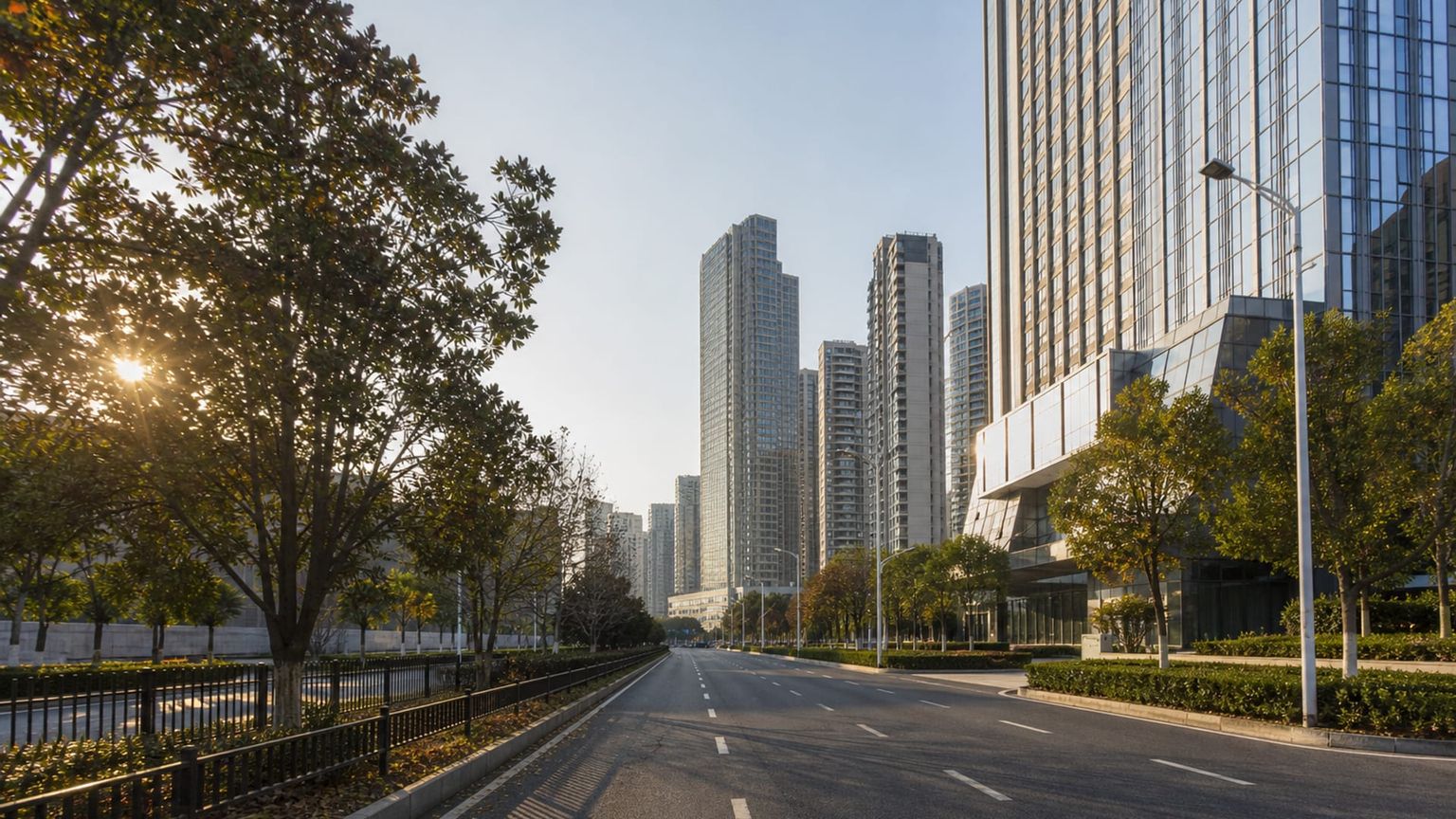
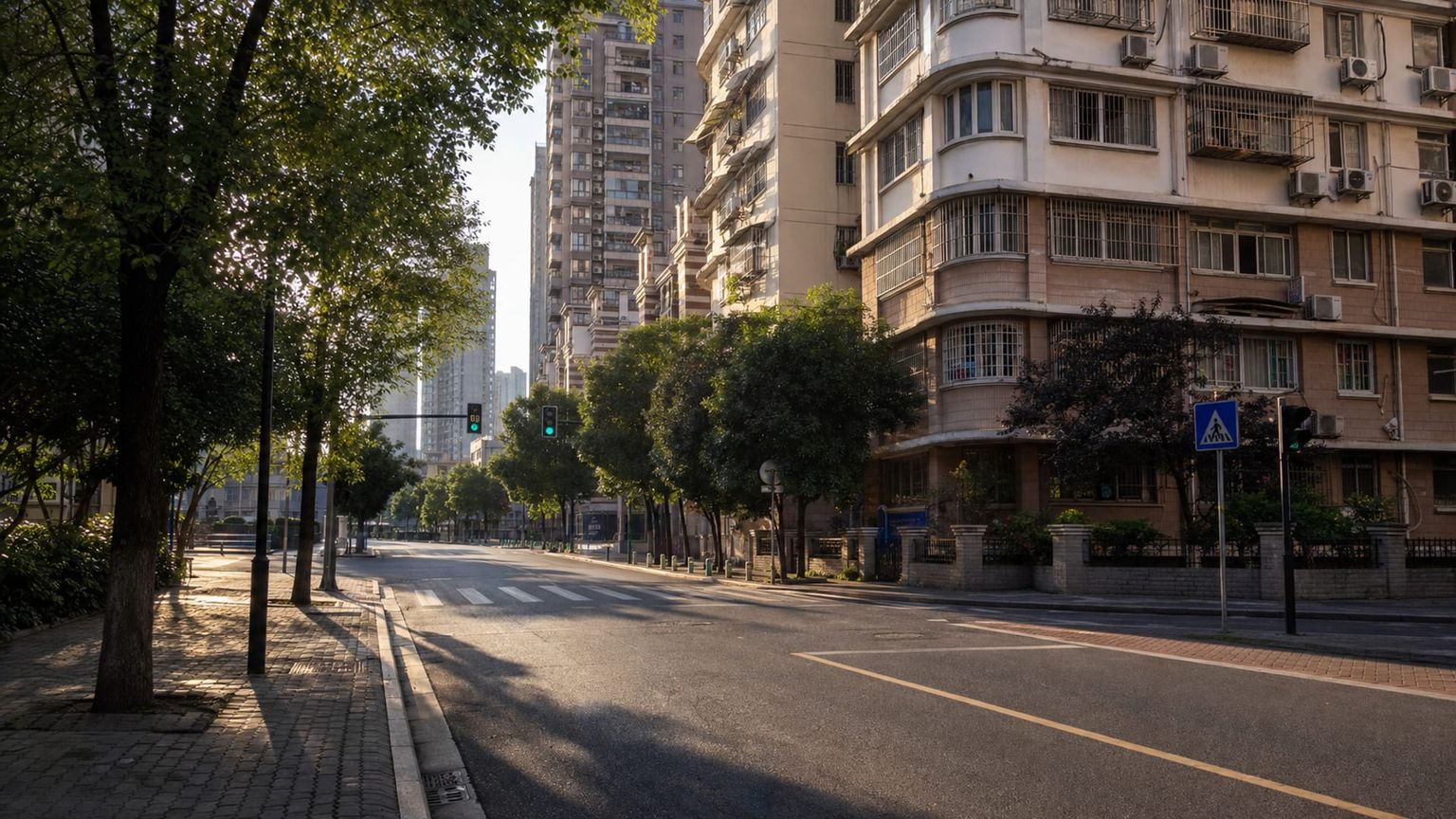
Qingshanhu lies east of the center and mixes residential compounds, universities, and newer commercial pockets. It is a good fit if you want lower-key surroundings while still staying within reach of the main sightseeing corridor.
Best for: Residential stays, visiting universities, and travelers who prefer a quieter base
What to expect: More neighborhood traffic than tourist crowds, with restaurants and shops spread along main roads.
Hotel prices: Usually about CNY 200 to CNY 450 (~$28 to ~$63) per night for well-rated stays
Distance to major sights: About 20 to 35 minutes by taxi to Bayi Square and Tengwang Pavilion
Quietness: Daytime is busy with local errands and school traffic; evenings are generally quieter outside shopping streets.
Main trade-off: You save on lodging, but you will spend more time reaching the main riverfront and historic sights.
Good to know: Choose a hotel near a metro stop or main bus corridor, or you will depend on taxis for most outings.
Travelers usually avoid staying in Xinjian District, because it sits well west of the main sightseeing areas and adds a longer trip into the center for evenings out. Farther-flung parts of Qingyunpu District and the airport-side area near Nanchang Changbei International Airport are also less convenient, with fewer visitor amenities and long rides to the main hotel and dining districts.
Hotel deals
How to get around Nanchang efficiently
Nanchang’s metro, buses, taxis, and ride-hailing fill different jobs well, but the central districts still reward short hops instead of long cross-city loops.

Metro
for longer distances
Nanchang has a metro network, with Line 1 and Line 2 covering the main east-west and north-south corridors. Fares start at about $0.30 (CNY 2) and usually stay under about $1.10 (CNY 8), with tickets valid for the single trip until exit. From Nanchang Changbei Airport, the metro is a useful option if your hotel sits near a station, and rides into the central districts usually take about 35 to 60 minutes depending on the line and transfers.

Bus and tram
for convenience
City buses fill the gaps beyond the metro, and Nanchang does not have a tram network. Most routes cost about $0.15 to $0.30 (CNY 1 to 2), and some limited express or air-conditioned services cost a little more. Buses serve the airport, the rail stations, and large commercial areas, but stops and route signs can be less helpful for first-time visitors, so check the destination board and expect about 45 to 90 minutes for cross-city trips in traffic.

Taxi
for convenience or late hours
Licensed taxis use meters, with a flagfall of about $1.85 to $2.20 (CNY 13 to 16) and urban trips usually landing near $4.10 to $11.00 (CNY 30 to 80), depending on distance and traffic. From Nanchang Changbei Airport, late-night or long-distance fares can rise to roughly $14.00 to $22.00 (CNY 100 to 160). Hail official cabs at stands or via ride-hailing apps, and pay with cash, mobile payment, or card where accepted.
*Prices are based on rates updated as of June 2026 and may change at the time of travel.
Use the metro for corridor trips, taxis or DiDi for direct door-to-door moves, and buses when you do not mind slower rides and route checks.
Iconic landmarks
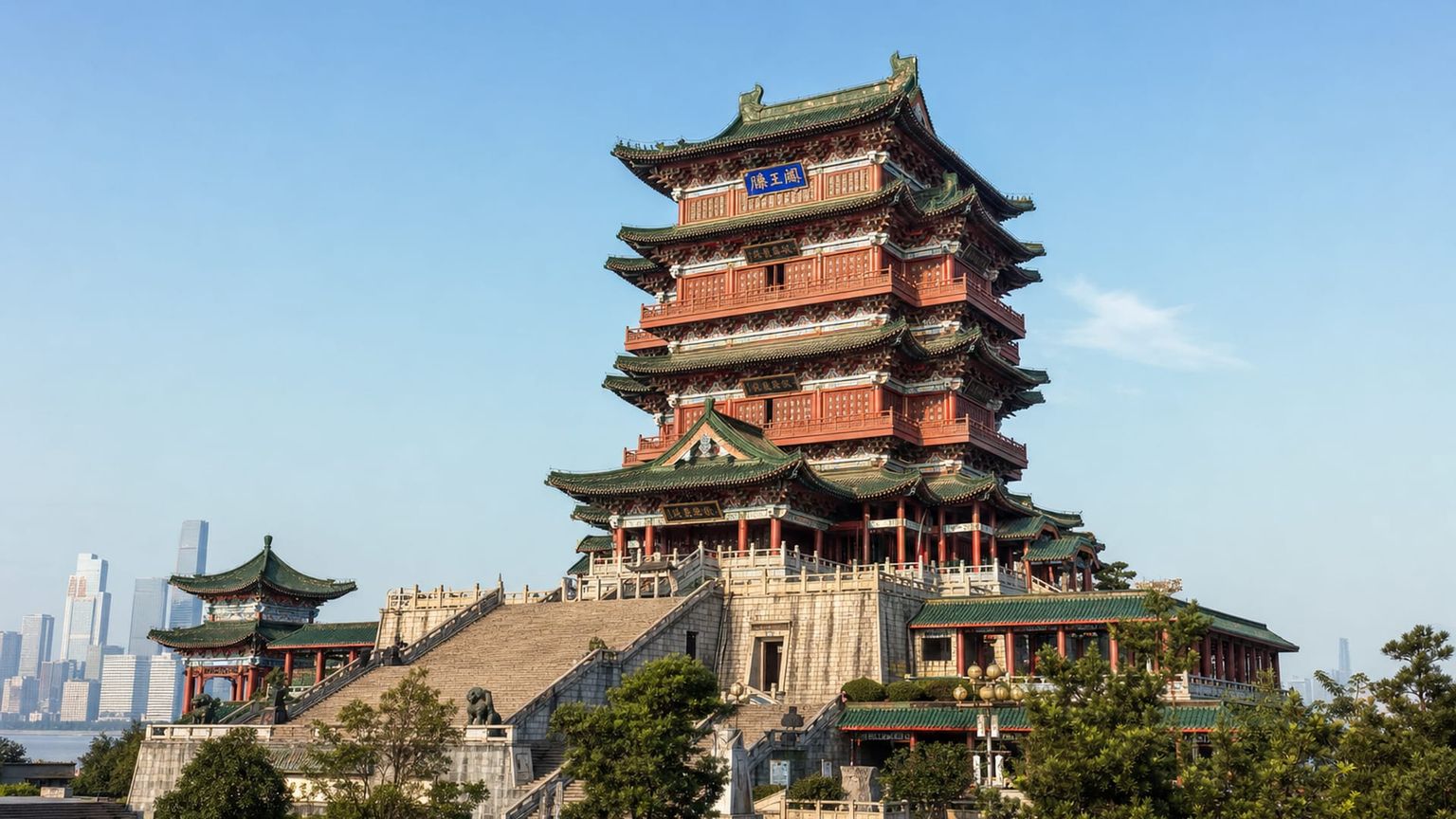
Tengwang Pavilion
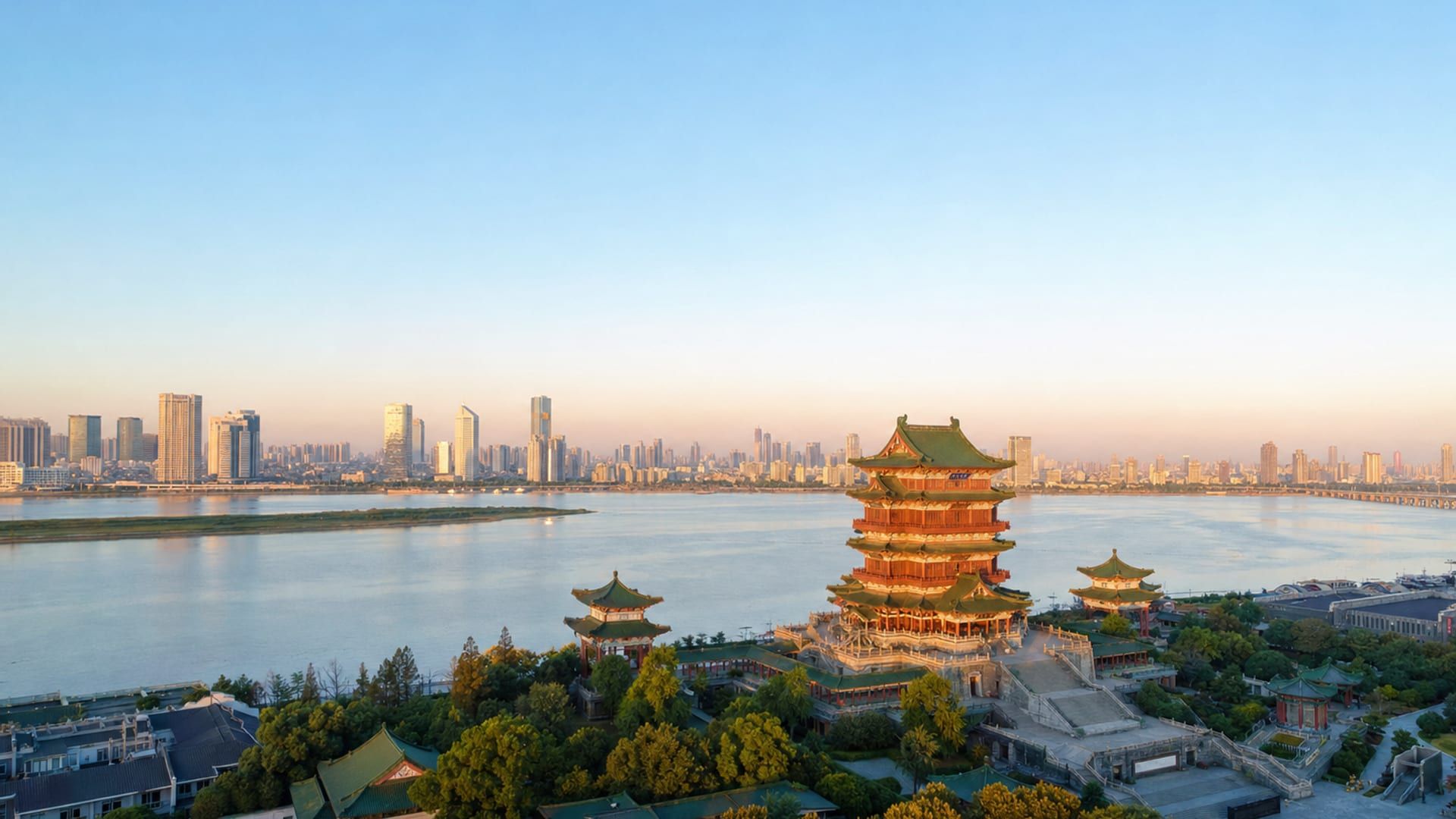
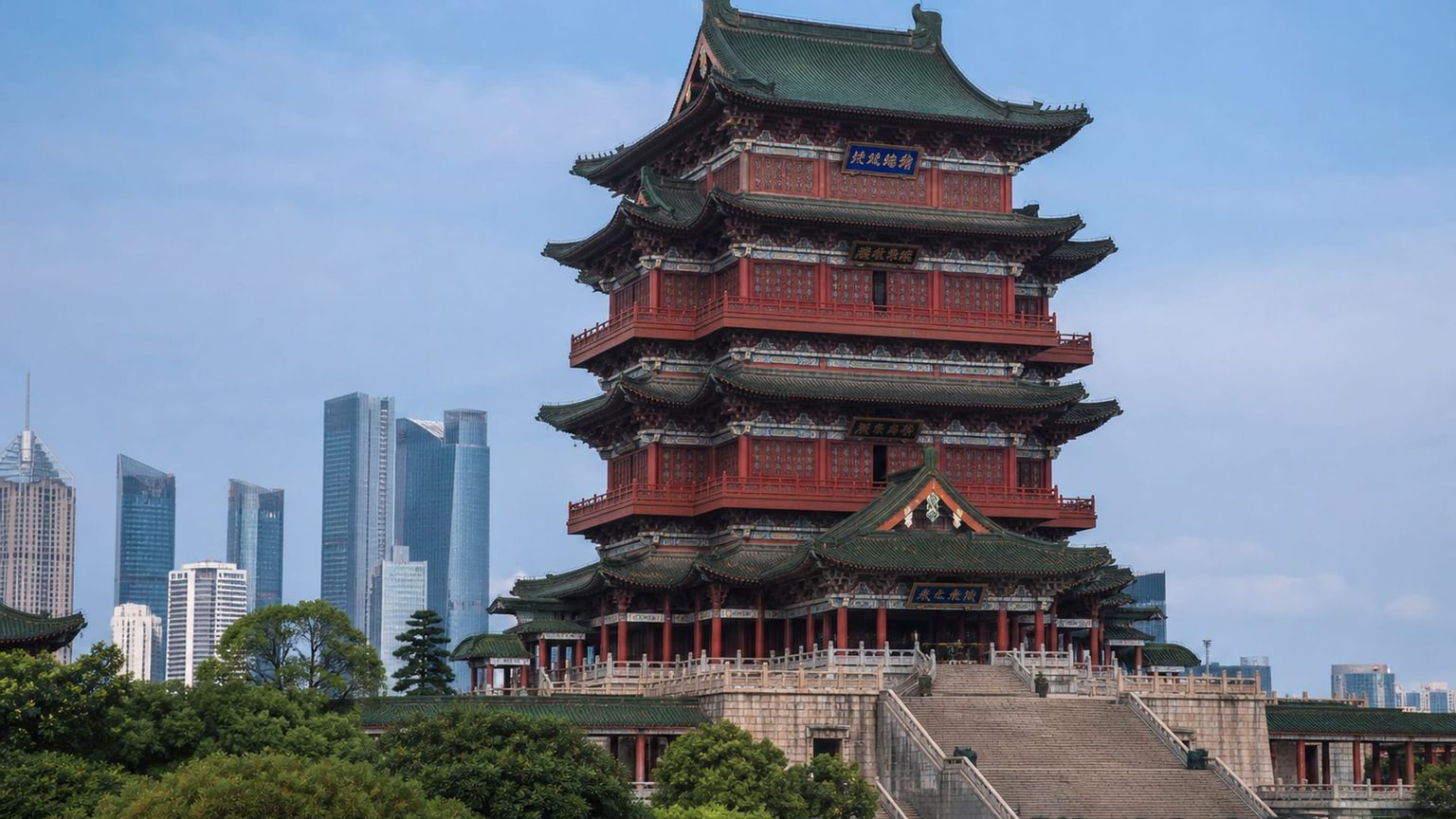
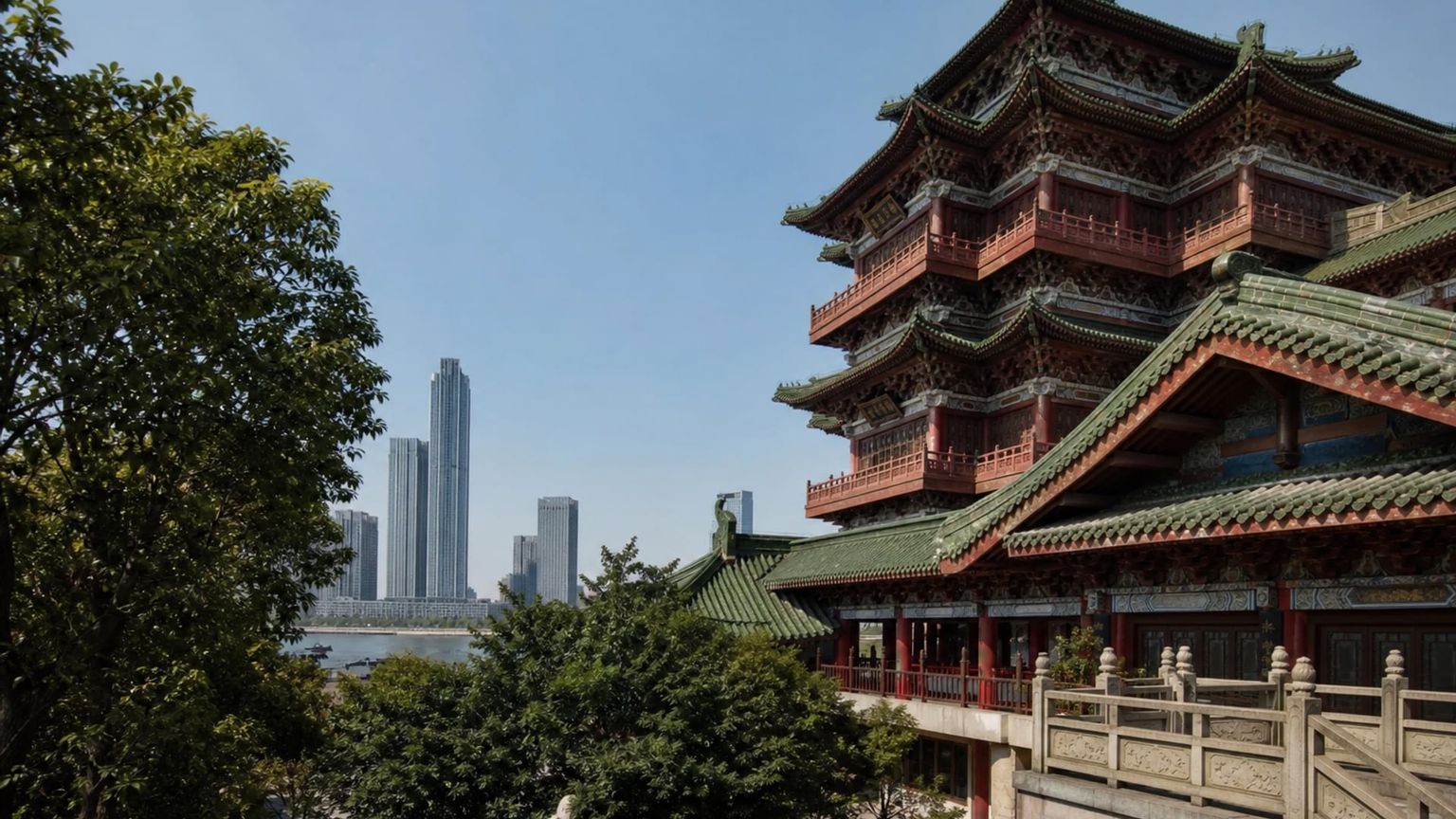
This riverside tower anchors Nanchang’s skyline with layered eaves, painted halls, and broad views over the Gan River. The present structure dates to 1989, while the site traces back to the Tang dynasty pavilion linked to Wang Bo’s famous preface.
Time needed: About 1.5 to 2 hours
Entry: Standard tickets cost about $10 to $12 (¥72 to ¥86) Visit the official site for details.
Tip: Go late afternoon, then stay for sunset over the Gan River and the city lights.
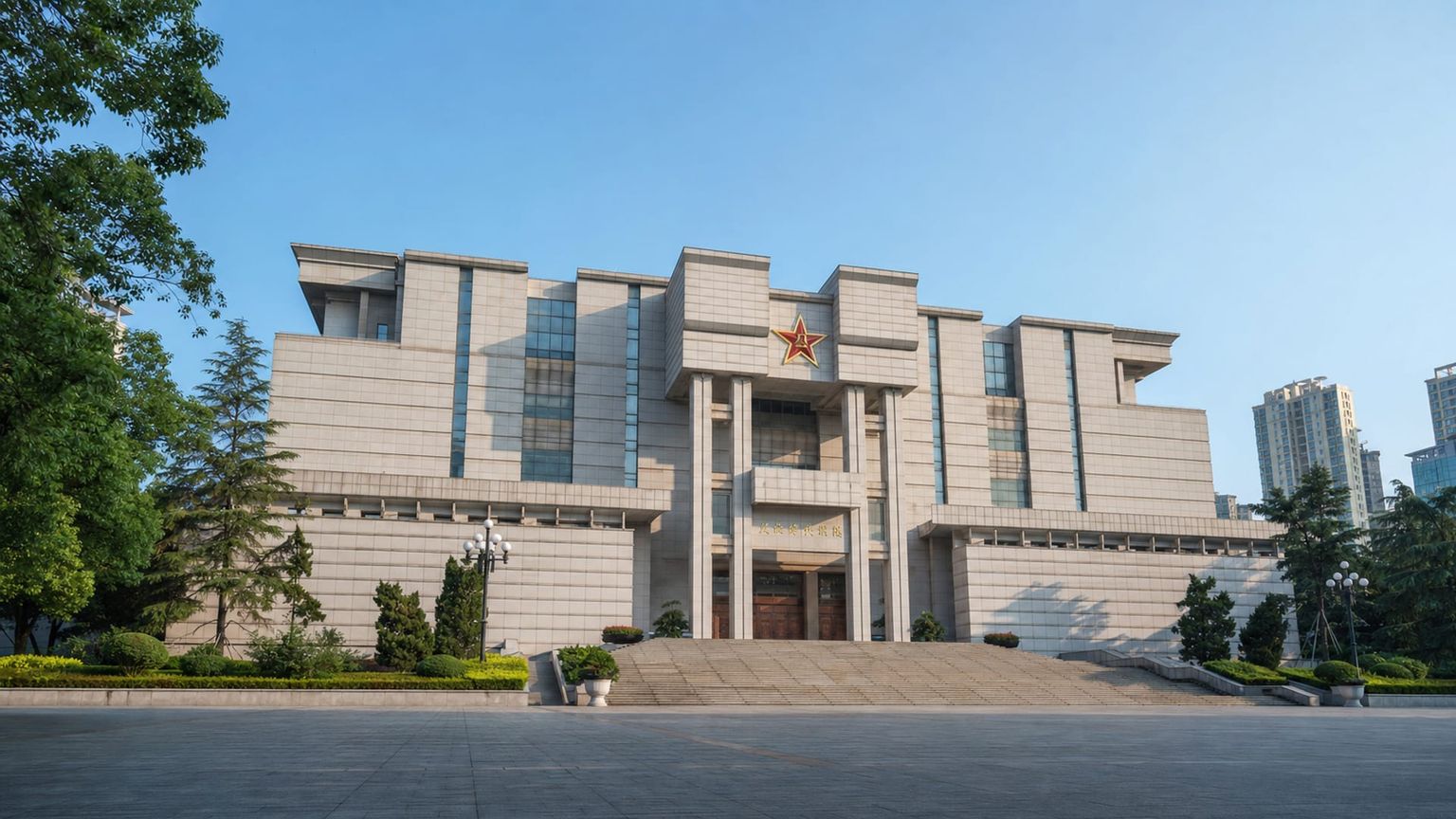
August 1 Nanchang Uprising Memorial Hall
This major museum marks the 1927 Nanchang Uprising, a defining event in modern Chinese history. Its exhibits pair documents, weapons, and reconstruction scenes with the preserved former headquarters building on the same site.
Time needed: About 2 to 3 hours
Entry: Admission is free with valid ID; some special exhibitions charge about $3 to $7 (¥20 to ¥50) Visit the official site for details.
Tip: Arrive early on weekdays, when security lines are shorter and galleries are quieter.
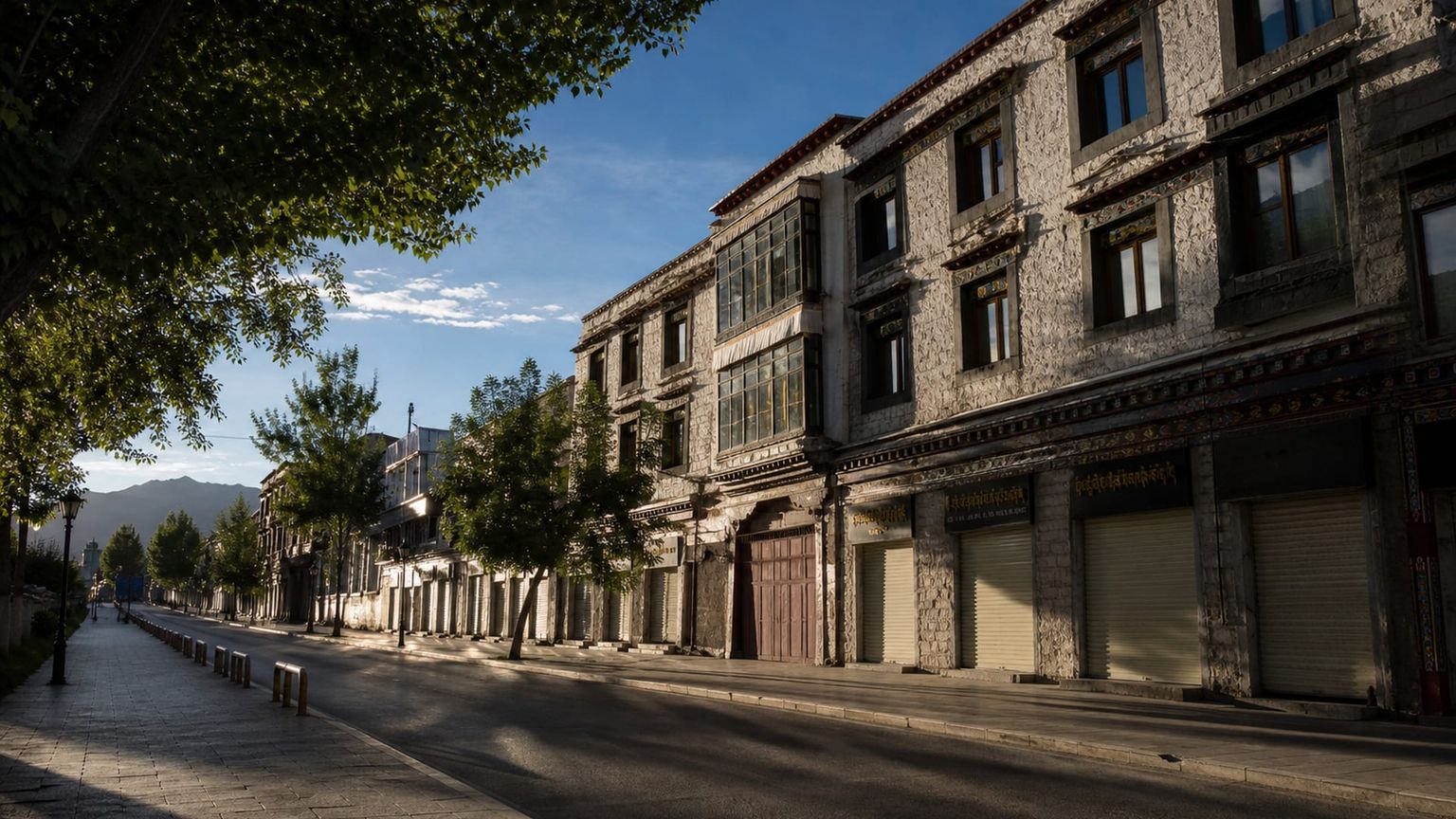
Qingshan Lake Scenic Area
Qingshan Lake spans the eastern side of central Nanchang, with paths, bridges, islands, and wide water views close to the urban core. It gives the city an open green edge and works well for walking, cycling, and boat rides.
Time needed: About 1.5 to 3 hours
Entry: Free to access; boat rides and other activities cost about $4 to $14 (¥30 to ¥100)
Tip: Visit near sunrise or after 5:00 pm, when the heat drops and the water is calmer.
Overlooked sites worth visiting

Octagon Pavilion, Bayi Square
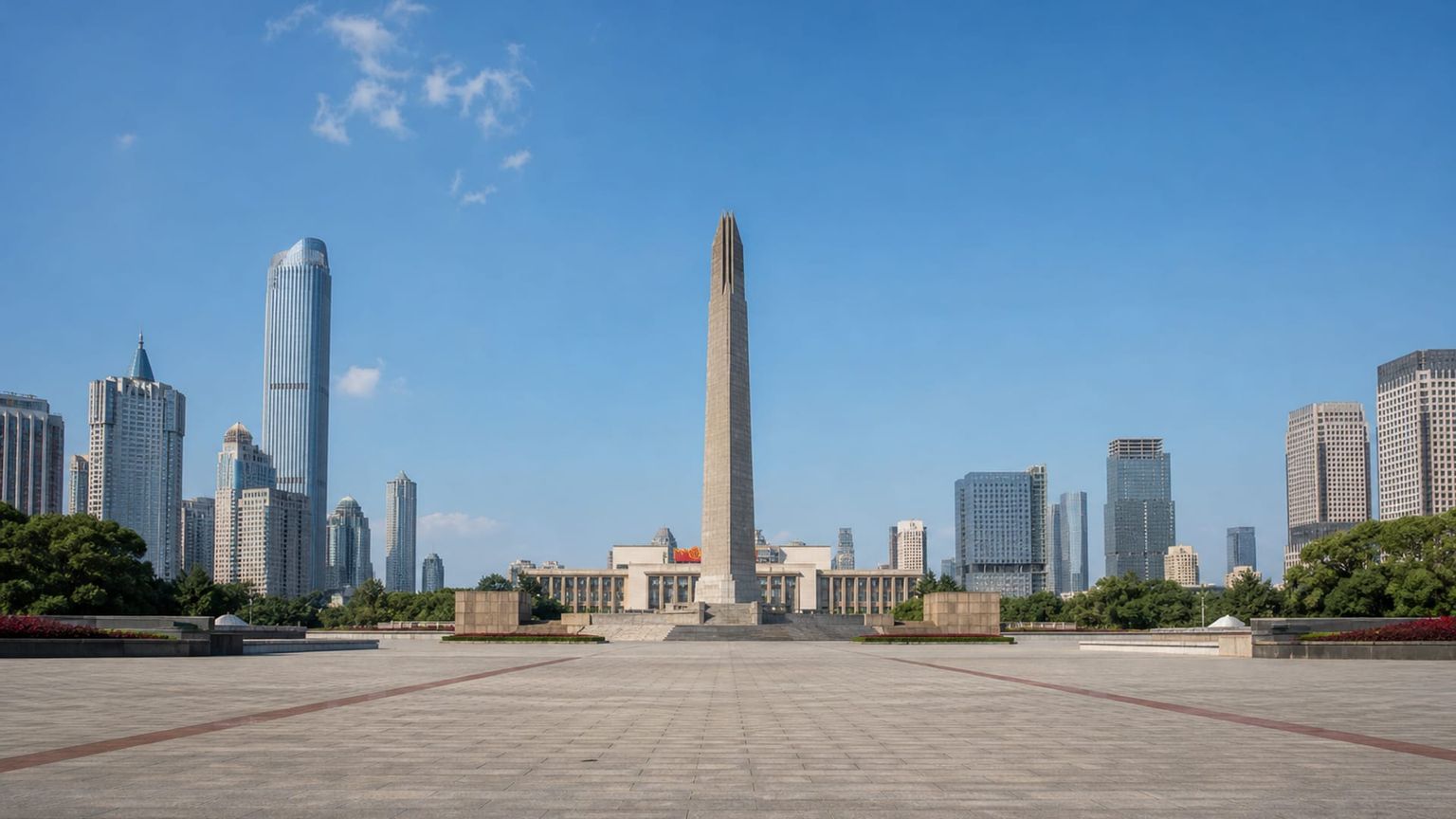
A small octagonal pavilion at the square’s edge, it marks a quieter pause amid the central district’s traffic. Climb up for a close look at the carved roof details and the square below.
Time needed: About 30 to 45 minutes
Entry: Free to access; the pavilion sits inside Bayi Square, an open public area with no ticket booth. Visitors can walk in at any hour, and costs only apply if you choose nearby paid museums, cafes, or transport.
Tip: Go near sunset for softer light on the roof carvings.

Nanchang August 1st Uprising Memorial Hall
This compact museum traces the 1927 uprising that gave Bayi Square its name. Exhibits pair artifacts, maps, and photos in a dense visit that suits a short cultural stop.
Time needed: About 1 to 1.5 hours
Entry: Admission is free with a valid ID or passport, but the hall uses timed entry and security screening. On busy days, arrive early, especially on weekends or public holidays, because entry caps can fill before midday.
Tip: Carry ID; security checks can slow the line.
Traditional food
Nanchang cooking leans on rice noodles, braised chicken, and sugar-heavy snacks, with a strong preference for savory heat, broth, and quick street-side meals. Lunch and dinner windows matter, because many rooms close between rush periods.
Nanchang rice noodles
Thin rice noodles anchor many local breakfasts and late-day meals, often served with soy, chile, and simple toppings. For a classic bowl in the city, try Ruyi Yonghe Soymilk King in the central area, where noodles fit neatly into an early meal.
Steamed braised chicken
This dish turns tender chicken into a rich, soy-based plate that works well with rice. Ganjiang Hotel in Nanchang is a solid canonical stop if you want a sit-down version that reflects the city’s more traditional dining style.
Crock soup
Slow-cooked crock soups bring broth, meat, and vegetables together in a format that suits cooler evenings or a calmer lunch. Xiyuange Restaurant is a useful Nanchang reference point for a fuller local meal built around this style.
White sugar cake
White sugar cake gives Nanchang its sweeter side, with a soft, lightly chewy texture that works as a snack or takeaway treat. You can pair it with tea at a local bakery or snack shop such as Zhenzhen Lao Nanchang snacks in the city center.
Best time to visit Nanchang
Nanchang shifts noticeably with the seasons, from damp spring warmth to hot, humid summers and cooler, clearer winter days that make walking and lake views easier.
Best for: Best for lakeside walks and city sightseeing before the summer heat arrives
What you get: About 55 to 81°F (13 to 27°C), with moderate crowds and some rain
Trade-offs: Humidity and showers can interrupt outdoor time
Best for: Best for long evenings by the river and later museum visits
What you get: About 77 to 95°F (25 to 35°C), with heavier crowds on shaded waterfront routes
Trade-offs: Heat and humidity can make midday walking tiring
Best for: Best for the most comfortable walking weather and clearer skyline views
What you get: About 57 to 79°F (14 to 26°C), with moderate crowds and lower rain chances
Trade-offs: Holiday periods can still fill major sights
Best for: Best for quieter sightseeing and easier booking around the central districts
What you get: About 37 to 54°F (3 to 12°C), with lighter crowds and crisp, dry days
Trade-offs: Cold mornings can slow early outdoor plans
A realistic 5-day plan in Nanchang
A five-day stay works well here because the main sights cluster by district rather than in one compact block. The plan below starts with arrival near the central core, then builds toward the memorial sites, lakefront, river views, and a slower final morning.
Land at Nanchang Changbei International Airport, then take a taxi into Donghu District, which usually takes about 35 to 50 minutes and costs roughly CNY 80 to CNY 120. If you arrive in the afternoon, check in near Bayi Square or the Tengwang Pavilion area, drink plenty of water, and keep dinner close to your hotel, with a simple first meal on one of Donghu District’s commercial streets so you do not add more cross-city travel after the flight.
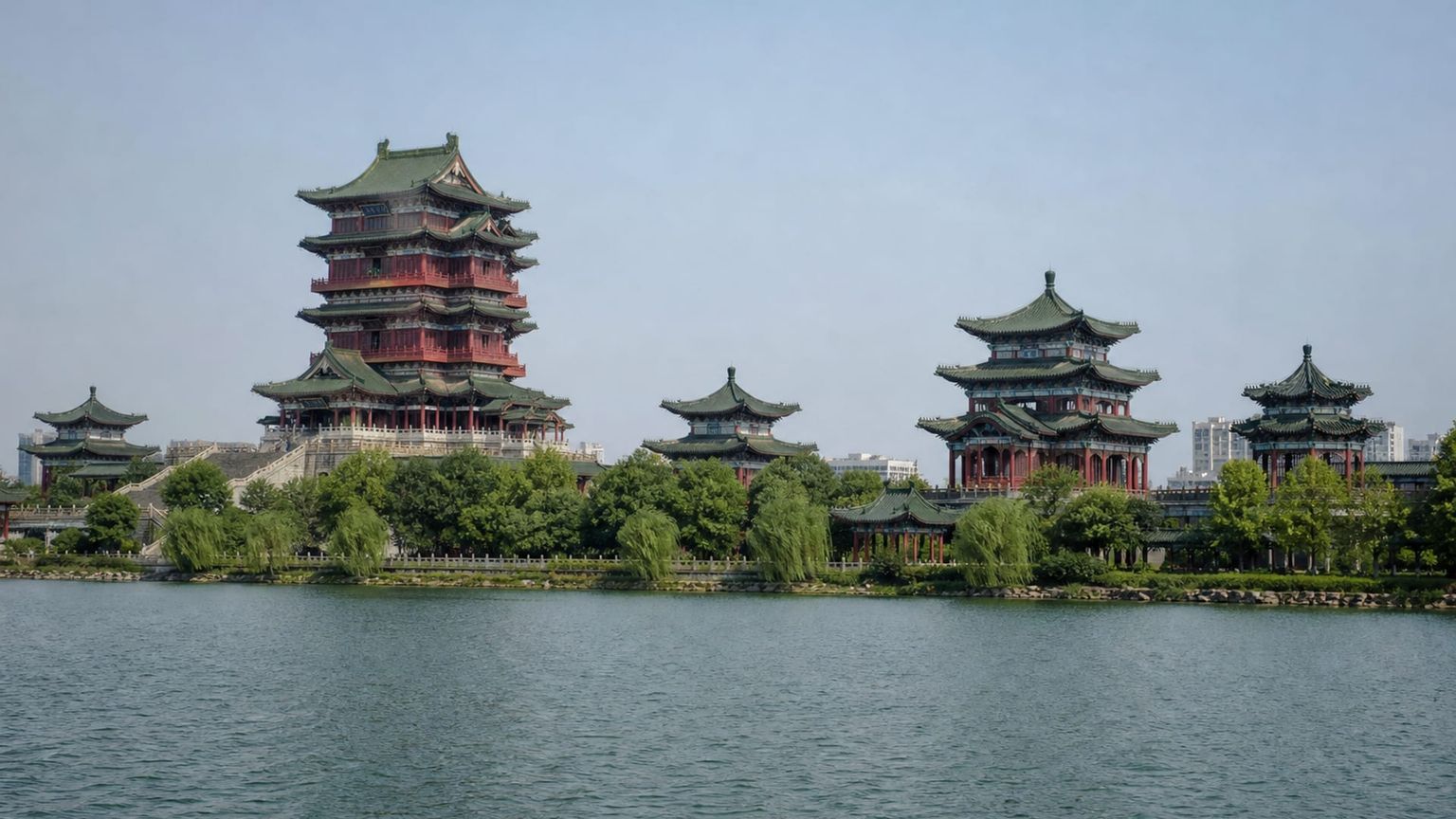
Start with the August 1 Nanchang Uprising Memorial Hall in Donghu District, where a morning visit keeps the timed-entry queue manageable and the galleries usually take about 2 to 3 hours. From there, it is about a 10-minute taxi ride to Bayi Square, then a short walk to the Octagon Pavilion, where you can pause for roof details and the open square. Finish the afternoon at Tengwang Pavilion, about 10 to 15 minutes away by taxi, and stay through sunset over the Gan River before returning to dinner in the central district.
Begin at Qingshan Lake Scenic Area, roughly 20 to 30 minutes by taxi from Donghu District or Honggutan, and spend about 1.5 to 3 hours on the paths, bridges, and water edges. After lunch, cross to Honggutan New District in about 15 to 25 minutes by taxi for a riverfront stop and an easy look at the newer high-rises and wide avenues. End with an evening walk back toward the Gan River waterfront, where the open views work well before a late meal in one of the district’s modern shopping centers.
A second central day works best as a compact circuit, starting at Tengwang Pavilion if you want morning light on the river, then reaching Bayi Square by taxi in about 10 to 15 minutes. From Bayi Square, the Octagon Pavilion is a short walk, and you can then continue to the August 1 Nanchang Uprising Memorial Hall in about 5 to 10 minutes on foot for a deeper look at the city’s modern history. Plan lunch in Donghu District, then spend the late afternoon in Xihu District, where older commercial streets and local food areas sit about 15 to 25 minutes away by taxi from the historic core.
For a last morning in Nanchang, pair one final museum stop with a slower neighborhood finish, starting with the August 1 Nanchang Uprising Memorial Hall if you want one more look at the uprising exhibits before departure. Then head to Xihu District for a relaxed lunch and some shopping along its older commercial streets, or stay in Donghu District if you want a shorter taxi ride back to the hotel. If your flight is later, end with coffee near Bayi Square or in the Tengwang Pavilion area, so your final hours stay close to the center and easy to manage.
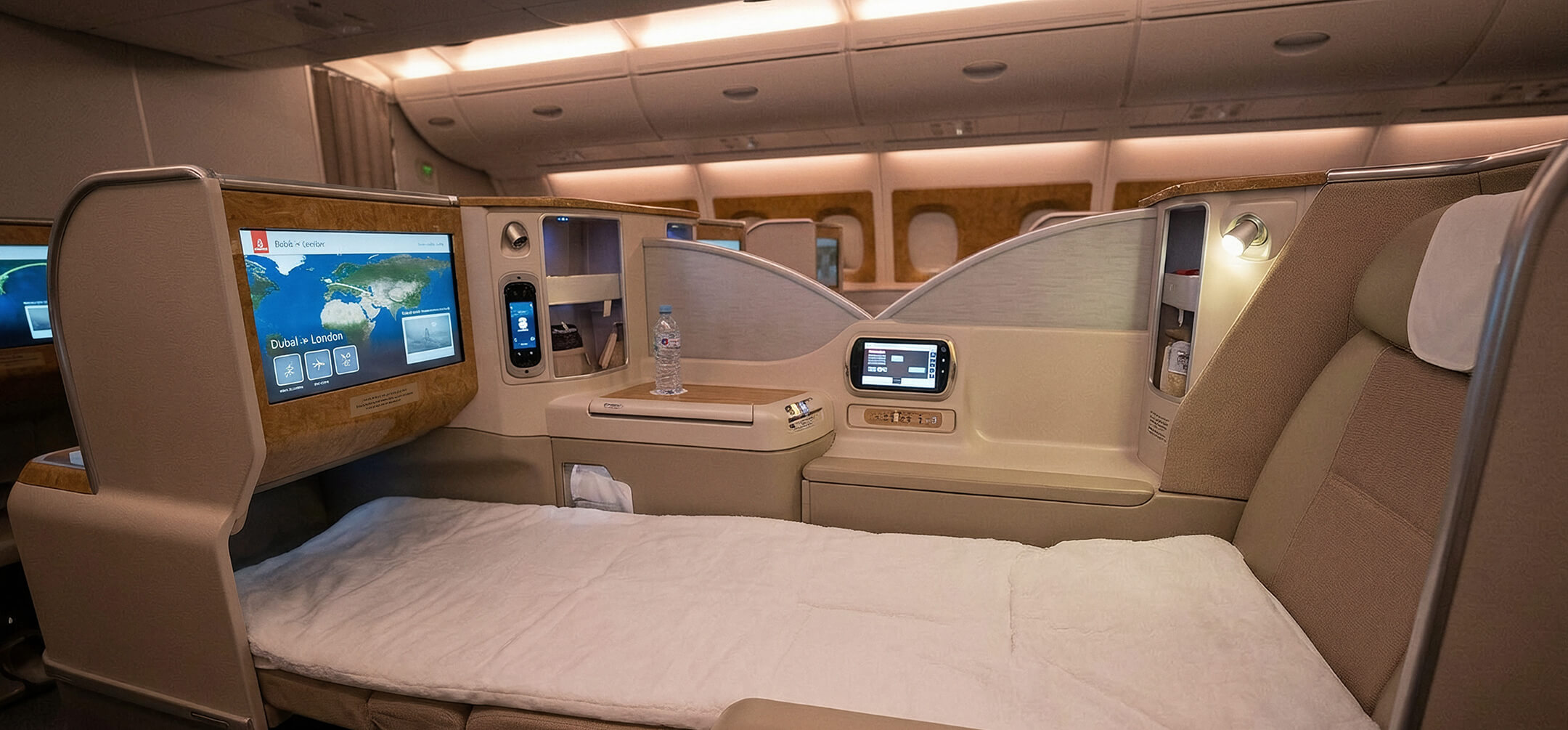
Business-class flights from the US to Nanchang
Reaching Nanchang from New York or Los Angeles usually means one stop, and the best fares tend to cluster through a handful of major Asian hubs. The routes below show what that typically looks like in time and price.
From New York, China Eastern Airlines, Air China, Cathay Pacific, Korean Air, ANA, and Japan Airlines all appear on one-stop itineraries through Shanghai, Beijing, Hong Kong, Seoul, or Tokyo. Those trips usually price from $4,800 to $8,500 round trip.
Los Angeles departures usually run through PVG, PEK, HKG, ICN, NRT, or CAN, with one-stop itineraries taking about 17 to 28 hours. China Eastern Airlines, Air China, Cathay Pacific, Korean Air, ANA, and Japan Airlines all serve this market, and round-trip fares usually start at $4,200 and can reach $7,500.
Nanchang feels different when you slow down
A well-paced Nanchang trip links Donghu District, Bayi Square, and Tengwang Pavilion with simple transfers, then leaves room for Qingshan Lake or an evening in Honggutan when you want open space after the historic core. If you keep dining hours, taxi time, and timed entry in view, the city stops feeling scattered. For a trip shaped with that kind of detail, speak with the AranGrant experts and build your Nanchang plan around the district that fits your first night