

Chapters:

Need help with your trip?
Our support team is available 24/7. Request a callback or call us directly at (833) 619-0908
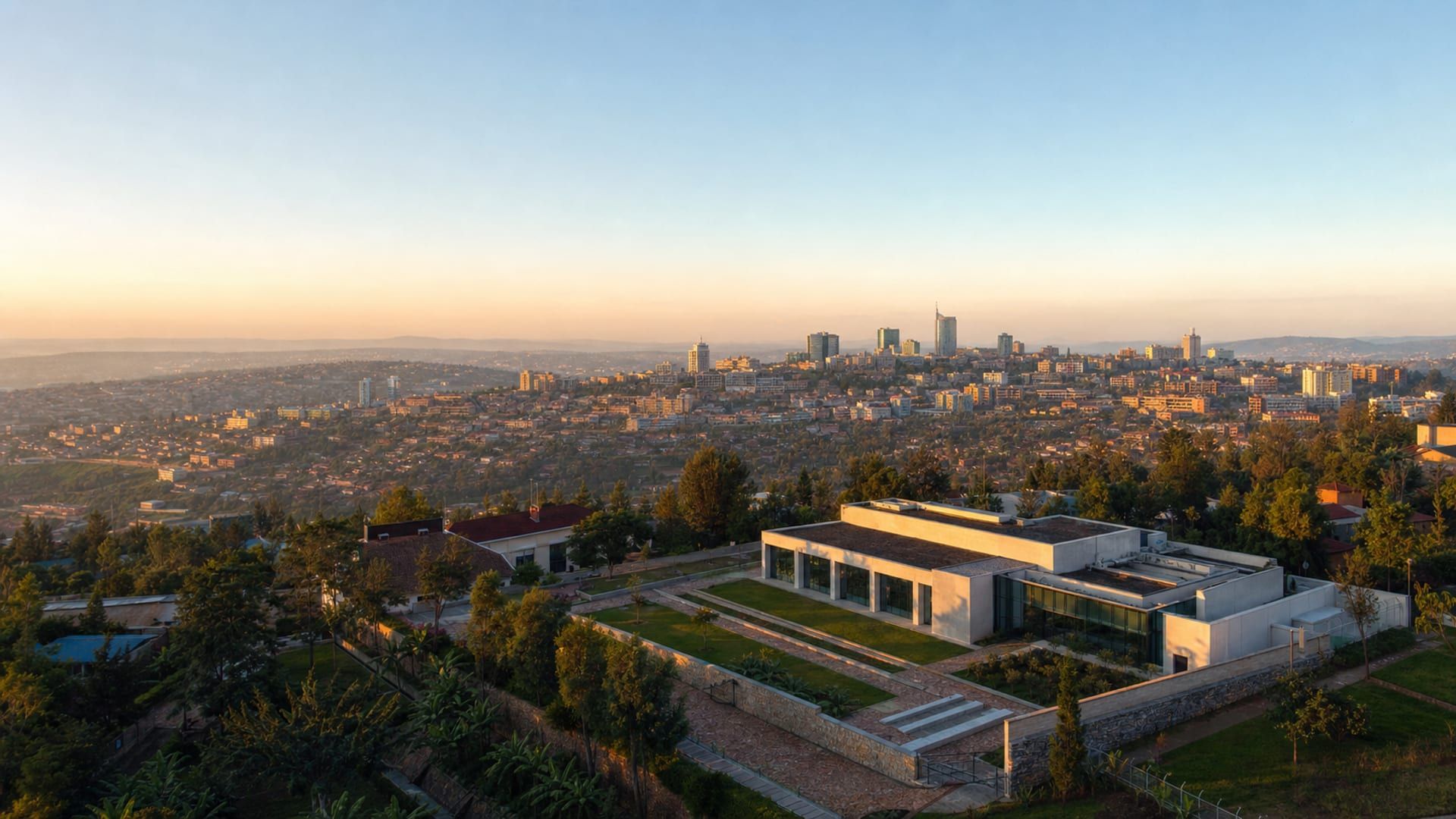
Kigali trips often start with a night in Kiyovu or Kacyiru, then move quickly to the memorial, a museum, and one late lunch in between. Travelers who rush straight through the hills often miss how much time the city takes to cross, even on short rides.
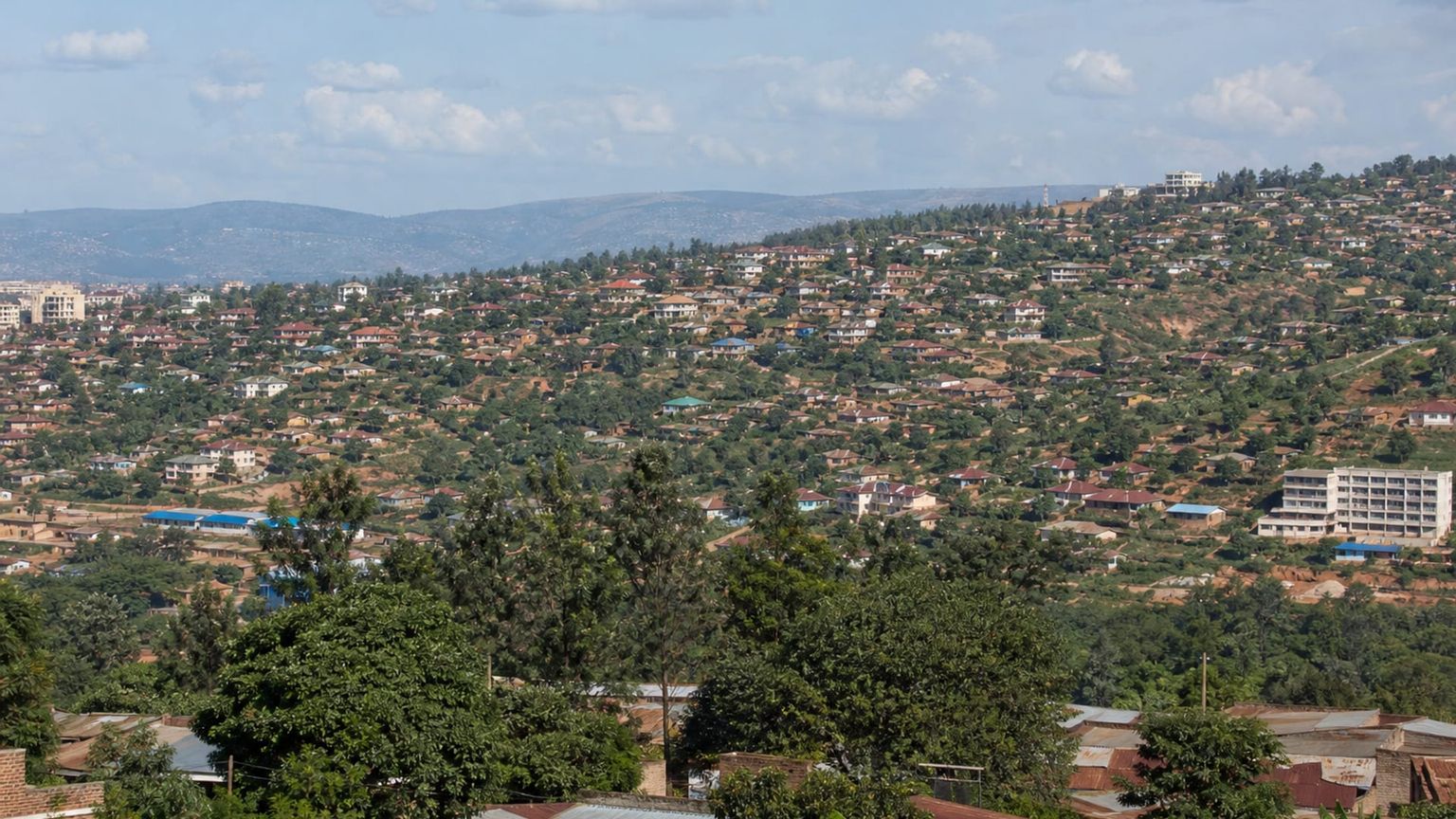
The hills, one-way detours, and changing street grades make a packed schedule feel longer than the map suggests. If you stack sights without planning for taxi time or meal breaks, the day can slide into transit and backtracking.
This guide builds the city in a different order: where to stay, what to see, what to eat, and how to space each move so Kigali stays clear rather than compressed.
Useful things to know

Main language(s): Kinyarwanda
Muraho (moo-RAH-ho) – Hello / good morning
Nyabuna (nyah-BOO-nah) – Please
Murakoze (moo-rah-KOH-zeh) – Thank you
Muvuga Icyongereza? (moo-VOO-gah ee-chyo-NGEH-reh-zah) – Do you speak English?
Bihagaze angahe? (bee-HAH-gah-zay ahn-gah-HAY) – How much does it cost?

Currency: The local currency is the Rwandan franc (RWF, FRw).

Cash and cards: Cards and contactless are accepted at many hotels and restaurants; carry about RWF 20,000 to 40,000 ($15 to $30) in cash.

Tipping: Round up small bills; add about 5-10% in restaurants when service is good.

Traditional food: Brochettes, isombe, ibihaza, urwagwa

Water and coffee costs: Water about RWF 500 to 1,000 ($0.40 to $0.80), bar espresso about RWF 1,500 to 3,000 ($1 to $2).

Taxis and ride apps: Yego, Move, and Bolt operate here; confirm the fare before you get in.

Plug and voltage: Type C/D socket, 230V

Dining and shop opening hours: Breakfast is about 07:00-09:00, lunch 12:00-14:00, and dinner 18:00-21:00. Many kitchens close by 22:00.

Emergency number: 112 for police, fire, and ambulance.
Where to stay in Kigali
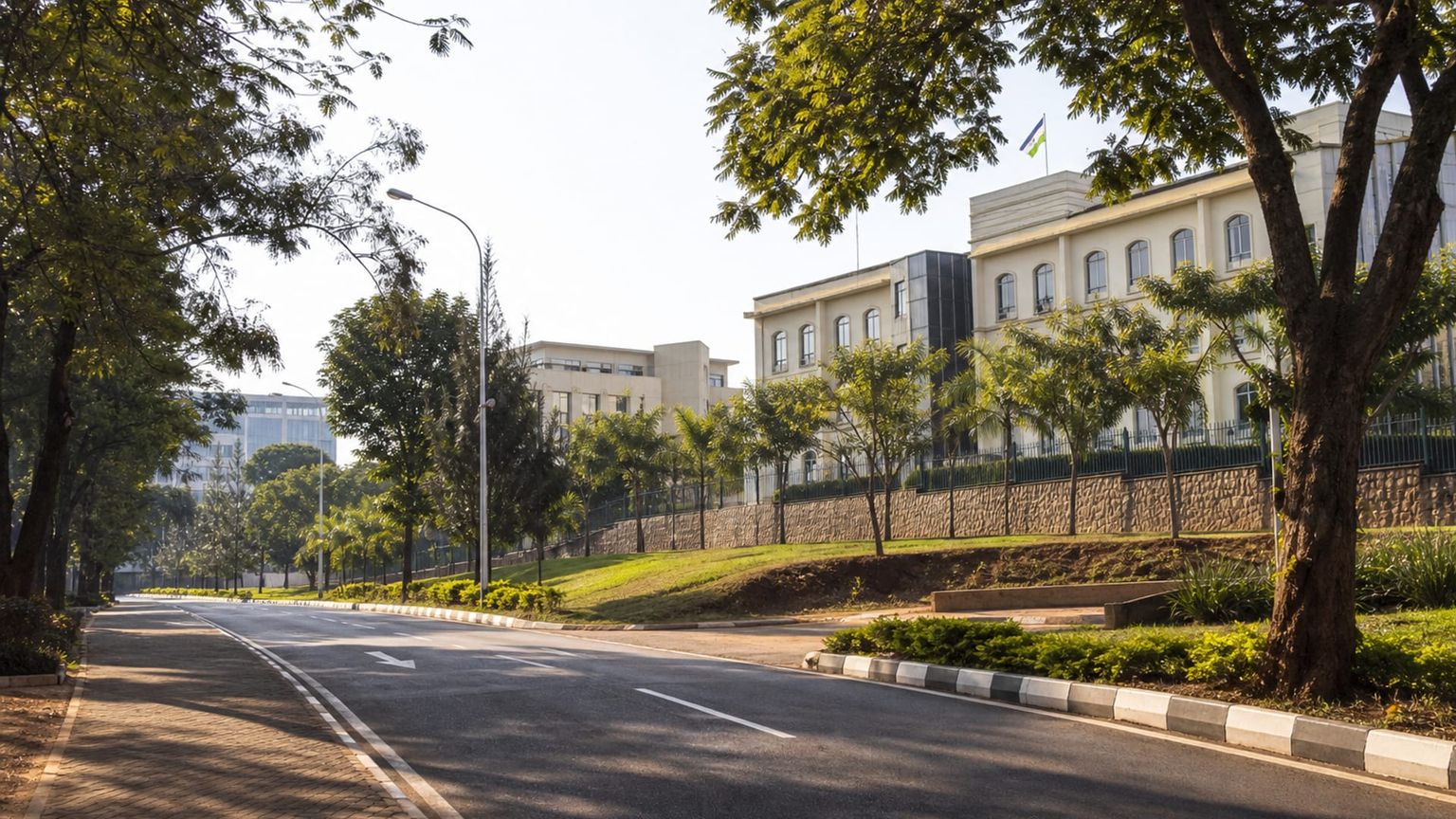
Kacyiru is Kigali’s diplomatic and administrative district, home to embassies, ministries, and several of the city’s better-known hotels. It suits travelers who want quick access to central Kigali, reliable taxi options, and an easy route to museums and offices.
Best for: Business trips, museum visits, and travelers who want a central base with easy road access
What to expect: Wide roads, office traffic in the day, and a quieter evening scene than the busier nightlife quarters.
Hotel prices: Usually about 80,000 RWF to 180,000 RWF (~60$ to ~135$) per night for well-rated stays
Distance to major sights: About 10 minutes by car to Kigali Convention Centre and roughly 15 minutes to Kigali Genocide Memorial
Quietness: Busy in office hours, then notably calmer after sunset.
Main trade-off: Hotel rates often sit above the city’s midrange neighborhoods, and dining choices thin out at night.
Good to know: If you need early meetings or embassy stops, this is one of the easiest places to base yourself without crossing the city for every errand.
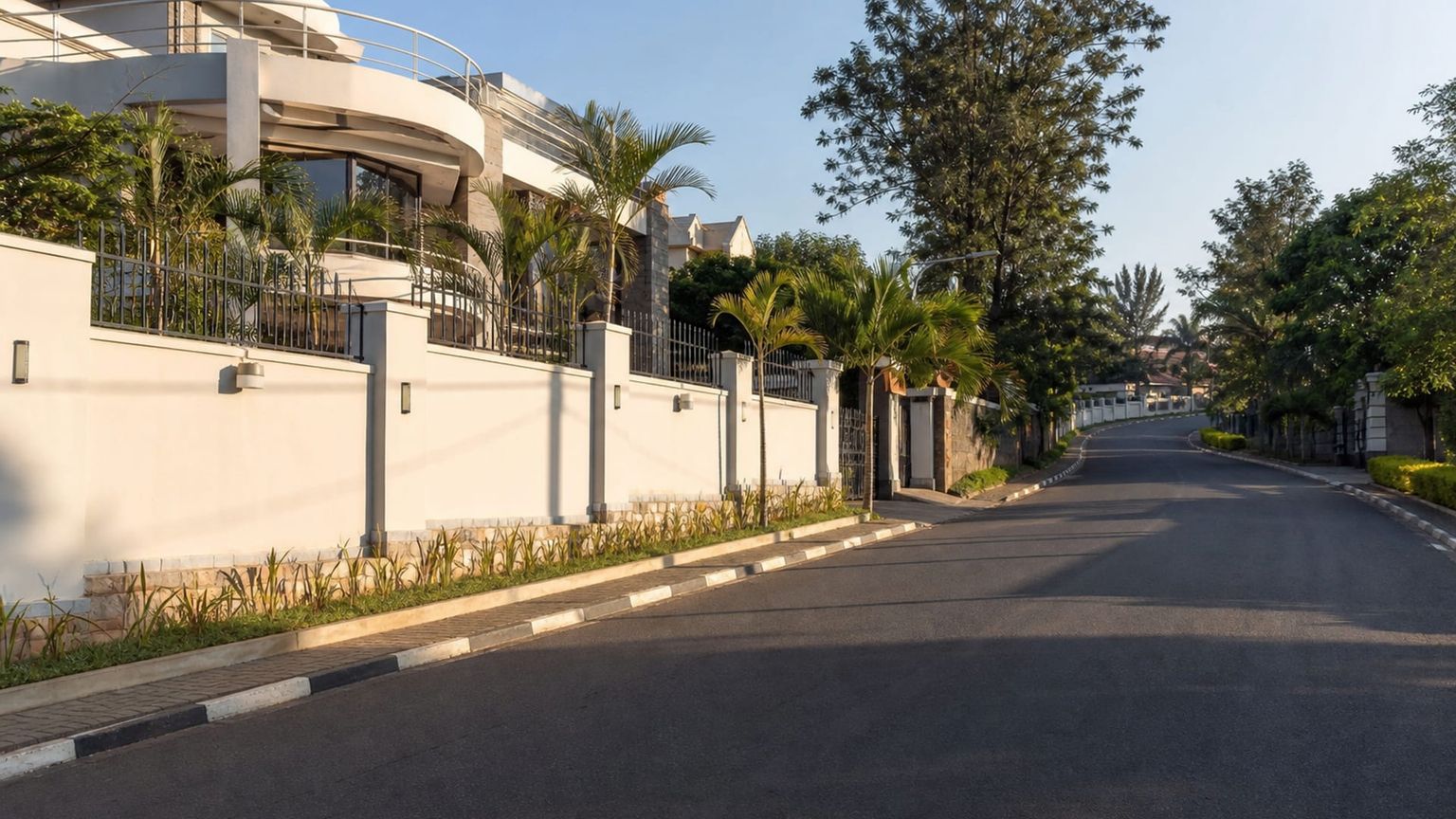
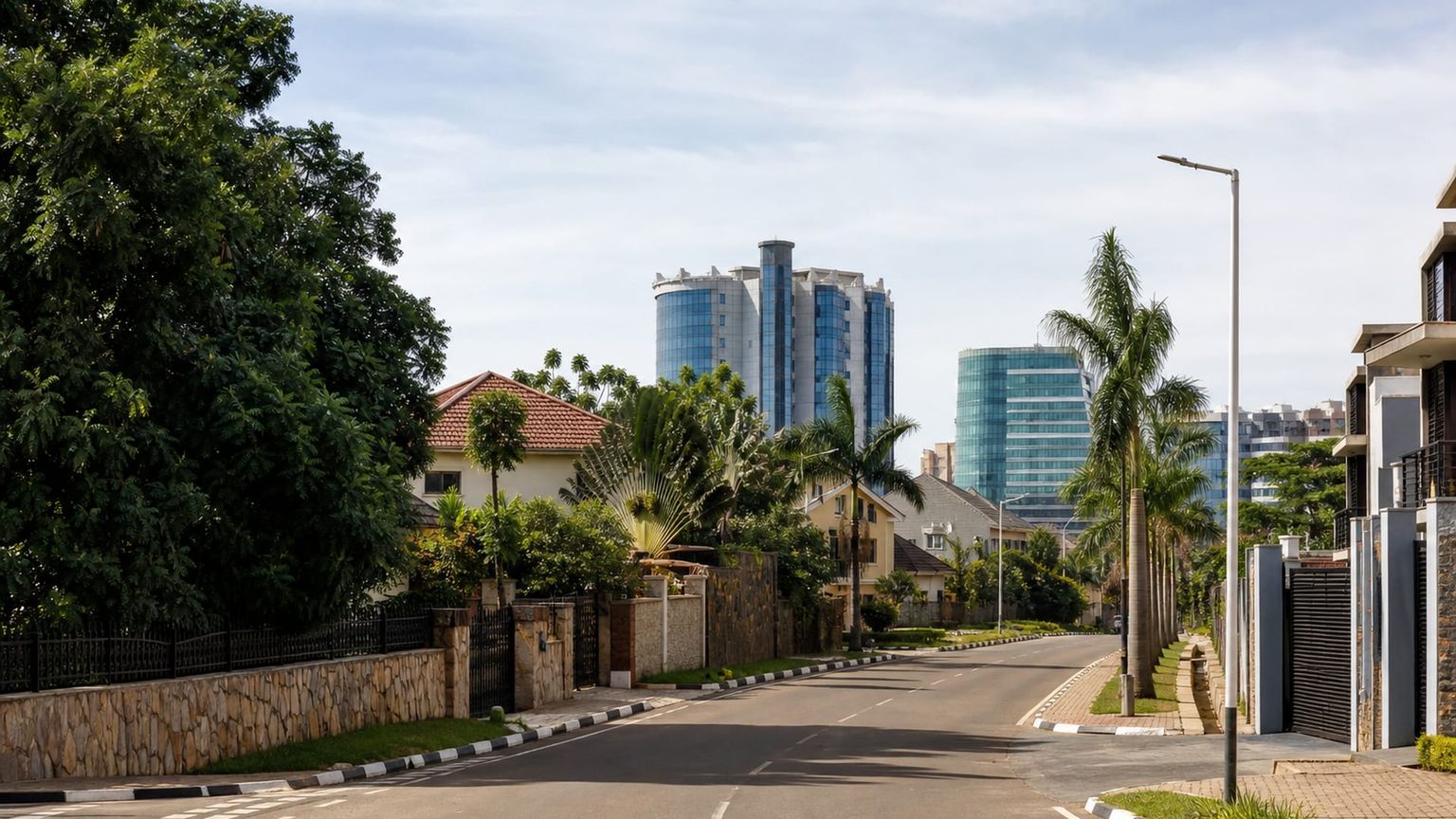
Nyarutarama is an upscale residential area northeast of central Kigali, known for hillside homes, golf access, and some of the city’s top restaurants and hotels. It works well if you prefer a quieter stay with modern facilities and easy rides into the center.
Best for: Upscale stays, golf, longer visits, and travelers who want quieter evenings
What to expect: Leafy streets, low foot traffic, and a mostly residential feel with activity concentrated in hotel and restaurant clusters.
Hotel prices: Usually about 90,000 RWF to 220,000 RWF (~70$ to ~170$) per night for well-rated stays
Distance to major sights: About 15 minutes by car to Kigali Convention Centre and roughly 20 minutes to the Kigali Genocide Memorial
Quietness: Calm through the day, with a low-key evening scene after restaurant hours.
Main trade-off: You will depend on taxis more often, and some addresses sit on steep roads that add time to short trips.
Good to know: Plan dinners before heading back, because late-night options are limited once the restaurant belt winds down.
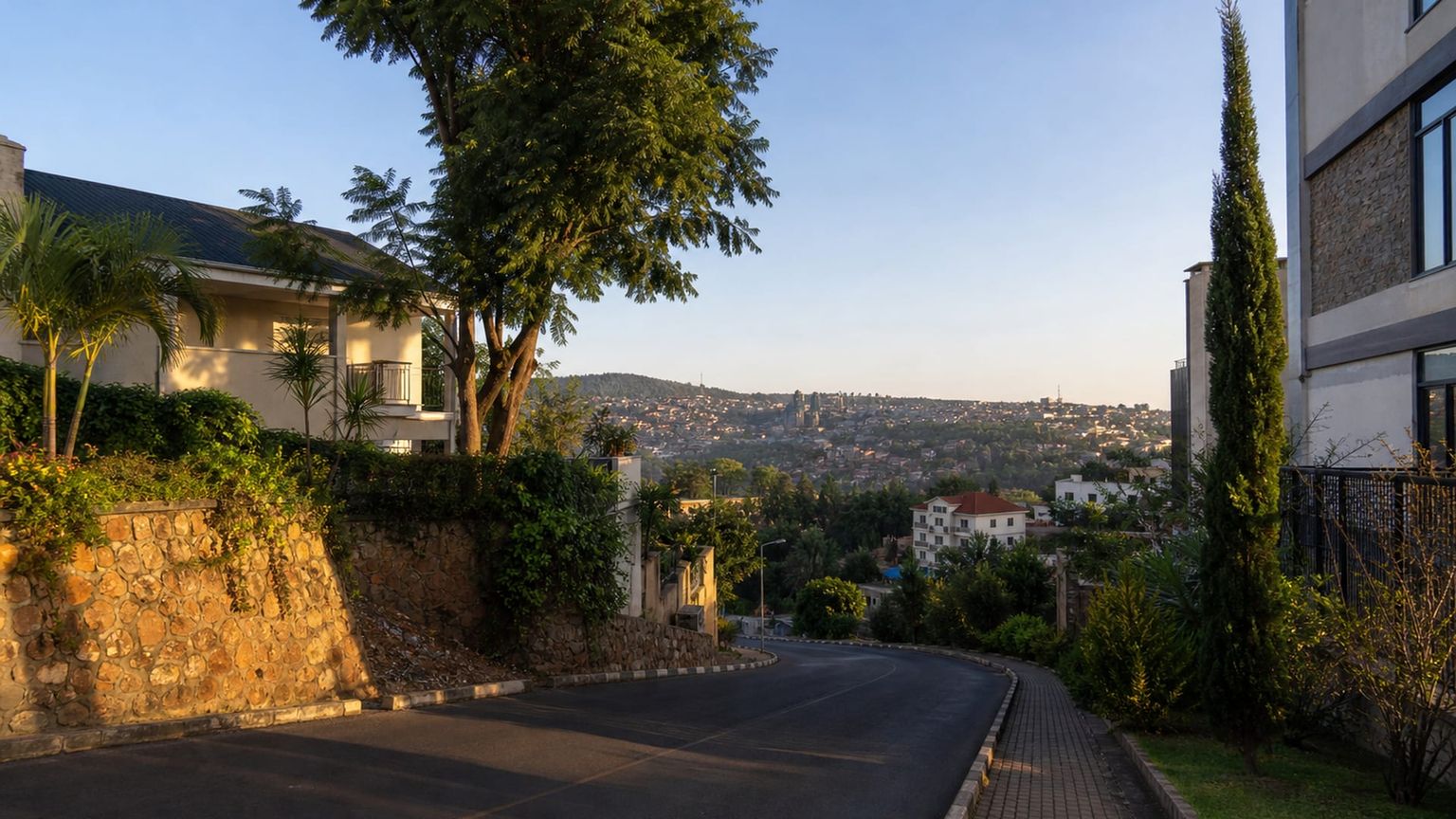
Kiyovu is one of Kigali’s older central neighborhoods, set on hills close to downtown, ministries, and several well-located guesthouses and hotels. It places you near museums, banks, and the city’s main road network without staying in the busiest commercial strip.
Best for: Central sightseeing, short stays, and travelers who want a walkable location near the core
What to expect: Mixed residential and hotel streets, moderate daytime activity, and less street noise than the main downtown corridors.
Hotel prices: Usually about 70,000 RWF to 170,000 RWF (~55$ to ~130$) per night for well-rated stays
Distance to major sights: About 10 minutes by car to Kigali Genocide Memorial and roughly 12 minutes to Kigali Convention Centre
Quietness: Moderate during the day, then fairly quiet at night on most residential streets.
Main trade-off: Some hillside streets are steep, so short walks can feel longer than the map suggests.
Good to know: Choose a place near a main road if you plan to walk after dark, since some side streets are dim and hilly.
Travelers usually avoid staying in the industrial outskirts north and east of central Kigali, including Masoro and Rusororo, because they sit far from the main sights in the city center and have fewer visitor-oriented amenities. Kanombe and areas near Kigali International Airport are less convenient for sightseeing, since evening trips back from central restaurants and attractions take longer, and some hillside suburbs far from Kimihurura and Nyamirambo add extra taxi time with limited dining options nearby.
Hotel deals
How to get around Kigali efficiently
Kigali has no metro or rail backup, so most visitors move by taxi, moto, or city bus, with the hills making short distances take longer than they look on a map.

Metro
for longer distances
Kigali has no metro, and no suburban rail fills that role; visitors depend on road transport, so short hops between central neighborhoods and KGL are usually faster by taxi or moto than by any rail option.

Bus and tram
for convenience
Rwanda’s city buses cover central Kigali, Kimihurura, Nyamirambo, Remera, and routes toward KGL, with fares typically about $0.40 to $0.70 (500 to 900 RWF) per ride. Pay cash or with a local transit card where accepted, then expect roughly 15 to 40 minutes for cross-town trips, longer in traffic.

Taxi
for convenience or late hours
Licensed taxis in Kigali are metered or quoted by trip, while airport transfers often use fixed pricing. A ride from Kigali (KGL) to central districts usually costs about $8 to $20, with longer evening trips or hotel pickups sometimes reaching about $25; confirm the fare before departure, and most drivers take cash in RWF, while card payment is uncommon.
*Prices are based on rates updated as of June 2026 and may change at the time of travel.
Use taxis for museum runs and evening returns, buses for lower-cost cross-town trips, and moto or walking for short hops when the road grades stay manageable.
Iconic landmarks
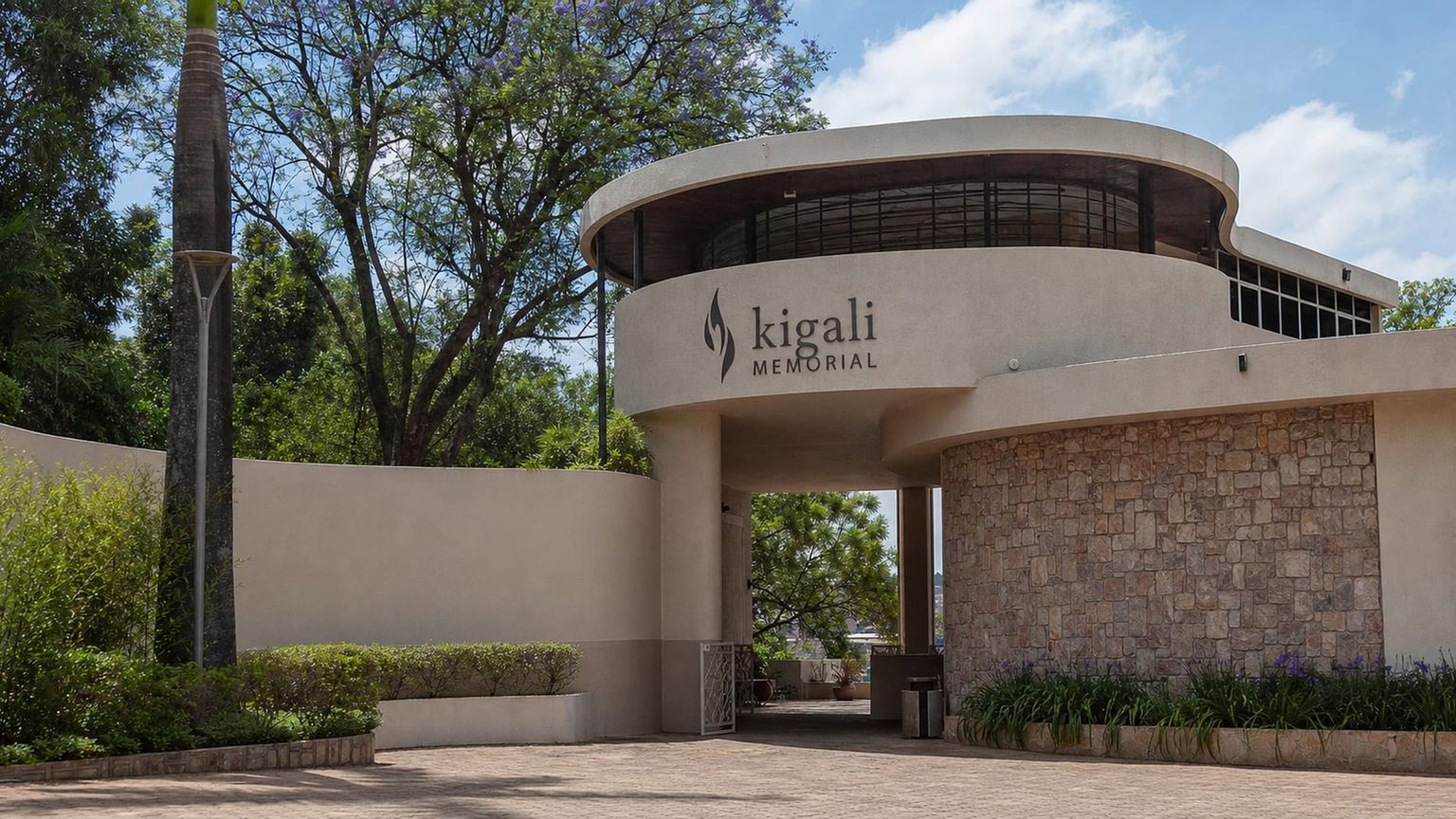
Kigali Genocide Memorial
Kigali’s main memorial tells the story of the 1994 genocide through exhibits, survivor testimony, and the burial grounds behind the museum. The site also includes a children’s memorial and a quiet garden for reflection.
Time needed: About 2 to 3 hours
Entry: Admission is free; donations support the memorial’s exhibitions, education programs, and grounds upkeep Visit the official site for details.
Tip: Go early in the morning for quieter galleries and cooler weather on the memorial grounds.
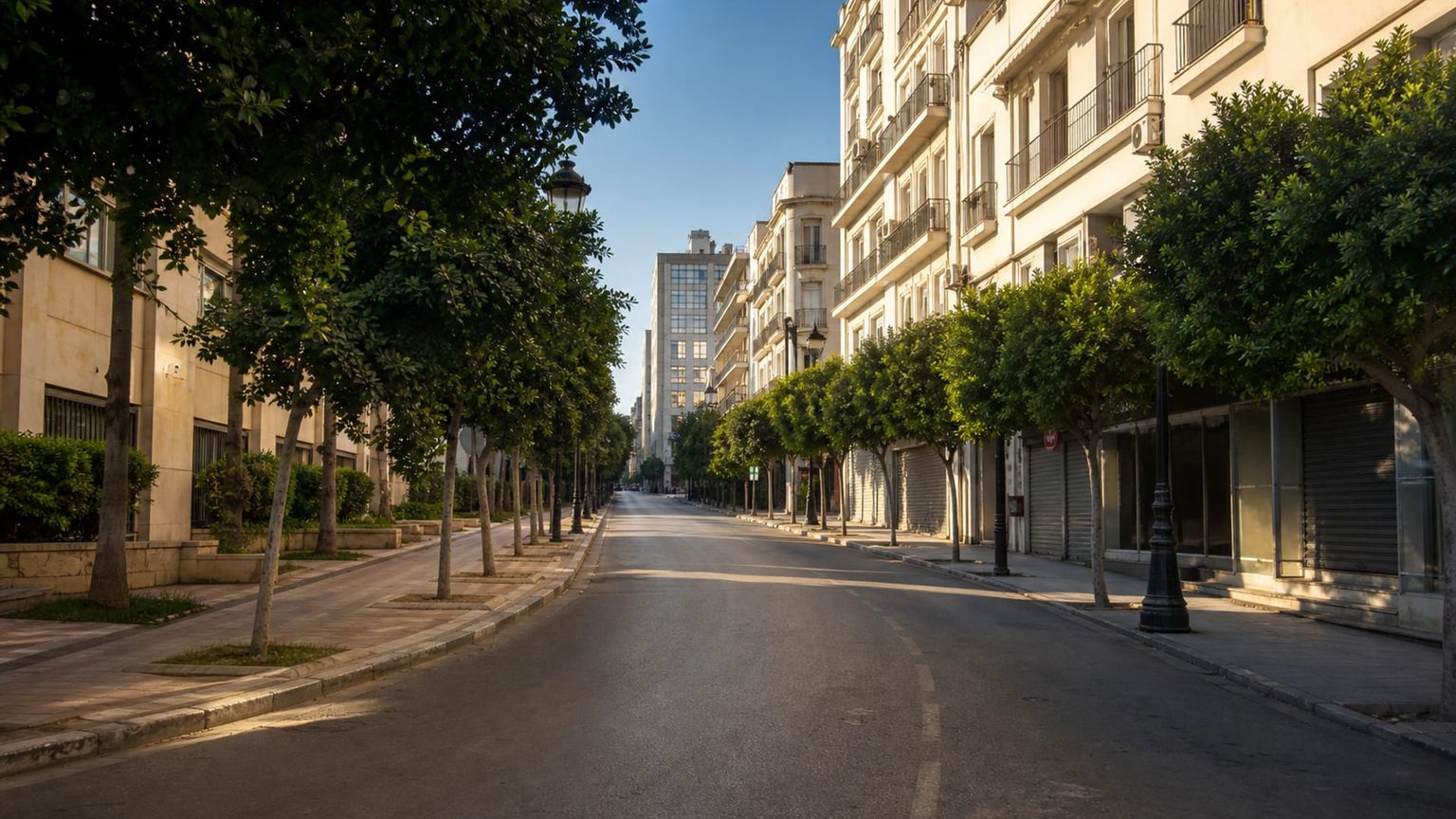
Kandt House Museum
This former residence of German colonial officer Richard Kandt now traces Kigali’s early urban history and Rwanda’s natural history. It sits on Nyarugenge Hill, with displays, city views, and easy access to the center.
Time needed: About 1 to 2 hours
Entry: Tickets cost $5 ($6) for adults, with reduced rates for Rwandan citizens, students, and children Visit the official site for details.
Tip: Visit in clear daylight, then continue to nearby city streets for wider views over central Kigali.
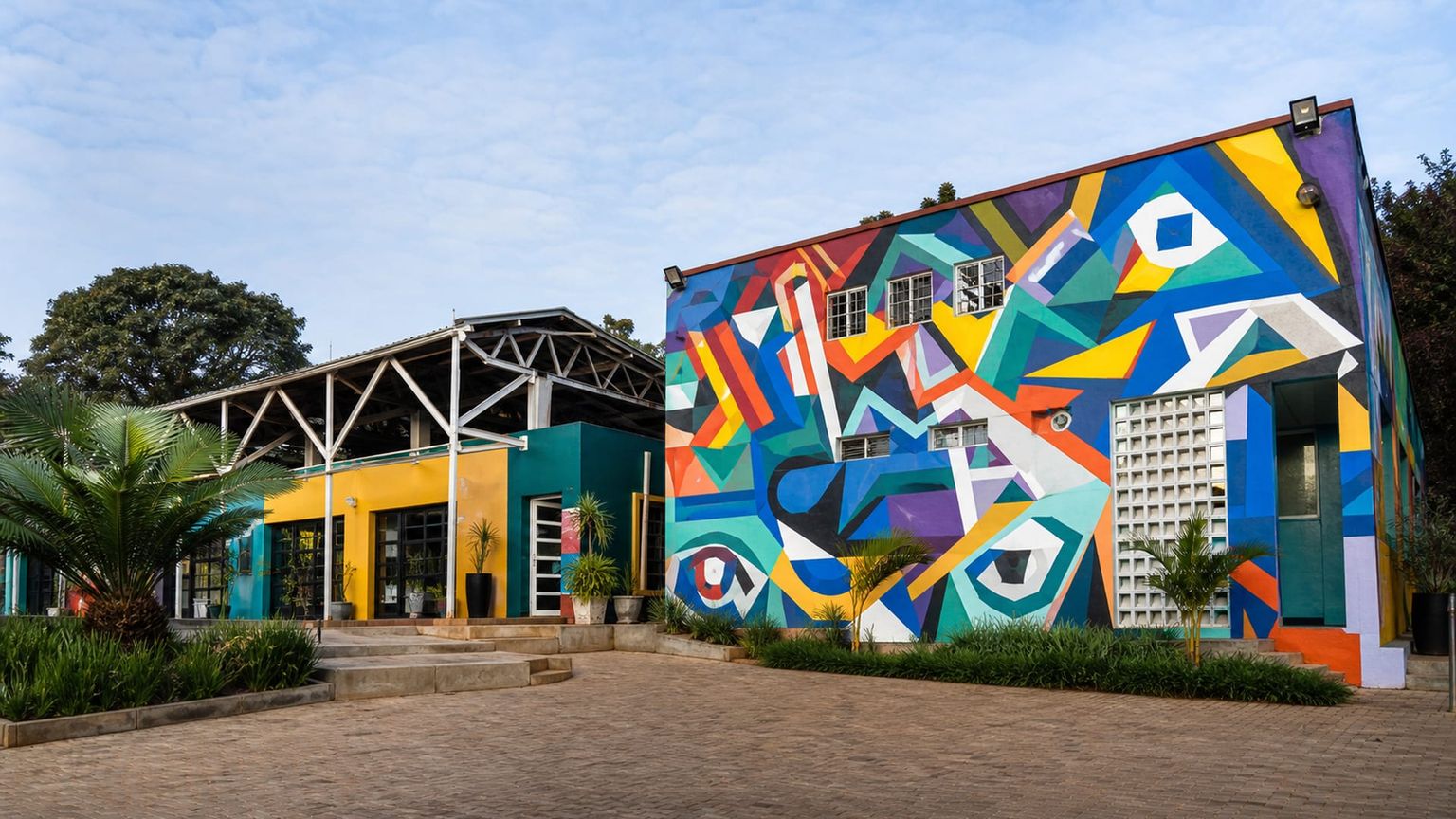
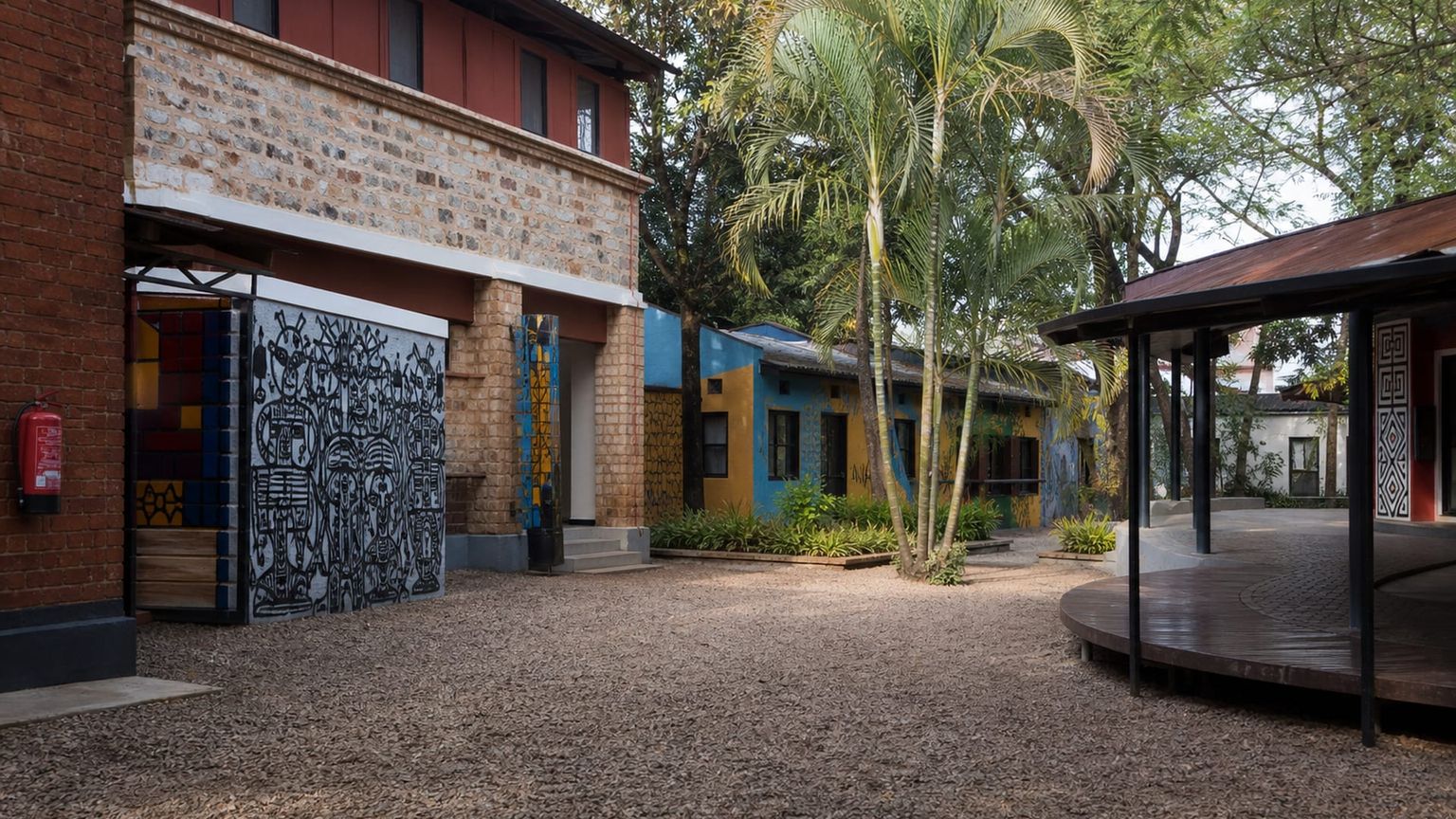
Inema Arts Center
Inema Arts Center showcases contemporary Rwandan painting, sculpture, and mixed-media work in a working studio space. Visitors can watch artists at work, browse the gallery, and see frequent exhibitions and cultural events.
Time needed: About 1 to 2 hours
Entry: Entry is free for gallery visits; workshops, performances, and special events may carry separate fees Visit the official site for details.
Tip: Arrive in the afternoon when the studios are active and the gallery has the most movement.
Overlooked sites worth visiting

Kandt House Museum of Natural History
This former German residence now houses Kigali’s natural history museum, with displays on geology, wildlife, and the city’s early history. It is compact, quiet, and easy to pair with a short center-city stop.
Time needed: About 1 hour
Entry: Admission is about $5, payable in Rwandan francs at the gate; check current local pricing before you go, because small museums in Kigali sometimes adjust fees without much notice.
Tip: Visit in the morning for cooler indoor viewing.

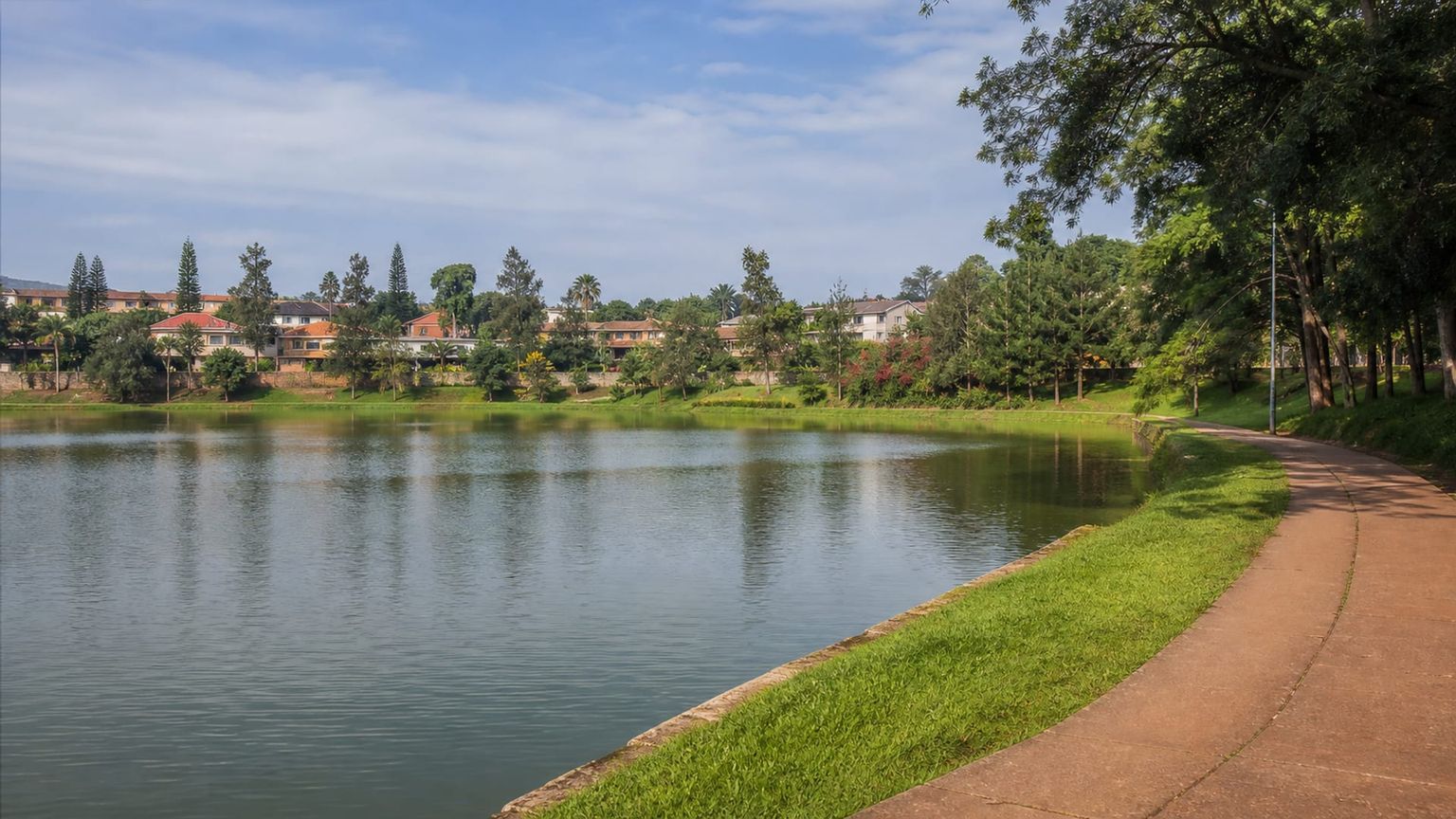
Nyarutarama Lake loop
This small lake in the Nyarutarama neighborhood draws walkers, runners, and birds rather than crowds. The paved loop gives a low-key break from downtown without leaving the city.
Time needed: About 1 to 1.5 hours
Entry: Free to access; the loop is open-air and ungated, with no ticket office or timed entry. Bring cash only if you plan to buy drinks from nearby cafes or parking attendants, since the path itself has no fee.
Tip: Go near sunset for softer light and fewer runners.
Traditional food
Kigali cooking leans on beans, plantains, greens, and grilled meat, with brochettes, isombe, ibihaza, and urwagwa showing up across casual dining rooms and hotel tables.
Brochettes
Skewered beef, goat, or fish usually arrive with fried plantain or potatoes and a sharp chili sauce. Heaven Restaurant in Kigali serves a strong version and works well as a canonical stop for this dish.
Isombe
This cassava-leaf dish comes cooked down with peanut flavor and often lands beside rice or plantains. L’Epicurien in Kigali is a good canonical place to order it in a more refined setting.
Ibihaza
Ibihaza pairs pumpkin with beans and turns up as a comforting side or light meal, especially in home-style cooking. This dish fits well at Repub Lounge, where Rwandan plates sit comfortably on the menu.
Urwagwa
This traditional banana beer is mildly sweet, lightly fermented, and often served with food rather than on its own. Pili Pili in Kigali is a useful canonical stop if you want to pair it with grilled dishes.
Best time to visit Kigali
Kigali stays moderate through much of the year, but rainfall and humidity shift the best months for hill walks, outdoor lunches, and longer cross-city sightseeing.
Best for: Lush hills and greener city views
What you get: Temperatures run about 66-78°F (19-26°C), with fewer visitors than the dry season and more rain interruptions.
Trade-offs: Afternoon showers can shorten outdoor plans.
Best for: Dry weather for museum days and neighborhood walks
What you get: Temperatures sit near 64-79°F (18-26°C), with the clearest skies and the busiest travel period.
Trade-offs: Popular hotels and restaurants fill more quickly.
Best for: Balanced sightseeing with lighter crowds than peak dry season
What you get: Temperatures usually stay around 66-79°F (19-26°C), with a mix of sunny stretches and short rains.
Trade-offs: You may need to adjust plans for brief downpours.
Best for: Warm days for market browsing and café stops
What you get: Temperatures average about 67-80°F (19-27°C), with moderate crowds and occasional rain.
Trade-offs: Humidity and showers can make midday outings less comfortable.
A realistic 5-day plan in Kigali
Five days gives Kigali enough time to move from the memorial district to central museums, then into a quieter hillside loop and a final market stop. The plan below keeps transfers short, places outdoor time where it works best, and leaves room for meals between stops.
Land at Kigali (KGL), then take a taxi into Kiyovu or Kacyiru, about 15 to 20 minutes depending on traffic and roughly $10 to $20. If you arrive in daylight, you can still settle in, drink water, and take a short dinner at a hotel restaurant in Kiyovu before an early night, which keeps the first evening easy after the flight.
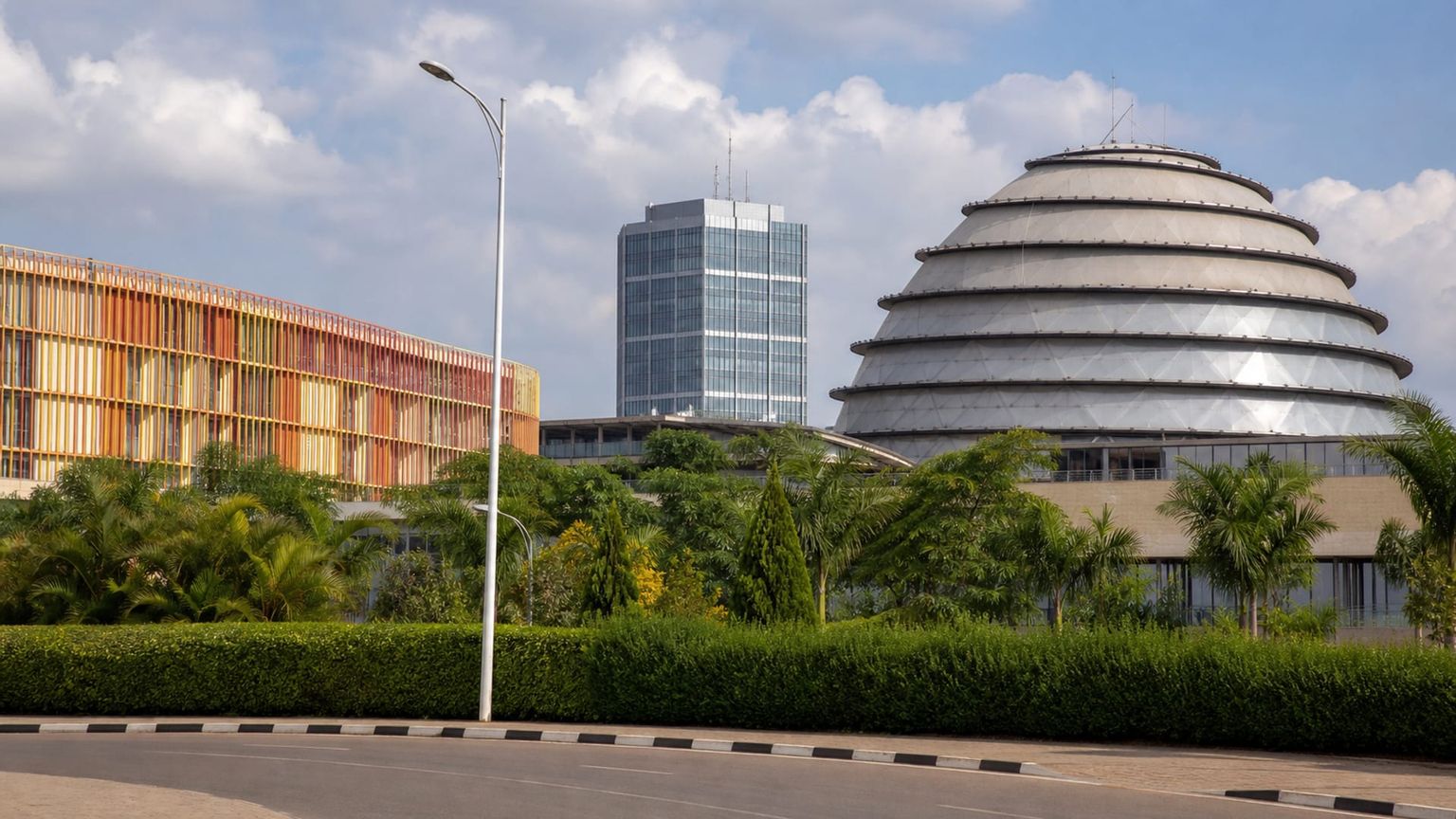
Begin at the Kigali Genocide Memorial, best visited in the morning and about 15 minutes by car from Kiyovu or Kacyiru. Plan 2 to 3 hours there, then ride about 10 minutes to Kandt House Museum for a 1-hour visit and city views from Nyarugenge Hill. Finish with Inema Arts Center, about 15 minutes away by taxi, where you can spend 1 to 2 hours among studios and rotating exhibitions before dinner back in Kacyiru or Kiyovu.
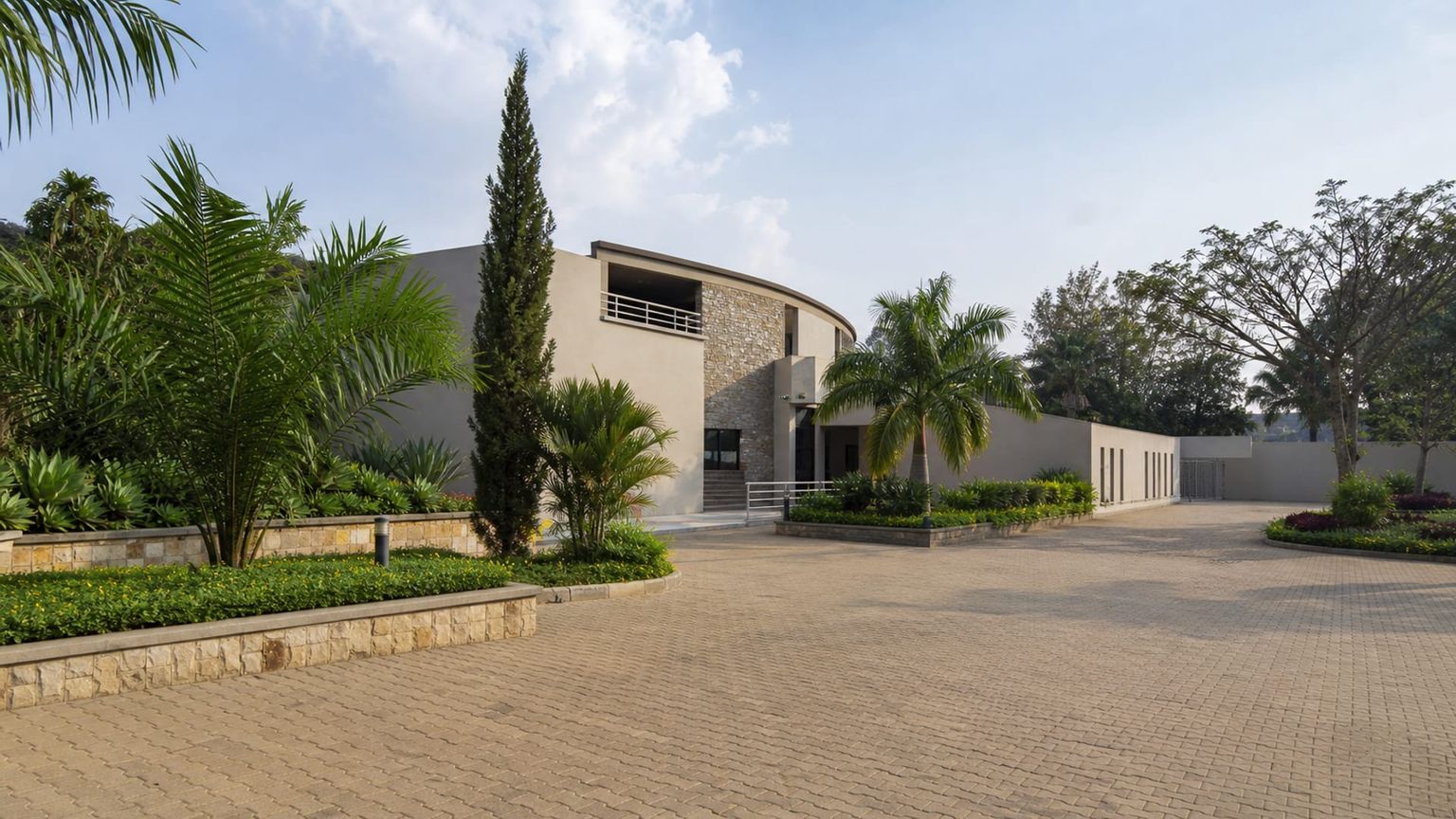
Start in central Kigali with Kandt House Museum of Natural History, then continue to the nearby downtown streets for a shorter second stop, about 10 to 15 minutes on foot or a quick taxi ride if the hills feel steep. From there, head to Inema Arts Center, roughly 15 minutes away by car, to see working studios in the afternoon. Afterward, return to Kiyovu for an early dinner, since the neighborhood sits close to the center and keeps the evening transfer short.
For a slower outdoor day, head to the Nyarutarama Lake loop in the late afternoon, about 20 minutes by taxi from Kiyovu and a little longer from the memorial district. Walk the paved circuit for 1 to 1.5 hours, then stay in Nyarutarama for dinner before heading back, because the neighborhood’s restaurant strip thins out later at night. If you want one more stop, add a brief look at the nearby golf and hillside streets, which show a different side of Kigali than the central hills.
Round out the trip with a final museum visit in the morning, then shift to shopping in Kimironko District, about 20 to 25 minutes by taxi from Kacyiru or Kiyovu, for textiles, baskets, and market browsing. Afterward, settle into a café in Nyarutarama for a late coffee or lunch, which gives you an easy base before the drive back to Kigali (KGL).
Business-class flights from the US to Kigali
Long-haul trips to Kigali usually connect through one major hub, so the useful question is not whether you will stop, but which stop gives the best mix of price and timing. These two examples show how that plays out from the East Coast and the West Coast.
From New York, Qatar Airways, Turkish Airlines, Brussels Airlines, Ethiopian Airlines, Kenya Airways, and Air France all operate on itineraries that typically take about 16 to 22 hours. Common layover hubs include DOH, IST, BRU, ADD, and CDG, and round-trip fares usually start near $4,200 and can reach $7,500.
Los Angeles travelers usually connect through DOH, IST, DXB, ADD, or FRA, and the journey typically takes about 19 to 27 hours. Qatar Airways, Turkish Airlines, Emirates, Ethiopian Airlines, Kenya Airways, and Lufthansa appear on the main options, with fares generally running about $4,800 to $8,200 for a round trip.
Kigali feels different when you slow down
A deliberate Kigali trip usually means staying in Kiyovu or Kacyiru, then using taxis, buses, or a short walk only where the hills stay manageable. That approach leaves space for the Kigali Genocide Memorial, Kandt House Museum, Inema Arts Center, and a slower hour by the Nyarutarama Lake loop. If you want help shaping the route, the AranGrant experts can build a Kigali plan around the neighborhood and season that fit your dates best







