

Chapters:

Need help with your trip?
Our support team is available 24/7. Request a callback or call us directly at (833) 619-0908
Many visitors compress Easter Island into a loop of famous moai, a couple of photo stops, and a quick return to Hanga Roa. That leaves out how much time the island takes to cover, and how much the road network shapes each day.
Distances are short on a map, but they still add up when you cross from the quarry at Rano Raraku to the south coast or wait for a clear sunrise at Tongariki. If you do not plan the order well, you spend more time in the car than at the sites.
This guide sets the island out in a calmer sequence, with a base, a transport plan, and a five-day route that groups the main sights before the quieter stops.
Useful things to know
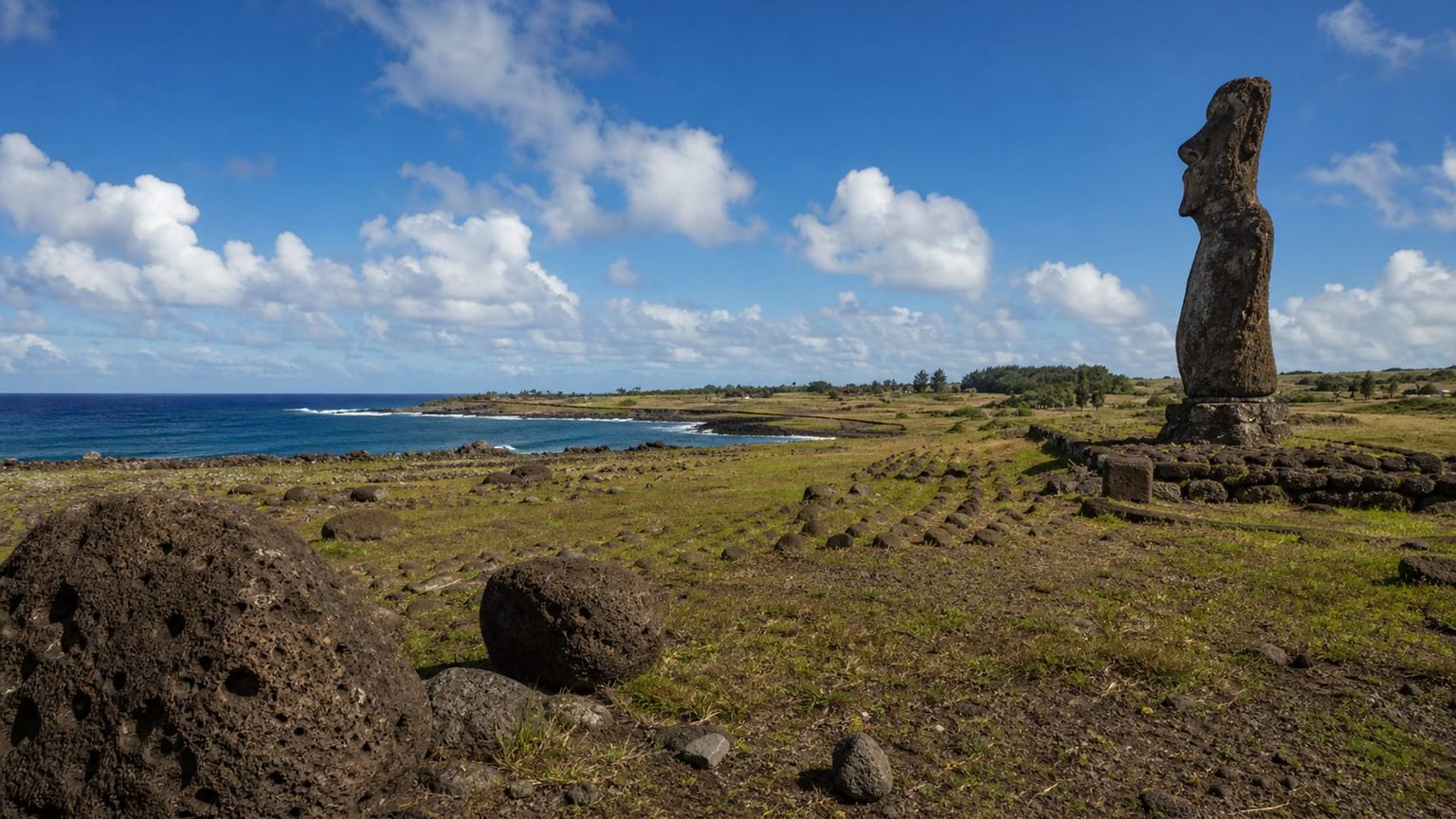

Main language(s): Spanish
hola (OH-lah) – hello / good morning
por favor (por fah-VOR) – please
gracias (GRAH-seeahs) – thank you
¿Habla inglés? (AH-blah een-GLAYS) – Do you speak English?
¿Cuánto cuesta? (KWAHN-toh KWES-tah) – How much does it cost?

Currency: The local currency is the Chilean peso (CLP, $).

Cash and cards: Cards and contactless are accepted in some hotels and larger shops, but carry about $50 to $100 in cash for small buys and rural stops.

Tipping: Round up small bills; tipping is not expected, but 5-10% is appreciated in restaurants for good service.

Traditional food: curanto, ceviche, tuna tartare, sweet potato cake

Water and coffee costs: Water ~CLP 1,500 ($2), bar espresso ~CLP 3,000 ($3.50).

Taxis and ride apps: Uber and Cabify are limited here; prebook transfers or taxis if you need a guaranteed ride.

Plug and voltage: Type C/L socket, 220V

Dining and shop opening hours: Breakfast is about 8:00-10:00, lunch 13:00-15:00, and dinner 19:00-22:00. Many places close early on Sunday, and some remote spots keep limited hours.

Emergency number: 131 ambulance, 132 police, 133 fire.
Where to stay in Easter Island
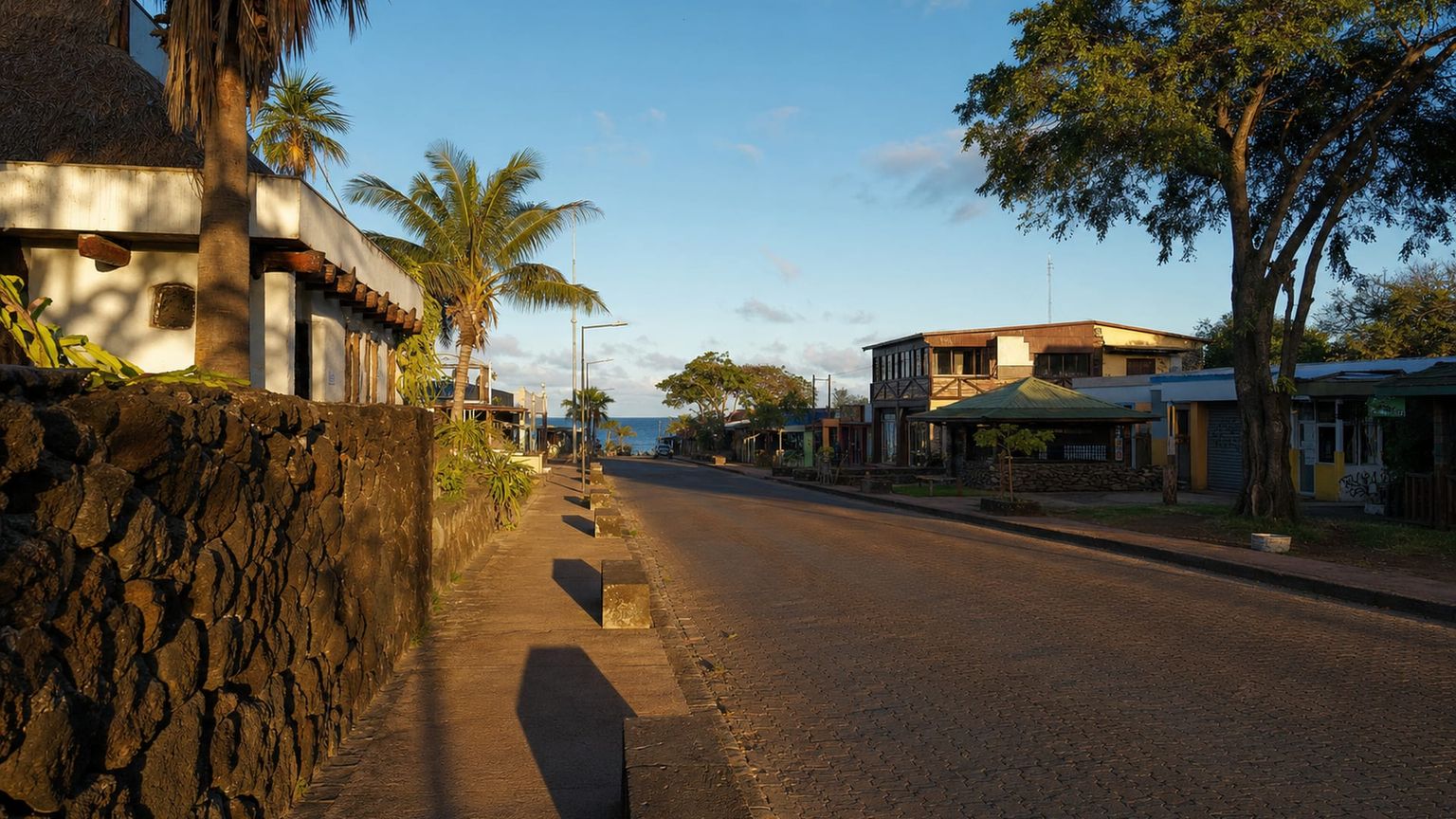
Hanga Roa center is the main town core on Easter Island, where most hotels, restaurants, tour operators, and shops cluster. Staying here puts you closest to airport transfers, the harbor, and the island’s main practical base for organizing visits to moai sites.
Best for: First-time visits, tours, dining, and the most convenient island base
What to expect: A small-town main street with steady daytime activity, a few evening restaurants, and limited late-night life.
Hotel prices: Usually about $180 to $400 per night for well-rated stays
Distance to major sights: About 5 minutes by car to Mataveri Airport (IPC), roughly 10 minutes on foot to the harbor area, and about 15 minutes by car to Tahai
Quietness: Busier during the day, quieter after dinner, with only modest evening foot traffic.
Main trade-off: It is the priciest area on the island, and some rooms sit close to the town’s main road, so you trade quiet for convenience.
Good to know: If you plan early tours or airport transfers, staying here cuts down on taxi dependence and keeps meals, banks, and booking offices within easy reach.
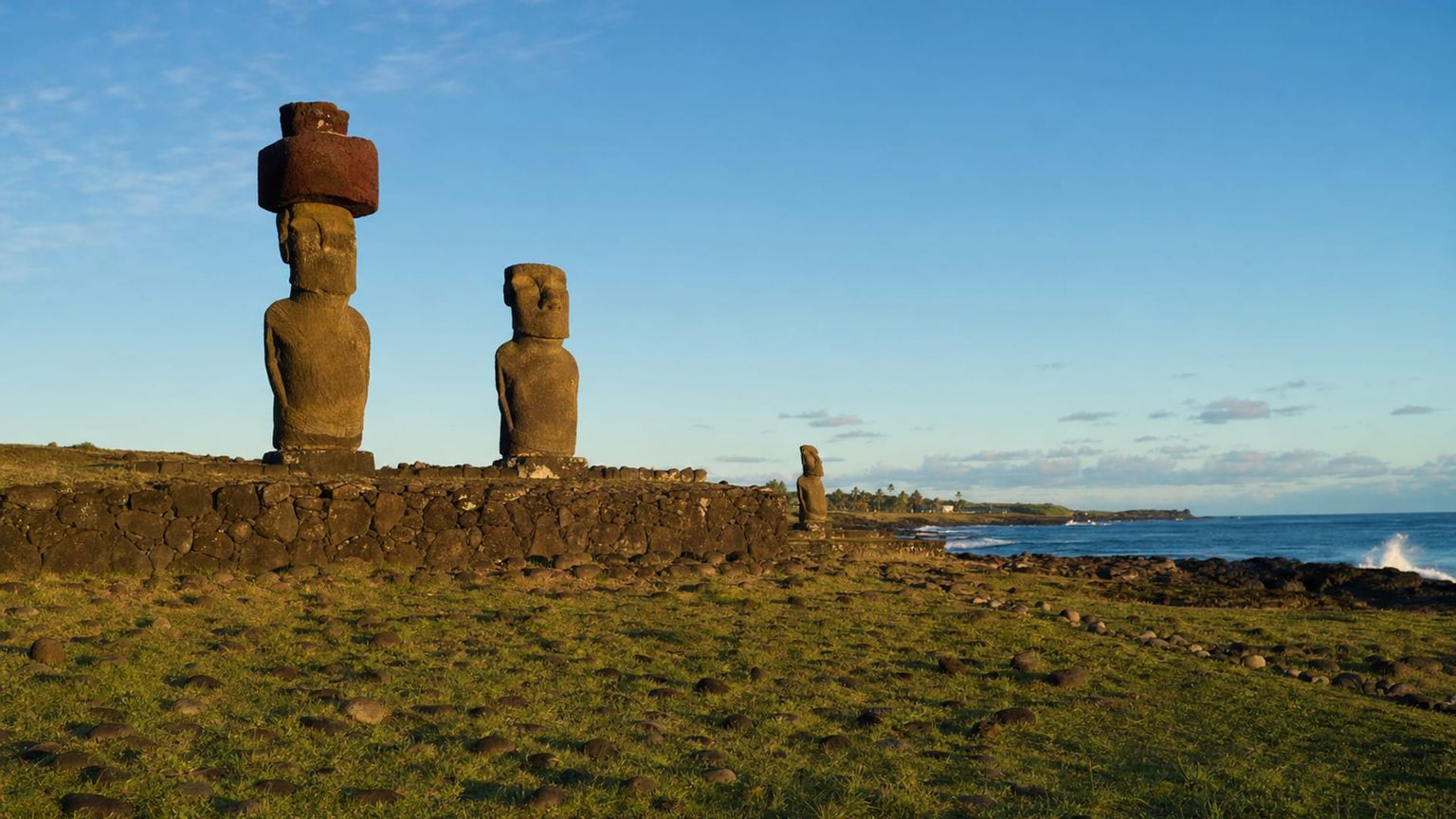
Tahai sits at the north edge of Hanga Roa, near one of the island’s best-known ceremonial platforms and the coastline. It suits travelers who want sunset access, sea views, and a short hop back into town for meals and supplies.
Best for: Sunset watching, coastal walks, and visitors who want quick access to town
What to expect: Low-rise lodgings, light evening foot traffic, and visitors gathering near the waterfront at sunset.
Hotel prices: Usually about $160 to $320 per night for well-rated stays
Distance to major sights: About 5 to 10 minutes on foot to central Hanga Roa and roughly 10 minutes by car to Mataveri Airport (IPC)
Quietness: Calm most of the day, then livelier near sunset when people gather along the coast.
Main trade-off: You get a scenic setting, but dining and shopping choices are narrower than in the town center, so you may end up walking or driving in for more options.
Good to know: Some properties near the shoreline can pick up wind, so ask about sheltered rooms if you are sensitive to sound at night.
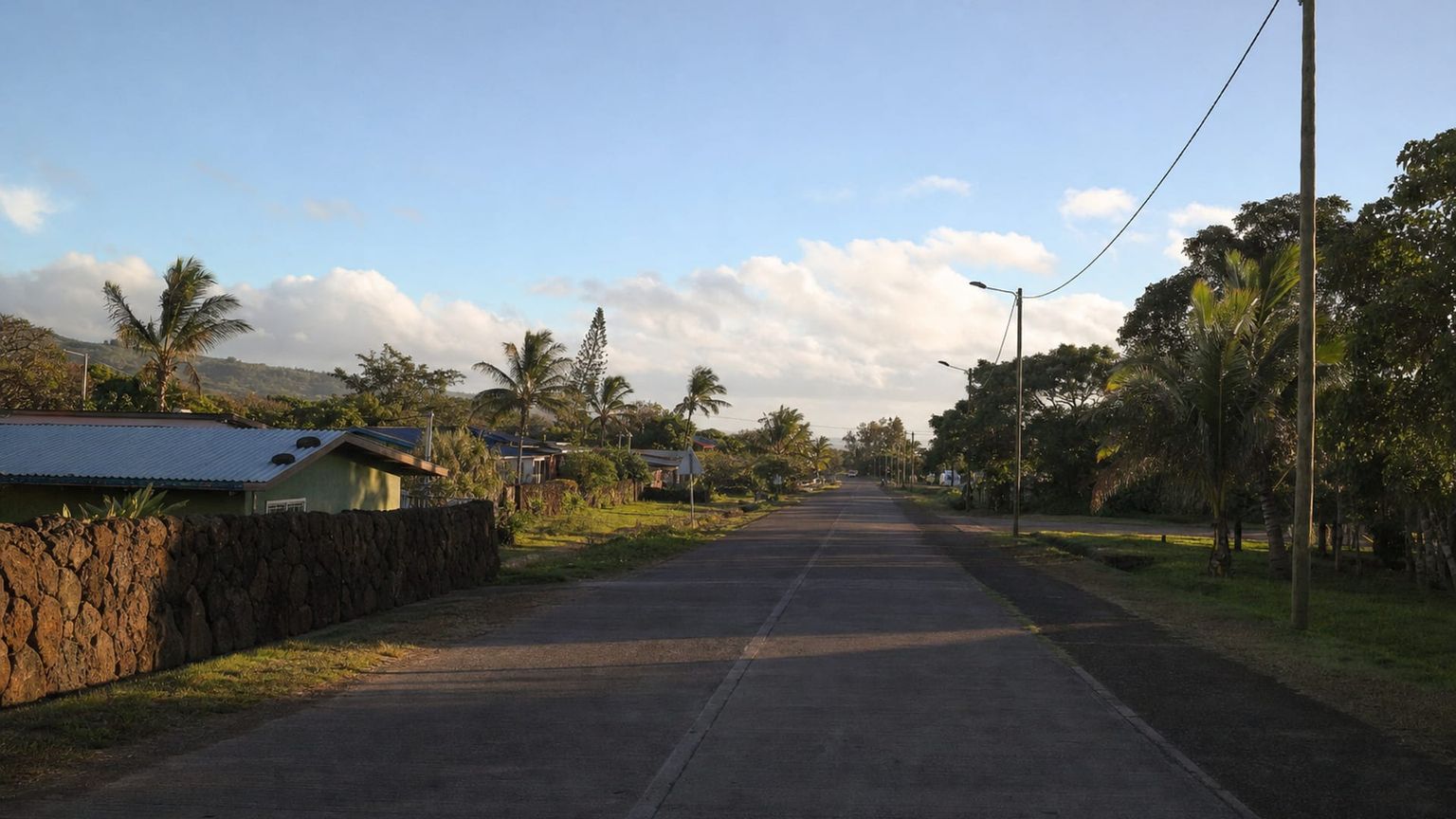
Mataveri is the residential area around Easter Island’s airport on the western side of Hanga Roa. It works well for travelers who want quick airport access and a quieter, more local-feeling place to sleep without leaving the island’s main town.
Best for: Early flights, short stays, and travelers who value airport proximity
What to expect: Mostly residential streets, limited through traffic, and fewer restaurants within a short walk than in the center.
Hotel prices: Usually about $150 to $280 per night for well-rated stays
Distance to major sights: About 5 minutes by car to Mataveri Airport (IPC) and roughly 15 minutes by car to Ahu Tahai
Quietness: Usually quiet both day and evening, with brief spikes of activity when flights arrive or depart.
Main trade-off: You will likely need a car, taxi, or longer walk for many dinners and island services, since options are thinner than in central Hanga Roa.
Good to know: This area works best if you value an easy airport run, but it is less convenient for late meals or spontaneous evenings out.
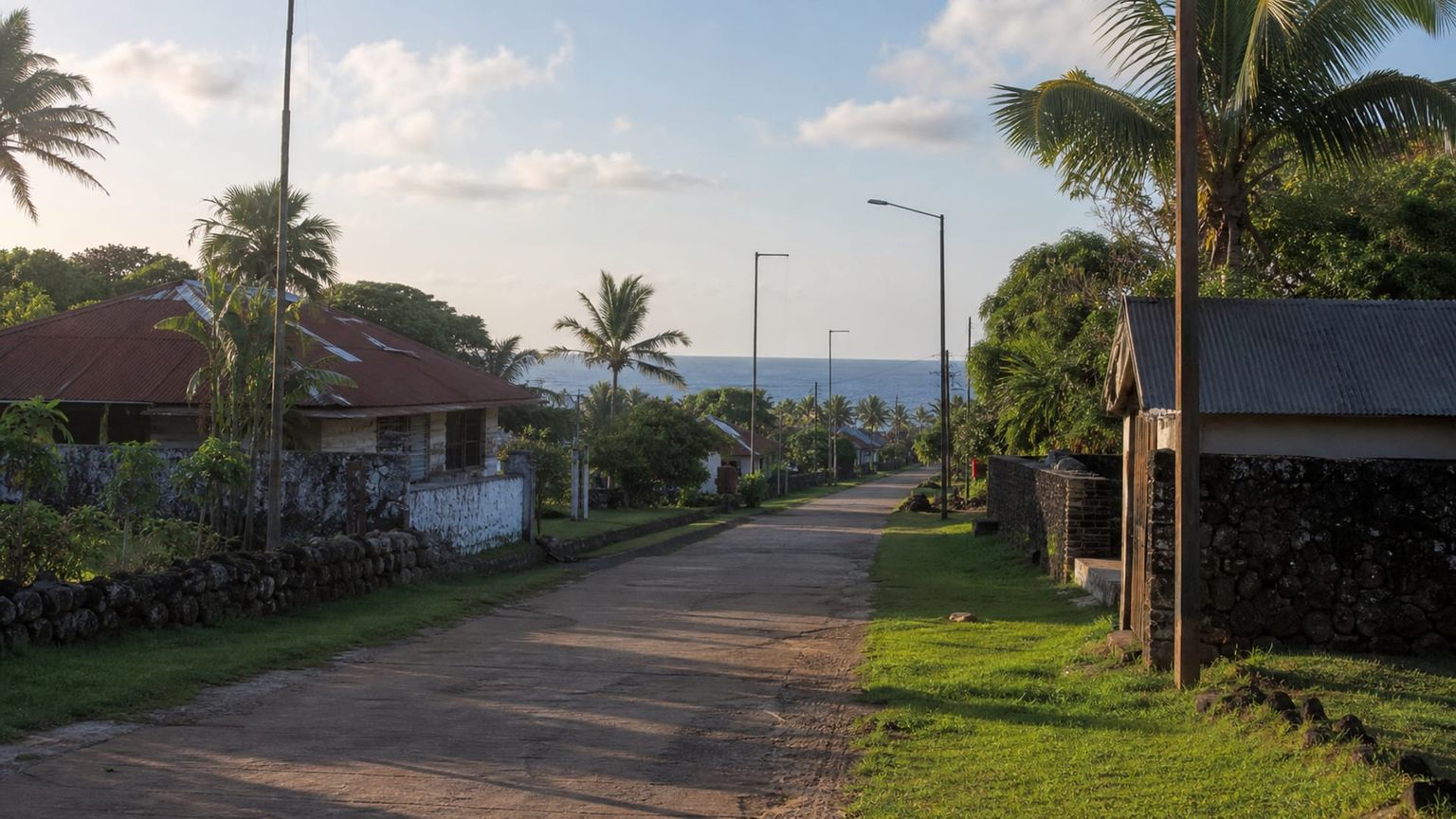
Pea sits near the harbor and the small beach in Hanga Roa, close to the island’s main waterfront activity. It is a good fit for travelers who want to step out for a swim, walk the coast, or reach boats and town amenities quickly.
Best for: Beach access, harbor proximity, and travelers who want to stay near the water
What to expect: A modest coastal strip with people passing through during the day and a quieter pace after sunset.
Hotel prices: Usually about $170 to $330 per night for well-rated stays
Distance to major sights: About 10 minutes on foot to central Hanga Roa and roughly 15 minutes by car to Ahu Tahai
Quietness: Moderate daytime activity near the beach and harbor, then comparatively quiet at night.
Main trade-off: The shoreline location can mean more exposure to wind and sea spray, and you may need to walk farther for the widest choice of restaurants.
Good to know: If you plan to spend time by the water, confirm whether your stay has easy foot access to the harbor road, since some lanes are narrow and uneven.
Travelers usually avoid staying in Anakena because it sits far from Hanga Roa and the main archaeological sites, with limited dining and visitor amenities nearby. Vaitea is less convenient for hotel stays because it is inland, has few tourist facilities, and requires longer evening drives to restaurants and services in Hanga Roa. Hanga Hoonu and the more isolated north coast areas are also less convenient, since they are remote from the island’s main sights and offer very limited walkable access to shops, meals, and transport.
Hotel deals
How to get around Easter Island efficiently
Because Easter Island has no metro or city bus grid, most visitors move between Hanga Roa, the airport, and the archaeological sites by taxi, shuttle, or tour vehicle.

Metro
for longer distances
Easter Island has no metro or suburban rail, so you will rely on roads for all airport-area transfers. Hanga Roa sits about 1 hour from the island’s farthest sights by car, while most stays cluster within about 10 to 15 minutes of Mataveri Airport (IPC).

Bus and tram
for convenience
A few local minibuses and tour shuttles link Hanga Roa with major viewpoints, but they do not form a fixed tram or city bus grid. Expect infrequent departures, cash payment in Chilean pesos, and travel times of about 10 to 30 minutes for nearby stops, longer for sites on the island’s edges.

Taxi
for convenience or late hours
Licensed taxis in the IPC area use set or quoted fares rather than meters for common trips, including airport-to-Hanga Roa runs of about $12 to $20 (CLP quoted on the spot often equivalent). For longer cross-island rides, expect about $35 to $70 depending on distance and waiting time; ask for the fare before departure, and carry cash because card acceptance is limited.
*Prices are based on rates updated as of June 2026 and may change at the time of travel.
Use taxis for airport runs and short point-to-point trips, minibuses or shuttles for guided site hops, and walking only for the compact stretches around Hanga Roa and Tahai.
Iconic landmarks
Rano Raraku
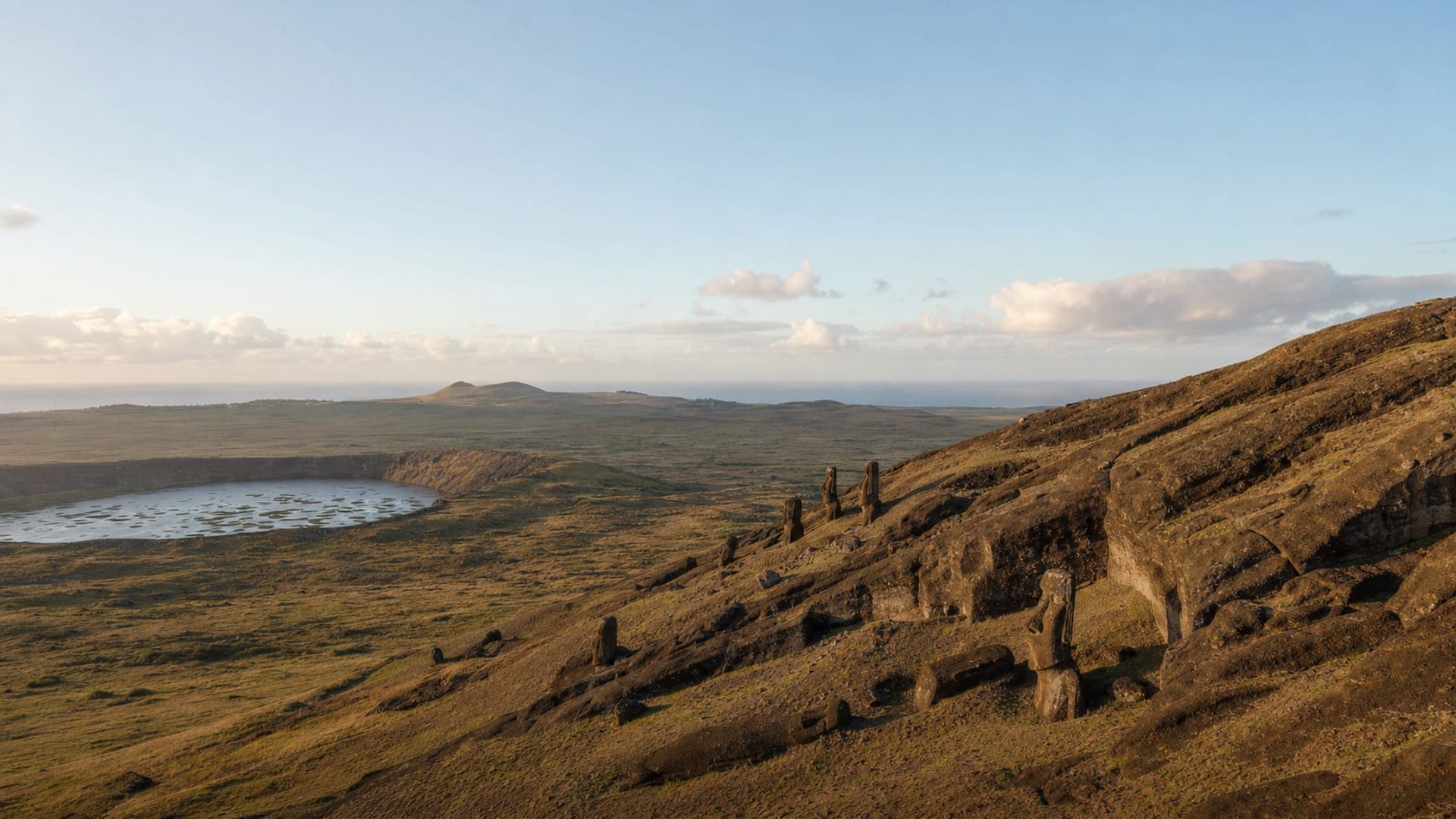
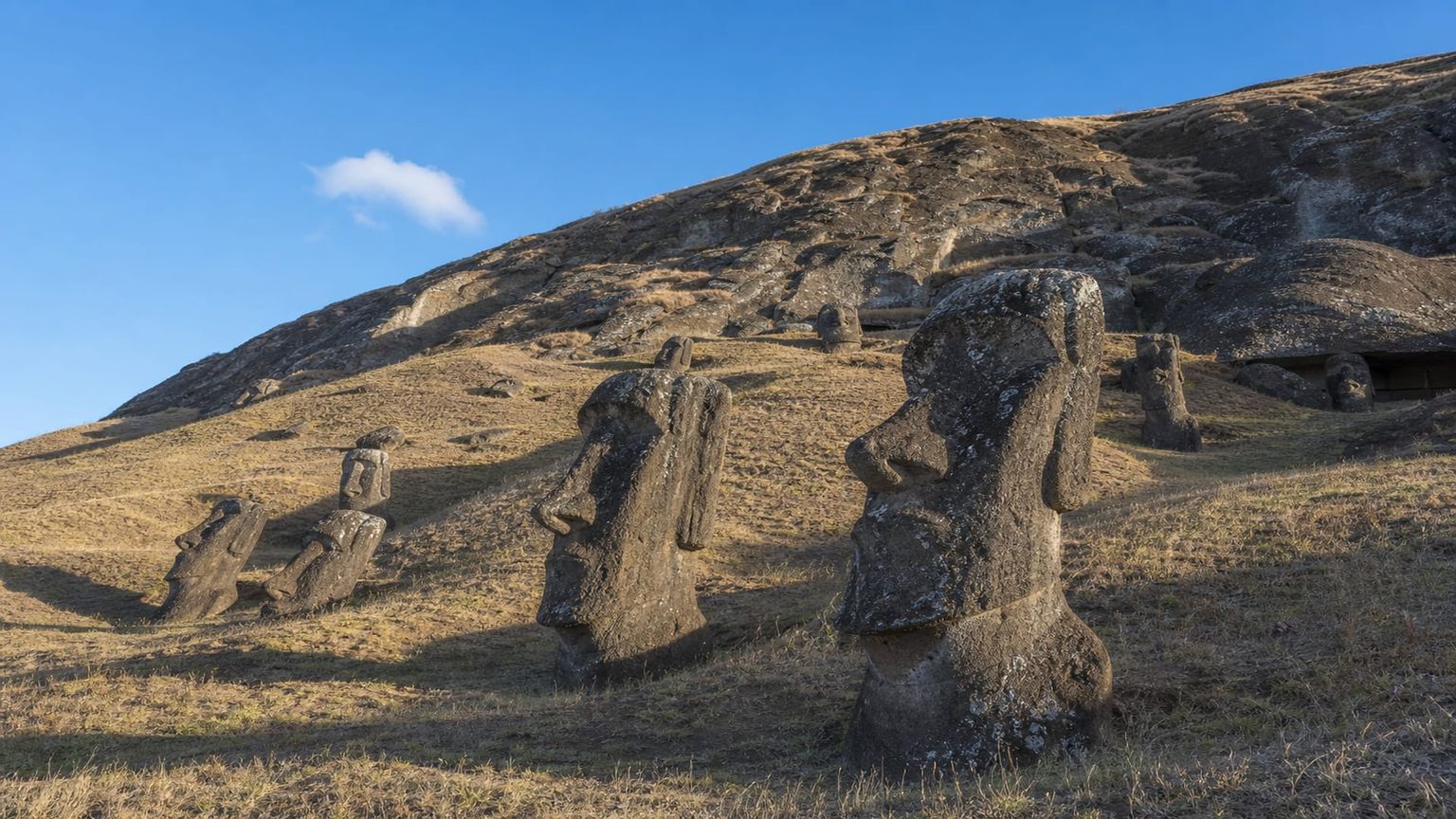
The island’s main quarry holds hundreds of moai in different stages of carving, with figures partly buried in volcanic tuff and tracks cut for moving them. The slope also opens broad views over the inland plain and coast.
Time needed: About 1.5 to 2 hours
Entry: Standard Rapa Nui National Park tickets cost $80,000 CLP ($84 USD) for foreign visitors and $20,000 CLP ($21 USD) for Chilean residents. Visit the official site for details.
Tip: Go early for softer light on the statues and fewer people on the slope.
Ahu Tongariki
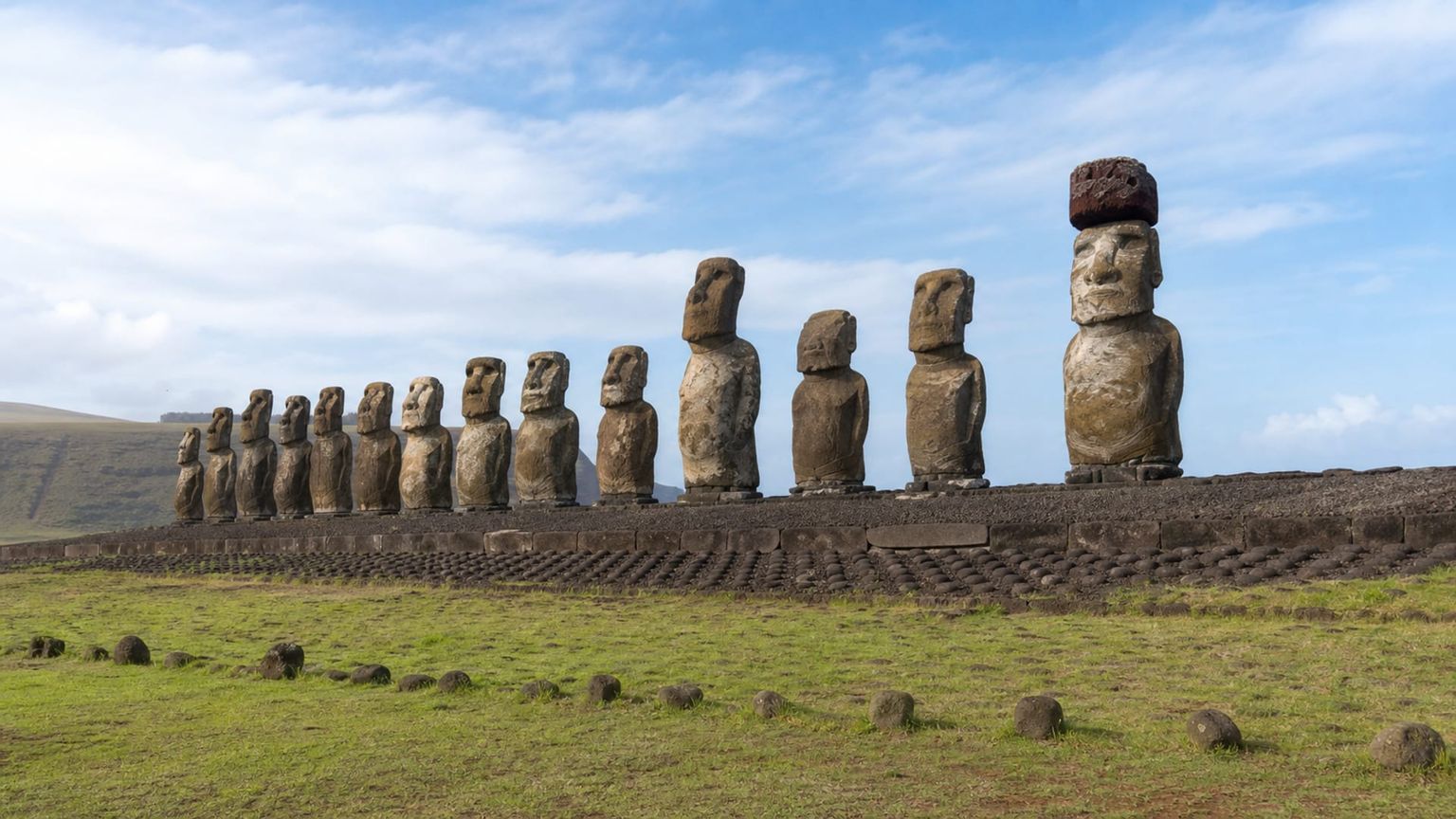
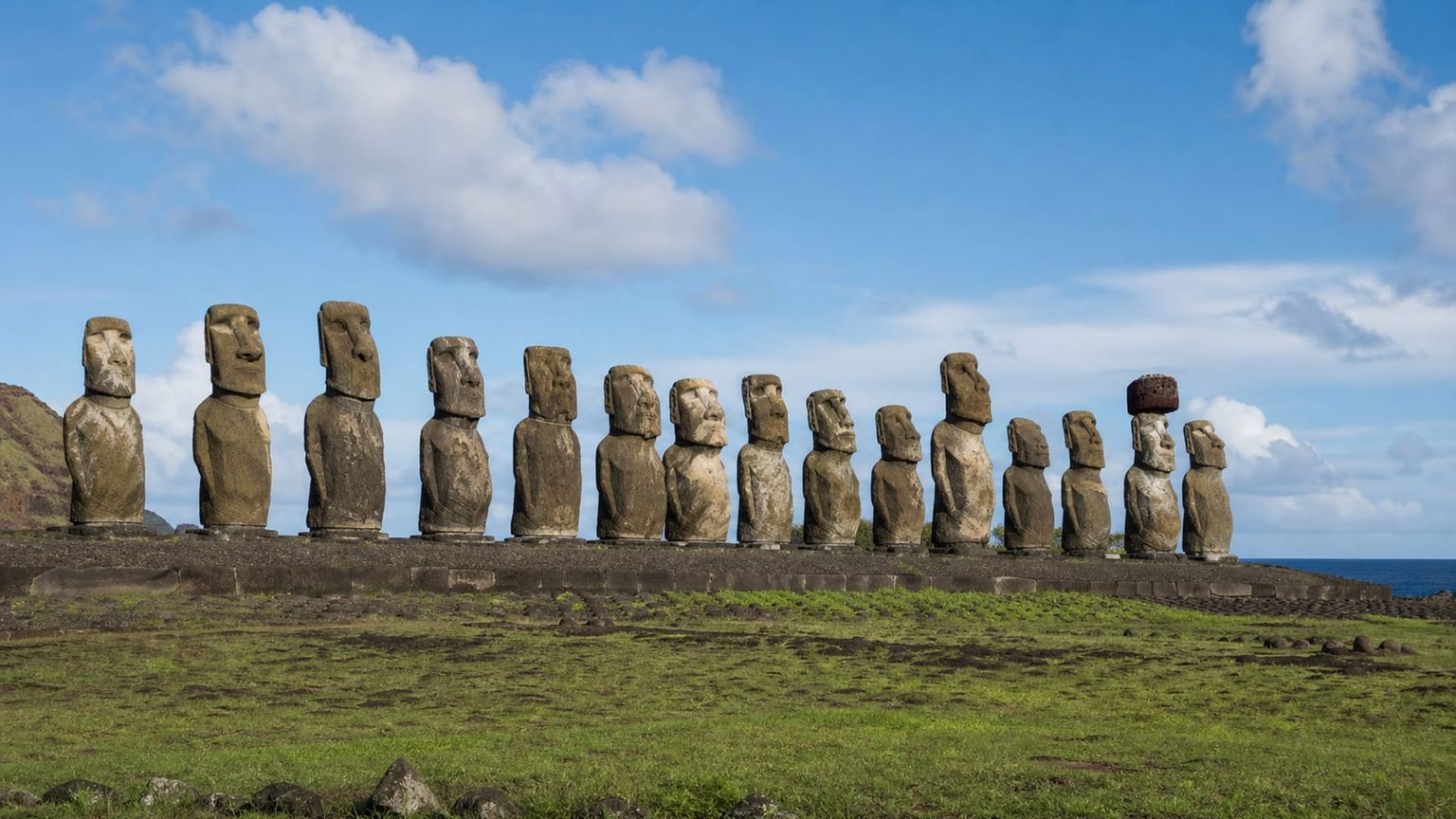
Fifteen restored moai stand in a row on a coastal ahu, the island’s largest ceremonial platform. Sunrise brings strong light on the figures, while the nearby shore adds a stark volcanic backdrop and open ocean views.
Time needed: About 45 to 60 minutes
Entry: Standard Rapa Nui National Park tickets cost $80,000 CLP ($84 USD) for foreign visitors and $20,000 CLP ($21 USD) for Chilean residents. Visit the official site for details.
Tip: Arrive before sunrise if you want the statues against changing dawn light.
Orongo Ceremonial Village
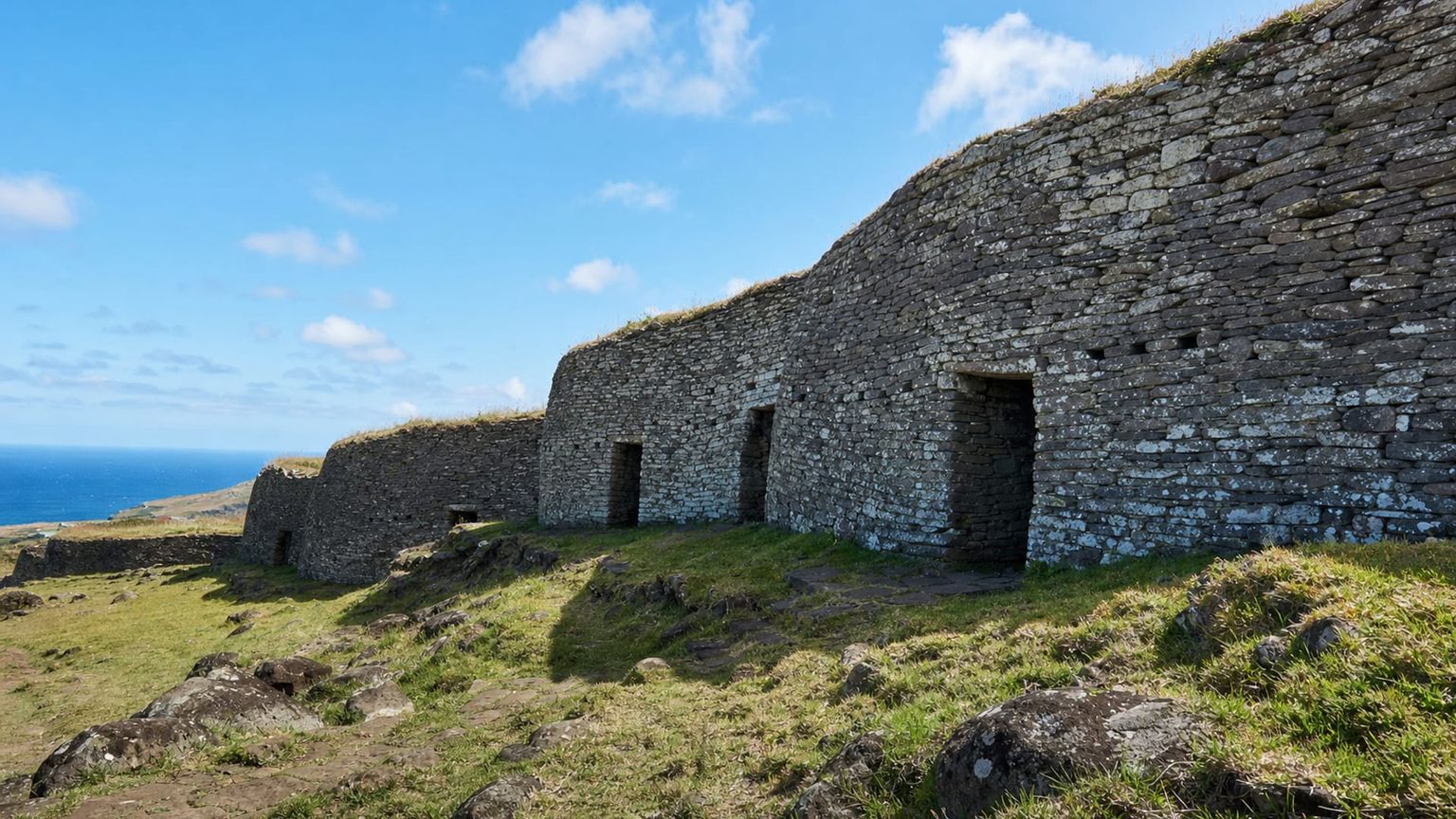
This stone village sits on the rim of the Rano Kau crater and looks toward the offshore islets tied to the birdman cult. Low, narrow houses and carved petroglyphs show the site’s ritual role and its cliff-edge setting.
Time needed: About 45 to 75 minutes
Entry: Standard Rapa Nui National Park tickets cost $80,000 CLP ($84 USD) for foreign visitors and $20,000 CLP ($21 USD) for Chilean residents. Visit the official site for details.
Tip: Visit before midday for clearer crater views and easier photography at the rim.
Overlooked sites worth visiting

Ahu Akivi
This inland ahu holds seven moai facing the ocean, a rare alignment on the island. It sits in a grassy volcanic plain, with fewer visitors than the coast sites and wide views of Rapa Nui National Park.
Time needed: About 45 minutes to 1 hour
Entry: Entry usually costs about $15 ($15,000 CLP) for adults with the Rapa Nui National Park ticket, which also covers other protected sites on the island. Check current rules at the park gate, since access policies can change by zone and season.
Tip: Go early for softer light and fewer tour groups.

Ana Kai Tangata
This sea cave on the south coast has painted bird motifs on the ceiling and a cliff-edge lookout above pounding surf. Short stairs make it an easy stop for visitors who want a compact cultural site.
Time needed: About 30 to 45 minutes
Entry: Free to access from the public path, with no ticket required for the cave viewpoint. If you enter the surrounding protected areas in the wider island network, standard park admission may apply elsewhere, but the cave lookout itself does not charge an entry fee.
Tip: Visit near low tide for clearer views into the cave.
Traditional food
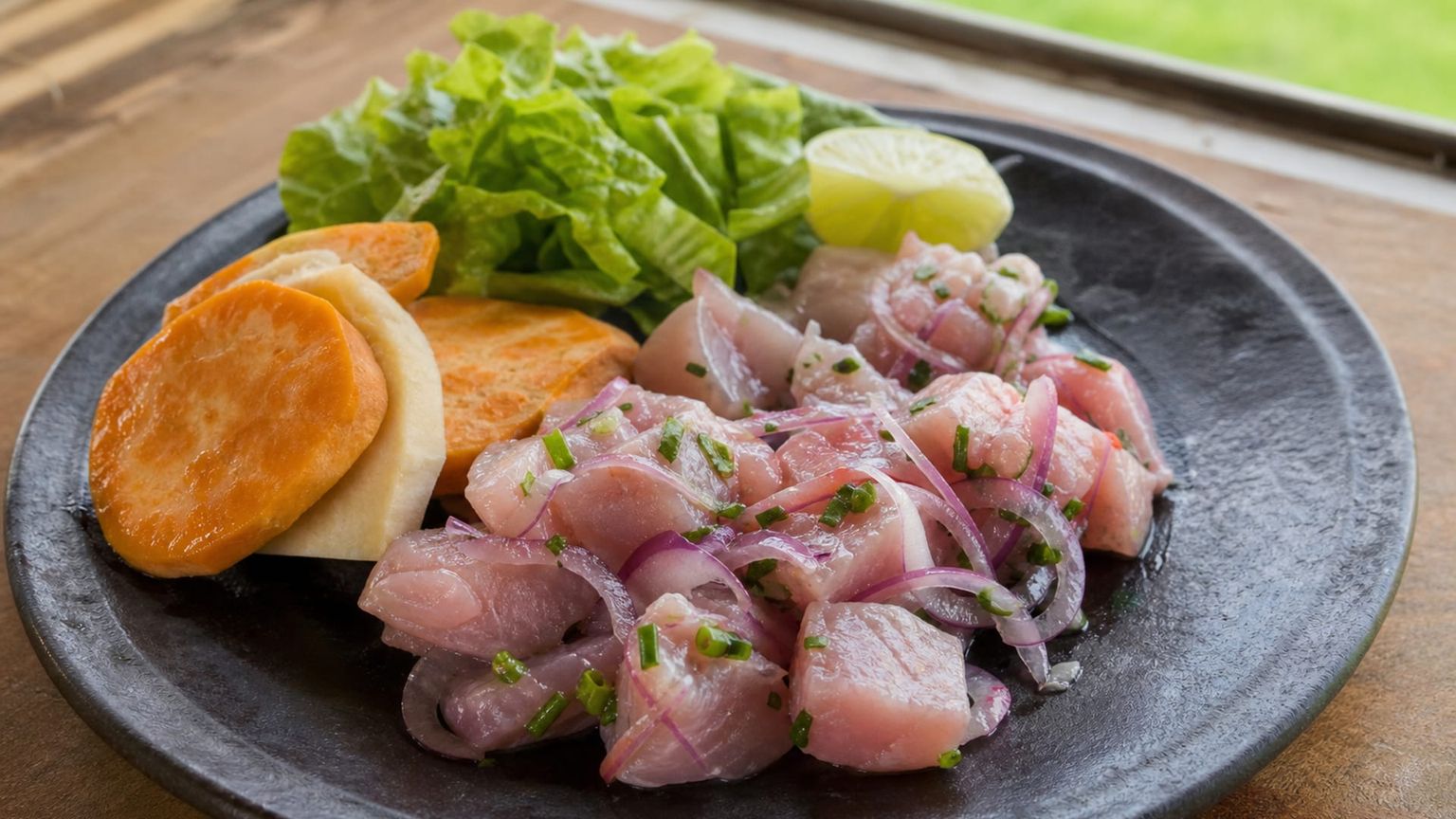
Island cooking leans on tuna, ceviche, curanto, sweet potato cake, and simple coastal grilling, with dinner serving as the main sit-down meal after daytime site visits. Portions tend to be generous, and many kitchens close early on Sunday.
Curanto
This Chilean-style shellfish, meat, potato, and vegetable bake suits a long island dinner after a full day of sightseeing. Te Moana pairs it with a central Hanga Roa setting and a menu that leans into local ingredients.
Ceviche
Bright citrus and fresh fish fit the island’s coastal setting, especially when you want a lighter lunch before an afternoon drive. Haka Honu serves a well-known version in Hanga Roa near the harbor road.
Tuna tartare
Fresh tuna shows up often on Easter Island, and tartare gives it a clean, straightforward presentation with local garnish. Kanahau Restaurant in Hanga Roa is a common stop for it.
Sweet potato cake
This dessert brings a mild, earthy finish to a seafood-heavy meal, and it fits well after an earlier dinner. Chez Rémy in Hanga Roa is a dependable place to look for it.
Best time to visit Easter Island
Easter Island works well year-round, but the trade-offs shift with wind, rain, and tourist traffic, so the best window depends on how much time you want outside and how much road movement you plan.
Best for: Warm beach weather and long daylight for early starts
What you get: About 68 to 79°F (20 to 26°C), with the highest visitor traffic and fuller tour schedules
Trade-offs: Prices rise and the most popular sites feel busier
Best for: Clearer site visits and easier pacing on the roads
What you get: About 64 to 75°F (18 to 24°C), with moderate crowds and generally comfortable conditions
Trade-offs: Rain and wind can interrupt coastal plans
Best for: Quieter sightseeing and lower hotel demand
What you get: About 59 to 68°F (15 to 20°C), with lighter crowds and cooler evenings
Trade-offs: Shorter days and a greater chance of wet weather
Best for: Balanced conditions before the peak summer rush
What you get: About 61 to 72°F (16 to 22°C), with moderate crowds and improving visibility
Trade-offs: Wind can still be strong on exposed coastal sites
A realistic 5-day plan in Easter Island
A five-day stay gives you room for the island’s main ceremonial sites, a few quieter inland stops, and time in Hanga Roa without rushing the road network. The sequence below starts with the best-known east coast viewpoints, then settles into south and west coast days before departure.
Land at Mataveri Airport (IPC), then take a taxi into Hanga Roa center, the ride takes about 5 minutes and usually costs roughly $10 to $15. Check in near the main street or in Tahai if you want an easy first sunset, then spend the afternoon on a short harbor walk and a low-key dinner in town, where most restaurants cluster within a few minutes of each other. Drink plenty of water, keep plans close to your stay, and save the longer park visits for the next morning.
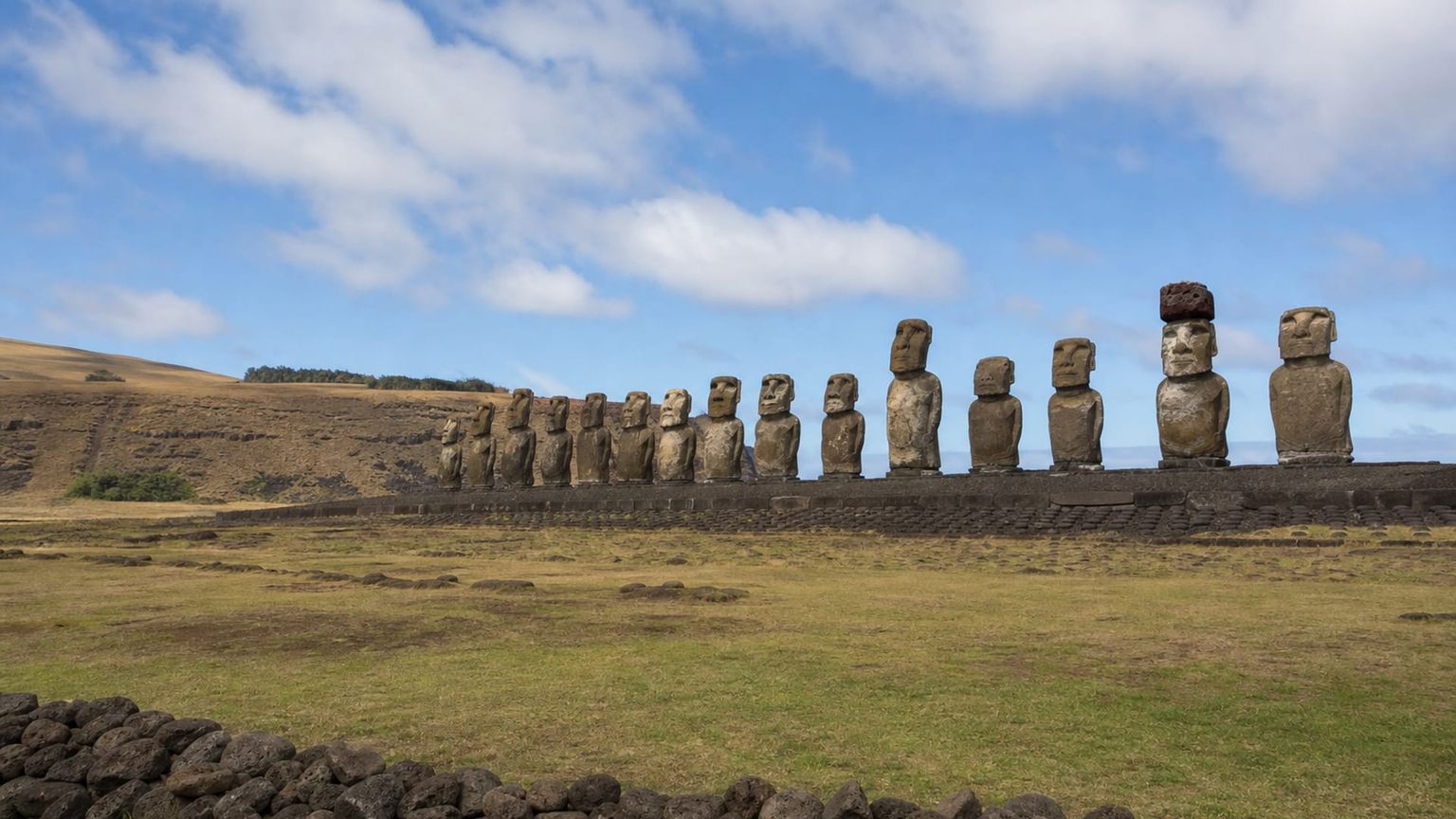
Start before sunrise at Ahu Tongariki, about 20 minutes by car from Hanga Roa center, so you can catch the moai in the early light. Continue to Rano Raraku, another roughly 10 to 15 minutes inland, and allow about 1.5 to 2 hours for the quarry slope and its scattered statues. Return toward town for a late lunch, then head west to Ahu Akivi, about 20 minutes by car from Hanga Roa, for a quieter afternoon stop on the open plain.
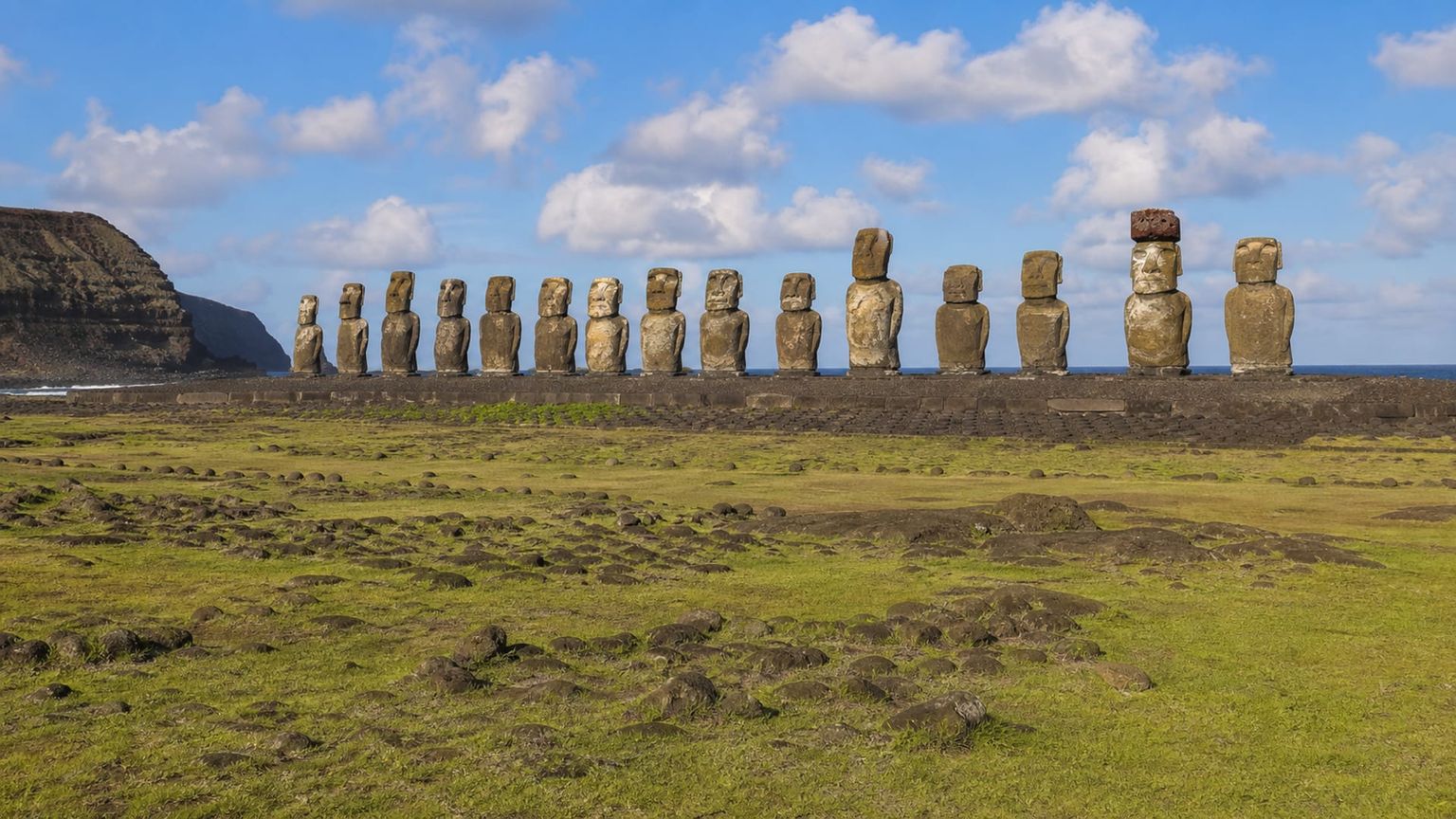
Head south after breakfast for Orongo Ceremonial Village, which sits about 20 minutes by car from Hanga Roa and usually takes 45 to 75 minutes to see. From the crater rim, drive about 15 minutes to Ana Kai Tangata for the cave viewpoint and painted ceiling, then continue back toward town for a relaxed late lunch near the harbor or main street. If you want a final sight before dinner, stop at Tahai, about 5 to 10 minutes from central Hanga Roa, for the coastal platforms and sunset light.
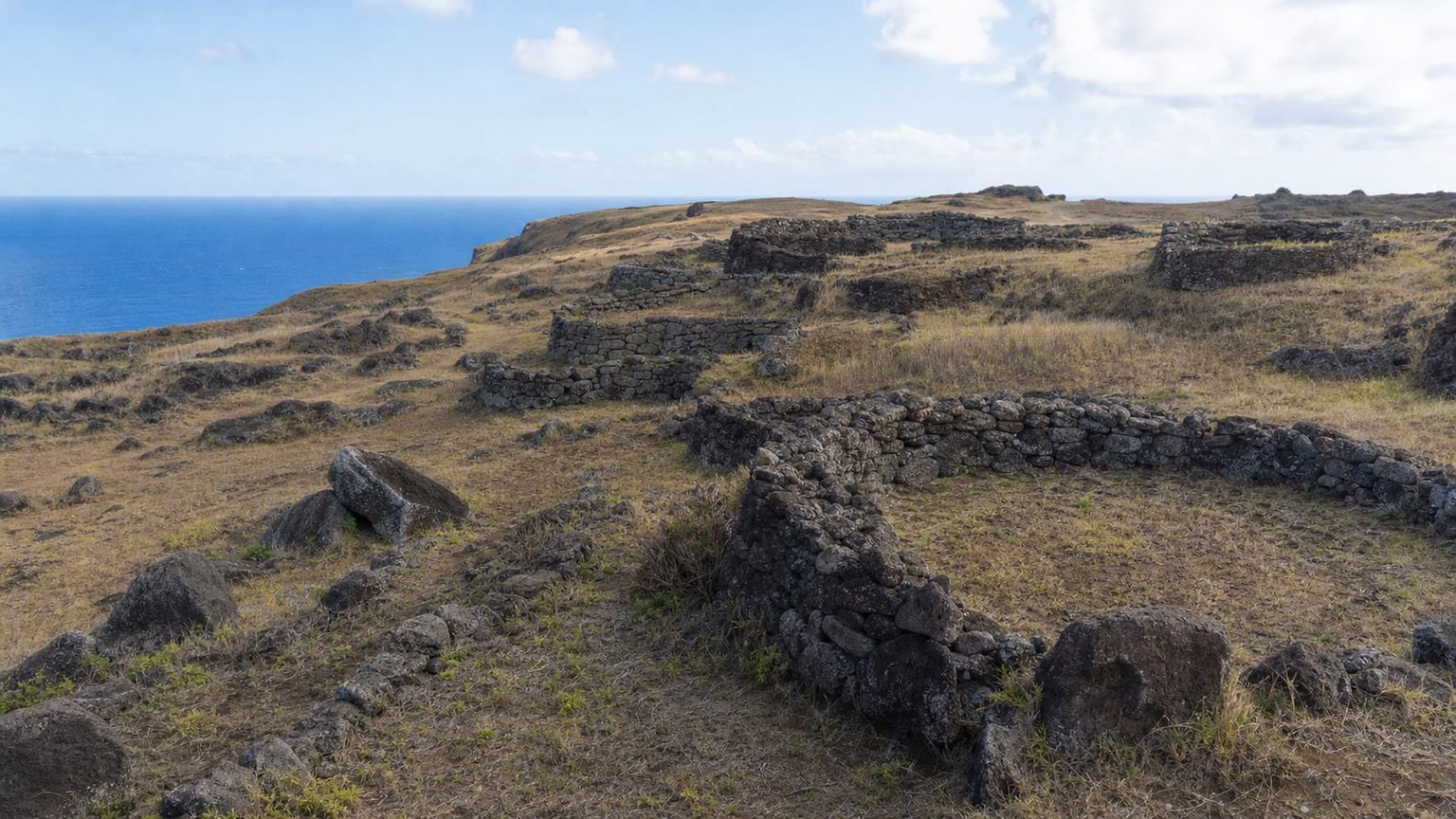
Begin with a coastal morning at Tahai, then take the short drive, about 10 minutes, to central Hanga Roa for coffee and a look through the town’s small shops. After that, head inland to Ahu Akivi, roughly 20 minutes away, and let the open setting and seven statues fill the middle of the day. Finish with dinner in Hanga Roa center, where the island’s main cluster of restaurants makes it easy to keep the evening simple and close to your hotel.
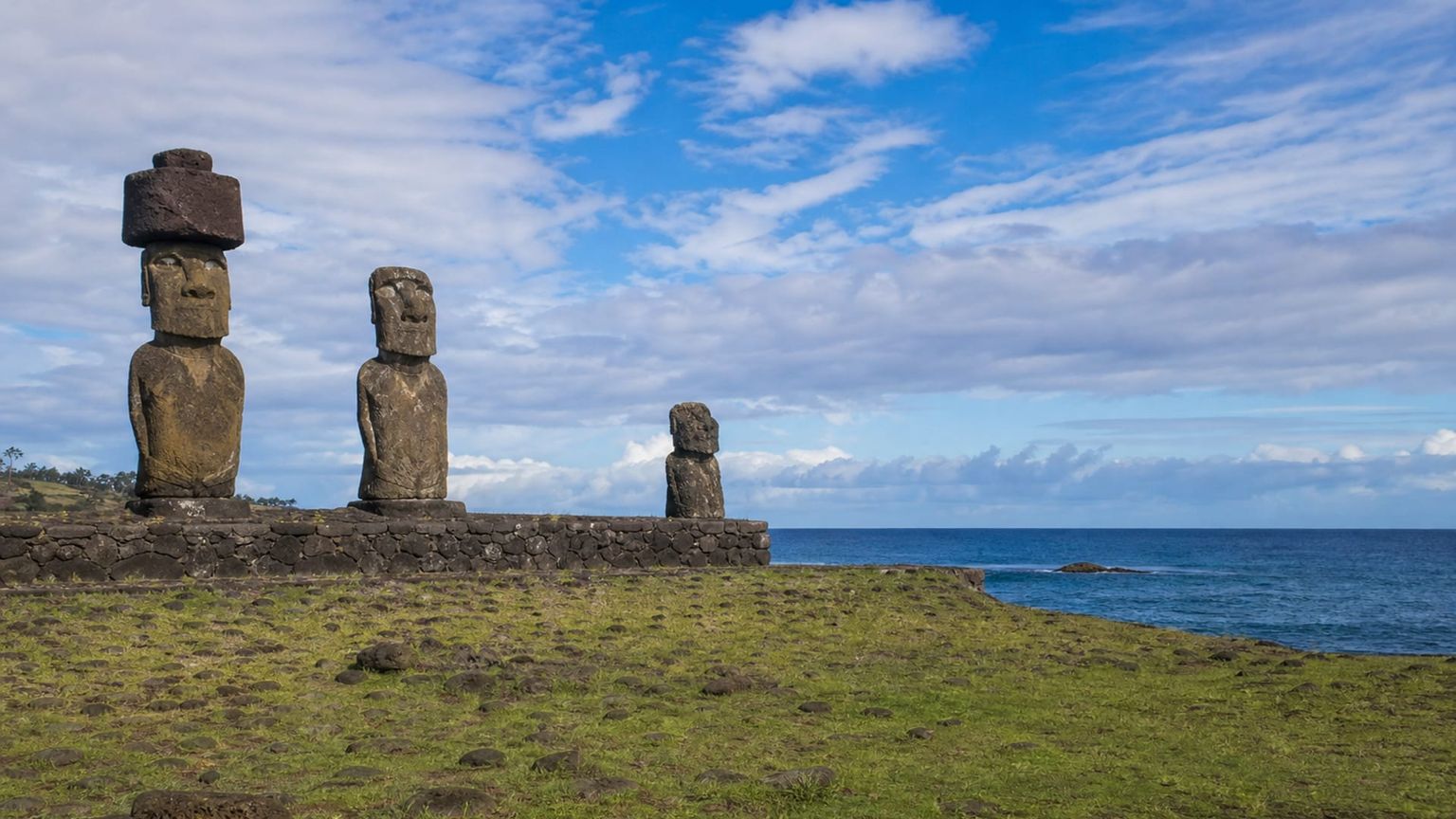
Spend your last morning on a quiet circuit through Hanga Roa center, stopping for a café breakfast, souvenir browsing, and any last island supplies near the main street. If you want one more cultural stop, pair a return visit to Tahai with a slow walk along the coast, since it sits only about 5 to 10 minutes from town on foot. With a later flight, a seaside lunch in Pea or a final coffee near the harbor keeps the day calm without pushing far from Mataveri Airport (IPC).
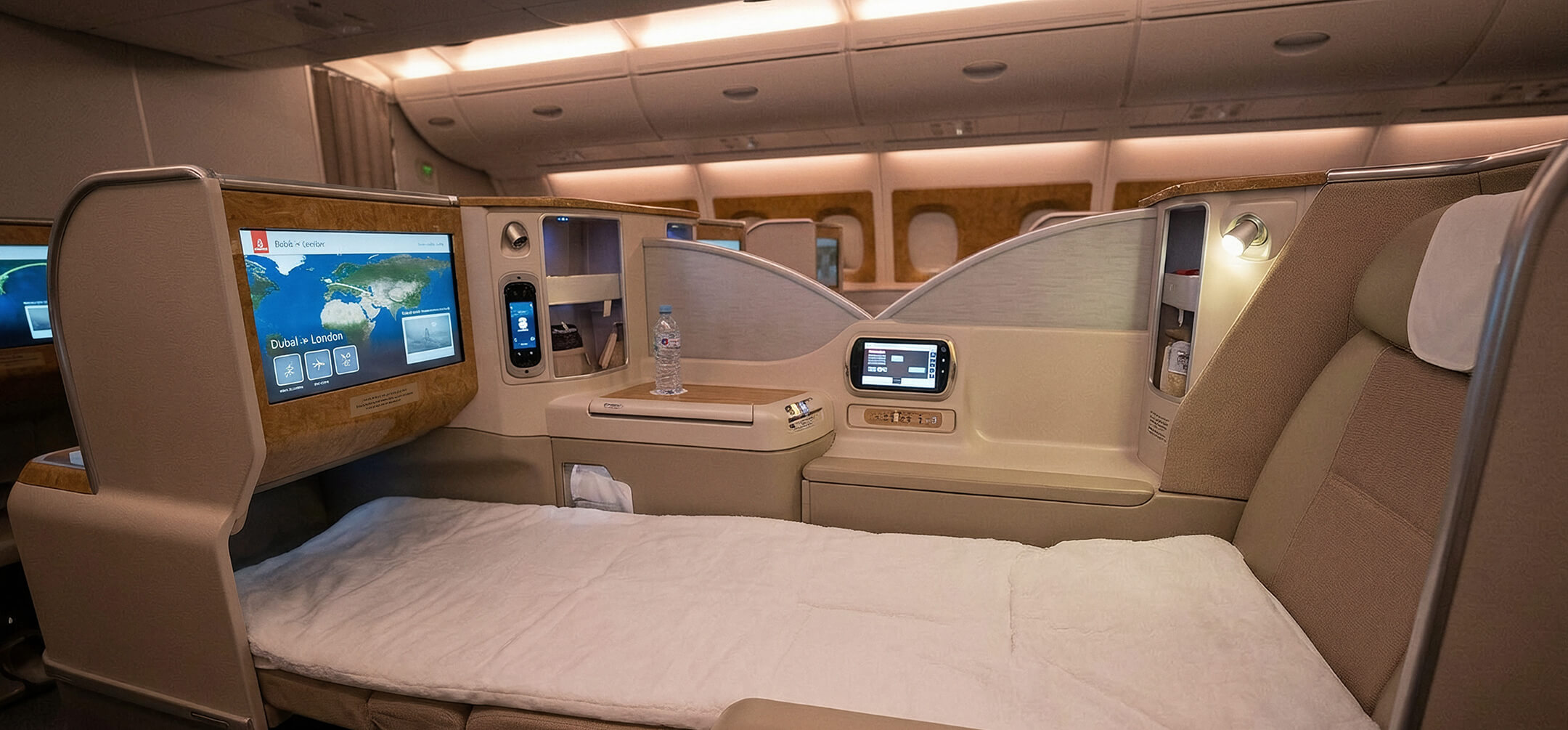
Business-class flights from the US to Easter Island
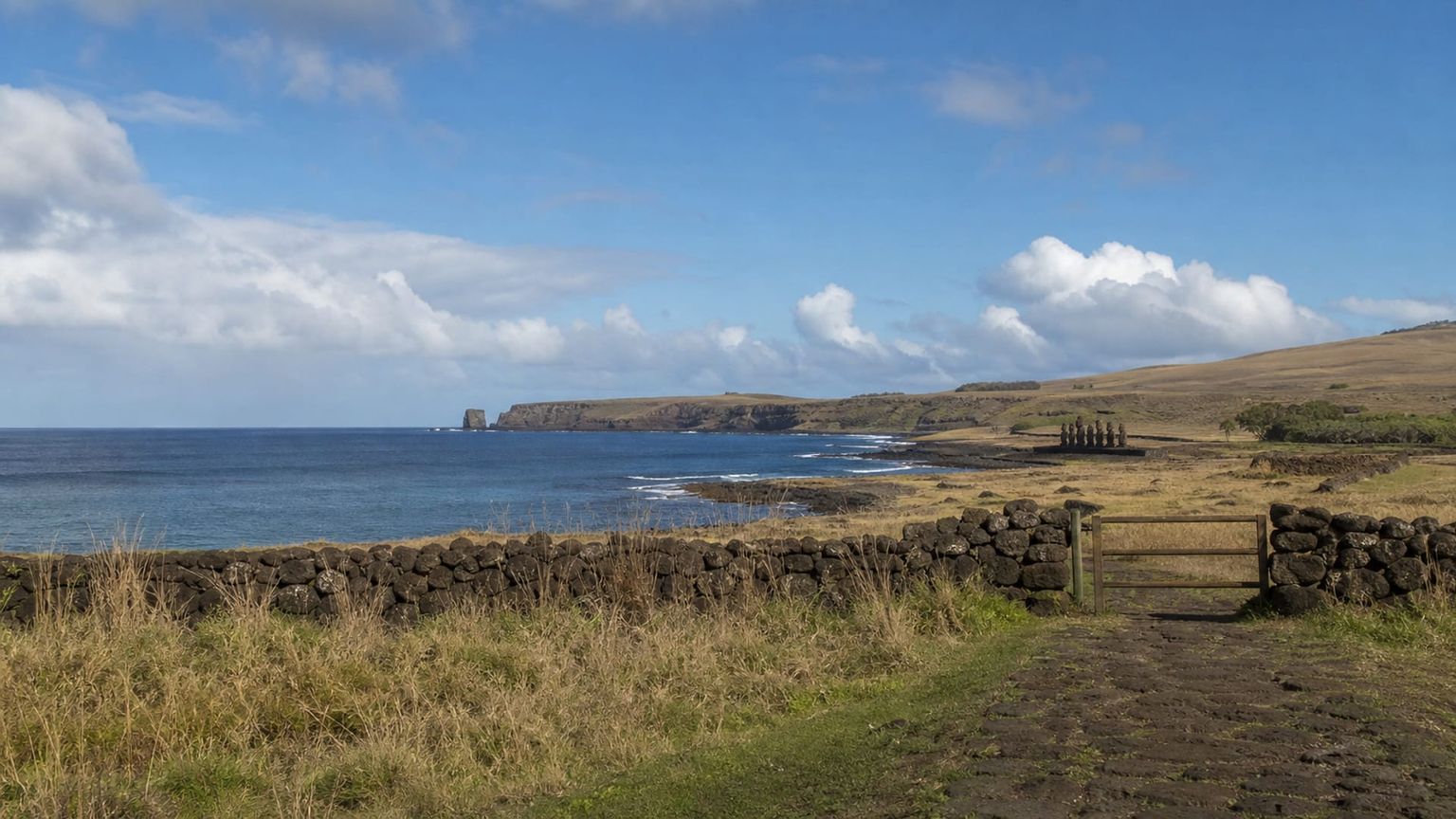
Reaching Easter Island usually means a long one-stop trip, so the main choice is how much layover time you want versus how much you pay. From both coasts of the US, the useful comparison comes down to Santiago de Chile or another mainland connection.
From New York, LATAM Airlines, American Airlines, Delta Air Lines, Aeromexico, Copa Airlines, and Air France are among the carriers that can price the route. Round-trip fares usually start at $2,800 and can reach $5,500, while common routings via Santiago de Chile (SCL) or Lima (LIM) can cut the fare to roughly $1,200 to $1,900.
From Los Angeles, round-trip fares usually run $2,500 to $5,000; one-stop options can land closer to $1,100 to $1,700. LATAM Airlines, American Airlines, Delta Air Lines, Copa Airlines, Aeromexico, and Air France all appear on workable ticket combinations.
Easter Island feels different when you slow down
A well-paced Easter Island trip keeps the long transfers honest: sunrise at Ahu Tongariki, a quarry morning at Rano Raraku, a south-coast stop at Orongo, then slower evenings back in Hanga Roa or Tahai. Taxis, short drives, and a few walks along the harbor are enough if you keep the days in order. If you want help shaping those days into one trip, AranGrant experts can build it around your flight times and your first sunrise