

Chapters:

Need help with your trip?
Our support team is available 24/7. Request a callback or call us directly at (833) 619-0908
Innsbruck itineraries often begin with the Golden Roof, a cable car ride, and a quick photo stop, then leave little time for the streets between those headline sights. Travelers also miss how much the city changes once you move away from the first square.
That approach can mean extra backtracking between the Altstadt, Wilten, and the mountain stations, plus more time in queues and less time in places that reward a slower look. The city is compact, but the best days still depend on sequencing.
This guide sets a clear order for the center, the hills, and the day trips, so you can match transit, meals, and museum time to the right part of the day.
Useful things to know
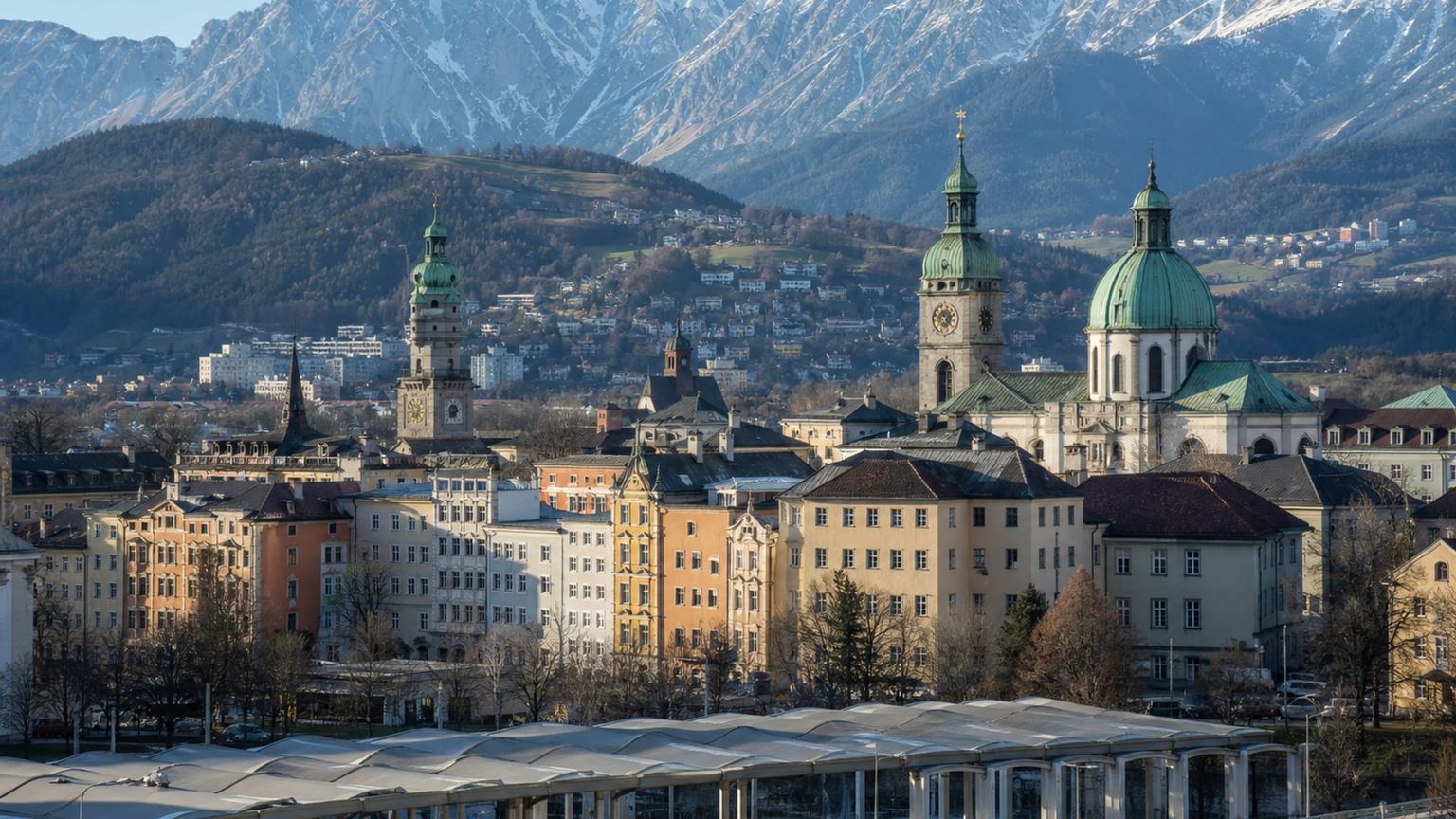

Main language(s): German
Griaß di (gree-us dee) – Hello / good morning
Bitte (BIT-teh) – Please
Danke (DAHN-keh) – Thank you
Sprechen Sie Englisch? (SHPREH-khen zee ENG-lish?) – Do you speak English?
Wie viel kostet das? (vee feel KOSS-tet dahs?) – How much does it cost?

Currency: The local currency is the euro (EUR, €).

Cash and cards: Cards and contactless are widely accepted; carry about €20 to €50 ($22 to $55) for small cafes, markets, and transit.

Tipping: Round up the bill, or leave about 5% to 10% for good service.

Traditional food: Tiroler Gröstl, Käsespätzle, Speckknödel, Apfelstrudel

Water and coffee costs: Water ~€2 ($2), bar espresso ~€3 ($3).

Taxis and ride apps: Bolt and Uber operate here; taxis are common if app wait times run long.

Plug and voltage: Type C/F socket, 230V

Dining and shop opening hours: Breakfast is roughly 07:00-10:00, lunch 12:00-14:00, and dinner 18:00-22:00. Some restaurants close between lunch and dinner, and many shops close on Sunday.

Emergency number: 112 for police, fire, and medical emergencies.
Where to stay in Innsbruck
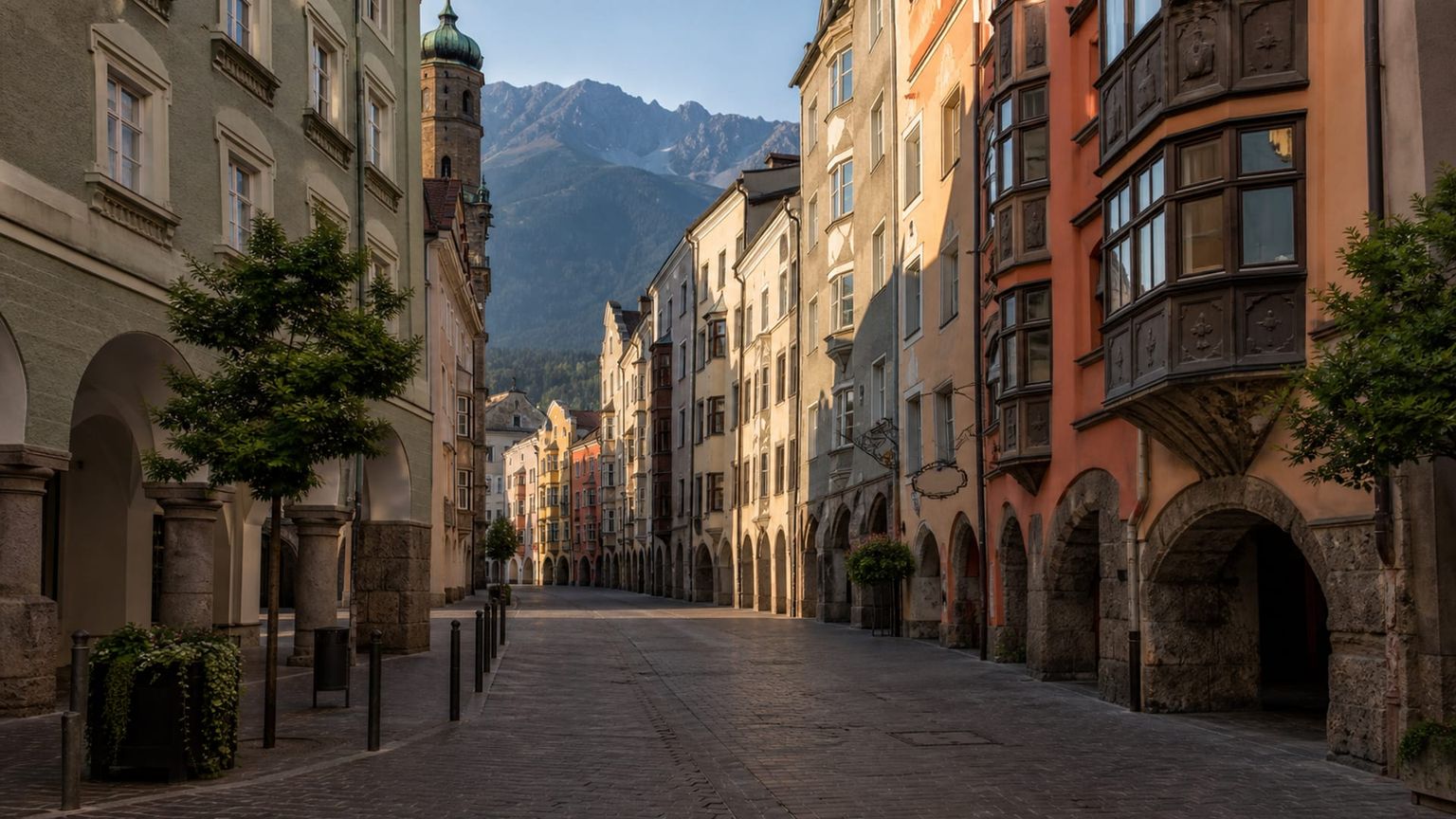
Innsbruck’s Altstadt sits beneath the Golden Roof and clusters the medieval core, riverfront lanes, and compact squares into one walkable base. It puts cafés, museums, and tram links close at hand, which suits visitors who want to spend more time in the center than in transit.
Best for: Historic sightseeing, short stays, and travelers who want to walk to major sights
What to expect: Narrow streets, constant foot traffic, and the busiest dinner scene in the city center.
Hotel prices: Usually about €180 to €320 (~$200 to ~$350) per night for well-rated stays
Distance to major sights: 5 to 10 minutes on foot to the Golden Roof; about 10 minutes on foot to the Imperial Palace
Quietness: Busy in the day and lively at night, with late activity near restaurants and bars.
Main trade-off: Rooms can cost more, and older buildings may have smaller layouts or limited elevator access.
Good to know: Choose this area if you want the shortest walks to the main old-town sights, but plan ahead for parking and evening noise.
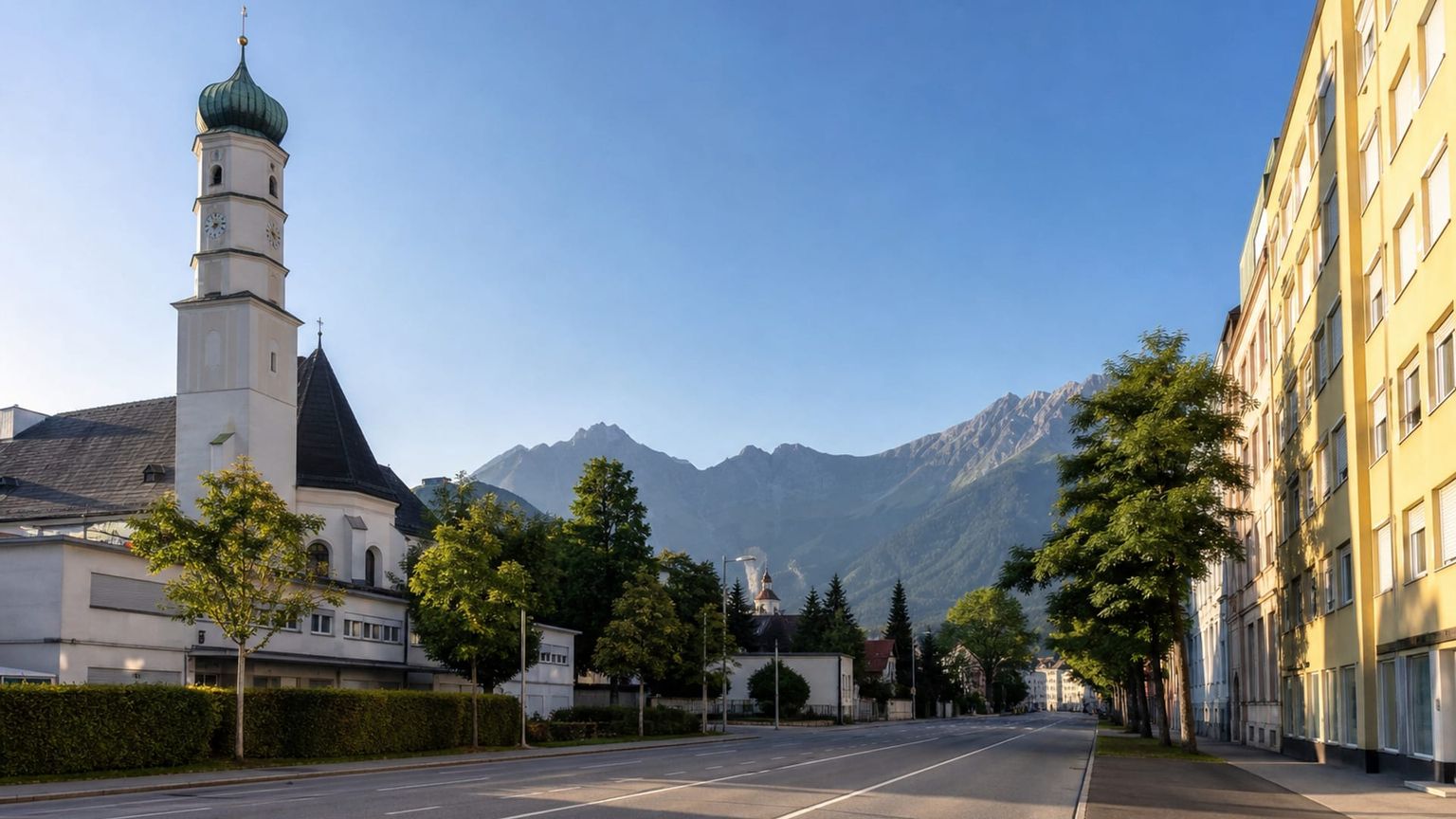
Wilten lies just south of the center, with parish streets, neighborhood cafés, and quick tram access into the old town. Its appeal is the balance between local routines and easy city access, plus faster routes toward Bergisel and the station.
Best for: Travelers who want a local-feeling base with easy tram access to the center
What to expect: Residential streets, a moderate café scene, and lighter foot traffic than the old town.
Hotel prices: Usually about €140 to €240 (~$155 to ~$265) per night for well-rated stays
Distance to major sights: About 10 to 15 minutes by tram to the Golden Roof; about 20 minutes on foot to Bergisel
Quietness: Quieter during the day than the center, with mostly local evening activity rather than late-night crowds.
Main trade-off: You give up some walkability to the main sights, so tram or a longer walk becomes part of the plan.
Good to know: If you are arriving by rail or want to keep hotel costs lower than in the old town, this area makes transfers and daily movement easier.
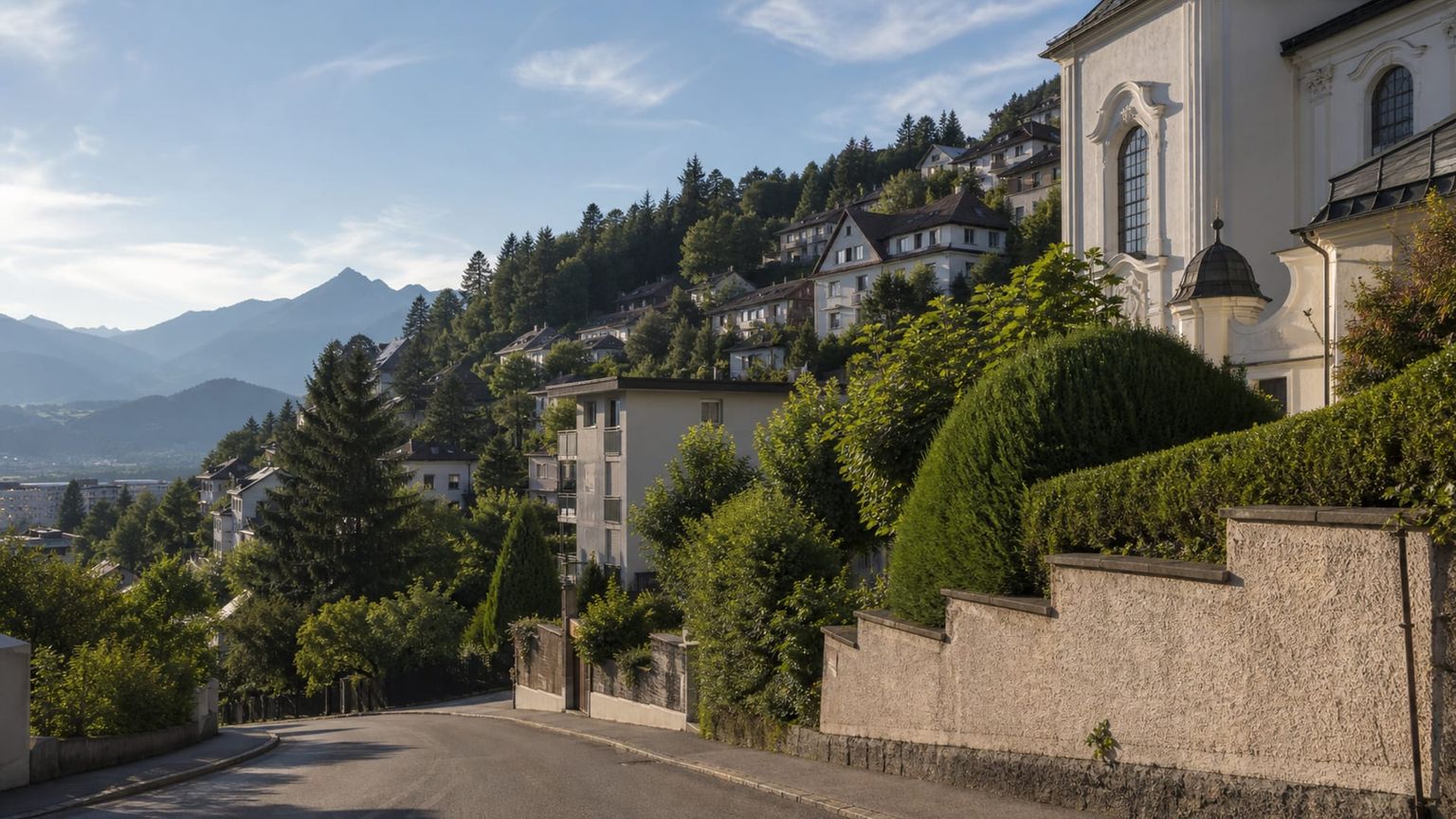
Hötting rises west and northwest of the center on the lower slopes above the river, with residential blocks, hillside views, and fast bus links. It works well for travelers who want a calmer base without leaving the city, especially when mountain outlooks matter.
Best for: Calmer evenings, longer stays, and travelers who do not mind using buses
What to expect: Mostly residential streets, fewer restaurants than central districts, and a quieter pace after dark.
Hotel prices: Usually about €130 to €220 (~$145 to ~$240) per night for well-rated stays
Distance to major sights: About 15 to 25 minutes by bus to the Golden Roof; about 10 minutes by bus to the Hungerburgbahn valley station
Quietness: Quiet in the evening, with noticeably more movement on weekday mornings and commute hours.
Main trade-off: You will rely more on transit, and uphill streets can add time if your hotel sits high in the neighborhood.
Good to know: This area suits travelers who want a calmer night base, but check the bus stop location before booking because some addresses sit farther from the main lines.
Travelers usually avoid staying in Innsbruck’s Reichenau, Rossau, and Amras if they want to be close to the historic center, since these districts sit farther from the Altstadt and have fewer visitor-oriented amenities. Innsbruck-West and parts of Olympic Village are also less convenient for short stays, because evening trips back from the center can take longer and the immediate area offers fewer sights and dining options.
Hotel deals
How to get around Innsbruck efficiently
Innsbruck has no metro, so trams, buses, the F bus, taxis, and a few rail links do the work, with the center, station, and airport all close enough to connect in short hops.

Metro
for longer distances
Innsbruck has no metro, so you will use the tram and bus network instead, plus the S-Bahn for some regional hops. If you are staying near the center, those modes cover the main station, Old Town, and the airport area well.

Bus and tram
for convenience
Lines 4, 6, and several city buses link Innsbruck Hauptbahnhof, the university area, and western and eastern neighborhoods; trams and buses also connect to the airport. A single ticket is about $3 (€2.60), and a 24-hour ticket is about $7 (€6.40). Tickets usually stay valid for 45 minutes on local services, and trips to the airport from the center take about 15 to 25 minutes.

Taxi
for convenience or late hours
Licensed taxis line up at the station and airport, and you can phone for one or use a dispatch app. Fares are metered, with short city rides often costing about $10 to $18 (€9 to €16) and airport runs usually about $18 to $28 (€16 to €25), depending on traffic and luggage; most cars take cards, but it is wise to ask first.
*Prices are based on rates updated as of June 2026 and may change at the time of travel.
Use walking for Altstadt, trams and buses for Wilten and Hötting, and taxis or the F bus when you want the airport transfer to stay quick.
Iconic landmarks
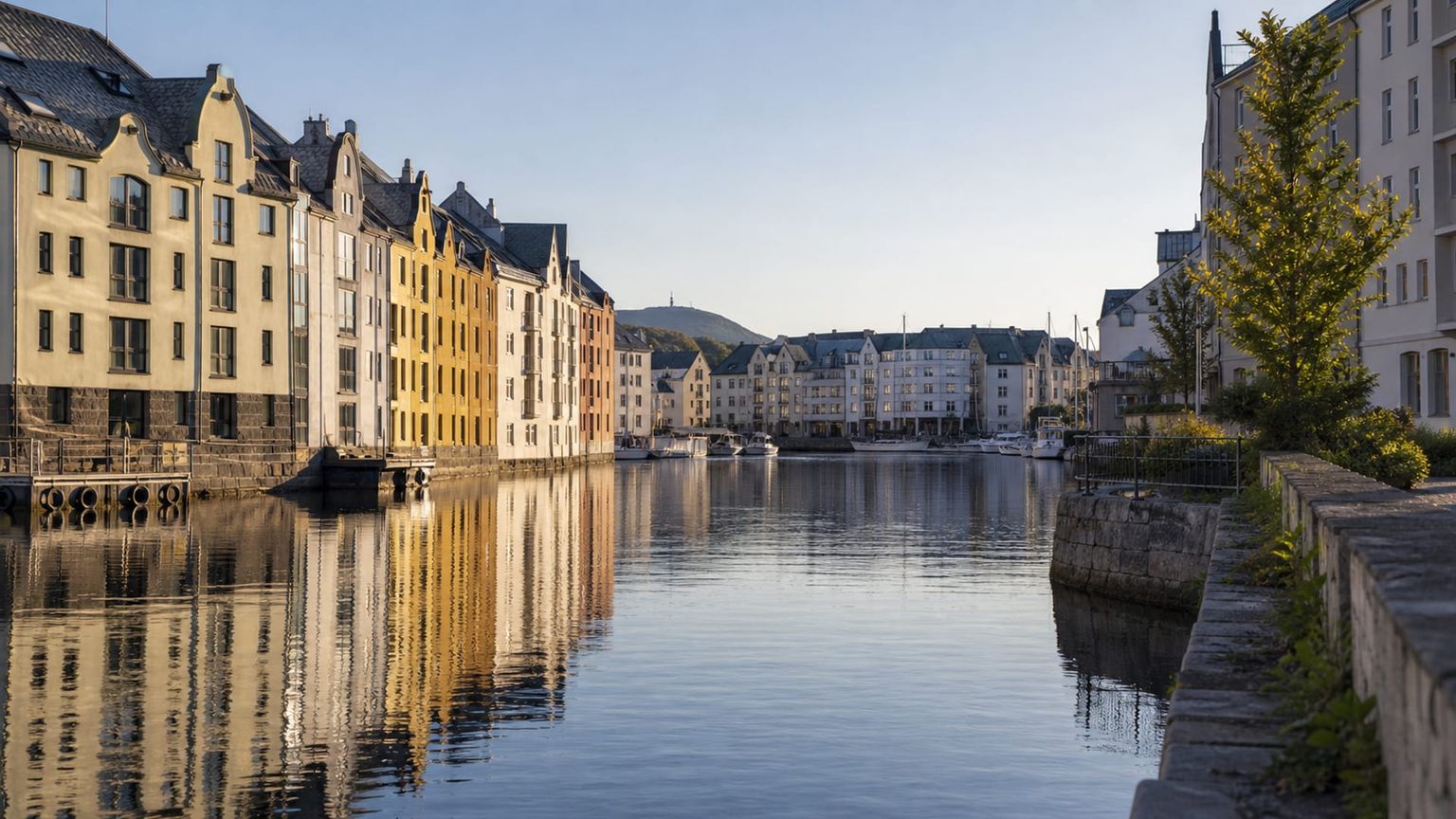
Golden Roof
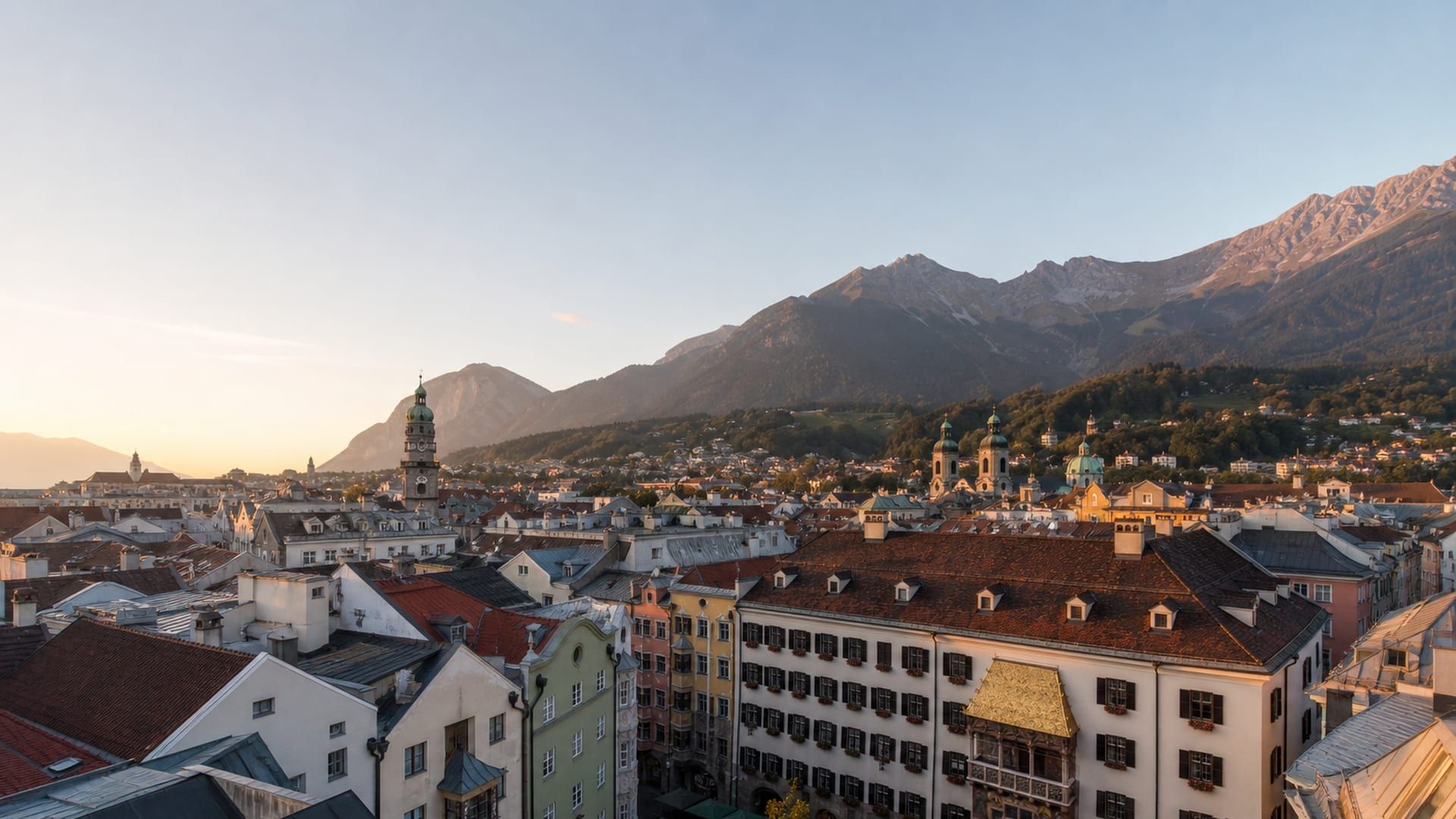
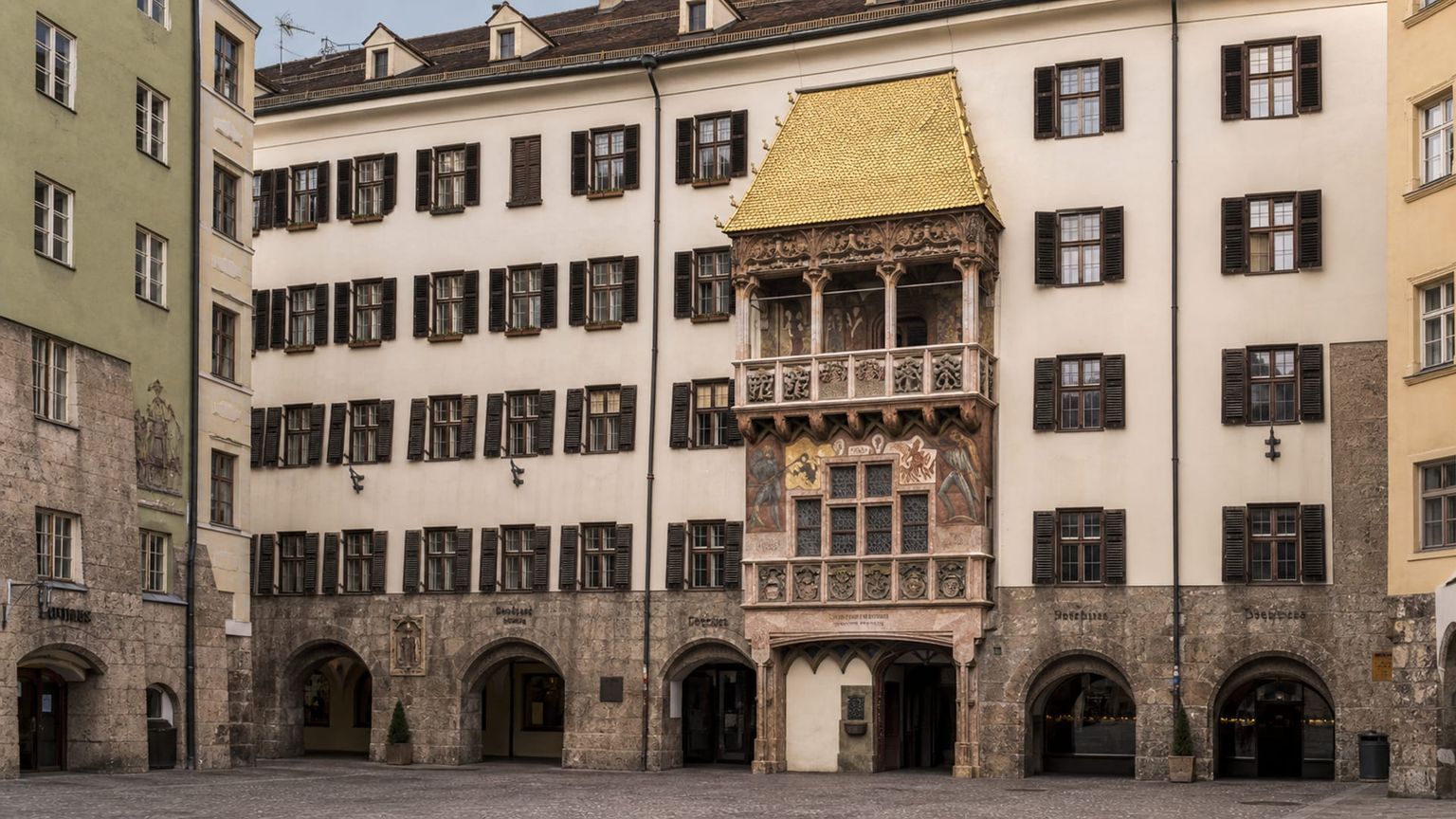
Inn of the Golden Roof anchors Innsbruck’s old town with 2,657 fire-gilded copper shingles and a painted balcony on Herzog-Friedrich-Strasse. The small museum inside traces the Habsburg court that used the building for ceremonies.
Time needed: About 45 to 60 minutes
Entry: Admission costs $7 to $11 (€6 to €10) for adults, with reduced rates for children, students, and some city-card holders. Visit the official site for details.
Tip: Go late afternoon, when the façade gets warmer light and the square is easier to photograph.
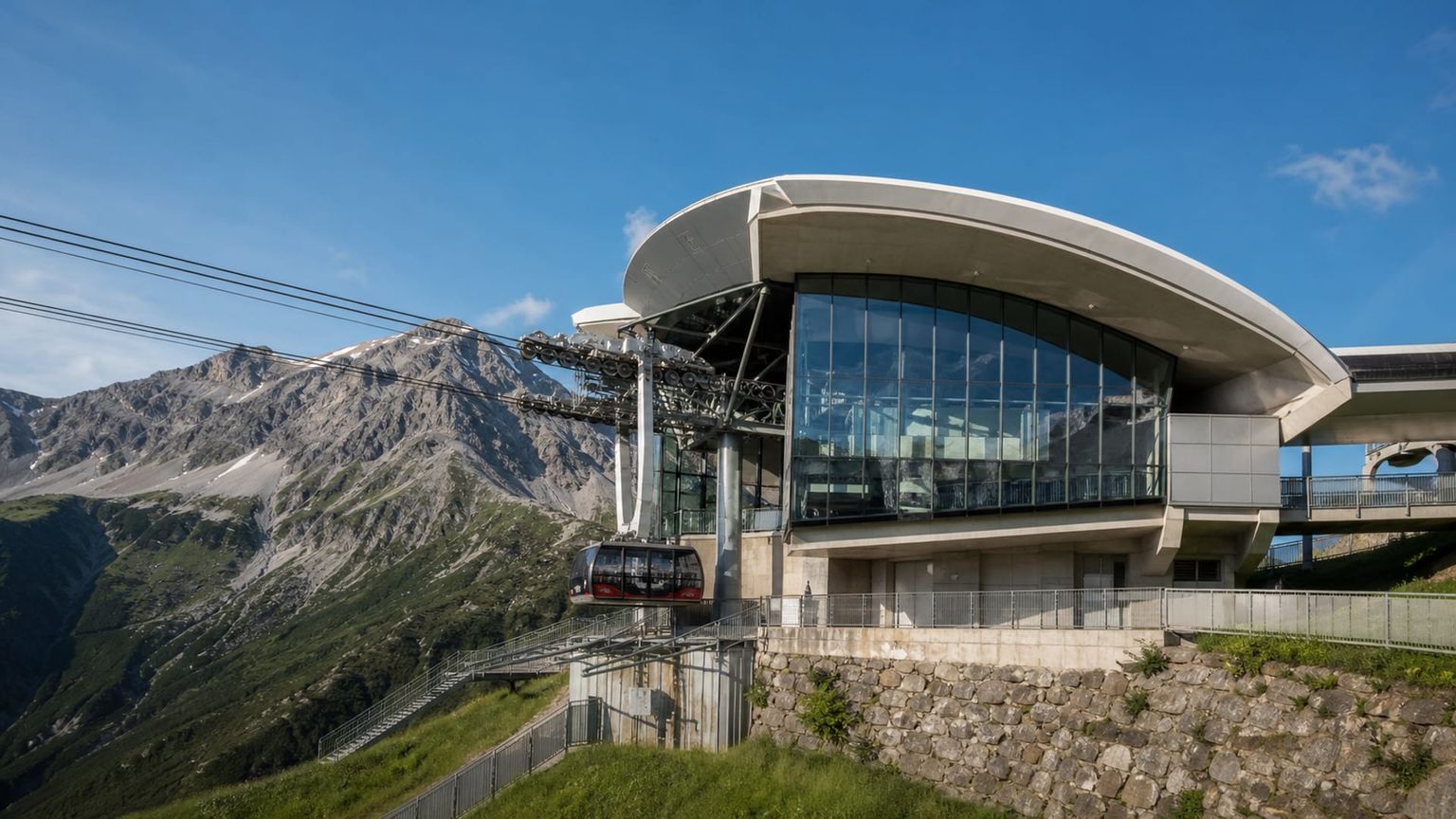
Nordkette cable car
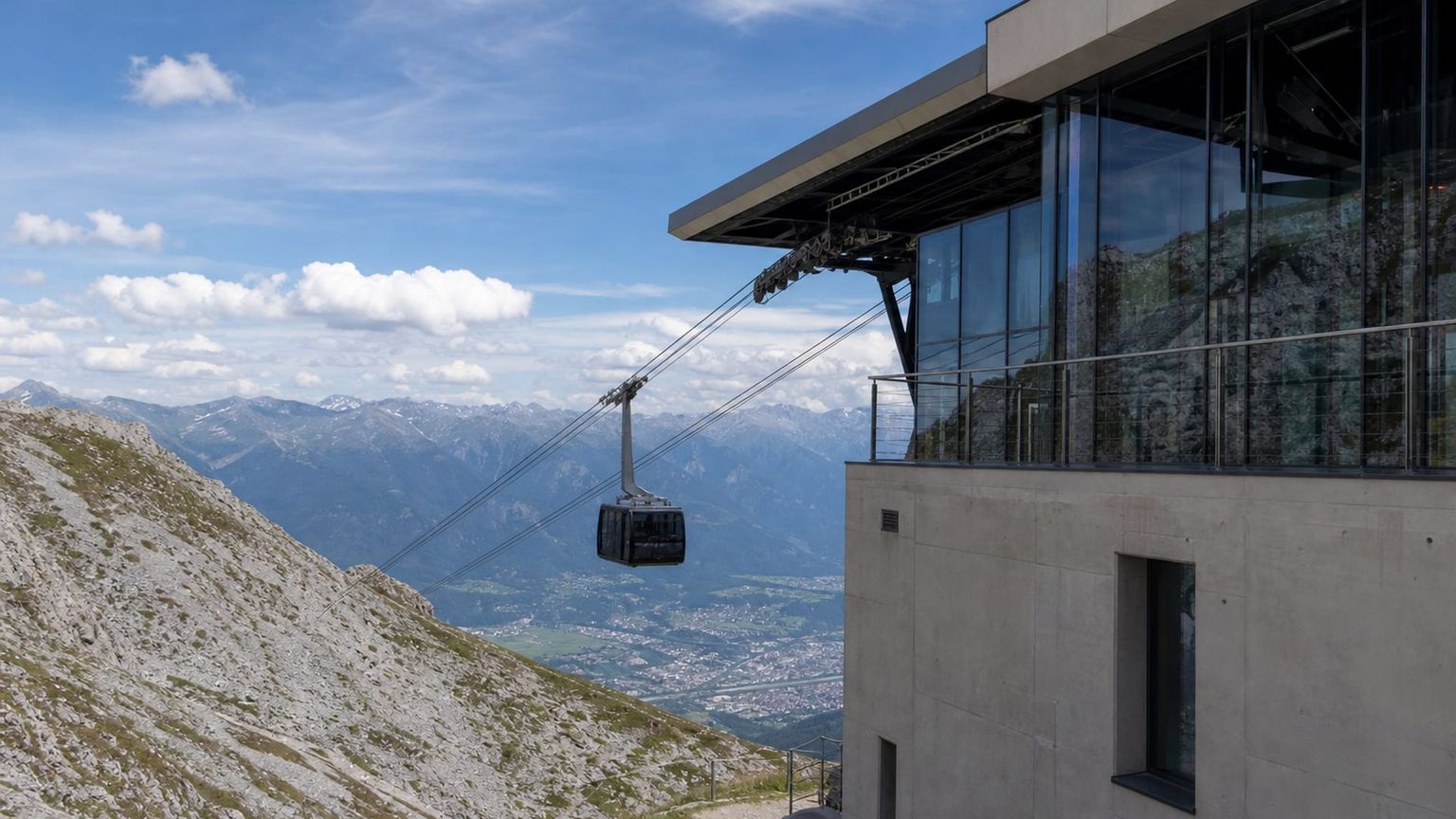
The Nordkette cable car rises from the edge of central Innsbruck to Hafelekar, giving quick access to alpine views without leaving the city. The trip combines city panoramas, steep rock scenery, and summit trails within one ride.
Time needed: About 2 to 4 hours
Entry: Tickets cost $63 to $82 (€55 to €72) for a return ride to the top stations, with lower fares for children and some off-peak departures. Visit the official site for details.
Tip: Start early on clear days, because afternoon cloud can hide the summit views.
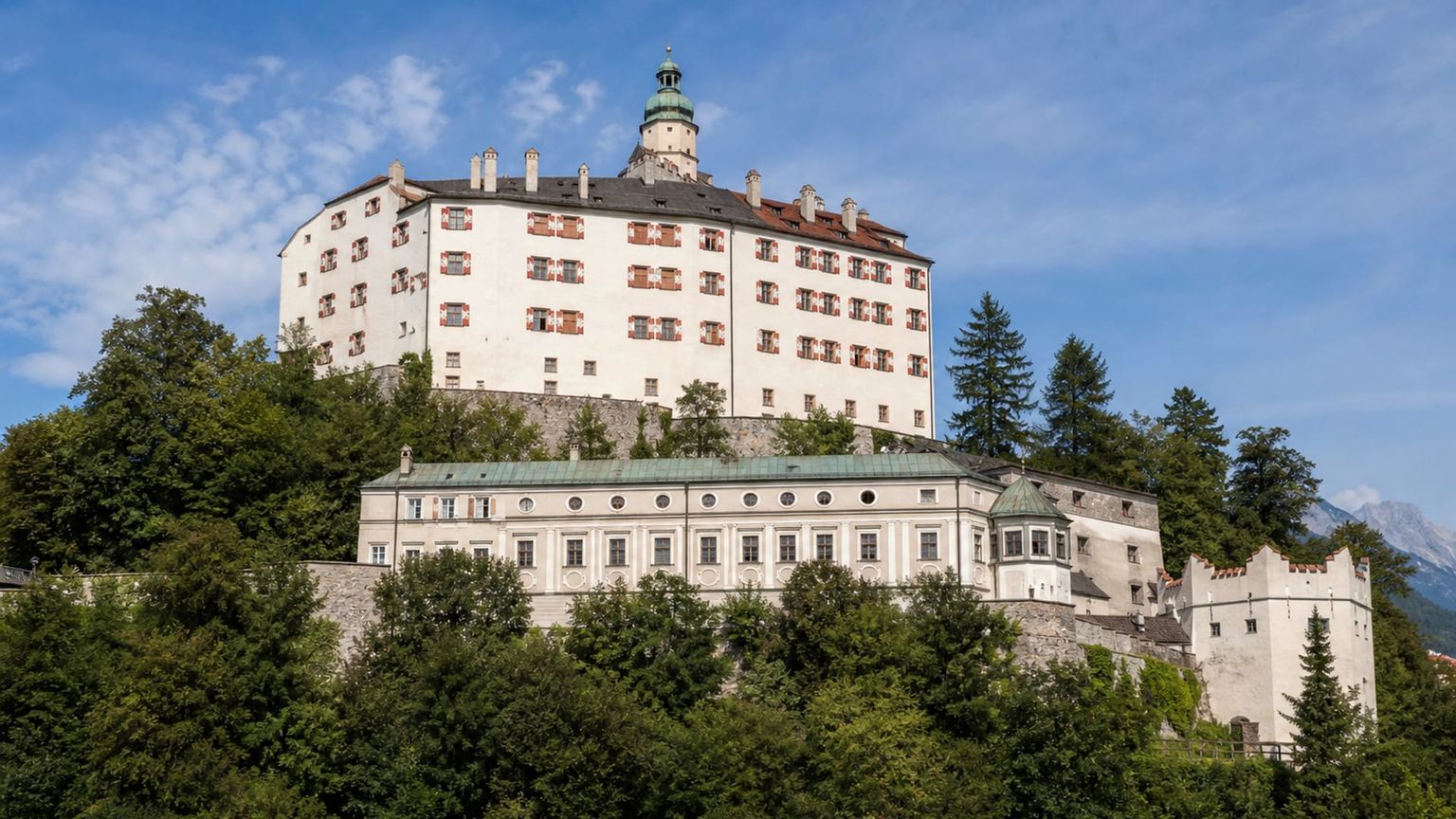
Ambras Castle
Ambras Castle sits above Innsbruck in a Renaissance complex tied to Archduke Ferdinand II. Visitors can see the Spanish Hall, armory, portrait galleries, and landscaped grounds, all within a short ride from the center.
Time needed: About 2 to 3 hours
Entry: Admission costs $18 to $24 (€16 to €21) for adults, with reduced rates for children, students, and family tickets. Visit the official site for details.
Tip: Allow extra time for the uphill approach, or use a taxi if you want to save your energy.
Overlooked sites worth visiting

Hungerburg funicular and Alpenzoo trail
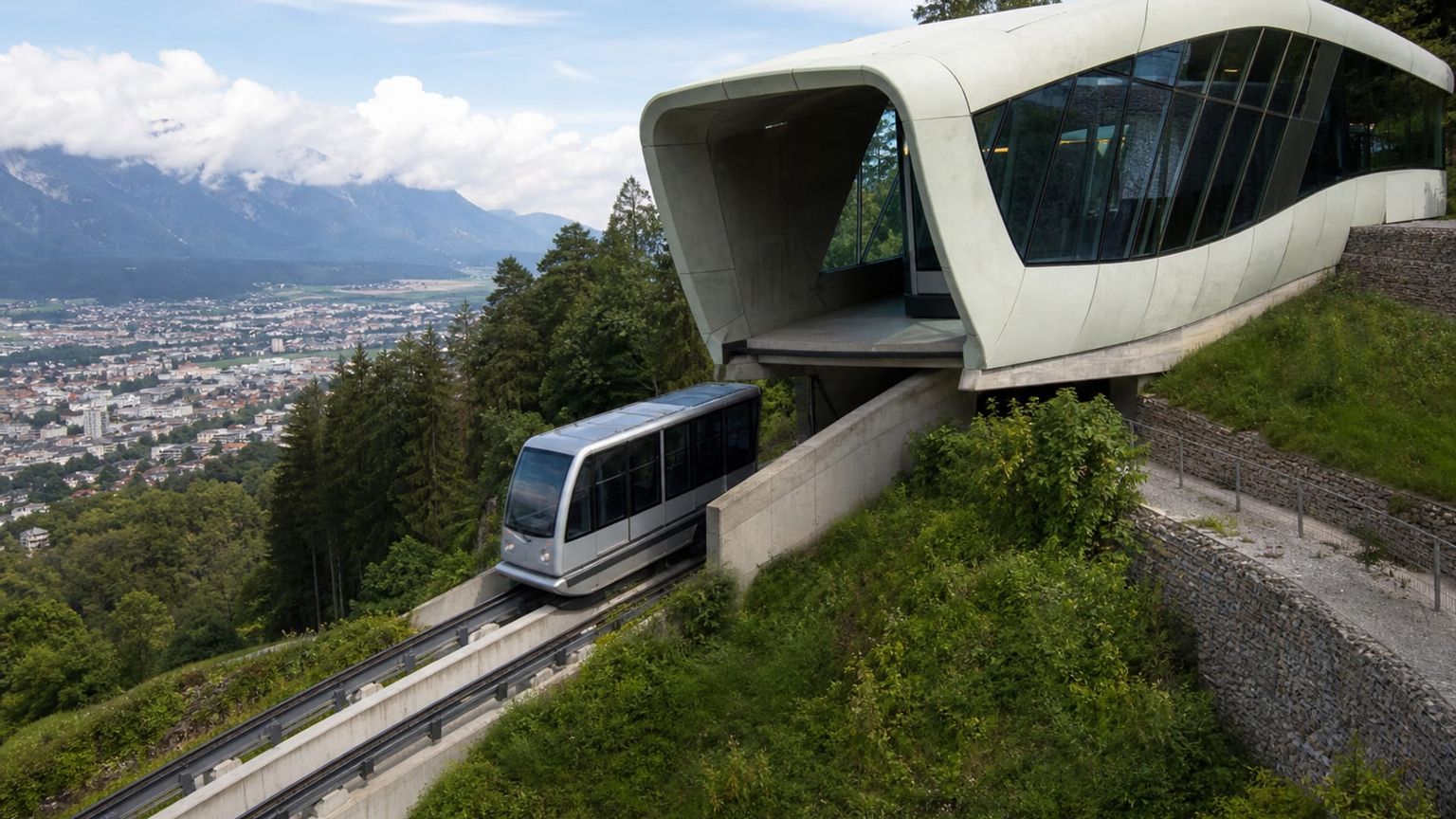
Ride the Hungerburg funicular, then continue on foot along the hillside paths above the Inn River. The route gives quick access to an open-air section of the Nordkette edge without a full mountain day.
Time needed: About 1 to 2 hours
Entry: Funicular and Alpenzoo combined tickets typically cost about $24 to $34 (€22 to €31), with prices varying by season and whether you start from the city or at the zoo station. Check the current tariff before you go. Visit the official site for details.
Tip: Go late afternoon for lighter queues and softer light over the valley.

Court Church and Imperial Tomb
This 16th-century church holds Emperor Maximilian I’s cenotaph, ringed by large bronze statues and black marble. It is one of Innsbruck’s most concentrated historic interiors, with details easy to inspect in one visit.
Time needed: About 45 to 60 minutes
Entry: Admission is typically about $8 to $10 (€7 to €9) for adults, with reduced rates for students and children. Special exhibitions or guided access can change the price, so verify the current ticket before arrival. Visit the official site for details.
Tip: Visit before noon to see the bronze figures without crowding.
Traditional food
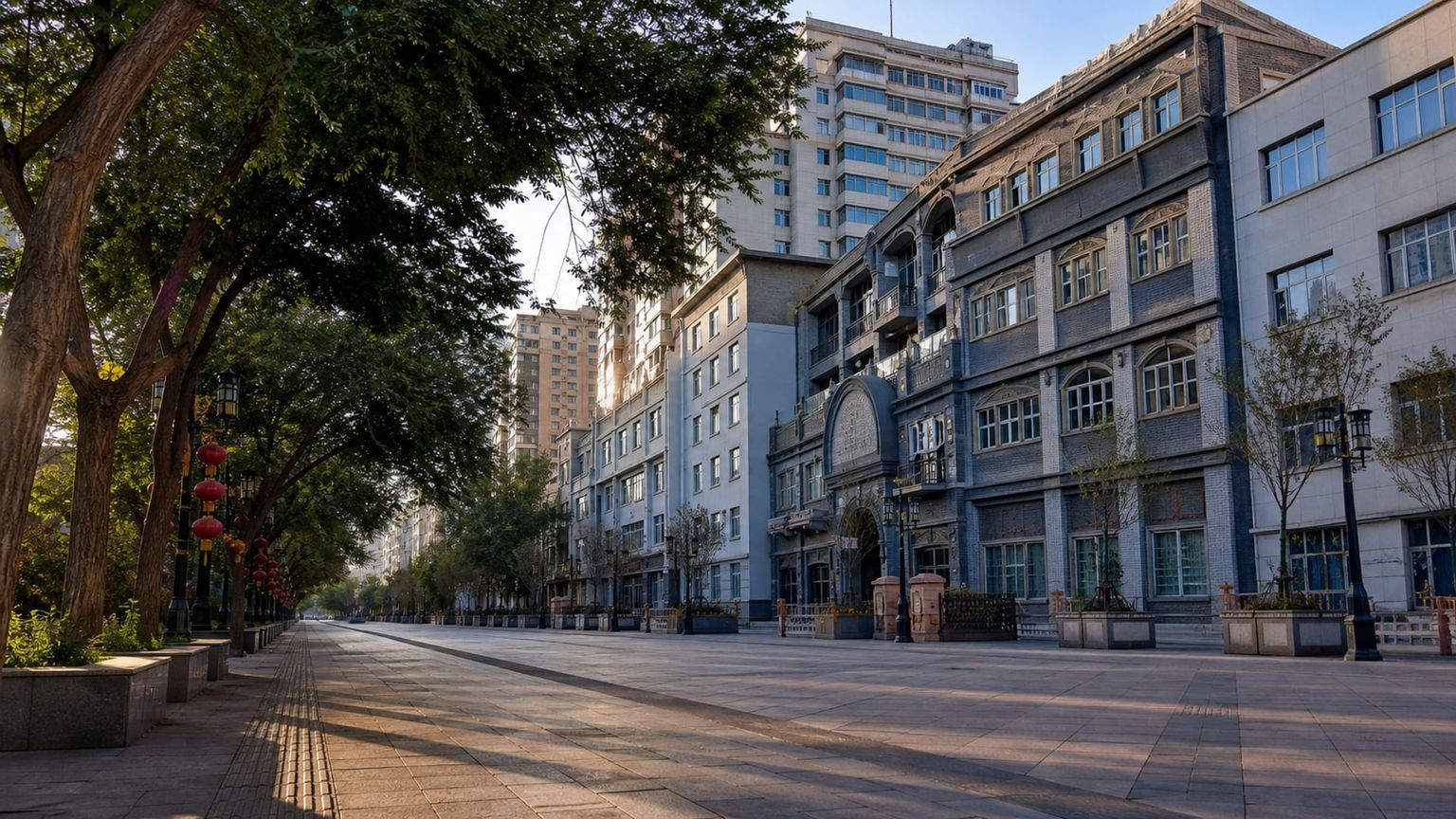
Tyrolean cooking leans on pork, cheese, dumplings, noodles, and fruit desserts, with Tiroler Gröstl, Käsespätzle, Speckknödel, and Apfelstrudel appearing in many dining rooms. Expect hearty plates, lunch breaks, and dinners that start early.
Tiroler Gröstl
This pan-fried mix of potatoes, beef, or pork is the city’s most direct answer to a filling Tyrolean lunch. Stiftskeller Innsbruck serves a widely trusted version in the old town, close to the main sights.
Käsespätzle
Soft egg noodles, mountain cheese, and fried onions make this one of the region’s most satisfying meatless dishes. Restaurant Fischerhäusl, just off the old town, is a classic place to order it in Innsbruck.
Speckknödel
These bacon dumplings usually arrive in broth or with sauerkraut, and they show up across Tyrolean menus. Ottoburg, near the river and the old center, is a strong place to try them.
Apfelstrudel
Apple strudel gives you a lighter finish, usually with vanilla sauce or cream. Café Central Innsbruck handles the classic version well and suits a midafternoon pause near the center.
Best time to visit Innsbruck
Innsbruck changes with the seasons, from clear mountain days that favor cable cars to colder months that reward museum time and shorter walks through the old town.
Best for: City walks, early terrace lunches, and mountain views before summer crowds build
What you get: About 45°F to 68°F (7°C to 20°C), with rising daylight and moderate visitor numbers
Trade-offs: Weather can shift quickly, and some higher trails stay snowy
Best for: Nordkette trips, longer evenings, and full-day plans that mix the city with the hills
What you get: About 57°F to 79°F (14°C to 26°C), with the highest crowds and the fullest restaurant patios
Trade-offs: Midday heat and queue time can slow the main sights
Best for: Clear air, easier museum visits, and balanced days between the center and the mountains
What you get: About 39°F to 67°F (4°C to 19°C), with lighter crowds after the summer peak
Trade-offs: Shorter days and earlier closures become more noticeable
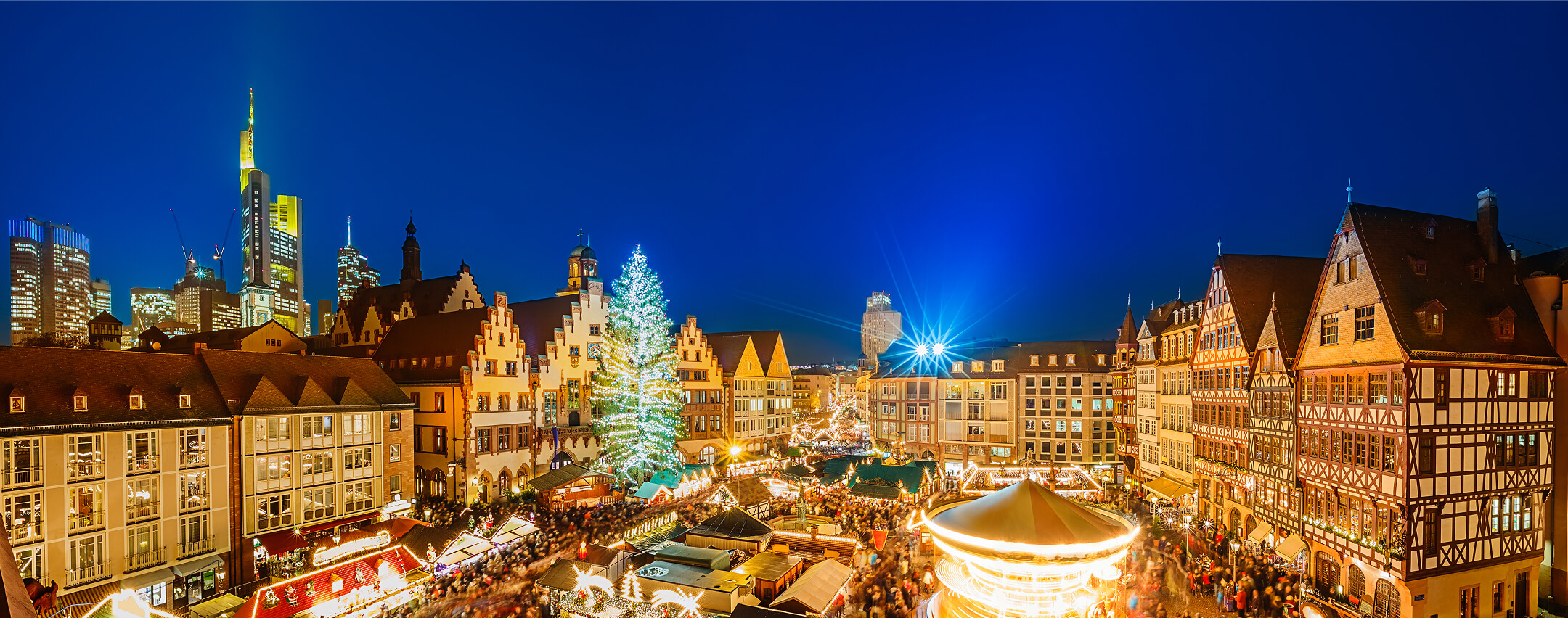
Best for: Christmas market visits, snowy views, and compact sightseeing in the Altstadt
What you get: About 23°F to 41°F (-5°C to 5°C), with lower overall crowds except around holidays
Trade-offs: Cold weather and limited daylight make outdoor plans shorter
A realistic 5-day plan in Innsbruck
Five days in Innsbruck work best when you separate the old town, the mountain edge, and the quieter neighborhoods. That gives the cable car, castle, and neighborhood meals enough room without turning every afternoon into a transfer.
Land at Innsbruck Airport (INN) and take a taxi or the F bus into the center in about 10 to 15 minutes, usually for roughly $20 to $30 (€18 to €27) depending on traffic and luggage. If you are staying in Altstadt, the ride drops you close to the main sights and keeps your first evening short. Check in, drink some water, then walk to a nearby café or Gasthaus in the old town for an early dinner, so you can settle in without pushing a full sightseeing pace on arrival.
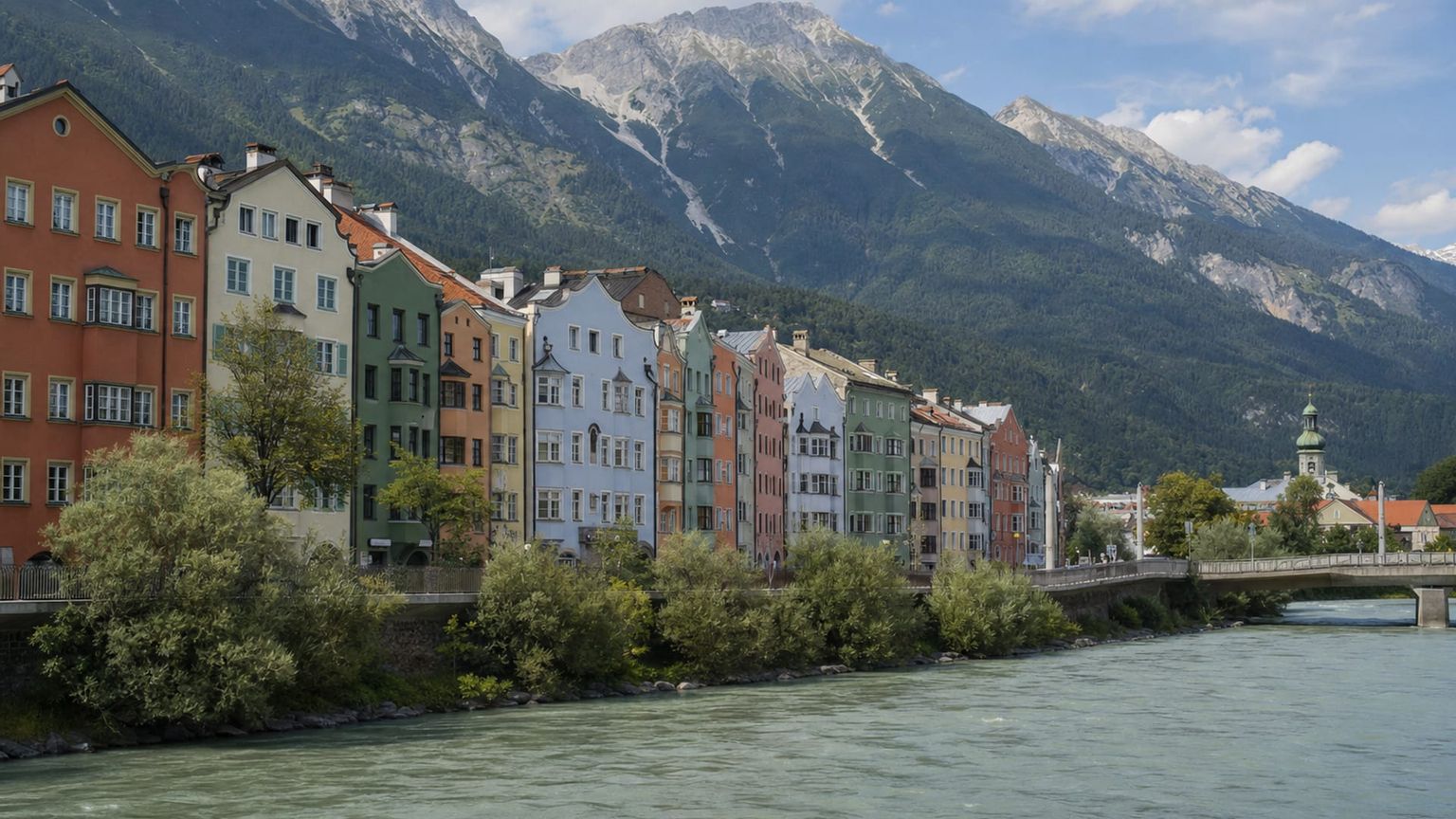
Start at the Golden Roof in Altstadt, then walk about 5 minutes to the Court Church and Imperial Tomb for a midmorning visit before the crowds build. From there, it is about a 10-minute walk to the Imperial Palace area, where you can spend the afternoon on the historic core before circling back through Herzog-Friedrich-Strasse for coffee or a late lunch. End the day with dinner in Altstadt, where the densest restaurant cluster gives you several easy choices without needing transit.
Begin early with the Nordkette cable car, which takes about 2 to 4 hours if you include summit time and short walks at the top stations. After returning to the city edge, continue by tram or a short taxi ride to Ambras Castle, about 15 to 20 minutes from central Innsbruck, and allow 2 to 3 hours for the Spanish Hall, armory, and grounds. Finish in Wilten, about 10 to 15 minutes by tram from the old town, for a quieter dinner near the parish streets and neighborhood cafés.
A good fourth day starts at the Hungerburg funicular and Alpenzoo trail, about a 10-minute bus ride from central Innsbruck, then an hour or two on the hillside paths above the Inn River. Later, head back down and walk or take a short tram ride to the Court Church and Imperial Tomb if you want a second look in different light, or to the riverfront lanes near Altstadt for a slower afternoon. If the weather stays clear, add sunset views from Hötting, where the higher streets look across the city and toward the mountains.
For your last morning, pair one final museum stop with unhurried shopping in Altstadt, then finish in Wilten with a café break before heading out. If you want one more historic interior, return to the Court Church and Imperial Tomb for a short visit, then spend the rest of the morning browsing the old-town lanes for Tyrolean souvenirs, chocolates, and small local shops. A final coffee in Wilten gives you an easy pause before the airport transfer.
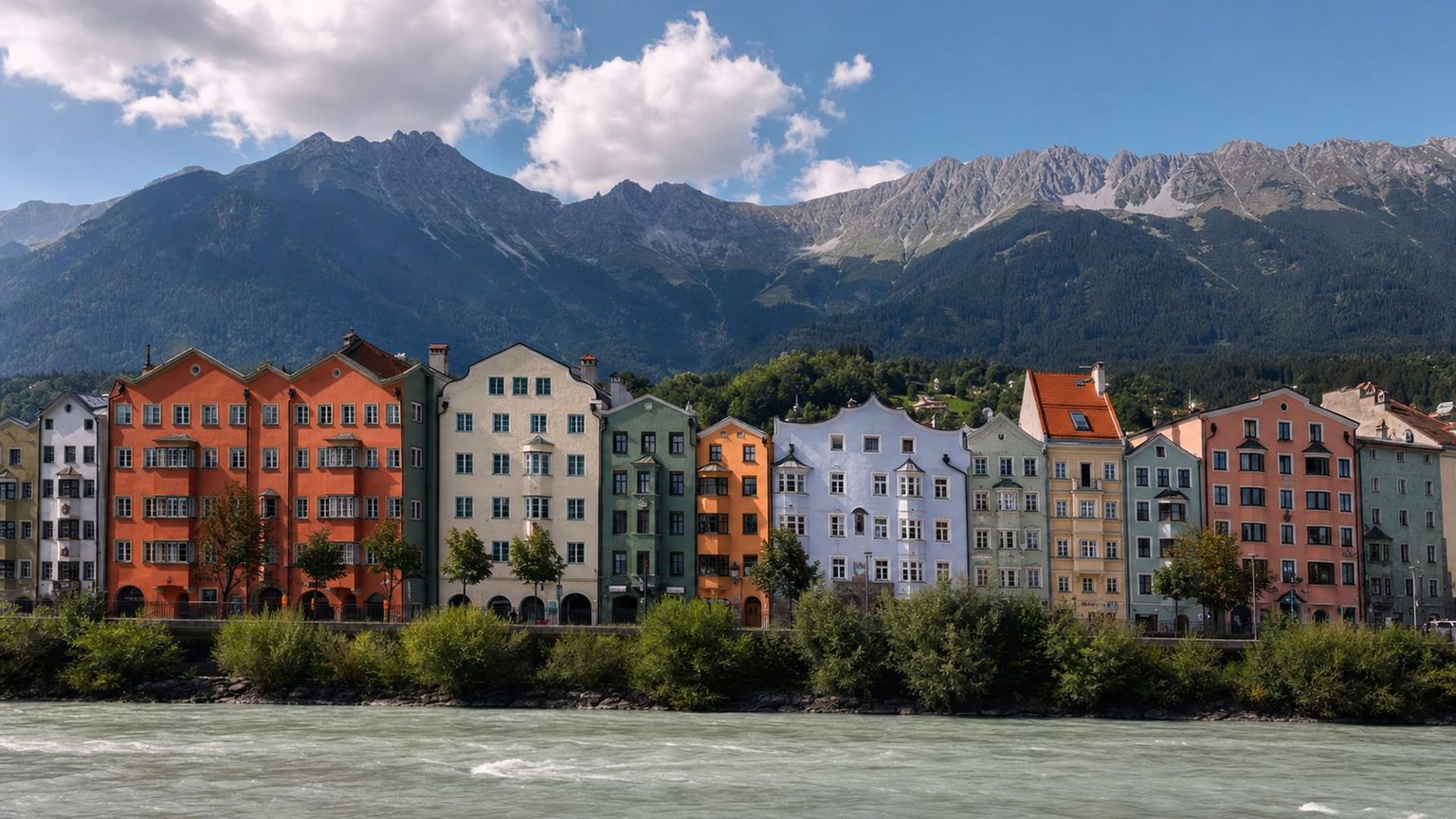
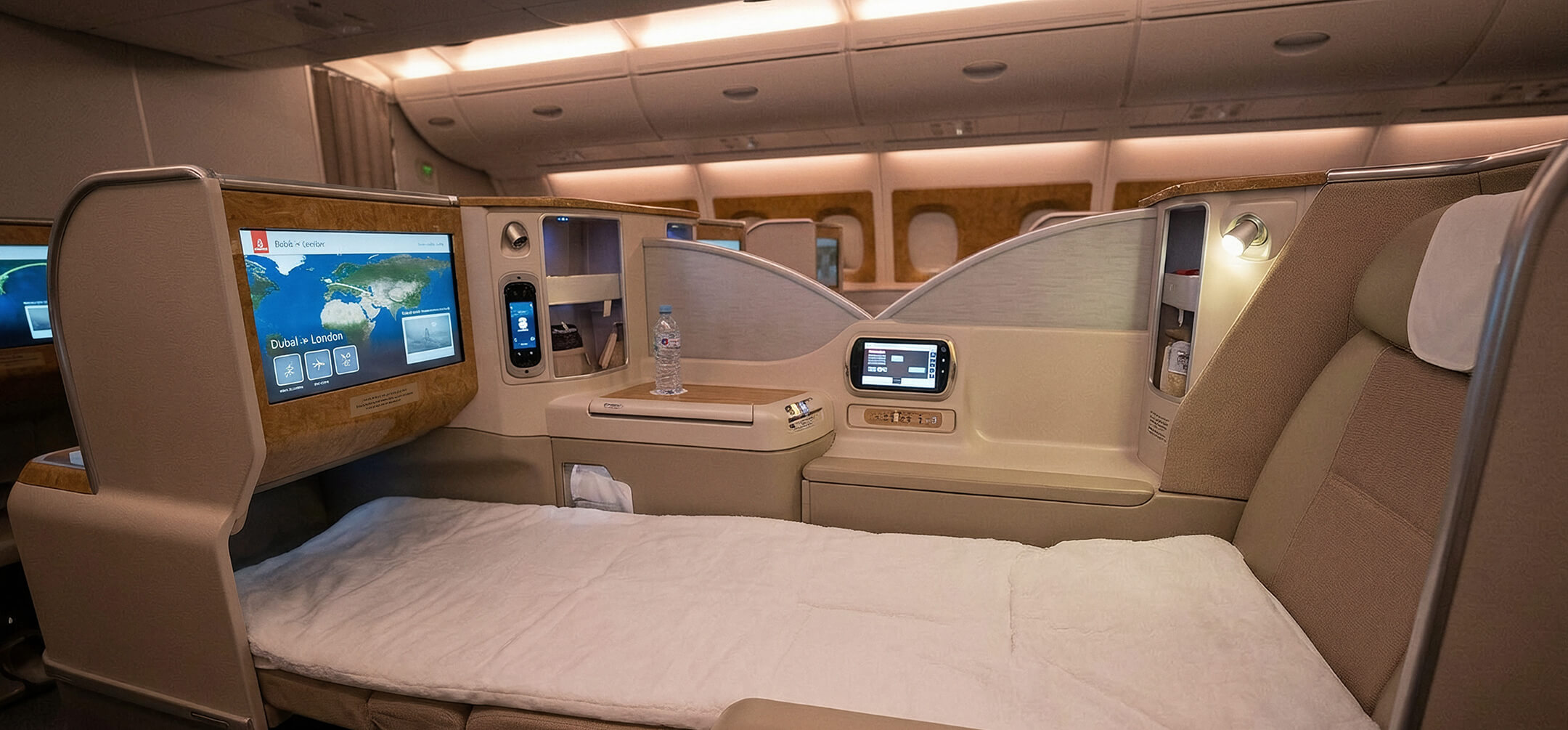
Business-class flights from the US to Innsbruck
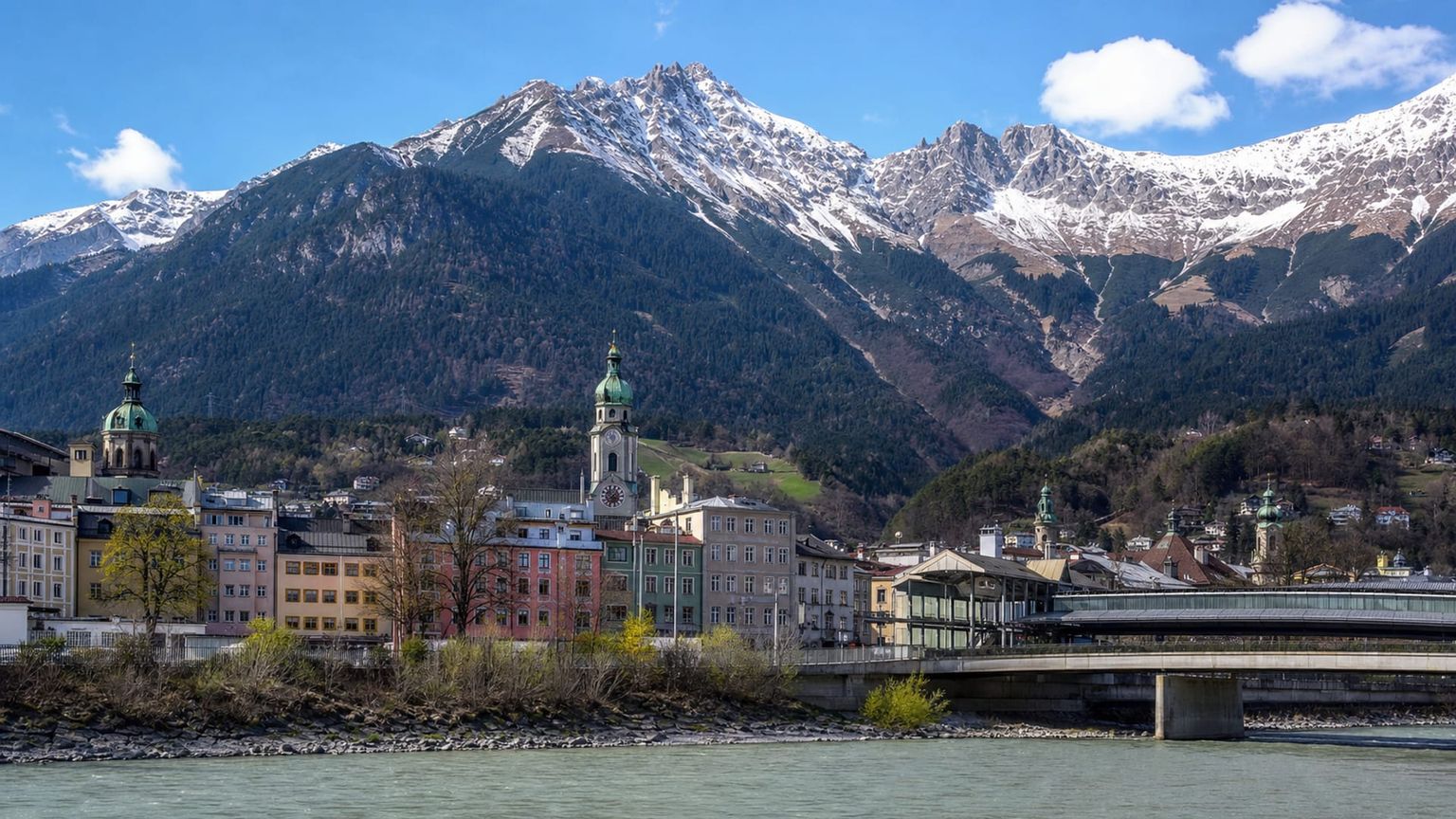
Reaching Innsbruck from the United States usually means one stop, and the strongest itineraries use that connection to keep the trip efficient. The East Coast and West Coast options differ most in total elapsed time and layover length.
From New York, Lufthansa, Austrian Airlines, SWISS, Air Canada, British Airways, and United Airlines typically price round-trip seats from $2,400 to $4,800. One-stop itineraries usually connect through Frankfurt (FRA), Munich (MUC), Zurich (ZRH), Vienna (VIE), or London Heathrow (LHR), with total elapsed time commonly about 10 to 14 hours.
Los Angeles itineraries usually route through Frankfurt (FRA), Munich (MUC), Zurich (ZRH), London Heathrow (LHR), or Paris (CDG), and round-trip business fares usually start at $2,600 and can reach $5,200. Lufthansa, Austrian Airlines, SWISS, British Airways, Air France, and United Airlines appear most often on these longer transits, and the trip generally takes about 13 to 18 hours overall.
Innsbruck feels different when you slow down
A well-planned Innsbruck stay gives each part of the city a role: Altstadt for the Golden Roof and Court Church, Wilten for a calmer dinner, Hötting for hillside views, and the Nordkette for a sharp change of scale. Trams, short bus rides, and the F bus keep the days connected without forcing you to rush. If you want an Innsbruck plan shaped around these neighborhoods and mountain stops, the AranGrant experts can help you map it out