

Chapters:

Need help with your trip?
Our support team is available 24/7. Request a callback or call us directly at (833) 619-0908
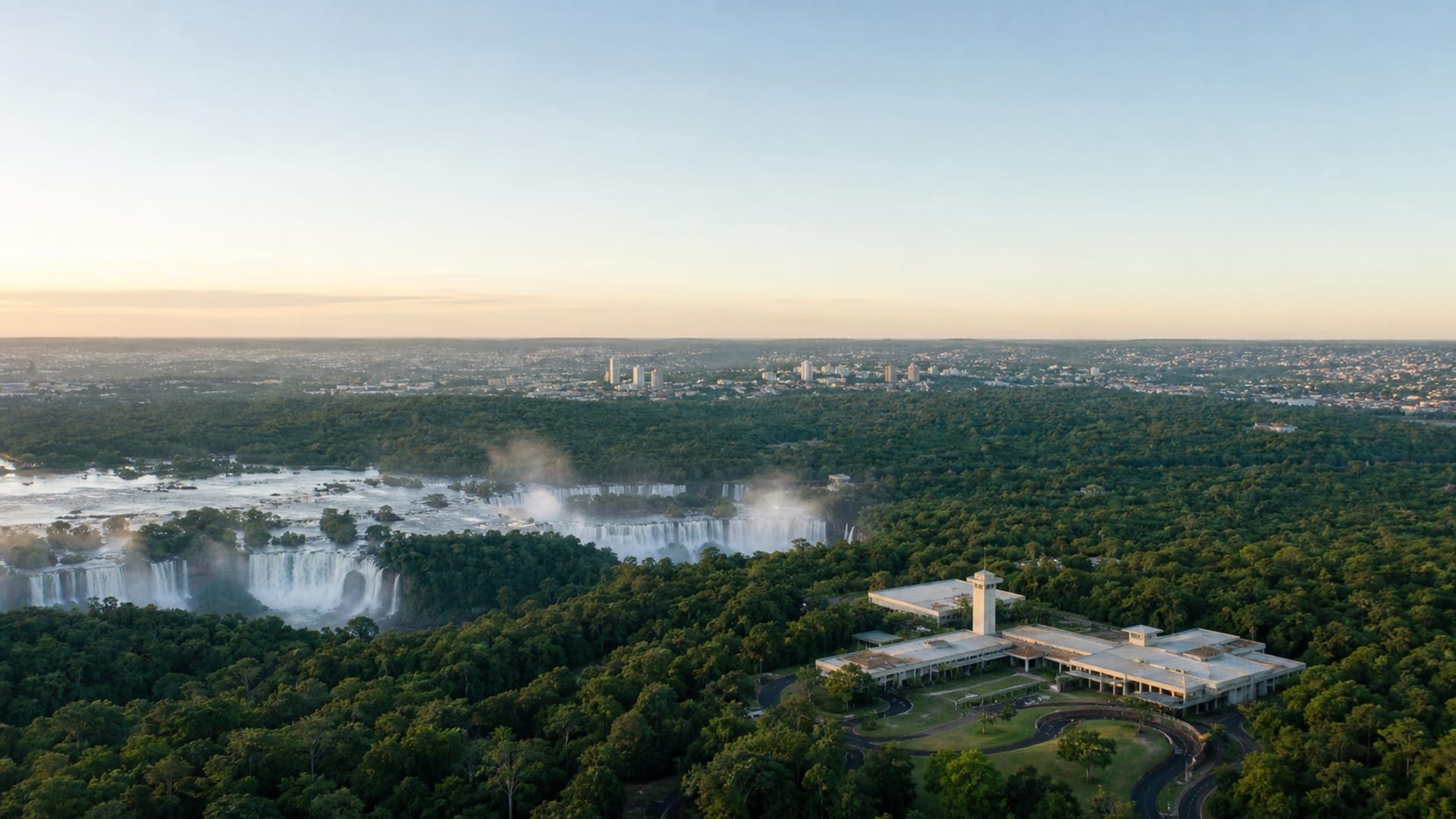
Foz do Iguaçu trips often start with the falls, then fill the rest of the stay with border shopping, airport transfers, and one late visit to the Three Borders Landmark. What many travelers miss is how much time the city can lose between the park road, Centro, and the riverfront if they do not group sights by area.
That spread makes timing matter. The Brazilian side of the falls, Parque das Aves, downtown museums, and the border zone sit in different parts of town, so scattered planning means more taxi rides, more backtracking, and less time at each stop. Meals can also vanish between lunch and dinner if you do not plan ahead.
This guide keeps the city in clusters. It lays out where to stay, how to move, what to eat, when to visit, and how to fit five days into a route that matches Foz do Iguaçu’s actual distances.
Useful things to know

Main language(s): Portuguese
olá (oh-LAH) – hello/good morning
por favor (por fah-VOR) – please
obrigado (oh-bree-GAH-doh) – thank you
você fala inglês? (voh-SEH FAH-lah een-GLAYS?) – Do you speak English?
quanto custa? (KWAHN-toh KOOS-tah?) – How much does it cost?

Currency: The local currency is the Brazilian real (BRL, R$).

Cash and cards: Cards and contactless are widely accepted; carry about R$50 to R$100 ($10 to $20) for small purchases.

Tipping: Round up small bills; leave 10% in restaurants when service is not included.

Traditional food: Piranha soup, pacu fish, carne de onça, barreado

Water and coffee costs: Water about R$5 ($1), bar espresso about R$8 to R$12 ($2 to $2.50).

Taxis and ride apps: Uber and 99 operate here; check pickup points at the airport and border crossings.

Plug and voltage: Type C/N socket, 127V

Dining and shop opening hours: Breakfast is about 6:30-10:00, lunch 12:00-14:30, and dinner 19:00-22:30. Many restaurants close between lunch and dinner; Sunday evenings can be quieter.

Emergency number: Dial 190 for police, 192 for ambulance, 193 for fire and rescue.
Where to stay in Foz do Iguaçu
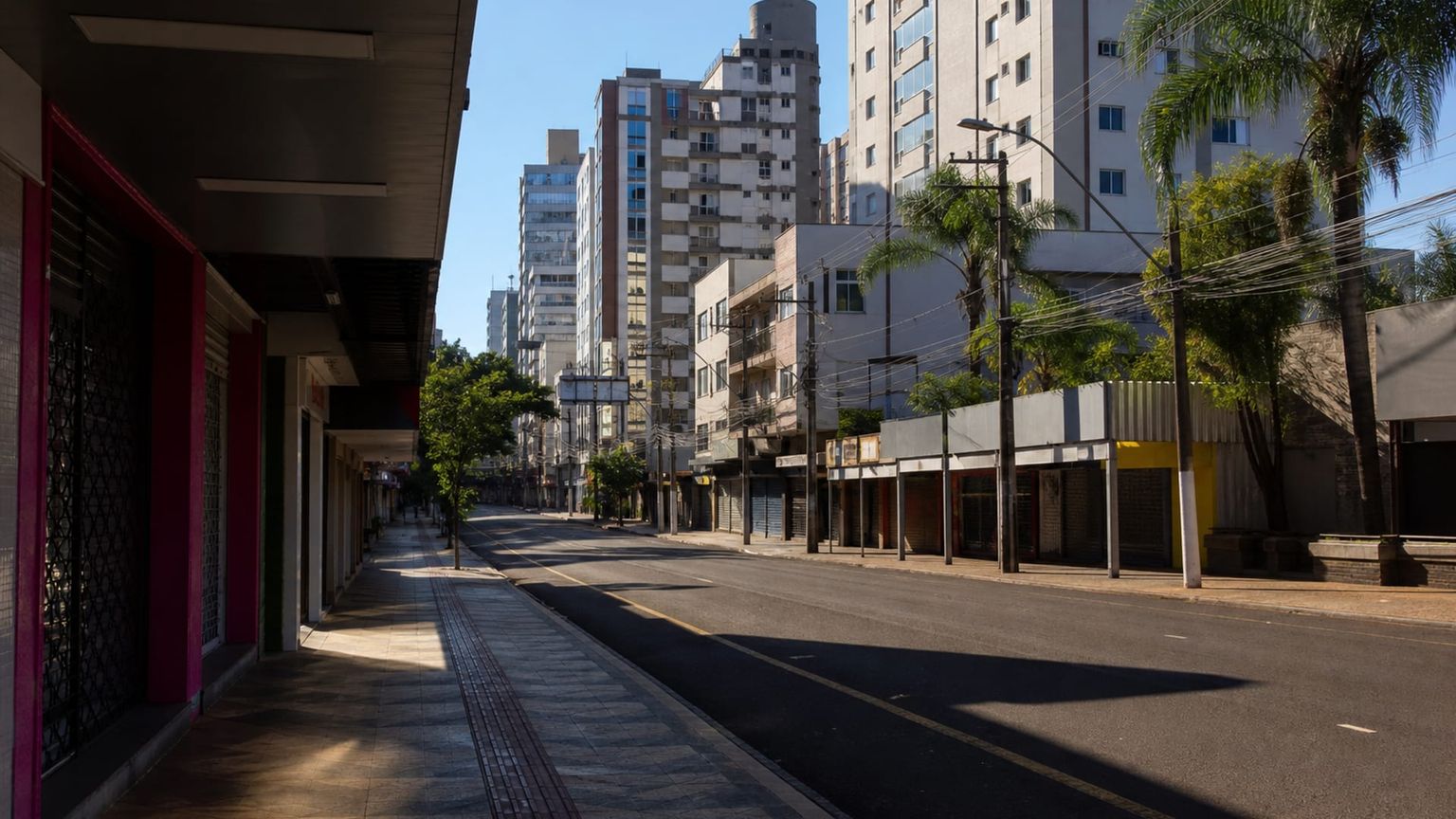
Foz do Iguaçu’s center puts you near banks, pharmacies, restaurants, and main bus links. It suits travelers who want easy daily errands and a simple base for trips to the falls, the border, and the airport.
Best for: First-time stays, dining, and access to buses and taxis
What to expect: Busy sidewalks by day, with more movement near restaurants and transport nodes after dark.
Hotel prices: Usually about R$250 to R$500 (~$50 to ~$100) per night for well-rated stays
Distance to major sights: About 20 to 30 minutes by taxi to Iguaçu National Park, about 15 minutes to the Friendship Bridge
Quietness: Daytime is active and functional, while evenings are calmer on side streets and livelier near major avenues.
Main trade-off: You may trade away resort-style calm for heavier traffic and less green space than the hotel districts near the park.
Good to know: If you plan early starts at the falls, ask for a room away from the main avenue so late traffic and bus noise do not carry in.
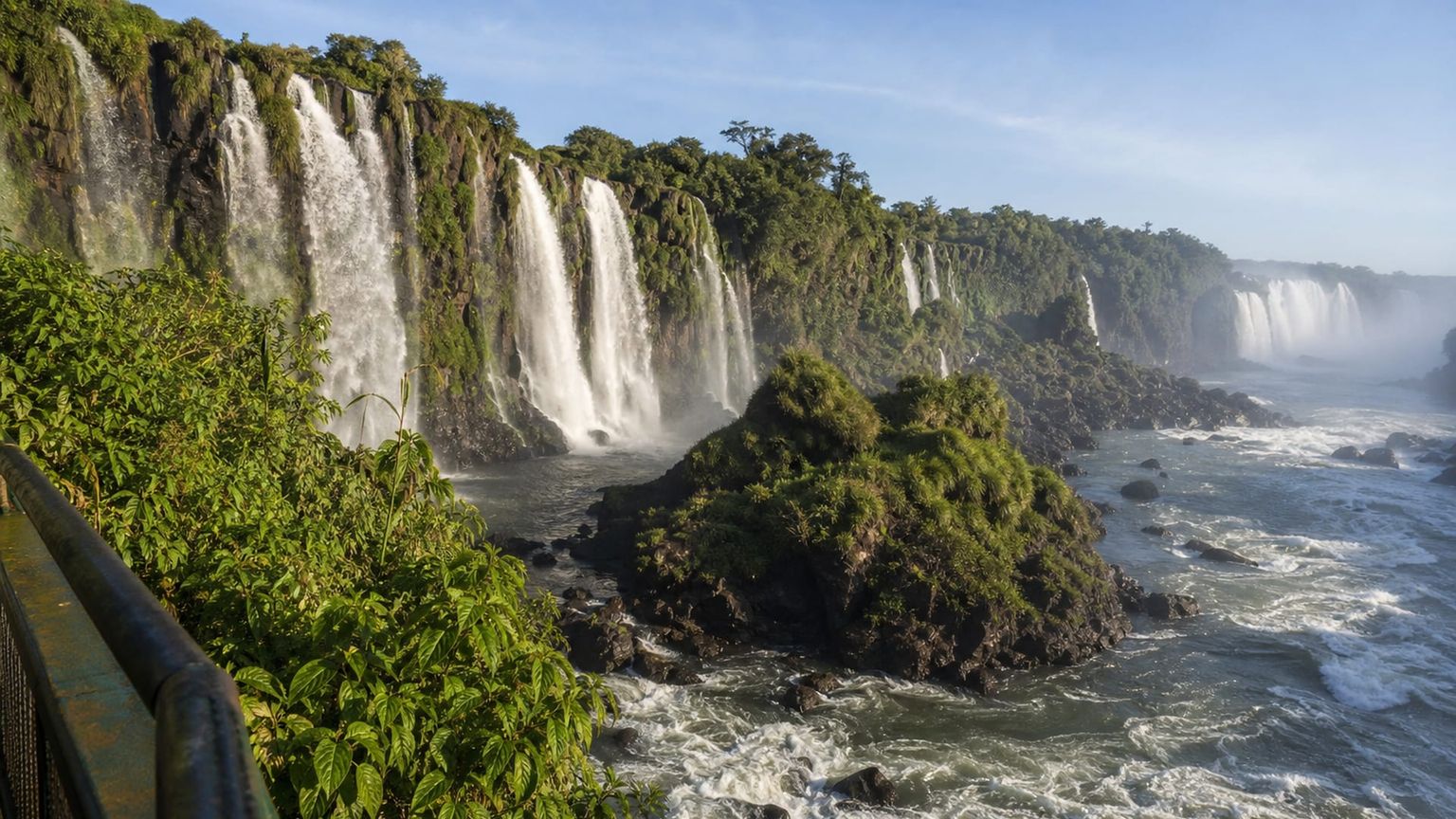
The Cataratas area sits along the park road near Iguaçu National Park and the airport corridor. It matters because it keeps you closest to the falls, the bird park, and many of the city’s resort-style hotels.
Best for: Falls-focused stays, airport access, and resort-style hotels
What to expect: Hotel grounds dominate the area, with light pedestrian activity and a strong visitor presence around lodges and tour pick-up points.
Hotel prices: Usually about R$450 to R$1,200 (~$90 to ~$240) per night for well-rated stays
Distance to major sights: About 5 to 15 minutes by taxi to Iguaçu National Park entrance, about 20 minutes to the airport
Quietness: Days are active with tour departures, while evenings are notably quieter once day visitors leave.
Main trade-off: Dining and shopping options are thinner than in the center, so you may rely more on hotel restaurants or taxis.
Good to know: Choose this if you want the easiest start for an early park entry, since public buses and after-dark dining choices are limited here.
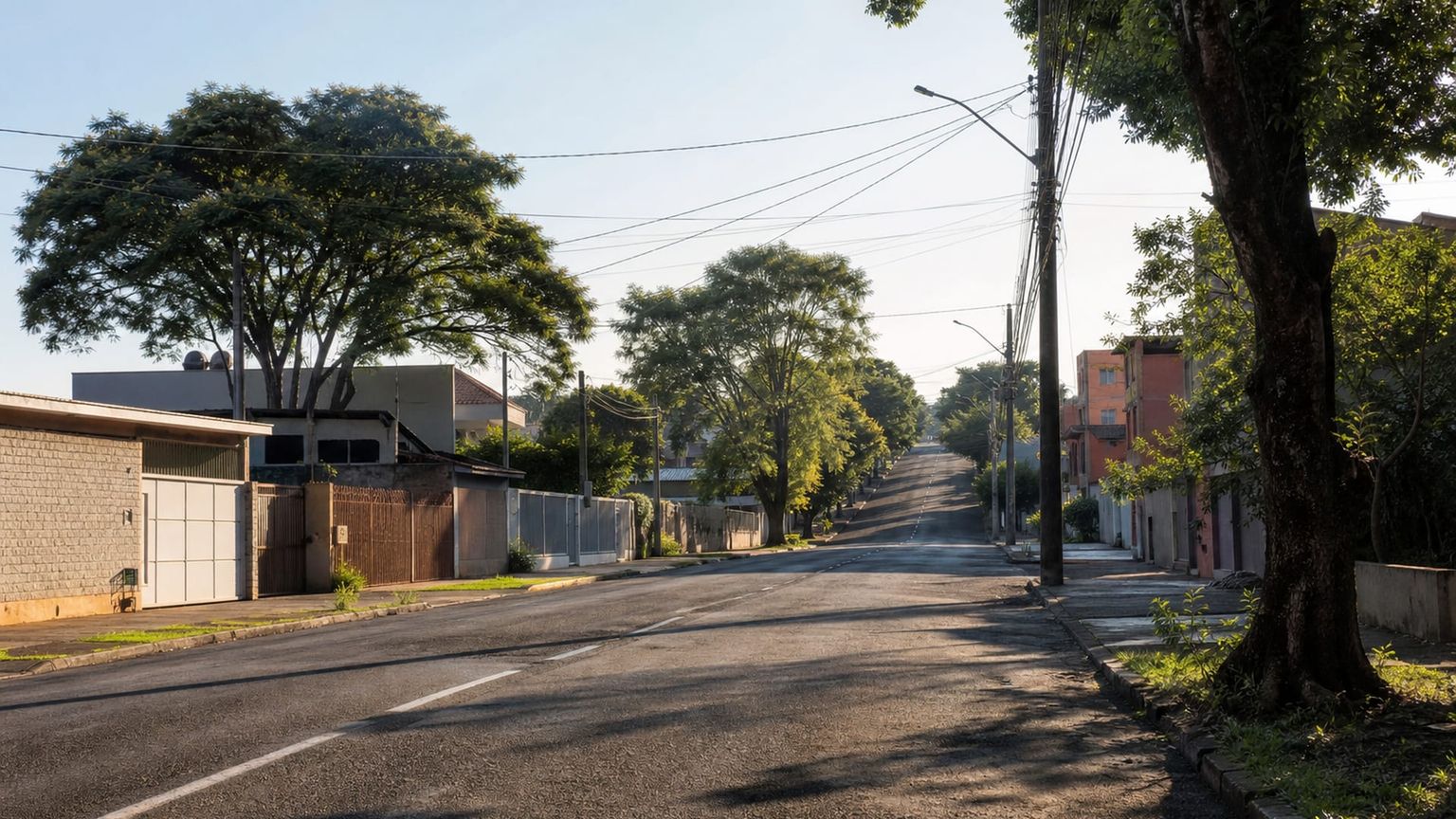
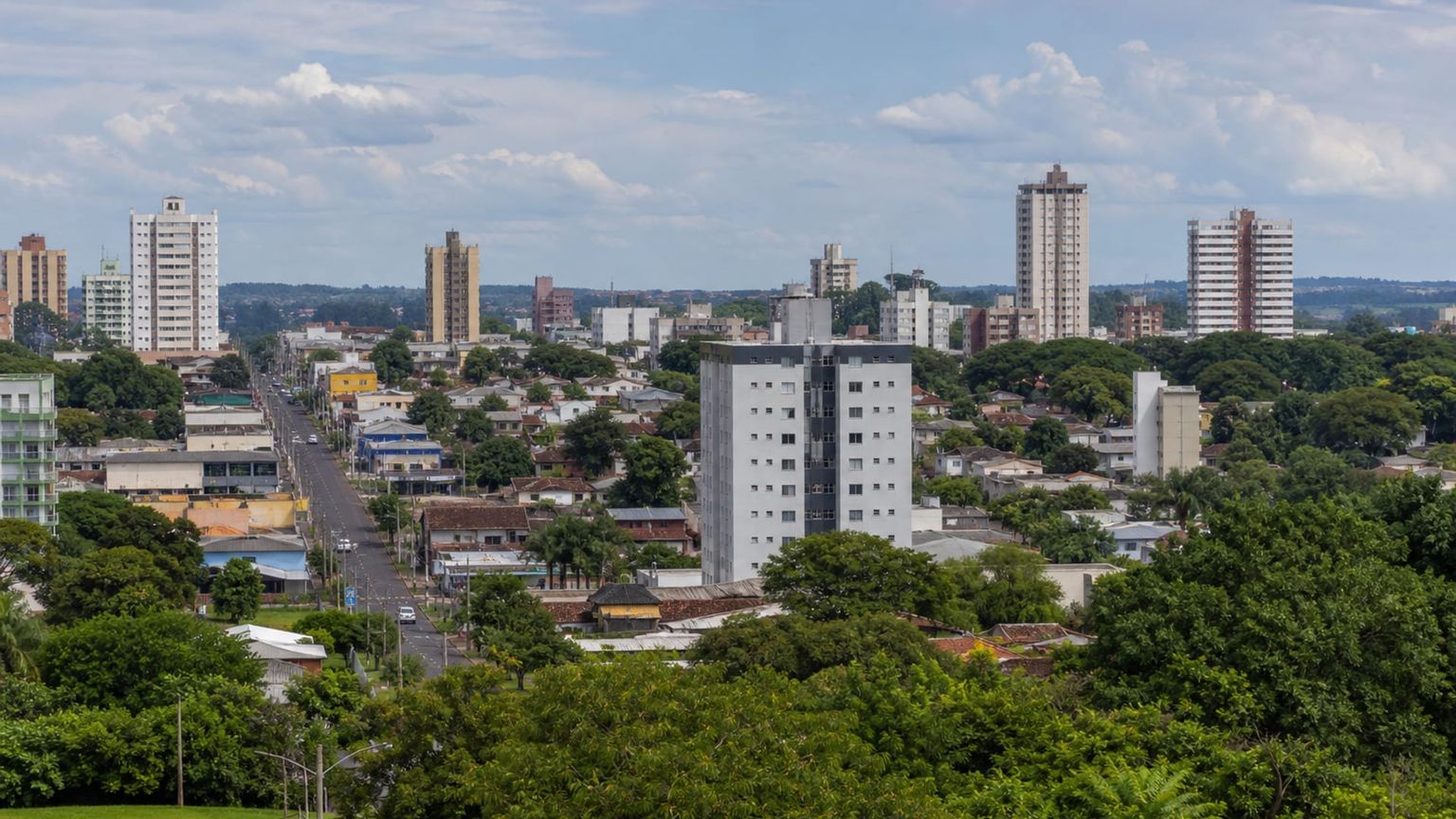
Jardim Central is a residential zone close to the center but with a lower-key street pattern. It works for travelers who want apartment stays, neighborhood bakeries, and quick access to both downtown and the main roads.
Best for: Apartment stays, longer trips, and travelers who prefer a residential setting
What to expect: Mostly local foot traffic, small shops, and quieter streets than the busiest downtown blocks.
Hotel prices: Usually about R$220 to R$450 (~$44 to ~$90) per night for well-rated stays
Distance to major sights: About 10 minutes by taxi to downtown, about 25 minutes to Iguaçu National Park
Quietness: Days are calm with neighborhood activity, and evenings are usually quieter than in the center.
Main trade-off: You may need taxis or rideshares more often because the area has fewer late-opening restaurants and tourist desks.
Good to know: Check the exact street before booking, because some blocks are much more residential and less convenient for evening dining than others.
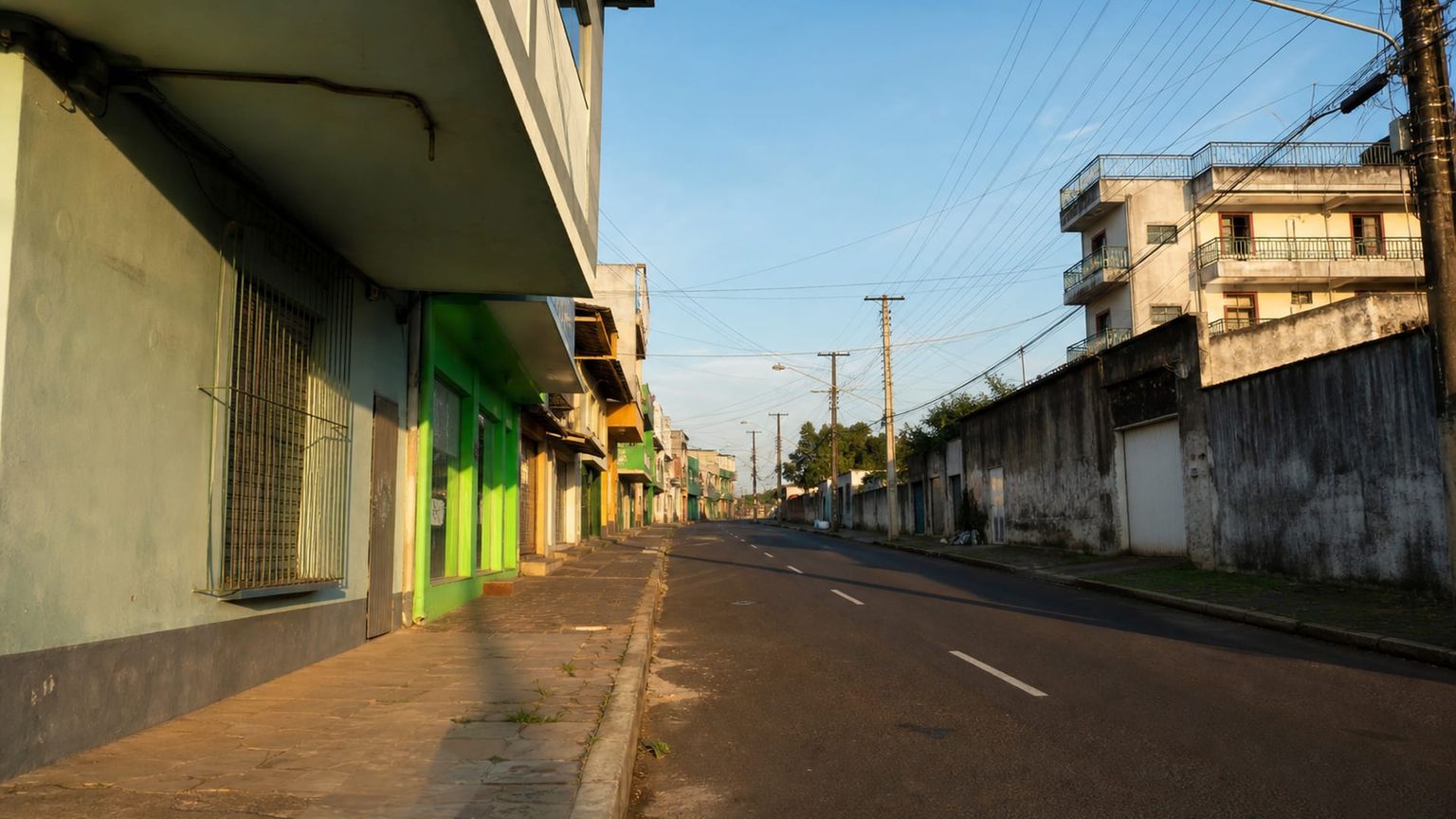
Vila Portes sits near the Friendship Bridge and the Paraguay shopping corridor. It matters for travelers who plan border crossings, day shopping in Ciudad del Este, or a stay near the city’s eastern transit edge.
Best for: Border shopping, overland crossings, and short stays near the bridge
What to expect: Heavy daytime traffic, a working commercial feel, and more movement near the bridge approach than in residential neighborhoods.
Hotel prices: Usually about R$180 to R$380 (~$36 to ~$76) per night for well-rated stays
Distance to major sights: About 5 to 10 minutes by taxi to the Friendship Bridge, about 20 minutes to downtown
Quietness: Days are busy and often noisy near the bridge, while evenings are quieter once cross-border traffic eases.
Main trade-off: You gain border access, but the area is less appealing if you want evening dining on foot or a scenic hotel setting.
Good to know: Keep your passport close and confirm opening hours for any border plan, because traffic and wait times can change quickly at peak periods.
Travelers usually avoid staying in the far western edge of Foz do Iguaçu near the Paraguayan border crossing, because it sits well away from the falls, bird park, and central dining streets, with heavier traffic at peak border times. The outer residential stretches of Vila C and the airport side near IGU are also less convenient, since they are far from most visitor amenities and can mean longer taxi rides for evening meals and returns.
Hotel deals
How to get around Foz do Iguaçu efficiently
Foz do Iguaçu has no metro, so most visitors move between sights with city buses, taxis, and ride-hailing apps, depending on whether they are heading to the falls, the center, or the bridge area.

Metro
for longer distances
Foz do Iguaçu has no metro, so your closest public-transport option is the city bus network, which links downtown, the bus terminal, the Cataratas park area, and the airport corridor in roughly 20 to 45 minutes depending on traffic. Buses are the main low-cost way to move between the center and the main sights, and fares are usually paid on board in cash or by local transit card, about $1 ($5) per ride.

Bus and tram
for convenience
City buses cover most visitor trips, including downtown, the bus terminal, the airport, the falls access area, and border crossings toward Argentina and Paraguay, with many rides taking about 20 to 50 minutes. Expect intervals to widen at night and on weekends, and check the destination sign before boarding because several lines share stops; a typical fare is about $1 ($5), and a day with two or more rides can still cost less than a taxi.

Taxi
for convenience or late hours
Licensed taxis in Foz do Iguaçu use metered fares, with airport trips and late-night rides often costing about $8 to $20 ($40 to $100) from the center, depending on traffic and distance. You can hail them at designated ranks, book through your hotel, or use ride-hailing apps where coverage is available; most accept cash, and many also take cards, though it is worth confirming before departure.
*Prices are based on rates updated as of June 2026 and may change at the time of travel.
Use buses for budget trips across the main corridors, taxis or ride-hailing for early park starts and late dinners, and walking only for short blocks within Centro or a single hotel zone.
Iconic landmarks
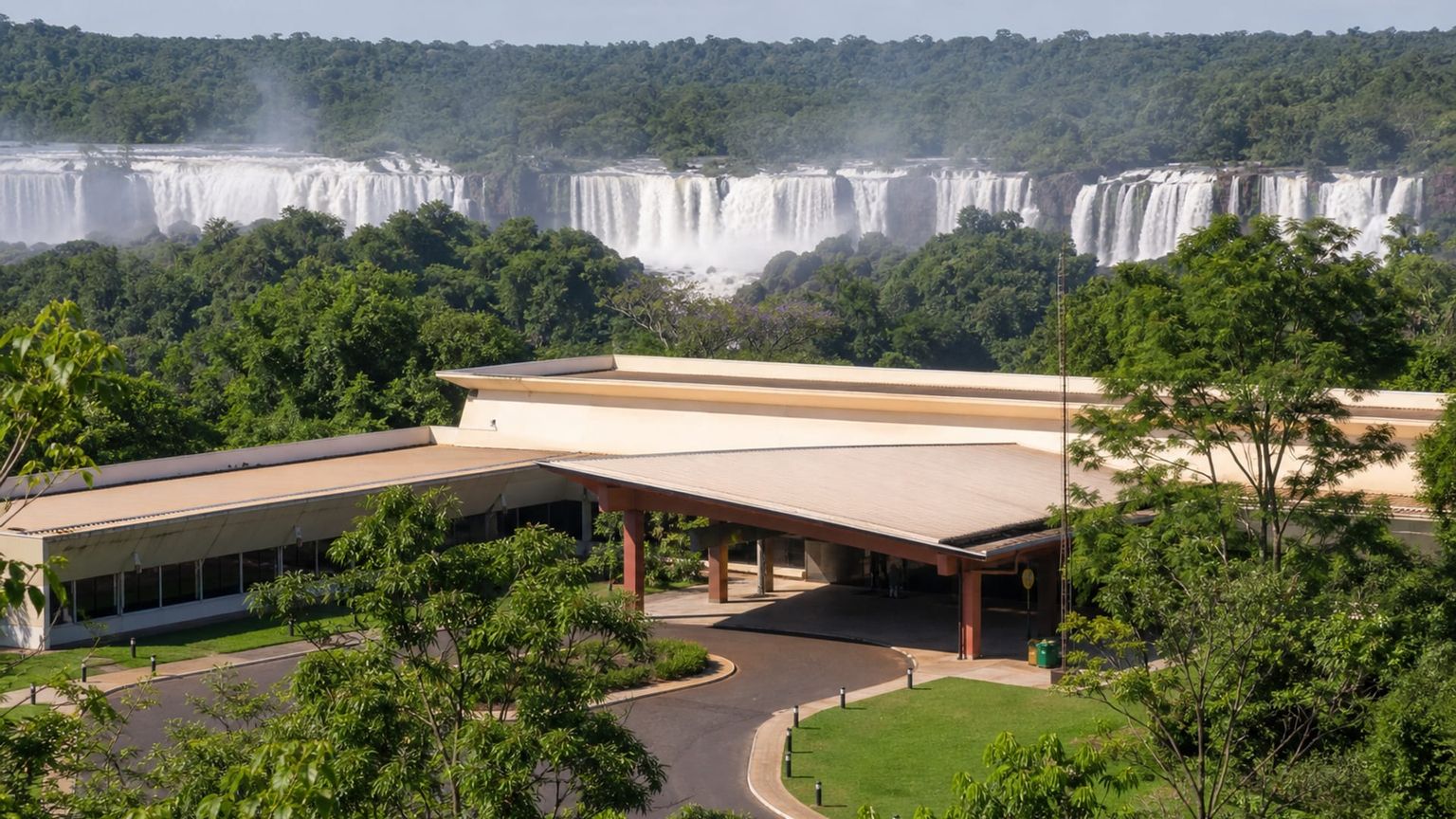
Iguaçu National Park Visitor Center and waterfalls
Brazil’s side of Iguazu Falls sits inside Iguaçu National Park, where a paved route leads to broad overlooks and a long walkway beside the main cataracts. The park edge lies within about 30 km of central Foz do Iguaçu.
Time needed: About 3 to 4 hours
Entry: Standard tickets cost $18.00 (R$97) for foreign adults, with reduced rates for children, seniors, and residents on select days. Visit the official site for details.
Tip: Go early for lighter crowds and stronger water spray near the main overlook.
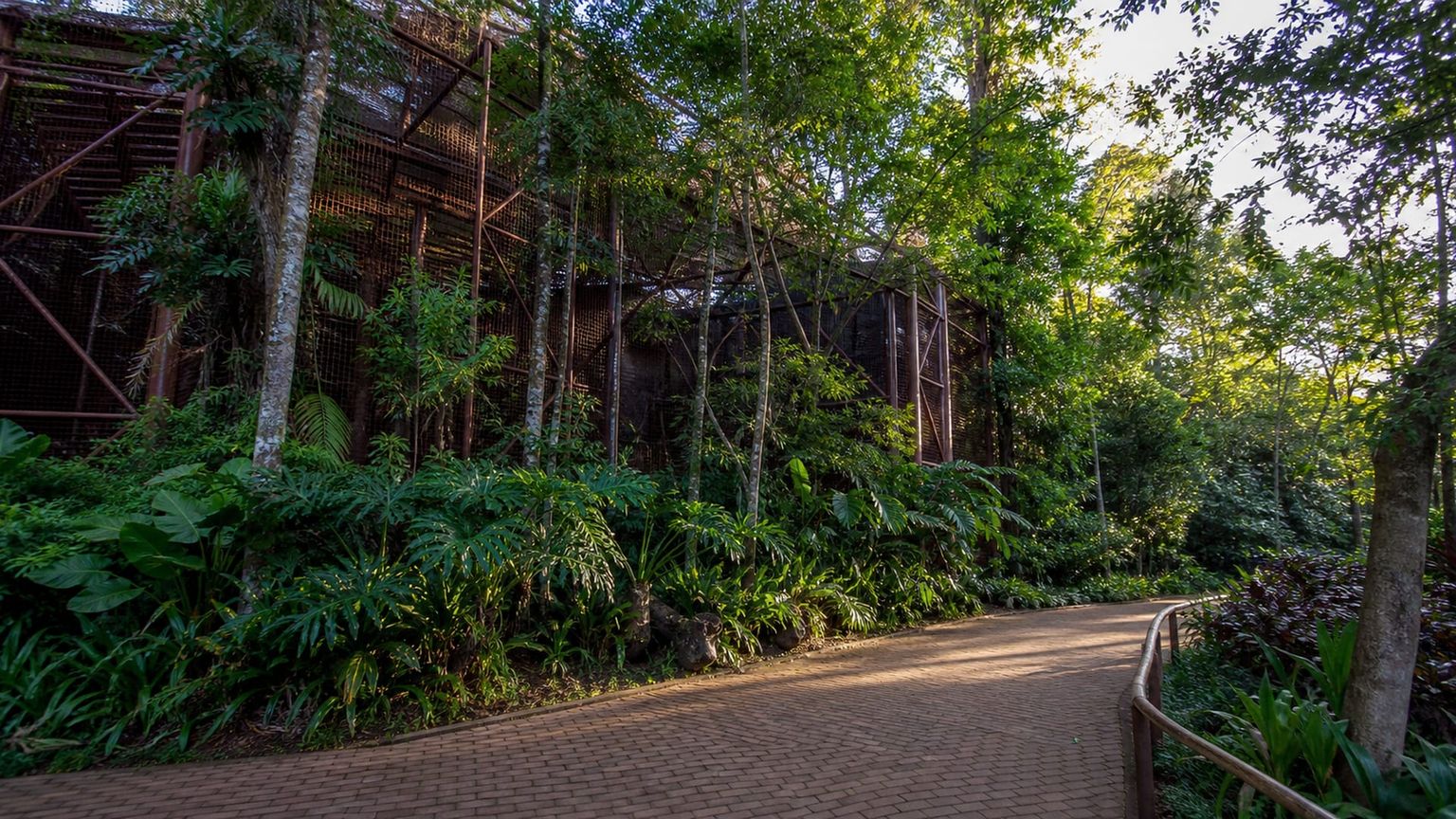
Parque das Aves
Parque das Aves sits beside Iguaçu National Park and shelters toucans, macaws, harpy eagles, and butterflies in large walk-through aviaries. The site focuses on Atlantic Forest species and lies within about 30 km of the city center.
Time needed: About 2 to 3 hours
Entry: Standard tickets cost $19.00 (R$100) for adults, with lower rates for children, seniors, and residents under published rules. Visit the official site for details.
Tip: Visit before noon for active birds and softer light inside the aviaries.
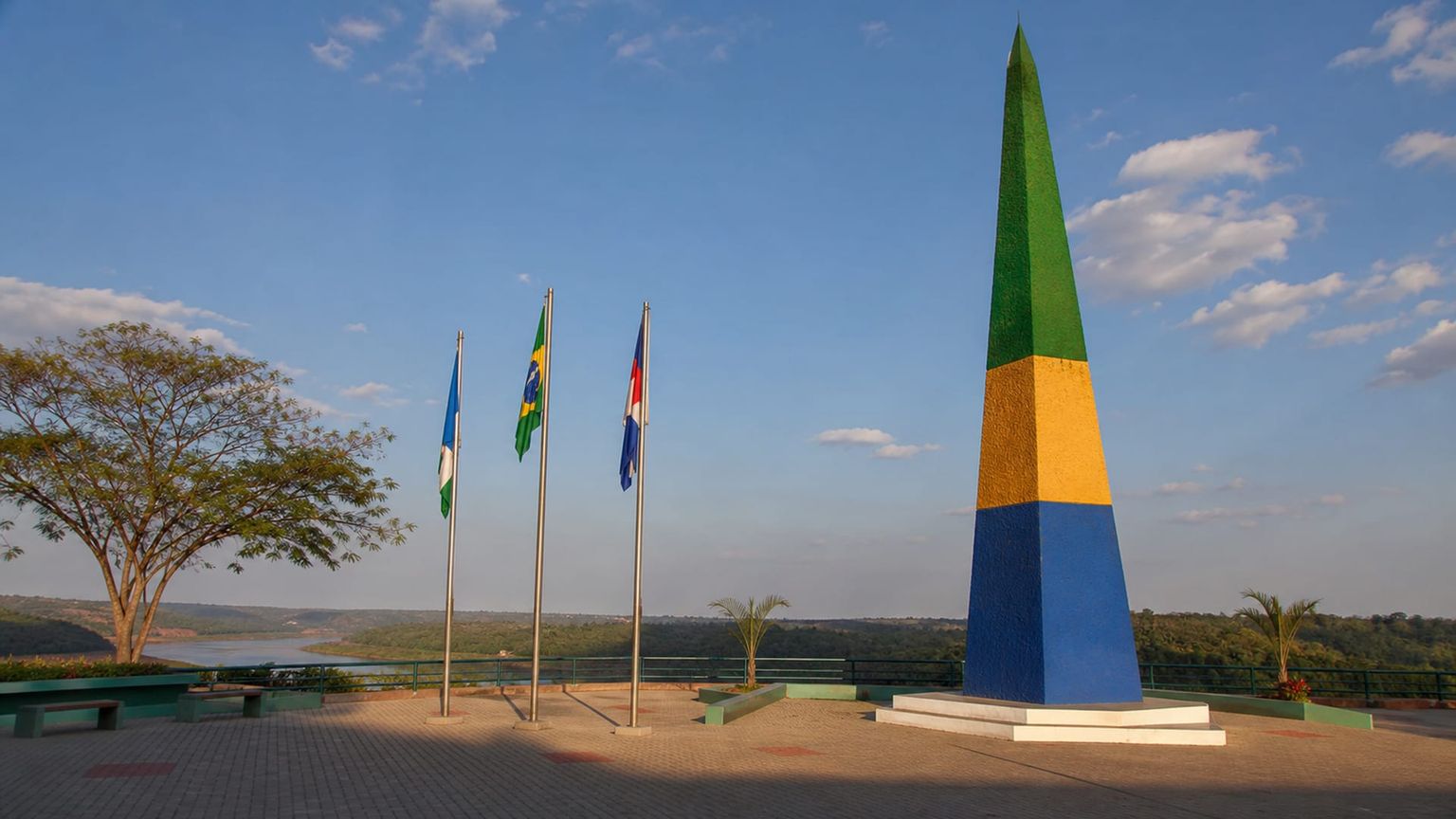
Three Borders Landmark
The Three Borders Landmark marks the point where Brazil, Argentina, and Paraguay meet at the riverside edge of Foz do Iguaçu. The complex has an obelisk, viewing platforms, and a daily light-and-water show near sunset.
Time needed: About 1 to 2 hours
Entry: Standard admission costs $7.00 (R$40) for adults, with discounted pricing for children, seniors, and residents on approved dates. Visit the official site for details.
Tip: Arrive before sunset so you can see the border markers and the night show.
Overlooked sites worth visiting

Mineral Experimental Park
A former quarry now holds short nature trails, a small lake, and red earth cliffs close to the city center. It gives a quieter break from the falls area, with birds, boardwalks, and open views.
Time needed: About 1 to 2 hours
Entry: Free to access during daylight hours; visitors can walk the trails and lake edge without a ticket. Bring water and sunscreen, since shade is limited and the exposed paths can get hot by late morning.
Tip: Go early for softer light and cooler walking conditions.

Diocesan Museum of Sacred Art
This small museum near the cathedral holds liturgical pieces, wood carvings, and vestments tied to the region’s Catholic history. It suits a short stop, with compact galleries and clear labels.
Time needed: About 45 minutes to 1 hour
Entry: Admission is usually free or by voluntary donation, and the visit works well as a short indoor stop between downtown walks. Check opening hours before going, since access can change for church events and holidays.
Tip: Pair it with the cathedral for a short downtown loop.
Traditional food
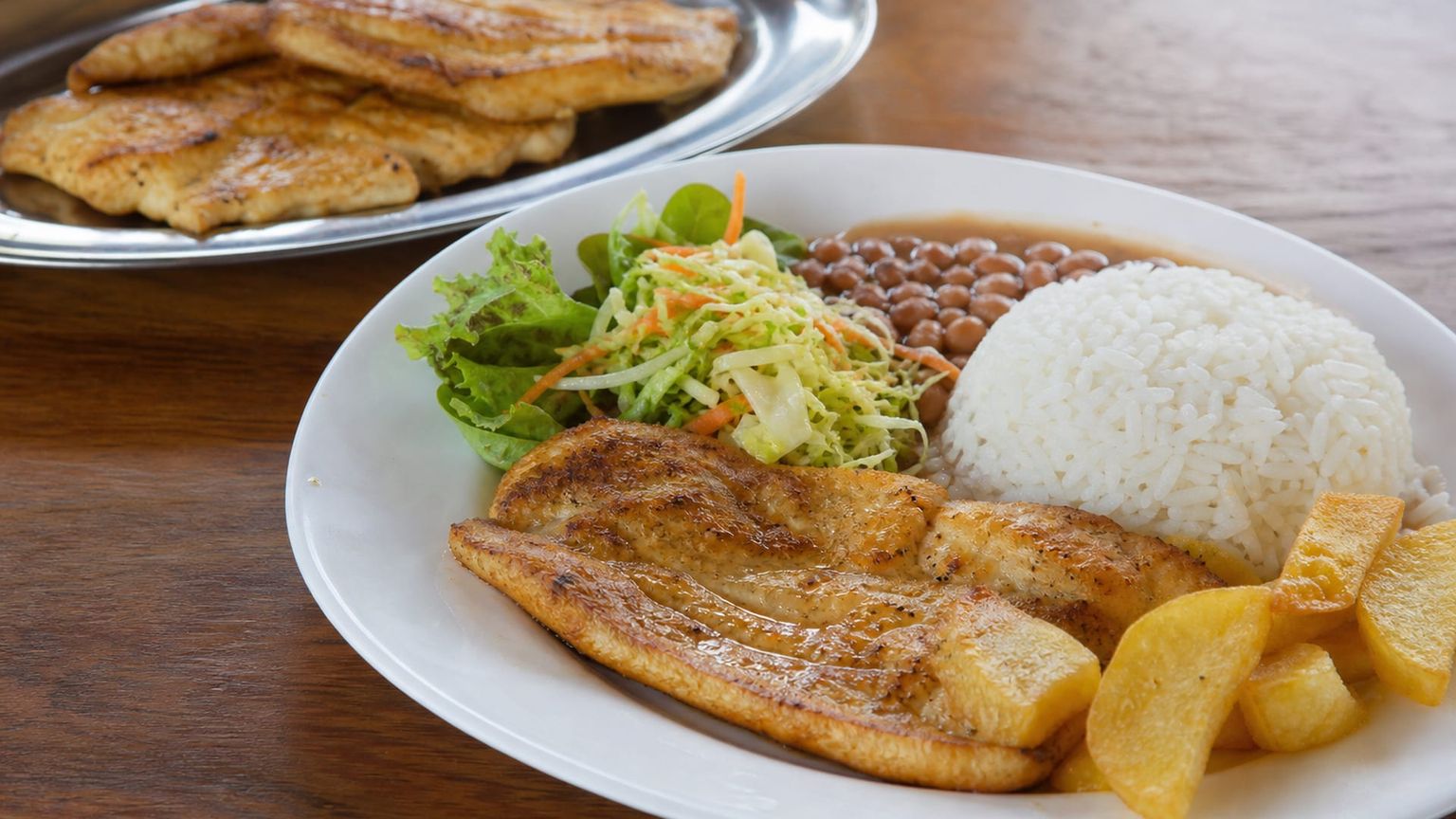
Local tables lean on river fish, grilled meats, and Paraná staples, with piranha soup, pacu, and carne de onça appearing beside generous breakfast plates and late lunches. Meals often fit the city’s split-day dining hours.
Piranha soup
A rich, savory bowl that suits a lingering lunch and shows up in the city’s river-fish tradition. In Foz do Iguaçu, Restaurante Cabeza de Vaca is a strong canonical stop for it.
Pacu fish
Pacu brings a fuller, milder freshwater flavor that works well grilled or fried. Empório com Arte in Foz do Iguaçu serves it in a setting that matches the region’s fish-focused cooking.
Carne de onça
This Curitiba-born beef dish appears in bar menus and casual dinners, usually topped with onion and seasoning. In Foz do Iguaçu, Buffalo Bar is a well-known place to order it.
Barreado
Barreado is a slow-cooked Paraná classic with deep, stewlike flavor and a soft texture. For a credible version in Foz do Iguaçu, try the buffet at Hotel Bella Italia’s restaurant.
Best time to visit Foz do Iguaçu
Foz do Iguaçu works across the seasons, but heat, rain, and waterfall spray change the best hours for the park, the riverfront, and downtown walks.
Best for: Waterfall visits, bird park mornings, and hotel pools
What you get: Temperatures usually run about 72-92°F (22-33°C), with heavier crowds at the falls and more afternoon rain.
Trade-offs: Humidity and storms can make midday walks tiring.
Best for: Balanced sightseeing, cleaner skies, and easier all-day pacing
What you get: Expect about 57-86°F (14-30°C), with moderate crowds and comfortable conditions for both downtown and park visits.
Trade-offs: Rain can still interrupt a few afternoons.
Best for: Long park days and clear views from the overlook walkways
What you get: Typical temperatures range from 46-79°F (8-26°C), with lighter crowds and drier air than summer.
Trade-offs: Early mornings can feel cool near the river.
Best for: Birdwatching, green scenery, and flexible city sightseeing
What you get: Temperatures usually sit near 61-88°F (16-31°C), with rising humidity and a modest increase in visitor numbers.
Trade-offs: Heat builds quickly by late morning.
A realistic 5-day plan in Foz do Iguaçu
The five-day plan below keeps the city grouped by zone: the falls corridor, downtown, the riverfront, and the border edge. That order reduces cross-town zigzags and leaves room for unhurried meals between the city’s split restaurant hours.
Land at Iguaçu Falls International Airport (IGU), then take a taxi or rideshare into the Cataratas area if you want the shortest start to the park, or Centro if you prefer more dining and bus links. The ride to the Cataratas area takes about 20 minutes and usually costs roughly R$70 to R$100 (about $14 to $20), while Centro is about 25 to 30 minutes and roughly R$80 to R$110 (about $16 to $22). Settle in, drink plenty of water after the flight, and keep dinner close to your hotel, a simple meal in Centro works well if you want an easy first night.

Begin early at Iguaçu National Park Visitor Center and waterfalls, since the Brazilian side works best before the crowds build and the walkway gives broad views of the cataracts. Plan on about 3 to 4 hours there, with a taxi from Centro taking roughly 20 to 30 minutes, or about 5 to 15 minutes if you stayed in the Cataratas area. After the falls, continue to Parque das Aves, which sits beside the park and takes about 5 minutes by taxi from the visitor center, or roughly 20 minutes from Centro. Spend 2 to 3 hours among the walk-through aviaries, then return to Centro for an early dinner near the main bus corridors so getting back to your hotel stays simple.

Start with Mineral Experimental Park in the cool of the morning, where the short trails and lake edge give you a quiet contrast to the park zone, and the visit takes about 1 to 2 hours. From Centro, a taxi usually takes about 10 minutes. Next, continue to the Diocesan Museum of Sacred Art, which pairs well with the nearby cathedral and takes about 45 minutes to 1 hour. The drive from Mineral Experimental Park to the museum is about 10 to 15 minutes, or roughly 5 to 10 minutes if you begin in Centro. End the afternoon with an unhurried walk through downtown streets, then stop for coffee or a late snack near the cathedral before heading back to your hotel.
For your longest outing, head south to the Three Borders Landmark and arrive before sunset so you can see the river meeting point and stay for the light-and-water show. From Centro, the taxi ride takes about 15 to 20 minutes, and from Vila Portes it is usually about 10 minutes or less. Plan on 1 to 2 hours at the landmark itself, then linger on the viewing platforms as the light changes. If you are staying in Vila Portes, you can follow the visit with a short border-area meal; if you are based in Centro, return there for dinner and keep the evening relaxed after the riverfront show.
Before heading to Iguaçu Falls International Airport (IGU), spend your last hours in Centro, where you can finish with a final museum stop or a shopping run without straying far from transit. If you want one last indoor visit, return to the Diocesan Museum of Sacred Art, then walk a few blocks for souvenirs and pharmacy purchases along the central commercial streets. A café break in Jardim Central works well if you want a quieter seat before checkout, and the taxi to the airport from Centro usually takes about 20 to 25 minutes, or about 20 minutes from the Cataratas area. Keep your luggage close, settle your bills early, and leave enough time for airport check-in.
Business-class flights from the US to Foz do Iguaçu
Reaching IGU usually means a connection, not a direct long-haul hop. From New York and Los Angeles, the main options cluster through a small set of South American and regional hubs, with fare swings that track the number and length of stops.
From New York, American Airlines, Delta Air Lines, United Airlines, LATAM Airlines, Copa Airlines, and Avianca commonly appear on the route mix. Nonstop flying time is about 11 to 12 hours when it is available, while one-stop itineraries usually connect through GRU, GIG, EZE, PTY, or BOG and take about 14 to 19 hours. Round-trip fares from New York usually start at $1,700 and can reach $4,500.
Los Angeles travelers usually see American Airlines, Delta Air Lines, LATAM Airlines, Copa Airlines, and Aeromexico on the board. Round-trip fares from Los Angeles usually run from $1,900 to $4,800, and the trip takes about 12 to 13 hours nonstop when offered. Many itineraries route through GRU, GIG, EZE, PTY, or BOG, which pushes total travel time to about 15 to 20 hours.
Foz do Iguaçu feels different when you slow down
A deliberate Foz do Iguaçu trip ties Centro to the park road, then leaves space for the Three Borders Landmark after sunset and a final meal near the cathedral or main bus corridors. It works best when you separate waterfall days from downtown errands and use taxis or buses with a clear purpose. If you want help turning those pieces into a trip that fits your dates, ask the AranGrant experts for a city plan built around IGU