

Chapters:

Need help with your trip?
Our support team is available 24/7. Request a callback or call us directly at (833) 619-0908
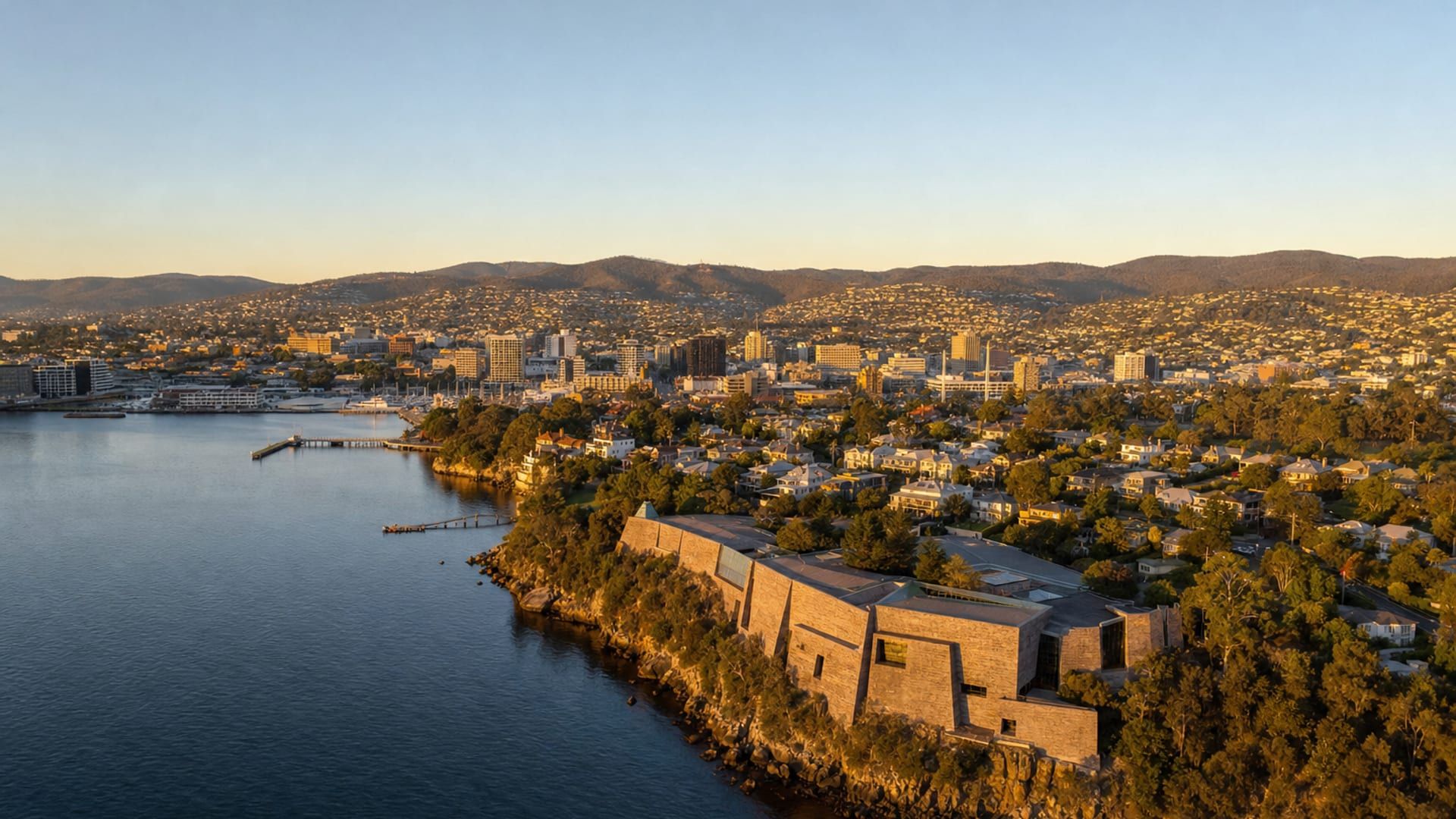
Many Hobart trips settle into the same loop, waterfront check-ins, Salamanca dinners, and a quick look at Mount Wellington, while Battery Point and North Hobart often stay underused.
That pattern can miss how spread out the city is, how early some kitchens close, and how much time ferry schedules, hill roads, and short bus hops can shape an afternoon.
This guide maps Hobart by neighborhood, transit, and day length, so each stop fits the next one without forcing the city into a rushed sequence.
Useful things to know

Main language(s): English

Currency: The local currency is the Australian dollar (AUD, A$).

Cash and cards: Cards and contactless are widely accepted; carry about A$20 to A$50 ($13 to $33) in cash for small purchases.

Tipping: Round up small bills; 10% is appreciated at sit-down restaurants if service is good.

Traditional food: fresh Tasmanian seafood, scallop pie, leatherwood honey, Tasmanian lamb

Water and coffee costs: Water about A$3 to A$5 ($2 to $3), bar espresso about A$4 to A$6 ($3 to $4).

Taxis and ride apps: Uber and DiDi operate here; airport pickups can be limited at busy times.

Plug and voltage: Type I socket, 230V

Dining and shop opening hours: Breakfast is usually 07:00-10:00, lunch 12:00-14:00, and dinner 18:00-21:00. Many kitchens close early on Sundays.

Emergency number: Call 000 for police, fire, or ambulance.
Where to stay in Hobart
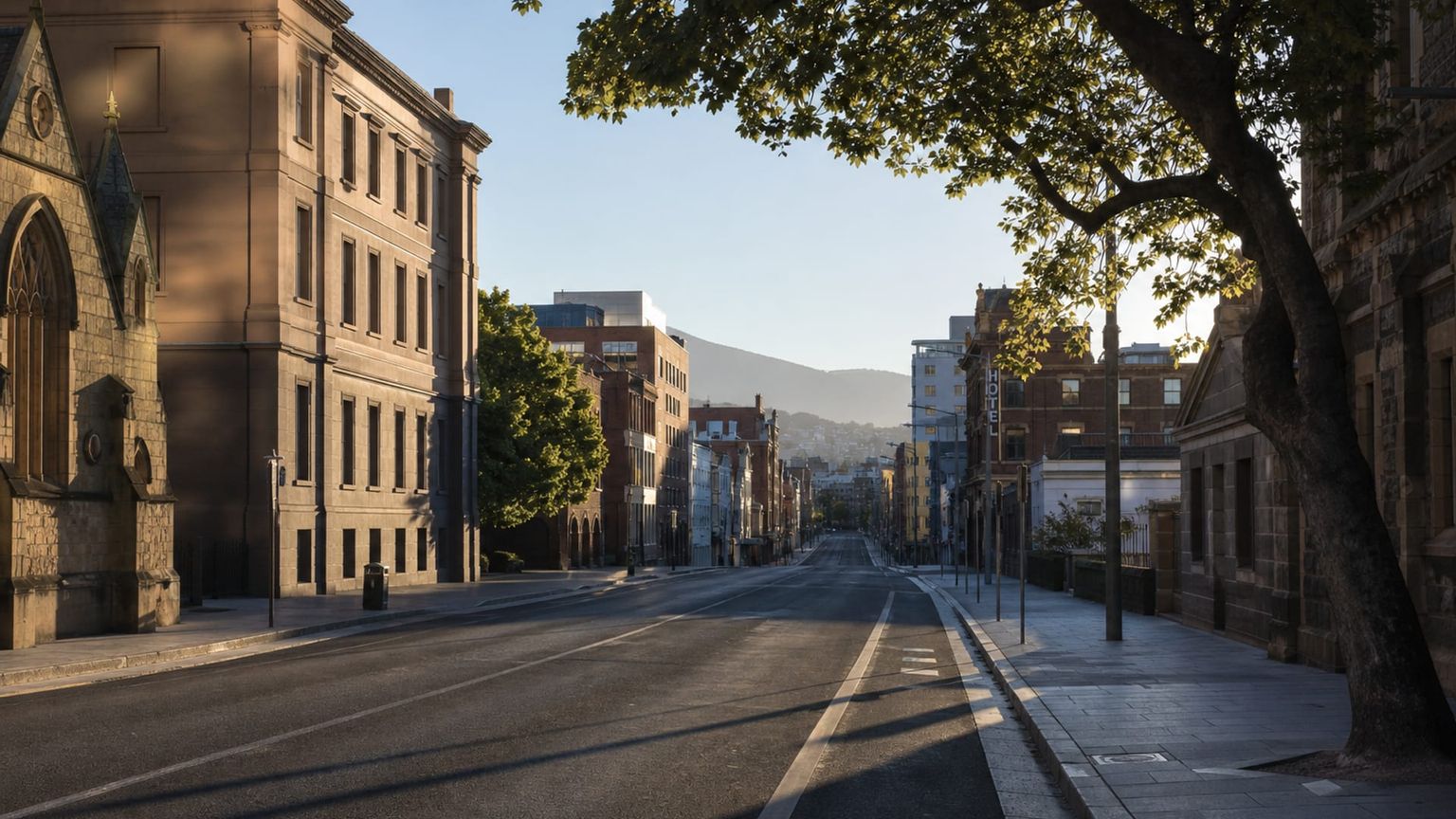
South of the city center, Sandy Bay mixes waterfront homes, the university, and a long stretch of shops and cafes. It matters for visitors who want easy access to Salamanca, Wrest Point, and the ferry wharf without staying in the busiest downtown blocks.
Best for: Couples, longer stays, and travelers who want cafes, shoreline walks, and quick access to central Hobart
What to expect: Residential streets with pockets of student life, local dining, and heavier traffic near the main roads.
Hotel prices: Usually about $140 to $260 per night for well-rated stays
Distance to major sights: About 5 minutes by car to Salamanca Place, about 25 minutes on foot to Battery Point
Quietness: Quieter at night, busier in the afternoon near shops and the university
Main trade-off: You will usually pay more than in outer suburbs, and the main roads can feel busy at peak hours.
Good to know: If you plan to move around by bus or on foot, choose a place close to the main strip, since the suburb is broad and some addresses sit far from the waterfront.
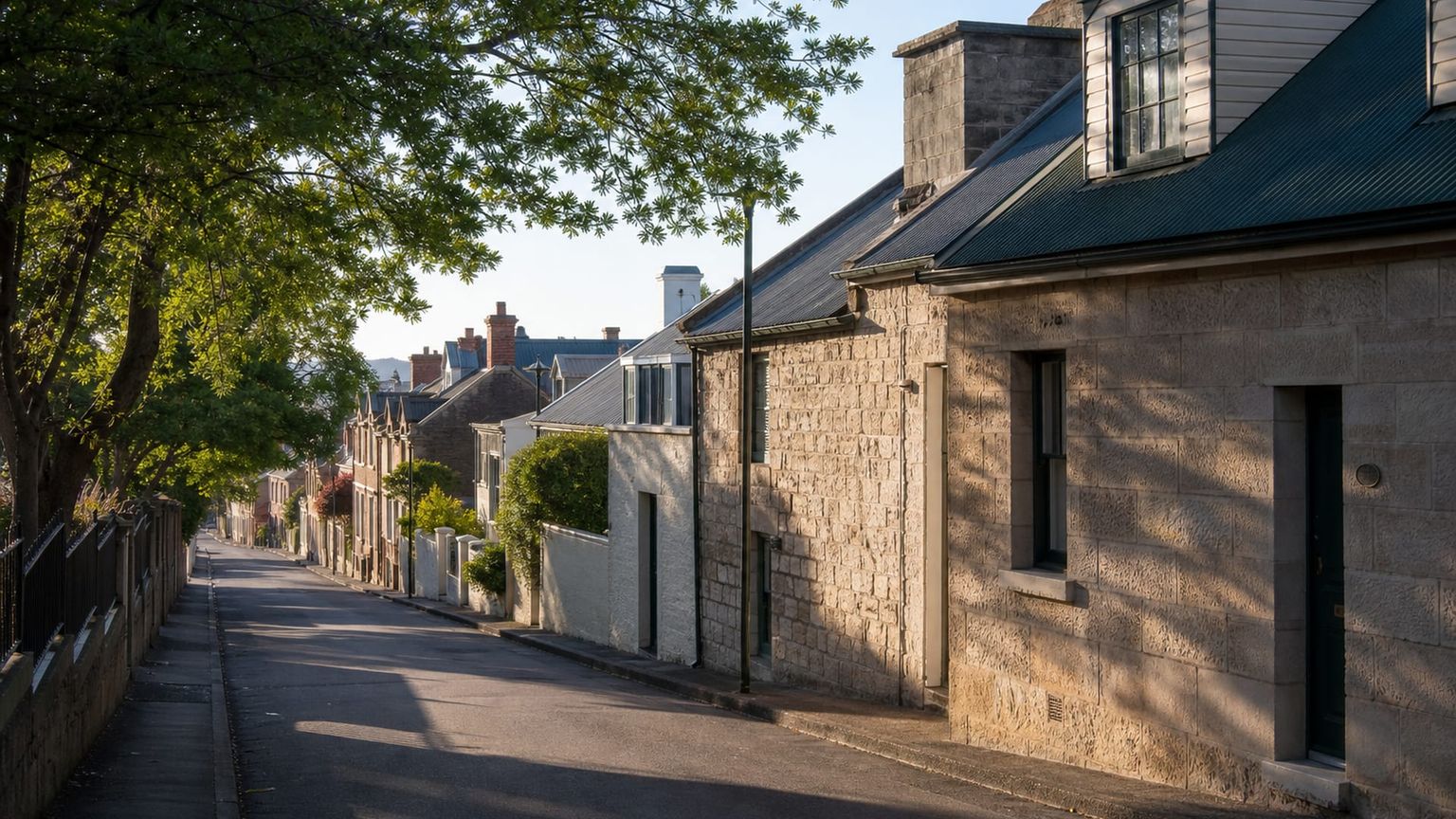
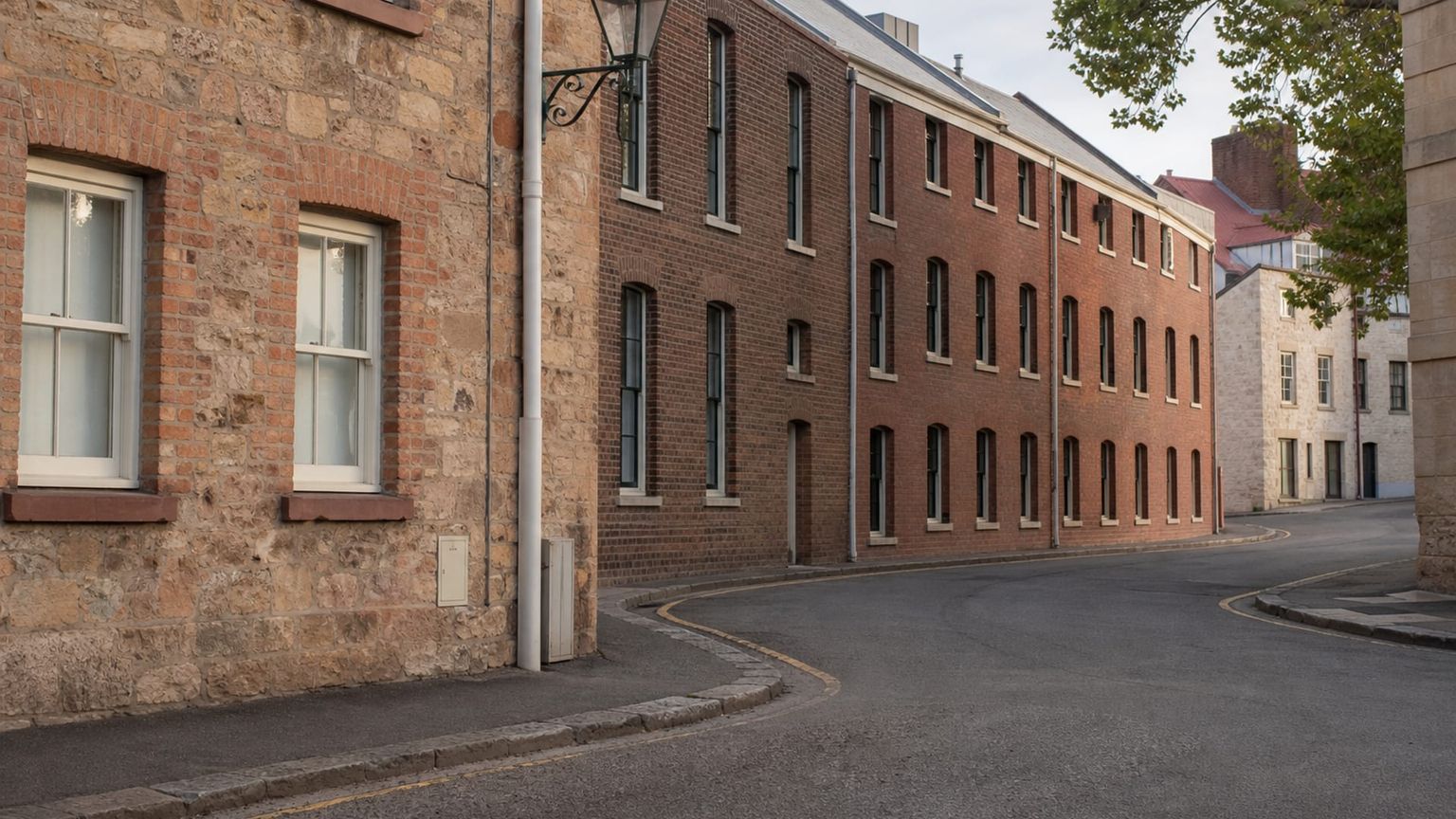
Battery Point is Hobart’s historic hill district, with narrow streets, heritage cottages, and quick walks to Salamanca and the waterfront. It suits visitors who want a characterful base inside the city’s most walkable core.
Best for: Walkers, heritage lovers, and travelers who want a central base near Salamanca and the waterfront
What to expect: Quiet residential streets, limited through traffic, and a steady stream of visitors around the heritage lanes.
Hotel prices: Usually about $180 to $340 per night for well-rated stays
Distance to major sights: About 5 minutes on foot to Salamanca Place, about 15 minutes on foot to Hobart CBD
Quietness: Calm at night, with more foot traffic in the morning and late afternoon
Main trade-off: Stays are often smaller and pricier than in nearby districts, especially in converted heritage buildings.
Good to know: Book early if you want a specific room type, since inventory is limited and many properties are in restored houses with fewer units.
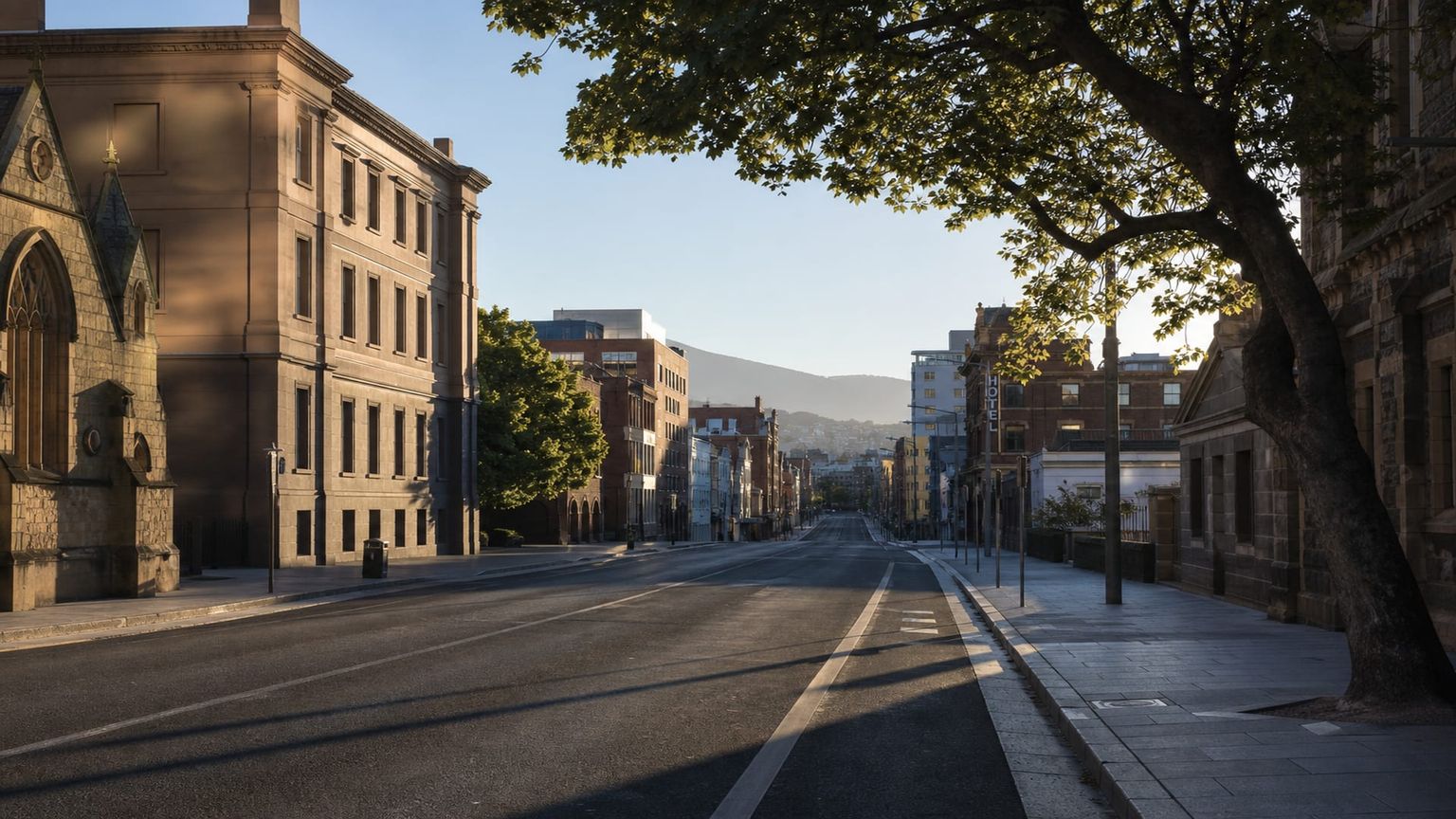
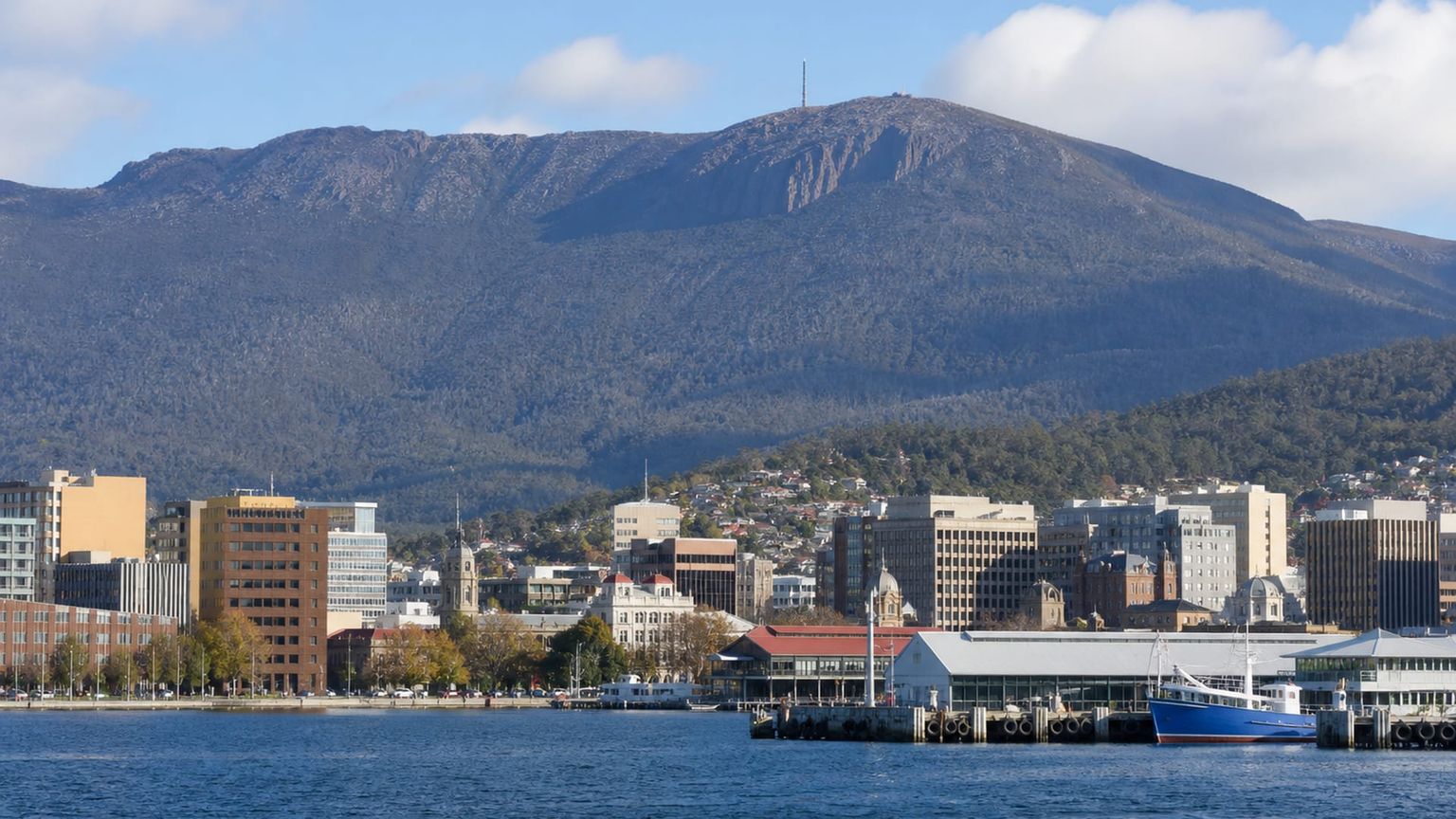
Hobart CBD puts you in the commercial center, with shops, museums, the waterfront, and public transport all close by. It suits visitors who want the shortest hops between restaurants, ferries, and major sights.
Best for: First-time visits, short stays, and travelers who want the broadest choice of dining and transport
What to expect: Busy sidewalks, office traffic on weekdays, and the most activity after work and on weekends near the waterfront.
Hotel prices: Usually about $130 to $280 per night for well-rated stays
Distance to major sights: About 10 minutes on foot to Salamanca Place, about 15 minutes on foot to Battery Point
Quietness: Lively in the day, with quieter side streets after business hours
Main trade-off: Central convenience comes with more traffic, more noise, and higher rates on event nights.
Good to know: If you are sensitive to street noise, avoid rooms facing the main roads or late-night venues, especially on Friday and Saturday.
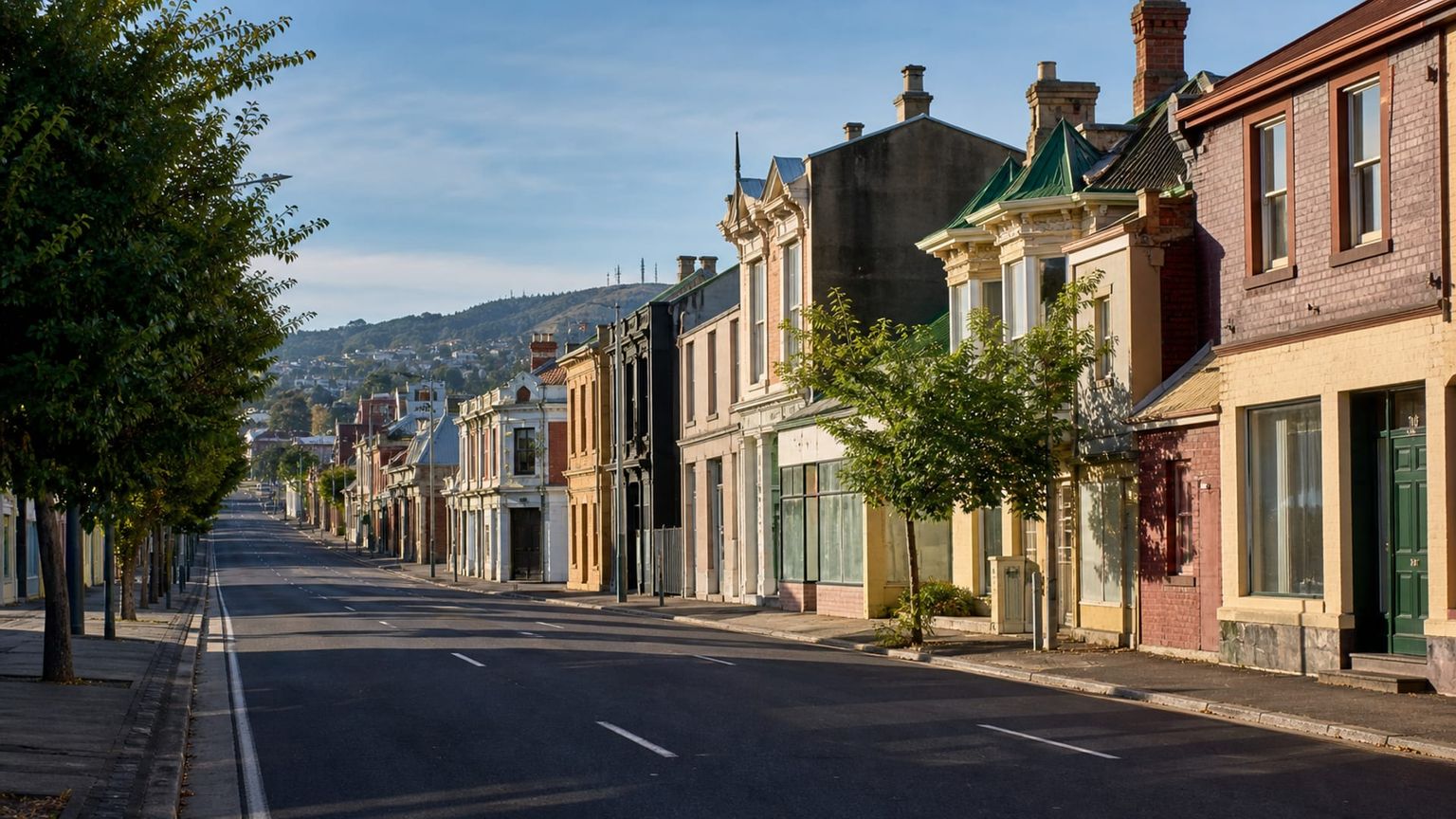
North Hobart is a dining-heavy strip north of the center, known for restaurants, bars, and older terraces around Elizabeth Street. It works well for visitors who want evening options without staying in the waterfront core.
Best for: Dining, nightlife, and travelers who do not mind a bit more evening activity
What to expect: Busy in the evening, with restaurant queues, bar crowds, and quieter mornings on residential side streets.
Hotel prices: Usually about $120 to $240 per night for well-rated stays
Distance to major sights: About 5 minutes by bus to Hobart CBD, about 25 minutes on foot to Salamanca Place
Quietness: Moderate by day, livelier at night along Elizabeth Street
Main trade-off: You gain restaurant choice, but the main strip can be noisy late and parking is tighter than in quieter districts.
Good to know: Check whether your accommodation includes parking, since street parking can be limited near the main dining blocks.
Travelers usually avoid staying in Claremont, Derwent Park, and Glenorchy if they want to be close to Hobart’s main sights, because these northern suburbs sit several kilometers from the waterfront, Salamanca Place, and Battery Point, with fewer visitor-oriented hotels and restaurants. South Hobart can be less convenient for short stays too, since it sits away from the city center and can mean a longer evening trip back after dining or sightseeing.
Hotel deals
How to get around Hobart efficiently
Hobart has no metro, so most visitors move by bus, taxi, rideshare, and walking, with the waterfront and central neighborhoods close enough to link in short hops.

Metro
for longer distances
Hobart has no metro or subway network, so visitors rely on buses, taxis, and walking for inner-city trips; for longer regional movement, the nearest rail option is suburban or intercity rail outside the city, not a local metro system.

Bus and tram
for convenience
Metro Tasmania buses cover the city center, Sandy Bay, Glenorchy, Kingston, and nearby suburbs, with most weekday daytime services running every about 15 to 30 minutes on main corridors; fares are roughly $2.30 to $5.20 (about A$3.50 to A$8.00), and MyCity paper tickets are valid for one trip only, while smart-card or app products can be used for longer-period travel.

Taxi
for convenience or late hours
Licensed taxis in Hobart are metered rather than set-fare, and drivers use a flag-fall plus distance and time charges, so a ride from the airport to the city center usually costs about $35 to $50 (about A$55 to A$78) depending on traffic and baggage; you can queue at the rank, book by phone or app, and most cabs accept cards, though a card surcharge may apply.
*Prices are based on rates updated as of June 2026 and may change at the time of travel.
Walk the CBD and Battery Point, use buses for Sandy Bay or North Hobart, and take taxis or rideshares when you need a quicker climb or a late return.
Iconic landmarks
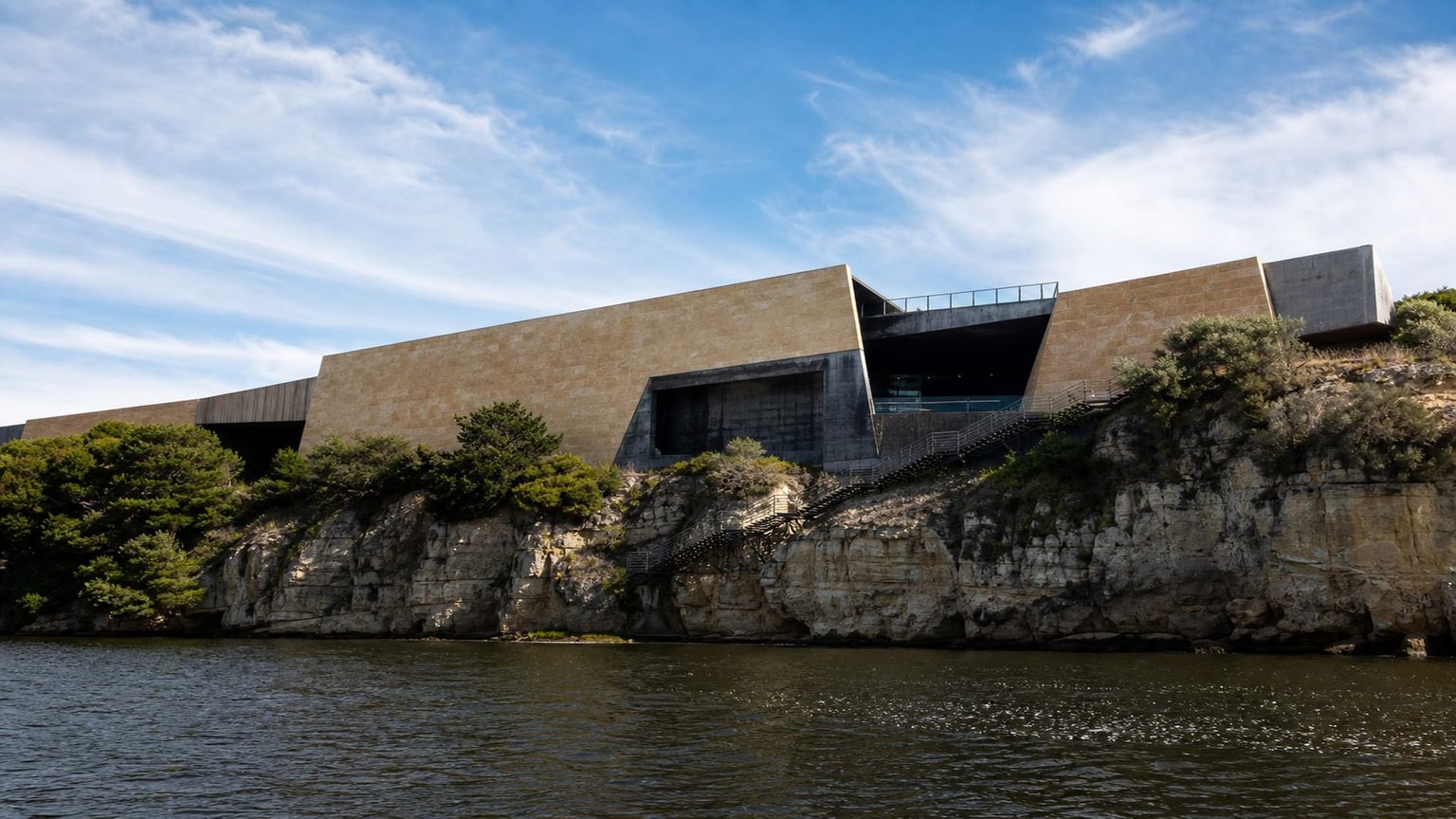
Museum of Old and New Art (MONA)
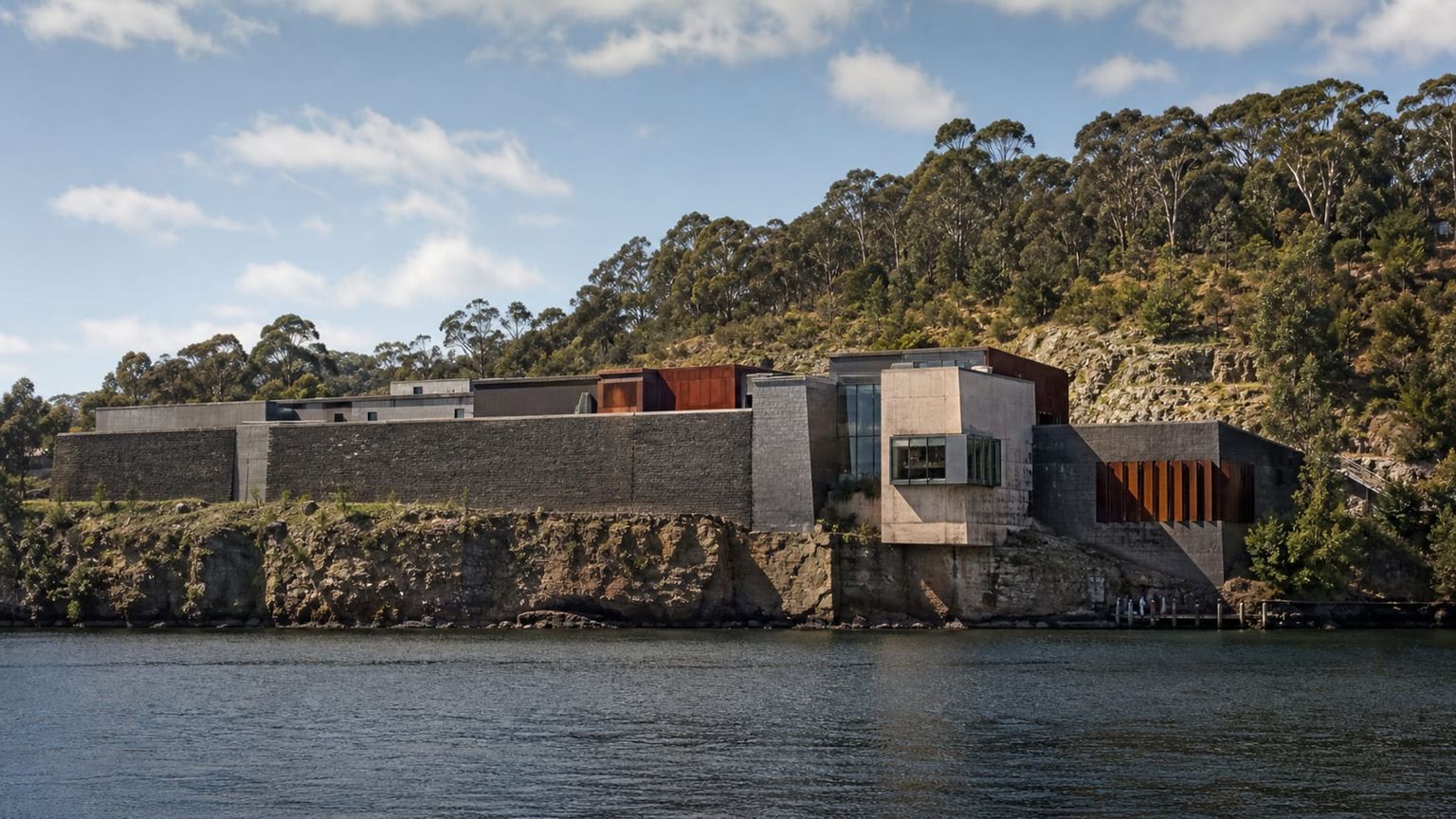
MONA sits on the Derwent River about 11 km north of central Hobart, with a subterranean complex of contemporary art, ancient objects, and rotating exhibitions. The ferry arrival adds a distinctive start to the visit.
Time needed: About 3 to 5 hours
Entry: General admission costs $32 ($49) to $35 ($54); entry is free for Tasmanian residents on selected days, and ferry fares cost extra. Visit the official site for details.
Tip: Arrive on the ferry early, then start in the lower galleries before the busiest midday window.
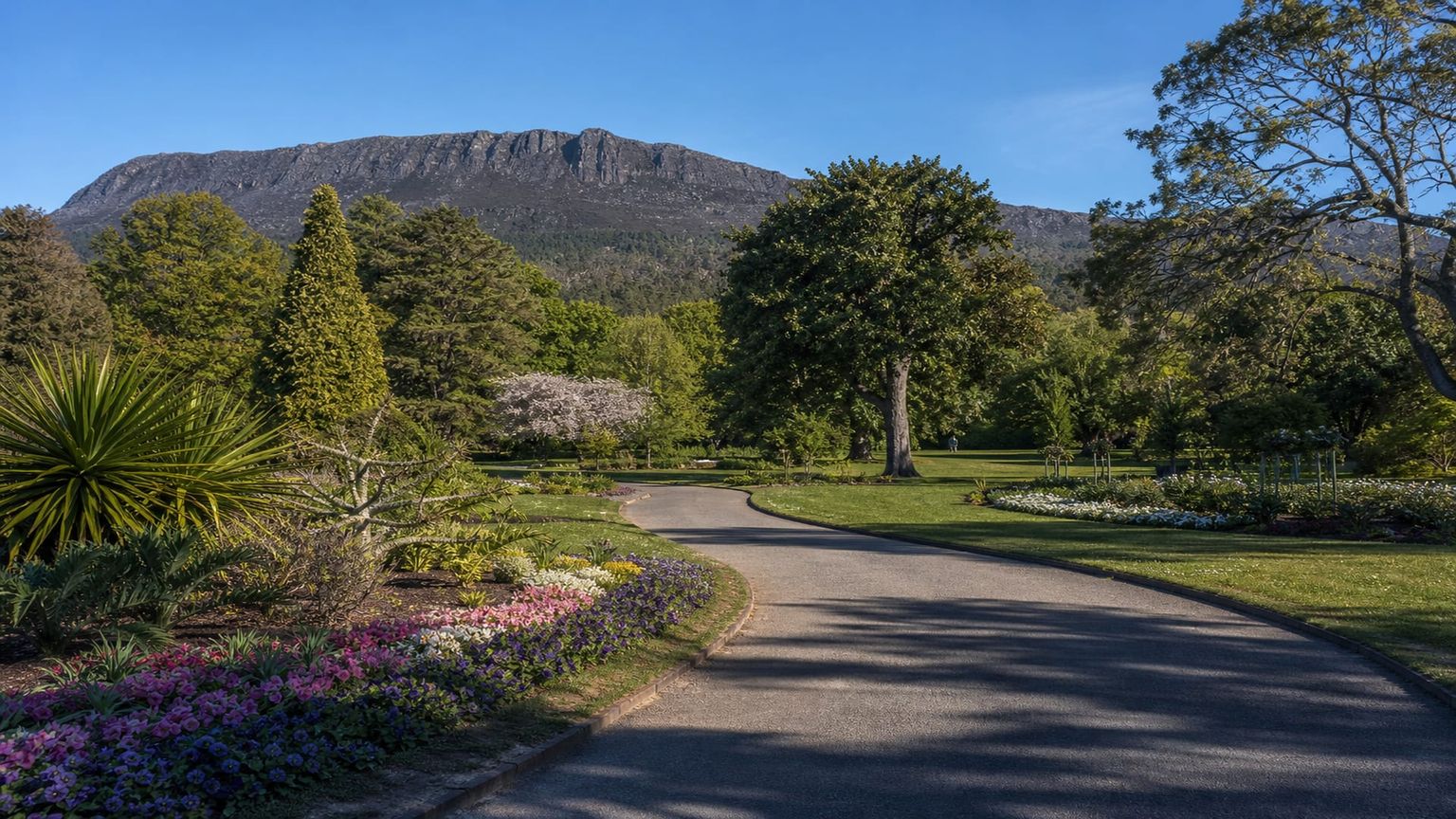
Royal Tasmanian Botanical Gardens
These gardens occupy about 14 hectares on the lower slopes of Queens Domain, with native collections, heritage plantings, a lily pond, and views across the River Derwent. The Subantarctic Plant House is a highlight.
Time needed: About 2 to 3 hours
Entry: Entry is free to access; special events, guided walks, and some seasonal experiences may carry separate charges. Visit the official site for details.
Tip: Go in the morning for softer light and cooler paths, then finish at the lily pond.
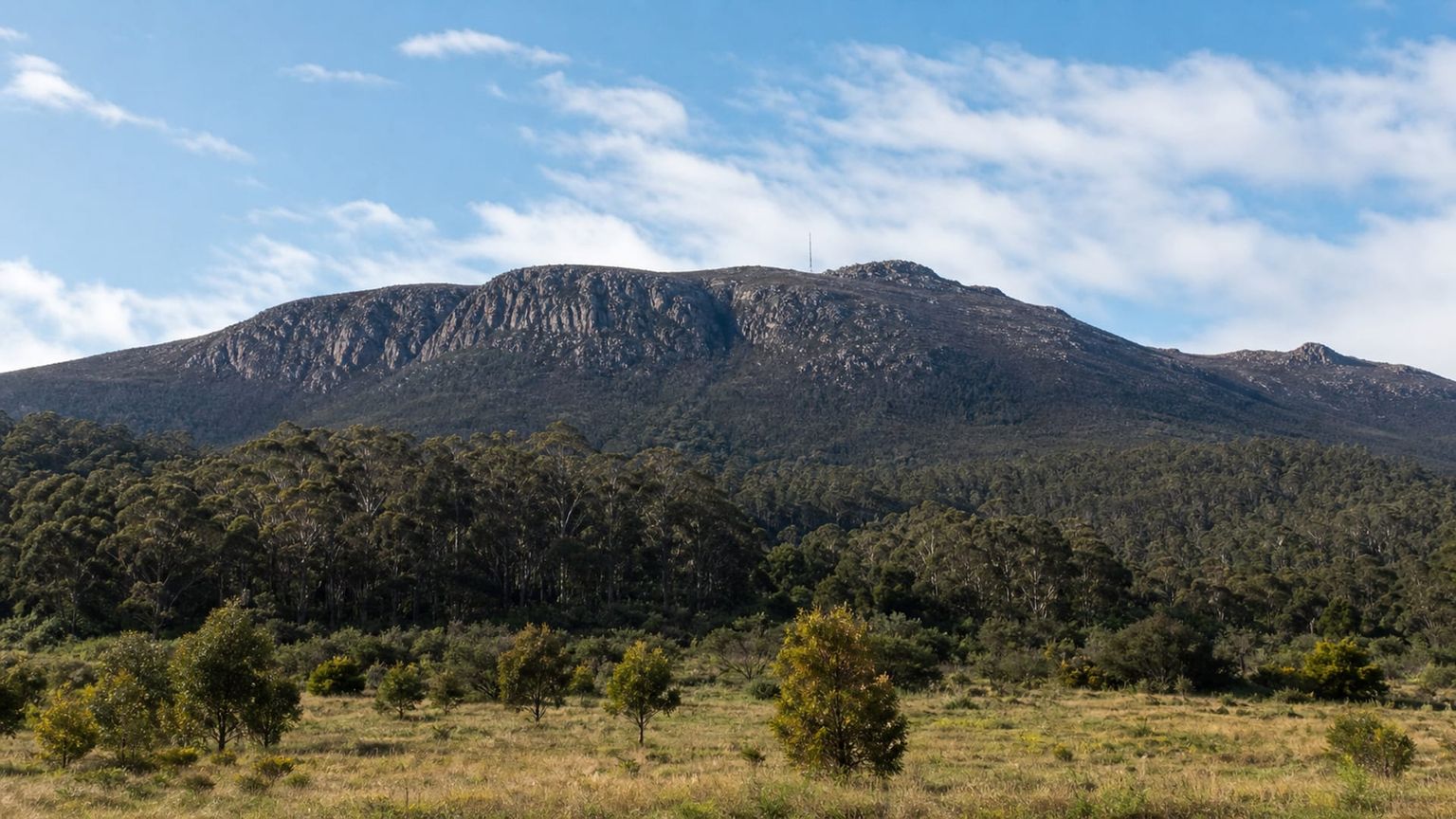
kunanyi / Mount Wellington
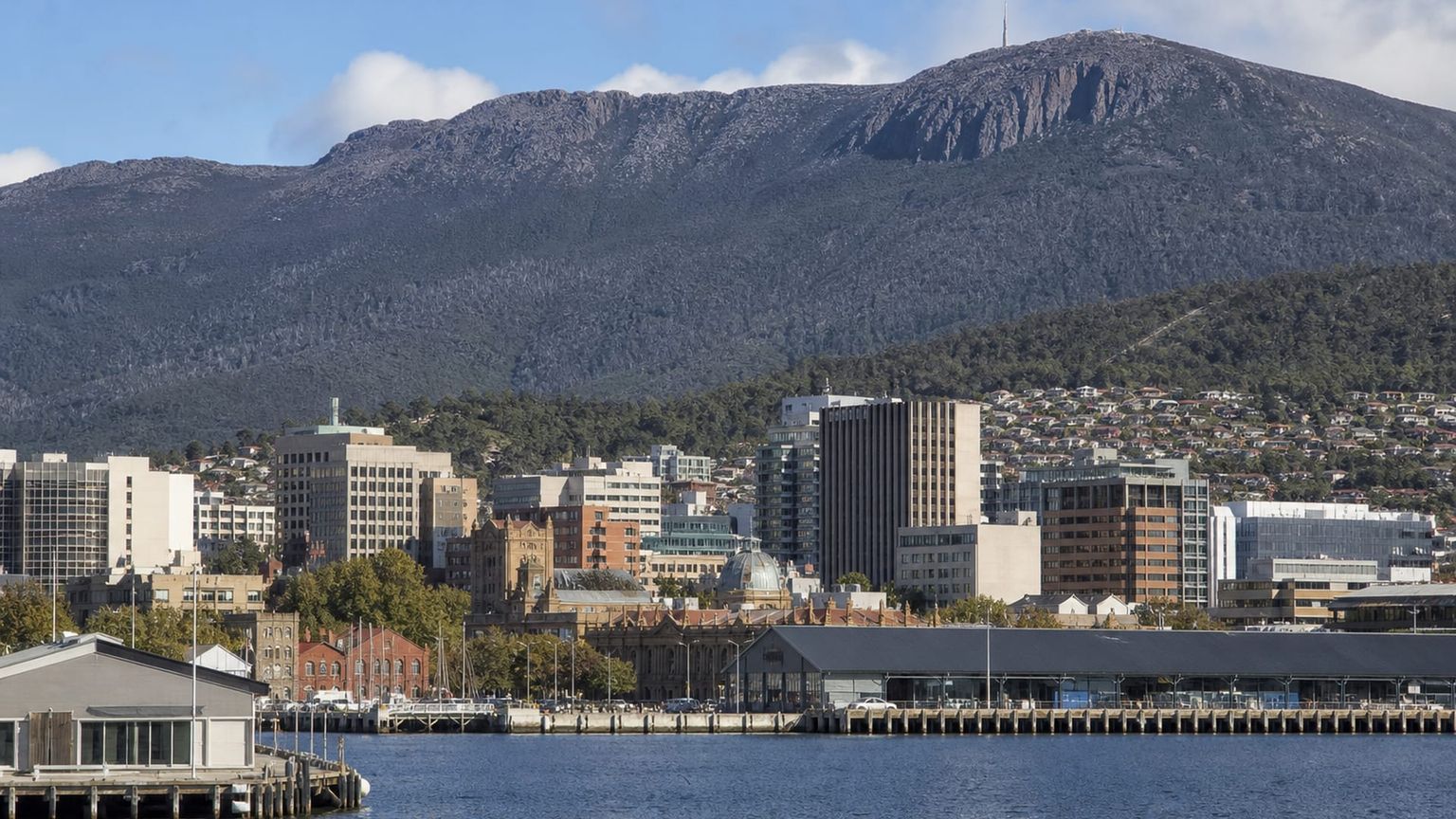
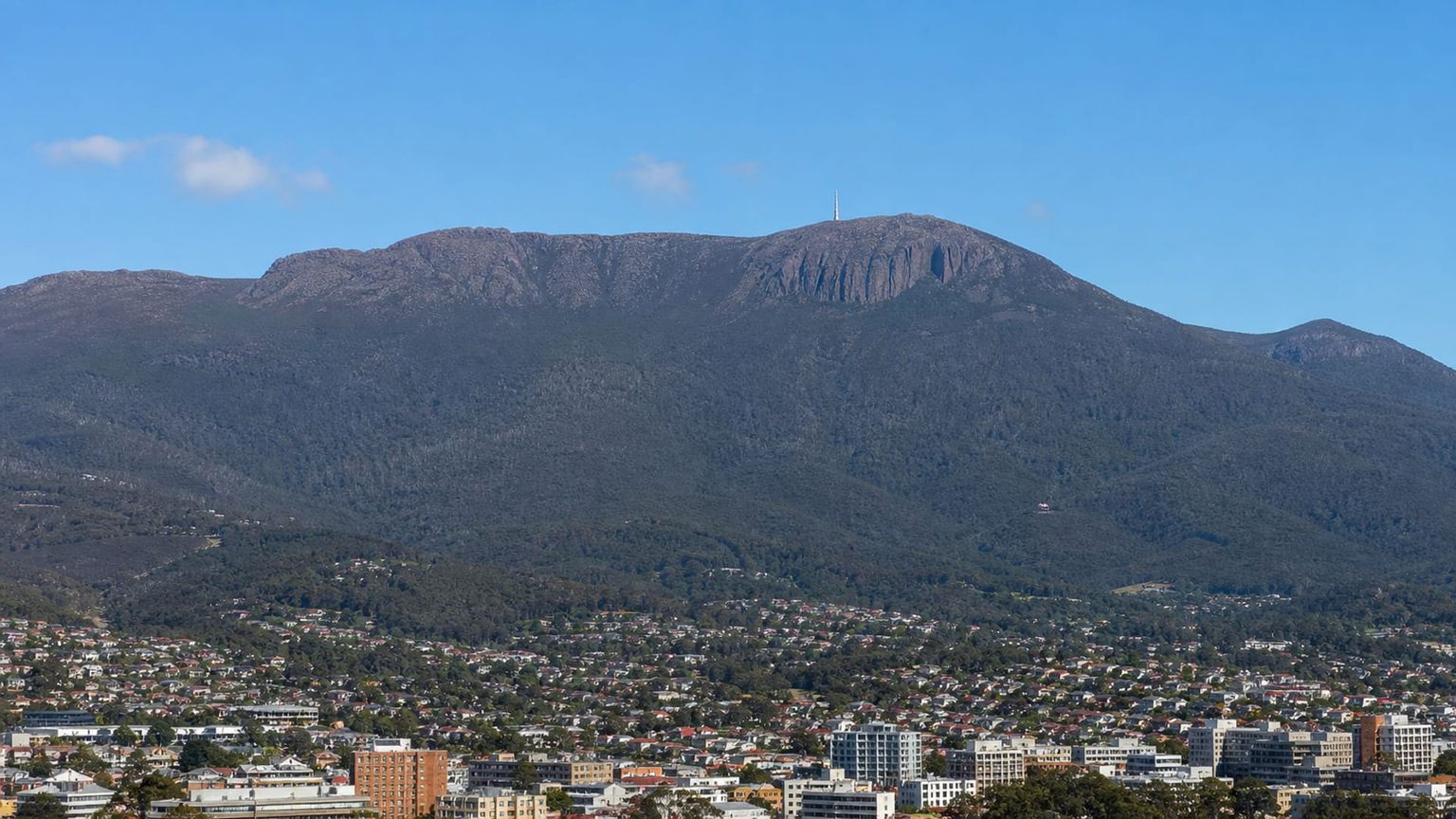
Rising to 1,271 meters above Hobart, kunanyi / Mount Wellington delivers the city’s best high-level outlook and a fast change from harbor to alpine landscape. The summit area includes short walks, lookout points, and the restored mountain road.
Time needed: About 2 to 4 hours
Entry: Free to access; parking is free at most lookout areas, and the mountain road can close in snow, ice, or high winds.
Tip: Check the summit webcam before leaving, and bring a warm layer even on sunny days.
Overlooked sites worth visiting

Shot Tower, Taroona
This 48-meter sandstone tower, built in 1870, once made lead shot by dropping molten metal through the shaft. Today it sits above the Channel with broad river and bay views.
Time needed: About 30 to 45 minutes
Entry: Entry costs $8 ($12 AUD) for adults, $5 ($8 AUD) for children, and about $22 ($34 AUD) for families. The tower opens on limited days, with hours varying by season and weather.
Tip: Visit on a clear afternoon for the best views.

Allport Library and Museum of Fine Arts
This small museum in central Hobart holds watercolors, decorative arts, and books collected by the Allport family. The rooms are compact, and the displays reward a close look.
Time needed: About 45 to 60 minutes
Entry: Entry is free. The museum is open to the public during library hours, usually Monday to Friday, with occasional short closures for holidays and special events. Visit the official site for details.
Tip: Pair it with a quiet weekday morning.
Traditional food
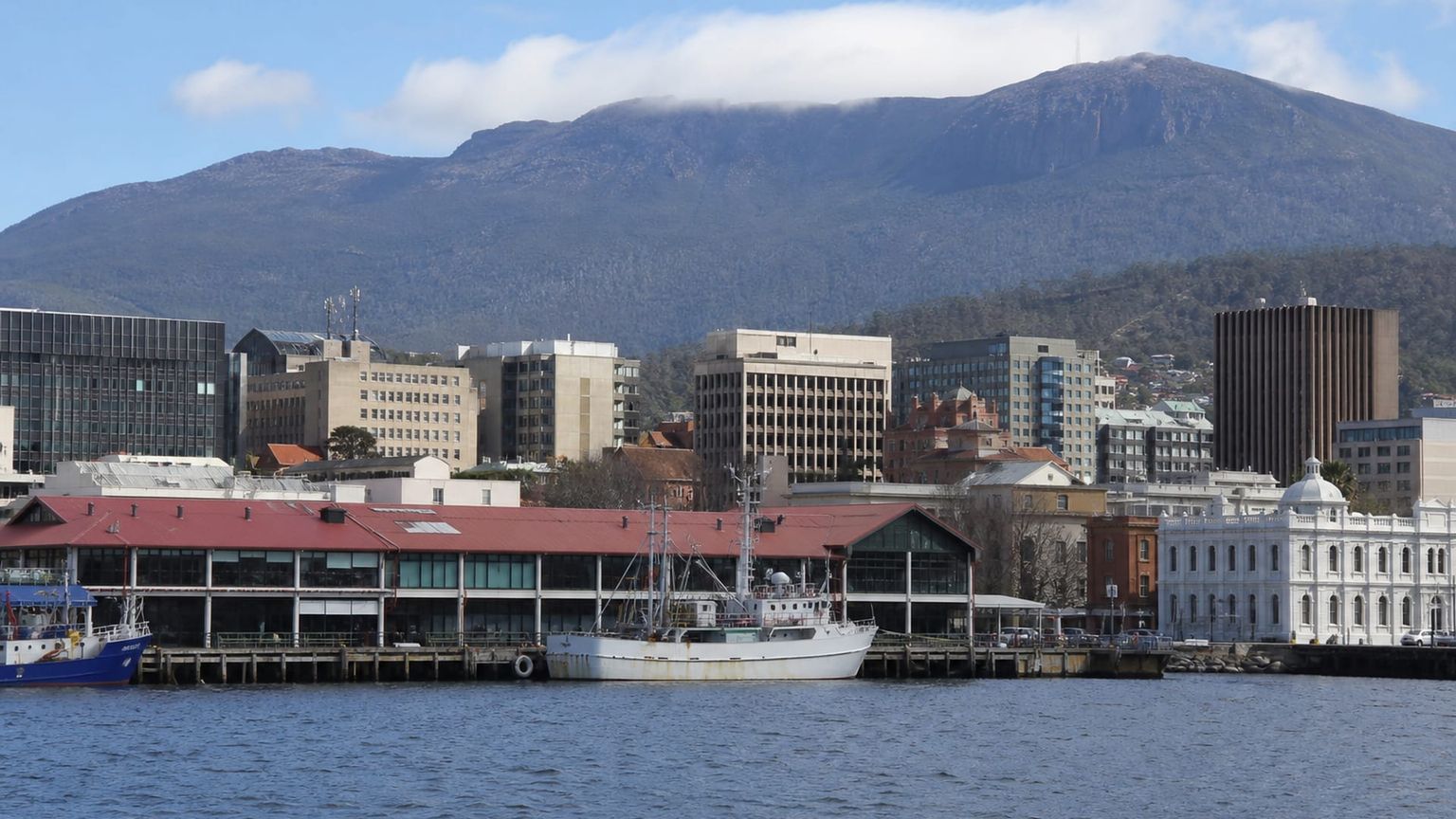
Hobart’s table leans on fresh Tasmanian seafood, scallop pie, leatherwood honey, and lamb, with menus that often turn simple produce into clean, coastal dishes served early.
Scallop pie
A Tasmanian classic, scallop pie pairs tender shellfish with pastry and a creamy filling. Dier Makr is a strong Hobart pick when you want a refined take on local produce.
Tasmanian seafood platter
This is the easiest way to sample the day’s catch, from oysters to local fish, with a clean briny finish. Mures Upper Deck on the waterfront is one of Hobart’s best-known places for it.
Tasmanian lamb
Tasmanian lamb often arrives simply cooked, with herbs, vegetables, and a focus on the meat itself. Templo in the CBD is a dependable place to order it in a small-plate setting.
Leatherwood honey tart
Leatherwood honey brings a floral, resinous sweetness that suits dessert well. Fico in the city center often showcases local ingredients in a way that makes this a natural final course.
Best time to visit Hobart
Hobart changes noticeably across the year, with brighter summer evenings, cool shoulder seasons, and winter days that reward shorter outings and warmer layers.
Best for: Longest days, ferry rides, and mountain views
What you get: About 54 to 72°F (12 to 22°C), with the busiest waterfront and restaurant periods
Trade-offs: Popular sights and lodging can book out quickly
Best for: Clear light, cooler walks, and easier sightseeing
What you get: About 46 to 66°F (8 to 19°C), with moderate crowds and comfortable afternoons
Trade-offs: Evenings cool off fast after sunset
Best for: Museums, food stops, and mountain air
What you get: About 38 to 56°F (3 to 13°C), with lighter crowds and crisp mornings
Trade-offs: Short days and occasional snow or road closures on Mount Wellington
Best for: Gardens, fresh greens, and shoulder-season value
What you get: About 43 to 64°F (6 to 18°C), with improving weather and manageable visitor numbers
Trade-offs: Conditions can swing quickly from calm to wet
A realistic 5-day plan in Hobart
A good Hobart week builds in layers, starting with the waterfront and gardens, then adding the mountain, MONA, and a quieter final morning in town. The pacing leaves room for short transfers and early dinners without making any day feel overfilled.
Land at Hobart Airport (HBA) and take a taxi or rideshare into the city in about 20 to 25 minutes, usually for roughly $45 to $60. Settle into Hobart CBD if you want the easiest first night, or Battery Point if you prefer quieter streets and a short walk to Salamanca. Keep dinner simple and local, with a seafood meal or a casual bistro near Salamanca Place, then drink plenty of water and call it an early night after the flight.
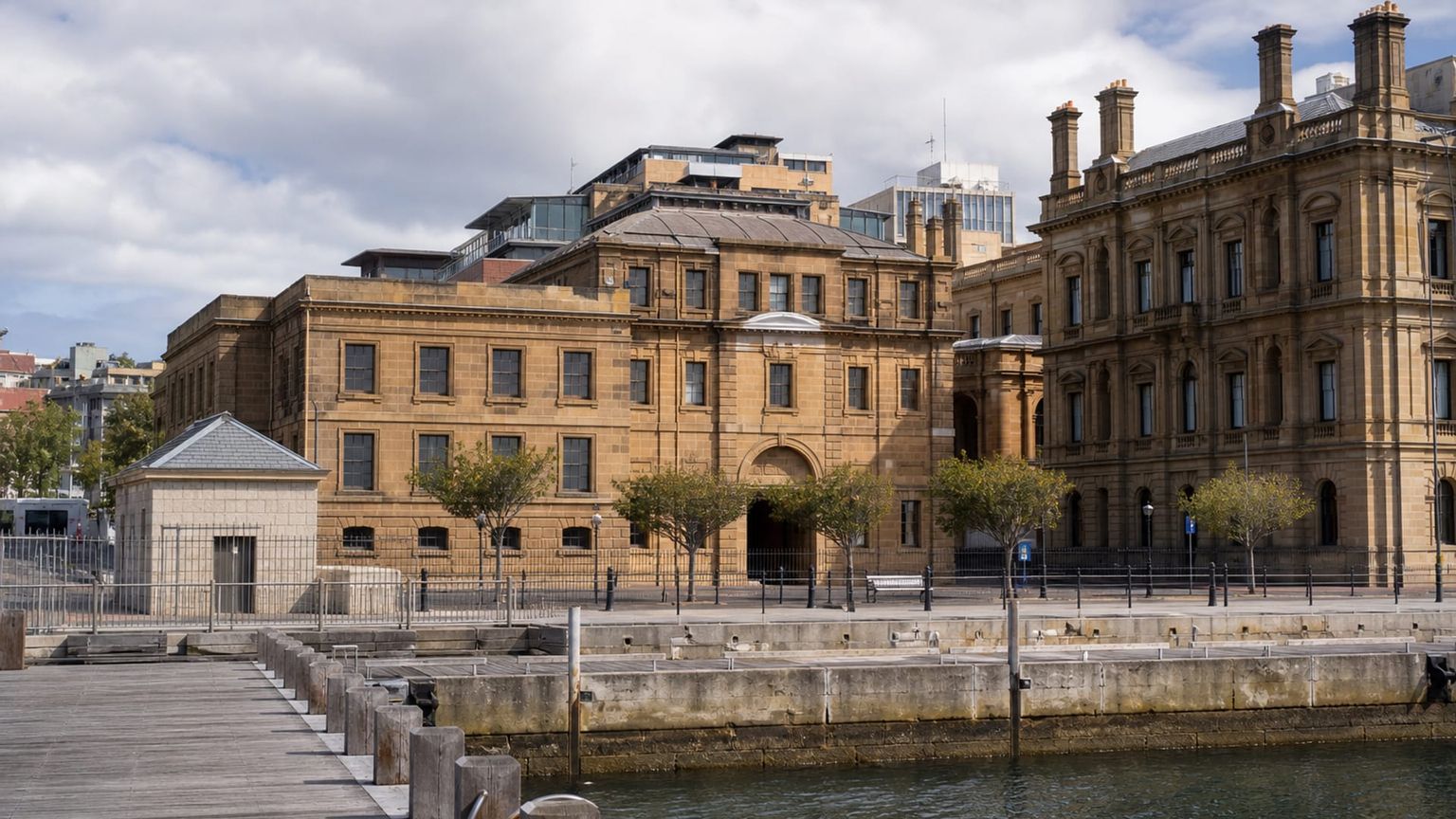
Begin in the Royal Tasmanian Botanical Gardens, where the free entry makes a calm morning start, and allow about 2 to 3 hours for the native collections, lily pond, and Subantarctic Plant House. From the gardens, it is about a 10-minute taxi ride, or roughly 25 minutes on foot, to the Hobart CBD and the Allport Library and Museum of Fine Arts, which fits neatly into about 45 to 60 minutes. Finish with lunch or an early dinner in the city center, then walk back through the waterfront streets or head to Battery Point for an easy evening. Day two works well on foot and by short rides, with very little transit time between stops.
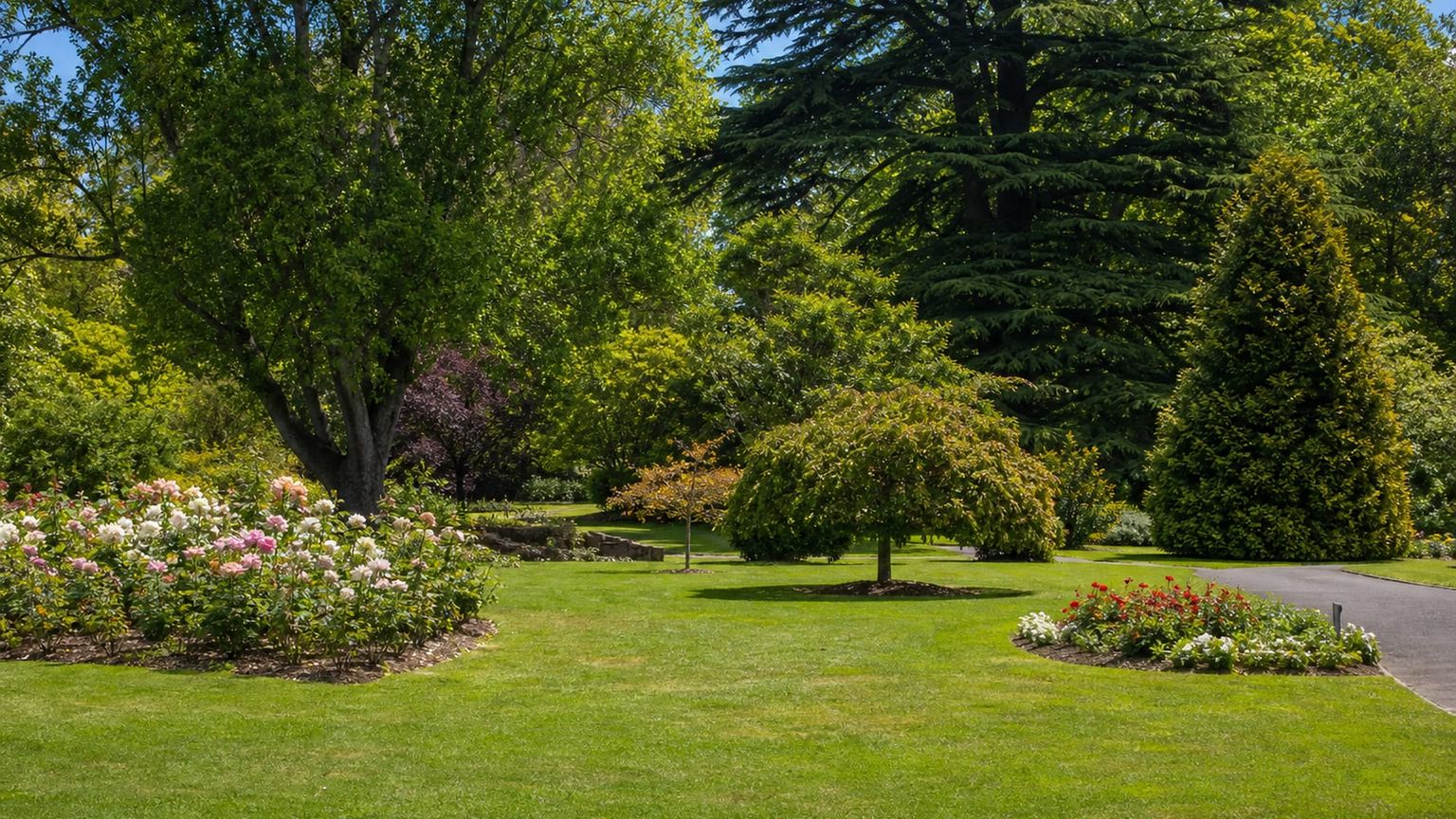
Set aside the middle of the trip for kunanyi / Mount Wellington, where the summit road, short walks, and lookout points fill about 2 to 4 hours. Drive or join a tour from central Hobart in about 30 to 40 minutes, then plan a longer pause at the top for weather checks, photos, and a warm layer, even if the city below looks clear. On the return, stop in Sandy Bay for coffee or an early dinner, since it sits about 10 minutes by car from the city center and breaks up the descent nicely. The day is best built around the mountain first, then a relaxed waterfront evening back in town.
Start on the River Derwent ferry to MONA, which takes about 25 minutes from the waterfront and gives the day a strong visual opening before you reach the galleries. Budget about 3 to 5 hours for the museum itself, then return to town for a late afternoon stroll through Battery Point, where the heritage cottages and narrow lanes are about 5 minutes from Salamanca and about 15 minutes on foot from the Hobart CBD. If you want a quieter final stop, add the Shot Tower, Taroona, by car from central Hobart in about 20 to 25 minutes, and stay for the channel views for 30 to 45 minutes. This day combines ferry, art, and heritage streets with minimal backtracking.
Finish with an unhurried morning in North Hobart, where Elizabeth Street gives you cafés, bakeries, and an easy place for breakfast before checkout. If your departure is later, step back into the Hobart CBD for one more museum visit or a final sweep through the shops near the waterfront, then return to your hotel to collect bags and head to Hobart Airport (HBA). A taxi or rideshare back to the terminal usually takes about 20 to 25 minutes from the center and costs roughly $45 to $60, so leave enough margin for the airport run without rushing the last meal.
Business-class flights from the US to Hobart
Long-haul flights to Hobart usually connect through larger hubs, so the useful comparison is not just price, but how long you spend between segments. The two common US gateways follow different patterns from the East Coast and West Coast.
From New York, Qantas Airways, Air New Zealand, United Airlines, American Airlines, and Delta Air Lines all appear on itineraries that usually take about 19 to 21 hours nonstop, and roughly 24 to 31 hours with a stop. Common layover hubs include LAX, SFO, SYD, AKL, and HKG, so routing can change the total trip by many hours. Round-trip fares usually start from $7,500 and can reach $12,500.
Los Angeles itineraries are shorter on paper, with Qantas Airways, United Airlines, American Airlines, Delta Air Lines, and Air New Zealand usually taking about 16 to 18 hours nonstop. If you connect, the trip often runs about 19 to 28 hours through hubs such as SYD, AKL, SFO, LAX, and HKG, and round-trip fares usually run from $6,800 to $11,500.
Hobart feels different when you slow down
A deliberate Hobart trip gives each district a clear job: the CBD for museums and meals, Battery Point for heritage streets, Salamanca for the waterfront, and North Hobart for a later dinner. Add the ferry to MONA, the gardens, or a Mount Wellington run when the weather is right, and the city starts to open up in layers. For a route built around those details, the AranGrant experts can help you shape the timing around your stay







