

Chapters:

Need help with your trip?
Our support team is available 24/7. Request a callback or call us directly at (833) 619-0908
Hamburg trips often begin with a harbor view, a quick stop at the Rathaus, and a dinner near the hotel, yet many visitors still miss how much time the city asks between those highlights.
Distances are not huge, but they add up once you mix the Elbe, the Alster, the old town, and neighborhoods that sit beyond the center. Crowds also shift quickly, from station fronts to riverfront promenades.
This guide lays out the city in a clearer sequence, with where to stay, how to move, what to eat, and how to fit the major sights into five days without crisscrossing Hamburg more than needed.
Useful things to know

Main language(s): German
Hallo (HAH-loh) – Hello
Bitte (BIT-teh) – Please
Danke (DAHN-kuh) – Thank you
Sprechen Sie Englisch? (SHPREH-khen zee ENG-lish?) – Do you speak English?
Wie viel kostet das? (vee feel KOS-tet dahs?) – How much does it cost?

Currency: The local currency is the euro (EUR, €).

Cash and cards: Cards and contactless are widely accepted; carry about €20 to €40 ($22 to $44) in cash for small shops or kiosks.

Tipping: Round up or leave about 5-10% in restaurants if the service is good.

Traditional food: Franzbrötchen, Finkenwerder Scholle, Labskaus, Aalsuppe

Water and coffee costs: Water about €2 ($2), bar espresso about €3 ($3).

Taxis and ride apps: Free Now, Uber, Bolt; availability can be uneven late at night.

Plug and voltage: Type C/F socket, 230V

Dining and shop opening hours: Breakfast is about 7:00-10:00 am, lunch 12:00-2:00 pm, and dinner 6:00-9:00 pm. Many kitchens close between lunch and dinner.

Emergency number: 112 for police, fire, and medical emergencies.
Where to stay in Hamburg
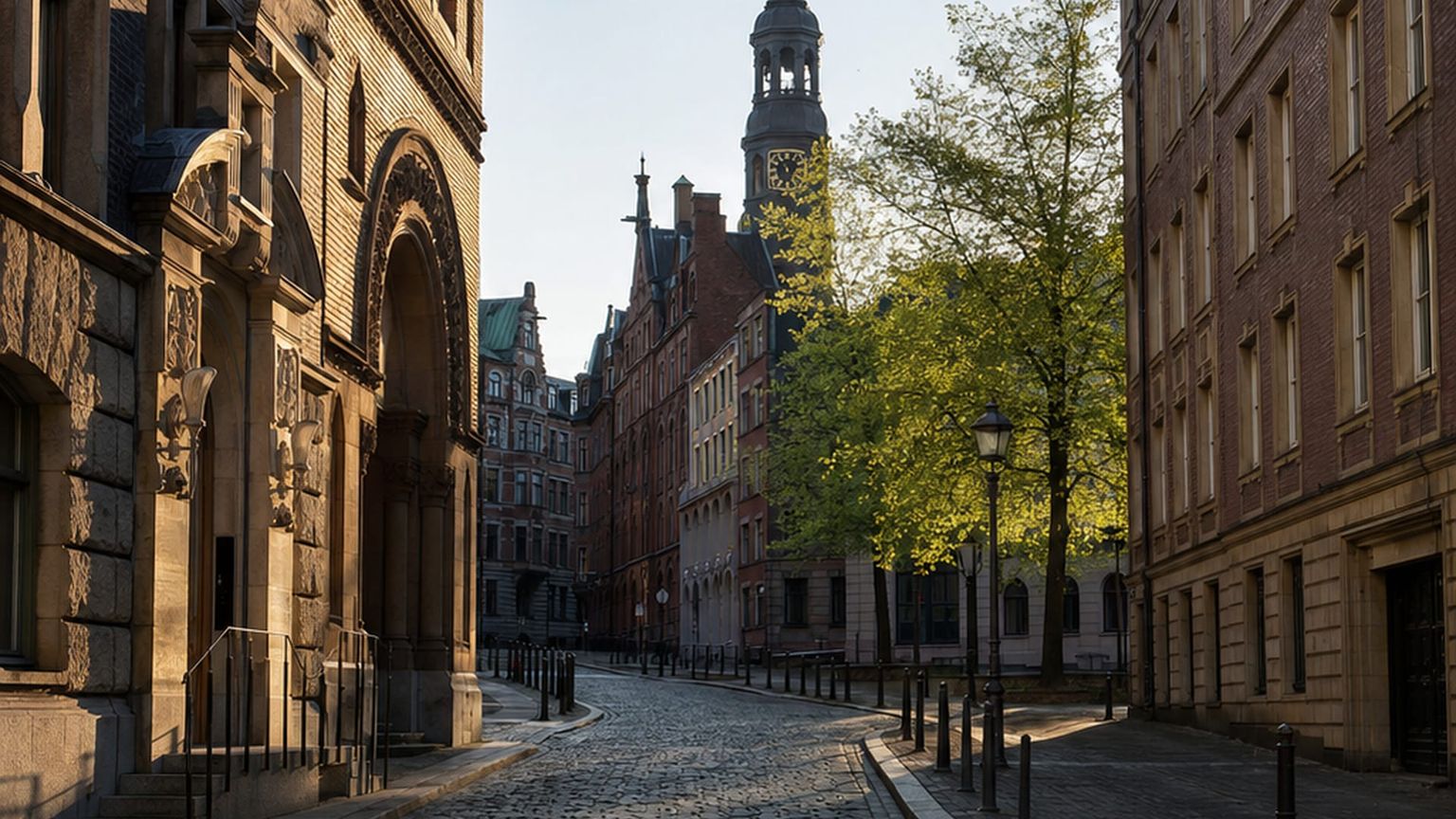
Hamburg’s historic core places you near the Rathaus, Alster canals, and the main shopping streets. It suits travelers who want to step out for museums, harbor trips, and train connections without a long cross-town commute.
Best for: Sightseeing, short stays, and easy access to transit and shopping
What to expect: Central streets, busy daytime foot traffic, and a mix of office workers, shoppers, and visitors.
Hotel prices: Usually about 180€ to 320€ (~$198 to ~$352) per night for well-rated stays
Distance to major sights: 10 to 15 minutes on foot to Rathaus and about 15 minutes by transit to the Landungsbrücken
Quietness: Quieter late at night, with noticeably busier mornings and afternoons.
Main trade-off: Hotels here can cost more than in outer districts, and the area is busiest on weekdays.
Good to know: Choose a side street if you want an easier night’s sleep, since rooms facing the main shopping arteries can pick up tram and pedestrian noise.
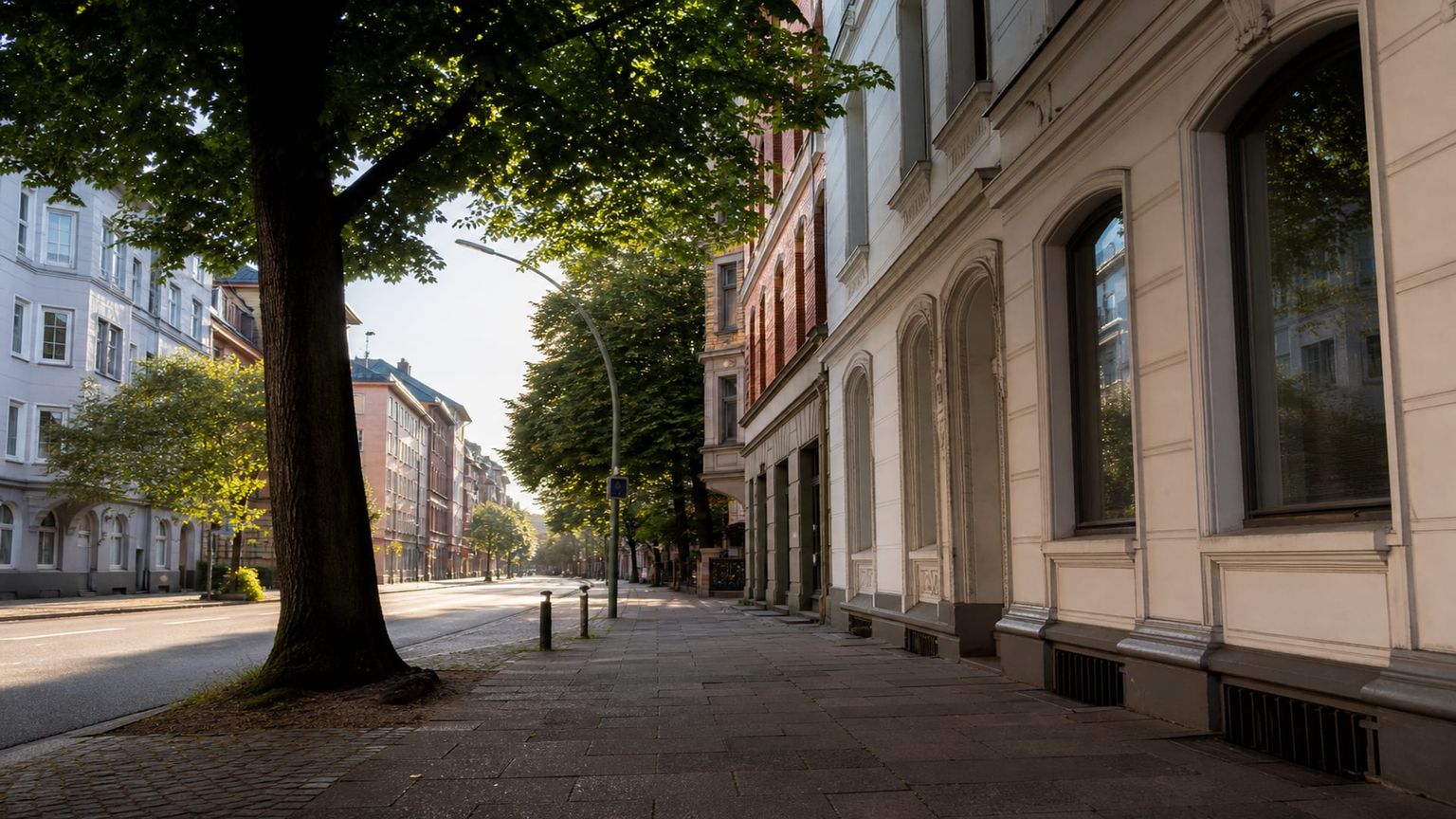
St. Georg sits east of the main station and offers close access to the lakefront, theaters, and central transit. It works well for visitors who want a broad dining mix and quick movement across the city.
Best for: Transit access, dining, and travelers who want to move easily across Hamburg
What to expect: Dense blocks, active streets, and steady movement near the station and Lange Reihe.
Hotel prices: Usually about 150€ to 280€ (~$165 to ~$308) per night for well-rated stays
Distance to major sights: 5 to 10 minutes on foot to Hamburg Hauptbahnhof and about 20 minutes by transit to the Elbphilharmonie
Quietness: Busy and energetic by day, then variable at night depending on the street and hotel placement.
Main trade-off: The area can feel less relaxed near the station edges, and some blocks are louder after dark.
Good to know: Check the exact block before booking, since the atmosphere changes quickly between the station frontage and the quieter residential streets.
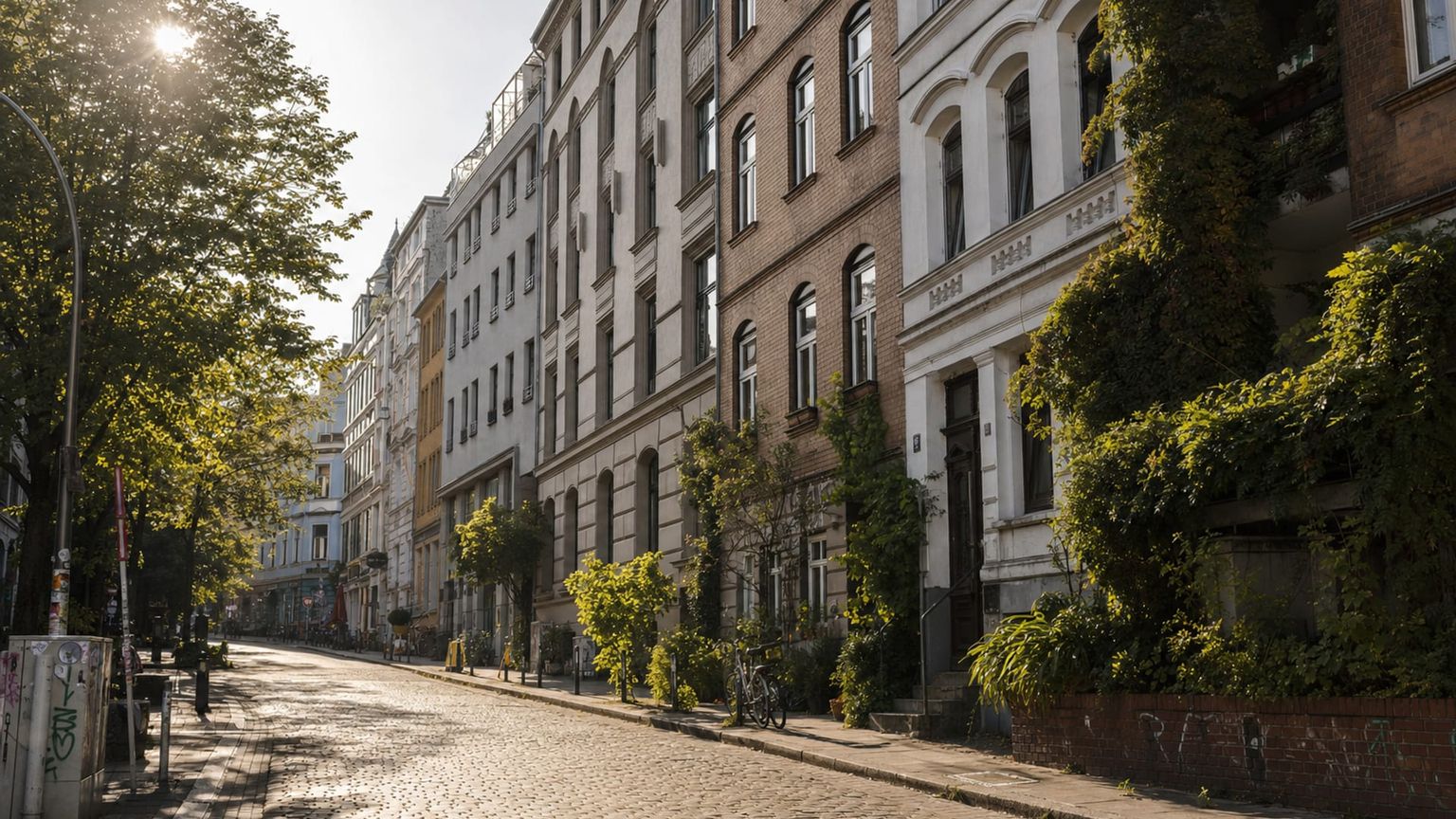
Schanzenviertel is Hamburg’s compact nightlife and independent-shop district, centered on cafes, bars, and street-level energy. It matters if you want an evening scene close to the city center and do not mind a livelier street environment.
Best for: Nightlife, independent restaurants, and travelers who want an energetic evening base
What to expect: Crowded sidewalks, late-opening bars, and plenty of movement around Schulterblatt and the station area.
Hotel prices: Usually about 140€ to 260€ (~$154 to ~$286) per night for well-rated stays
Distance to major sights: 15 minutes by transit to the Rathaus and about 25 minutes by transit to the Elbphilharmonie
Quietness: Noisy into the evening, with much quieter stretches only on side streets and upper floors.
Main trade-off: Late-night noise is common, and the most atmospheric streets can also be the least restful.
Good to know: Book higher floors if possible, because bar traffic and weekend crowds concentrate along the main streets.
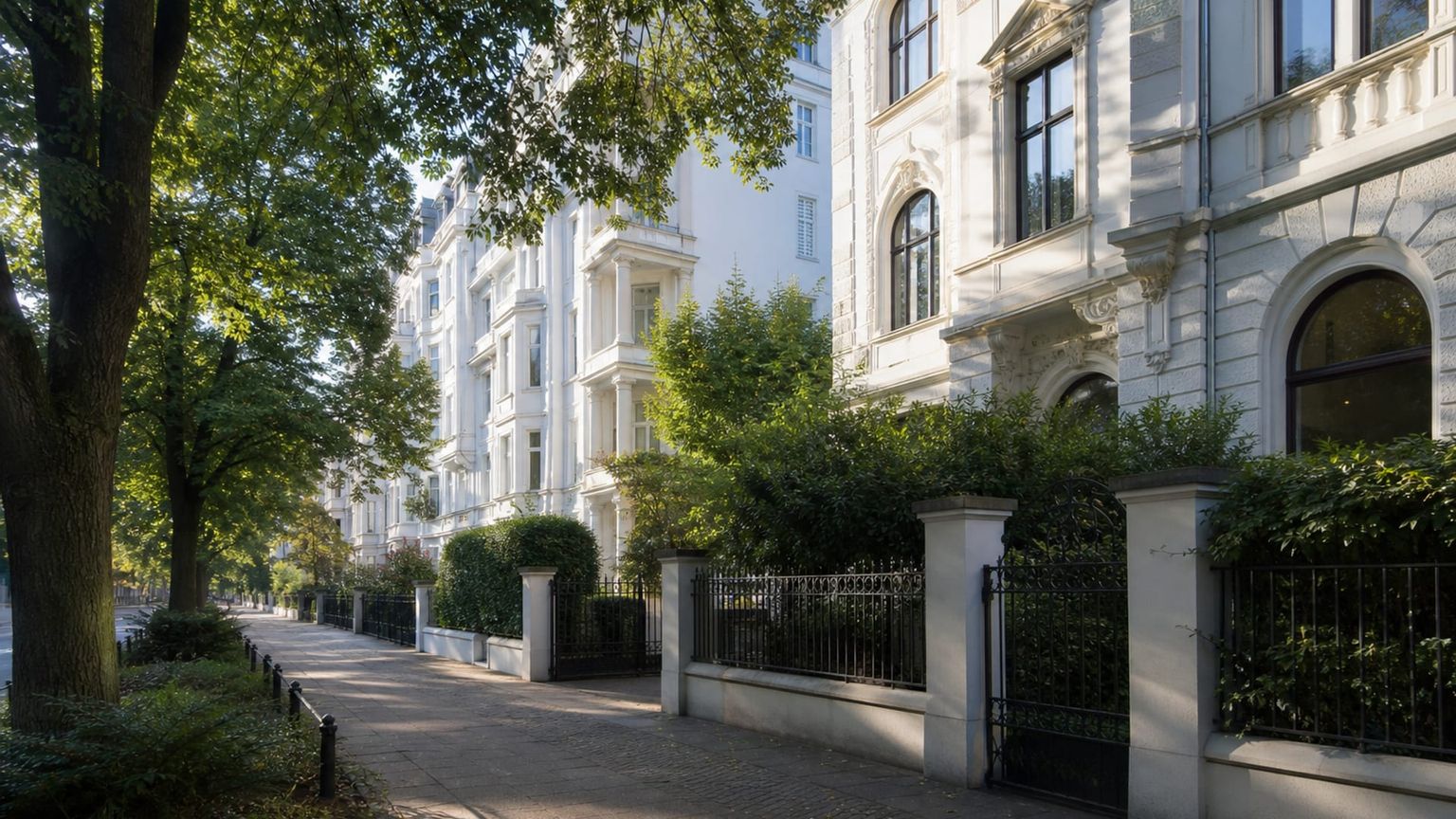
Harvestehude is one of Hamburg’s most elegant residential quarters, lined with canals, townhouses, and leafy streets near the Alster. It suits visitors who prefer a calmer stay with quick access to the city center by bus or U-Bahn.
Best for: A quieter base, longer stays, and travelers who value residential streets near the Alster
What to expect: Leafy blocks, local cafes, and light evening activity rather than a late-night scene.
Hotel prices: Usually about 170€ to 300€ (~$187 to ~$330) per night for well-rated stays
Distance to major sights: 15 to 20 minutes by transit to Rathaus and about 10 minutes on foot to the Außenalster
Quietness: Generally quiet in the evening, with more local movement during school and commuting hours.
Main trade-off: You will usually pay for the setting, and restaurant choice is narrower than in the center.
Good to know: Plan on a short transit ride for most museum and harbor visits, since the neighborhood is primarily residential.
Travelers usually avoid staying in Hamburg-Rahlstedt, Hamburg-Bergedorf, and the outer parts of Harburg, because they sit far from the main sights in the city center and have fewer visitor-oriented amenities. St. Pauli around the Reeperbahn can also be less convenient for some visitors, since hotel rates are often driven up by nightlife and evening travel can be crowded.
Hotel deals
How to get around Hamburg efficiently
Hamburg relies on the U-Bahn, S-Bahn, buses, and taxis, with the airport and Hauptbahnhof both tied neatly into the central network.

Metro
for longer distances
Hamburg does not have a city subway, so visitors rely on the U-Bahn and S-Bahn instead. U-Bahn lines reach the inner city, St. Pauli, and the harbor area, while the S-Bahn links Hamburg Airport, Hauptbahnhof, Altona, and the suburbs. A single ticket costs about $4 ($3.90) and stays valid for 2 hours within the chosen zones; day passes start at about $10 ($9.70). Trains run every few minutes in the center, with late-evening and weekend frequency still good on main lines.

Bus
for convenience
The bus network covers neighborhoods the rail lines do not, and the MetroBus routes carry most of the heavy demand, with daytime service usually every 5 to 10 minutes on key corridors. Night buses take over after the regular U-Bahn and S-Bahn finish, and several routes tie into Hauptbahnhof, Rathaus, Reeperbahn, and the airport area. Tickets are the same as for rail, so a $4 ($3.90) single ticket also works on buses and trams for 2 hours in the selected zone.

Taxi
for convenience or late hours
Hamburg taxis use metered fares rather than fixed citywide prices, and licensed cars can be hailed at ranks, booked by phone or app, or stopped on the street when the roof light is on. Expect about $4.50 to $5.50 (€4.20 to €5.10) as a starting fare, then roughly $3.00 to $3.60 (€2.80 to €3.40) per mile, with a short hop in the center often landing near $10 to $20 (€9 to €18). From Hamburg Airport, some taxis offer a set fare into the city center, usually about $35 to $45 (€32 to €42), and most drivers accept cash and cards.
*Prices are based on rates updated as of June 2026 and may change at the time of travel.
Use the U-Bahn and S-Bahn for cross-city movement, buses for neighborhoods the rail lines miss, and taxis when you want a direct late-night ride or an airport transfer.
Iconic landmarks
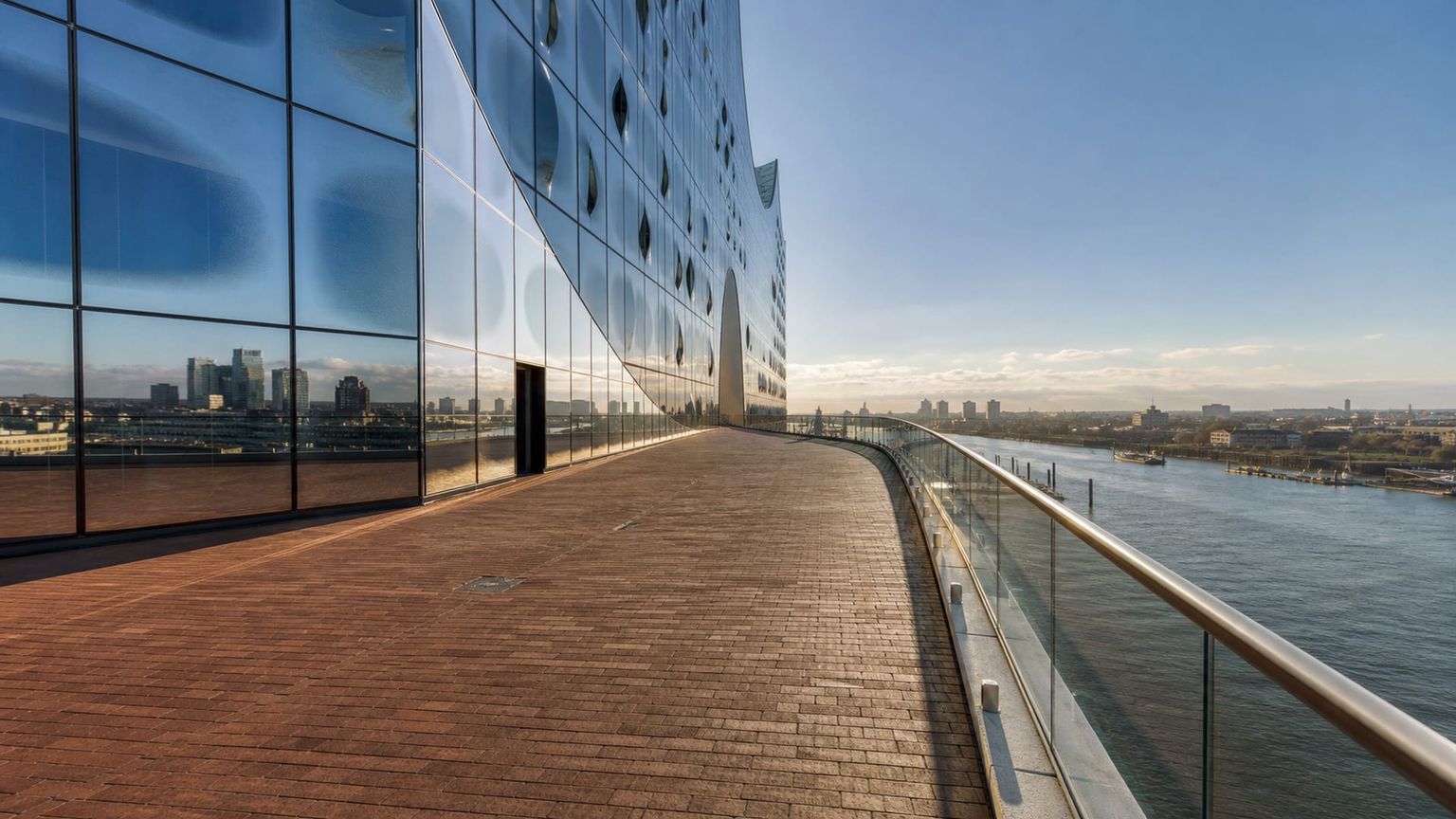
Elbphilharmonie Plaza
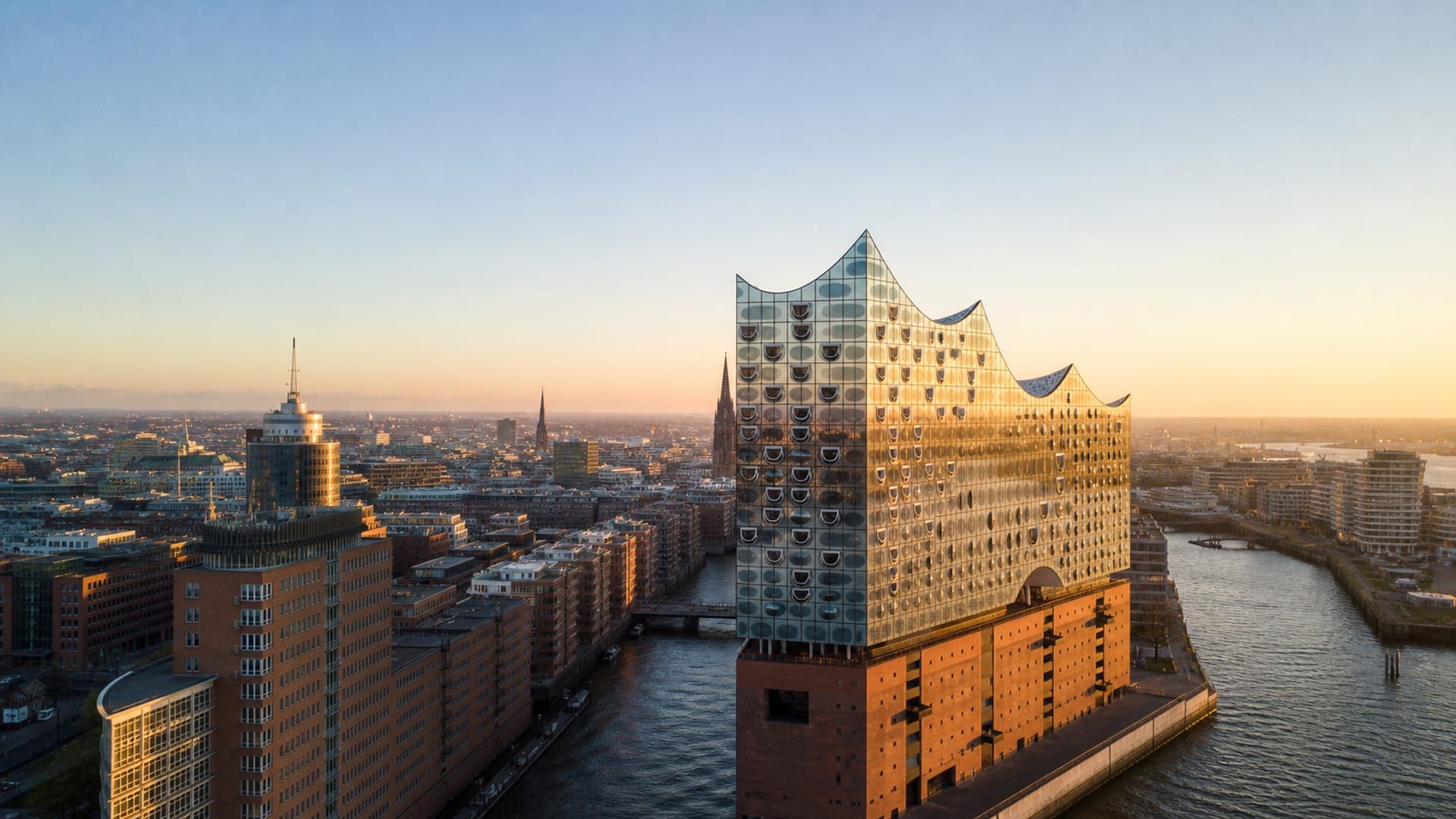
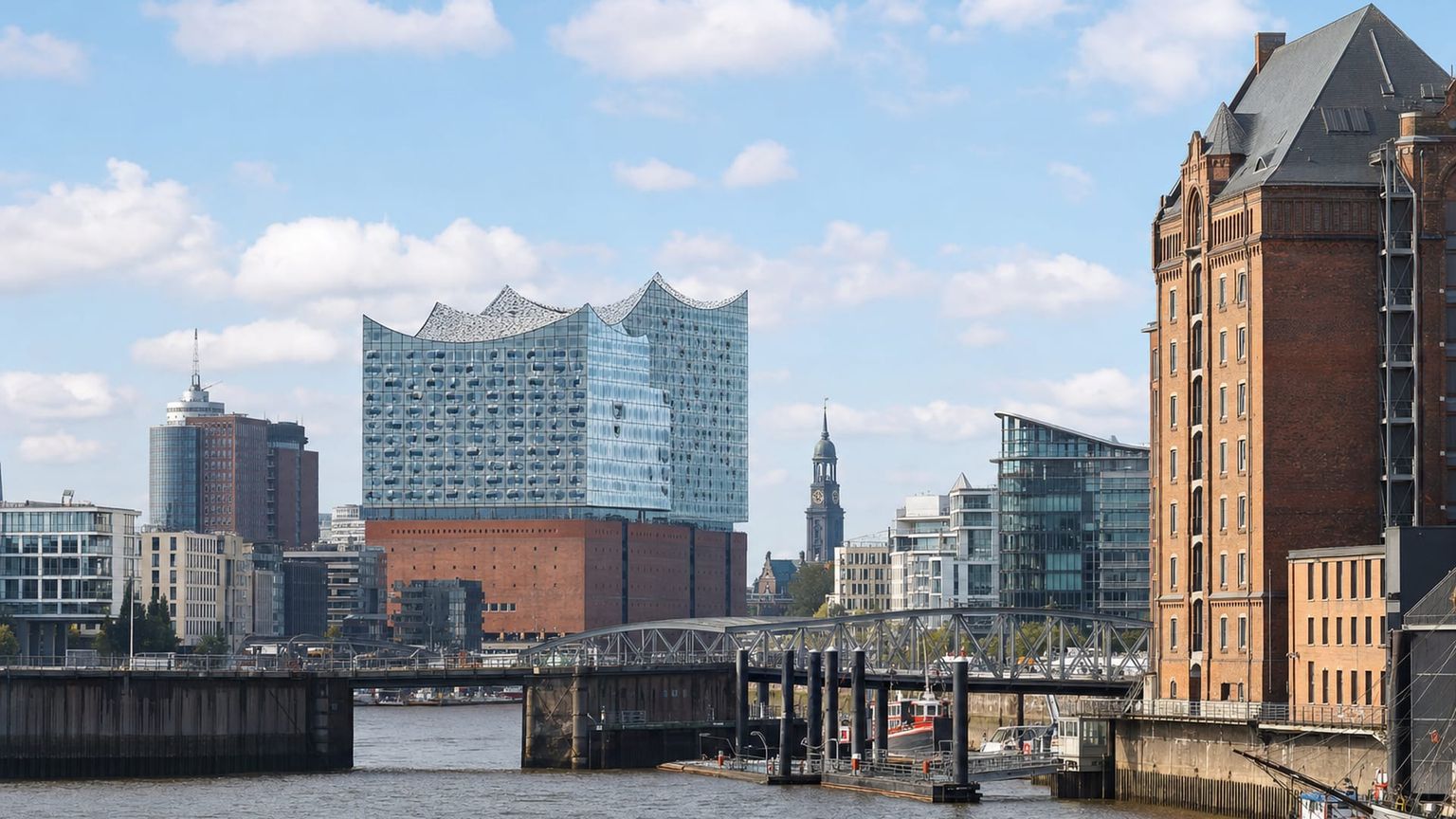
The public plaza sits 37 meters above the Elbe on top of Hamburg’s concert hall, with a 360-degree view over the harbor, Speicherstadt, and the city skyline. It draws visitors for the architecture as much as the outlook.
Time needed: About 1 hour
Entry: Plaza access is free, but the Tube ticket costs $3.50 ($3.20) and the concert hall tours cost $22 ($20) Visit the official site for details.
Tip: Go near sunset for the harbor view, then stay for the lights after dusk.
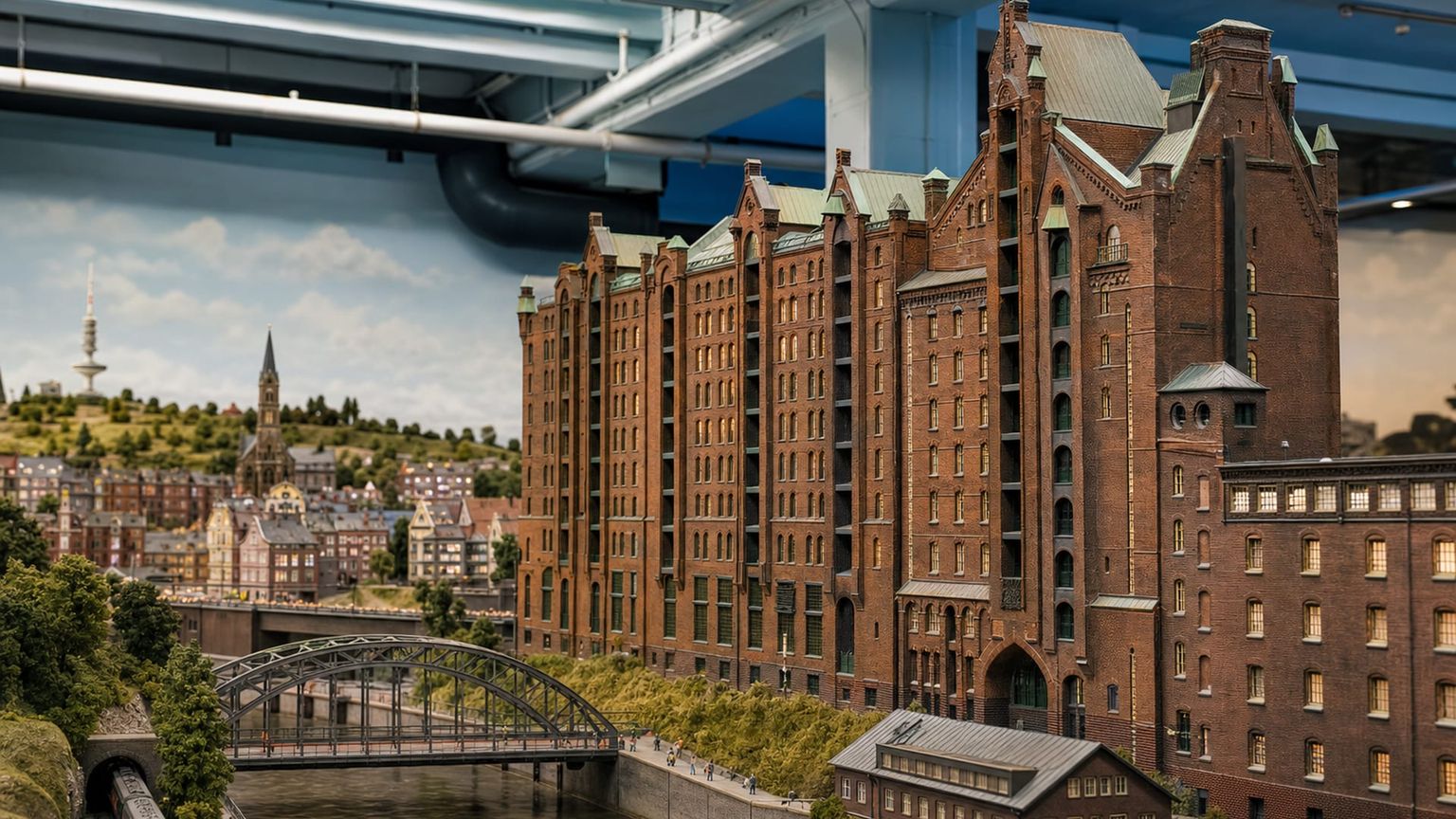
Miniatur Wunderland
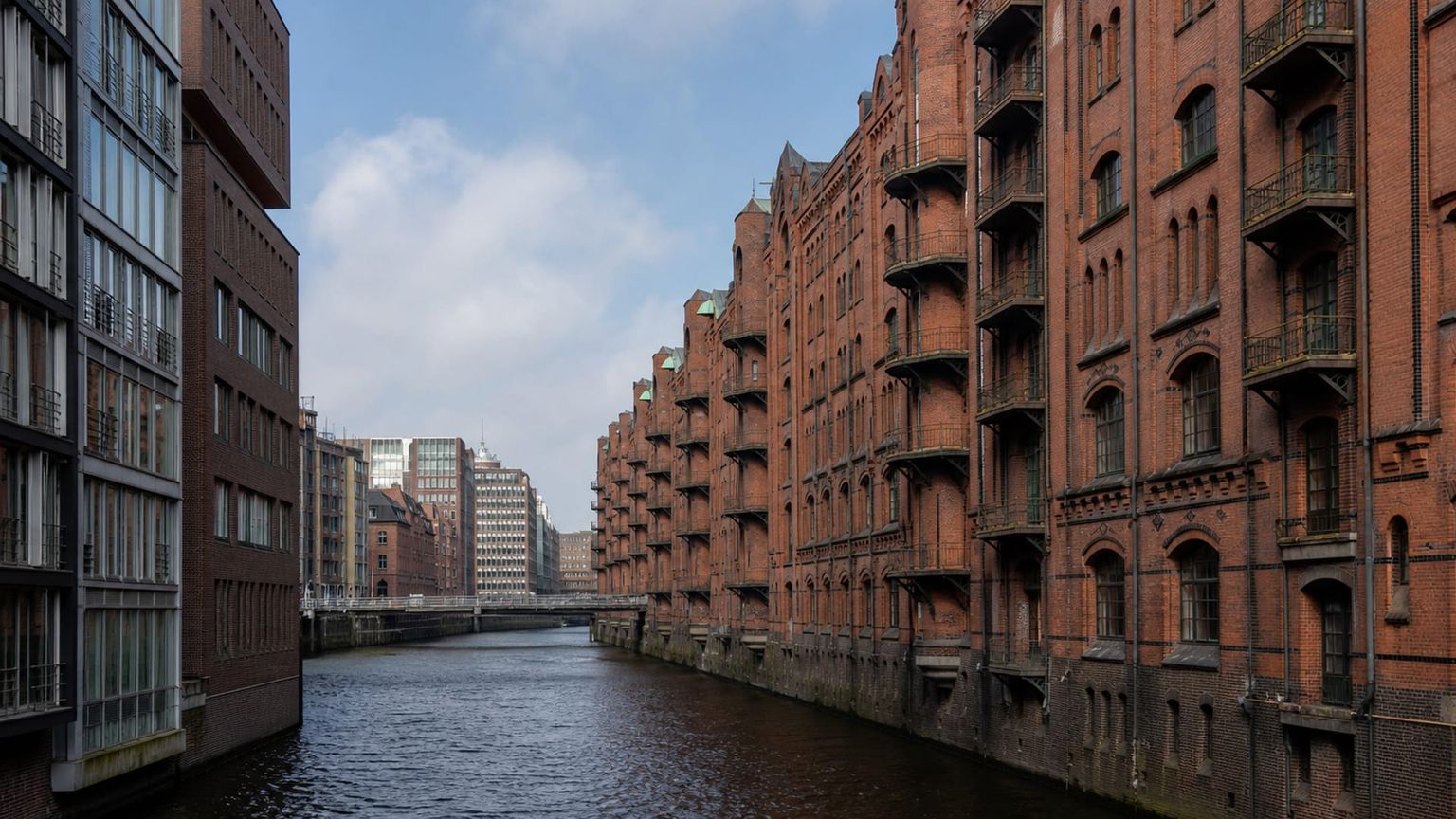
Miniatur Wunderland fills several halls in Speicherstadt with working model railways, airports, ports, and city scenes built at extreme detail. The scale, movement, and changing light make it one of Hamburg’s most visited sights.
Time needed: About 2 to 3 hours
Entry: Tickets cost $25 to $32 ($23 to $29), with timed admission slots for most visits Visit the official site for details.
Tip: Visit early on a weekday if you want shorter lines and more time at each section.
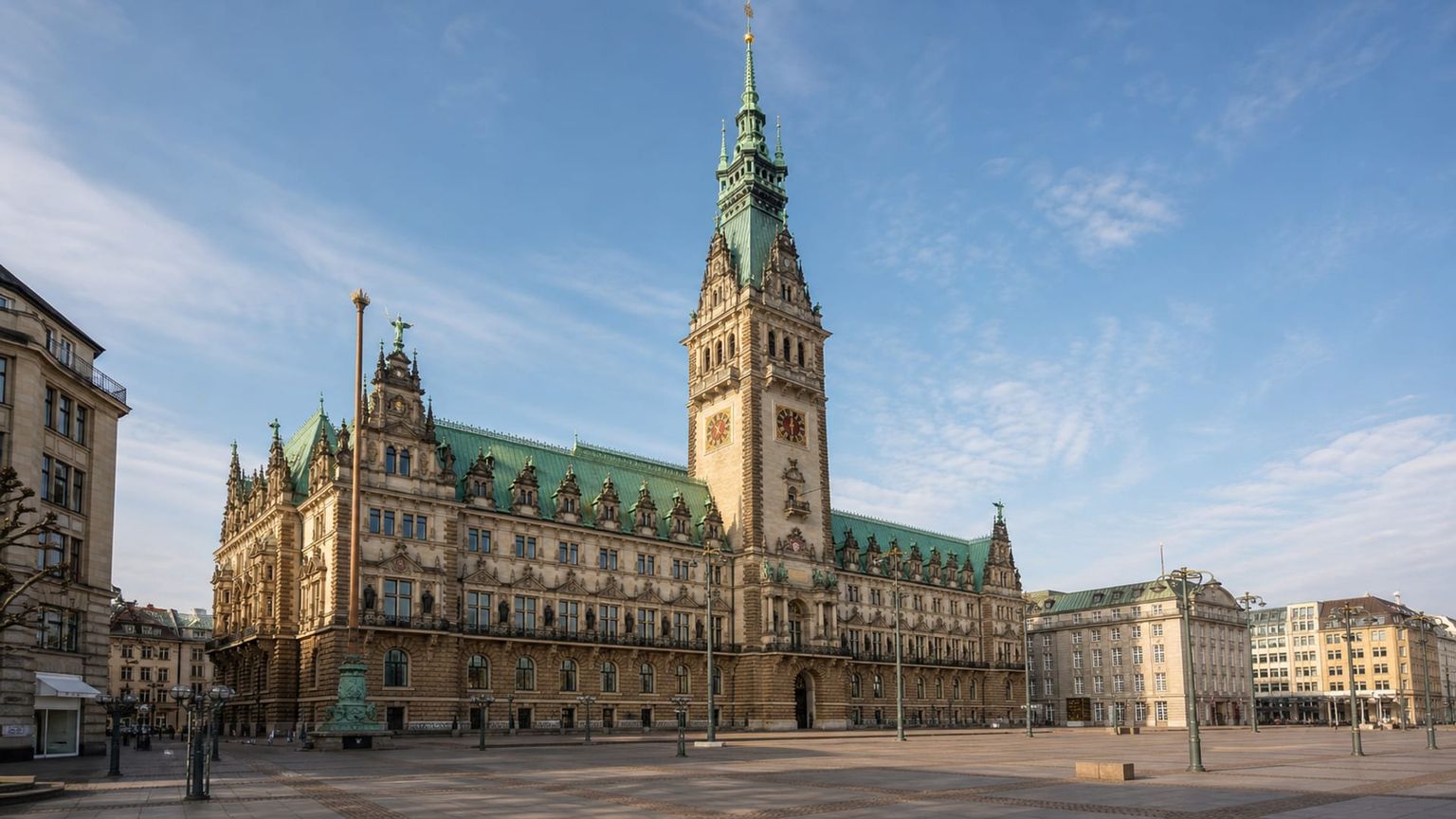
Hamburg Town Hall
Hamburg Town Hall anchors the city center with a neo-Renaissance facade, a grand courtyard, and ornate state rooms used for official functions. Its scale and decoration make it one of the clearest windows into Hamburg’s civic history.
Time needed: About 1 hour
Entry: Guided tours cost $17 ($15), while courtyard access is free during opening hours Visit the official site for details.
Tip: If you only want photos, come midmorning when the courtyard is brightest.
Overlooked sites worth visiting

Jenisch Park
A 19th-century landscaped park on the Elbe bluff, with sweeping lawns, mature trees, and riverside paths. The Hamburg House of Regional History sits at its edge, and the views open toward Teufelsbrück.
Time needed: About 1 to 2 hours
Entry: Free to access; no ticket is required for the park itself. The Hamburg House of Regional History at the edge of the grounds charges separate admission, and temporary exhibitions there may have their own fees.
Tip: Visit late afternoon for softer light on the Elbe slope.

Mahnmal St. Nikolai
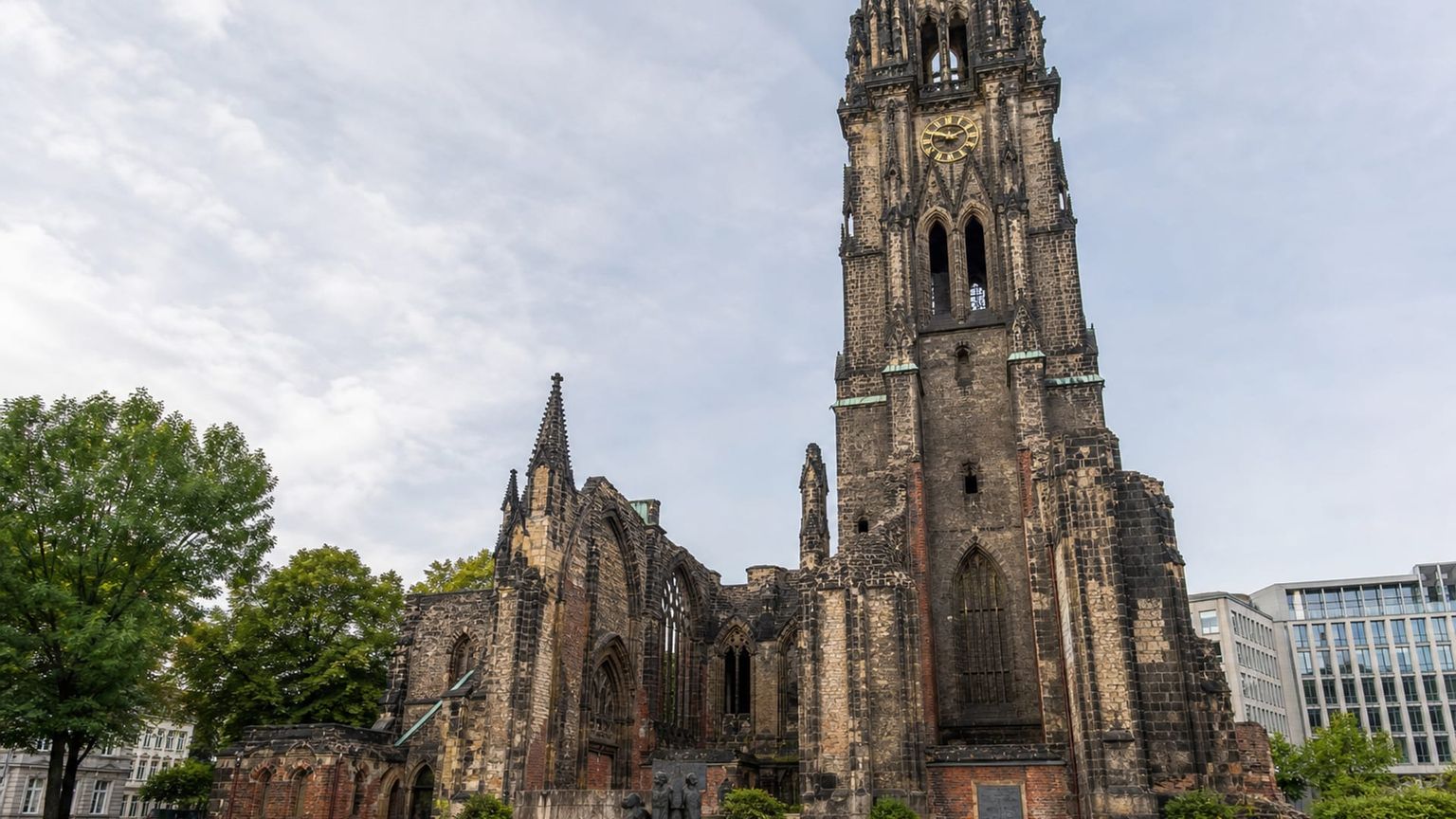
A church ruin and memorial in the old town, with a Gothic tower, a small exhibition, and an elevator to a viewing platform. The site shows the scale of wartime damage more directly than most city museums.
Time needed: About 45 minutes to 1 hour
Entry: Tower and exhibition tickets cost about $6 to $9 (€5 to €8) for adults, with reduced rates for children, students, and seniors. Access to the memorial courtyard is free, and opening hours vary by season Visit the official site for details.
Tip: Go when the sky is clear, the platform has wide harbor views.
Traditional food

Hamburg’s cooking leans on North Sea fish, beef, rye bread, and sweet pastry, with dishes like Franzbrötchen and Labskaus showing both harbor history and everyday comfort on local tables.
Franzbrötchen
This cinnamon-rich pastry is the city’s signature baked good, best eaten warm with coffee in the morning. Café Paris is a classic Hamburg stop for it, with a central setting that suits a first bakery break.
Finkenwerder Scholle
A pan-fried plaice dish with bacon and onions, it reflects Hamburg’s fishhouse tradition and pairs well with a simple beer. Strandperle in Övelgönne serves a strong version with Elbe views nearby.
Labskaus
This hearty sailor’s plate usually combines corned beef, potatoes, beetroot, and a fried egg. Old Commercial Room is a well-known Hamburg address for it, especially if you want a traditional old-town meal.
Aalsuppe
Despite the name, this sweet-and-sour soup often arrives without eel and draws on fruit, vegetables, and cured meat. Restaurant Heimat Küche + Bar is a good modern place to try it in central Hamburg.
Best time to visit Hamburg
Hamburg shifts with the weather, so the best time depends on whether you want long waterfront walks, lower crowds in the museums, or a milder window for canal and park visits.
Best for: Early harbor walks, park visits, and lighter sightseeing days
What you get: Temperatures run about 39-63°F (4-17°C), with moderate crowds before summer peaks
Trade-offs: Rain and wind can still interrupt outdoor plans
Best for: Long evenings by the Elbe and the Alster, plus outdoor dining
What you get: Expect about 56-73°F (13-23°C), with the busiest conditions in central districts
Trade-offs: Higher hotel rates and more people at the main sights
Best for: Museum days, cafe stops, and clear light over the harbor
What you get: Typical temperatures are about 43-61°F (6-16°C), with crowds easing after the school holiday period
Trade-offs: Shorter days and more frequent rain
Best for: Christmas markets, indoor attractions, and quieter museum visits
What you get: Temperatures usually sit about 30-41°F (-1-5°C), with the lightest tourist traffic of the year
Trade-offs: Cold wind and limited daylight make outdoor plans shorter
A realistic 5-day plan in Hamburg
Five days in Hamburg works best when you separate the compact old-town core from the riverfront, the residential north, and a final return to whatever you want one more look at before leaving.
Fly into Hamburg (HAM), then take a taxi or rideshare into St. Georg or Altstadt, which usually takes about 20 to 30 minutes and costs roughly €30 to €45, approximately $33 to $49. If you arrive by train instead, the main station puts you in the same central zone with almost no extra transfer. Check in, drink some water, and keep dinner close to your hotel, then head to a simple meal near Lange Reihe in St. Georg or a side street off the Rathaus area so you can settle in without a long evening out.
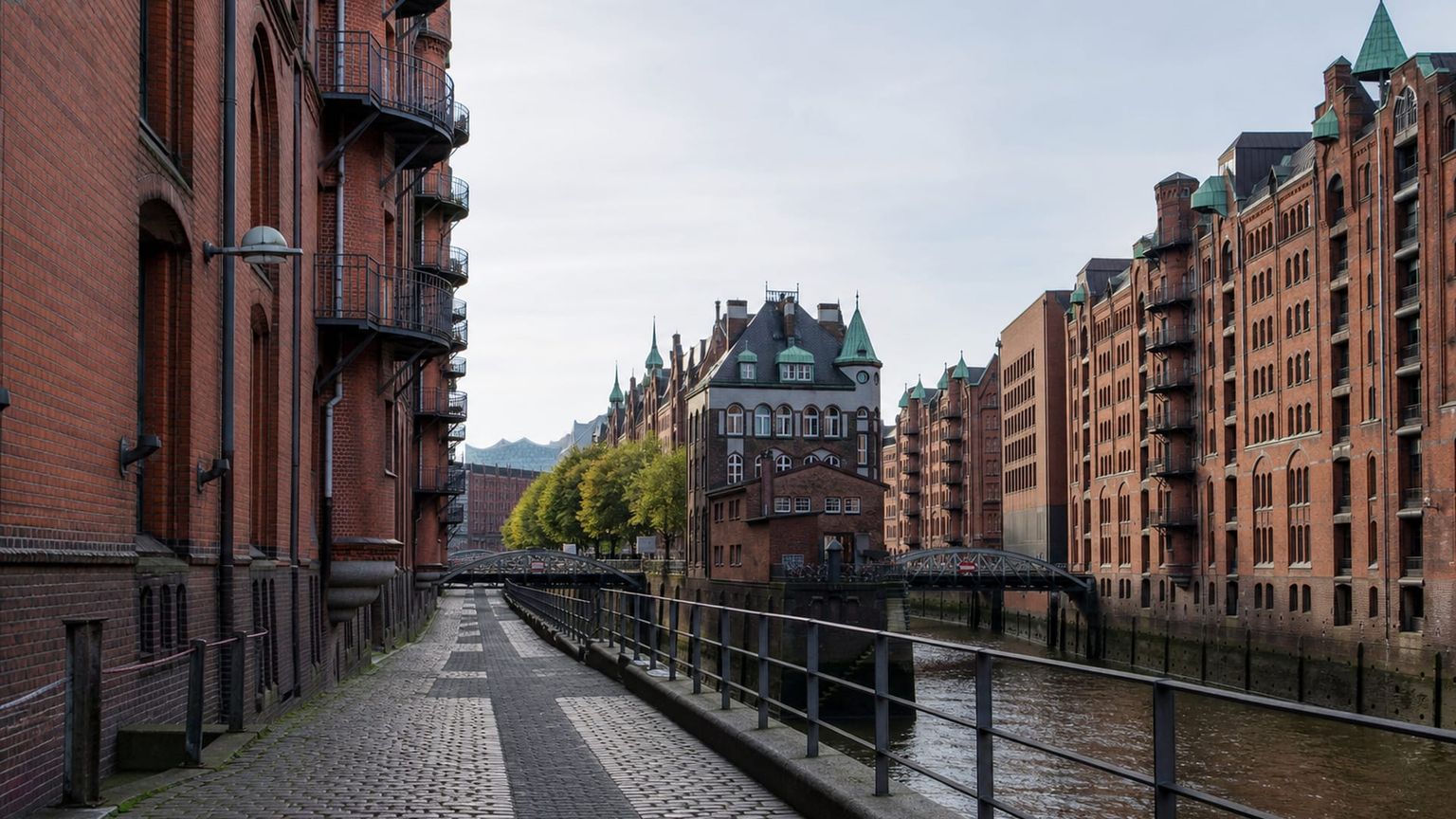
Start at Hamburg Town Hall in the morning, then walk about 10 minutes into the nearby Altstadt streets for a coffee break before continuing about 15 minutes on foot to Miniatur Wunderland in Speicherstadt. Plan 2 to 3 hours there, since the model worlds reward an unhurried visit. After that, it is roughly 10 to 15 minutes on foot to the Elbphilharmonie Plaza, where the harbor view works well near sunset. Finish with dinner at the Landungsbrücken or back in the historic center, depending on how much walking you want after the plaza.
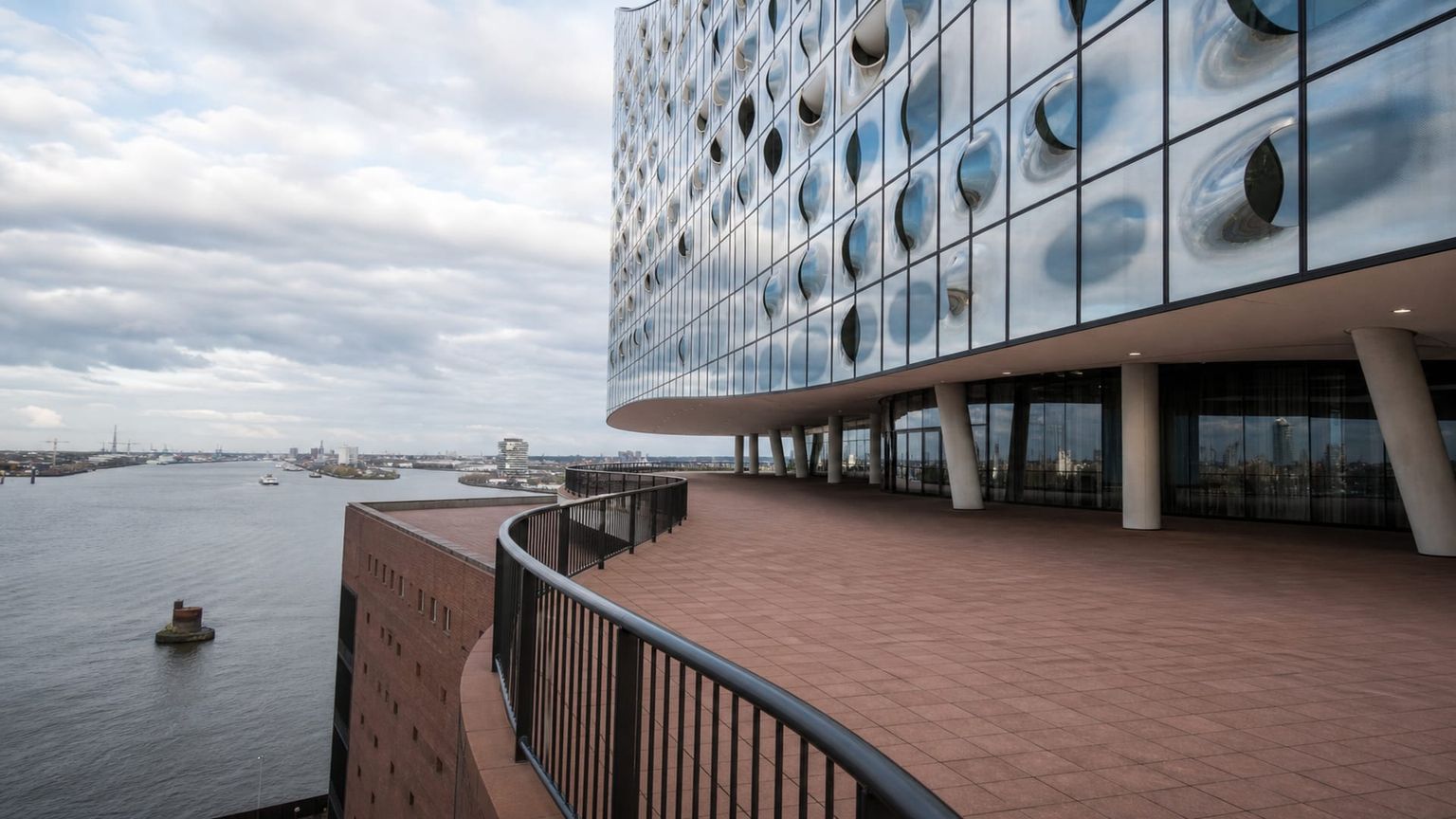
A slower northern day works well in Harvestehude and by the Außenalster, so begin with a walk along the canals and tree-lined streets near your hotel if you are staying in that area. From there, take a bus or U-Bahn ride of about 15 to 20 minutes to Jenisch Park, where the lawns and Elbe bluff give you a different side of the city; plan about 1 to 2 hours. Afterward, continue by transit toward the Alster again for an easy lakeside pause, then return to Harvestehude for dinner at a neighborhood cafe or nearby restaurant.
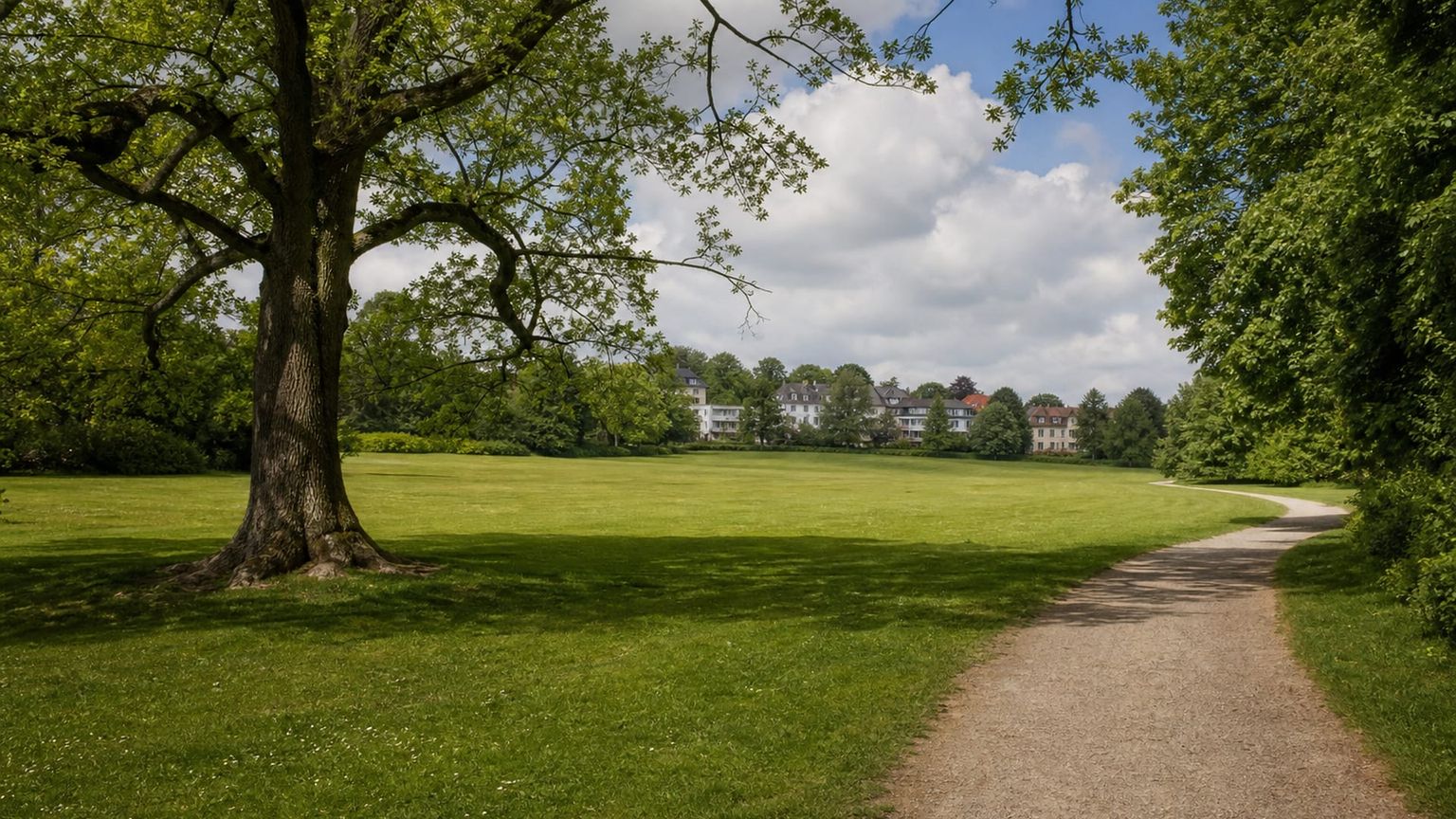
Mahnmal St. Nikolai gives the day a strong center, especially if you arrive in the morning and go up the tower before the crowds build. From Altstadt, it is usually about 5 to 10 minutes on foot, and the visit takes about 45 minutes to 1 hour. Next, walk roughly 10 minutes back through the old town streets for a lunch stop, then spend the afternoon on a second pass through Speicherstadt or the Rathaus quarter if you want more architecture and shopping. End the day in Schanzenviertel, about 15 minutes by transit from the center, for dinner and a later drink on Schulterblatt or one of the side streets.
One final museum stop at Miniatur Wunderland works well if you want a last look at Hamburg’s most detailed sight, and an early slot keeps the rest of the day open for departures. If you prefer to stay outdoors, go back to the Elbphilharmonie Plaza for one more harbor view, then head to Altstadt for shopping near the main streets or to St. Georg for a final cafe break near Lange Reihe. Keep luggage timing in mind, then return to Hamburg (HAM) from the center by taxi, rideshare, or the airport train, depending on where you are staying.
Business-class flights from the US to Hamburg
Business-class fares to Hamburg usually route through major European hubs, so the best option often depends on where you begin your trip. From both coasts of the United States, the longest journeys still make one good connection.
From New York, Lufthansa, United Airlines, Singapore Airlines, Air Canada, Scandinavian Airlines, and Turkish Airlines all show up on common itineraries, with total travel times of about 7 to 8 hours when a nonstop is available. When you connect, the usual hubs are FRA, MUC, ZRH, CPH, and IST, and layovers often run about 10 to 14 hours. Round-trip fares from New York to Hamburg usually start at $2,400 and can reach $5,500.
Los Angeles itineraries commonly use Lufthansa, British Airways, Air France, KLM, and Turkish Airlines. Most trips connect through FRA, MUC, AMS, CDG, LHR, or IST, and the layover window often falls between 14 and 19 hours, which gives the route its typical one-stop pattern. From Los Angeles, round-trip fares often begin at $3,000 and climb to $6,500.
Hamburg feels different when you slow down
A deliberate Hamburg stay gives weight to the details that link the city together, from a morning in Altstadt and Speicherstadt to an evening at the Elbphilharmonie Plaza or a slower walk in Harvestehude by the Alster. The transit network makes those shifts easy to plan if you time them well, and the food works best when you leave room for a bakery stop or a fish dinner. If you want to shape that kind of trip, AranGrant experts can help you plan it around Hamburg’s neighborhoods and connections







