

Chapters:

Need help with your trip?
Our support team is available 24/7. Request a callback or call us directly at (833) 619-0908
Westerland rewards travelers who arrive by train or plane, then spend most of the trip on foot between the promenade, the station area, and a few island buses. The common mistake is to treat it as a quick beach stop and miss how much of the town sits in short, repeatable walks.
That shortcut leaves people crossing the same streets more than once, timing meals poorly, and arriving at the basin or dunes without checking tides or bus schedules. Westerland is compact, but the island’s spacing still shapes what fits into a day.
This guide lays out where to stay, what to eat, when each season works best, and how to move through Westerland without wasting time on avoidable backtracking.
Useful things to know
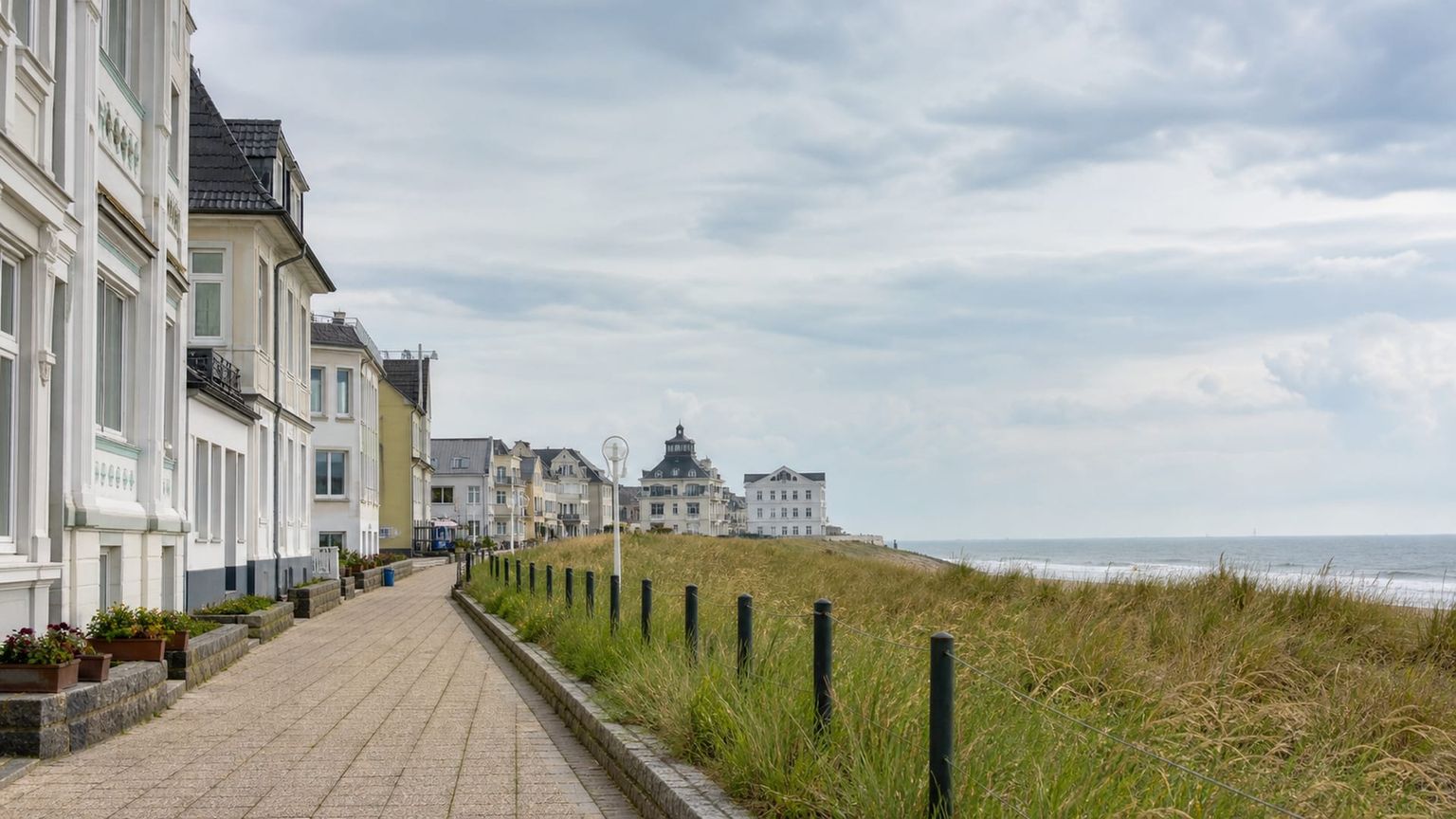

Main language(s): German
Moin (moin) – Hello / good morning
Bitte (BEE-tuh) – Please
Danke (DAHN-kuh) – Thank you
Sprechen Sie Englisch? (SHPREH-khen zee ENG-lish?) – Do you speak English?
Wie viel kostet das? (vee feel KOS-tet dahs?) – How much does it cost?

Currency: The local currency is the euro (EUR, €).

Cash and cards: Cards and contactless are widely accepted; carry about €20 to €50 ($22 to $54) in cash for small cafes or taxis.

Tipping: Round up the bill, or add about 5% to 10% for good service.

Traditional food: Friesentorte, Labskaus, Königsberger Klopse, Fischbrötchen

Water and coffee costs: Water about €2 ($2), bar espresso about €3 ($3).

Taxis and ride apps: Free Now and local taxis operate here; app coverage can be limited late at night.

Plug and voltage: Type C/F socket, 230V

Dining and shop opening hours: Breakfast runs about 07:00-10:00, lunch 12:00-14:00, and dinner 18:00-21:00. Many kitchens close between lunch and dinner.

Emergency number: 112 for police, fire, and medical emergencies.
Where to stay in Westerland
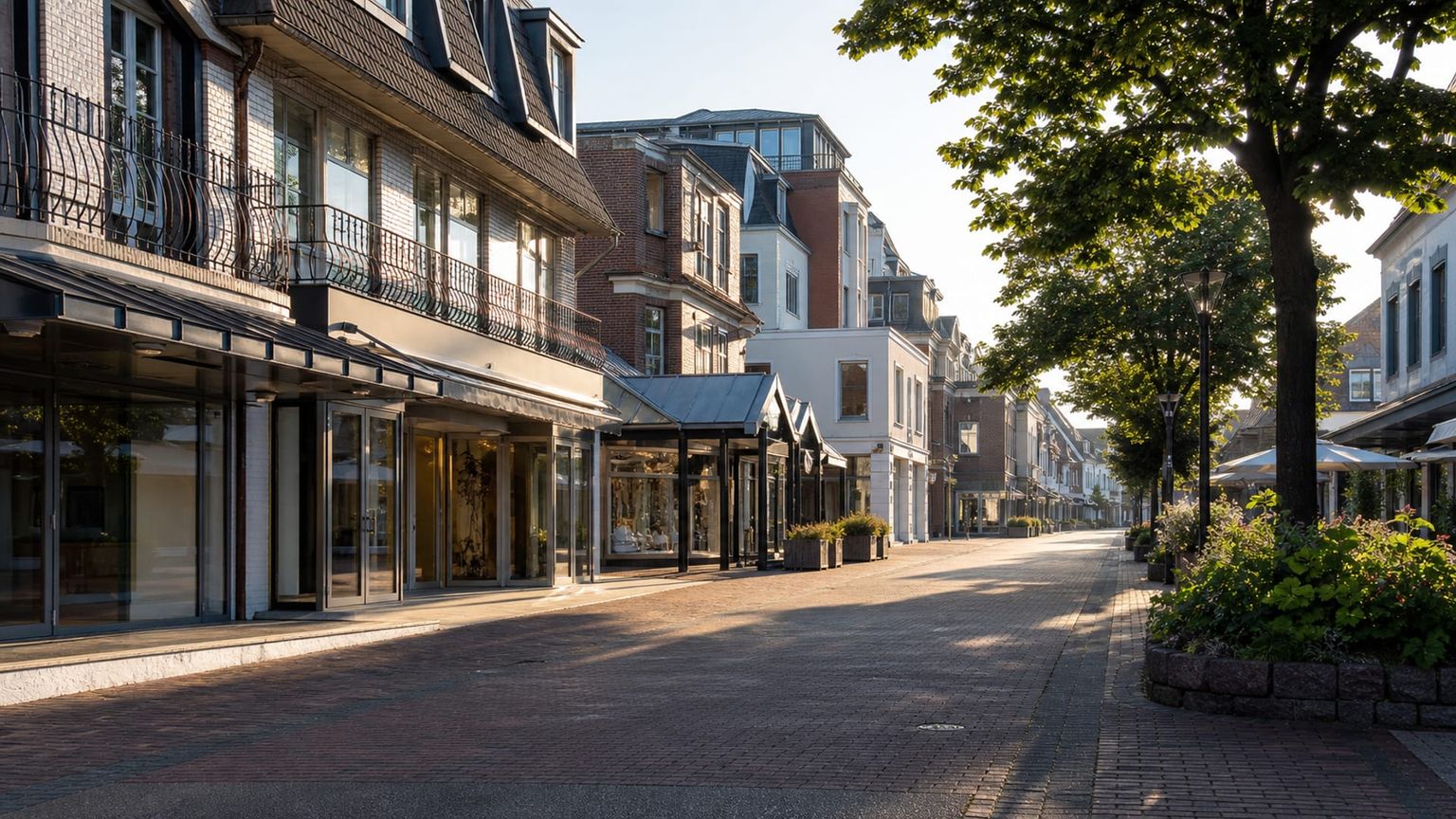
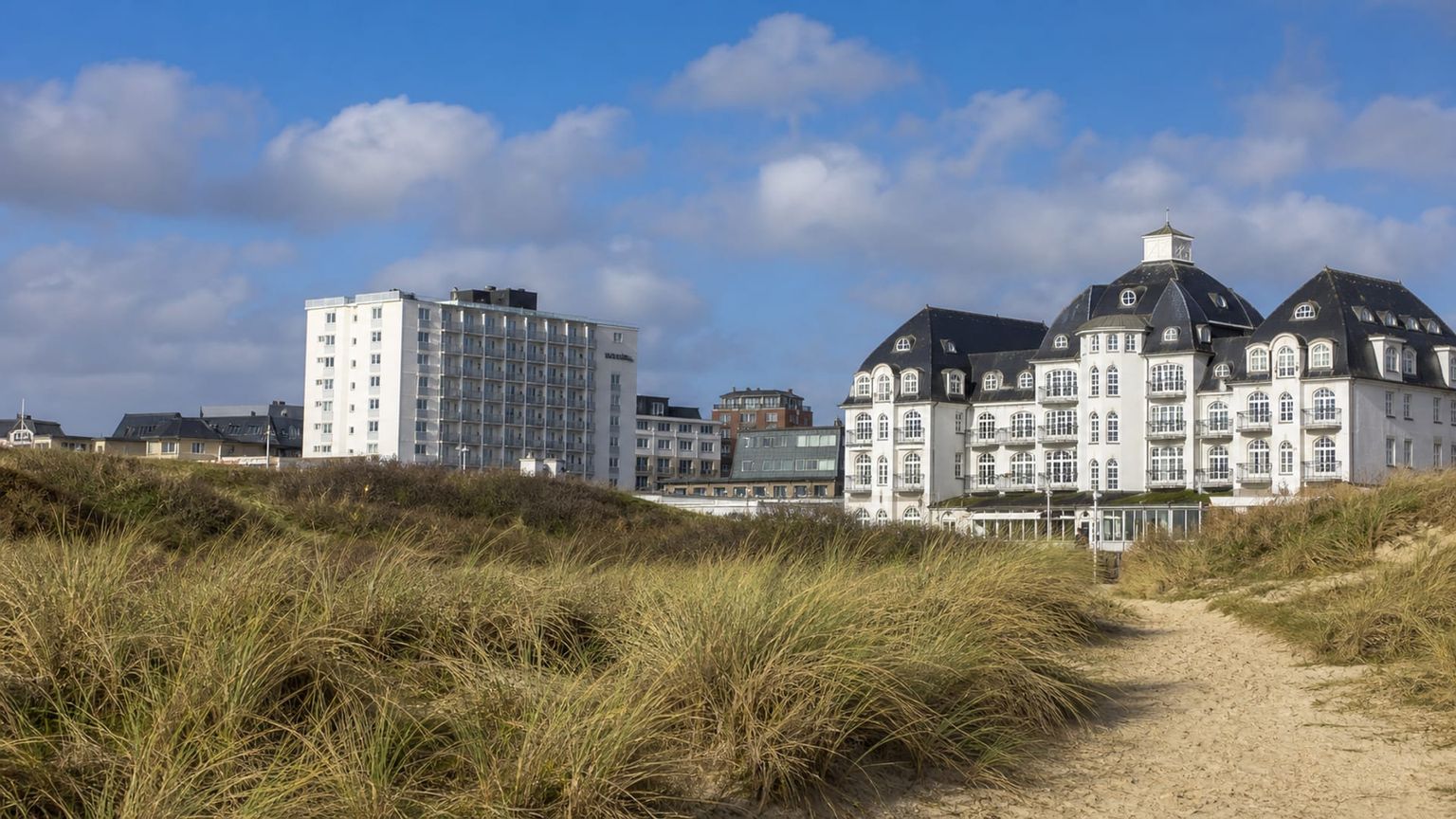
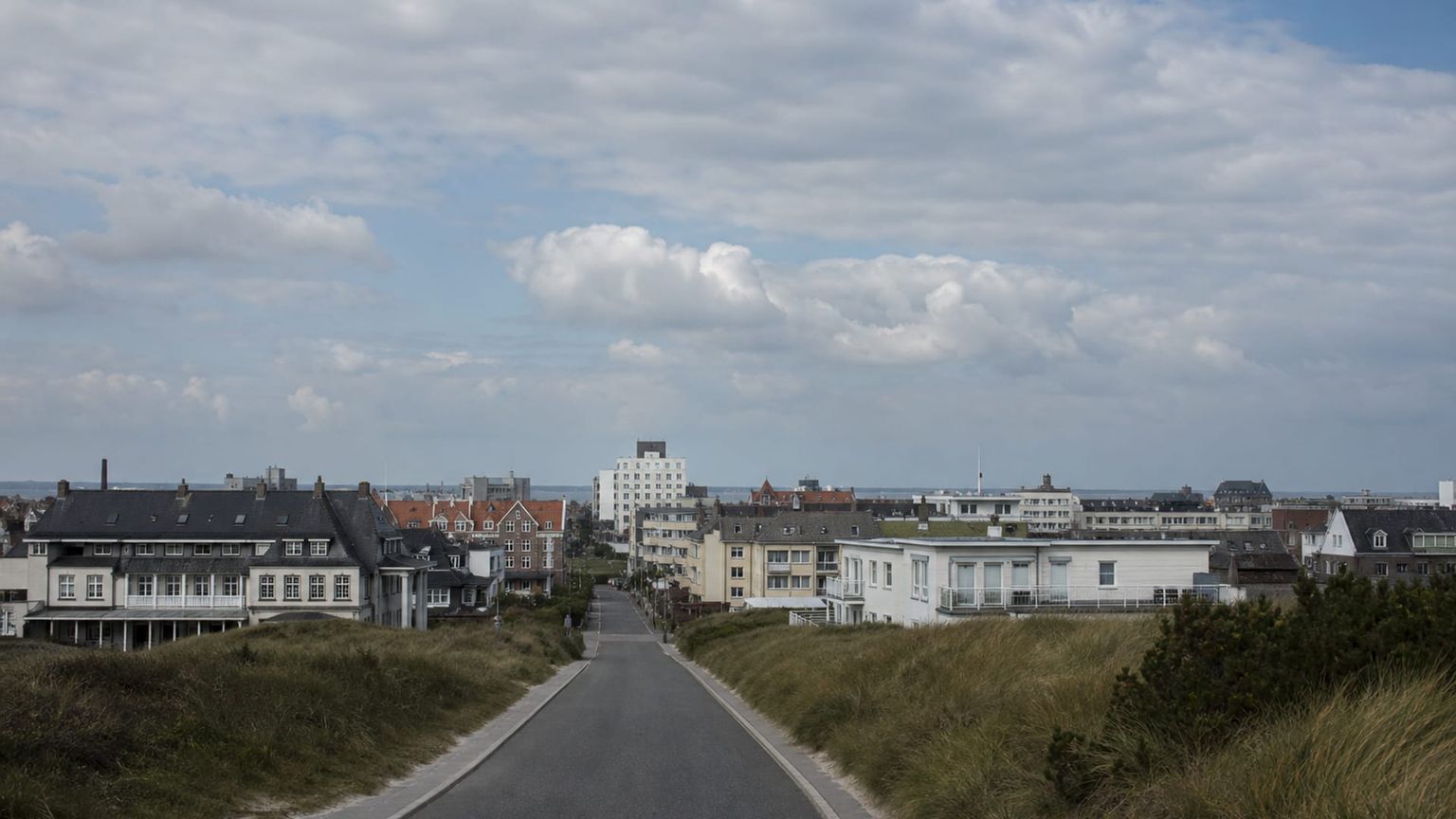
Westerland center puts you by the island’s main rail station, pedestrian streets, shops, and the broad beach promenade. It suits visitors who want the easiest access to restaurants, transit, and the town’s busiest daily life.
Best for: Beach access, dining, and travelers who want to move around without relying on a car
What to expect: Expect steady foot traffic by day, with shops, cafes, and takeaways close together and the most activity near the station and promenade.
Hotel prices: Usually about €180 to €320 (~$195 to ~350) per night for well-rated stays
Distance to major sights: 5 to 10 minutes on foot to Westerland beach and about 10 minutes on foot to the station
Quietness: Daytime is lively and busy; evenings are calmer once the day-trippers leave.
Main trade-off: You pay more for central convenience, and some streets pick up noise from restaurants and late arrivals.
Good to know: If you plan to arrive by train, this is the easiest place to base yourself, and you can reach the beach without planning transport.
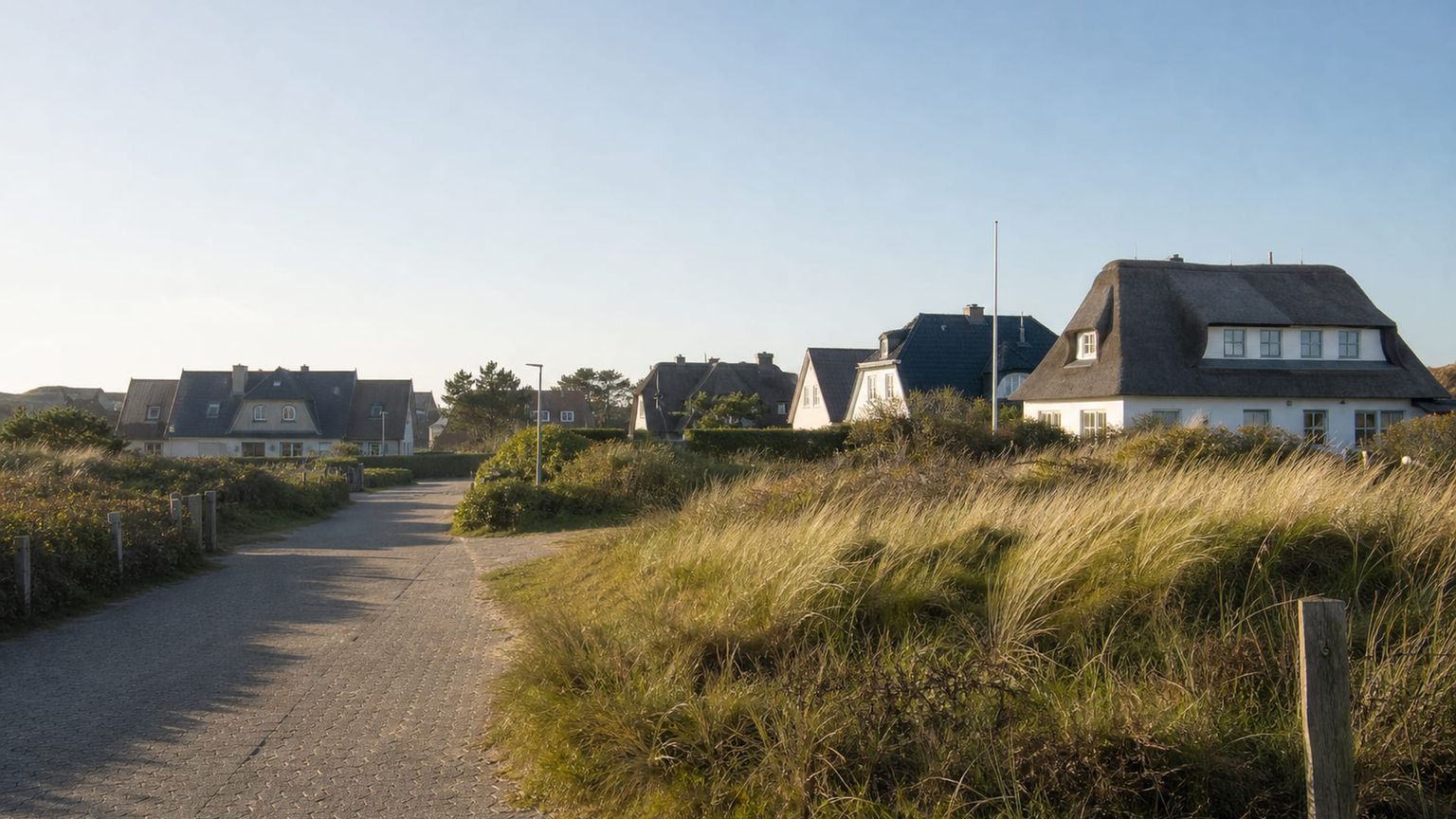
Wenningstedt-Braderup sits just north of Westerland and blends residential streets, dune paths, and long beach access. It matters for travelers who want a quieter island base while still staying close to Westerland’s shops and transit.
Best for: Families, longer beach stays, and travelers who want more space than the town center
What to expect: Expect a mainly residential atmosphere, with guests walking to the beach, a few cafes, and much less street activity than in central Westerland.
Hotel prices: Usually about €160 to €300 (~$175 to ~325) per night for well-rated stays
Distance to major sights: About 10 to 15 minutes by bus to Westerland station and about 10 to 20 minutes on foot to the beach, depending on your exact street
Quietness: Daytime stays active near beach paths; evenings are quiet on residential streets.
Main trade-off: You give up immediate access to Westerland’s main shopping and dining streets, so most errands take a short ride.
Good to know: Check bus timing if you plan to go into town after dinner, because late-night frequency is thinner than in the center.
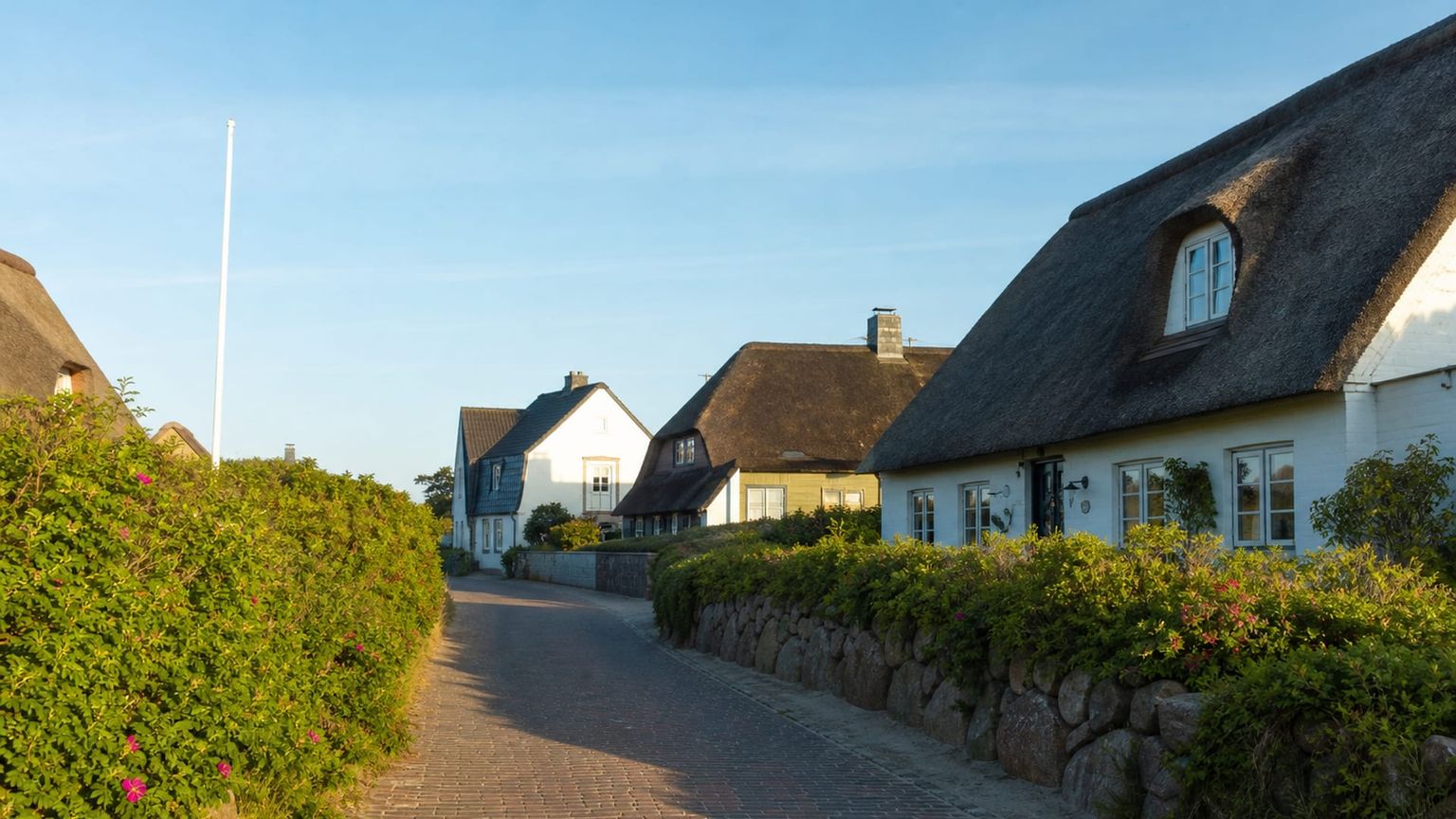
Rantum sits on the narrow waist of Sylt, between the North Sea and the Wadden Sea, with open dunes and low-rise guesthouses. It matters for travelers who care more about scenery and space than being in the middle of Westerland’s commercial core.
Best for: Nature-focused stays, beach walks, and travelers who want a lower-key base
What to expect: Expect a quiet village feel, long open stretches, and fewer shops and restaurants than in Westerland or Wenningstedt-Braderup.
Hotel prices: Usually about €170 to €330 (~$185 to ~360) per night for well-rated stays
Distance to major sights: About 15 minutes by bus to Westerland center and roughly 20 minutes by bike to the nearest Westerland beach access
Quietness: Daytime is calm with walkers and cyclists; evenings are very quiet aside from hotel guests.
Main trade-off: You stay farther from Westerland’s dining and rail connections, so daily plans depend more on buses or a bike.
Good to know: Bring what you need for the evening, since late shopping options are limited and most services close early.
Travelers usually avoid the airport-side fringe south of Westerland near Sylt Airport, because it is far from the main beach promenade and central shopping streets, and evening transit is limited. The residential edges toward Tinnum and Keitum are also less convenient for a hotel base, with fewer visitor amenities and longer trips to the station, beach, and resort center.
Hotel deals
How to get around Westerland efficiently
Westerland has no metro, so the useful pattern is simple: walk for the center, use buses for island links, and take taxis for late arrivals or short hops with luggage.

Metro
for longer distances
Westerland has no metro, and the nearest rail option is the regular Deutsche Bahn station in town, with regional trains linking the airport area to Sylt’s other settlements and onward connections on the mainland. Use the station for longer hops, since local trips are usually faster by bus, taxi, or bike. A single local rail ticket is typically about $3 to $6 (€3 to €6), and short rides take roughly 5 to 15 minutes.

Bus and tram
for convenience
Bus line coverage on Sylt is centered on the island network, with Westerland serving as the main hub for routes to Keitum, Tinnum, Morsum, and Hörnum. Fares are usually about $3 to $7 (€3 to €7) for single rides, and day tickets are often about $8 to $12 (€8 to €12), valid for the full service day. Expect most cross-town trips to take about 10 to 25 minutes, depending on stops and season.

Taxi
for convenience or late hours
Licensed taxis wait at Westerland station and the airport area, and local cabs usually charge metered fares rather than fixed citywide rates. A short hop in town is commonly about $10 to $20 (€10 to €20), while a trip to another island village can come to about $25 to $45 (€25 to €45), depending on distance and luggage. Most cars accept cards, but it helps to confirm before departure.
*Prices are based on rates updated as of June 2026 and may change at the time of travel.
Walk when your plan stays in the center, use buses for beach-to-village trips, and choose taxis when you want the fastest return after dinner or a windy arrival.
Iconic landmarks
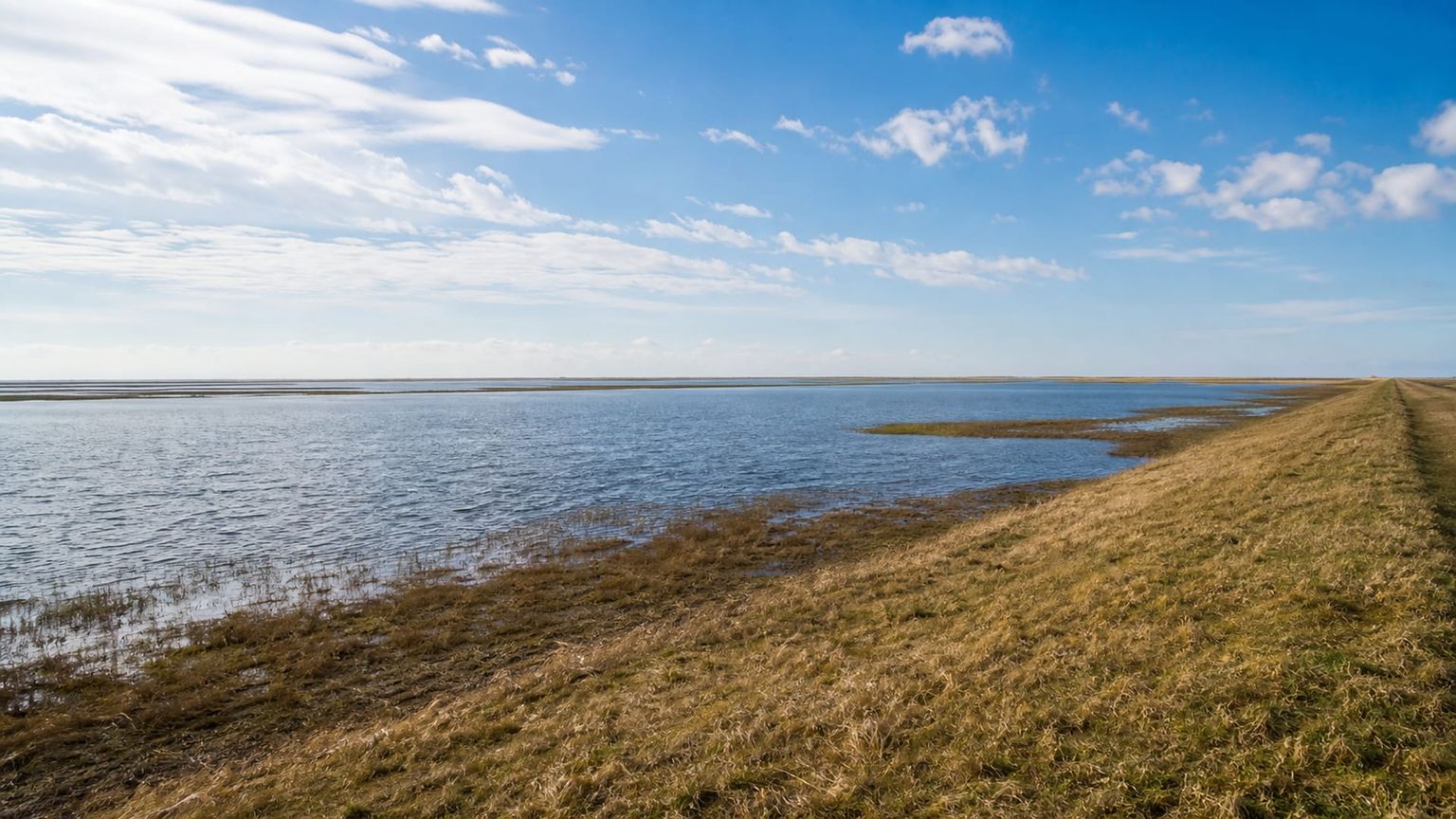
Rantum Basin
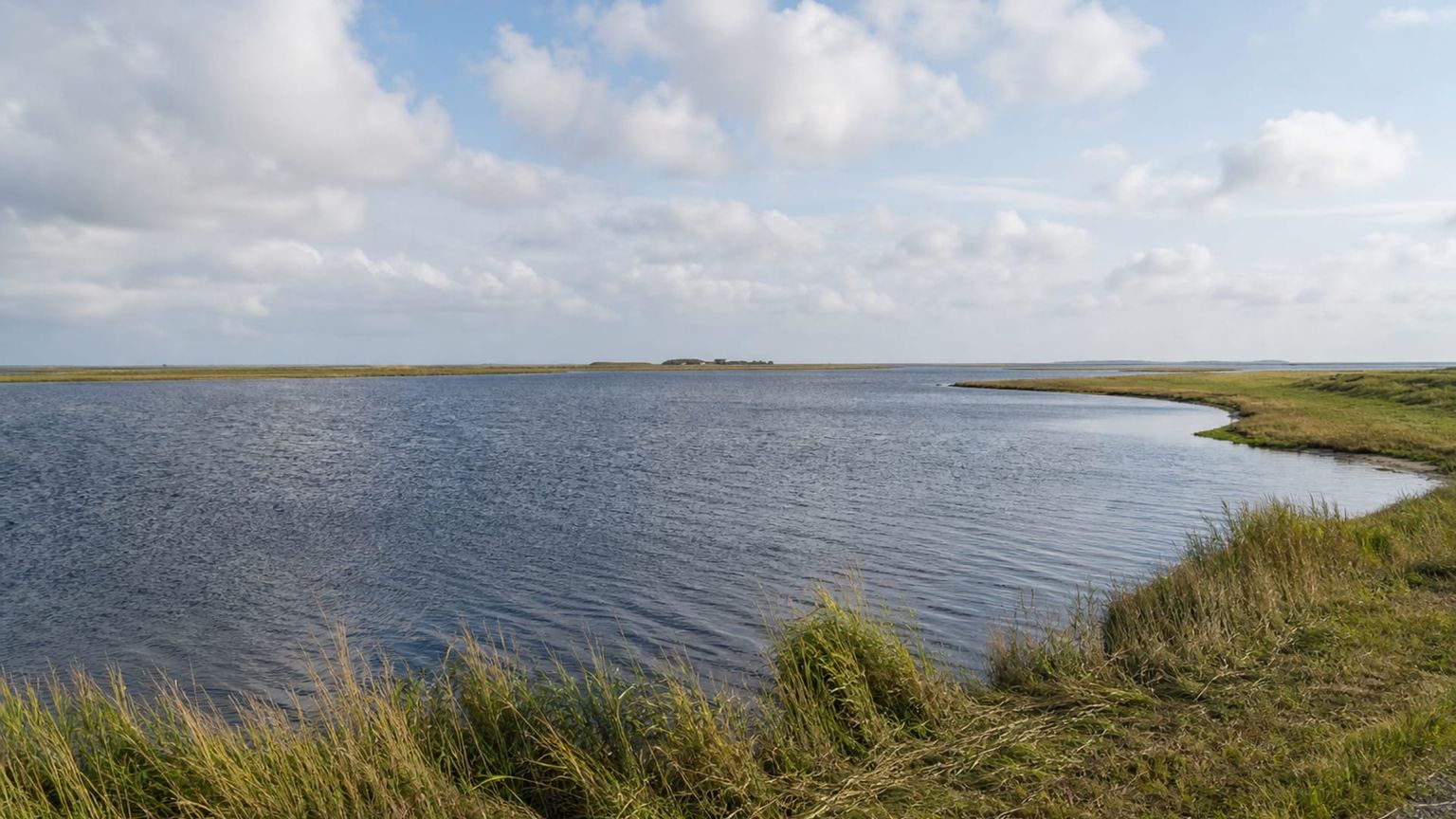
This tidal basin on the island’s North Sea side draws birdlife, open-water views, and long dike paths within Westerland’s reach. At low tide, the flats expose the scale of the Wadden Sea landscape.
Time needed: About 2 to 3 hours
Entry: Free to access, with no timed entry required, and no admission charge for the basin or the public paths that follow its edge.
Tip: Visit near low tide for the widest views, then stay for the evening light on the water.
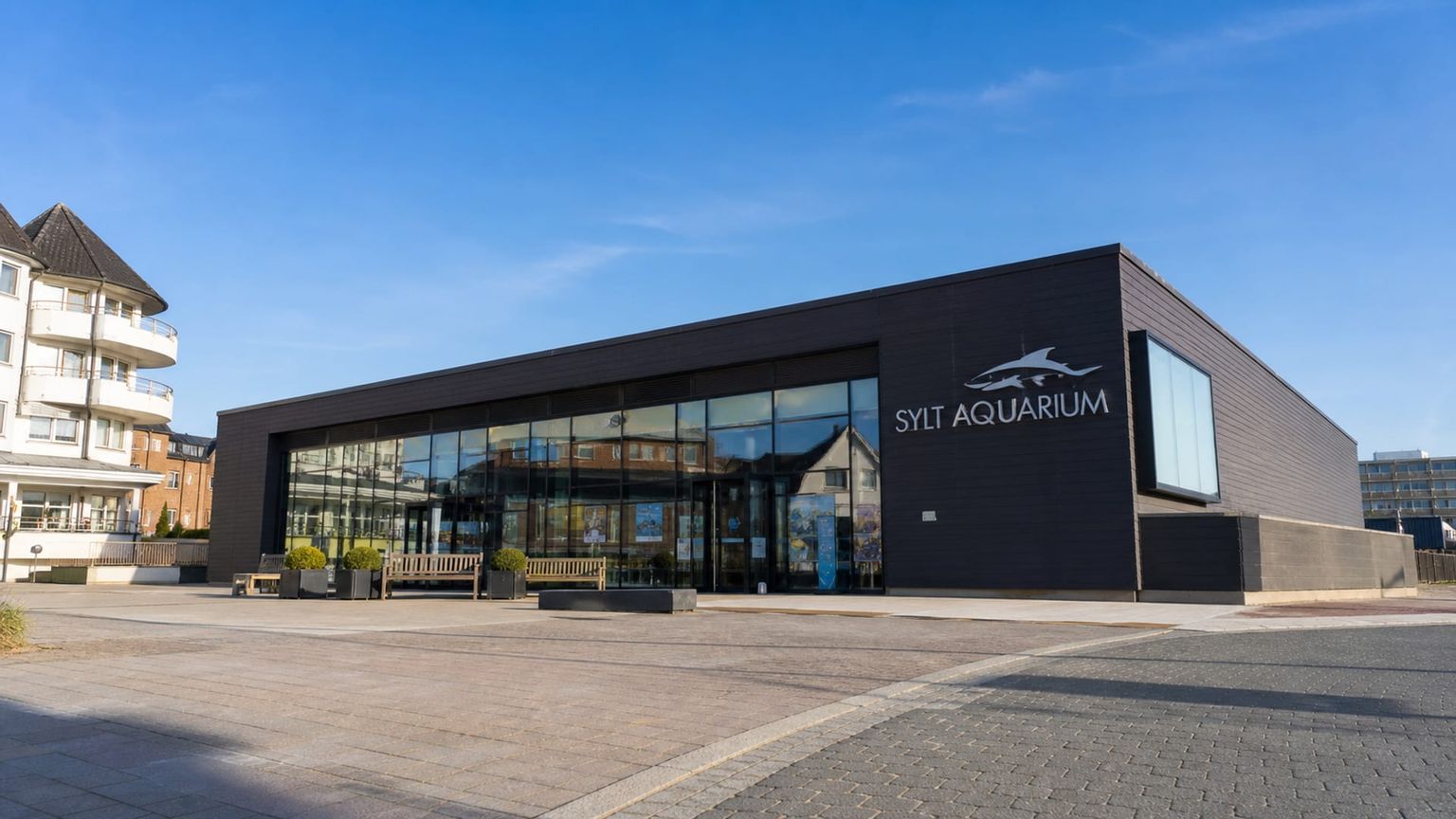
Sylt Aquarium
Sylt Aquarium shows North Sea fish, rays, and tropical tanks in Westerland, with exhibits that focus on local marine life first. It offers an easy indoor stop when wind or rain shortens a beach day.
Time needed: About 1 to 2 hours
Entry: Tickets cost about $15 to $20 (€14 to €18) for adults, with reduced prices for children and family tickets available at the entrance. Visit the official site for details.
Tip: Go early on rainy days, when the tanks are quieter and visibility is best.
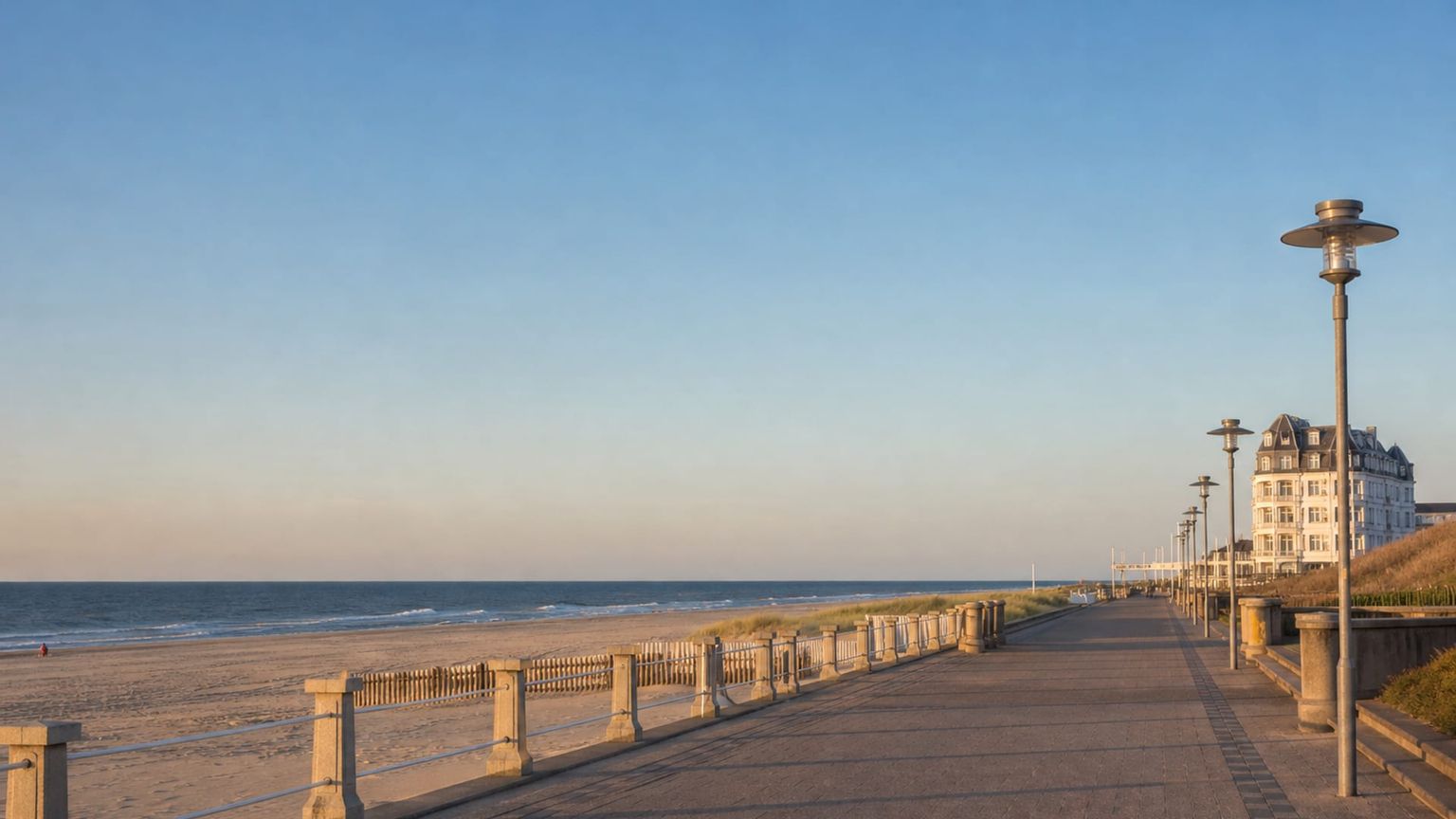
Westerland Beach promenade
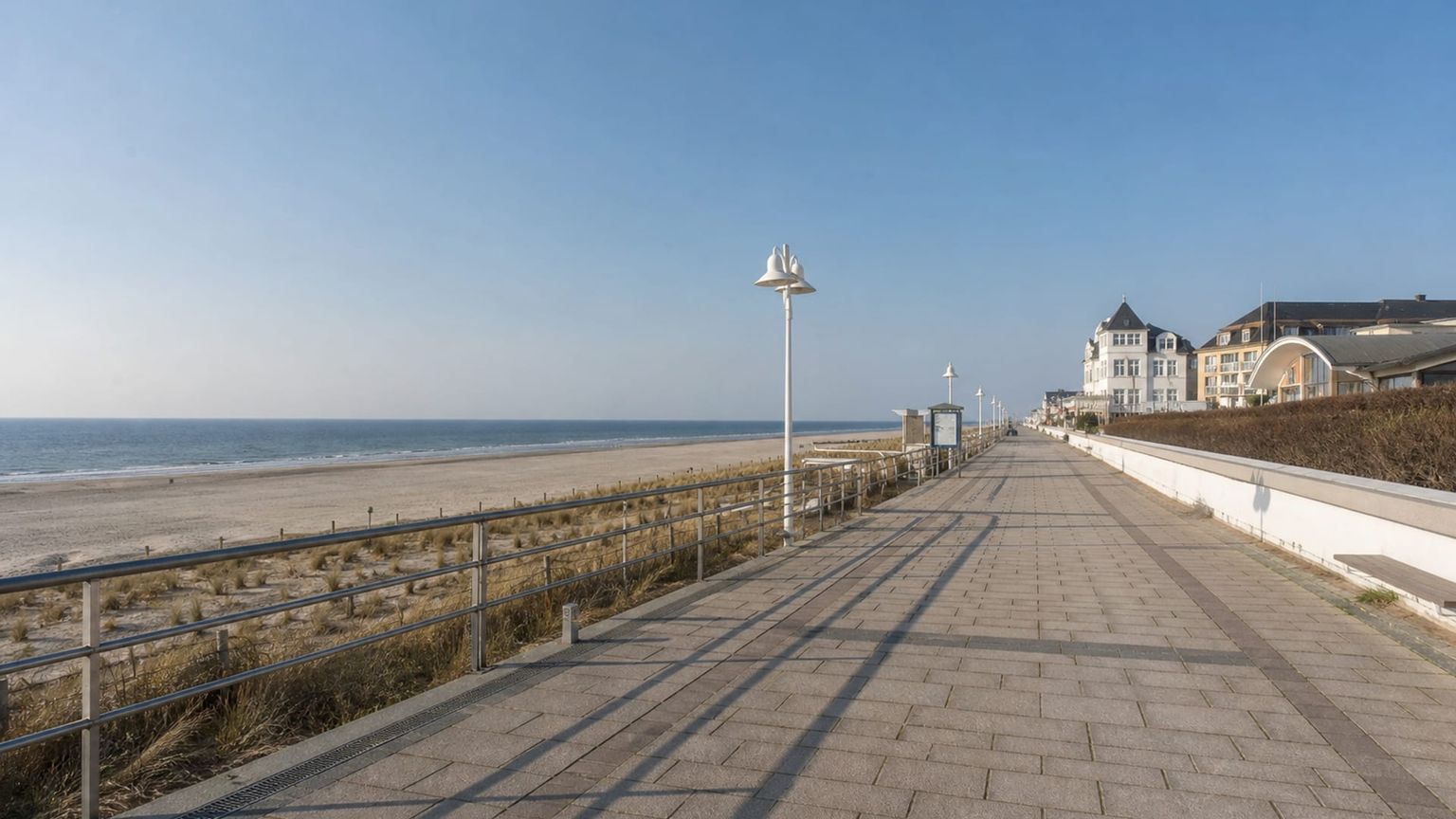
Westerland’s beach promenade runs beside a long sandy strand, dune views, and seasonal beach chairs, all within an easy walk from the center. It is one of the clearest ways to see the resort town’s seafront.
Time needed: About 1 to 2 hours
Entry: Free to access, with no timed entry required, and no admission charge for the promenade, beach access points, or public seating areas.
Tip: Walk it at sunset, when the dunes and beach chairs catch the last light.
Overlooked sites worth visiting

Sylt Aquarium
This compact aquarium focuses on North Sea and tropical marine life, with tanks for local species, sharks, and rays. Its size makes it a quiet stop between beach walks and meals in Westerland.
Time needed: About 1 hour
Entry: Adult tickets cost about $14 to $18 (€13 to €17), with reduced rates for children and family tickets available on site. Check current hours before visiting, since seasonal opening times can change. Visit the official site for details.
Tip: Go early in the day for smaller crowds.

St. Niels Church
St. Niels Church, Westerland’s oldest church, dates to 1637 and sits near the town center. The small brick building and cemetery offer a brief, low-key stop with local history.
Time needed: About 30 to 45 minutes
Entry: Free to enter during public opening hours. Donations are welcome, and special concerts or services may have separate access rules or seating limits; verify times locally if you want to see the interior.
Tip: Visit in daylight to read the grave markers.
Traditional food
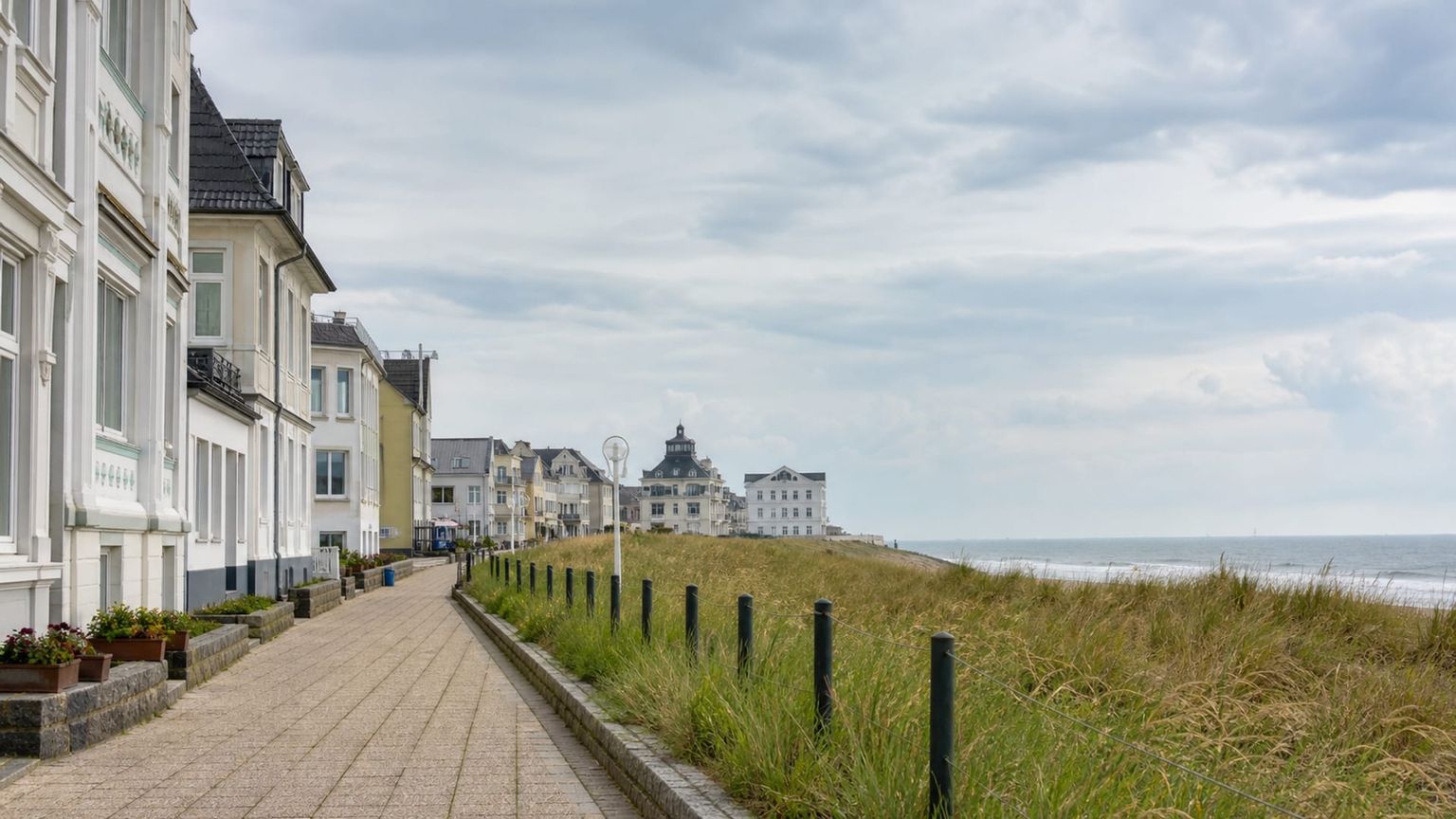
Sylt cooking leans on North Sea fish, potatoes, cream, and baked sweets, with meals that move easily from Fischbrötchen to Friesentorte. In Westerland, cafes and seafood counters keep the island’s everyday flavors close to the promenade and station.
Friesentorte
This layered cream-and-jam cake is the island’s signature sweet and fits a coffee break after a beach walk. Gosch am Kliff in Wenningstedt-Braderup is a good nearby stop for a slice with sea views.
Fischbrötchen
A Fischbrötchen gives you herring, smoked fish, or shrimp in a bun, which suits a quick lunch between the promenade and the station. Gosch Sylt in Westerland is a dependable canonical stop for it.
Labskaus
Labskaus combines corned beef, potatoes, beetroot, and egg into a dense northern dish that appears on traditional German menus. Alte Friesenstube in Westerland serves a version that matches the city’s regional style.
Königsberger Klopse
These meatballs in a caper sauce show the island’s comfort-food side and work well for an unhurried dinner. Alte Friesenstube in Westerland is the most natural place to order them on a central evening.
Best time to visit Westerland
Westerland shifts with the season, from windy beach walks and fuller summer promenades to quieter winter days that suit museums, churches, and long meals indoors.
Best for: Dune walks, birdwatching, and quieter beach time
What you get: Temperatures usually run about 39°F to 57°F (4°C to 14°C), with moderate crowds and changing weather that can clear quickly
Trade-offs: Wind and rain still interrupt longer outdoor plans
Best for: Long promenade days, swimming, and evening terrace meals
What you get: Expect about 57°F to 70°F (14°C to 21°C), with the busiest beaches and the fullest restaurant rooms
Trade-offs: Accommodation rates rise and popular paths feel busier
Best for: Clear walks, softer light, and more room on the beach
What you get: Temperatures sit roughly between 43°F and 61°F (6°C and 16°C), with crowds easing after the peak season
Trade-offs: Shorter days and stronger weather can limit outdoor time
Best for: Quiet stays, storm watching, and indoor stops
What you get: Typical temperatures fall about 34°F to 43°F (1°C to 6°C), with low crowds and a more local pace
Trade-offs: Some attractions and dining hours tighten in the off-season
A realistic 5-day plan in Westerland
Five days in Westerland work best as a compact island loop: one day to settle in, a second for the promenade and central sights, then day trips that widen the view without turning each outing into a transfer exercise. The sequence below keeps distances, tides, and dinner timing in view.
Fly into Sylt Airport (GWT), then take a taxi or local bus into Westerland center in about 10 to 15 minutes for roughly $12 to $20. Base yourself near the station or promenade so you can walk to dinner and the beach without planning more transport. Keep the first evening simple, settle in with water or tea, and have an early meal on the pedestrian streets close to the station, where cafes and takeaways stay easy to reach.
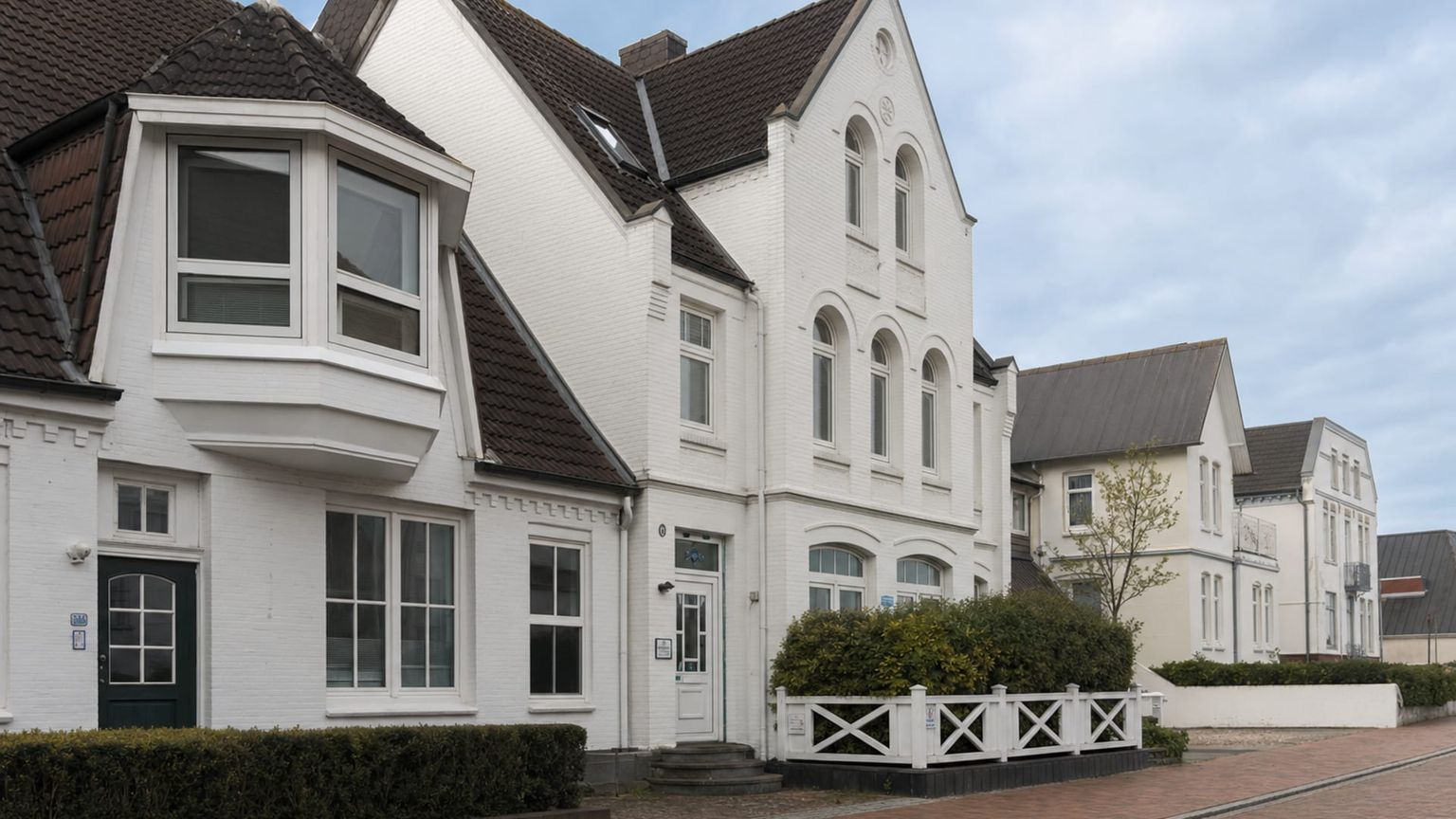
Start with the Westerland Beach promenade, then walk about 10 minutes inland to St. Niels Church for a short history stop before lunch in the center. In the afternoon, head to Sylt Aquarium, about 10 to 15 minutes on foot from the central streets, and spend about 1 hour there if the weather turns windy. Finish back on the promenade for sunset, when the dunes and beach chairs catch the last light.
From Westerland, take a bus or bike toward Rantum Basin in about 15 to 25 minutes, and aim for low tide if you want the widest view across the flats. Plan on 2 to 3 hours for the dike paths and birdwatching, then continue into Rantum village for a quiet lunch or coffee. If you are staying in Westerland, return by bus in the late afternoon and keep the evening near the center for an easy dinner.
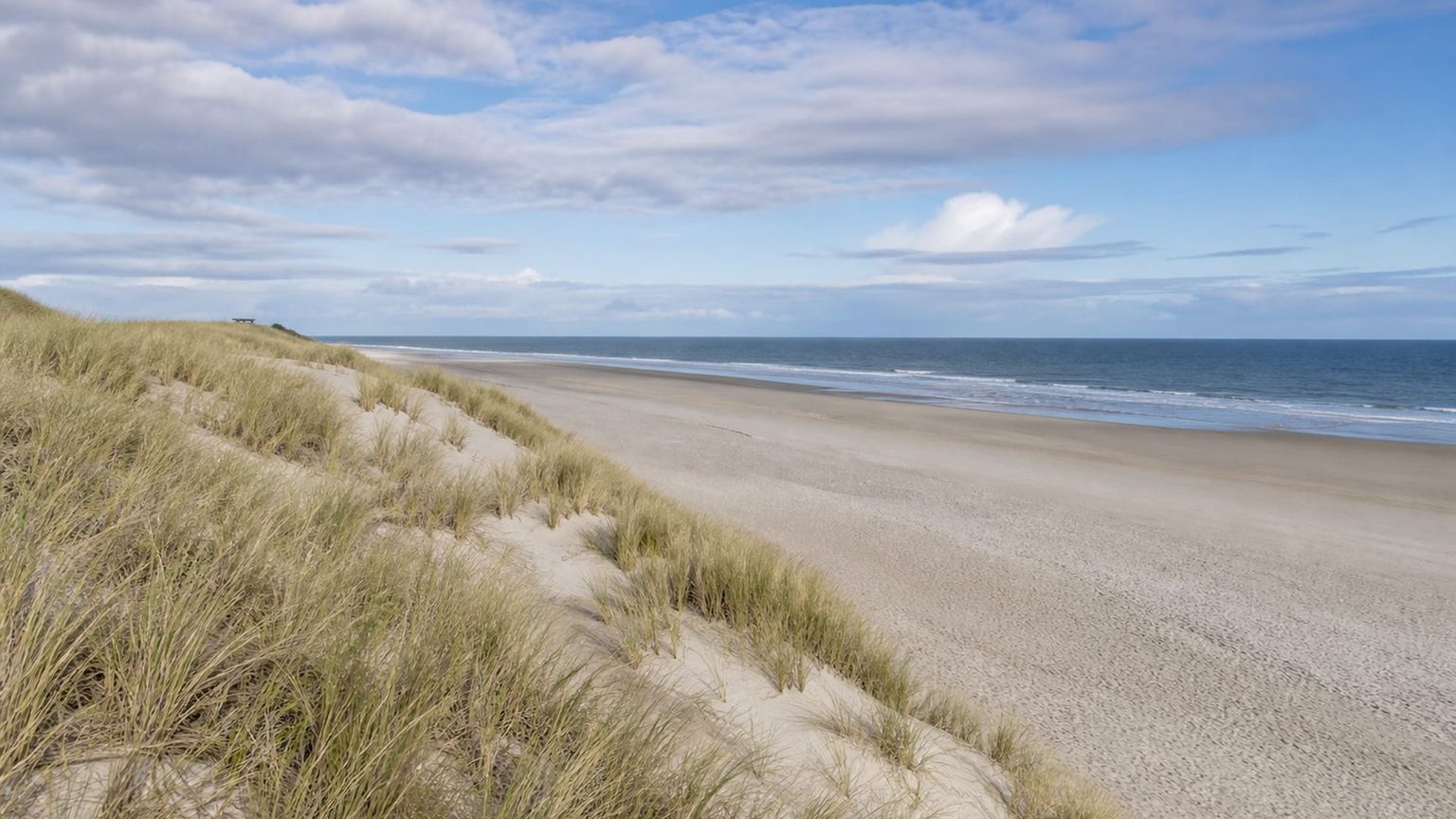
Wenningstedt-Braderup works well for a slower beach day, so begin there with dune paths and a long walk by the water, about 10 to 20 minutes on foot from most stays. After lunch, ride back to Westerland center in about 10 to 15 minutes by bus and revisit Sylt Aquarium if you skipped it earlier, or pair it with another promenade walk if you already went. End with a relaxed dinner near the station, where you can keep the evening close to your room.
A final morning in Westerland fits a short, low-key circuit, starting with one last visit to St. Niels Church if you want a brief local-history stop before you pack. Then spend time in the center for shopping, browsing the pedestrian streets near the station, and pause for coffee in Westerland center before heading to the airport. If your flight leaves later in the day, a final walk on the promenade gives you one more look at the beach without stretching the schedule.
Business-class flights from the US to Westerland
Reaching Westerland usually means a one-stop itinerary, and the best choices differ mainly by departure city and layover length. The examples below show how carriers and hubs shape the trip from the East Coast and the West Coast.
From New York, Air France, KLM, Lufthansa, Scandinavian Airlines, British Airways, and Turkish Airlines all appear on common itineraries. Round-trip fares often start at $2,400 and can reach about $5,500; if you do not mind a layover, common routings via CDG, AMS, or FRA take 11 to 15 hours and often reduce the cost.
From Los Angeles, round-trip fares usually run $2,500 to $5,800, with one-stop itineraries via CDG, AMS, or FRA often sitting near the lower end of that range. Air France, KLM, Lufthansa, Scandinavian Airlines, British Airways, and Turkish Airlines are the main carriers people see on those trips.
Westerland feels different when you slow down
A well-paced Westerland trip centers on a few concrete moves, a stay near the station or promenade, a bus ride to Rantum Basin, and an evening back in the center for dinner near the beach. That mix keeps the island readable without filling the day with transfers. If you want help shaping the right stay and route, contact the AranGrant experts for a Westerland plan built around your dates and preferred side of the island