

Chapters:

Need help with your trip?
Our support team is available 24/7. Request a callback or call us directly at (833) 619-0908
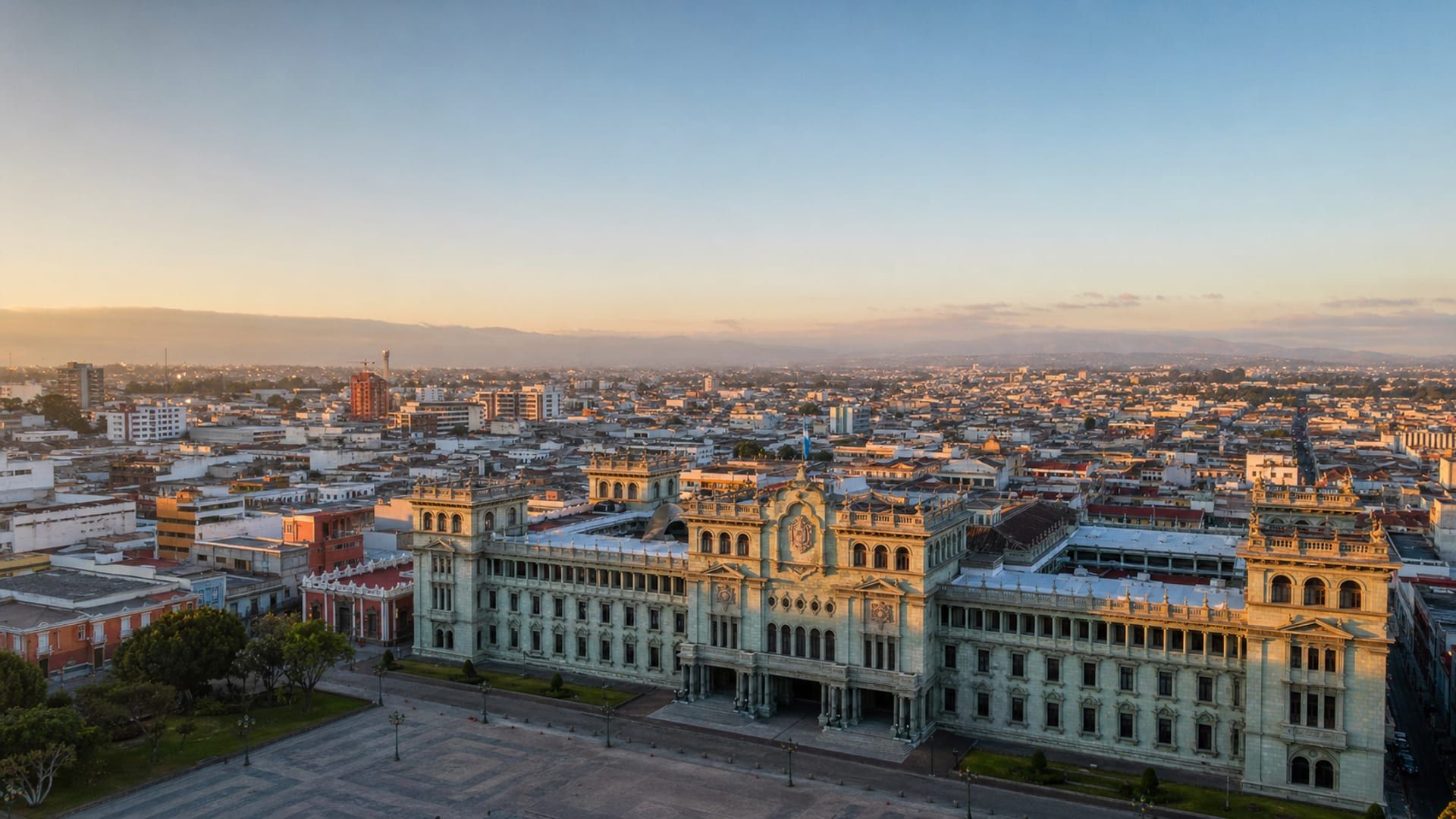
Guatemala City trips often start and end with the airport, a hotel in Zona 10, and one quick sweep through the Historic Center. Travelers who keep to that script usually see the palace and cathedral, then miss how the city changes block by block.
That approach leaves little time for Kaminaljuyu, Zona 4, or a second look at the plaza when the midday crowds thin out. It also adds avoidable backtracking, since the main sights sit across different zones and traffic can shape every move.
This guide sets a slower order: where to sleep, how to move, what to eat, and how to space the landmarks so each day has a clear purpose.
Useful things to know

Main language(s): Spanish
Hola (OH-lah) – Hello
Por favor (por fah-VOR) – Please
Gracias (GRAH-see-ahs) – Thank you
¿Habla inglés? (AH-bla een-GLAYS) – Do you speak English?
¿Cuánto cuesta? (KWAHN-toh KWEHS-tah) – How much does it cost?

Currency: The local currency is the Guatemalan quetzal (GTQ, Q).

Cash and cards: Cards and contactless are accepted at many hotels, malls, and restaurants; carry about Q200 to Q400 ($26 to $52) in cash.

Tipping: Round up small bills; leave about 10% at nicer restaurants if service is not included.

Traditional food: Pepián, kak’ik, jocón, chiles rellenos

Water and coffee costs: Water about Q10 to Q15 ($1.30 to $2), bar espresso about Q18 to Q28 ($2.35 to $3.65).

Taxis and ride apps: Uber and inDrive operate here; confirm the plate before entering.

Plug and voltage: Type A/B socket, 120V

Dining and shop opening hours: Breakfast is about 07:00-09:00, lunch 12:00-14:00, and dinner 19:00-21:00. Many restaurants close early on Sunday.

Emergency number: 911 for police, fire, and ambulance.
Where to stay in Guatemala City
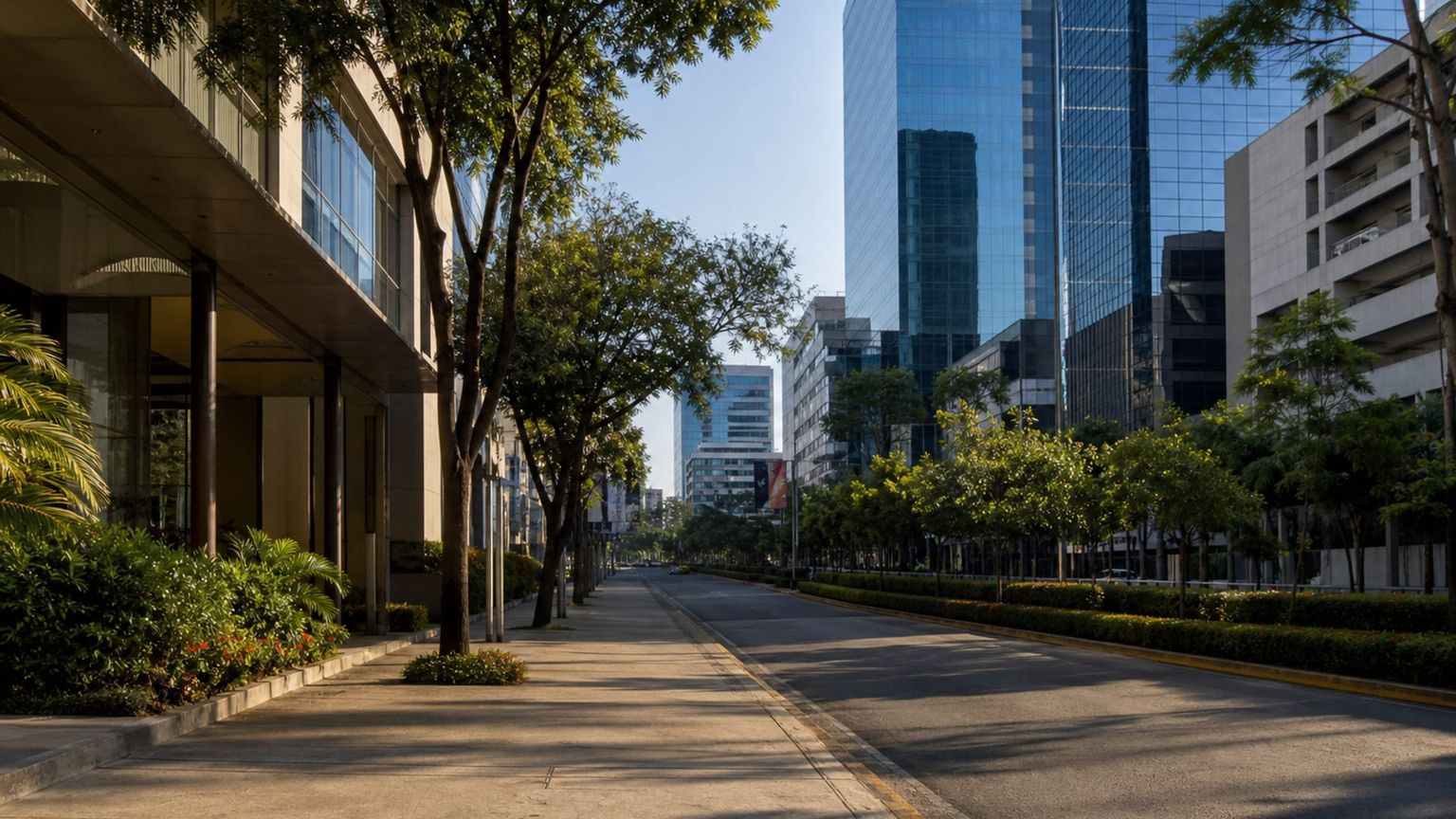
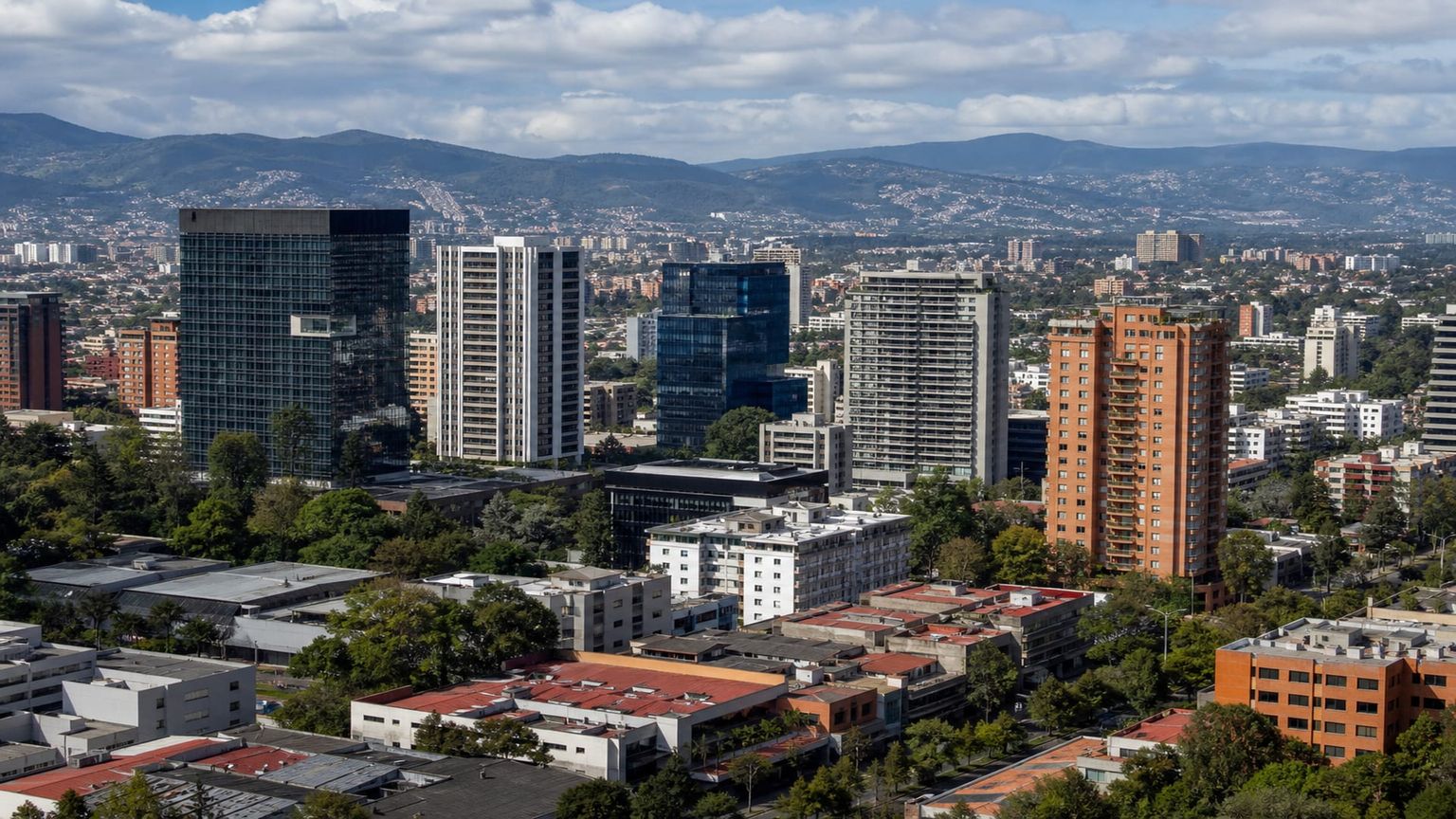
Guatemala City’s main hotel district, with large business hotels, restaurants, and shopping centers along busy avenues. It puts you close to the airport and many dining options, which matters if you want an easy base between meetings, meals, and short city outings.
Best for: Business trips, upscale hotels, dining, and easy airport access
What to expect: Busy avenues, late-night restaurants, and a steady stream of hotel guests and office traffic.
Hotel prices: Usually about $90 to $220 per night for well-rated stays
Distance to major sights: About 15 to 25 minutes by car to the Historic Center, and about 10 to 15 minutes to Guatemala City (GUA)
Quietness: Quieter in hotel courtyards during the day, livelier and noisier near restaurants and bars after dark.
Main trade-off: You pay more here than in older districts, and the neighborhood is less convenient if you plan to spend most of your time in the Historic Center.
Good to know: Taxis and ride-hailing are the easiest way to move after dark, since walking between blocks can feel exposed on some streets.
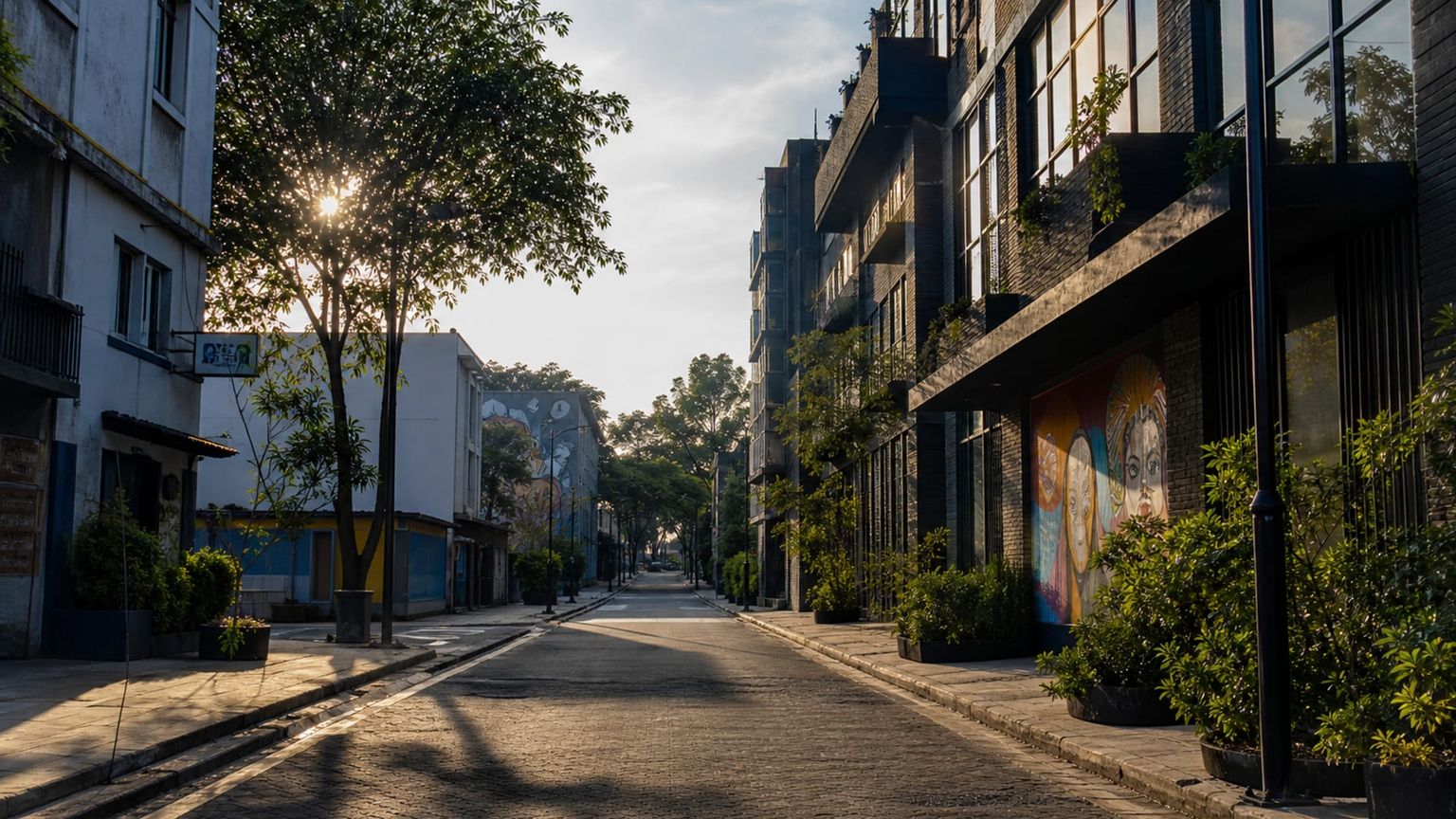
An arts-and-dining district with converted warehouses, coffee bars, and compact blocks that attract visitors who want a more contemporary city stay. It matters because it gives you an urban base with restaurants and nightlife without committing to the heavier traffic of the hotel core.
Best for: Dining, nightlife, coffee culture, and travelers who like a walkable urban base
What to expect: Creative businesses, restaurant patios, and a younger crowd around the main corridors.
Hotel prices: Usually about $70 to $170 per night for well-rated stays
Distance to major sights: About 10 to 20 minutes by car to the Historic Center, and about 15 to 20 minutes to Guatemala City (GUA)
Quietness: Active through the day and into the evening, with more foot traffic and music near the busiest blocks at night.
Main trade-off: The area is compact and lively, but hotel choice is narrower than in Zona 10 and some streets empty out quickly after midnight.
Good to know: Look closely at the exact block, because one side of the district sits beside busy traffic while another is better for evening walks.
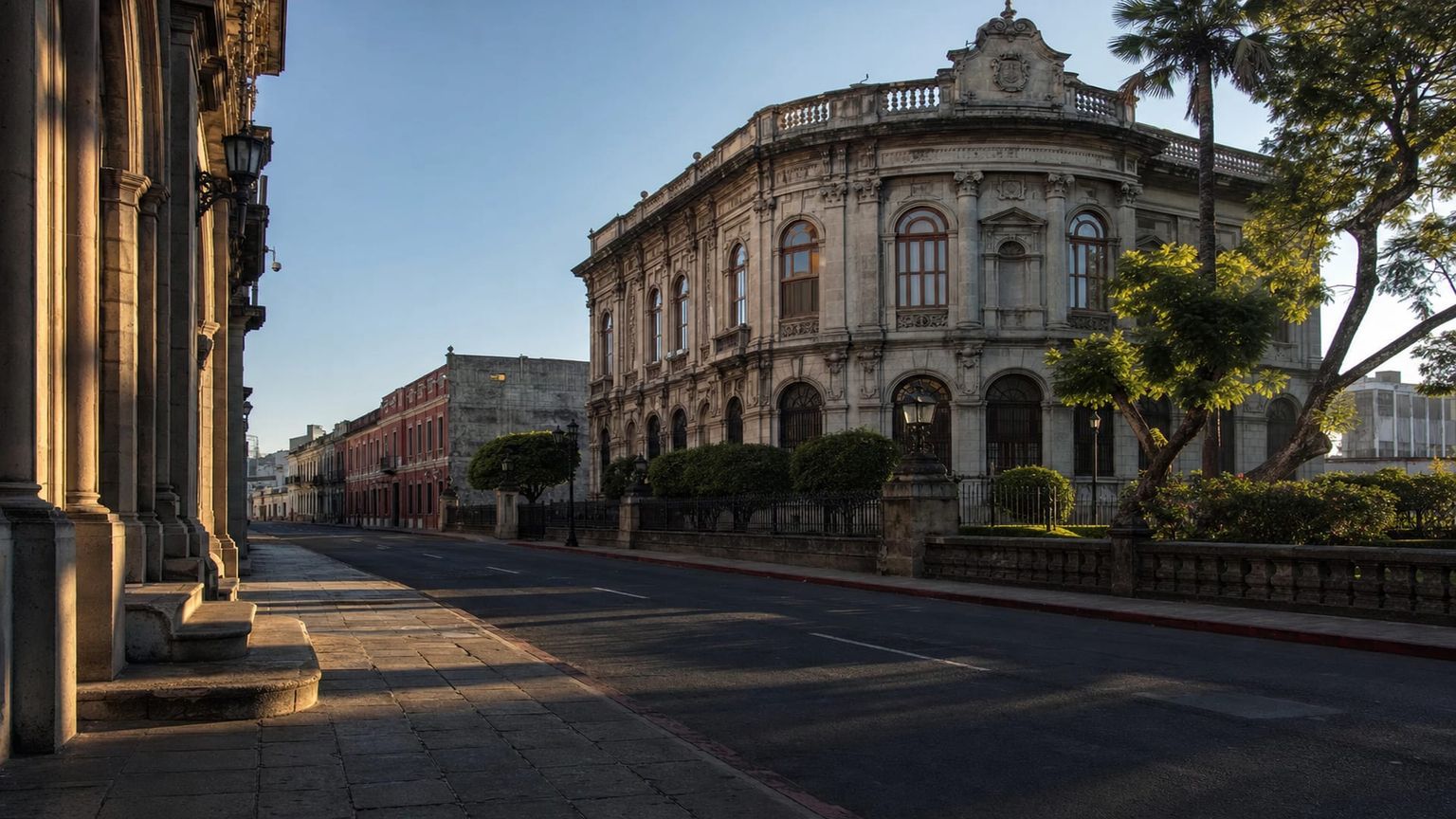
The old core of Guatemala City, home to the National Palace, cathedral, plazas, and museums tied to the country’s political and cultural history. It matters if you want to stay near the city’s main landmarks and spend your time on foot between sights.
Best for: Monuments, museums, architecture, and short sightseeing days
What to expect: Government buildings, plaza activity, street vendors, and a daytime crowd that thins out at night.
Hotel prices: Usually about $40 to $110 per night for well-rated stays
Distance to major sights: On foot to the National Palace, Cathedral of Guatemala City, and Plaza de la Constitución
Quietness: Busy and animated in the daytime, then notably quieter after offices close and visitors leave.
Main trade-off: You gain the shortest walk to the main sights, but evenings can feel limited because dining and nightlife options are thinner than in Zona 10 or Zona 4.
Good to know: Plan dinner before heading back, since many blocks do not have much open late and some streets are best avoided once the offices empty.
Travelers usually avoid staying in Zona 18, Zone 3, and parts of Zone 21, because they sit far from the main sights in Zones 1, 4, and 10 and offer fewer visitor-oriented hotels, restaurants, and evening transit options. Zone 12 near the airport is also less convenient for city sightseeing, since it works better for short airport stops than for walking to museums, markets, or historic areas.
Hotel deals
How to get around Guatemala City efficiently
Guatemala City relies on taxis, ride-hailing, Transmetro, Transurbano, and limited walking, so the key is matching each corridor to the right mode.

Metro
for longer distances
Guatemala City has no metro. The closest fixed-guideway option is the Transmetro bus network, which uses dedicated lanes on some corridors and connects major points such as Centra Sur, the historic center, and zones on the city’s north side. Fares are typically about $0.13 (Q1) per ride, paid with a rechargeable card on the main lines.

Bus and tram
for convenience
Transmetro and Transurbano cover the main corridors, with trunk routes linking the airport area, the center, and outer zones, while regular city buses reach many neighborhoods but can be crowded and slow. Use the main stations and pay on board or at the station, depending on the line; fares are usually about $0.13 to $0.65 (Q1 to Q5), and transfers are limited, so plan each leg separately.

Taxi
for convenience or late hours
Licensed taxis in Guatemala City usually charge set fares from the airport or via dispatch, while street hails are less predictable. Expect roughly $7 to $12 (Q55 to Q95) from La Aurora Airport to central zones, with longer cross-city trips often about $10 to $20 (Q80 to Q160); confirm the price before departure, and carry cash, since many cabs do not accept cards.
*Prices are based on rates updated as of June 2026 and may change at the time of travel.
Use Transmetro for cheap trunk routes, taxis or ride-hailing for cross-zone hops and evening returns, and walking when you stay within the Historic Center or around compact stretches of Zona 4.
Iconic landmarks
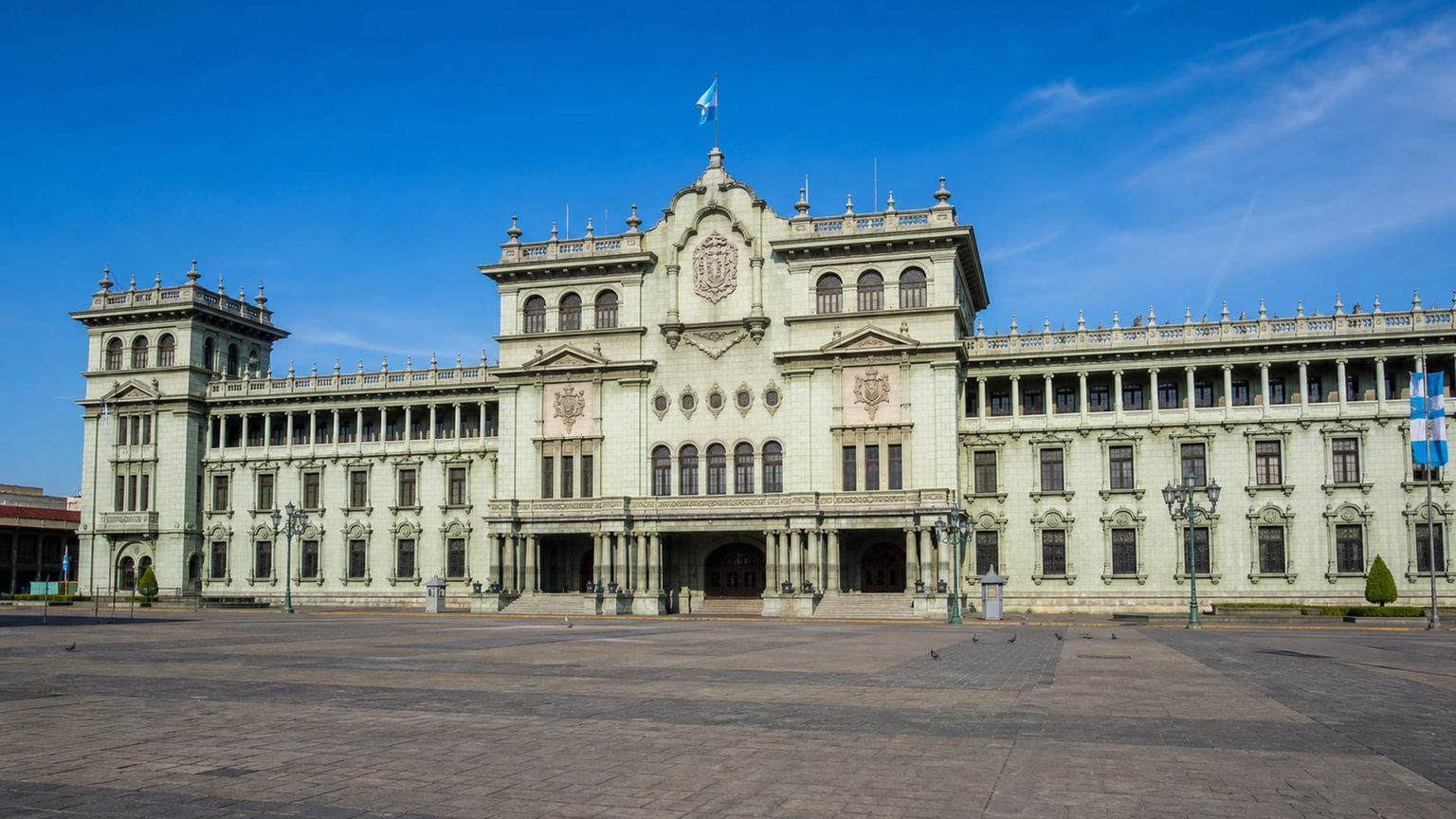
National Palace of Culture
Guatemala City’s former presidential palace anchors the historic center with mural-lined halls, ceremonial rooms, and a rooftop view over Plaza de la Constitución. The building also houses exhibits on national history and civic life.
Time needed: About 1 to 2 hours
Entry: Guided visits and museum access usually cost about $4 to $6 (Q30 to Q45), with some public areas free when open on event days. Visit the official site for details.
Tip: Go in the morning for cooler corridors and clearer rooftop views.
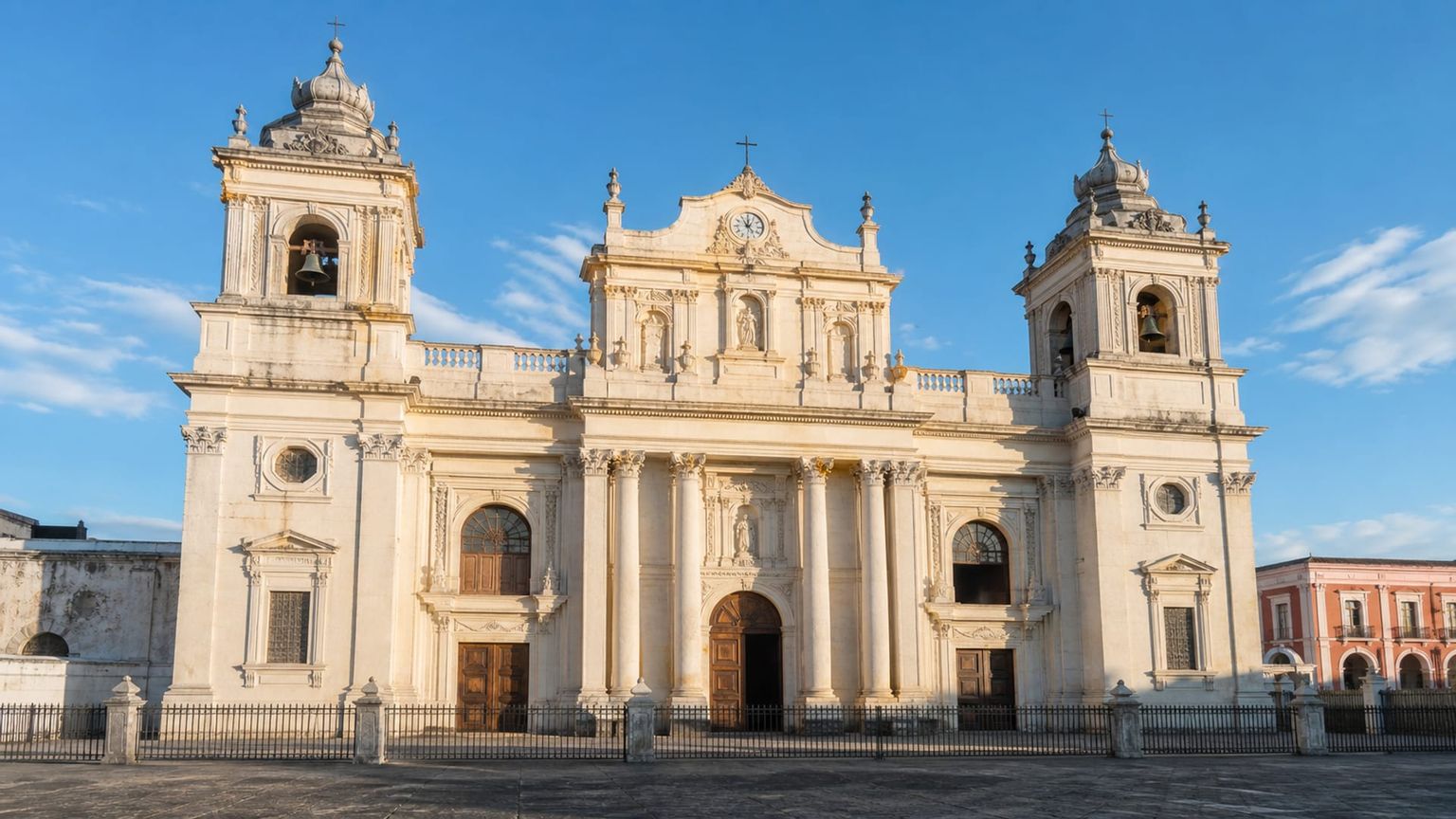
Metropolitan Cathedral of Santiago de Guatemala
Facing the main square, the cathedral pairs a Neoclassical facade with a columned interior, carved altars, and paintings that reflect the city’s long colonial history. Its location makes it a natural stop while walking the old center.
Time needed: About 30 to 45 minutes
Entry: Entry is free, though donations are welcome; tower access or special areas may charge a small fee on select days.
Tip: Visit midmorning, when the square is quieter and the interior is easier to see.
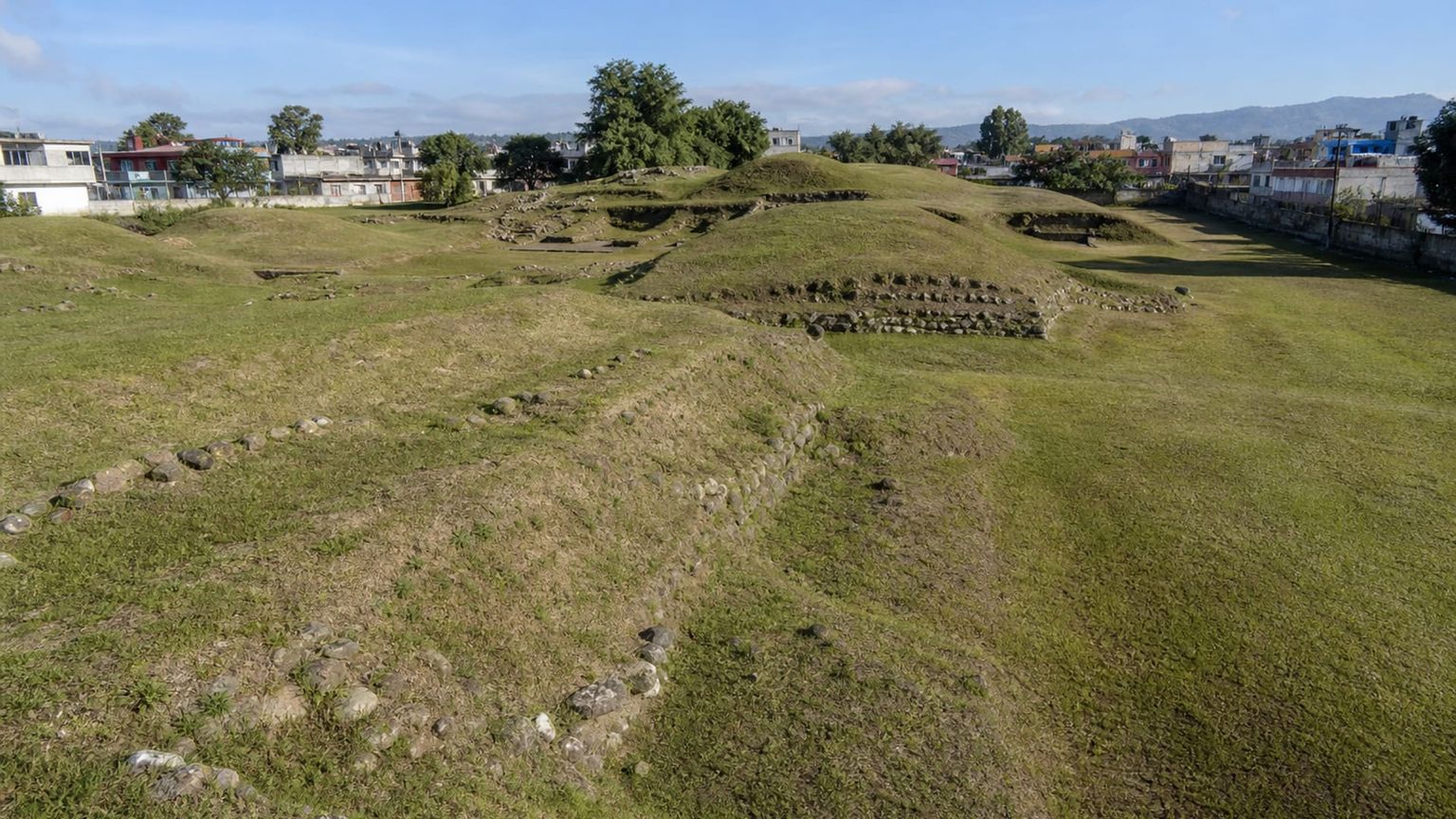
Kaminaljuyu Archaeological Park
This protected Maya site preserves mounds, plazas, and stelae on the western edge of the city, where Guatemala City grew over an ancient settlement. A small on-site museum explains the site’s long occupation and finds from the excavation.
Time needed: About 1 to 2 hours
Entry: Admission is usually free or costs about $2 to $3 (Q15 to Q25), depending on the museum area and current access rules. Visit the official site for details.
Tip: Wear walking shoes, the ground is uneven and shade is limited midday.
Overlooked sites worth visiting

Kaminaljuyu Archaeological Park
Scattered Maya mounds and stelae mark one of the city’s oldest sites, set beside tree cover and quiet paths. It suits a short, unhurried visit away from Guatemala City traffic.
Time needed: About 1 to 2 hours
Entry: Free to access; the site is open-air and unguided, with no standard admission charge. Bring small cash if you plan to hire a local guide, since guide fees are set on site and vary by visit length.
Tip: Go in the morning for cooler paths and softer light.

Museo Nacional de Arqueología y Etnología
This compact museum shows Maya sculpture, ceramics, textiles, and masks in a clear sequence that pairs well with a short city stop. The rooms are manageable, so you can focus on a few standout pieces.
Time needed: About 1 to 2 hours
Entry: General admission usually costs about $2 to $5 (about Q16 to Q39), depending on visitor category and any temporary exhibit policy. Check the current counter rate before you go, because prices can change without notice. Visit the official site for details.
Tip: Visit midday, when the galleries are quietest.
Traditional food
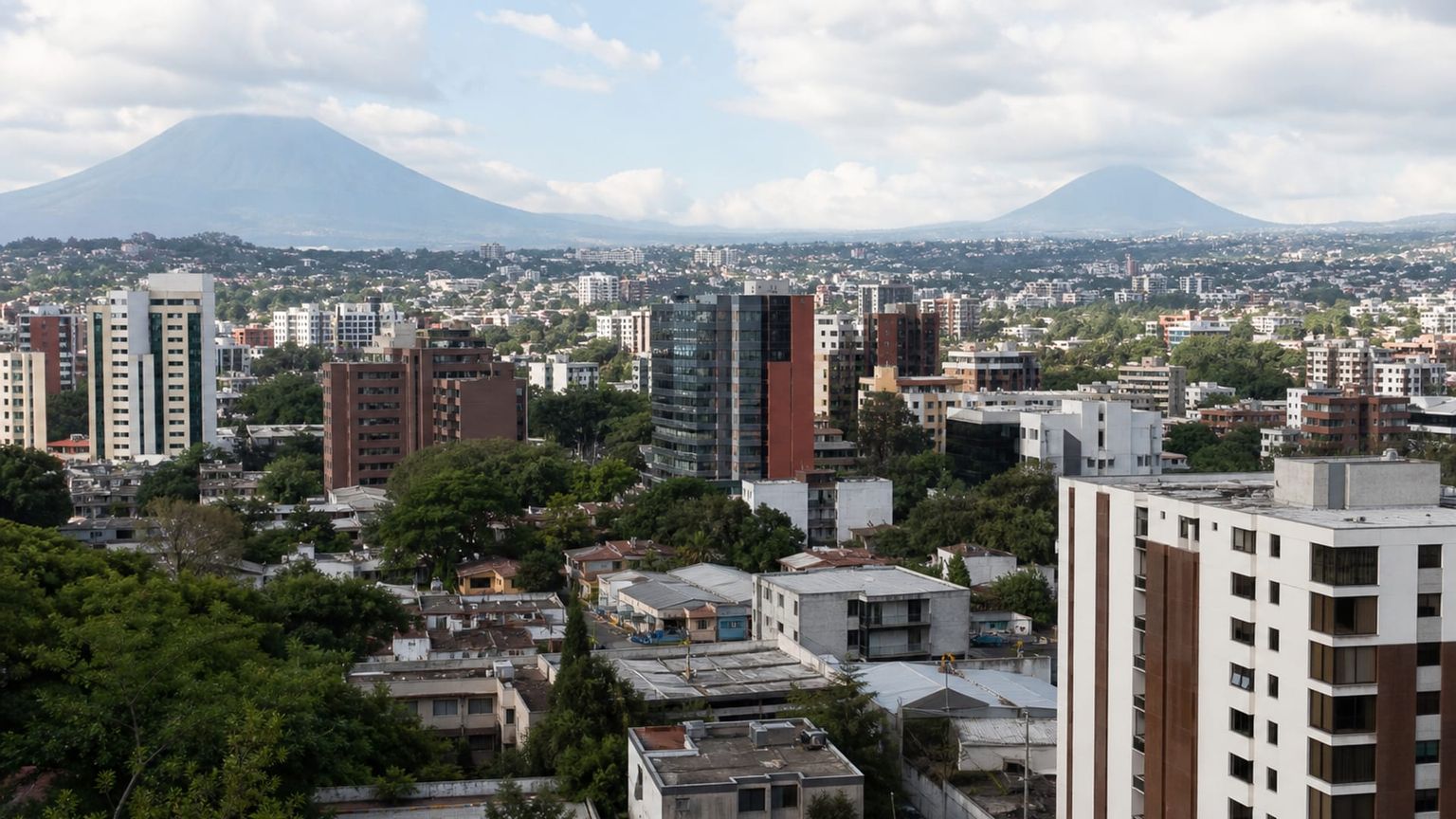
Guatemala City’s table leans on corn, chilies, herbs, and slow-cooked sauces, with pepián, kak’ik, jocón, and chiles rellenos showing the city’s range from earthy to bright. Lunch and early dinner fit the local pace best.
Pepián
This thick, toasted-seed stew is one of Guatemala’s best-known plates, with deep spice and a savory sauce that usually comes with rice or tortillas. In Guatemala City, Cafecito serves a well-regarded version that fits a first-meal stop in the center.
Kak'ik
A red turkey soup built with chili and herbs, kak’ik brings heat without losing clarity in the broth. At Restaurante Portal del Angel, you can pair it with a sit-down meal that matches the dish’s traditional style.
Jocón
Jocón combines tomatillo, cilantro, and chicken into a green sauce that tastes sharp and herbal. La Esquina is a strong place to order it if you want a classic Guatemalan lunch in the city.
Chiles rellenos
These stuffed peppers usually arrive with a tomato sauce and a rich, savory filling, making them a common restaurant choice rather than a special-occasion plate only. At Flor de Lis, the dish fits neatly into a more formal meal in Guatemala City.
Best time to visit Guatemala City
Guatemala City runs warm most of the year, but the dry season brings clearer mornings for walking the Historic Center and Kaminaljuyu, while the rainy months favor shorter outdoor plans and longer museum stops.
Best for: Dry days and the clearest sightseeing conditions
What you get: About 54 to 78°F (12 to 26°C), with lighter rain and more visitors in the main zones
Trade-offs: Evenings can feel cool, and hotels book faster around holiday travel
Best for: Long daylight and manageable museum days before peak rains
What you get: About 59 to 83°F (15 to 28°C), with rising heat and fewer weather interruptions early in the season
Trade-offs: Late spring can turn humid and bring afternoon storms
Best for: Museum-heavy itineraries and slower lunches in Zona 4 or Zona 10
What you get: About 57 to 77°F (14 to 25°C), with frequent rain and fewer full-day outdoor windows
Trade-offs: Showers can complicate cross-town transfers and outdoor sites
Best for: Quieter sightseeing once the heaviest rains begin to ease
What you get: About 55 to 76°F (13 to 24°C), with gradually improving conditions and lighter crowds late in the season
Trade-offs: September and October still bring wet afternoons and occasional traffic delays
A realistic 5-day plan in Guatemala City
A five-day stay in Guatemala City works best when you separate the center, the western archaeological zone, and the newer dining districts instead of stitching everything into one long circuit. That gives each area enough time to justify the drive.
Land at Guatemala City (GUA), then take a taxi or ride-hailing car to Zona 10, which usually takes about 10 to 15 minutes and costs roughly $8 to $15. If your hotel sits in the Historic Center, expect about 15 to 25 minutes and roughly $10 to $18 instead. Check in, drink some water, and keep dinner close, ideally at a restaurant in Zona 10 where you can settle in without adding much transit after the flight.
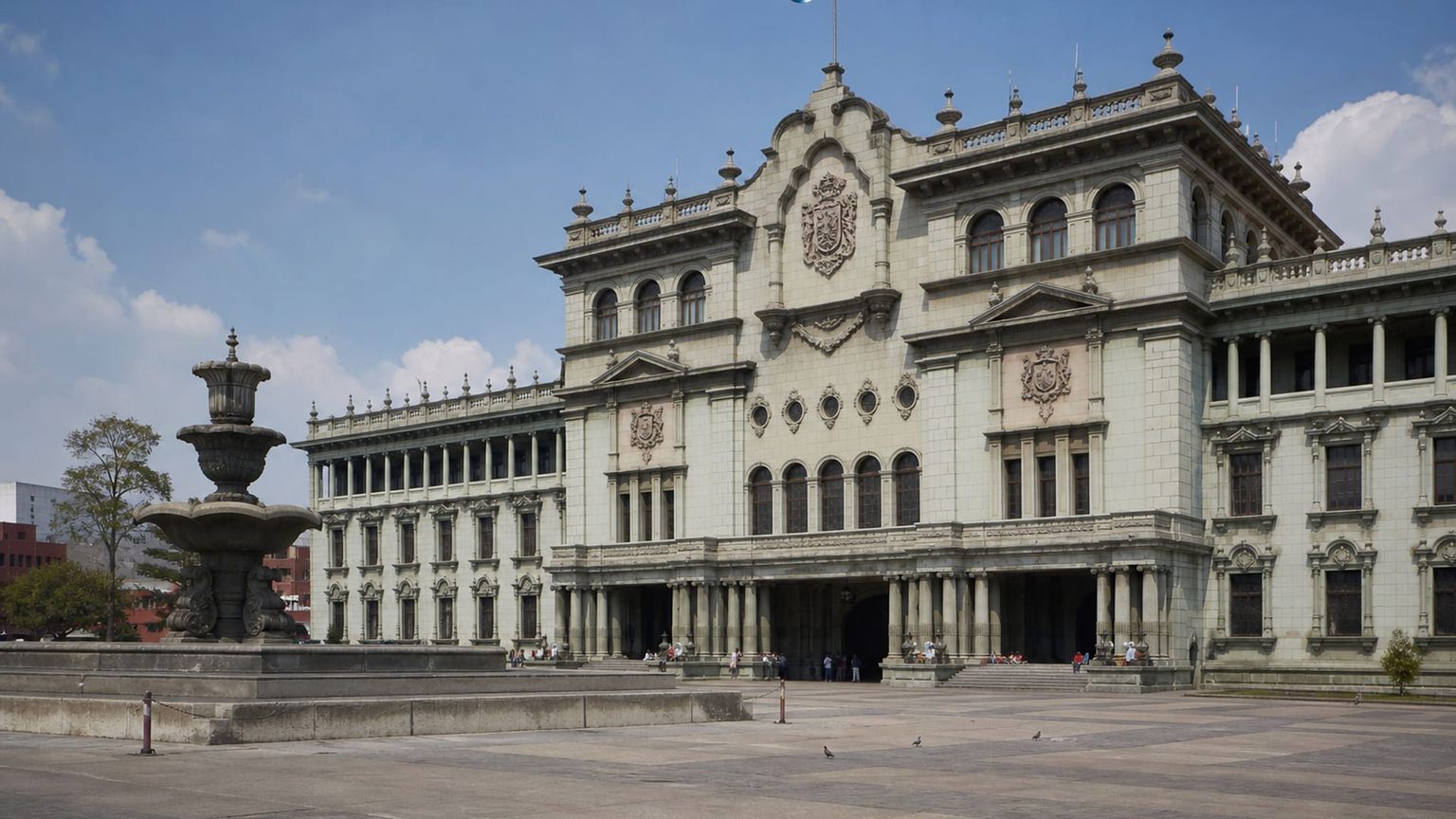
Start in the Historic Center with the National Palace of Culture, then walk about 5 minutes to the Metropolitan Cathedral of Santiago de Guatemala on Plaza de la Constitución. From there, it is an easy 10-minute walk to the Museo Nacional de Arqueología y Etnología, where you can spend about 1 to 2 hours with Maya sculpture, ceramics, and textiles. Return to the plaza area for a late lunch, then end the afternoon with a slower look at the square before heading back to your hotel by taxi or ride-hailing.
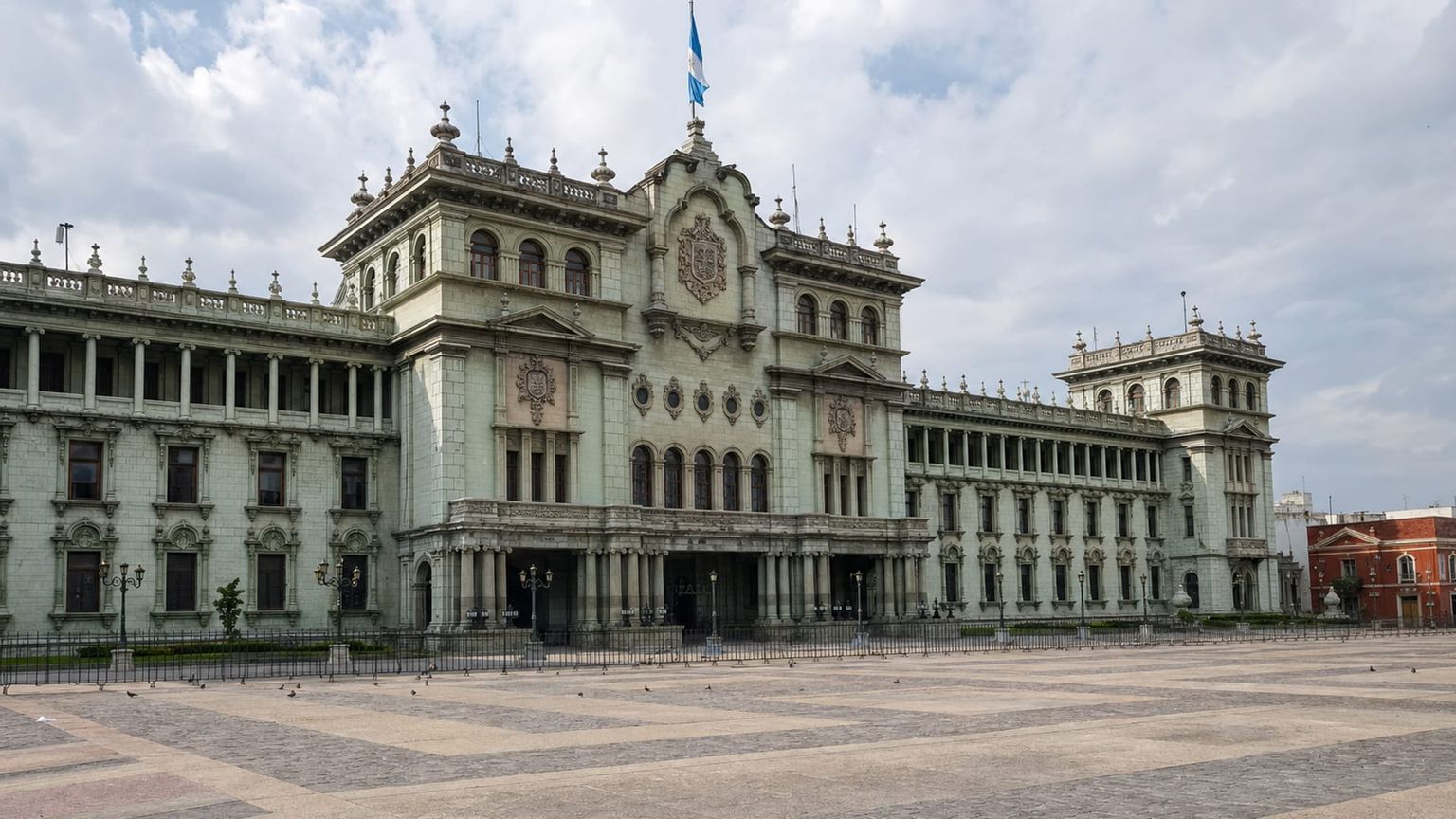
Begin in Kaminaljuyu Archaeological Park, preferably in the morning, when the paths are cooler and the site is quieter. Plan about 1 to 2 hours for the mounds and small museum, then take a taxi or ride-hailing car back toward the city center, about 20 to 30 minutes depending on traffic. In the afternoon, return to the Historic Center for another pass through the National Palace of Culture if you want more time there, or keep the rest of the day low-key with an early dinner in Zona 4 or Zona 10.
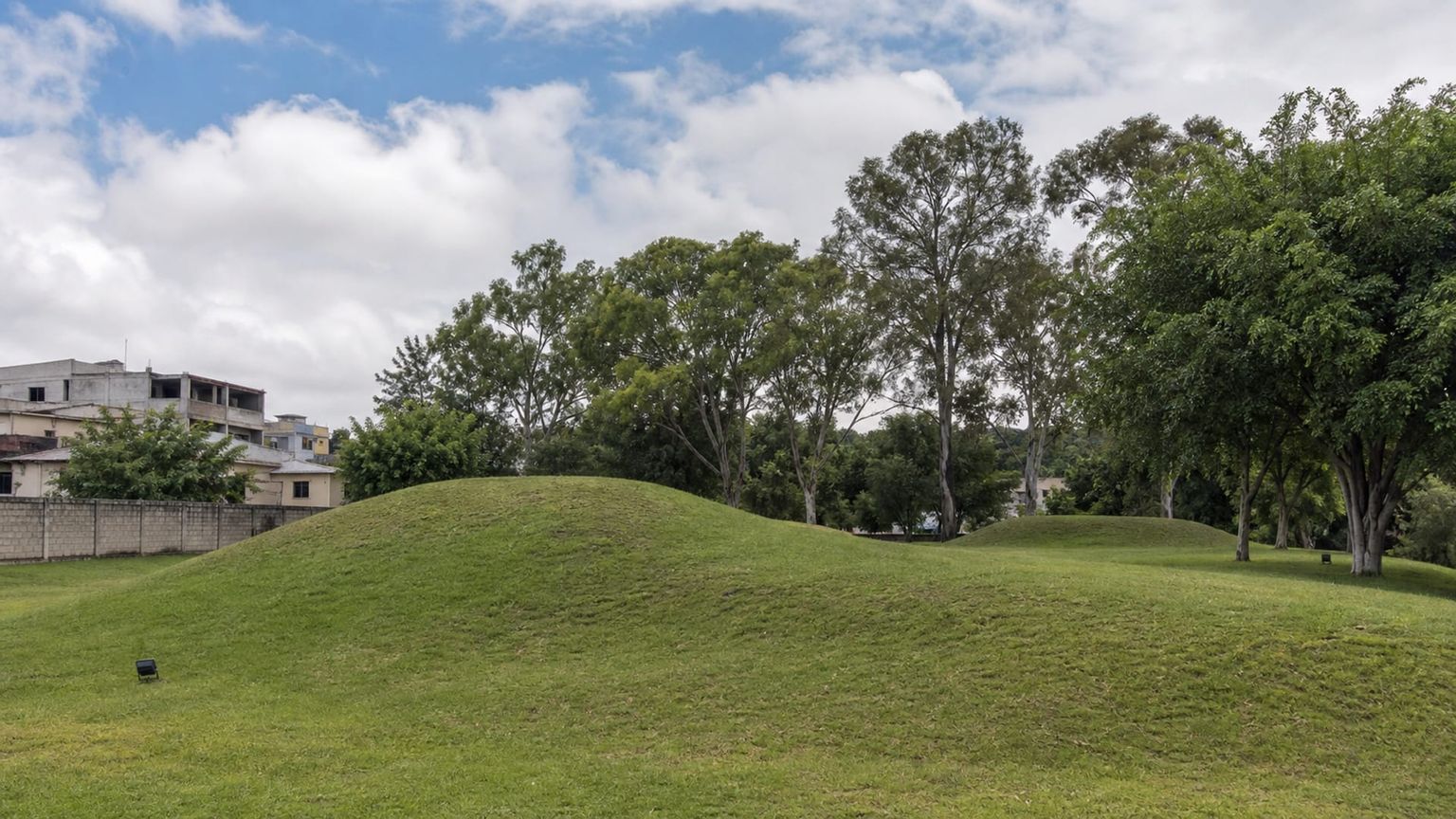
For a change of pace, head first to Zona 4 for coffee and lunch, then move by taxi or ride-hailing to Museo Nacional de Arqueología y Etnología if you want a second, more focused museum stop. From Zona 4 to the museum area, allow about 15 to 25 minutes by car. Finish the day back in Zona 4 for dinner, where the compact blocks make it easy to choose a patio table and stay out a little later than in the Historic Center.
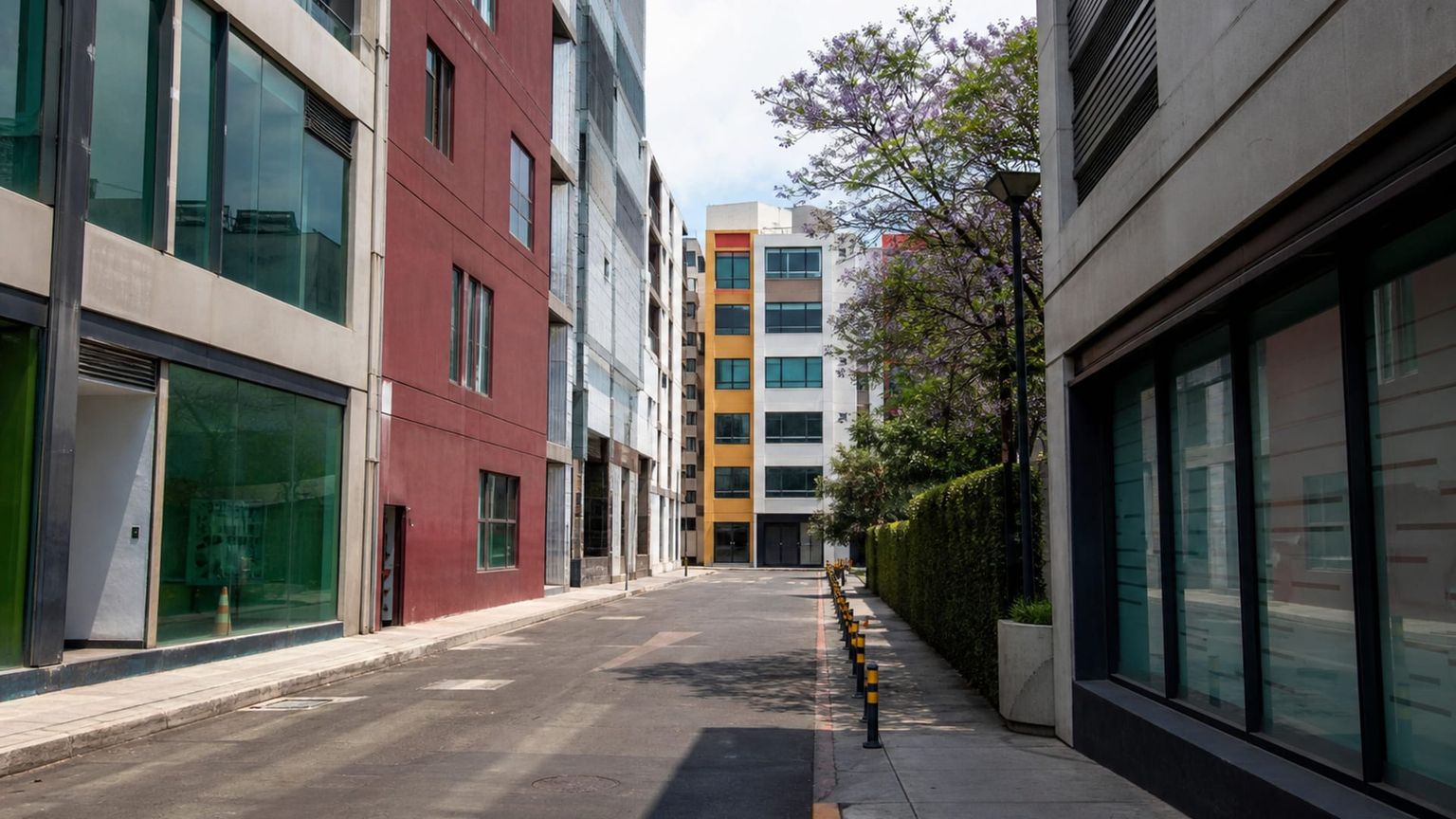
Spend your last day in Guatemala City on a lighter circuit: a final morning stop at the Metropolitan Cathedral of Santiago de Guatemala, then a short walk across the plaza for any last photos in the Historic Center. After that, shift to Zona 10 for shopping and an easy café break, or stay in Zona 4 if you prefer a shorter, more casual lunch and coffee stop before heading to Guatemala City (GUA).
Business-class flights from the US to Guatemala City
For long-haul arrivals, the main price differences usually show up between the East Coast and West Coast routes, with nonstop options on some departures and one-stop itineraries on others. The examples below focus on the airlines and connection patterns most travelers compare first.
From New York, American Airlines, Avianca, Delta Air Lines, Copa Airlines, and United Airlines usually offer itineraries that take about 5 to 6 hours nonstop. If you choose a connection instead, common layover hubs include MIA, PTY, SAL, IAH, and IAD, with total travel time often about 7 to 12 hours. Round-trip fares from New York to Guatemala City usually start at $1,000 and can reach $2,500.
Los Angeles travelers usually see American Airlines, Avianca, Aeromexico, Copa Airlines, Delta Air Lines, and United Airlines on the route, with nonstop travel taking about 4.5 to 5.5 hours. One-stop itineraries commonly connect through MEX, PTY, IAH, DFW, or SAL, and total journey time tends to land about 6.5 to 11 hours. Round-trip fares from Los Angeles to Guatemala City usually run $900 to $2,300.
Guatemala City feels different when you slow down
A deliberate Guatemala City trip usually means sleeping in Zona 10 or Zona 4, spending one clean day in the Historic Center, then carving out time for Kaminaljuyu instead of forcing every sight into a single outing. Taxis, ride-hailing, and the main bus corridors do the heavy lifting, while the cathedral, palace, and a good lunch keep the center grounded. If you want a trip that matches the city’s layout, talk with the AranGrant experts and build it from the neighborhoods outward







