

Chapters:

Need help with your trip?
Our support team is available 24/7. Request a callback or call us directly at (833) 619-0908
Göteborg trips often start with the same loop, Centralstationen, Nordstan, Haga, then one museum and one dinner. What many visitors miss is how quickly tram timing, canal crossings, and early closing hours can shape the day.
That shortcut can leave you backtracking between Avenyn, Linné, and the old core, while weekend crowds cluster around the most photographed streets and popular cafés.
This guide sets a clearer order, pairing neighborhoods with transit, meals, and opening hours so each day has a workable route instead of a loose list of stops.
Useful things to know

Main language(s): Swedish
Hej (hey) – Hello
Snälla (SNEH-la) – Please
Tack (tahk) – Thank you
Talar du engelska? (TAH-lar doo ENG-el-ska) – Do you speak English?
Hur mycket kostar det? (hoor MYK-et KOS-tar deht) – How much does it cost?

Currency: The local currency is the Swedish krona (SEK, kr).

Cash and cards: Cards and contactless are widely accepted; carry about 200 SEK ($19) in cash for small purchases.

Tipping: Round up or leave about 5-10% for good table service; taxi fares are often rounded up.

Traditional food: Herring, meatballs, shrimp sandwich, pea soup

Water and coffee costs: Water ~35 SEK ($3), bar espresso ~40 SEK ($4).

Taxis and ride apps: Uber and Bolt operate here; prebooked taxis are often more dependable late at night.

Plug and voltage: Type C/F socket, 230V

Dining and shop opening hours: Breakfast is about 07:00-09:00, lunch 11:30-13:30, and dinner 17:00-20:00. Many restaurants close on Sundays or shorten hours outside the center.

Emergency number: 112 for police, fire, and medical emergencies.
Where to stay in Göteborg
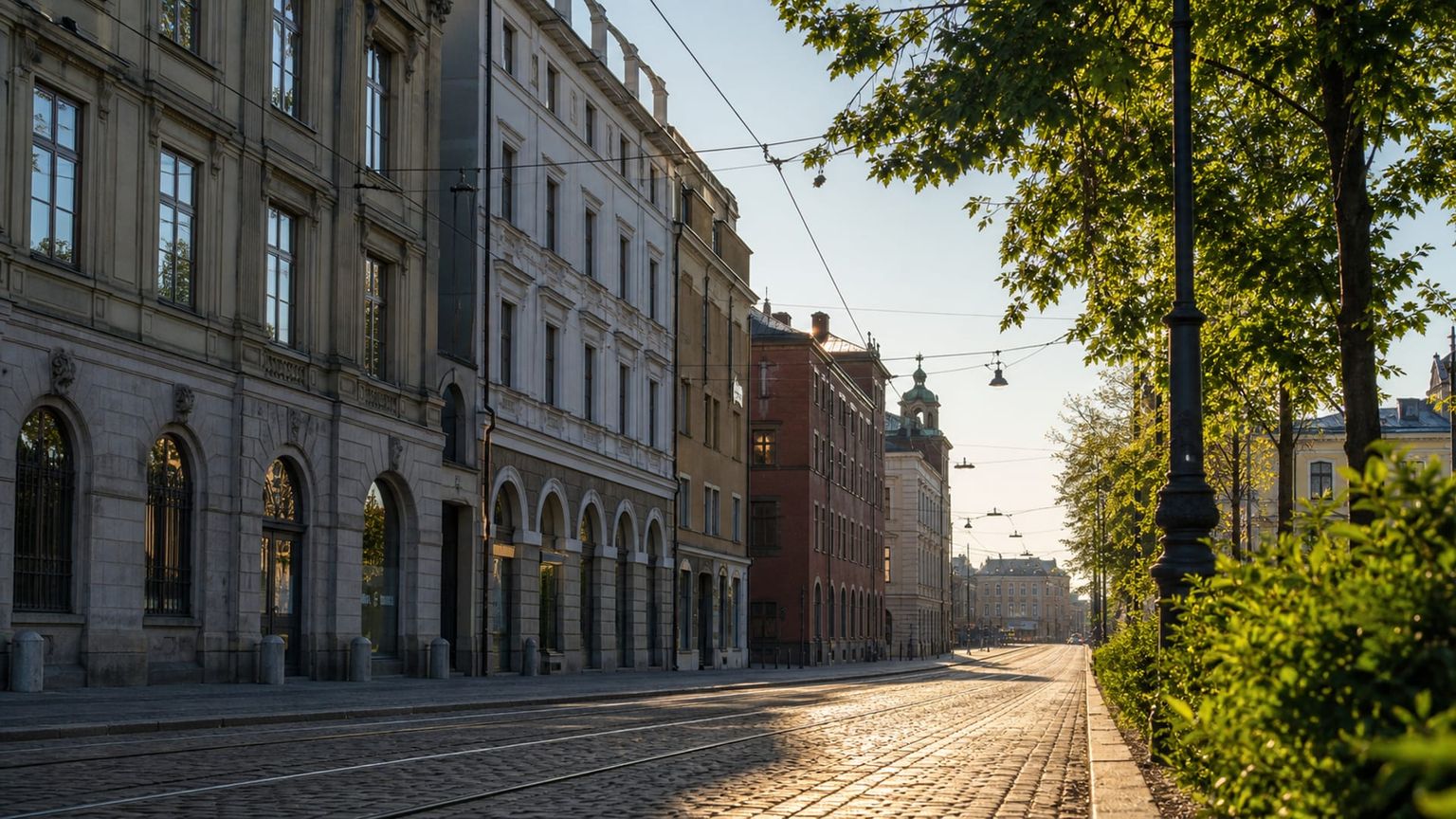
Göteborg’s central district puts you beside Centralstationen, Nordstan, and the main tram network, so arrivals and day plans stay simple. It suits visitors who want the city’s biggest concentration of shops, restaurants, museums, and ferry links within a short walk.
Best for: First-time visits, car-free stays, and travelers who want the broadest mix of dining, shopping, and transit access
What to expect: Busy sidewalks, constant tram traffic, and the most daytime footfall in the city.
Hotel prices: Usually about 1,400 kr to 2,500 kr (~$130 to ~$230) per night for well-rated stays
Distance to major sights: 5 to 15 minutes on foot to Centralstationen and Nordstan, about 10 to 20 minutes by tram to Haga and the city museum area
Quietness: Daytime is lively and busy; evenings are calmer after retail hours, though main streets still see steady movement.
Main trade-off: You pay more for central convenience, and some blocks near the station feel noisy at peak commuting times.
Good to know: Choose a room away from the main tram corridors if you are sensitive to traffic noise.
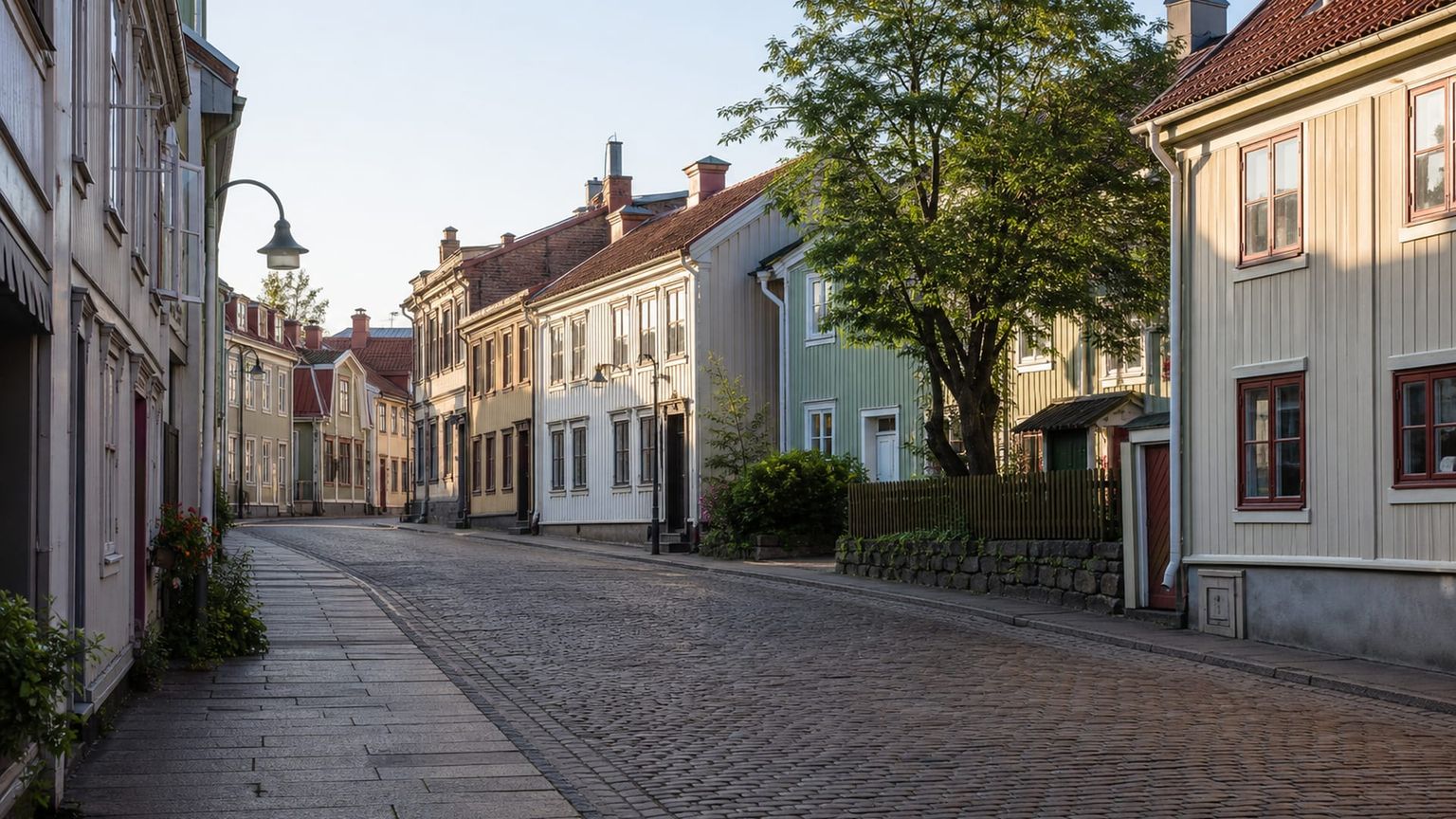
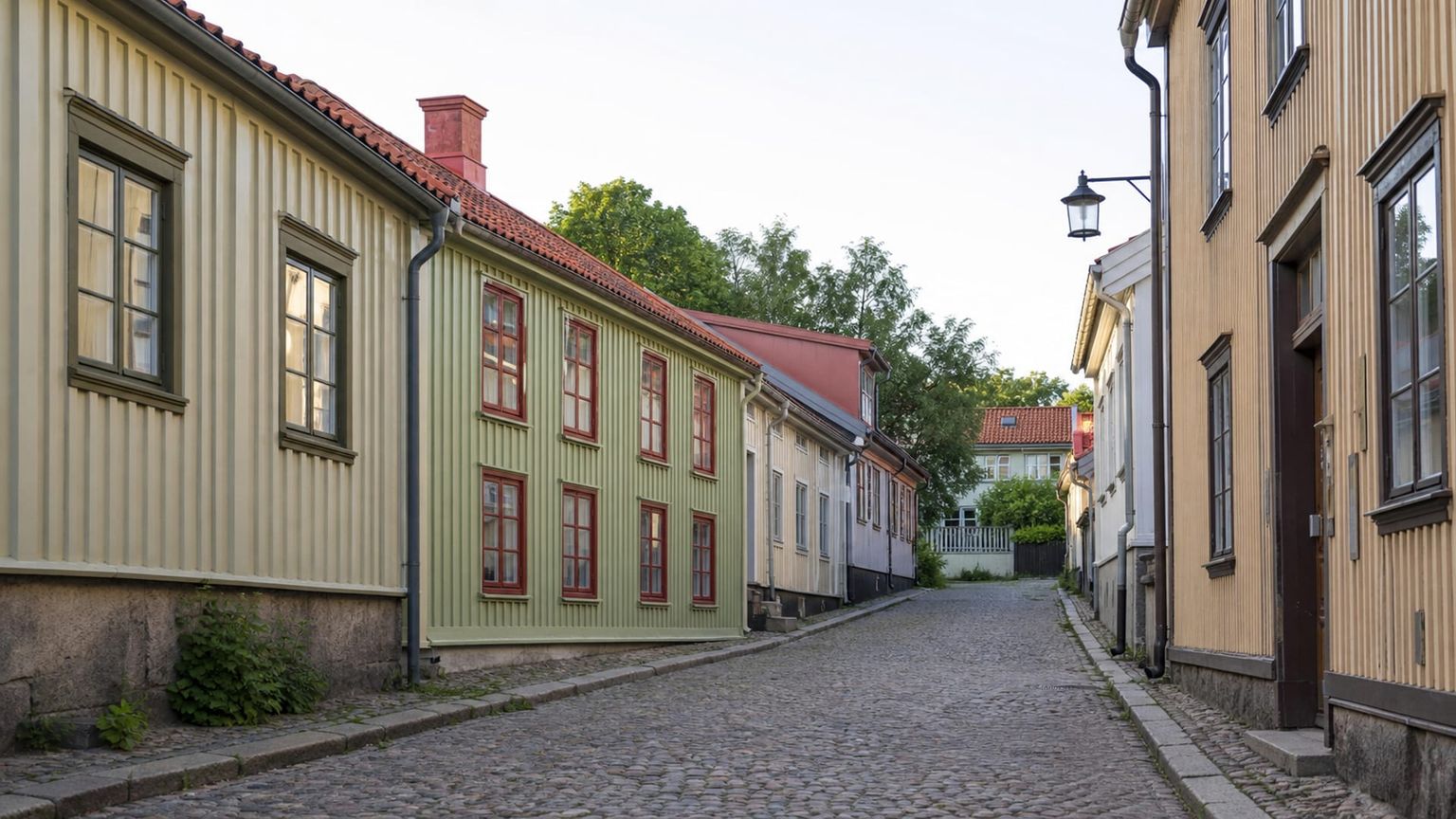
Haga is one of Göteborg’s oldest quarters, known for low-rise wooden streets, cafés, and small independent shops. It matters for a trip because it gives you a walkable base close to the old-town atmosphere, while still sitting within easy reach of downtown.
Best for: Cafe hopping, slow walking, and travelers who want a historic neighborhood close to the center
What to expect: Pedestrian-heavy streets, steady café traffic, and frequent visitors during the day.
Hotel prices: Usually about 1,500 kr to 2,800 kr (~$140 to ~$260) per night for well-rated stays
Distance to major sights: 10 to 15 minutes by tram to Centralstationen, about 15 minutes on foot to the city museum area, roughly 20 minutes on foot to Skansen Kronan
Quietness: Daytime is lively and often crowded; evenings are quieter once the cafés and shops close.
Main trade-off: The area has fewer hotel choices than Centrum, and the most charming streets can bring extra foot traffic near popular cafés.
Good to know: If you plan to sleep late, ask for a room facing an inner courtyard or a side street.
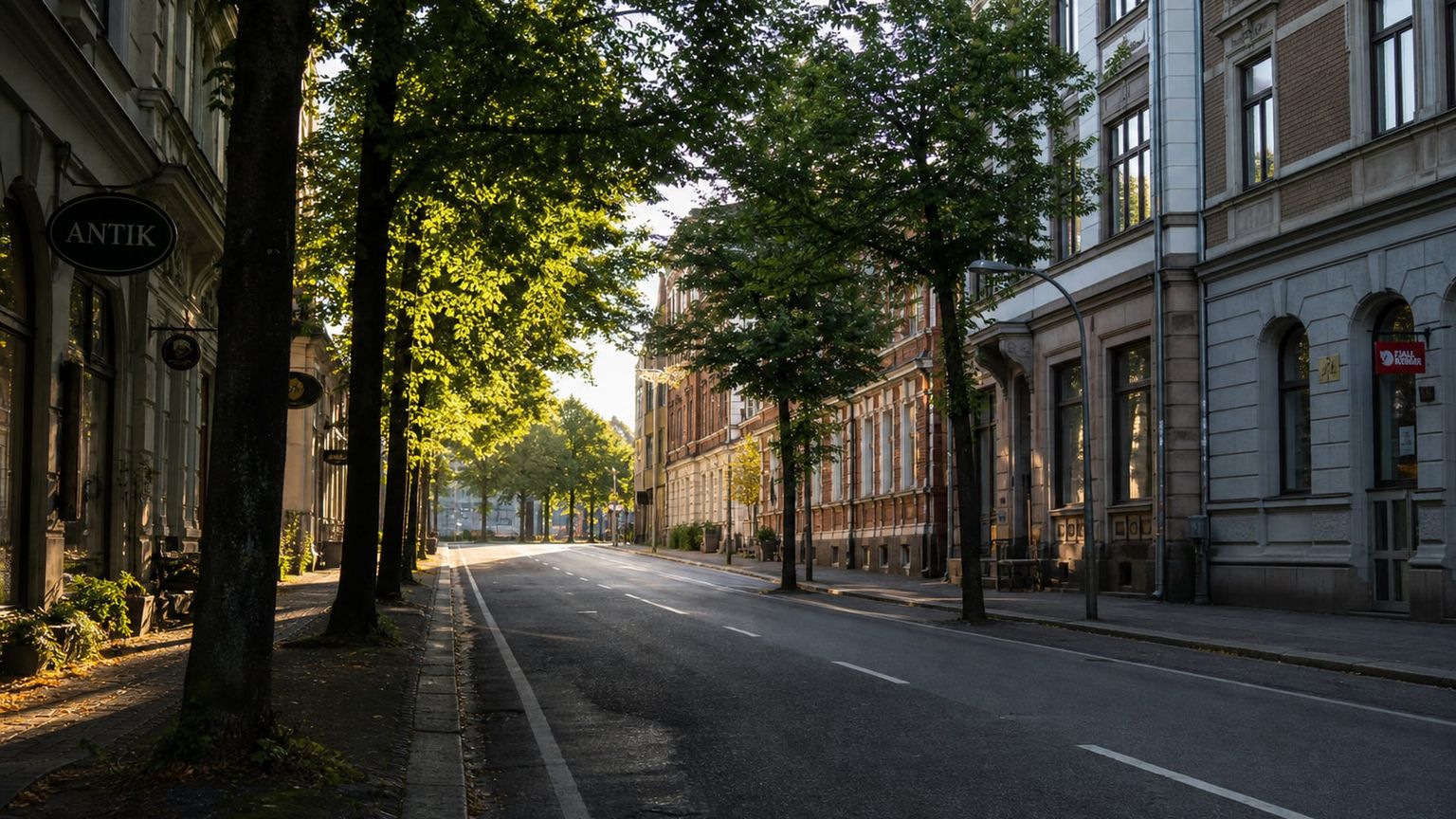
Linné sits just west of the center and combines apartment blocks, parks, bars, and a dense run of restaurants along Linnégatan. It works well for travelers who want a neighborhood with dinner options, access to Slottsskogen, and easy tram links back to downtown.
Best for: Dining, park access, evening outings, and travelers who want a neighborhood base with more local life than the center
What to expect: Active sidewalks, late restaurant tables, and a younger evening crowd near the main streets.
Hotel prices: Usually about 1,300 kr to 2,300 kr (~$120 to ~$215) per night for well-rated stays
Distance to major sights: About 10 minutes by tram to Centralstationen, roughly 5 to 15 minutes on foot to Slottsskogen, about 20 minutes by tram to Liseberg
Quietness: Daytime is busy and social; evenings stay active on restaurant streets, while quieter side streets settle down earlier.
Main trade-off: You get strong dining access, but the liveliest blocks can be noisy late, especially on weekends.
Good to know: If you are booking on a Friday or Saturday, check whether your room faces the back of the building.
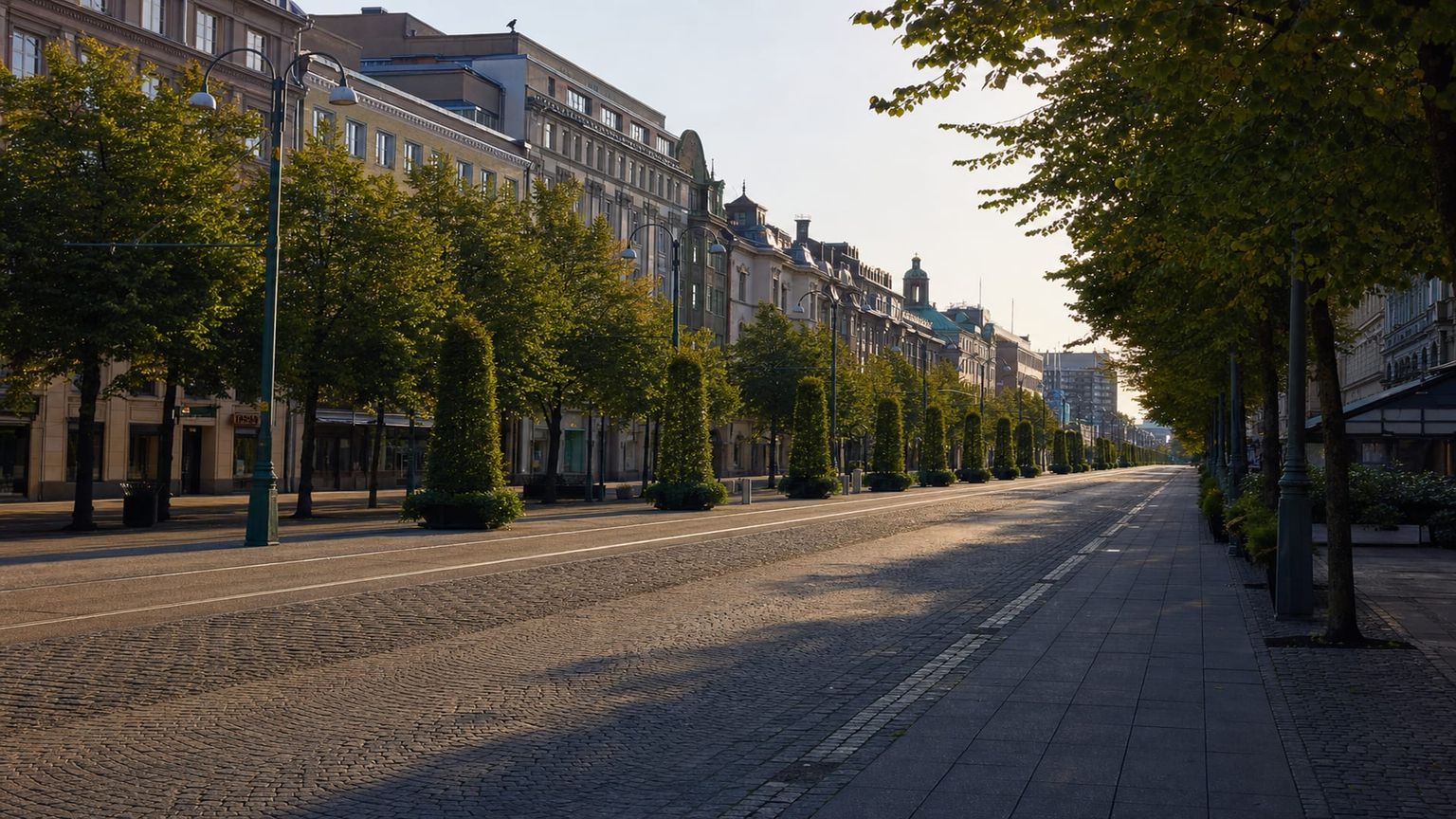
Avenyn is Göteborg’s main boulevard, lined with hotels, restaurants, bars, and several of the city’s major museums. It matters because you can walk to downtown, museum stops, and nightlife without depending on taxis for every outing.
Best for: Museums, central walking, and travelers who want an easy base for evening plans
What to expect: Heavy pedestrian traffic, many transit connections nearby, and a lively flow of visitors after dark.
Hotel prices: Usually about 1,500 kr to 3,000 kr (~$140 to ~$280) per night for well-rated stays
Distance to major sights: 10 to 20 minutes on foot to Centralstationen, about 5 to 10 minutes on foot to the Museum of Art, roughly 15 to 25 minutes on foot to Haga
Quietness: Daytime is busy with shoppers and museum visitors; evenings can be noisy near bars and late dining spots.
Main trade-off: This is one of the city’s more expensive lodging strips, and street noise can carry into upper-floor rooms.
Good to know: If you want quieter nights, look a block or two off the boulevard rather than directly on it.
Travelers usually avoid staying in Angered, Biskopsgården, and parts of Torslanda if they want easy access to the main sights, since these areas sit well outside the central canal and Avenyn districts and add extra transit time for evening plans. Areas around Göteborg Landvetter Airport and other outer suburban stretches are less convenient for a hotel base because they have fewer visitor amenities and longer, more complicated trips into the center.
Hotel deals
How to get around Göteborg efficiently
Göteborg has no metro, so trams, buses, commuter rail, and short taxi hops do most of the work between Centrum, Haga, Linné, and the museum district.

Metro
for longer distances
Göteborg has no metro, so the closest equivalent is the tram and commuter rail network that links the city center with neighborhoods such as Liseberg, Korsvägen, and the airport rail stop at Gothenburg Central. A single ticket on Västtrafik is valid for 90 minutes, with fares starting at about $3.50 (about SEK 37) for a short trip and about $11.50 (about SEK 121) for a 24-hour pass. Trams and commuter trains usually run frequently in the core, and trips from Central Station to most inner-city stops take about 5 to 20 minutes.

Bus and tram
for convenience
Tram 11 and the dense bus grid do most of the day-to-day work here, with lines fanning out from Gothenburg Central, Haga, Korsvägen, and Järntorget to residential districts, museums, and ferry links. Västtrafik tickets work on both modes and stay valid for 90 minutes, so one fare covers a transfer if you change vehicles within that window. Single rides start at about $3.50 (about SEK 37), while a 24-hour ticket costs about $11.50 (about SEK 121); ride times inside the center usually run 10 to 25 minutes, and longer cross-city trips can take about 30 to 45 minutes.

Taxi
for convenience or late hours
Licensed taxis in Göteborg use metered fares, though major companies must display a fixed-price ceiling at the rear side window, so it pays to check the posted estimate before you get in. From Gothenburg Central to the inner city, a typical ride costs about $14 to $24 (about SEK 150 to 250), while Gothenburg Landvetter Airport to the center usually lands at about $42 to $56 (about SEK 450 to 600), depending on company and traffic. You can hail a cab at ranks, book by phone or app, and pay by card or cash in most vehicles.
*Prices are based on rates updated as of June 2026 and may change at the time of travel.
Use trams for central errands and museum days, taxis for late returns or airport runs, and buses when you want a wider net across the inner districts.
Iconic landmarks
Gothenburg Museum of Art
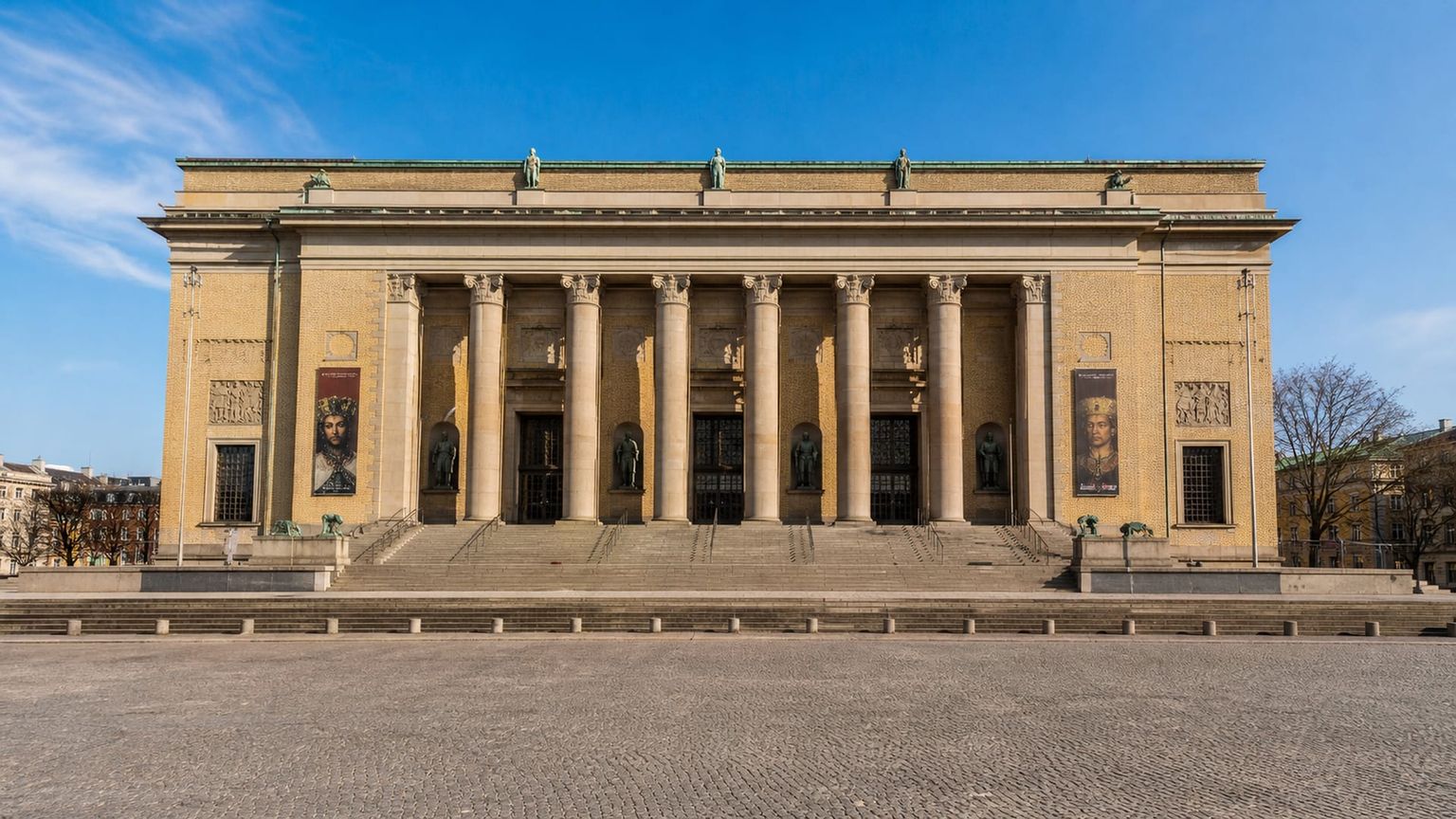
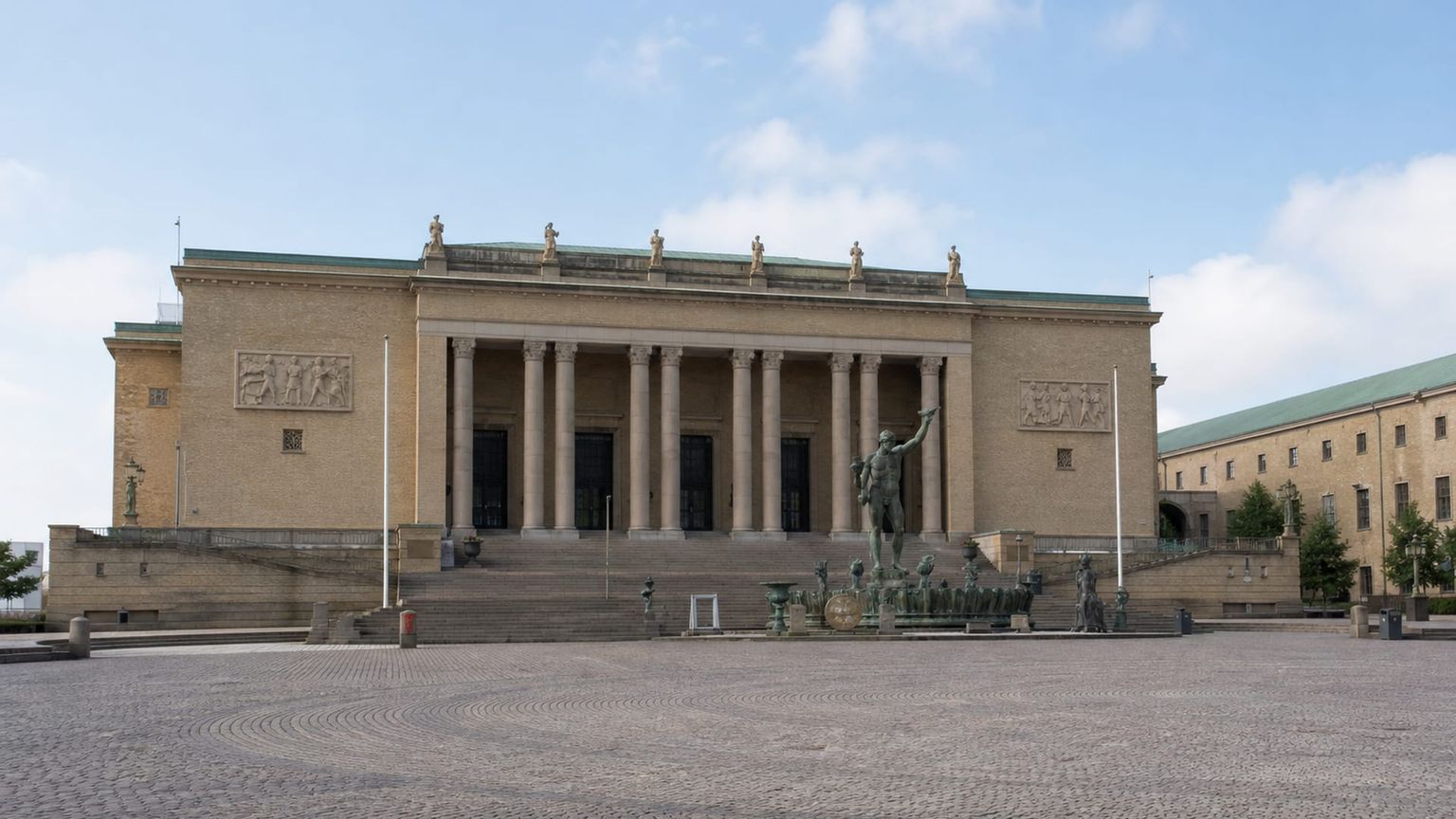
This museum holds one of northern Europe’s strongest collections of Nordic art, plus works by Rembrandt, Picasso, and Monet. Its location on Götaplatsen puts it beside the city’s concert hall and theater district.
Time needed: About 2 to 3 hours
Entry: Standard admission costs about $15 ($165 SEK); admission is free for visitors under 25 and on selected free-entry days. Visit the official site for details.
Tip: Visit in the morning, when the galleries are quieter and the light is gentler.
Liseberg
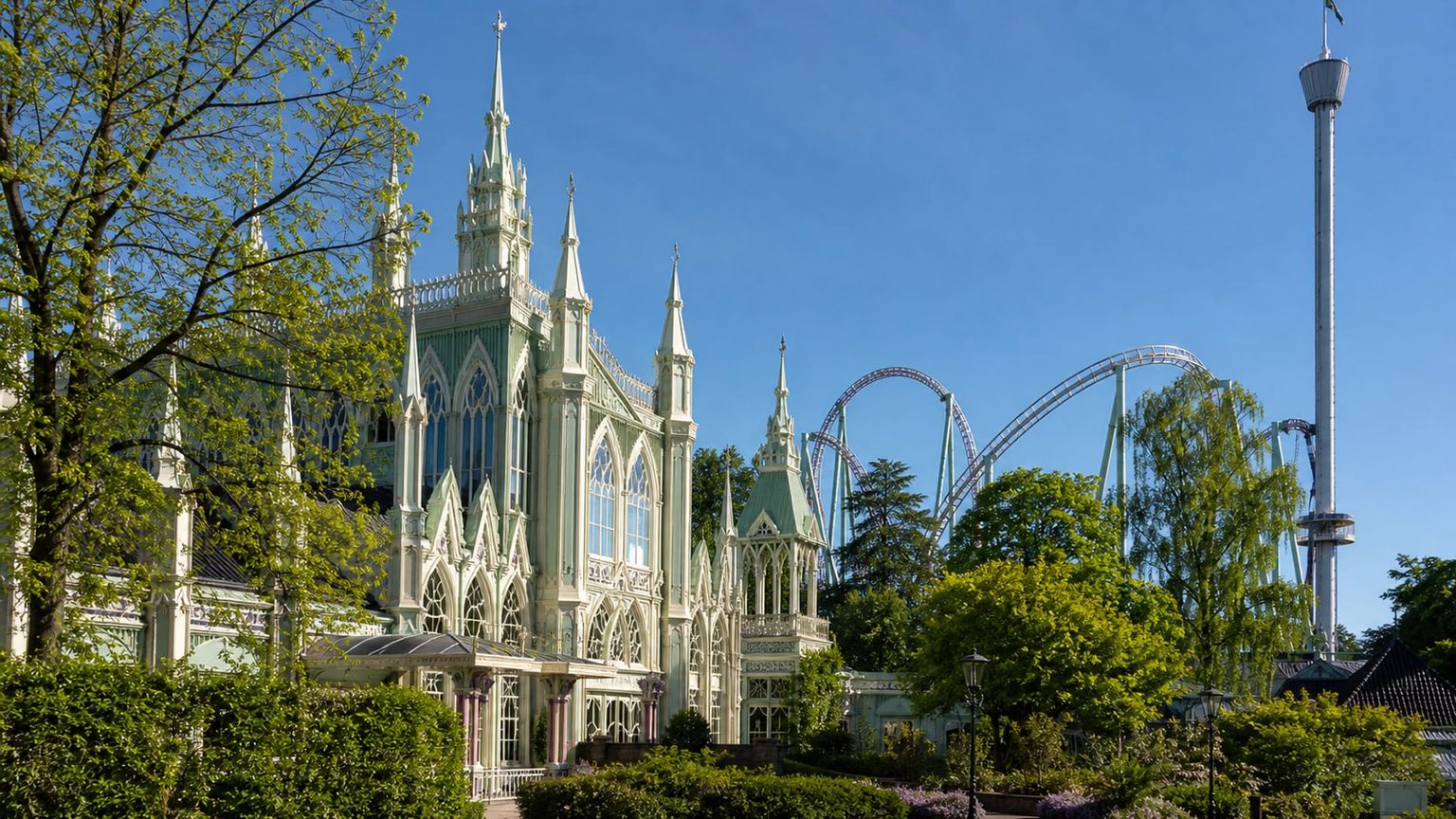
Liseberg is Sweden’s best-known amusement park, with roller coasters, seasonal gardens, and a large Christmas market in winter. The park sits in the city center, so it fits easily into an urban day without a long transfer.
Time needed: About 4 to 6 hours
Entry: Day tickets usually cost $47 to $62 ($520 to $685 SEK), depending on season, with separate fees for some rides and events. Visit the official site for details.
Tip: Arrive near opening time, then head to the most popular rides before lines build.
Göteborg Cathedral
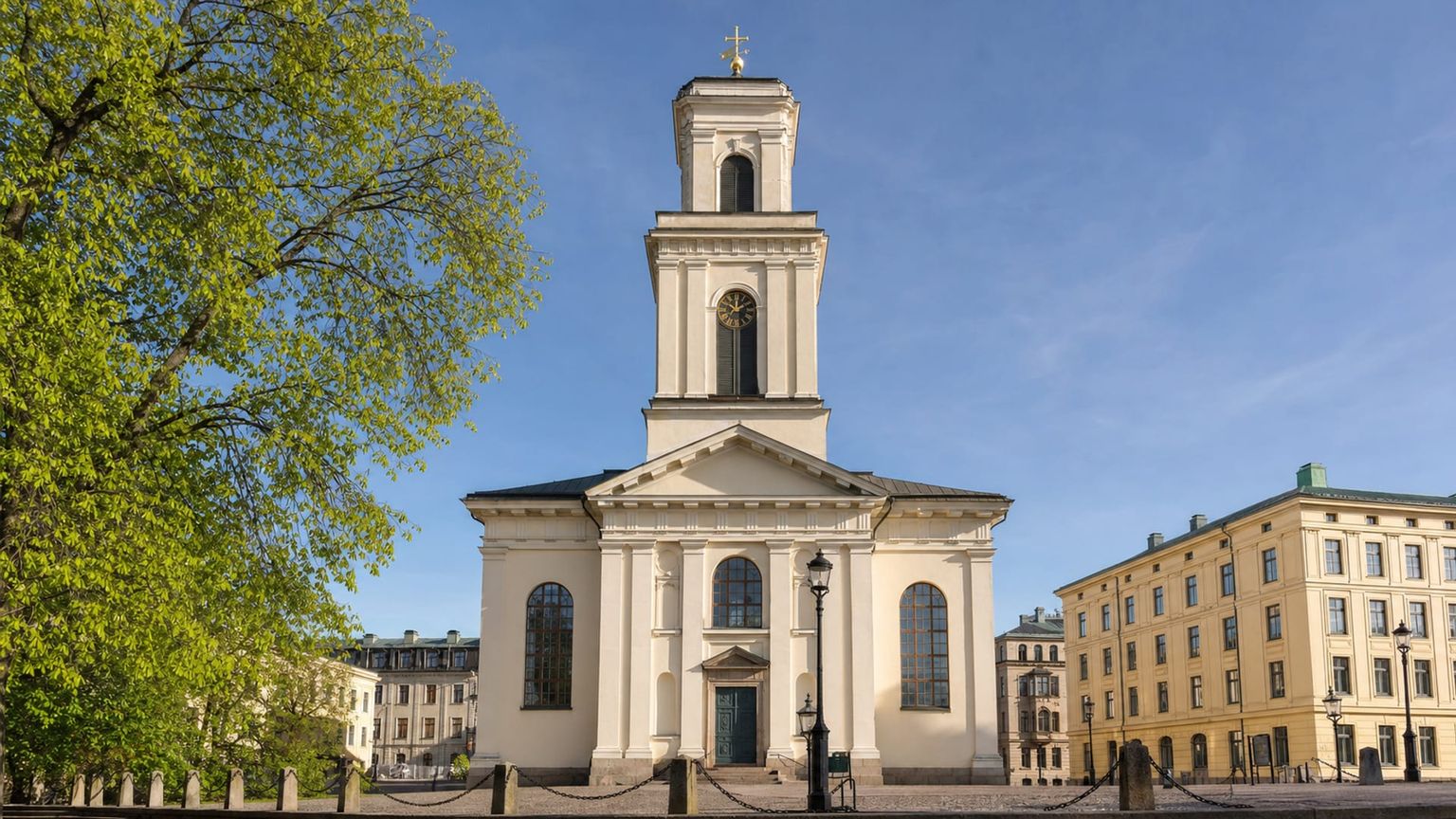
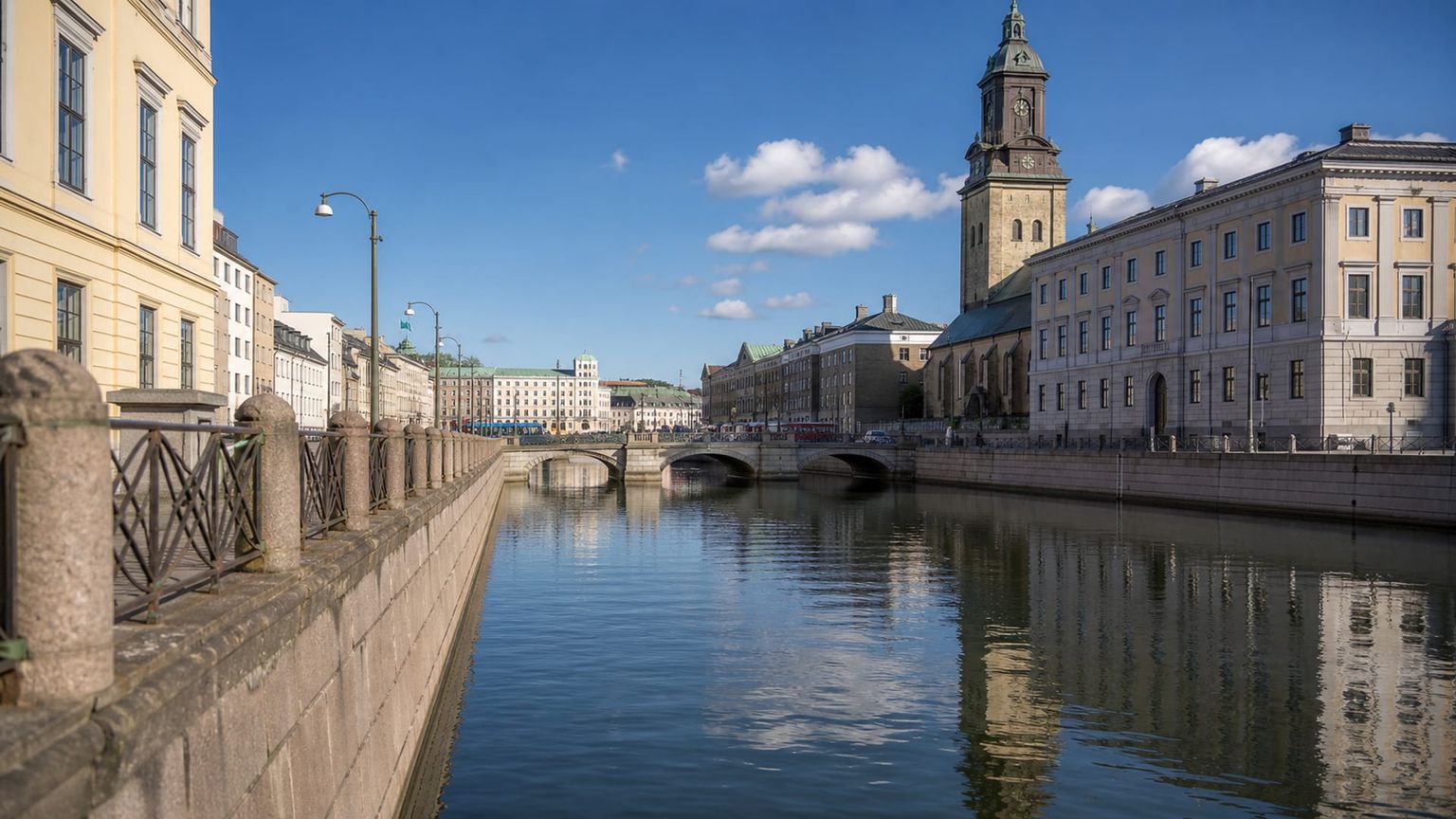
Göteborg Cathedral anchors the old town with an 18th-century interior, tall columns, and a central altar that draws the eye the moment you enter. Its position near the canal makes it an easy stop while walking the historic core.
Time needed: About 30 to 45 minutes
Entry: Free to enter; donations are welcome, and there is no ticketed timed entry for ordinary visits. Visit the official site for details.
Tip: Go late afternoon for softer light and fewer visitors inside the nave.
Overlooked sites worth visiting

Rya Skogs park and lake district
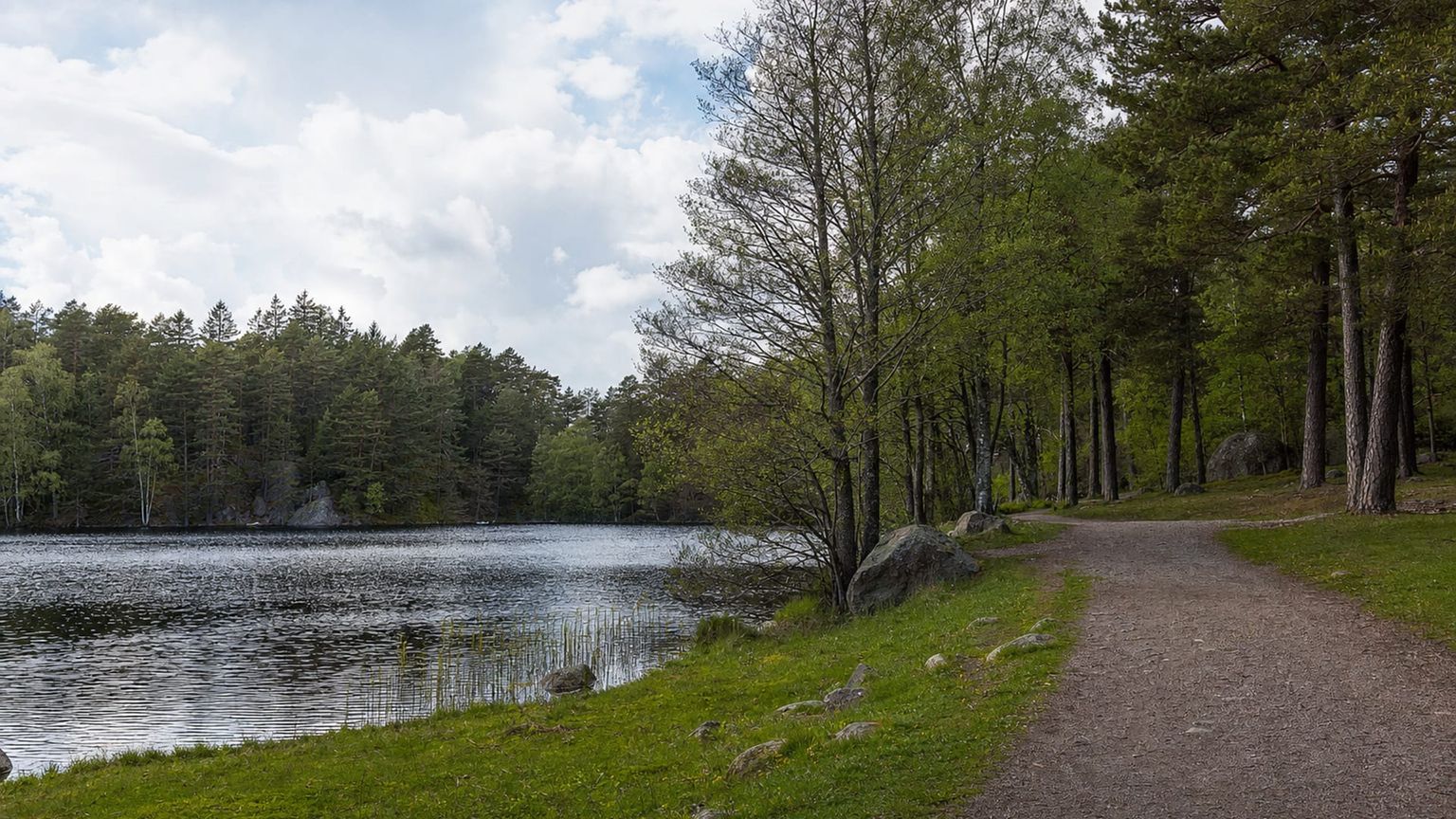
A wooded edge of Göteborg with short trails, open water, and picnic spots, good for a quiet walk or birdwatching. Paths stay close to the shoreline and a few viewpoints.
Time needed: About 1 to 2 hours
Entry: Free to access; no ticket or reservation is needed for the park paths, shoreline walks, and picnic lawns. If you want to extend the visit with a boat rental or guided activity, those extras vary by operator and season.
Tip: Go in late afternoon for calmer paths and softer light.

Röhsska Museum
Göteborg’s design museum packs fashion, craft, and decorative arts into a compact stop near the center. The galleries move from Nordic objects to global collections without a long circuit.
Time needed: About 1 to 2 hours
Entry: Admission is typically about $12 to $15 (about 120 to 150 SEK) for adults, with reduced rates for students and free entry on select public days. Special exhibitions may carry a separate charge. Visit the official site for details.
Tip: Check the temporary exhibition schedule before you go.
Traditional food

Göteborg’s food leans on the sea, with herring, shrimp, and simple sauces, then shifts inland for meatballs and pea soup. Cafés stay central to daily life, and lunch still runs on tight local hours.
Herring
Pickled herring appears on many menus as a clean, salty starter, often with potatoes, onion, or mustard. Koka is a strong canonical stop for a refined version in central Göteborg.
Meatballs
Swedish meatballs usually arrive with cream sauce, potatoes, and lingonberry, giving you a classic comfort plate rather than a heavy restaurant special. Smaka sits well with this dish in the city center.
Shrimp sandwich
The shrimp sandwich is a Göteborg staple, piled high with mayonnaise, egg, and cold-water shrimp on bread or toast. Restaurang Sjömagasinet is a classic place to order one in a seafood setting.
Pea soup
Pea soup is a simple, filling bowl that fits the city’s lunch pace, often served with mustard and pancakes in some settings. Hofs Café in the city area is a good match for a traditional serving.
Best time to visit Göteborg
Göteborg changes most by light and rain, with summer bringing long days for walking and winter rewarding indoor plans, warmer meals, and shorter hops between stops.
Best for: Museum days, canal walks, and early café stops
What you get: About 40 to 58°F (4 to 14°C), with lighter crowds before summer arrives
Trade-offs: Rain and wind can still interrupt longer outdoor plans
Best for: Long evenings, parks, ferries, and open-air dining
What you get: About 58 to 72°F (14 to 22°C), with the busiest streets and attractions
Trade-offs: Popular areas fill up faster, especially on weekends
Best for: Gallery time, neighborhood walking, and calmer restaurant tables
What you get: About 43 to 61°F (6 to 16°C), with moderate crowds after the summer peak
Trade-offs: Shorter days and more rain reduce late outdoor time
Best for: Christmas markets, indoor museums, and low-key café breaks
What you get: About 28 to 39°F (-2 to 4°C), with lighter tourist traffic but colder, darker days
Trade-offs: You will spend more time planning around weather and daylight
A realistic 5-day plan in Göteborg
The five-day plan below keeps arrivals light, then moves from museums to Haga, parks, and a final shopping or café finish. It is built to match Göteborg’s tram map and the city’s early dining hours.
Land at Göteborg (GOT), then take an airport transfer or taxi into town, which usually takes about 20 to 30 minutes and costs roughly 120 to 180 kr, about $11 to $17. Stay near Centrum if you want the simplest first-night setup, or choose Haga if you would rather sleep in a quieter historic district with easy tram access. After checking in, keep the evening close to your hotel, drink some water, and take a short walk to Nordstan or a nearby street in Centrum for a light dinner, especially if your flight arrived late.
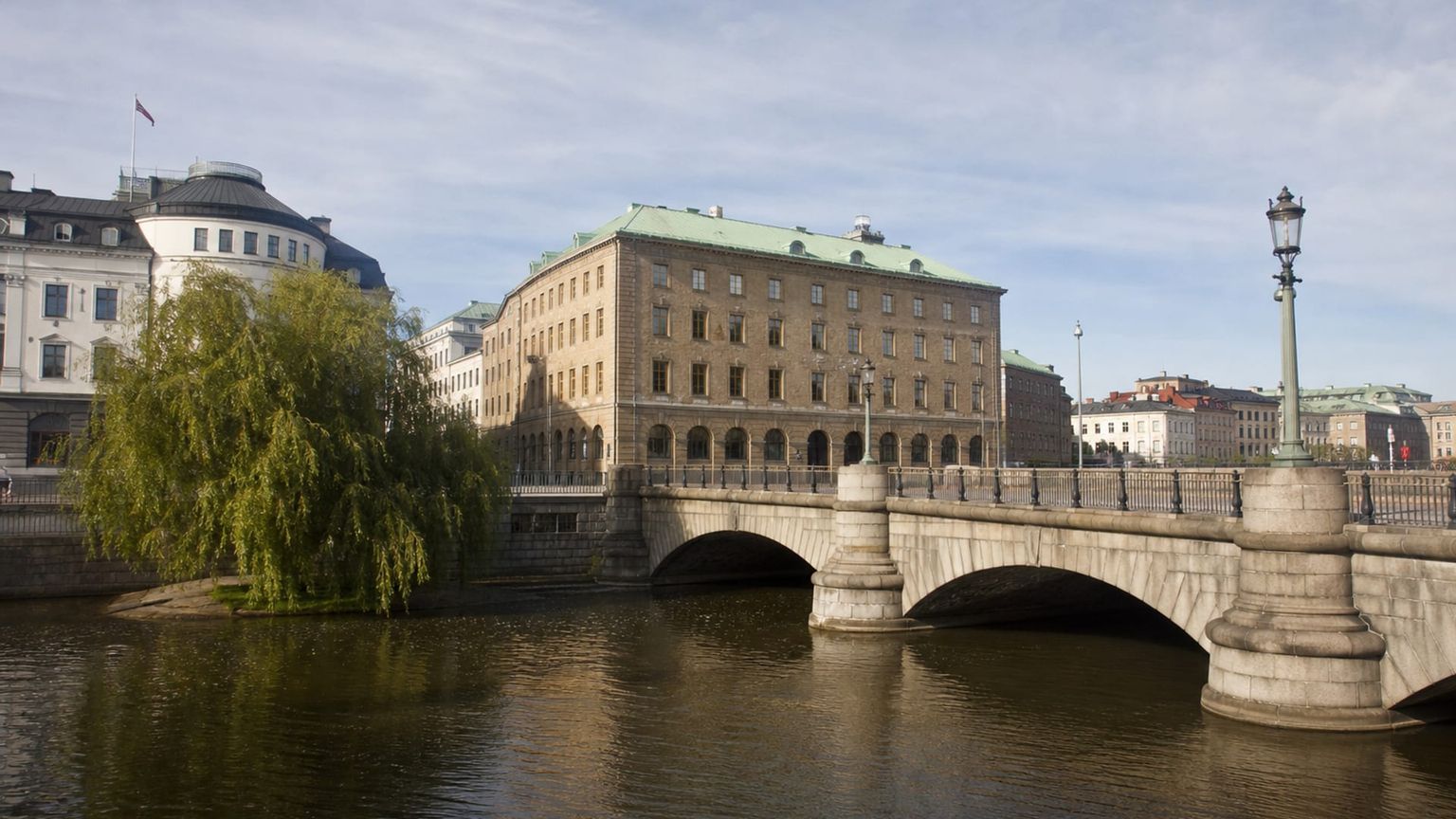
Begin at the Gothenburg Museum of Art on Götaplatsen, then spend about 2 to 3 hours with the Nordic collection and the works by Rembrandt, Picasso, and Monet. From there, walk about 5 to 10 minutes to Röhsska Museum for design, fashion, and decorative arts, which usually takes another 1 to 2 hours. Finish on Avenyn, where you can have dinner along the boulevard and, if you want an easy return, walk about 10 to 20 minutes back toward Centrum.
Start in Haga, where the wooden streets and café fronts make an easy morning base for slow walking. From Haga, continue about 20 minutes on foot to Skansen Kronan, then head back toward the canal and the old core to visit Göteborg Cathedral, which takes about 30 to 45 minutes and sits well with a larger historic walk. If you want an afternoon change of pace, take a tram from Haga or the center to Liseberg, which is about 15 to 20 minutes away and fills the rest of the day with coasters, gardens, and seasonal displays.
Set aside the day for a greener side of Göteborg by starting with a tram or taxi to Rya Skogs park and lake district, where short trails and shoreline paths usually take about 1 to 2 hours. After lunch back in the center, ride to Slottsskogen from Linné, which is roughly 5 to 15 minutes on foot from the neighborhood, then continue to the west side for a relaxed evening among parks and restaurant streets. If you are staying in Linné, the return is easy on foot or by tram, and dinner choices are dense along Linnégatan.
End the trip with one last museum stop at the Gothenburg Museum of Art if you want a final look at the city’s strongest collection, then shift to shopping in Nordstan or a walk through Centrum for last-minute purchases. If you prefer a slower close, settle into a café in Haga, where the historic streets make an easy place for coffee and a pastry before heading to the airport. This schedule leaves enough room for a late checkout, luggage storage, and a calm ride back to Göteborg (GOT) without rushing.
Business-class flights from the US to Göteborg
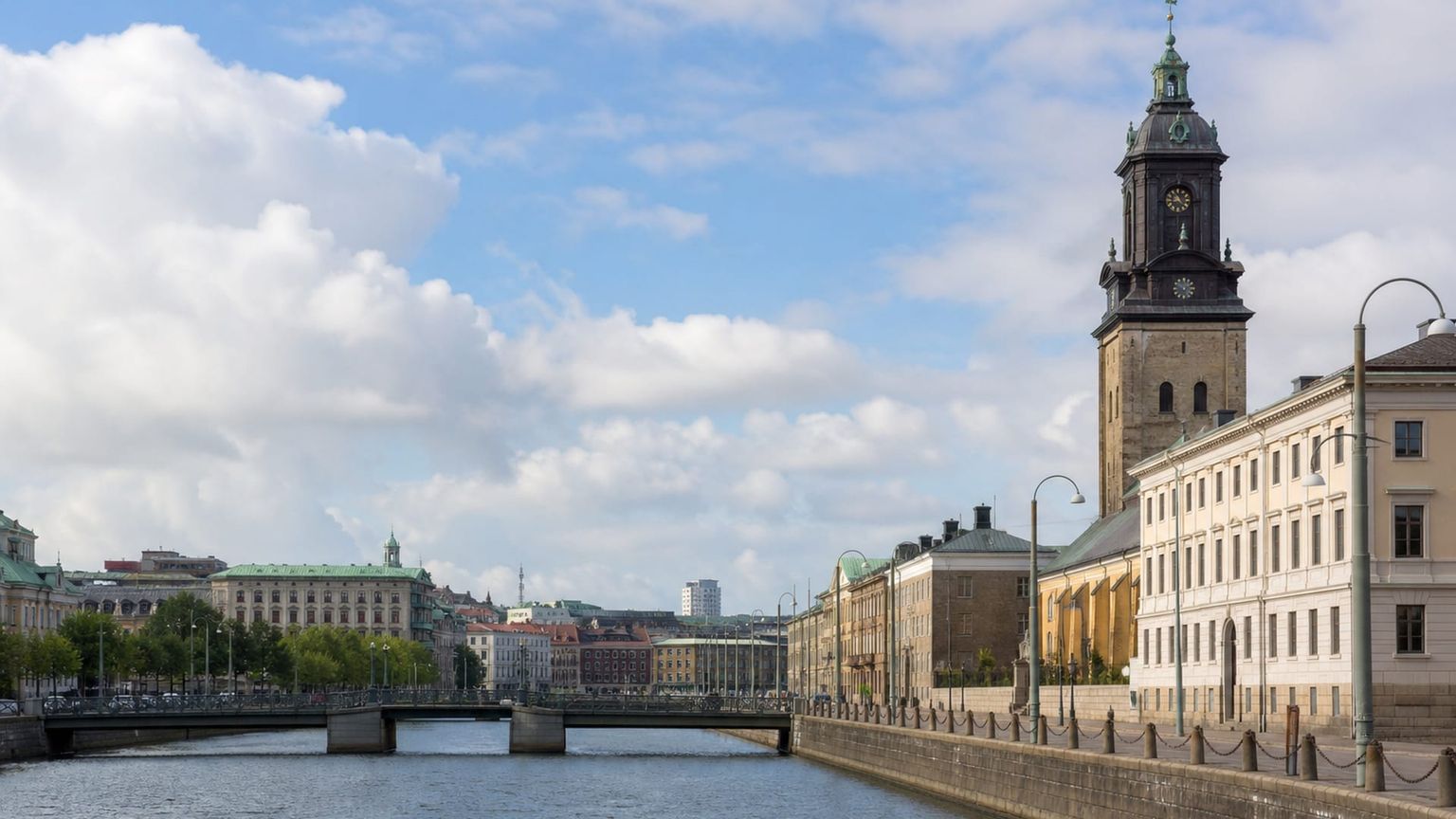
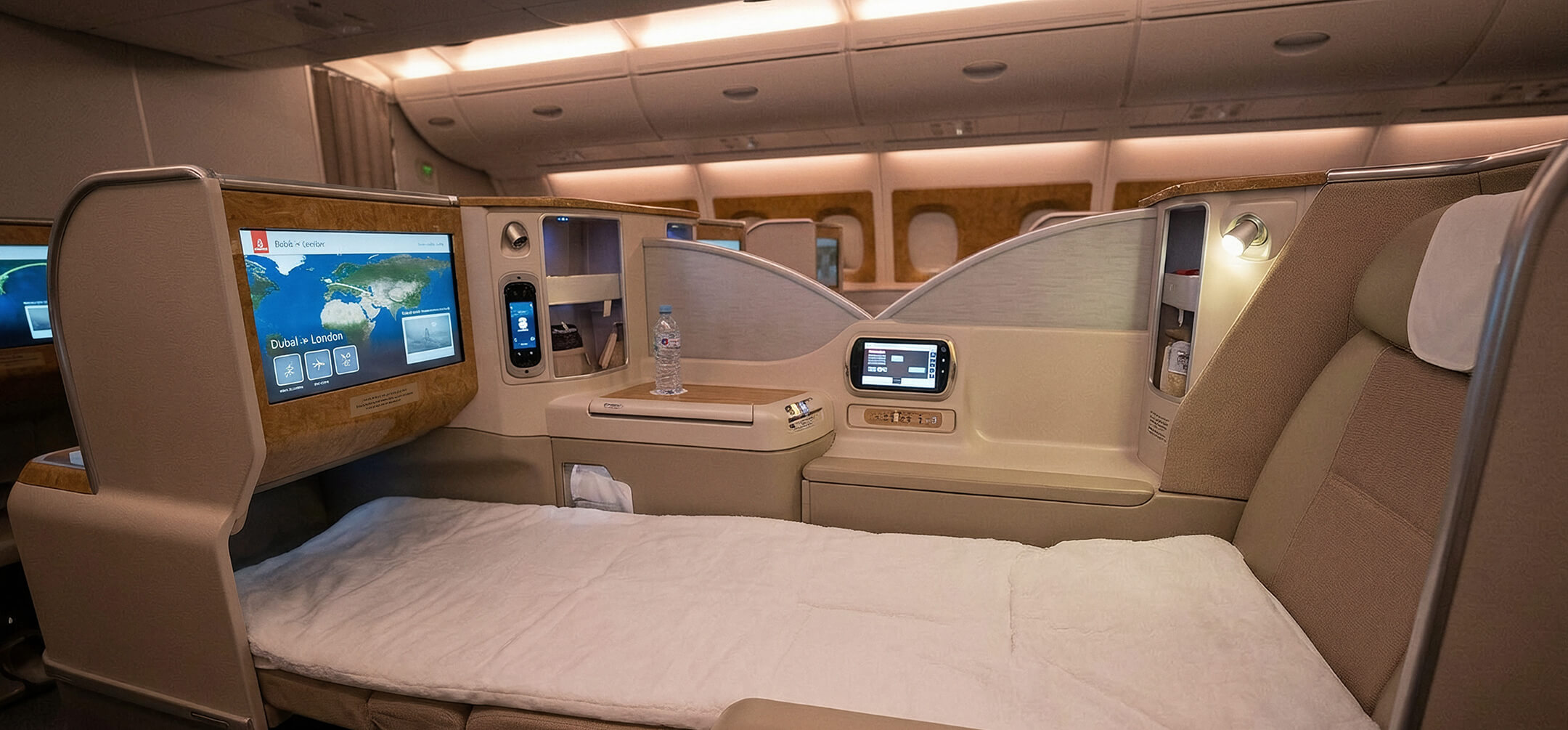
Business-class options into Göteborg usually route through major hubs, with nonstop flying available from New York and one-stop itineraries common from Los Angeles. The price spread reflects both distance and the number of connections.
From New York, Delta Air Lines, Scandinavian Airlines, Icelandair, British Airways, Lufthansa, and KLM Royal Dutch Airlines all appear on common itineraries, with nonstop flying taking about 7 to 8 hours. If you accept a layover, routings via LHR, FRA, AMS, CPH, or KEF usually cut fares to roughly $2,200 to $4,500, while nonstop options sit above many one-stop choices.
Los Angeles travelers usually see Delta Air Lines, Lufthansa, KLM Royal Dutch Airlines, British Airways, Air France, and Scandinavian Airlines on the board, and total travel time often lands at about 11 to 13 hours when you can fly through. Round-trip fares usually run from $2,800 to $5,500; the direct options avoid a connection through Europe or Iceland, but they cost more than many itineraries with a stop.
Göteborg feels different when you slow down
A deliberate Göteborg trip gives each district a clear role, Centrum for arrivals and shopping, Haga for wooden streets and coffee, Linné for dinner near Slottsskogen, and Avenyn for museums and an easy evening walk. Trams make the city legible without forcing long rides, and the best days usually mix one major stop with a slower neighborhood hour. If you want help matching Göteborg to your dates, ask the AranGrant experts to shape the route around your flight and season