

Chapters:

Need help with your trip?
Our support team is available 24/7. Request a callback or call us directly at (833) 619-0908
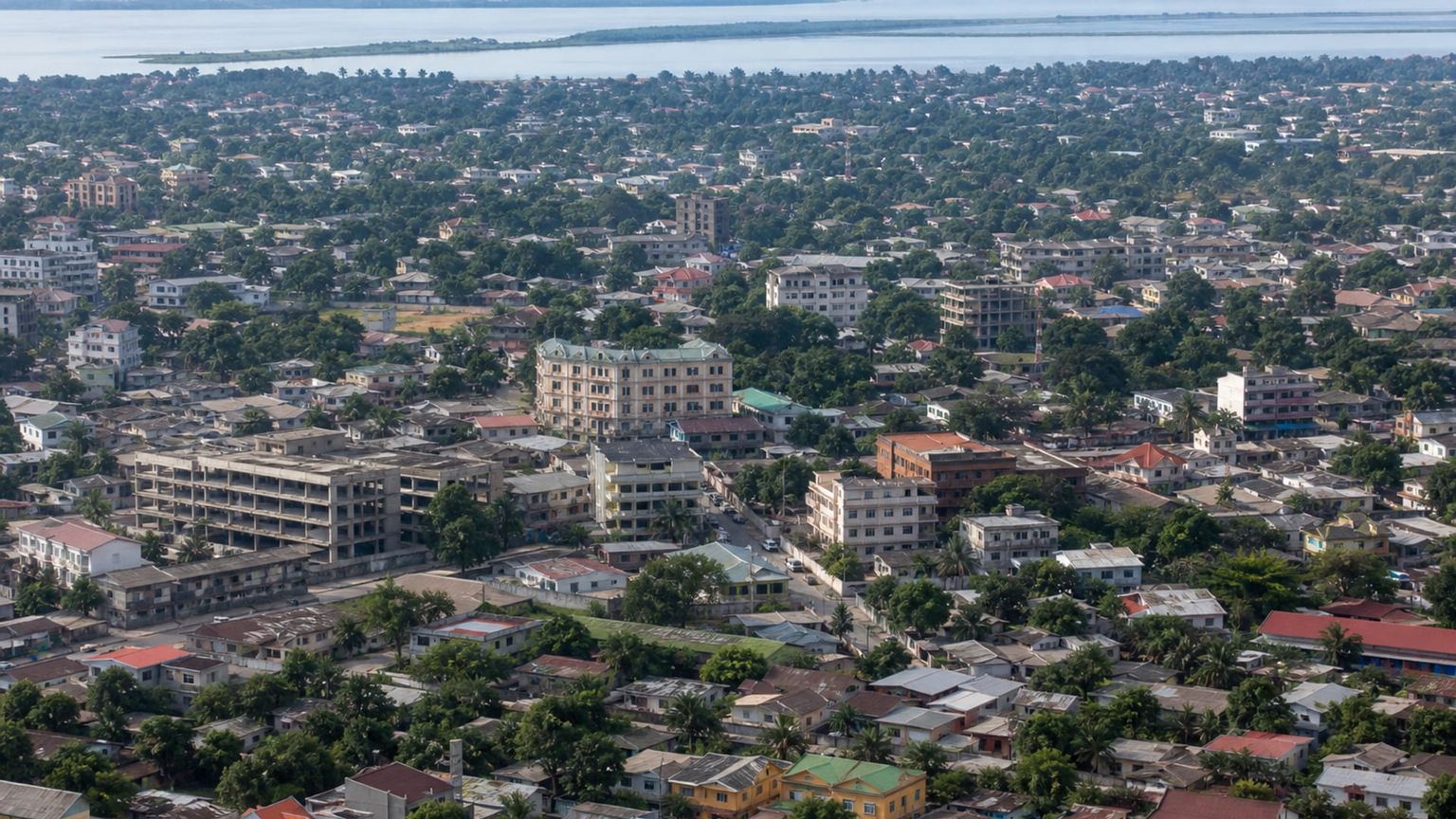
Kinshasa rewards travelers who slow down long enough to map the city first. Many visitors focus on a hotel in Gombe, one museum stop, and a late dinner, then underestimate how much time the river, traffic, and district spacing can take.
That approach leaves too much of the city between the landmarks. Cross-town rides can stretch, sidewalks thin out in some blocks, and a simple dinner plan can turn complicated once the day runs long.
This guide organizes Kinshasa by district and daylight, so you can pair museums, the cathedral, riverfront time, and calmer western excursions without turning each transfer into a guess.
Useful things to know

Main language(s): French, Lingala
Mbote (m-BOH-teh) – Hello
S'il vous plaît (seel voo PLEH) – Please
Melesi (meh-LEH-see) – Thank you
Ozali koloba anglais? (oh-ZAH-lee koh-loh-BAH ahng-GLAY) – Do you speak English?
Eza boni? (eh-ZAH boh-NEE) – How much does it cost?

Currency: The local currency is the Congolese franc (CDF, FC).

Cash and cards: Cards and contactless are not widely accepted, so carry about 50,000 to 100,000 CDF ($18 to $36) in cash.

Tipping: Round up small bills; leave about 5-10% in nicer restaurants if service is good.

Traditional food: Moambe chicken, Saka-saka, Fufu, Pondu

Water and coffee costs: Water about 2,000 CDF ($1), bar espresso about 5,000 CDF ($2).

Taxis and ride apps: Yango and inDrive operate here; confirm the fare before you start the trip.

Plug and voltage: Type C/D socket, 220V

Dining and shop opening hours: Breakfast is about 06:30-09:00, lunch 12:00-14:30, and dinner 19:00-22:00. Many restaurants close or run limited hours on Sunday.

Emergency number: Call 112 for police, fire, or medical emergencies.
Where to stay in Kinshasa
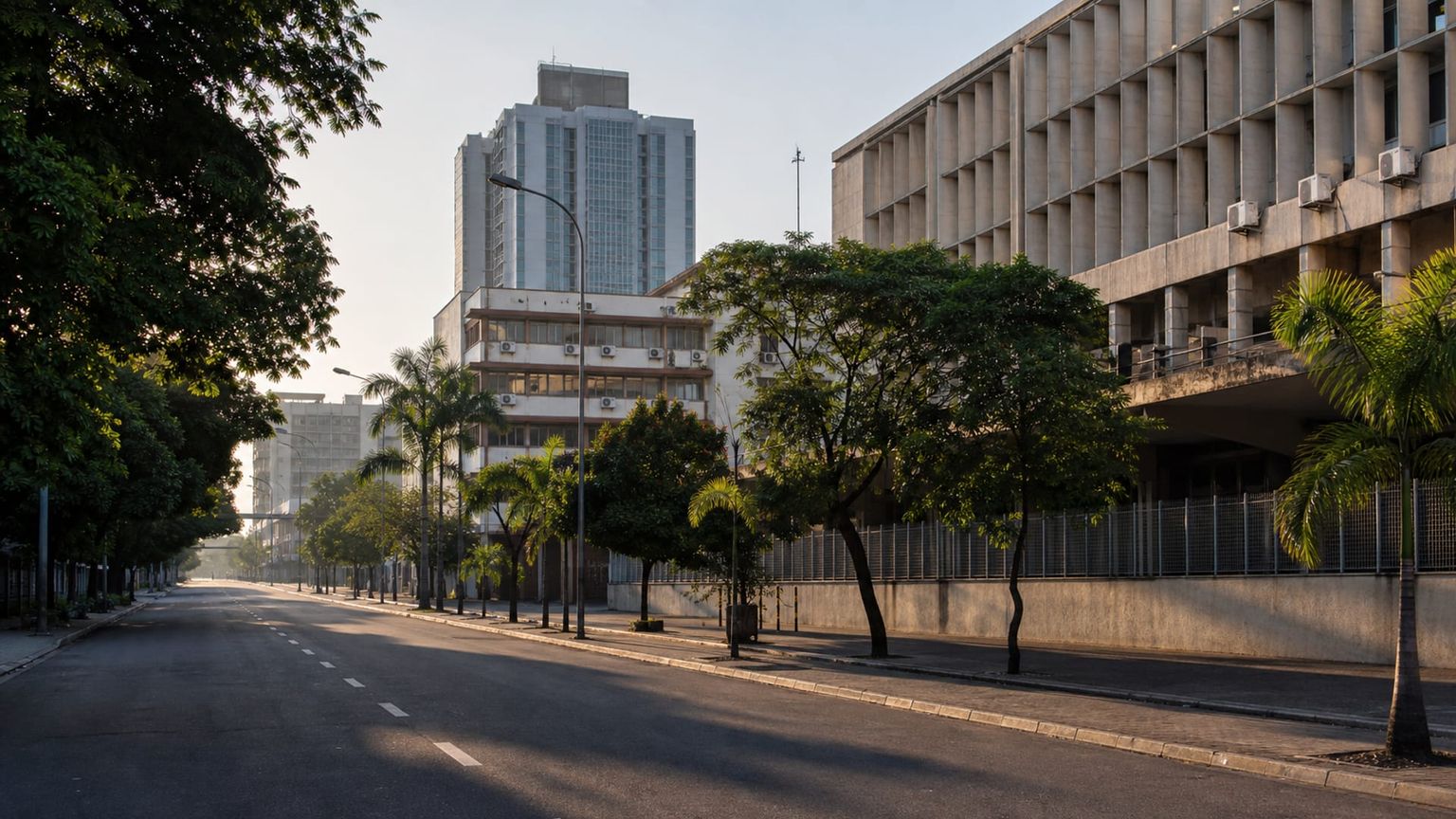
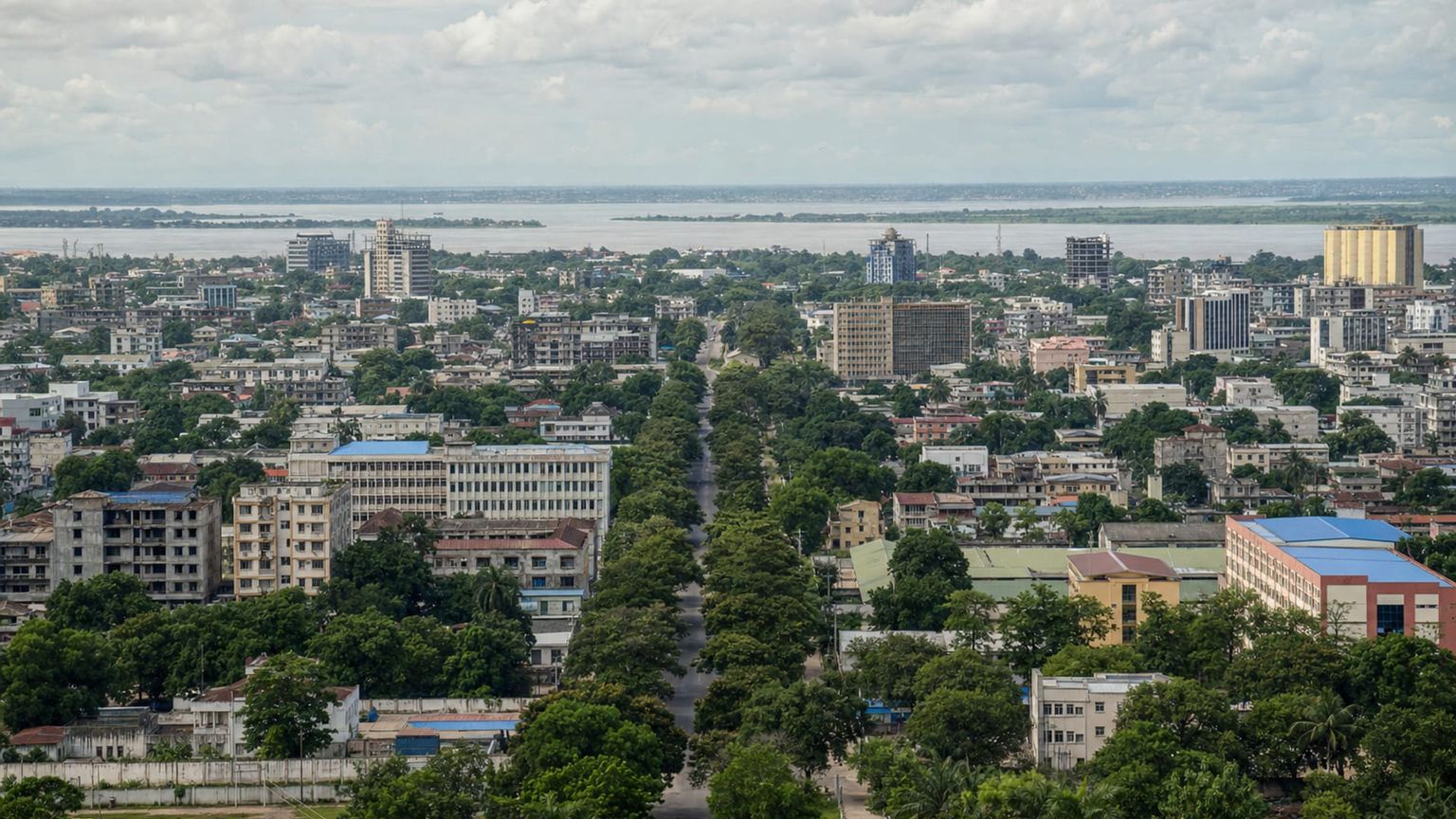
Kinshasa’s central diplomatic and administrative district, Gombe puts banks, ministries, embassies, and several of the city’s best hotels on one grid of wide avenues. It suits visitors who want the shortest rides to the riverfront, business addresses, and many restaurants.
Best for: Business trips, first-time visits, and travelers who want the shortest rides to central offices and hotels
What to expect: Daytime traffic is busy, with security staff, office workers, and hotel guests along the main avenues; evenings quiet down after office hours.
Hotel prices: Usually about $180 to $420 per night for well-rated stays
Distance to major sights: 10 to 20 minutes by car to Palais de la Nation; about 15 minutes to the Congo River waterfront
Quietness: Busier and more active in the day, then noticeably quieter after dusk.
Main trade-off: Hotel rates run higher here, and traffic on the main arteries can slow short cross-town trips.
Good to know: If you need late check-ins or early meetings, this is the easiest district for arranging both without long transfers.
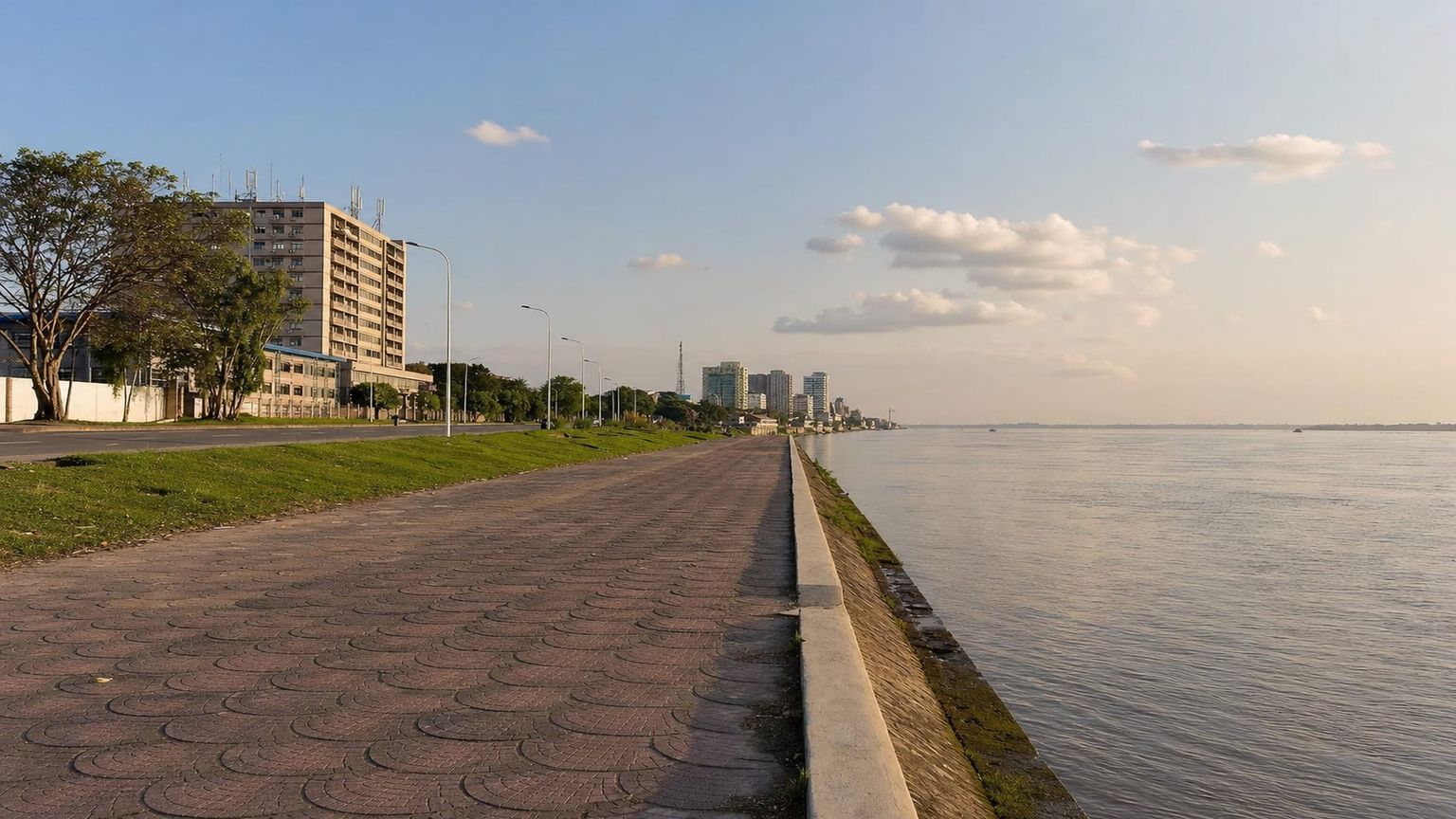
The riverfront strip in Gombe follows the Congo River with hotels, clubs, and office buildings close to the water. It matters because it places you near some of Kinshasa’s best-known dining and evening options while keeping central addresses within easy reach.
Best for: Riverside views, dining, and travelers who want hotel access near central Kinshasa
What to expect: The streets feel more animated in the evening than inland parts of Gombe, with restaurant traffic and guests moving between hotels and the waterfront.
Hotel prices: Usually about $170 to $380 per night for well-rated stays
Distance to major sights: About 10 minutes by car to Palais de la Nation; roughly 15 minutes to the Central Station
Quietness: Calmer in the morning, then livelier at night near restaurants and bars.
Main trade-off: You pay for the location and the view, and some streets can pick up noise from traffic and nightlife.
Good to know: Choose a room set back from the river if you want to cut down on late-night noise from the waterfront.
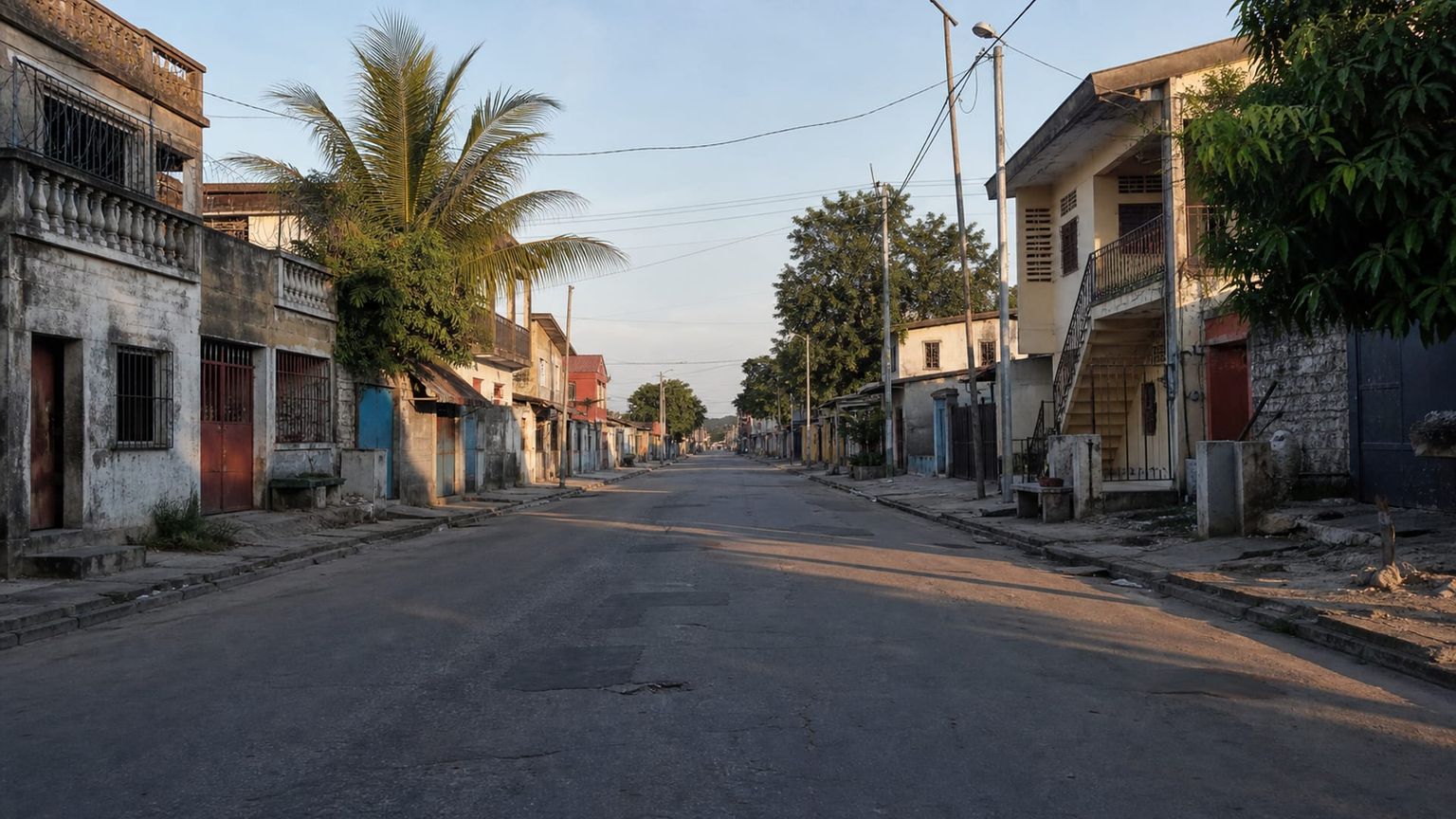
Lingwala sits just north of central Kinshasa and combines residential blocks with markets, schools, and smaller hotels. It works well for travelers who want a more local base while staying within reach of Gombe and major central sights.
Best for: Midrange stays, local atmosphere, and access to central Kinshasa without paying top-tier hotel rates
What to expect: Streets are active in the day with shops, moto-taxis, and neighborhood traffic; after dark, movement thins out on many blocks.
Hotel prices: Usually about $70 to $180 per night for well-rated stays
Distance to major sights: About 15 to 25 minutes by car to Palais de la Nation; roughly 20 minutes to the Central Station
Quietness: Noisy and busy during the day, then quieter on side streets at night.
Main trade-off: You will usually trade a lower room rate for longer rides to the riverfront and the top hotel cluster in Gombe.
Good to know: Check whether your hotel has secure parking or a trusted taxi arrangement, since street hailing can take time after dark.
Travelers usually avoid staying in Ngaliema’s outer residential pockets, which sit well west of the main sights and can mean long rides for evening dining or riverfront plans. Masina and Ndjili are less convenient for most visitors because they are far from central museums, hotels, and restaurants, while Maluku is too far east for easy access to the city center and the main visitor areas.
Hotel deals
How to get around Kinshasa efficiently
Kinshasa has no metro, so most visitors move by taxi, ride-hailing, or the occasional taxis-bus along major corridors.

Metro
for longer distances
Kinshasa has no metro system, so there is no subway option from Kinshasa (FIH); most visitors rely on road transport instead, with private cars and taxis covering the city’s main districts.

Bus and tram
for convenience
No tram network operates in Kinshasa, and public buses are limited and often irregular. Shared minibuses, known locally as taxis-bus, link major corridors such as the airport area, Gombe, and central neighborhoods, with fares usually about $0.50 to $2 depending on distance and traffic. Expect fares to be paid in cash, and allow extra time because stops are informal and vehicles fill up before departing.

Taxi
for convenience or late hours
Licensed taxis in Kinshasa usually quote fares in advance rather than using meters, and airport trips from Kinshasa (FIH) to central districts commonly cost about $20 to $40, while shorter cross-city rides often run about $5 to $15. Agree the price before you get in, carry small bills, and expect payment in cash in USD, with Congolese francs sometimes accepted for shorter trips.
*Prices are based on rates updated as of June 2026 and may change at the time of travel.
Taxis work best for airport trips and interdistrict moves, ride-hailing helps when you want a quoted fare, and taxis-bus make sense only for short, low-cost hops on the main roads.
Iconic landmarks
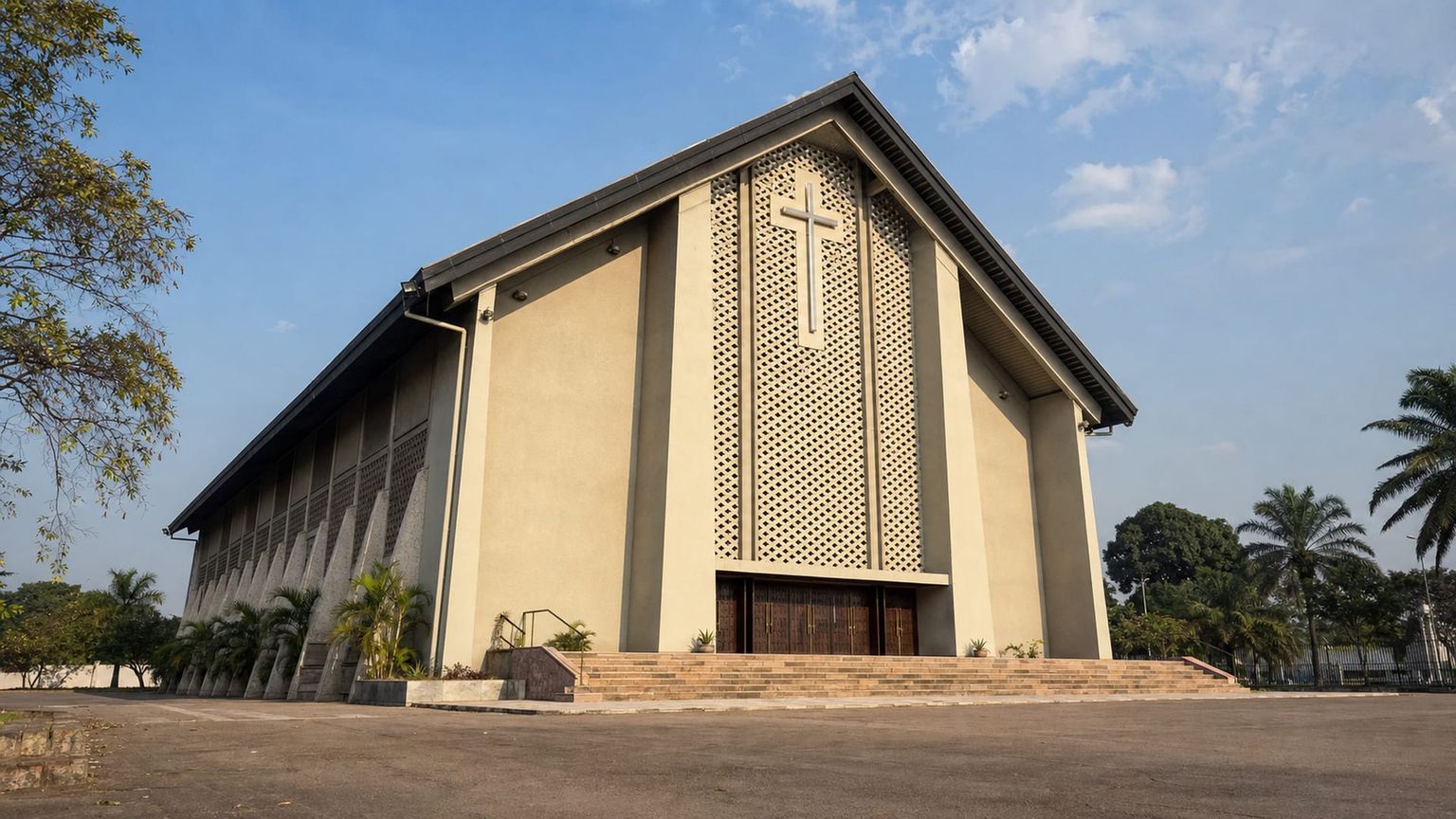
Cathedral of Notre-Dame du Congo
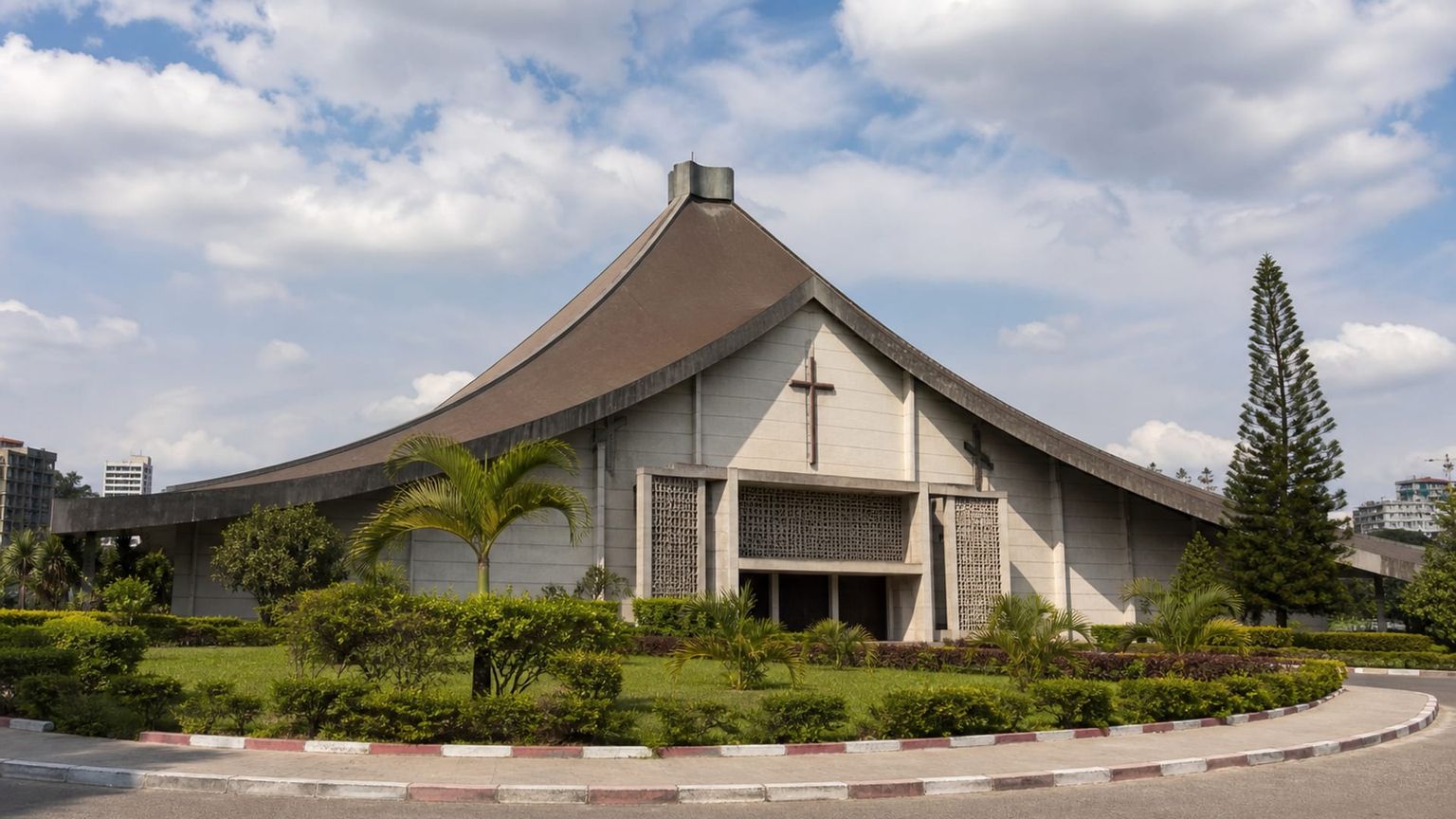
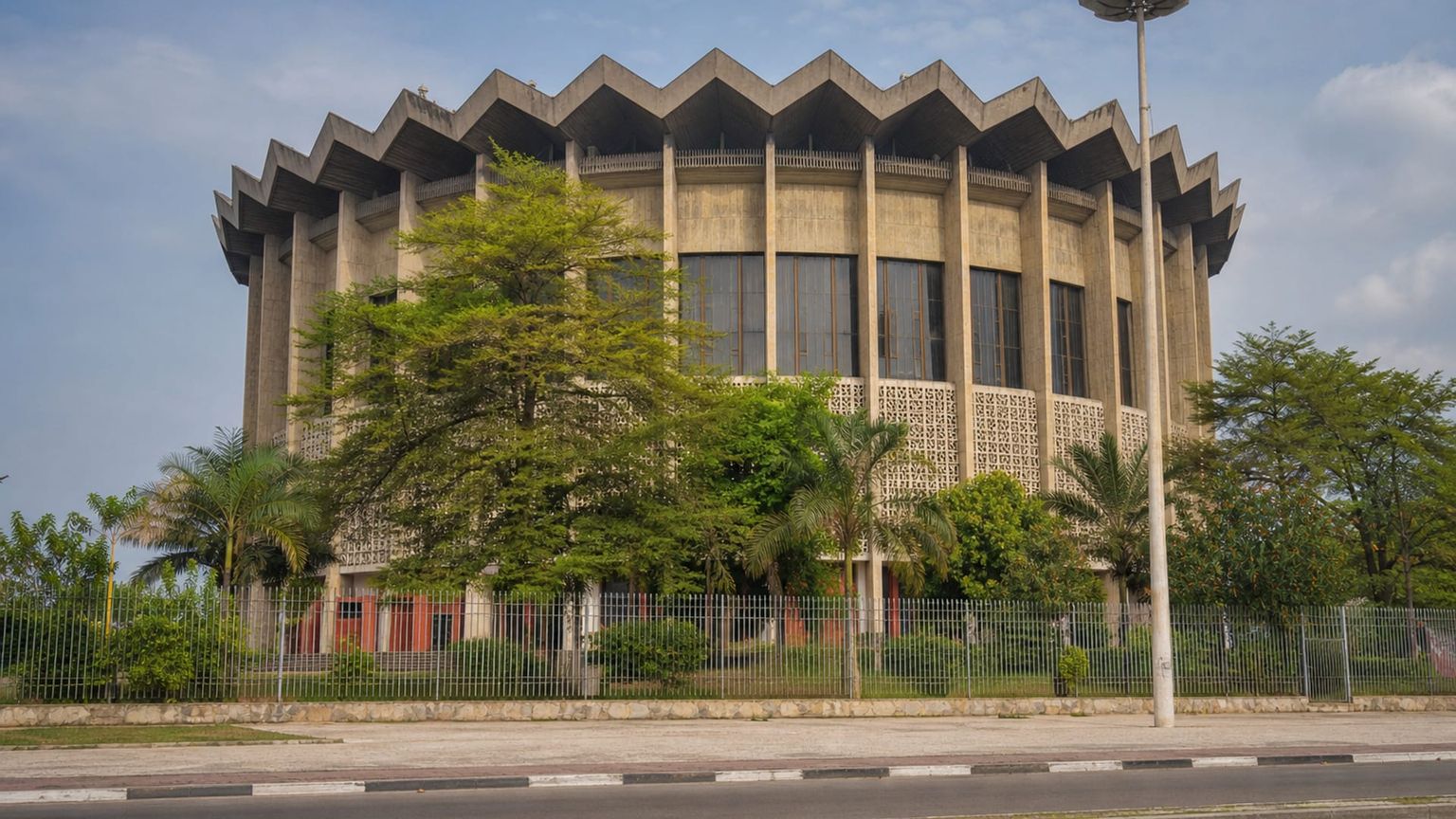
Kinshasa’s cathedral is a major landmark of the capital, known for its broad nave, stained glass, and prominent position near the city center. It anchors one of the city’s most visible religious and civic precincts.
Time needed: About 30 to 45 minutes
Entry: Free to enter, though donations are welcome and special access may vary during services, ceremonies, or maintenance periods.
Tip: Visit outside Mass times if you want a quiet look at the interior.
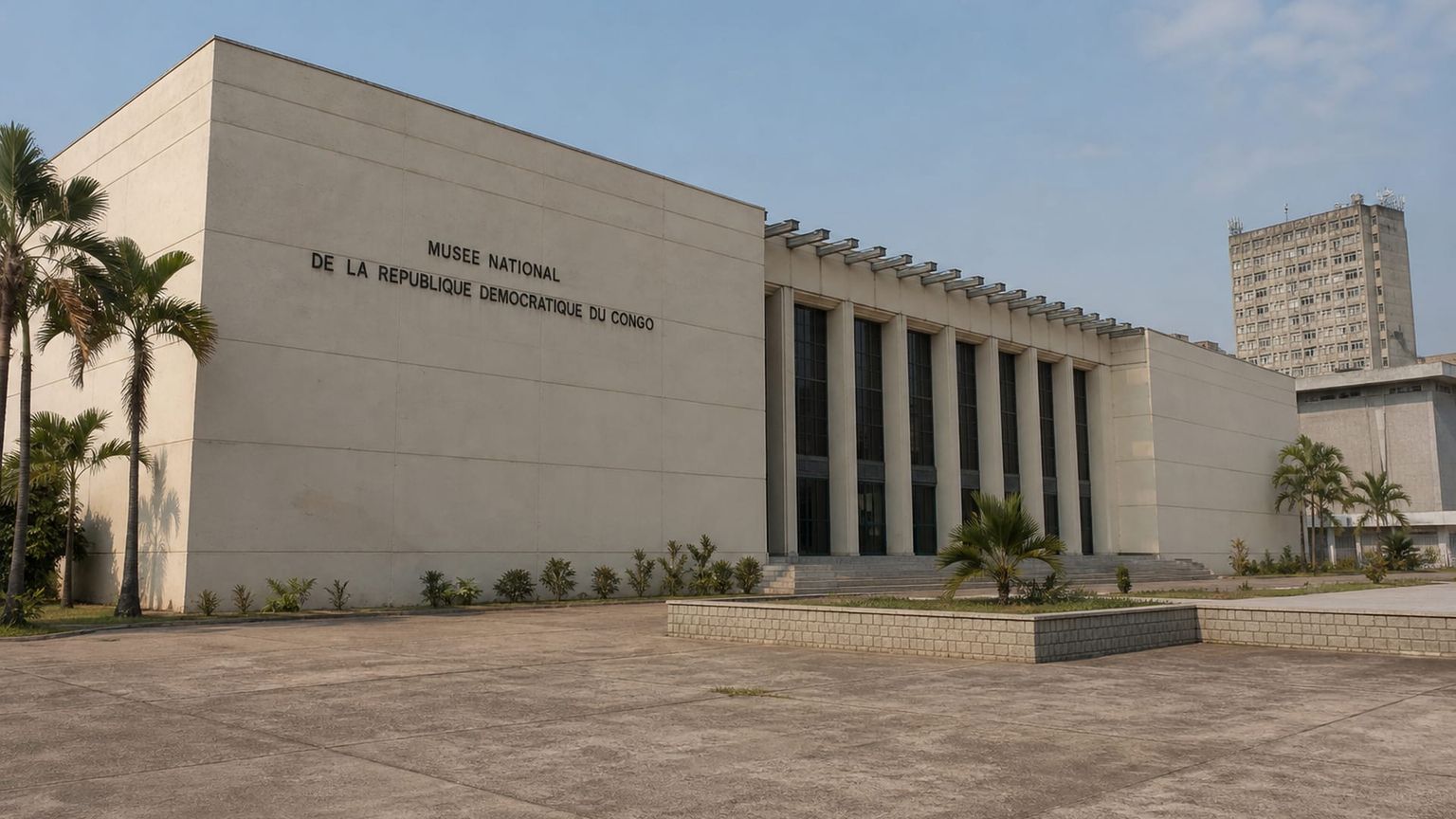
National Museum of the Democratic Republic of the Congo
This museum presents one of Kinshasa’s most important collections of masks, statues, musical instruments, and archaeological pieces from across the country. It gives a focused introduction to Congolese history, art, and ceremonial traditions in one stop.
Time needed: About 1 to 2 hours
Entry: Admission is usually about $5 to $10 (about 10,000 to 20,000 CDF) for visitors, depending on current local pricing and access conditions.
Tip: Go in the morning for cooler rooms and better light on the displays.
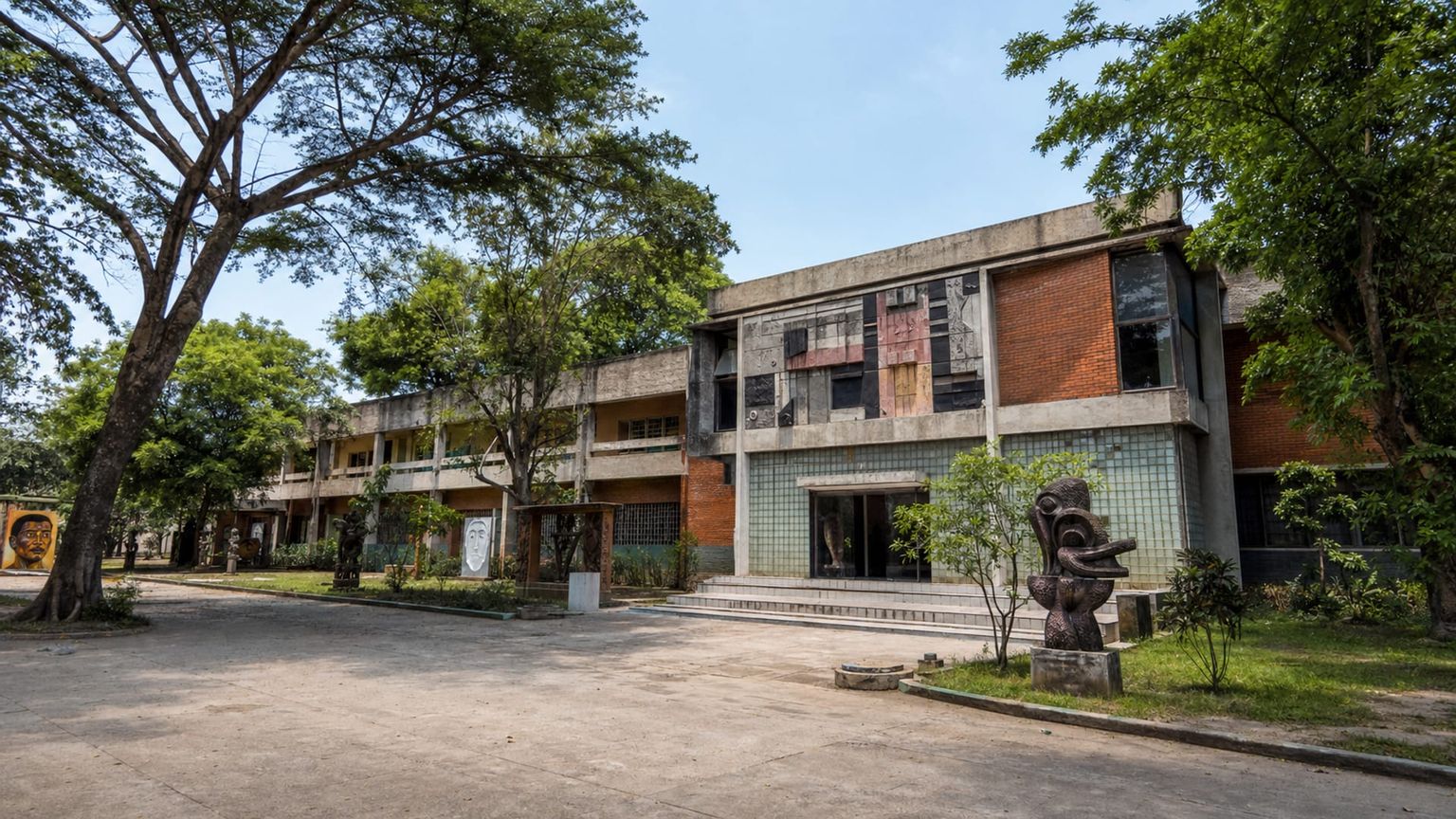
Académie des Beaux-Arts de Kinshasa
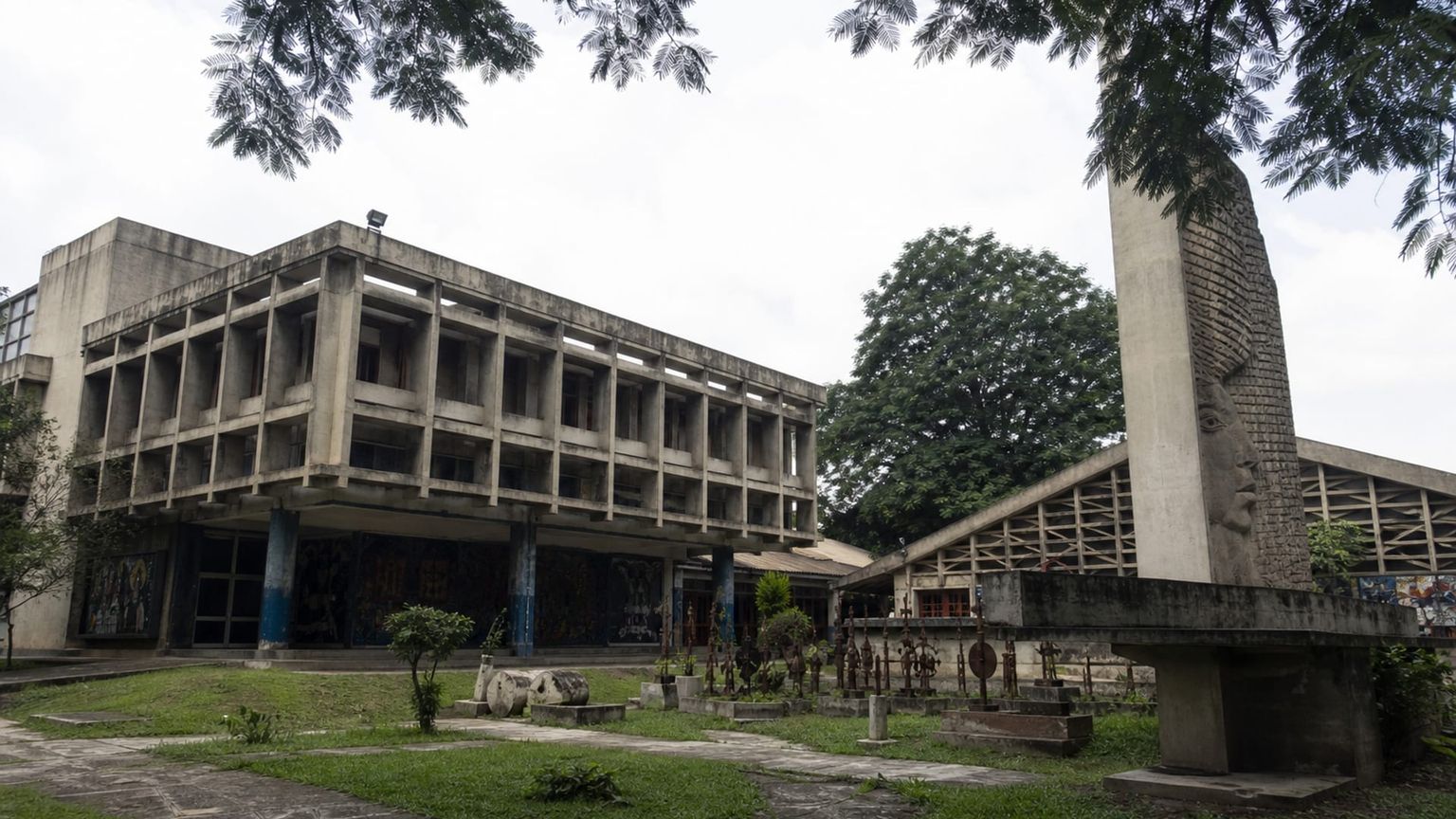
This working art school doubles as a gallery landscape, with sculpture, painting, and studio spaces that show how Kinshasa’s artists train and exhibit. The campus offers a direct look at the city’s contemporary creative scene.
Time needed: About 1 to 2 hours
Entry: Admission is usually about $2 to $5 (about 4,000 to 10,000 CDF), with occasional extra charges for special exhibitions or guided visits.
Tip: Visit on a weekday morning to see students working in the studios.
Overlooked sites worth visiting

Mbudi Nature Reserve
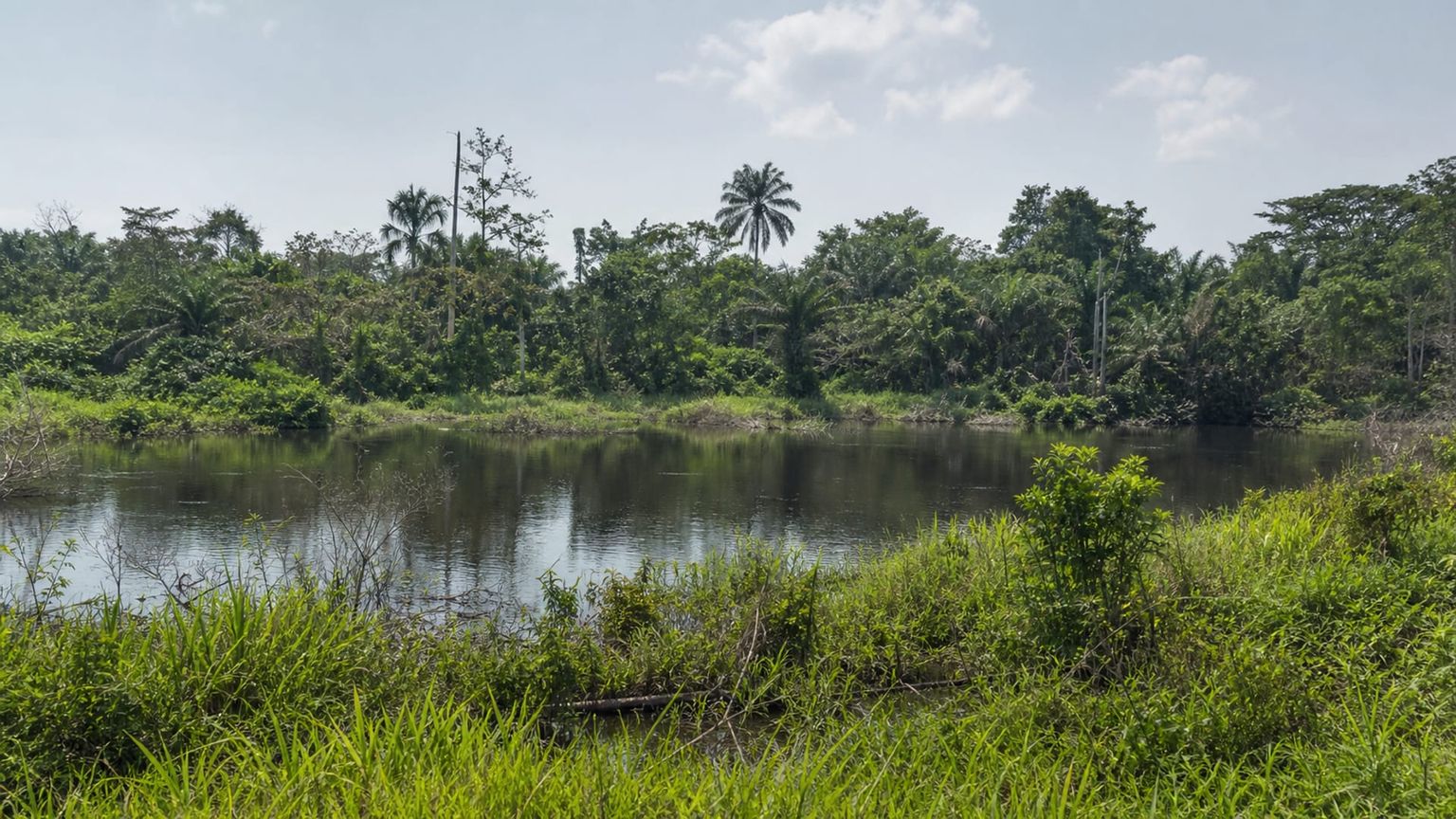
A forested pocket in western Kinshasa, Mbudi has walking paths, birdlife, and picnic spots that offer a quieter break from the city. Visit after rain, when the greenery is at its best and the air feels cooler.
Time needed: About 1 to 2 hours
Entry: Entry is usually free, though some areas may charge a small local access or parking fee on site. Expect to pay roughly $0 to $5 (about 0 to 14,000 CDF), depending on where you enter and whether you drive in.
Tip: Go in the morning for cooler paths and better bird activity.

Académie des Beaux-Arts de Kinshasa
This art school campus doubles as a compact cultural stop, with sculpture, painting, and often student work on view. The setting is small enough for a short visit, yet it gives a clear look at Kinshasa’s contemporary art scene.
Time needed: About 45 minutes to 1 hour
Entry: Admission is usually free or very low cost for visitors, with occasional small fees for special exhibits or guided access. Budget about $0 to $3 (about 0 to 8,500 CDF) unless you are attending a ticketed event.
Tip: Visit midday, when studios are more likely to be active.
Traditional food
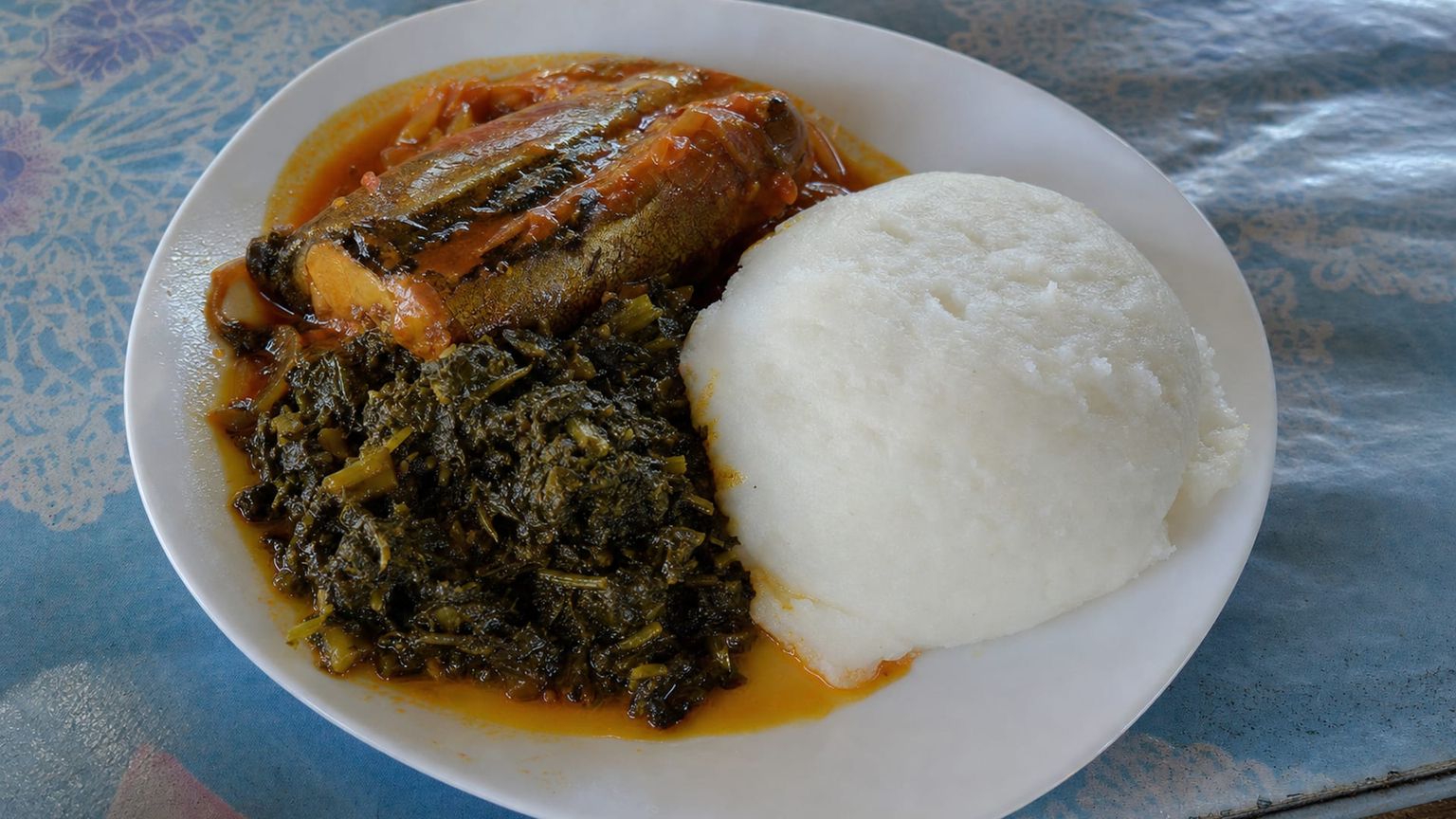
Kinshasa cooking leans on cassava, leafy greens, peanut-rich sauces, and grilled or stewed meats, with moambe chicken, saka-saka, fufu, and pondu anchoring many menus. Meals often run on generous plates and shared timing, not rush.
Moambe chicken
Chicken in a rich palm-nut sauce, often served with rice or fufu. For a dependable Kinshasa plate, La Terrasse in Gombe is a strong city-center choice.
Saka-saka
Cassava leaves cooked until soft with oil, spices, and sometimes fish or meat. Chez Florent in Gombe is a well-known place to order it alongside a classic Congolese meal.
Fufu
A smooth cassava-based staple that anchors many meals and takes on the sauce beside it. Try it at Le Palais in Gombe, where it often appears with stews or grilled dishes.
Pondu
Slow-cooked cassava leaves, usually richer and denser than saka-saka and often paired with fish or meat. Chez Maman Ange in Kinshasa is a familiar stop for this style of cooking.
Best time to visit Kinshasa
Kinshasa runs warm most of the year, but the wetter months bring heavier rain, softer light, and more traffic delays between districts.
Best for: Best for drier days and easier cross-town movement
What you get: Temperatures about 68 to 86°F (20 to 30°C), with lighter rain and moderate visitor numbers
Trade-offs: Evenings can feel cooler, and some greenery looks less lush
Best for: Best for museum time, riverfront walks, and city driving before peak rains
What you get: Temperatures about 73 to 91°F (23 to 33°C), with rising humidity and manageable crowds
Trade-offs: Late spring showers can slow afternoon plans
Best for: Best for travelers who do not mind heat and brief downpours
What you get: Temperatures about 75 to 90°F (24 to 32°C), with humid air and lighter tourist pressure between rain bursts
Trade-offs: Rain can interrupt outdoor visits and lengthen transfers
Best for: Best for green landscapes and quieter midweek sightseeing
What you get: Temperatures about 72 to 88°F (22 to 31°C), with frequent rain and fewer visitors on the streets
Trade-offs: Wet roads make timing less predictable
A realistic 5-day plan in Kinshasa
A five-day stay in Kinshasa works well when you keep the first days close to Gombe and Lingwala, then reserve one longer westward outing for Mbudi. The sequence below gives the museums, cathedral, studios, riverfront, and final errands room to fit together without overloading any single day.
Land at Kinshasa (FIH) and take a taxi into Gombe, which is usually about 35 to 50 minutes and roughly $20 to $35, depending on traffic and whether your hotel arranges the car. Settle near the riverfront in La Gombe or in central Gombe, drink plenty of water, and keep dinner simple with a first night meal at a hotel restaurant or a nearby café on the main avenues.
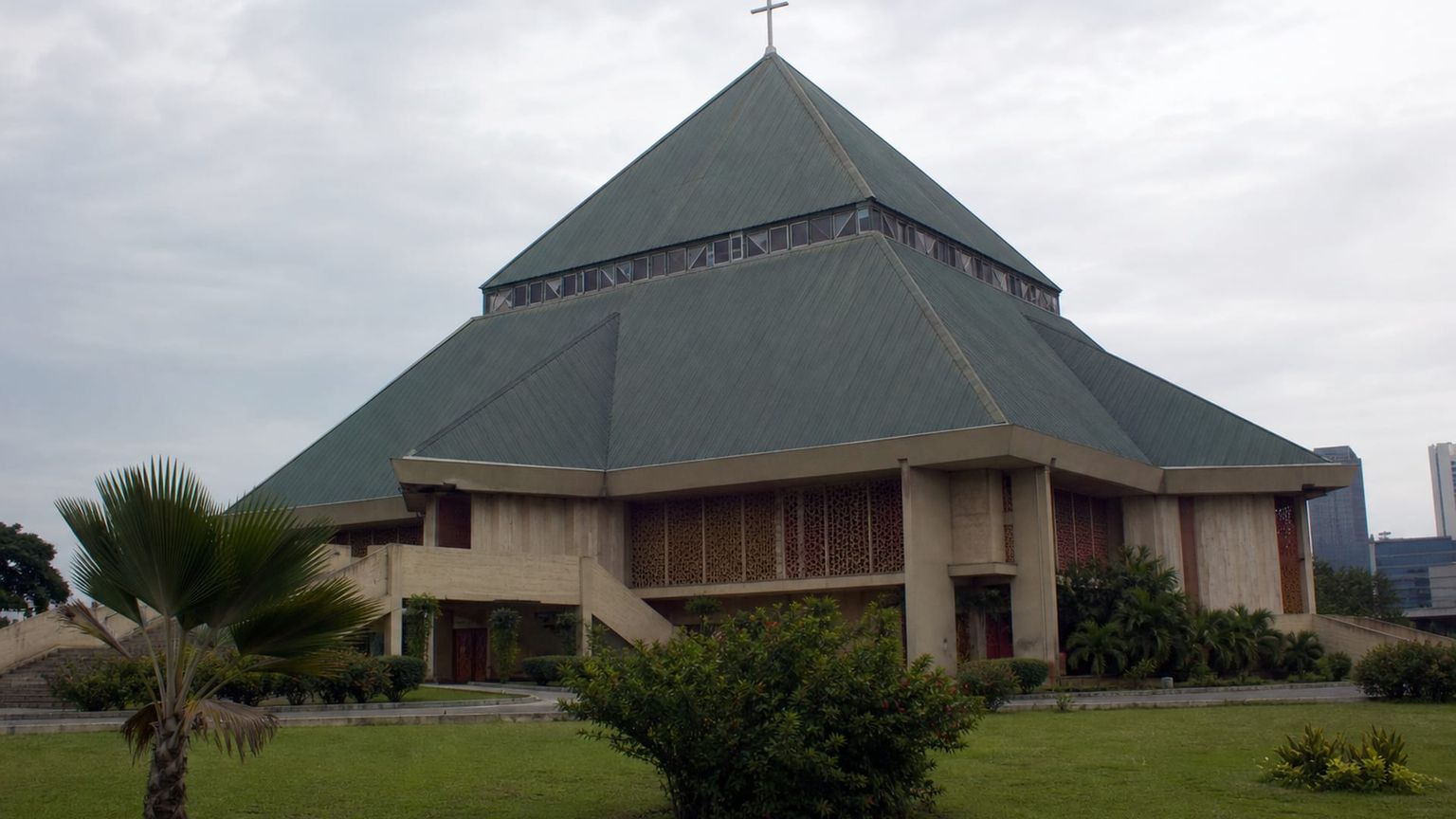
Start with the National Museum of the Democratic Republic of the Congo in the morning, then take a taxi for about 10 to 15 minutes to the Cathedral of Notre-Dame du Congo for a quiet look at the nave and stained glass. From there, continue about 15 minutes by car to Gombe for lunch near the riverfront, then finish with an easy evening walk along the Congo River waterfront before dinner in the same district.
Begin at the Académie des Beaux-Arts de Kinshasa, where studios and sculpture spaces give a direct view of local creative work; from Gombe, the ride takes about 15 to 20 minutes. After about an hour there, continue roughly 25 to 35 minutes west to Mbudi Nature Reserve for walking paths, birdlife, and a slower lunch break or picnic, then return to Gombe in the late afternoon for dinner near your hotel.
A morning in Lingwala pairs well with a return visit to the National Museum of the Democratic Republic of the Congo or a longer stop at the Cathedral of Notre-Dame du Congo, since both sit about 15 to 25 minutes by car from much of central Kinshasa. After lunch, head back toward the Académie des Beaux-Arts of Kinshasa, about 10 to 20 minutes from central Gombe depending on traffic, and spend the afternoon browsing studios, galleries, and small works before an early dinner in Gombe or La Gombe riverfront.
For a final day, start with one last cultural stop at the National Museum of the Democratic Republic of the Congo if you want a short revisit, then move to shopping in Gombe, where the broad avenues make it easy to browse hotels, bookshops, and small retail stops without a long cross-town ride. Finish with coffee in La Gombe riverfront, where you can sit near the water before heading back for your airport transfer from Kinshasa (FIH).
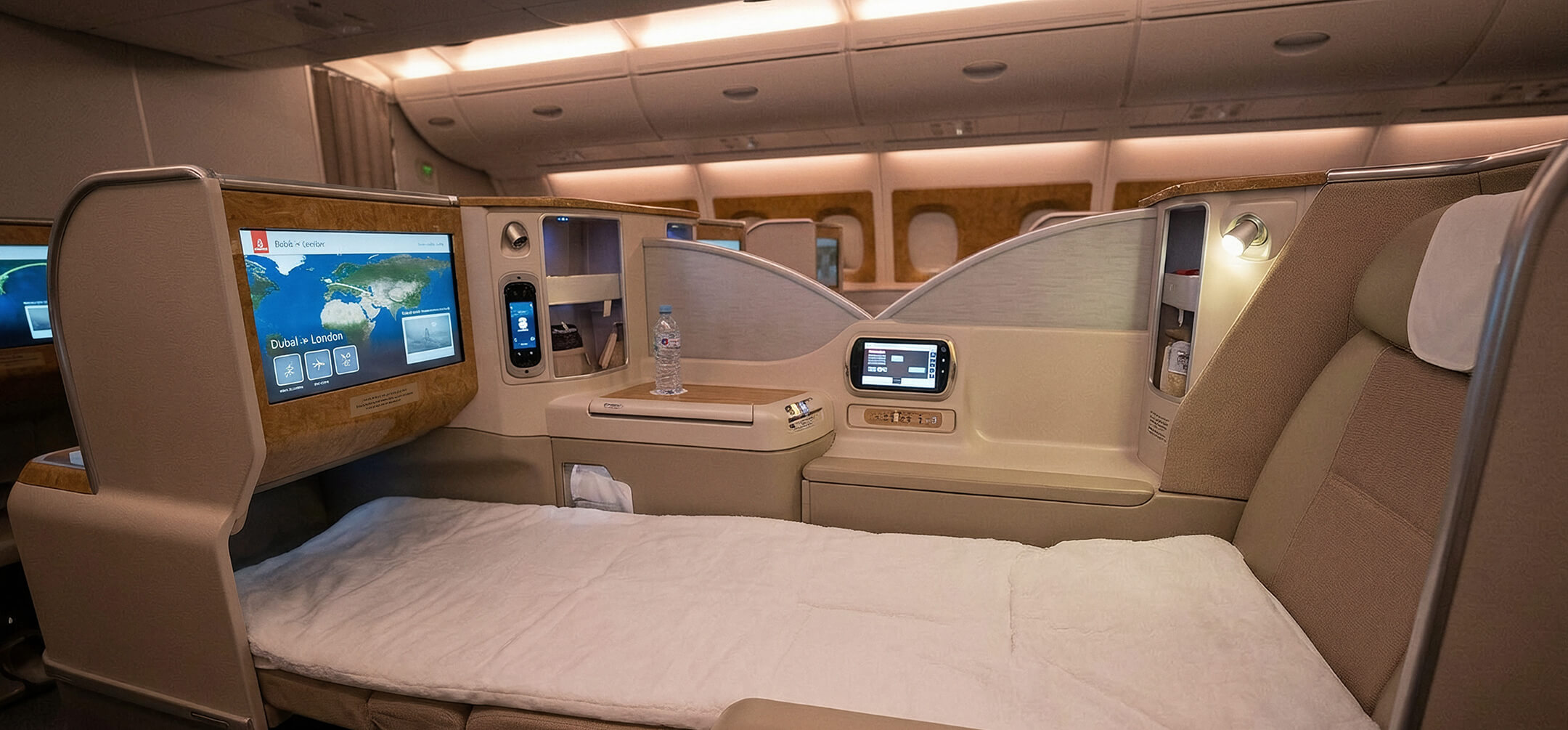
Business-class flights from the US to Kinshasa
From New York and Los Angeles, the clearest options into Kinshasa usually involve one stop in Europe, the Gulf, or East Africa. The examples below focus on the routes that keep the transfer pattern simplest.
Air France, Brussels Airlines, Turkish Airlines, Ethiopian Airlines, and Kenya Airways all appear on New York to Kinshasa itineraries, with total travel times usually about 15 to 22 hours. Round-trip fares from New York to Kinshasa usually start at $3,800 and can reach $7,500.
From Los Angeles, expect roughly $4,200 to $8,200 for a round-trip to Kinshasa. Air France, Turkish Airlines, Ethiopian Airlines, Qatar Airways, and Brussels Airlines commonly appear, and itineraries with a layover through Doha (DOH) or Istanbul (IST) often reduce the cost.
Kinshasa feels different when you slow down
A deliberate Kinshasa trip usually starts with the museum cluster, moves by taxi or ride-hailing through Gombe and Lingwala, and leaves one day open for Mbudi and the Académie des Beaux-Arts of Kinshasa. That mix keeps the city legible without packing too much into one crossing. If you want help matching hotels, flights, and a day plan near the Congo River, ask the AranGrant experts for a tailored start