

Chapters:

Need help with your trip?
Our support team is available 24/7. Request a callback or call us directly at (833) 619-0908
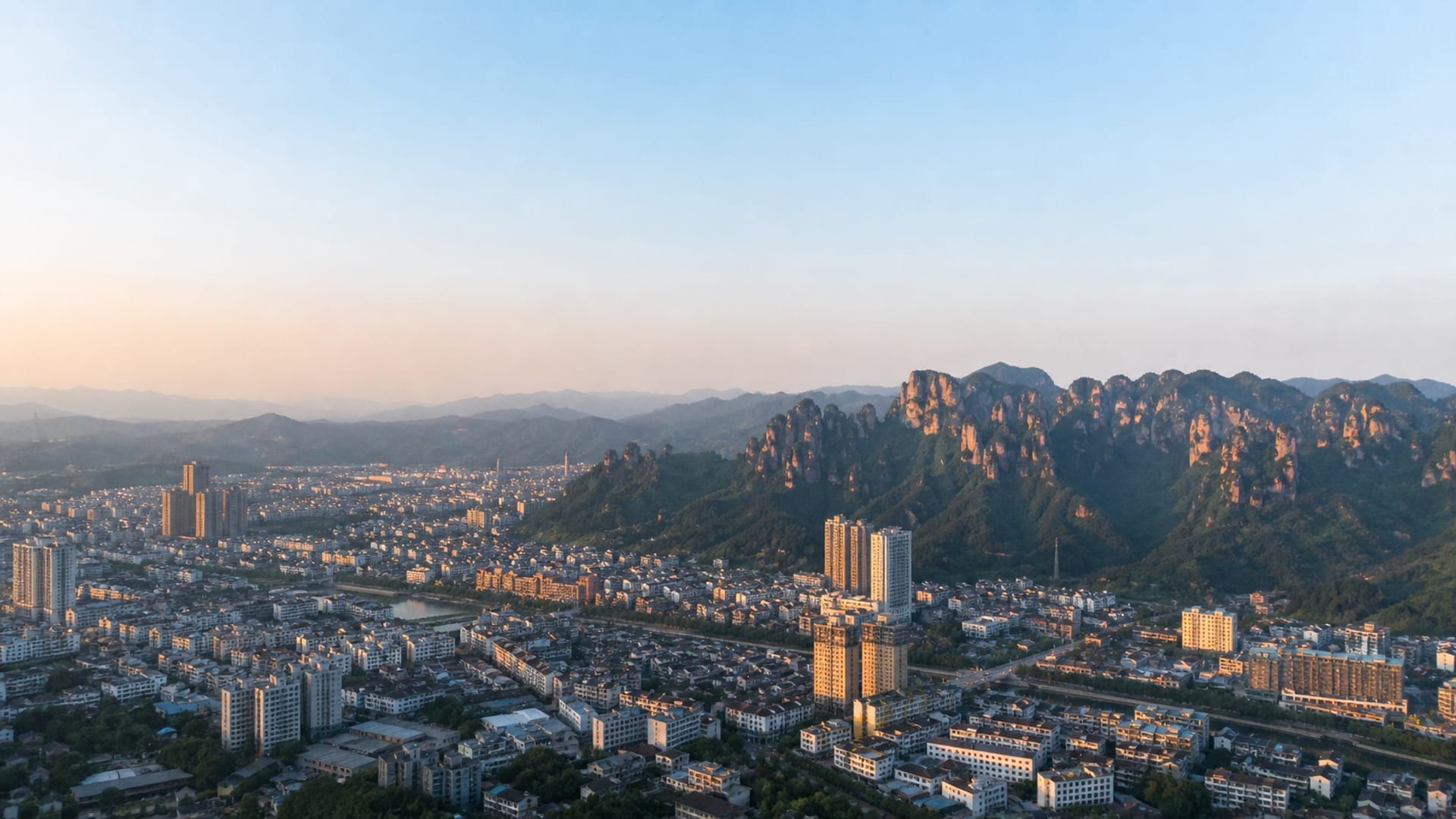
Zhangjiajie trips often start with the headline sights, then run straight into shuttle lines, cable car queues, and long cross-town transfers. Travelers usually miss how much time the park system, mountain gates, and downtown district can split a day.
That pattern works badly when a single scenic zone sits far from the next one, and peak-hour crowds slow the links between them. Dining and late returns also become harder if you base yourself too far from the station, the cableway, or Wulingyuan.
This guide lays out a clearer sequence, from arrival and overnight choices to park days, mountain days, and departure timing, so each move matches the ground reality in Zhangjiajie.
Useful things to know

Main language(s): Mandarin Chinese
你好 (nǐ hǎo) – Hello
请问 (qǐng wèn) – Please
谢谢 (xiè xie) – Thank you
你会说英语吗? (nǐ huì shuō yīng yǔ ma?) – Do you speak English?
多少钱? (duō shao qián?) – How much does it cost?

Currency: The local currency is the Chinese yuan (CNY, ¥).

Cash and cards: Cards and contactless are limited, so carry about ¥200 to ¥500 ($28 to $70) in cash.

Tipping: No tipping is expected, though rounding up small amounts is fine.

Traditional food: Sanxia Guo, Tujia cured pork, steamed fish with chili, Zhangjiajie rice tofu

Water and coffee costs: Water about ¥3 to ¥6 ($0.40 to $0.85), bar espresso about ¥25 to ¥35 ($3.50 to $5).

Taxis and ride apps: Didi works here; verify the plate and pickup point before boarding.

Plug and voltage: Type A/C socket, 220V

Dining and shop opening hours: Breakfast is about 07:00-09:00, lunch 11:30-13:30, and dinner 18:00-20:00. Many restaurants stop serving late at night.

Emergency number: Police 110, ambulance 120, fire 119.
Where to stay in Zhangjiajie
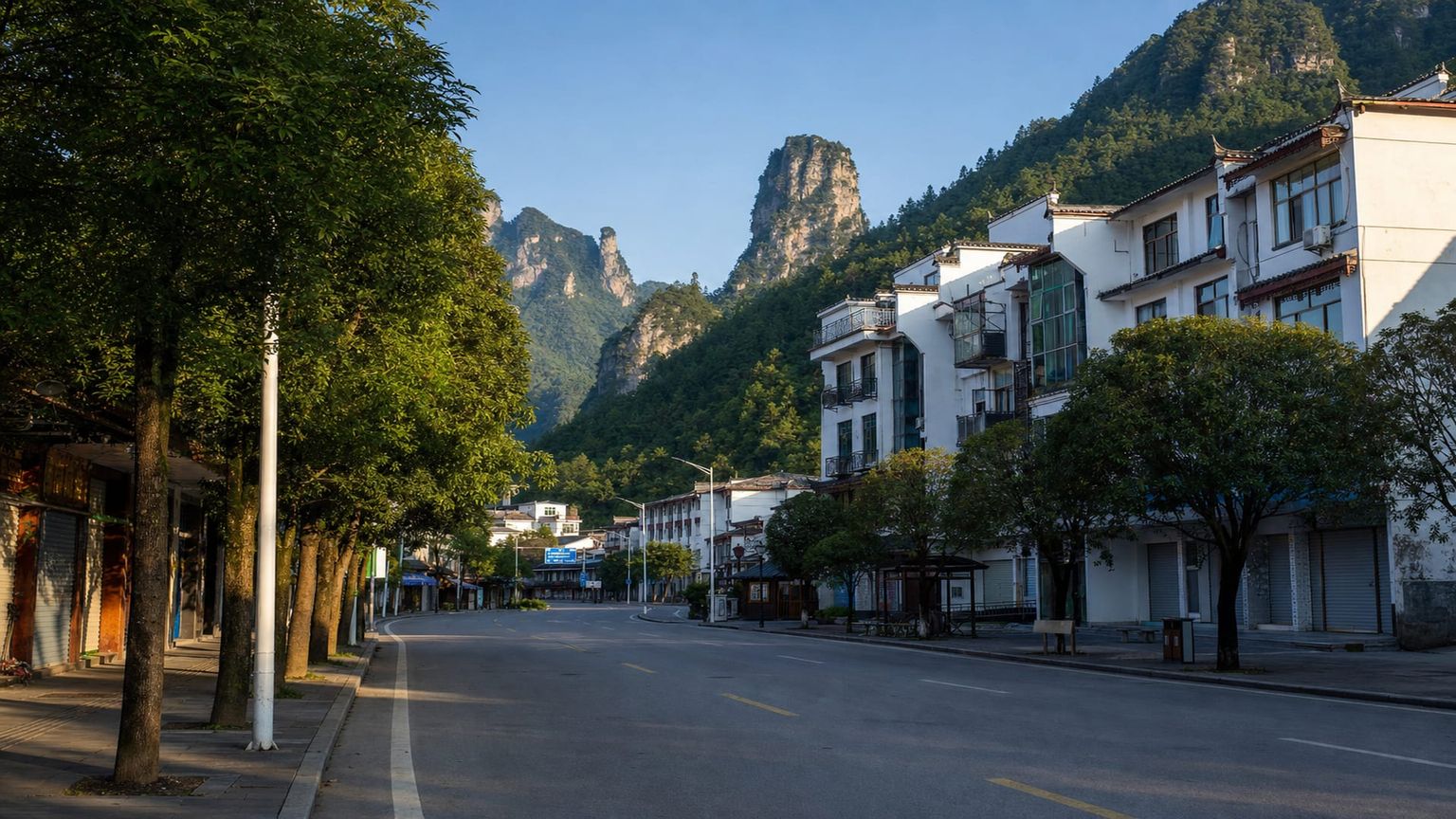
The main base for Zhangjiajie National Forest Park sits beside the park’s eastern gates, with guesthouses, restaurants, and ticket offices clustered around the center. It matters because it cuts transit time for early park entries and Zhangjiajie Grand Canyon day trips.
Best for: Park access, early starts, and travelers who want to spend more time inside the national park area
What to expect: Busy pedestrian streets, many tour groups, and a steady flow of visitors heading to park entrances.
Hotel prices: Usually about 300元 to 700元 (~$42 to ~$97) per night for well-rated stays
Distance to major sights: About 10 to 15 minutes by taxi to Zhangjiajie National Forest Park East Gate, about 25 to 35 minutes to Zhangjiajie Grand Canyon
Quietness: Active in the day, quieter after dinner once tour buses thin out.
Main trade-off: You gain the shortest access to the park, but dining and shopping are basic compared with the city center.
Good to know: If you plan dawn starts, stay close to the eastern gates so you are not tied to shuttle schedules before sunrise.
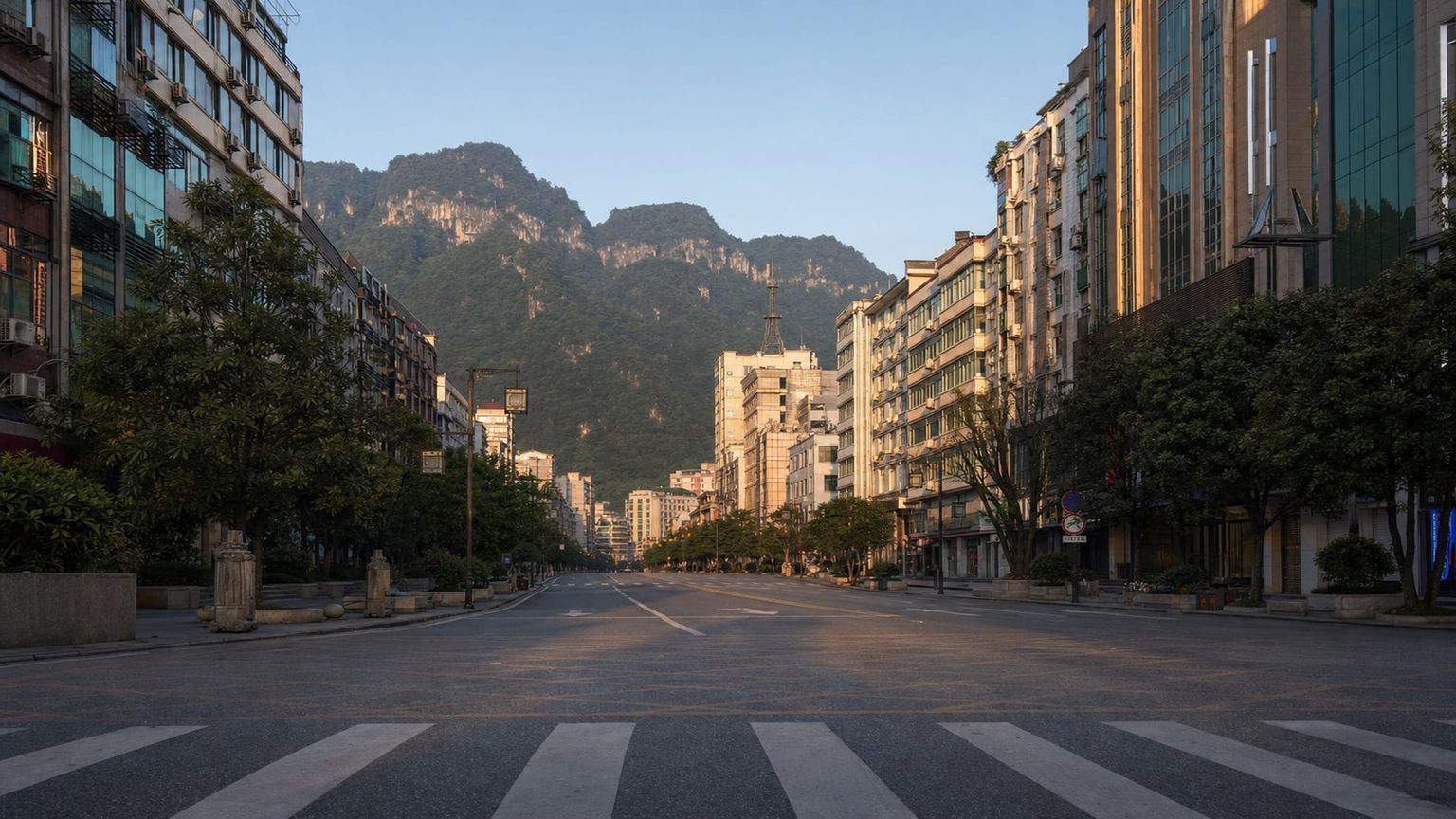
The core urban area near Zhangjiajie Railway Station and the main bus terminal has the widest choice of hotels, shops, and local restaurants. It works well if you want city conveniences, easier airport transfers, and a broader dining range.
Best for: Rail arrivals, airport transfers, and travelers who want the widest mix of dining and hotel choices
What to expect: Lively streets, more local traffic than sightseeing crowds, and the most everyday city activity after dark.
Hotel prices: Usually about 250元 to 600元 (~$35 to ~$83) per night for well-rated stays
Distance to major sights: About 15 to 20 minutes by taxi to Tianmen Mountain Cableway, about 35 to 45 minutes to Zhangjiajie National Forest Park East Gate
Quietness: Moderate during the day, calmer at night away from the main commercial blocks.
Main trade-off: You save money and gain convenience, but you will spend more time reaching the national park entrances.
Good to know: If your itinerary mixes the mountain parks with train or bus arrivals, this is the easiest place to keep transit simple.
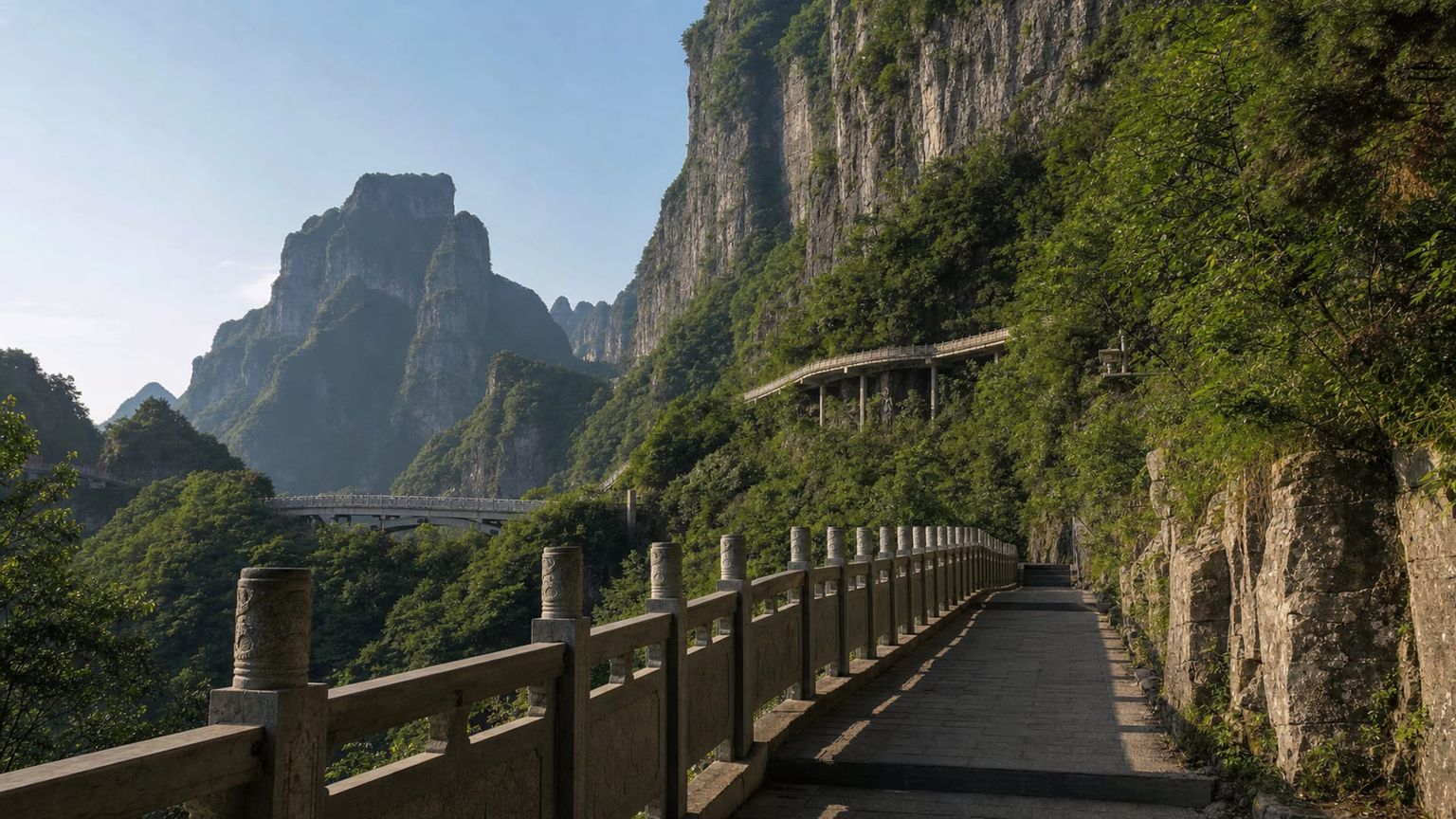
The area around the Tianmen Mountain Cableway and nearby hotels sits closest to Zhangjiajie’s signature cliffside attraction. Staying here makes sense if Tianmen Mountain is your first stop or your only full sightseeing day.
Best for: Tianmen Mountain visits, short stays, and travelers with an early cable car ticket
What to expect: Touristy streets near the cableway, with heavier movement in the morning and late afternoon.
Hotel prices: Usually about 280元 to 650元 (~$39 to ~$90) per night for well-rated stays
Distance to major sights: About 5 to 10 minutes on foot to Tianmen Mountain Cableway, about 15 to 20 minutes by taxi to Zhangjiajie city center
Quietness: Busy around cable car hours, much quieter late evening.
Main trade-off: The location is convenient for Tianmen Mountain, but hotel choice is narrower and prices can rise near peak dates.
Good to know: Book here only if the cableway is central to your plan, because most other sights still need taxi time from this side of town.
Travelers usually avoid staying in Yongding District’s outer suburbs, since they sit far from Zhangjiajie National Forest Park and the Tianmen Mountain cable car area, with fewer visitor amenities and longer taxi rides after dark. The villages and fringe areas near Wulingyuan Scenic Area’s far edges are also less convenient, because many lodging options cluster away from the main entrance and evening dining choices are limited, and the industrial and residential outskirts near Zhangjiajie Railway Station are better for transit than for sightseeing.
Hotel deals
How to get around Zhangjiajie efficiently
Zhangjiajie has no metro, so most visitors move by bus, taxi, Didi, and the cableway network tied to Tianmen Mountain.

Metro
for longer distances
Zhangjiajie has no metro, so visitors rely on buses, taxis, and the cable car links up to Tianmen Mountain. For airport transfers, the ride from Zhangjiajie Hehua Airport (DYG) into downtown Wulingyuan or Yongding takes roughly 20 to 35 minutes by car, depending on traffic.

Bus and tram
for convenience
The bus network links Zhangjiajie Hehua Airport (DYG), Zhangjiajie downtown, Wulingyuan, and the main scenic-area gates; single fares are usually about $0.30 to $1 (¥2 to ¥7), paid on board or with a local transit card where accepted, and most rides take 30 to 60 minutes. Services thin out after dusk and can take much longer during holiday peaks, so check the last departure before planning an evening return.

Taxi
for convenience or late hours
Licensed taxis use meters rather than set citywide fares, with flag-drop prices usually about $1.50 to $2.50 and most downtown trips costing about $4 to $12; from Zhangjiajie Hehua Airport (DYG) to central districts or Wulingyuan, expect roughly $10 to $25, depending on distance and traffic. Ask for the meter, carry small bills or use mobile payment if the driver accepts it, and note that late-night rides may add a small surcharge in practice.
*Prices are based on rates updated as of June 2026 and may change at the time of travel.
Use buses for low-cost links, taxis or Didi for hotel-to-gate transfers, and the cable car only when the mountain itself is the destination.
Iconic landmarks
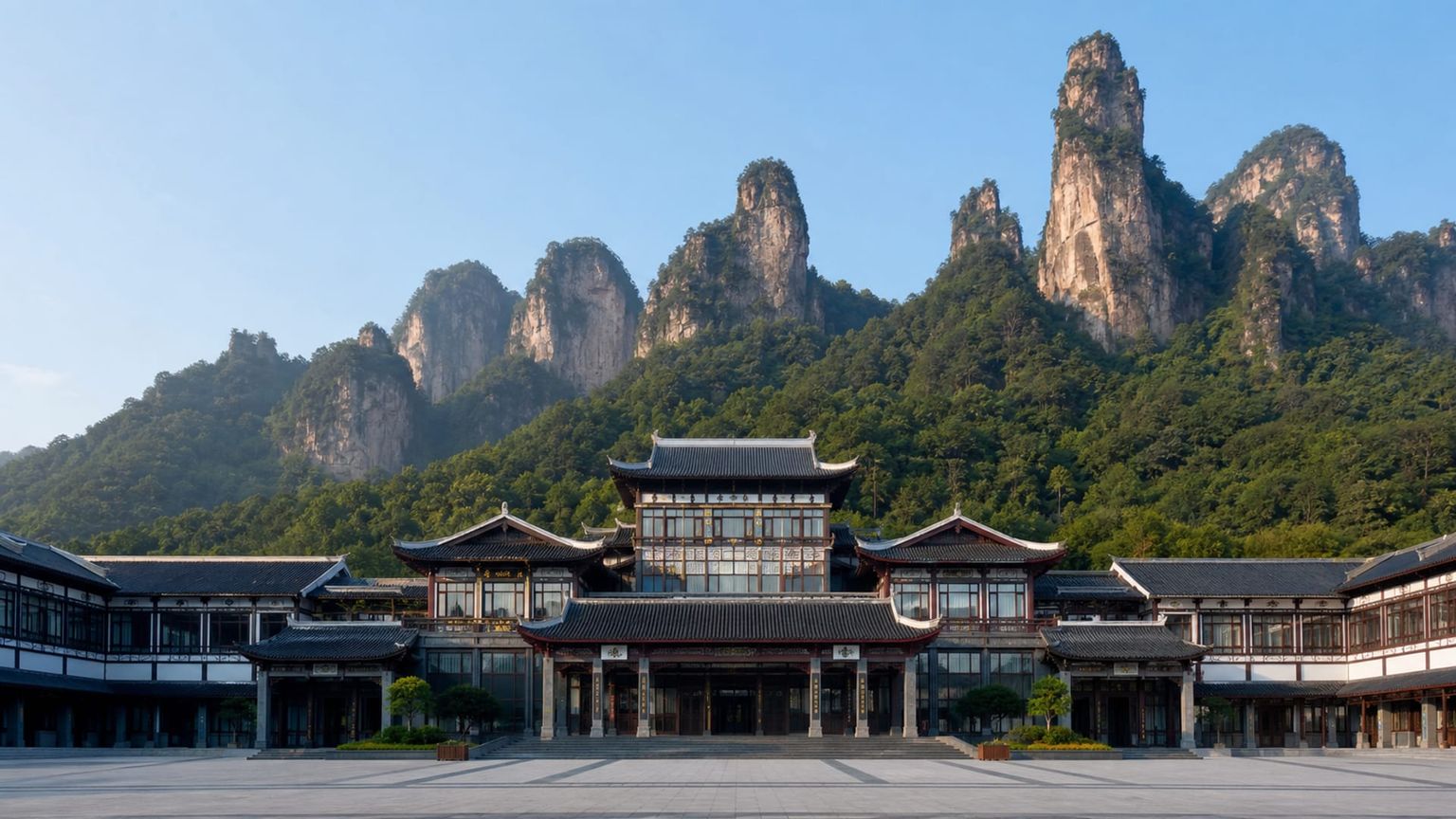
Zhangjiajie National Forest Park
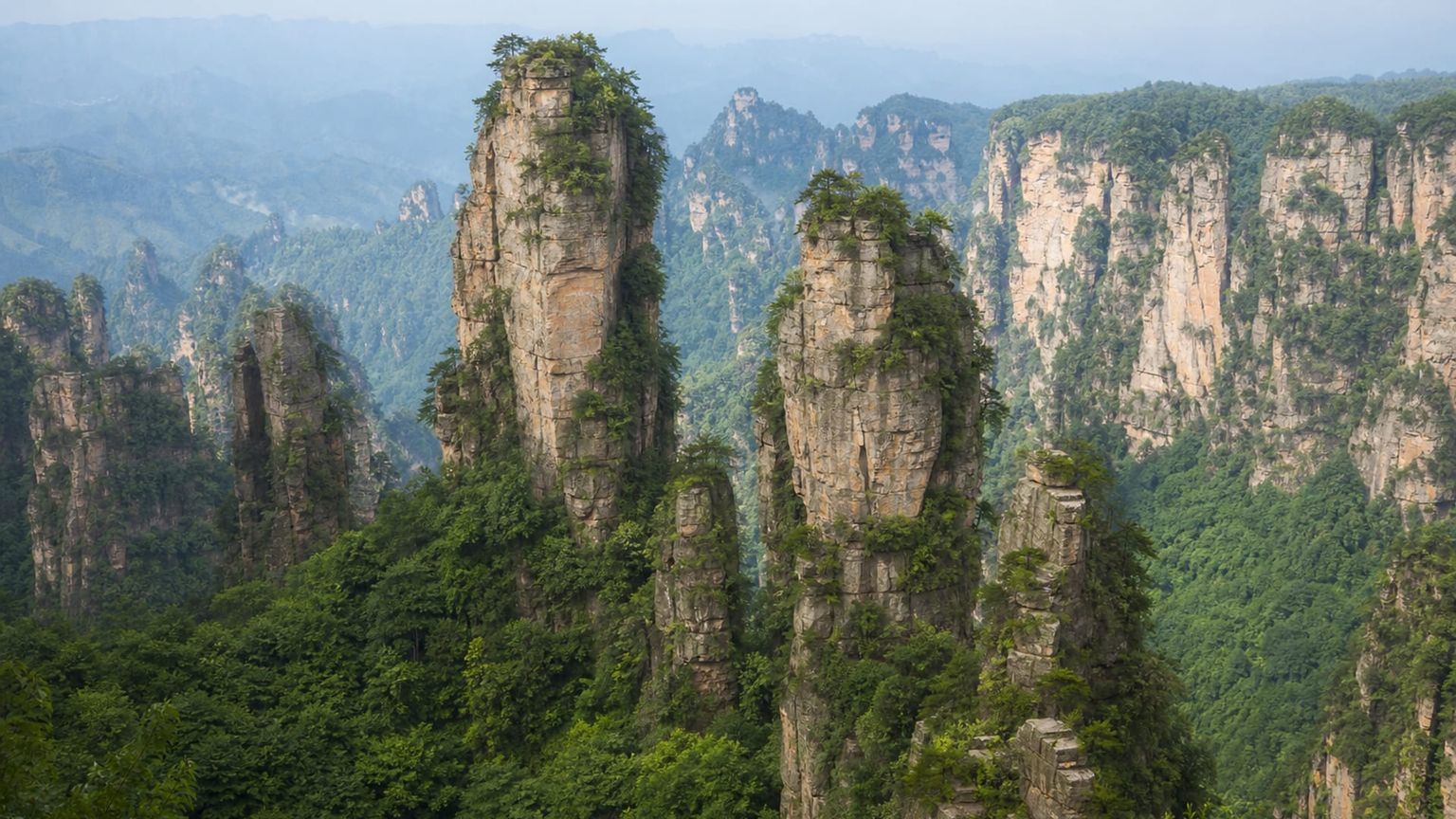
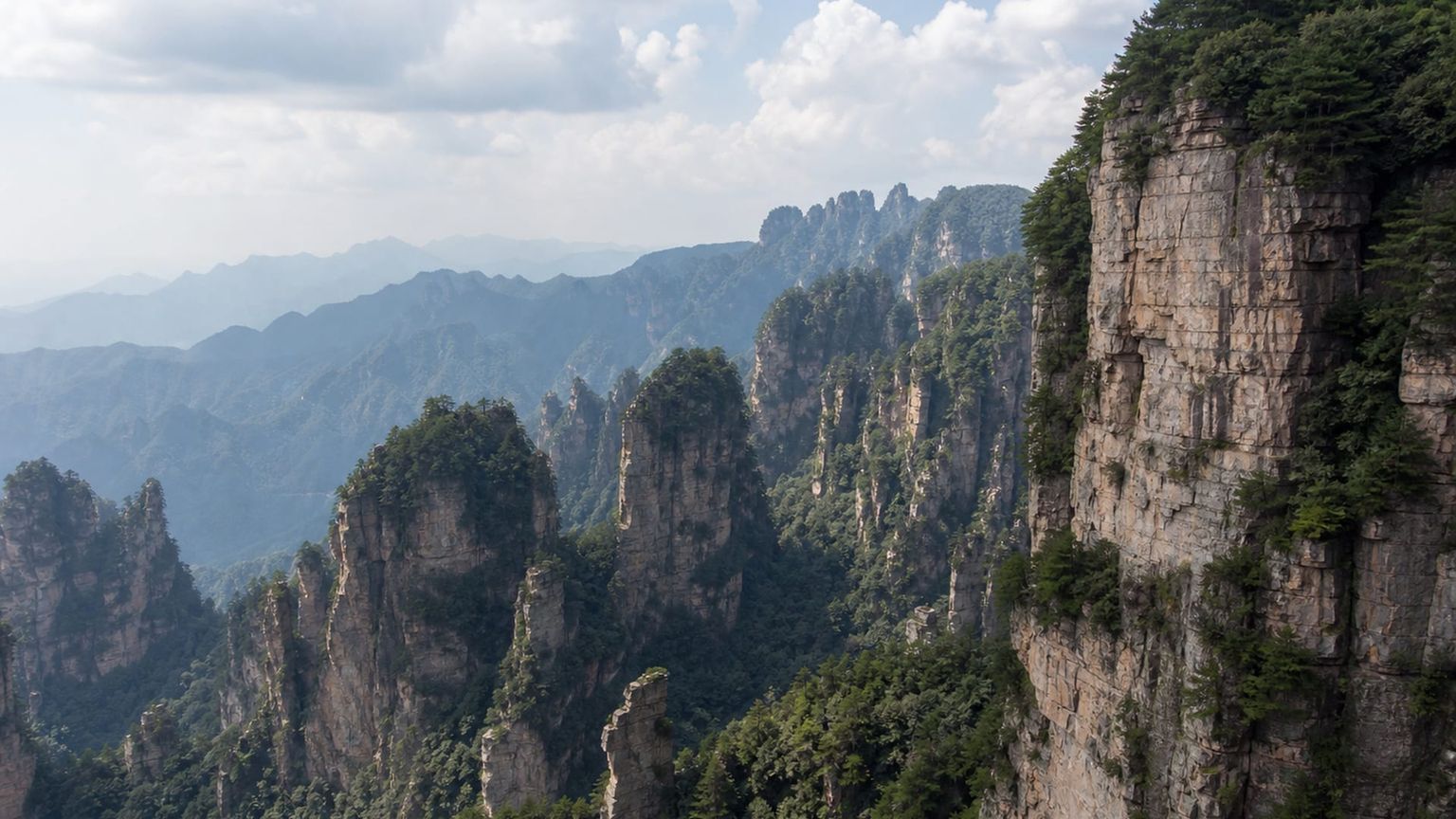
The park’s quartz-sandstone pillars rise in the Wulingyuan Scenic Area, with Yuanjiajie, Tianzi Mountain, and Golden Whip Stream among the best-known sections. It is the core landscape most visitors come to see in Zhangjiajie.
Time needed: About 1 full day
Entry: Tickets cost about $31 to $39 (¥227 to ¥278), with transport inside the park sold separately on some routes; prices vary by season. Visit the official site for details.
Tip: Start early, then use the shuttle buses to link one peak area with one valley walk.
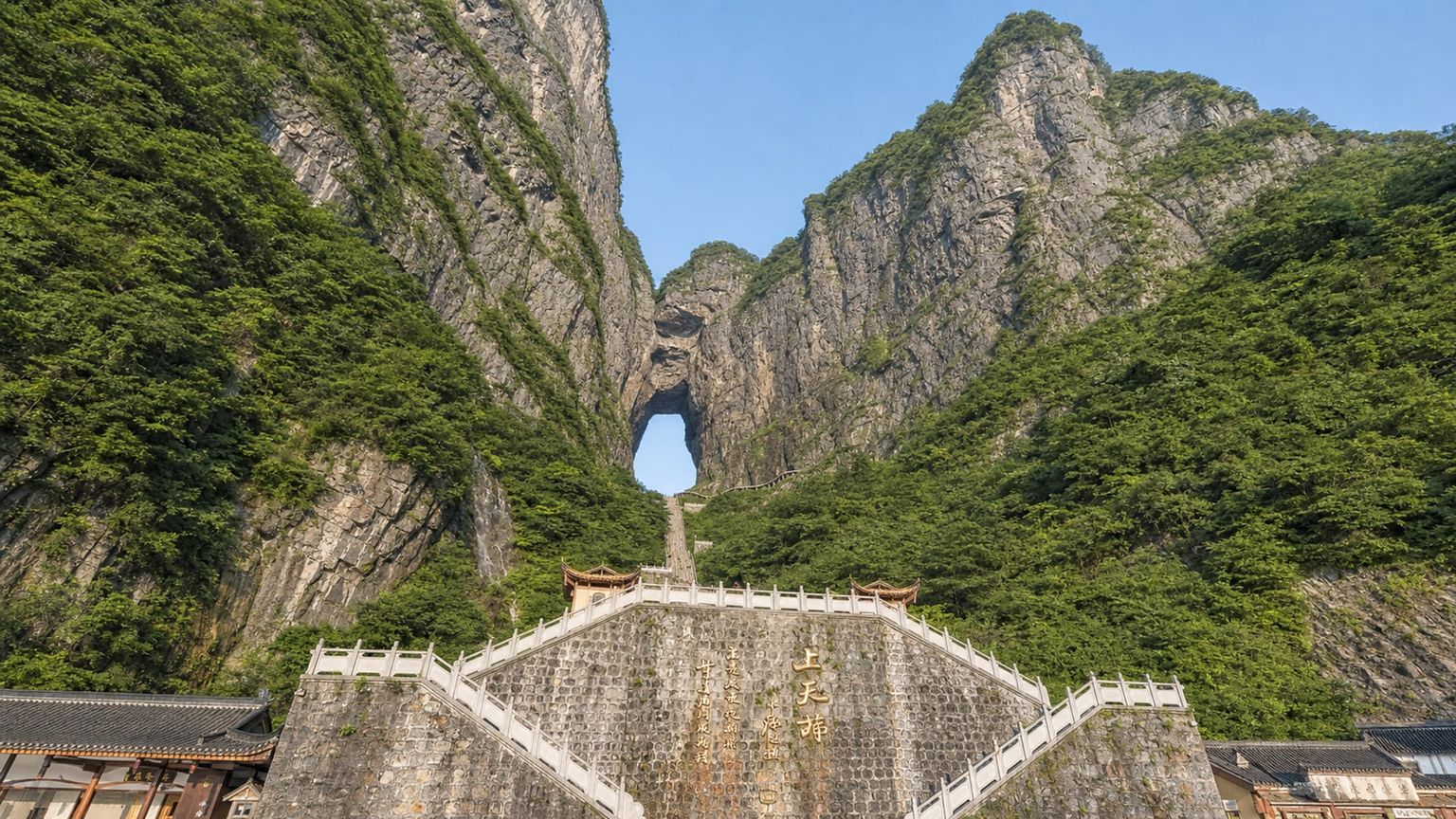
Tianmen Mountain National Forest Park
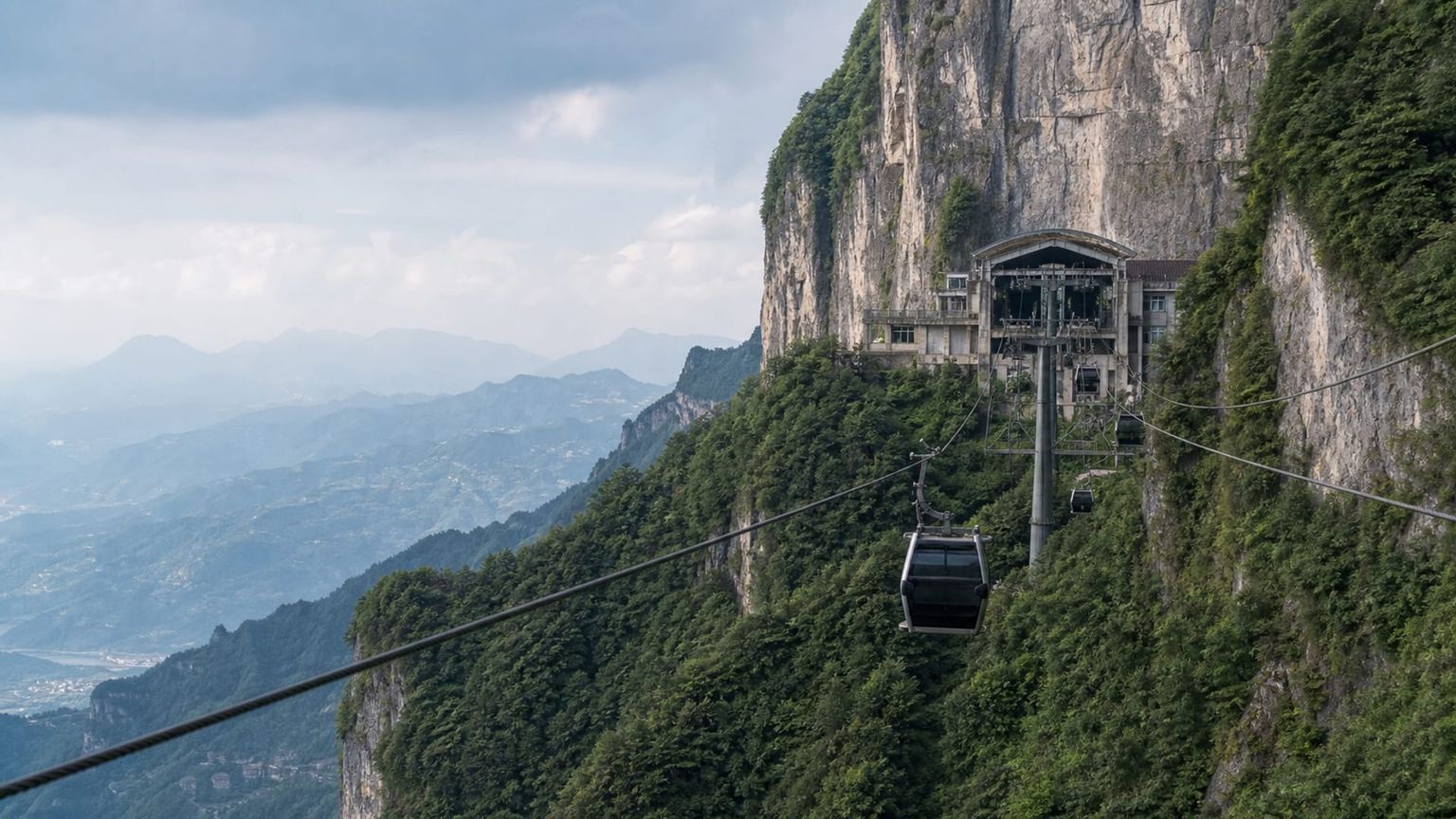
Tianmen Mountain rises close to downtown Zhangjiajie and combines the long cableway, cliff paths, and the Tianmen Cave arch. Its summit views and glass walkways make it one of the city’s most visited sights.
Time needed: About 4 to 6 hours
Entry: Tickets cost about $37 to $52 (¥268 to ¥372), depending on cable car or shuttle route; pricing changes by season and access point. Visit the official site for details.
Tip: Go in the morning for clearer views and shorter queues at the cableway.
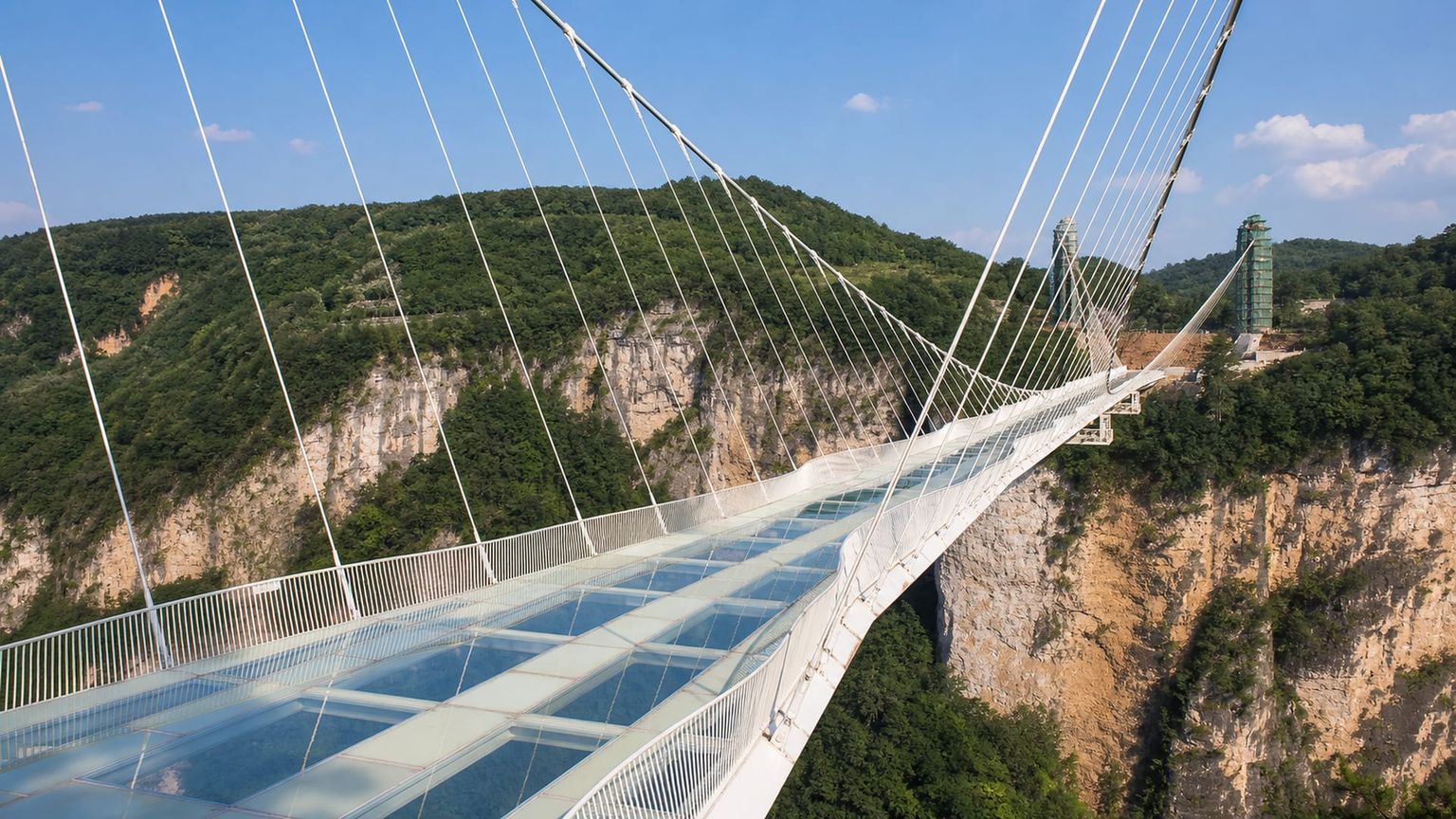
Zhangjiajie Grand Canyon Glass Bridge
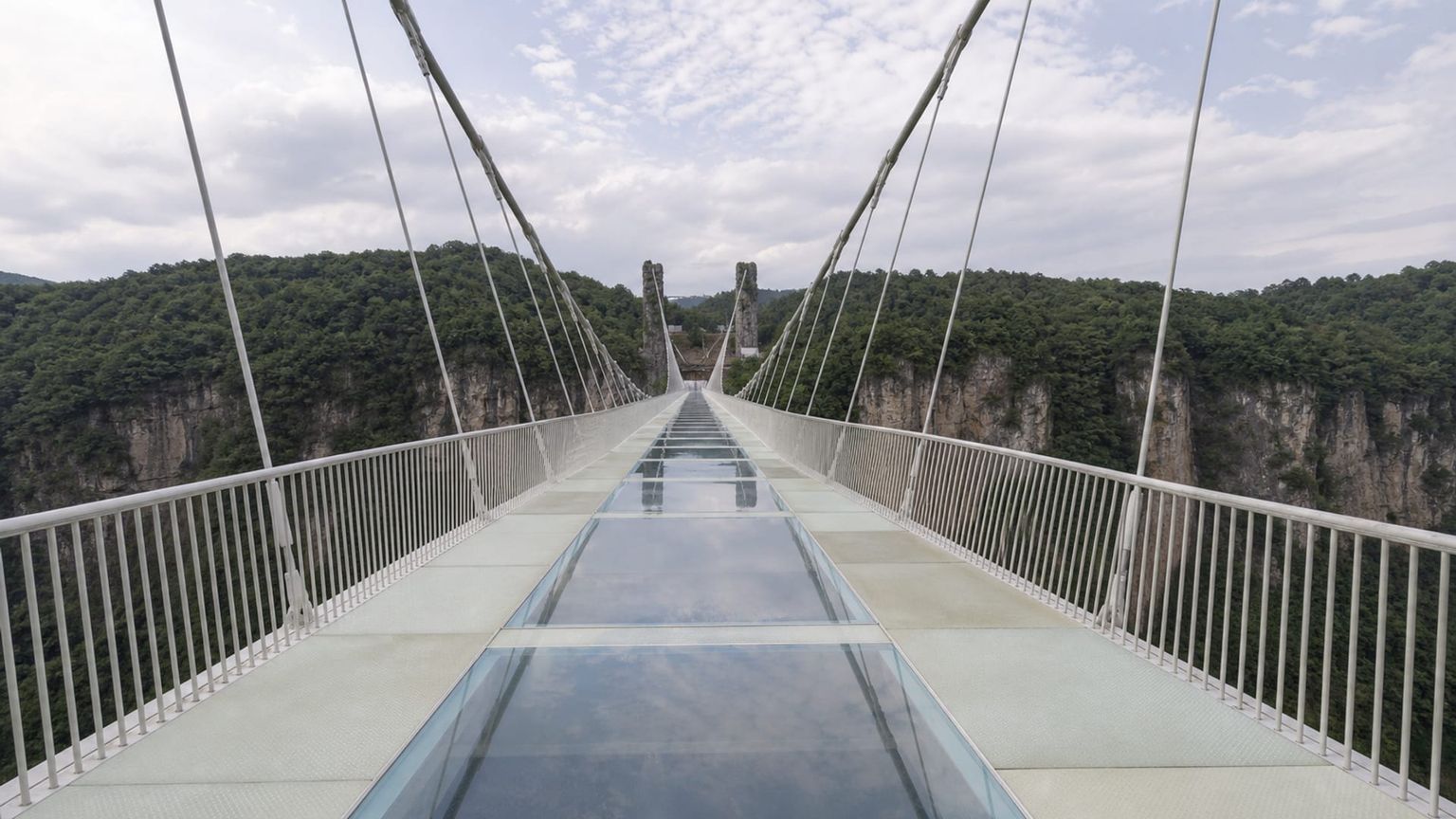
The Zhangjiajie Grand Canyon Glass Bridge spans the canyon outside the city center and gives a direct look into the forested gorge below. It pairs with short canyon trails, making a half-day visit.
Time needed: About 2 to 3 hours
Entry: Tickets cost about $33 to $47 (¥238 to ¥338), with bridge access and canyon admission priced together on standard visits. Visit the official site for details.
Tip: Visit on a clear day, since fog and rain can hide the gorge view below.
Overlooked sites worth visiting

Dayong Ancient City
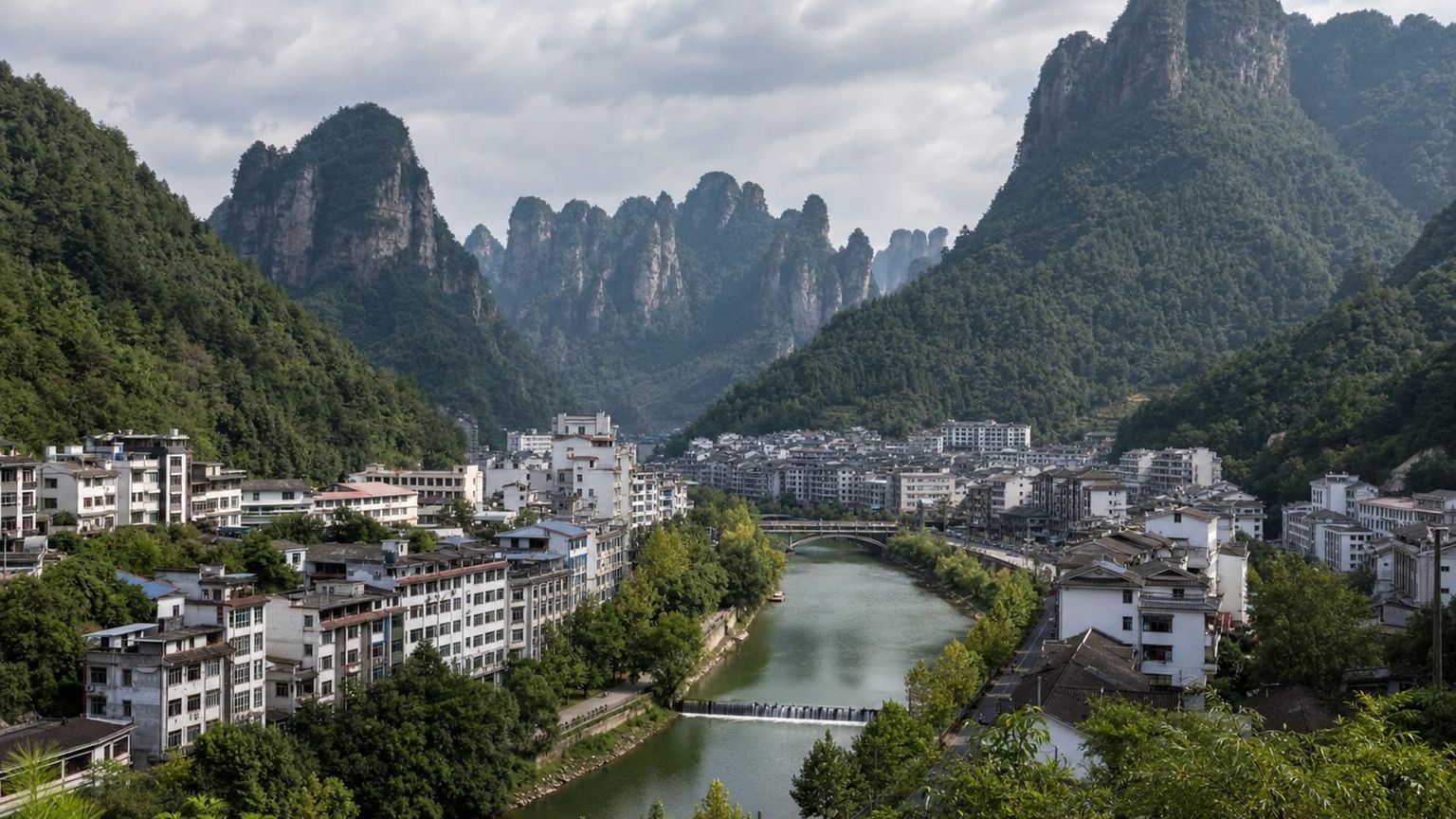
Walled lanes near downtown Zhangjiajie hold restored gates, timber houses, and small temples tied to the Tujia culture. It works well for an evening walk, with snacks, lighted facades, and local performances.
Time needed: About 1 to 2 hours
Entry: Admission is free for the streets and plazas. Some indoor exhibits, performances, and seasonal shows charge separate tickets, usually about $3 to $14 (about ¥20 to ¥100), depending on the program and seat type.
Tip: Go after sunset for the best lighting and fewer tour groups.

Baofeng Lake
This compact lake sits in a karst basin near the Wulingyuan area, with calm water, wooded slopes, and short boat circuits. It suits a slower visit and gives a clear look at the cliffs without a long hike.
Time needed: About 2 hours
Entry: Admission with the shuttle boat usually costs about $24 to $32 (about ¥168 to ¥228) per adult, with peak-season pricing and optional extras varying by date, ticket channel, and whether you combine it with other Wulingyuan-area passes.
Tip: Take the earliest boat to avoid queueing and glare on the water.
Traditional food
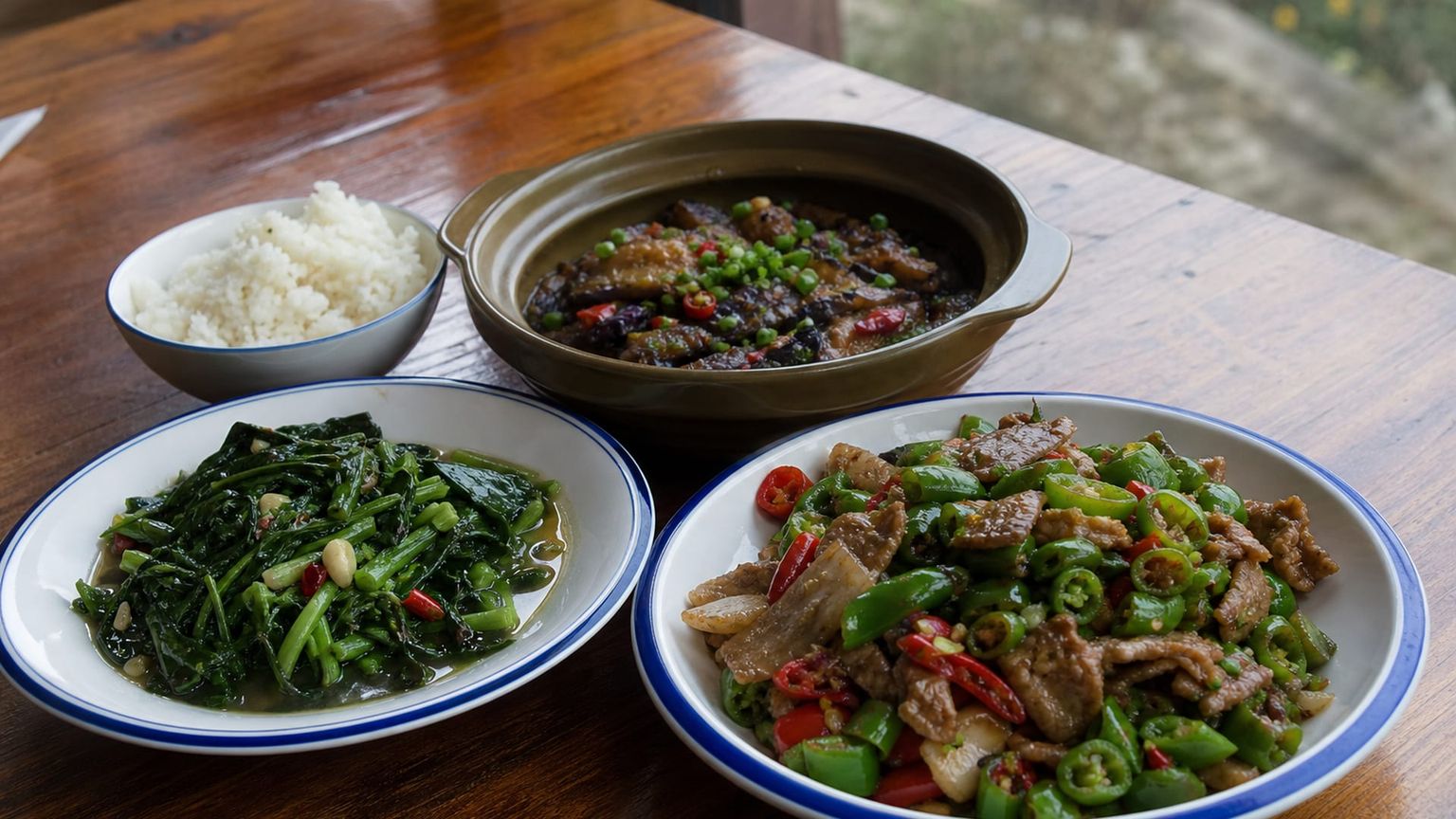
Zhangjiajie cooking leans on Hunan heat, river fish, cured pork, and rice-based staples, with smoky, sour, and chili-forward flavors. Meals are most useful when they are warm, quick, and close to the park gates or station streets.
Sanxia Guo
A three-flavor hot pot style dish built for sharing, with a strong chili backbone and a mix of meat and vegetables. In Zhangjiajie, Xiaoqiu Tujia Restaurant is a known place to try it.
Tujia cured pork
Smoked and salted pork from Tujia cooking, usually served with rice or vegetables for a deeply savory meal. Qin’s Kitchen in Wulingyuan is a dependable local stop for it.
Steamed fish with chili
Fresh fish steamed with chopped chilies for heat and aroma, a classic Hunan table dish. At Fuqiaolou Restaurant, it fits the regional style well.
Zhangjiajie rice tofu
Soft rice tofu appears in soups or stir-fries and gives a lighter counterpoint to the city’s spicier dishes. Wulingyuan Home Kitchen is a sensible place to order it.
Best time to visit Zhangjiajie
Zhangjiajie changes with mist, rain, and temperature swings, so the best season depends on whether you want clearer pillar views, lighter queues, or cooler hiking weather.
Best for: Fresh greenery, clear mornings, and strong conditions for the forest park
What you get: Temperatures about 45°F to 72°F (7°C to 22°C), with moderate crowds outside holiday weeks
Trade-offs: Rain can arrive in short bursts, and the mountain views may hide in fog
Best for: Long daylight and full access to both mountain and canyon days
What you get: Temperatures about 72°F to 91°F (22°C to 33°C), with the heaviest domestic crowds and humid air
Trade-offs: Queues are longer, and midday heat makes exposed walks less comfortable
Best for: The clearest overall balance of visibility, temperatures, and pacing
What you get: Temperatures about 48°F to 79°F (9°C to 26°C), with manageable crowds after the summer peak
Trade-offs: Holiday periods in early October can fill the major sites quickly
Best for: Quieter park visits and the chance of misty cliff scenery
What you get: Temperatures about 34°F to 52°F (1°C to 11°C), with lighter crowds except during Lunar New Year travel peaks
Trade-offs: Cold, damp weather can limit visibility and make some outdoor sections less appealing
A realistic 5-day plan in Zhangjiajie
A five-day Zhangjiajie trip works best when the first night softens the arrival, the middle days split the mountain park from Tianmen Mountain and the canyon, and the final day stays close to downtown before the airport transfer.
Fly into Zhangjiajie Hehua Airport (DYG), then take a taxi to Zhangjiajie city center in about 20 to 30 minutes for roughly $6 to $10 (about ¥45 to ¥70). If you land late, stay near Zhangjiajie Railway Station or the main bus terminal, where evening dining is easier to find and the next morning’s transport is simple. Keep dinner close to your hotel, such as a local noodle shop or a small Hunan restaurant in the commercial streets near the station, then drink plenty of water and get an early night before the park day.
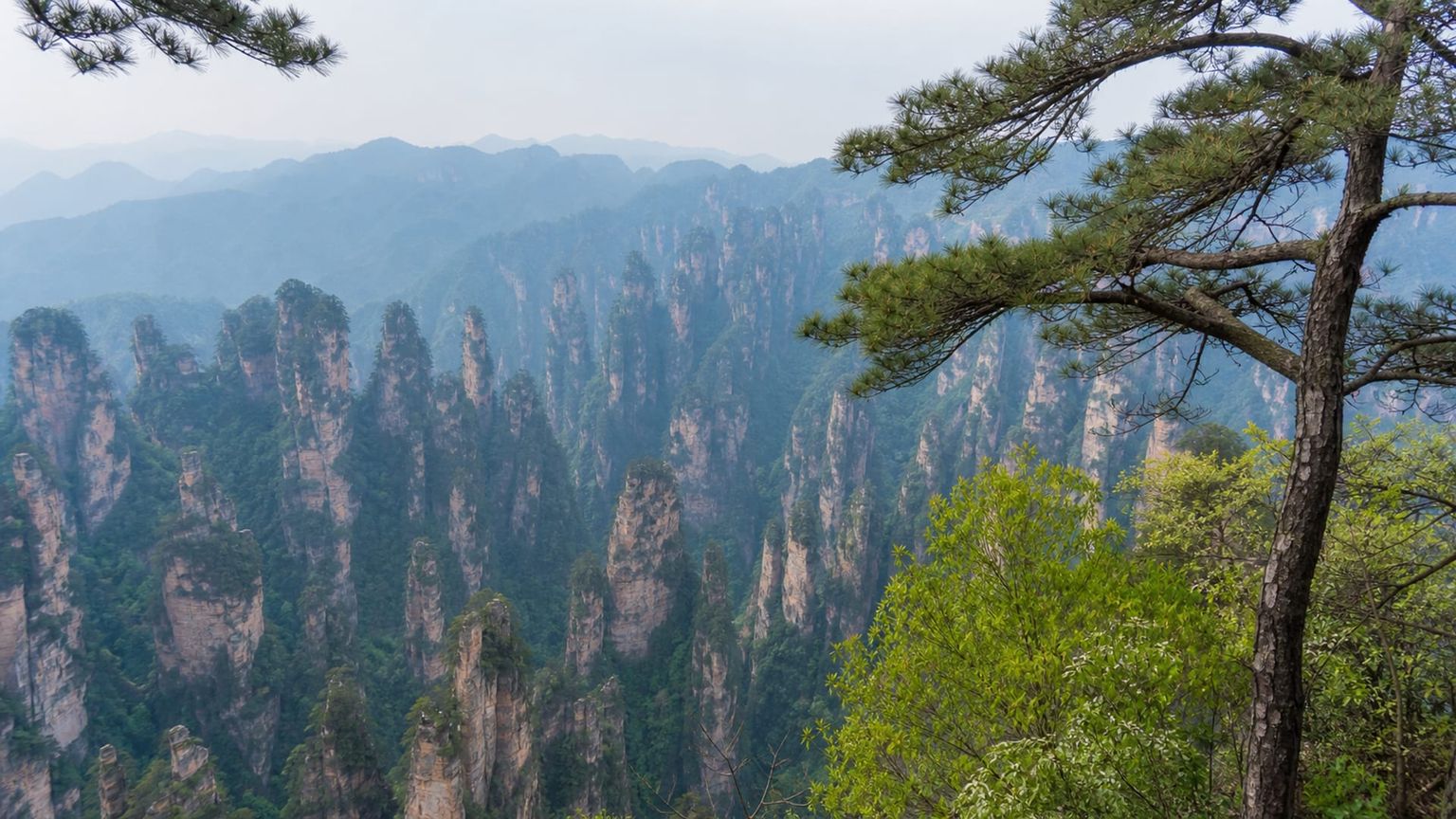
Start before 8:00 am for Zhangjiajie National Forest Park, then enter via Wulingyuan town so you can reach the eastern gates without a long taxi ride. Spend the morning on the park shuttle network to Yuanjiajie, where the pillar scenery is strongest, then continue by shuttle or cable car toward Tianzi Mountain for wider ridge views; moving between these sections usually takes about 20 to 40 minutes at each link, depending on queues. Finish with a walk along Golden Whip Stream if you want a flatter stretch, then return to Wulingyuan town for an early dinner near the park entrances.
Tianmen Mountain fits best on a morning start, especially if you stay near Tianmenshan scenic area the night before and want to reach the cableway in about 5 to 10 minutes on foot. Ride the cable car up, circle the summit paths, and spend time at Tianmen Cave and the glass walkways; the full visit usually takes about 4 to 6 hours. After descending, taxi back to the city center in roughly 15 to 20 minutes, then settle into the evening around the main commercial blocks where you can find a broader dinner choice than near the mountain base.
A clear-weather day works well for Zhangjiajie Grand Canyon Glass Bridge, which sits about 25 to 35 minutes by taxi from Wulingyuan town and roughly 45 to 60 minutes from the city center. Go early for the bridge, then add the canyon trails below, since the combined visit usually takes about 2 to 3 hours before the crowd builds. If you still have energy, continue to Baofeng Lake for the boat circuit, which adds about 2 hours more and gives you a quieter change of pace before heading back for dinner in Wulingyuan town.
Before departure, walk through Dayong Ancient City in the evening or late morning if your flight timing allows, since the restored lanes are easy to cover in about 1 to 2 hours and sit close to downtown. From there, spend the rest of the day in the city center, where you can browse local shops near Zhangjiajie Railway Station or pause for coffee in the blocks around the main bus terminal. Book your taxi to Zhangjiajie Hehua Airport (DYG) with at least an hour in hand, which usually leaves enough time for a relaxed transfer from the center.
Business-class flights from the US to Zhangjiajie
Flights to Zhangjiajie usually connect through one or more major Asian hubs, so the best route depends on whether you are starting from the East Coast or the West Coast. The examples below focus on longer premium itineraries that fit a full sightseeing trip.
From New York, airlines such as China Southern Airlines, Air China, Cathay Pacific, Korean Air, and China Eastern Airlines usually route through CAN, PEK, HKG, ICN, or PVG, with total travel time often about 20 to 28 hours. Round-trip fares in this cabin usually run from $2,900 to $5,800.
Los Angeles travelers can usually choose among China Southern Airlines, Air China, Cathay Pacific, Korean Air, and China Eastern Airlines, with itineraries that connect through CAN, PEK, HKG, ICN, or PVG. The trip typically takes about 16 to 24 hours overall, and round-trip fares in this cabin usually run from $2,600 to $5,200.
Zhangjiajie feels different when you slow down
A well-planned Zhangjiajie trip ties each night to the next day’s terrain, Wulingyuan for early park entries, Tianmenshan scenic area for the cableway, then downtown for easier dining and departure timing. That approach cuts down on backtracking and gives the canyon, the glass bridge, and Dayong Ancient City the time they deserve. If you want help shaping the route, the AranGrant experts can build it around your dates and pace







