

Chapters:

Need help with your trip?
Our support team is available 24/7. Request a callback or call us directly at (833) 619-0908
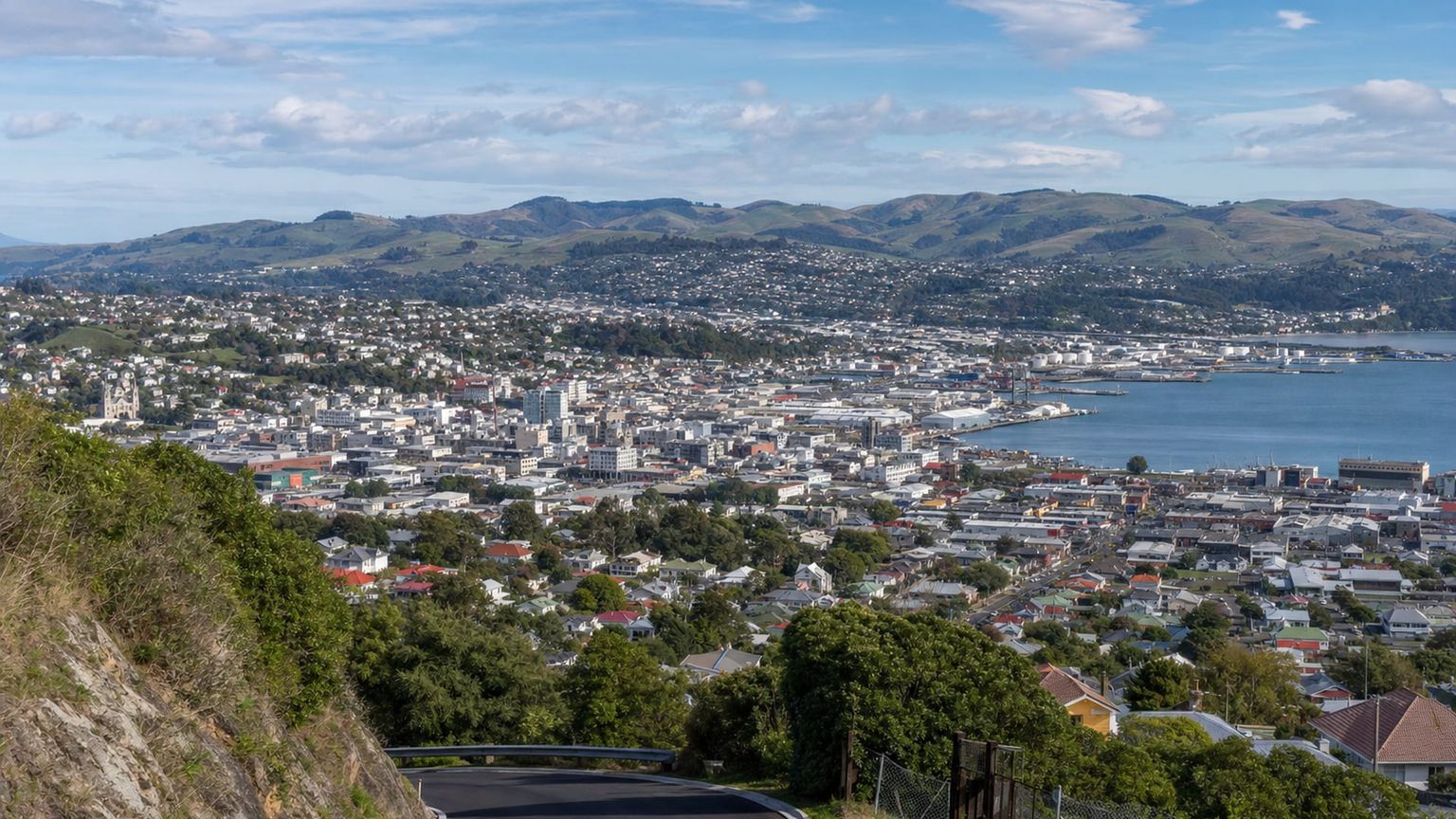
Dunedin usually gets treated as a quick stop for the peninsula, the castle, and a museum circuit, then travelers hurry back downhill without much time in the center. They miss how much the city changes once you factor in the hills, the harbor edge, and the way a few key sights sit far apart.
That matters because a loose route here can turn into extra taxis, repeated climbs, and evenings spent crossing back and forth for dinner. The center is compact, but the peninsula and coastal walks ask for better timing than a simple list of attractions.
This guide slows the trip down into clear blocks, so you can pair districts, choose the right base, and plan each day with the city’s geography in mind.
Useful things to know

Main language(s): English

Currency: The local currency is the New Zealand dollar (NZD, $).

Cash and cards: Cards and contactless are widely accepted; carry about NZ$20 to NZ$40 for small purchases or rural stops.

Tipping: Tipping is optional; round up or leave 10% for good service at restaurants.

Traditional food: blue cod, whitebait fritters, muttonbird, cheese roll

Water and coffee costs: Water about NZ$3 ($2), bar espresso about NZ$5 ($3.50).

Taxis and ride apps: Uber and Ola operate here; availability can thin out late at night.

Plug and voltage: Type I socket, 230V

Dining and shop opening hours: Breakfast about 07:00-09:00, lunch 12:00-14:00, dinner 18:00-21:00. Many kitchens close by 21:00, earlier on Sunday.

Emergency number: Dial 111 for police, fire, or ambulance.
Where to stay in Dunedin
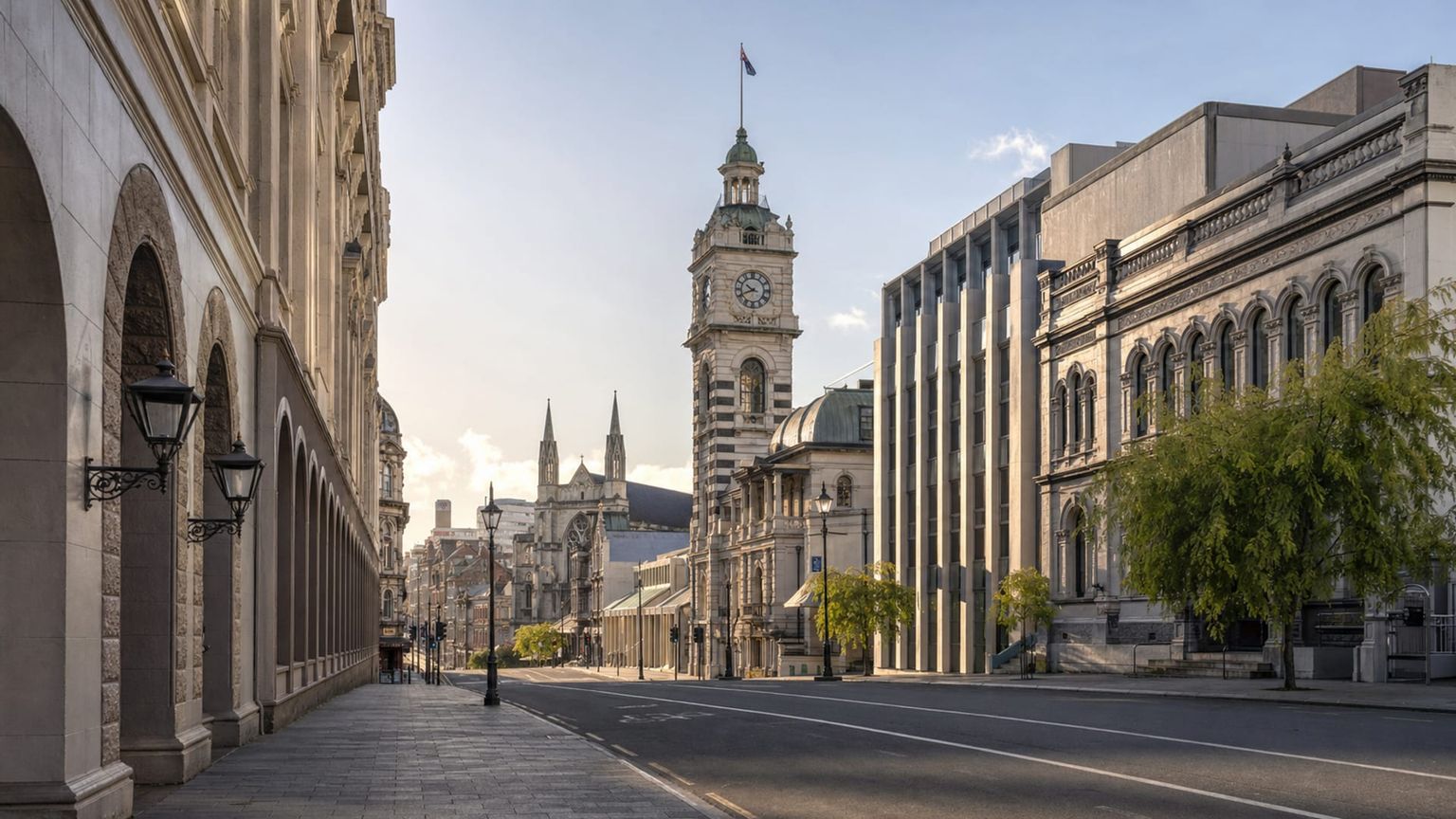
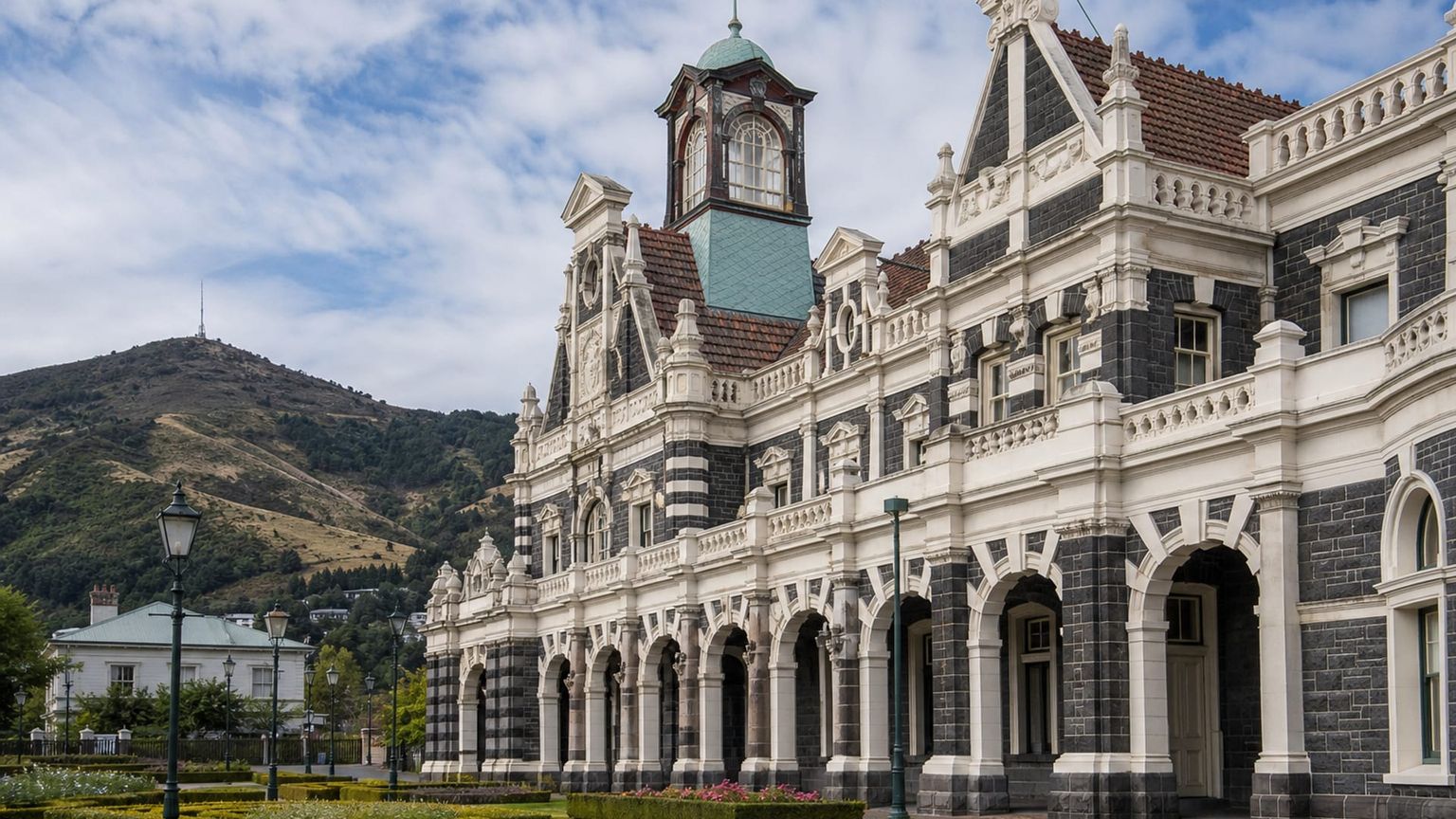
The city centre puts you beside Dunedin’s main streets, shops, and restaurants, with the Octagon and railway station close at hand. It suits visitors who want the shortest walks to museums, cafes, and evening dining without relying on transit.
Best for: First-time visits, car-free stays, and easy access to central dining and museums
What to expect: Busy sidewalks by day, with more foot traffic around restaurants and bars after dark.
Hotel prices: Usually about $120 to $220 per night for well-rated stays
Distance to major sights: About 5 minutes on foot to the Octagon; about 10 minutes on foot to the Dunedin Public Art Gallery
Quietness: Daytime is lively and traffic can be noticeable; evenings are quieter on side streets but busier near bars.
Main trade-off: Central convenience comes with more street noise and fewer large, quiet hotel grounds.
Good to know: If you plan to move around on foot, this is the easiest place to base yourself, but parking can be limited and expensive.
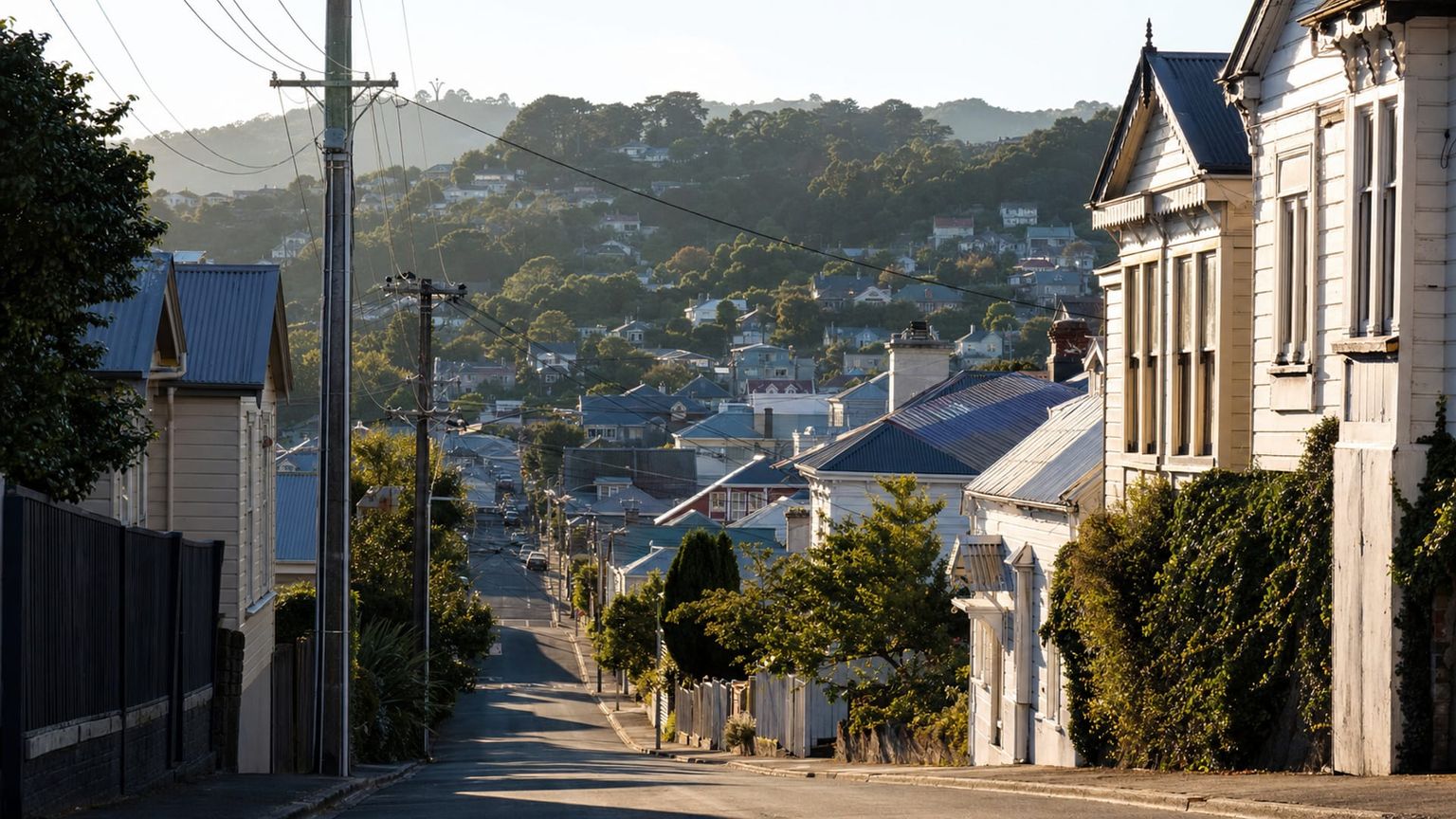
North Dunedin sits uphill from the centre beside the University of Otago, student housing, and large Victorian homes. It matters for travelers who want to stay near the university precinct and within a walk or short bus ride of the city centre.
Best for: University visits, budget-conscious stays, and access to the museum and botanical gardens
What to expect: Lively student streets, cafes, and rental houses, with more movement during term time and weekday mornings.
Hotel prices: Usually about $110 to $190 per night for well-rated stays
Distance to major sights: About 15 minutes on foot to the Octagon; about 10 minutes on foot to the Dunedin Botanic Garden
Quietness: Days can be active and traffic is steady; evenings are calmer on residential streets but busier near student bars.
Main trade-off: You gain proximity to the university precinct, but parking and late-night noise can be less predictable.
Good to know: Check uphill walking times before booking, because some streets are steep and a few minutes on the map can feel longer in person.
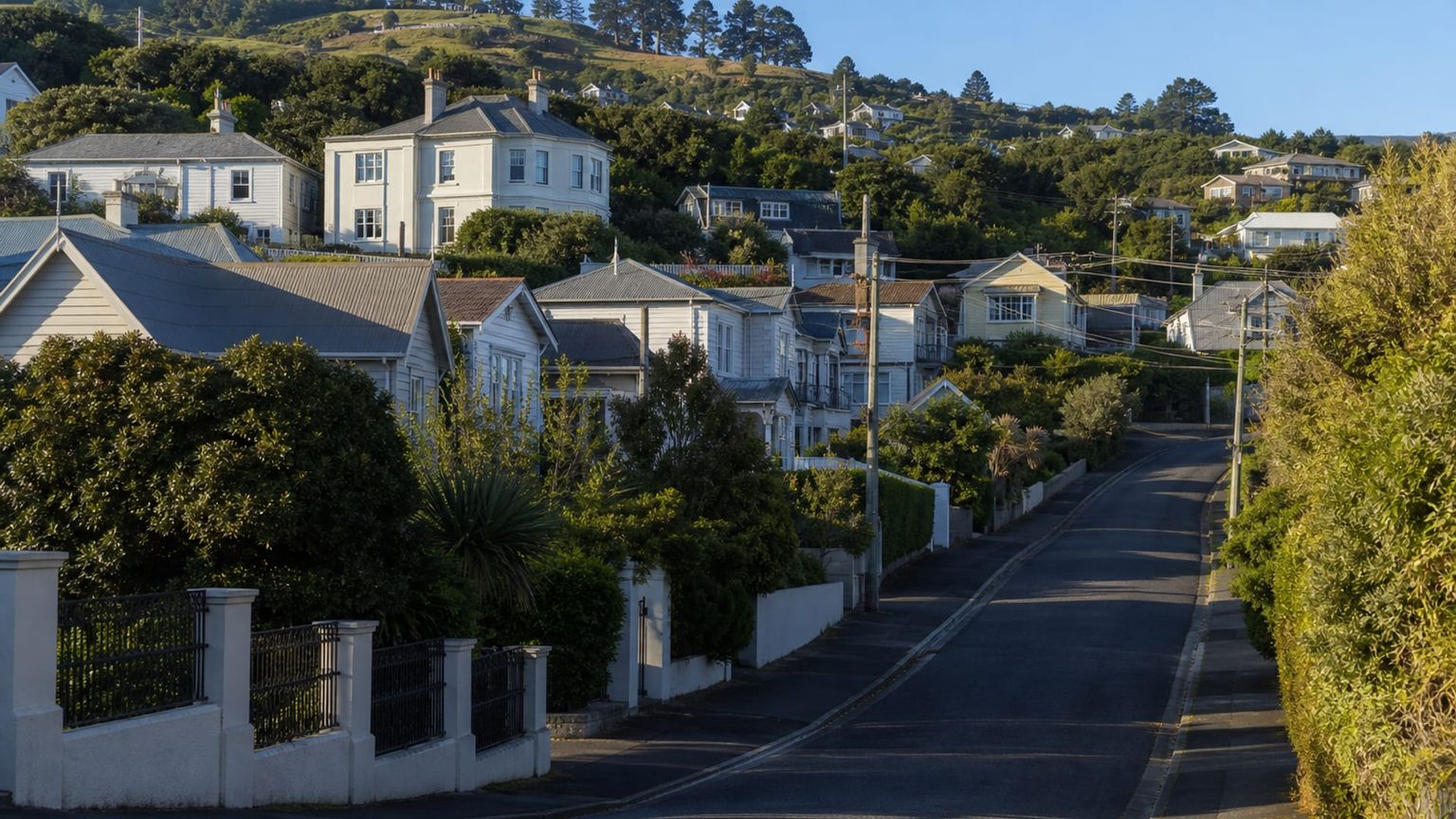
Roslyn is a hilltop residential area west of the centre with village shops, cafes, and broad city views. It works well for travelers who want a local neighborhood feel while staying within an easy bus ride of central Dunedin.
Best for: Quieter evenings, neighborhood cafes, and travelers comfortable using buses or short rideshares
What to expect: Residential streets, a small retail strip, and light local traffic rather than constant pedestrian activity.
Hotel prices: Usually about $120 to $210 per night for well-rated stays
Distance to major sights: About 10 minutes by bus to the Octagon; about 15 minutes by bus to the Dunedin Public Art Gallery
Quietness: Generally quiet both day and evening, with only brief activity around the local shops and school runs.
Main trade-off: The hill location gives calmer nights, but you will depend more on transit or taxis for central meals and nightlife.
Good to know: A car is helpful here, since uphill walks back from dinner or late events can be tiring.
Travelers usually avoid Mosgiel, Fairfield, and Wingatui for hotel stays, since they sit well outside central Dunedin and add time for evening dining, harborfront visits, and museum trips. South Dunedin is also less convenient for visitors because it is better suited to local errands than to staying near the main sights, while Port Chalmers works better for day visits than for a base, with fewer hotel options and a longer trip into the city.
Hotel deals
How to get around Dunedin efficiently
Dunedin has no metro, so most visitors rely on Orbus, taxis, rideshares, and walking between close-in sights.

Metro
for longer distances
Dunedin has no metro or subway network; most trips rely on buses, walking, or car travel. Intercity rail does not serve local city movement, so the closest equivalent is the bus network, with limited suburban reach compared with larger New Zealand cities.

Bus and tram
for convenience
Orbus runs Dunedin’s main bus network, with key links between the Octagon, the University of Otago, South Dunedin, Mosgiel, and the airport area. A standard adult fare is about $2.70 ($4.50) to $5.40 ($9), depending on distance or zone, and most trips take roughly 10 to 30 minutes within the city. Buy a Bee Card for lower fares and keep in mind that some routes run less often in the evening and on Sundays.

Taxi
for convenience or late hours
Licensed Dunedin taxis use metered fares rather than set citywide flat rates, and airport trips commonly cost about $35 ($58) to $55 ($91) from the central city, depending on time and traffic. Expect a flagfall plus distance and waiting charges, with card payment usually accepted, though it is best to confirm before departure. You can hail a taxi on the street in the center, use a rank, or book by phone for late-night or airport transfers.
*Prices are based on rates updated as of June 2026 and may change at the time of travel.
Walk the center, use buses for the Octagon, university, and suburban links, and switch to taxis or rideshares when you need the Otago Peninsula, late dinners, or airport timing.
Iconic landmarks
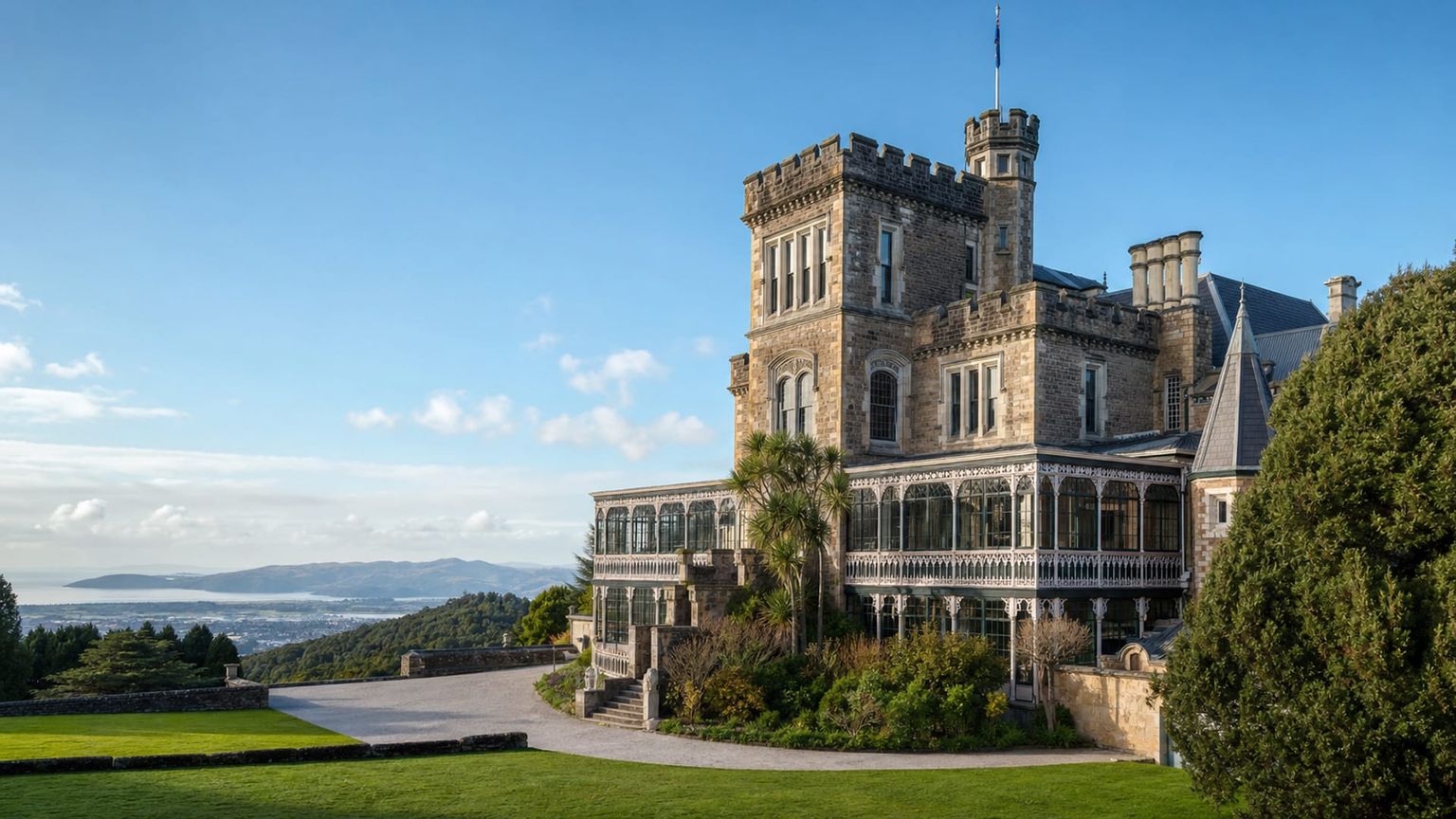
Larnach Castle
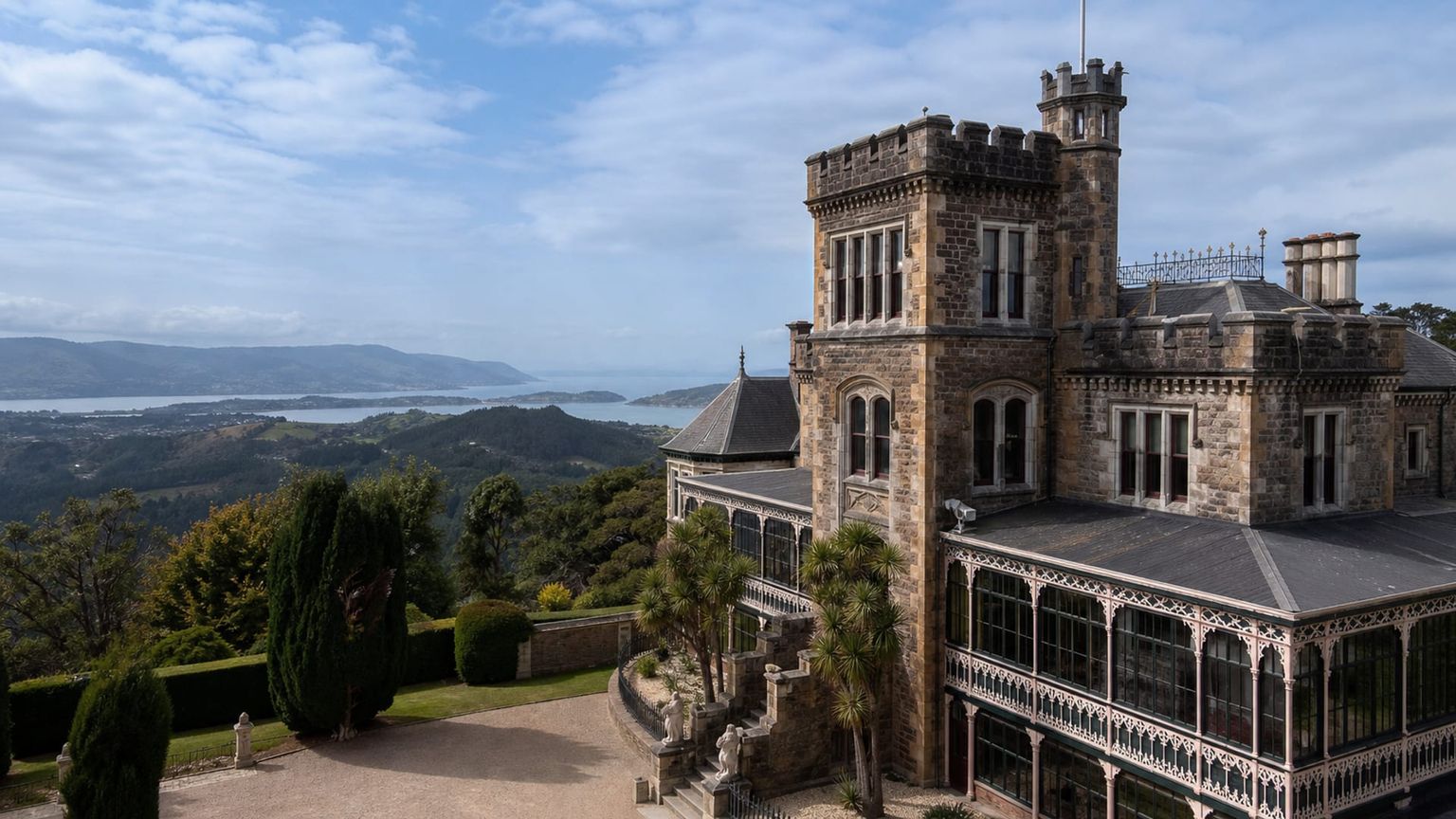
New Zealand’s only castle sits on the Otago Peninsula, with ornate Victorian rooms, formal gardens, and broad harbor views. The estate also includes a café and one of Dunedin’s most photographed heritage houses.
Time needed: About 2 to 3 hours
Entry: Adult admission costs about $40 to $48 ($40 to $48 NZD), with child and senior rates lower Visit the official site for details.
Tip: Go in the morning for softer light over the gardens and the harbor below.
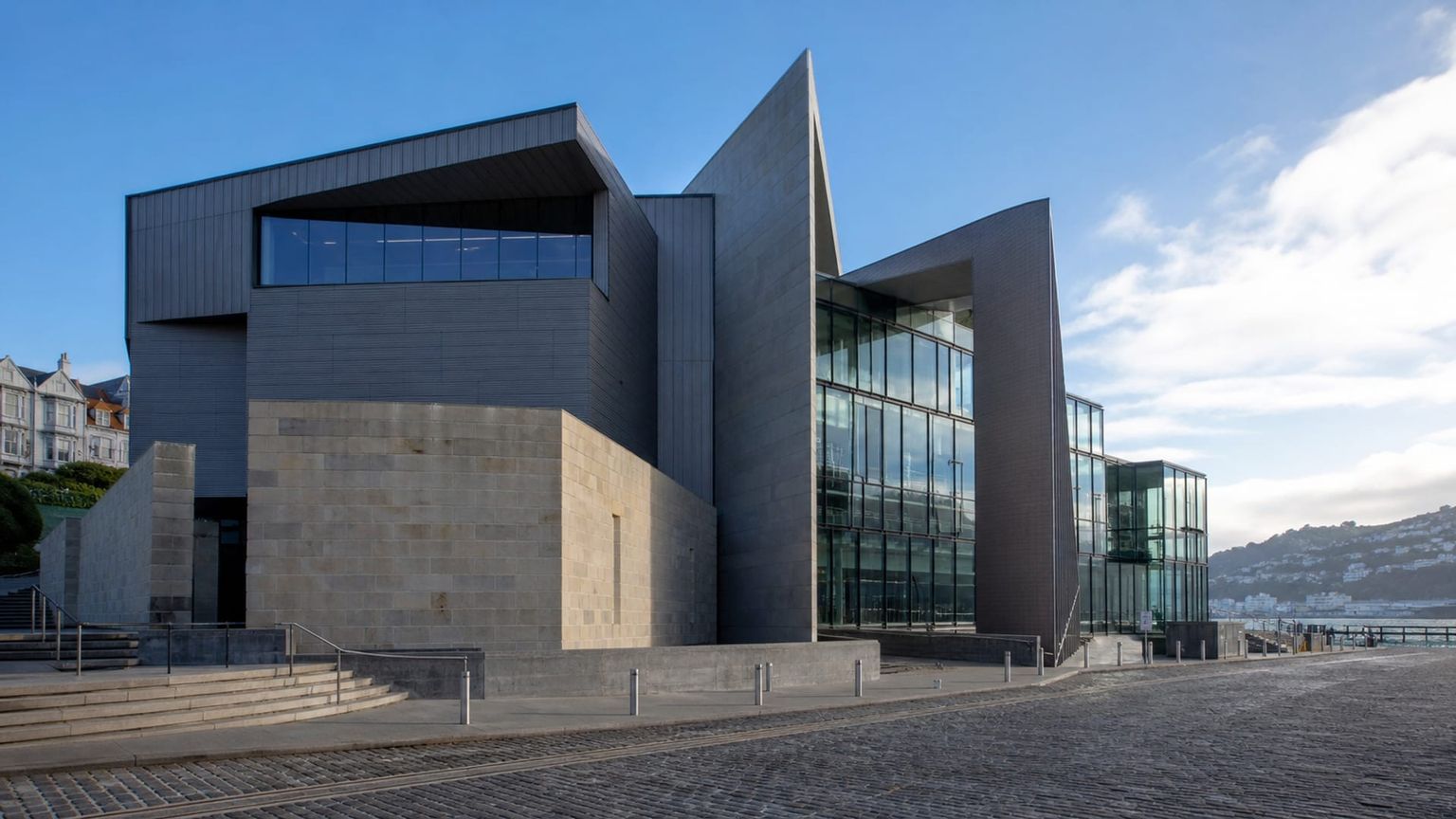
Toitū Otago Settlers Museum
This central museum traces Otago’s settlement, gold rush history, and later city life through strong displays and restored objects. Its galleries cover Māori, Scottish, and Chinese stories with clear local detail.
Time needed: About 1.5 to 2.5 hours
Entry: Free to access Visit the official site for details.
Tip: Visit earlier in the day if you want quieter galleries and more time with the displays.
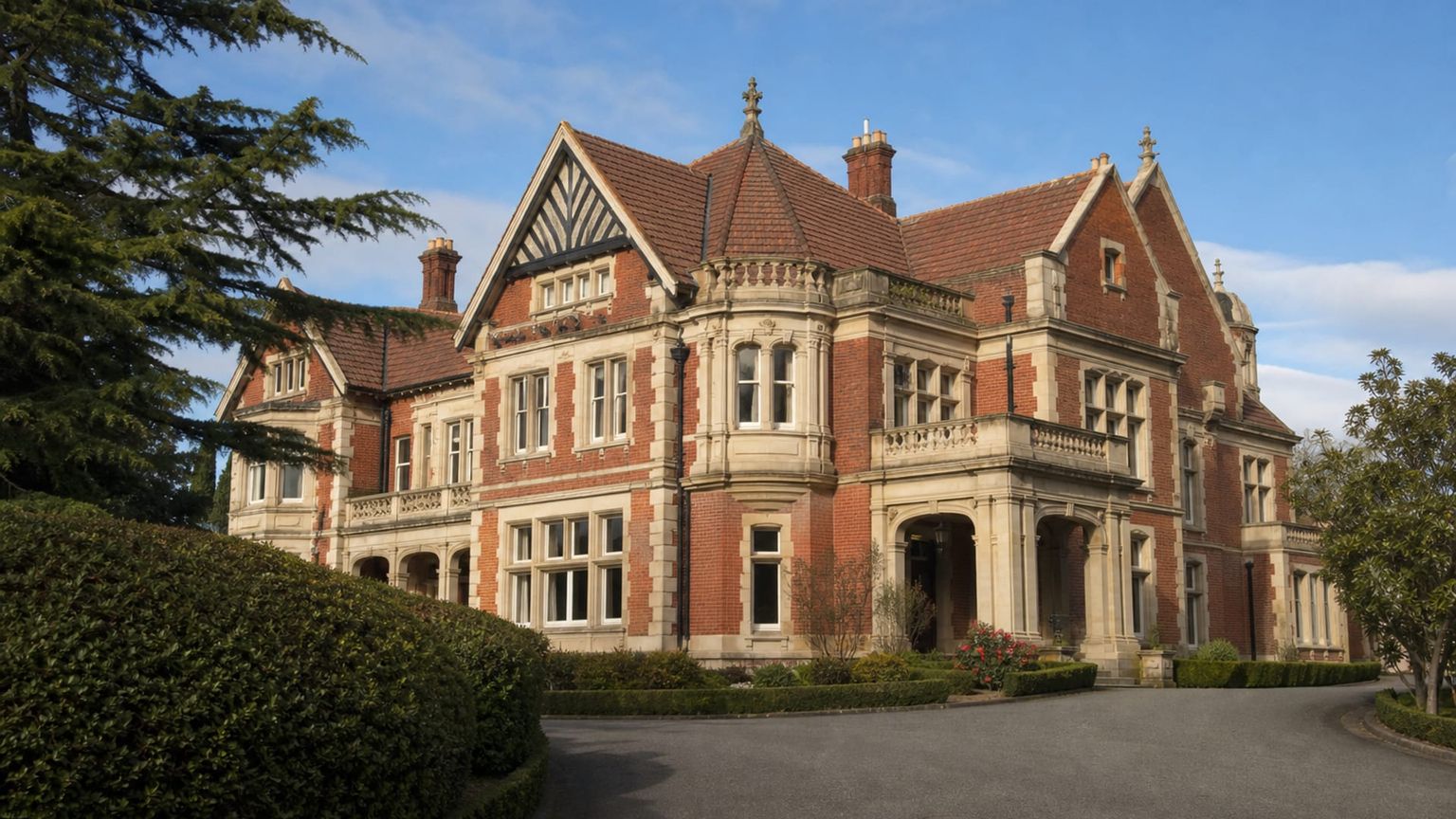
Olveston Historic Home
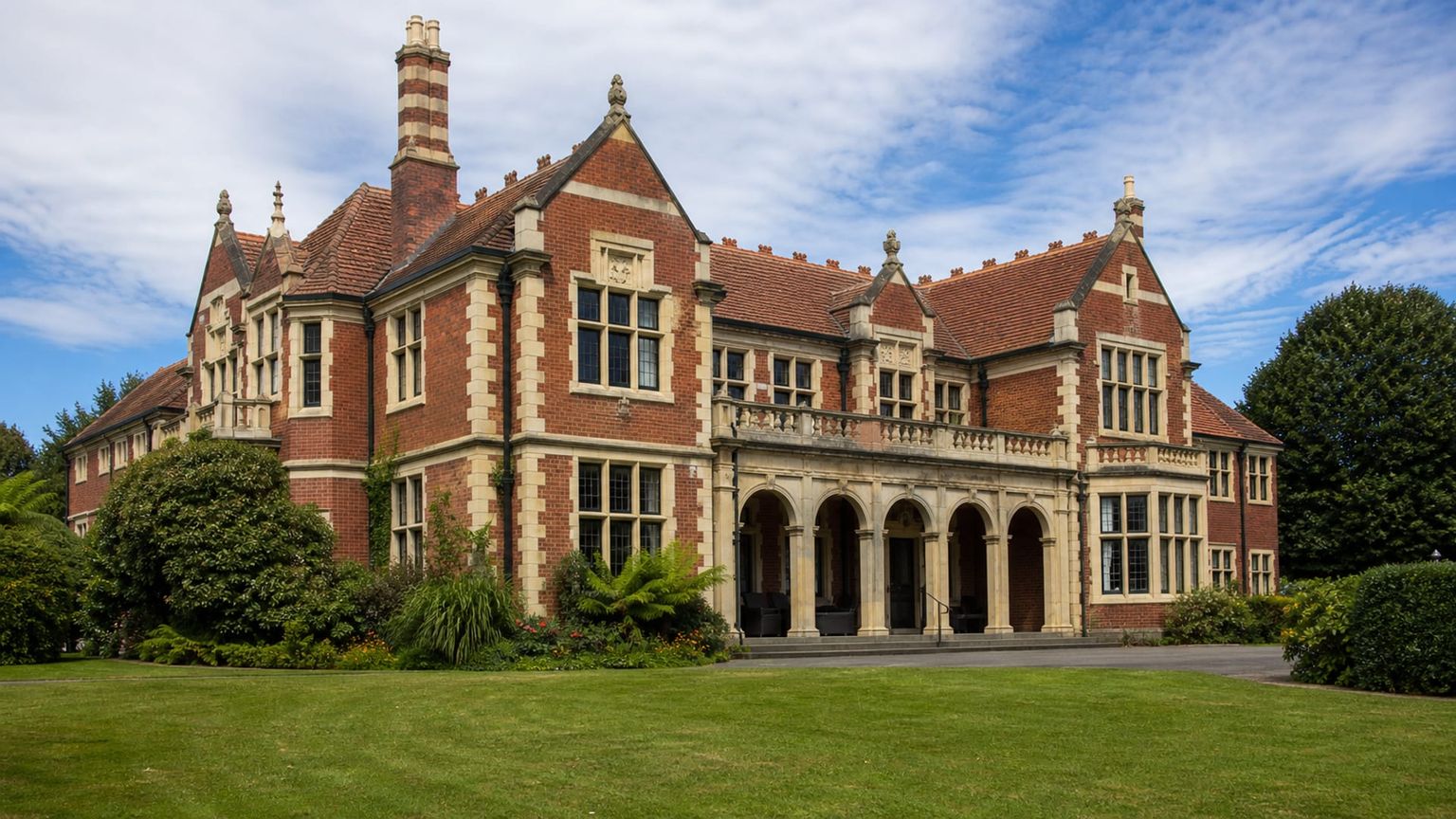
Olveston preserves the 1906 home of the Theomin family, with original furnishings, art, and guided access through reception rooms and service spaces. The house gives a sharp look at Dunedin’s merchant-era wealth.
Time needed: About 1 to 1.5 hours
Entry: Adult tickets cost about $26 to $30 ($26 to $30 NZD), with child and concession rates available Visit the official site for details.
Tip: Allow extra time for the guided tour, then walk the grounds before you leave.
Overlooked sites worth visiting

Tunnel Beach Track
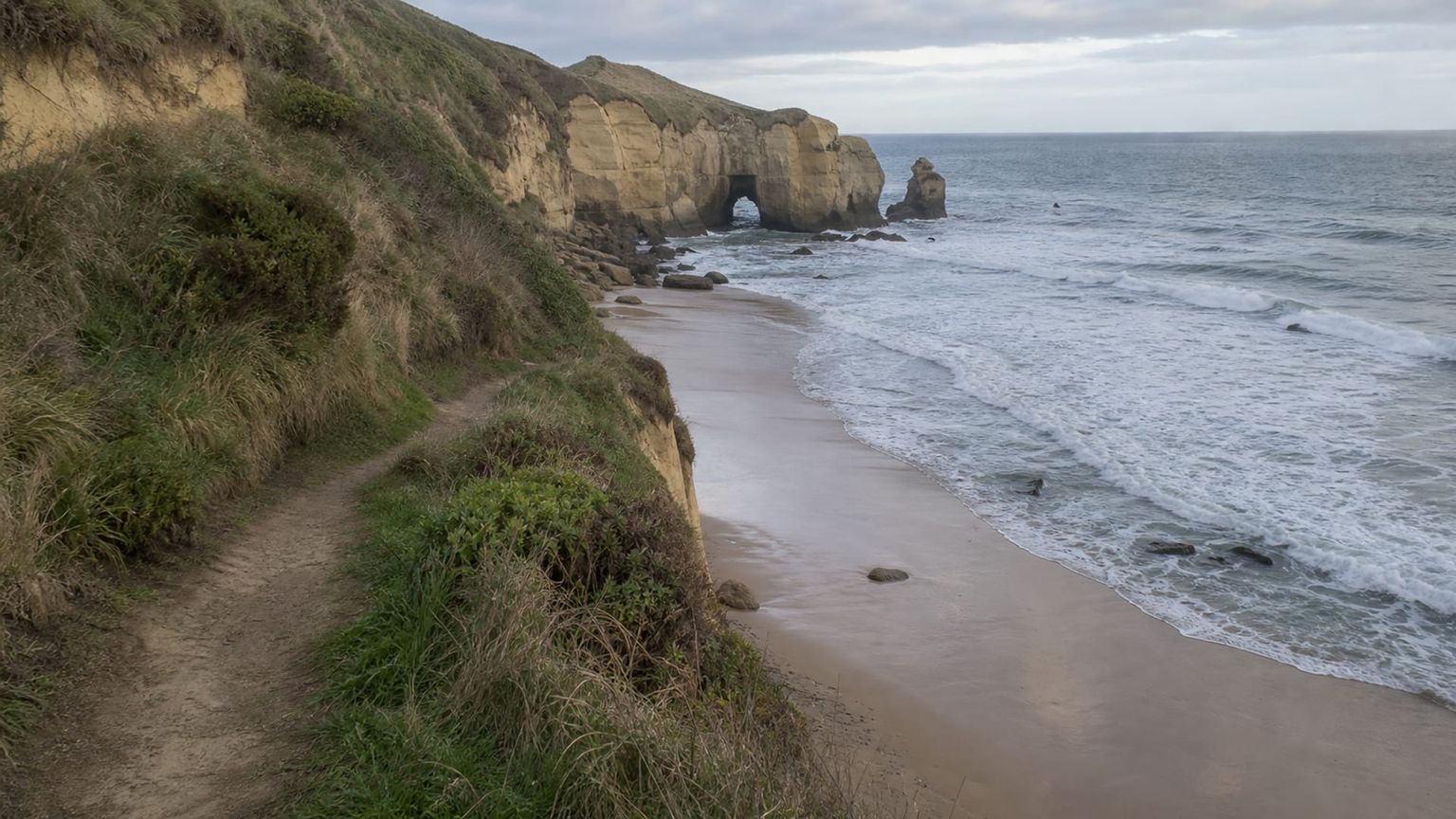
A short coastal walk leads to sandstone cliffs, sea-carved caves, and a hidden beach below the headland. The track is steep in places, with broad Pacific views and tidal pools at the bottom.
Time needed: About 1 to 2 hours
Entry: Free to access; the track is open to the public year-round, and there is no admission fee for the walk or the beach. Expect only parking costs, if any, at the road end, plus extra time for the steep return climb.
Tip: Go at low tide for easier access along the beach.

Toitū Otago Settlers Museum
This compact museum traces Dunedin and Otago history through ships, gold rush displays, early trade, and local stories. Galleries stay close together, so you can see a lot without a long visit.
Time needed: About 1 to 1.5 hours
Entry: Admission is free for the main galleries, with optional paid exhibitions or programs when scheduled. The museum is open most days, and visitors can enter without a ticket for the permanent displays unless a special event requires one. Visit the official site for details.
Tip: Start with the ship models, then move to the gold rush galleries.
Traditional food
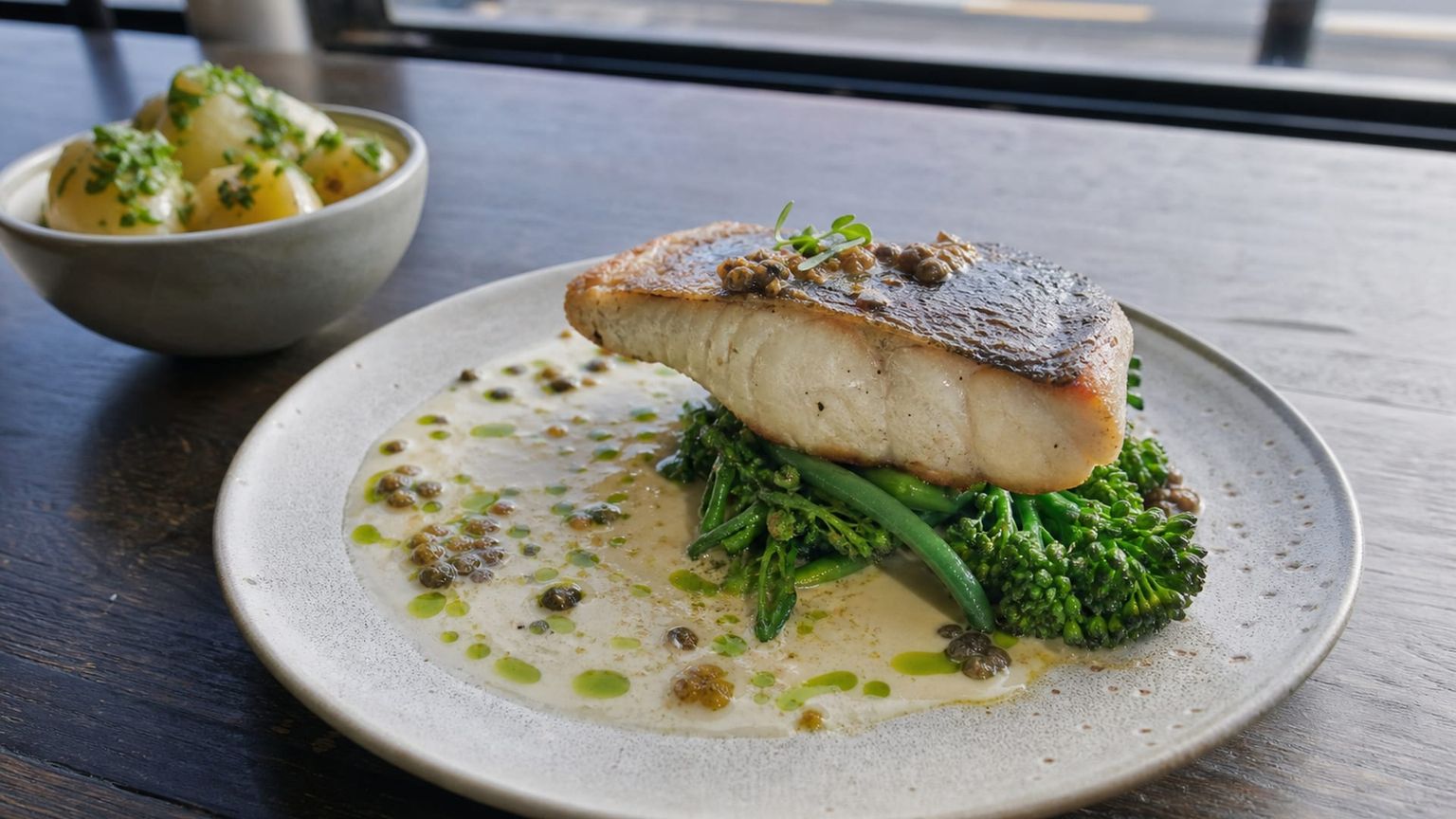
Dunedin food leans on southern seafood, rustic baking, and local comfort dishes, with blue cod, whitebait fritters, muttonbird, and cheese rolls showing up on menus that stay casual and early.
Blue cod
This South Island staple is usually served battered or pan-fried, with a crisp finish and flaky flesh. Plaice is not the point here, Jacks Point Restaurant in Dunedin keeps it local and clean on the plate.
Whitebait fritters
Thin egg-and-whitebait fritters bring a light, salty bite that works best when the fish stays delicate. The best-known Dunedin-style version is often associated with Portsider Bar and Grill.
Muttonbird
Muttonbird has a strong, oily flavor that belongs to the southern table and needs careful preparation. It appears on regional menus at The Perc Exchange, where the kitchen handles local ingredients with confidence.
Cheese roll
A cheese roll is a South Island bakery classic, warm and savory, with a filling that turns lightly browned in the oven. Invercargill Brewery Bistro serves a well-made version in a setting that suits simple local fare.
Best time to visit Dunedin
Dunedin shifts noticeably through the year, with bright summer days on the peninsula, cooler winter museum weather, and shoulder seasons that suit the city’s steep walks and indoor stops.
Best for: Harbor views, garden visits, and longer daylight for the peninsula
What you get: About 54 to 70°F (12 to 21°C), with the liveliest visitor flow and the longest days
Trade-offs: Popular sights can be busier, especially in the center and on the coast
Best for: City walks, house museums, and clear light over the hills
What you get: About 46 to 63°F (8 to 17°C), with moderate crowds and comfortable walking weather
Trade-offs: Rain can return quickly, so you still need a flexible day plan
Best for: Museums, cafes, and lower-key sightseeing in the city centre
What you get: About 39 to 54°F (4 to 12°C), with lighter crowds and shorter days
Trade-offs: Cold winds and early sunset make long outdoor days harder
Best for: Gardens, birdlife, and mixed indoor-outdoor itineraries
What you get: About 43 to 61°F (6 to 16°C), with moderate crowds and changeable weather
Trade-offs: Showers and wind can interrupt peninsula and coastal plans
A realistic 5-day plan in Dunedin
A five-day stay in Dunedin works best when you cluster the city centre, the university hill, and the peninsula instead of zigzagging between them. The plan below keeps the first and last days lighter, then gives the midtrip space needed for the longer drives and coastal walks.
Fly into Dunedin (DUD) and plan a taxi or rideshare into the city centre, which usually takes about 30 to 40 minutes and costs roughly $60 to $80 ($60 to $80 NZD). If you arrive late, base yourself near the Octagon or in North Dunedin so you can check in, drink some water, and keep dinner close to your hotel, for example a casual meal in the city centre before an early night.
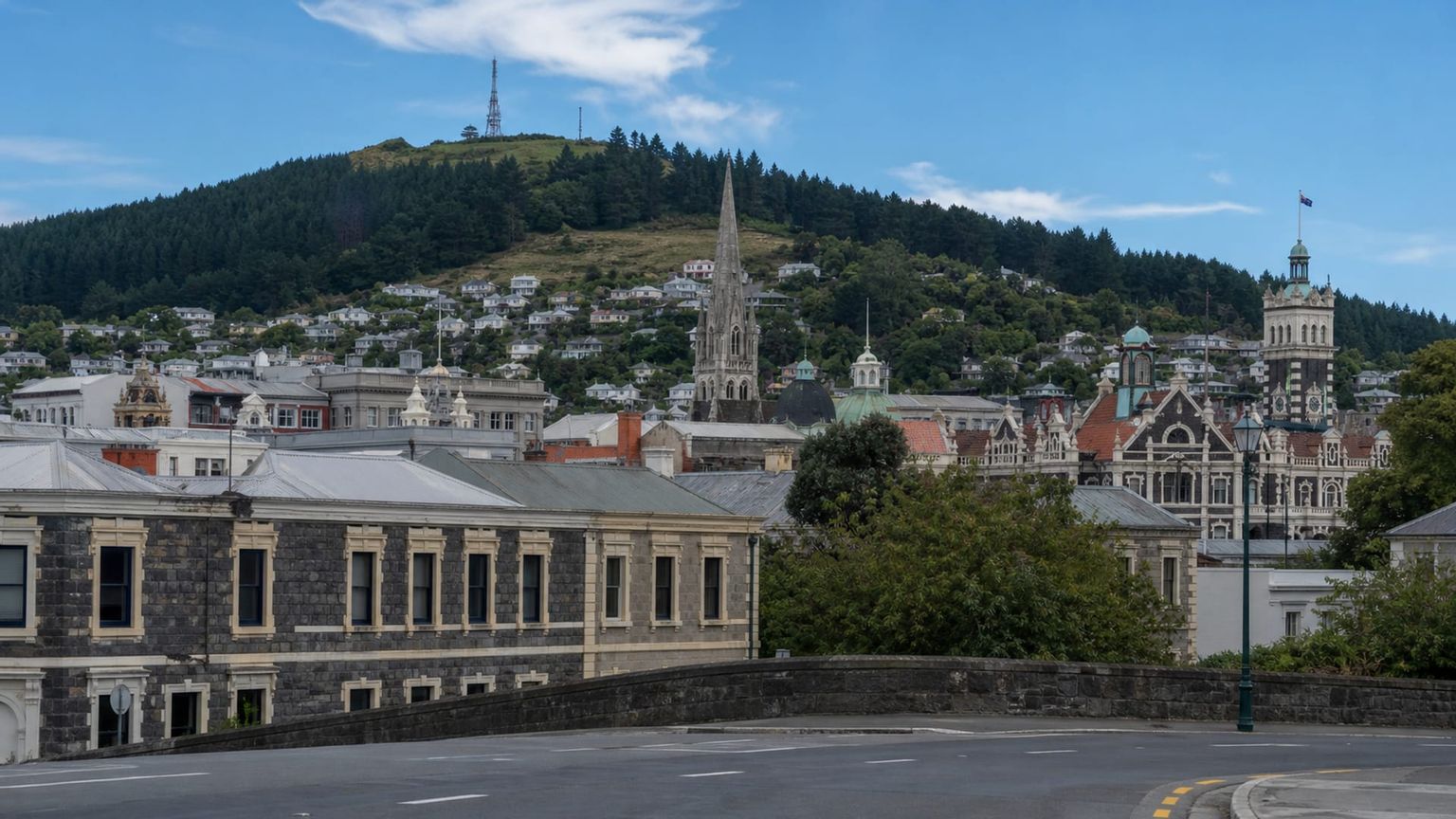
Start with Toitū Otago Settlers Museum in the city centre, then walk about 10 minutes to the Dunedin Public Art Gallery near the Octagon for a second, shorter stop. From there, take a taxi or rideshare uphill to Olveston Historic Home, which is about 5 minutes from the gallery by car, then stay nearby for lunch in North Dunedin before heading back downhill for an easy evening in the city centre.
Begin on the Otago Peninsula with Larnach Castle, where the drive from the city centre takes about 30 to 40 minutes and the gardens are best in the morning light. After the house tour, continue back toward town and stop for a relaxed coastal walk at Tunnel Beach Track, roughly 25 minutes from Larnach Castle by car, then return to the city centre for dinner.
Head south for Tunnel Beach Track first, since the low tide window makes the beach easier to reach and the round trip takes about 1 to 2 hours. After the climb back to the car, drive about 35 minutes into central Dunedin for lunch, then spend the afternoon revisiting Toitū Otago Settlers Museum or browsing the shops near the Octagon before an unhurried dinner nearby.
For a final day, start with one last museum stop at the Dunedin Public Art Gallery, then spend the late morning shopping in the Octagon and along George Street in the city centre. Finish with coffee or a light lunch in North Dunedin, where the student-area cafes make an easy last stop before you head to Dunedin (DUD).
Business-class flights from the US to Dunedin
Flights to Dunedin usually involve at least one stop, so the useful comparison is often the route, the layover hubs, and the total time rather than the airline name alone. The East Coast and West Coast options each connect through different Pacific gateways.
From New York, Air New Zealand, Qantas, United Airlines, Air Canada, and Fiji Airways typically route you through hubs such as Auckland, Sydney, Los Angeles, Honolulu, or Nadi. One-stop itineraries usually take about 23 to 33 hours, and round-trip fares in business class usually start from $5,500, with some one-stop options dropping closer to $4,200 if you route through Auckland or Sydney.
Los Angeles travelers usually connect on Air New Zealand, Qantas, United Airlines, Air Canada, or Fiji Airways, with layovers in Auckland, Sydney, Nadi, Honolulu, or Papeete. Total travel time tends to land at about 18 to 28 hours, and round-trip fares in business class often begin at about $4,800, with one-stop options via Auckland or Sydney frequently pricing lower than same-airline through tickets.
Dunedin feels different when you slow down
A good Dunedin trip has a clear shape: the Octagon and George Street for walking, North Dunedin for the museum-and-university side, and the Otago Peninsula for one longer outward day. Add taxis when the hills or timing matter, then keep dinner close to where you end the day. If you want help turning that into a booked plan, the AranGrant experts can build a route that fits your season and your first stop in the city centre







