

Chapters:

Need help with your trip?
Our support team is available 24/7. Request a callback or call us directly at (833) 619-0908
Detroit rewards travelers who slow the itinerary early. Many first visits focus on downtown landmarks, then leave the city before Midtown, Belle Isle, and Corktown have time to register.
That approach misses how spread out the core sights are, and it can turn short transfers into long gaps. Traffic, parking, and one-way streets make loose planning harder than it looks.
This guide organizes the city by neighborhood, transit, and meal timing, so you can move through Detroit in a cleaner order and keep the day anchored to places worth the ride.
Useful things to know

Main language(s): English

Currency: The local currency is the US dollar (USD, $).

Cash and cards: Cards and contactless are widely accepted; carry about $20 to $40 in cash for tips, small purchases, and backups.

Tipping: Tip 15-20% at restaurants, about $1 per drink at bars, and round up taxi fares.

Traditional food: Coney dog, Detroit-style pizza, corned beef sandwich, zip sauce

Water and coffee costs: Water about $2 ($2), bar espresso about $4 ($4).

Taxis and ride apps: Uber and Lyft operate here; confirm pickup zones at the airport.

Plug and voltage: Type A/B socket, 120V

Dining and shop opening hours: Breakfast is about 07:00-10:00, lunch 11:30-14:00, and dinner 17:00-21:00. Many kitchens stop taking orders by 21:00, especially on Sundays.

Emergency number: Call 911 for police, fire, and medical emergencies.
Where to stay in Detroit
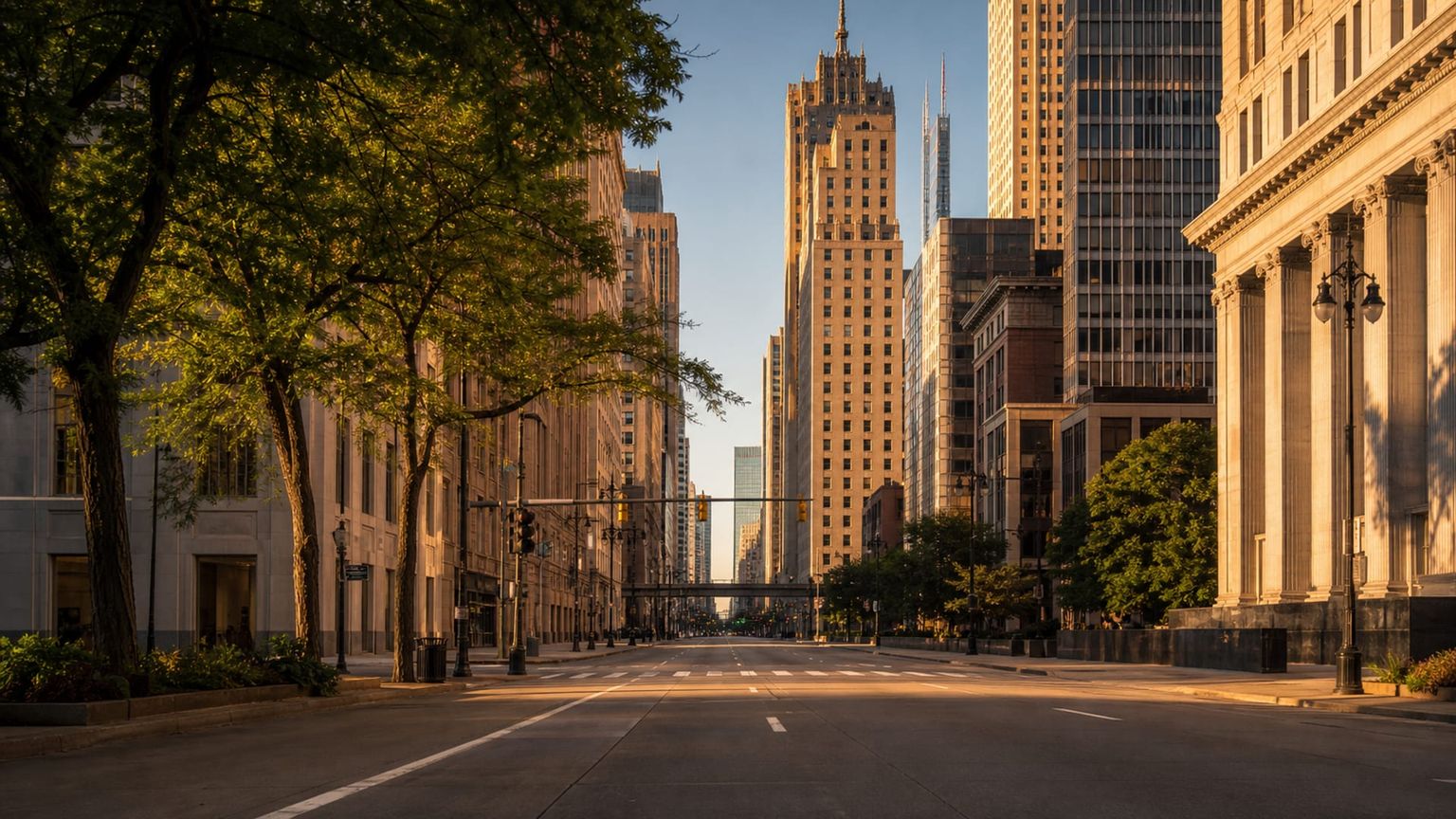
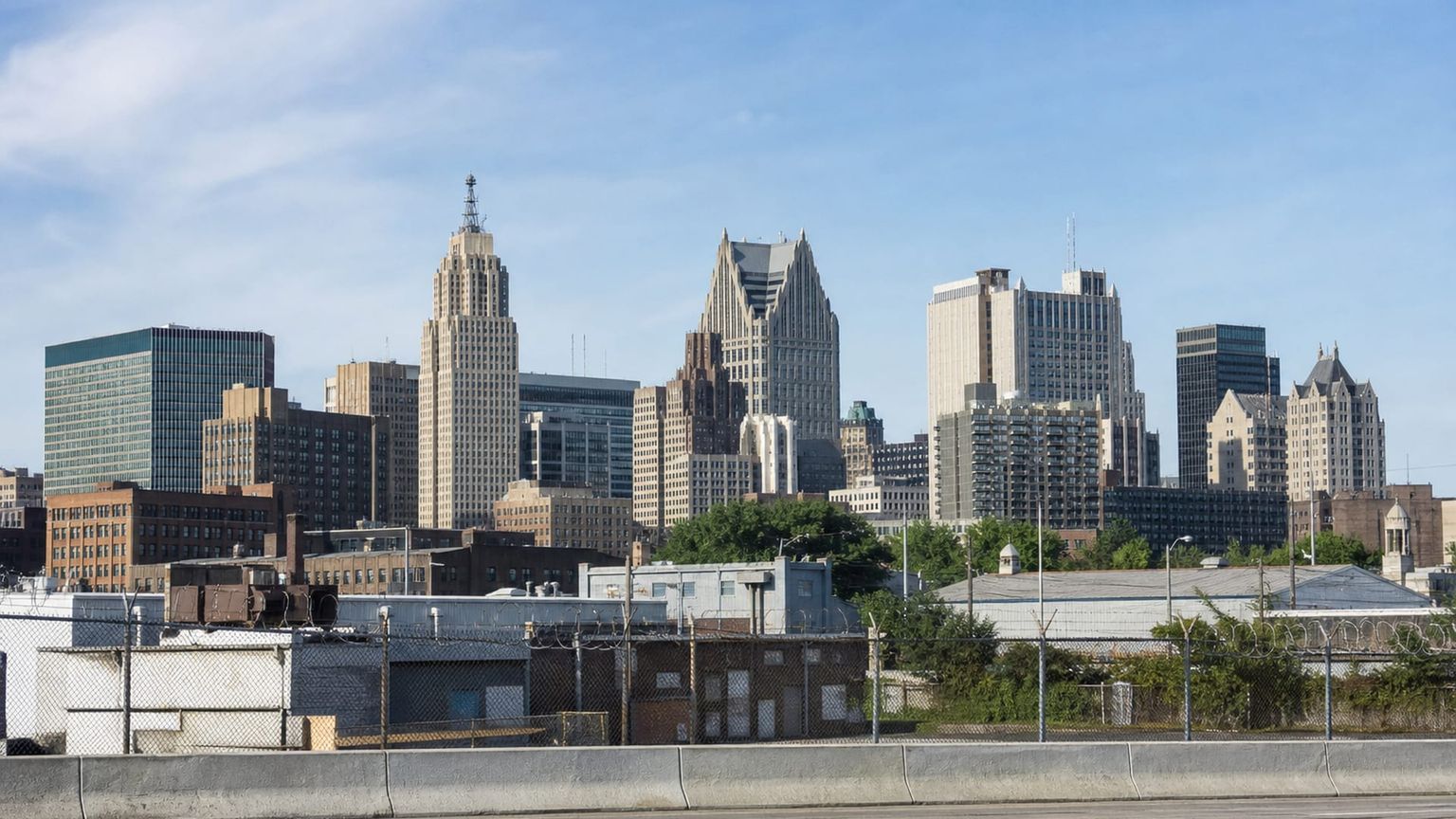
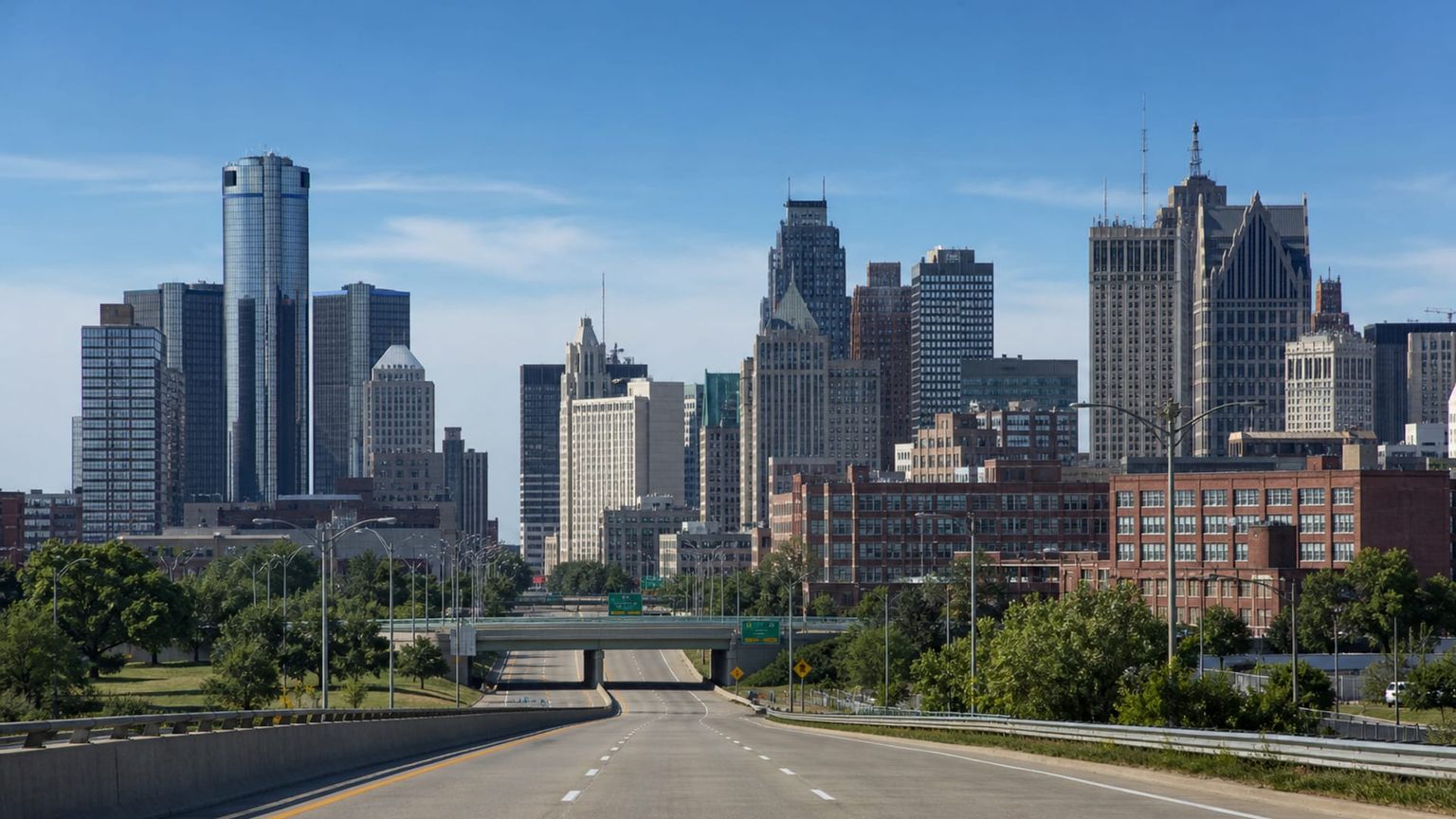
Detroit’s central business district places you by major sports venues, the riverfront, and the city’s main skyscrapers. It suits visitors who want the shortest trips to sightseeing, events, and transit links.
Best for: Sightseeing, major events, and travelers who want the densest cluster of landmarks
What to expect: Busy sidewalks on weekdays, game-day surges, and the most pedestrian traffic near Campus Martius and the riverfront.
Hotel prices: Usually about $180 to $320 per night for well-rated stays
Distance to major sights: 5 to 15 minutes on foot to Campus Martius and the Detroit Riverwalk
Quietness: Lively through the day and into the evening, then quieter on side streets after office hours.
Main trade-off: Rates often rise during Tigers, Lions, and Pistons dates, and some blocks empty out after business hours.
Good to know: If you want to walk to several headline sights, choose a hotel near Campus Martius rather than far east or west of Woodward.
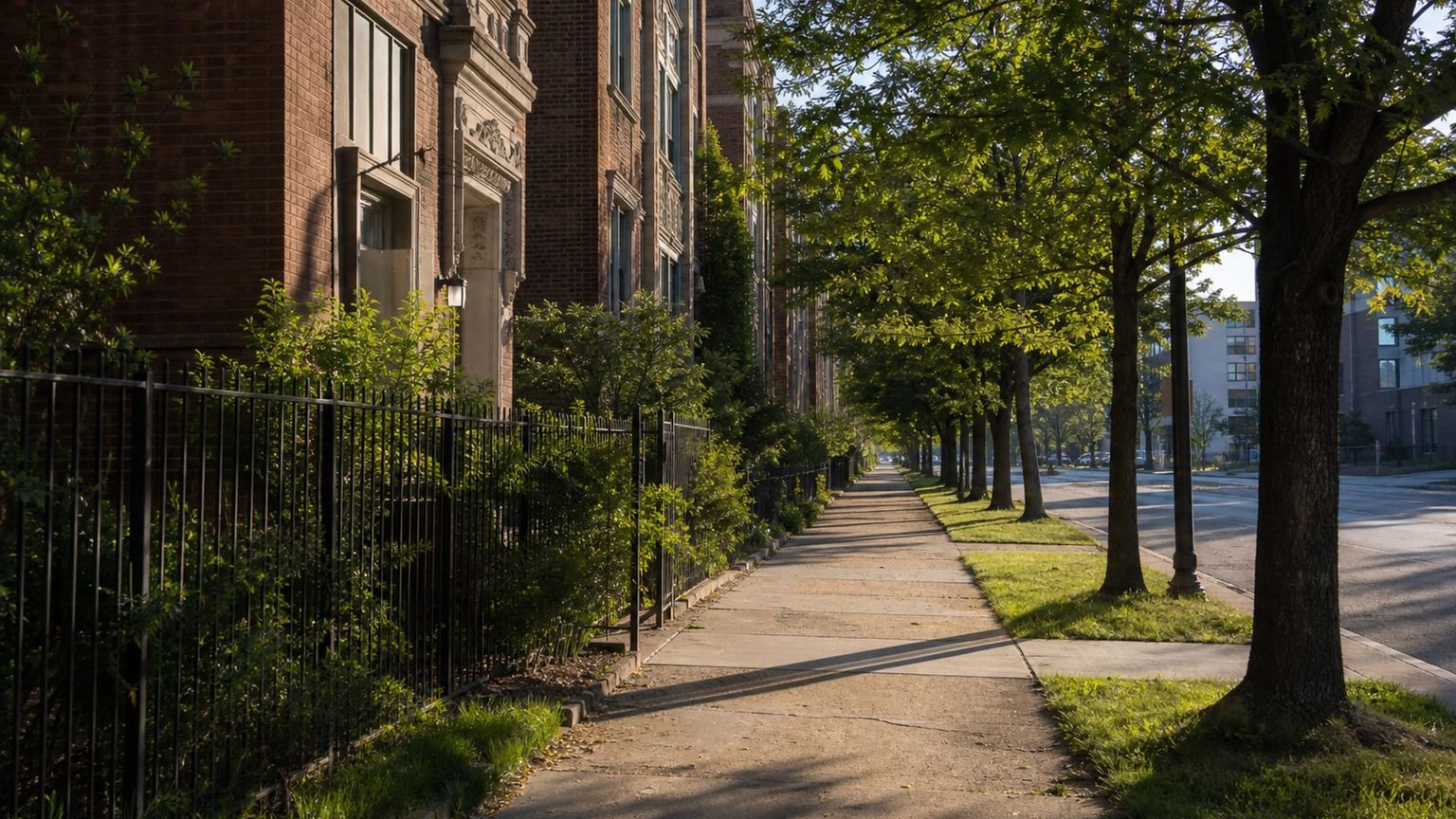
Midtown sits just north of downtown and centers on museums, Wayne State University, and the cultural institutions along Woodward. It matters for trips built around galleries, concerts, and a broader restaurant scene than the core business district.
Best for: Museums, dining, and visitors who want a lively neighborhood near major cultural stops
What to expect: Active sidewalks, students, museum traffic, and steady restaurant movement, especially around Woodward and Cass Avenue.
Hotel prices: Usually about $160 to $280 per night for well-rated stays
Distance to major sights: 10 to 20 minutes on foot to the Detroit Institute of Arts and about 10 minutes by transit to downtown
Quietness: Busy in the afternoon and evening, with calmer side streets late at night.
Main trade-off: Parking can cost extra, and some blocks feel far more active than others after dark.
Good to know: Choose a place close to Woodward if you plan to walk between museums, because east-west crossings can add time.
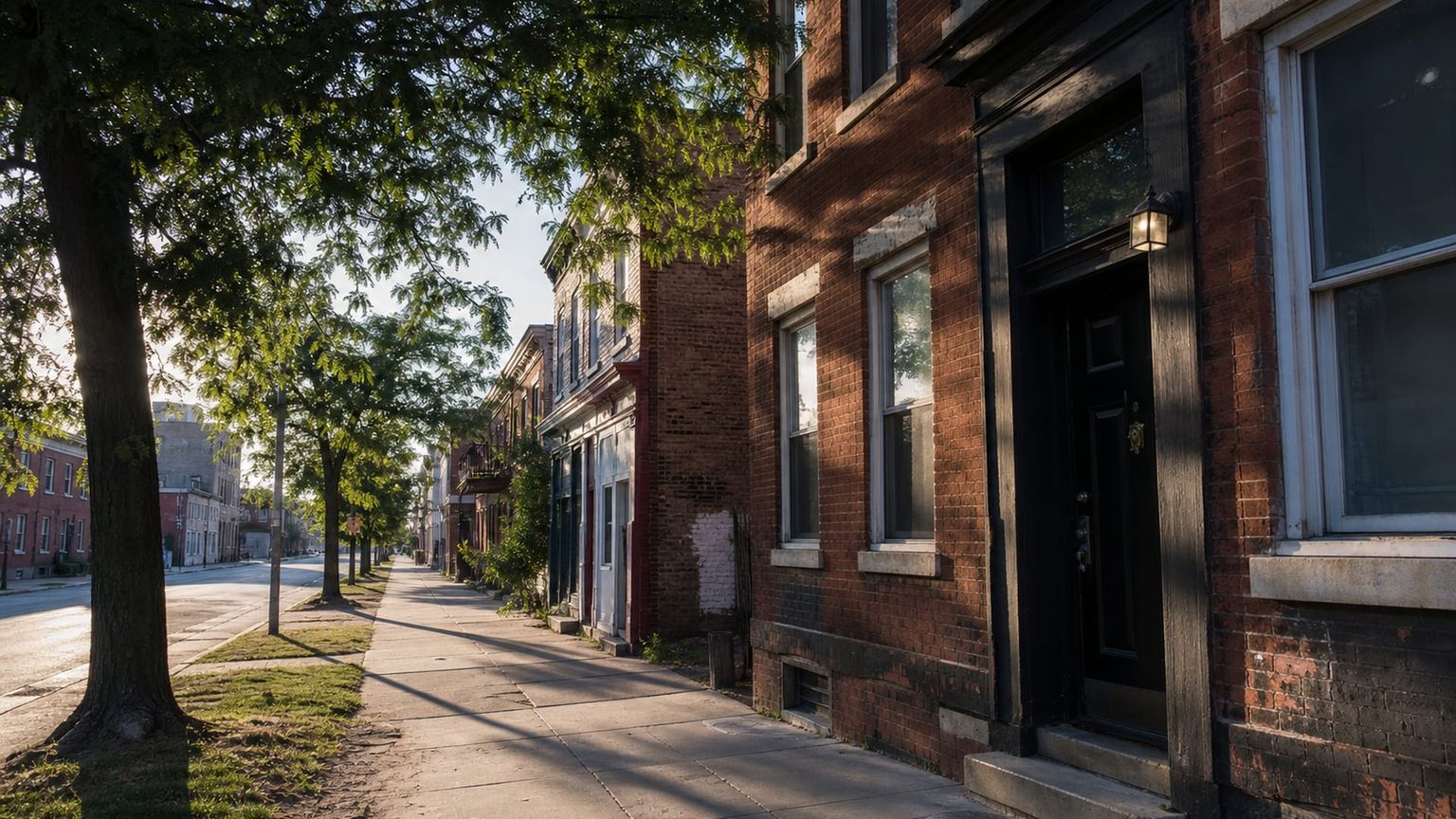
Corktown is Detroit’s oldest neighborhood, known for low-rise streets, renovated bars, and the area near Michigan Central Station. It works well for travelers who want a neighborhood stay with easy access to downtown and a stronger local feel than the core.
Best for: Dining, bars, and travelers who prefer a neighborhood base with easy downtown access
What to expect: Lively evenings on the main strips, quieter side streets, and a mix of local diners, patios, and weekend visitors.
Hotel prices: Usually about $170 to $300 per night for well-rated stays
Distance to major sights: About 10 minutes by car to downtown and roughly 15 minutes by transit to the Detroit Riverwalk
Quietness: Busier on weekend nights, quieter than downtown on weekday evenings.
Main trade-off: You will rely more on car, ride-hail, or longer walks for some major sights.
Good to know: Stay near Michigan Avenue if you want the easiest walk to restaurants, since the blocks farther south thin out quickly.
Travelers usually avoid staying in the far western edge of Detroit, including Rouge Park and Brightmoor, because they sit well away from downtown, Midtown, and the main museum districts, and visitor amenities are limited. Parts of the east side such as Jefferson Chalmers and the outer riverfront farther from downtown are also less convenient, with fewer hotel options, limited dining nearby, and longer evening trips to the core sights. Nearby suburbs such as Dearborn are often skipped for a city-focused stay because they add extra transit time to downtown attractions and the riverfront.
Hotel deals
How to get around Detroit efficiently
Detroit has no subway or metro serving the airport area, so most visitors pair walking with taxis, rideshare, or regional buses for longer crossings.

Metro
for longer distances
Detroit has no subway or metro system serving the airport area. The closest fixed-rail option is the QLINE streetcar and the Detroit People Mover downtown, but neither reaches Detroit Metropolitan Wayne County Airport (DTW); plan on road transfer from the airport.

Bus and tram
for convenience
DDOT and SMART buses connect Detroit Metropolitan Wayne County Airport (DTW) with downtown Detroit, Dearborn, and nearby suburbs, though most airport trips still take 45 to 90 minutes once you add waits and transfers. SMART Route 261 FAST Michigan is one of the main regional links, and many riders also use the McNamara and Evans terminal bus stops to reach local routes. A local bus fare is typically about $2 ($2) and day passes are available; exact transfer rules vary by agency.

Taxi
for convenience or late hours
Licensed taxis at Detroit Metropolitan Wayne County Airport (DTW) use metered fares, not set airport flat rates. A downtown Detroit ride usually costs about $45 to $60 before tip, while shorter trips to nearby airport hotels or Dearborn often land in the $20 to $35 range; most cabs accept cards, and pickup is from the designated taxi stands outside baggage claim.
*Prices are based on rates updated as of June 2026 and may change at the time of travel.
Use walking for Downtown, taxis or rideshare for airport and Belle Isle transfers, and SMART or DDOT buses when you want to trade time for a lower fare.
Iconic landmarks
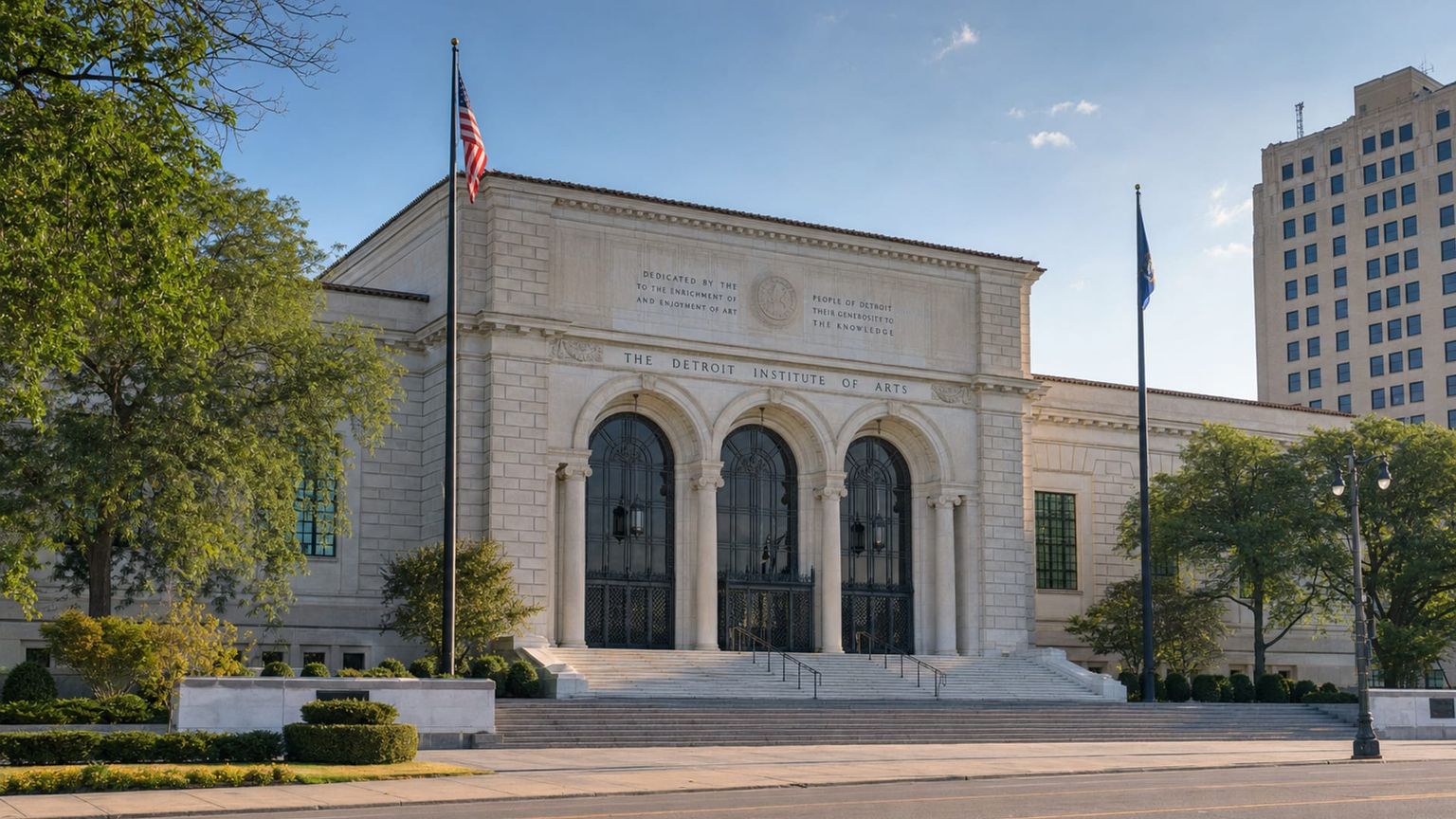
Detroit Institute of Arts
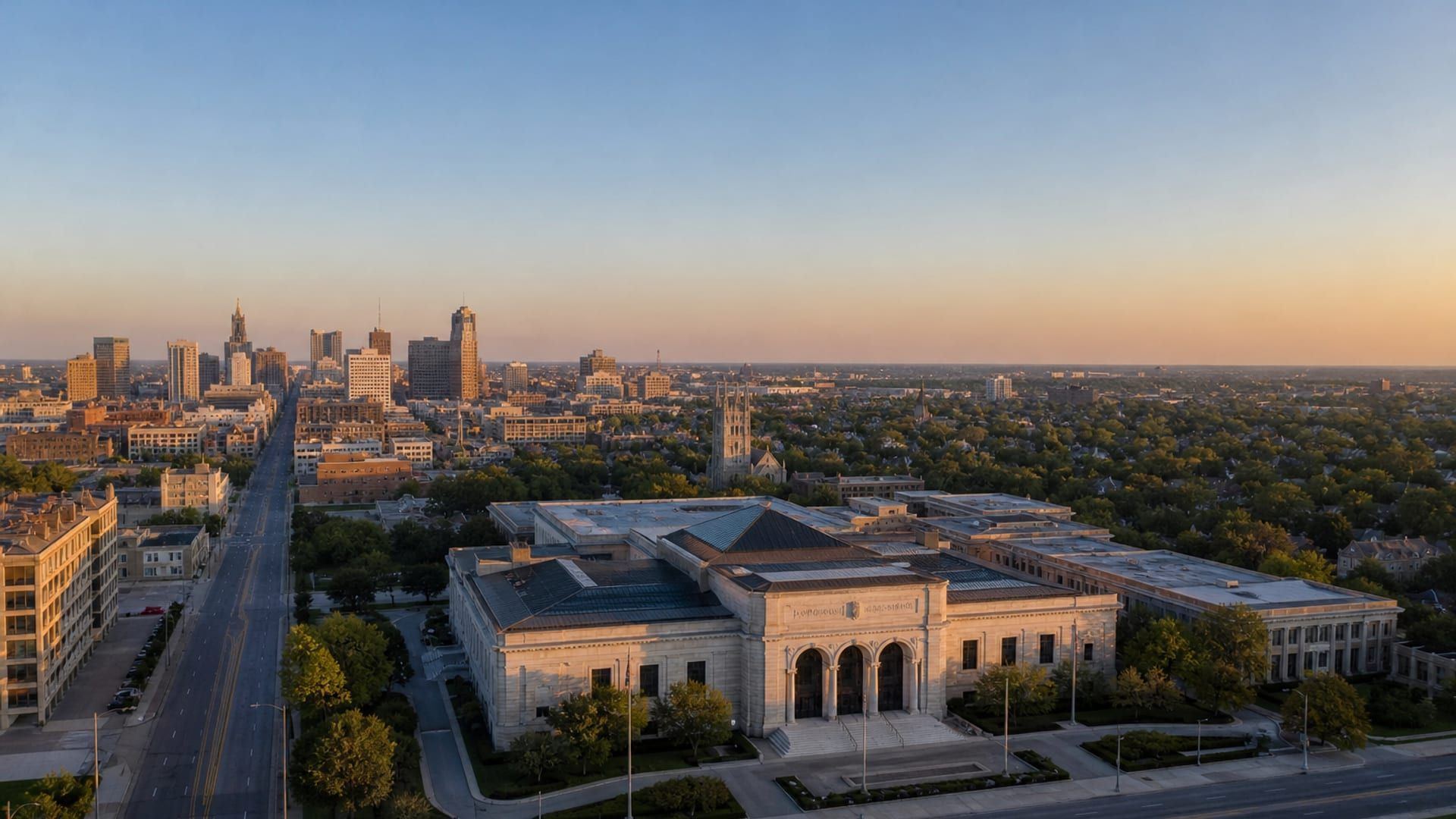
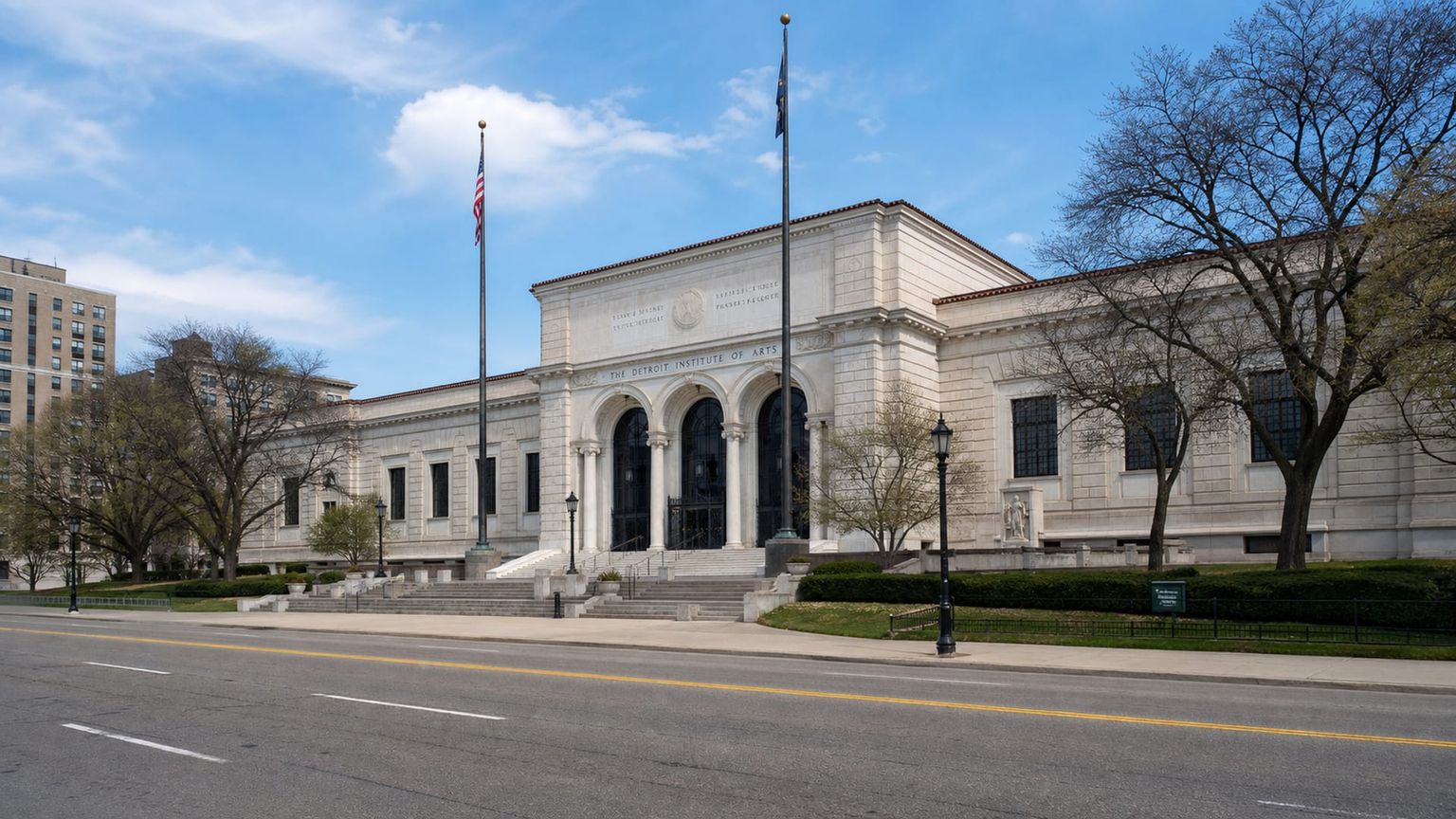
The Detroit Institute of Arts holds one of the country’s strongest museum collections, from Diego Rivera’s Detroit Industry Murals to European, African, and American art. Its Beaux-Arts building anchors Midtown and rewards a slow visit.
Time needed: About 3 to 4 hours
Entry: General admission costs $0 for Detroit residents, $20 for nonresidents, and free for children 0 to 12; special exhibits may cost extra. Visit the official site for details.
Tip: Start early on weekends, when the Rivera Court fills quickly and parking is simpler.
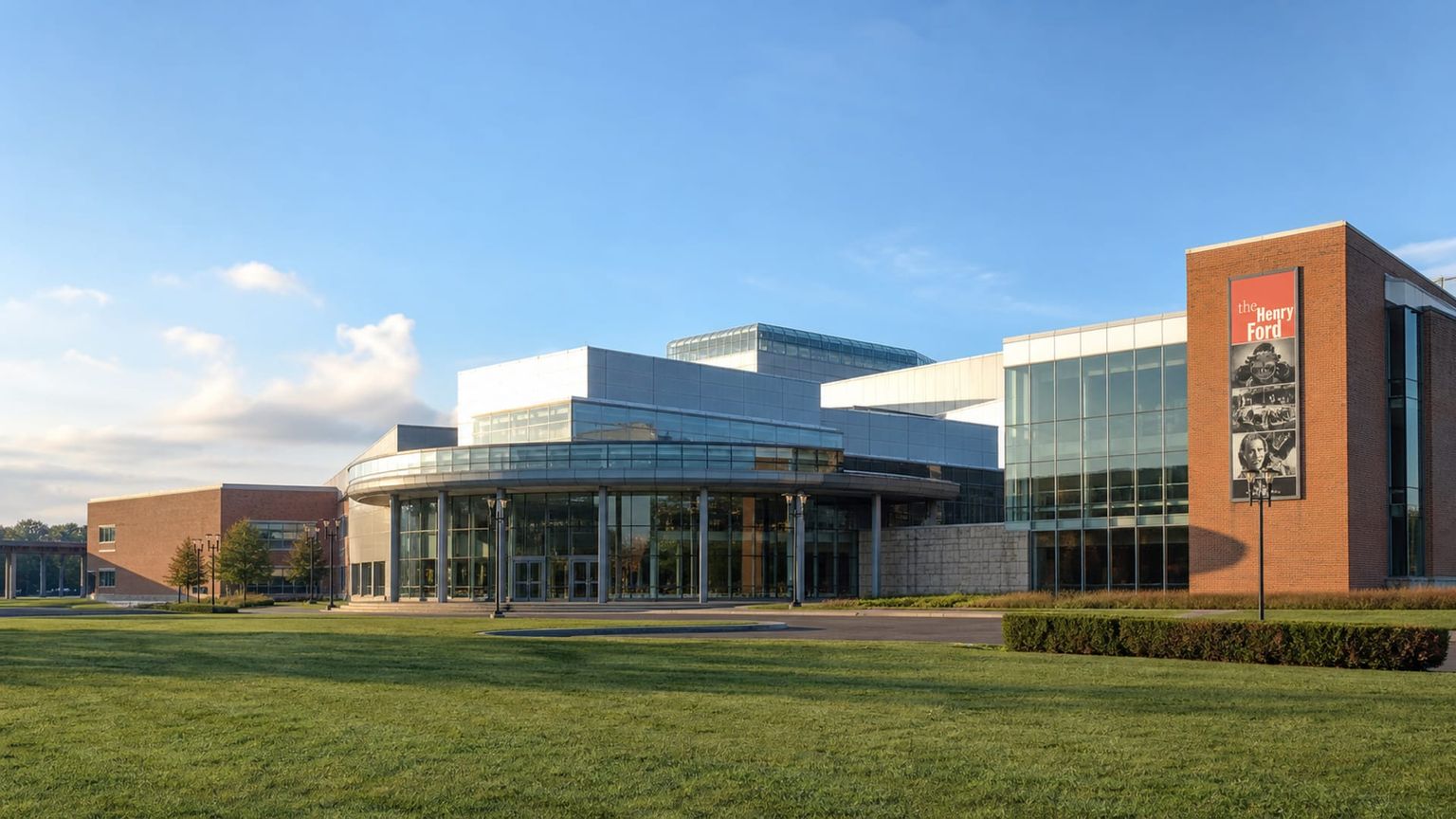
The Henry Ford
The Henry Ford in Dearborn pairs the Henry Ford Museum of American Innovation with Greenfield Village, a major window into U.S. invention and daily life. Ford Rouge Factory Tour adds a working industrial stop nearby.
Time needed: About 5 to 7 hours
Entry: Adult admission varies by experience, with museum or village tickets starting near $38 and combo visits costing more; parking is extra. Visit the official site for details.
Tip: Arrive at opening, then split your day between the museum and village before crowds build.
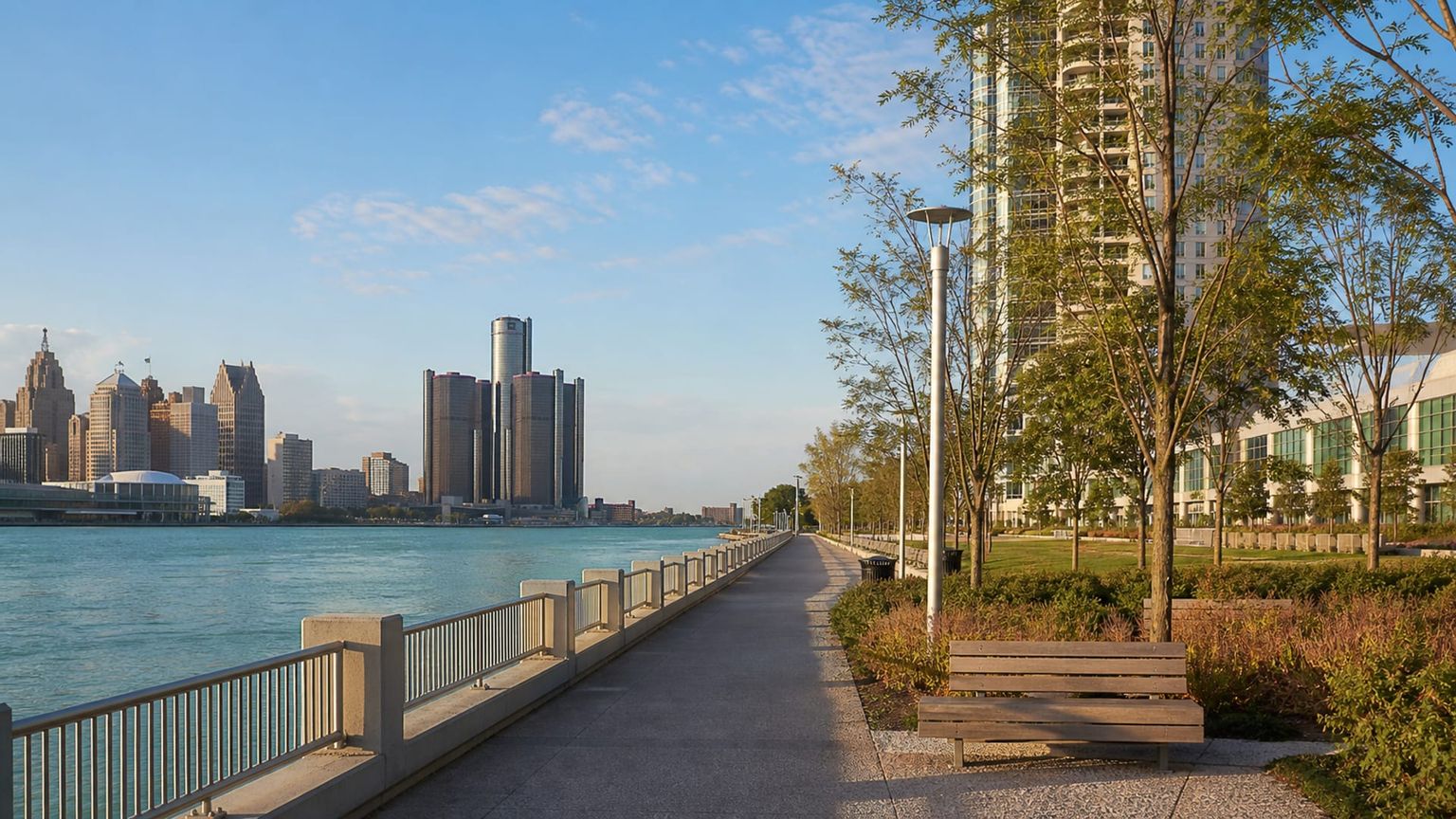
Detroit RiverWalk
The Detroit RiverWalk stretches along the waterfront with city views, public art, parks, and access points near downtown. It connects Hart Plaza, the GM Renaissance Center, and other riverfront stops in an easy walking corridor.
Time needed: About 1 to 2 hours
Entry: Free to access; some nearby attractions, events, and parking areas charge separately, but the riverfront path itself has no admission fee.
Tip: Go near sunset for skyline light, then continue west toward Hart Plaza for longer views.
Overlooked sites worth visiting

Belle Isle Park
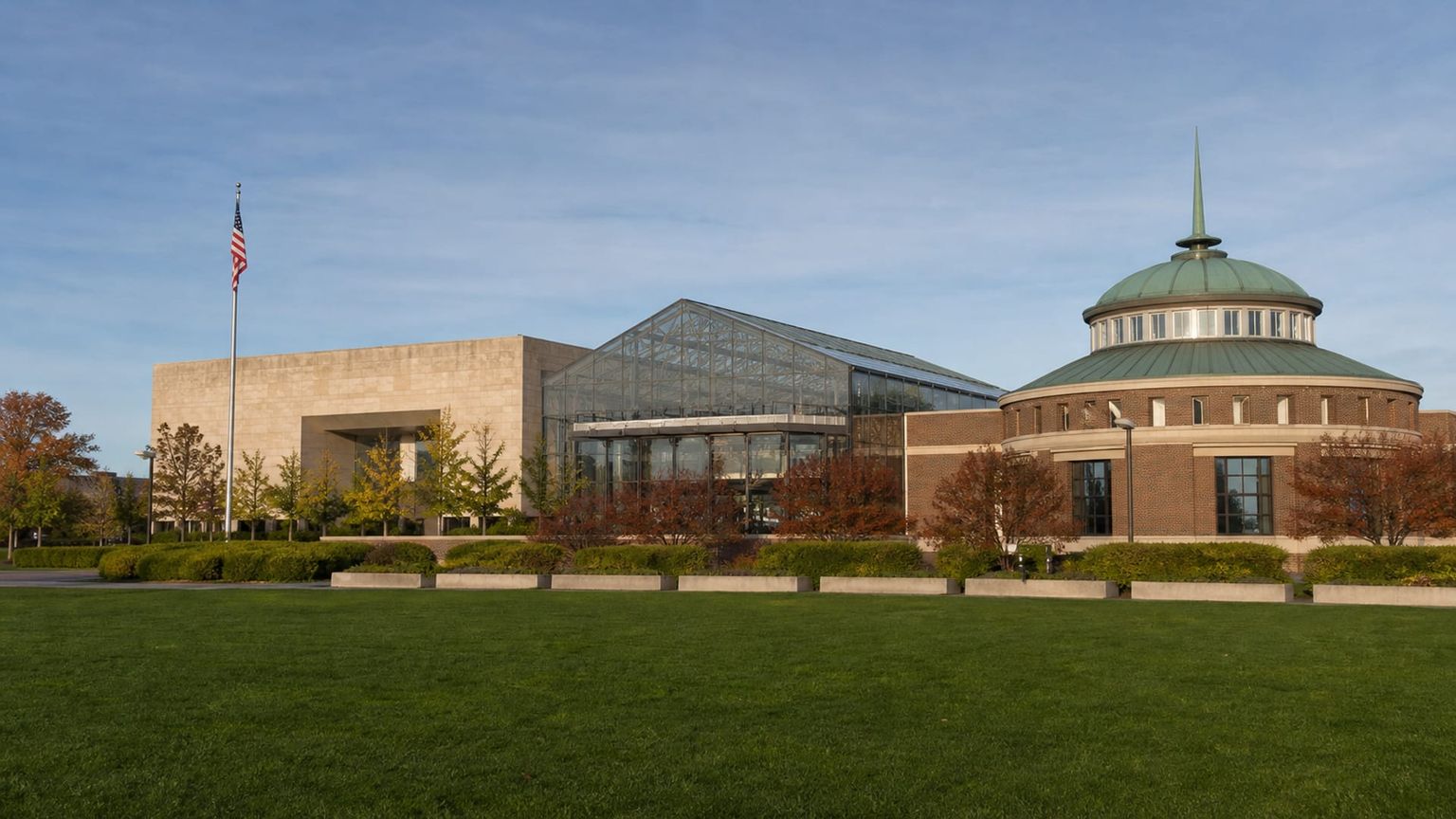
This island park on the Detroit River has long paths, lagoon views, and access to the Anna Scripps Whitcomb Conservatory. Bring a bike or walk the shoreline for a quieter city escape.
Time needed: About 2 to 3 hours
Entry: Free to access; the island also includes paid attractions such as the conservatory and aquarium, with separate admission for each venue. Parking is paid in some lots and can vary by day and event, so check the current signs before you enter.
Tip: Go early for calmer paths and better river light.

Detroit Historical Museum
This compact museum covers Detroit’s auto history, immigrant neighborhoods, and the Streets of Old Detroit exhibit. It gives a clear local context without requiring a long visit.
Time needed: About 1 to 2 hours
Entry: Adult admission is about $10 ($10); seniors, students, and children receive reduced rates, and some days offer free entry. Special exhibitions or programs can carry separate fees, so verify the current calendar before you go. Visit the official site for details.
Tip: Pair it with nearby Midtown stops to keep the visit short.
Traditional food

Detroit cooking leans on Coney dogs, square-edged pizza, corned beef, and sharp, savory sauces, with diners and neighborhood counters still doing much of the work.
Coney dog
A Detroit Coney dog pairs a natural-casing hot dog with chili, mustard, and onions. American Coney Island in downtown Detroit is the classic stop for it.
Detroit-style pizza
Detroit-style pizza uses a thick, airy crust with crisp edges and sauce on top of the cheese. Buddy’s Pizza is the city reference point, and the original restaurant remains the canonical choice.
Corned beef sandwich
Detroit’s corned beef sandwich usually arrives piled high on rye with mustard or sauerkraut. Lafayette Coney Island in downtown Detroit is a long-running place to order one.
Zip sauce
Zip sauce is a peppery, buttery steak sauce that appears on beef plates and sandwiches across Detroit. Sinbad’s on the riverfront is a well-known place to try it in a classic local setting.
Best time to visit Detroit
Detroit changes most across winter and summer, when lake effect cold and humid heat shape how long you want to stay outside between museum and riverfront stops.
Best for: Museum days, park walks, and first patio meals
What you get: About 45°F to 70°F (7°C to 21°C), with moderate crowds and some rain
Trade-offs: Cool spells can still cut short riverfront time
Best for: RiverWalk evenings, Belle Isle, and baseball dates
What you get: About 65°F to 85°F (18°C to 29°C), with the biggest crowds at major events
Trade-offs: Humidity and heat can make midday walks tiring
Best for: Long sightseeing days and football weekends
What you get: About 45°F to 72°F (7°C to 22°C), with lighter weekday crowds than summer
Trade-offs: Temperatures can drop fast by late November
Best for: Indoor museums and lower hotel demand
What you get: About 20°F to 38°F (-7°C to 3°C), with the lightest tourist traffic
Trade-offs: Snow and wind can slow driving and walking
A realistic 5-day plan in Detroit
The five-day plan starts with arrival time in the core, then builds outward to Midtown, Belle Isle, Dearborn, and a final half day for one last museum or café stop before you leave.
Land at Detroit Metropolitan Airport (DTW) and plan on about 25 to 35 minutes by taxi or rideshare into Downtown, roughly $45 to $70 before tip, or about 35 to 50 minutes on the FAST bus plus local transit for a lower-cost option. Book a room near Campus Martius if you want the easiest first evening on foot, then settle in, drink plenty of water, and keep dinner simple with a short walk to a Downtown diner or bar near the riverfront.
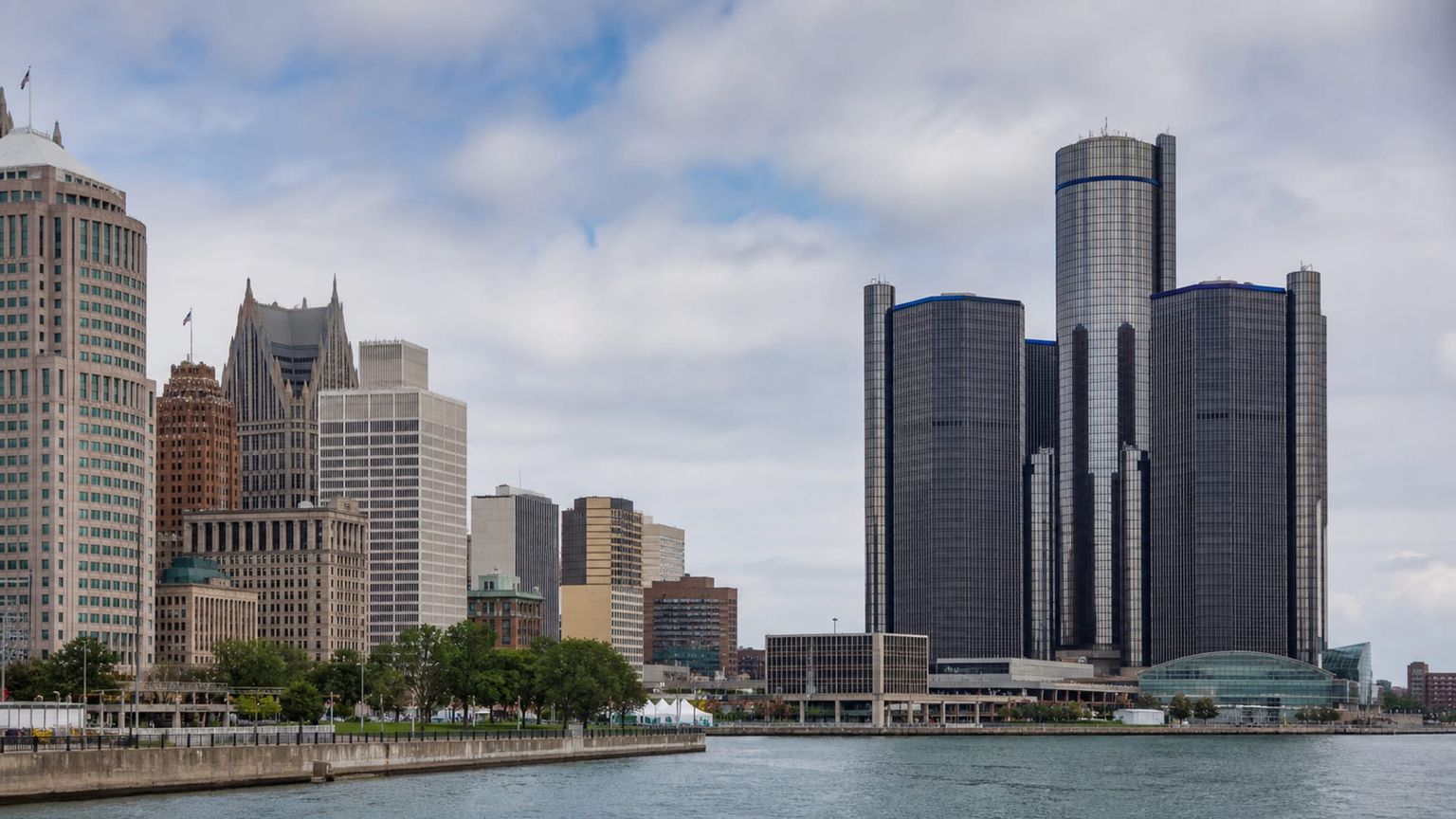
Start in Midtown at the Detroit Institute of Arts, then give the museum about 3 to 4 hours before walking about 10 minutes to the Detroit Historical Museum for a 1 to 2 hour stop. From there, ride or drive about 10 minutes to Downtown and spend the late afternoon on the Detroit RiverWalk, where you can follow the waterfront from the GM Renaissance Center toward Hart Plaza in about 1 to 2 hours, then finish with dinner near Campus Martius.
Belle Isle Park sets up a slower day, and reaching it from Downtown takes about 10 to 15 minutes by car or rideshare, or longer by transit, depending on connections. Walk or bike the island for 2 to 3 hours, pausing at the shoreline paths and lagoon views, then cross back to Midtown for an easy meal near Woodward Avenue after a short drive of about 15 minutes.
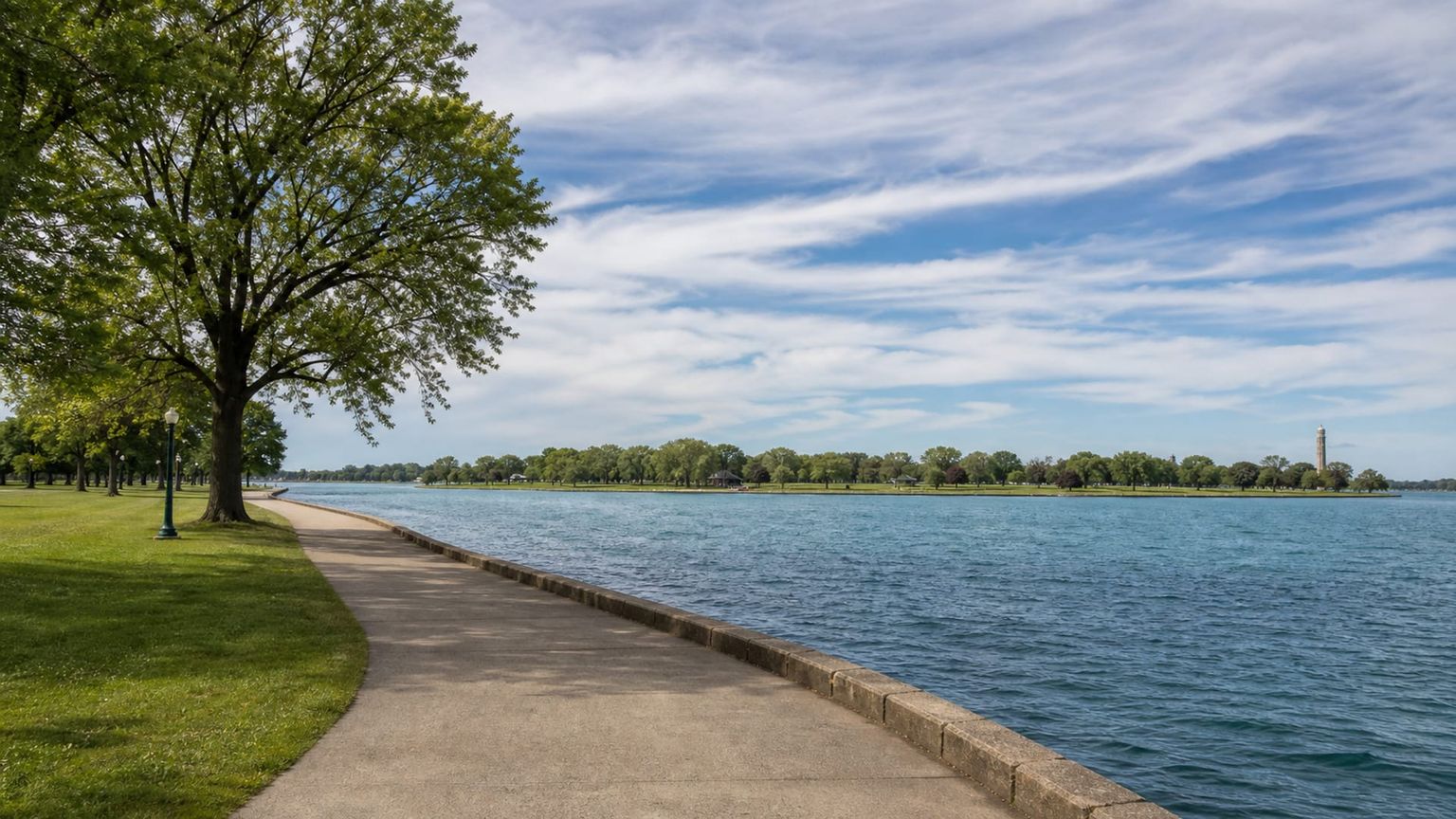
An early departure to Dearborn puts The Henry Ford within about 20 to 30 minutes by car from Downtown, so arrive at opening and stay for roughly 5 to 7 hours between the museum and Greenfield Village. If you still have energy afterward, return to Corktown in about 15 minutes by car for a relaxed evening on Michigan Avenue, where the bars and diners make an easy last dinner stop before the trip winds down.
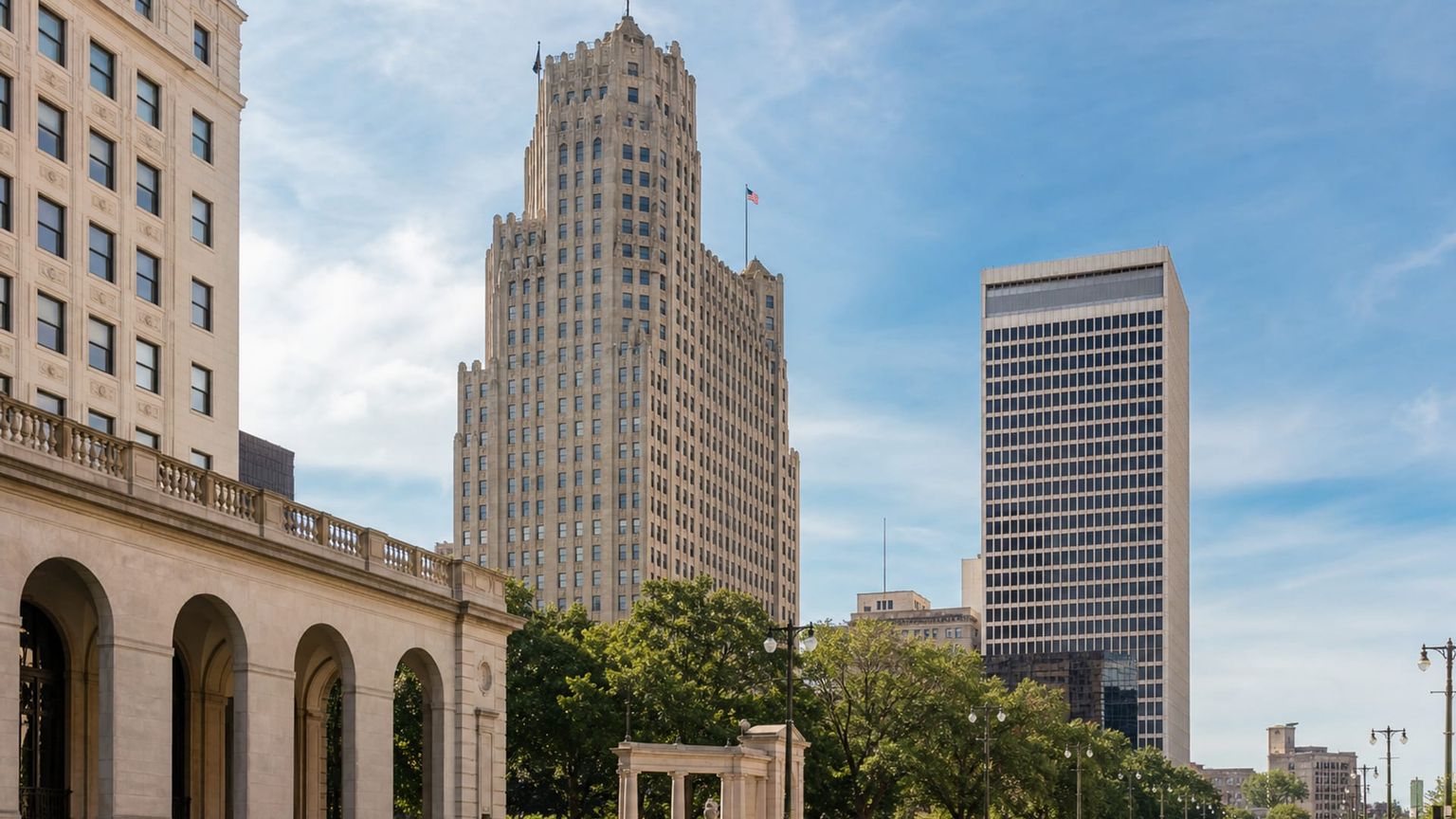
Begin the day with a final museum stop if you have not yet seen the Detroit Institute of Arts, or return to the Detroit Historical Museum for a shorter visit, then keep the pace unhurried. Afterward, head to Midtown for a café break, or spend time in Downtown if you want a little shopping near Campus Martius before departure, with the airport ride from the core taking about 25 to 35 minutes by car.
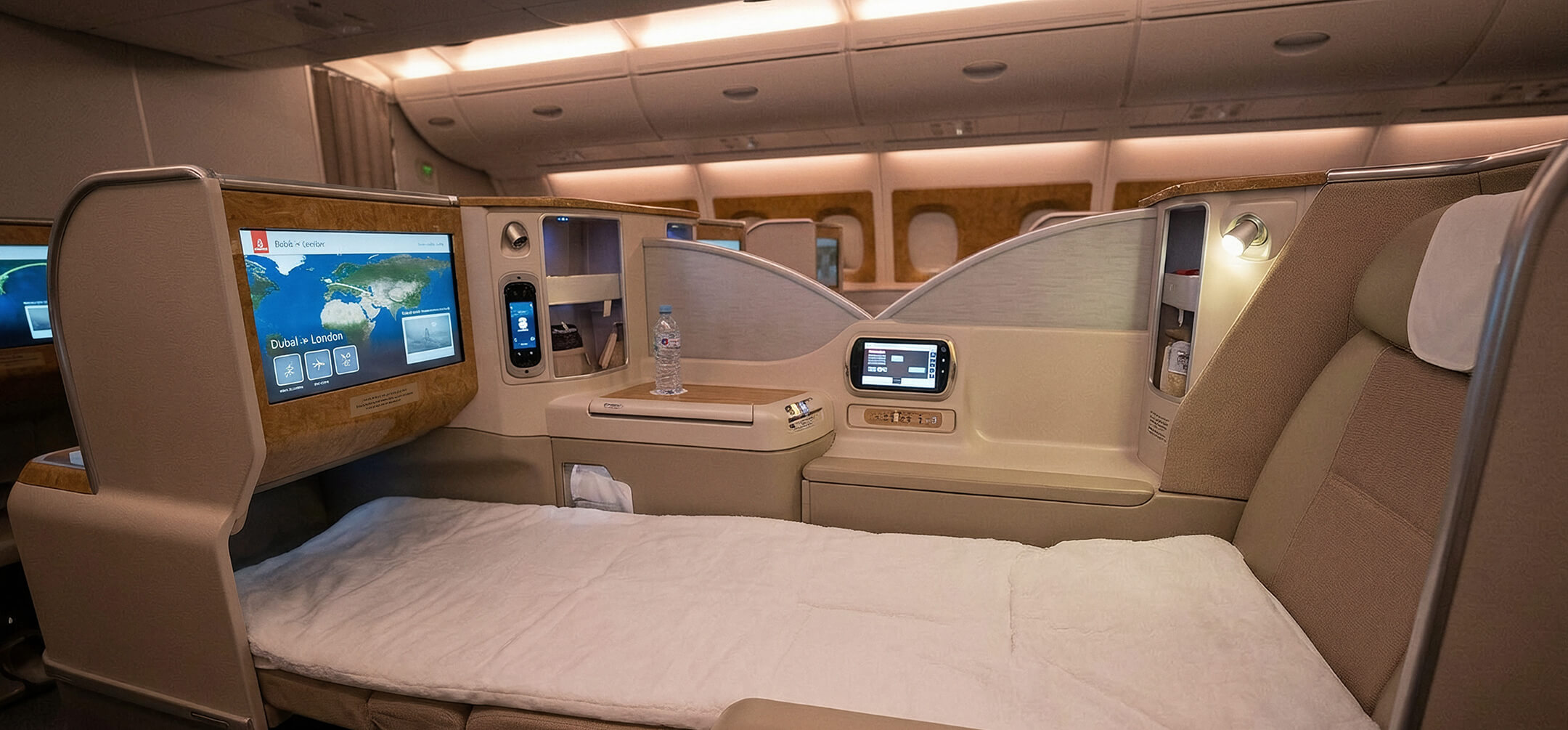
Business-class flights from the US to Detroit
Business fares to Detroit vary most by origin, and the fastest trips from New York can look very different from the longer West Coast options. The examples below show how nonstop time, layovers, and pricing tend to line up.
From New York, Delta Air Lines, American Airlines, United Airlines, Air Canada, Lufthansa, and Air France sell options that usually take about 1 hour 50 minutes to 2 hours 10 minutes nonstop. If you do not mind a connection, common layovers through Toronto, Frankfurt, Amsterdam, Chicago, or Houston can pull fares down, with round-trip prices usually starting at $450 and reaching about $1,200.
Los Angeles itineraries usually take about 4 hours 15 minutes to 4 hours 45 minutes nonstop on Delta Air Lines, American Airlines, United Airlines, Air Canada, or Alaska Airlines. Round-trip fares often run from $700 to $1,800, and one-stop options through Denver, Dallas, Chicago, Houston, or San Francisco can come in lower when schedules are less direct.
Detroit feels different when you slow down
A deliberate Detroit trip puts the city in layers, Downtown for the riverfront and Campus Martius, Midtown for the Detroit Institute of Arts and the historical museum, then Belle Isle or Corktown when you want a change of pace. Taxis, rideshare, and the occasional bus ride do the connecting, while meals settle into the city’s Coney, pizza, and corned beef tradition. If you want help shaping the details, AranGrant experts can match your dates to the right neighborhoods and flight timing