

Chapters:

Need help with your trip?
Our support team is available 24/7. Request a callback or call us directly at (833) 619-0908
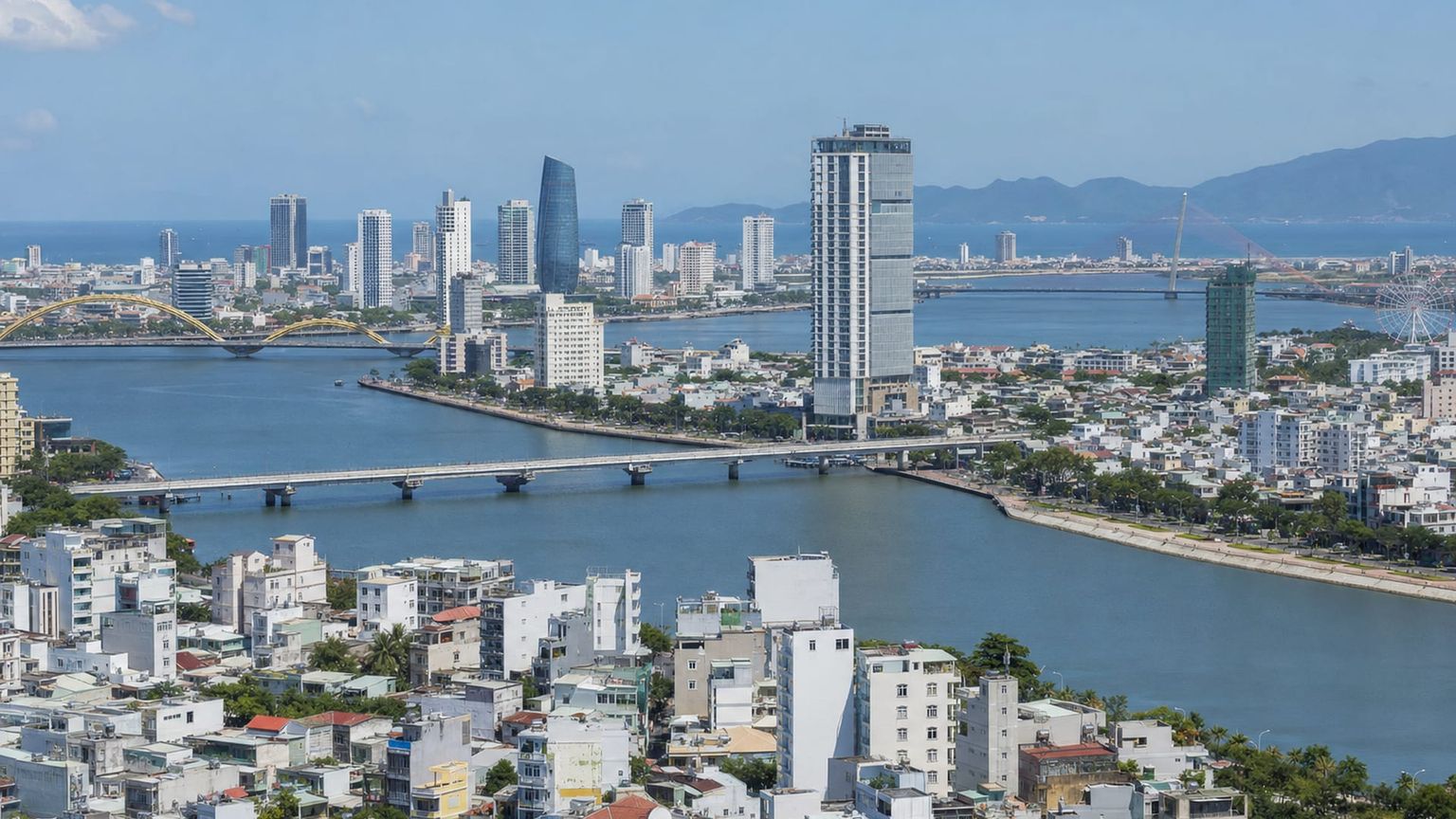
Da Nang trips often start with the beach, then fill in the gaps with a few temple stops, a market lunch, and one evening by the river. What travelers miss is how the city changes once you cross the main roads, where short distances can still call for careful timing.
That matters because beach, river, and hillside stops sit in different parts of town, and traffic can slow simple cross-city plans. If you stack too many outings into one day, you spend more time in taxis than in the places themselves.
This guide sets out a clearer order, with neighborhoods, meals, and day trips arranged to match the city’s geography. It gives you a route that keeps each day grounded in one part of Da Nang before you move on.
Useful things to know

Main language(s): Vietnamese
Xin chào (sin chow) – Hello
Làm ơn (lahm uhn) – Please
Cảm ơn (gahm uhn) – Thank you
Bạn có nói tiếng Anh không? (bahn koh noi tee-ehng anh khong) – Do you speak English?
Bao nhiêu tiền? (bao nyew tee-en) – How much does it cost?

Currency: The local currency is the Vietnamese dong (VND, ₫).

Cash and cards: Cards and contactless are widely accepted; carry about ₫200,000 to ₫500,000 ($8 to $20) for small purchases.

Tipping: Round up small bills; tipping is not expected, but 5-10% is appreciated in nicer restaurants.

Traditional food: Mi Quang, banh xeo, bun cha ca, banh canh

Water and coffee costs: Water about ₫10,000 to ₫20,000 ($0.50 to $0.80), bar espresso about ₫35,000 to ₫60,000 ($1.40 to $2.

Taxis and ride apps: Grab and Be are widely used; check the pickup point before you request a car.

Plug and voltage: Type A/C socket, 220V

Dining and shop opening hours: Breakfast is about 6:00-9:00 am, lunch about 11:30 am-1:30 pm, and dinner about 6:00-9:00 pm. Many street-food stalls and some restaurants close by 10:00 pm.

Emergency number: 112 for police, fire, and ambulance.
Where to stay in Da Nang
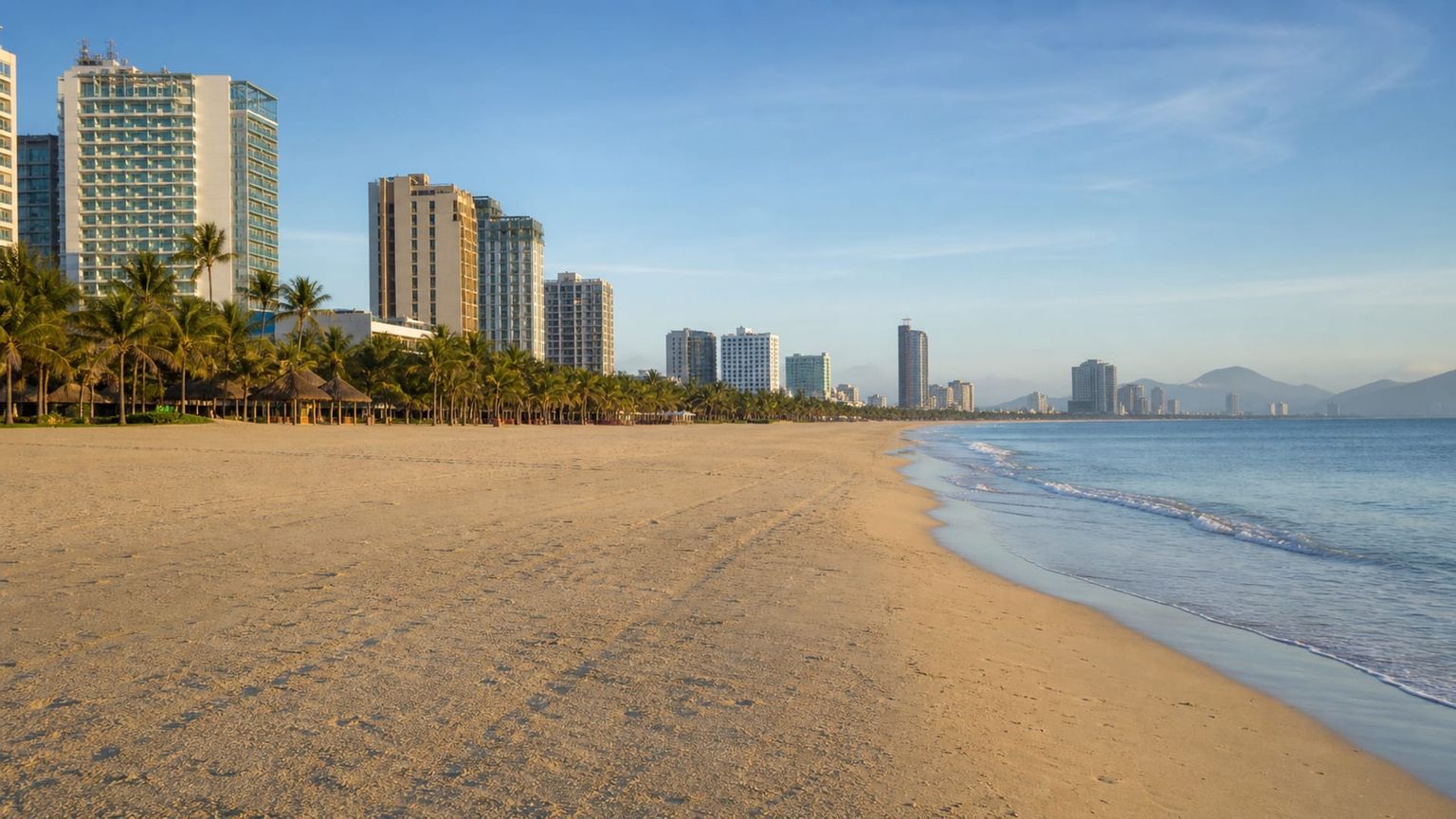
Da Nang’s main beachfront strip lines a long sandy coast with hotels, cafes, and easy access to the sea. It matters because many visitors split their time between beach walks, seafood dinners, and quick trips into the city center.
Best for: Beach time, resort stays, and travelers who want direct access to the coast
What to expect: Busy in the morning and at sunset, with a steady mix of swimmers, runners, and hotel guests.
Hotel prices: Usually about $50 to $180 per night for well-rated stays
Distance to major sights: 10 to 15 minutes by taxi to Dragon Bridge, about 15 minutes to Han Market
Quietness: Quieter during midday, livelier near sunset and on weekend evenings.
Main trade-off: You will pay more for true beachfront positions, and dinner choices can be dominated by tourist-oriented places.
Good to know: Choose a room away from the main road if light sleep matters, since scooter traffic and beach nightlife can carry late.
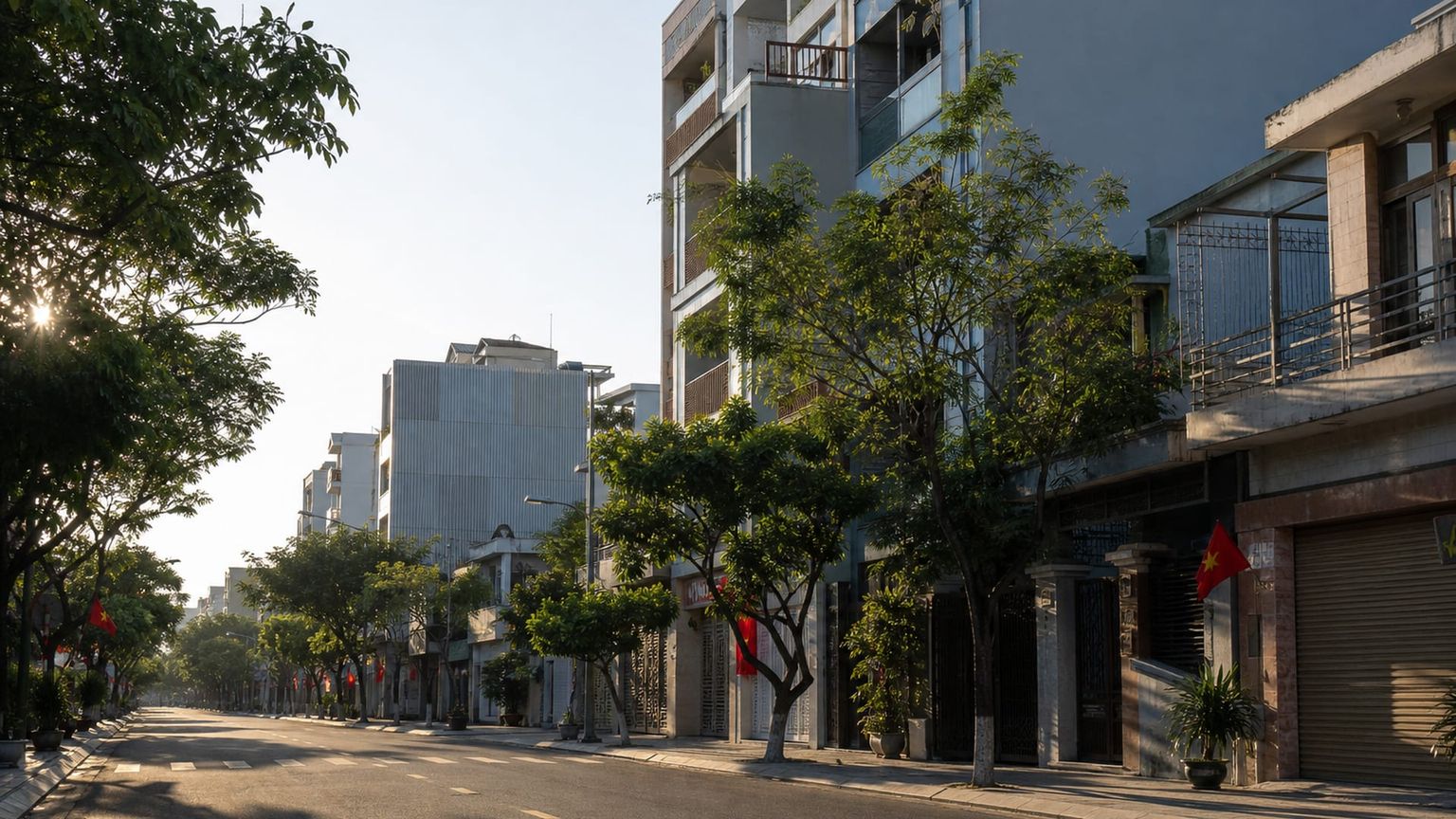
Hai Chau is Da Nang’s central district, where government offices, markets, and riverfront streets sit close together. It matters because you can reach Han Market, the cathedral, and several bridge viewpoints without depending on long cross-city rides.
Best for: First-time visits, sightseeing, and travelers who want central access to the river and markets
What to expect: Active daytime streets, office traffic, and plenty of local eating spots, with a more subdued scene late at night.
Hotel prices: Usually about $40 to $140 per night for well-rated stays
Distance to major sights: 5 to 10 minutes on foot to Han Market, about 10 minutes by taxi to Dragon Bridge
Quietness: Noisy at rush hour and around the market, then noticeably calmer after the shops close.
Main trade-off: You trade beach access for easier movement around the city’s core, and the most atmospheric streets can feel hectic at peak hours.
Good to know: If you plan early departures or multiple short outings, this is the easiest place to base yourself without crossing the river repeatedly.
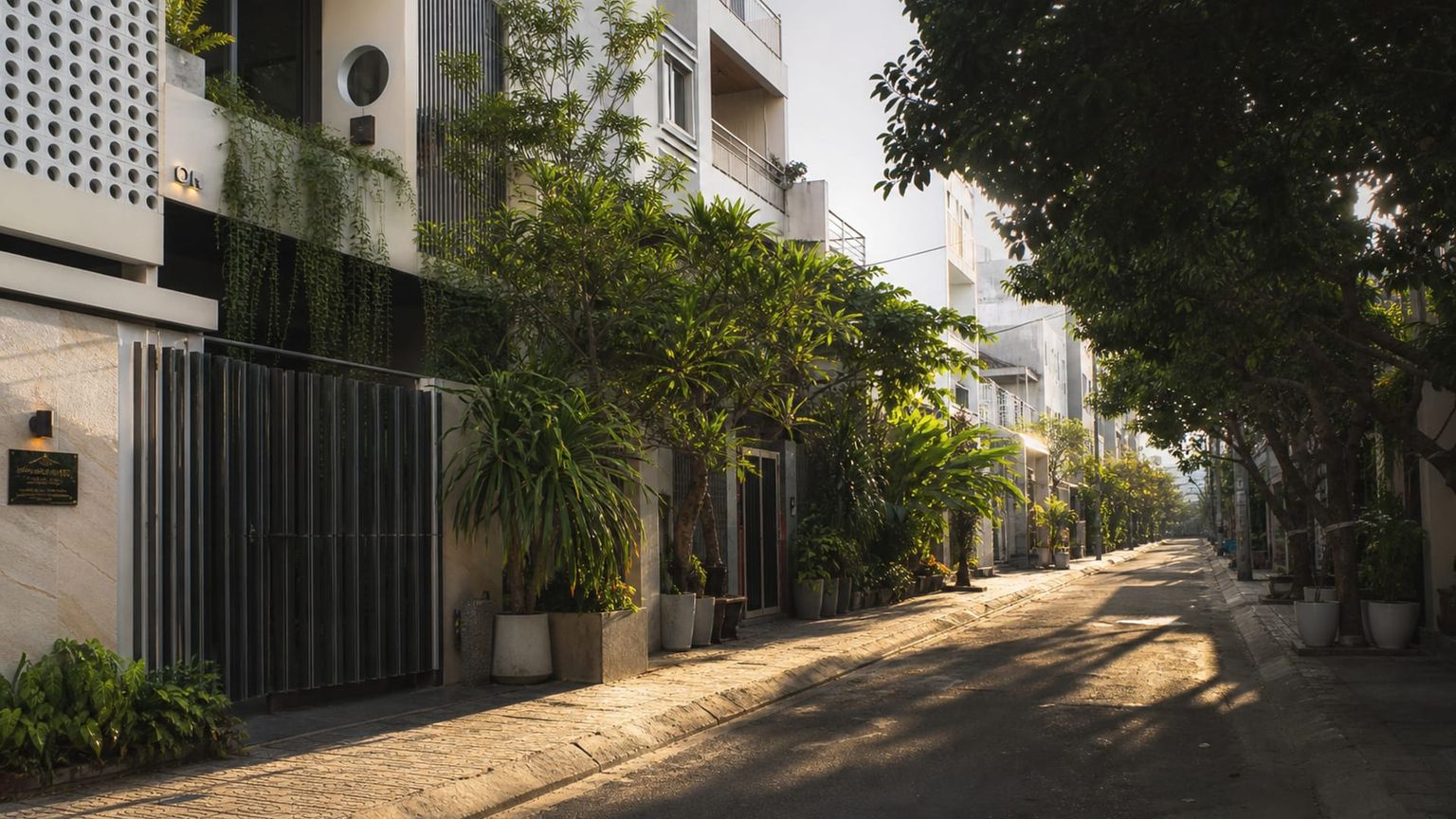
An Thuong is the small backpacker and expat pocket just inland from My Khe Beach, filled with guesthouses, cafes, bars, and casual restaurants. It matters because it gives you a walkable nightlife scene while keeping the beach within easy reach.
Best for: Nightlife, casual dining, and travelers who want a walkable beachside base
What to expect: Lively after dark, with backpacker traffic, bar chatter, and a lot of short-stay guests.
Hotel prices: Usually about $35 to $120 per night for well-rated stays
Distance to major sights: 5 to 10 minutes on foot to My Khe Beach, about 15 minutes by taxi to Dragon Bridge
Quietness: Moderately busy by day and distinctly louder at night, especially on bar streets.
Main trade-off: Rooms can be smaller and noisier than in larger hotel districts, and the scene leans more casual than polished.
Good to know: Book carefully if you value sleep, since alley bars and late diners can keep nearby streets active past midnight.
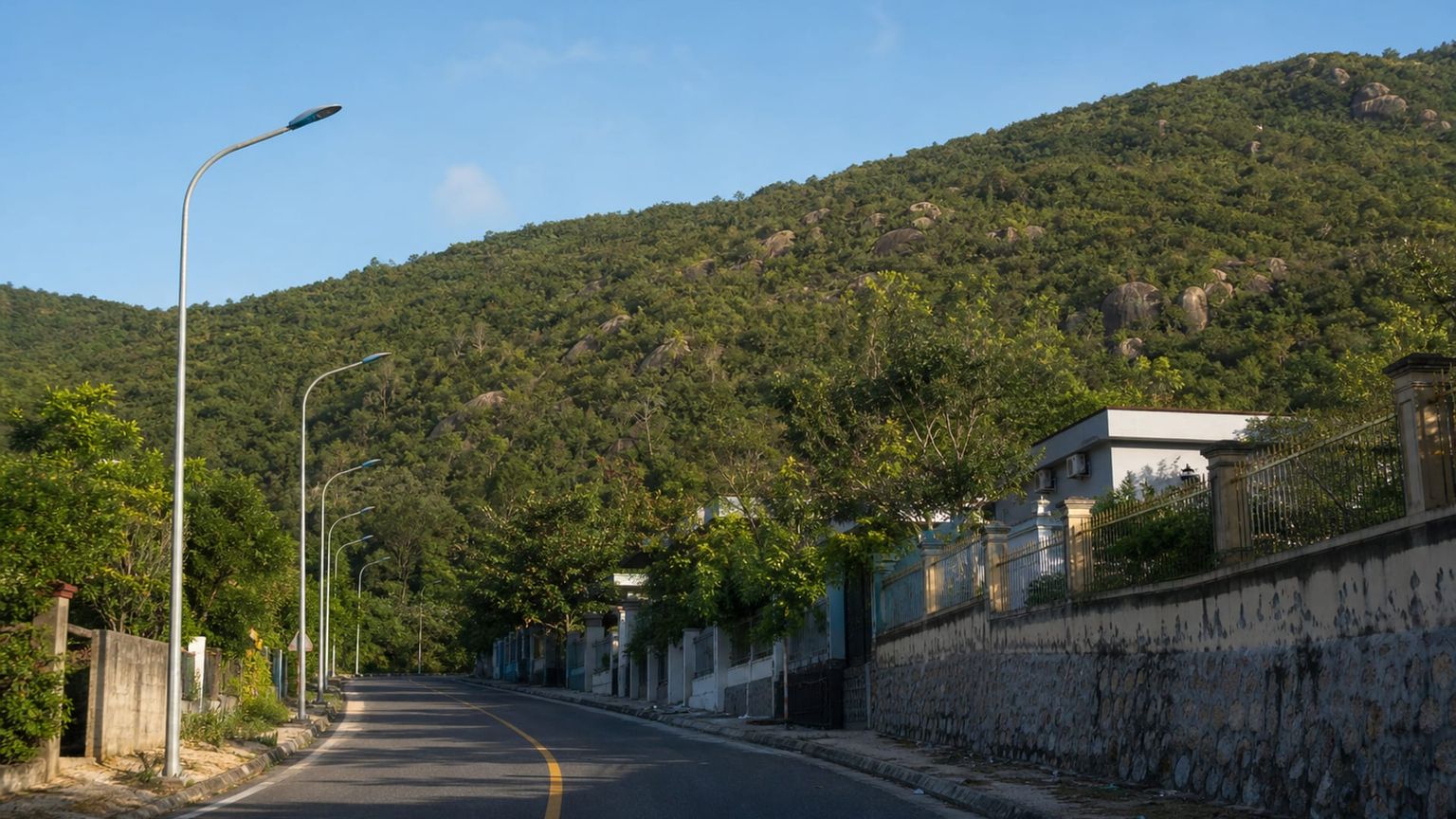
The lower slopes of Son Tra sit north of the river and above the coastal road, with newer hotels and apartment stays near viewpoints and the route to the Lady Buddha. It matters because it gives you a more spacious base with quick access to beaches and scenic drives.
Best for: Scenic drives, newer hotels, and travelers who want a quieter base near the coast
What to expect: Less street bustle than central districts, with car traffic replacing foot traffic and more movement along the main roads than in side streets.
Hotel prices: Usually about $45 to $160 per night for well-rated stays
Distance to major sights: 15 to 20 minutes by taxi to Dragon Bridge, about 20 minutes to Han Market
Quietness: Generally quiet through the day, with only moderate evening activity near main roads and hotel clusters.
Main trade-off: You will need transport for most meals and central sights, and the area feels spread out compared with the riverfront.
Good to know: Staying here works best if you do not mind using taxis for nightlife and market visits, because many streets go quiet early.
Travelers usually avoid staying in Hoa Khanh, because it sits far west of the main beach and river districts, with fewer visitor-focused hotels and restaurants. They also often skip the industrial edges of Lien Chieu District, the far northern end of Son Tra Peninsula, Ngu Hanh Son’s inland stretches away from My Khe Beach, and the airport-side blocks near Da Nang (DAD), since these areas are less convenient for sightseeing and evening travel.
Hotel deals
How to get around Da Nang efficiently
Da Nang has no metro, so most visitors move between the airport, Hai Chau, the beach, and Son Tra by taxi, ride-hailing app, or city bus.

Metro
for longer distances
Da Nang has no metro system, so there is no rail link to the airport; the closest fixed-route option is the city bus network, with most visitors relying on buses, taxis, or ride-hailing for trips into the center.

Bus and tram
for convenience
Bus routes link Da Nang airport with central districts and the beach side, but they run less often than taxis and can take about 20 to 40 minutes depending on traffic and your stop. Fares are usually about $0.20 to $0.60 per ride, with tickets valid for a single trip on the route you board; pay the driver or conductor in cash, and check the destination sign before boarding.

Taxi
for convenience or late hours
Licensed taxis use metered fares rather than fixed citywide rates, although some airport pickups may offer set prices. A ride from Da Nang airport to the city center usually costs about $4 to $8, and trips to the beach area often fall about $5 to $10; expect airport surcharges or tolls to add a small amount. Use the official taxi rank or a ride-hailing app, and pay in cash or by card if the company or app supports it.
*Prices are based on rates updated as of June 2026 and may change at the time of travel.
Use buses for the cheapest city trips, taxis or ride-hailing for point-to-point movement, and walking when you stay in Hai Chau or near My Khe Beach.
Iconic landmarks
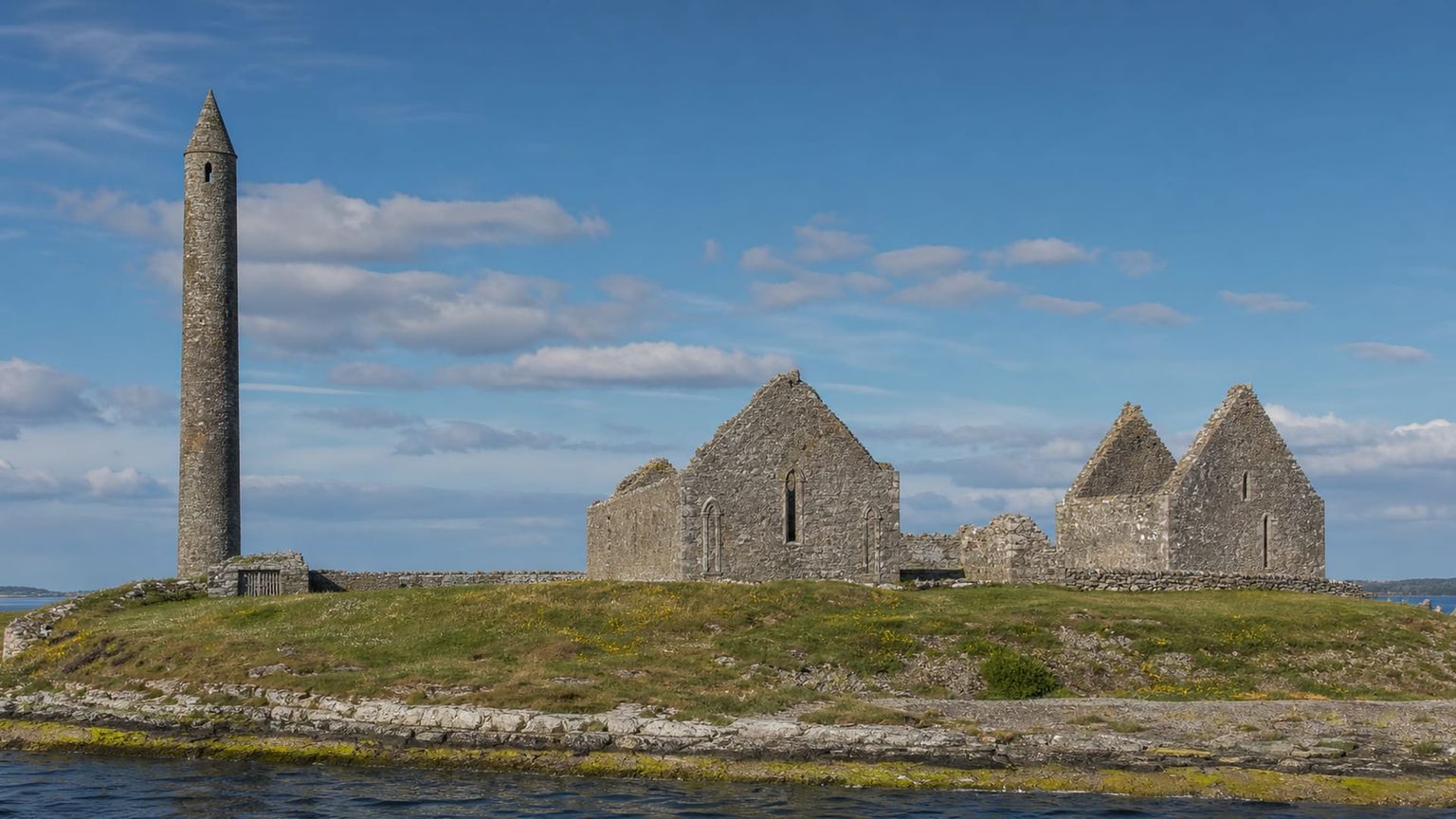
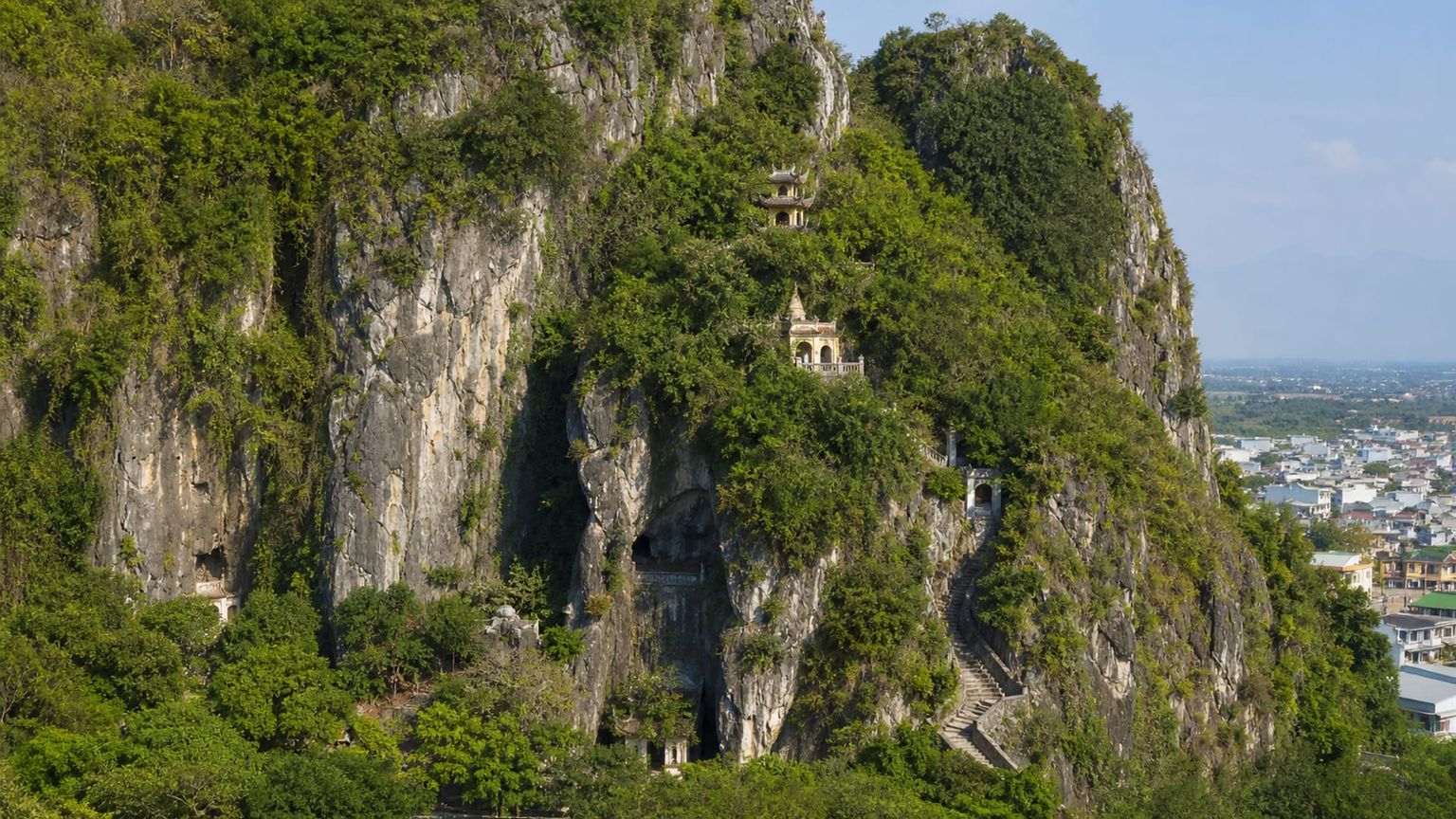
Marble Mountains
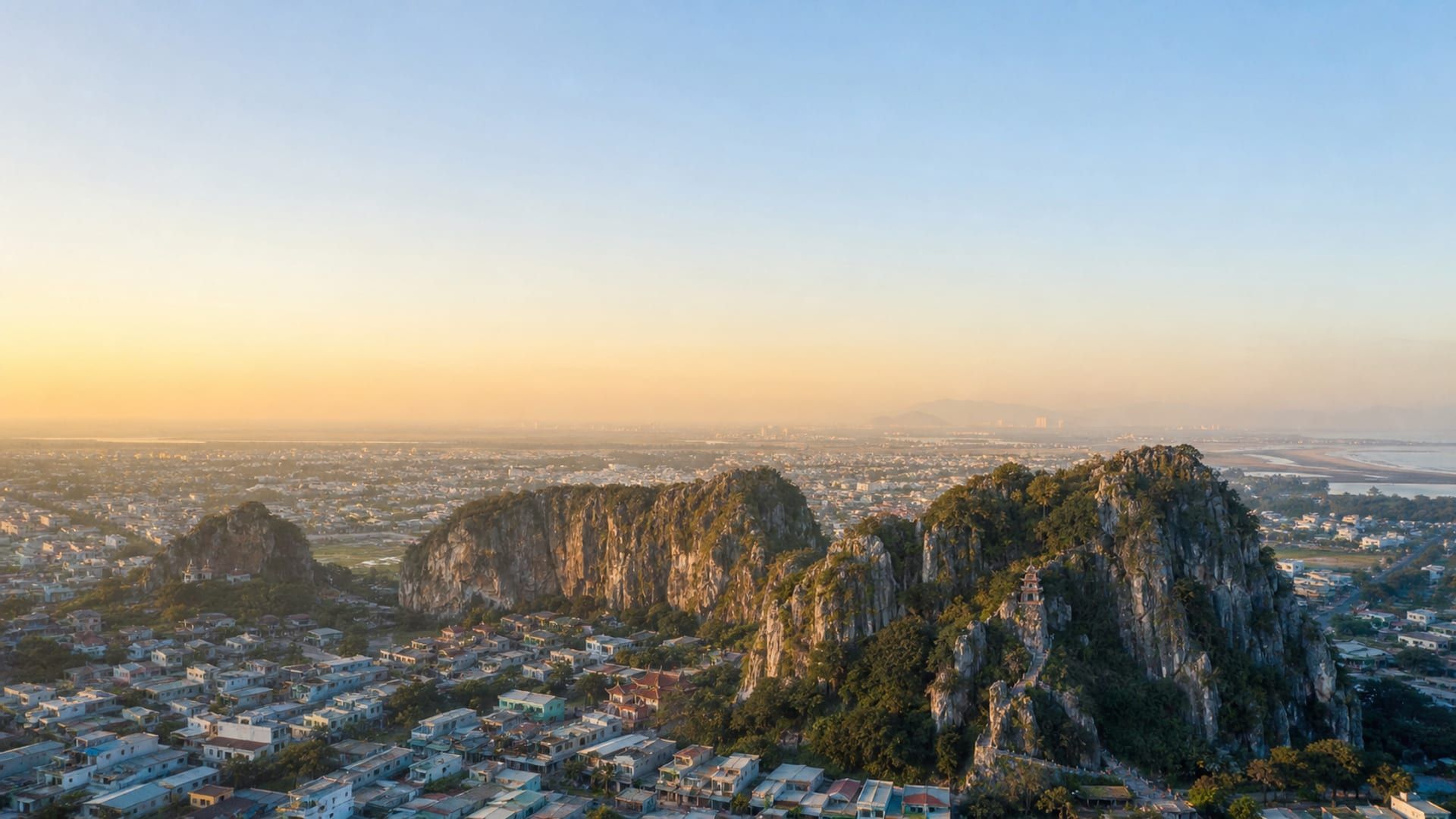
This cluster of five limestone and marble hills rises south of Da Nang, with caves, pagodas, and summit viewpoints. Visit Thuy Son for the main temples, then climb the stone steps for wide views over the coast and city.
Time needed: About 2 to 3 hours
Entry: Entry costs $2 to $3 ($50,000 to 70,000 VND), with extra fees for the elevator, cave access, and some shrine areas on site.
Tip: Go early in the morning, when the steps are cooler and the viewpoints are clearer.

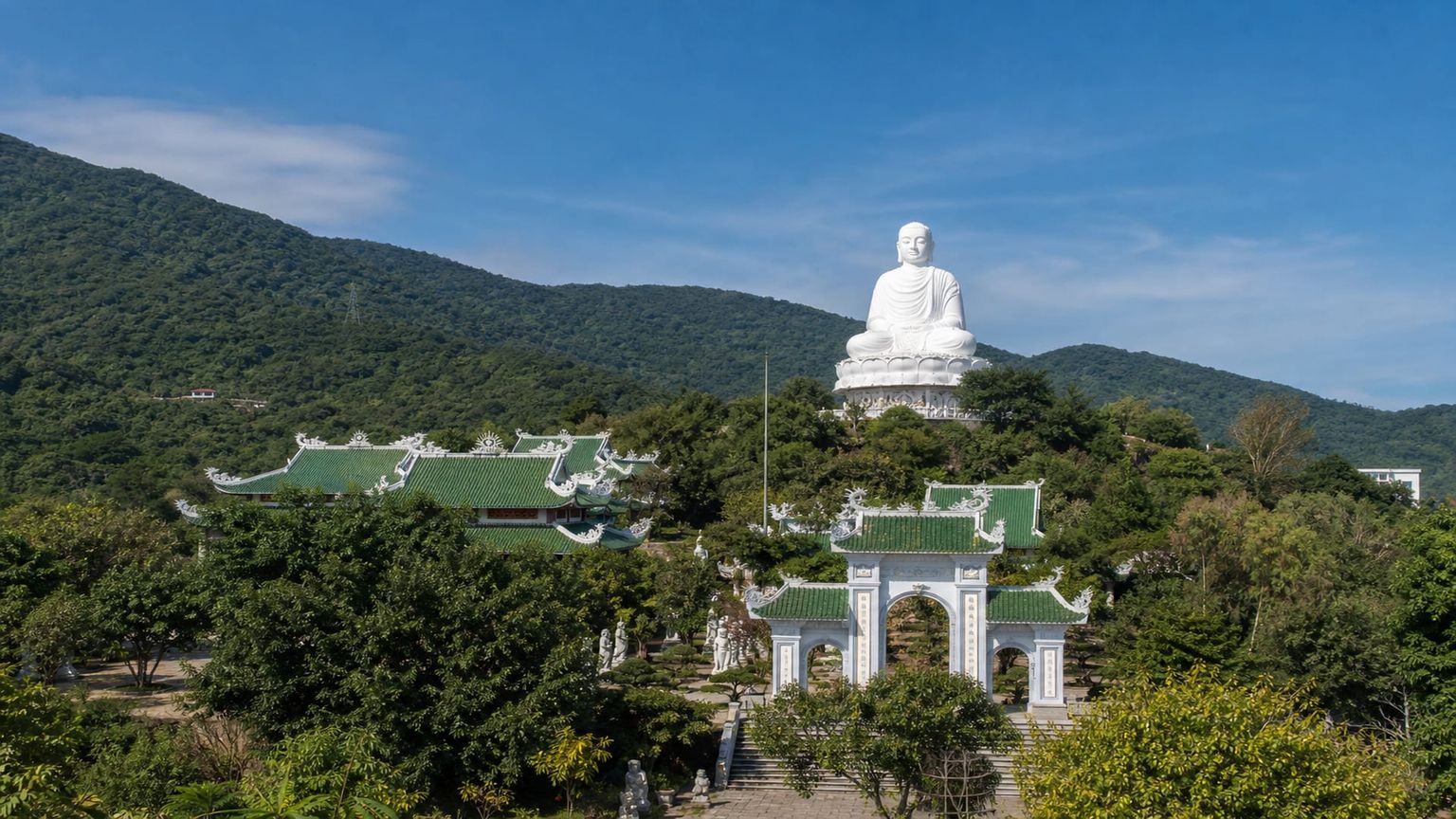
Linh Ung Pagoda, Son Tra Peninsula
Set on Son Tra Peninsula, Linh Ung Pagoda combines a large seafront temple complex with the 220-foot Lady Buddha statue. The terrace faces Da Nang Bay, and the site gives one of the city’s clearest coastal overlooks.
Time needed: About 1 to 2 hours
Entry: Free to access, with no admission charge for the main grounds, terrace, or statue area; donations and small offerings are optional.
Tip: Visit near sunset for softer light on the statue and a clearer view across the bay.
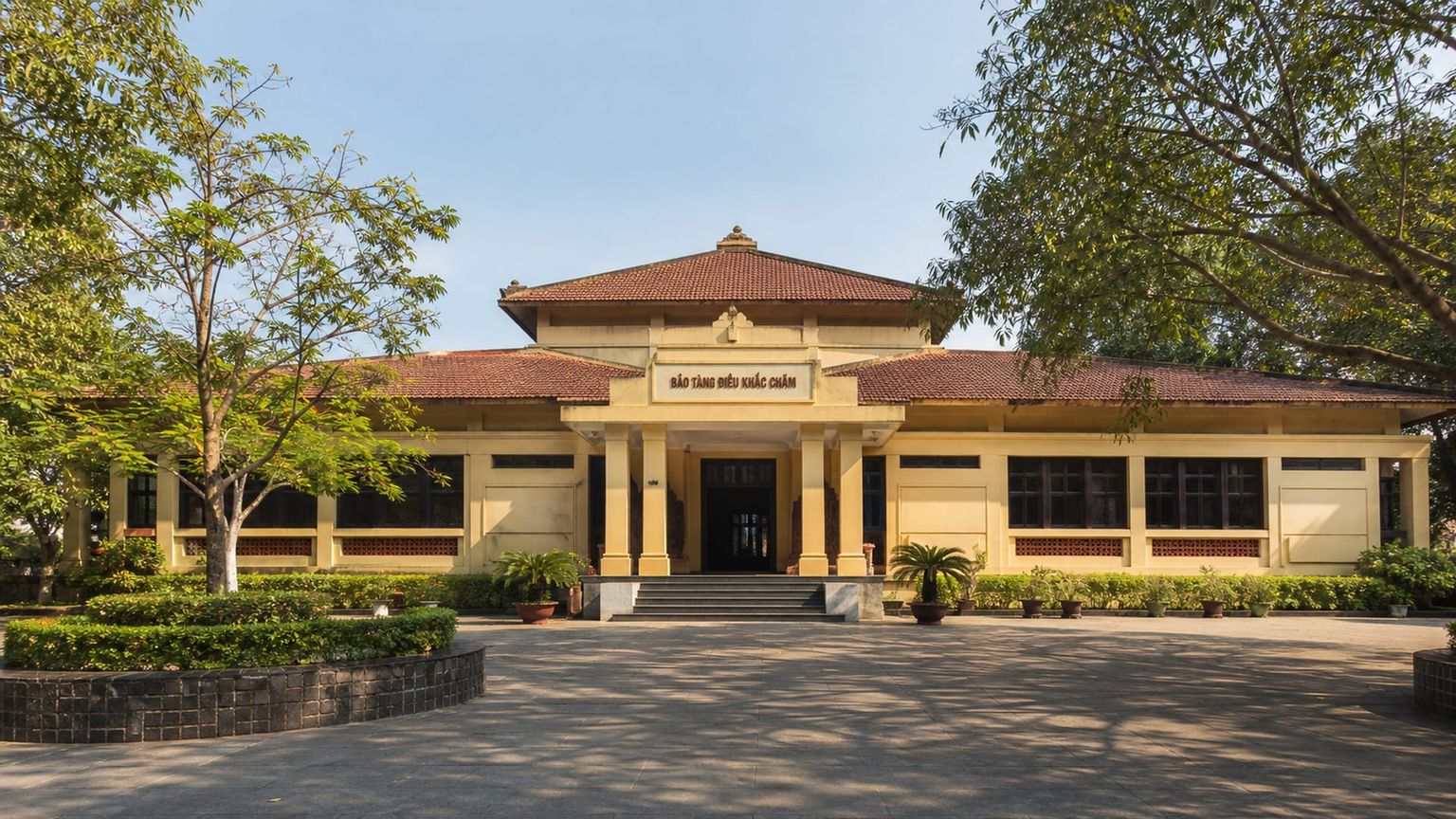
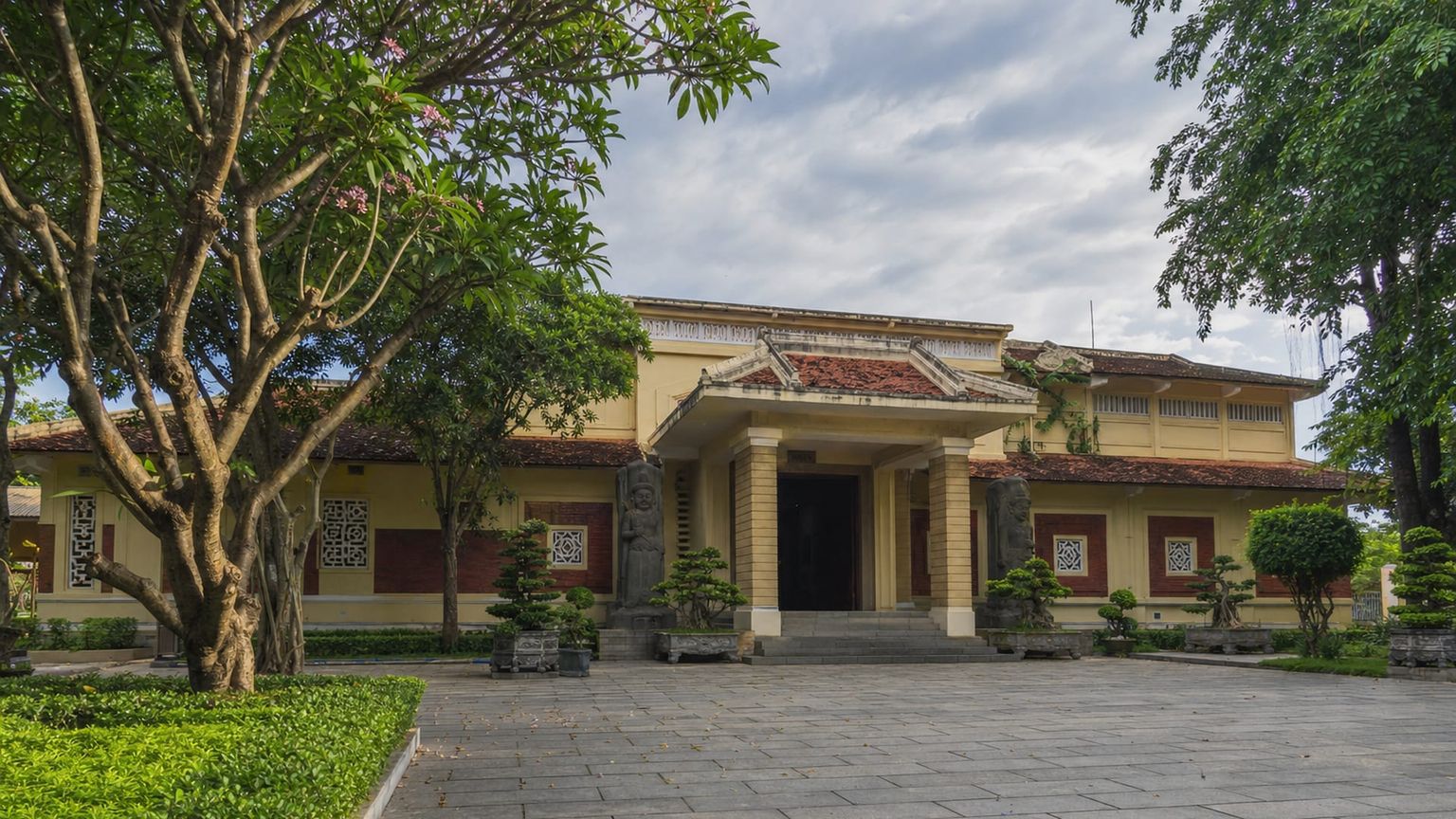
Da Nang Museum of Cham Sculpture
This museum holds the world’s largest collection of Cham sculpture, including sandstone lintels, lingas, and deity figures from central Vietnam. The galleries present key works from nearby ruins, making it one of the city’s most focused culture stops.
Time needed: About 1 to 2 hours
Entry: Standard admission costs $2 to $3 ($40,000 to 70,000 VND), with reduced rates for children and some local student groups. Visit the official site for details.
Tip: Pair the galleries with a late morning visit, when the rooms are quieter and cooler.
Overlooked sites worth visiting

Da Nang Museum of Cham Sculpture
This compact museum holds the world’s largest Cham sculpture collection, with sandstone figures, lintels, and altar pieces from central Vietnam’s Hindu and Buddhist temples. The courtyard gives the best quick look.
Time needed: About 1 hour
Entry: Admission costs about $2 ($45,000 VND) for adults; children, students, and some local visitors may receive reduced rates. Audio guides and temporary exhibit access can cost extra, and the museum closes one day a week.
Tip: Go early for cooler air and fewer school groups.

Non Nuoc Pagoda
Set on the Marble Mountains foothills, this small hillside pagoda has stone steps, a cave shrine, and views toward My Khe Beach. It gets far fewer visitors than the main mountain caves.
Time needed: About 1 hour
Entry: Free to enter the pagoda area. If you continue onto Marble Mountains grounds, expect separate ticketing for cave and elevator access, with standard entry commonly about $3 to $4 ($40,000 to $100,000 VND) depending on access chosen.
Tip: Visit late afternoon, then stay for softer light on the steps.
Traditional food
Da Nang’s cooking leans on fresh herbs, rice noodles, seafood, and light broths, with chile, turmeric, and sesame rice papers adding depth. Mi Quang, banh xeo, bun cha ca, and banh canh all fit the city’s casual, meal-by-meal dining culture.
Mi Quang
This turmeric-tinted noodle bowl is one of Da Nang’s signature dishes, built with rice noodles, herbs, peanuts, and a little broth. Mi Quang 1A is a long-running local reference for it in the city center.
Banh xeo
These crisp rice pancakes usually come with herbs, lettuce, and dipping sauce, so you can wrap each bite as you eat. Banh Xeo Ba Duong is the classic Da Nang stop for a plate made the local way.
Bun cha ca
This fish cake noodle soup brings a clear, savory broth and a softer breakfast pace than the richer noodle bowls. Bun Cha Ca Ong Ta is a known Da Nang address for a steaming bowl.
Banh canh
Thick noodles give banh canh a heavier texture, often paired with pork, fish cake, or crab depending on the kitchen. Banh Canh Ruong is a dependable city choice for a bowl that stays rooted in local tastes.
Best time to visit Da Nang
Da Nang works across all four seasons, but the best window depends on whether you want beach weather, clear sightseeing days, or fewer storms.
Best for: Beach days, river walks, and early sightseeing
What you get: About 77 to 90°F (25 to 32°C), with warm days, lighter rain, and moderate crowds before summer peaks
Trade-offs: Late spring can turn humid, especially in the afternoon
Best for: Swimming, coastal time, and sunset visits to Son Tra
What you get: About 81 to 95°F (27 to 35°C), with the busiest beach season and fuller hotel and restaurant tables
Trade-offs: Heat and midday glare make outdoor sightseeing harder
Best for: Museum time, food walks, and slower days in the city center
What you get: About 73 to 86°F (23 to 30°C), with thinner crowds and more comfortable temperatures outside storm periods
Trade-offs: September and October can bring heavy rain and typhoon risk
Best for: Temple visits, riverfront walks, and lower-key beach stays
What you get: About 66 to 79°F (19 to 26°C), with lighter crowds and cooler evenings
Trade-offs: Sea swimming and sunbathing feel less appealing on some days
A realistic 5-day plan in Da Nang
A five-day stay in Da Nang works best when you split the city by zone instead of trying to see everything in one sweep. The plan below starts near the airport, then moves through the central district, the southern hills, and the coast in a sequence that limits backtracking.
Arrive at Da Nang (DAD) and take a taxi or airport car into Hai Chau, which usually takes about 10 to 15 minutes and costs roughly $4 to $8 ($100,000 to 200,000 VND). If you land late, staying in Hai Chau keeps Han Market, the river, and dinner within a short ride, so you can check in, drink water, and choose an easy first meal near the cathedral or along the riverfront before an early night.
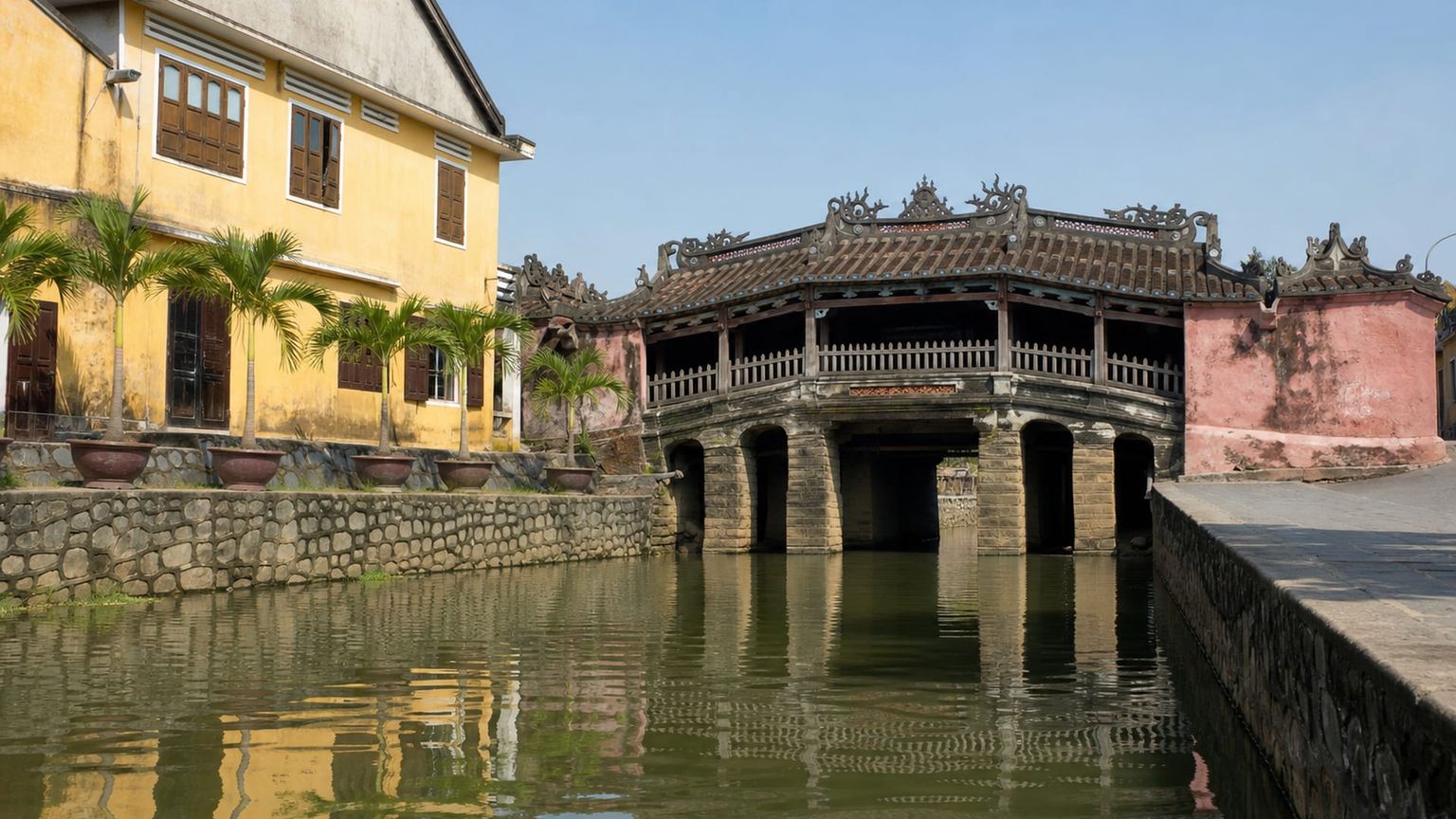
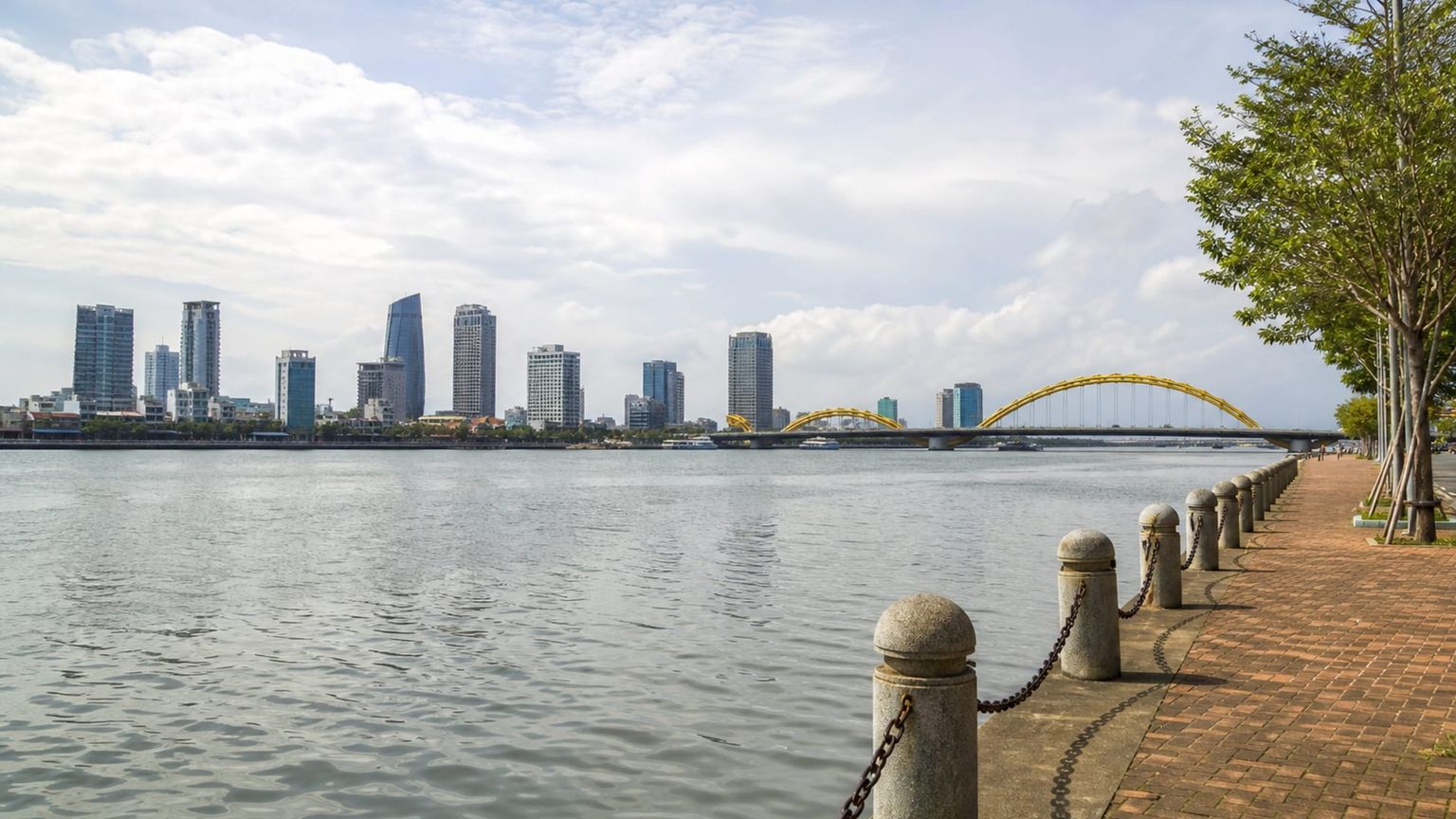
Start at the Da Nang Museum of Cham Sculpture in the late morning, where admission is about $2 to $3 ($40,000 to 70,000 VND) and the visit takes about 1 to 2 hours. From there, it is about a 10-minute taxi ride to Han Market for lunch and a walk through Hai Chau, then continue about 10 minutes by taxi to Dragon Bridge for an evening riverfront stroll and photos after dark.
Head south early for Marble Mountains, where entry costs about $2 to $3 ($50,000 to 70,000 VND) and the visit takes about 2 to 3 hours. After that, ride about 10 minutes to Non Nuoc Pagoda for a quieter hillside stop, then continue roughly 20 minutes by taxi to My Khe Beach or An Thuong for a late seafood dinner and an easy beach walk.
Begin on Son Tra Peninsula with Linh Ung Pagoda, which takes about 1 to 2 hours and sits about 20 minutes by taxi from central Da Nang. After the pagoda terrace and Lady Buddha statue, spend the rest of the day in the Son Tra Peninsula foothills or back at My Khe Beach, where a coastal drive, a café stop, and sunset views give you a relaxed finish without crossing the city for each stop.
Finish with one more cultural stop at the Da Nang Museum of Cham Sculpture if you want a short final visit, then move on to shopping or a last lunch in Hai Chau, where Han Market gives you the easiest last-minute browse before departure. If your flight leaves in the afternoon or evening, settle into a café in An Thuong or near My Khe Beach, where you can sit near the water, pack slowly, and head back to Da Nang (DAD) with about 10 to 20 minutes in reserve for the airport ride.
Business-class flights from the US to Da Nang
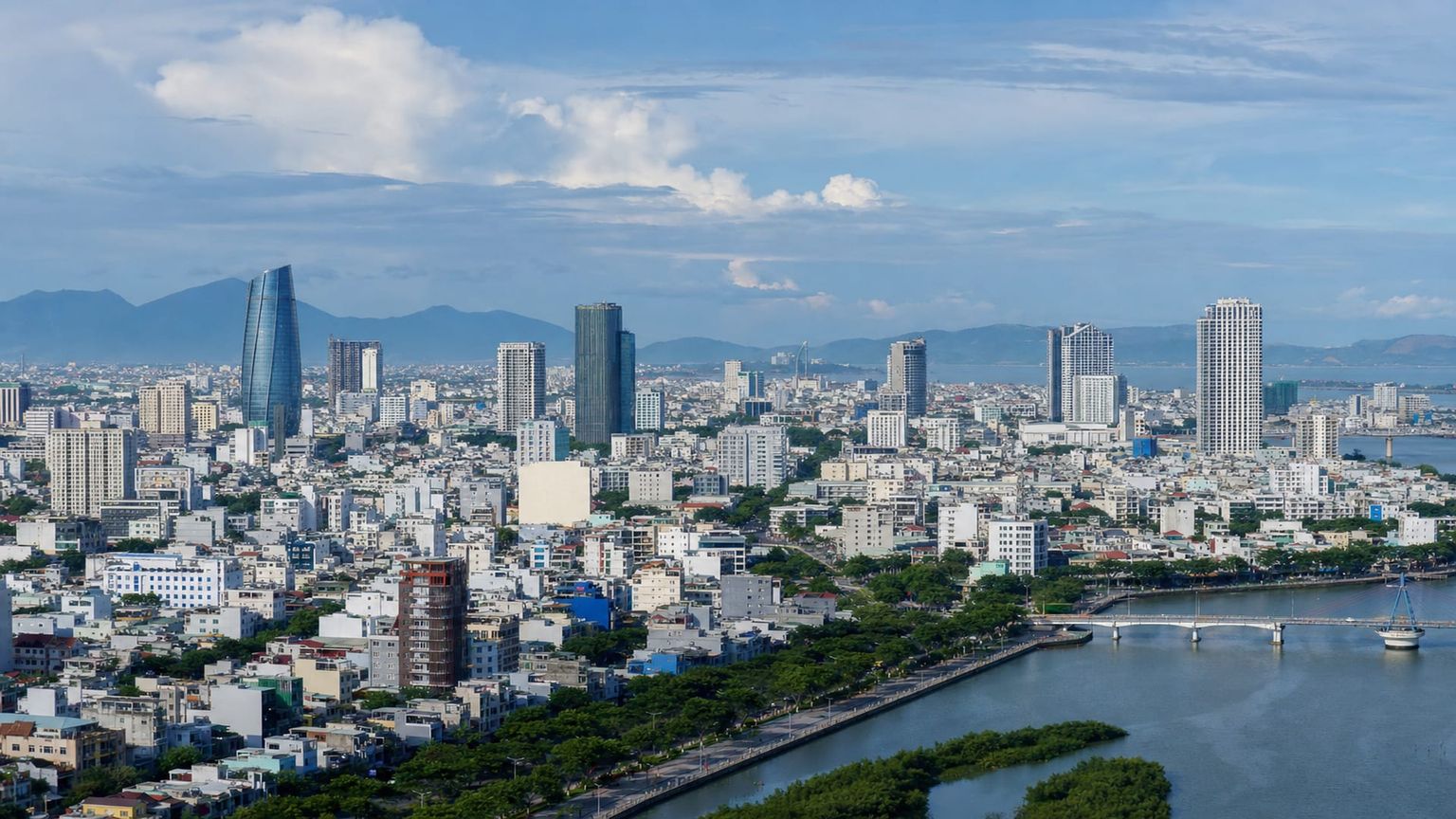
Reaching Da Nang from the US usually means a one-stop itinerary, and the best option depends on whether you fly from New York or Los Angeles. The airline mix and connection cities change enough that it pays to compare the route, not just the fare.
From New York, Cathay Pacific, Korean Air, All Nippon Airways, Japan Airlines, Emirates, and Qatar Airways all appear on one-stop itineraries, with connections through HKG, ICN, NRT, DOH, DXB, or BKK. Round-trip fares usually start at $3,200, and one-stop options via HKG, ICN, or NRT can lower that to about $1,400 to $2,100.
Los Angeles itineraries typically run on Cathay Pacific, Korean Air, Japan Airlines, EVA Air, Singapore Airlines, or Qatar Airways, and the layovers often pass through HKG, ICN, NRT, SIN, DOH, or TPE. Round-trip fares start at about $2,800, with one-stop itineraries often landing near $1,200 to $1,900.
Da Nang feels different when you slow down
A deliberate Da Nang trip keeps its movement simple: a few nights in Hai Chau for Han Market and the Cham Sculpture Museum, time on My Khe Beach or in An Thuong for dinner, and one or two outings to Marble Mountains or Son Tra by taxi. That mix gives the city enough structure to make each stop matter. If you want a version that fits your dates and flight window, AranGrant experts can help you shape it around the right neighborhood and season