Chapters:

Need help with your trip?
Our support team is available 24/7. Request a callback or call us directly at (833) 619-0908
Jejudo trips often start with a beach or a famous landmark, then spend too much time in transit between the island’s east, west, and center. Travelers also skip the small city stops that make the trip work in practice, not just on paper.
That approach costs time because Hallasan, Seongsan Ilchulbong, Manjanggul Cave, and the main Jeju City neighborhoods sit far apart, and buses slow the pace further. Crowds also build at the best-known sights, so timing matters.
This guide breaks the island into usable days, pairing long outings with nearby stops and keeping arrival, transfer, and departure time realistic.
Useful things to know

Main language(s): Korean
안녕하세요 (annyeonghaseyo) – Hello / good morning
감사합니다 (gamsahamnida) – Thank you
주세요 (juseyo) – Please
영어 할 수 있나요? (yeongeo hal su innayo?) – Do you speak English?
얼마예요? (eolmayeyo?) – How much does it cost?

Currency: The local currency is the South Korean won (KRW, ₩).

Cash and cards: Cards and contactless are widely accepted; carry about ₩20,000 to ₩50,000 ($15 to $38) for small buys and rural spots.

Tipping: Tipping is not customary; round up taxi fares and leave a small amount only at upscale restaurants if you wish.

Traditional food: Haemul pajeon, abalone porridge, black pork barbecue, seafood stew

Water and coffee costs: Water about ₩1,000 to ₩2,000 ($1 to $2), bar espresso about ₩4,500 to ₩6,000 ($3 to $5).

Taxis and ride apps: Kakao T operates here; airport taxis are plentiful, but app wait times can vary late at night.

Plug and voltage: Type C/F socket, 220V

Dining and shop opening hours: Breakfast is about 07:00-09:00, lunch 12:00-14:00, and dinner 18:00-21:00. Many restaurants close one day a week, often Monday or Tuesday.

Emergency number: Dial 112 for police and 119 for fire or medical emergencies.
Where to stay in Jejudo
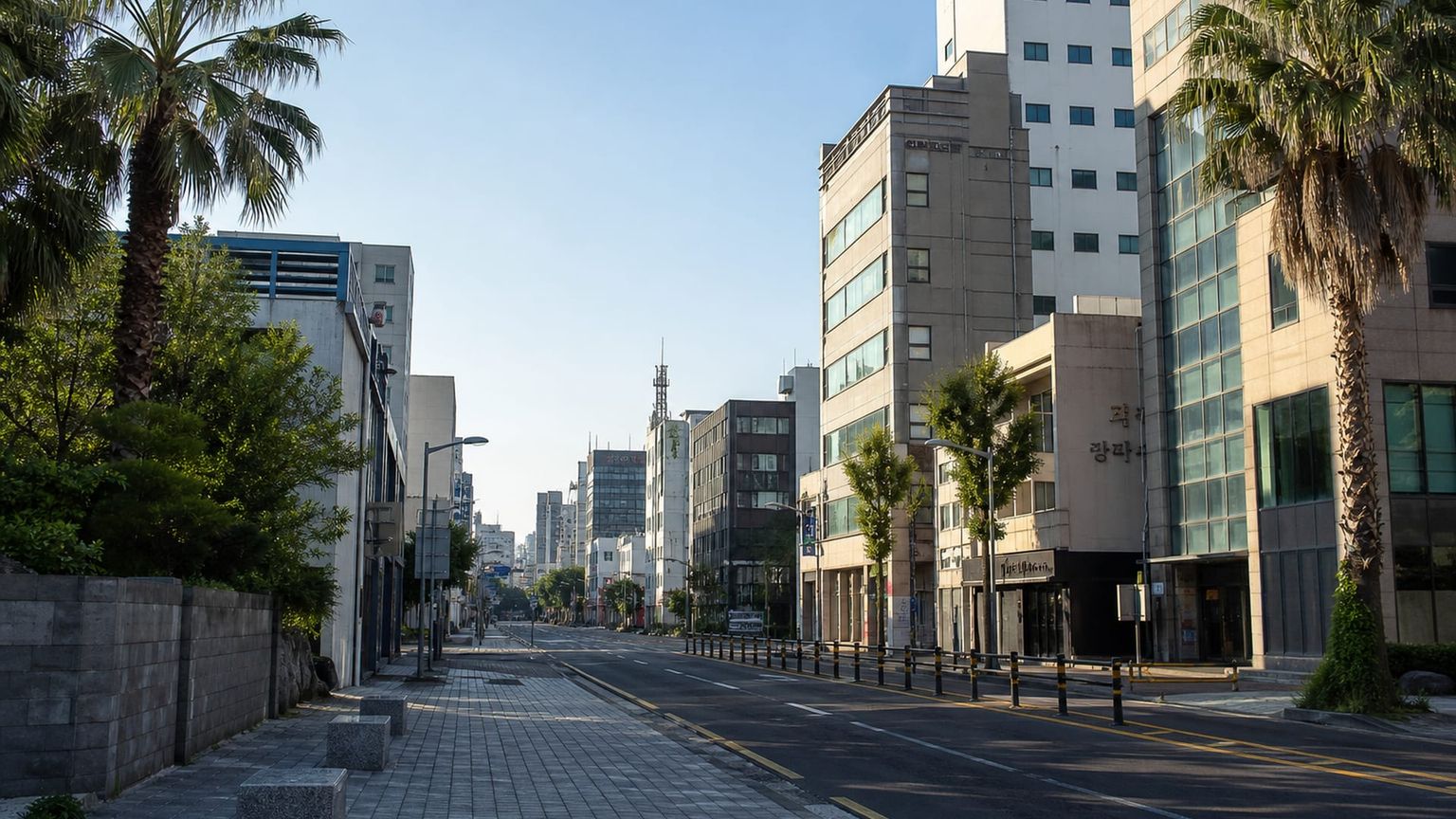
The city center puts you near the island’s busiest transport links, department stores, local restaurants, and the main overnight bus network. It suits visitors who want the widest choice of hotels and an easy launch point for both coastlines and the airport.
Best for: First-time stays, shopping, dining, and travelers who plan to move around the island
What to expect: Busy streets, late-opening eateries, and a steady flow of airport travelers and locals.
Hotel prices: Usually about $60 to $160 per night for well-rated stays
Distance to major sights: About 15 to 25 minutes by taxi to Jeju International Airport (CJU), about 20 to 30 minutes by bus to Yongduam Rock
Quietness: Lively through the day and into the evening, with hotel streets quieter than the main shopping blocks after midnight.
Main trade-off: You gain the best range of hotels and transit, but the center feels busier and less scenic than the coast.
Good to know: If you plan early departures or island-wide bus trips, this area cuts down on airport and transfer time without forcing you into a resort setting.
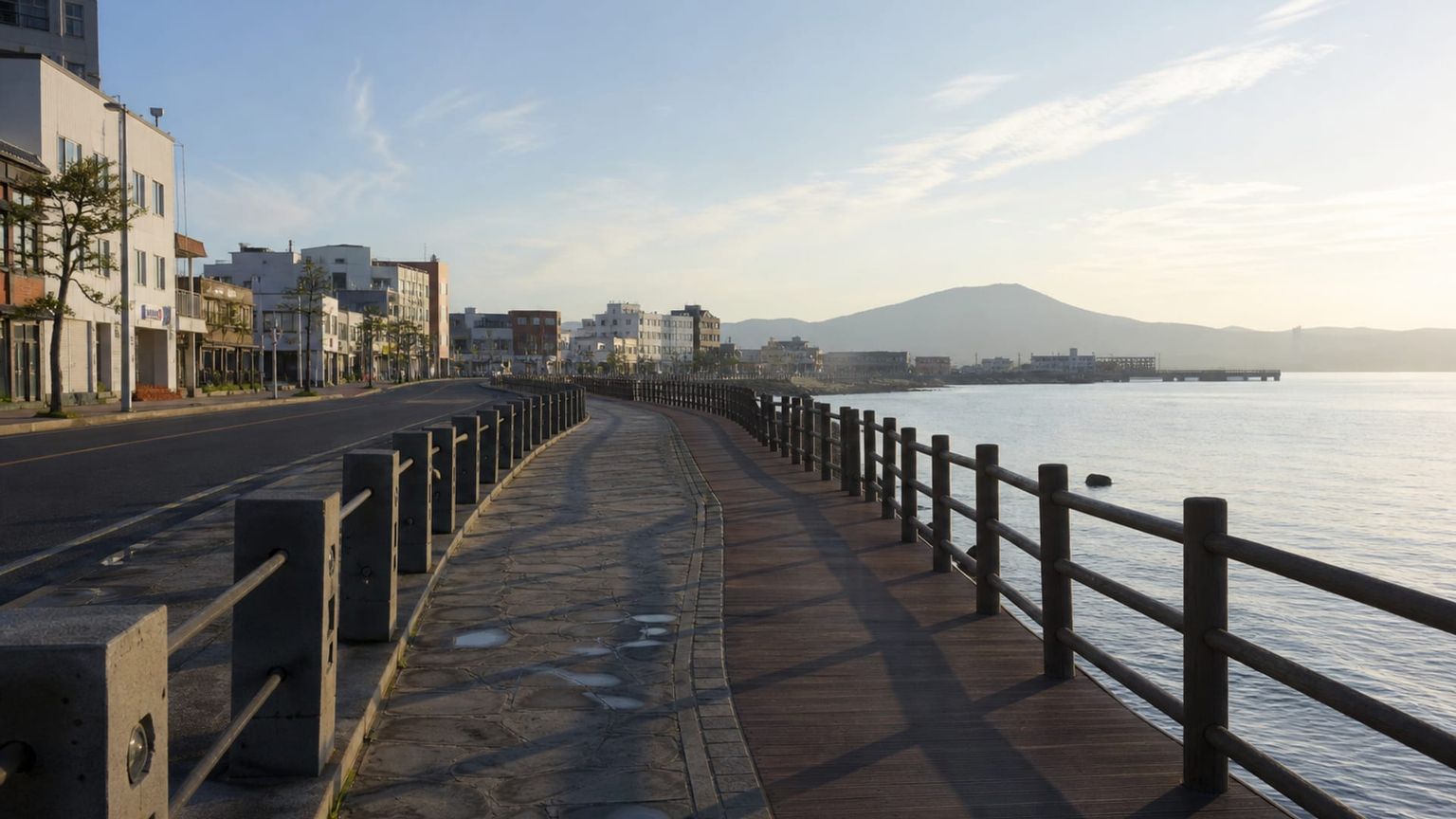
Tapdong sits on the waterfront just east of the central business district, with a sea promenade, easy harbor access, and several midrange hotels. It works well for travelers who want evening walks by the water without giving up city convenience.
Best for: Evening walks, harbor views, and travelers who want the sea close at hand
What to expect: Tour buses, promenade foot traffic, seafood restaurants, and more activity near the waterfront at dusk.
Hotel prices: Usually about $70 to $180 per night for well-rated stays
Distance to major sights: About 10 to 20 minutes on foot to Dongmun Market, about 15 minutes by taxi to Jeju International Airport (CJU)
Quietness: Quieter in the morning and early afternoon, then busier along the promenade and restaurant streets at night.
Main trade-off: Rooms near the water often cost more than similar hotels inland, and the waterfront can be exposed to traffic and tour groups.
Good to know: Pick this area if you want to step out for a seaside walk after dinner, since that is the main experience here.
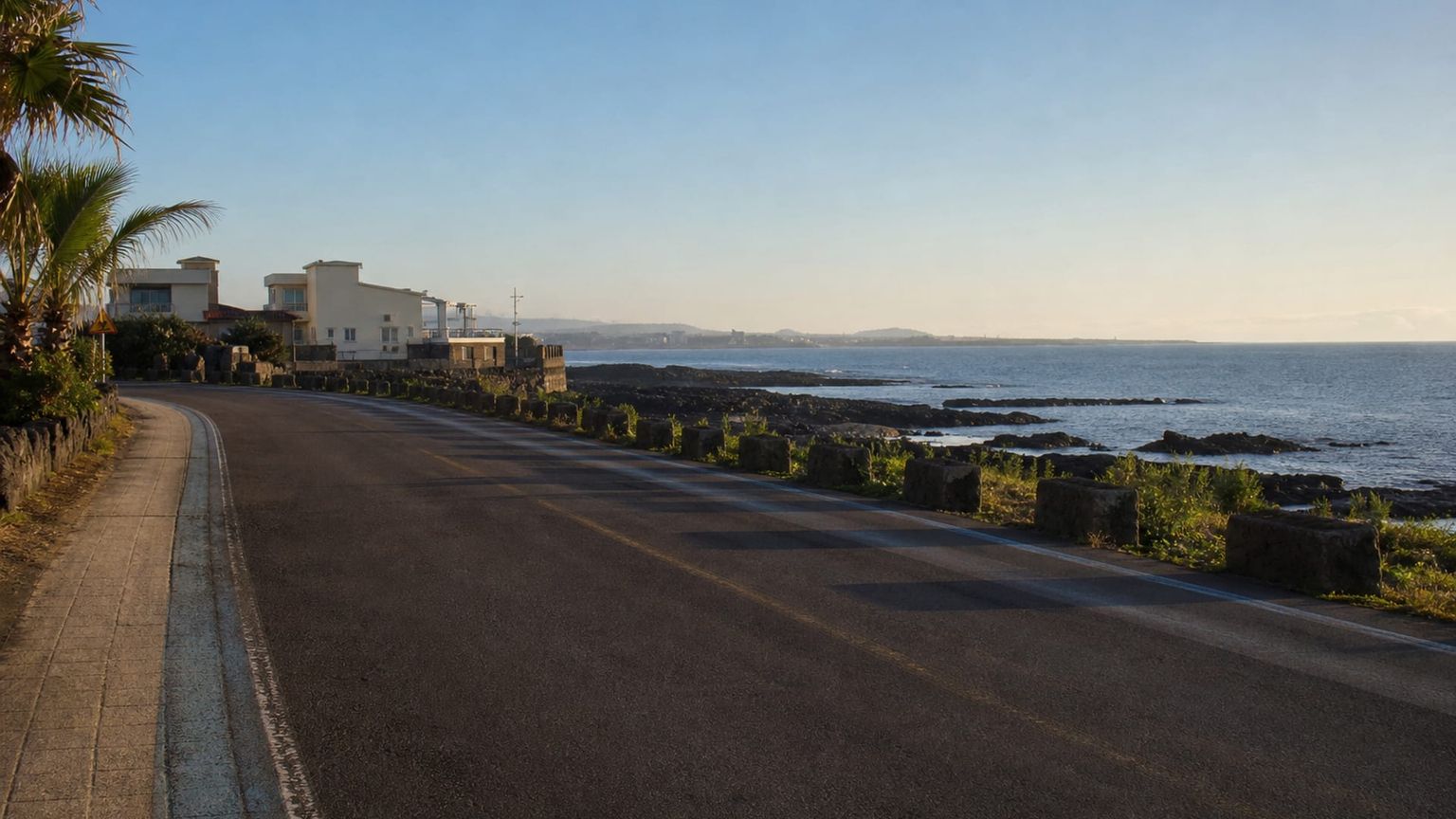
Aewol is a coastal area west of Jeju City, known for cafes, sea views, and a more spread-out roadside layout. It suits travelers who want a slower pace and do not mind using taxis or buses for most sightseeing.
Best for: Coastal scenery, cafe hopping, and travelers who prefer a less urban base
What to expect: Low-rise buildings, scattered cafes, and car traffic along the coastal road rather than a dense street scene.
Hotel prices: Usually about $80 to $220 per night for well-rated stays
Distance to major sights: About 25 to 35 minutes by taxi to Jeju International Airport (CJU), about 40 to 60 minutes by bus to Hallim Park
Quietness: Calm during the day away from the main road, then quieter still at night once cafes close.
Main trade-off: You trade away central access and public transit convenience for sea views and more open surroundings.
Good to know: Choose Aewol only if you are comfortable arranging transport, since late-night options and frequent buses thin out outside the main strip.
Travelers usually avoid staying in Gujwa-eup, Jeju-si’s eastern edge, and Aewol-eup’s outer stretches when they want easy access to the island’s main sights, because both areas sit far from central Jeju City and key attractions such as Dongmun Market and Hallim Park. Hyeopjae-ri and some inland parts of Jocheon-eup are less convenient for overnight stays, since visitor amenities cluster more tightly near the coast and evening taxi and bus options thin out after dark.
Hotel deals
How to get around Jejudo efficiently
Jejudo has no metro, so most visitors move between Jeju City, the coast, and the mountain by bus, taxi, or car rather than relying on a rail network.

Metro
for longer distances
Jejudo has no metro or suburban rail network, so there is no rail option to link Jeju City with Jeju International Airport (CJU). Use the island bus network or a taxi instead, and allow extra time if you are connecting to resorts on the south coast or the eastern shore.

Bus and tram
for convenience
Local buses cover the airport, Jeju City, Seogwipo, Hallim, Seongsan, and major resort areas, with airport buses and intercity routes the main options for visitors. Fares are about $1 to $2 per ride, with transfers typically valid for about 30 minutes when you tap a transit card, and routes run from early morning to late evening rather than all night.

Taxi
for convenience or late hours
Licensed taxis at Jeju International Airport (CJU) use metered fares rather than fixed citywide set prices, with airport-to-central Jeju City trips often about $6 to $12 and longer runs to Seogwipo roughly $35 to $55, depending on traffic and distance. You can queue at taxi stands, hail one on the street in built-up areas, and pay with cash or card; late-night surcharges may apply after 10:00 pm.
*Prices are based on rates updated as of June 2026 and may change at the time of travel.
Use buses for low-cost city and intercity travel, taxis for airport transfers and late returns, and driving when you want to link the east coast, Hallasan, and the west in one day.
Iconic landmarks
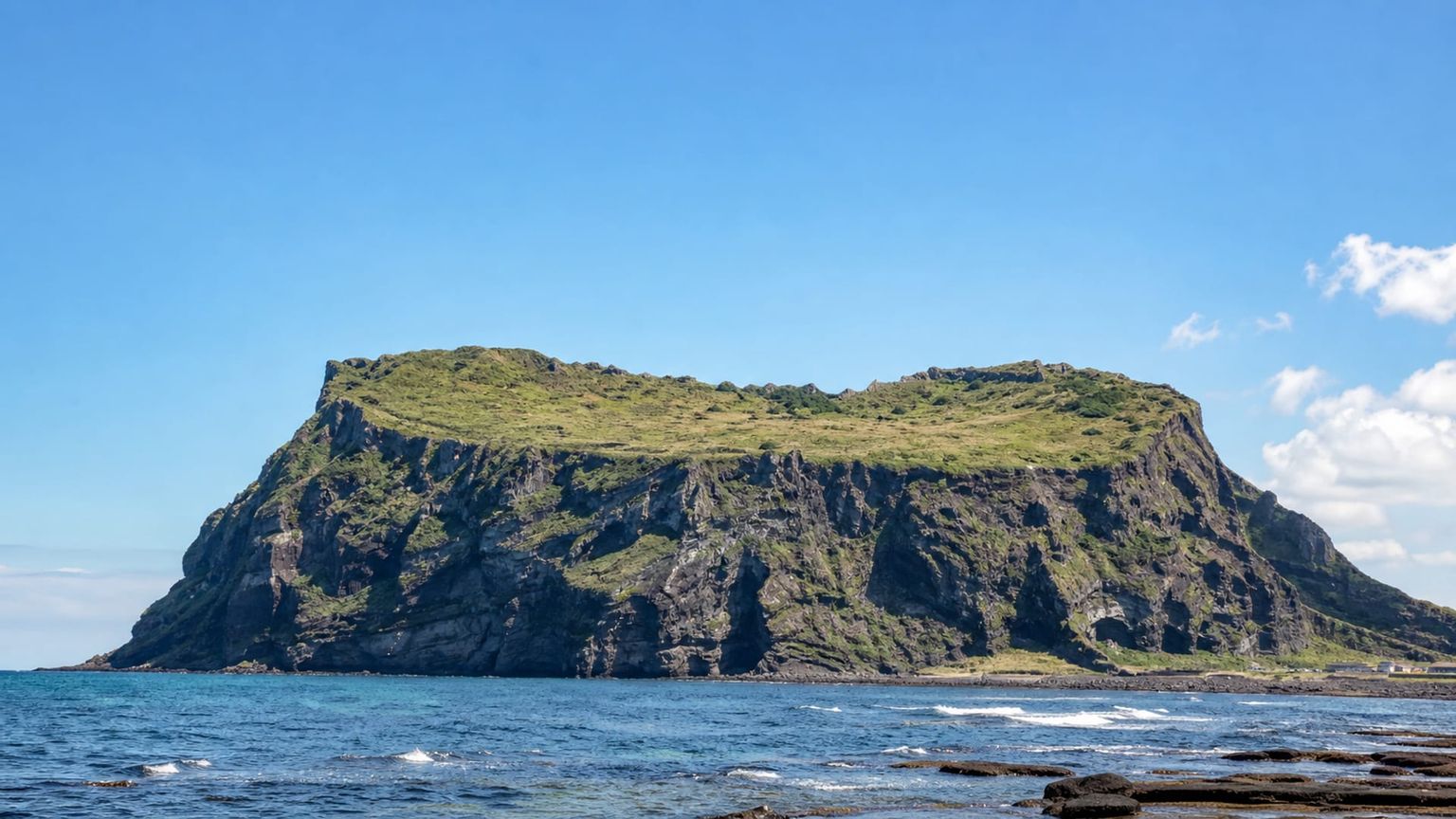
Seongsan Ilchulbong
This tuff cone rises from the sea on Jejudo’s east coast and tops many first-time itineraries. A stair path leads to the crater rim, where you get a wide look at the coast and nearby islands.
Time needed: About 1 to 2 hours
Entry: Admission costs $3 to $5 (₩2,000 to ₩5,000), with separate parking charges in the lot below the trailhead. Visit the official site for details.
Tip: Arrive at sunrise or late afternoon, when the climb is cooler and the coast looks clearest.
Manjanggul Cave
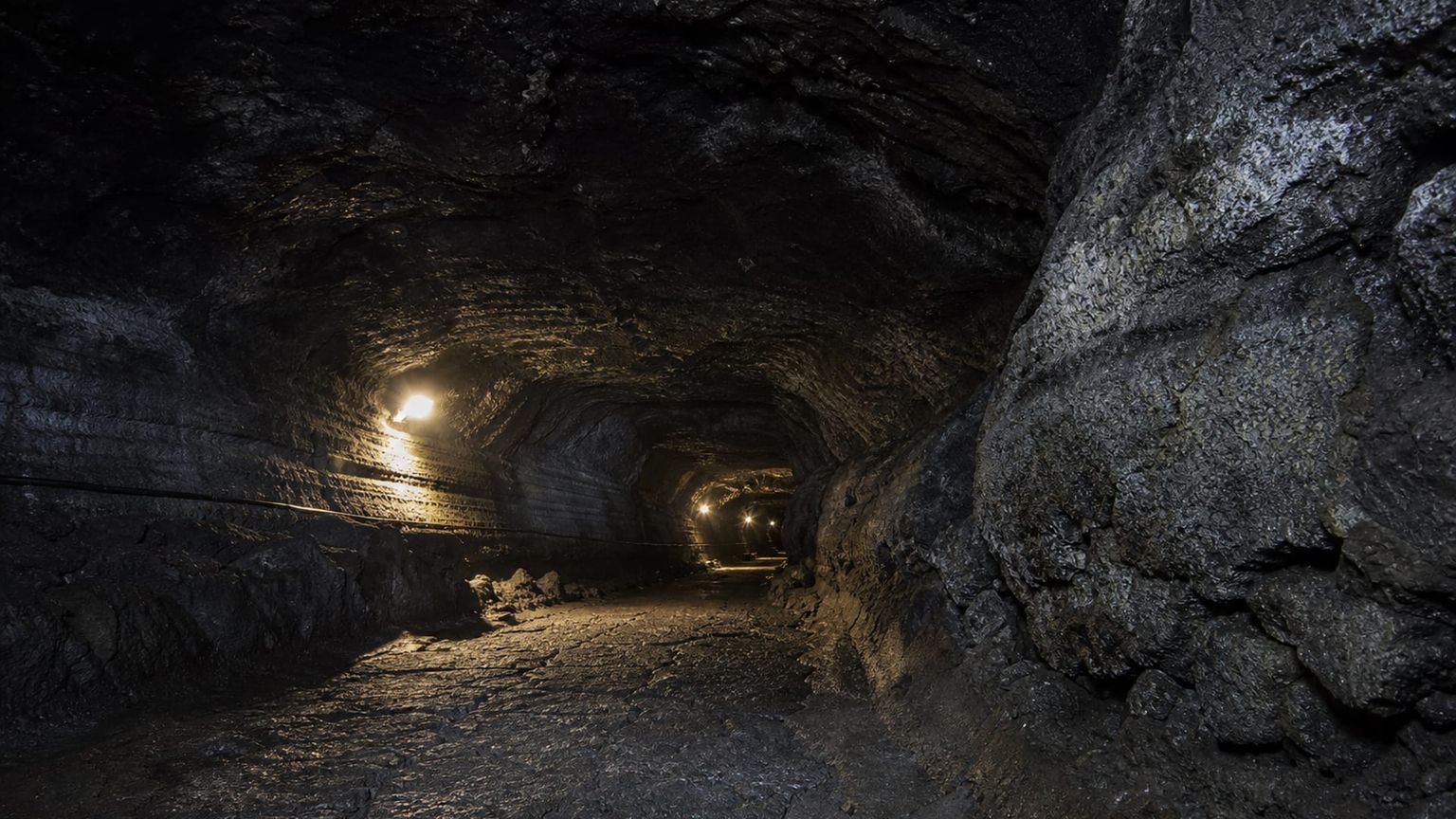
This lava tube, one of the longest in the world, preserves a dark passage of basalt walls, lava shelves, and a towering column known as the lava stalagmite. The walk is short but the geology is exacting.
Time needed: About 1 hour
Entry: Admission costs $2 to $4 (₩2,000 to ₩4,000) for adults, with lower rates for children and teens. Visit the official site for details.
Tip: Bring a light layer, the tunnel stays cool, and the floor can feel damp after rain.
Hallasan National Park
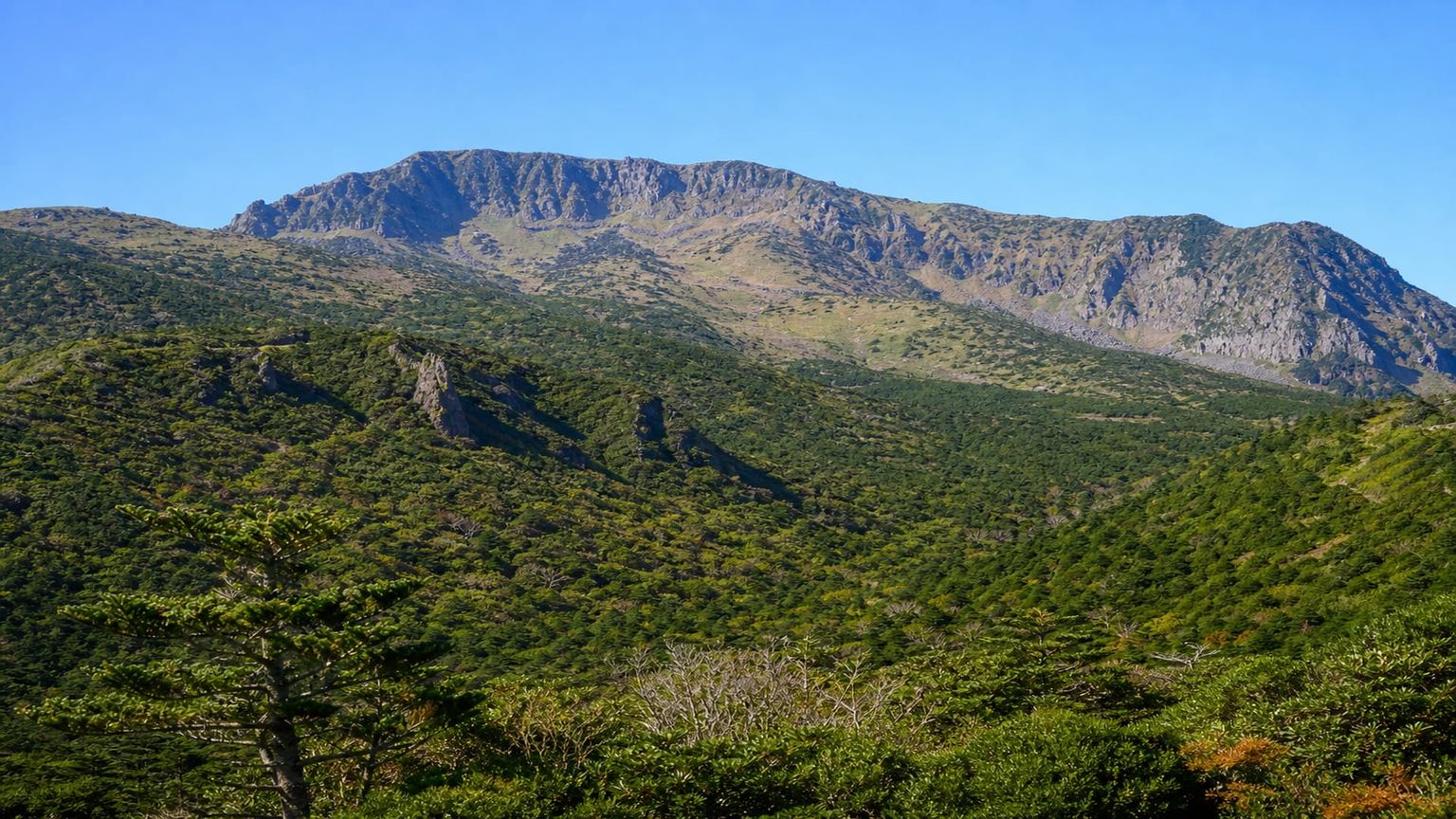
Hallasan dominates Jejudo with volcanic slopes, crater lakes, and forest trails that climb toward the island’s highest point. Trail choice matters, because ascent time, distance, and access rules change with each route.
Time needed: About 4 to 8 hours
Entry: Free to access, though shuttle buses, parking, and some trail permits may add separate transport or facility costs. Visit the official site for details.
Tip: Start early and check trail closure notices before you set out, because summit access can change.
Overlooked sites worth visiting

Sangumburi Crater
A wide volcanic bowl with a rim walk, native grass, and open views into the sinkhole. Late afternoon light brings out the red tuff slopes, and the path stays quieter than Jeju’s better-known lava sites.
Time needed: About 1 to 1.5 hours
Entry: Admission costs about $6 ($8,000) for adults and $4 ($4,000) for children, with reduced rates for seniors and local residents. Fees can change by season, and the site has on-site parking plus a small visitor area.
Tip: Go late afternoon for softer light on the crater walls.

Jeju Folklore and Natural History Museum
This compact museum pairs island shamanic objects with volcanic rocks, animal specimens, and old village tools. The exhibits explain Jejudo’s farming and sea culture in a few rooms, so it works well for a short cultural stop.
Time needed: About 1 to 1.5 hours
Entry: Admission costs about $1 ($1,500) for adults and $0.50 ($800) for children; some temporary exhibits may have separate fees. The museum sits near central Jeju City, and cash or card payment is usually accepted at the ticket desk. Visit the official site for details.
Tip: Start with the folklore hall, then move to the natural history rooms.
Traditional food
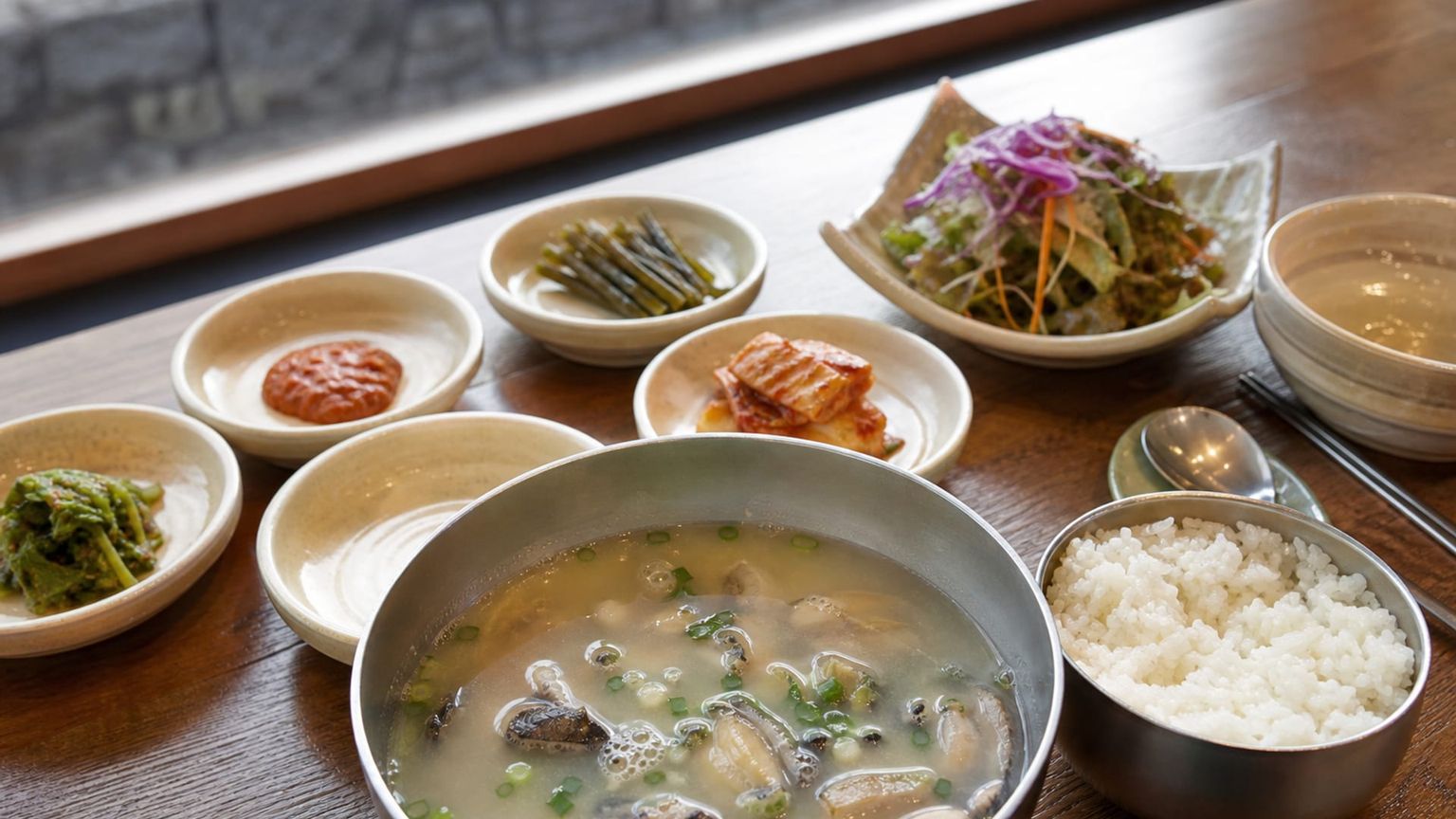
Jejudo cooking leans on seafood, black pork, and hearty broths, with pajeon, abalone porridge, and stew turning up beside simple side dishes. Meals often suit early schedules, and many kitchens close one day a week.
Haemul pajeon
A crisp seafood scallion pancake that works well as a shared meal or a late lunch. Samseonghyeol Haemultang and Pajeon in Jeju City serves a popular version built for a casual stop between sightseeing runs.
Abalone porridge
This rice porridge is rich, mild, and closely tied to Jejudo’s coastal ingredients. Myeongjin Jeonbok in Jeju City is one of the island’s best-known places for it, and many travelers treat it as a classic first breakfast.
Black pork barbecue
Jeju black pork has a deeper, firmer bite than standard pork barbecue, and diners usually cook it at the table. Donsadon in Jeju City is a well-known place to order it with the full grill setup.
Seafood stew
This hot, savory stew often arrives with shellfish, fish, and vegetables in a chile-forward broth. Neulbom Heukdwaeji in Jeju City is a dependable stop for a filling bowl after a long day on the island.
Best time to visit Jejudo
Jejudo works in every season, but the best months depend on whether you want hiking weather, clear coastal light, or lighter crowds at the island’s top sights.
Best for: Hiking, coastal walks, and flower-lined roads
What you get: About 46°F to 68°F (8°C to 20°C), with moderate crowds and clear days between spring rain
Trade-offs: Wind and rain can still interrupt outdoor plans
Best for: Beach time, seafood meals, and long daylight hours
What you get: About 72°F to 86°F (22°C to 30°C), with the heaviest crowds at major sights and on weekend buses
Trade-offs: Heat, humidity, and typhoon risk can affect hiking
Best for: Hallasan hikes, crater walks, and road trips
What you get: About 54°F to 74°F (12°C to 23°C), with comfortable temperatures and strong visibility
Trade-offs: Popular weekends still bring busy roads and hotels
Best for: Quiet sightseeing, seafood meals, and lower hotel rates
What you get: About 34°F to 50°F (1°C to 10°C), with fewer visitors and brisk coastal winds
Trade-offs: Cold snaps can make mountain plans less appealing
A realistic 5-day plan in Jejudo
Five days gives Jejudo enough room for the island’s split geography without turning the trip into a road chase. The plan starts in Jeju City, then moves east, inland, and back to the waterfront so each day has a clear purpose.
Land at Jeju International Airport (CJU), then take a taxi into Jeju City Center or Tapdong, which usually takes about 15 to 25 minutes and costs roughly $10 to $18. If you want the easiest first night, stay near Tapdong for a walk along the waterfront, or choose Jeju City Center for more hotel and restaurant options. After check-in, drink plenty of water, keep dinner close to your hotel, and head to Dongmun Market or a nearby seafood restaurant for a simple meal before an early night.
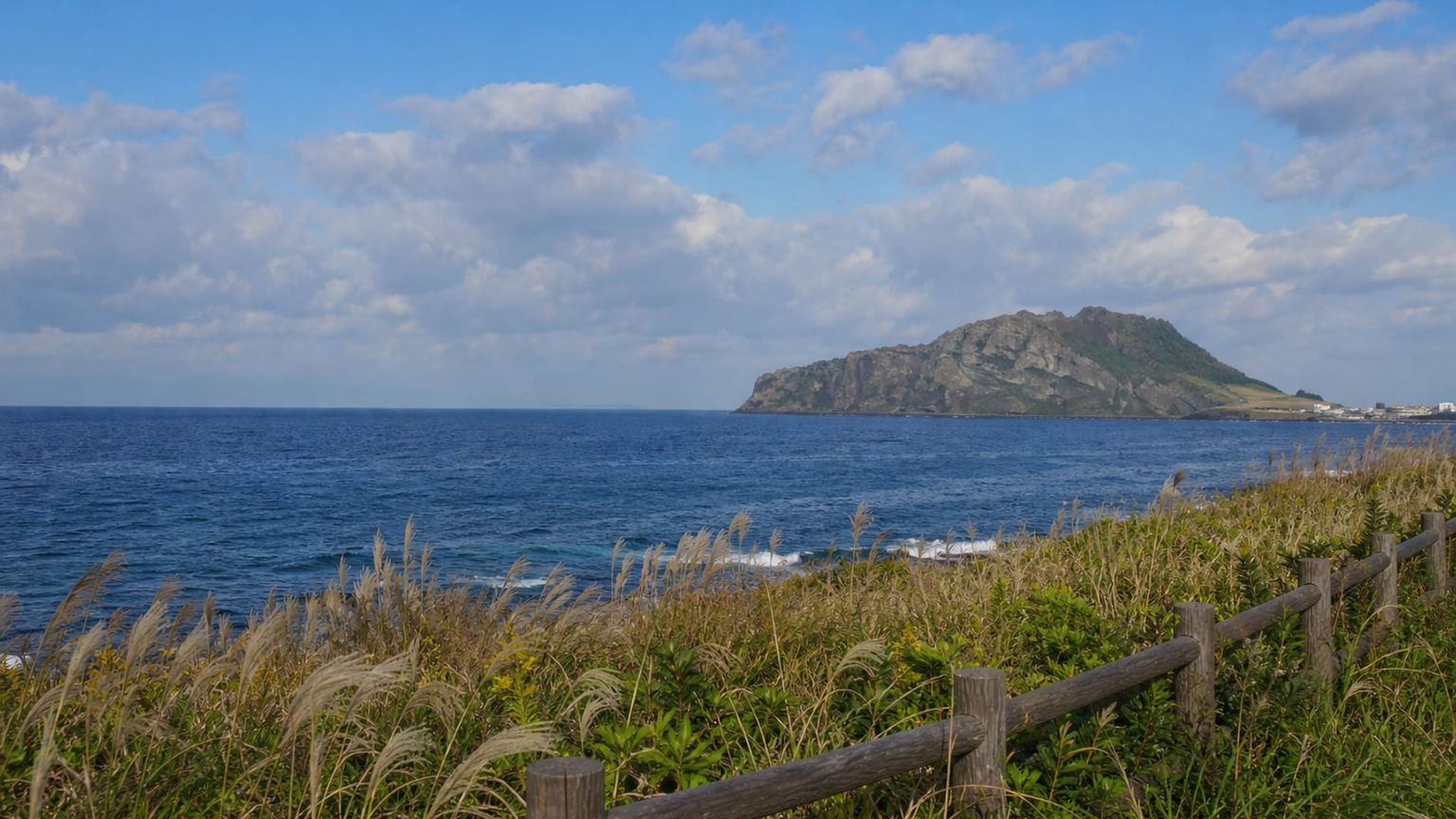
Start with Seongsan Ilchulbong at sunrise or late morning, then drive or take a bus to Manjanggul Cave, which is roughly 30 to 40 minutes away by car and a little longer by bus. Admission at Seongsan Ilchulbong costs $3 to $5 (₩2,000 to ₩5,000), and Manjanggul Cave costs $2 to $4 (₩2,000 to ₩4,000), so the pair makes an efficient east-coast day with very different terrain. Finish in the nearby eastern coastal zone for an early dinner, since both sights sit far enough from central Jeju City that you will want to stay on that side of the island until evening.
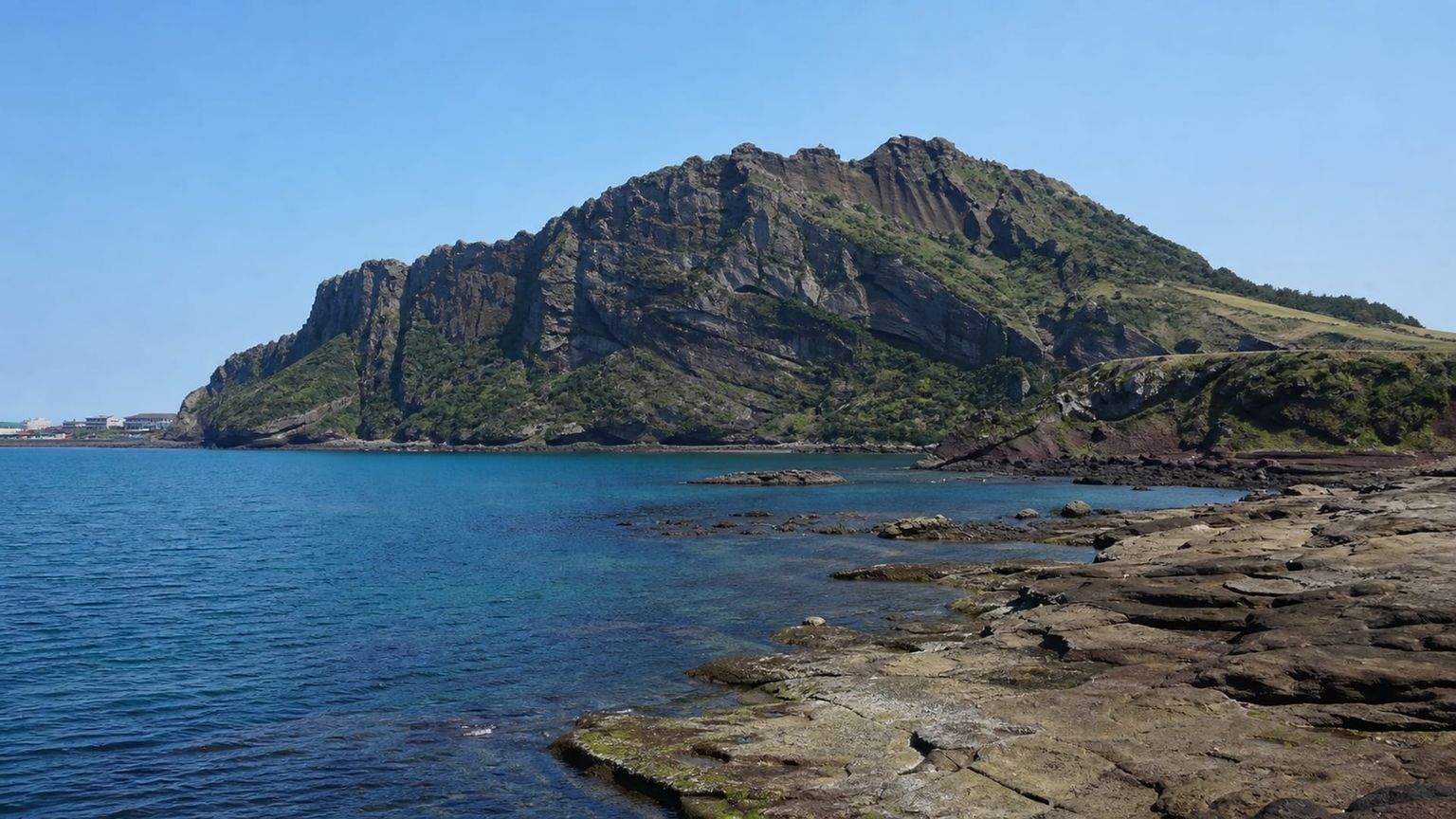
Begin at Hallasan National Park, where a half-day or full-day hike can take about 4 to 8 hours depending on the trail and weather. From central Jeju City, plan on roughly 30 to 40 minutes by taxi to the park area, and set out early so you have enough daylight for the descent. After the hike, stop at Sangumburi Crater, about 20 to 30 minutes away by car from the eastern side of the mountain, for an easier rim walk and open volcanic views before heading back to your hotel.
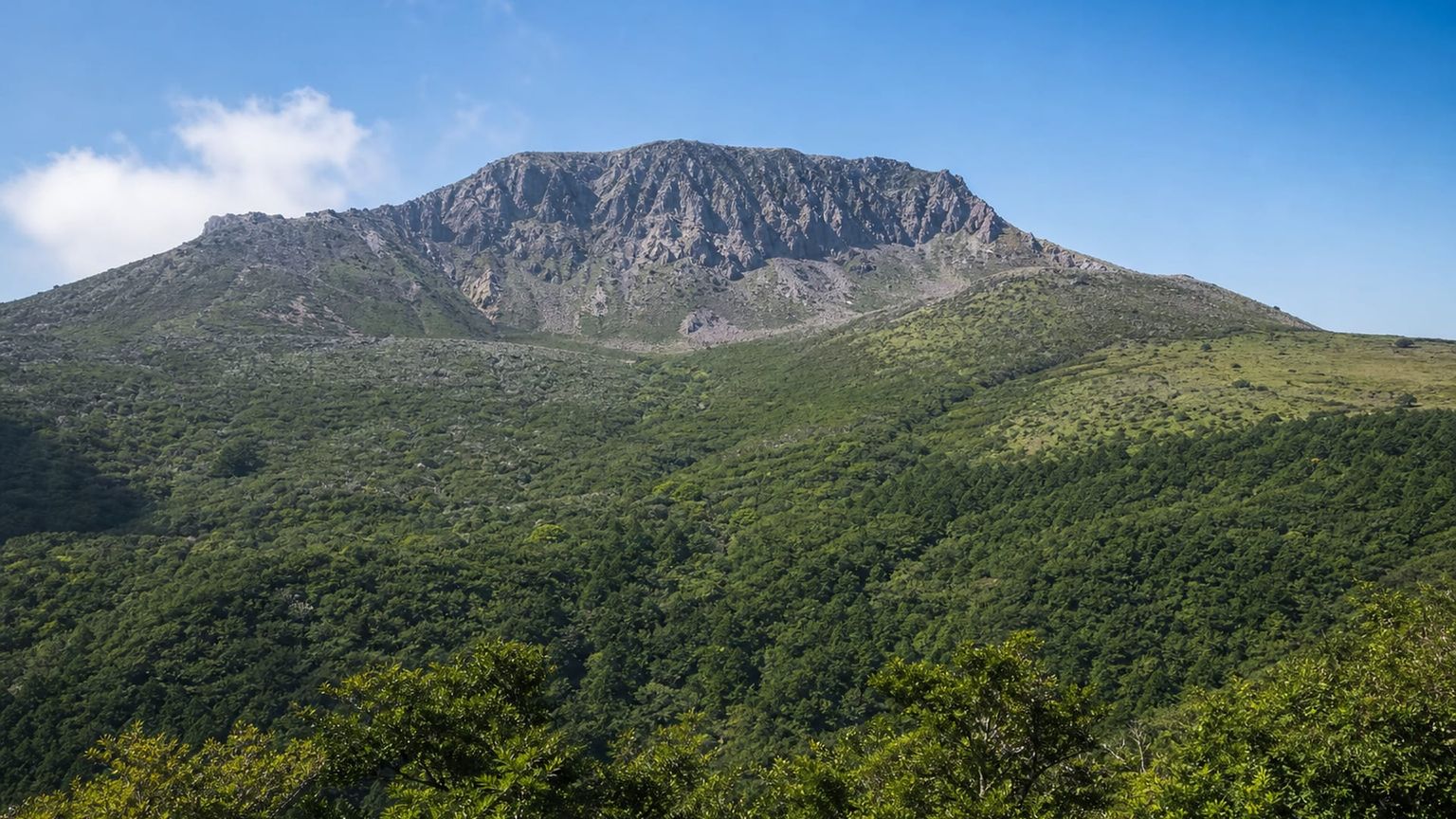
For a slower fourth day, spend the morning at the Jeju Folklore and Natural History Museum in Jeju City, where admission costs about $1 ($1,500) and the visit takes about 1 to 1.5 hours. From there, continue by taxi or local bus to Sangumburi Crater if you did not visit it on day 3, or return to the city for a second look at the exhibits and nearby streets if you want a shorter outing. In the evening, walk Tapdong’s promenade, then have seafood near the waterfront, with Dongmun Market about 10 to 20 minutes on foot from the sea front if you want a last snack stop.
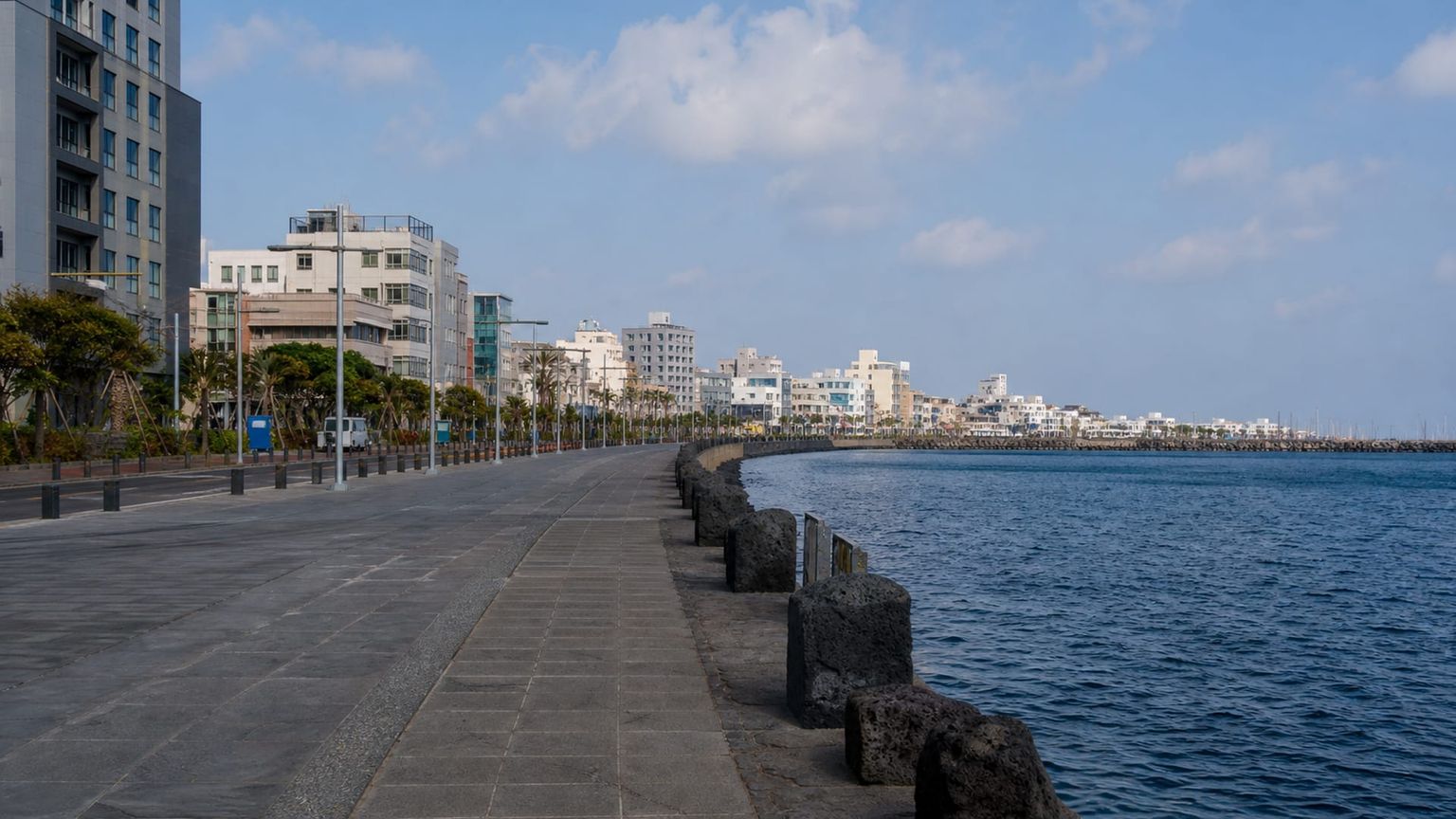
Before you leave, pair one final short museum stop with low-effort shopping in Jeju City Center, where department stores and local shops make it easy to buy snacks, cosmetics, or island souvenirs. If you have time, return to the Jeju Folklore and Natural History Museum for any room you skipped earlier, then finish with coffee in Tapdong or a central Jeju cafe before heading back to Jeju International Airport (CJU). From Tapdong, the airport run usually takes about 15 minutes by taxi, so you can keep the last few hours close to the city without rushing across the island.
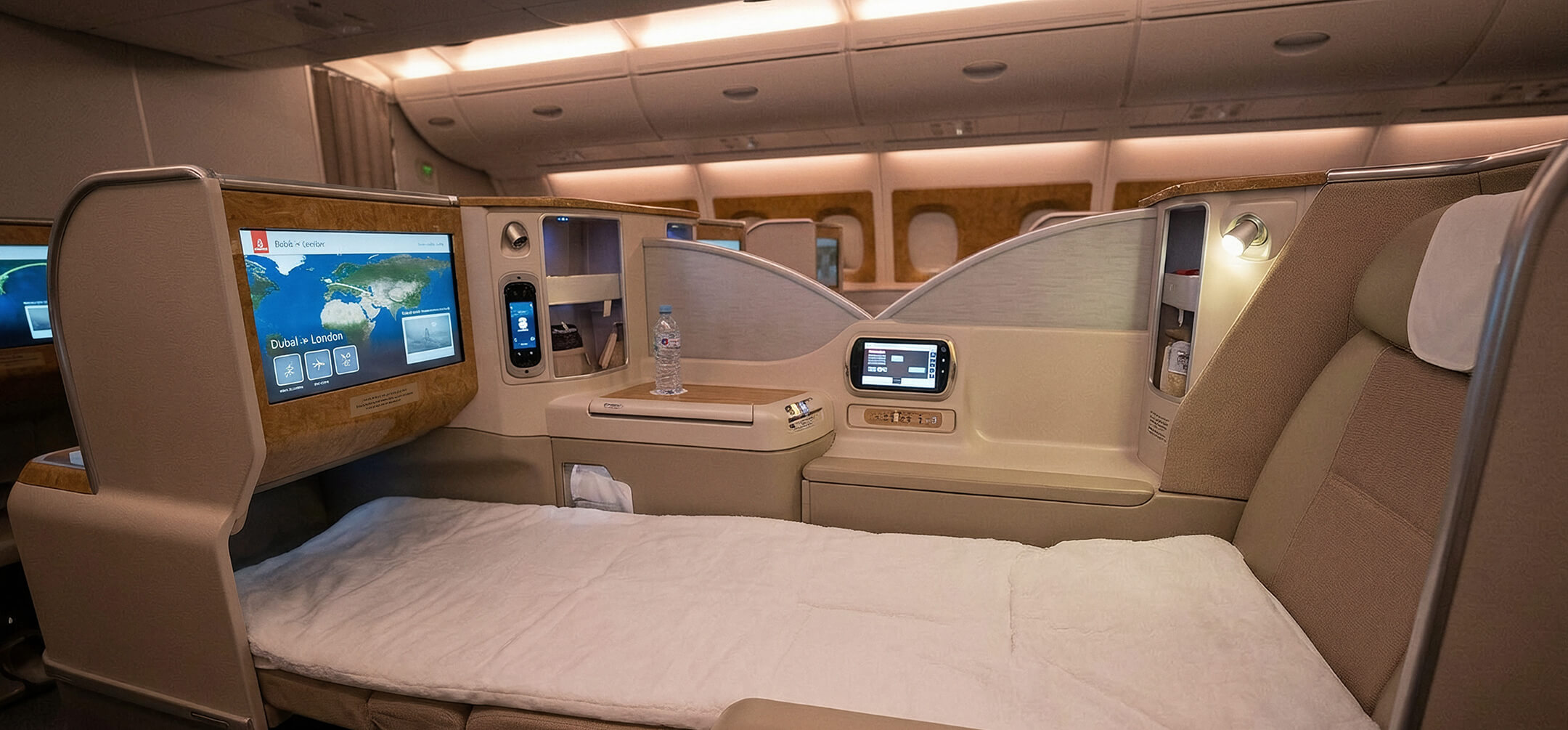
Business-class flights from the US to Jejudo
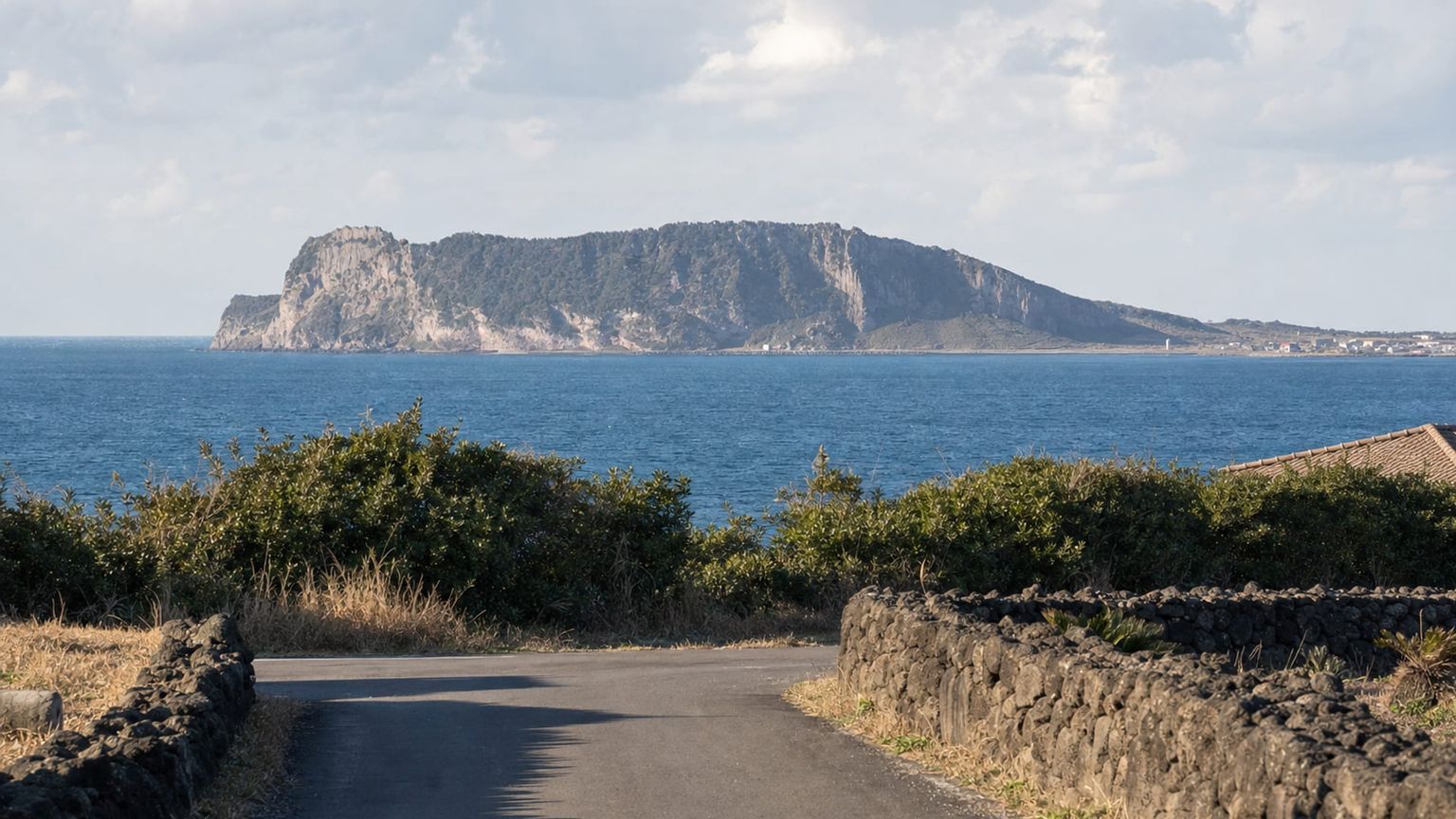
Business-class flights to Jejudo usually route through one of East Asia’s major hubs, so timing matters as much as fare. The examples below show how the trip looks from New York and Los Angeles.
Asiana Airlines and Korean Air are the main names to compare from New York, and the trip typically takes 16 to 23 hours with a stop in ICN or NRT. Round-trip fares often start from $3,400 and can reach $6,200, while itineraries that connect through ICN or NRT can cut the price when schedules line up.
From Los Angeles, Korean Air, Asiana Airlines, Air Premia, Delta Air Lines, Japan Airlines, and China Eastern Airlines all appear in the market, with nonstop trips taking about 12 to 14 hours. Round-trip fares usually run from $2,900 to $5,500, and one-stop options through ICN, NRT, or PVG can sometimes price near $2,100.
Jejudo feels different when you slow down
A deliberate Jejudo trip gives each part of the island a defined role, with Jeju City Center for arrival, Tapdong for evening walks, Seongsan Ilchulbong for the east coast, and Hallasan for the day that needs the most daylight. Buses work well for shorter city hops, while taxis save time when you are moving between neighborhoods or back to Jeju International Airport (CJU). If you want help matching flights, hotel choices, and day plans, AranGrant experts can shape the route around the island you actually want to see