

Chapters:

Need help with your trip?
Our support team is available 24/7. Request a callback or call us directly at (833) 619-0908
Bonaire rewards travelers who plan each day with purpose. Many visitors stay close to Kralendijk, book a dive trip, and leave the island’s north and east for the last minute, then discover how much road time and heat the island adds.
That approach can waste half a day on back-and-forth driving, and it misses how the beaches, salt flats, and park roads fit together. Even short distances matter once you add unpaved stretches, limited transit, and slow restaurant hours.
This guide keeps the island in a cleaner order, with stay areas, food, transport, weather, and five days arranged so you can see when to linger in town and when to head outward.
Useful things to know

Main language(s): Dutch, Papiamento
Bon dia (bon DEE-ah) – Good morning
Por fabor (por fah-BOR) – Please
Danki (DAHN-kee) – Thank you
Bo por papiá Ingels? (bo por pah-PEE-ah ING-els) – Do you speak English?
Masha kost? (MAH-sha kost) – How much does it cost?

Currency: The local currency is the US dollar (USD, $).

Cash and cards: Cards and contactless work at most hotels and larger shops, but carry about $20 to $40 in cash for small buys and tips.

Tipping: Round up small bills; 10% is appreciated in restaurants for good service.

Traditional food: Keshi yena, pan bati, pastechi, stobá

Water and coffee costs: Water about $1.50 to $3, bar espresso about $2.50 to $4.

Taxis and ride apps: Taxis are the main option; ride apps are limited or unavailable.

Plug and voltage: Type A/B/C/F socket, 127V/220V

Dining and shop opening hours: Breakfast is usually 07:00-10:00, lunch 12:00-14:00, and dinner 18:00-21:30. Some restaurants close on Sundays or Monday evenings.

Emergency number: 911 for police, fire, and medical emergencies.
Where to stay in Bonaire Island
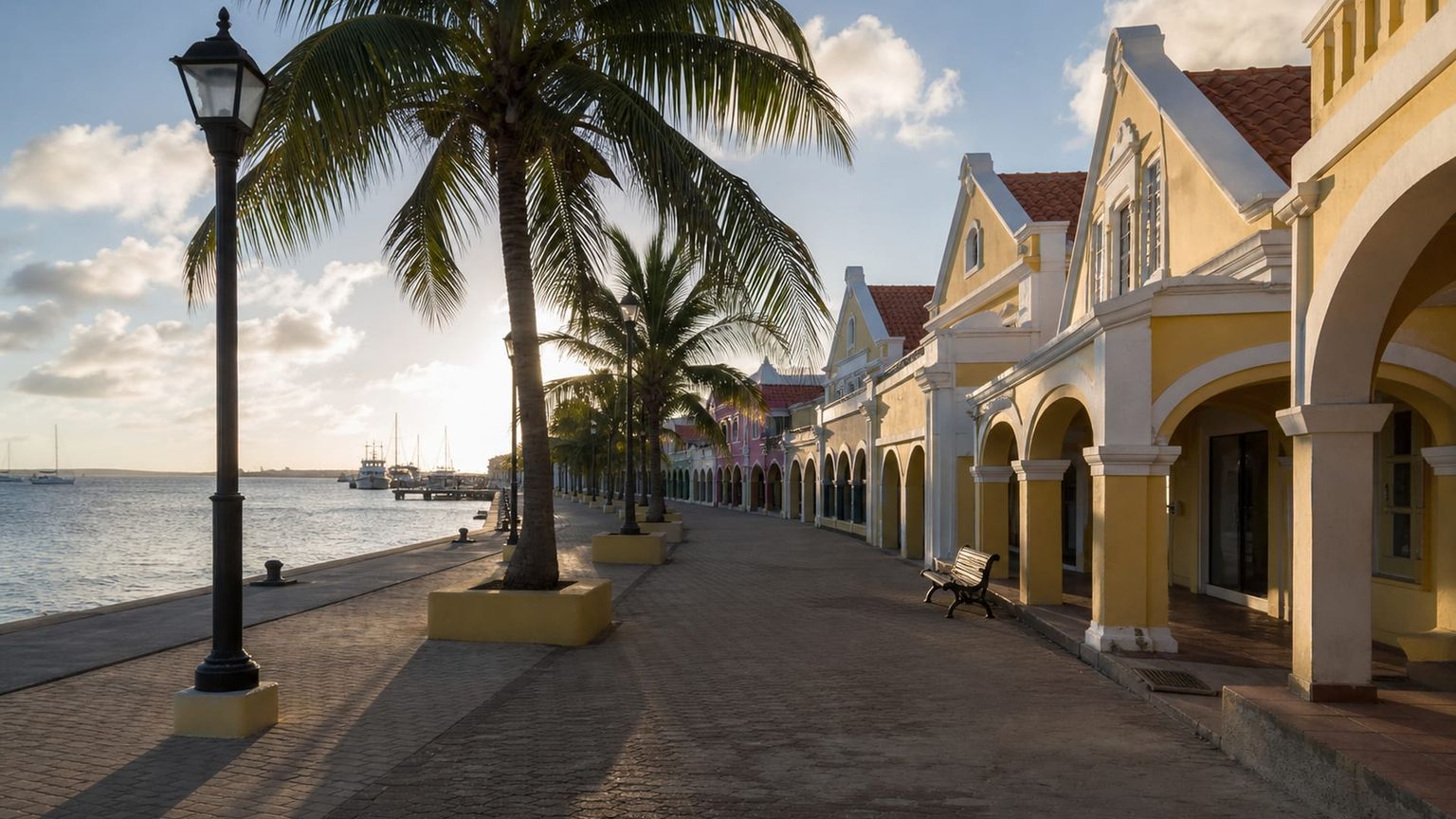
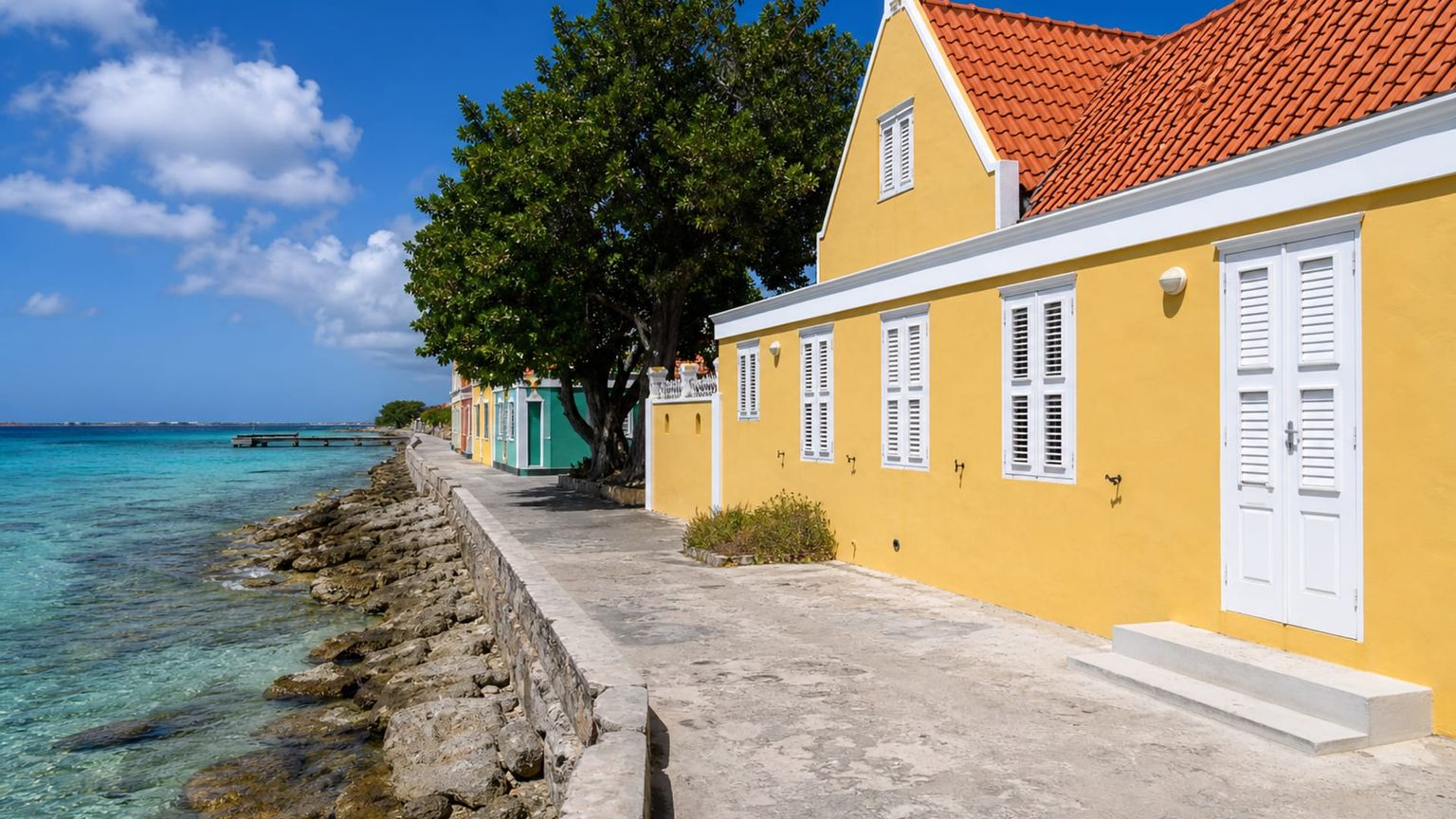
The waterfront in Kralendijk is the island’s main stay-put base, with hotels, dive shops, restaurants, and the cruise pier close together. It puts you near the harbor promenade, short-stay boats, and the easiest pickup points for island outings.
Best for: First-time stays, dining, diving, and walking access to shops and the harbor
What to expect: Busy by day with cruise calls, divers, and people dining along the water, then quieter after sunset once the boats dock.
Hotel prices: Usually about $140 to $280 per night for well-rated stays
Distance to major sights: About 5 to 15 minutes on foot to the cruise pier and downtown waterfront
Quietness: Livelier in the daytime, noticeably calmer in the evening except near bars and waterfront restaurants.
Main trade-off: You pay more for the most central address, and the busiest blocks can feel active when ships are in port.
Good to know: If you plan to rent a car or join dive trips, check parking and pickup details before booking, since the best-located properties are not always the easiest for loading gear.
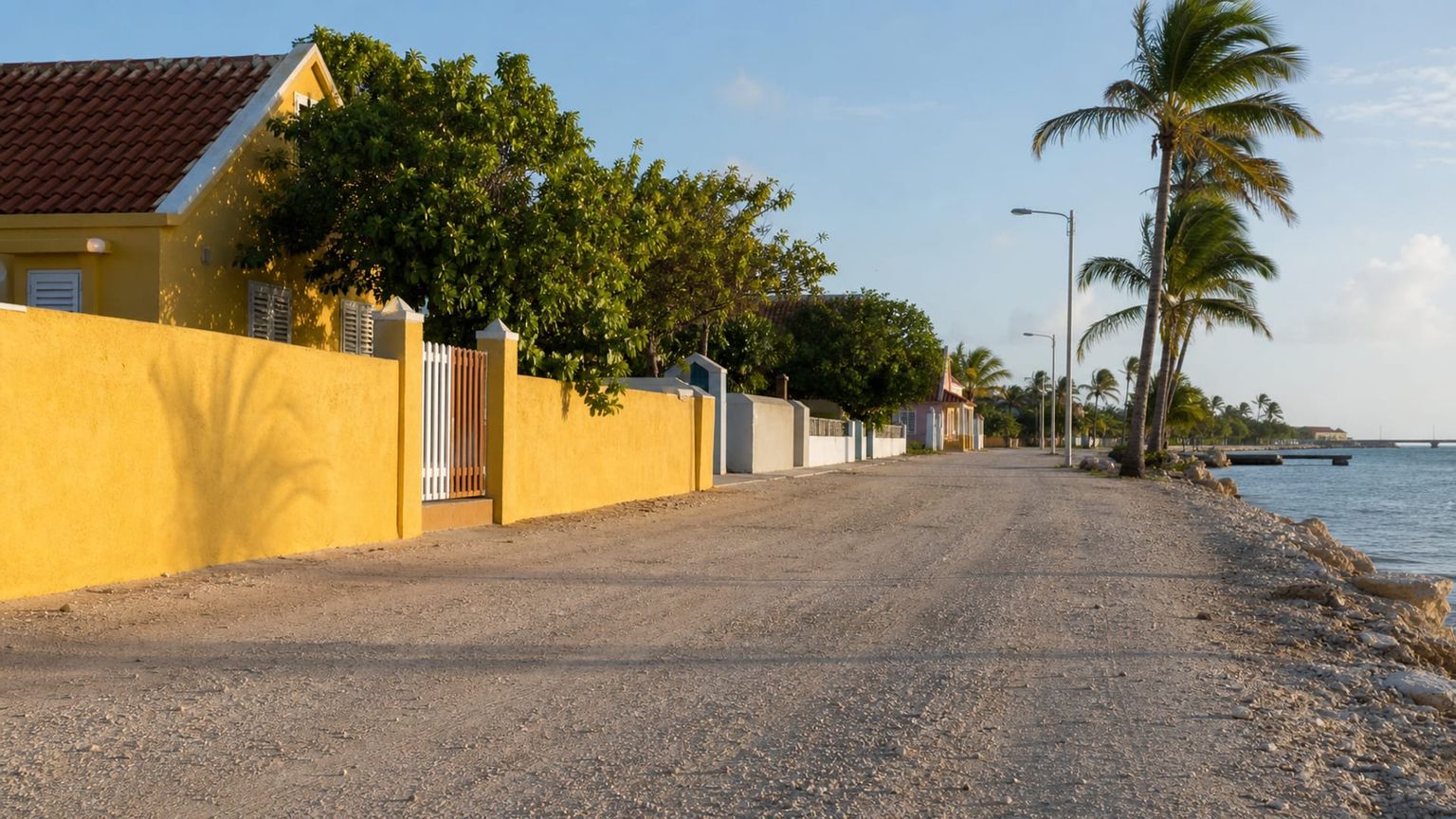
Playa Lechi sits just west of central Kralendijk, along a small beachfront strip with low-rise stays and quick access to the town center. It suits travelers who want the sea close by without leaving the main dining and shopping zone.
Best for: Beach access, relaxed waterfront stays, and travelers who want to walk into town
What to expect: Calm, low-rise, and mostly residential with a few beachfront properties, a small amount of foot traffic, and little late-night activity.
Hotel prices: Usually about $150 to $320 per night for well-rated stays
Distance to major sights: About 10 to 20 minutes on foot to downtown Kralendijk and the waterfront promenade
Quietness: Quiet in the day and even quieter at night, with only occasional movement near the beach access points.
Main trade-off: The beach setting is smaller and less animated than the main waterfront, so you trade a broader restaurant choice for more low-key surroundings.
Good to know: Bring or arrange transport if you want to split time between beach days and island-wide sightseeing, since most attractions beyond town are not walkable.
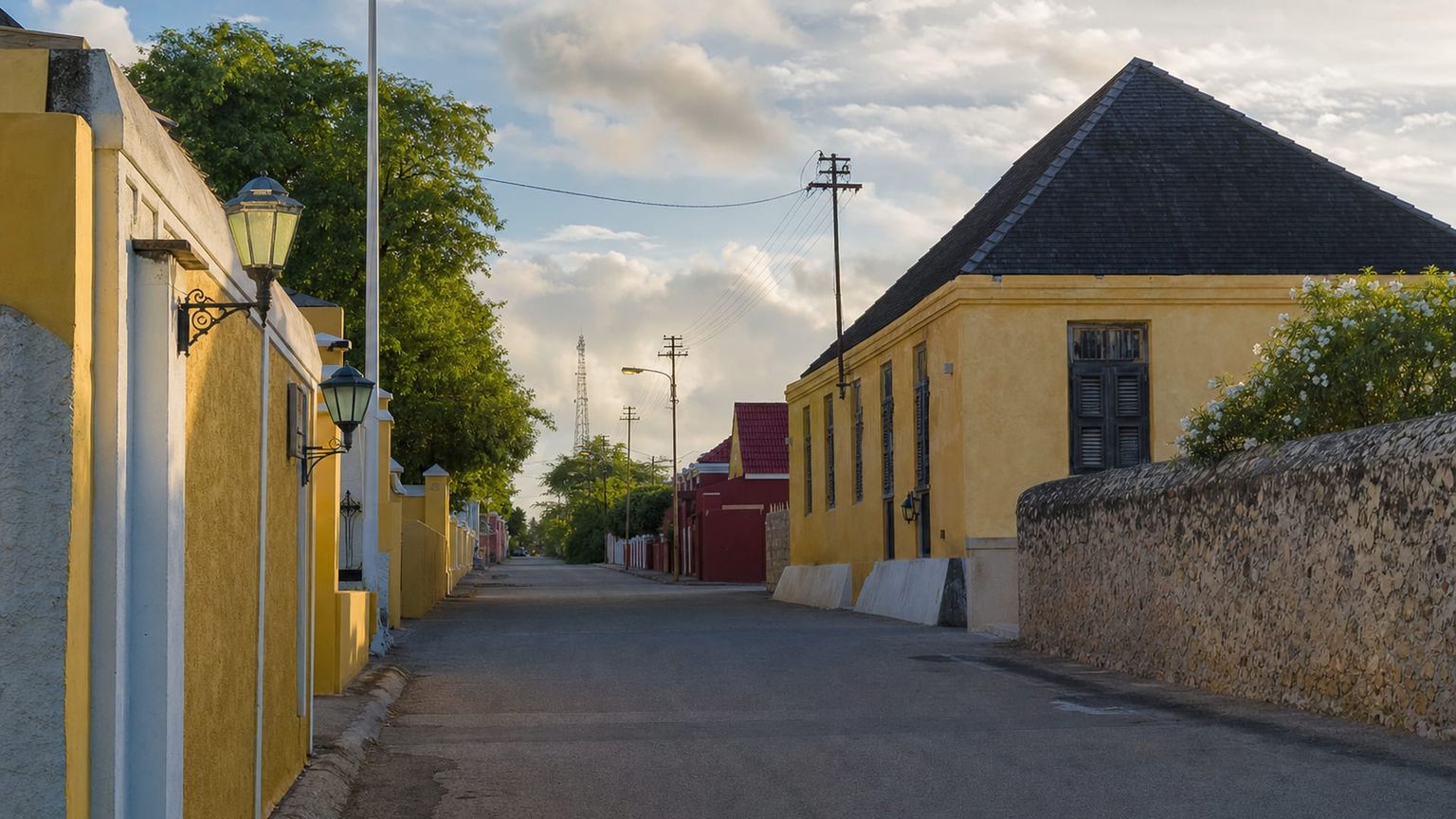
Hato is a residential area north of Kralendijk with easy road access to the island’s main northbound routes and several dive-oriented stays. It matters if you want a quieter base with fast car access to shore dives, beaches, and inland sites.
Best for: Divers, car renters, and travelers who want a quieter base near the main roads
What to expect: Mostly residential streets, limited foot traffic, and activity concentrated around villas, dive lodges, and main-road intersections.
Hotel prices: Usually about $120 to $240 per night for well-rated stays
Distance to major sights: About 5 to 10 minutes by car to Kralendijk waterfront and about 15 minutes to Washington Slagbaai National Park turnoff
Quietness: Quiet during the day and very quiet at night, with little neighborhood noise away from the main road.
Main trade-off: You will depend on a car or taxi for nearly everything outside your property, and restaurant choice is thinner than in central Kralendijk.
Good to know: If you are planning several shore dives, ask whether the property has rinsing space and secure gear storage before you book.
Travelers usually avoid staying in Rincon, the island’s inland village, because it sits far from most beach areas, dive operators, and restaurant clusters, so evening travel usually means a car. Belnem’s far south stretches and remote northeastern shoreline areas are also less convenient, since they are scattered, have few visitor amenities, and put you a long drive from Kralendijk’s main sights and dining.
Hotel deals
How to get around Bonaire Island efficiently
Bonaire has no metro or rail, and buses are limited, so most visitors move between Kralendijk, the airport, and outlying sights by taxi, rental car, or occasional hotel transfer.

Metro
for longer distances
Bonaire Island has no metro or suburban rail, so there is no rail option to the airport or across the island; visitors move by road instead.

Bus and tram
for convenience
Public buses are limited on Bonaire, and there is no tram network. Services, where available, mainly serve Kralendijk and a few main-road stops, so check schedules locally and expect infrequent departures rather than timed transfers.

Taxi
for convenience or late hours
Taxis are licensed and usually use set fares rather than meters, with airport and point-to-point trips quoted in advance. A ride between Flamingo International Airport and Kralendijk often costs about $10 to $15, while longer cross-island trips can run about $20 to $35; most drivers take cash, and some accept cards only if arranged ahead of time.
*Prices are based on rates updated as of June 2026 and may change at the time of travel.
Walk in Kralendijk, book taxis for airport and short hops, and use a car when you plan to cover the park roads, Lac Bay, or the island’s farther shore sites.
Iconic landmarks
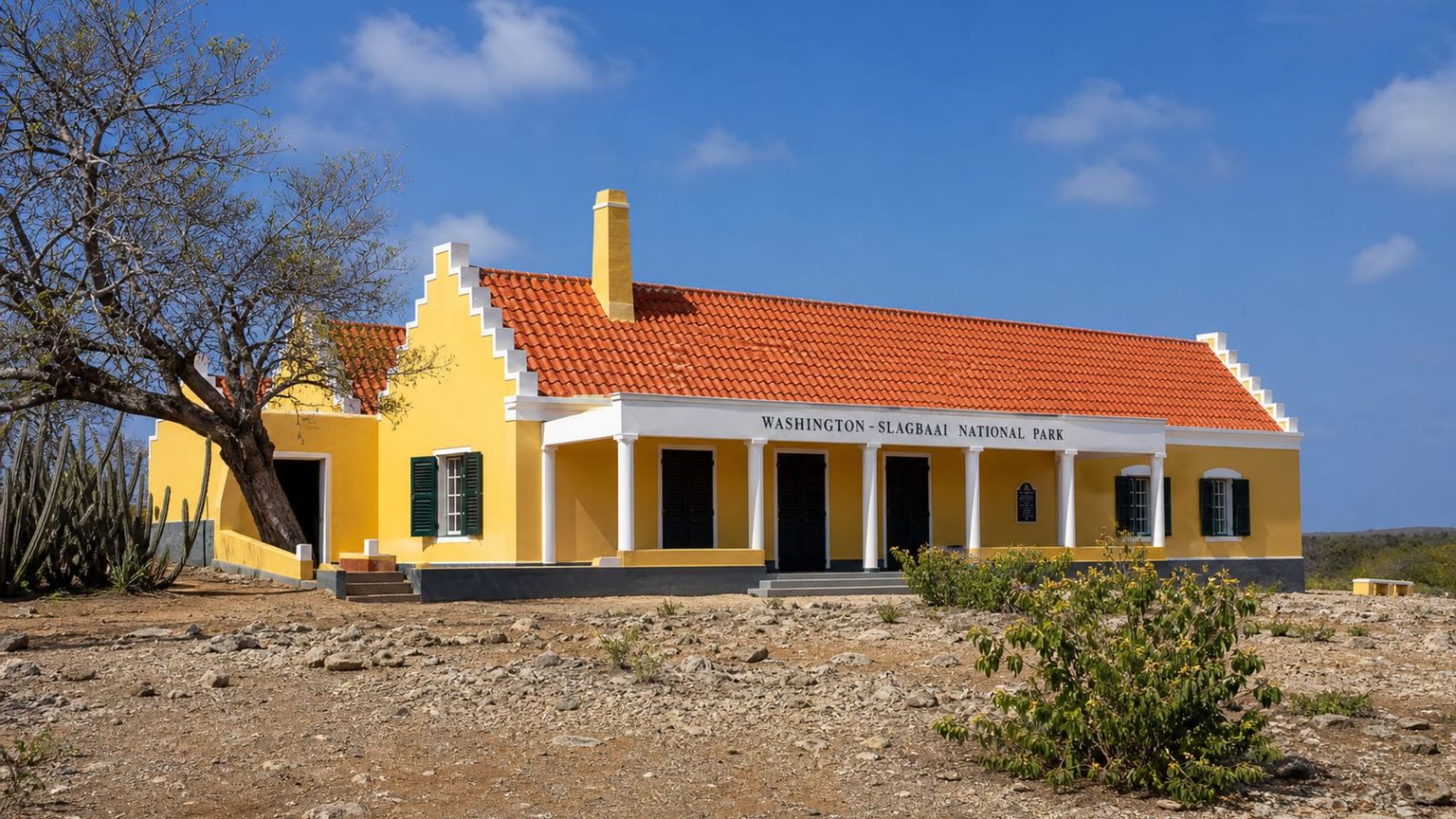
Washington-Slagbaai National Park
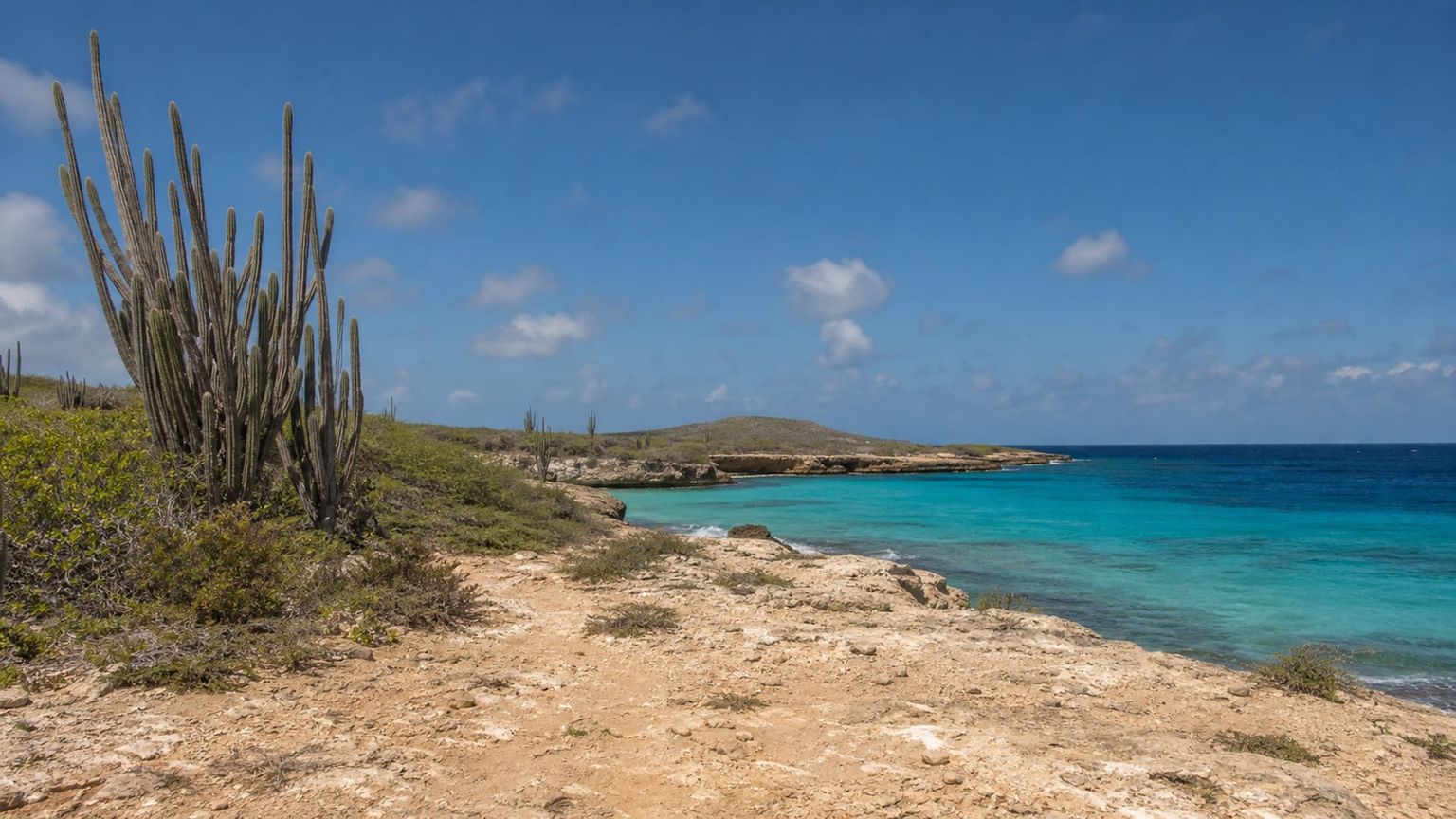
Bonaire’s largest protected area covers the northwest coast, with cactus hills, salt flats, blowholes, and secluded coves. Drive the park roads for coastal viewpoints, then stop at beaches such as Boca Slagbaai for short walks and snorkeling.
Time needed: About 4 to 6 hours
Entry: Park admission costs $45 ($45) per vehicle for nonresidents; residents pay $10 ($10). Visit the official site for details.
Tip: Arrive early, bring water, and plan extra time for unpaved roads and photo stops.
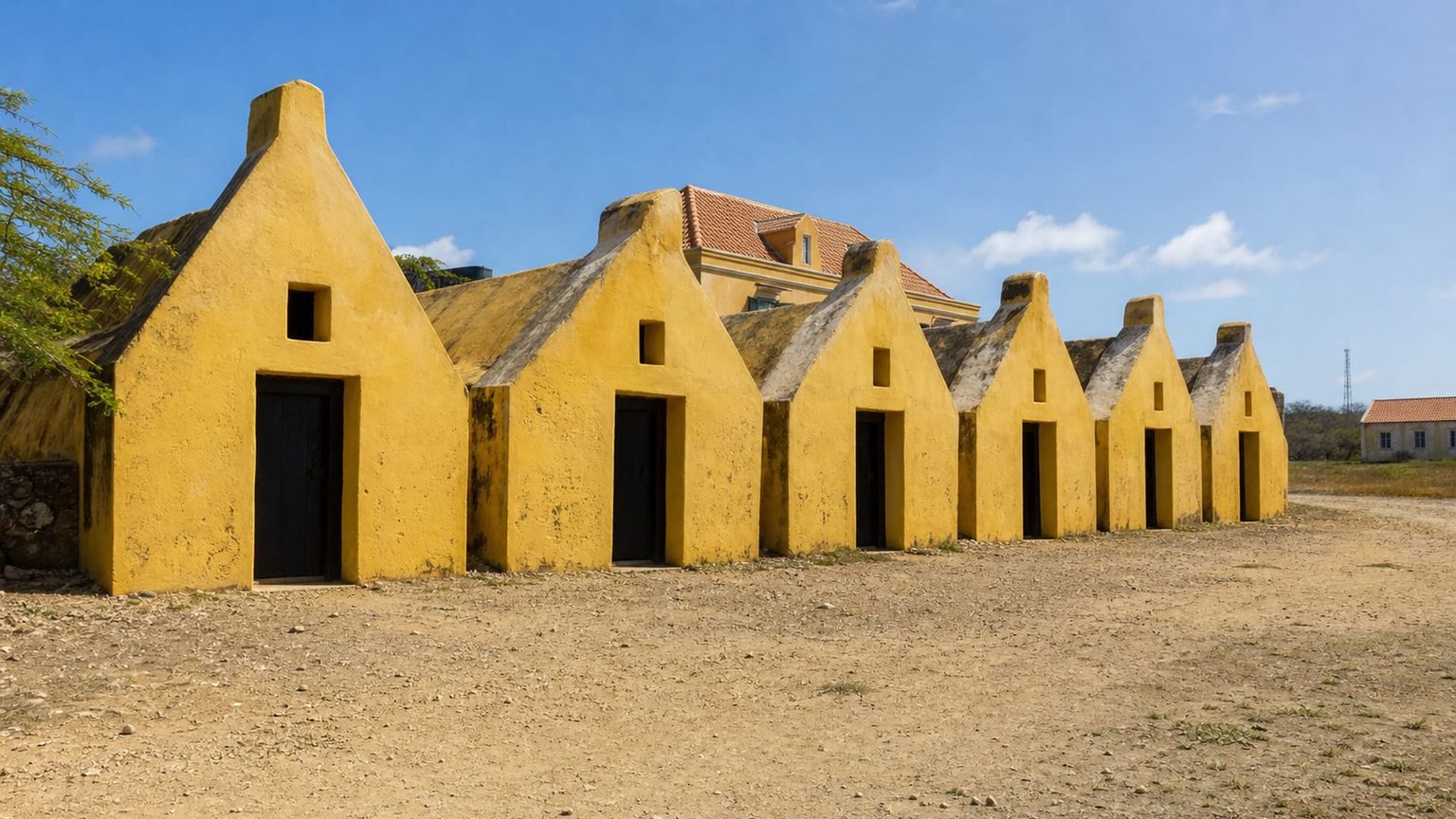
Slave Huts
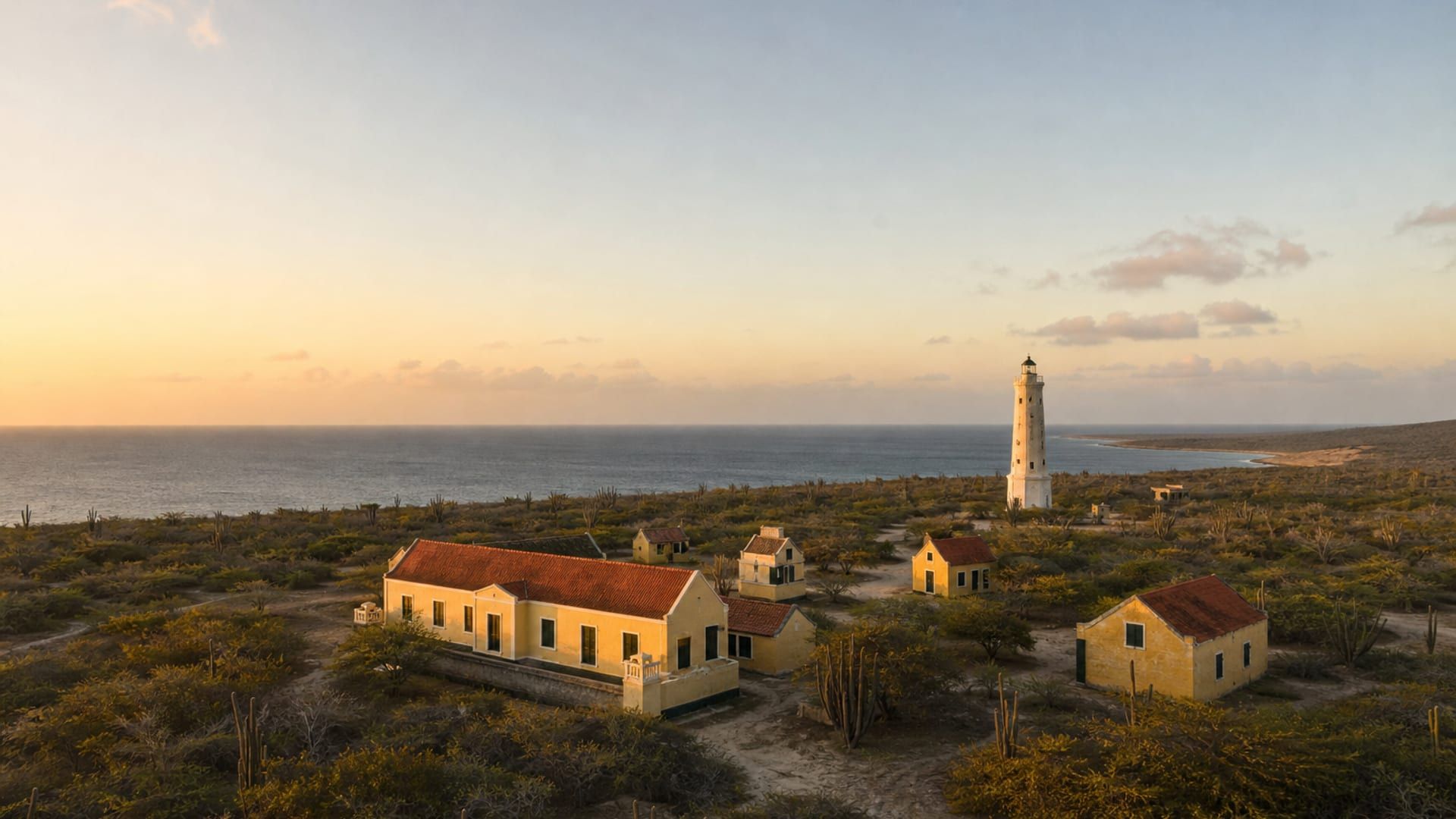
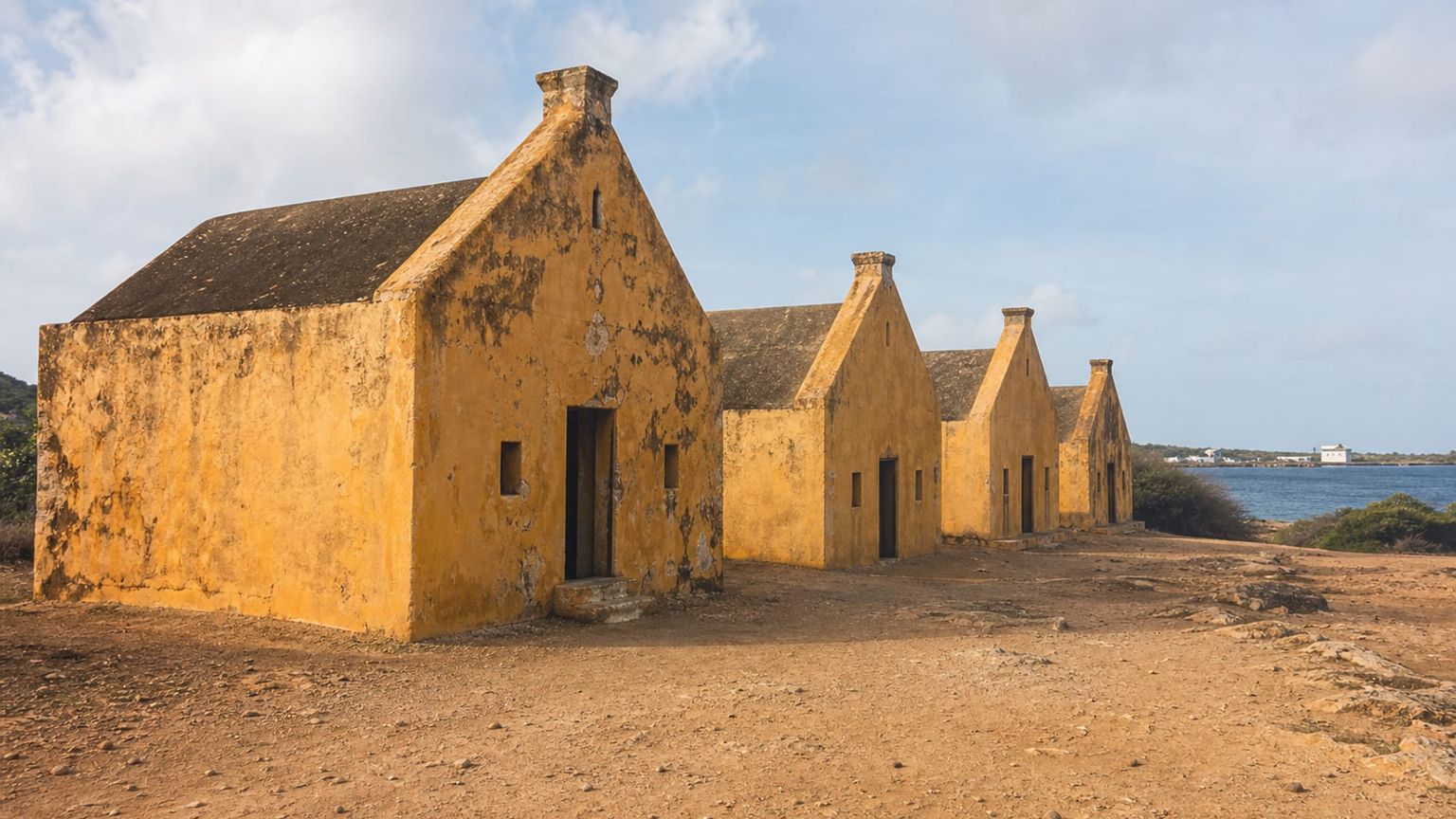
These small white huts on the southern shore mark where enslaved workers once slept near the salt pans. The site pairs stark history with open sea views, and it sits close to the island’s main coastal road.
Time needed: About 20 to 30 minutes
Entry: Free to access; no ticket is required for the outdoor site.
Tip: Visit in morning light for clearer photos, then continue south along the coast road.
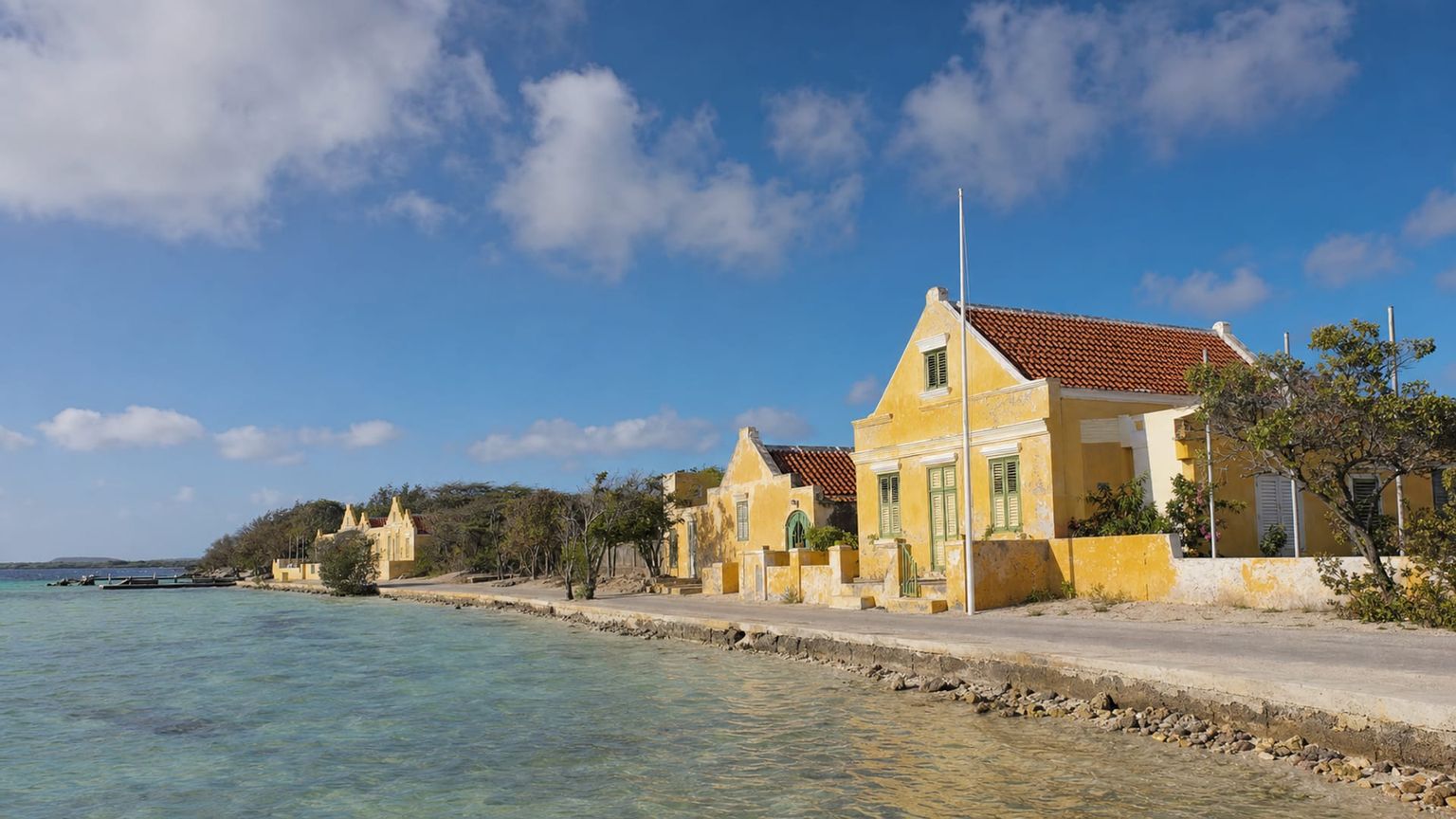
Lac Bay
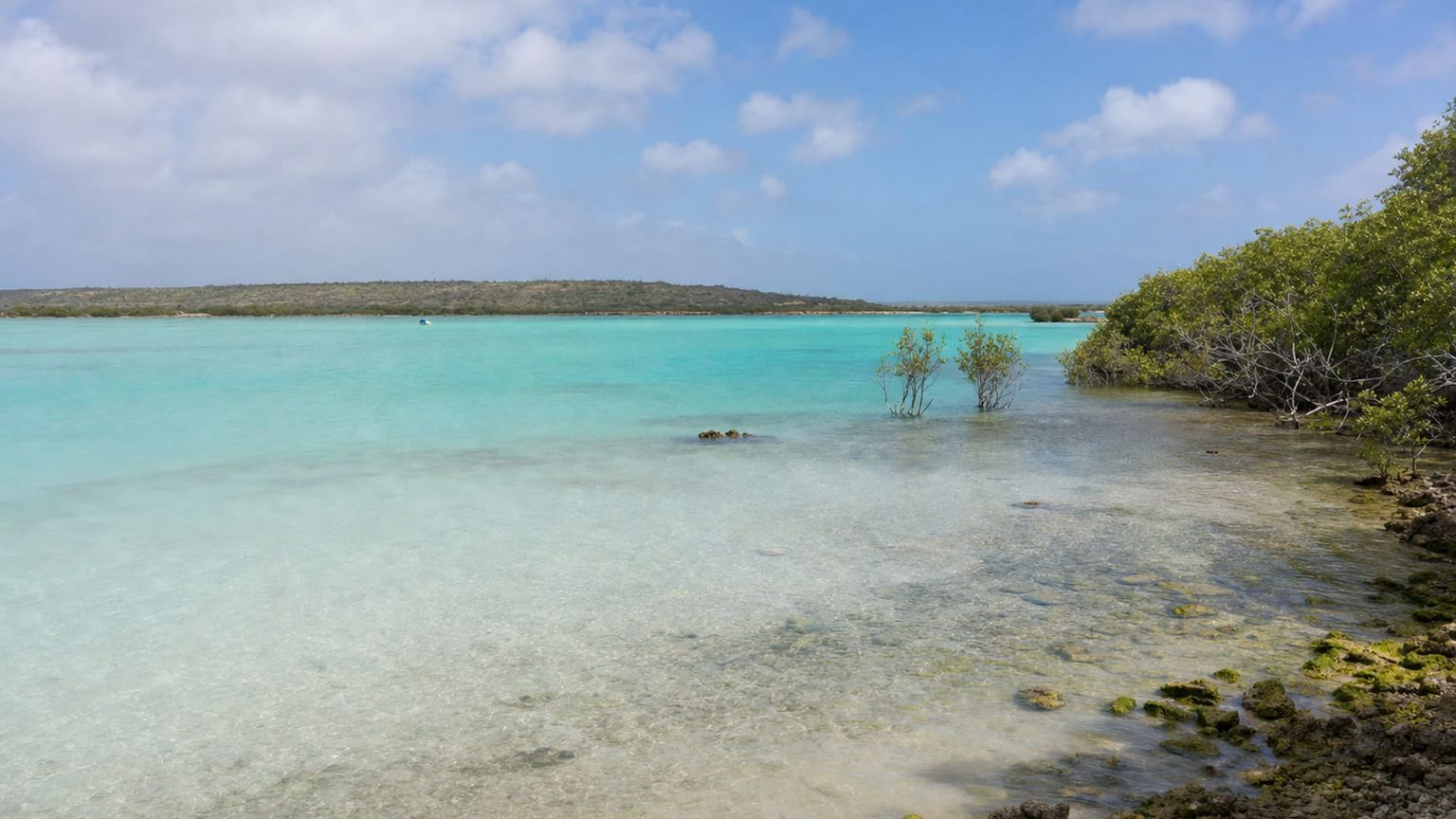
Lac Bay is a shallow lagoon on Bonaire’s east side, lined with mangroves and sheltered by a reef. It draws windsurfers, kayakers, and snorkelers, while the shoreline gives wide views across the bay and toward Klein Bonaire.
Time needed: About 2 to 3 hours
Entry: Beach access is free; kayak, board, and tour prices vary by operator.
Tip: Go before midday for calmer water, then stay for the clearest views across the lagoon.
Overlooked sites worth visiting

Bonaire Museum
Set in a compact waterfront building in Kralendijk, this small museum traces plantation history, diving, and island life through artifacts and photos. It suits an hour before lunch or dinner nearby.
Time needed: About 45 minutes to 1 hour
Entry: Admission is about $7 ($7) for adults and about $3 ($3) for children, with occasional group rates and limited opening hours on holidays; payment is usually taken at the door, and tours may cost extra. Visit the official site for details.
Tip: Check opening days before going, since hours can change.

Washington–Slagbaai National Park
Bonaire’s northwestern reserve pairs cactus plains, salt flats, and short coastal walks with ruins and nesting shorebirds. The unpaved loop rewards an early start, before heat and dust build.
Time needed: About 3 to 5 hours
Entry: Admission is about $45 ($45) per vehicle for one day, with separate fees for diving and snorkeling permits; the park office sells passes, and conservation rules limit access after closing hours. Visit the official site for details.
Tip: Arrive soon after opening, then follow the loop clockwise.
Traditional food
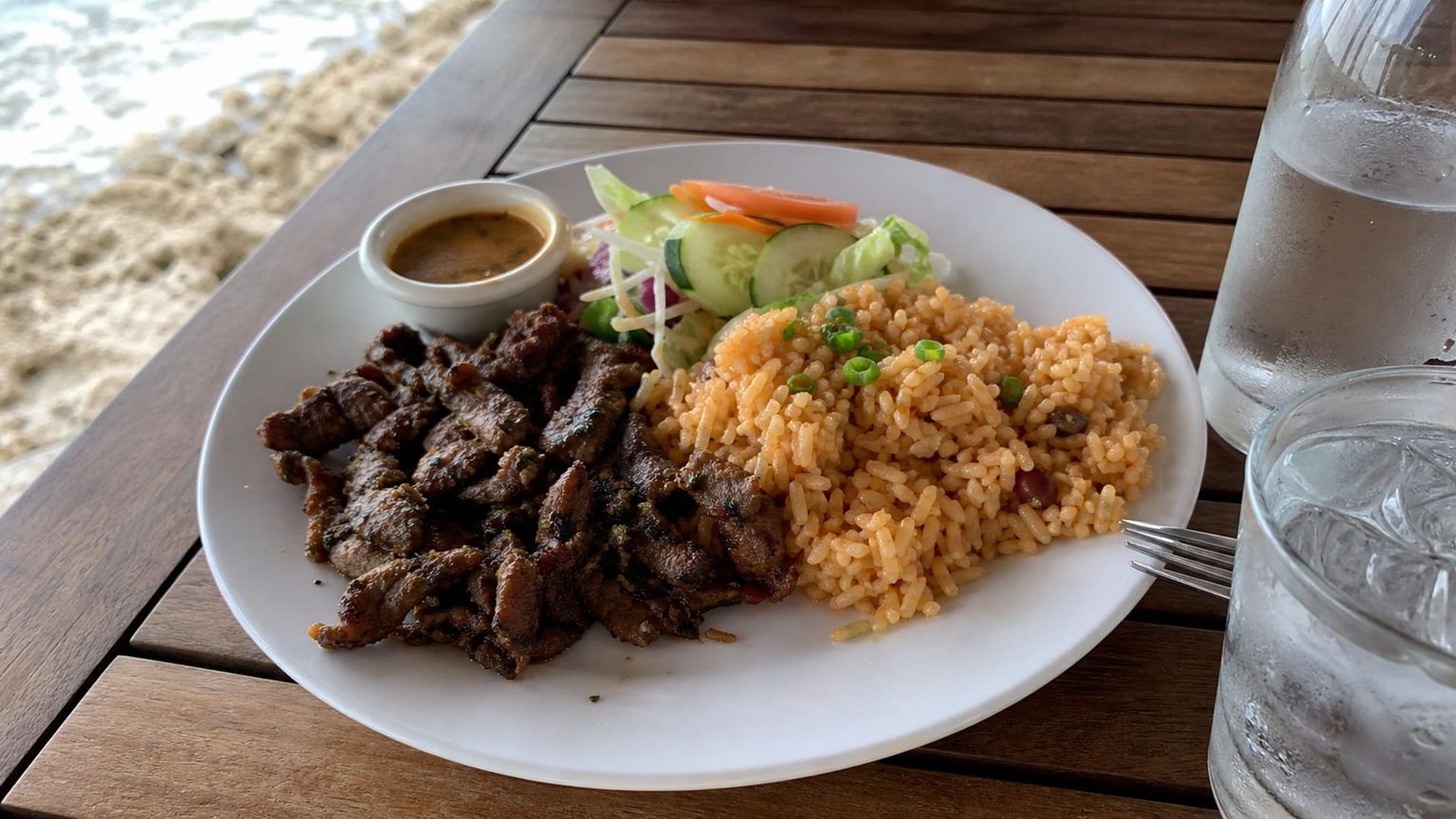
Bonaire’s cooking leans on seafood, stews, and Dutch-Caribbean staples such as keshi yena, pan bati, pastechi, and stobá, with simple waterfront dining and early meal times shaping the pace.
Keshi yena
This baked stuffed cheese dish is one of Bonaire’s signature plates, usually filled with seasoned meat, olives, and raisins. It suits dinner at It Rains Fishes, where the menu leans into island flavors near the water.
Pan bati
Pan bati, a slightly sweet cornmeal pancake, appears as a side or breakfast item across the island. At Cuba Compagnie, it works well with stews and grilled dishes in central Kralendijk.
Pastechi
Pastechi are fried turnovers filled with cheese, meat, or fish, and they fit a quick morning stop or an easy snack. Between 2 Buns serves a popular version for a casual waterfront meal in Kralendijk.
Stobá
Stobá is a slow-cooked stew, often made with goat or beef, and it shows the island’s Dutch-Caribbean comfort-food side. At Capriccio, the dish fits a more settled dinner in town after a day on the road.
Best time to visit Bonaire Island
Bonaire stays warm all year, but wind, rain, and sea conditions change the best days for diving, windsurfing, and park drives.
Best for: Best for dry weather and steady beach days
What you get: About 78 to 83°F (26 to 28°C), with lighter rain and moderate crowds in Kralendijk
Trade-offs: Wind can make some east-coast water activities less predictable
Best for: Best for clear road trips and outdoor time
What you get: About 80 to 86°F (27 to 30°C), with warm days and lighter visitor numbers outside holiday periods
Trade-offs: Heat builds by midday, so inland stops need earlier starts
Best for: Best for long water sessions and quieter hotel weeks
What you get: About 82 to 88°F (28 to 31°C), with hot afternoons and a slightly fuller island during vacation travel
Trade-offs: Humidity rises and midafternoon walks feel more demanding
Best for: Best for lower room pressure and flexible planning
What you get: About 81 to 87°F (27 to 31°C), with warm sea temperatures and fewer travelers between weather shifts
Trade-offs: Rain chances rise, so outdoor plans need more flexibility
A realistic 5-day plan in Bonaire Island
The five-day plan starts in Kralendijk, then widens to the island’s museum, south coast, northwest reserve, and east-side lagoon. That order keeps the longer drives clustered and leaves the final morning open for shopping, coffee, and the airport run.
Land at Bonaire (BON) and take a taxi or prebooked transfer to Kralendijk Waterfront, roughly 10 minutes from the airport and about $15 to $25. Check in near the harbor so you can walk to dinner, then keep the first evening simple with water, a slow stroll along the promenade, and an early meal at a waterfront restaurant before the island’s heat and dive traffic catch up with you.
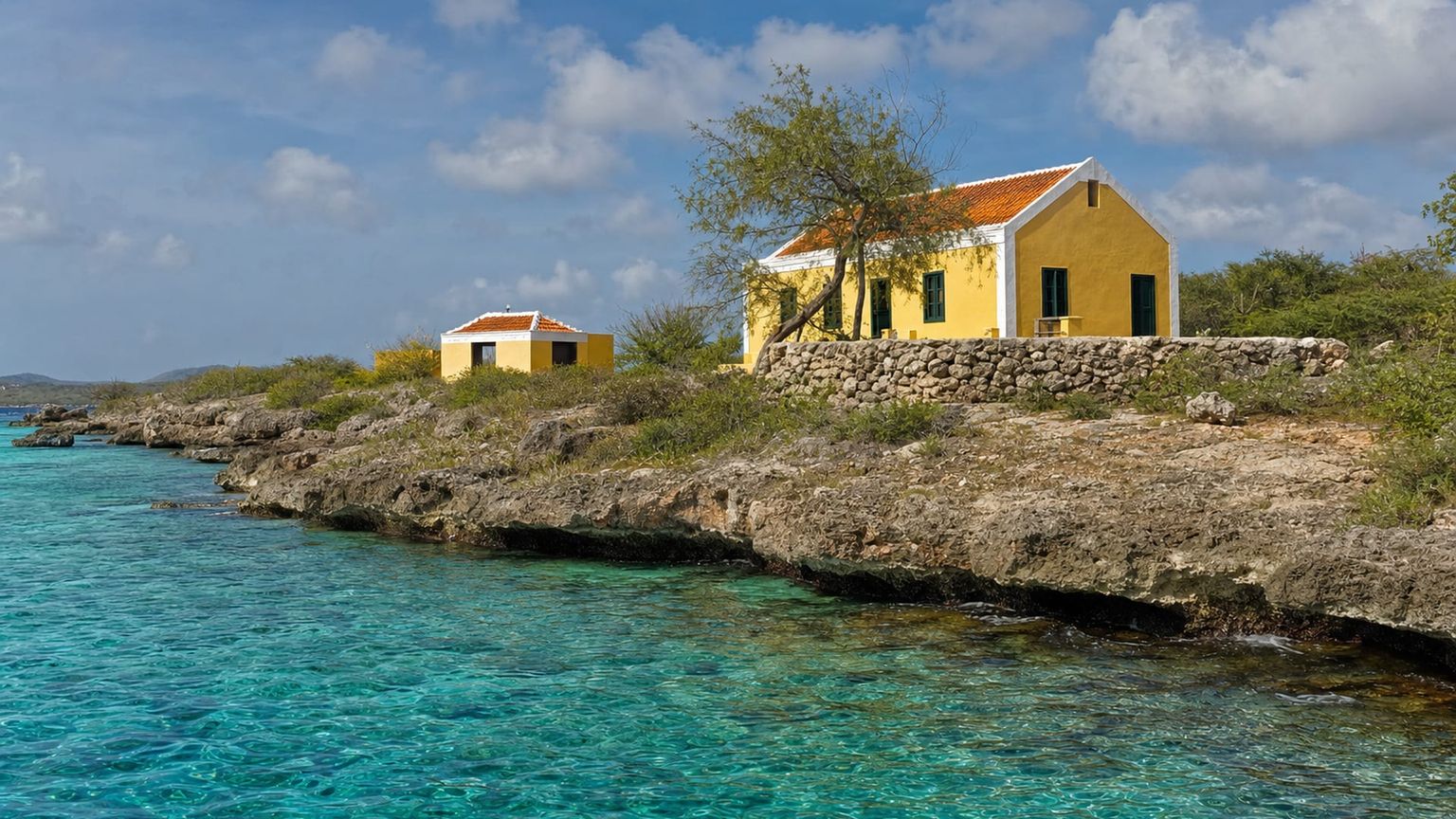
Start in Kralendijk with the Bonaire Museum, about a 5 to 10 minute walk from the main waterfront stays, then continue to the harbor promenade for lunch and a look at the boats. In the afternoon, drive south about 15 minutes to the Slave Huts for a short visit, then keep following the coast road for sunset back in town, where dinner is easy to reach on foot from Playa Lechi or the waterfront.
A full northwest outing belongs to Washington-Slagbaai National Park, and an early departure from Hato or Kralendijk makes the day easier, since the drive to the park entrance takes about 30 to 45 minutes from town. Spend roughly 4 to 6 hours on the loop, stopping for cactus hills, salt flats, and short coastal walks, then return to Kralendijk for a late dinner after the unpaved roads and photo stops.
Head east before noon for Lac Bay, about a 20 to 25 minute drive from central Kralendijk and a little longer if you stop for groceries or coffee first. Stay for about 2 to 3 hours of kayaking, windsurfing, or a shoreline walk, then come back toward town in the afternoon and end with an easy harbor-side meal near your base in Kralendijk Waterfront or Playa Lechi.
Finish with a slower morning in Kralendijk, starting at the Bonaire Museum if you missed it earlier, then walk 5 to 10 minutes into the downtown waterfront district for shopping and a last look at local stores. Stop for coffee in Kralendijk Waterfront or Playa Lechi, pack without rushing, and schedule your ride to Bonaire (BON) with enough time for the short airport transfer and check-in.
Business-class flights from the US to Bonaire Island
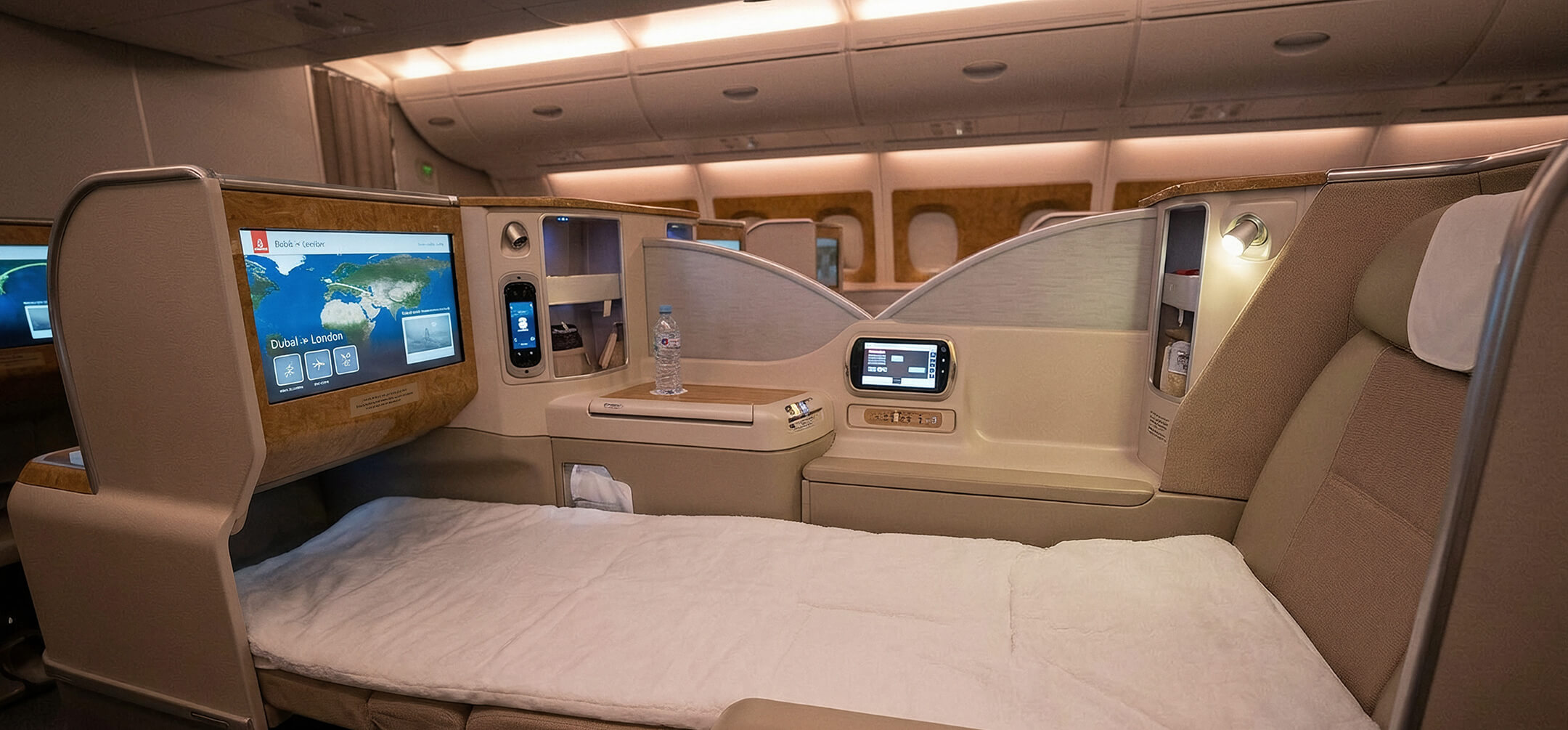
Getting to Bonaire usually means a connection, and the route you choose from the East Coast or West Coast changes both the timing and the fare. The nonstop option is limited, so most itineraries trade speed for a better connection through a major hub.
From New York, American Airlines, Delta Air Lines, United Airlines, KLM, Air France, and Copa Airlines all appear on one-stop itineraries, while nonstop flying takes about 4 hours 30 minutes to 5 hours 15 minutes when it is available. Common layover hubs include AMS, CDG, MIA, PTY, and FLL, with total travel time usually about 7 to 13 hours. Fares start from $1,100 to $2,800 round-trip.
Los Angeles itineraries are longer, with nonstop travel taking about 8 hours 45 minutes to 9 hours 45 minutes when offered. Otherwise, American Airlines, Delta Air Lines, United Airlines, KLM, and Air France route through AMS, CDG, MIA, PTY, or DFW, and total travel time usually lands about 11 to 17 hours. Fares are about $1,600 to $3,600 round-trip.
Bonaire Island feels different when you slow down
A deliberate Bonaire trip usually centers on a Kralendijk base, a taxi from Bonaire (BON), and one or two longer road days that reach Washington-Slagbaai National Park or Lac Bay at the right hour. The rest fits between the waterfront, the museum, and easy dinners near Playa Lechi. If that pace fits your trip, the AranGrant experts can help you match flights and neighborhoods to the days you want most