

Chapters:

Need help with your trip?
Our support team is available 24/7. Request a callback or call us directly at (833) 619-0908
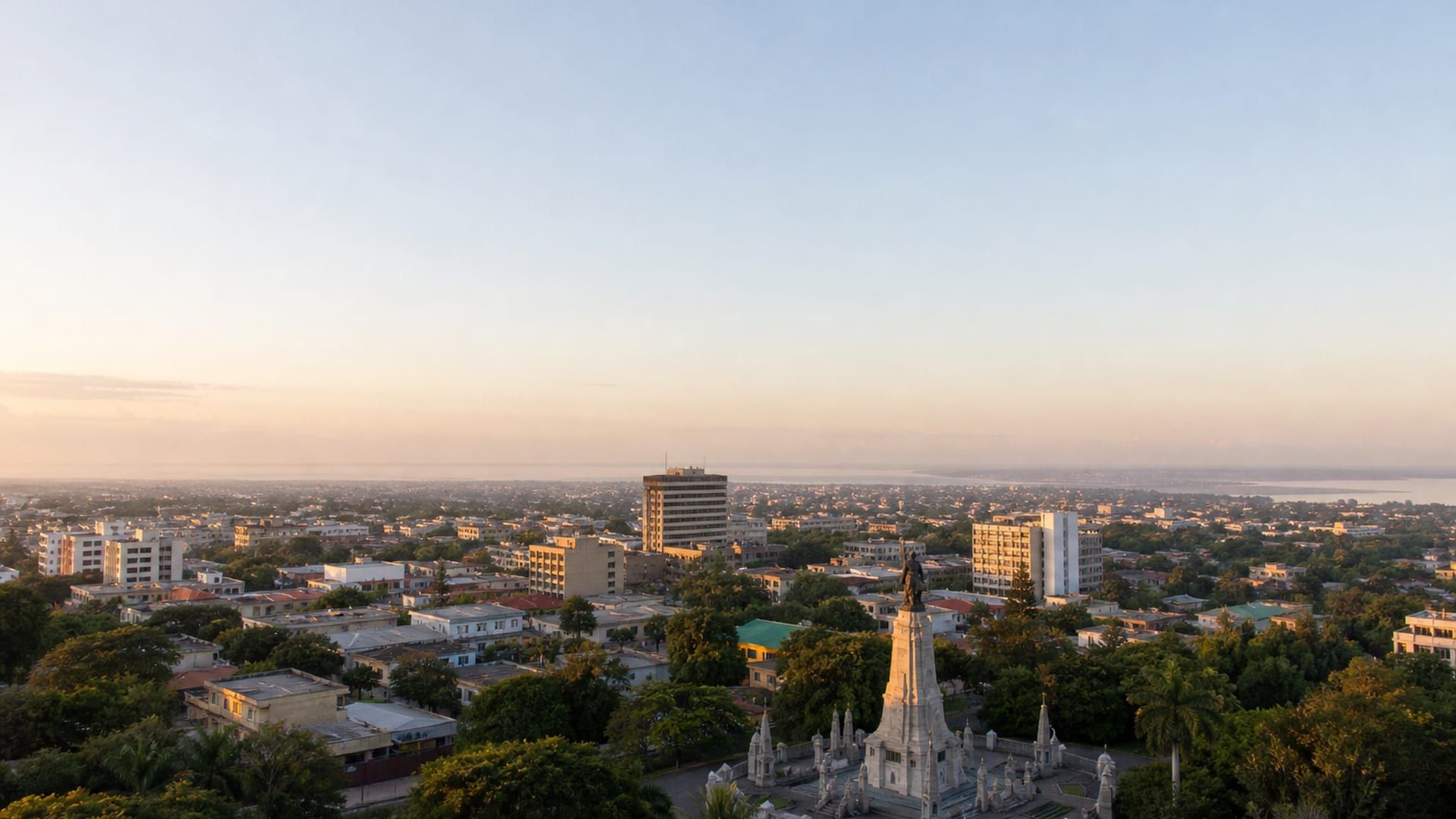
Many first trips to Bujumbura follow the same path, airport taxi, one waterfront hotel, then a quick pass at the lake before departure. What visitors often miss is how much the city changes between the central streets, the hillside neighborhoods, and the Rusizi wetlands.
That simple approach can waste time, because distances are short but traffic, one-way streets, and midday closures shape the day. Without a plan, you can also end up crossing the city more often than needed.
This guide sets out a clearer sequence, with neighborhoods, transport, food, and day trips arranged so each stop fits the next.
Useful things to know
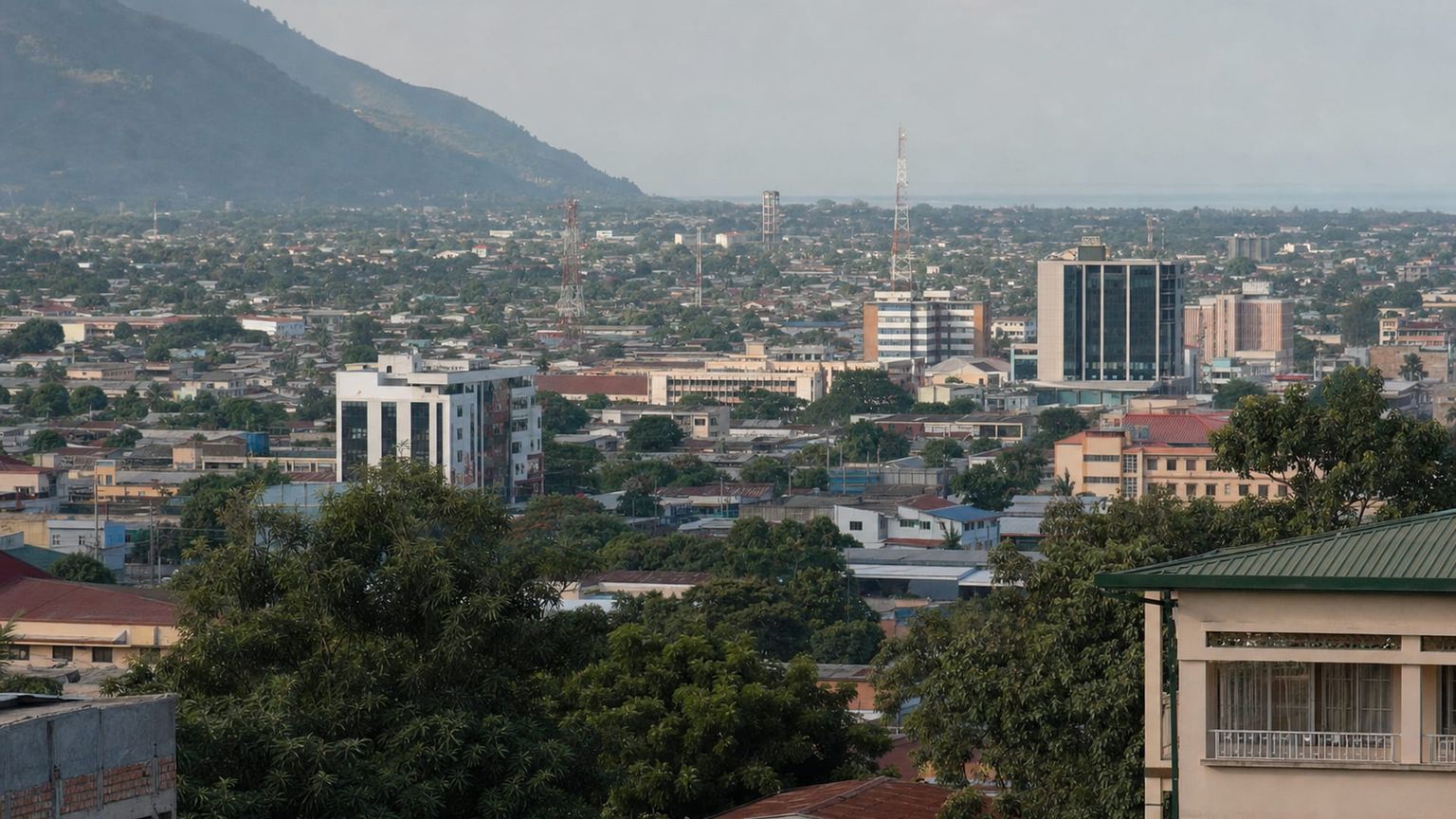

Main language(s): French
Bonjour (bohn-zhoor) – Hello/good morning
S'il vous plaît (seel voo pleh) – Please
Merci (mehr-see) – Thank you
Parlez-vous anglais ? (par-lay voo ahn-glay) – Do you speak English?
C'est combien ? (say kohm-byen) – How much does it cost?

Currency: The local currency is the Burundian franc (BIF, FBu).

Cash and cards: Cash is still king; cards and contactless are limited, so carry about BIF 50,000 to 100,000 ($17 to $35).

Tipping: Round up small bills; leave about 5-10% in restaurants for good service.

Traditional food: Brochettes, fried plantains, sambaza, cassava leaves

Water and coffee costs: Water about BIF 2,000 ($0.70), bar espresso about BIF 5,000 ($1.75).

Taxis and ride apps: No major ride apps are widely used; use hotel taxis or a registered cab.

Plug and voltage: Type C/D socket, 220V

Dining and shop opening hours: Breakfast is about 07:00-09:00, lunch 12:00-14:00, and dinner 19:00-21:00. Many places close in the afternoon, especially outside the center.

Emergency number: Call 112 for police, fire, and medical emergencies.
Where to stay in Bujumbura
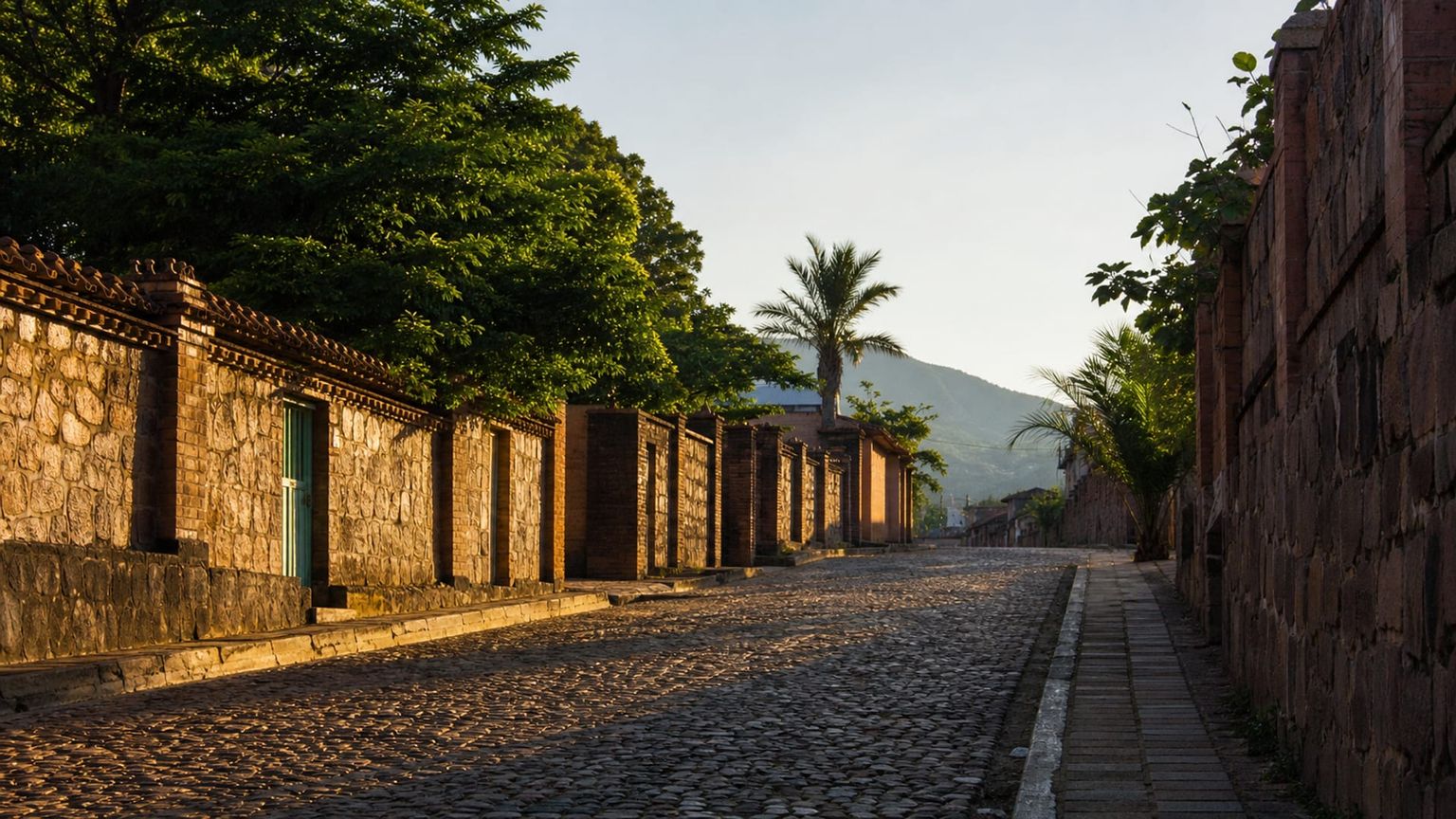
Kiriri is Bujumbura’s hillside residential quarter above the city center, with embassies, villas, and tree-lined streets. It suits travelers who want a quieter base close to downtown offices, Lake Tanganyika access, and secure midrange hotels.
Best for: Quiet stays, embassy-adjacent addresses, and travelers who want close access to central Bujumbura without being in the busiest streets
What to expect: Low-rise streets, guarded compounds, and limited foot traffic, with most dining and errands done by car or moto-taxi.
Hotel prices: Usually about 60,000 BIF to 180,000 BIF (~20$ to ~60$) per night for well-rated stays
Distance to major sights: About 10 minutes by car to Place de l’Indépendance, about 15 minutes to the lakefront promenade
Quietness: Calmer in the day and generally quiet at night, with only occasional traffic on the main roads
Main trade-off: You will depend more on taxis or a driver, since shops, cafes, and evening options are spread out.
Good to know: Hillside roads can be steep, so confirm your hotel has dependable vehicle access if you arrive late or carry luggage.
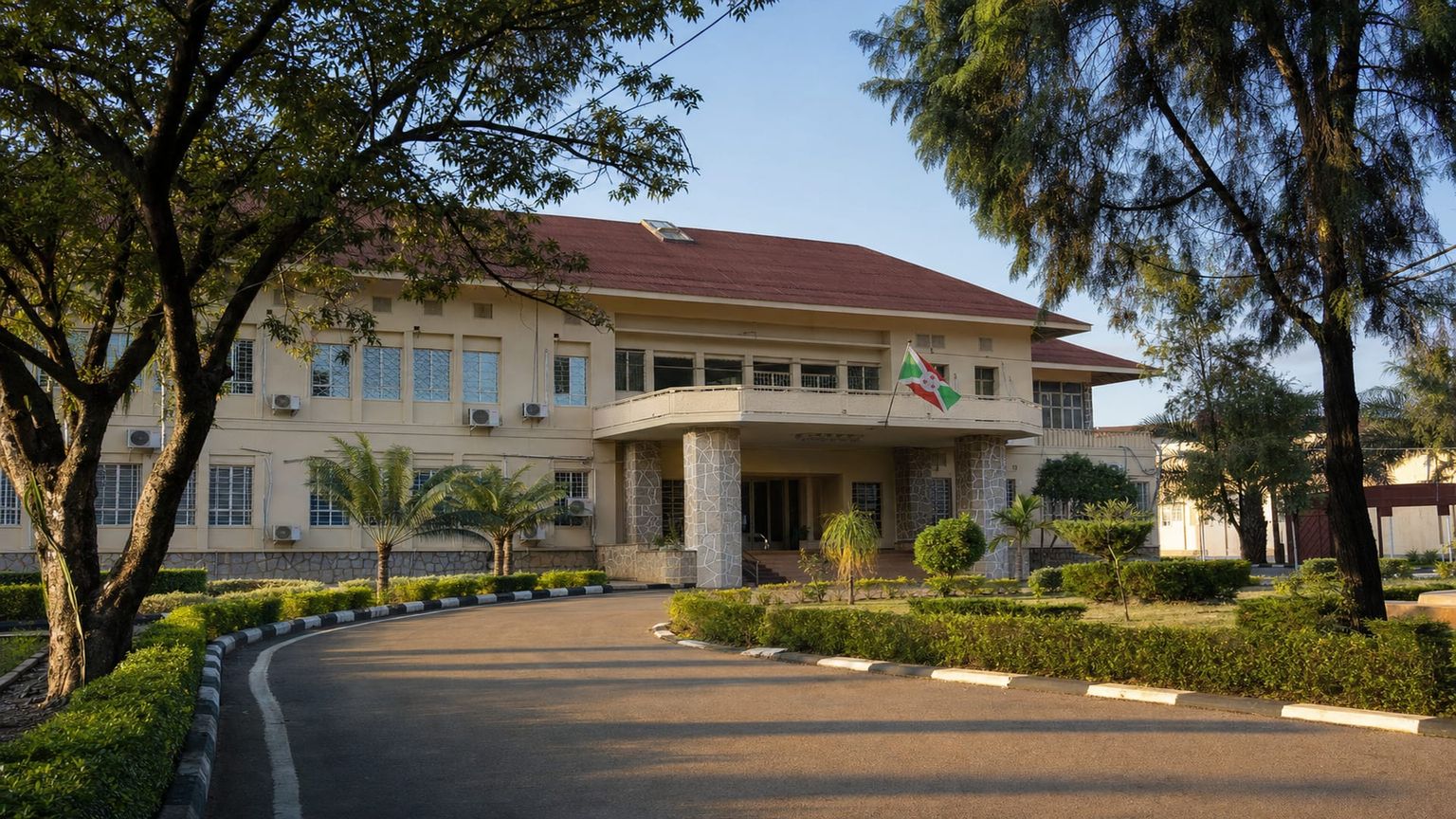
Mairie is the central downtown area around government offices, banks, and the main commercial streets. It puts you closest to shops, taxis, and many practical errands, which makes it useful if you want to stay near the city’s daily core.
Best for: Business trips, short stays, and travelers who want the shortest distances to downtown shops, banks, and administrative offices
What to expect: Busy sidewalks by day, taxi traffic, and a constant flow of people near offices, markets, and storefronts.
Hotel prices: Usually about 45,000 BIF to 140,000 BIF (~15$ to ~45$) per night for well-rated stays
Distance to major sights: About 5 to 10 minutes on foot to Place de l’Indépendance, about 10 minutes by car to the lakefront
Quietness: Active and noisy through the day, then noticeably calmer after office hours, though traffic can continue on main roads
Main trade-off: The central location comes with more traffic, less greenery, and higher exposure to street noise than hillside areas.
Good to know: If your hotel is on a main road, ask about room placement, since front-facing rooms can pick up traffic and generator noise.
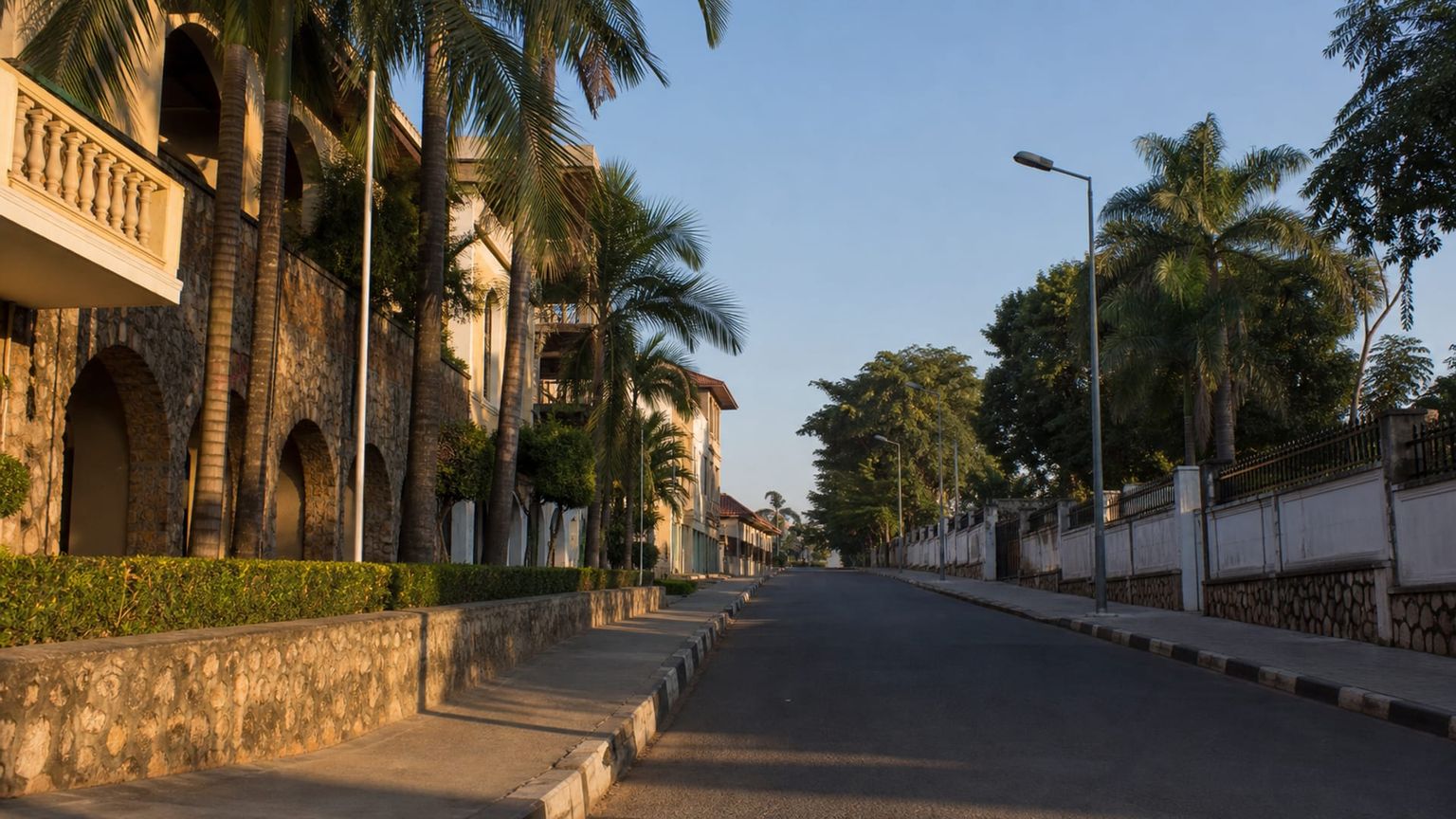
Rohero is a mixed residential and commercial district east of the center, with hotels, restaurants, clinics, and sports facilities. It works well for travelers who want an area with more dining choice than the hills but less intensity than the central business streets.
Best for: Longer stays, restaurant access, and travelers who want a middle ground between downtown convenience and quieter residential streets
What to expect: Lively main roads, a mix of locals and visitors, and easier access to cafes, pharmacies, and small shops.
Hotel prices: Usually about 50,000 BIF to 160,000 BIF (~17$ to ~53$) per night for well-rated stays
Distance to major sights: About 10 minutes by car to Place de l’Indépendance, about 15 to 20 minutes by car to the lakefront
Quietness: Busy near the main arteries in the day, with quieter side streets and a calmer pace after dinner
Main trade-off: You get more choice for eating out, but the busiest corridors can feel traffic-heavy during commuting hours.
Good to know: Choose a side street or courtyard-facing room if you want less road noise, since the main avenues stay active well into the evening.
Travelers usually avoid Kanyosha, because it sits far south of the city center and major lakeside sights, with fewer visitor-oriented hotels and restaurants. They also tend to skip Cibitoke and Buterere, where evening travel is less convenient from the central waterfront and hotel options are limited compared with downtown neighborhoods; Kamenge and Kinama are farther from the main tourist area and have fewer amenities for short-stay visitors.
Hotel deals
How to get around Bujumbura efficiently
Bujumbura has no metro or rail network, so short taxi rides and minibuses do most of the work between the center, the lakefront, and outlying neighborhoods.

Metro
for longer distances
Bujumbura has no metro or suburban rail, so visitors rely on road transport for all cross-town trips. For short hops, plan on walking only within compact central areas, then switch to taxis or minibuses for longer distances.

Bus and tram
for convenience
Minibuses and shared vans cover the main corridors in Bujumbura, with the busiest links running between the center, markets, and outlying neighborhoods. Fares are usually about $0.30 to $0.60, often paid in cash on boarding, and trips work best when you already know the destination stop because vehicles do not always follow posted timetables.

Taxi
for convenience or late hours
Licensed taxis in Bujumbura usually charge set fares rather than using meters, and drivers expect you to agree the price before departure. A city ride often costs about $3 to $8, while trips to Bujumbura (BJM) generally run about $8 to $15 from central areas, with cash in USD or Burundian francs accepted in many cases.
*Prices are based on rates updated as of June 2026 and may change at the time of travel.
Walk in compact central areas, use minibuses for cheap cross-town trips, and choose taxis when you want the quickest link between Rohero, Mairie, Kiriri, and the airport.
Iconic landmarks
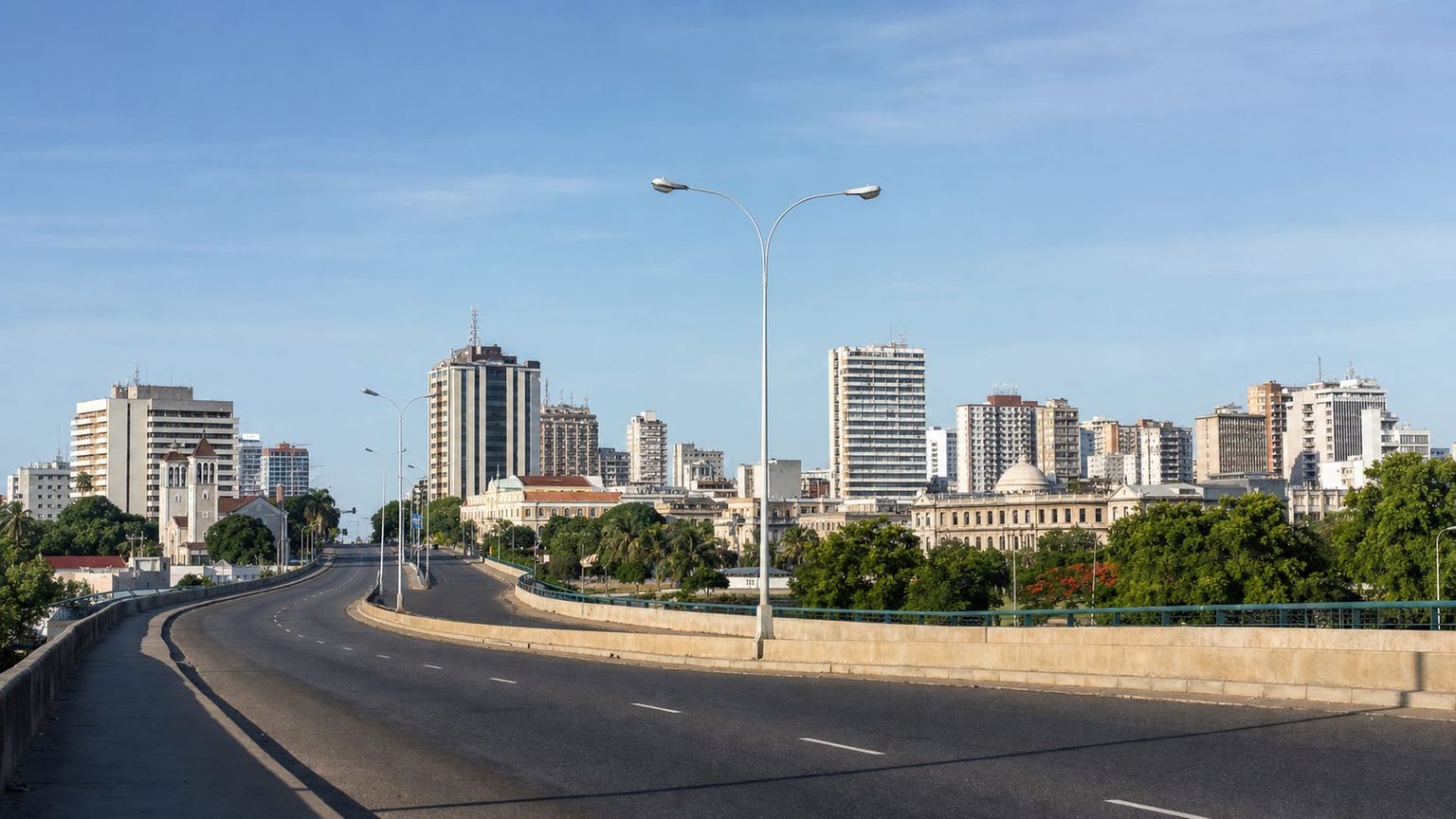
Livingstone-Stanley Monument
This lakeside monument marks the 1871 meeting of David Livingstone and Henry Morton Stanley, one of Bujumbura’s best-known colonial-era reference points. It sits near the water on Avenue du Large and is easy to combine with a walk along the bay.
Time needed: About 30 to 45 minutes
Entry: Free to access; no timed entry is used, and the monument can be viewed from the roadside and the lakeside promenade.
Tip: Go late afternoon for softer light on the monument and the lakefront views nearby.
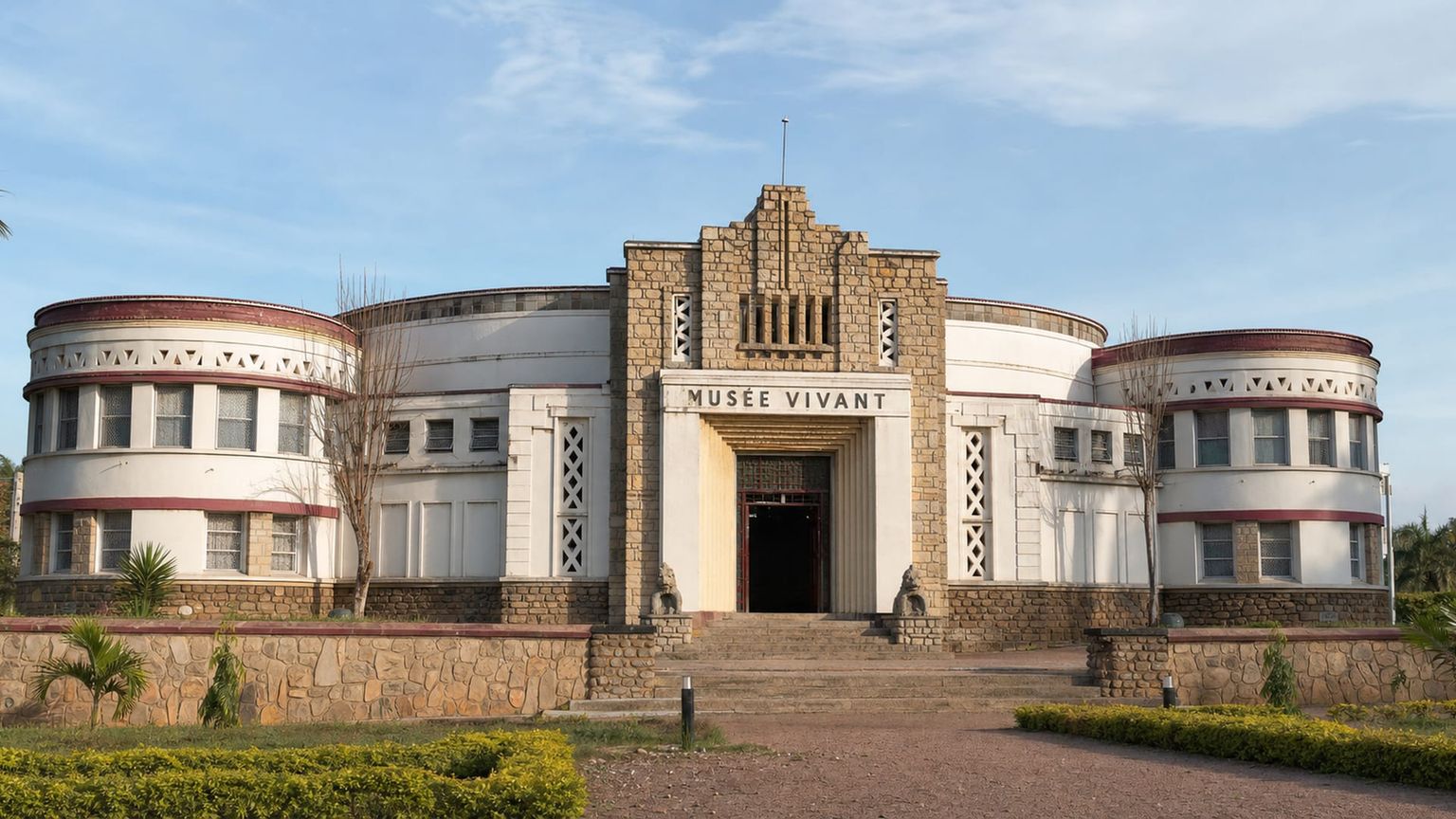
Musée Vivant
Burundi’s Living Museum combines small animal enclosures with cultural exhibits, so you can see hippos, reptiles, and traditional craft displays in one stop. It lies in central Bujumbura, close to the lake and the main hotel district.
Time needed: About 1 to 2 hours
Entry: Standard tickets cost about $5,000 to $10,000 BIF ($2 to $4), depending on the section you visit and the local rate in effect. Visit the official site for details.
Tip: Visit earlier in the day, when the animal areas are quieter and the heat is lower.
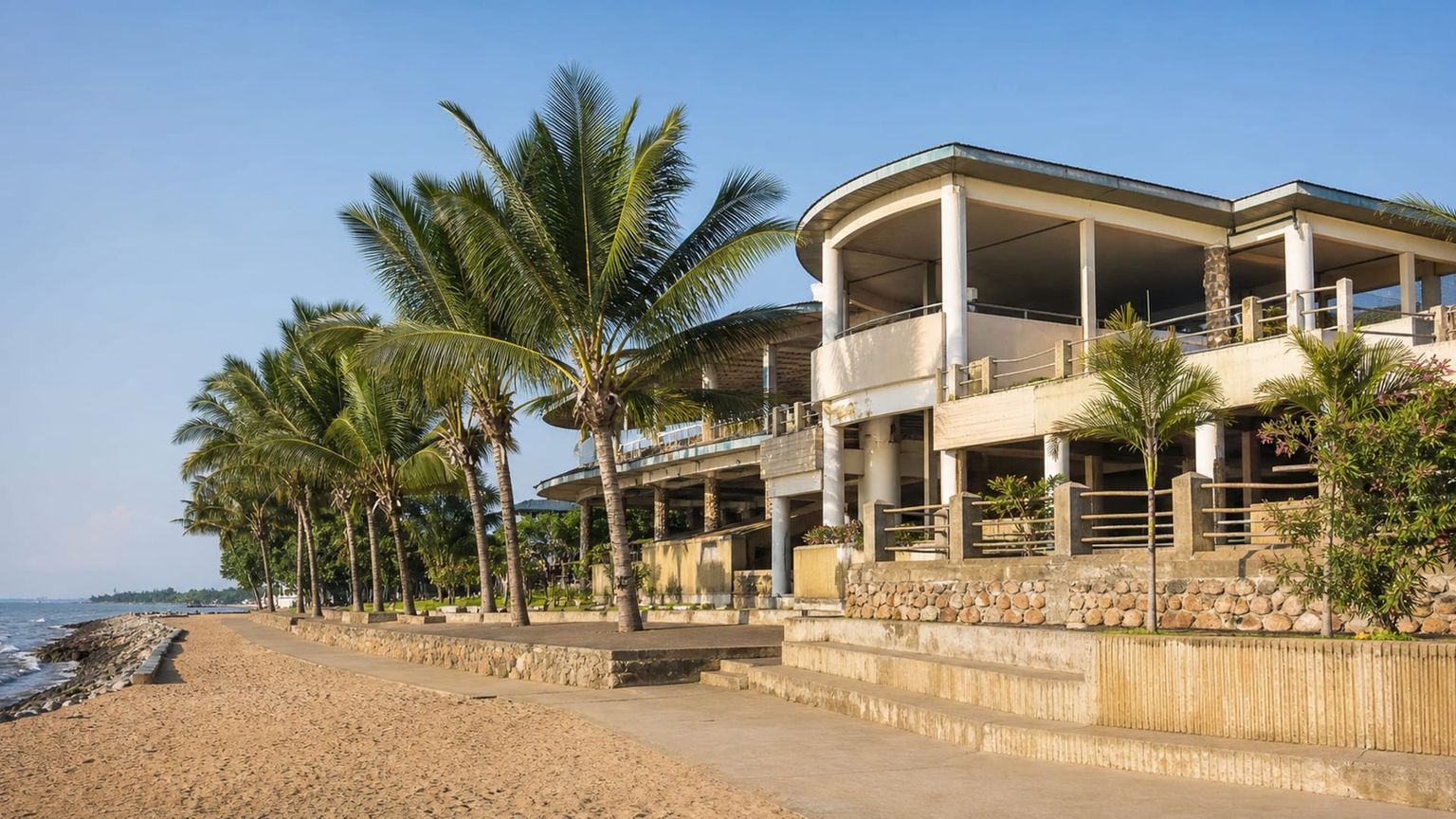
Saga Plage
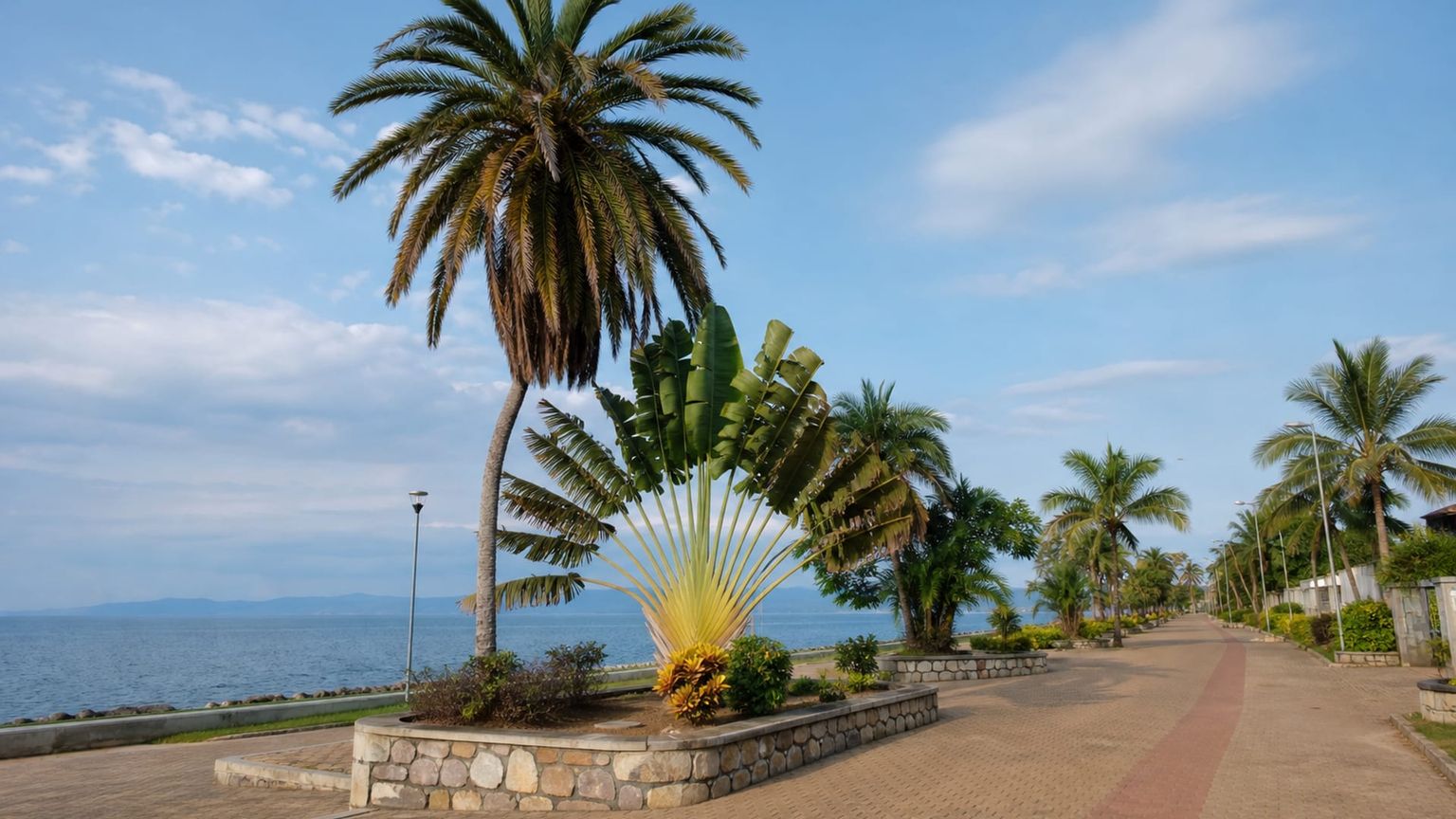
Saga Plage is one of Bujumbura’s main public lakefront beaches, with a broad stretch of sand and direct views across Lake Tanganyika. It sits just north of the center, making it an easy place for a swim or an evening walk.
Time needed: About 2 to 3 hours
Entry: Free to access; no timed entry is used, though food, drinks, and loungers are charged separately by on-site vendors and operators.
Tip: Arrive near sunset for cooler air, calmer light, and easier lakefront photos.
Overlooked sites worth visiting

Rusizi National Park
Just west of central Bujumbura, this wetland corridor along the Rusizi River draws sitatunga, crocodiles, and kingfishers. Short boardwalk and boat stretches make it a quiet contrast to the city.
Time needed: About 2 hours
Entry: Entrance fees are roughly $5 to $10 ($10,000 to $20,000 BIF), depending on the activity and guide arrangement. Boat outings usually cost extra, and rates can change by season or group size.
Tip: Go early for cooler air and better bird activity.

Living Museum of Bujumbura
This compact museum pairs Burundian craft displays with traditional architecture, old tools, and cultural exhibits in one small site. It works well as a shorter stop between other city plans.
Time needed: About 1 hour
Entry: Admission is usually about $3 to $5 ($6,000 to $10,000 BIF) for adults, with lower rates for children and possible extra charges for photography or special demonstrations. Cash is best on arrival.
Tip: Allow extra time if you want to watch the craft demonstrations.
Traditional food
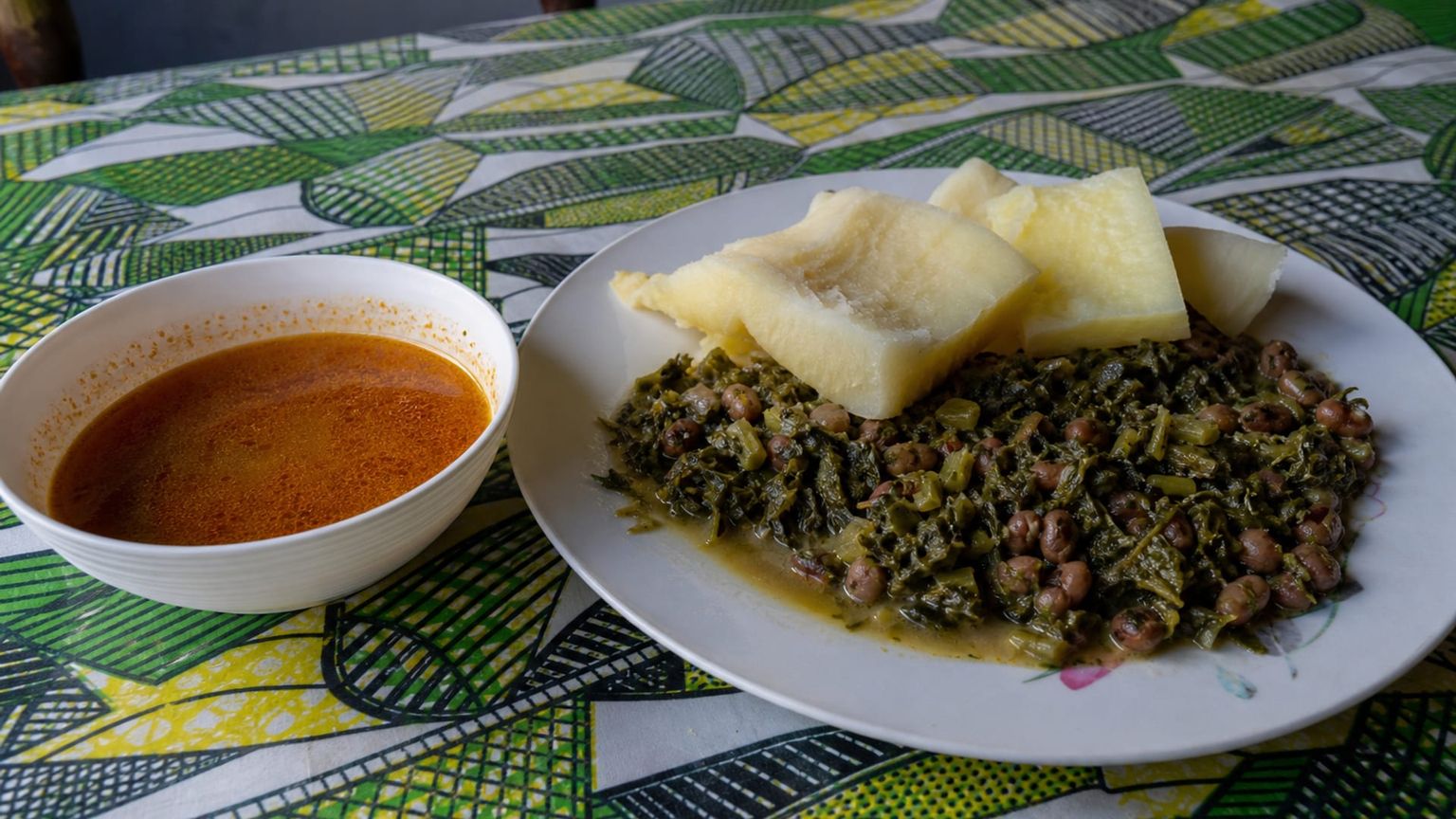
Bujumbura’s table leans on lake fish, cassava, plantains, and grilled meat, with sambaza and brochettes appearing often at lunch and dinner. Meals are simple, filling, and usually served in places that stay busiest after dark.
Brochettes
Skewered meat, usually grilled over charcoal and served with a side of fries or plantains, is one of the clearest Bujumbura staples. Le Café Gourmand in Rohero is a strong place to try it in a central, sit-down setting.
Fried plantains
Sweet plantains turn crisp at the edges and work well as a side or a light plate on their own. They fit naturally at La Palmeraie, where the menu leans toward familiar Burundian and lakeside dishes in the center.
Sambaza
These small lake fish are usually fried until crunchy and served as a shared plate with sauce or a starchy side. Chez Vaya in central Bujumbura is a good place to order them with local beer or a simple lunch.
Cassava leaves
Cooked greens from cassava leaves bring a softer, richer texture than a plain vegetable side and often appear with rice or plantains. Café de la Presse in Bujumbura serves a version that works well for a casual local meal.
Best time to visit Bujumbura
Bujumbura stays warm year-round, but the dry months make lakefront time easier and the wetter season brings heavier showers and greener views.
Best for: Lakefront walks and drier city touring
What you get: About 79 to 84°F (26 to 29°C), with lighter crowds on weekdays and more visitors near the beach on weekends
Trade-offs: Hot afternoons can make midday sightseeing tiring
Best for: Lower-season rates and a quieter pace
What you get: About 76 to 82°F (24 to 28°C), with fewer tourists and more frequent rain interruptions
Trade-offs: Afternoon downpours can cut into outdoor time
Best for: Rusizi National Park and long outdoor days
What you get: About 73 to 80°F (23 to 27°C), with the most comfortable conditions for moving around and moderate visitor numbers
Trade-offs: Popular lakefront spots can feel busier on sunny days
Best for: Balanced city sightseeing and warm evenings
What you get: About 77 to 84°F (25 to 29°C), with steady warmth, some humidity, and manageable crowds
Trade-offs: Rain can return toward the end of the season
A realistic 5-day plan in Bujumbura
Five days in Bujumbura work best when you keep the center, the lakefront, and the wetlands in one sequence. The plan below starts with arrival in Rohero or Mairie, then moves outward in a way that limits backtracking.
Land at Bujumbura (BJM), then take a taxi into Mairie or Rohero, about 15 to 25 minutes depending on traffic, for roughly $10 to $20. If you arrive in daylight, Rohero gives you the easiest first-night balance of restaurants and hotels, while Mairie puts you closest to banks, offices, and the city center. Check in, drink plenty of water, and keep dinner simple at a nearby restaurant in Rohero or downtown, since the evening roads can still be busy and you will want a short ride back.
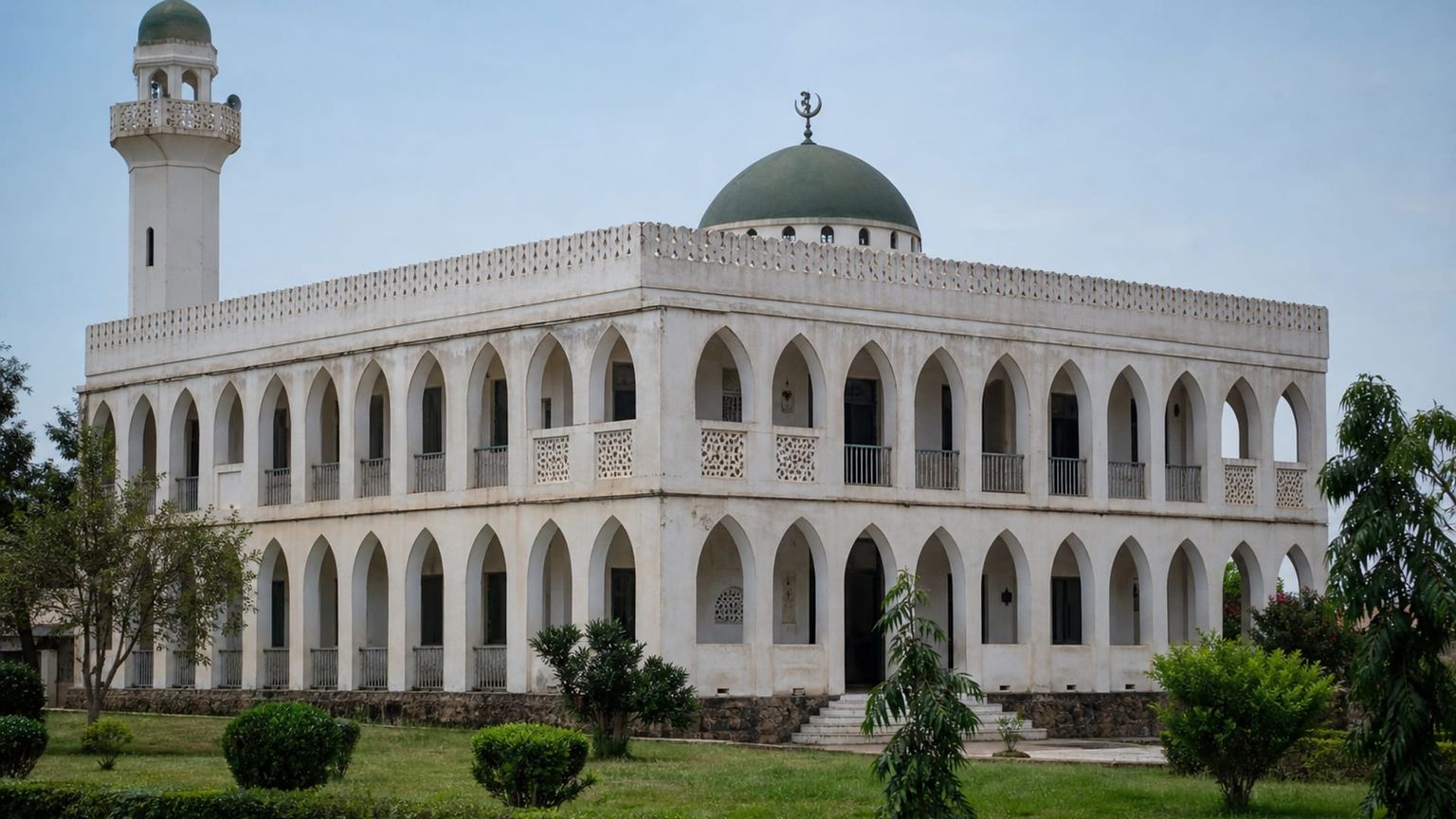
Start with Musée Vivant in central Bujumbura, where you can spend about 1 to 2 hours among the animal enclosures and cultural displays; from Rohero, the taxi ride is usually about 10 minutes. From there, continue about 10 minutes by car to Saga Plage for a late morning or early afternoon break on the lakefront, then stay for a swim or a long walk along the sand. Finish at Livingstone-Stanley Monument, about 10 to 15 minutes by car from Saga Plage, and aim for late afternoon light before heading back to your hotel for dinner in Rohero or Mairie.
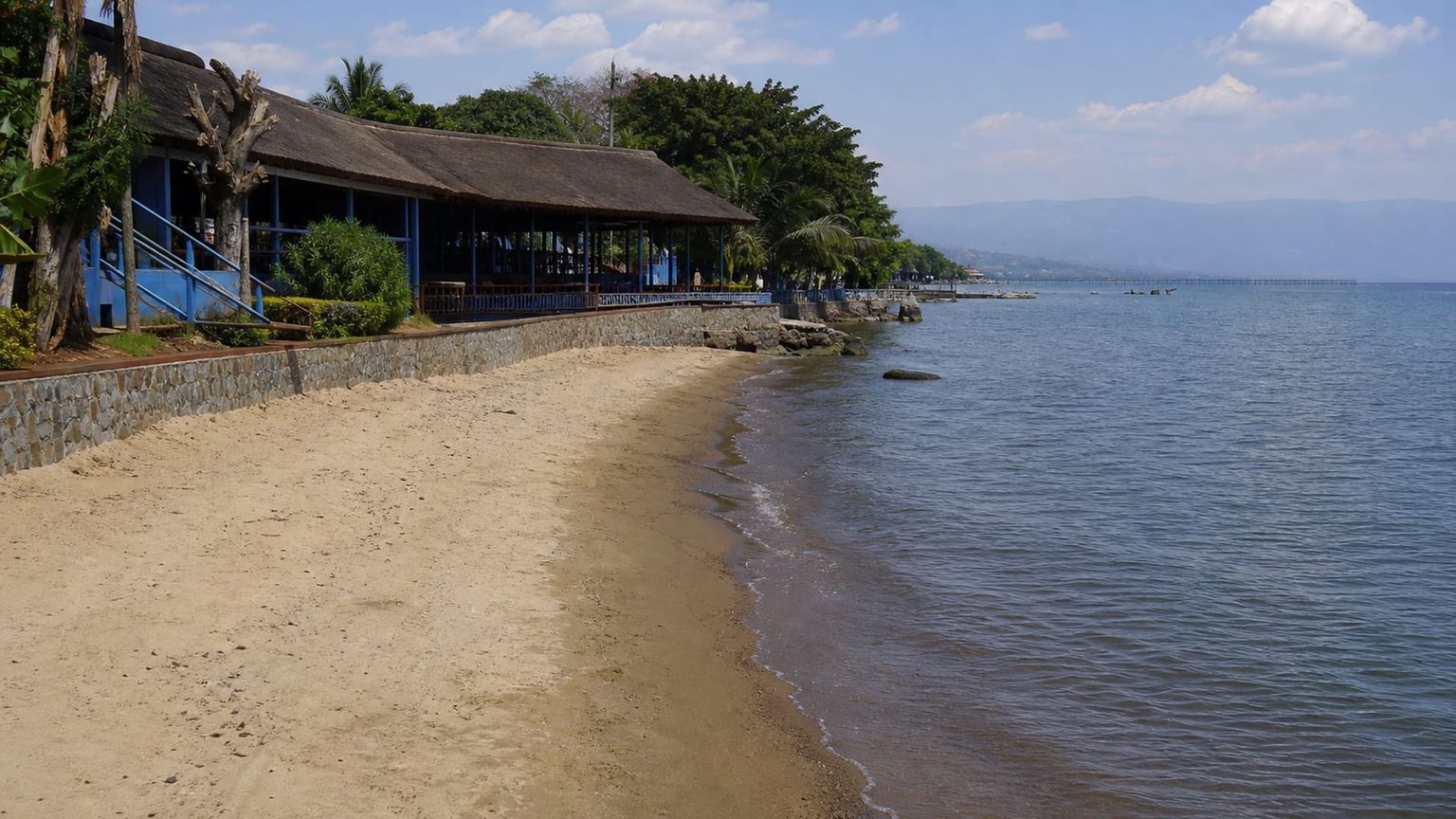
Begin with Rusizi National Park, reached in roughly 30 to 45 minutes by car from central Bujumbura, and plan about 2 hours for boardwalk and boat time if the water levels and guide arrangements allow. Return toward the city and stop at the Living Museum of Bujumbura, which is usually about 20 to 30 minutes away by car from the park, for about 1 hour of craft displays and traditional architecture. End the day in Mairie or Rohero, about 10 to 15 minutes from the museum, where you can sit down for dinner without needing a long cross-city ride.
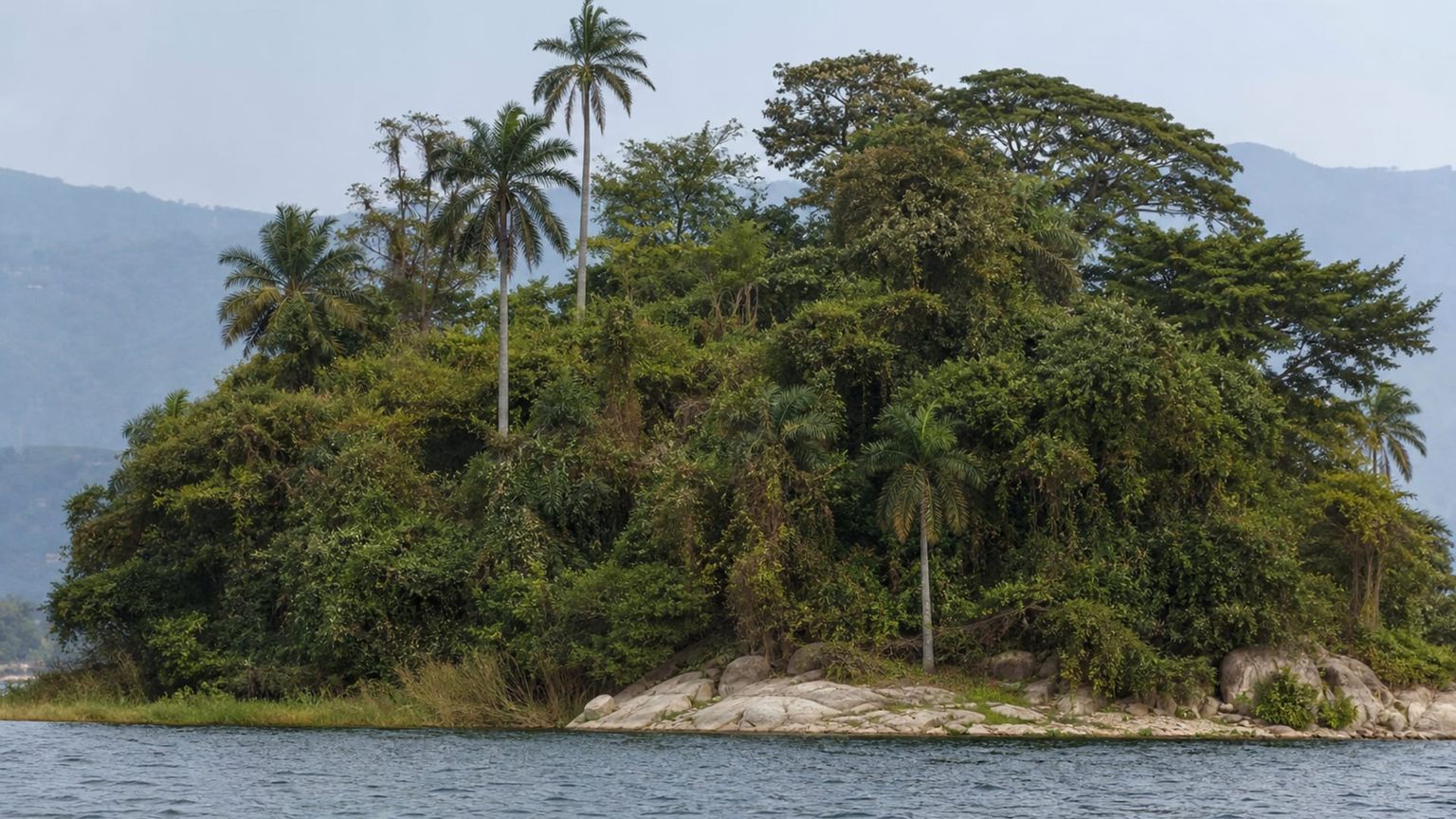
From Rohero or Mairie, head first to the Living Museum of Bujumbura if you skipped it earlier, since it works well as a shorter morning stop and sits close to the central districts. Then continue to the lakefront for Saga Plage, about 10 to 20 minutes by car depending on your starting point, and spend 2 to 3 hours there with time for a swim, a lakeside lunch, or an easy walk. If the light stays good, finish with the Livingstone-Stanley Monument, only a short ride away along Avenue du Large, so you can see the bay before dinner back in Rohero.
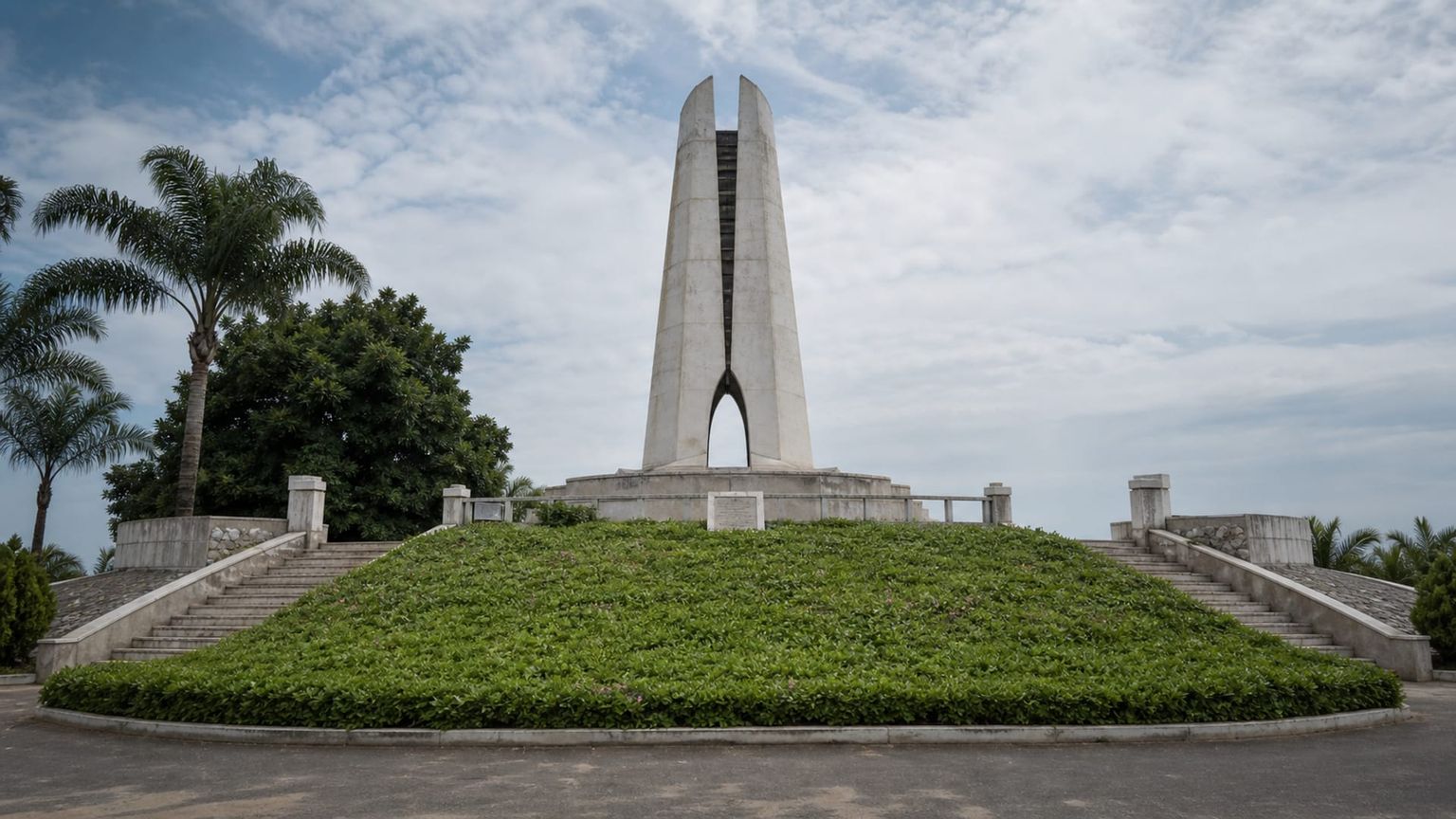
For a slower last day, start in Mairie with a café breakfast and a little shopping, since this downtown district places you near banks, storefronts, and the city’s most active commercial streets. If you want one final cultural stop, return to Musée Vivant or the Living Museum of Bujumbura, both close enough to fit before an afternoon departure. After that, keep the afternoon near your hotel in Rohero or Kiriri, then head to the airport with enough time for the drive and check-in, which usually takes about 15 to 25 minutes from the center.
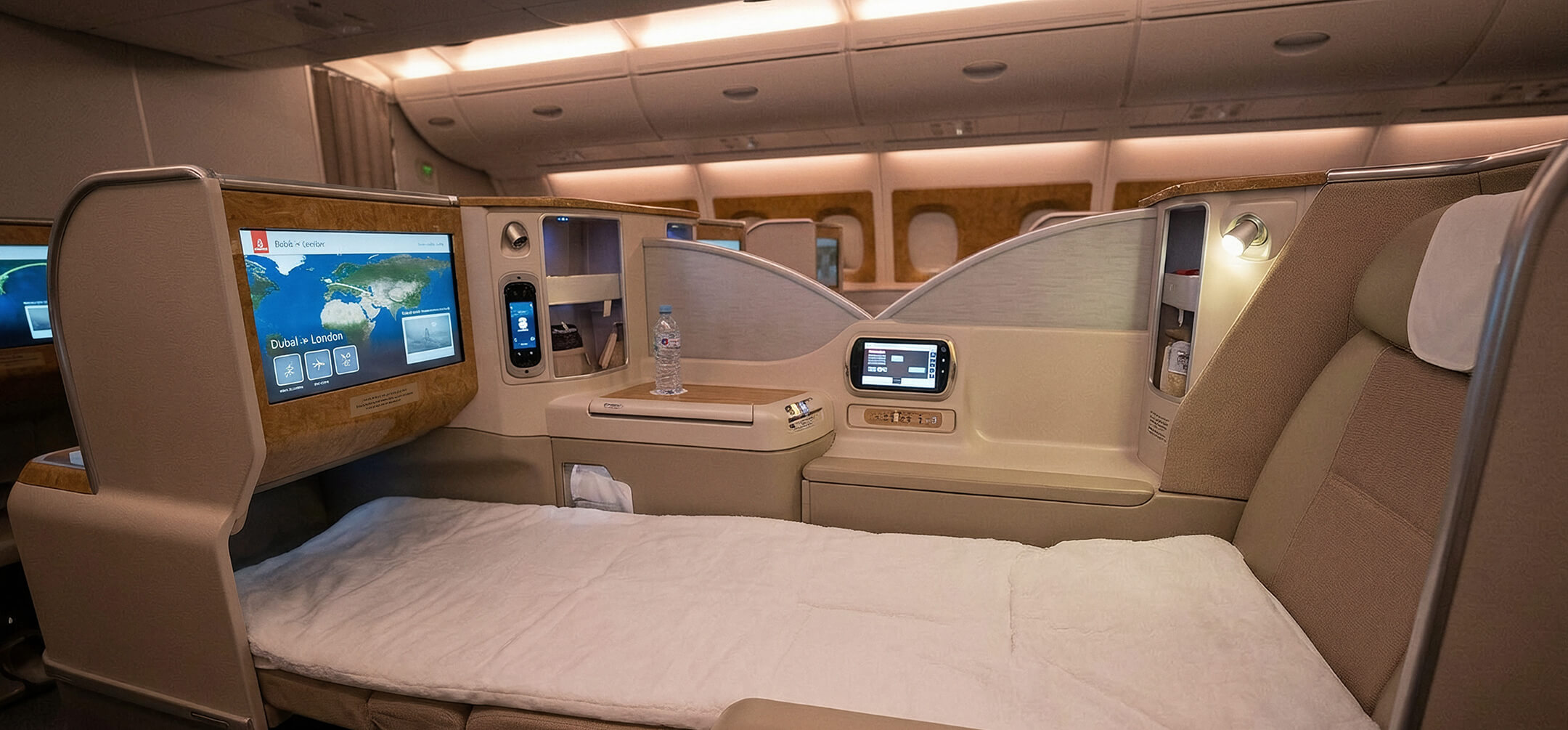
Business-class flights from the US to Bujumbura
Reaching Bujumbura usually means a connection rather than a nonstop, so it helps to look at the route shape before you compare fares. The East Coast and West Coast examples below show how different the trip can look from each side of the US.
From New York, airlines such as Ethiopian Airlines, Brussels Airlines, Turkish Airlines, Kenya Airways, Qatar Airways, and Air France commonly appear on one-stop itineraries, with total travel times of about 16 to 24 hours. Connections often run through Addis Ababa (ADD), Brussels (BRU), Istanbul (IST), Nairobi (NBO), Doha (DOH), or Paris (CDG). From $4,800 to $8,200 round-trip.
Los Angeles travelers usually see Ethiopian Airlines, Qatar Airways, Turkish Airlines, Air France, or Brussels Airlines on the schedule, and the trip often lasts about 18 to 28 hours with one connection. Typical connection points include Doha (DOH), Istanbul (IST), Brussels (BRU), Paris (CDG), and Addis Ababa (ADD). Round-trip fares start at $4,900 and reach roughly $8,500.
Bujumbura feels different when you slow down
A careful Bujumbura stay gives each part of the city a role, Mairie for errands and taxis, Rohero for meals and easy evenings, Kiriri for quieter nights, and the lakefront for Saga Plage and the Livingstone-Stanley Monument. Add Rusizi National Park or the Living Museum when you want a slower inland day, then move by short taxi rides instead of crossing the city repeatedly. If you want a trip shaped with that kind of order, the AranGrant experts can help you build it around the right neighborhood and season