

Chapters:

Need help with your trip?
Our support team is available 24/7. Request a callback or call us directly at (833) 619-0908
Belgrade rewards travelers who accept that its center pulls in several directions at once, from the fortress above the rivers to the cafés, museums, and tram lines spread south and west.
Many visitors compress the city into a quick fortress stop, a late dinner in Skadarlija, and a taxi back to the hotel, then wonder why the map feels larger than expected.
Distances, traffic, and scattered sights make that approach inefficient. This guide links the old center, Vračar, and the riverfront into a clear five-day plan, with room for meals, transit, and one slower day by the water.
Useful things to know

Main language(s): Serbian
Zdravo (ZDRAH-voh) – Hello
Molim (MOH-leem) – Please
Hvala (HVAH-lah) – Thank you
Govorite li engleski? (GOH-voh-ree-teh lee EN-glehs-kee) – Do you speak English?
Koliko košta? (KOH-lee-koh KOH-shta) – How much does it cost?

Currency: The local currency is the Serbian dinar (RSD, din.).

Cash and cards: Cards and contactless are widely accepted, but keep about RSD 2,000 to 3,000 ($18 to $27) in cash for taxis and small shops.

Tipping: Round up or leave about 10% in restaurants if service is good; small tips for taxis are common.

Traditional food: ćevapi, pljeskavica, sarma, burek

Water and coffee costs: Water about RSD 150 to 250 ($1.50 to $2.50), bar espresso about RSD 180 to 300 ($1.75 to $3).

Taxis and ride apps: CarGo and Yandex Go operate here; availability can thin late at night.

Plug and voltage: Type C/F socket, 230V

Dining and shop opening hours: Breakfast is about 7:00-10:00, lunch about 12:00-15:00, and dinner about 19:00-22:00. Many kitchens close between meal periods, and some restaurants open later than bars.

Emergency number: 112 for all emergencies, police, fire, and medical.
Where to stay in Belgrade
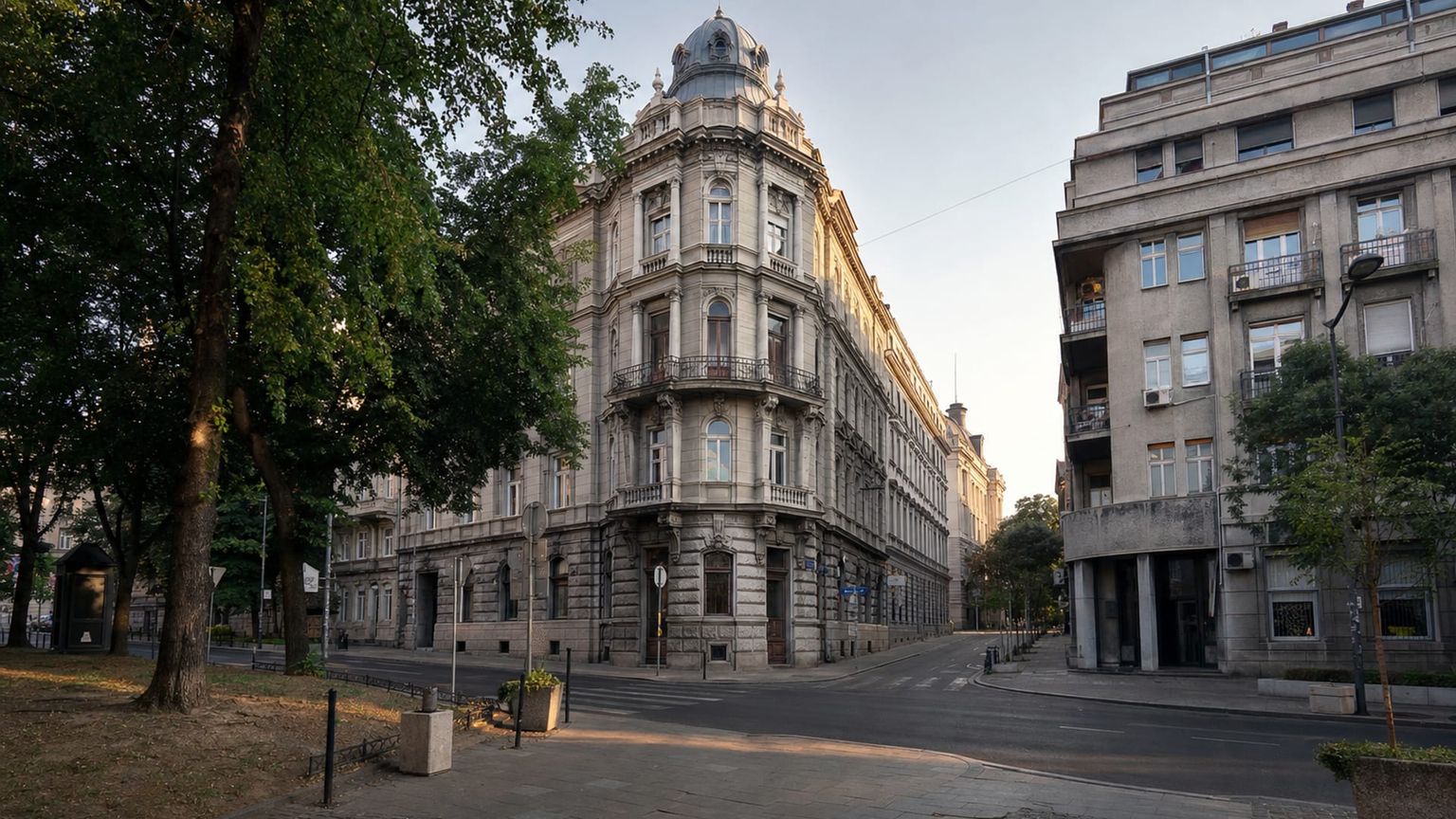
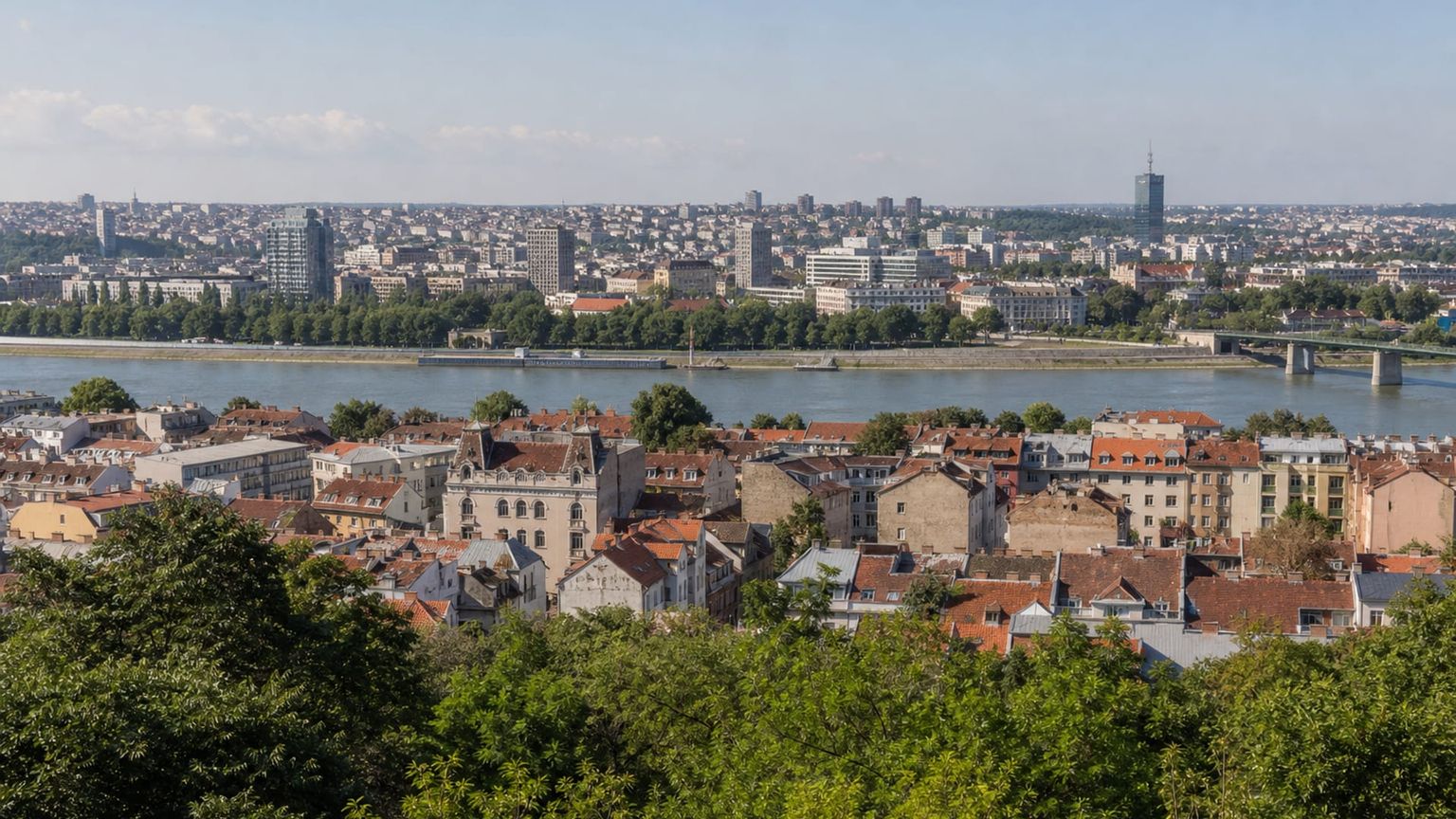
Belgrade’s old center puts you closest to Republic Square, Knez Mihailova, and the city museum cluster. It works well if you want to spend most of the day on foot, with the Danube and Sava views still close by.
Best for: First-time visits, sightseeing, and staying near major landmarks
What to expect: Busy sidewalks, cafés, and late movement, especially on the main pedestrian streets and around the square.
Hotel prices: Usually about $90 to $180 per night for well-rated stays
Distance to major sights: 5 to 15 minutes on foot to Republic Square; about 20 minutes on foot to Kalemegdan Park
Quietness: Active by day and evening, with more noise on central streets and quieter side lanes one block away.
Main trade-off: The most central streets bring higher room rates and more foot traffic, especially on weekends.
Good to know: If you stay here, book a room facing an inner courtyard or side street, since the busiest blocks can run late.
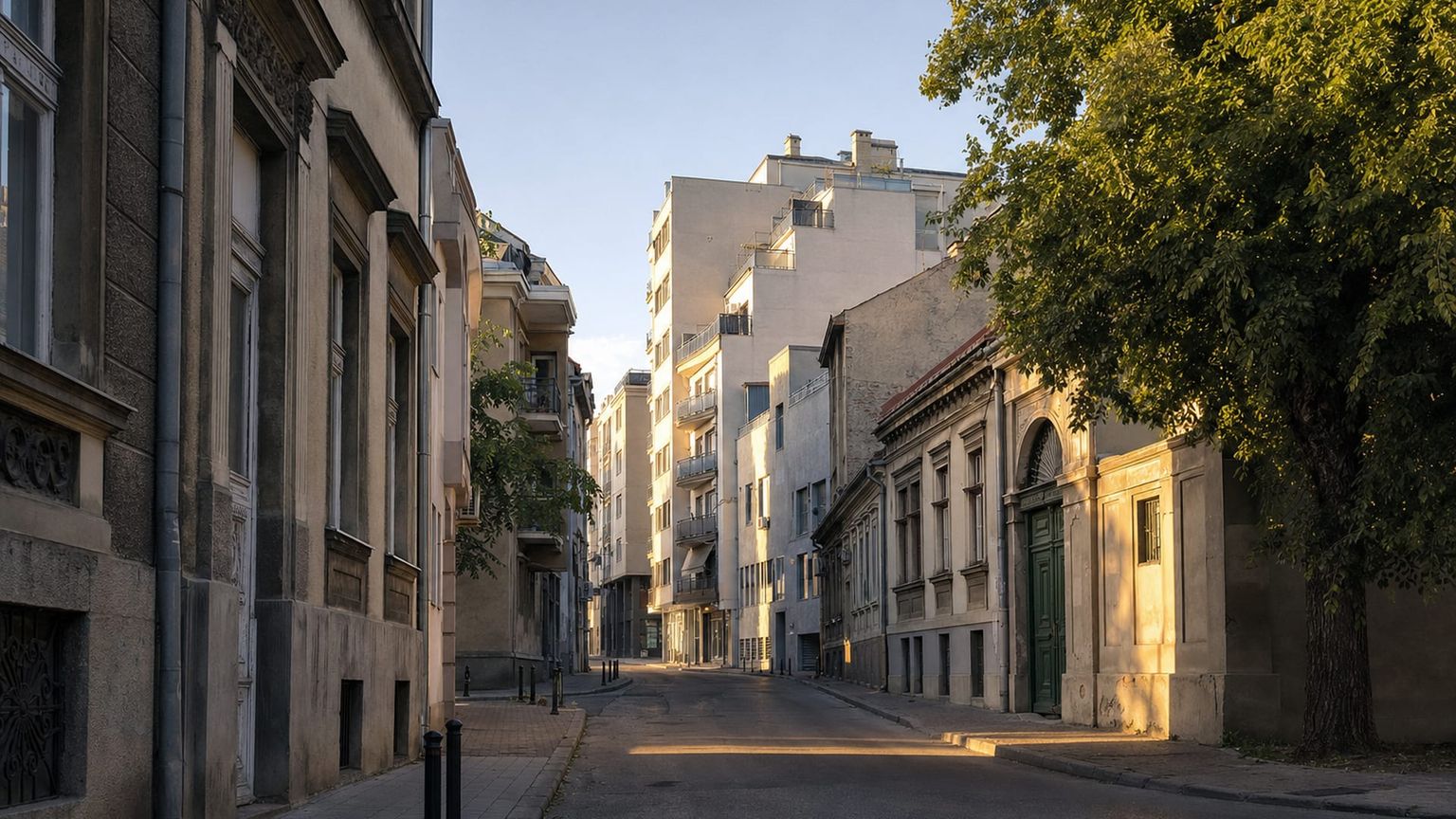
Dorćol sits north of the old center, between Kalemegdan and the riverfront, with a mix of historic blocks, bars, and creative spaces. It matters because you can reach the fortress, the museum district, and several dining streets without relying on taxis.
Best for: Food, nightlife, and travelers who want a central base with character
What to expect: Lively streets, café terraces, and a younger evening crowd, with quieter pockets away from the main bar strips.
Hotel prices: Usually about $80 to $160 per night for well-rated stays
Distance to major sights: 10 to 15 minutes on foot to Kalemegdan; about 15 to 20 minutes on foot to Republic Square
Quietness: Calm in the morning, then noticeably busier in the evening near bar streets.
Main trade-off: You get easy access to central sights, but some blocks can be noisy late into the night.
Good to know: Check the exact street before booking, because two addresses only a few blocks apart can differ a lot in nighttime noise.
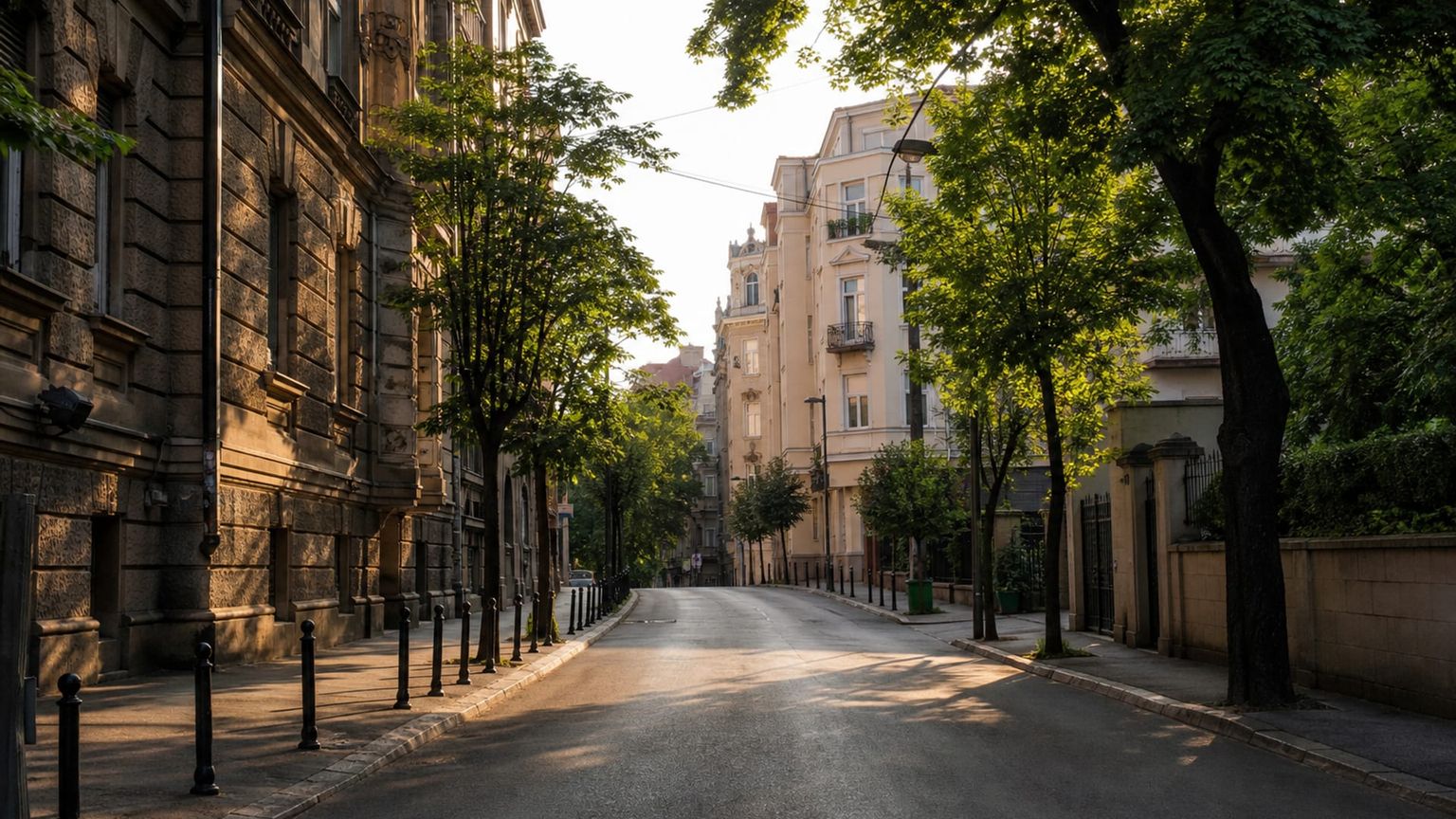
Vračar is a residential district south of the center, anchored by the Temple of Saint Sava and a dense grid of local cafés and shops. It suits travelers who want a more lived-in base while keeping the old center within reach by tram or taxi.
Best for: Longer stays, quieter evenings, and easy access to the Temple of Saint Sava
What to expect: Local street life, neighborhood bakeries, and a less tourist-heavy pace than the core city center.
Hotel prices: Usually about $70 to $140 per night for well-rated stays
Distance to major sights: About 15 to 20 minutes by transit to Republic Square; about 10 minutes on foot to the Temple of Saint Sava
Quietness: Generally quieter at night than Stari Grad, though main avenues stay active with traffic and tram noise.
Main trade-off: You give up some walk-to-everything convenience, so central sightseeing usually starts with a short ride.
Good to know: If you want an easy first stop each morning, this area puts one of Belgrade’s main landmarks at your doorstep.
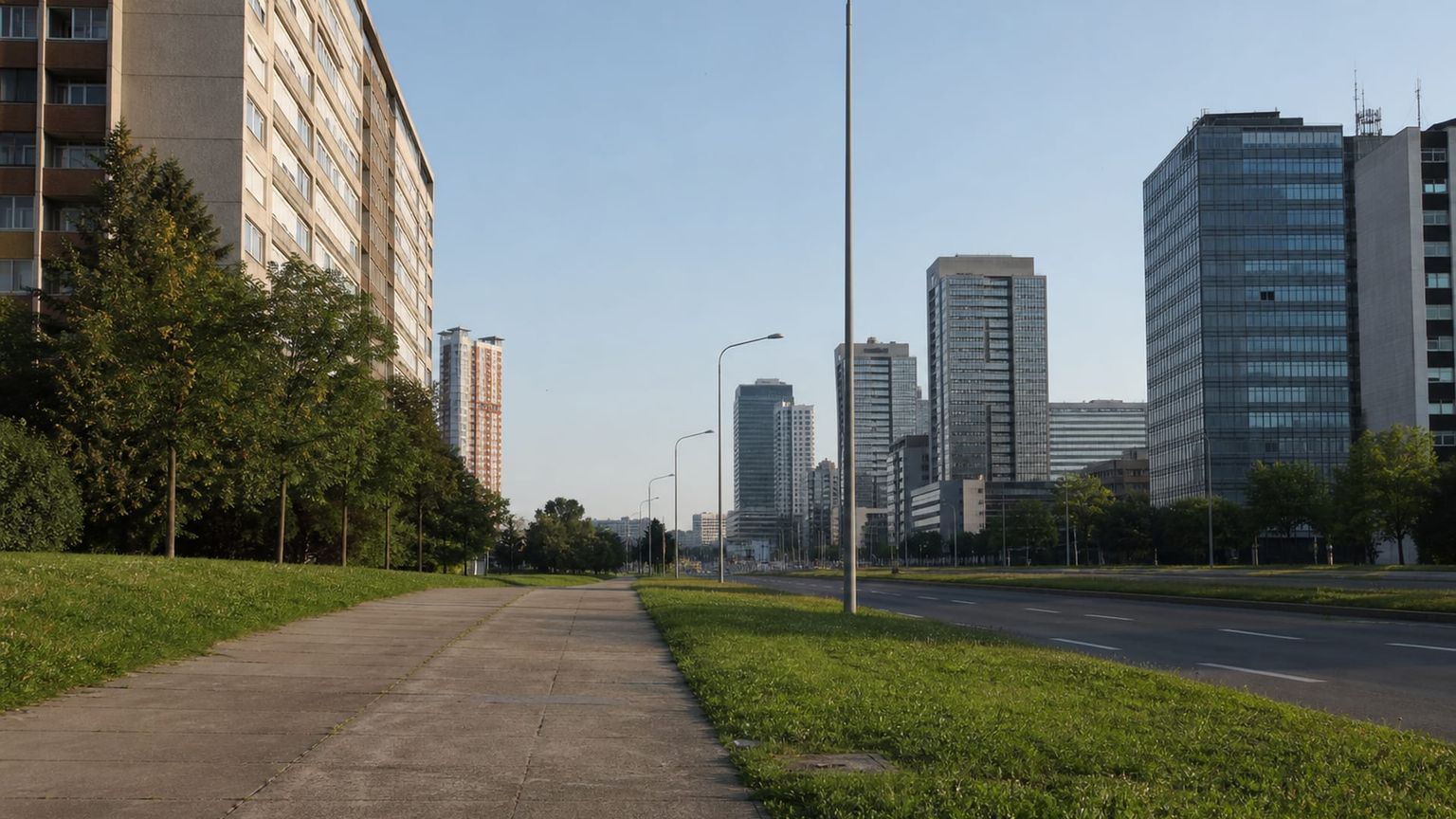
Novi Beograd spreads across the west bank of the Sava, with modern blocks, business hotels, and wider streets than the historic core. It is useful for airport access, conference stays, and larger hotels, while still giving you direct links to the old city.
Best for: Airport access, business travel, and visitors who prefer larger modern hotels
What to expect: Broad avenues, office traffic, and a more functional street pattern than the historic center, with fewer tourist cafés.
Hotel prices: Usually about $65 to $150 per night for well-rated stays
Distance to major sights: About 10 to 20 minutes by taxi to Republic Square; about 15 minutes by taxi to Belgrade Nikola Tesla Airport (BEG)
Quietness: Quieter at night than central Belgrade in most blocks, though major roads stay active with traffic.
Main trade-off: You save time on airport runs and often pay less for more space, but evenings are less walkable and less atmospheric.
Good to know: Choose a hotel near a tram or bus line if you plan to cross the river often, because the center is not a short walk from most blocks.
Travelers usually avoid Surčin and the area near Belgrade Nikola Tesla Airport (BEG) for a sightseeing stay, since they sit far from the main sights and have limited visitor amenities. New Belgrade blocks around the airport side, Zemun Polje, and parts of Borča are less convenient because evening trips to the center take longer, and these districts have fewer hotels, restaurants, and late-night transport options than Stari Grad, Dorćol, or Vračar.
Hotel deals
How to get around Belgrade efficiently
Belgrade has no metro, so most days hinge on walking, buses, trams, taxis, and the Beovoz and BG Voz rail lines for longer cross-city moves.

Metro
for longer distances
Belgrade has no metro. The closest equivalent is the Beovoz and BG Voz suburban rail network, which links the center with Novi Beograd, Zemun, Batajnica, and other outer districts, but it does not replace a true underground system for most trips. Use it mainly for cross-city rail corridors rather than short local hops, and check schedules before late evening travel.

Bus and tram
for convenience
City buses and trams do most of the daily work in Belgrade, with dense coverage across central neighborhoods, Novi Beograd, Zemun, Voždovac, and the airport corridor via bus links. A single ride generally costs about $0.90 to $1.20 and is valid for roughly 90 minutes on city services; buy and validate through the local contactless ticket system or at approved sales points, then allow 20 to 40 minutes for many central trips and longer in peak traffic.

Taxi
for convenience or late hours
Licensed taxis use metered fares rather than fixed citywide pricing, though Airport City center transfers often run about $18 to $25, and late-night or outer-district rides can reach about $25 to $40 depending on traffic and distance. Use official taxi stands or book through a registered company, since unlicensed drivers may overcharge; most licensed cabs accept cash, and many now take cards, but it is wise to confirm before departure.
*Prices are based on rates updated as of June 2026 and may change at the time of travel.
Walk in the old center, use buses and trams for most daytime transfers, and save taxis or ride apps for late nights, airport runs, and cross-river moves.
Iconic landmarks
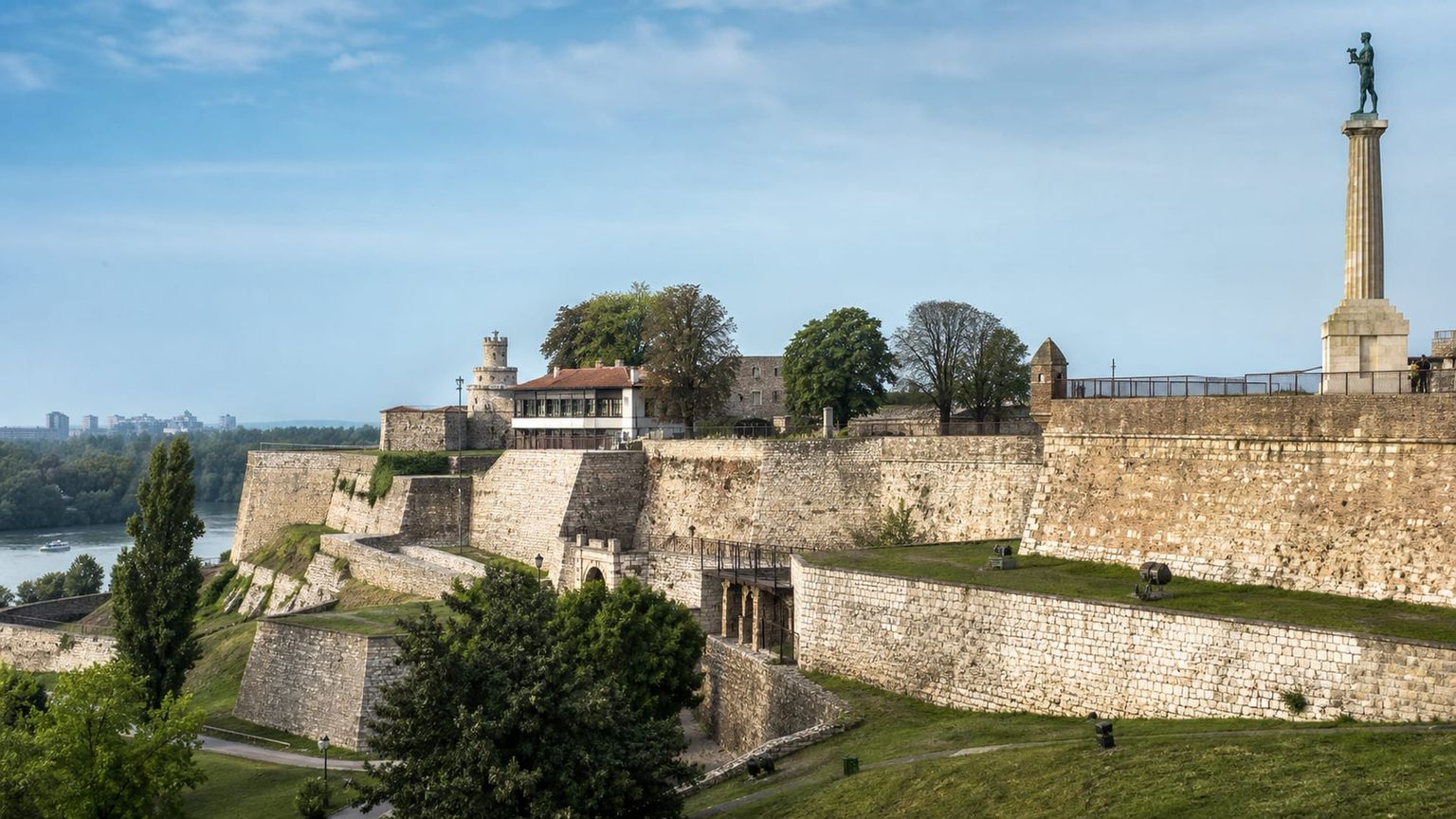
Belgrade Fortress
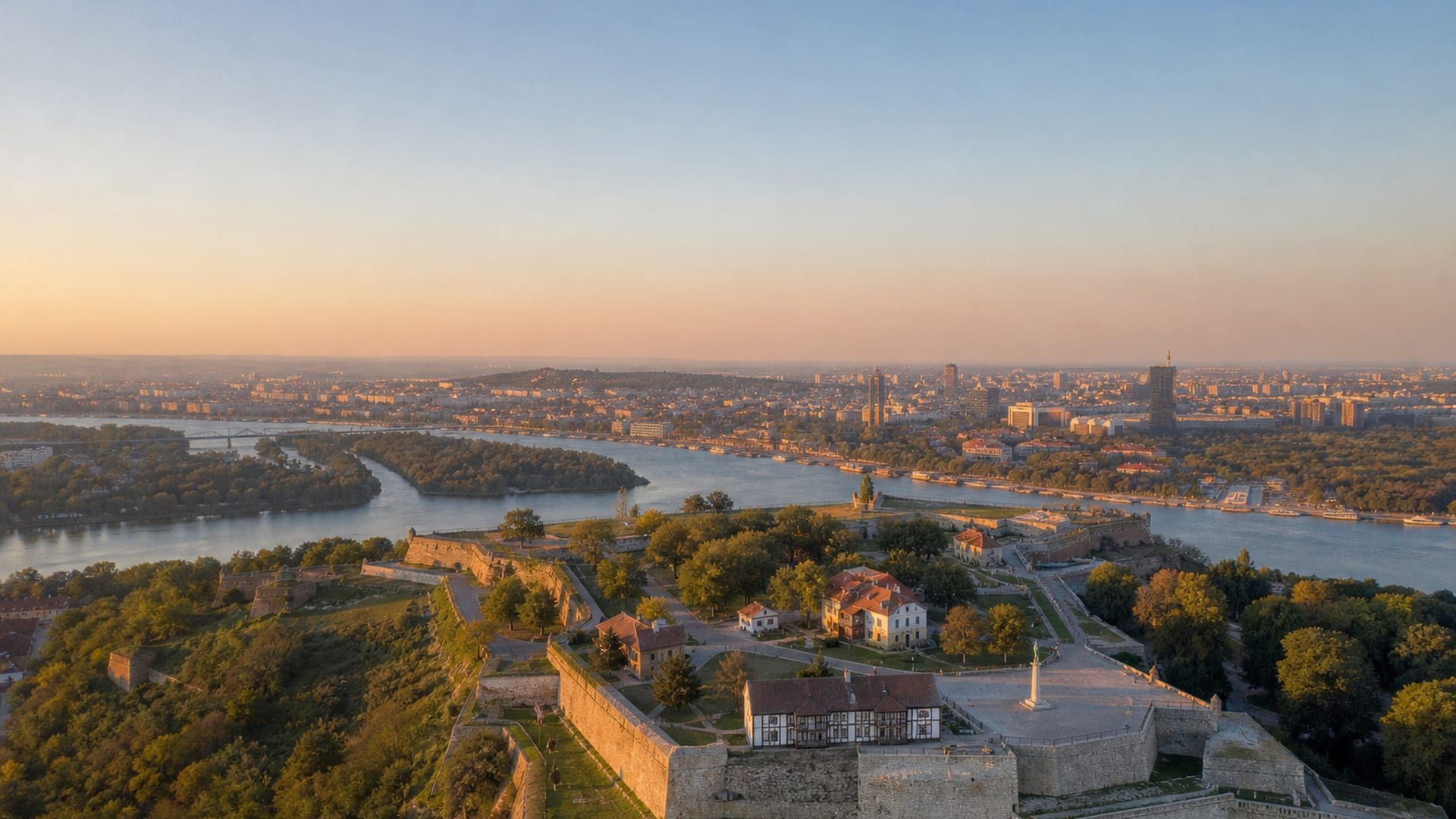
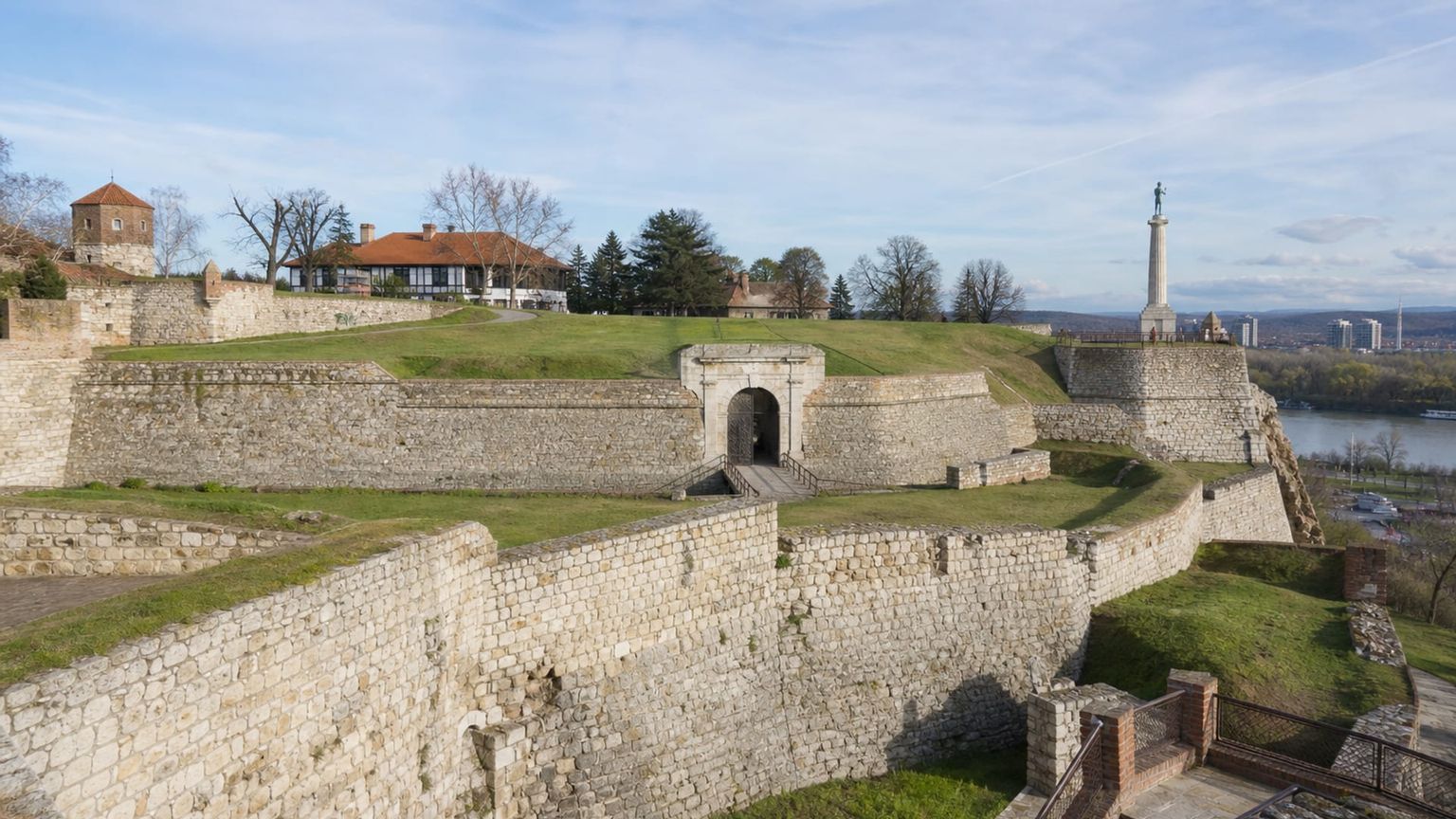
Set above the meeting point of the Danube and Sava, Belgrade Fortress layers Roman, Byzantine, Ottoman, and Habsburg defenses. Walk Kalemegdan Park for river views, then stop at the Victor monument and the Military Museum grounds.
Time needed: About 2 to 3 hours
Entry: Free to access; some museums and exhibits inside the complex charge about $3 to $8 (350 to 900 RSD) for entry
Tip: Go at sunset for the river view, then stay after dark for the lit walls and bridges.
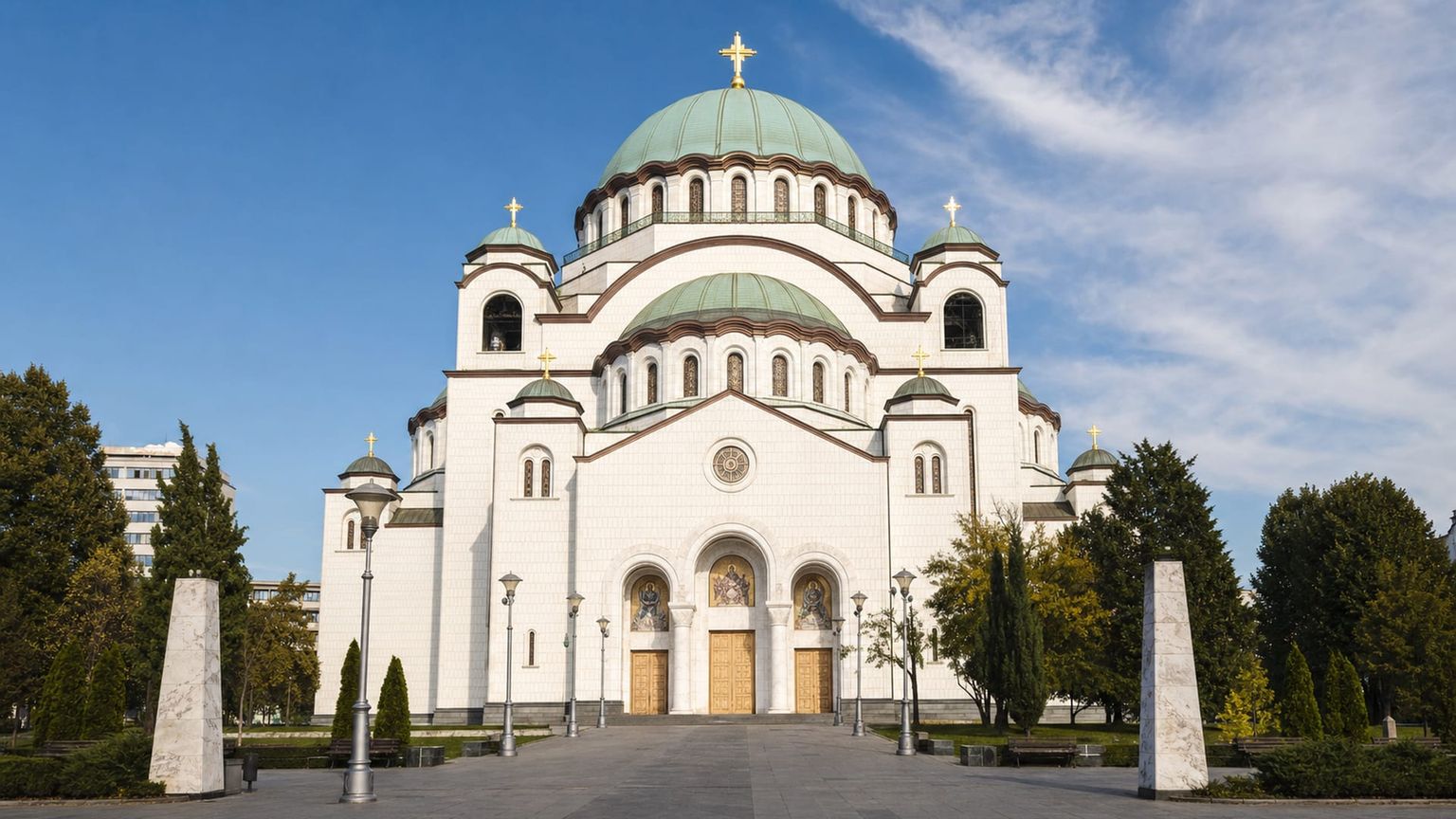
Saint Sava Temple
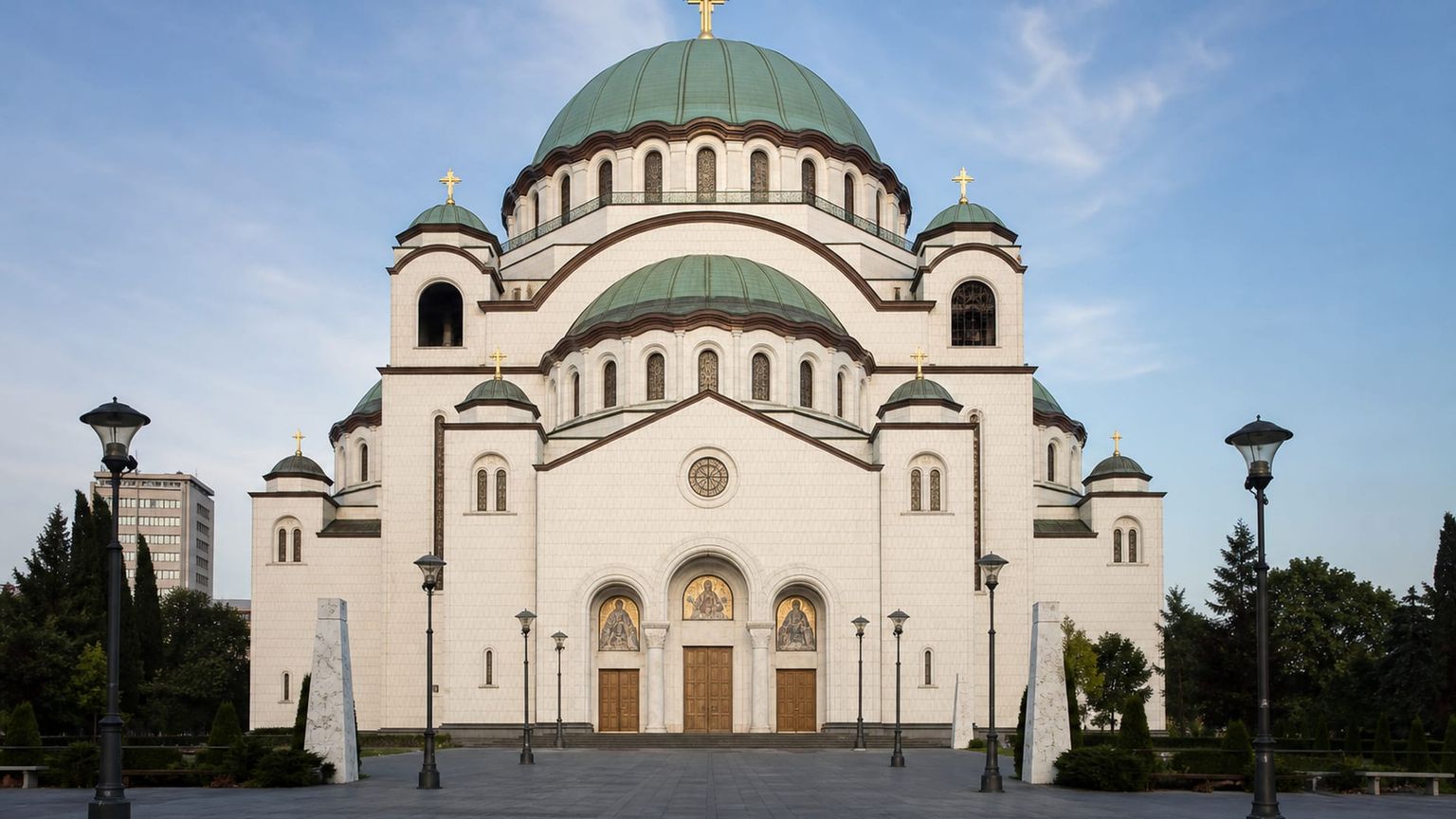
One of the largest Orthodox churches in the world, Saint Sava Temple dominates the Vračar plateau with a white marble facade and green dome. Inside, the vast lower church is covered in mosaics that continue to expand.
Time needed: About 1 to 2 hours
Entry: Entry to the church is free; the crypt and mosaic areas may request about $2 to $5 (200 to 500 RSD) for access Visit the official site for details.
Tip: Visit in the morning or late afternoon to avoid peak group arrivals and harsh overhead light.
Skadarlija
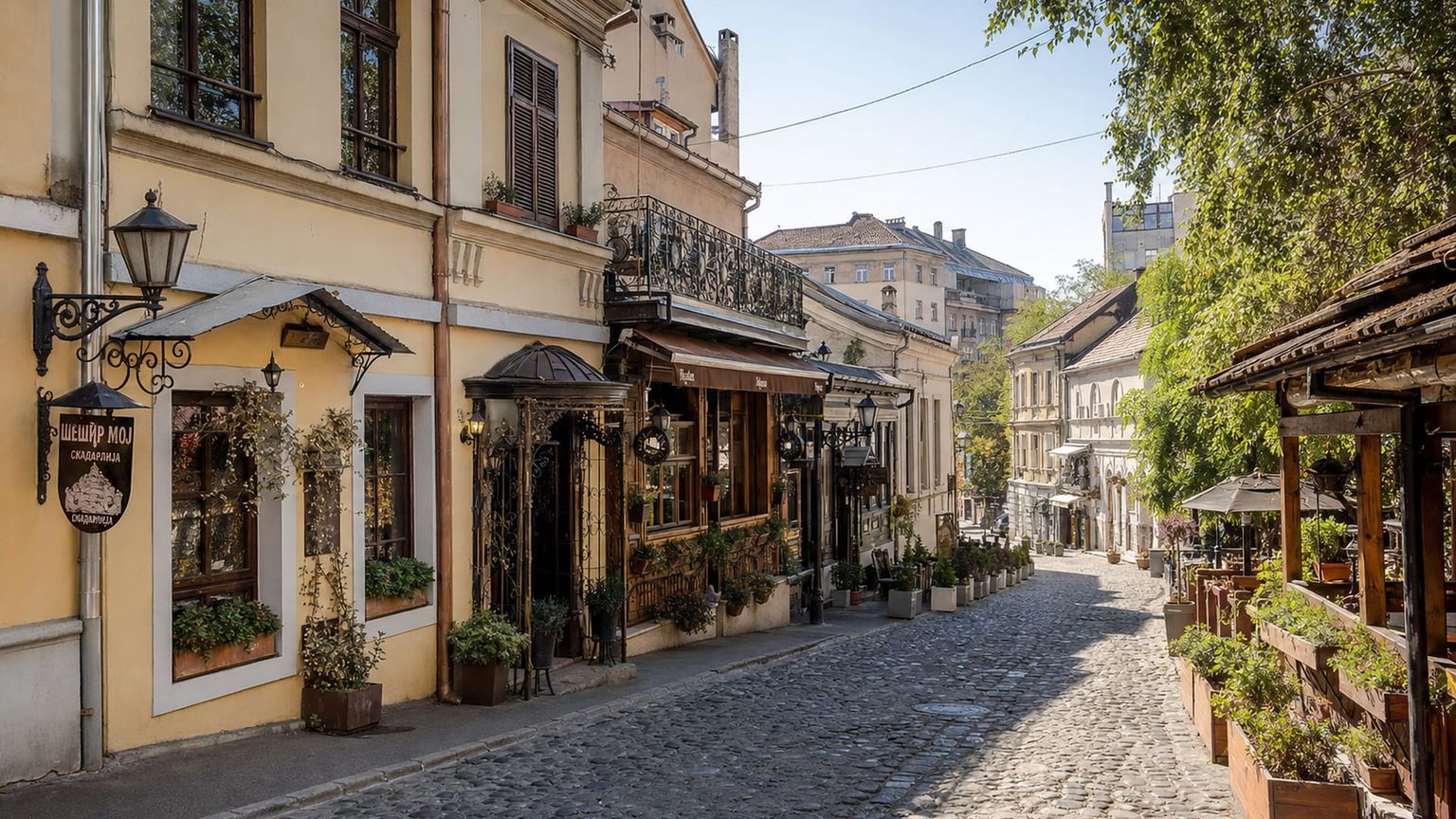
Skadarlija is Belgrade’s cobblestoned bohemian quarter, lined with 19th-century taverns, galleries, and old house fronts. It sits a short walk from the city center, with live music, mural-covered courtyards, and long evening dinners.
Time needed: About 1 to 2 hours
Entry: Free to walk through; meals at taverns usually cost about $12 to $35 ($1,400 to 4,100 RSD) per person
Tip: Arrive before 7:00 pm if you want quieter streets and easier photos of the façades.
Overlooked sites worth visiting

Ada Ciganlija
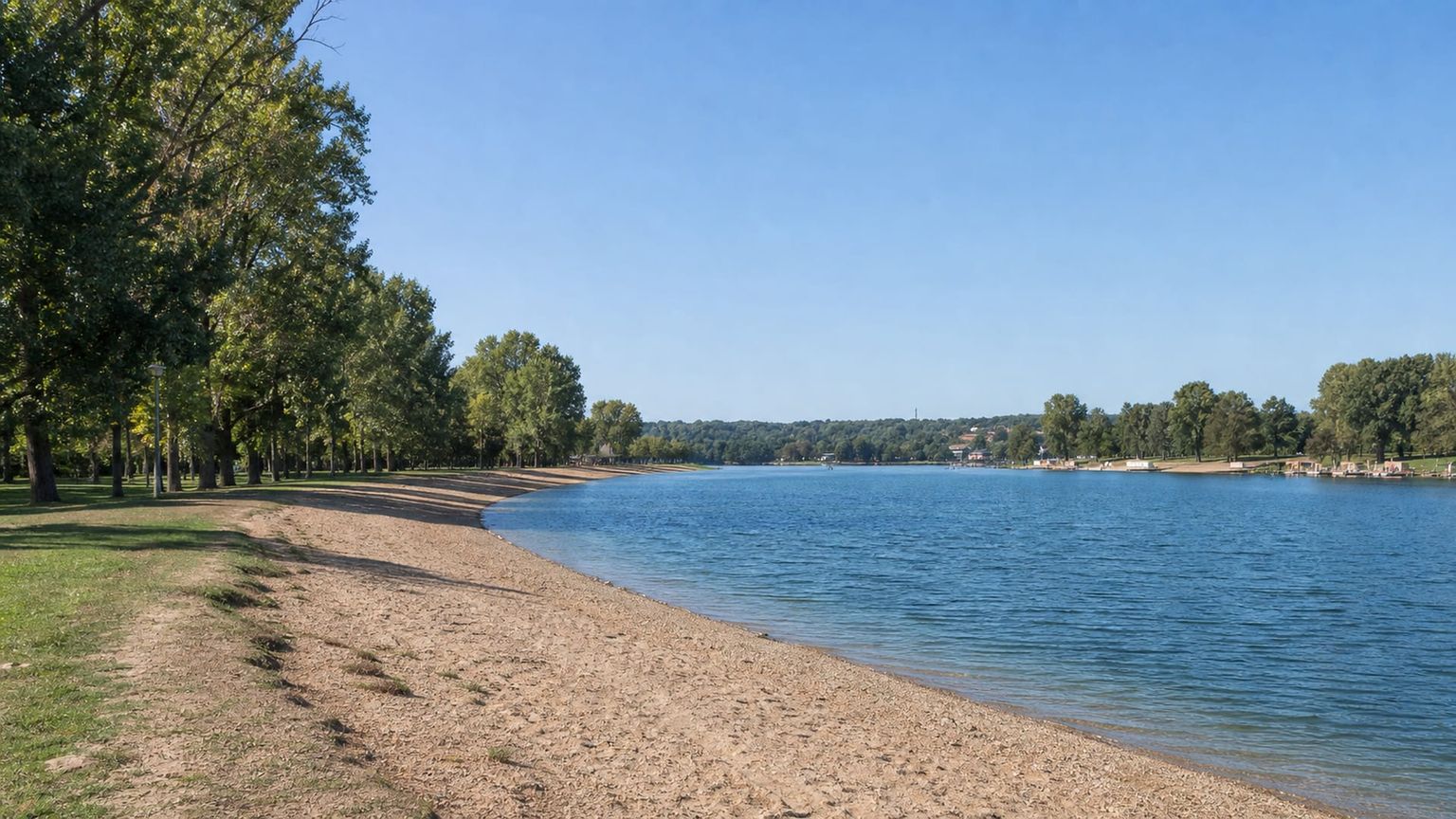
An island park on the Sava with wooded paths, bike lanes, and a long lakeshore. Locals come for swimming in summer, while the central stretch stays calm enough for a slow walk or ride.
Time needed: About 2 to 4 hours
Entry: Free to access; beach clubs, kayak rental, and sports courts add separate charges. Expect about $0 for the park itself, then roughly $3 to $10 ($330 to RSD 1,100) for casual rentals or drinks depending on the spot.
Tip: Go early on summer weekends for quieter paths.

Zepter Museum
This compact downtown museum focuses on modern and contemporary Serbian art in a single, easy-to-cover setting. Its smaller scale lets you linger with paintings and sculpture without a long visit.
Time needed: About 1 hour
Entry: Standard tickets cost about $5 to $7 ($550 to RSD 770) for adults, with reduced rates for students and seniors at some times. Check current hours before you go, since opening days can change for holidays and special exhibitions. Visit the official site for details.
Tip: Pair it with a short stop on Knez Mihailova.
Traditional food
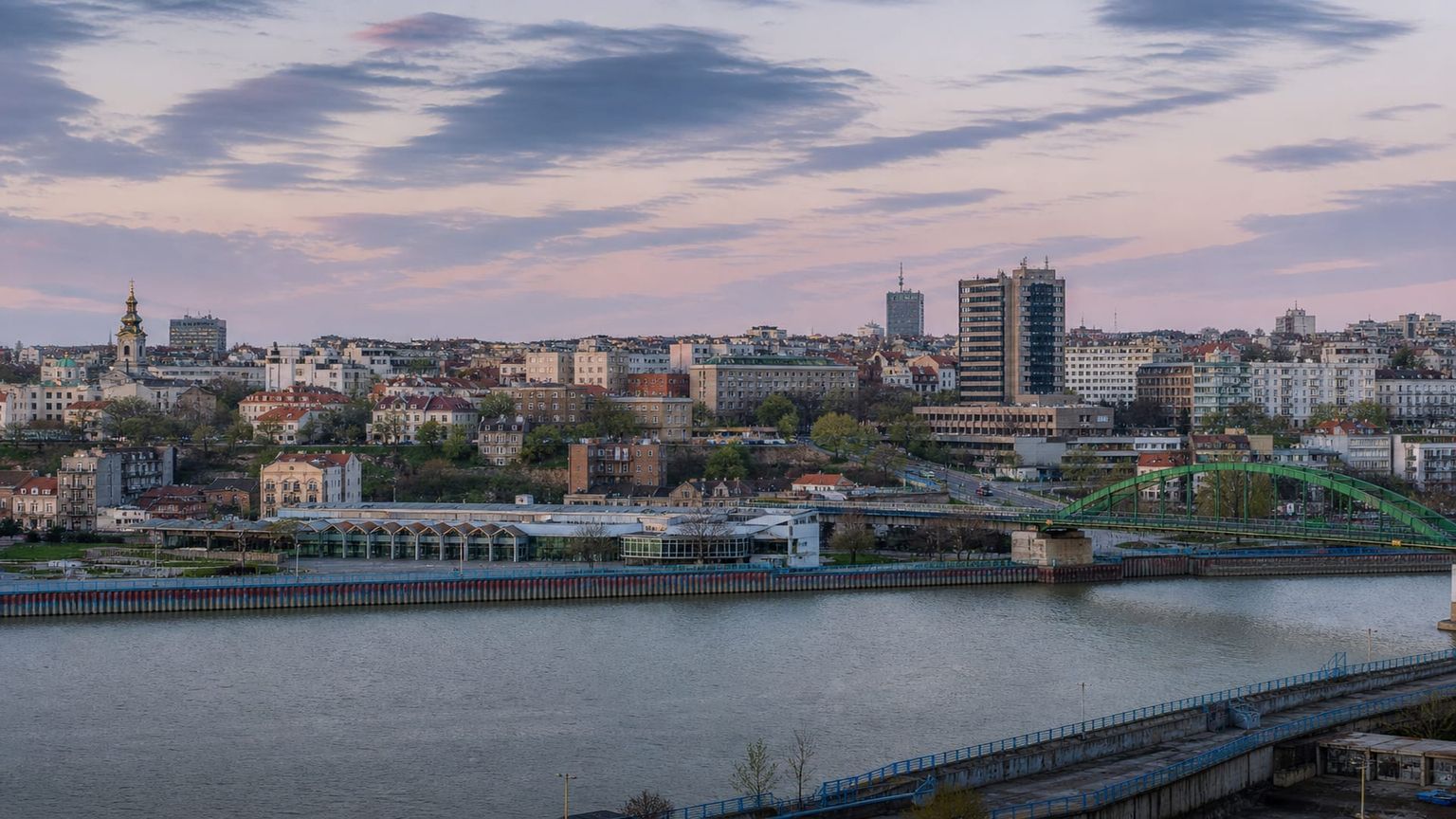
Belgrade cooks with grilled meat, pastry, cabbage, and peppers, then pairs them with hearty portions and late meals. ćevapi, pljeskavica, sarma, and burek anchor the table, and dinner often runs later than in many European capitals.
Ćevapi
Small grilled sausages served with onions, flatbread, and often kajmak, this is one of the city’s defining plates. At Walter, a popular Belgrade chain with multiple central locations, the dish arrives in a format many visitors use as their first local meal.
Pljeskavica
This Balkan grilled patty is usually bigger than a burger and often comes with ajvar or cheese. Iva New Balkan Cuisine in Belgrade treats it with enough care to make it a strong canonical stop for a modern version.
Sarma
Cabbage leaves wrapped around minced meat and rice give Belgrade one of its most traditional comfort dishes. Restoran Dva Jelena in Skadarlija serves a version that fits the old-quarter setting well.
Burek
Flaky pastry filled with meat, cheese, spinach, or sometimes potato, burek works for breakfast or a late snack. For a central option, Pekara Trpković is a long-running Belgrade bakery where many locals still buy it hot from the tray.
Best time to visit Belgrade
Belgrade changes noticeably with the seasons, from bright riverfront days in spring and autumn to heavier heat in midsummer and colder, quieter streets in winter.
Best for: Fortress walks, café terraces, and easier sightseeing days
What you get: About 48 to 72°F (9 to 22°C), with moderate crowds and comfortable walking weather
Trade-offs: Rain can interrupt a long outdoor day
Best for: Ada Ciganlija, long evenings, and outdoor dining
What you get: About 66 to 88°F (19 to 31°C), with the biggest crowds in parks and at riverfront spots
Trade-offs: Heat and humidity can make midday sightseeing tiring
Best for: Museum time, food walks, and clear city views
What you get: About 45 to 72°F (7 to 22°C), with lighter crowds after the peak summer season
Trade-offs: Shorter days reduce time for late outdoor plans
Best for: Cafés, galleries, and slower days in the center
What you get: About 28 to 43°F (-2 to 6°C), with smaller crowds and occasional snow or icy sidewalks
Trade-offs: Cold winds can limit riverfront walking
A realistic 5-day plan in Belgrade
A good five-day stay in Belgrade balances the old center with a few short rides south and west. The plan below starts with a low-effort arrival evening, then moves through the fortress, Vračar, Ada Ciganlija, and a final day built around easy departures.
Land at Belgrade Nikola Tesla Airport (BEG), then take a taxi or app-based ride to Stari Grad or Dorćol in about 20 to 30 minutes for roughly $15 to $25. Check into a courtyard-facing room if you can, then keep the first evening close to your hotel with a short walk on Knez Mihailova and an early dinner in Dorćol or near Republic Square. A simple meal and an early night will make the next few days easier after the flight.
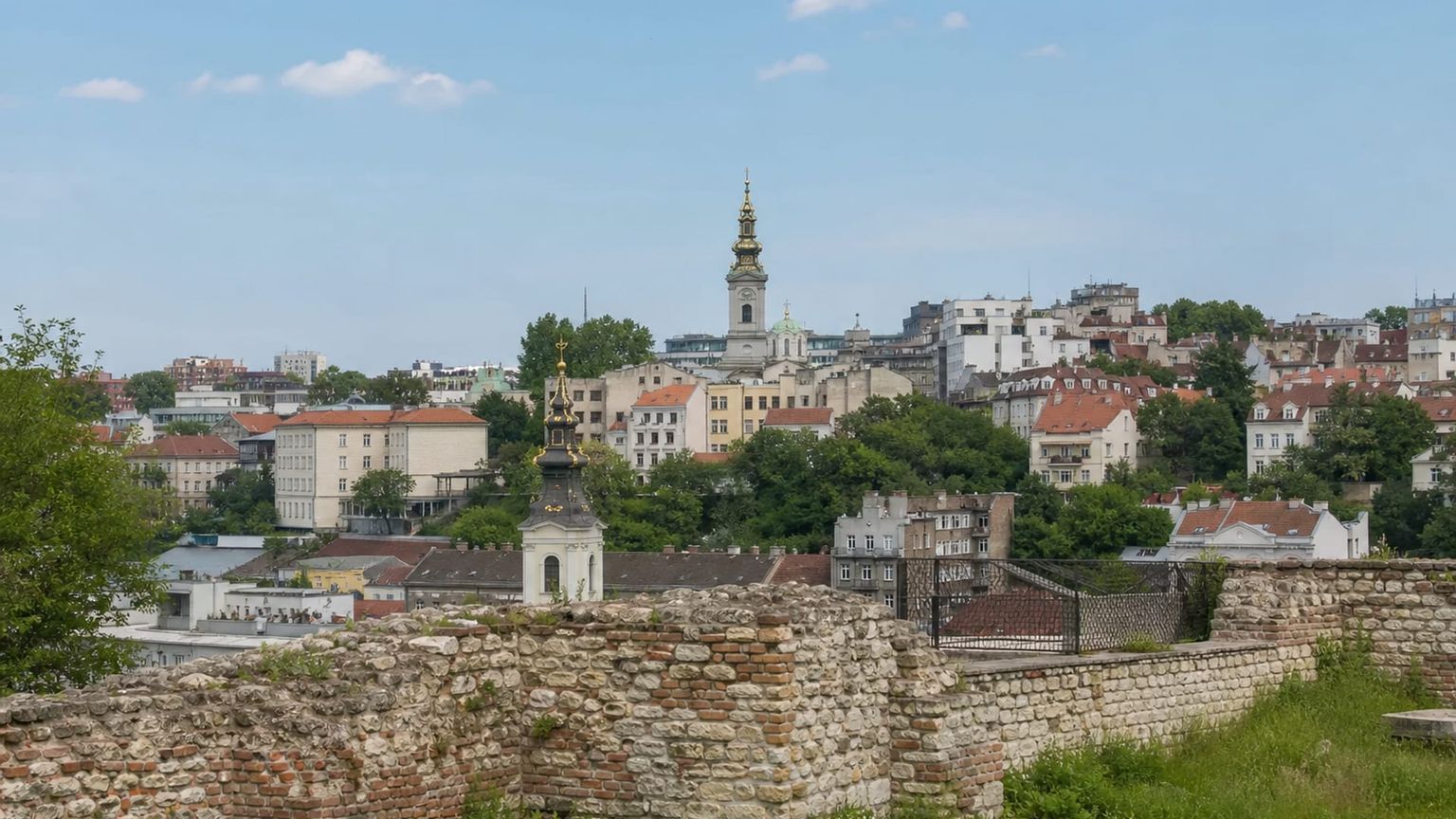
Start with Belgrade Fortress in the morning, when the paths in Kalemegdan Park are quieter. From Stari Grad, it is about a 10-minute walk to the fortress gates, and you can spend 2 to 3 hours moving between the river overlooks, the Victor monument, and the Military Museum grounds. After lunch, walk about 15 minutes to Skadarlija for cobblestones, galleries, and a long dinner in the old taverns.
Begin at the Saint Sava Temple on the Vračar plateau, then spend about 1 to 2 hours inside the church and crypt areas before heading to nearby cafés for a late breakfast. From Stari Grad or Dorćol, a taxi takes roughly 10 to 15 minutes, while tram or bus rides usually take about 20 minutes. In the afternoon, continue into Zepter Museum in the center, then stay in the surrounding streets for a slow walk along Knez Mihailova and Republic Square, which are about 5 to 10 minutes apart on foot.
Head west for Ada Ciganlija, where a taxi from the old center takes about 20 to 25 minutes, or a bus plus walk usually takes about 35 to 45 minutes. Spend 2 to 4 hours on the island park paths, lakeshore, or bike lanes, then return across the river and finish with an easy evening in Novi Beograd if you want a quieter dinner close to your hotel. If you prefer to stay central, come back to Dorćol for one last round on its café terraces.
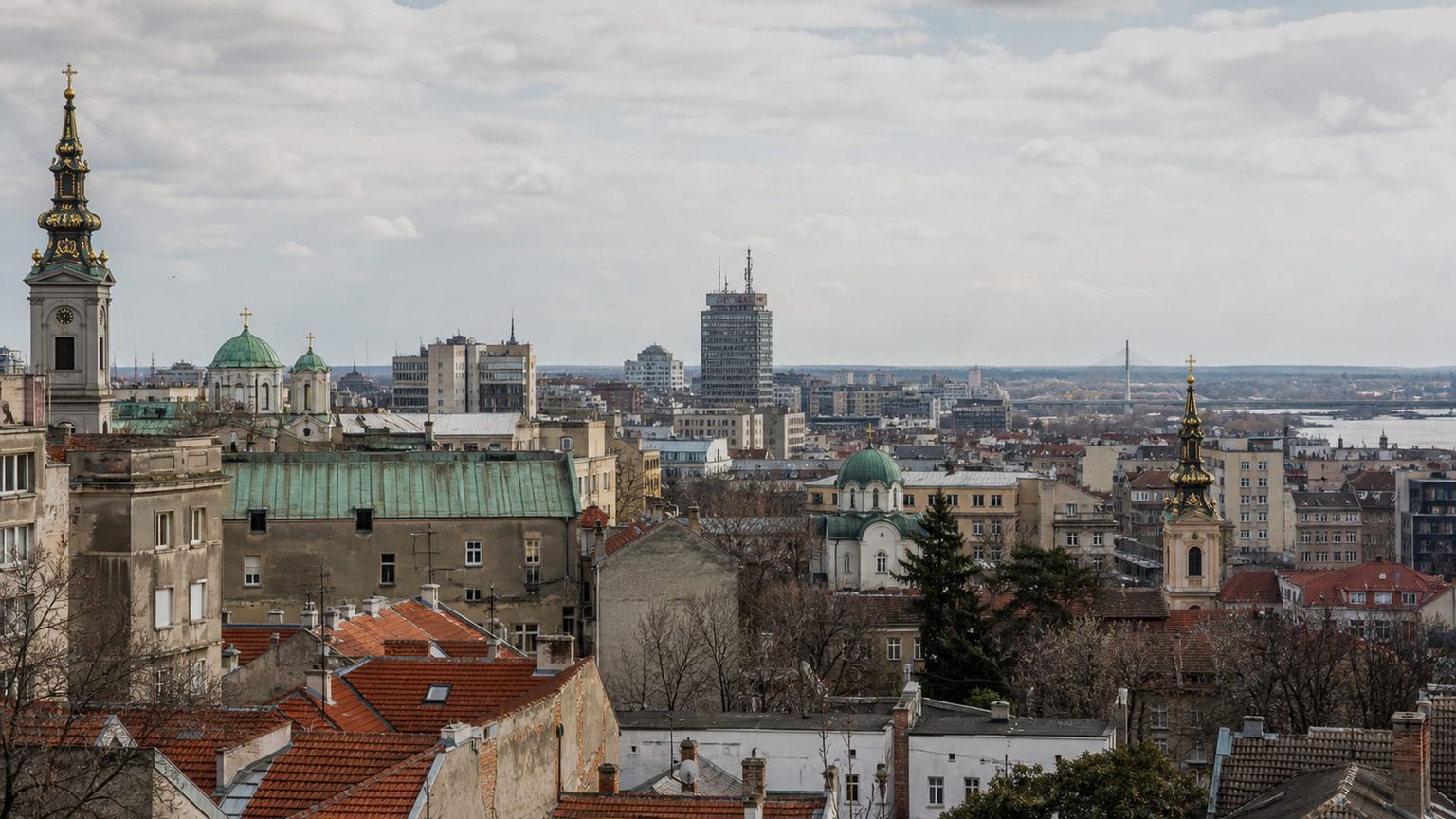
For the last day, start with one final museum stop in the center, then keep the pace low with shopping in Stari Grad along Knez Mihailova and a final coffee in Dorćol. If you have an afternoon flight, Novi Beograd makes taxi access to Belgrade Nikola Tesla Airport (BEG) simple, but even from the old center you can reach the airport in about 20 to 30 minutes by car. Leave enough time for a relaxed meal and the ride out, especially if your flight departs in the evening.
Business-class flights from the US to Belgrade
Reaching Belgrade usually means a one-stop itinerary from either the New York area or Los Angeles, with the most useful connection points centered in Europe and the Gulf. The route you choose matters less than the total time in transit, since fares and layovers vary more than the airline list alone.
From New York, Air Serbia, Turkish Airlines, Lufthansa, Austrian Airlines, Swiss International Air Lines, and Air France all appear on common one-stop itineraries, with layovers in IST, FRA, MUC, VIE, ZRH, or CDG and total travel times of about 11 to 16 hours. Round-trip fares for these itineraries usually start at $2,400 and can reach $5,500.
Los Angeles itineraries on Air Serbia, Turkish Airlines, Lufthansa, Austrian Airlines, Swiss International Air Lines, and Qatar Airways usually connect through IST, FRA, MUC, VIE, ZRH, or DOH, with total travel times of about 14 to 20 hours. Round-trip fares usually run $2,900 to $6,200, and the one-stop options via Istanbul or Doha often price below the fastest schedules.
Belgrade feels different when you slow down
A deliberate Belgrade trip works best when you connect the old center, Dorćol, Vračar, and Ada Ciganlija instead of treating the city as a single stop. You will spend more time on foot, use trams and taxis for the longer crossings, and leave space for a fortress sunset or a slow meal in Skadarlija. If you want help shaping that pace into a trip, the AranGrant experts can build it around the neighborhoods and dates that suit you best







