

Chapters:

Need help with your trip?
Our support team is available 24/7. Request a callback or call us directly at (833) 619-0908
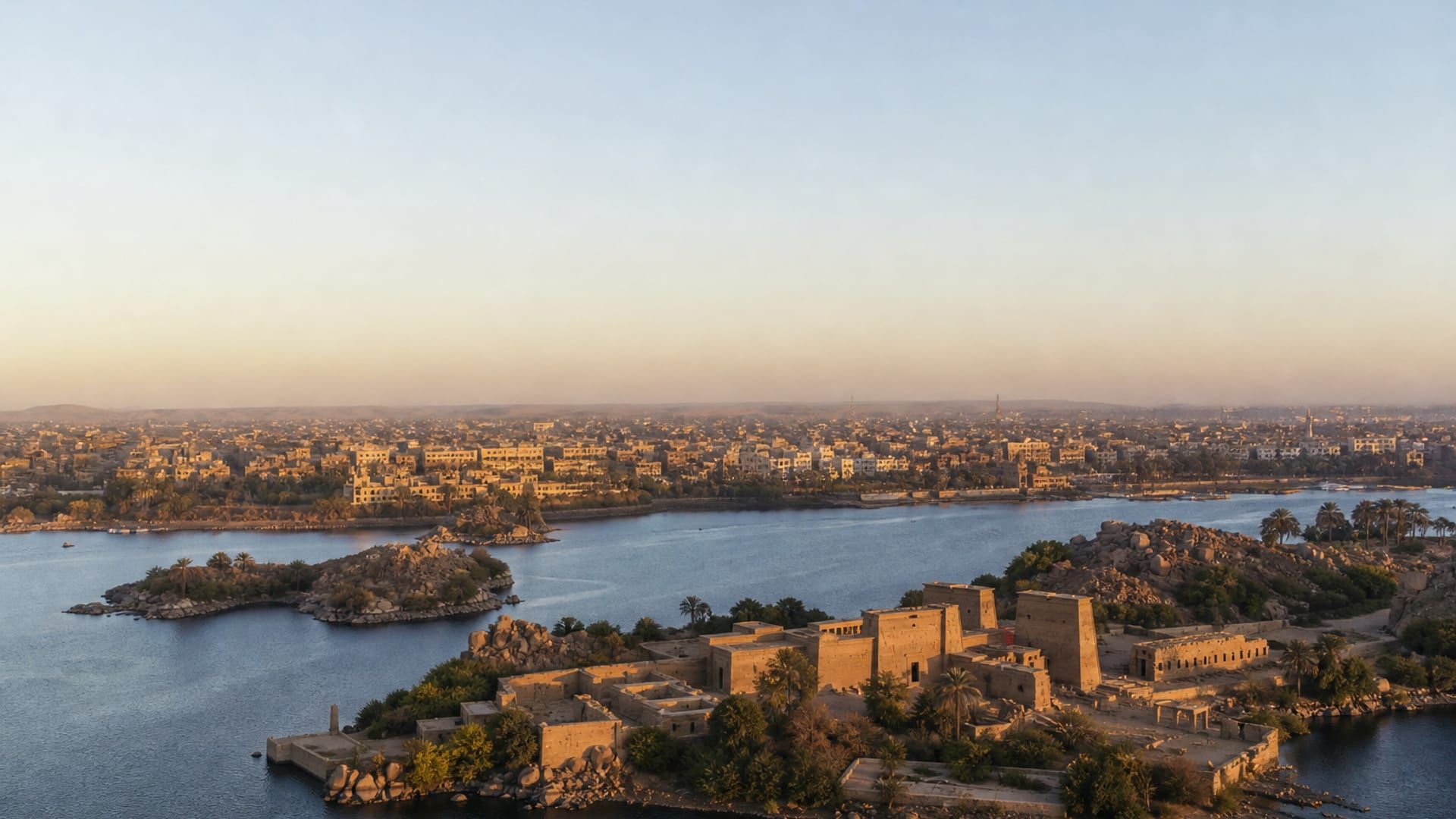
Many first-time trips to Aswan follow the same arc, Corniche hotel, Philae boat, Nubian Museum, then a quick temple hop before departure. What travelers often miss is how much time the city spends in transit between riverfront, quarries, ferries, and island crossings.
That can turn a short list of sights into a day shaped by heat, dock schedules, and traffic on the Nile edge. Without a clear order, even close points can take longer than expected.
This guide arranges Aswan by time of day, crossing, and neighborhood, so each stop fits the city’s pace instead of competing with it.
Useful things to know

Main language(s): Arabic
marhaban (mar-ha-ban) – Hello/good morning
min fadlak (min fad-lak) – Please
shukran (shook-ran) – Thank you
hal tatakallam al-ingliziyya? (hal ta-ta-kal-lam al-in-gli-zih-yah) – Do you speak English?
kam ath-thaman? (kam ath-tha-man) – How much does it cost?

Currency: The local currency is the Egyptian pound (EGP, £).

Cash and cards: Cards and contactless are limited, so carry about EGP 2,000 to 3,000 ($40 to $60) in cash.

Tipping: Round up small bills; add about 5-10% in nicer restaurants if service is good.

Traditional food: Koshari, ful medames, ta’ameya, feteer meshaltet

Water and coffee costs: Water ~EGP 15 to 25 ($0.30 to $0.50), bar espresso ~EGP 40 to 70 ($0.80 to $1.40).

Taxis and ride apps: Uber and Careem operate here; confirm the pickup point before you set off.

Plug and voltage: Type C/F socket, 220V

Dining and shop opening hours: Breakfast is about 7:00-10:00 am, lunch 1:00-3:00 pm, and dinner 8:00-11:00 pm. Many places close between lunch and dinner.

Emergency number: 112 for police, ambulance, and fire.
Where to stay in Aswan
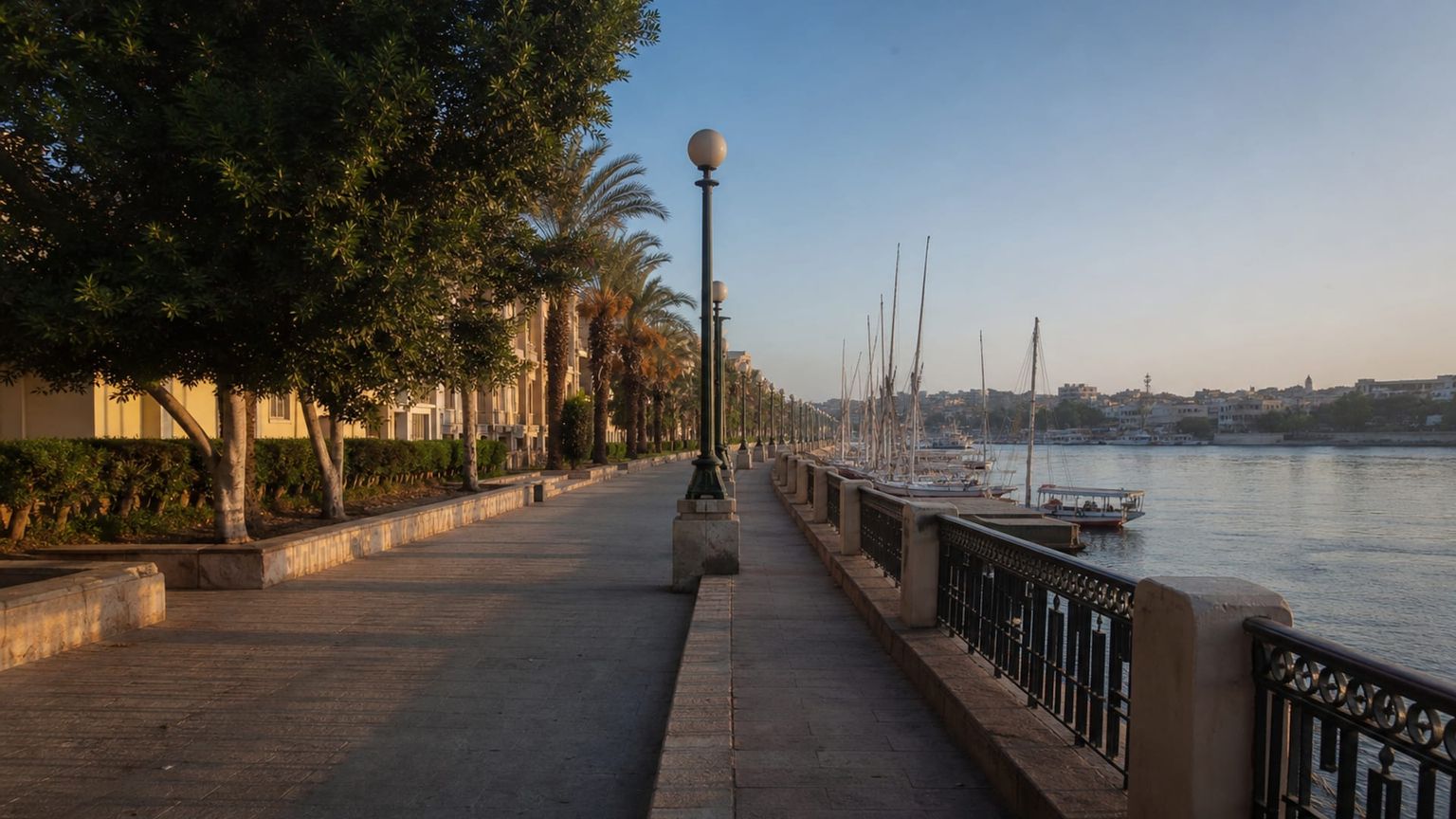
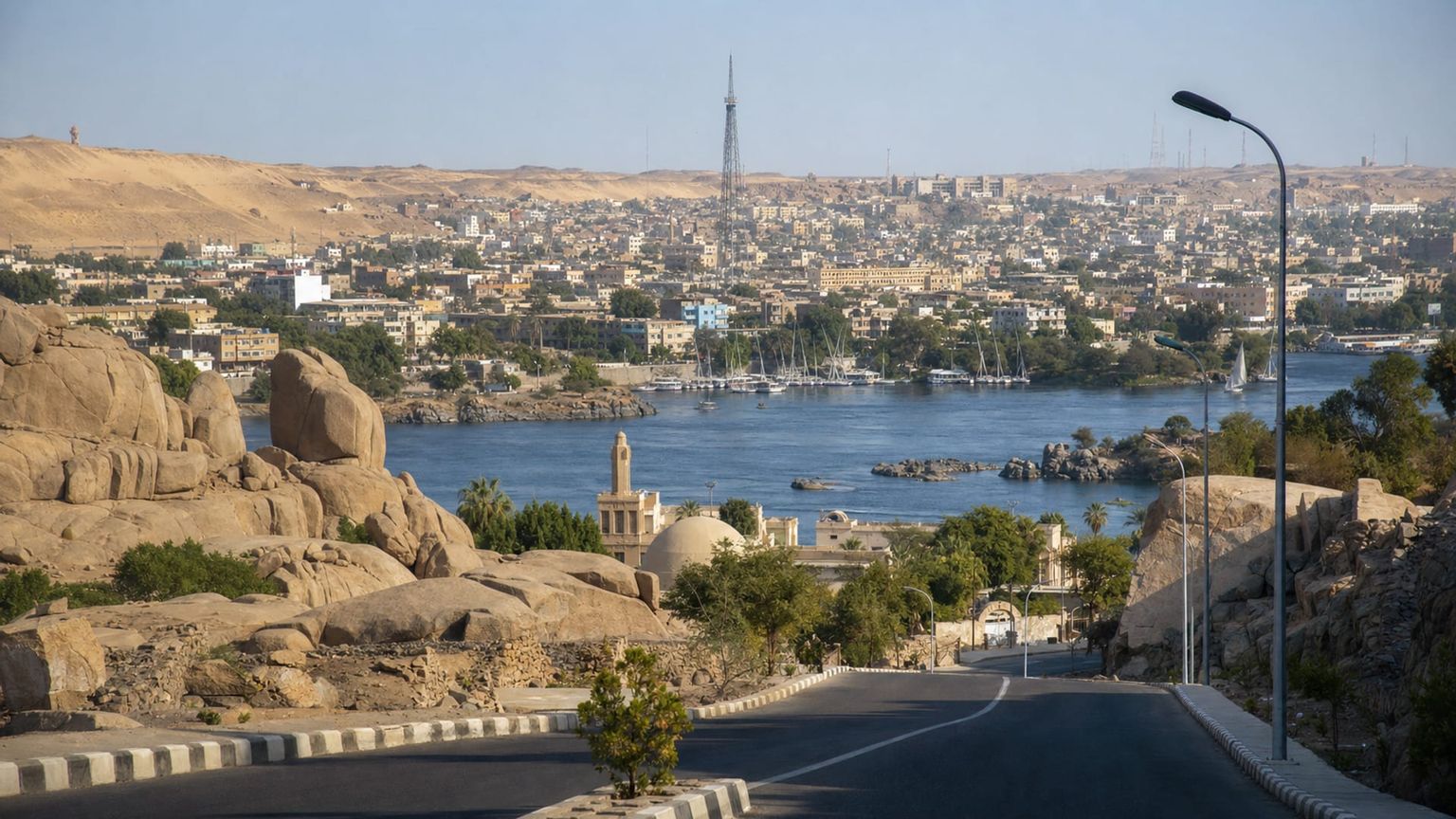
The Corniche is the Nile-side promenade through central Aswan, lined with hotels, ferries, cafes, and steady river views. It puts you close to the main quay, the Nubian Museum, and easy boat access to Elephantine and the islands.
Best for: First-time stays, river views, and easy access to boats, museums, and downtown sightseeing
What to expect: Busy daytime sidewalks, hotel traffic, and a lively evening promenade with more movement near the riverfront
Hotel prices: Usually about $60 to $180 per night for well-rated stays
Distance to major sights: 5 to 15 minutes on foot to the Nubian Museum and the main ferry area, about 10 to 20 minutes by boat to Elephantine Island
Quietness: Quieter early in the morning, then busier through the afternoon and evening along the riverfront
Main trade-off: You pay more for the address, and some rooms face traffic or the promenade rather than the river
Good to know: Choose a room away from the main road if you are sensitive to late pedestrian and vehicle noise
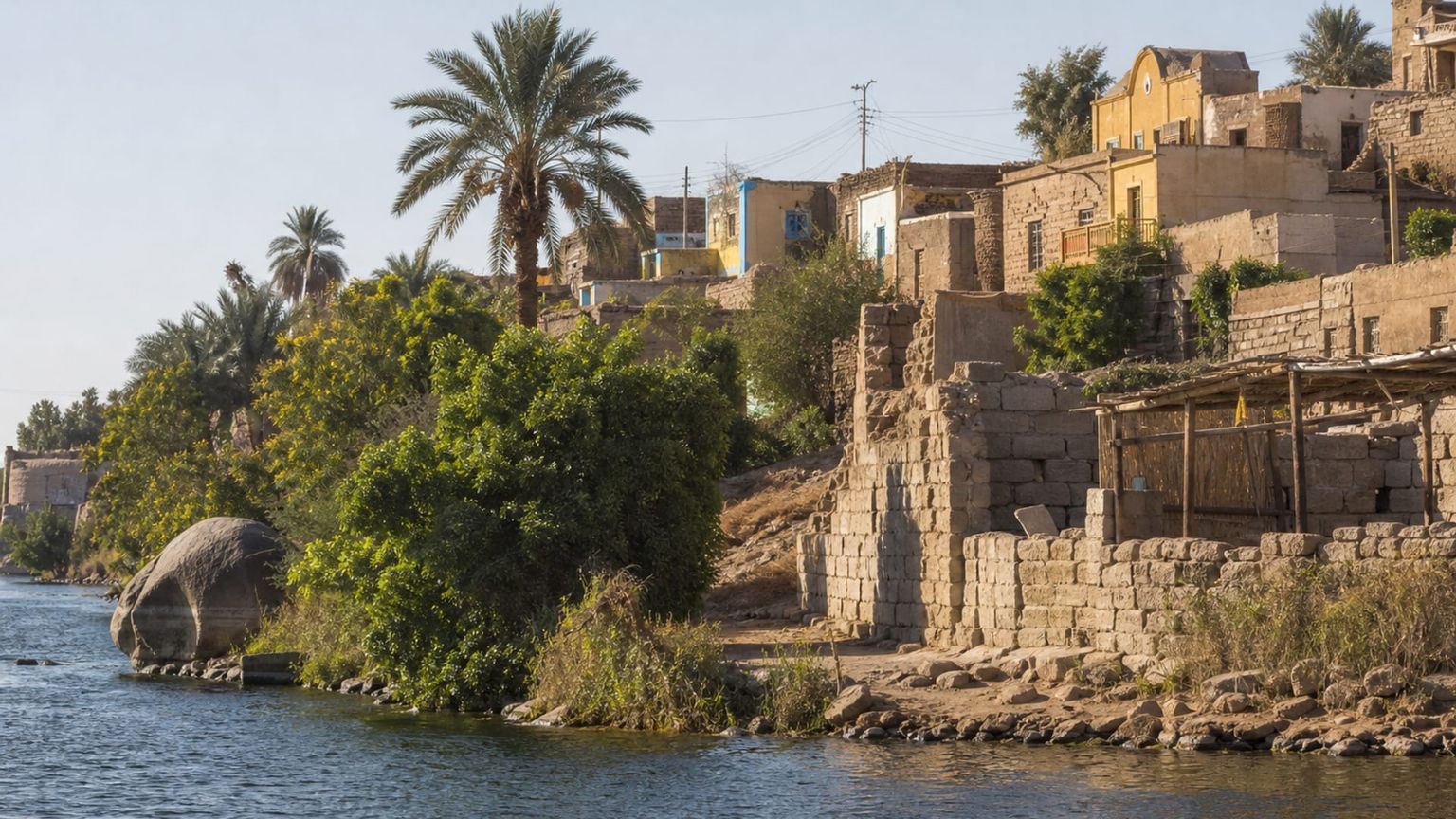
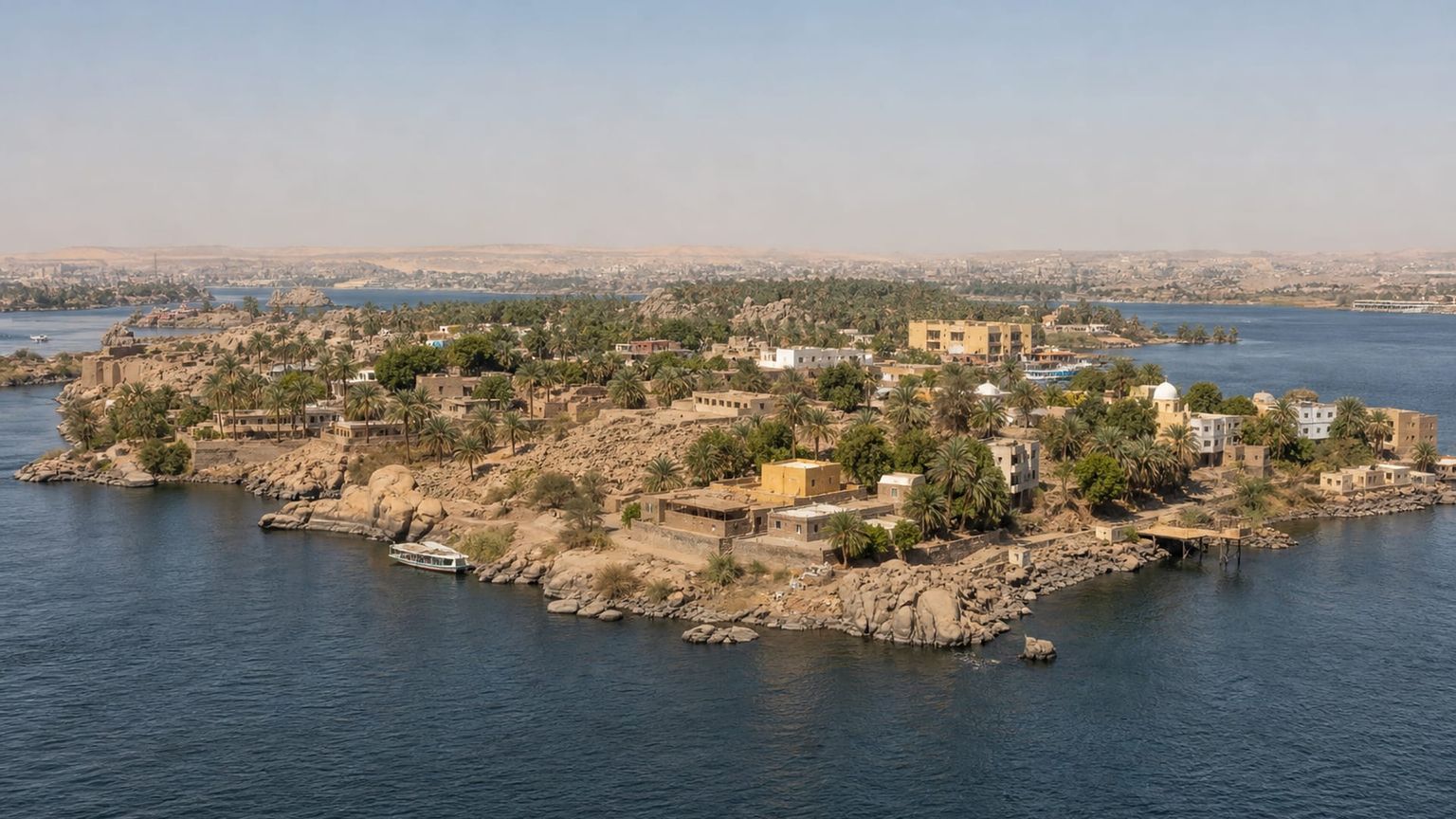
Elephantine Island is the Nile island directly across from central Aswan, with small hotels, village lanes, and direct views back to the city. It suits travelers who want a slower base with boat access and easy trips into town.
Best for: Calmer river stays, island atmosphere, and travelers comfortable using boats to reach the mainland
What to expect: Low-key lanes, limited car traffic, and a smaller guesthouse scene that quiets after dinner
Hotel prices: Usually about $50 to $160 per night for well-rated stays
Distance to major sights: About 10 to 20 minutes by boat to the Corniche and 15 to 25 minutes to the Nubian Museum with a boat connection
Quietness: Quiet in the evening, with only modest foot traffic and boat movement during the day
Main trade-off: You add boat transfers to most outings, and late-night dining options on the island are limited
Good to know: Confirm your lodge’s boat arrangement before arrival, since schedules and pickup points can vary by property
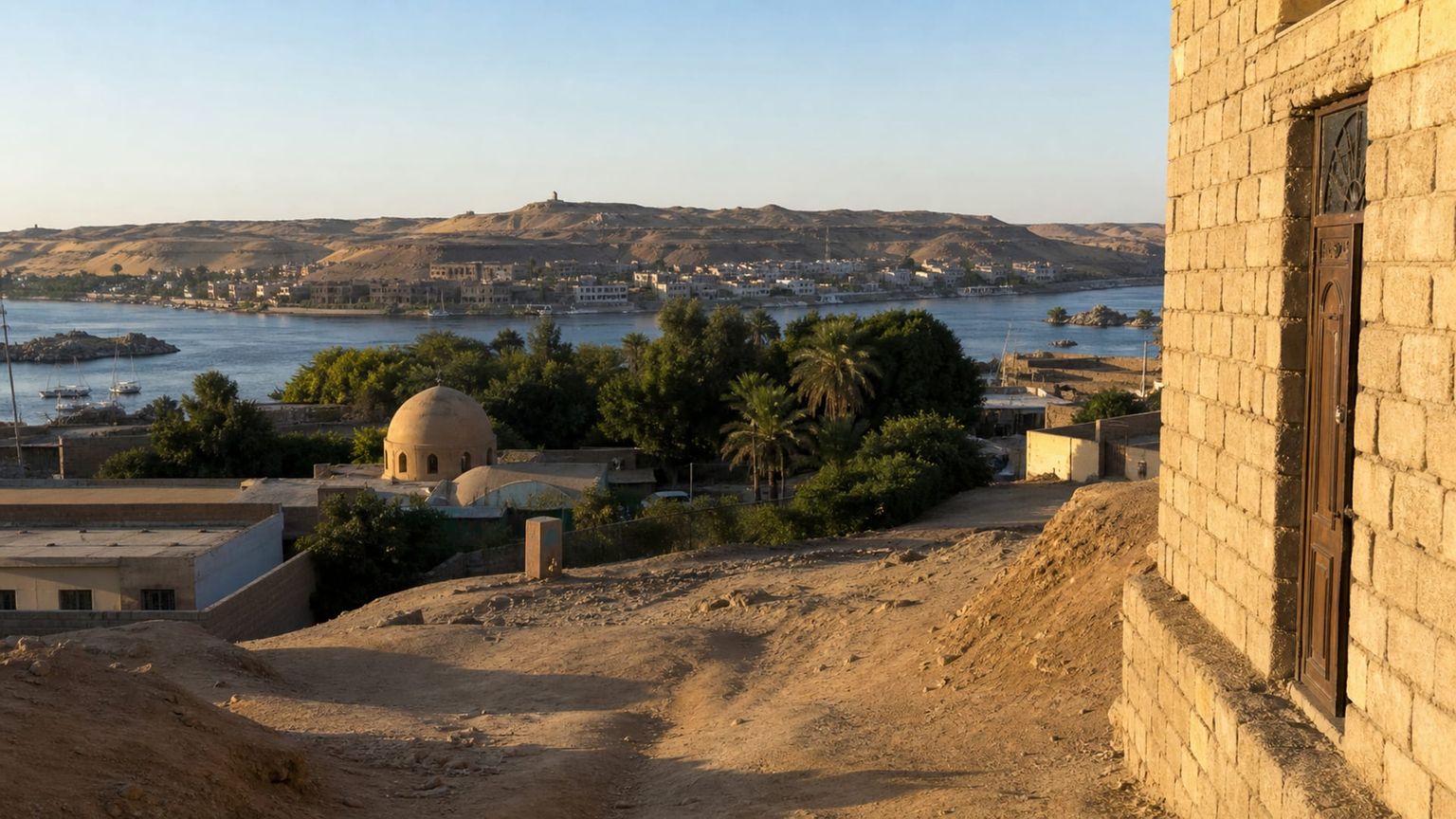
The West Bank sits across the Nile from downtown Aswan and includes smaller guesthouses, gardens, and views toward the river and hills. It works for travelers who want more space and do not mind crossing by boat for most meals and sights.
Best for: Lower-key stays, Nile views, and travelers who do not mind regular boat crossings
What to expect: Sparse streets, scattered guesthouses, and a quieter evening setting than the Corniche
Hotel prices: Usually about $45 to $140 per night for well-rated stays
Distance to major sights: About 10 to 20 minutes by boat to the Corniche and 20 to 30 minutes total to central Aswan sights with transfers
Quietness: Very quiet after sunset, with little street activity and a slower daytime pace
Main trade-off: The main compromise is convenience, since every central errand depends on a boat crossing
Good to know: Check the last boat times if you plan dinner or sightseeing late, since late crossings can narrow your options
Travelers usually avoid staying on the eastern desert edge of Aswan, including areas beyond the Nubian Museum, because they sit far from the Corniche, the souk, and the main ferry points, with limited visitor amenities nearby. The same goes for outlying Nile-side resort stretches north and south of the city center, which can mean longer taxi rides for evening meals and riverfront plans, plus fewer walkable dining options.
Hotel deals
How to get around Aswan efficiently
Aswan moves by a mix of taxis, ferries, and short walks, since the Corniche, Elephantine, and the West Bank all depend on the Nile crossing as much as the road network.

Metro
for longer distances
Aswan has no metro, and the closest public-transport equivalent is the city’s small network of ferries and Nile-side walking routes, with longer trips usually done by taxi or intercity minibus. For airport transfers, plan on about 20 to 30 minutes by road to central Aswan.

Bus and tram
for convenience
Local buses and minibuses cover short hops in Aswan, but they are not signposted for visitors and can be difficult to use with luggage. Fares are usually about $0.20 to $0.50, paid in cash, and journeys within the city often take 10 to 25 minutes depending on the river crossing and traffic.

Taxi
for convenience or late hours
Licensed taxis in Aswan usually use fixed negotiated fares rather than meters, so agree the price before you set off. A ride within central Aswan often costs about $1 to $4, while the airport to town commonly runs about $4 to $10; some drivers accept Egyptian pounds in cash only, so carry small notes.
*Prices are based on rates updated as of June 2026 and may change at the time of travel.
Use taxis for airport runs and quarry visits, ferries for island crossings, and walking for the Corniche and downtown waterfront stretches.
Iconic landmarks
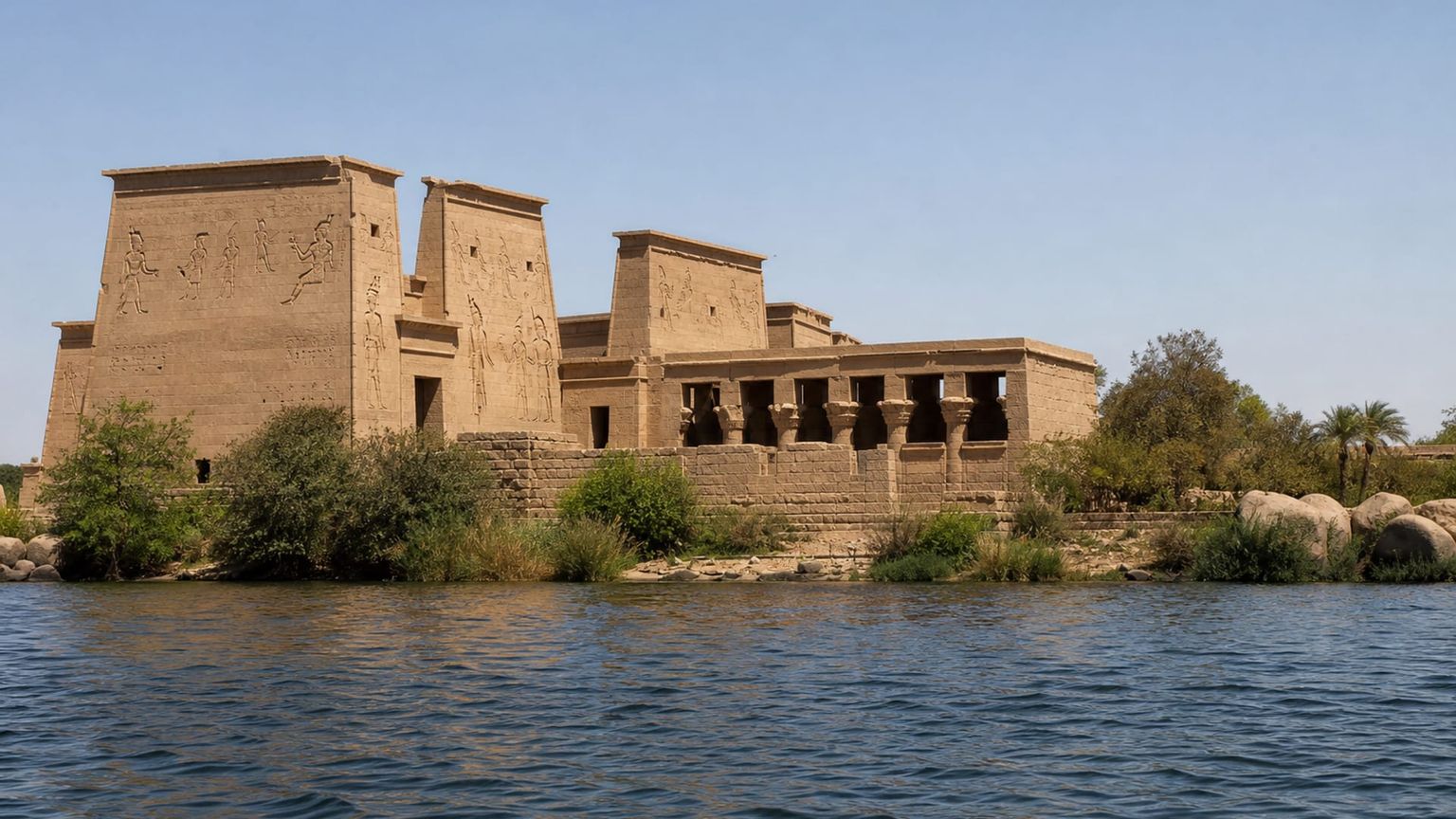
Philae Temple
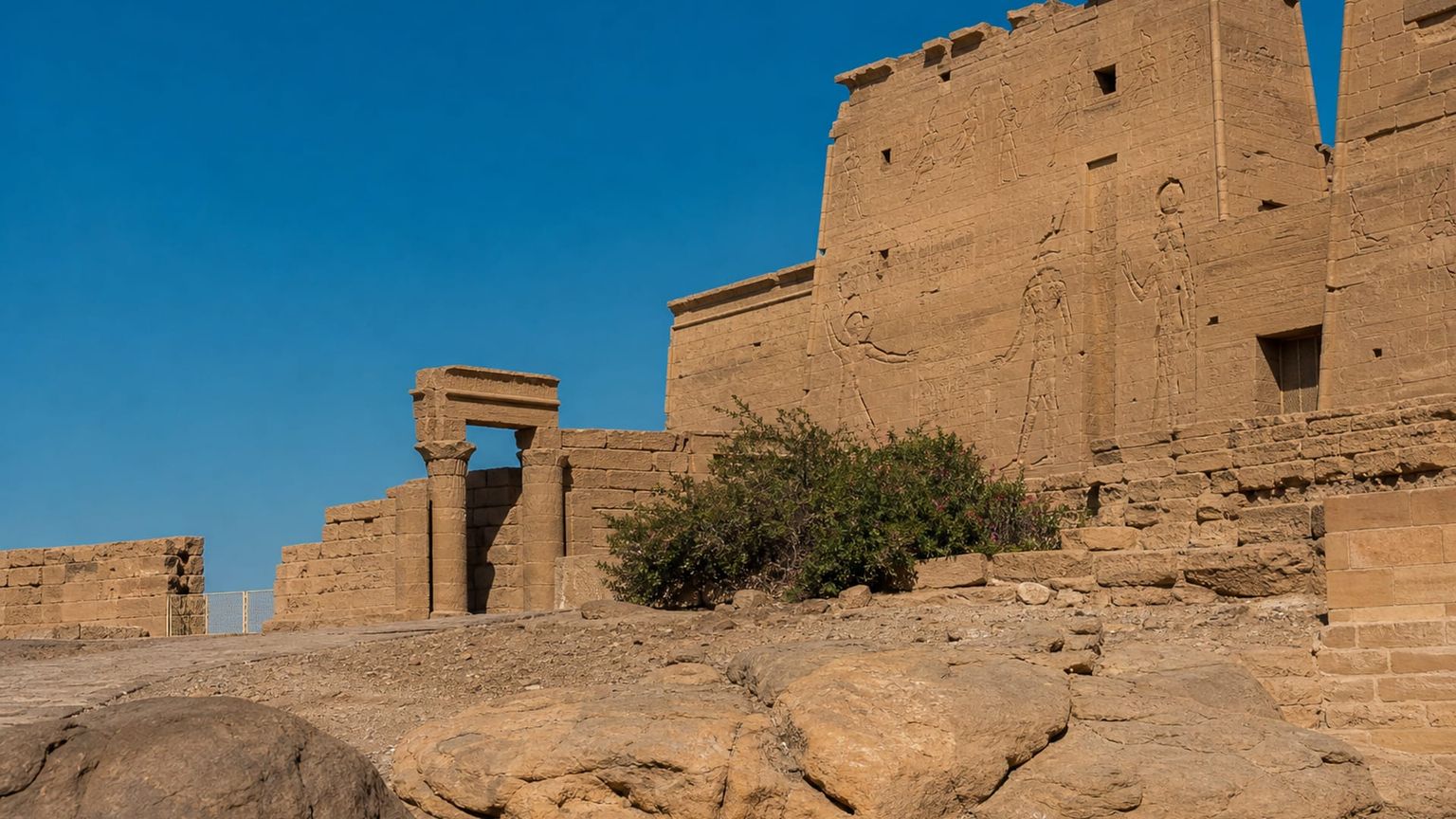
Set on Agilkia Island after the Aswan High Dam rescue, Philae Temple preserves Ptolemaic and Roman reliefs dedicated to Isis. Visitors arrive by boat, then walk through pylons, courtyards, and colonnades with Nile views.
Time needed: About 2 to 3 hours
Entry: Boat transfer plus temple admission usually totals $20 to $30 ($20 to £24), with lower rates for Egyptian residents and students.
Tip: Go early for cooler air and softer light, then pair it with a calm boat ride back.
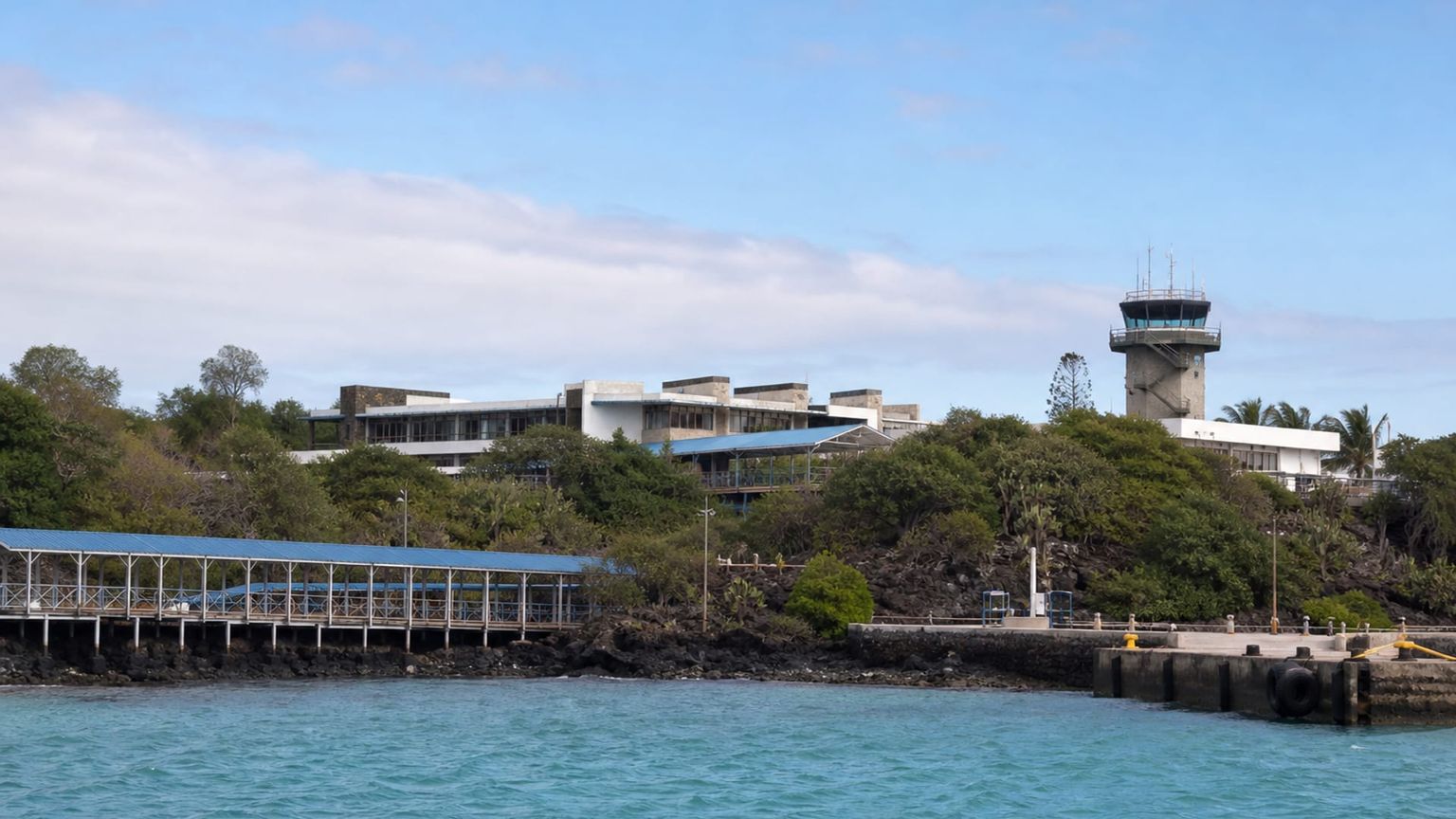
Nubian Museum
The Nubian Museum traces the history, language, and archaeology of Nubia, from prehistoric finds to modern resettlement after the dam projects. Its galleries are compact, detailed, and well labeled, with objects rescued from flood zones.
Time needed: About 1 to 2 hours
Entry: Admission usually costs about $6 to $8 ($6 to £6) for adults, with reduced rates for Egyptian residents, students, and children. Visit the official site for details.
Tip: Visit before the heat builds, then allow extra time for the outdoor garden paths.
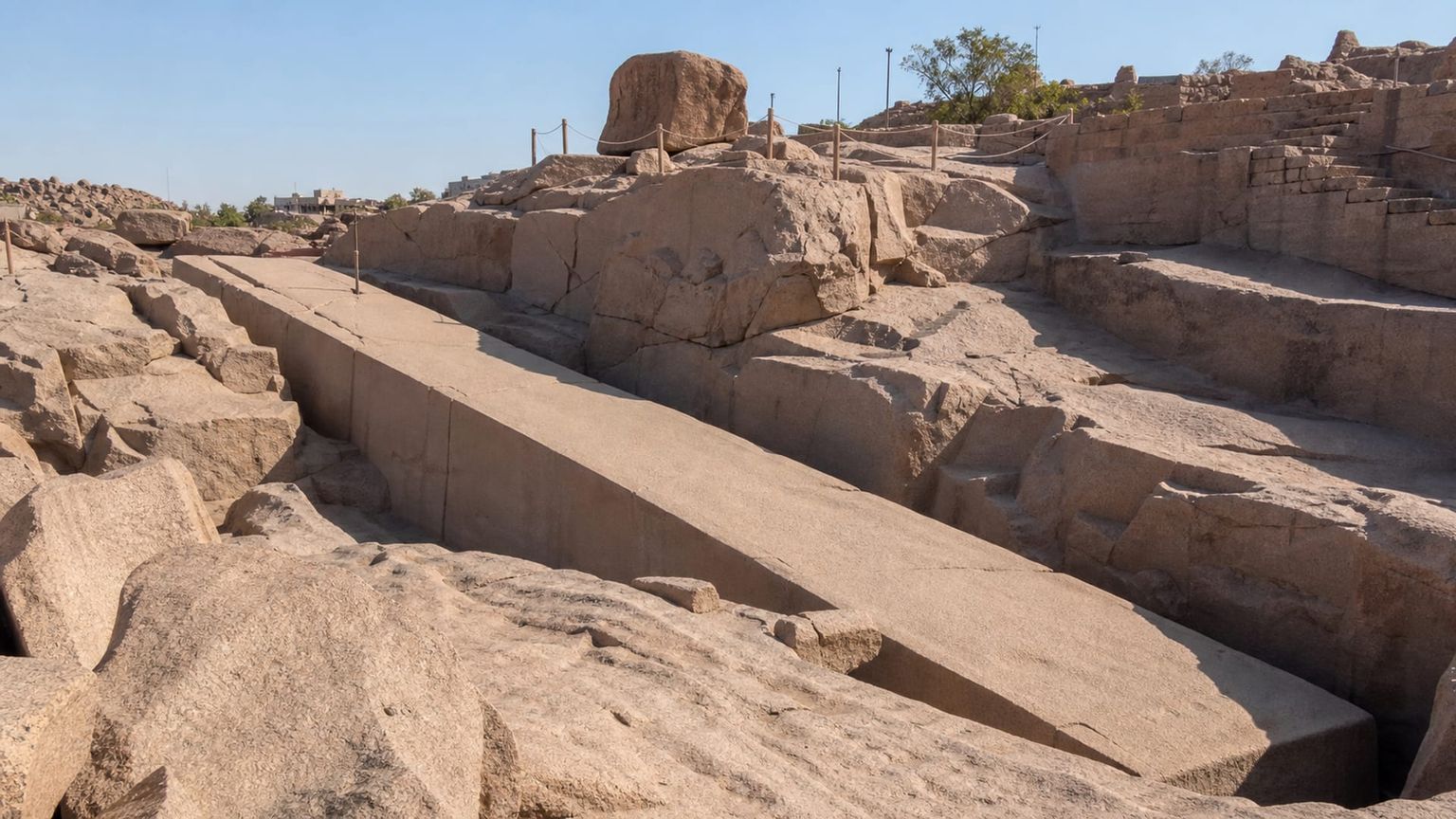
Unfinished Obelisk
The Unfinished Obelisk shows how ancient stonecutters worked granite in Aswan’s quarries. Cracks in the bedrock stopped the project in place, leaving the largest known ancient obelisk still attached to the quarry floor.
Time needed: About 45 to 60 minutes
Entry: Admission usually costs about $4 to $6 ($4 to £5) for adults, with reduced rates for Egyptian residents and students.
Tip: Go late afternoon, when the quarry walls cast deeper shadows across the cut stone.
Overlooked sites worth visiting

Nubian Museum
This museum gathers temples, tools, textiles, and photographs that trace Nubian life along the Nile and before the Lake Nasser dam project. Its smaller galleries make it easy to read in a single visit.
Time needed: About 1.5 to 2 hours
Entry: Tickets cost about $6 to $8 (about EGP 300 to EGP 400) for foreign adults, with lower rates for Egyptian nationals, students, and children. Opening hours vary by season, so check the museum desk before visiting.
Tip: Go early to avoid midday heat on the walk from the corniche.

Kalabsha Temple
Set on a lakeside hill west of Aswan, this relocated Roman-era temple gives close views of carved reliefs and wide water beyond the courtyard. It is quieter than the island temples and rewards an unhurried circuit.
Time needed: About 1 to 2 hours
Entry: Entry is usually included with Lake Nasser temple boat programs, which cost about $20 to $35 (about EGP 1,000 to EGP 1,750) depending on route and group size; confirm at the dock because prices change with the boat operator and season.
Tip: Visit in late afternoon for softer light on the reliefs.
Traditional food
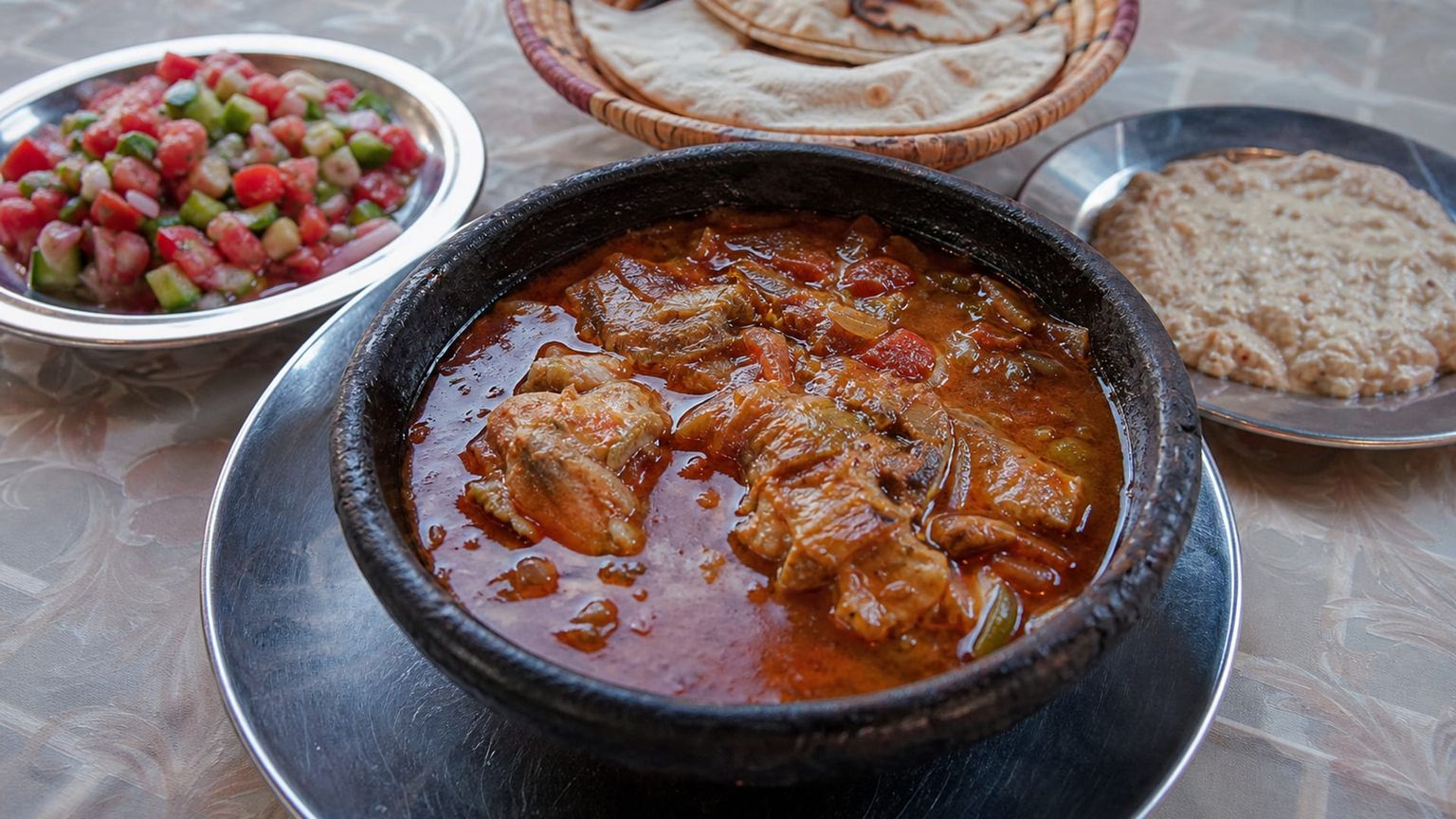
Aswan’s tables lean on beans, grains, and fresh bread, with koshari, ful medames, ta’ameya, and feteer meshaltet anchoring breakfast and casual meals. Cafes and simple restaurants serve them early, then quiet down between lunch and dinner.
Koshari
A layered mix of rice, lentils, pasta, chickpeas, and spiced tomato sauce, koshari is one of the city’s most common budget meals. El Masry Restaurant serves a dependable version close to central Aswan.
Ful medames
Slow-cooked fava beans seasoned with oil, lemon, and spices, ful medames anchors many Aswan breakfasts. El Dokka Restaurant on Elephantine Island is a strong place to order it before a boat-filled morning.
Ta'ameya
Egyptian falafel made from fava beans rather than chickpeas, ta’ameya is crisp outside and soft inside. Al Qahwa Cafe in central Aswan is a good stop for it with tea or coffee.
Feteer meshaltet
This layered, flaky pastry arrives plain or with sweet and savory fillings, and it works well as a breakfast or shared snack. Taqat Hanager in Aswan is a solid place to try it fresh from the oven.
Best time to visit Aswan
Aswan is best in the cooler months, when temple visits, boat crossings, and riverfront walks stay manageable and the heat does not dominate the day.
Best for: Best for long sightseeing days, calm boat rides, and the clearest outdoor touring weather
What you get: Temperatures usually run about 59-79°F (15-26°C), with the biggest crowds from visitors avoiding colder northern cities
Trade-offs: Evenings can feel cool after sunset, so you may want an extra layer
Best for: Best for balanced mornings at temples and late-afternoon time on the Corniche
What you get: Temperatures often sit around 70-95°F (21-35°C), with moderate crowds before the hottest weeks begin
Trade-offs: By late spring, midday heat starts to limit how much you can do outdoors
Best for: Best for travelers who plan short, early outings and relaxed hotel breaks
What you get: Temperatures commonly reach about 81-104°F (27-40°C), with lighter crowds at major sights
Trade-offs: Midday sightseeing becomes draining, especially at open quarry and temple sites
Best for: Best for returning comfortable weather and easier movement between the Corniche and island crossings
What you get: Temperatures usually range from about 68-93°F (20-34°C), with shoulder-season crowds
Trade-offs: October and November can still feel warm at midday
A realistic 5-day plan in Aswan
The five-day plan starts on the Corniche, then builds outward to temples, quarries, and island crossings. That order keeps the longest rides grouped together and leaves the last day for shopping and a calm transfer.
Land at Aswan (ASW), then take a prearranged taxi or hotel pickup to the Aswan Corniche in about 25 to 35 minutes for roughly $8 to $15, depending on traffic and your property. If you are staying on Elephantine Island, reach the quay first, then cross by boat in about 10 to 20 minutes for a small extra fare set by the lodge or boatman. Plan only a short first evening, with a Nile-facing dinner on the Corniche, a bottle of water, and an early night so you are ready for temple visits the next morning.
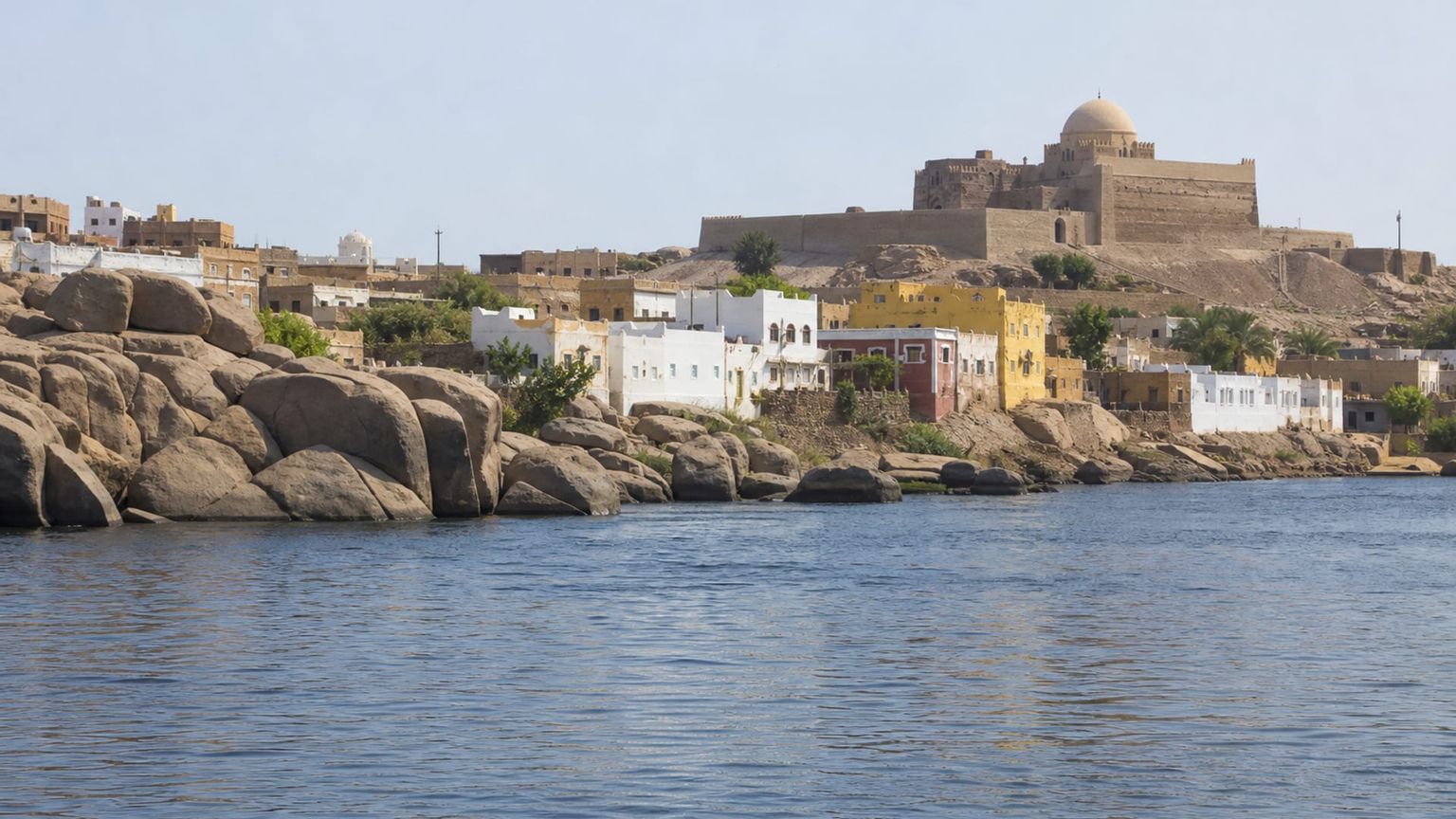
Begin before 8:00 am with Philae Temple, when the air is cooler and the boat ride from the dock adds a calm start to the visit. Allow about 2 to 3 hours there, then return to the Corniche and head to the Nubian Museum in 15 to 20 minutes by taxi or roughly 10 to 15 minutes if you are already nearby on foot. Spend about 1 to 2 hours in the galleries, then finish with an easy dinner on the riverfront, where you can walk back to your hotel without a long transfer.
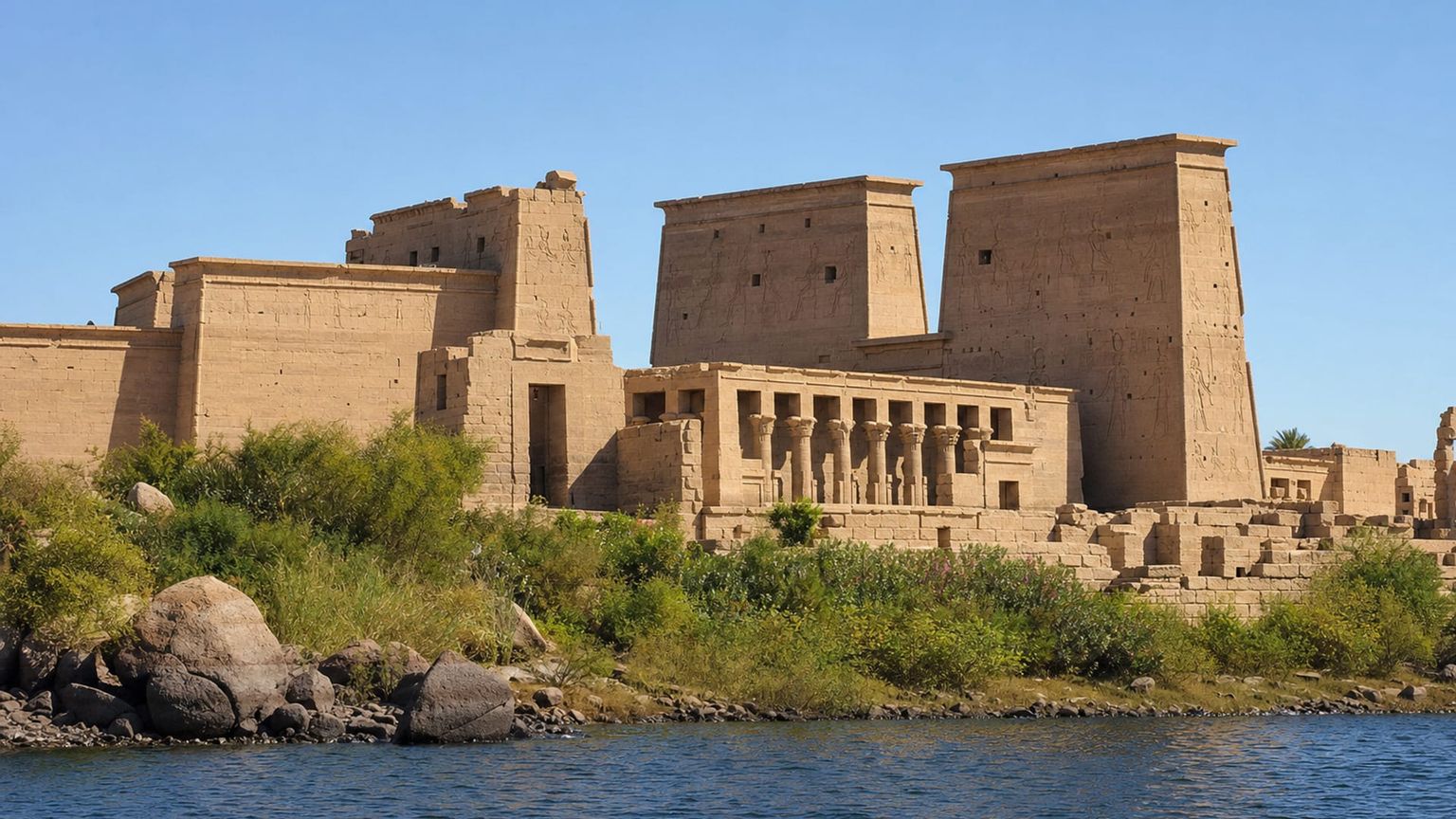
A morning at the Unfinished Obelisk works best before the heat builds, so leave the Corniche after breakfast and expect about 15 to 25 minutes by taxi to the quarry. Plan 45 to 60 minutes on site, then continue to Kalabsha Temple, which typically takes about 45 to 60 minutes by road and dock time, depending on the boat program you join. After the temple visit, return to central Aswan for a late lunch near the Corniche, then walk the promenade or rest at your hotel before an early dinner.
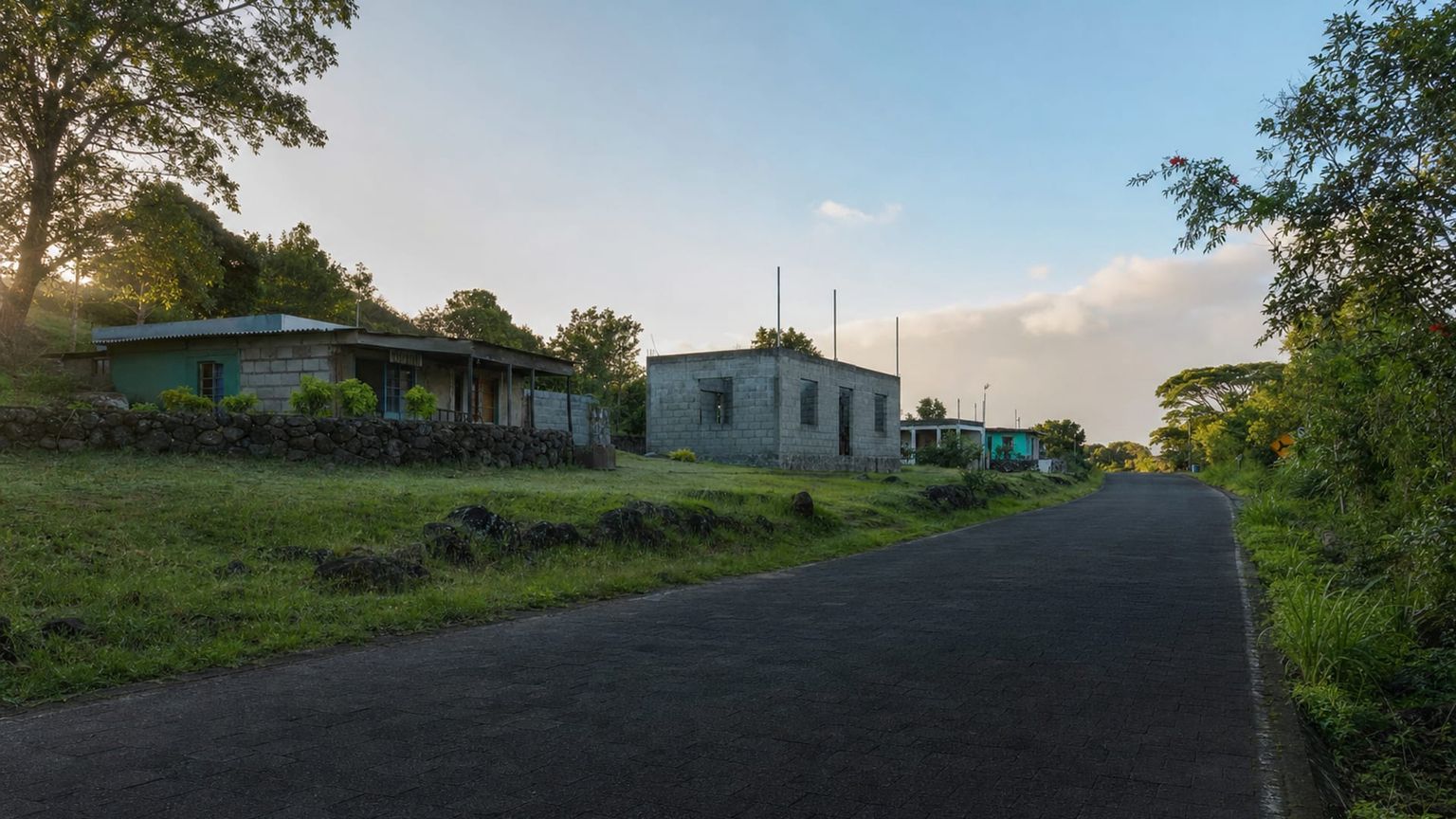
Start with Elephantine Island, where a short boat crossing from the Corniche takes about 10 to 20 minutes and the island lanes invite an unhurried morning. Spend a couple of hours walking between the village paths, river edges, and small guesthouse areas, then cross back to downtown Aswan for lunch and a slower afternoon along the waterfront. If you still have energy, add a second look at the Nubian Museum or simply stay on the Corniche for sunset, when the river traffic and promenade activity pick up.
Before departure, fit in one final museum stop or a last walk through the riverfront district, then shift to shopping in downtown Aswan so you can stay close to your hotel and the airport transfer pickup. Browse the Corniche and nearby market streets for spices, scarves, or small carved pieces, then settle into a café in the Corniche area for coffee or mint tea while you wait for your ride. Book your taxi or hotel transfer to Aswan (ASW) for about 25 to 35 minutes, and leave enough margin for afternoon traffic if your flight departs later in the day.
Business-class flights from the US to Aswan
Reaching Aswan usually means a one-stop trip from either coast, with Cairo, Doha, Istanbul, Frankfurt, and Dubai appearing often in the schedules. The route you choose mostly comes down to layover length and how much you want to simplify the connection.
From New York, EgyptAir, Qatar Airways, Turkish Airlines, Lufthansa, and Air France are common options, and the trip usually takes about 13 to 20 hours with a connection through Cairo, Doha, Istanbul, Frankfurt, or Paris. Round-trip fares from New York usually start at $2,800 and can reach $6,500.
From Los Angeles, EgyptAir, Qatar Airways, Turkish Airlines, Lufthansa, and Emirates usually route through Cairo, Doha, Istanbul, Frankfurt, or Dubai, with total travel time about 15 to 22 hours. Round-trip fares usually run $3,100 to $6,900.
Aswan feels different when you slow down
A well-paced Aswan trip ties together the Corniche, Elephantine Island, Philae, and the museum without forcing too many crossings into one day. Taxis work for the airport and the quarry, boats carry the island legs, and the waterfront takes care of the rest. If you want help shaping those moving parts into a booking plan, the AranGrant experts can help you choose the right base and timing for your stay







