

Chapters:

Need help with your trip?
Our support team is available 24/7. Request a callback or call us directly at (833) 619-0908
Amami trips often begin with a flight into ASJ, a night in Naze, and a quick sweep of the best-known sights. What visitors often miss is how much the island changes once you add the ferry port, headlands, and beach parks into the plan.
That simple approach can leave you spending too much time in transit, crossing town for dinner, or arriving at coastal stops when light and tide are less useful. Amami rewards shorter, timed moves more than a packed list.
This guide keeps the route compact, so each day has a clear base, a sensible sequence, and enough breathing room for buses, taxis, and early dinners.
Useful things to know
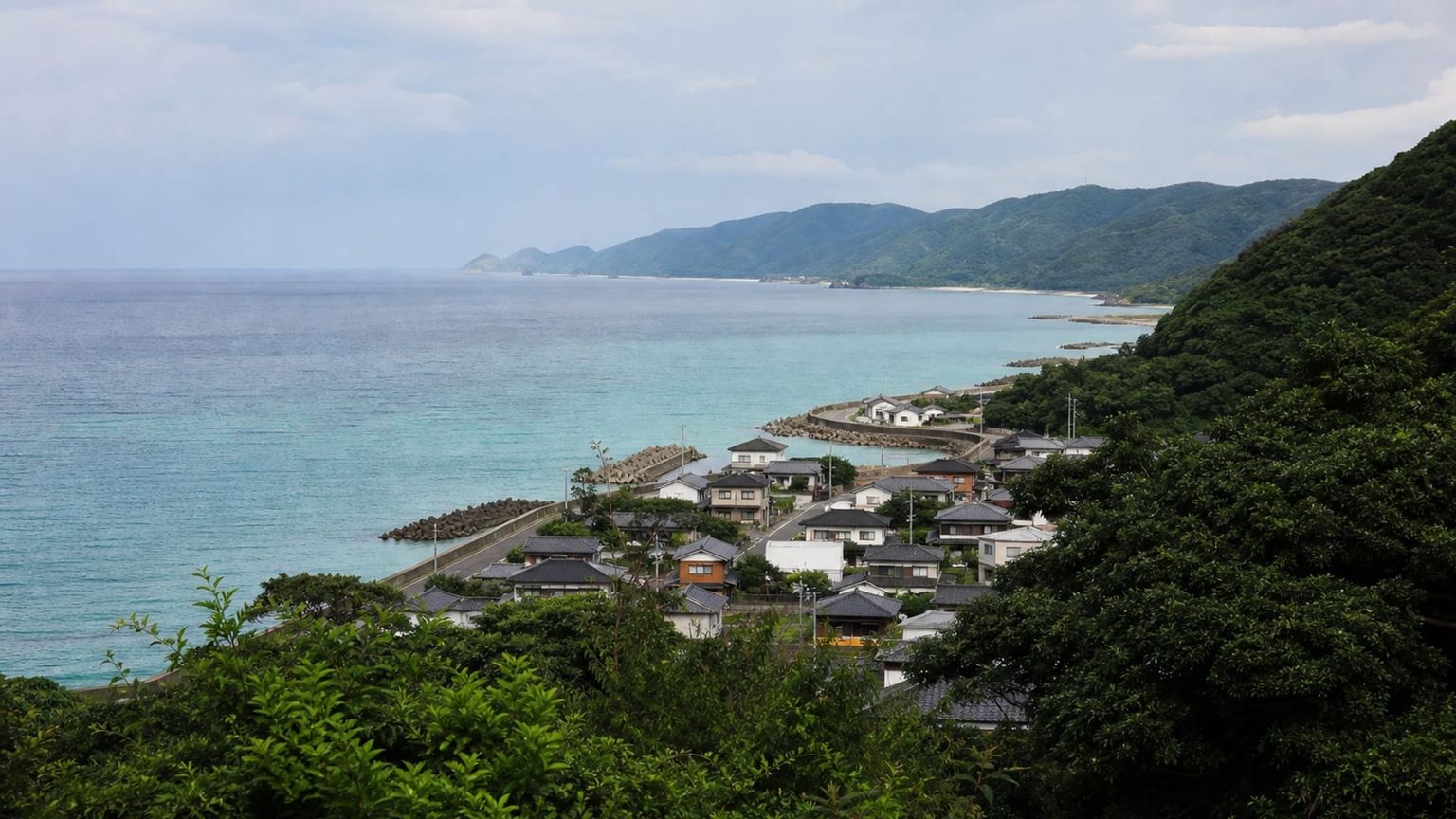

Main language(s): Japanese
こんにちは (konnichiwa) – Hello / good afternoon
お願いします (onegaishimasu) – Please
ありがとうございます (arigatō gozaimasu) – Thank you
英語を話せますか? (eigo o hanasemasu ka?) – Do you speak English?
いくらですか? (ikura desu ka?) – How much does it cost?

Currency: The local currency is the Japanese yen (JPY, ¥).

Cash and cards: Cards and contactless work in larger hotels and shops, but carry about ¥3,000 to ¥5,000 ($20 to $35) in cash.

Tipping: Tipping is not customary; round up only in very casual situations.

Traditional food: Tobiuo sashimi, Keihan, Satsuma-age, brown sugar shochu

Water and coffee costs: Water about ¥100 ($1), bar espresso about ¥450 ($3).

Taxis and ride apps: Taxi apps are limited; use local taxis or hotel dispatch, as Uber and Lyft do not operate here.

Plug and voltage: Type A/B socket, 100V

Dining and shop opening hours: Breakfast is about 7:00-9:00 am, lunch 11:30 am-2:00 pm, and dinner 6:00-9:00 pm. Many small restaurants close one day a week, often Tuesday or Wednesday.

Emergency number: 110 police, 119 fire and ambulance.
Where to stay in Amami
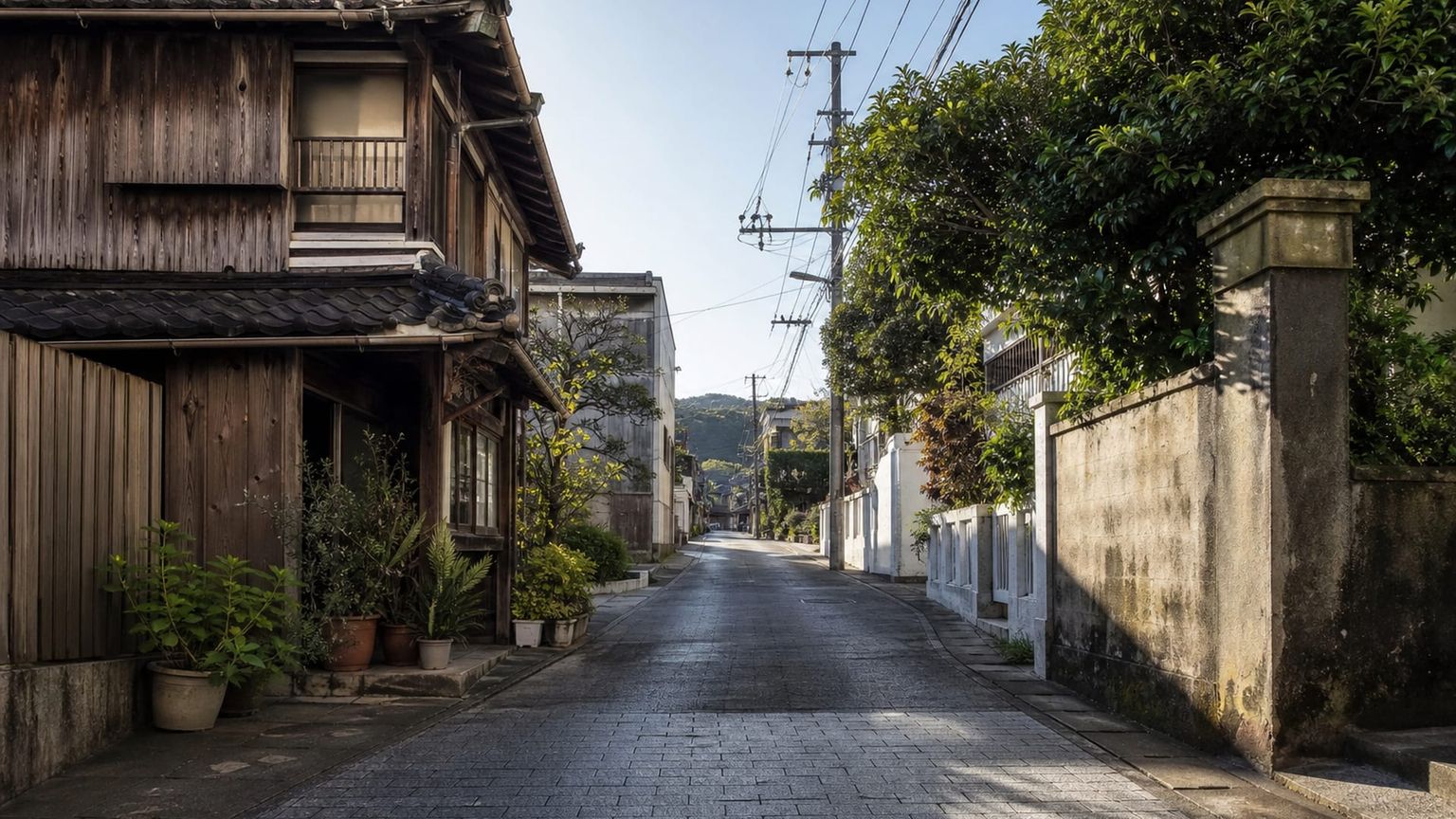
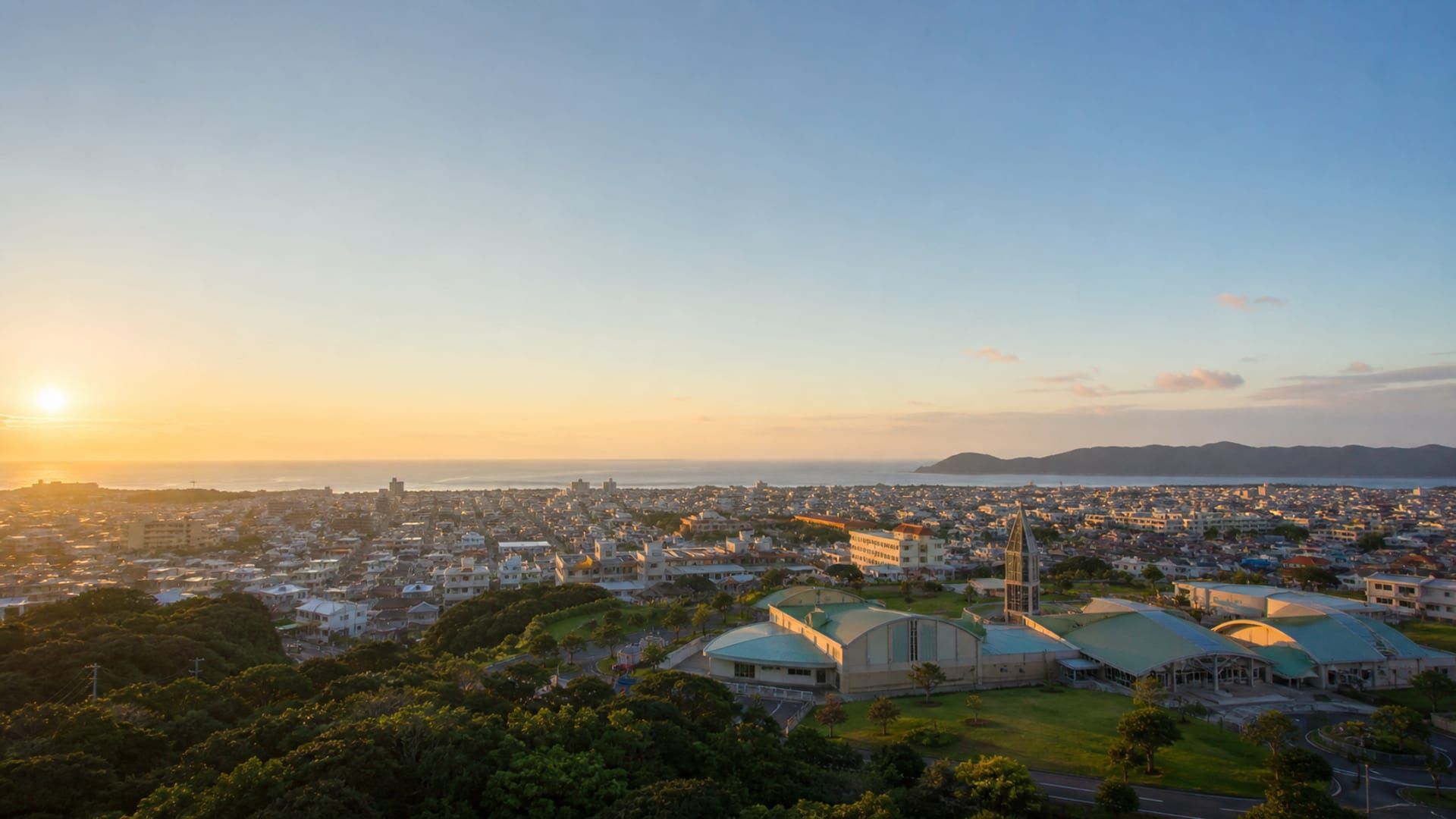
Amami’s main town cluster sits on the island’s northeast coast, with the port, bus links, shops, and most restaurants close together. It suits travelers who want the easiest island base and quick access to ferries, convenience stores, and practical errands.
Best for: First-time stays, ferry access, dining, and simple access to transport
What to expect: Low-rise streets, local shops, and the most activity in the evening near the port and main roads.
Hotel prices: Usually about $70 to $180 per night for well-rated stays
Distance to major sights: About 10 to 15 minutes by bus to Amami Airport (ASJ) and about 20 minutes on foot to the ferry port
Quietness: Busy around the port and main streets by day, quieter on side streets after dinner.
Main trade-off: You give up beachside scenery and a resort setting for better access to buses, shops, and dining.
Good to know: If you plan to move around by bus or ferry, staying here reduces backtracking and makes late arrivals much easier to manage.
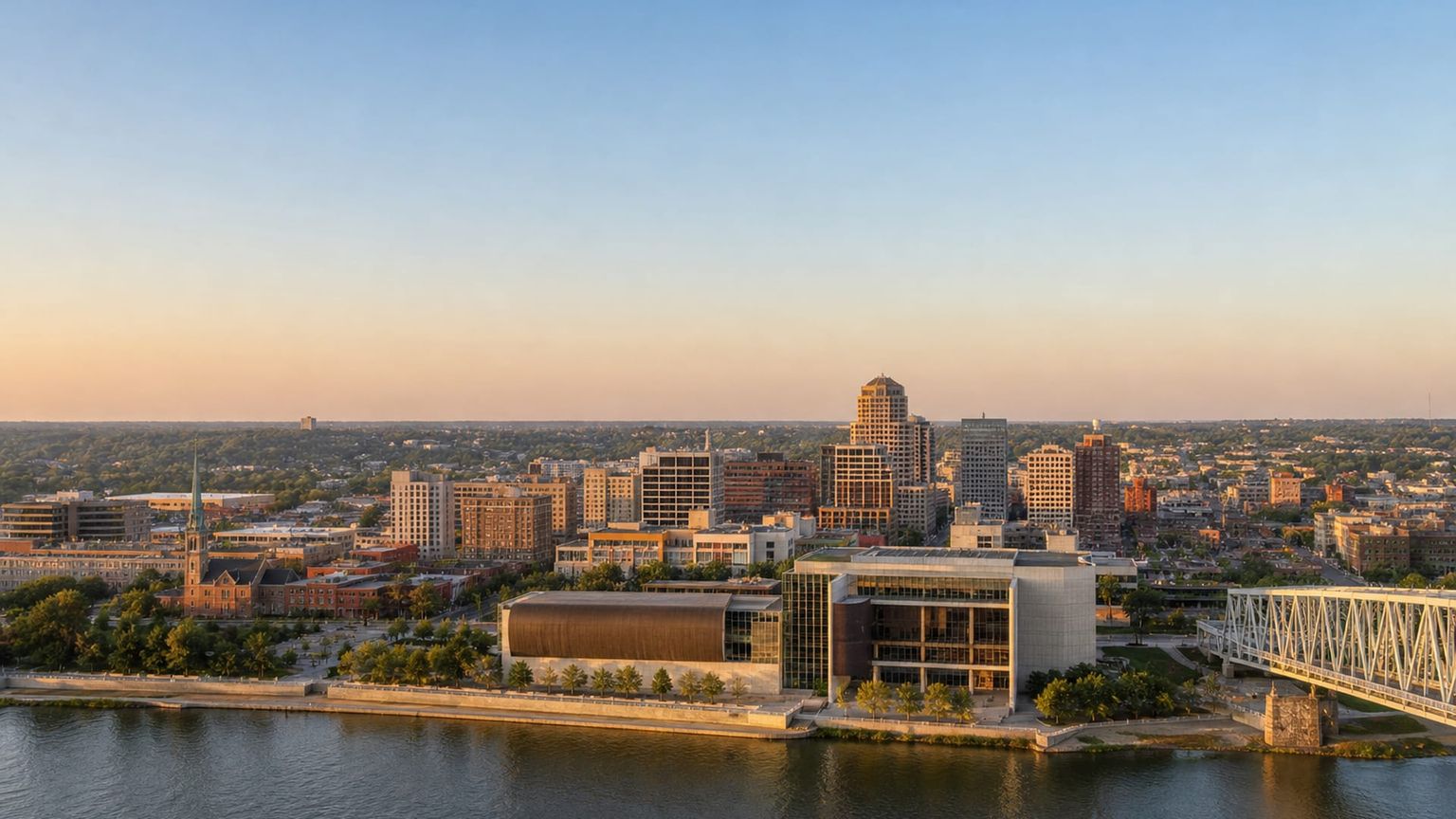
Kasarizaki sits near the northern edge of the town area, with a more residential feel and easy road access back toward central Naze. It works well for travelers who want to sleep away from the busiest port blocks but still reach shops and eateries without much effort.
Best for: Quieter overnight stays, rental car travelers, and guests who still want fast access to town
What to expect: Residential streets, limited nightlife, and light traffic rather than a dense commercial scene.
Hotel prices: Usually about $60 to $150 per night for well-rated stays
Distance to major sights: About 10 minutes by car to central Naze and about 25 minutes by bus to Amami Airport (ASJ)
Quietness: Calm during the day and very quiet at night, with little late activity beyond local traffic.
Main trade-off: You will likely rely on a car or bus for meals and errands because options are thinner than in central Naze.
Good to know: Choose this area if you want calmer nights, but check that your lodging has parking or easy bus access before you book.
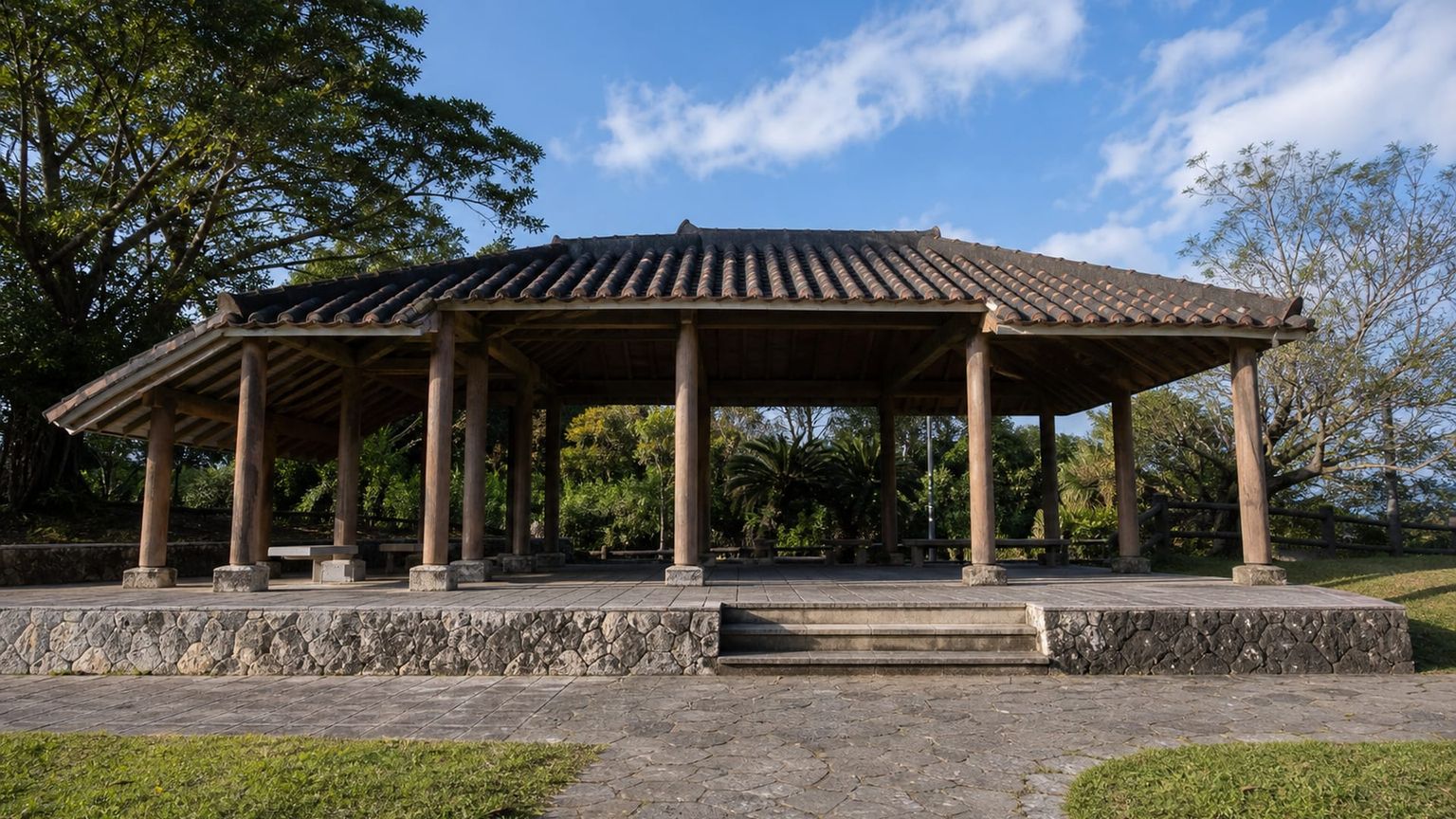
Kasari covers the northwestern side of Amami around the airport corridor and nearby settlements, with open coastline and easier road access than the town core. It suits travelers who value beaches, driving, and a looser schedule more than being beside the main shopping streets.
Best for: Beach access, rental car trips, and travelers who want more open coastal surroundings
What to expect: Scattered houses, passing cars, and a much lighter evening scene than central Naze.
Hotel prices: Usually about $80 to $220 per night for well-rated stays
Distance to major sights: About 15 to 20 minutes by car to Amami Airport (ASJ) and about 30 minutes to central Naze
Quietness: Quiet most of the day and very quiet after dark, with only occasional traffic on main roads.
Main trade-off: Dining and convenience stores are farther apart, so evenings can feel limited without a car.
Good to know: Base here if airport access matters, but plan meals ahead because many places close early and are spread out.
Travelers usually avoid staying far from the Amami Airport area if they want easy access to the main dining spots in Naze, since evenings can require taxi rides and visitor amenities are limited outside the center. Koniya, Kasari, and the more remote coastal settlements are less convenient for most visitors because they sit away from the island’s main sights, with fewer hotels, restaurants, and late-night transport options.
Hotel deals
How to get around Amami efficiently
Amami has no rail link from the airport, so most visitors move between ASJ, Naze, and the coast by bus, taxi, or rental car.

Metro
for longer distances
Amami Airport (ASJ) has no metro or suburban rail, so there is no rail-based airport link to use. Visitors rely on buses, taxis, or rental cars, and most transfers to Naze or other island destinations take about 40 minutes to 1 hour by road.

Bus and tram
for convenience
The airport sits on the island bus network, with limited local departures that connect toward Naze and other main stops, but schedules are sparse and not timed for every flight. A single ride is usually about $2 to $10, and tickets are valid only for the trip you board, so check the timetable in advance and expect some waits between buses.

Taxi
for convenience or late hours
Licensed taxis use metered fares rather than fixed airport pricing, and a trip from Amami Airport (ASJ) to Naze often costs roughly $35 to $55, depending on traffic and the exact drop-off point. Drivers queue outside the terminal, most accept cash, and some take cards, but you should confirm before departure if you plan to pay by card.
*Prices are based on rates updated as of June 2026 and may change at the time of travel.
Use the bus for the cheapest airport transfer, a taxi when you want speed and door-to-door ease, and a car for beach parks and headlands outside the town core.
Iconic landmarks
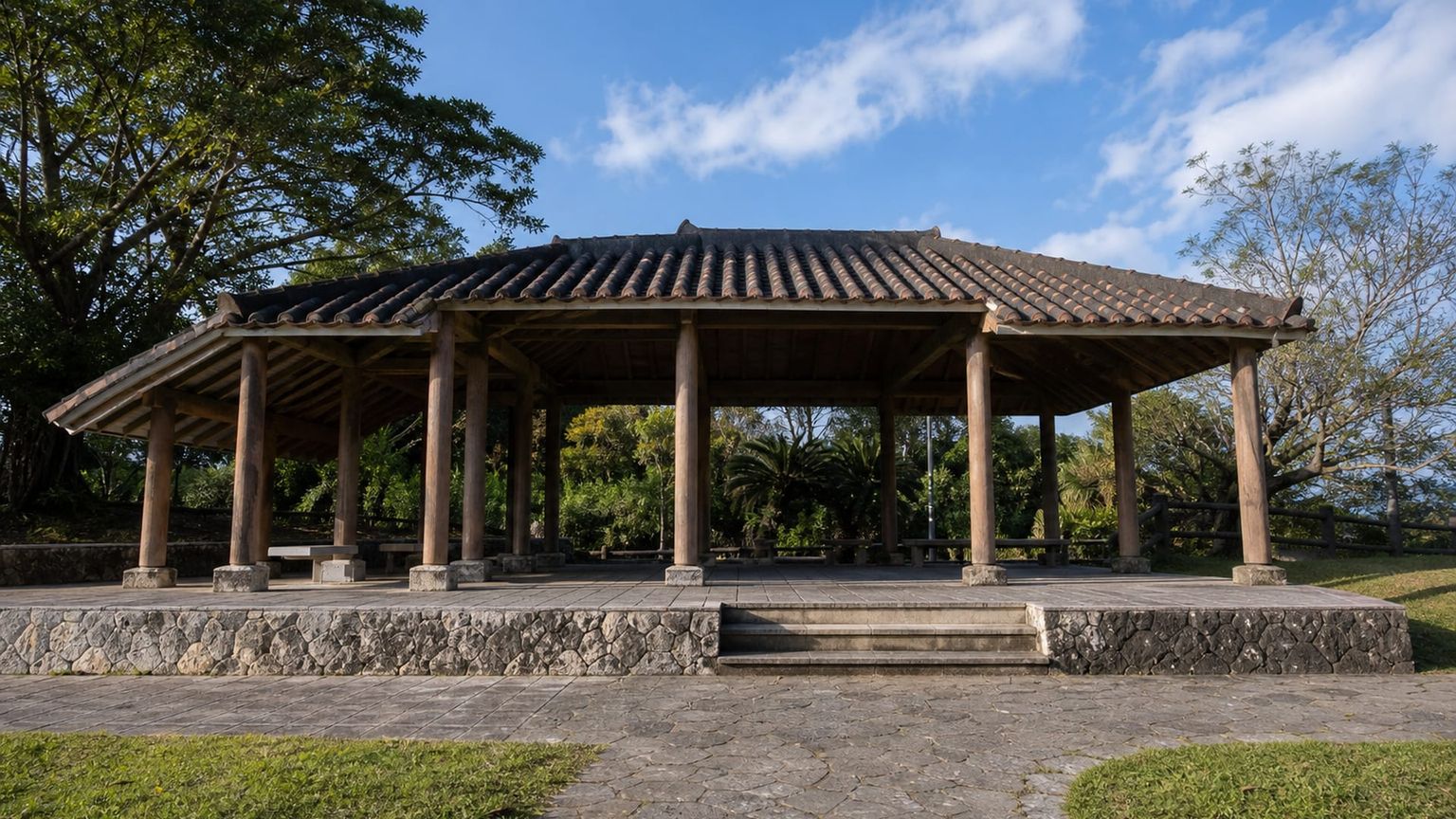
Amami Park
This coastal park on the north side of Amami Oshima brings together island ecology, beach access, and exhibits on the Amami Rabbit and local forests. The grounds also include views over the sea and enough paths for a relaxed half-day stop.
Time needed: About 2 to 3 hours
Entry: Admission costs about $4 to $7 (approximately ¥600 to ¥1,000) for the main exhibition areas and park facilities. Visit the official site for details.
Tip: Go in the morning for cooler paths and clearer views over the coast.
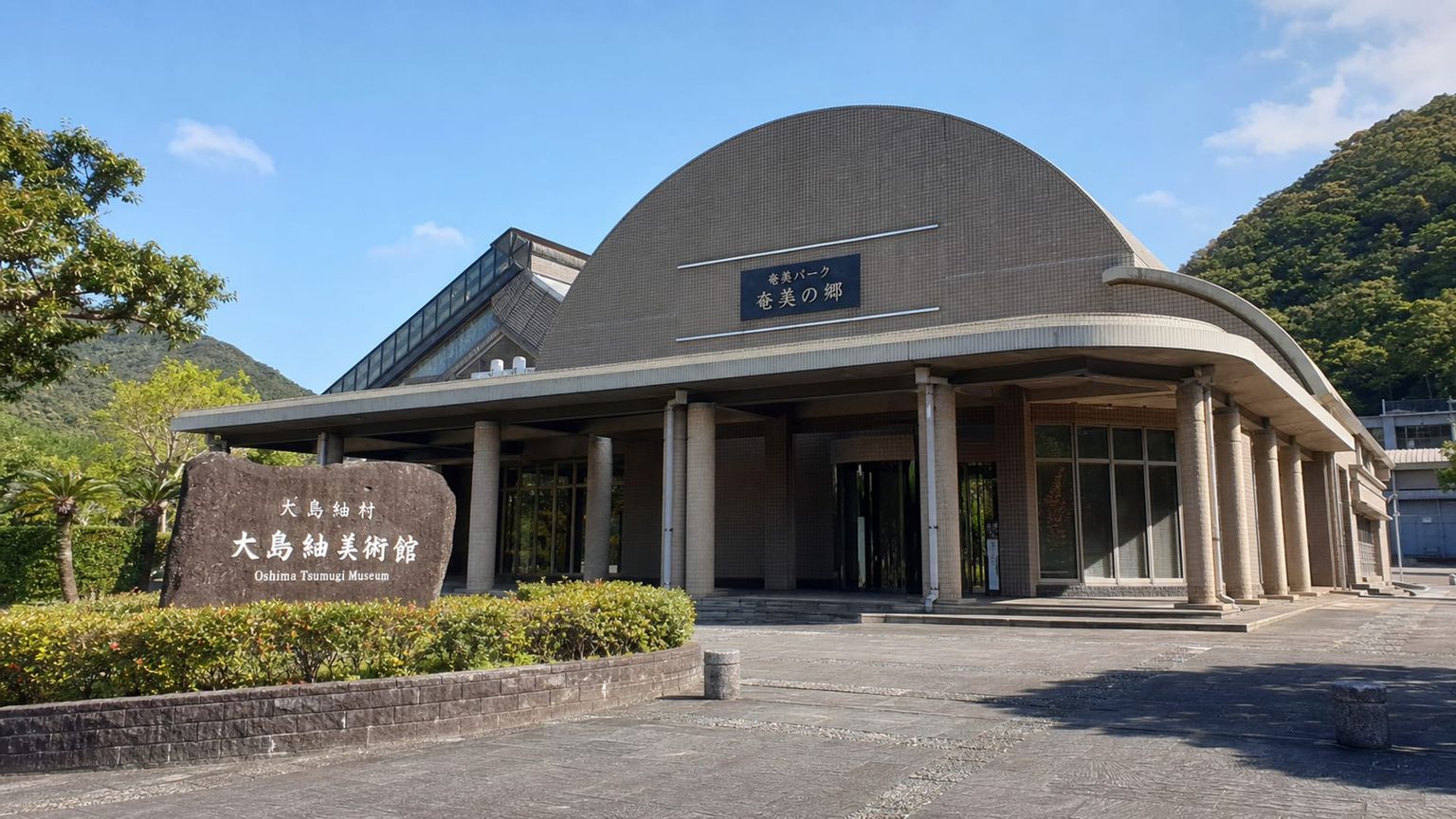
Oshima Tsumugi Museum
This museum in Amami City explains the labor-intensive silk weaving behind Oshima Tsumugi, one of Japan’s best-known kimono fabrics. Displays cover dyeing, thread preparation, and looms, and the shop adds a close look at finished textiles.
Time needed: About 1 to 2 hours
Entry: Admission costs about $3 to $5 (approximately ¥500 to ¥700) for adults, with lower rates for children and students. Visit the official site for details.
Tip: Visit midday, when indoor exhibits offer a good break from sun and rain.
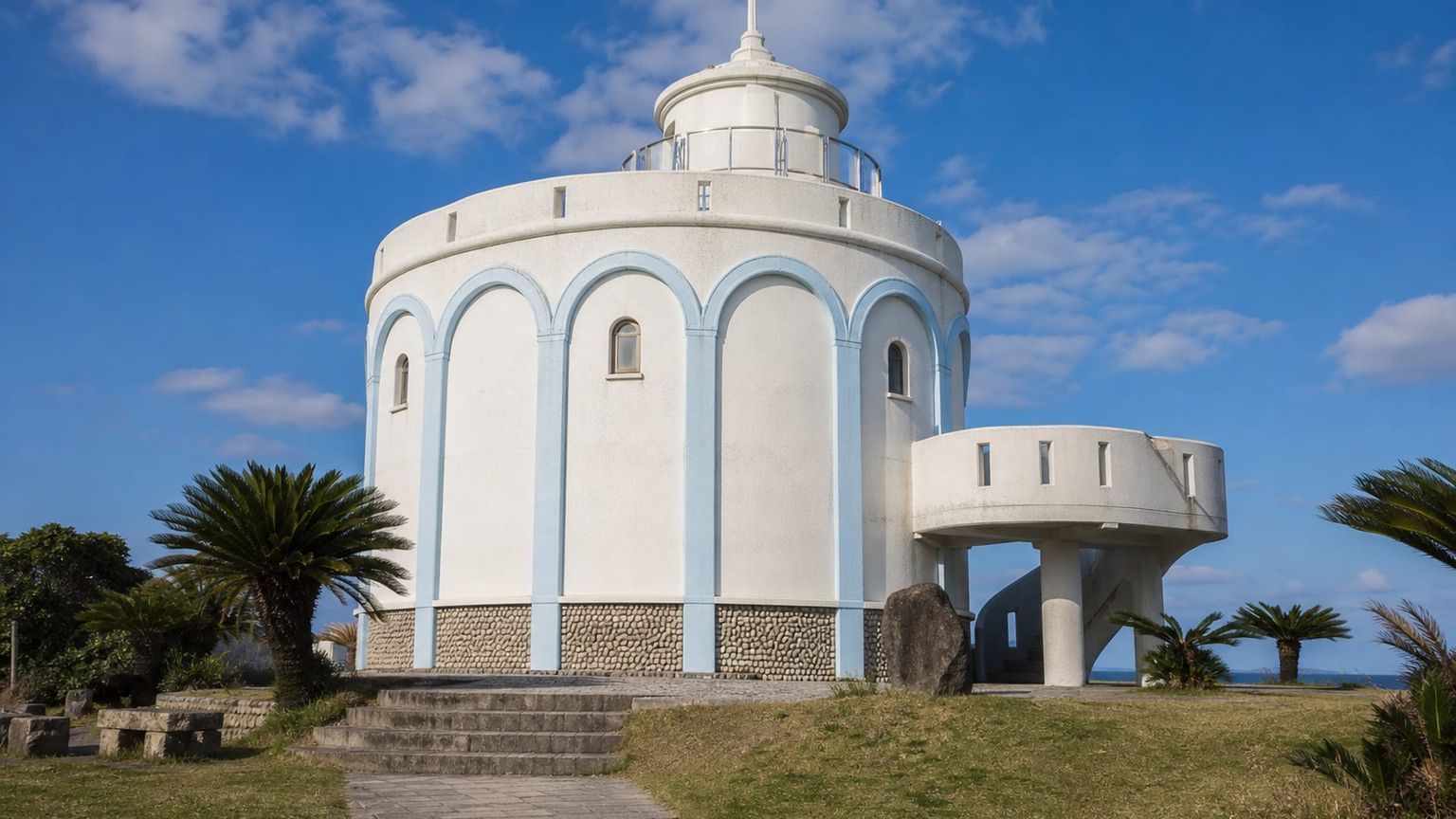
Ayamaru Misaki Tourist Park
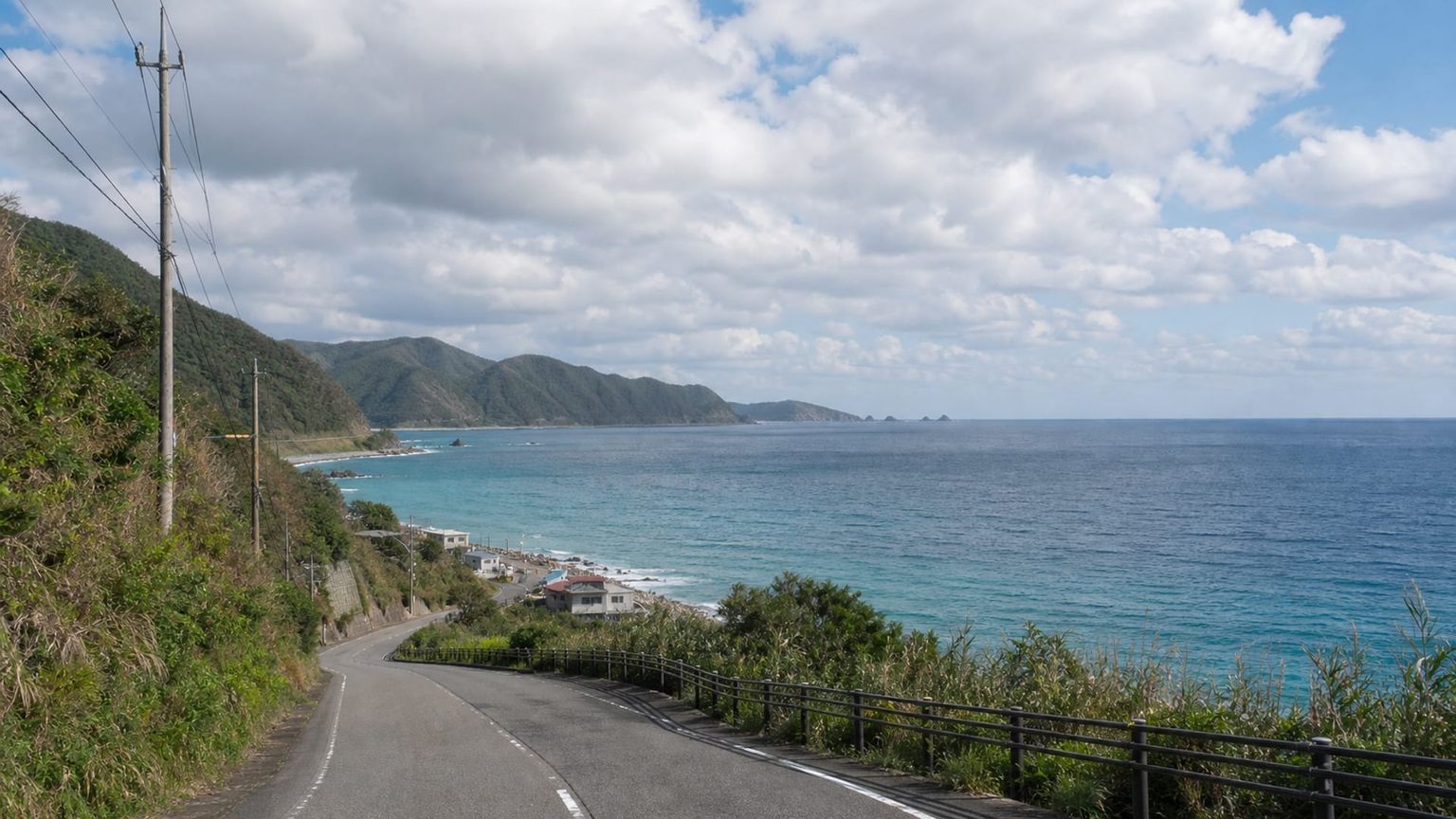
This headland park near the northern tip of Amami Oshima combines a lighthouse view, open lawns, and coastal lookouts over clear water. Its elevated setting makes it one of the best places near the city for sunset and wide sea views.
Time needed: About 1 to 2 hours
Entry: Free to access
Tip: Arrive late afternoon, when the light is softer and the headland is cooler.
Overlooked sites worth visiting

Ohama Seaside Park
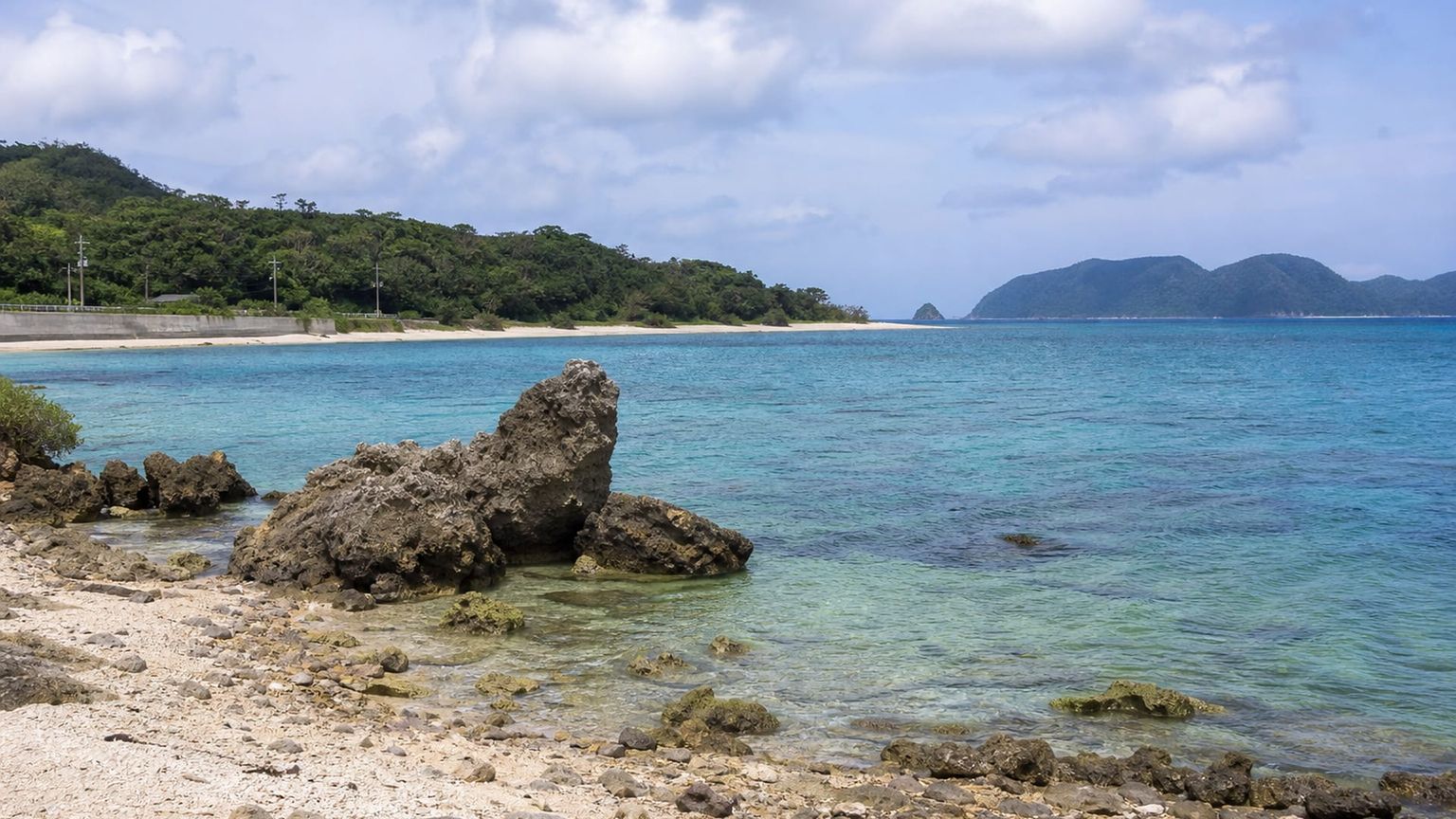
A wide beach park on Amami’s northeast coast, with tide pools, pines, and a long arc of sand for slow walks. It suits sunset visits, when the water turns calm and the shoreline is easiest to read.
Time needed: About 1 to 2 hours
Entry: Free to access; there is no admission charge for the park or beach, though parking may be limited on busy weekends and holiday afternoons. Bring cash for any nearby snack stands, since facilities can be sparse outside peak season.
Tip: Go near low tide for tide pools and a longer shoreline walk.

Amami Guntō Museum
This compact museum covers the islands’ history, ecology, and craft traditions in a single stop. Displays are small enough for a short visit, yet detailed enough to give context before exploring the island.
Time needed: About 45 minutes to 1 hour
Entry: Adults cost about $3 ($3), with reduced rates for students and children; special exhibits may cost extra. The museum sells tickets at the door, and hours can change on holidays, so check the posted schedule before you go. Visit the official site for details.
Tip: Pair it with a morning visit, before the galleries get busier.
Traditional food
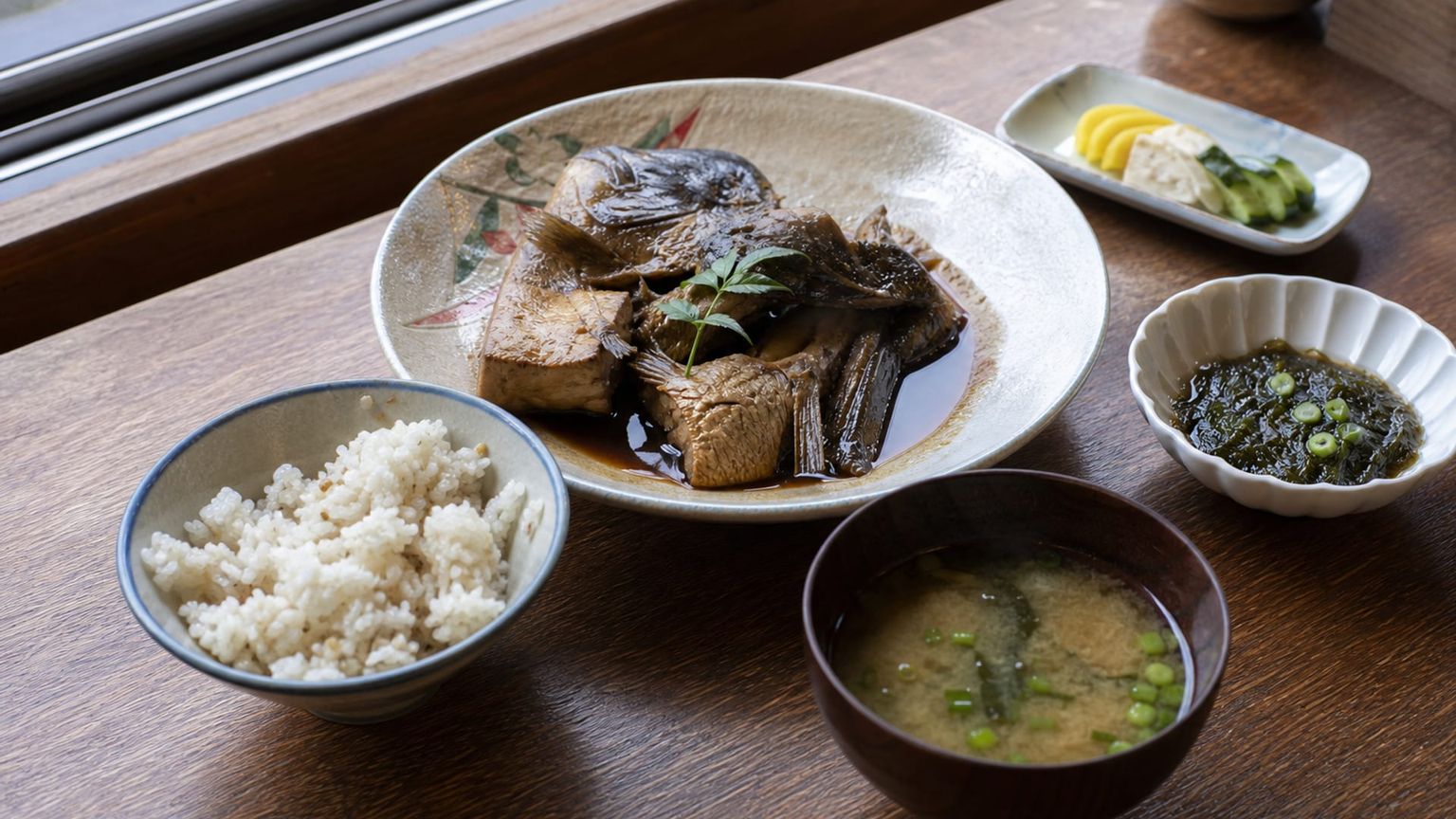
Amami cooking leans on island seafood, chicken rice bowls, crisp fried snacks, and brown sugar shochu, with small restaurants serving lunch and dinner on limited hours. Fresh fish and simple broths anchor the table, and timing matters because many kitchens close one day a week.
Tobiuo sashimi
Flying fish sashimi shows up on Amami menus with a clean, firm bite and a light ocean sweetness. For a dependable introduction, use Hananichimura in Naze, which serves local fish in a setting close to the port area.
Keihan
Keihan pairs sliced chicken, egg, mushrooms, and broth over rice, then finishes with a warm pour that ties the bowl together. Settle in at Keihan Hisada in Naze, a long-running specialist known for the dish.
Satsuma-age
These fried fish cakes work well as a snack or an easy side with drinks, especially when you want something hot between sightseeing stops. Try them at Ajimaru in Naze, where local food and casual seating make them an easy fit for dinner.
Brown sugar shochu
Amami’s brown sugar shochu carries a rounded sweetness and a clean finish that suits the island’s seafood and small plates. For a canonical pour, visit Yadokari in Naze, a well-known spot for local drinks and izakaya dishes.
Best time to visit Amami
Amami is warm for much of the year, but sea breezes, rain, and typhoon season can change how long you want to stay on the coast.
Best for: Quiet beaches, lower humidity, and calmer sightseeing days
What you get: About 50 to 64°F (10 to 18°C), with fewer visitors and cool evenings
Trade-offs: Swims and long shoreline walks can feel limited without bright sun
Best for: Clear coastal views, comfortable walking, and easy day planning
What you get: About 57 to 77°F (14 to 25°C), with moderate crowds before summer holidays
Trade-offs: Golden Week can raise hotel demand and traffic
Best for: Beach time, lush scenery, and longer daylight for outdoor stops
What you get: About 77 to 89°F (25 to 32°C), with heavier humidity and more visitors near school holidays
Trade-offs: Rain and heat can compress outdoor time
Best for: Warm seas, clearer air after typhoon season, and easier pacing
What you get: About 66 to 82°F (19 to 28°C), with lighter crowds after summer peaks
Trade-offs: Typhoons can still affect plans in early autumn
A realistic 5-day plan in Amami
The five-day plan starts with an easy first night in Naze, then alternates between museums, headlands, and beach parks so you are not crossing the island more than necessary. It leaves room for bus travel, taxi hops, and one final morning near town before departure.
Land at Amami Airport (ASJ), then take the airport bus or a taxi into Naze, the ride is about 10 to 15 minutes by bus or about 20 minutes by taxi, with fares roughly $3 to $5 on the bus or about $15 to $25 by taxi. Check into a stay near the port or the main roads in Naze, where you can walk to dinner and avoid a long return after dark. Keep the evening low-key: drink water after the flight, then choose an early meal in central Naze, where most restaurants and convenience stores sit close together.
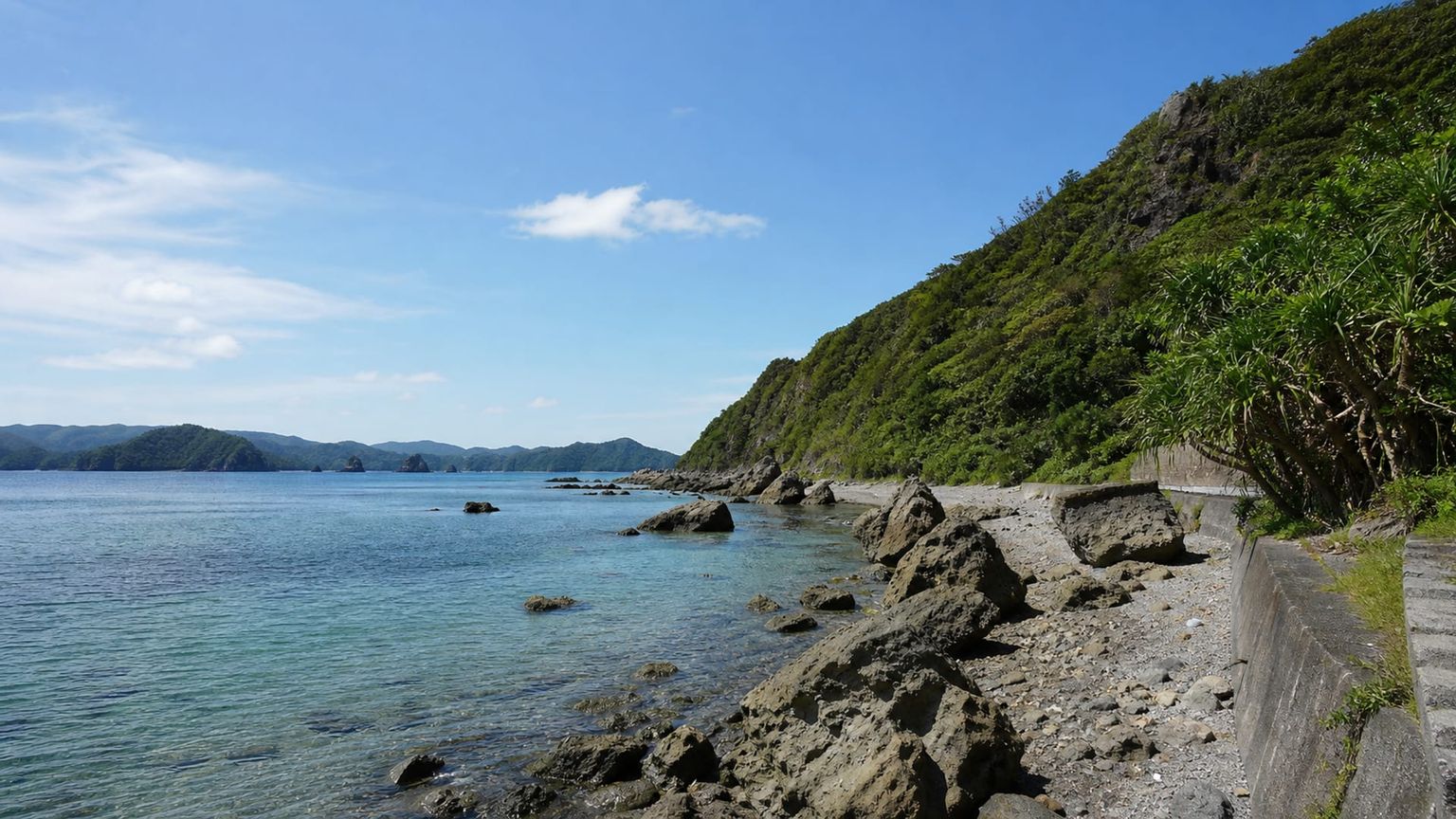
Start with Amami Park in the morning, when the paths are cooler and the sea views are clearer, then spend about 2 to 3 hours there before heading back toward town. From Amami Park, ride or drive roughly 15 to 20 minutes to the Oshima Tsumugi Museum in Amami City, where the weaving displays make a good midday stop for about 1 to 2 hours. After that, continue to Ohama Seaside Park in about 10 to 15 minutes by car, or a little longer by bus, and stay for a shoreline walk and sunset on the beach.
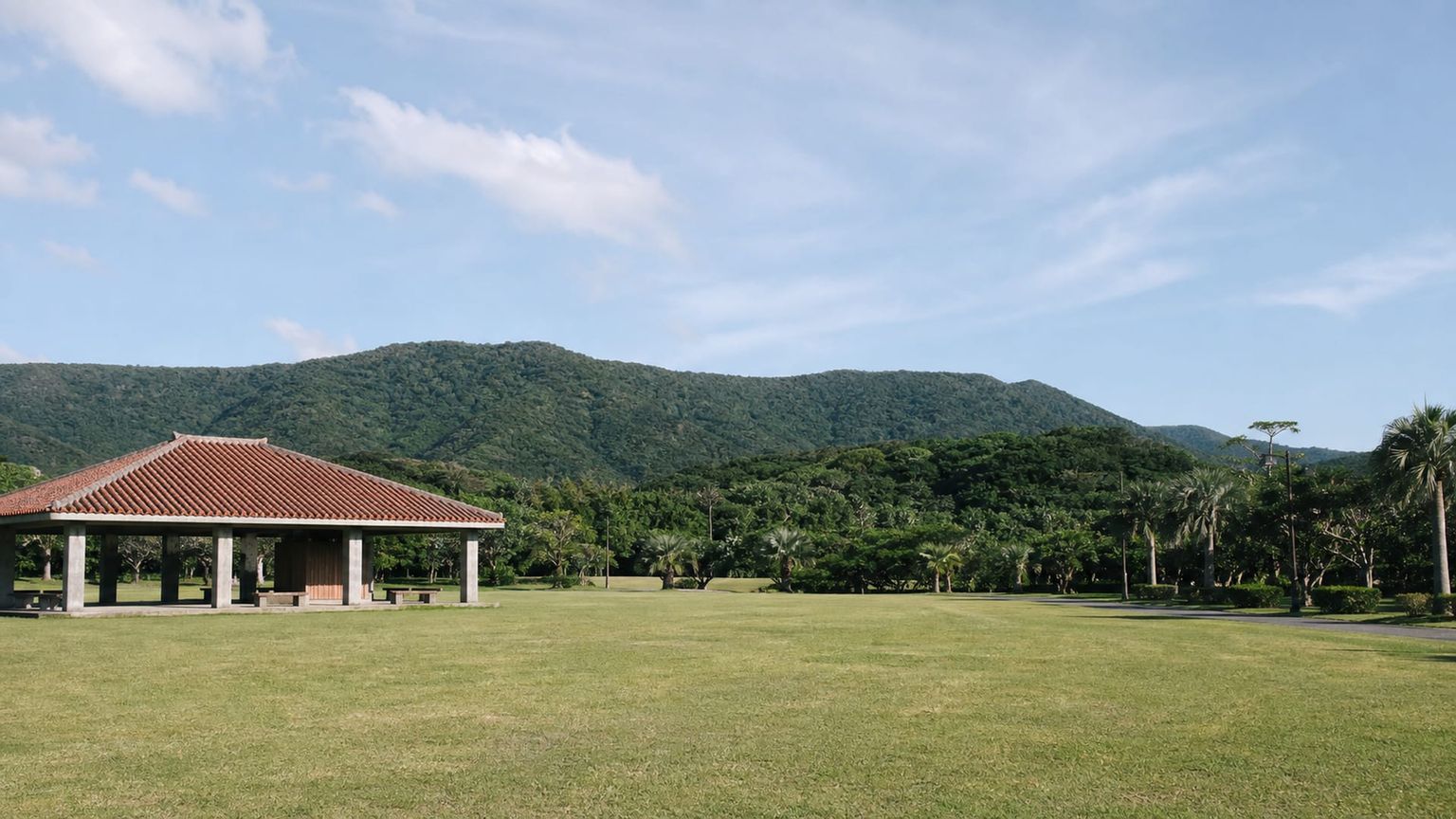
Begin at the Amami Guntō Museum in the morning, then give it about 45 minutes to 1 hour before moving on to the coast. From the museum, head to Ayamaru Misaki Tourist Park in roughly 20 to 25 minutes by car, or about 35 to 45 minutes by bus, and spend 1 to 2 hours at the lighthouse headland and open viewpoints. Finish with dinner back in Naze, where the port area and main streets are easiest for an unhurried evening meal.
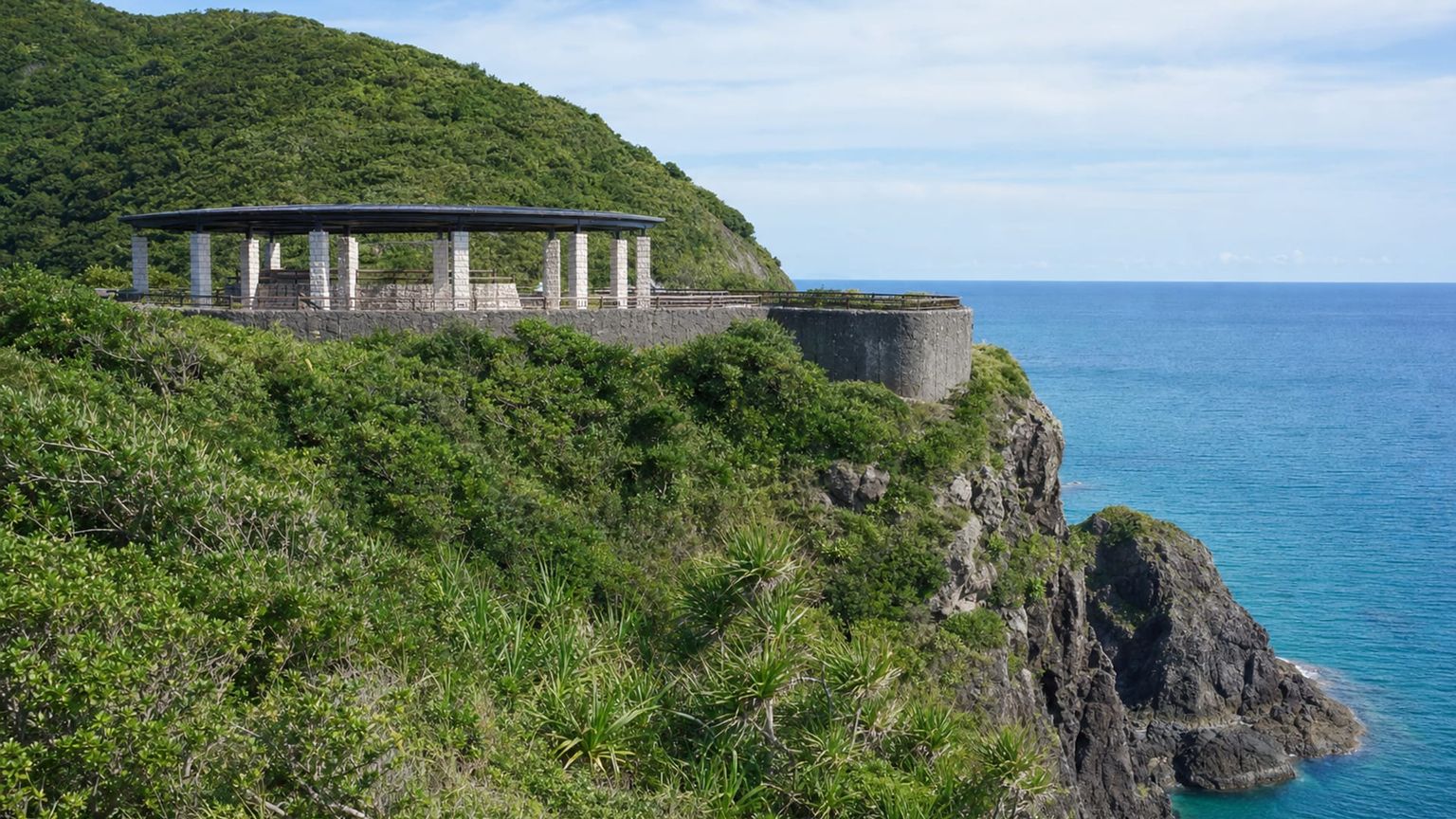
An early start fits a trip to Ohama Seaside Park, especially if you want the tide pools and a longer walk along the sand before midday. From Naze, expect about 10 to 15 minutes by car, or a longer bus ride, then spend 1 to 2 hours watching the shoreline and pines before moving on. In the afternoon, return to Amami Park in about 15 to 20 minutes if you want one more look at the coast and island ecology, or head back to Naze for a quiet final dinner near your hotel.
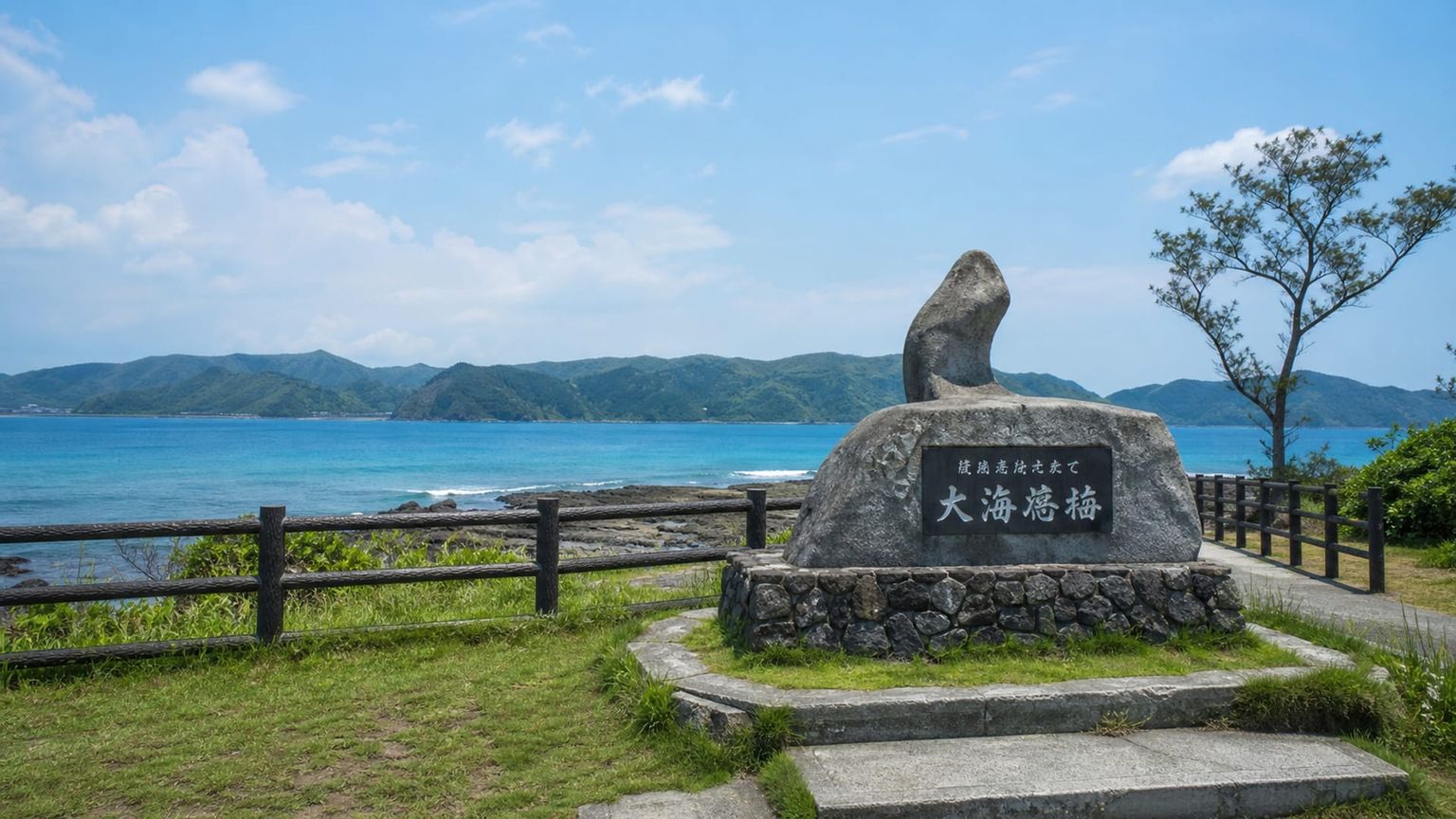
For the last morning, stop at the Oshima Tsumugi Museum if you want one final indoor visit, then browse the surrounding shops in central Naze for textiles and small local purchases. From there, a café break in Naze gives you an easy pause before the airport transfer, and the bus back to Amami Airport (ASJ) takes about 10 to 15 minutes from town. If you are staying in Kasarizaki, you can keep the pace slower with a short neighborhood walk and an early lunch before heading out.
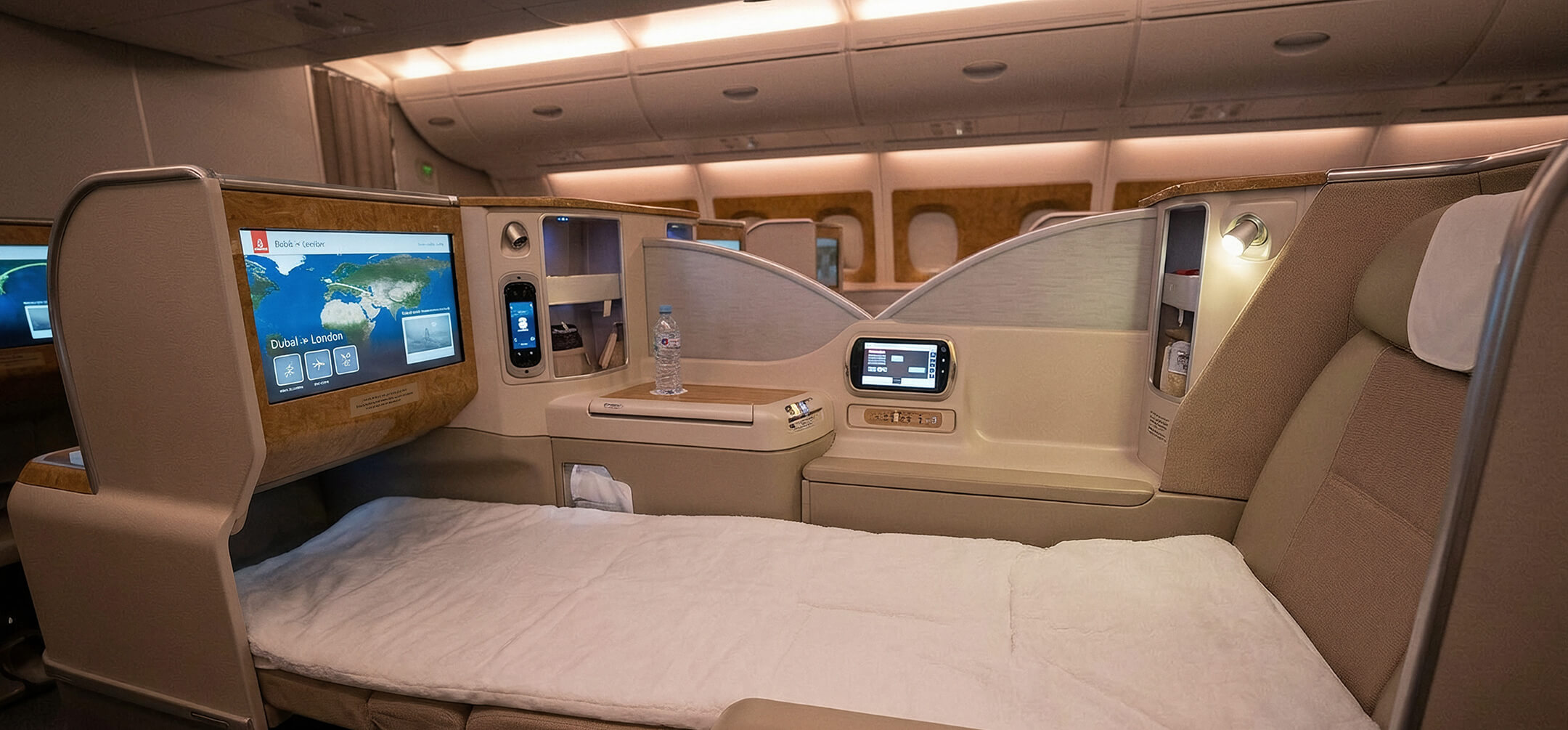
Business-class flights from the US to Amami
Flights to Amami usually involve a long layover, so the best options are the ones that line up neatly with your connection cities and total travel time. These examples show how the route changes from the East Coast and the West Coast.
From New York (JFK), Japan Airlines, All Nippon Airways, Korean Air, China Airlines, Cathay Pacific, and Qatar Airways can get you there, usually with connections through Tokyo (HND), Tokyo (NRT), or Seoul (ICN). Round-trip fares from New York (JFK) to Amami are usually from $4,800 to $8,500; if you do not mind a layover, common routings via Tokyo (HND), Tokyo (NRT), or Seoul (ICN) can cut the fare.
Los Angeles (LAX) is served by Japan Airlines, All Nippon Airways, Korean Air, China Airlines, Cathay Pacific, and STARLUX Airlines, and the journey typically takes about 15 to 24 hours with one stop. From $4,200 to $7,600, round-trip fares from Los Angeles (LAX) to Amami usually price in this range, with one-stop options via Tokyo (HND) or Seoul (ICN) often landing lower.
Amami feels different when you slow down
A deliberate Amami trip usually centers on Naze for meals and transit, then uses short runs to Amami Park, the Oshima Tsumugi Museum, Ohama Seaside Park, and Ayamaru Misaki Tourist Park. That sequence keeps the island’s roads manageable and leaves time for an early dinner before places close. If you want help shaping the route by season or by neighborhood, the AranGrant experts can build it around your dates and flight window