

Chapters:

Need help with your trip?
Our support team is available 24/7. Request a callback or call us directly at (833) 619-0908
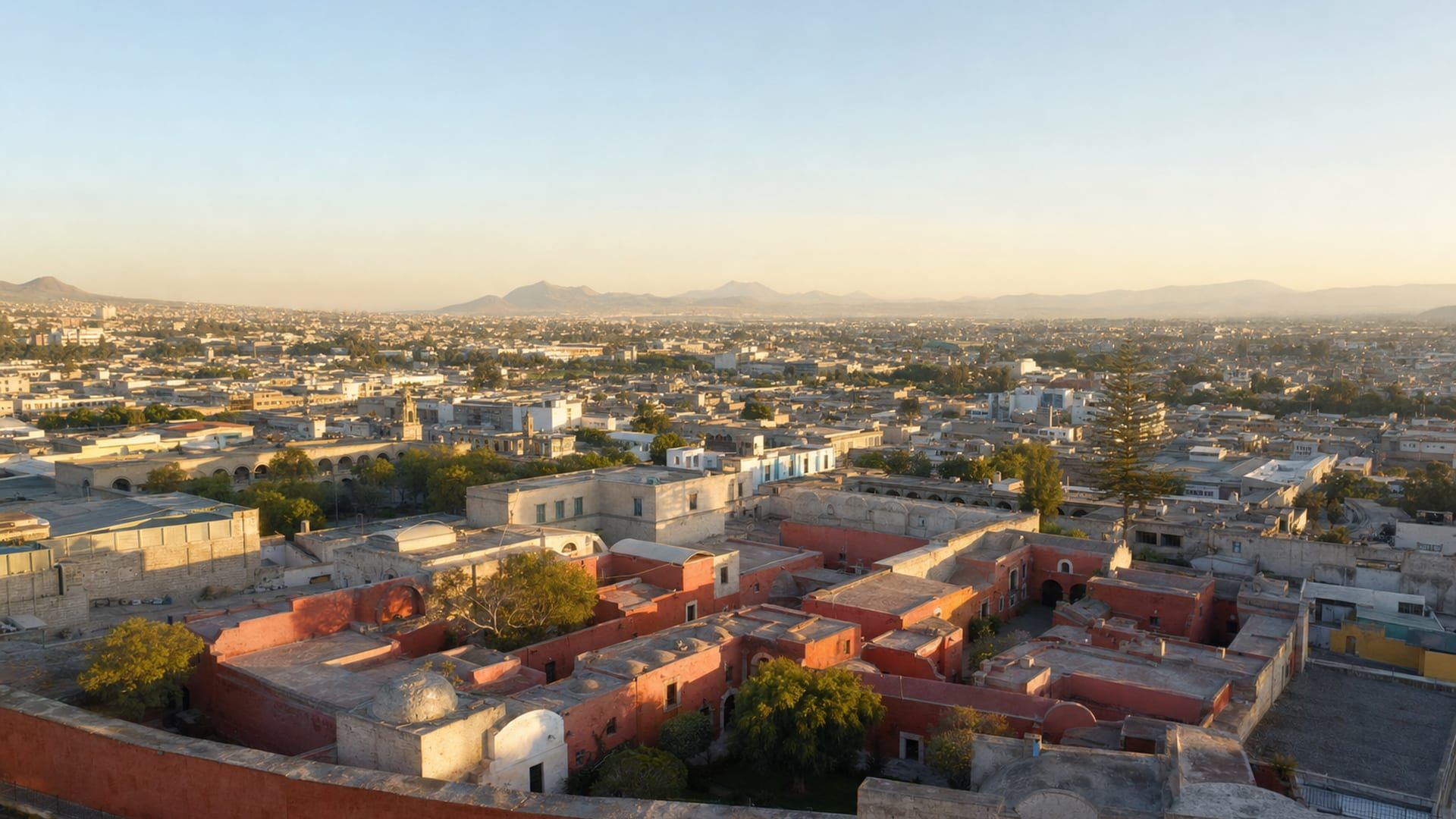
Arequipa trips often start with the obvious: the plaza, a monastery, a viewpoint, then a quick exit. What many visitors miss is how much the city changes once you step one or two blocks off the square, where sillar streets, neighborhood cafes, and quieter museums give the center more depth.
That first-pass plan can waste time in taxi queues, push sights into the hottest hours, and keep you near the busiest corners when lunch closes and traffic builds. Distances are short on a map, but crossing from the historic core to Yanahuara or Sabandía still takes planning.
This guide orders the city by pace and location, so each day builds on the last. It pairs the main monuments with better-timed side trips, neighborhood stops, and clear transit notes, then leaves room for food, light, and a cleaner departure day.
Useful things to know

Main language(s): Spanish
Hola (OH-lah) – Hello
Por favor (por fah-VOR) – Please
Gracias (GRAH-see-ahs) – Thank you
¿Habla inglés? (AH-blah een-GLEHS) – Do you speak English?
¿Cuánto cuesta? (KWAHN-toh KWES-tah) – How much does it cost?

Currency: The local currency is the Peruvian sol (PEN, S/).

Cash and cards: Cards and contactless are widely accepted in hotels, malls, and larger restaurants; carry about S/80 to S/150 ($22 to $40) in cash for taxis and small shops.

Tipping: Round up small bills; leave about 5-10% at restaurants for good service.

Traditional food: Rocoto relleno, chupe de camarones, adobo arequipeño, ocopa

Water and coffee costs: Water ~S/4 to S/6 ($1 to $2), bar espresso ~S/8 to S/12 ($2 to $3).

Taxis and ride apps: Uber and Cabify operate here; confirm the plate before you get in.

Plug and voltage: Type A/C socket, 220V

Dining and shop opening hours: Breakfast runs about 07:00-09:00, lunch 13:00-15:00, dinner 19:00-21:30. Many kitchens close in the afternoon between lunch and dinner.

Emergency number: 105 for police, 106 for ambulance, 116 for fire.
Where to stay in Arequipa
Arequipa’s historical center clusters around the Plaza de Armas, Santa Catalina Monastery, and the old sillar streets. It suits travelers who want the city’s main sights, restaurants, and taxi access within a compact walkable core.
Best for: First-time visits, sightseeing, and staying close to major monuments and dining
What to expect: Expect busy sidewalks by day, tour groups near the plaza, and a steady stream of restaurants, cafes, and taxis.
Hotel prices: Usually about $45 to $140 per night for well-rated stays
Distance to major sights: 0 to 10 minutes on foot to Plaza de Armas, about 10 to 15 minutes on foot to Santa Catalina Monastery
Quietness: Busy in the daytime and early evening, then quieter after restaurants close.
Main trade-off: Rates are higher than in outer districts, and some blocks get traffic and late footfall near the main square.
Good to know: Choose a room on an upper floor or on a side street if you want to cut plaza noise at night.
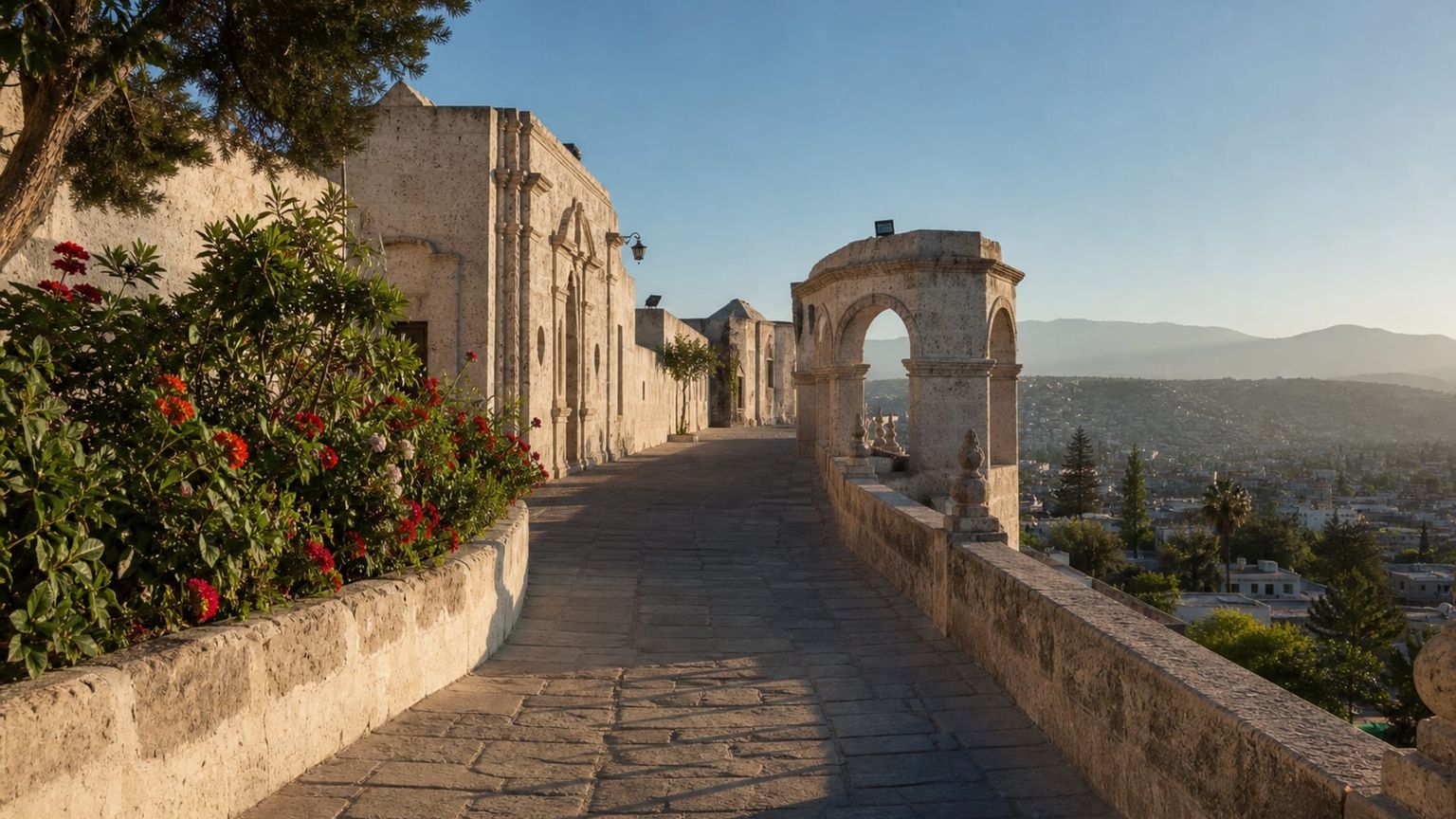
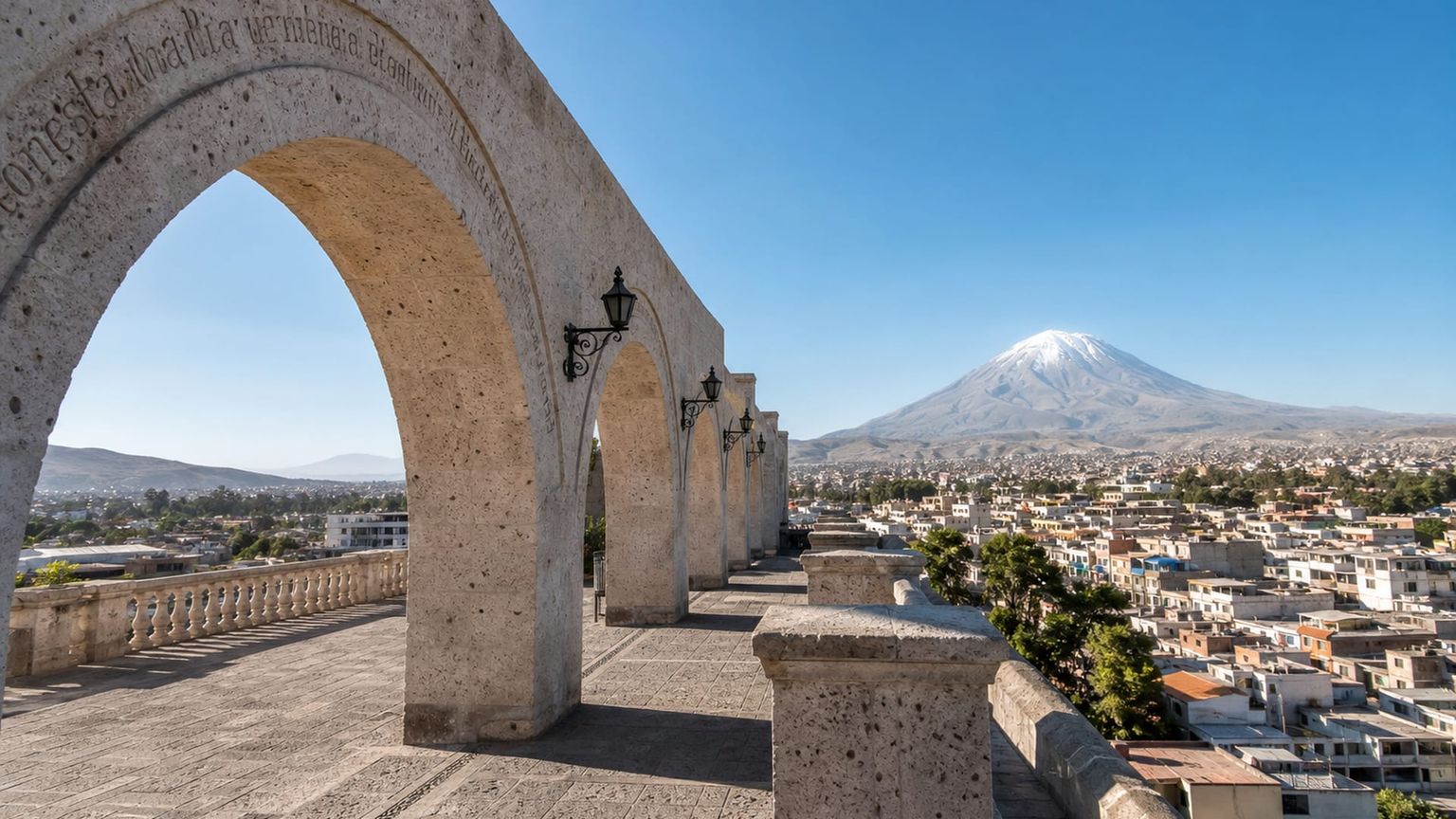
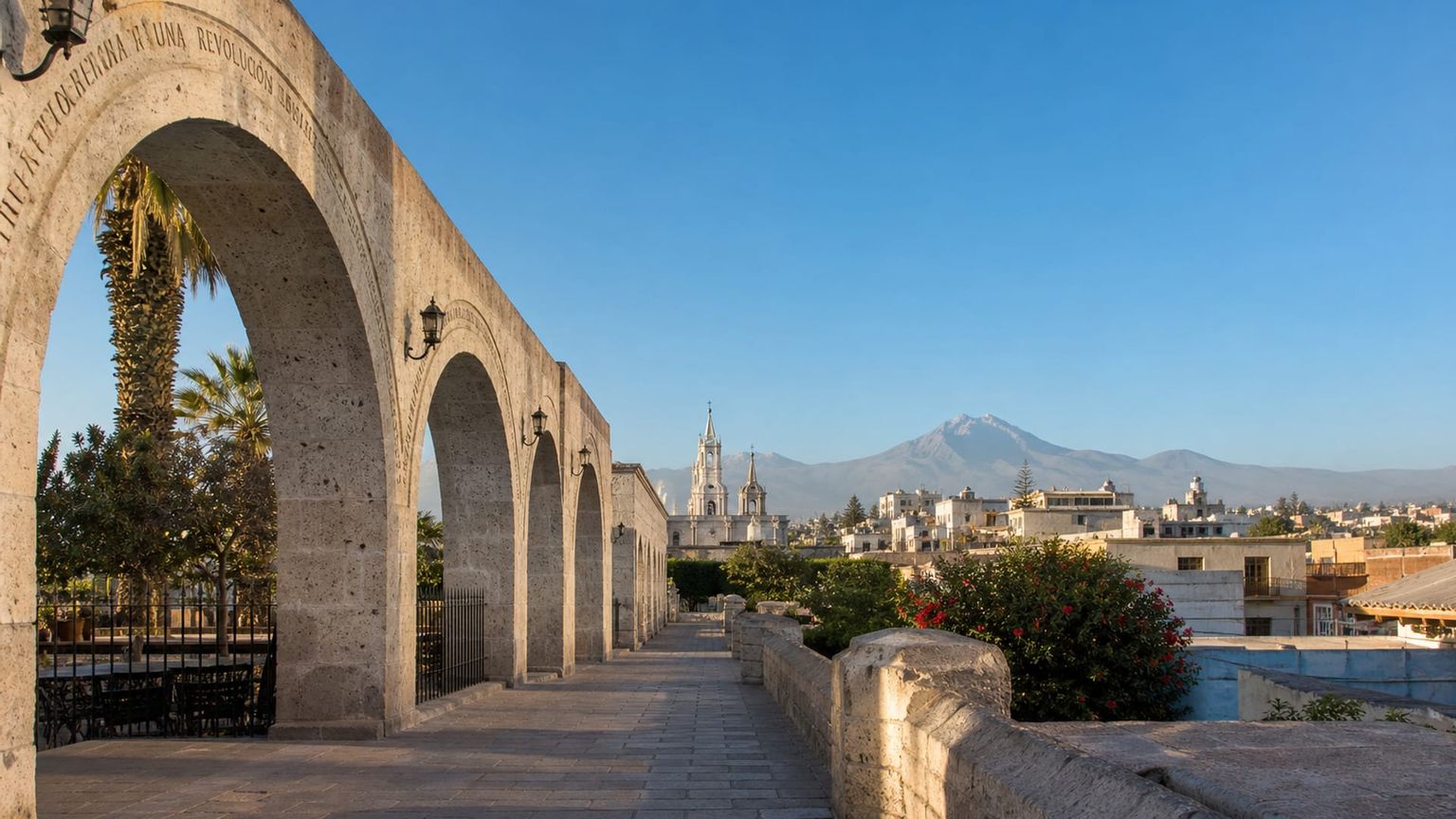
Yanahuara sits west of the center, known for its stone viewpoint arches, church square, and residential streets with volcano views. It works well for visitors who want a calmer address without losing easy access to the historic core.
Best for: Volcano views, quieter evenings, and travelers who prefer a residential setting
What to expect: Expect a neighborhood feel, fewer late-night crowds, and some café traffic around the main viewpoint and square.
Hotel prices: Usually about $35 to $110 per night for well-rated stays
Distance to major sights: About 10 to 15 minutes by taxi to Plaza de Armas, about 5 to 10 minutes on foot to Yanahuara Viewpoint
Quietness: Calmer than the center in the day and notably quieter at night.
Main trade-off: You will usually rely on taxis for most dinners and evening plans in the historic center.
Good to know: Book near the main avenue or a taxi rank if you plan to come and go after dark.
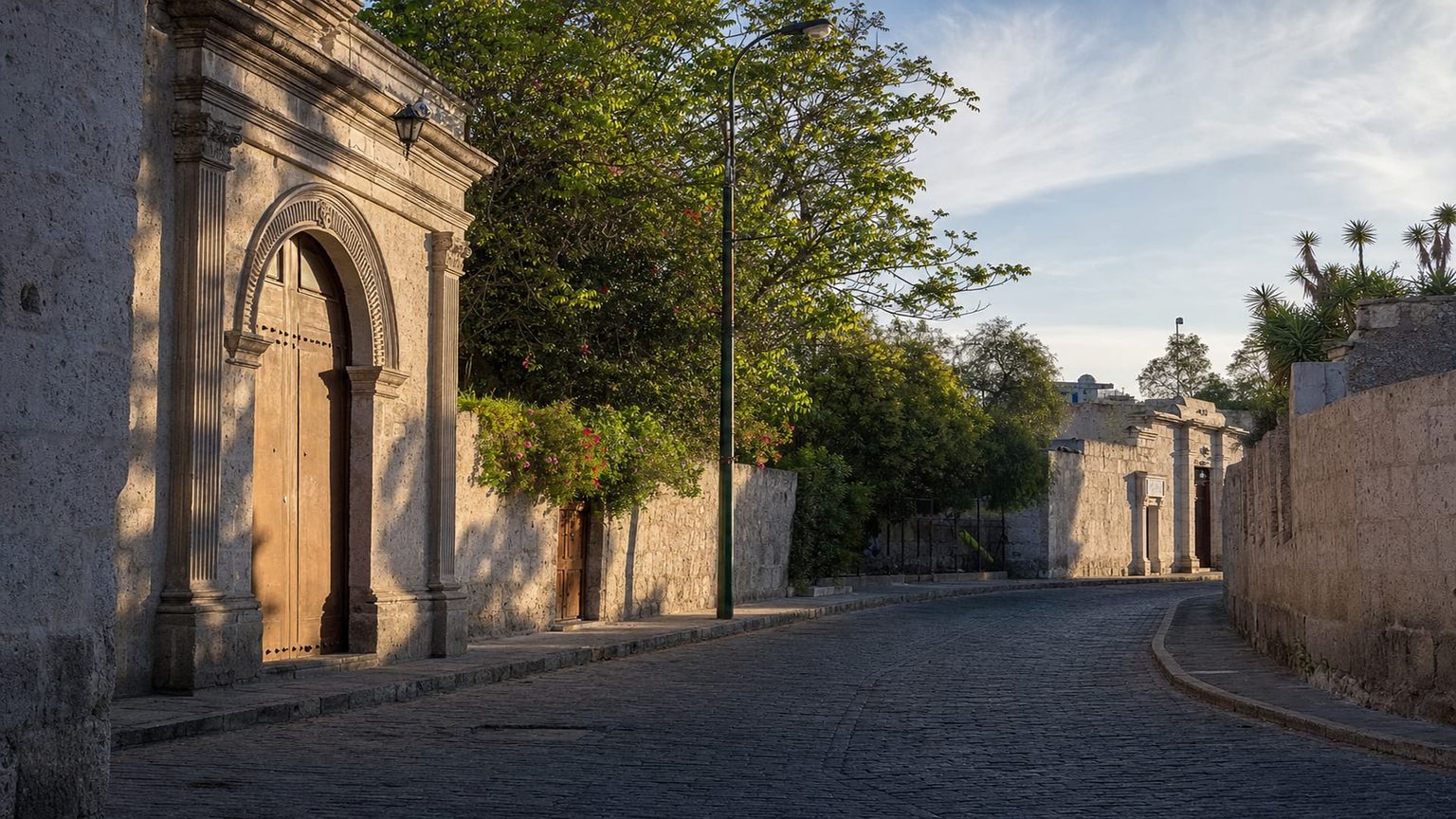
Cayma is a larger residential district northwest of the center, with malls, newer hotels, and access roads toward the city. It suits travelers who want more space, parking, and modern lodging than the old quarter usually offers.
Best for: Drivers, longer stays, and travelers who want newer hotels and shopping nearby
What to expect: Expect wider streets, local shopping centers, and less tourist foot traffic than in the historic core.
Hotel prices: Usually about $30 to $95 per night for well-rated stays
Distance to major sights: About 15 to 20 minutes by taxi to Plaza de Armas, about 20 to 25 minutes by taxi to Santa Catalina Monastery
Quietness: Generally quieter than the center by day and evening, with some traffic on main roads.
Main trade-off: You will spend more time in taxis if your plans focus on museums, churches, and central dining.
Good to know: Pick this area if you want hotel parking or easier car access, because the old streets near the plaza can be tight.
Travelers usually avoid staying in Selva Alegre, Characato, and the far southern outskirts of Arequipa, since they sit well away from the historic center and most major sights, which adds time to everyday taxi rides and evening outings. The outskirts near the airport are also less convenient for visitors because they have fewer restaurants and visitor amenities than the central districts.
Hotel deals
How to get around Arequipa efficiently
Arequipa has no metro or suburban rail, so most visitors move between the Historic Center, Yanahuara, Cayma, and outlying sights by foot, taxi, or local bus.

Metro
for longer distances
Arequipa has no metro or suburban rail, so most visitors rely on taxis and buses for cross-town trips. For city-center travel, walking covers many short hops, while longer journeys usually mean a taxi or a local minibus.

Bus and tram
for convenience
Local buses and combis link the Historic Center with Yanahuara, Cayma, Cerro Colorado, Paucarpata, and José Luis Bustamante y Rivero, and fares usually run about $0.30 to $0.60 (about 1 to 2 soles). Expect crowded vehicles, no fixed station-style ticketing, and trip times of roughly 15 to 45 minutes depending on traffic; ask the driver or conductor to confirm the route before boarding.

Taxi
for convenience or late hours
Licensed taxis in Arequipa are metered only in limited cases, so most rides use quoted fares negotiated before departure. From the airport, fares to the Historic Center usually cost about $6 to $12, while shorter city rides often fall in the $2 to $5 range, with payment usually in cash and cards uncommon. Use marked taxis from the airport stand or ask your hotel to call one, and confirm the price before you get in.
*Prices are based on rates updated as of June 2026 and may change at the time of travel.
Walk for the center, use taxis for Yanahuara, Cayma, and Sabandía, and take buses or combis only when you want the cheapest cross-town option.
Iconic landmarks
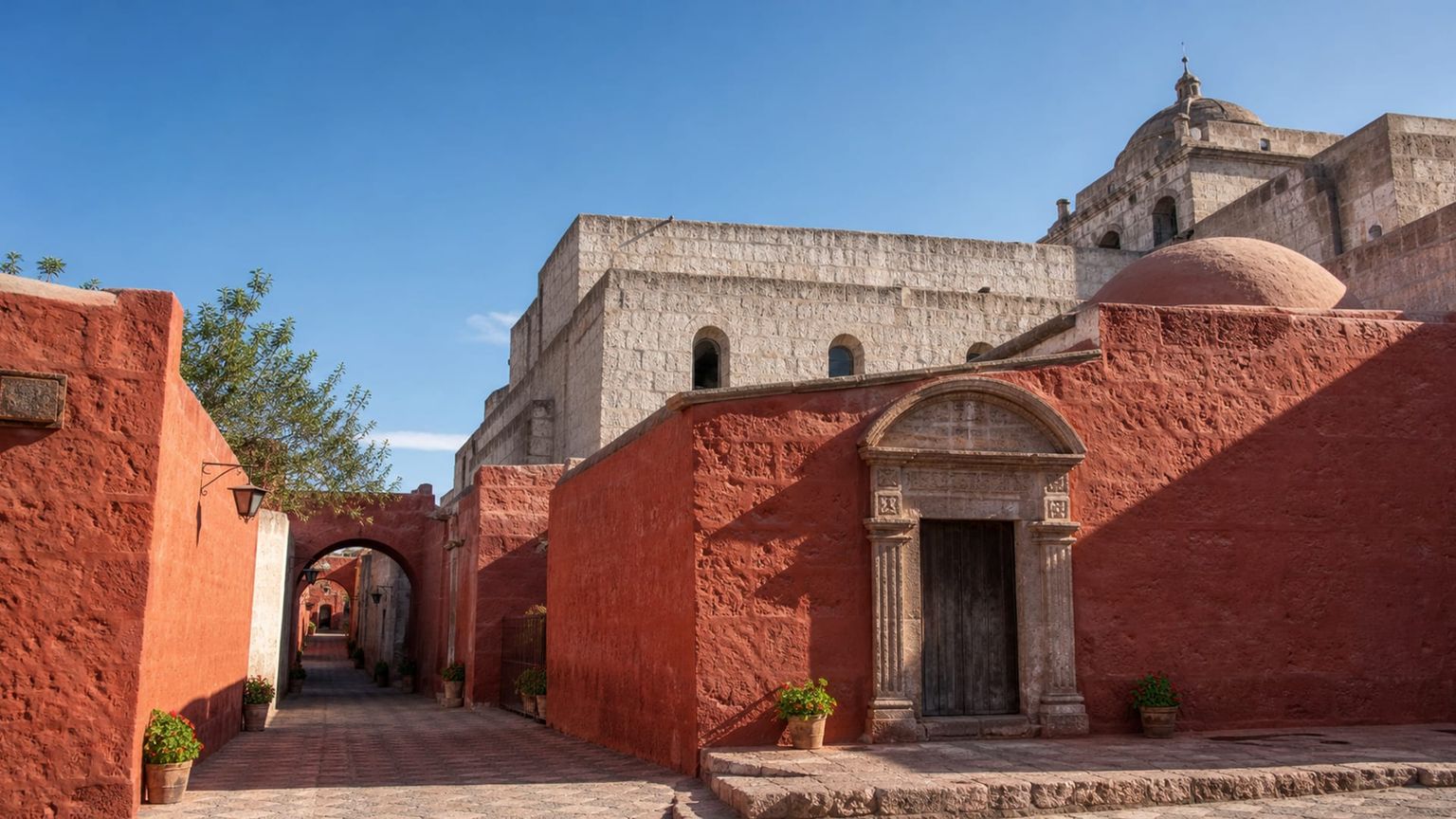
Santa Catalina Monastery
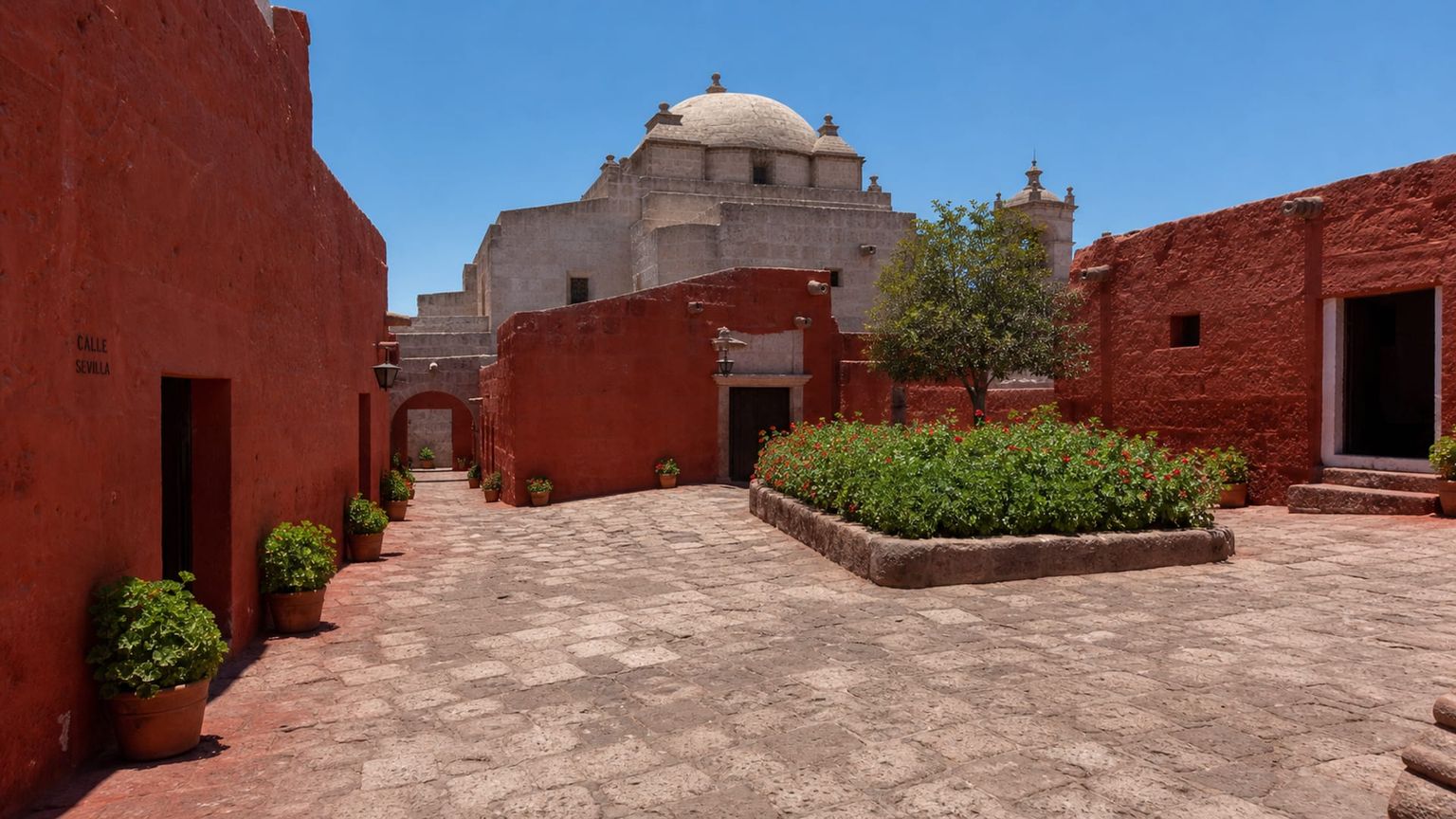
This 16th-century convent covers a full city block of cloisters, lanes, and painted cells in sillar stone. Its blue, red, and ocher walls, chapels, and courtyards show why it is Arequipa’s signature historic site.
Time needed: About 2 to 3 hours
Entry: Admission costs $14 to $16 (about 54 to 62 soles) for adults, with lower rates for students and some local visitors. Visit the official site for details.
Tip: Go early for cooler courtyards and softer light on the painted walls.
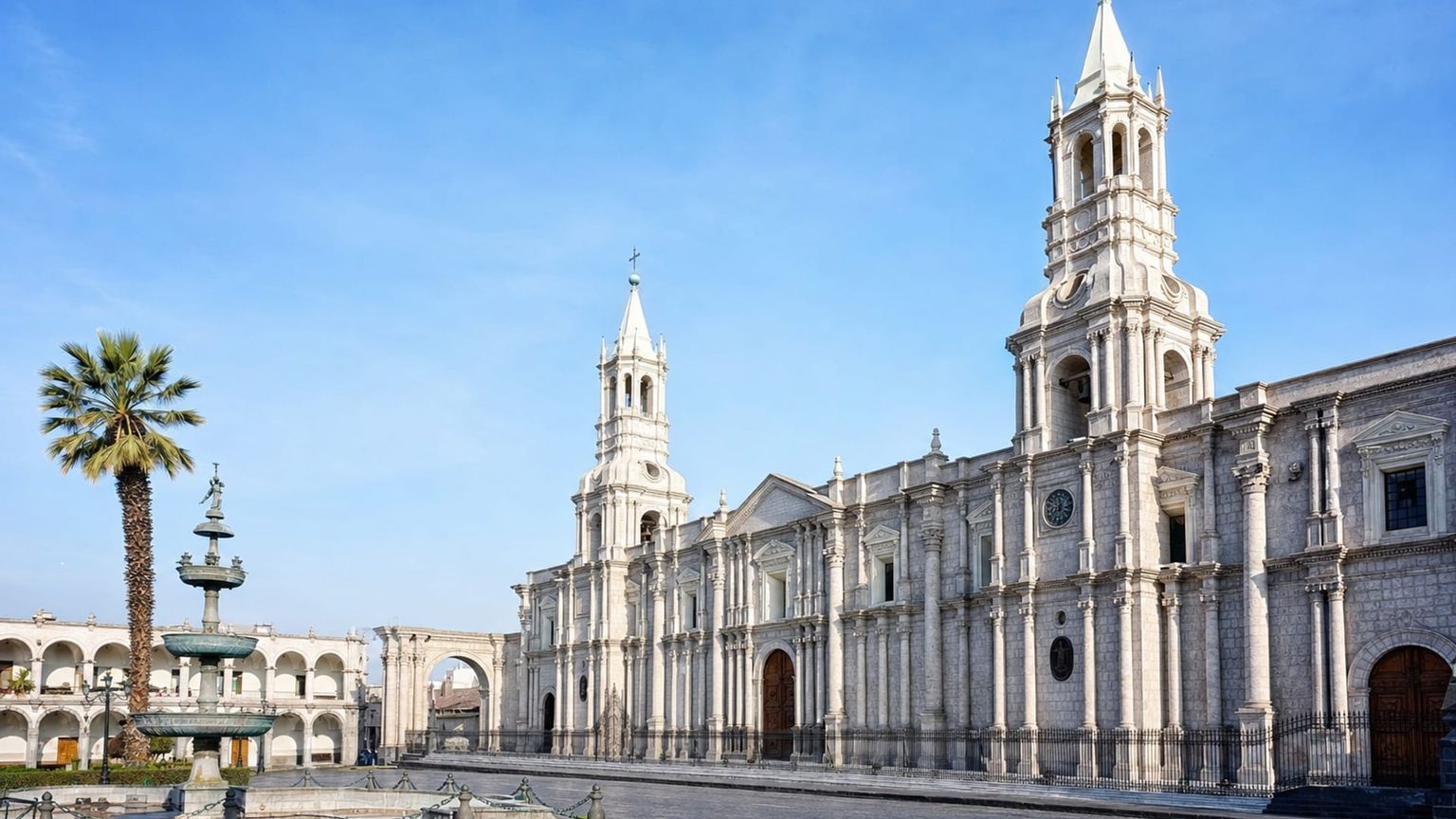
Plaza de Armas
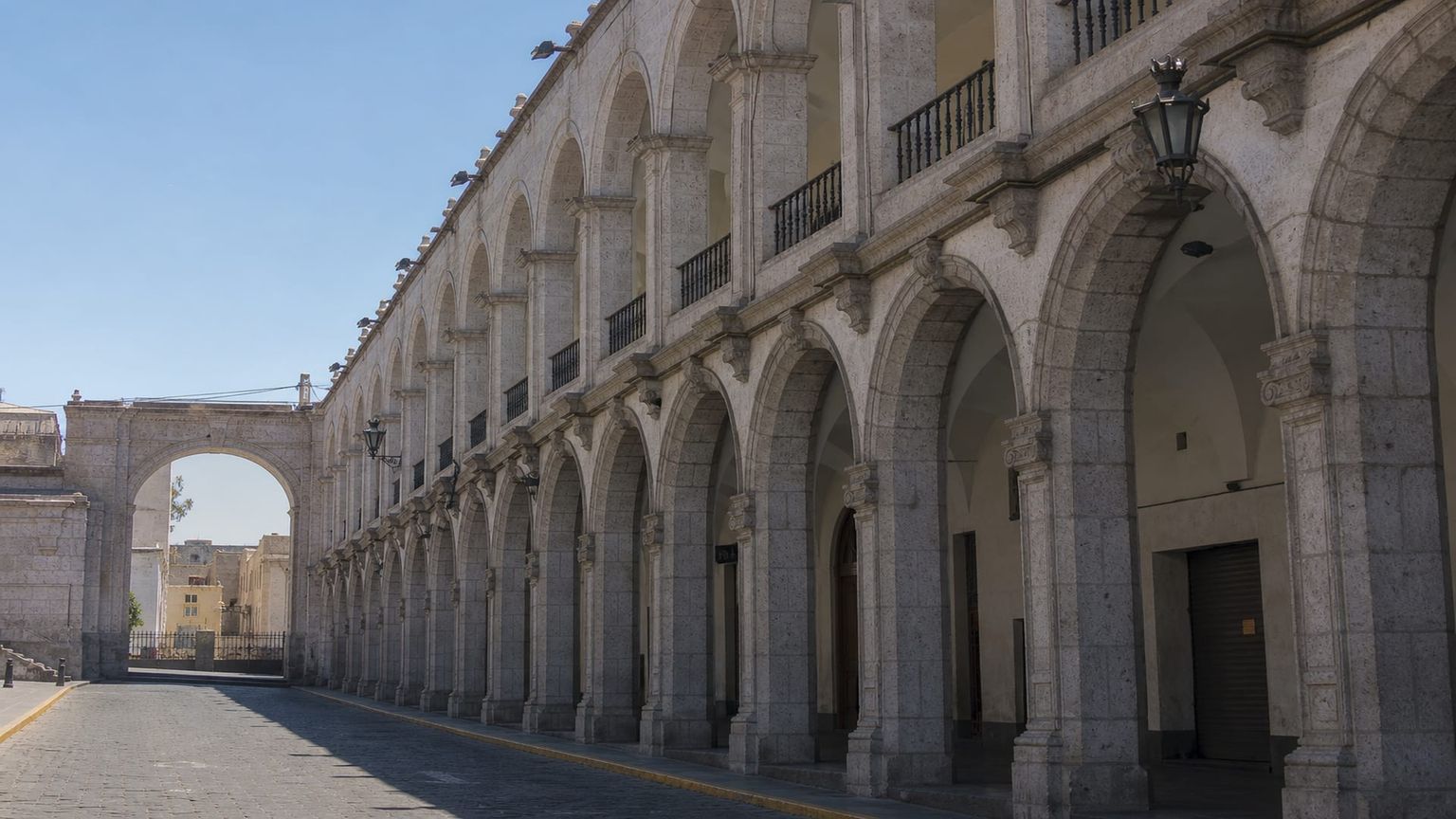
Arequipa’s main square is framed by volcanic-sillar arcades and the Basilica Cathedral, with clear views of Misti on calm days. It concentrates the city’s colonial core, evening activity, and some of the best facade photography.
Time needed: About 1 to 2 hours
Entry: Free to access
Tip: Visit near sunset, when the stone facades warm up and the cathedral lights come on.
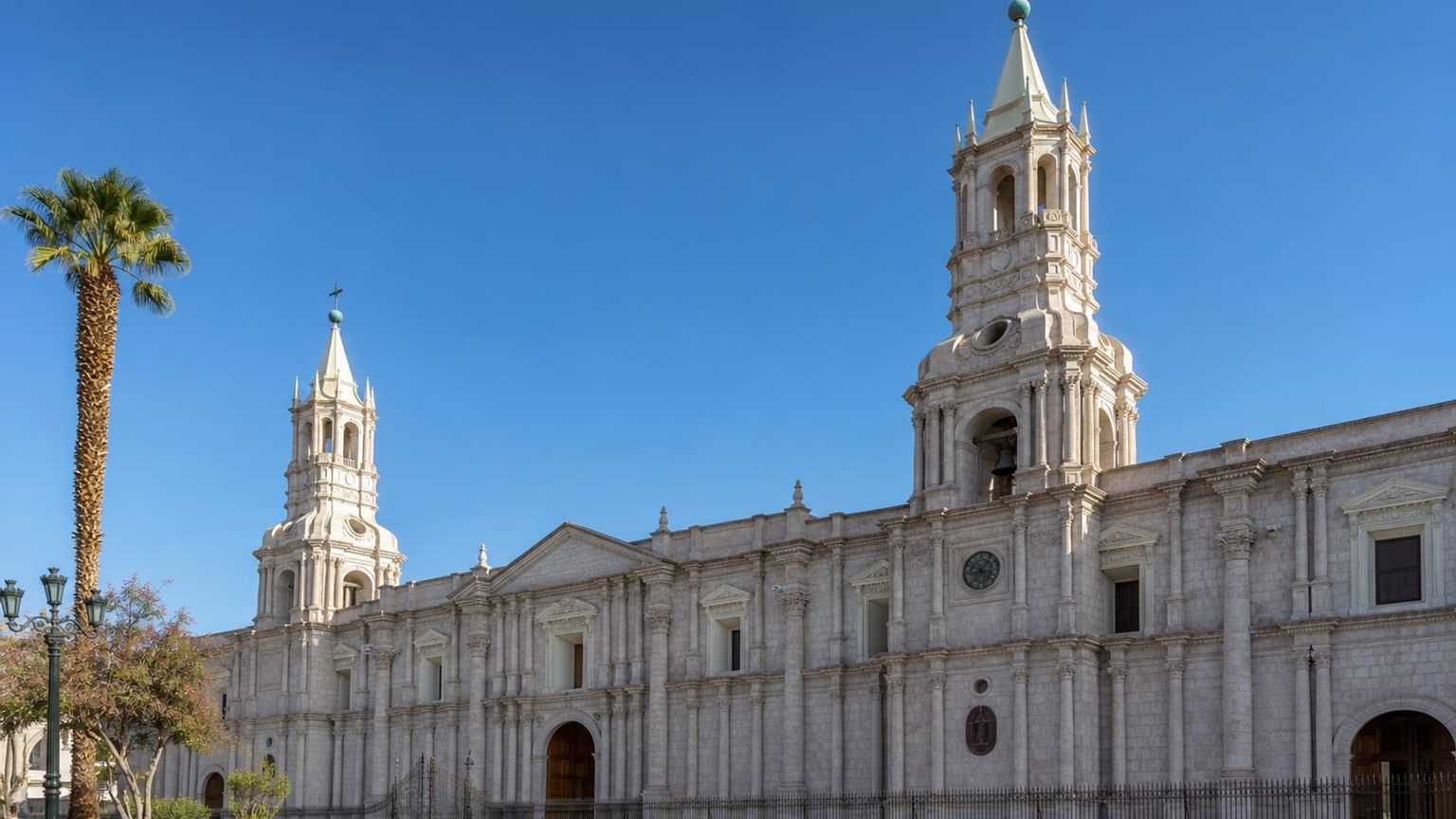
Basilica Cathedral of Arequipa
The cathedral dominates Plaza de Armas with its long facade, twin towers, and carved sillar details. Inside, visitors see the main nave, side chapels, and a museum of liturgical pieces tied to Arequipa’s church history.
Time needed: About 45 minutes to 1 hour
Entry: Tickets cost $3 to $5 (about 12 to 19 soles) for the church and museum areas. Visit the official site for details.
Tip: Check mass times before you go, since sightseeing access can pause during services.
Overlooked sites worth visiting

Sabandía Mill
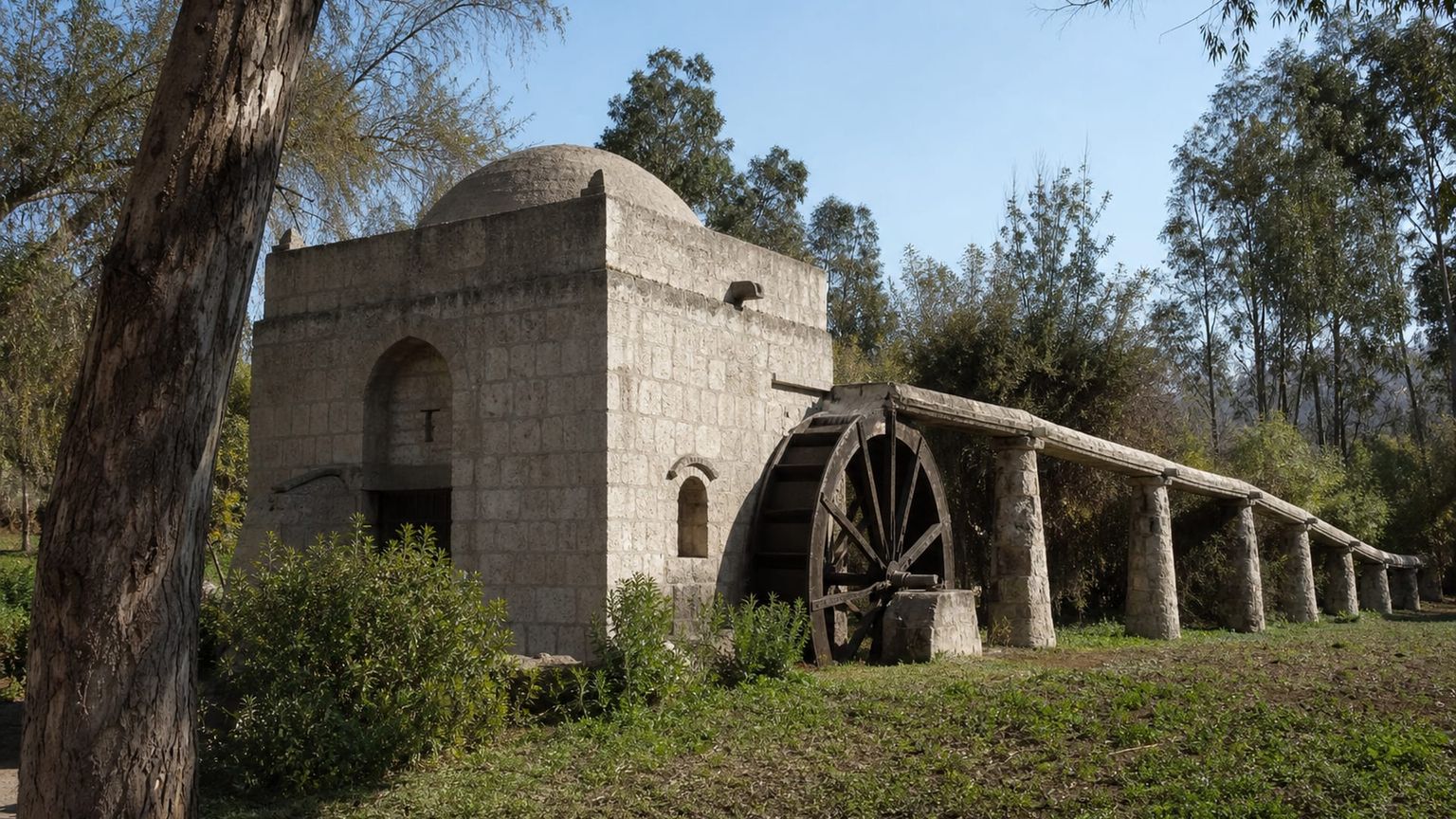
This 18th-century stone mill sits in a small valley south of Arequipa, with a working water wheel, cactus-lined paths, and a compact courtyard that shows colonial-era milling methods.
Time needed: About 1 hour
Entry: Admission is about $3 ($11) for adults, with lower rates for children and local residents; the site also offers paid guided explanations at the ticket office during open hours.
Tip: Visit early for softer light and fewer tour groups.

Museum of Andean Sanctuaries
This small museum near the Plaza de Armas displays the frozen Inca child Juanita, plus textiles, ceramics, and mountaineering finds that explain high-Andean ritual offerings in one compact visit.
Time needed: About 1 hour
Entry: Admission costs about $5 ($18) for adults, with reduced prices for students and Peruvian residents; tickets are sold on site, and the museum closes one day each week. Visit the official site for details.
Tip: Go midmorning to avoid the longest school-group lines.
Traditional food
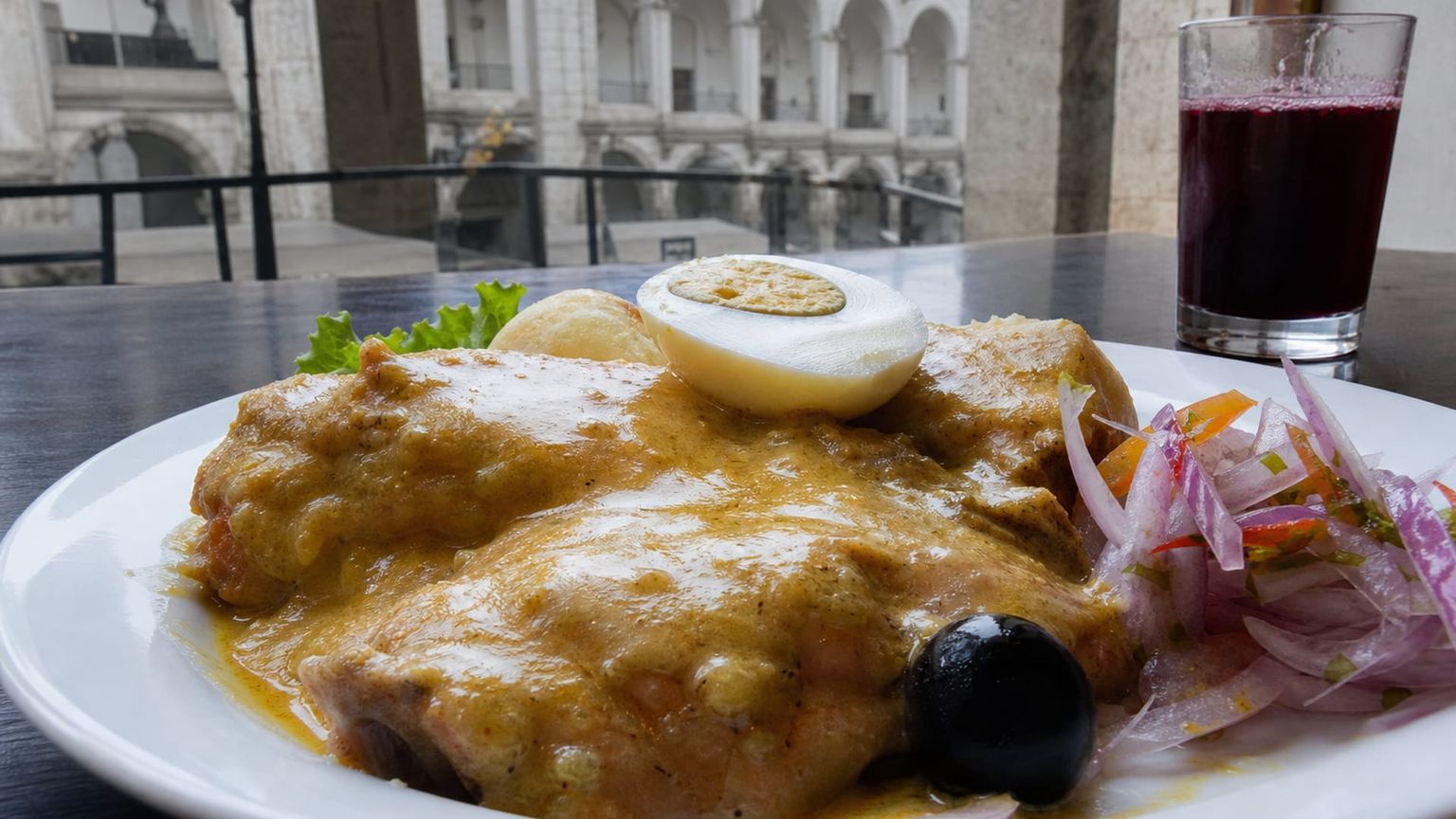
Arequipa’s cooking leans on rocoto, river shrimp, pork, corn, and cheese, with slow stews, creamy sauces, and a lunch-first dining culture that often pauses in the afternoon before dinner returns.
Rocoto relleno
A stuffed rocoto pepper filled with seasoned meat, vegetables, and cheese, then baked and usually served with pastel de papa. Zig Zag is a strong canonical stop in Arequipa for a polished version of the dish.
Chupe de camarones
This rich shrimp soup combines river shrimp, potatoes, vegetables, milk, and herbs into one of Arequipa’s most recognizable bowls. Tradición Arequipeña serves a classic version that matches the city’s home-style tradition.
Adobo arequipeño
Pork is marinated with chicha and spices, then served as a hearty morning or midday stew with bread on the side. La Nueva Palomino is one of the city’s best-known addresses for it.
Ocopa
Boiled potatoes come covered in a creamy herb and peanut sauce, often topped with an olive and egg. Chicha Arequipa is a canonical place to order it alongside other regional dishes.
Best time to visit Arequipa
Arequipa stays sunny and dry for much of the year, but winter nights turn colder, summer brings brief rain, and shoulder months make the clearest time for volcano views.
Best for: Good for brighter mornings and longer daylight.
What you get: Temperatures usually sit about 60 to 75°F (16 to 24°C), with lighter crowds than peak holiday periods but more afternoon rain.
Trade-offs: Showers can blur mountain views and interrupt outdoor plans.
Best for: Best for settled weather and comfortable walking.
What you get: Expect about 56 to 73°F (13 to 23°C), with drier days and moderate visitor numbers.
Trade-offs: Some dates still bring late-season rain in March.
Best for: Best for crisp air, clear volcano views, and museum-heavy days.
What you get: Daytime temperatures hover about 55 to 70°F (13 to 21°C), with cool nights and the busiest tourism months.
Trade-offs: Morning and evening layers matter, especially after sunset.
Best for: Good for warm afternoons and lighter crowds.
What you get: Temperatures usually range about 58 to 76°F (14 to 24°C), with dry conditions early and a few clouds later on.
Trade-offs: Late spring can feel hotter on exposed walks.
A realistic 5-day plan in Arequipa
Five days gives Arequipa enough time to stay centered without rushing from one landmark to the next. The plan below begins with an easy arrival, then groups the main monuments, neighborhood viewpoints, and a southern half-day into a sequence that keeps taxi rides short and timing sensible.
Land at Arequipa (AQP) and take a taxi into the Historical center, where the ride usually takes about 30 to 40 minutes and costs roughly $8 to $12. Check in near Plaza de Armas or on a side street a few blocks away, then take it easy with water, a short walk for fresh air, and a simple dinner in the center, where restaurants stay active into the evening without requiring much transit.
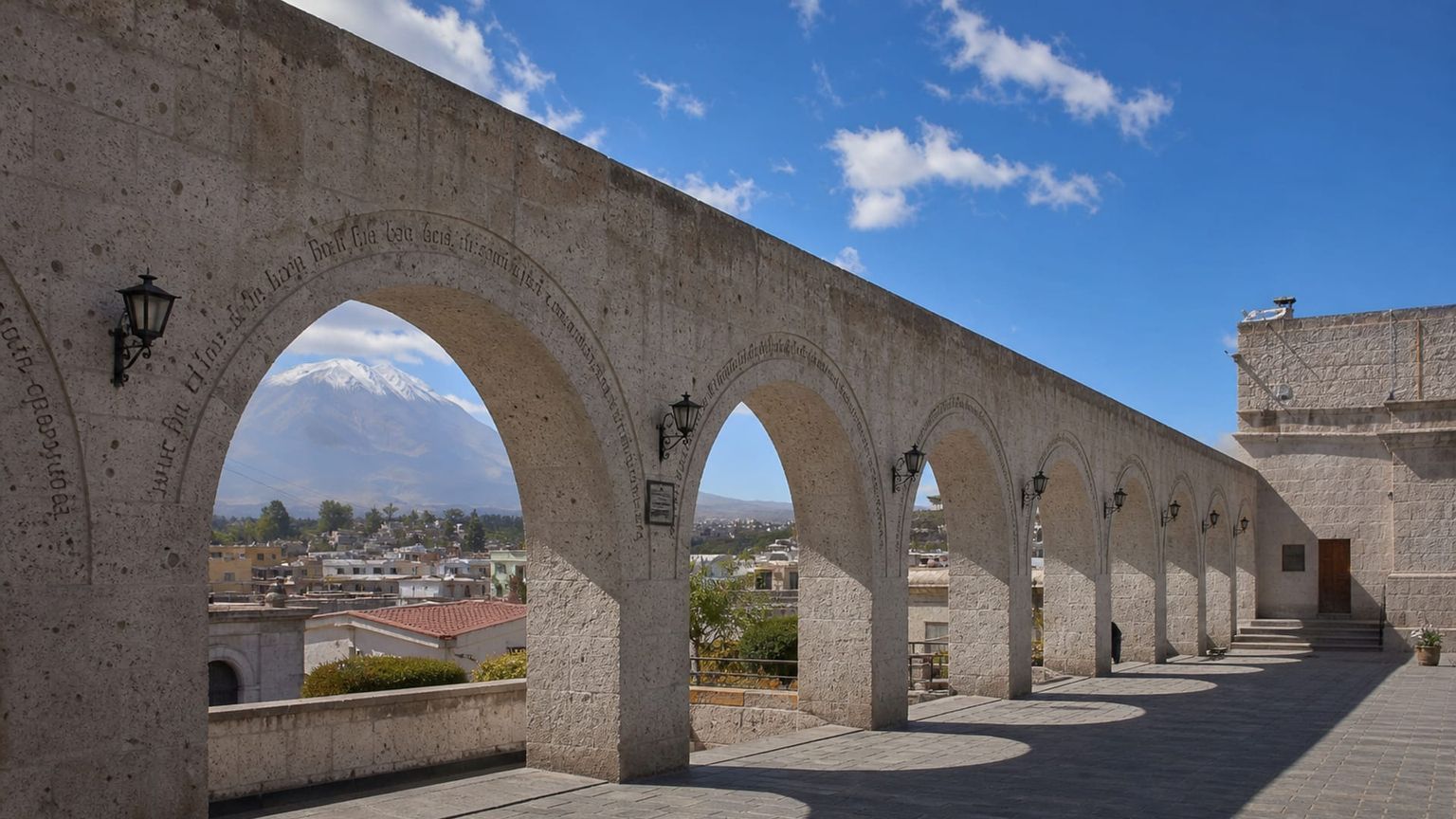
Start at Santa Catalina Monastery, ideally early, when the courtyards are cooler and the painted walls show well. Plan about 2 to 3 hours there, then walk about 10 to 15 minutes to Plaza de Armas for lunch and a slow look at the arcades and cathedral exterior. After that, spend about 45 minutes to 1 hour inside the Basilica Cathedral of Arequipa, then stay nearby for an early evening coffee or a drink in the square.
Begin with the Museum of Andean Sanctuaries, which sits near the plaza and takes about 1 hour. From there, walk about 10 minutes to a lunch stop in the Historical center, then head by taxi to Yanahuara, about 10 to 15 minutes away, for the stone arches and the church square. Finish with sunset views over the city and Misti from Yanahuara Viewpoint, then return to the center for dinner.
A morning trip south brings a different side of Arequipa: Sabandía Mill is about 25 to 35 minutes by taxi from the Historical center, and the visit takes about 1 hour. Go early for better light, then come back to town for a relaxed afternoon in the center, with time to revisit Plaza de Armas, browse nearby streets, or stop for a long lunch before dinner in the old quarter.
For a low-key last day, head to Cayma for shopping in the newer commercial streets, then stop at a café before returning to the Historical center for one final museum visit if you missed it earlier or want a second look at the area around the plaza. Taxis between Cayma and the center usually take about 15 to 20 minutes, so you can fit in a late lunch, a little souvenir browsing, and an easy airport transfer without rushing.
Business-class flights from the US to Arequipa
Flights to Arequipa usually connect through one or more regional hubs, so the best option often depends on how much time you want to spend in transit. From both coasts, the useful comparison is not just fare, but whether you prefer a single connection or a longer string of hubs.
From New York, carriers such as Avianca, Copa Airlines, LATAM Airlines, American Airlines, and United Airlines sell itineraries that typically take about 13 to 18 hours, with common hubs through BOG, PTY, LIM, SCL, or MIA. Round-trip fares from New York typically start at $1,200, with nonstop options usually priced higher.
Los Angeles itineraries are often shorter, at about 11 to 16 hours, and airlines such as LATAM Airlines, Copa Airlines, Avianca, American Airlines, and United Airlines commonly route through BOG, PTY, LIM, SCL, or MEX. Round-trip fares from Los Angeles often run from $1,000 to $1,800; if you do not mind a layover, common routings via Lima and Bogotá can lower the total.
Arequipa feels different when you slow down
A deliberate Arequipa trip keeps you close to the Historic Center, then steps out to Yanahuara, Sabandía, and Cayma when the day calls for a taxi or a slower afternoon. That mix lets you see Santa Catalina, the plaza, and the museum stops without turning every outing into a transfer. If you want help shaping the right base, timing, or flight path, the AranGrant experts can build it around your dates and pace







