

Chapters:

Need help with your trip?
Our support team is available 24/7. Request a callback or call us directly at (833) 619-0908
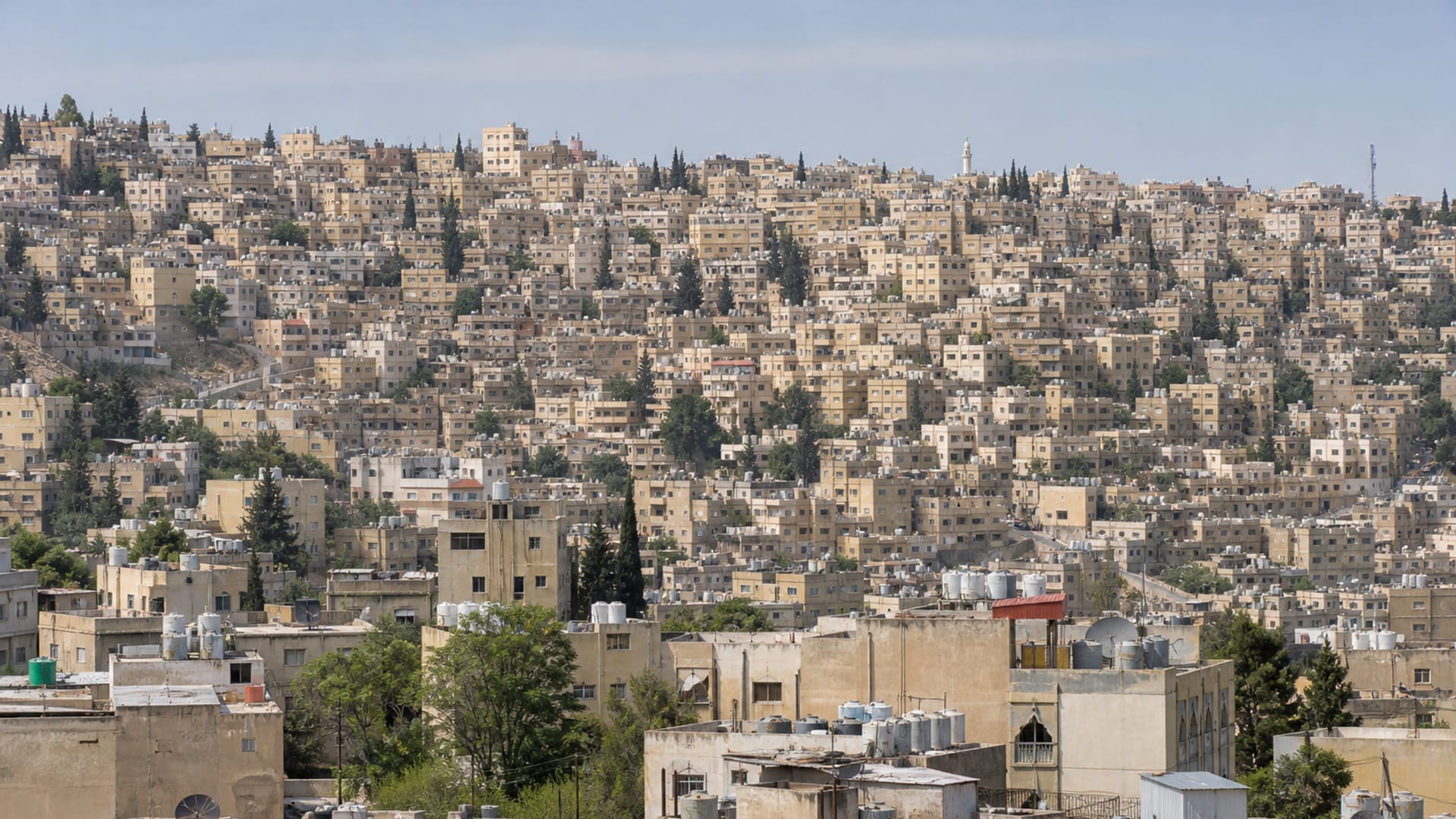
Amman trips often begin with a night near Rainbow Street, a quick sweep through Downtown, and a last-minute taxi to the airport, while the quieter hillside neighborhoods and museum stops get little attention.
That pattern misses how much time the city can consume between steep streets, hilltop sites, and traffic that shifts from one district to the next. A rushed plan also leaves little room for simple meals, mosque timing, or the short walks that make the center easier to read.
This guide slows the route down and groups Amman by neighborhood, meal timing, and transfer choice, so each day has a clear purpose and fewer unnecessary crossings.
Useful things to know

Main language(s): Arabic
marhaba (mar-ha-ba) – hello
min fadlak (min fad-lak) – please
shukran (shook-ran) – thank you
hal tatakallam al-ingliziya? (hal ta-ta-kal-lam al-in-gli-zi-ya) – Do you speak English?
bikam? (bee-kam) – How much does it cost?

Currency: The local currency is the Jordanian dinar (JOD, JD).

Cash and cards: Cards and contactless are widely accepted in Amman, but carry about JOD 20 to 40 ($28 to $56) in cash for small shops and taxis.

Tipping: Round up, or leave about 5-10% at restaurants when service is good.

Traditional food: mansaf, falafel, hummus, maqluba

Water and coffee costs: Water ~JOD 0.5 ($0.70), bar espresso ~JOD 2 to 3 ($3 to $4).

Taxis and ride apps: Careem and Uber operate in Amman; check pickup points at the airport.

Plug and voltage: Type C/F socket, 230V

Dining and shop opening hours: Breakfast is about 7:00-10:00 am, lunch 1:00-3:00 pm, and dinner 8:00-11:00 pm. Many restaurants close or quiet down during Ramadan daylight hours.

Emergency number: 911 for police, ambulance, and fire.
Where to stay in Amman
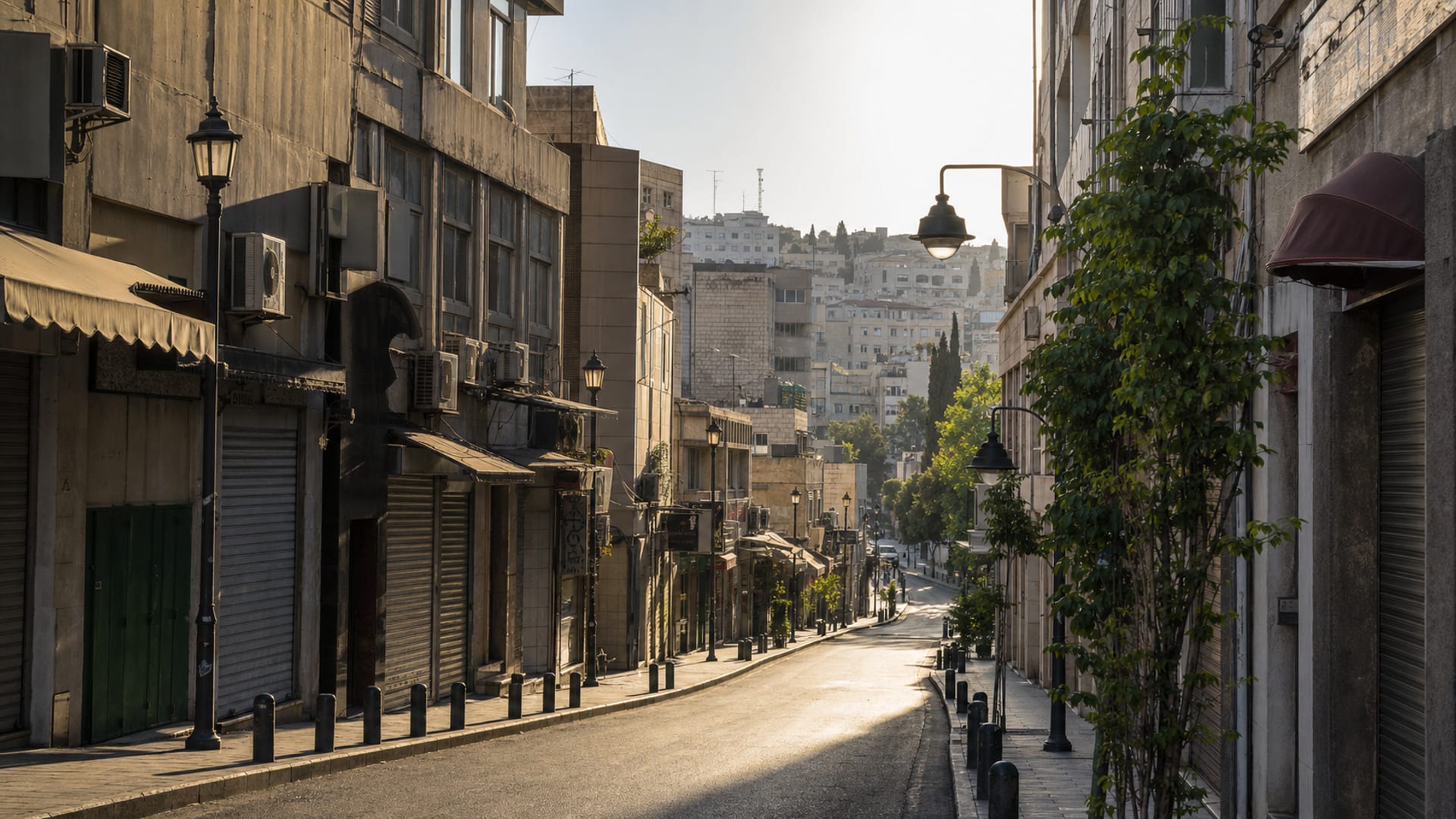
Amman’s historic core clusters Roman ruins, souks, mosques, and long-established hotels in a compact grid. It works well if you want to walk between major sights, street food, and evening cafés without relying on long cross-town rides.
Best for: First-time visits, walking access to landmarks, and travelers who want central sightseeing
What to expect: Busy sidewalks, taxi traffic, and constant movement from morning until late evening, with the liveliest blocks near the markets and cafés.
Hotel prices: Usually about 50 JOD to 120 JOD (~$71 to ~$169) per night for well-rated stays
Distance to major sights: 0 to 10 minutes on foot to the Roman Theater and the Jordan Museum
Quietness: Noisy during the day, and still active in the evening near cafés and souks; side streets calm down later.
Main trade-off: Older buildings and smaller rooms are common, and parking can be difficult.
Good to know: Book a higher-floor room if you are sensitive to street noise, since traffic and late café activity can carry into the block.
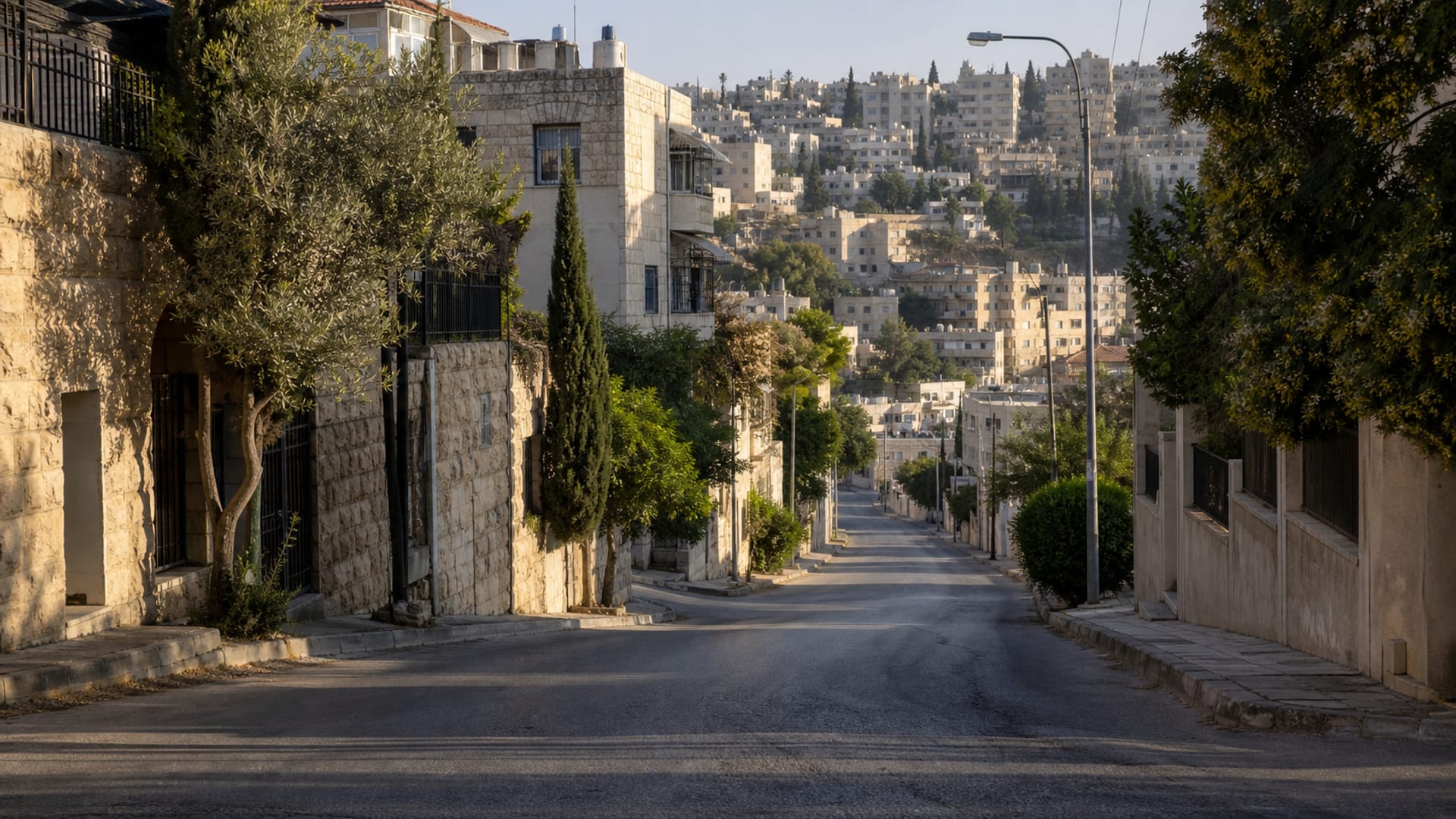
Jabal Amman sits just west of downtown and mixes restored houses, galleries, restaurants, and neighborhood streets on a hillside. It gives you an easy base for Rainbow Street, downtown, and the city’s dining scene without staying in the busiest market lanes.
Best for: Dining, galleries, and travelers who want a central neighborhood with more character than the market core
What to expect: Cafés, restaurants, and steady evening foot traffic, with quieter residential streets a few blocks away from Rainbow Street.
Hotel prices: Usually about 60 JOD to 140 JOD (~$85 to ~$197) per night for well-rated stays
Distance to major sights: 10 to 20 minutes by car to the Citadel, about 15 minutes on foot to Rainbow Street
Quietness: Active in the evening near restaurants, quieter on residential lanes and later at night.
Main trade-off: Prices often run higher than in the older core, especially in small boutique properties.
Good to know: Check the hill slope before you book, because some addresses make walking back from dinner noticeably harder.
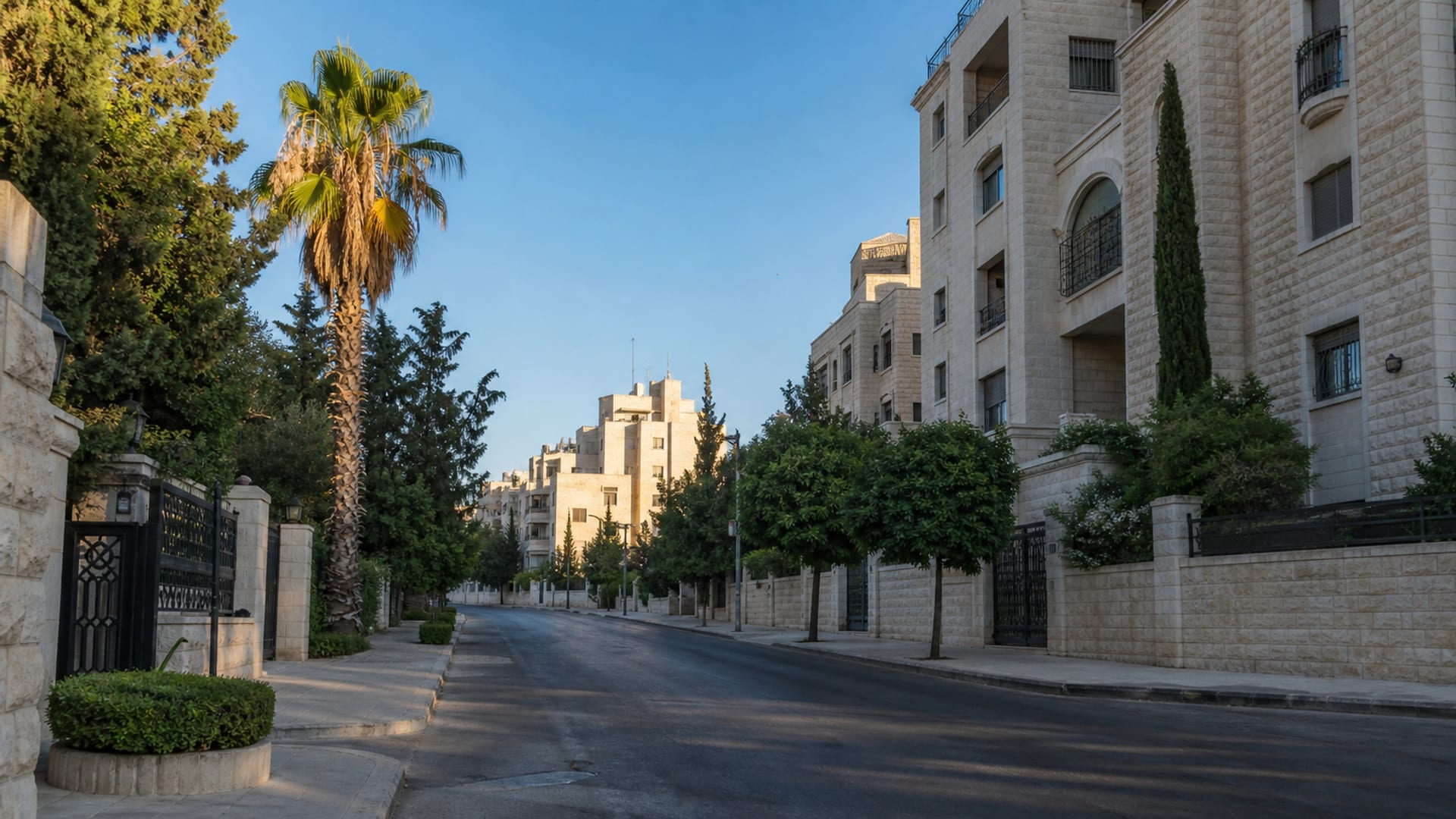
Abdoun is one of Amman’s upscale south-western districts, known for embassies, villas, shopping centers, and larger hotels. It suits travelers who want modern rooms, wider streets, and easy car access rather than a dense old-city setting.
Best for: Business trips, larger hotels, and travelers who prefer a modern residential base
What to expect: Wide roads, shopping centers, and hotel arrivals dominate the area, with less pedestrian energy than central Amman.
Hotel prices: Usually about 70 JOD to 180 JOD (~$99 to ~$254) per night for well-rated stays
Distance to major sights: 15 to 25 minutes by car to the Citadel and about 20 minutes to Rainbow Street
Quietness: Quieter than downtown during the day, though main roads stay busy and hotel zones can see late arrivals.
Main trade-off: You will usually need taxis or a car for most sightseeing and restaurant runs.
Good to know: Choose this area if you plan early departures or meetings, because traffic on the main roads is easier to manage than in the central hills.
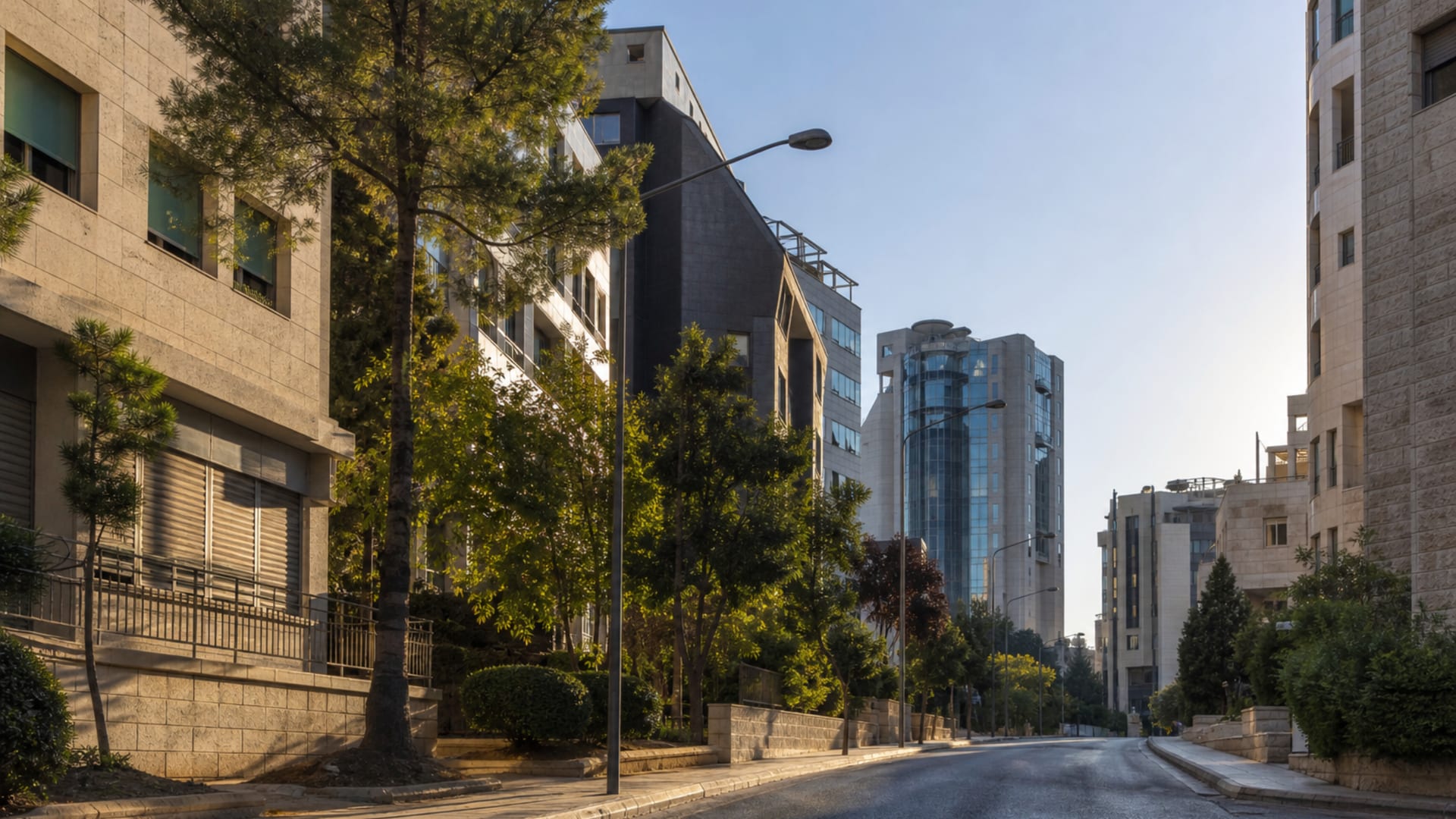
Shmeisani is a central commercial district of offices, mid- and high-rise hotels, and cafés near Amman’s main arteries. It works well for travelers who want quick access to the city center, business addresses, and shopping without staying in the oldest neighborhoods.
Best for: Business travel, shopping, and access to central Amman by car or taxi
What to expect: Office workers by day, hotel guests and shoppers in the evening, with less sidewalk wandering than in the older quarters.
Hotel prices: Usually about 55 JOD to 150 JOD (~$78 to ~$211) per night for well-rated stays
Distance to major sights: 10 to 15 minutes by car to downtown and about 20 minutes to the Jordan Museum
Quietness: Busy on weekdays and calmer late at night, though traffic along the main roads stays noticeable.
Main trade-off: The district is convenient, but it has fewer historic sights and a more commercial feel than hillside neighborhoods.
Good to know: If you are staying only one or two nights, this is an efficient base, but choose a hotel away from the main road for lighter sleep.
Travelers usually avoid staying in Sahab, Al Jizah, and the far eastern industrial edges of Amman, because they sit well outside the main sightseeing areas and have fewer visitor-focused amenities. Jabal al-Qal’a can also be less convenient for overnight stays, since it is centered on a major heritage zone rather than a broad hotel district, so evening dining and taxi options are thinner than in downtown or Abdali.
Hotel deals
How to get around Amman efficiently
Amman has no metro, so most visitors pair walking with taxis, ride-hailing, or the Airport Express bus when they need to cross the city or reach Queen Alia International Airport (AMM).

Bus
for budget-friendly airport transfers
Amman has no metro system, so there is no subway to use for airport trips. The closest public-transit option is the intercity bus network and, for many visitors, taxis or ride-hailing from Amman (AMM) fill the gap for direct city access.

Rideshare services
for upfront pricing and card payment
Airport Express buses connect Amman (AMM) with the 7th Circle and North Bus Station, usually every 30 to 60 minutes, with fares about $3 to $4 (approximately 2 to 3 JOD) and tickets valid for the one-way trip. Local buses also serve nearby towns and central Amman, but they can be irregular and may not align well with late-night arrivals, so check departure times before you rely on them.

Taxi
for airport transfers, hilltop districts, and late arrivals
Licensed taxis from Amman (AMM) use set airport fares to the city rather than a meter for most common transfers, with about $25 to $35 to central Amman and slightly more for late-night trips or destinations farther north. You can book at the airport taxi desk or use an app-based car, and drivers usually accept cash in Jordanian dinars, while card payment is less common.
*Prices are based on rates updated as of June 2026 and may change at the time of travel.
Taxis work best for steep hops and airport transfers, the bus suits budget-conscious daytime arrivals, and walking makes the most sense in Downtown, Jabal Amman, and the short links between nearby sights.
Iconic landmarks
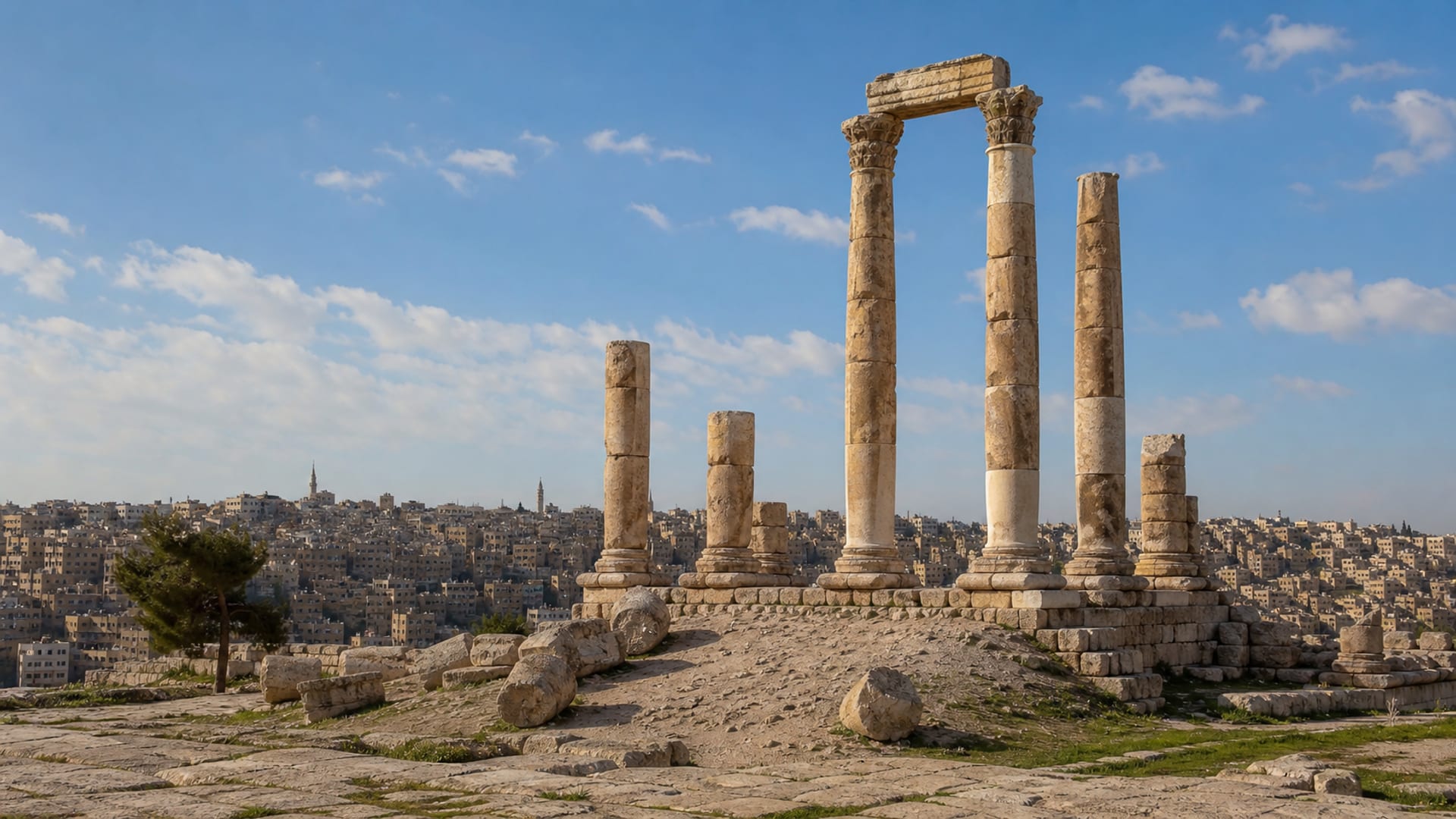
Citadel Hill
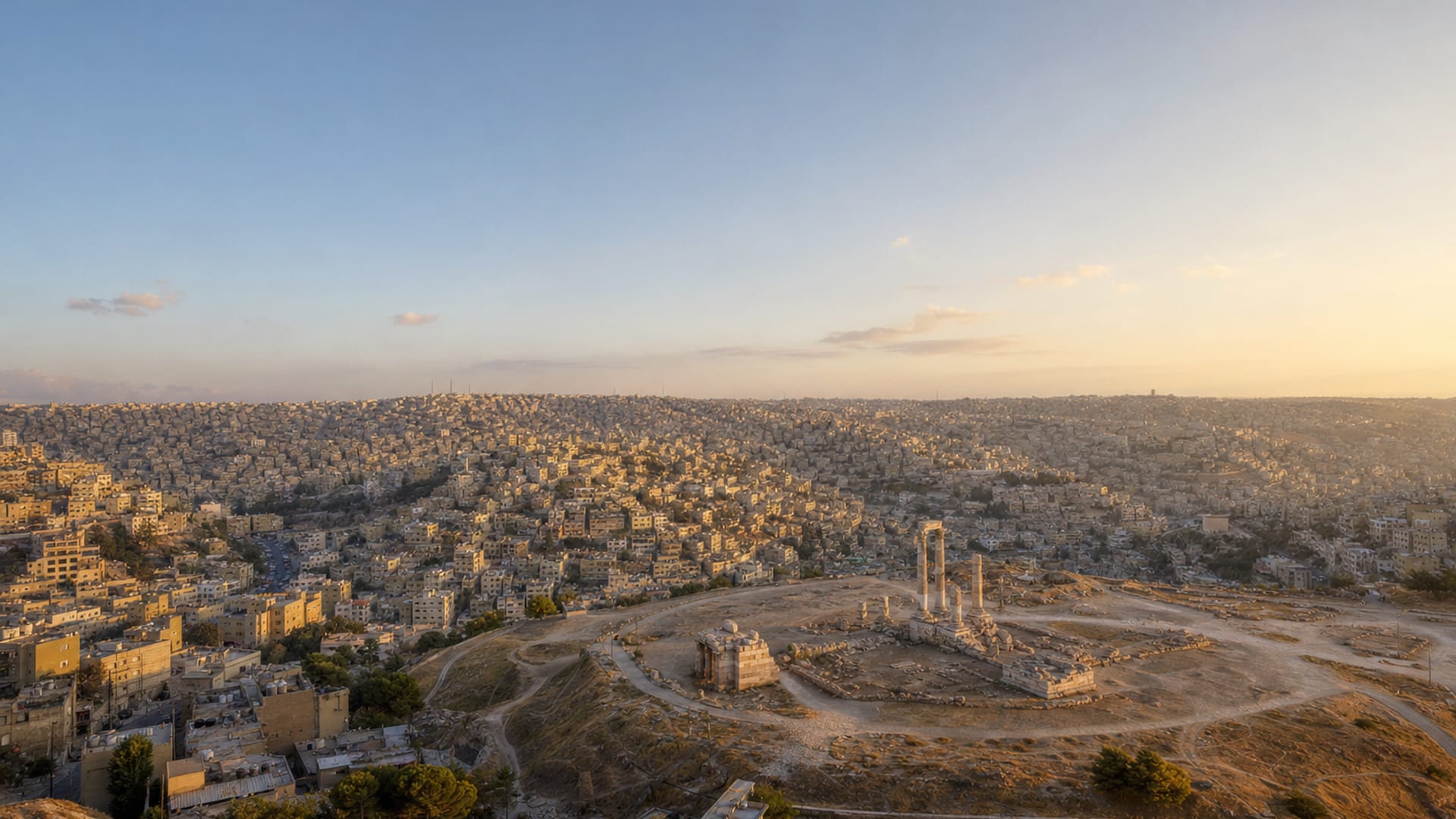
This hilltop site brings together the Temple of Hercules, the Umayyad Palace, and broad views over central Amman. Its ruined columns, stone foundations, and small museum trace the city’s long Roman, Byzantine, and Islamic history in one compact stop.
Time needed: About 1 to 2 hours
Entry: Admission is $4 (about JOD 3); the Jordan Pass covers entry, and the site sells tickets at the gate during opening hours.
Tip: Go near sunset for cooler air, softer light, and far-reaching city views.
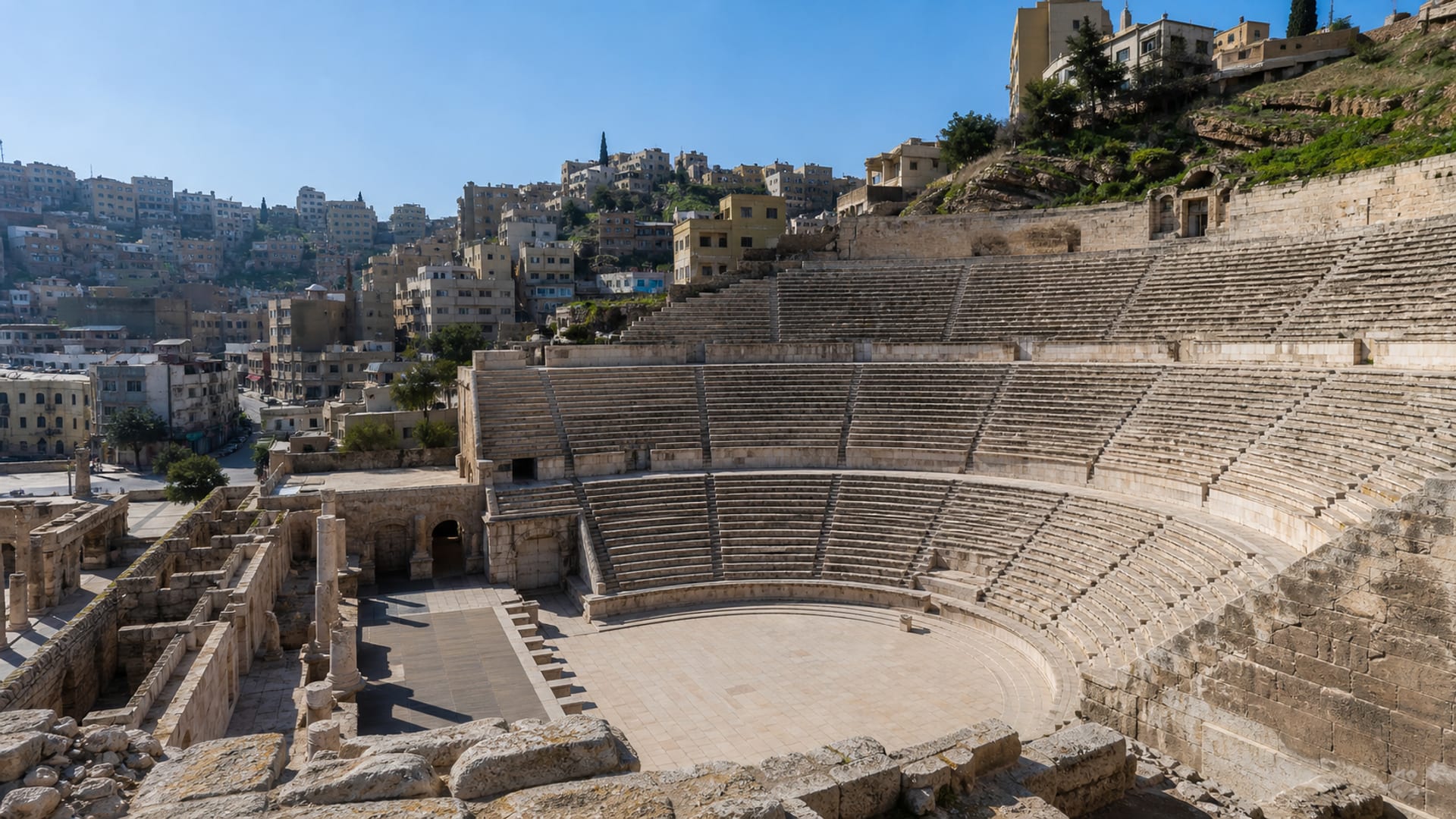
Roman Theater
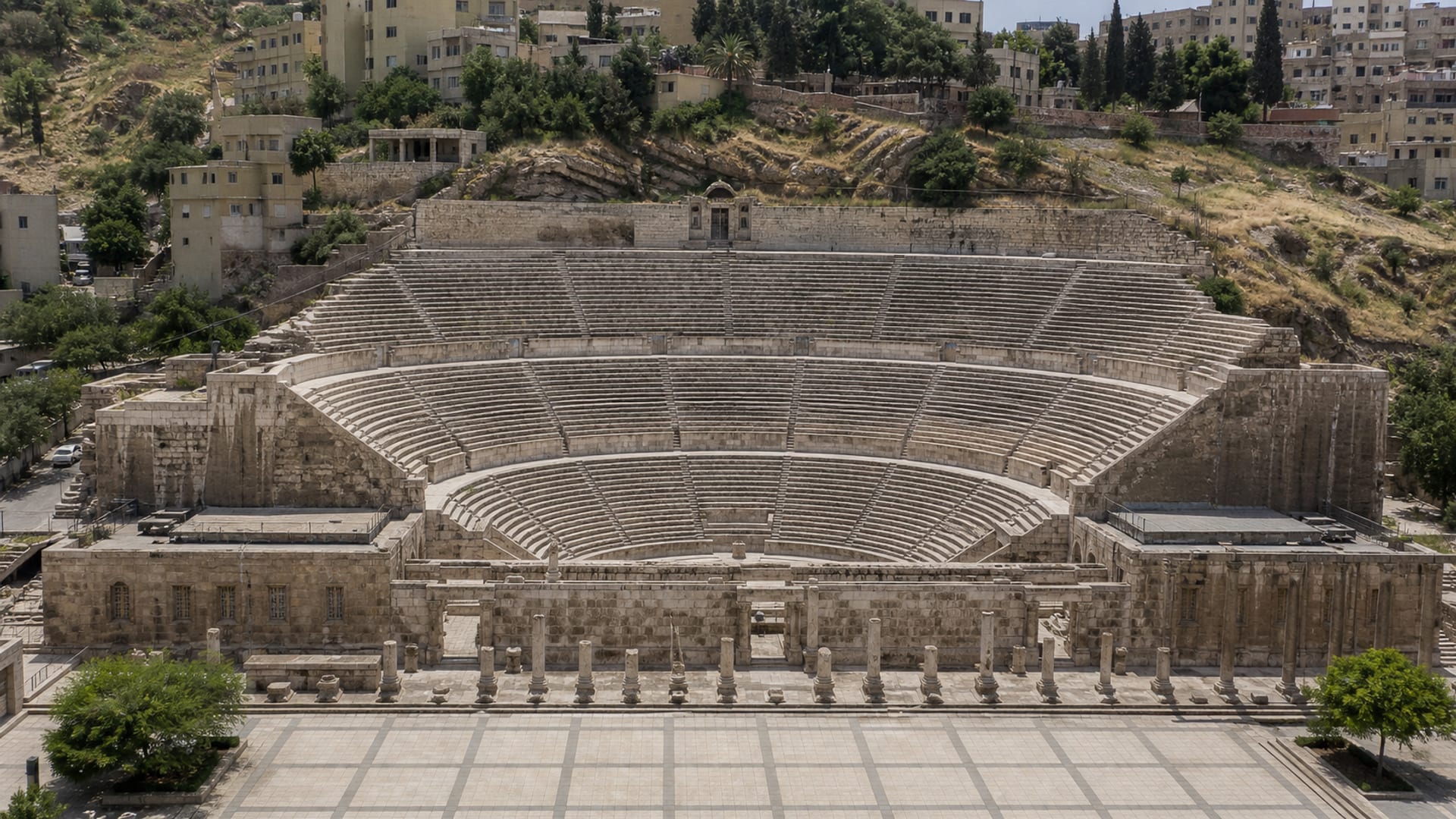
This 6,000-seat Roman theater dates to the 2nd century and still anchors downtown Amman. Its steep stone tiers, restored stage, and small museums on site make it one of the city’s clearest links to the ancient district below.
Time needed: About 45 minutes to 1 hour
Entry: Admission is $2 (about JOD 1.50); the Jordan Pass covers entry, and the museum areas charge no separate fee.
Tip: Visit early morning to avoid heat and to photograph the seating without harsh glare.
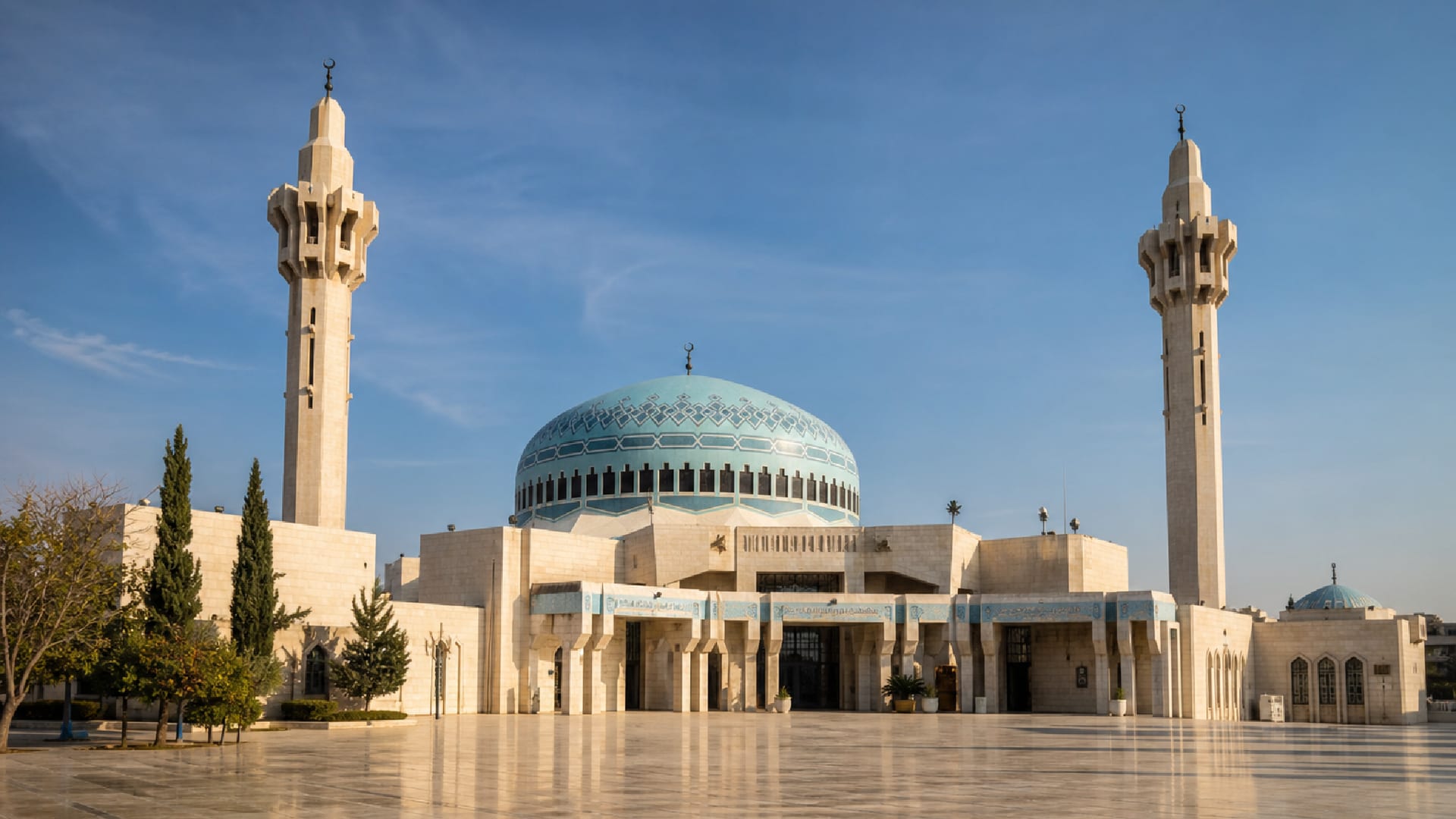
King Abdullah I Mosque
Completed in 1989, the blue-domed King Abdullah I Mosque is one of Amman’s best-known landmarks. Non-Muslim visitors can enter outside prayer times to see its prayer hall, Islamic museum, and wide plaza in the Abdali area.
Time needed: About 30 to 45 minutes
Entry: Admission costs $3 (about JOD 2); modest dress is required, and non-Muslim visits run outside prayer times only Visit the official site for details.
Tip: Plan a midday visit on a non-Friday to avoid prayer-time closures and crowding.
Overlooked sites worth visiting

Darat al Funun
A cluster of restored houses and gardens on Jabal al Weibdeh, with rotating contemporary art, a library, and terraces facing downtown Amman. The site rewards slow visits and short pauses between rooms.
Time needed: About 1 to 2 hours
Entry: Admission is usually free for exhibitions and the grounds, though some talks, screenings, or special programs may charge a separate fee. Check the current calendar before you go, since access can change for private events and temporary installations Visit the official site for details.
Tip: Go late afternoon for cooler terraces and softer light.

Nymphaeum
This Roman fountain sits just off downtown and gets far less attention than Amman Citadel or the theater. Its carved stone remains, columns, and shallow pools offer a compact stop with clear city history.
Time needed: 30 to 45 minutes
Entry: Free to access as a public archaeological site, with no timed ticket needed for a basic visit. Expect simple on-site information and open access during daylight hours, although conditions can shift for maintenance or heritage work.
Tip: Pair it with a morning downtown walk before the streets heat up.
Traditional food
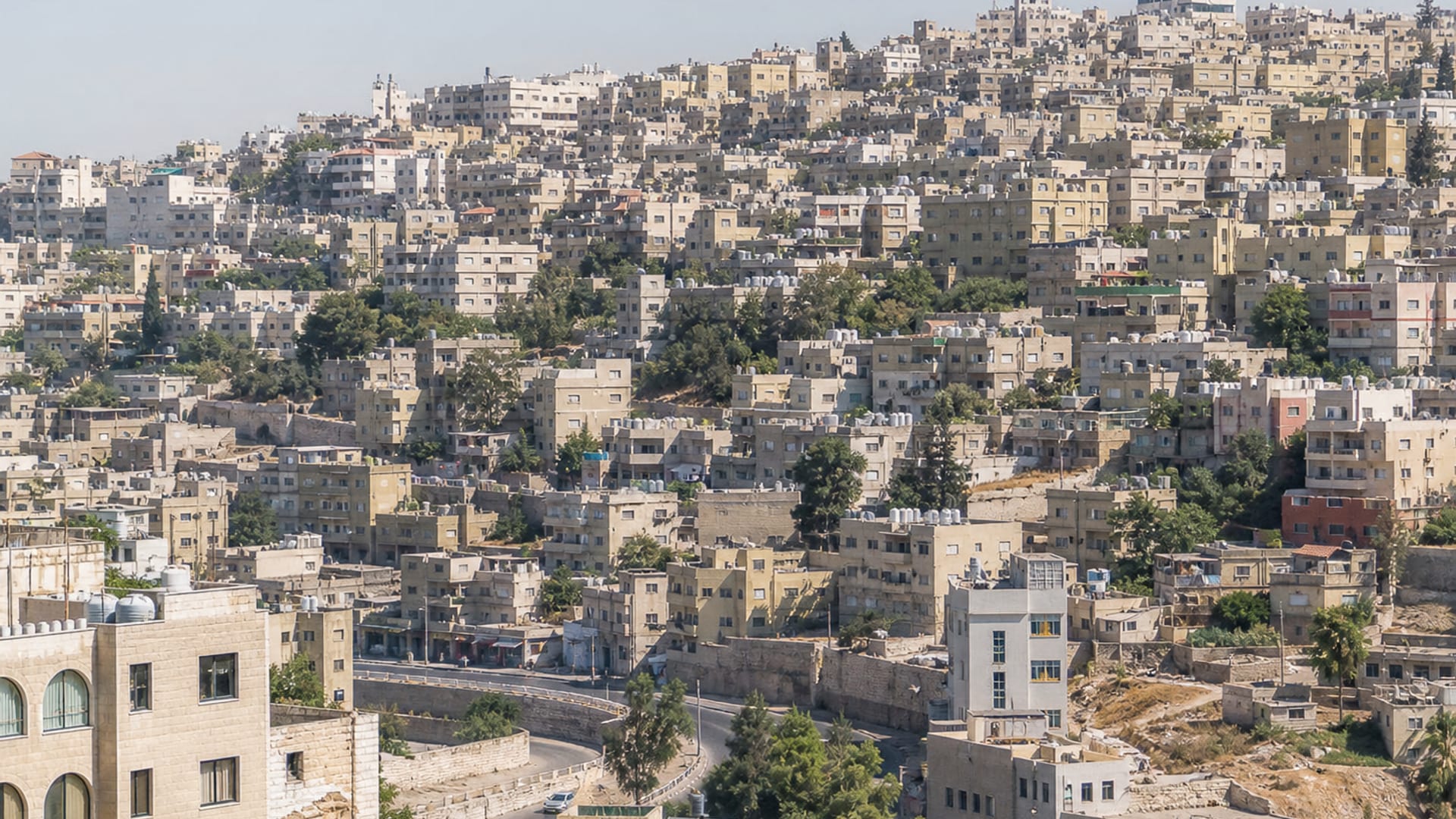
Amman’s table leans on mansaf, falafel, hummus, and maqluba, with olive oil, yogurt, herbs, and warm spices shaping meals from breakfast through late dinner. Cafés and neighborhood restaurants keep the pace social.
Mansaf
Jordan’s signature dish combines lamb, rice, and tangy jameed yogurt for a meal built to share. Sufra in Jabal Amman is a classic place to order it in a polished dining room with a strong local following.
Falafel
Crisp, herb-heavy falafel often anchors breakfast or a quick lunch in Amman. Hashem Restaurant in Downtown Amman is one of the city’s best-known stops for a simple plate with hummus, tomatoes, and pickles.
Hummus
Amman serves hummus as a daily staple, usually with warm bread, olive oil, and toppings that range from ful to pine nuts. Fakhreldin in Amman is a long-running reference point for a more formal version of the dish.
Maqluba
Maqluba turns rice, vegetables, and meat into an upside-down layered dish that arrives with a dramatic flip at the table. Tawaheen Al Hawa is a dependable place in Amman to order it alongside other Jordanian classics.
Best time to visit Amman
Spring and autumn usually bring the most comfortable walking weather in Amman, while summer heat and winter rain change how long you want to stay on hilltops or in open ruins.
Best for: Clear skies, green hills, and long sightseeing days
What you get: Expect about 54 to 79°F (12 to 26°C), with moderate crowds and pleasant afternoons for walking
Trade-offs: Popular sights can feel busier on weekends and holidays
Best for: Late starts, evening dinners, and hilltop views after sunset
What you get: Expect about 66 to 91°F (19 to 33°C), with lighter daytime crowds but more heat in open areas
Trade-offs: Midday visits to Citadel Hill and the downtown ruins can feel hot and tiring
Best for: Balanced weather for museums, markets, and neighborhood walks
What you get: Expect about 57 to 84°F (14 to 29°C), with comfortable crowds and good conditions for full-day plans
Trade-offs: School holidays and weekend traffic can still add delays
Best for: Museum visits, cafés, and slower sightseeing days
What you get: Expect about 39 to 57°F (4 to 14°C), with lighter crowds and occasional rain
Trade-offs: Cold evenings and wet streets can make outdoor stops less comfortable
A realistic 5-day plan in Amman
Five days in Amman works best when you cluster sights by district instead of bouncing across the map. The plan below starts in Downtown, moves to the Citadel and Jabal Amman, then leaves space for culture, mosques, and one last easy morning before departure.
Land at Amman (AMM), then take a taxi into the city center, roughly 30 to 45 minutes to Downtown Amman or Jabal Amman for about 20 to 30 JOD ($28 to $42), depending on traffic and your exact address. Stay near Rainbow Street or in Downtown if you want an easy first night on foot, then drink water, settle in, and keep dinner close, a simple mezze meal in Jabal Amman or a quick plate of falafel near the Roman Theater keeps the first evening low effort.
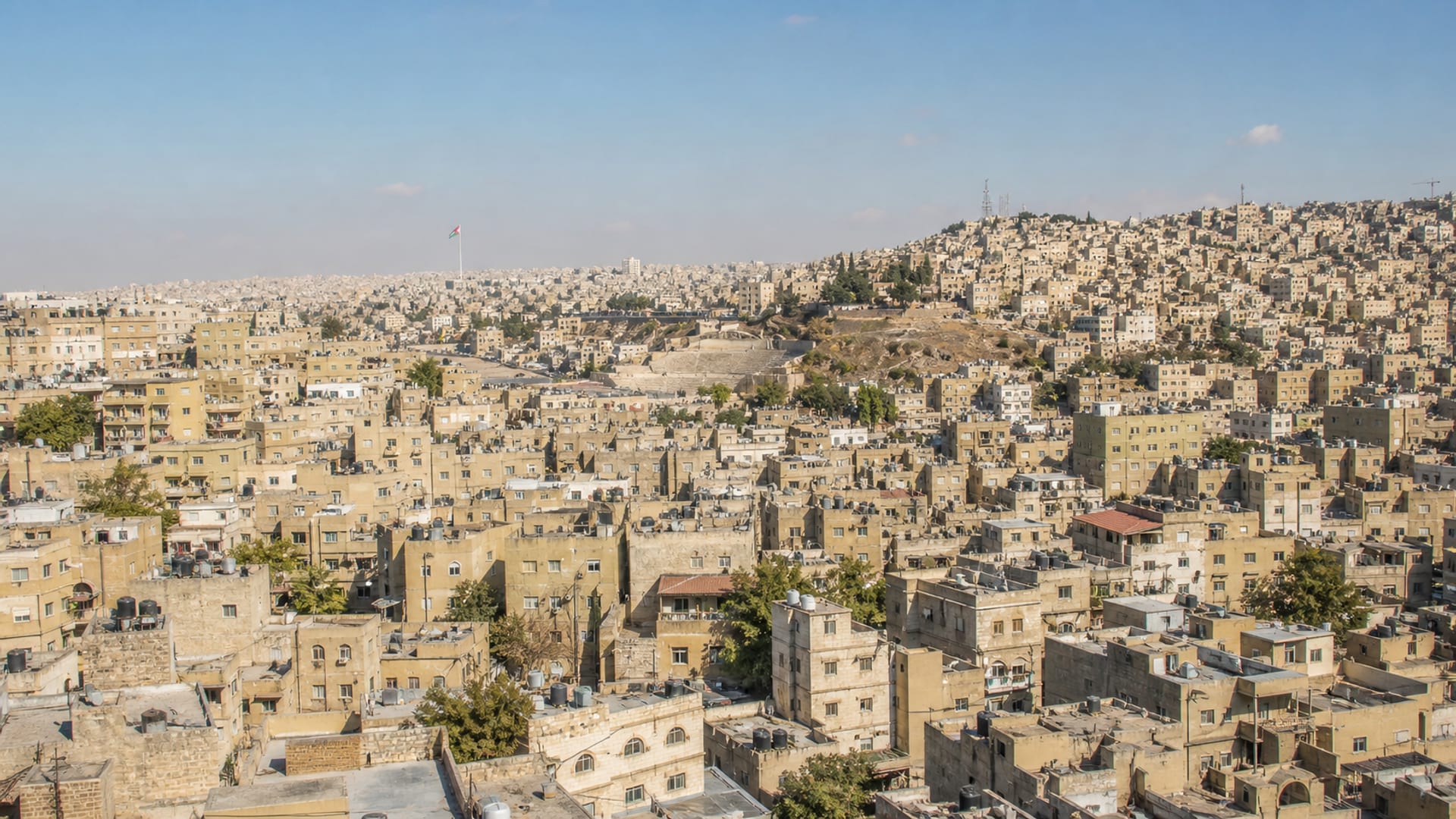
Start at the Roman Theater early, since it is only about 45 minutes to 1 hour and sits in the heart of downtown, then walk about 5 minutes to the Nymphaeum for a shorter look at the carved stone remains. From there, continue about 10 minutes uphill or by taxi to the Citadel Hill for about 1 to 2 hours, with broad city views and the Temple of Hercules, then head back down to Downtown Amman for an easy late lunch and market browsing. End the afternoon with a taxi ride of roughly 15 minutes to Jabal Amman for dinner on Rainbow Street, where cafés and restaurants stay busy into the evening.
Begin in Jabal Amman, then spend about 15 minutes on foot reaching Darat al Funun on Jabal al Weibdeh for a slow visit through the restored houses, terraces, and exhibition spaces. After that, take a taxi about 10 minutes to the King Abdullah I Mosque in the Abdali area, timing your visit for midday outside prayer hours and allowing about 30 to 45 minutes inside. Finish with an easy return ride of about 10 minutes to your hotel, or linger in the cafés near Rainbow Street if you want a longer dinner in the neighborhood.
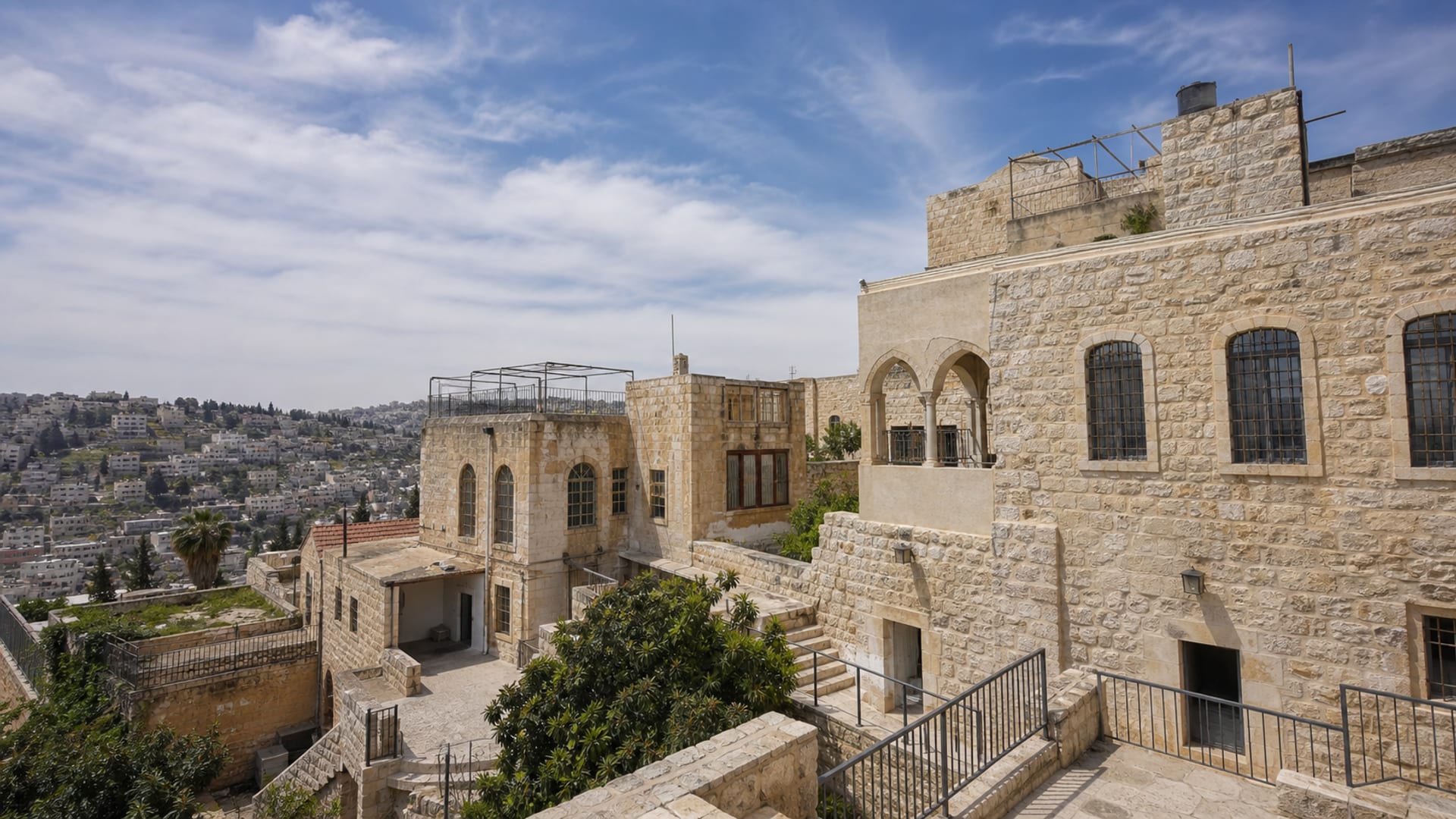
Head back to the Citadel Hill near sunset for the clearest light and the longest views across central Amman, then allow about 1 to 2 hours on site before dinner. From there, it is usually about 10 to 15 minutes by taxi to Downtown Amman, where you can follow the hilltop visit with a relaxed meal near the souks or a second stop in Jabal Amman for a quieter table. If you want one more short walk, the route from the Citadel down into the old city takes only about 15 to 20 minutes on foot, though the steep streets make a taxi more comfortable after dark.
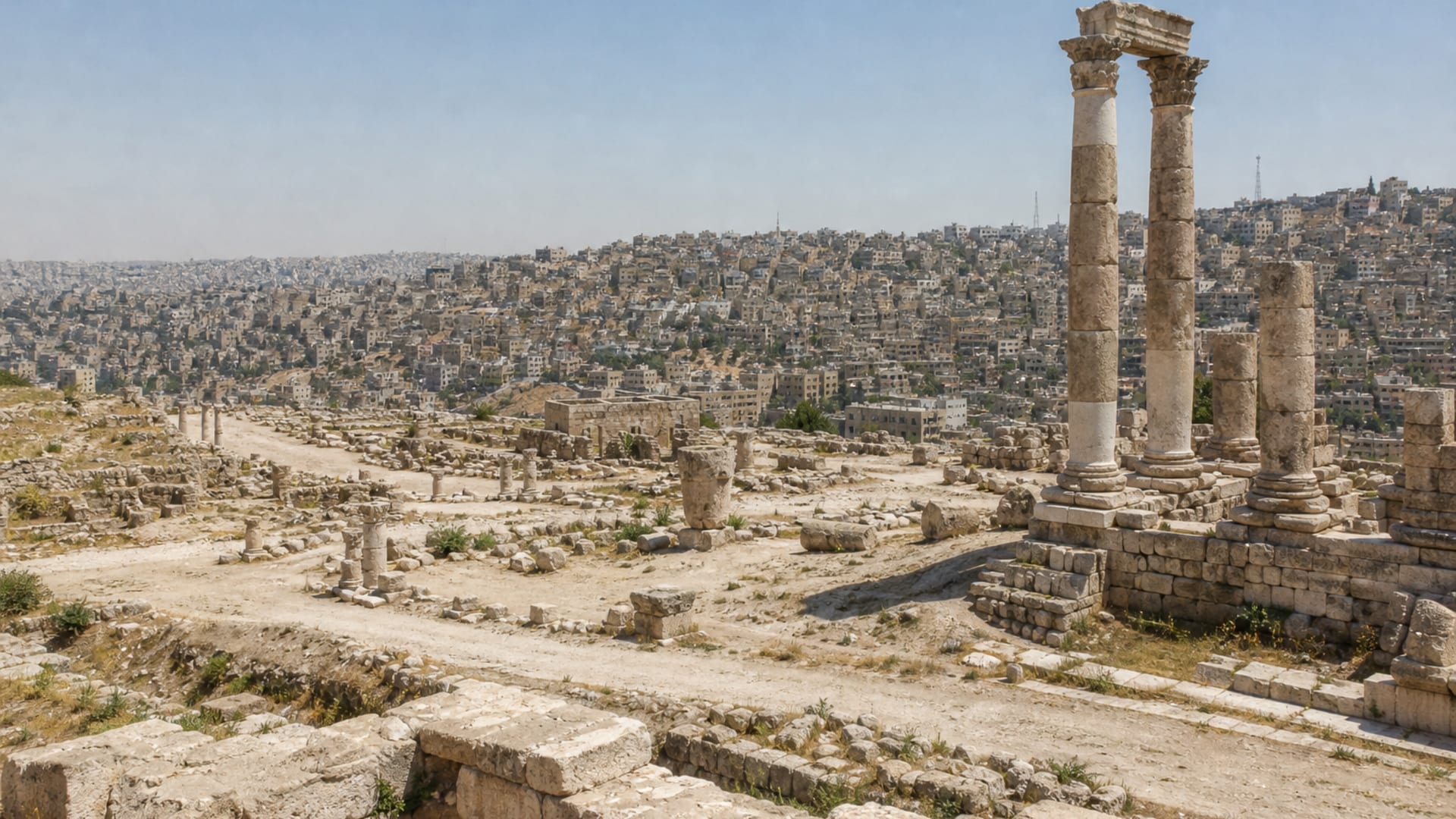
Before you head to Amman (AMM), fit in one last easy morning in Abdali or Shmeisani, where a short museum stop, shopping center visit, or coffee break works well without adding much transit. If you have a late flight, a final hour in Jabal Amman gives you time for a café stop near Rainbow Street and one more look at the hillside streets, while Downtown Amman works if you want a last stroll through the market lanes and a quick lunch. Plan to leave for the airport about 2 to 2.5 hours before departure, since the drive from central Amman usually takes about 30 to 45 minutes, and can take longer at peak traffic.
Business-class flights from the US to Amman
Business-class examples to Amman usually route through major Gulf or European hubs, and the best price or schedule often depends on whether you are flying from the East Coast or the West Coast. The two sample paths below show how different the trip can look.
From New York, carriers including Royal Jordanian, Turkish Airlines, Emirates, Qatar Airways, and Lufthansa connect to Amman in about 11 to 12 hours nonstop. One-stop options via Istanbul (IST), Doha (DOH), Dubai (DXB), Frankfurt (FRA), or Zurich (ZRH) can run about 14 to 20 hours in total, and fares usually start at about $3,500 and can reach $7,500.
Los Angeles itineraries are typically longer, with nonstop flying time of about 14 to 15 hours on Royal Jordanian, Turkish Airlines, Emirates, Qatar Airways, or Lufthansa. If you are willing to connect through Istanbul (IST), Doha (DOH), Dubai (DXB), Frankfurt (FRA), or Zurich (ZRH), the total trip often lands in the 17 to 24 hour range, and round-trip fares from Los Angeles to Amman often run from $4,200 to $8,500; if you don’t mind a layover, common routings via Istanbul (IST), Doha (DOH), or Dubai (DXB) can trim the price materially.
Amman feels different when you slow down
A good Amman trip has a clear map: Downtown for the Roman Theater and Nymphaeum, Jabal Amman for Rainbow Street dinners, the Citadel at sunset, and a taxi back when the hills start to feel steep. Add a midday stop at the King Abdullah I Mosque or Darat al Funun, and the city starts to read in neighborhoods rather than landmarks. If you want help shaping those days, the AranGrant experts can build an Amman plan around your flight, hotel, and time of year







