

Chapters:

Need help with your trip?
Our support team is available 24/7. Request a callback or call us directly at (833) 619-0908
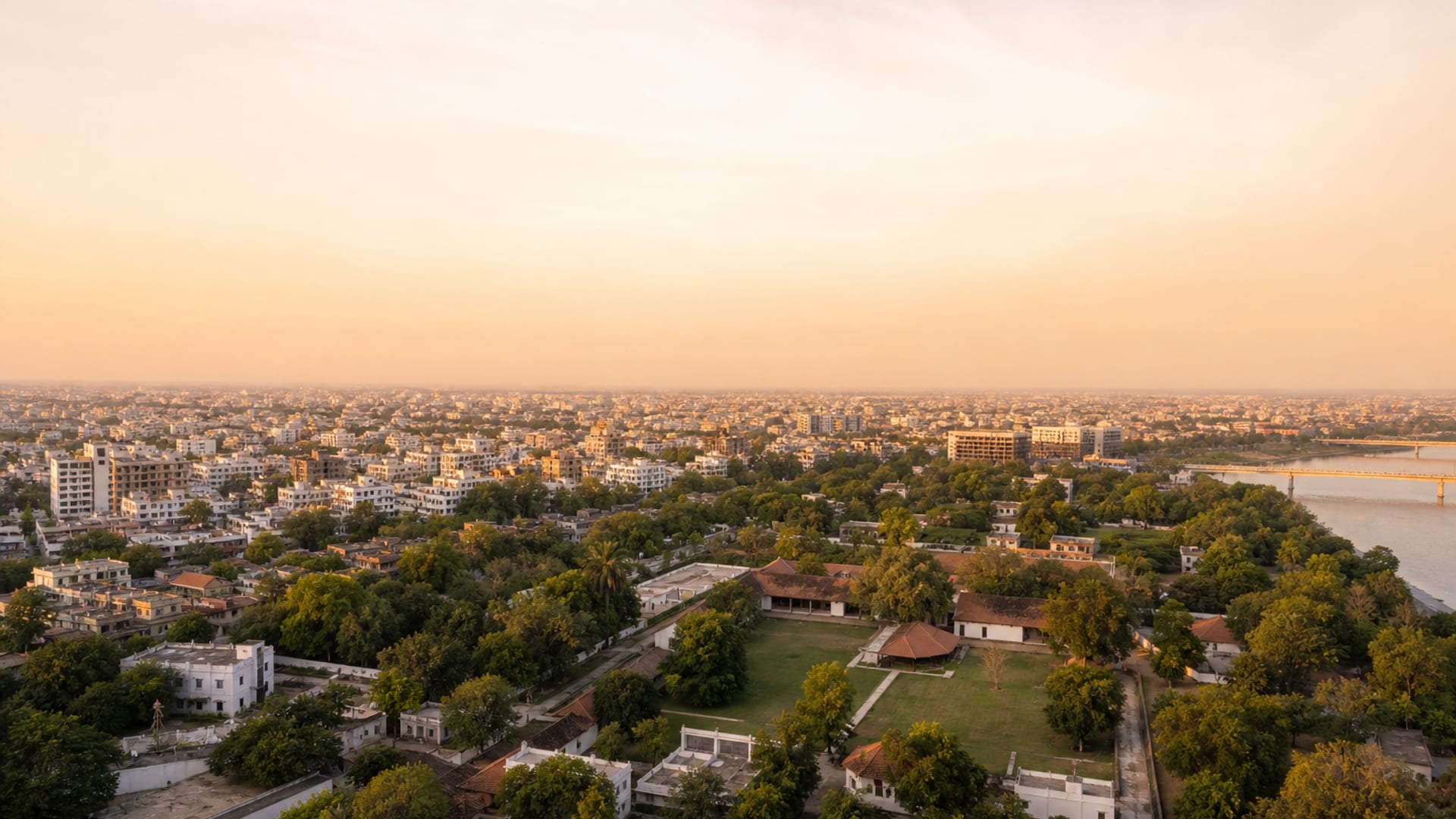
Ahmedabad trips often begin with the airport, a central hotel, and a quick list of heritage stops, yet visitors still miss how much planning the city asks for once distances, prayer-hour access, and midday heat enter the picture.
Old city lanes, museum appointments, and cross-town taxi rides can easily pull a day off course, especially if you try to stack too much between lunch and evening traffic. CG Road and Ellis Bridge also reward timing, not just proximity.
This guide maps the city in the order it works best on the ground, with neighborhood choices, meals, weather, and day trips arranged to cut guesswork and leave room for the places that need advance booking.
Useful things to know
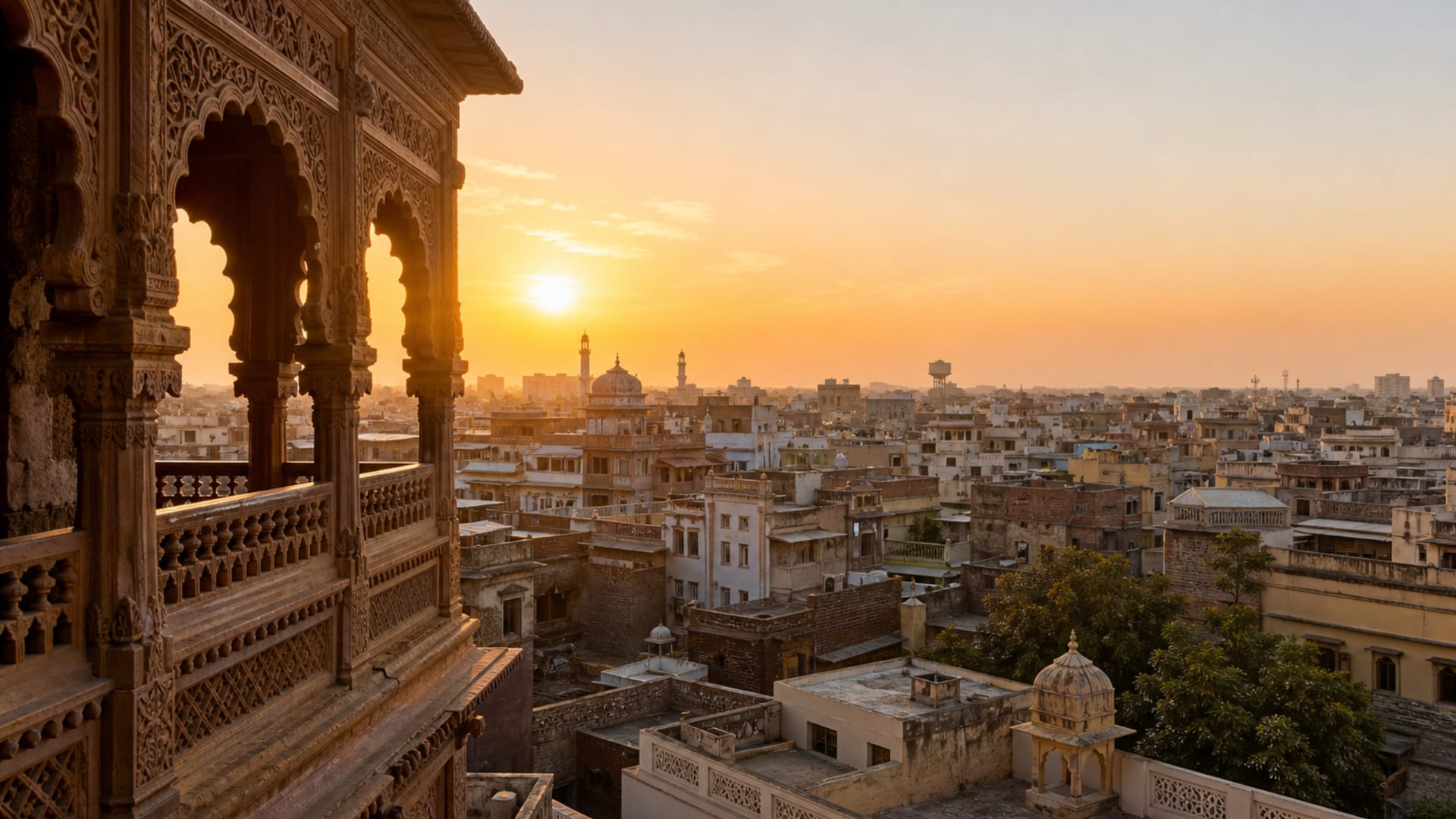

Main language(s): Gujarati, Hindi
Kem cho? (keh-m cho) – Hello / How are you?
Maherbani (mah-her-baa-nee) – Please
Aabhar (aa-bhaar) – Thank you
Aap angrezi bolo chho? (aap un-greh-zee bol-o cho) – Do you speak English?
Ketlu thay? (ket-loo thay) – How much does it cost?

Currency: The local currency is the Indian rupee (INR, ₹).

Cash and cards: Cards and contactless are widely accepted, but keep about ₹1,000 to ₹2,000 ($12 to $24) in cash for small buys and taxis.

Tipping: Round up small bills; leave 5-10% at restaurants if service is good.

Traditional food: Dhokla, khandvi, fafda-jalebi, undhiyu

Water and coffee costs: Water about ₹20 to ₹40 ($0.25 to $0.50), bar espresso about ₹150 to ₹250 ($1.80 to $3).

Taxis and ride apps: Uber and Ola operate here; book from the airport stand or app.

Plug and voltage: Type C/D/M socket, 230V

Dining and shop opening hours: Breakfast is about 8:00-10:00 am, lunch 1:00-3:00 pm, and dinner 8:00-10:30 pm. Many restaurants close between lunch and dinner.

Emergency number: 112 for police, fire, and medical emergencies.
Where to stay in Ahmedabad
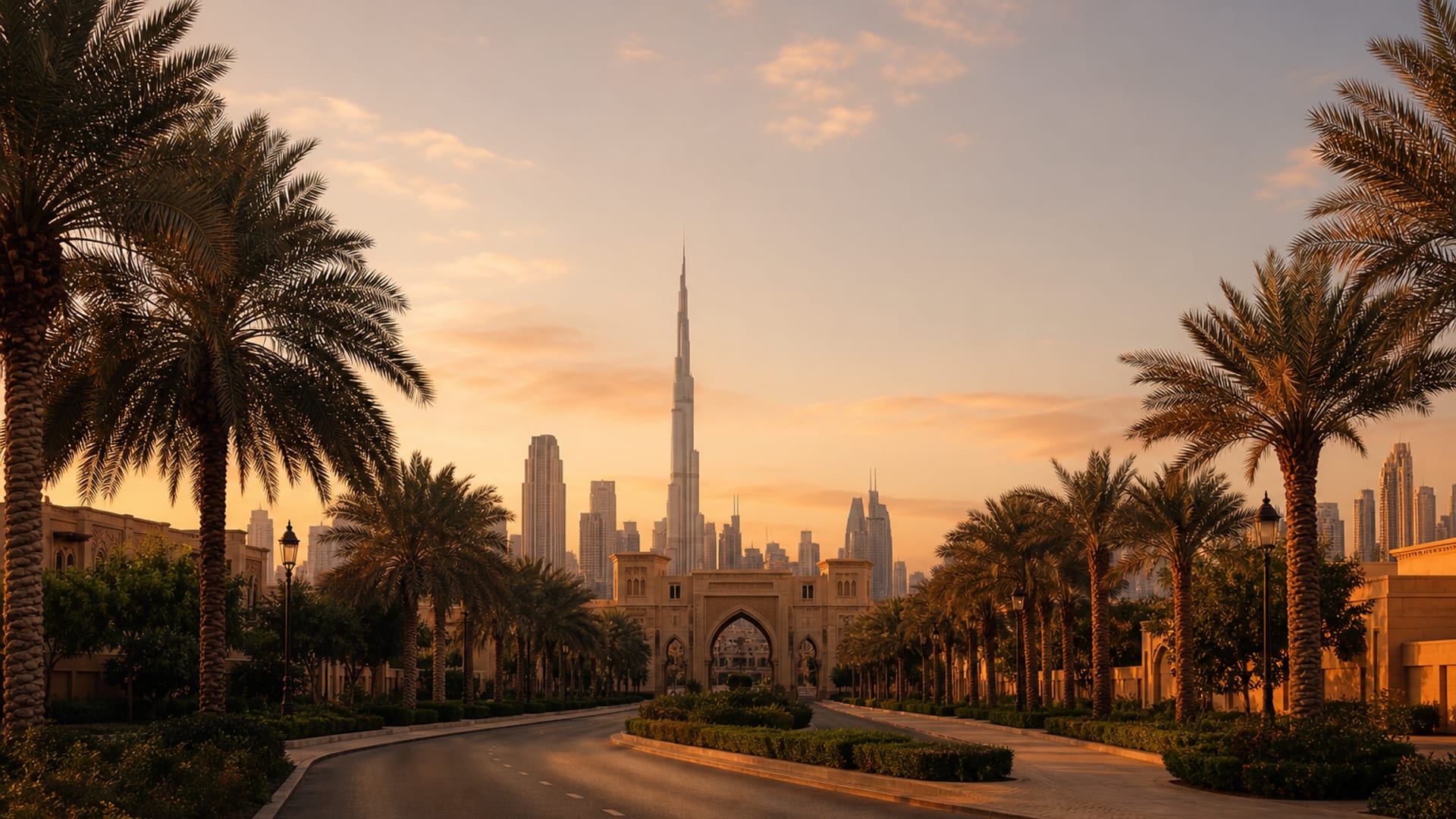
Central west Ahmedabad neighborhood with hotels, colleges, cafes, and easy access to the old and new parts of the city. It works well for visitors who want a central base with short rides to Ellis Bridge, CG Road, and the riverfront.
Best for: Business travel, dining, and access to central Ahmedabad
What to expect: Busy streets by day, with office traffic, students, and steady restaurant activity in the evening.
Hotel prices: Usually about ₹4,500 to ₹9,000 ($54 to $108) per night for well-rated stays
Distance to major sights: About 15 to 20 minutes by taxi to Sabarmati Riverfront and 20 to 25 minutes to Sabarmati Ashram
Quietness: Lively in the day, then somewhat calmer after office hours, though main roads still carry traffic at night.
Main trade-off: You gain central access, but the area can feel traffic-heavy and rates rise near CG Road and peak business dates.
Good to know: Taxis are easy to find, but walks between hotels and restaurants can be tiring because crossings are busy and sidewalks vary in width.
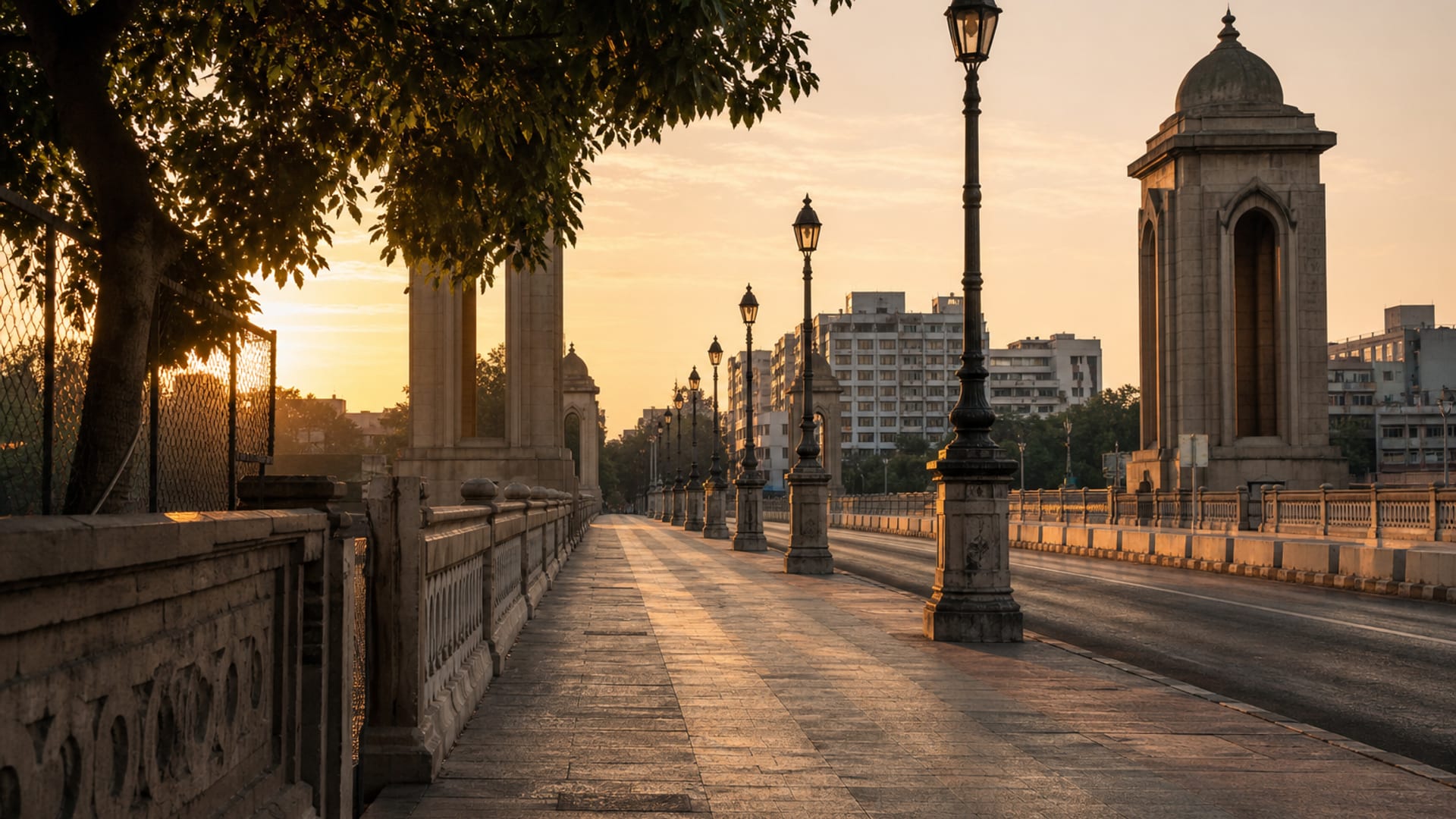
Inner-city area near the Sabarmati River and several commercial corridors, with heritage sites, offices, and midrange hotels close by. It suits travelers who want to move quickly between the old city, the riverfront, and the central business district.
Best for: Heritage sightseeing, short business trips, and central transit access
What to expect: Constant traffic, mixed office and hotel footfall, and an urban pace that stays active into the evening.
Hotel prices: Usually about ₹4,000 to ₹8,500 ($48 to $102) per night for well-rated stays
Distance to major sights: About 10 to 15 minutes by taxi to Sabarmati Riverfront and 15 to 25 minutes to Bhadra Fort
Quietness: Moderately busy by day, with less noise late at night once offices close, though arterial roads stay active.
Main trade-off: The location is central, but the area is more about access than atmosphere, and premium rooms can cost more than in farther districts.
Good to know: If your stay includes early starts, this area cuts down cross-city transfers, but late-night dining choices are thinner than in nightlife-focused districts.
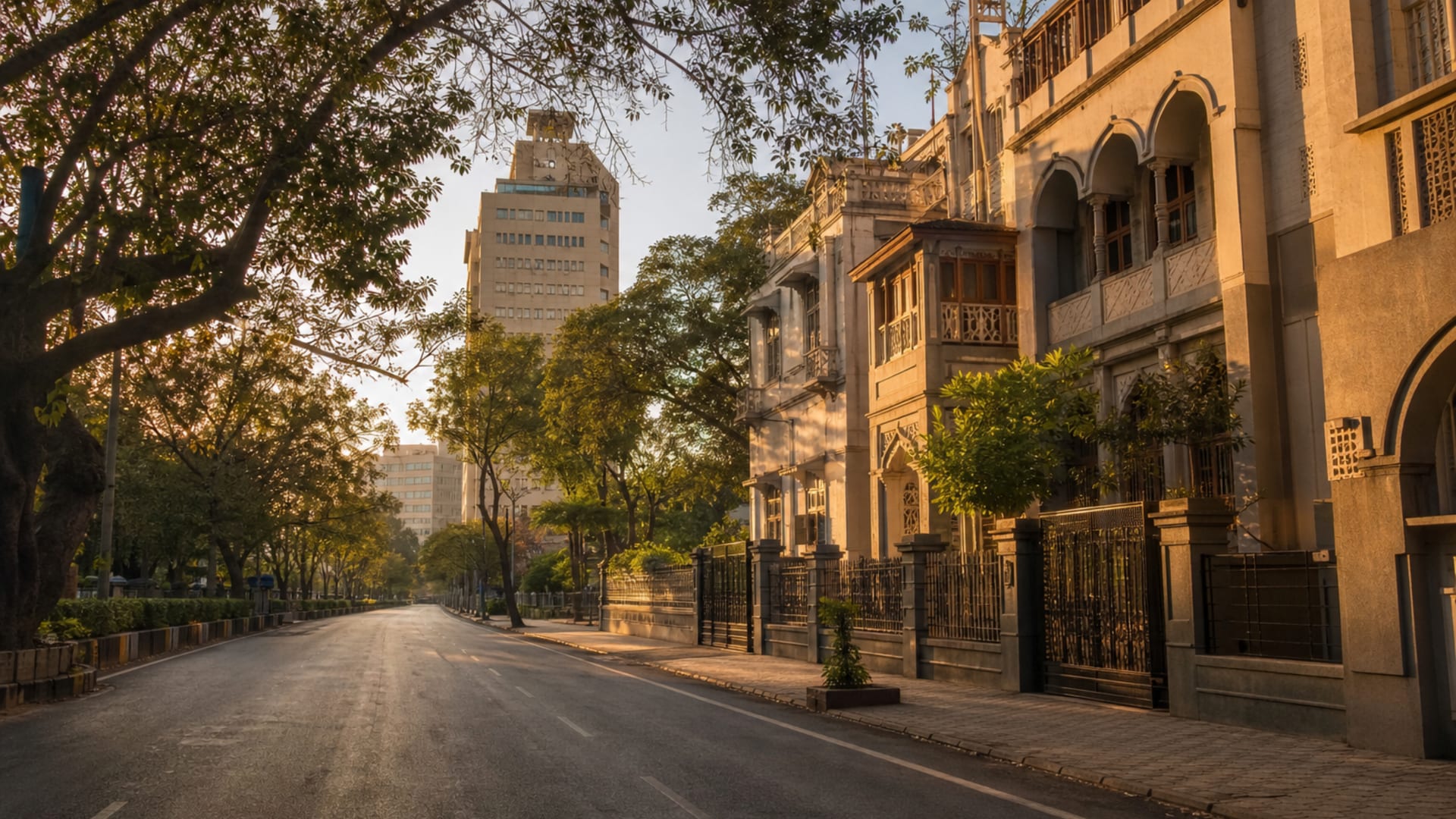
One of Ahmedabad’s main commercial and retail corridors, lined with hotels, restaurants, and shopping centers. It matters because you can stay near many modern conveniences and still reach the riverfront and central landmarks without long rides.
Best for: Shopping, dining, and travelers who want a central modern base
What to expect: Heavy daytime traffic, active storefronts, and a steady flow of shoppers and office workers from morning through night.
Hotel prices: Usually about ₹5,000 to ₹10,500 ($60 to $126) per night for well-rated stays
Distance to major sights: About 15 minutes by taxi to Sabarmati Riverfront and 20 to 30 minutes to the old city gates
Quietness: Noisy through the day and into the evening, then lighter late at night away from the main road.
Main trade-off: You pay for location and convenience, but traffic can slow short rides and the busiest blocks are not the quietest sleeping option.
Good to know: Choose a room away from the frontage road if light sleep matters, since the main stretch carries traffic and restaurant activity well past dinner.
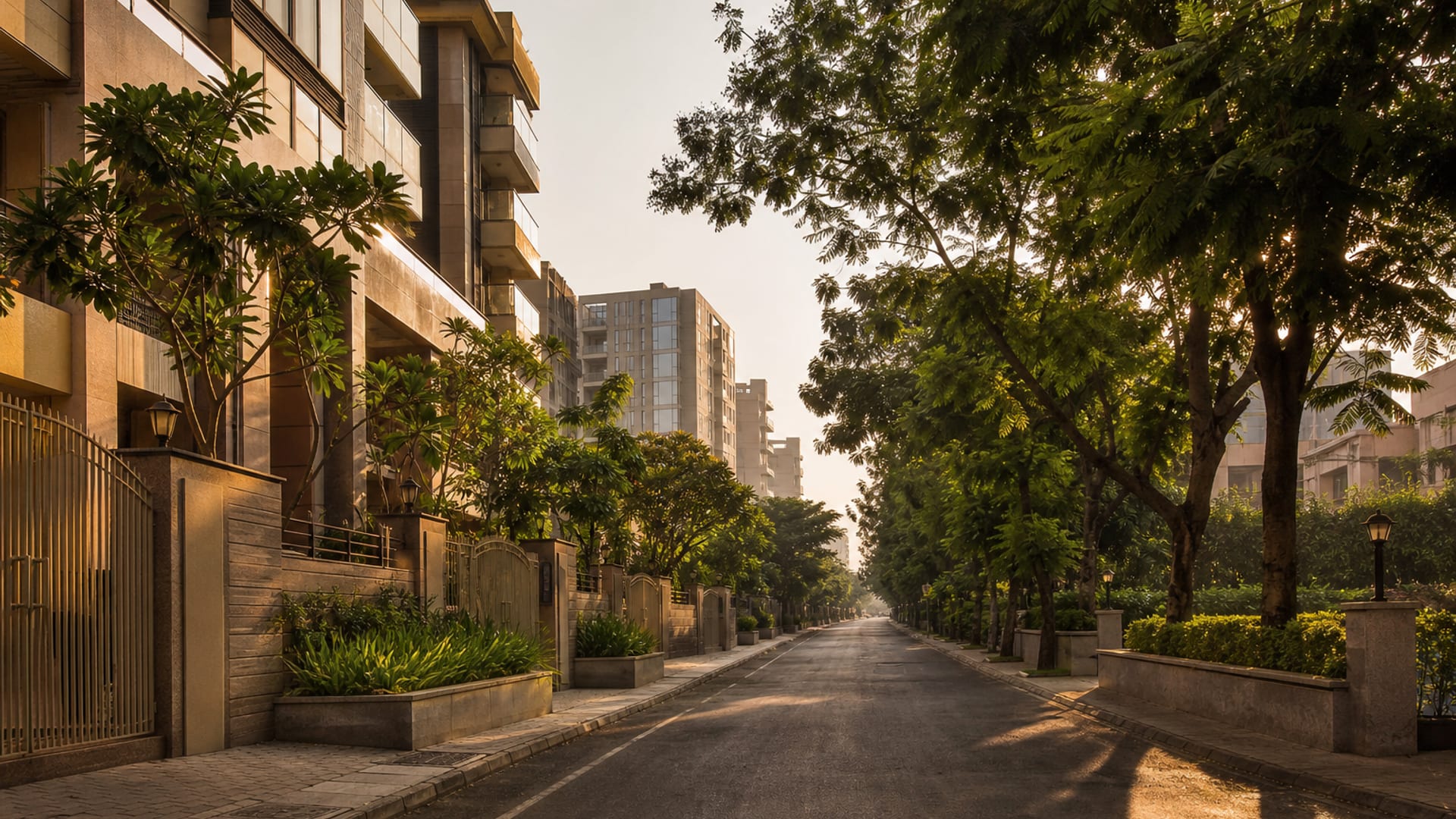
A newer western district with business hotels, restaurants, and easy road links to the airport side and major shopping areas. It suits travelers who prefer modern buildings and want a stay that avoids the densest parts of the old city.
Best for: Business trips, newer hotels, and travelers with car-based plans
What to expect: Wide roads, office parks, malls, and a more suburban feel than central Ahmedabad, with less street-level chaos after dark.
Hotel prices: Usually about ₹4,500 to ₹9,500 ($54 to $114) per night for well-rated stays
Distance to major sights: About 25 to 35 minutes by taxi to Sabarmati Ashram and 30 to 40 minutes to Bhadra Fort
Quietness: Fairly calm in the evening compared with central corridors, though traffic builds during commuting hours.
Main trade-off: The area offers newer properties, but you will spend more time in the car for heritage sights and old-city dining.
Good to know: It works best if your schedule is split between meetings and a few landmark visits, because most sightseeing will require planned transfers.
Travelers usually avoid staying deep in Bapunagar, Odhav, Vatva, and Naroda when they want an easy base in Ahmedabad, since these industrial and outer residential areas sit far from the main sights in the old city, riverfront, and central museum district. SG Highway stretches well beyond the central hotel clusters, so rooms on the far western end are less convenient for evening trips into the core and have fewer visitor-focused dining and shopping options nearby.
Hotel deals
How to get around Ahmedabad efficiently
Ahmedabad does not rely on one transport mode alone, so most visitors move between walking, taxis, and the city bus network depending on where the day starts.

Metro
for longer distances
Ahmedabad has no metro connection at Ahmedabad (AMD) itself, so visitors usually rely on suburban rail only for limited cross-city hops, not airport transfers. The nearest practical rail option is the city metro network in Ahmedabad proper, but it does not reach the airport terminal, so plan on a taxi or bus for that final leg.

Bus
for convenience
AMTS and BRTS cover much of Ahmedabad, with BRTS useful for faster corridors such as the airport area to central districts, though you may need a short auto-rickshaw or taxi link at either end. Fares are low, usually about $0.20 to $0.60, and tickets are generally valid for a single ride rather than a timed transfer window; exact boarding points and frequencies vary by route.

Taxi
for convenience or late hours
Licensed taxis at Ahmedabad (AMD) use metered or app-based fares rather than a single airport flat rate, and the airport run to central Ahmedabad usually costs about $6 to $15, depending on traffic and vehicle type. Prepaid counters and ride-hailing apps are the easiest ways to book, and most drivers accept cash, while card or in-app payment depends on the operator.
*Prices are based on rates updated as of June 2026 and may change at the time of travel.
Use taxis for airport runs and cross-town hops, BRTS for faster corridor travel, and walking for compact old-city stretches where the streets and monuments sit close together.
Iconic landmarks
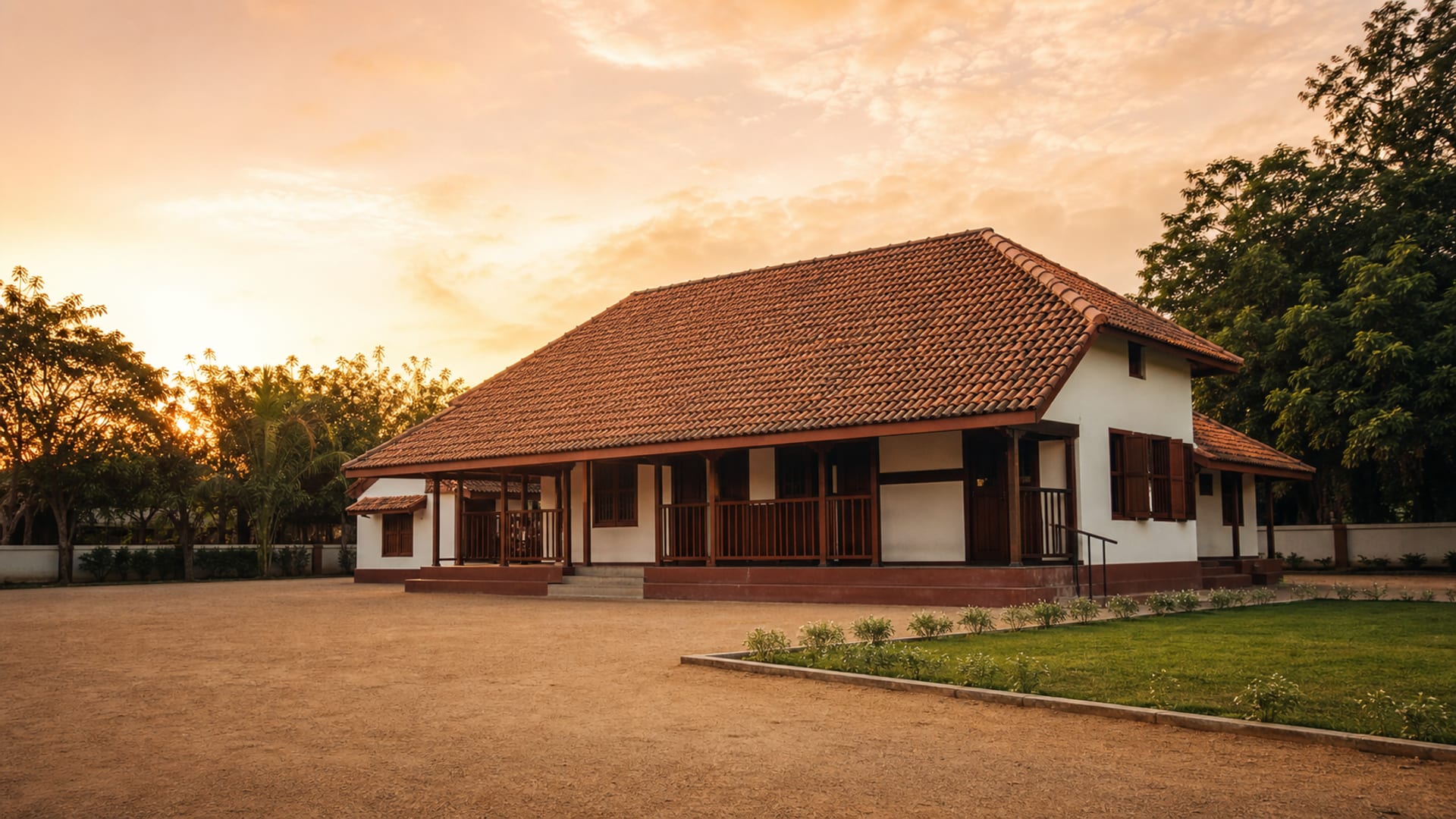
Sabarmati Ashram
Gandhi’s former home on the Sabarmati River holds the core of his life in Ahmedabad, with letters, photographs, and simple rooms that explain the independence movement. The museum sits in quiet grounds a short ride from the old city.
Time needed: About 1 to 2 hours
Entry: Admission is free; special exhibitions or guided programs may carry separate charges on select dates Visit the official site for details.
Tip: Visit early in the day, then walk the riverfront before the heat builds.
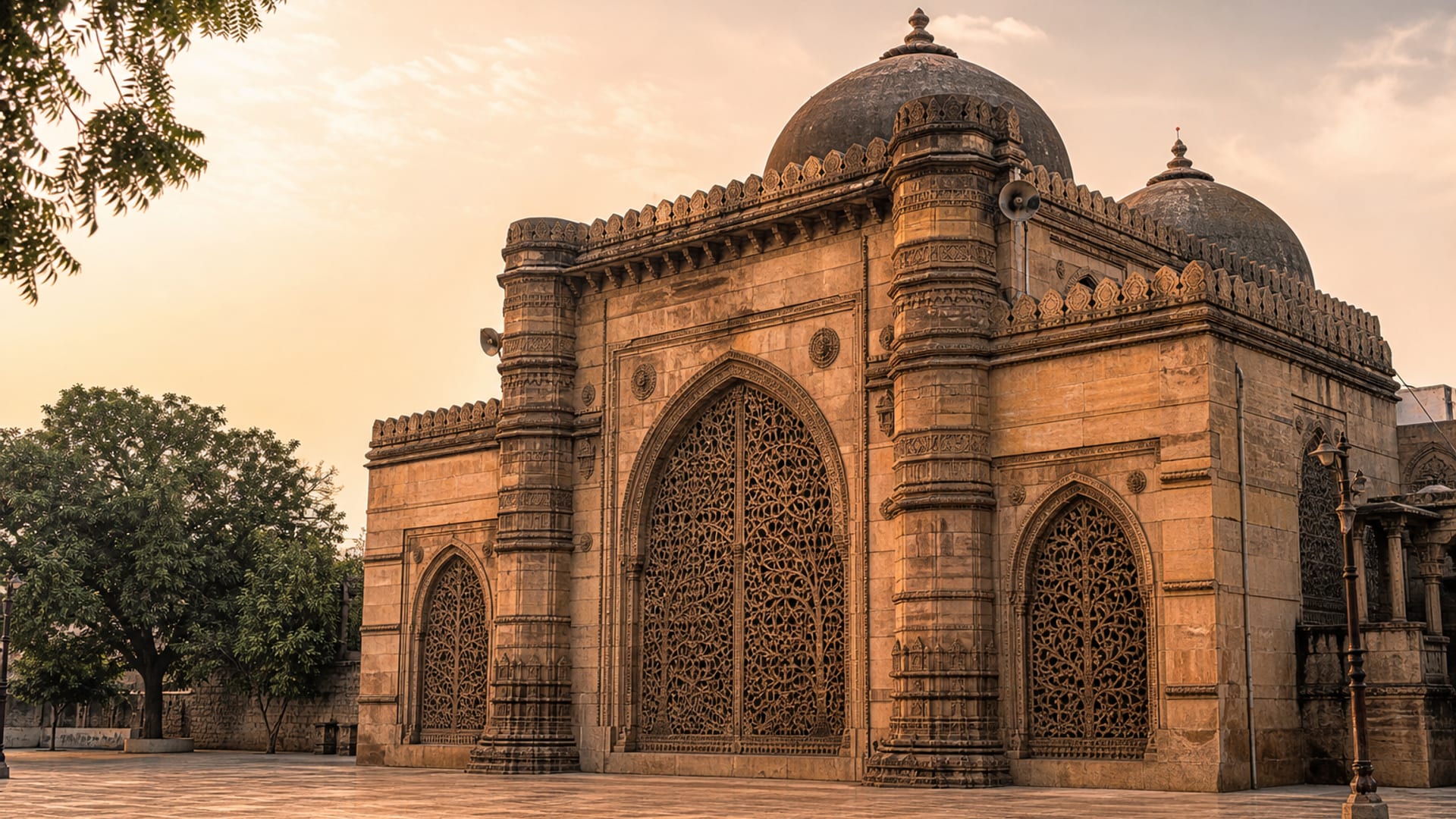
Sidi Saiyyed Mosque
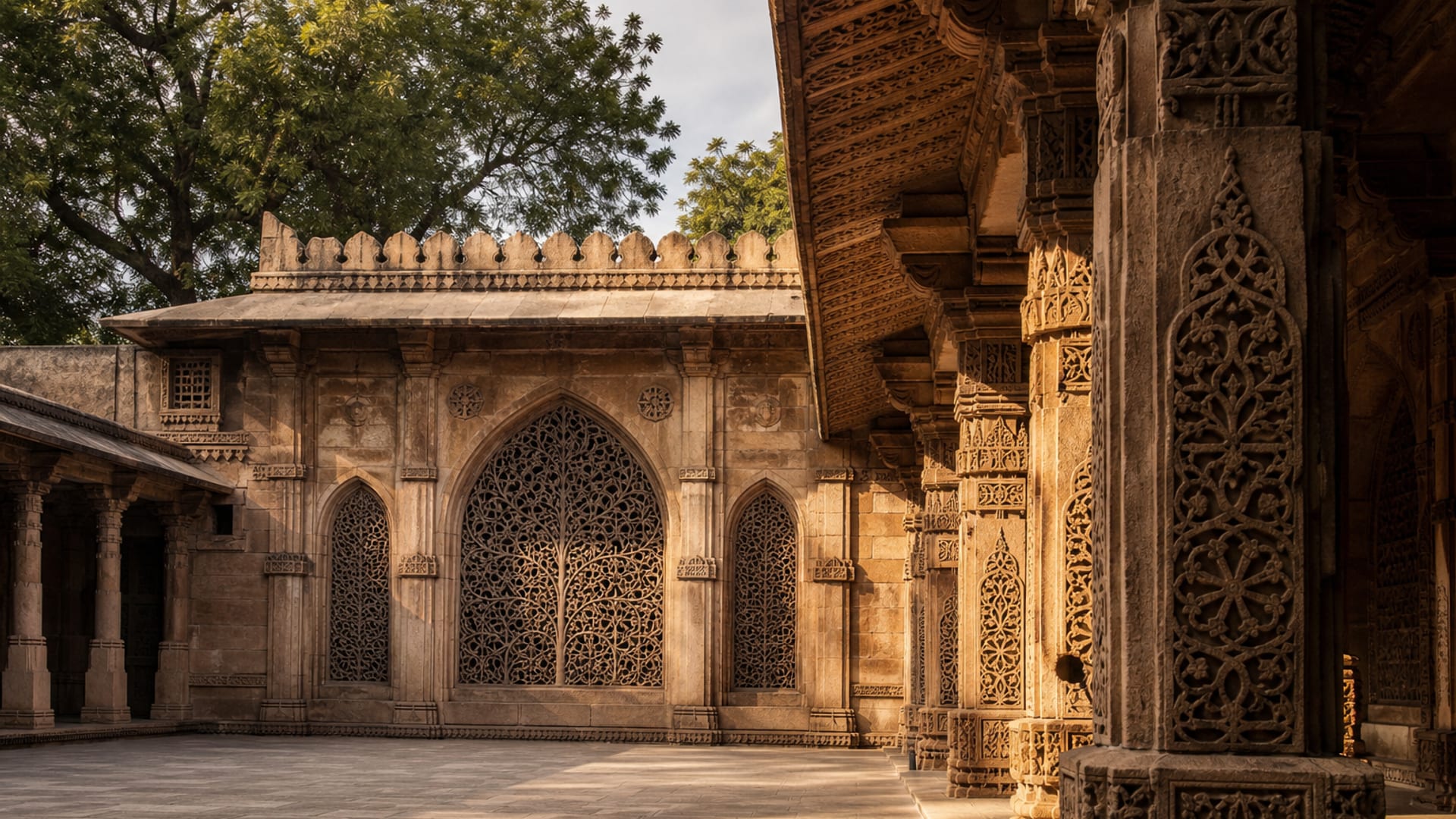
This 16th-century mosque is known for its stone lattice screen, the Sidi Saiyyed jali, carved with a tree and intertwining branches. It stands close to the historic center, and the screen has become a symbol of Ahmedabad.
Time needed: About 30 to 45 minutes
Entry: Entry is free; visitors should dress modestly, remove shoes before entering, and check locally for prayer-hour access limits.
Tip: Go in late afternoon, when light makes the stone screen easier to photograph.
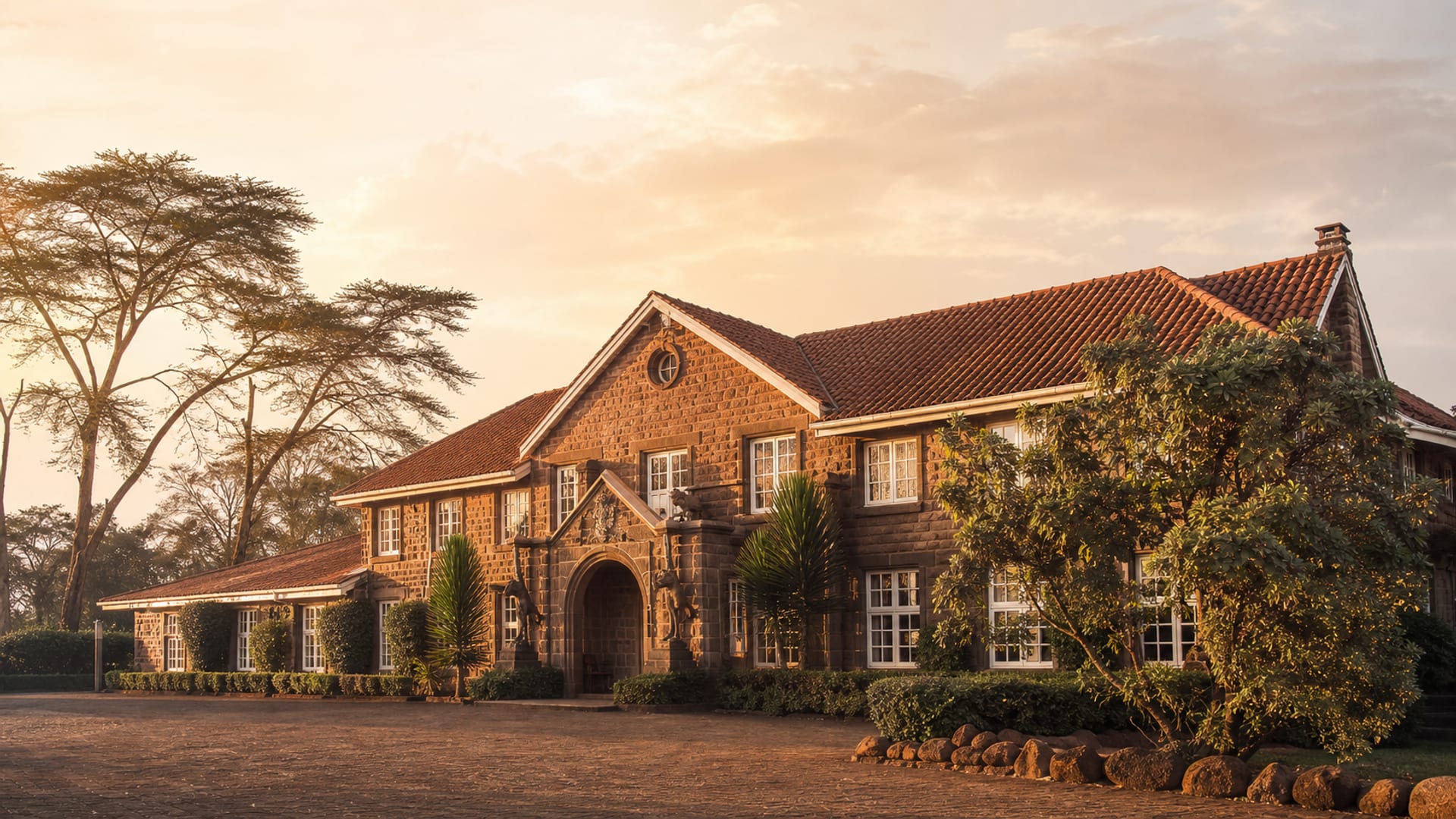
Adalaj Stepwell
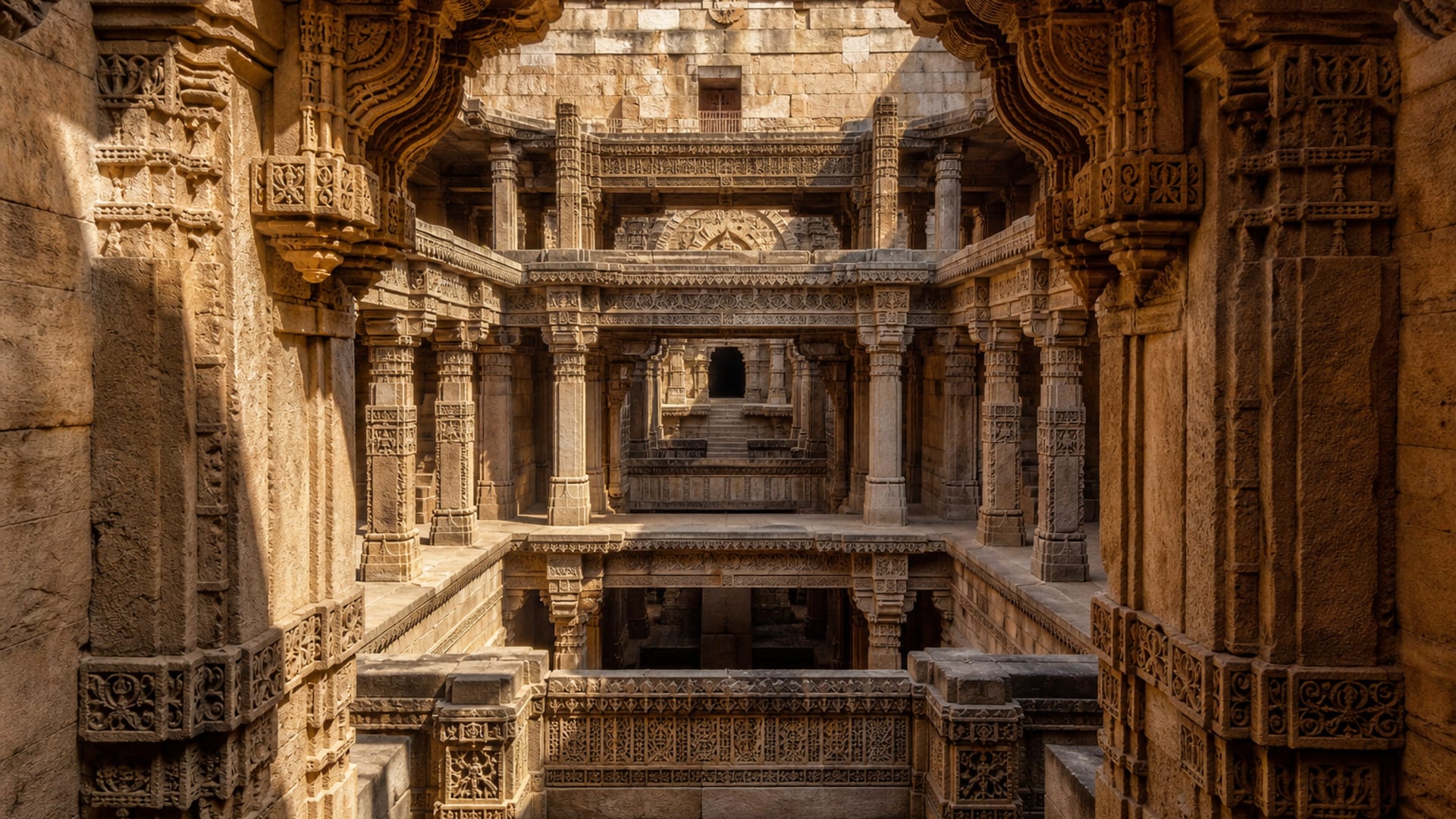
About 18 km north of central Ahmedabad, this 15th-century stepwell drops through carved galleries and octagonal landings to the water level. Its sandstone and floral motifs show why it ranks among Gujarat’s finest historic wells.
Time needed: About 1 to 1.5 hours
Entry: Admission costs about $1 ($1) for Indian citizens and about $4 ($4) for foreign visitors, with camera fees sometimes charged separately Visit the official site for details.
Tip: Visit before noon, when the lower levels get enough light for the carvings.
Overlooked sites worth visiting

Sidi Saiyyed Mosque
This 16th-century mosque is known for its carved stone jali, including the tree motif that became a city symbol. Its small scale and central location make it a focused stop for architecture watchers.
Time needed: About 30 to 45 minutes
Entry: Free to access; donations are optional. The mosque is active, so visit outside prayer times and dress modestly. There is no ticket desk, and access depends on worship schedules and courtyard conditions.
Tip: Go in morning light for the finest detail on the screens.

Calico Museum of Textiles
A textile museum with rare Jain manuscripts, embroidered hangings, and court textiles from Gujarat. Visits are by timed guided tour, and the collection rewards close attention to weave, dye, and provenance.
Time needed: About 2 to 3 hours
Entry: Admission is by prior appointment only, with guided visits usually limited to set morning slots. Fees vary by visitor category and booking channel, so confirm the current rate and availability before you go Visit the official site for details.
Tip: Book early, tour slots fill well ahead.
Traditional food
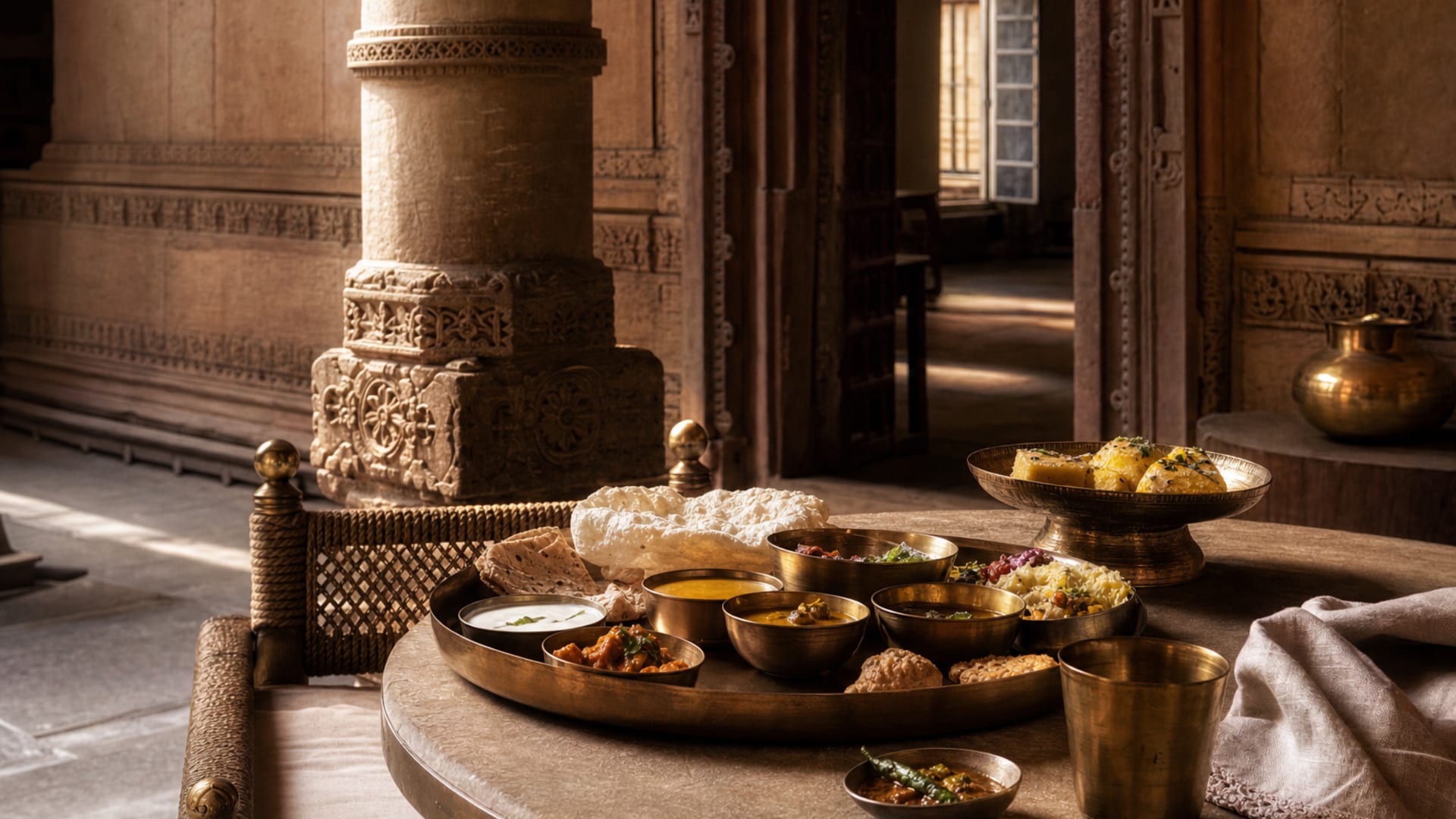
Ahmedabad’s food leans on wheat, lentils, yogurt, and seasonal vegetables, with sweet and savory often sharing the same plate. Expect snacks like dhokla and fafda-jalebi, then rich Gujarati thalis built around undhiyu and careful spice balance.
Dhokla
Soft, steamed, and lightly tangy, dhokla is one of the clearest introductions to Ahmedabad’s snack culture. Hiras offers a dependable city reference for it, especially if you want to try it early in the day.
Khandvi
Khandvi pairs a delicate texture with mustard seed tempering and coconut, so it rewards an unhurried breakfast or snack stop. Jani Locho and Khaman House is a strong Ahmedabad name for it, with a broad local following.
Fafda-jalebi
This classic combination puts crisp gram-flour fafda next to syrupy jalebi, and it shows how Ahmedabad likes contrast on the plate. Das Khaman House is widely associated with this morning staple.
Undhiyu
Undhiyu brings winter vegetables, fenugreek dumplings, and slow-cooked seasoning into a dish that reads as a seasonal main rather than a snack. Gordhan Thal serves a well-known version in a thali setting.
Best time to visit Ahmedabad
Ahmedabad shifts by season, with winter making outdoor sightseeing easiest, while the hot months ask for earlier starts, longer indoor breaks, and lighter afternoons.
Best for: Best for old-city walks, riverfront evenings, and stepwell visits
What you get: Temperatures usually sit about 55-82°F (13-28°C), with comfortable days and the biggest visitor demand
Trade-offs: Nights can feel cool, and the best hotel and guide slots book early
Best for: Best for museum days and shorter sightseeing windows before lunch
What you get: Temperatures usually run about 72-102°F (22-39°C), with lighter crowds than peak winter but rising heat by late morning
Trade-offs: Afternoons can feel harsh, so you need a tighter schedule
Best for: Best for greener city views and lower hotel competition
What you get: Temperatures usually stay about 77-95°F (25-35°C), with fewer visitors and periods of heavy rain
Trade-offs: Downpours can disrupt road timing and make heritage walks less comfortable
Best for: Best for a shoulder-season trip with workable weather and easier bookings
What you get: Temperatures usually hover about 70-93°F (21-34°C), with moderate crowds and improving outdoor conditions
Trade-offs: Heat can still linger, especially in the middle of the day
A realistic 5-day plan in Ahmedabad
A five-day Ahmedabad trip works best when you separate the city into airport arrival, riverfront and ashram time, one museum-heavy day, an old-city circuit, and a final buffer for shopping or one last heritage stop.
Land at Ahmedabad (AMD), then take a taxi into central Ahmedabad, roughly 25 to 40 minutes depending on traffic, for about $6 to $11 (₹500 to ₹900). Stay near Ellis Bridge or Navrangpura if you want an easy first night, since both keep you close to the riverfront and the old city without a long ride. After check-in, drink plenty of water, then head to a nearby café or hotel restaurant on CG Road or in Navrangpura for a light dinner and an early night.
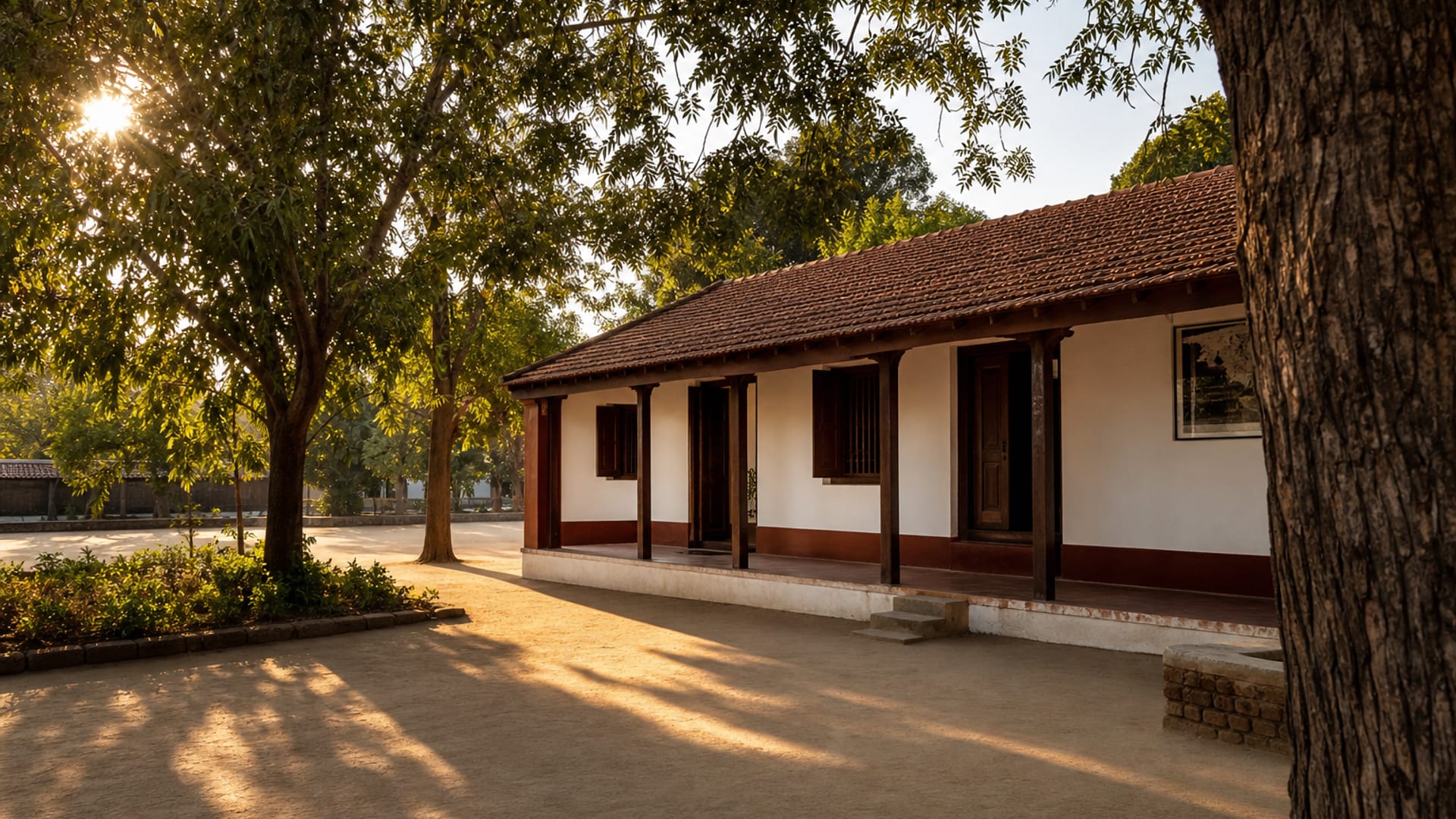
Begin at Sabarmati Ashram, where a taxi from Ellis Bridge or Navrangpura takes about 10 to 25 minutes, and plan 1 to 2 hours for the museum and grounds. From there, continue to Sabarmati Riverfront in about 10 to 15 minutes by taxi for an easy walk along the water before lunch. In the afternoon, head back toward the center for Sidi Saiyyed Mosque, about 10 to 15 minutes from Ellis Bridge, and time your visit for late light on the jali. Finish the day with dinner on CG Road, about 10 minutes away by car from the mosque.
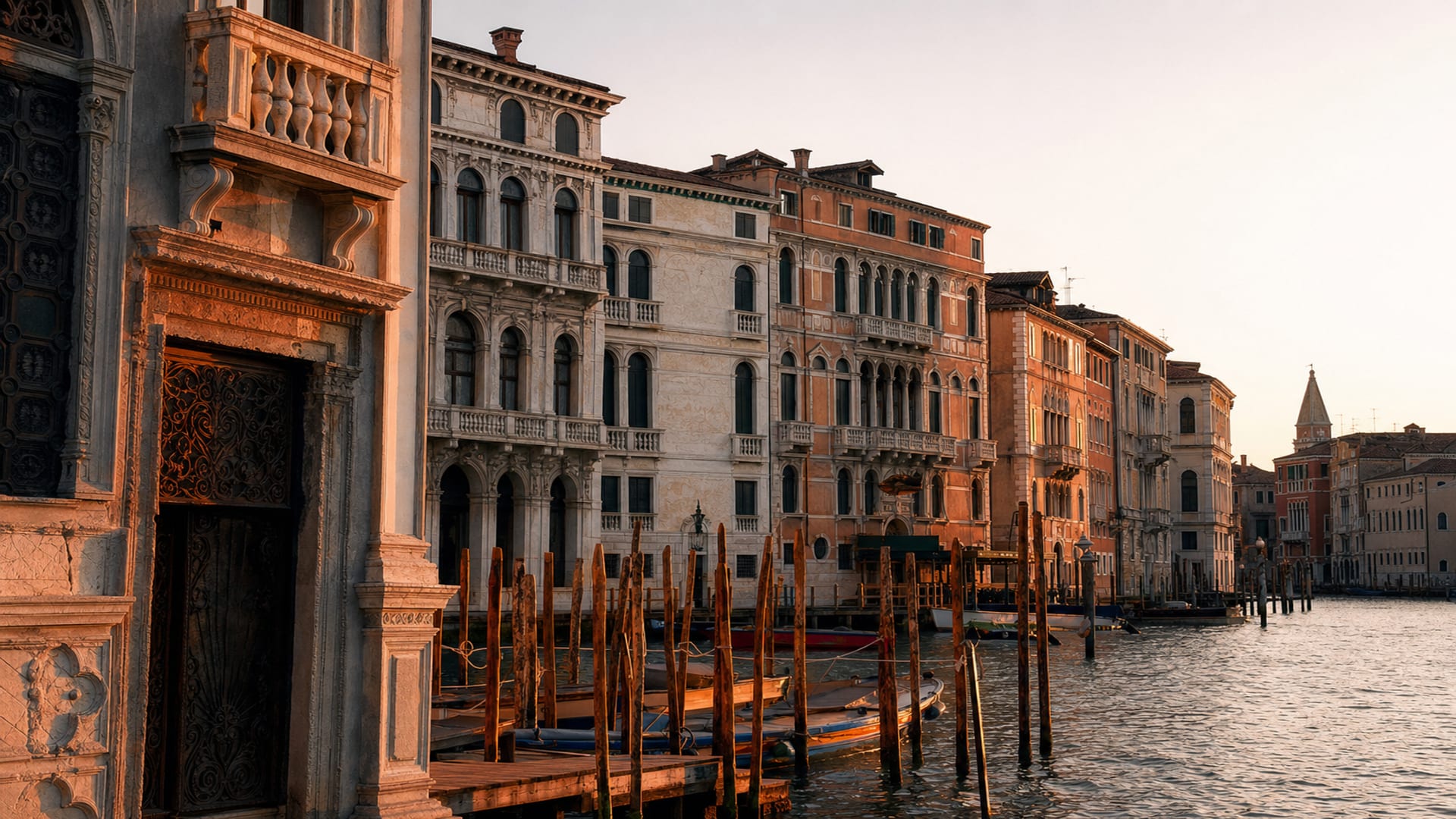
A morning appointment at the Calico Museum of Textiles sets up a focused day, since the museum asks visitors to book ahead and often assigns fixed guided slots. From central Ahmedabad, expect about 15 to 25 minutes by taxi to the museum, then another 20 to 30 minutes to Adalaj Stepwell, where you should allow 1 to 1.5 hours. Return to the city by late afternoon, roughly 30 to 45 minutes by road from Adalaj to Navrangpura or Ellis Bridge, then keep dinner near your hotel so you do not have to cross the busiest corridors after dark.
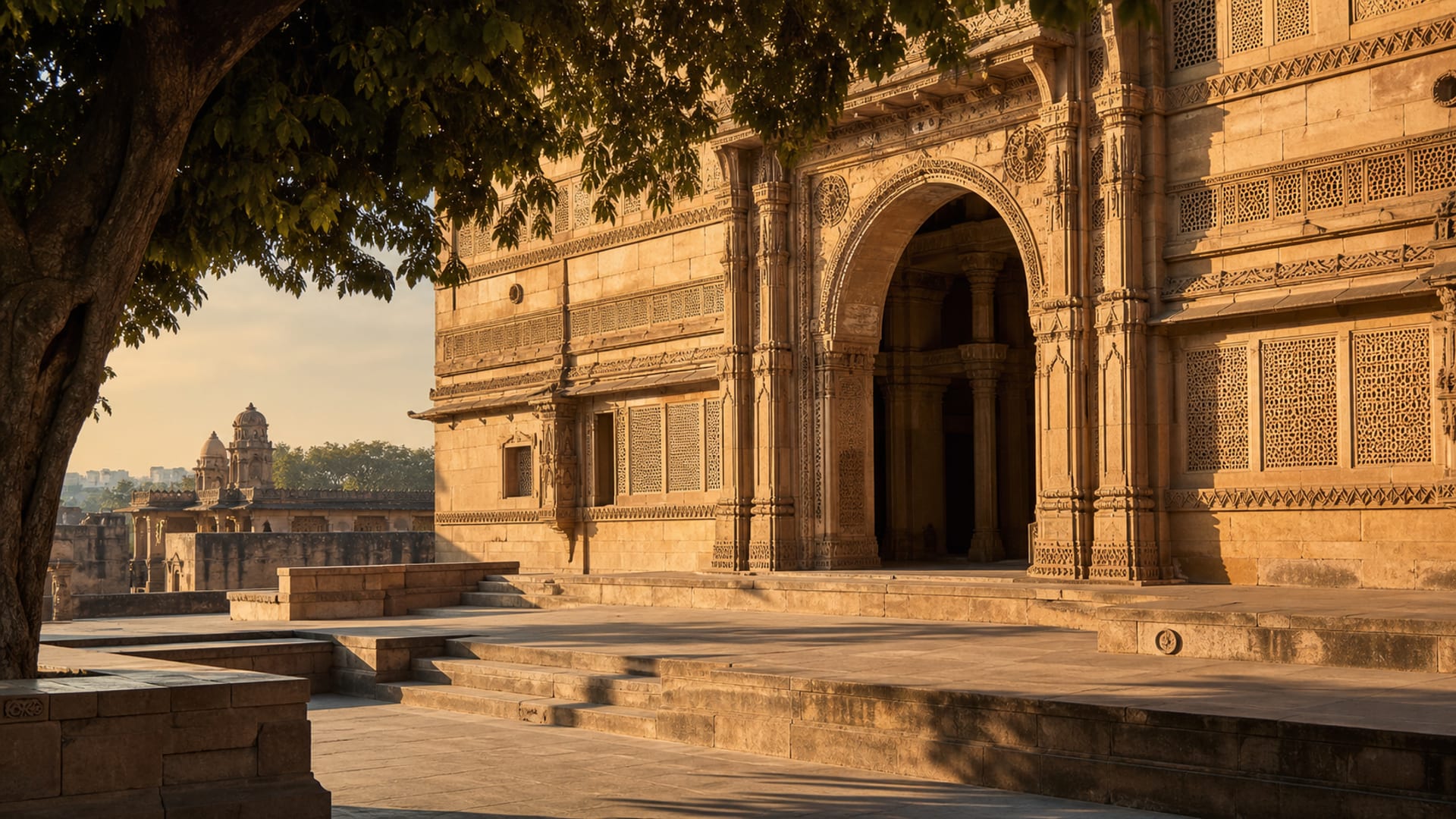
Start in the old city with Sidi Saiyyed Mosque, then continue to nearby heritage streets and Bhadra Fort, with the transfer taking about 15 to 25 minutes by taxi from Ellis Bridge. Give the fort and surrounding area a relaxed morning, then pause for lunch in the central corridor before heading back toward the riverfront, about 10 to 15 minutes away, for an evening walk. If you are staying on CG Road or in Navrangpura, the return trip usually takes about 15 minutes by car, though traffic can stretch it at peak hours.
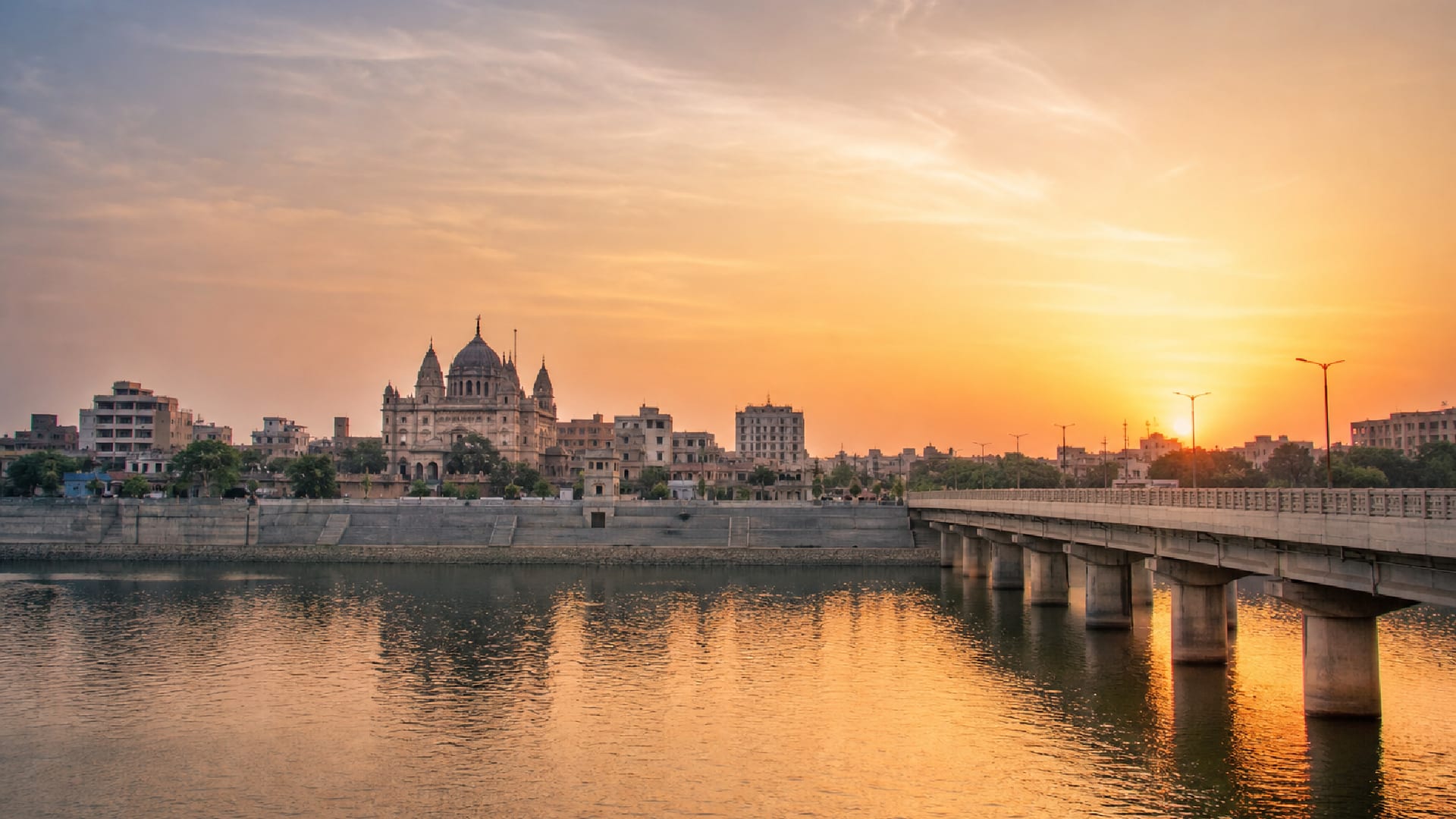
For a slower last day, sleep in, then fit in one more museum stop or a final look at the city’s textile heritage before an afternoon of shopping on CG Road. If you want a compact second stop, the Calico Museum of Textiles works well only if you already have a booking, while a café in Navrangpura gives you an easy place to sit between errands and packing. Spend your final hours close to the hotel, then head to the airport from the central districts with enough buffer for traffic, usually about 25 to 40 minutes by taxi.
Business-class flights from the US to Ahmedabad
Ahmedabad usually appears in one-stop long-haul itineraries, so the useful comparison is not whether you can fly direct, but which hub makes the connection cleaner. From both coasts, the main carriers and layover cities shape the trip more than the final segment does.
From New York, Emirates, Etihad Airways, Turkish Airlines, Lufthansa, and Air India all appear on one-stop options, and the journey usually takes about 16 to 22 hours. The main layover hubs are DXB, AUH, IST, FRA, and DEL, with premium fares from New York often pricing at $4,200 to $7,800 round trip, depending on dates and carrier.
Los Angeles fares usually open with Qatar Airways, Emirates, Etihad Airways, Turkish Airlines, and Lufthansa, and the trip generally runs about 18 to 24 hours. One-stop itineraries via Doha or Dubai often reduce the fare, with premium round trips usually starting near $4,600 and reaching about $8,500.
Ahmedabad feels different when you slow down
A well-paced Ahmedabad stay gives each part of the city its own setting: Ellis Bridge or Navrangpura for the first nights, the riverfront for an evening walk, Sidi Saiyyed Mosque for late light, and the Calico Museum when your booking is confirmed. Taxis and BRTS handle the longer links, while the old city works best on foot in short, focused stretches. If you want help shaping the trip around CG Road, the riverfront, or a winter visit, ask the AranGrant experts







