

Chapters:

Need help with your trip?
Our support team is available 24/7. Request a callback or call us directly at (833) 619-0908
Alicante trips often begin with a beach-and-tapas plan, then stall when travelers leave the center too late or try to stack too many stops into one day. The old quarter, the castle, and the waterfront sit close on a map, but not every street is quick to cross.
That matters because the city asks for short walks, tram links, and a little timing around meal breaks and evening crowds. Without that, a simple outing can turn into repeated backtracking between the port, the hill, and the beach.
This guide lays out Alicante in a steadier order, with neighborhoods, transport, food, and five days grouped so each move has a clear purpose.
Useful things to know

Main language(s): Spanish, Valencian
Hola (OH-lah) – Hello
Por favor (por fah-VOR) – Please
Gracias (GRAH-see-ahs) – Thank you
¿Habla inglés? (AH-bla een-GLES) – Do you speak English?
¿Cuánto cuesta? (KWAN-toh KWEHS-tah) – How much does it cost?

Currency: The local currency is the euro (EUR, €).

Cash and cards: Cards and contactless are widely accepted; carry about €20 to €40 ($22 to $43) for small cafés, markets, and taxis.

Tipping: Round up small bills and leave about 5% to 10% in restaurants if the service is good.

Traditional food: Arroz a banda, paella alicantina, caldero, coca amb tonyina

Water and coffee costs: Water about €2 ($2), bar espresso about €1.50 to €2.50 ($2 to $3).

Taxis and ride apps: Uber and Cabify operate here; Bolt may also appear, but local taxis are common.

Plug and voltage: Type C/F socket, 230V

Dining and shop opening hours: Breakfast runs about 8:00-10:30 am, lunch 1:30-3:30 pm, and dinner 8:30-10:30 pm. Many restaurants close between lunch and dinner.

Emergency number: 112 for police, fire, and medical emergencies.
Where to stay in Alicante
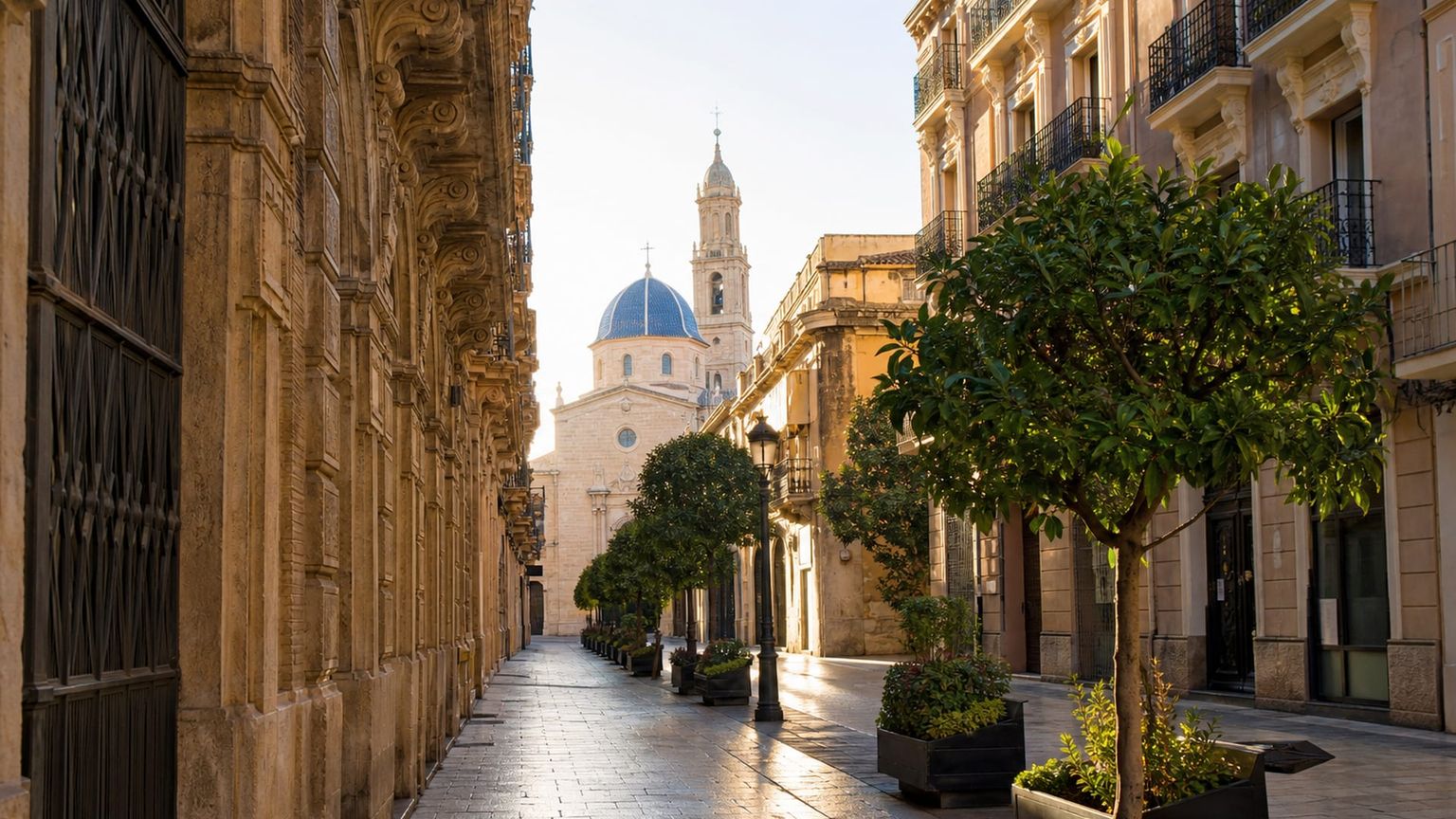
Alicante’s historic center puts you among the old town streets, plazas, and the main shopping corridors just inland from the port. It suits visitors who want easy access to museums, restaurants, and transport without relying on taxis for every outing.
Best for: Sightseeing, dining, and travelers who want the broadest choice of cafés and transport
What to expect: Busy pedestrian streets by day, lively restaurant terraces at night, and frequent foot traffic near the main squares.
Hotel prices: Usually about €120 to €220 (~$132 to ~$242) per night for well-rated stays
Distance to major sights: 10 to 15 minutes on foot to Postiguet Beach, about 12 minutes on foot to Santa Bárbara Castle
Quietness: Busy in the afternoon and early evening, quieter on side streets late at night.
Main trade-off: The most central blocks can be noisy, and the best-located rooms cost more than inland neighborhoods.
Good to know: Choose a room away from the main nightlife streets if you want sleep before midnight; sound carries in the narrow lanes.
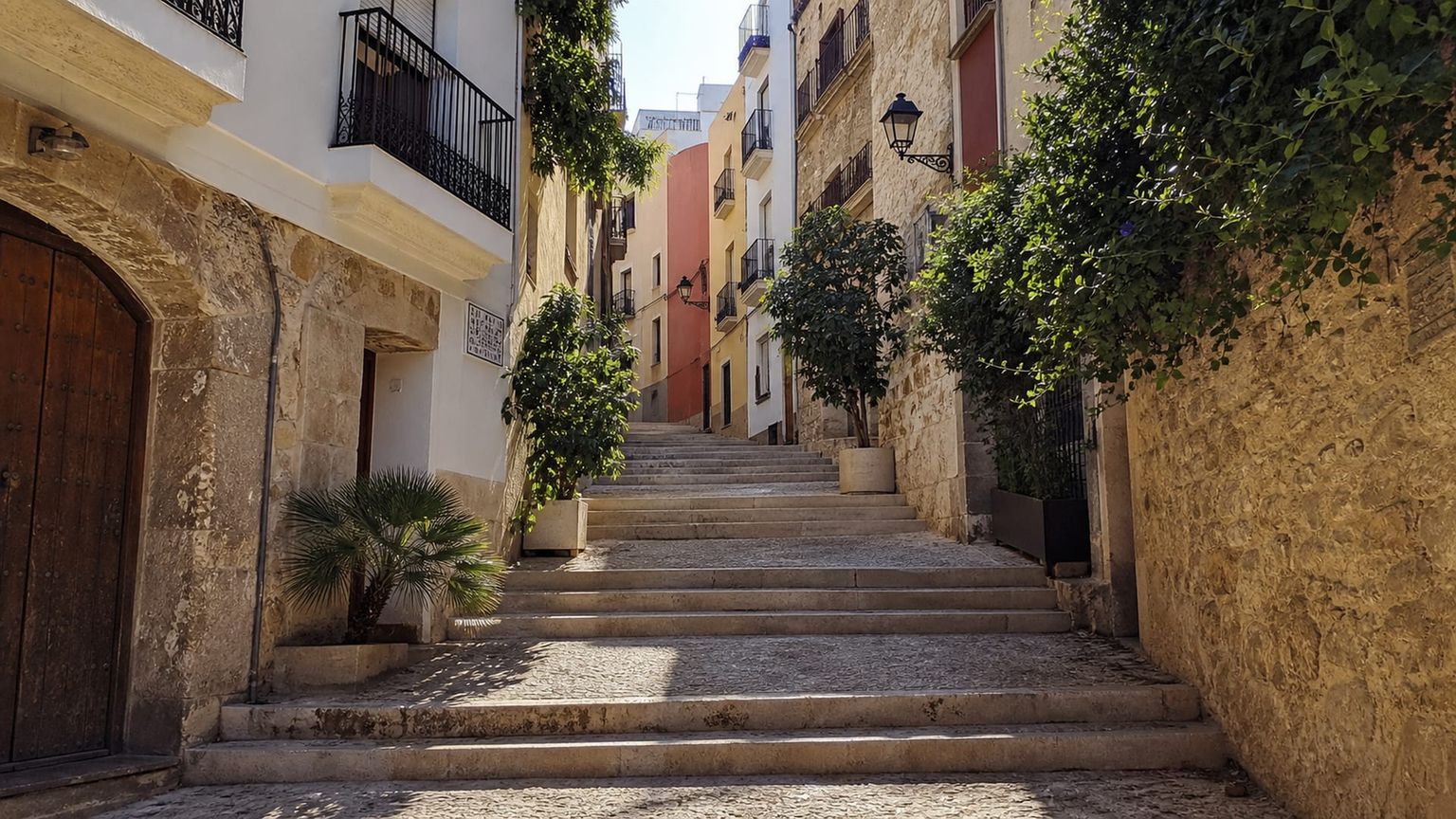
El Barrio is Alicante’s old quarter beneath Santa Bárbara Castle, with narrow lanes, small plazas, and the city’s densest nightlife cluster. It matters for travelers who want to step straight into bars, tapas spots, and evening activity.
Best for: Nightlife, tapas, and travelers who want an old-town setting with evening energy
What to expect: Crowded evenings, packed bar streets on weekends, and much quieter mornings once the nightlife clears.
Hotel prices: Usually about €110 to €200 (~$121 to ~$220) per night for well-rated stays
Distance to major sights: About 15 minutes on foot to Postiguet Beach, roughly 10 minutes on foot to the city center
Quietness: Noisy late into the night, then calm after the bars close.
Main trade-off: You get the strongest evening atmosphere in the city, but sleep can be difficult on bar streets and weekend noise can run late.
Good to know: If you stay here, ask for an interior room or higher floor, since music and voices can carry up the narrow streets.
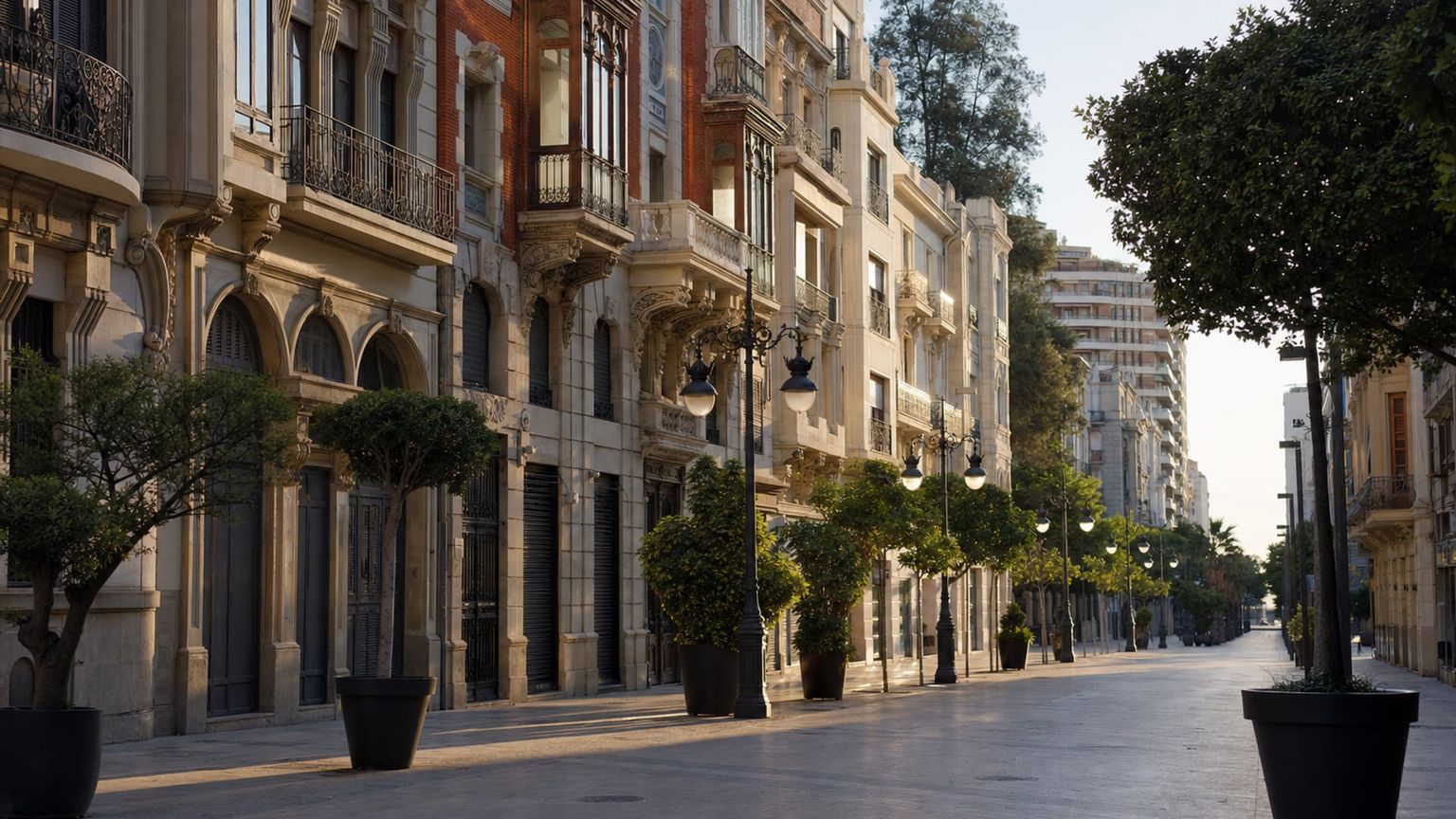
Ensanche Diputación is the modern district between the center and the beach, with wider avenues, apartment blocks, and plenty of everyday shops. It suits visitors who want a base with less old-town noise and still easy access to the waterfront and central Alicante.
Best for: Beach access, longer stays, and travelers who prefer a more residential base
What to expect: Steady local foot traffic, daytime shopping activity, and quieter streets at night than the old town.
Hotel prices: Usually about €100 to €180 (~$110 to ~$198) per night for well-rated stays
Distance to major sights: 10 to 20 minutes on foot to Postiguet Beach, about 15 minutes on foot to the old town
Quietness: Moderate during the day, generally quieter in the evening and late at night.
Main trade-off: It is less atmospheric than the old center, so you trade historic character for a calmer street pattern and easier access to supermarkets.
Good to know: Check the exact block before booking, since some streets sit closer to traffic and tram lines than the map suggests.
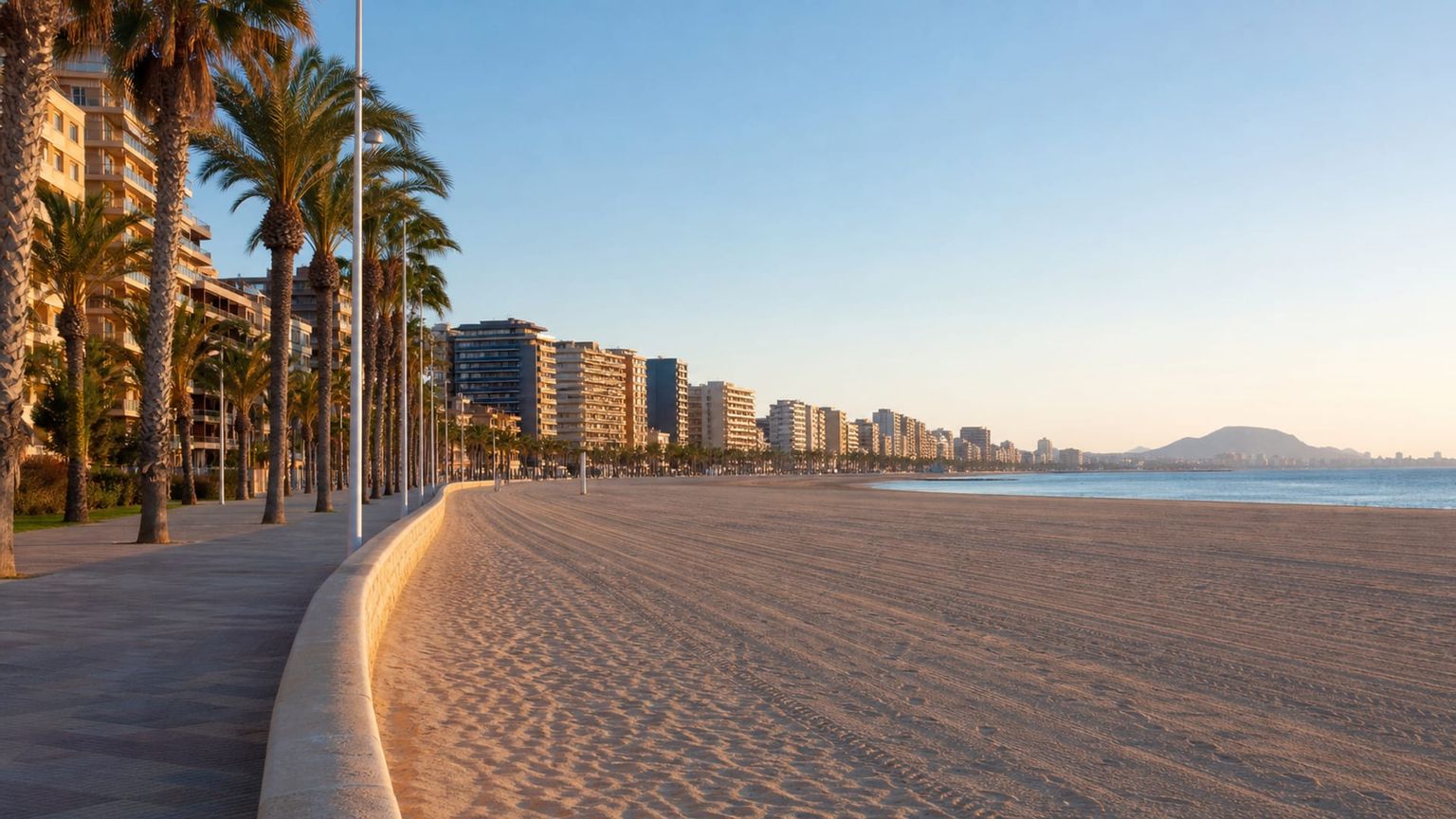
Playa de San Juan is Alicante’s long beach district, stretched along the coast east of the center with a wide promenade and modern apartment buildings. It matters if your trip centers on sand, swimming, and a more resort-like stay without leaving the city.
Best for: Beach vacations, families, and travelers who prefer a coastal base over the historic core
What to expect: Lively in daylight along the promenade, busy with beachgoers in season, and noticeably calmer after dinner.
Hotel prices: Usually about €110 to €210 (~$121 to ~$231) per night for well-rated stays
Distance to major sights: About 25 to 35 minutes by tram to the city center, roughly 5 minutes on foot to the beach
Quietness: Busy on sunny afternoons and early evenings, quieter at night away from the promenade.
Main trade-off: You will spend time getting into the old town, so evenings out in central Alicante take planning or a tram ride.
Good to know: In peak summer, book well ahead, since the best beachfront inventory fills earlier than inland areas.
Travelers usually avoid sleeping in El Campello, San Juan Playa, Playa de San Juan, and the industrial edges of the port area if their focus is central Alicante, because these areas sit well outside the main sightseeing core and require bus or taxi rides for most evenings out. The outer stretch of San Gabriel is also less convenient, since it has fewer visitor amenities and longer trips to the Explanada, the old town, and Santa Bárbara Castle.
Hotel deals
How to get around Alicante efficiently
Alicante’s Luceros hub, tram lines, city buses, and metered taxis cover different parts of the city, so the best choice changes with each stop.

Metro
for longer distances
Alicante has no metro, so the closest equivalent is the commuter rail and tram network, especially the TRAM d’Alacant lines linking Alicante city with the coast and inland suburbs. The tram is useful for Benidorm, El Campello, and nearby beach districts, with many rides priced from about $1.10 to $4.30 (€1 to €4), depending on the zone, and tickets typically valid for the trip you buy rather than a timed transfer.

Bus and tram
for convenience
The Luceros hub anchors most city buses and tram connections, so you can move between the center, the port, the station area, and nearby neighborhoods without changing modes often. City bus fares are about $1.60 (€1.50) for a single ride, and day and multi-ride passes cut the cost if you make several trips; bus tickets are usually valid for one boarding, while tram tickets depend on the zone and route length. Trams cover the coast better than the old town, while buses reach places the tram does not.

Taxi
for convenience or late hours
Licensed taxis in Alicante use metered fares, with fixed supplements for airport pickups and night or holiday trips rather than set flat citywide rates. A ride from Alicante (ALC) airport to the center usually costs about $25 to $35 (€23 to €32), while shorter cross-town trips often land near $8 to $18 (€7 to €16), and taxis generally accept cash and cards. Look for the white cars with a green light at ranks, or book through your hotel or a local app when you want one direct pickup.
*Prices are based on rates updated as of June 2026 and may change at the time of travel.
Use the tram for the coast, buses for cross-town trips, taxis or ride apps for direct airport transfers, and walking for the center and old quarter.
Iconic landmarks
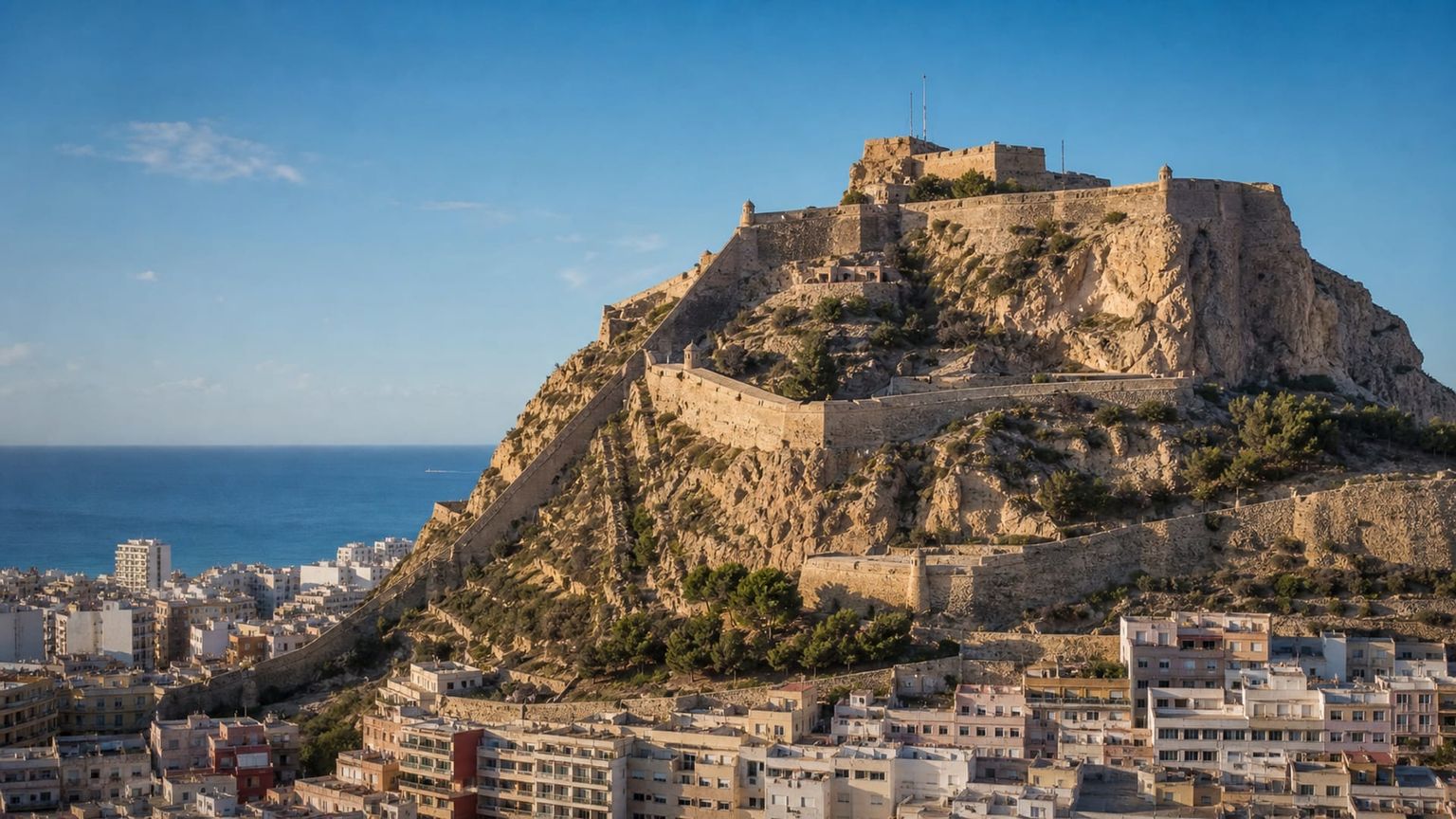
Santa Bárbara Castle
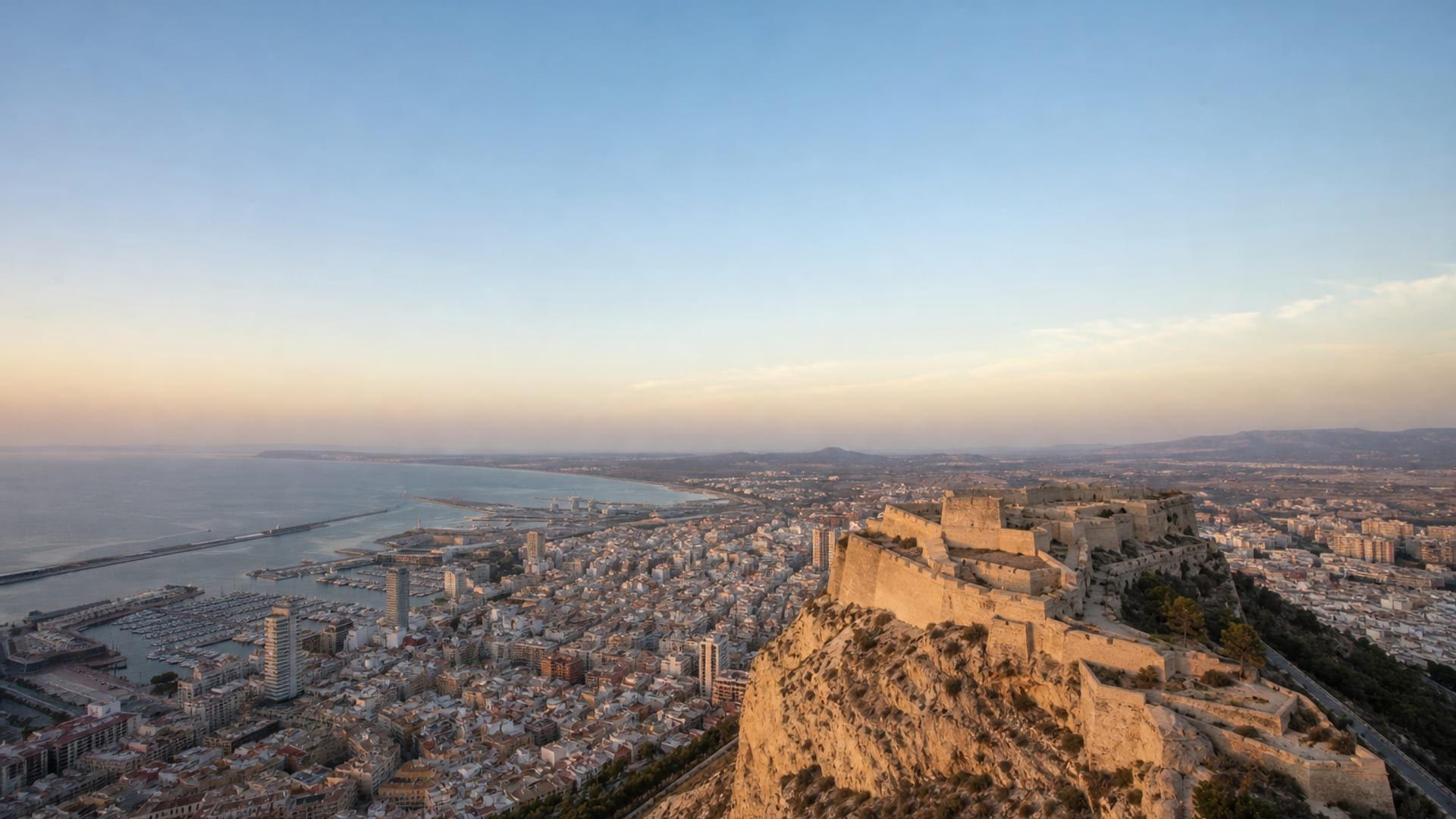
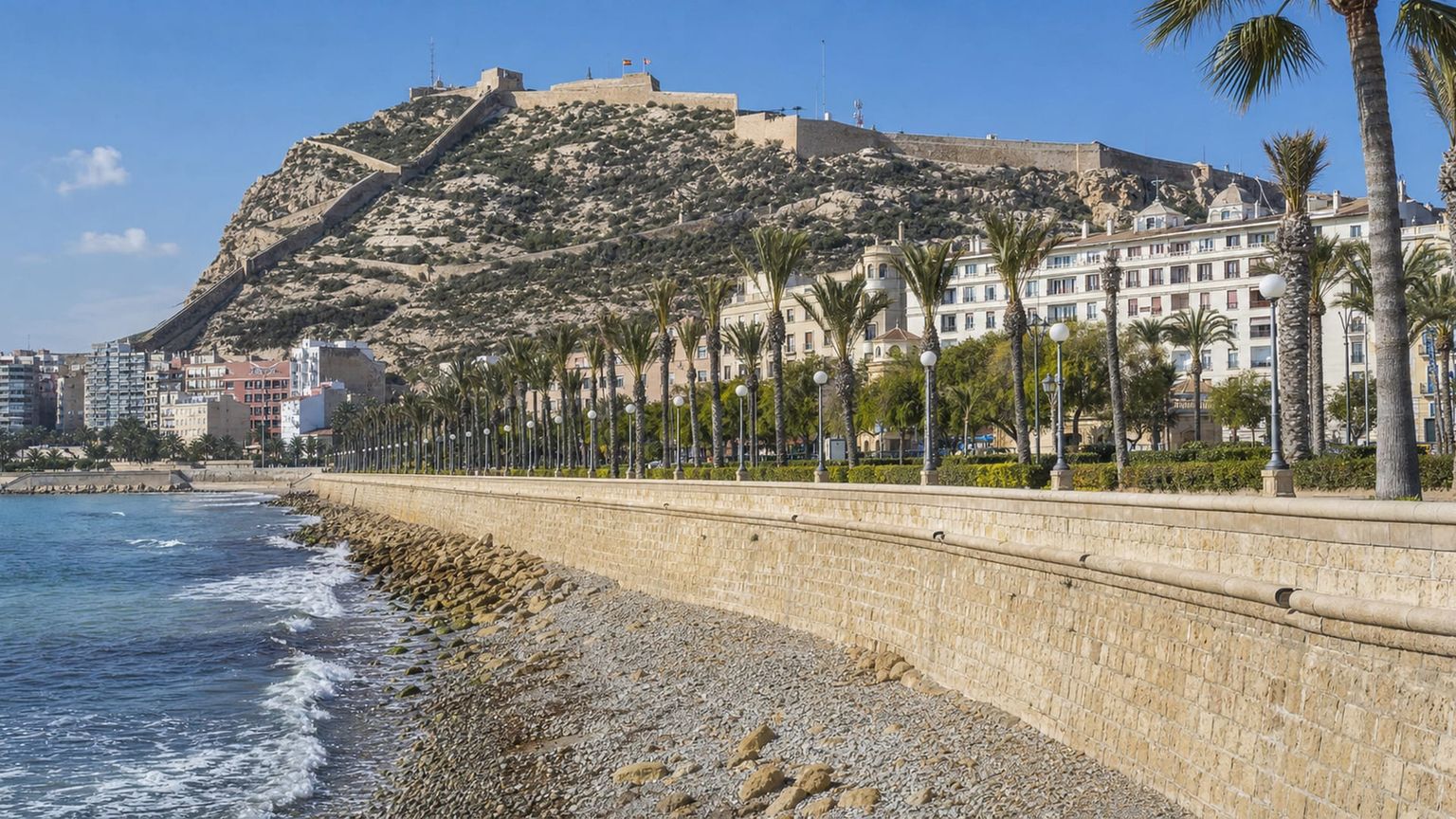
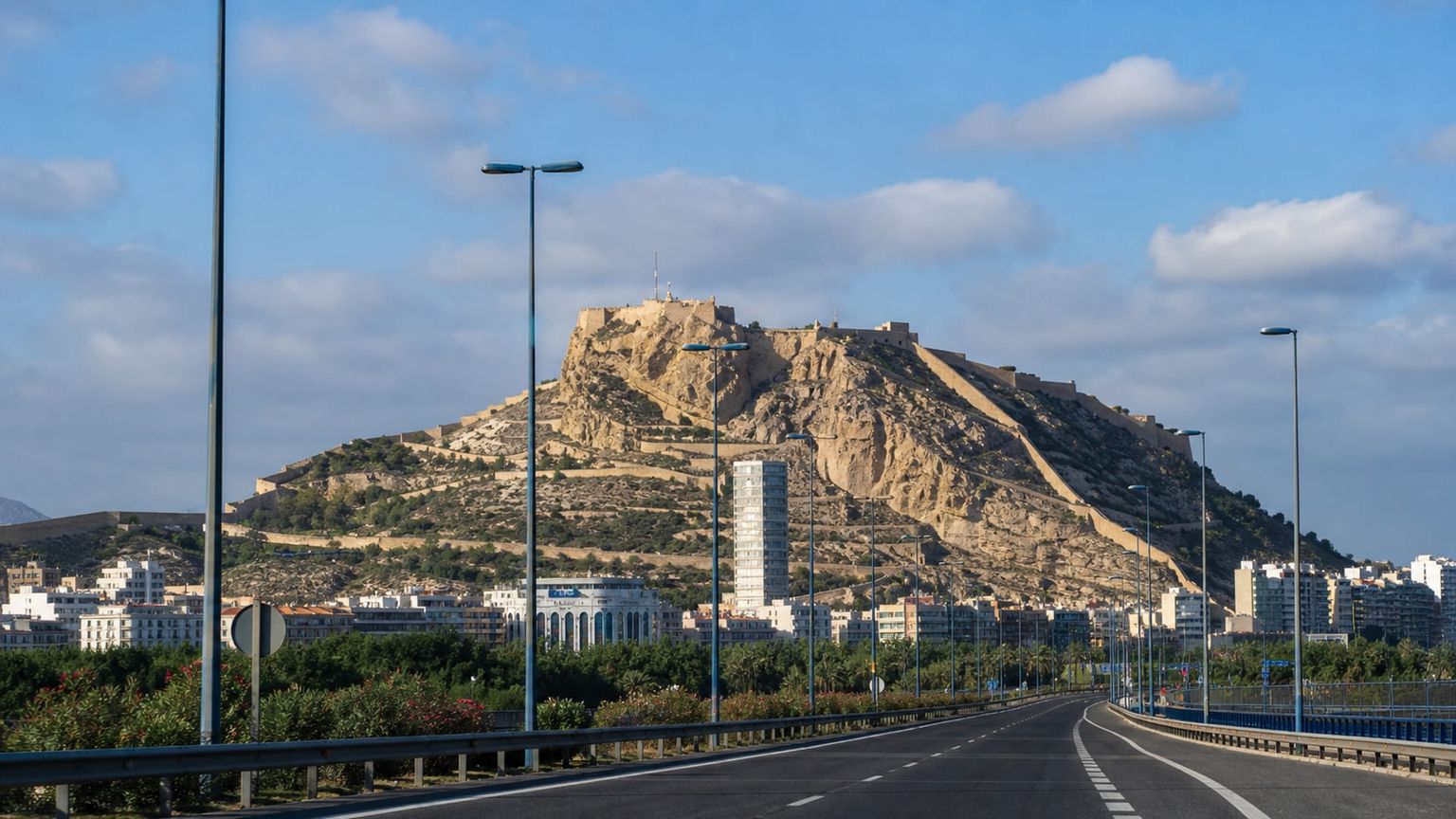
Perched on Mount Benacantil, Santa Bárbara Castle gives you Alicante’s clearest sweep of the harbor, the old quarter, and the coast. Its layered walls, towers, and viewing terraces trace the site’s long military history.
Time needed: About 1.5 to 2.5 hours
Entry: Free to access; lift access from the beach area costs $1.30 (€1.10) each way, while some special exhibitions may charge extra at times. Visit the official site for details.
Tip: Go near sunset for long views, then descend before the last lift run if you use it.
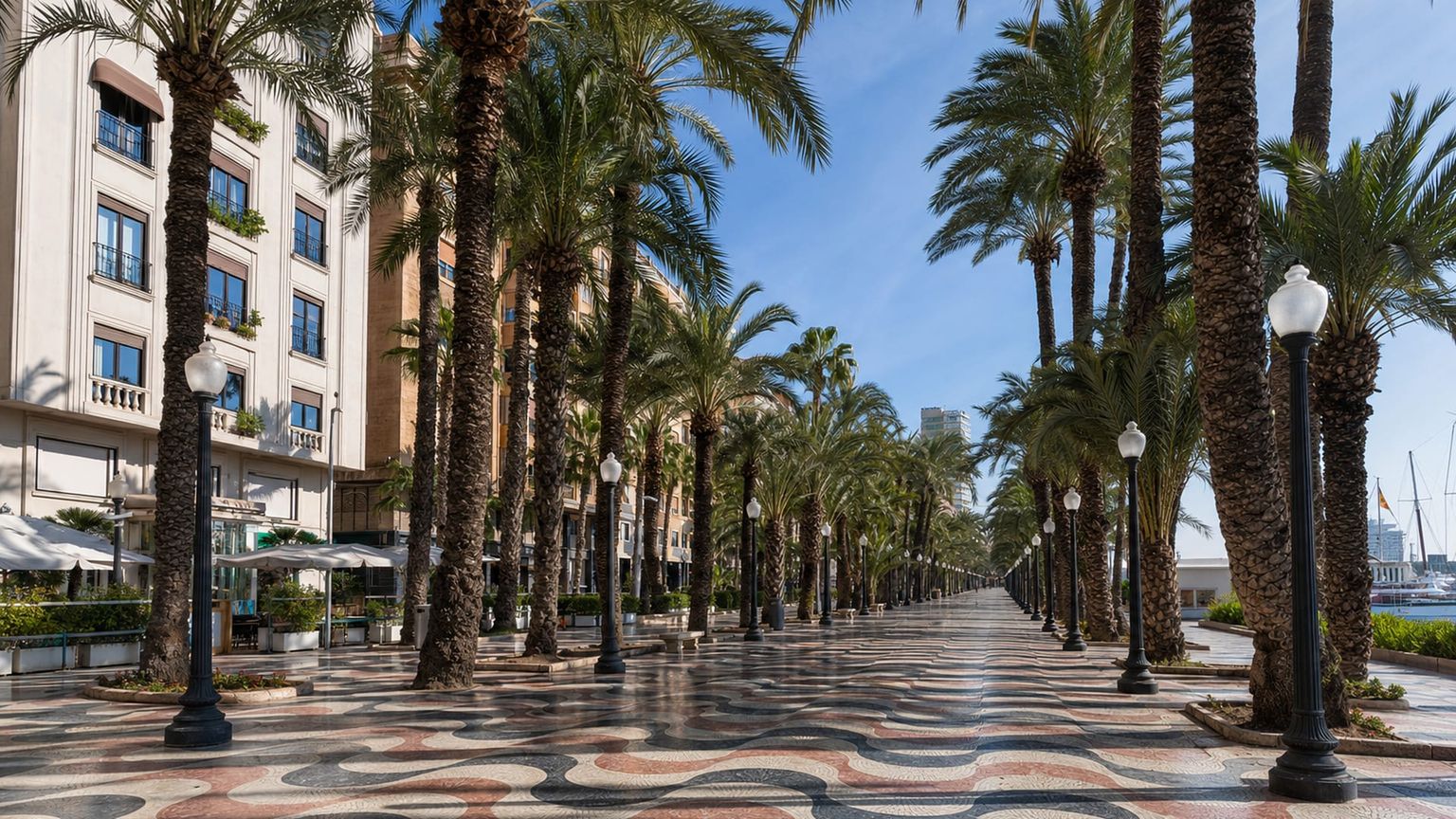
Explanada de España
This palm-lined promenade runs beside the marina in a wave pattern of red, cream, and black marble mosaics. Locals use it for evening walks, and its benches, kiosks, and access to the waterfront make the center easy to read.
Time needed: About 30 to 45 minutes
Entry: Free to access, with no timed entry or ticket required for walking the promenade, though nearby cafés, kiosks, and events charge separately.
Tip: Visit after 6:00 pm, when shade softens the pavement and the waterfront is busiest.
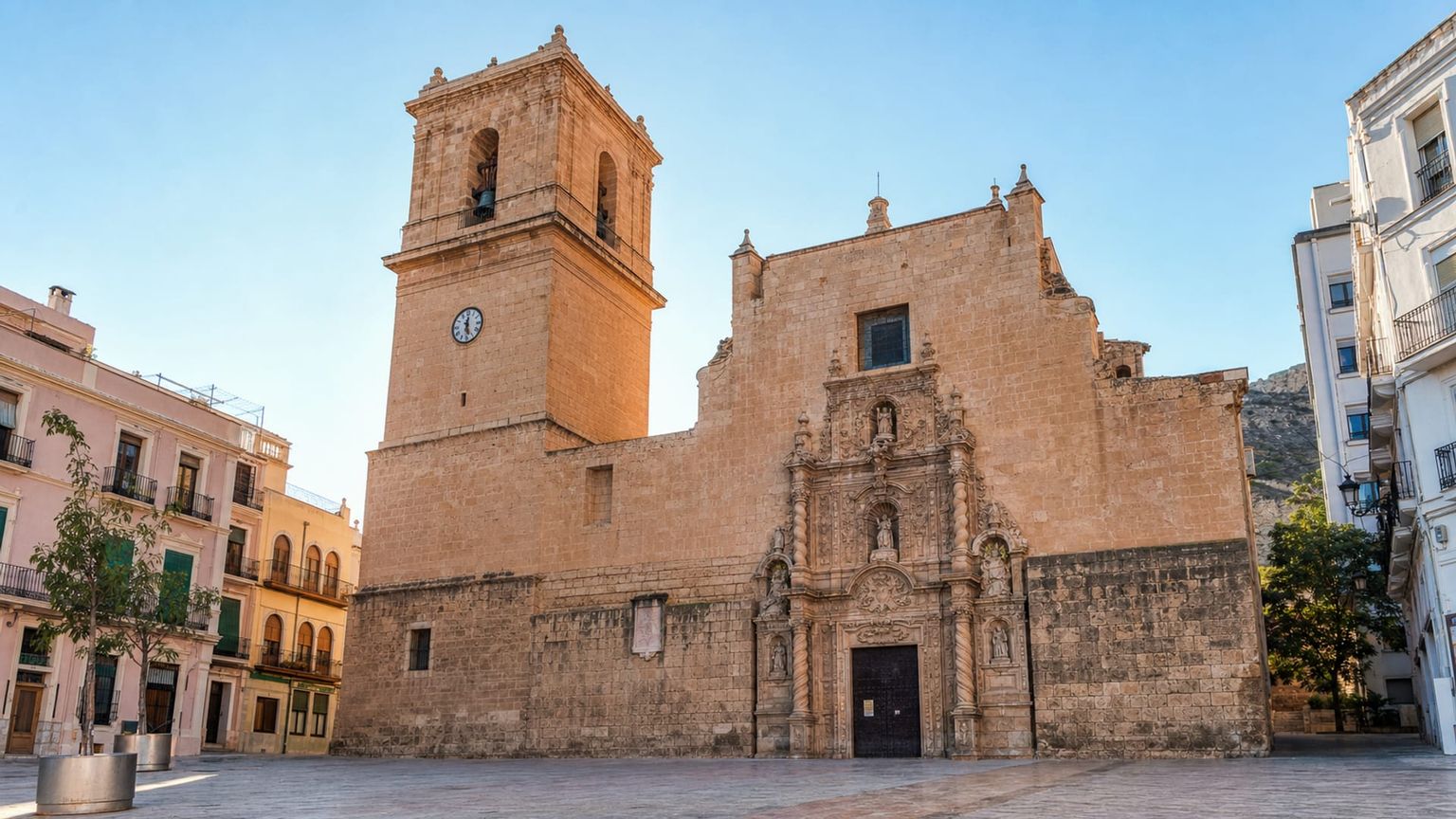
Basilica of Santa María
Built on the site of Alicante’s former main mosque, the Basilica of Santa María is the city’s oldest active church. Its Gothic nave, baroque facade, and carved altar screen create a compact stop in the old quarter.
Time needed: About 45 to 60 minutes
Entry: Standard admission costs $3 to $5 (€3 to €4) for adults, with reduced rates for children, students, and seniors depending on current church rules.
Tip: Arrive late morning, when the facade gets better light and the interior stays quieter.
Overlooked sites worth visiting

Mount Benacantil and Santa Barbara Castle walls
Walk the hillside paths and castle terraces above Alicante’s old town, where sea views open from the ramparts and the city’s layers show in the stonework and cannon platforms.
Time needed: About 1 to 2 hours
Entry: Free to access the lower paths and outer grounds; paid access applies to some castle interiors, exhibitions, and upper lifts. Visitors who use the castle lift or ticketed areas should expect roughly $2 to $5 ($2 to €4), depending on access point and season.
Tip: Go late afternoon for cooler paths and clearer harbor light.

Museo de Aguas de Alicante, Pozos de Garrigós
This small museum set in restored cisterns traces Alicante’s water history with well shafts, archived plans, and cool underground chambers just off the historic center.
Time needed: About 45 minutes
Entry: Entry is free for the permanent visit, and the museum is open to self-guided visits on posted days and hours. Temporary activities or guided sessions, when offered, may have separate prices, but the standard visit costs $0 (€0). Visit the official site for details.
Tip: Pair it with a walk up to the old quarter before noon.
Traditional food
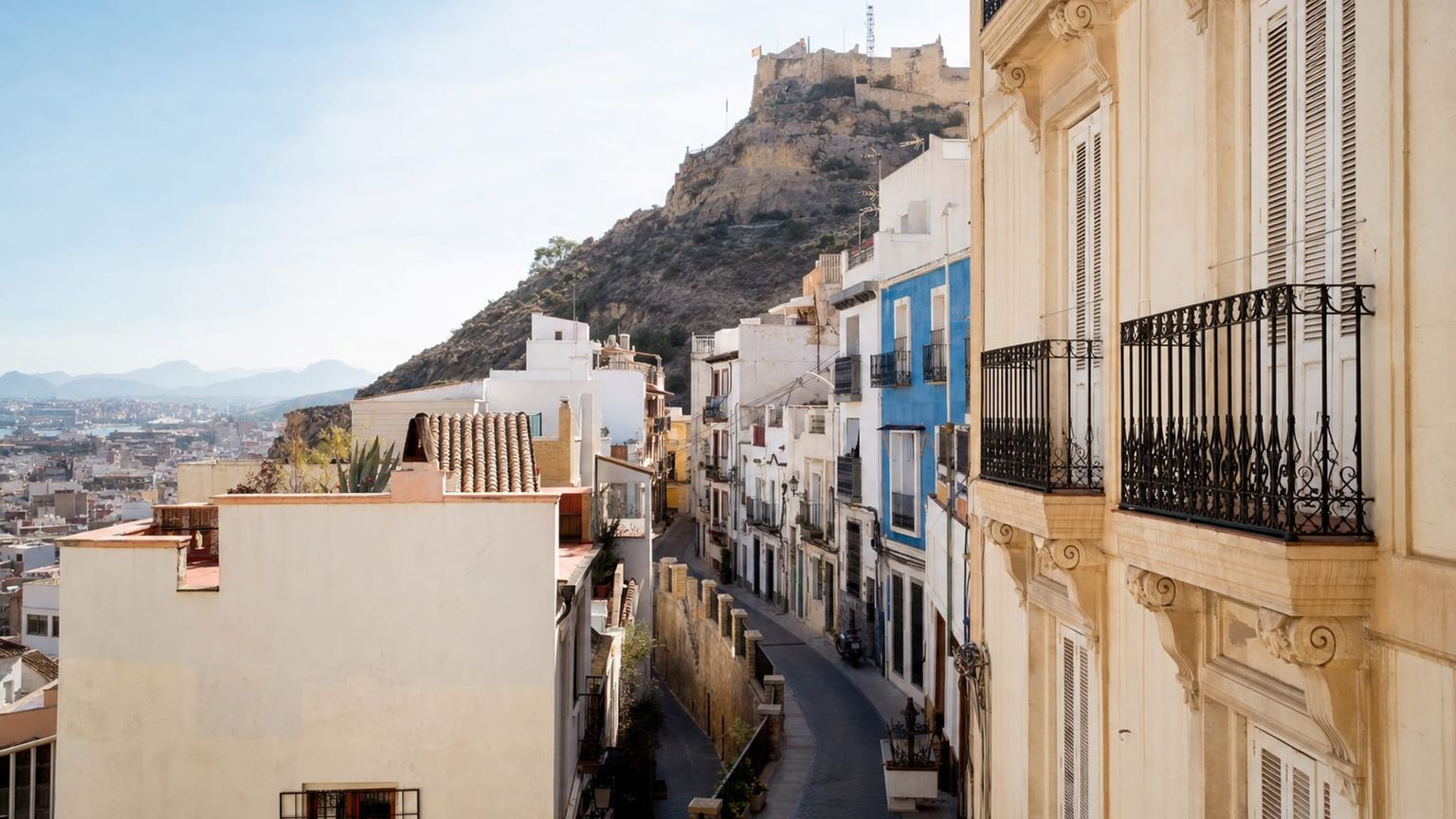
Alicante cooking leans on rice, seafood, olive oil, and saffron, with arroz a banda, paella alicantina, caldero, and coca amb tonyina showing up in long lunch meals that often pause between services.
Arroz a banda
This rice dish comes scented with seafood stock and usually lands with allioli on the side. El Portal Taberna in Alicante serves a well-known version close to the old center.
Paella alicantina
Alicante’s local paella style uses rice, seasonal produce, and seafood or meat depending on the kitchen. Nou Manolín is one of the city’s best-known addresses for a polished version.
Caldero
Caldero is a soupy rice dish tied to the coast and built for deep flavor rather than quick dining. Dársena, on the marina, is a canonical place to try it in Alicante.
Coca amb tonyina
This tuna pie or flatbread shows up as a savory snack and works well with a glass of wine or a late-afternoon stop. La Taberna del Gourmet serves a respected version in the center.
Best time to visit Alicante
Alicante gets most comfortable in spring and autumn, while summer brings beach weather and fuller terraces, and winter stays mild enough for city walks.
Best for: Castle walks, terrace lunches, and clear days before the peak heat arrives
What you get: About 59 to 77°F (15 to 25°C), with moderate crowds and rising weekend demand
Trade-offs: Easter and spring fairs can push hotel rates and fill central restaurants
Best for: Beach time, long evenings on the Explanada, and late dinners near the harbor
What you get: About 72 to 91°F (22 to 33°C), with the heaviest crowds in the beach districts and around the promenade
Trade-offs: Midday heat can make uphill sightseeing and long walks uncomfortable
Best for: Balanced sightseeing, warmer sea conditions, and calmer streets after summer peaks
What you get: About 61 to 82°F (16 to 28°C), with lighter crowds and good conditions for mixed city days
Trade-offs: Rain is still possible, especially later in the season
Best for: Museum visits, castle viewpoints, and lower room prices in the center
What you get: About 46 to 63°F (8 to 17°C), with the smallest crowds and easy restaurant reservations
Trade-offs: Beach time is limited, and some days feel too cool for long waterfront stays
A realistic 5-day plan in Alicante
Five days in Alicante work well when you separate arrival, the old quarter, the hill, the beach, and a lighter final day. That keeps the city’s short distances useful instead of repetitive.
Fly into Alicante (ALC), then take a taxi or rideshare into Centro or Ensanche Diputación in about 15 to 20 minutes for roughly $20 to $30 (€18 to €27). If you prefer the beach side, Playa de San Juan is farther out, so save it for a later move unless you already booked there. Once you check in, drink some water, walk a short stretch near the marina or the old town, and keep dinner simple with tapas in Centro, where you can settle in without a long outing.
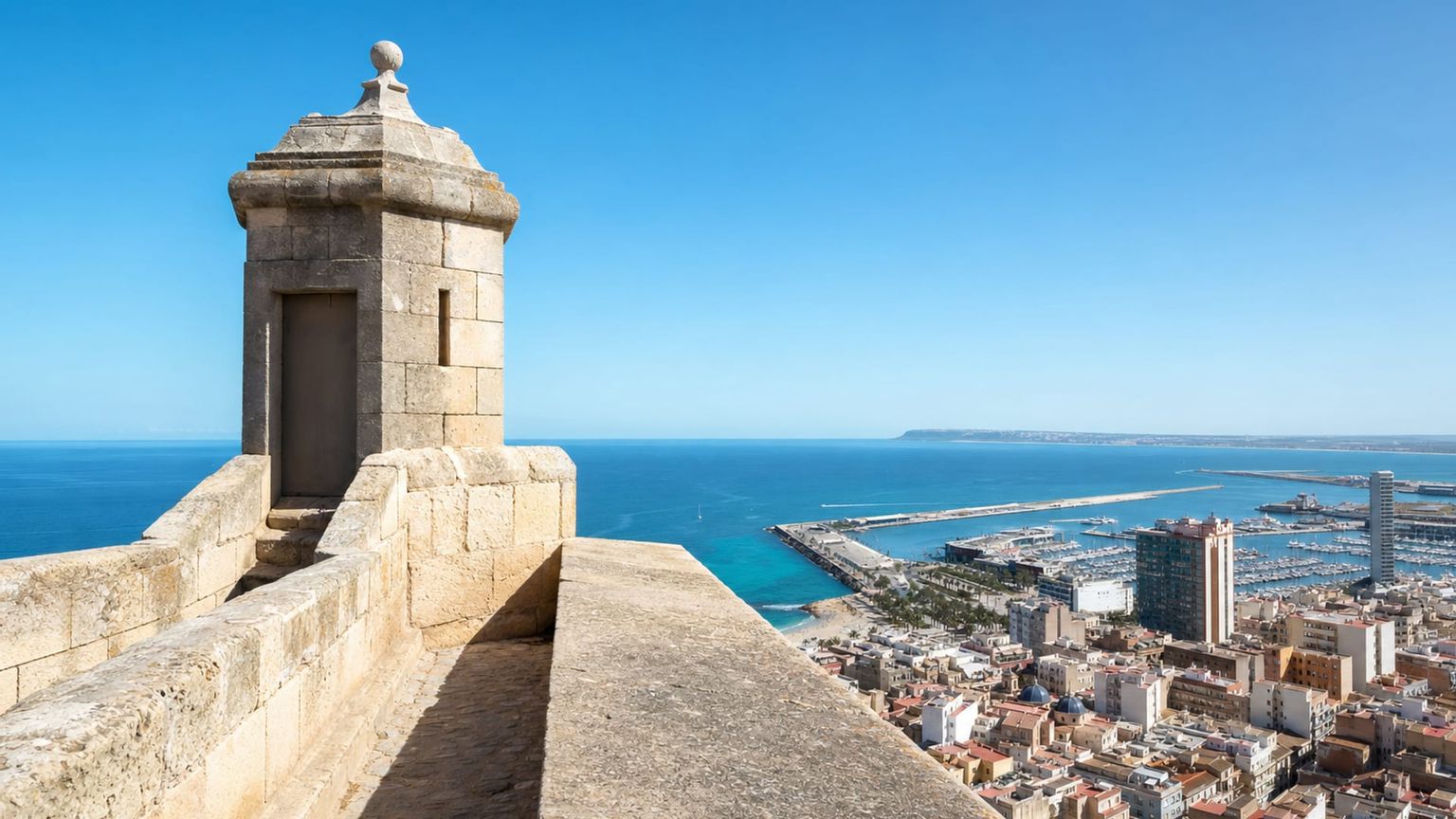
Start with Santa Bárbara Castle in the late morning, then move down to the Basilica of Santa María, which sits about 10 to 15 minutes away on foot through the old quarter. After that, walk about 5 to 10 minutes to the Museo de Aguas de Alicante, Pozos de Garrigós, for the cistern chambers and water history, then continue roughly 10 minutes to the Explanada de España for an evening promenade by the harbor. If you want a final stop, stay nearby for a relaxed dinner in Centro so you can avoid crossing town again.
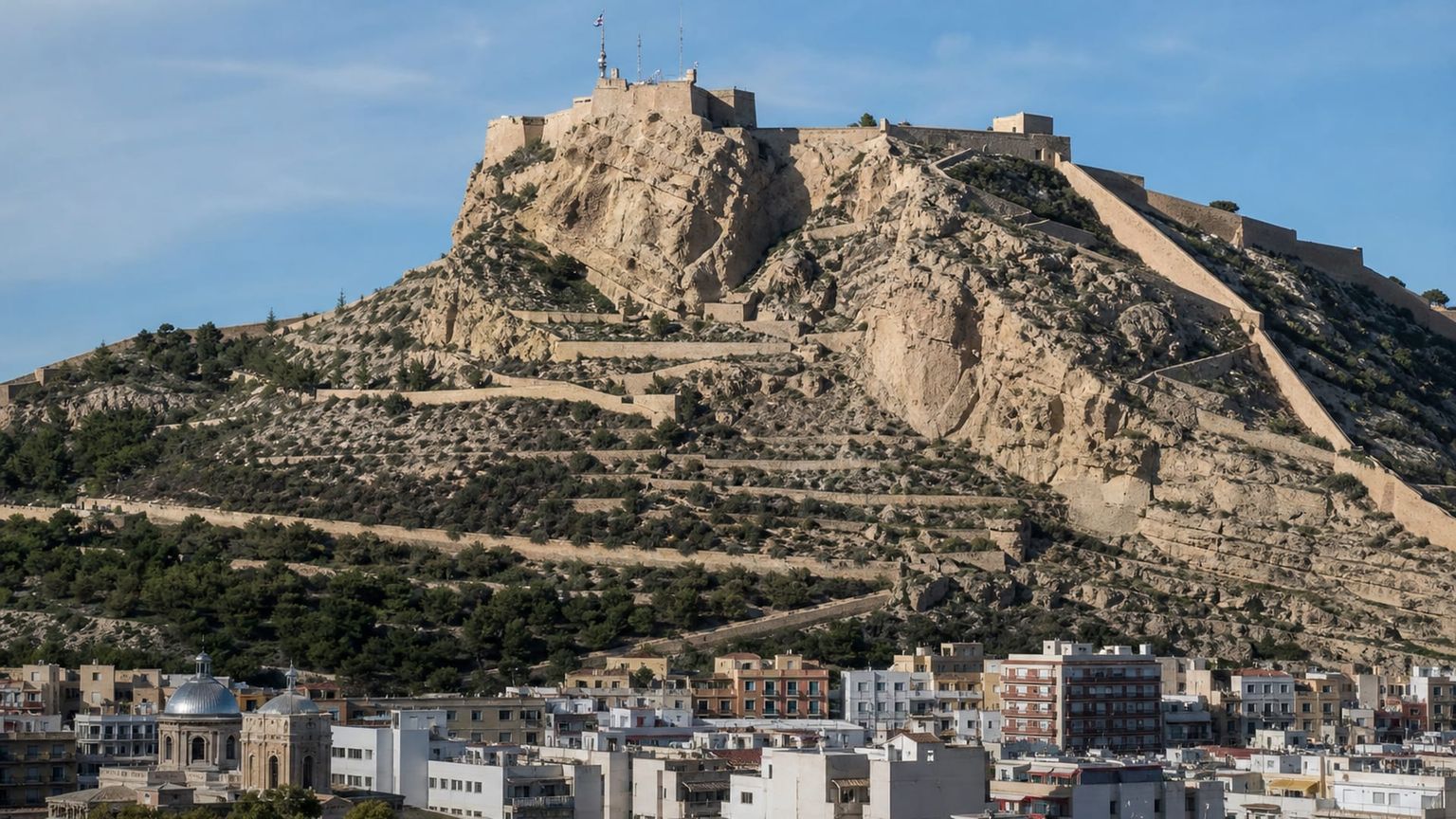
Begin in El Barrio, where the narrow lanes make an easy base for a slow morning among plazas and small cafés, then walk about 10 minutes to the Basilica of Santa María if you want a second look in better light. From there, head uphill toward the lower paths on Mount Benacantil and Santa Barbara Castle walls, which take about 15 to 20 minutes on foot from the old quarter, depending on your pace. Finish with sunset at the castle itself, since the ramparts and harbor view give you the broadest look at the city.
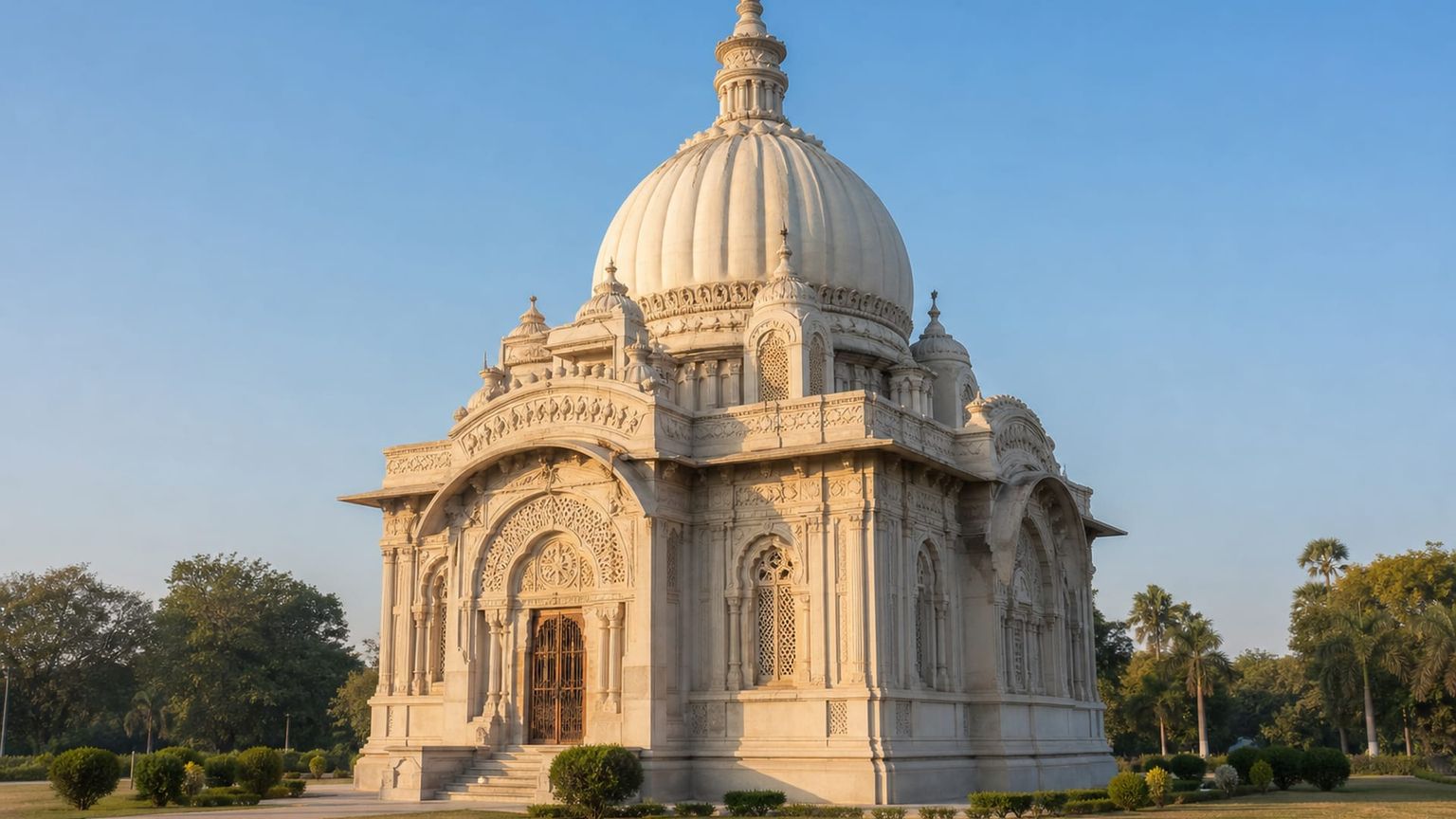
Take the tram or a taxi east to Playa de San Juan, then spend the morning along the long beach and promenade before returning toward the center for lunch, about 25 to 35 minutes away by tram. In the afternoon, walk or ride to Centro and the Explanada de España, which sits about 10 to 20 minutes on foot from Ensanche Diputación, for an easy harbor-side stroll. If you want a quieter end to the day, stay in Ensanche Diputación for dinner, where the streets are calmer than the old town and you can reach your room without a late transfer.
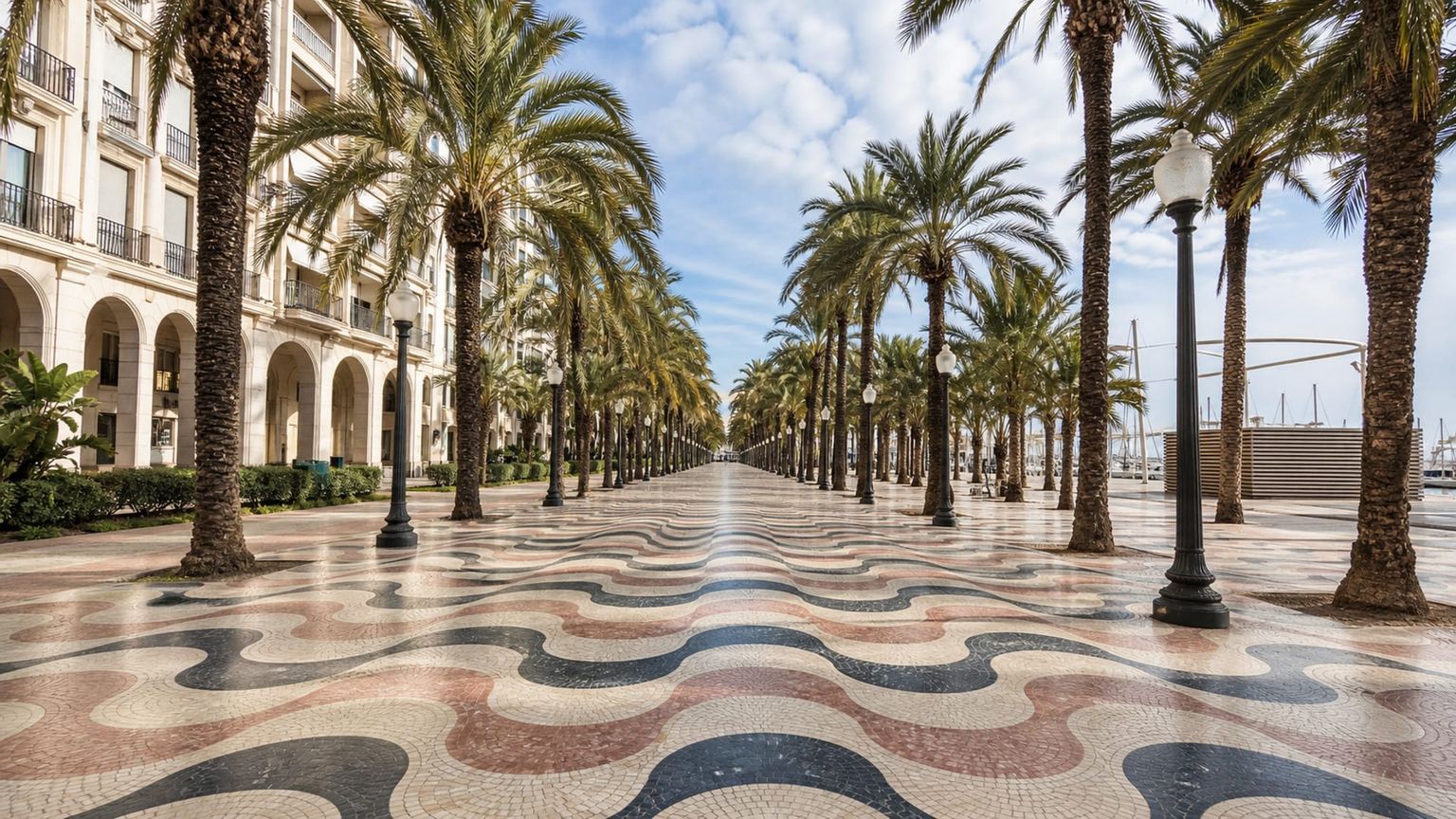
For a final day, pair one last look at the Museo de Aguas de Alicante, Pozos de Garrigós with some shopping in Centro, where the main pedestrian streets keep most of the practical errands close together. After that, settle into a café in Ensanche Diputación for an unhurried coffee or pastry before heading back to your hotel and onward to the airport. If your flight leaves later in the day, taxis to Alicante (ALC) usually take about 15 to 20 minutes from the center, with a similar fare range as arrival.
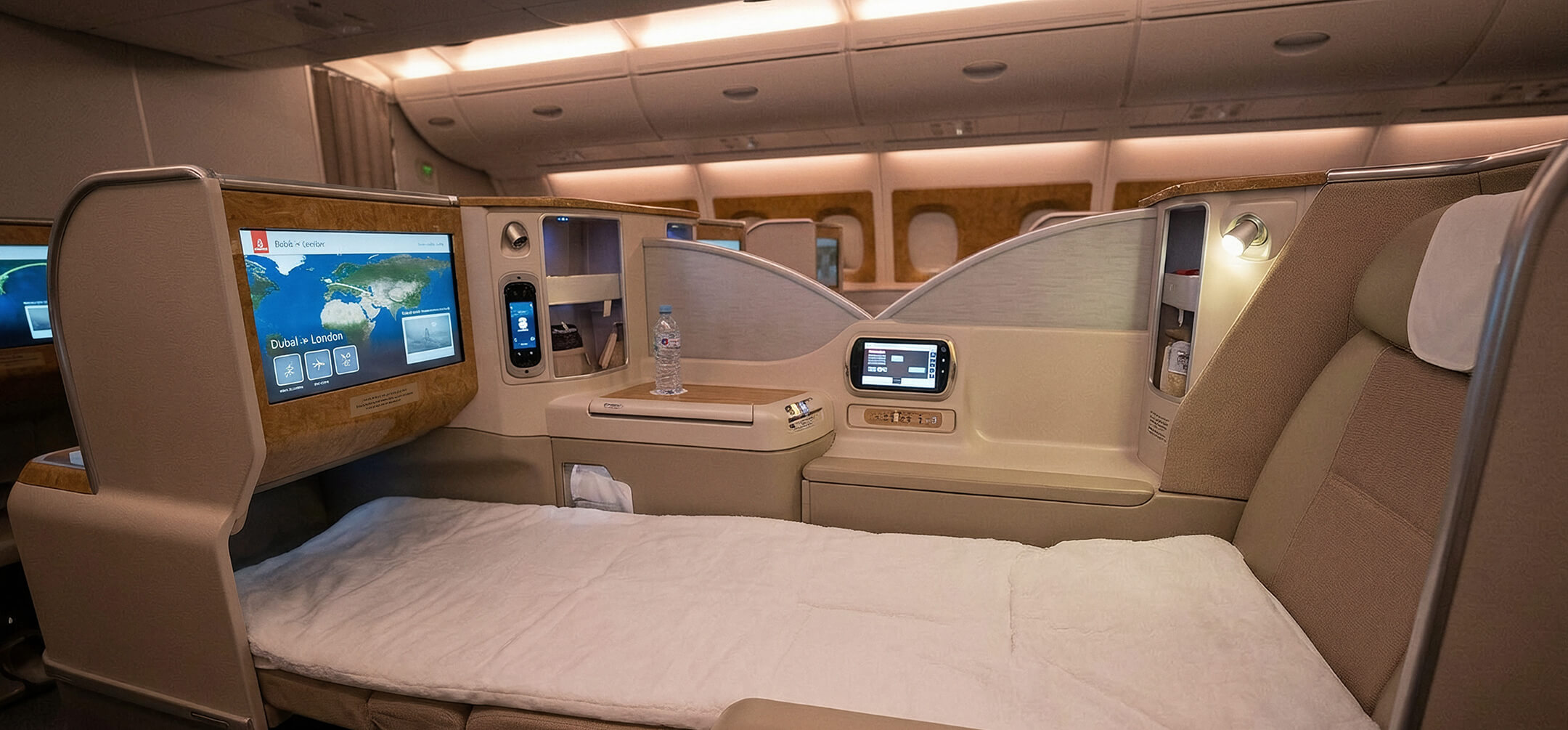
Business-class flights from the US to Alicante
For long-haul arrivals, Alicante usually connects through one European hub rather than offering many direct options from the United States. The east and west coast examples below show how fares and elapsed time shift by origin.
From New York, airlines such as American Airlines, British Airways, Iberia, Delta Air Lines, United Airlines, and Lufthansa typically route travelers through LHR, MAD, FRA, MUC, or CDG, with total travel time often about 10 to 14 hours. Round-trip fares usually start near $2,600, and nonstop premium fares can climb to about $5,500.
Los Angeles travelers usually see American Airlines, British Airways, Iberia, Lufthansa, and Air France on itineraries that connect through LHR, MAD, FRA, CDG, or AMS, and the trip often takes about 14 to 18 hours overall. From $2,900 round-trip for premium cabins, with higher nonstop fares on peak travel dates.
Alicante feels different when you slow down
A deliberate Alicante trip uses the city in layers, from Centro and Ensanche Diputación to El Barrio, then up to Santa Bárbara Castle and back down to the Explanada at dusk. The tram matters when you head toward Playa de San Juan, while the old quarter rewards slower walking and meal breaks that fit local hours. If you want a route shaped by these details, ask the AranGrant experts to build it around the season and neighborhoods that fit your dates