

Chapters:

Need help with your trip?
Our support team is available 24/7. Request a callback or call us directly at (833) 619-0908
Málaga usually starts as a quick coastline stop, then the day slips into the old town, the harbor, and one hilltop view that many visitors save too late. That sequence works, but it often leaves the city’s quieter links between sights out of the plan.
The problem is not distance alone, but the way the center, the waterfront, and the slopes above it stack together. If you move without a route in mind, you lose time to repeated backtracking, busy streets, and hot climbs.
This guide sets out Málaga in a cleaner order, with neighborhoods, food stops, transport, and five days arranged so each area leads naturally to the next.
Useful things to know
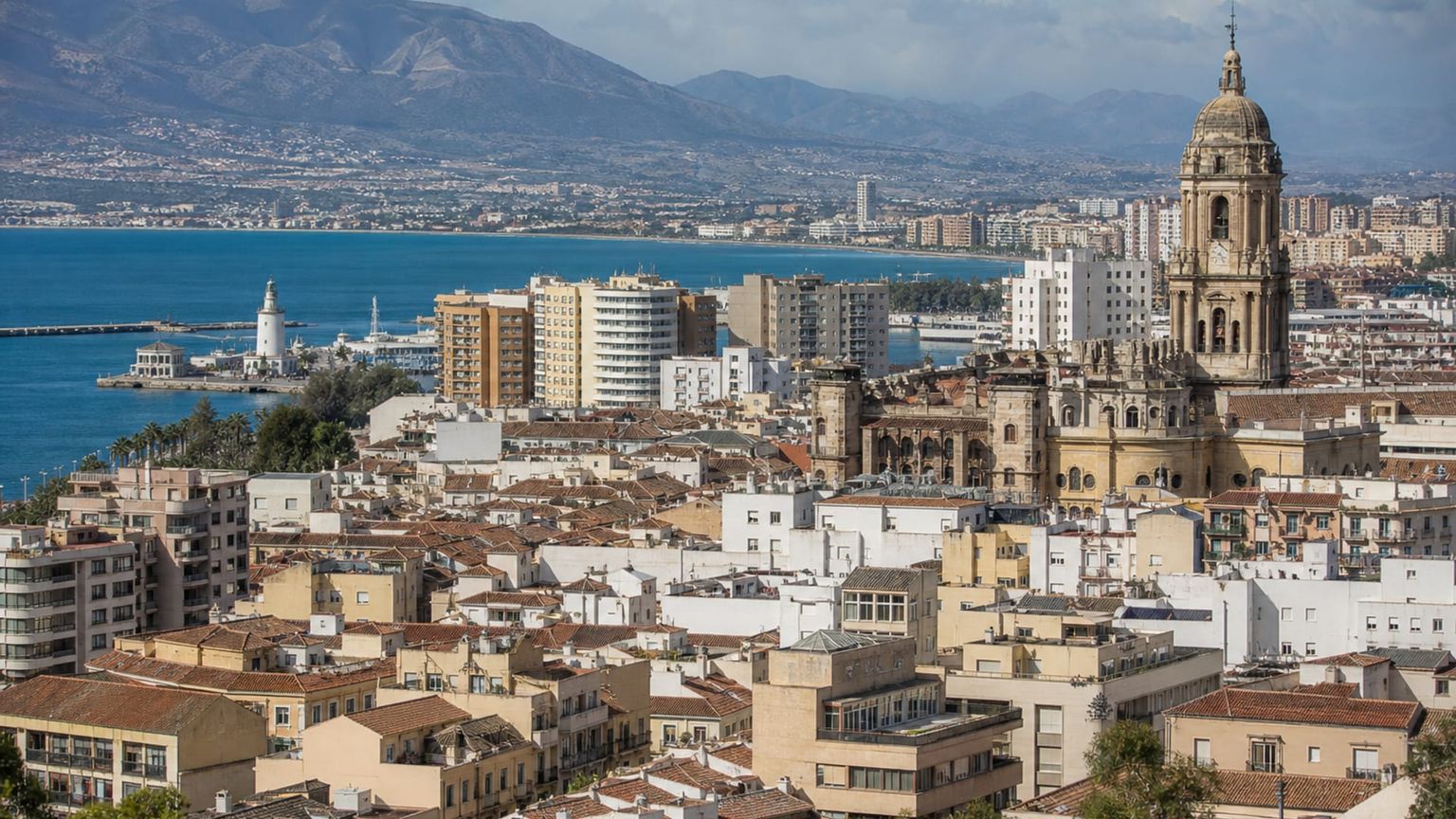

Main language(s): Spanish
Hola (OH-lah) – Hello/good morning
Por favor (por fah-VOR) – Please
Gracias (GRAH-see-ahs) – Thank you
¿Habla inglés? (AH-blah een-GLAYS) – Do you speak English?
¿Cuánto cuesta? (KWAHN-toh KWES-tah) – How much does it cost?

Currency: The local currency is the euro (EUR, €).

Cash and cards: Cards and contactless are widely accepted; carry about €20 to €40 ($22 to $44) in cash for small shops, taxis, or market stalls.

Tipping: Round up small bills; leave about 5-10% in midrange restaurants if service is good.

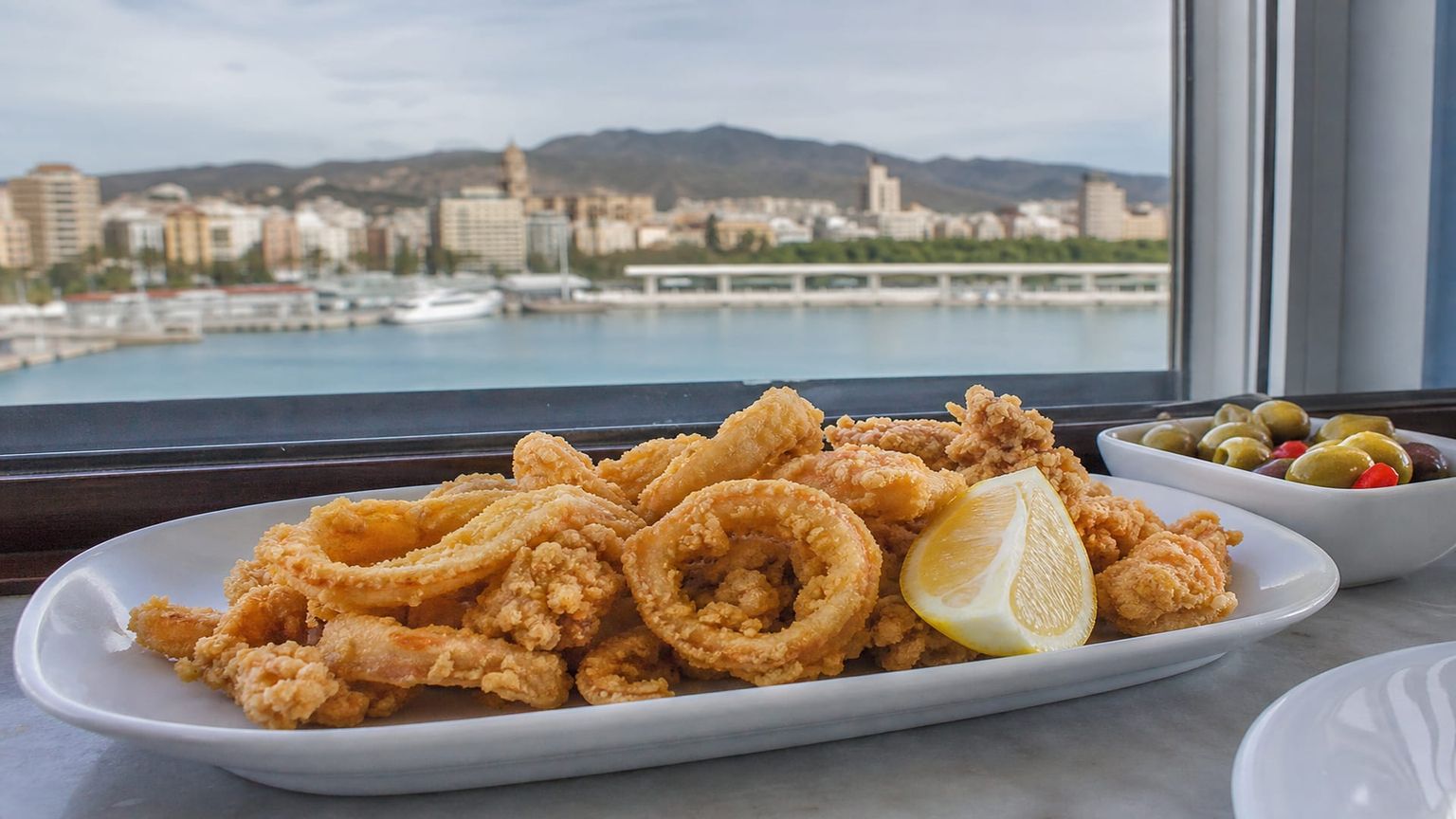
Traditional food: espetos de sardinas, gazpachuelo, fritura malagueña, porra antequerana

Water and coffee costs: Water about €2 ($2), bar espresso about €1.50 to €2.50 ($2 to $3).

Taxis and ride apps: Uber and Bolt operate here; taxis are also easy to find.

Plug and voltage: Type C/F socket, 230V

Dining and shop opening hours: Breakfast is about 8:00-10:30, lunch 13:30-15:30, and dinner 20:30-23:00. Many kitchens close in the afternoon, and late meals are common.

Emergency number: 112 for police, fire, and medical emergencies.
Where to stay in Málaga
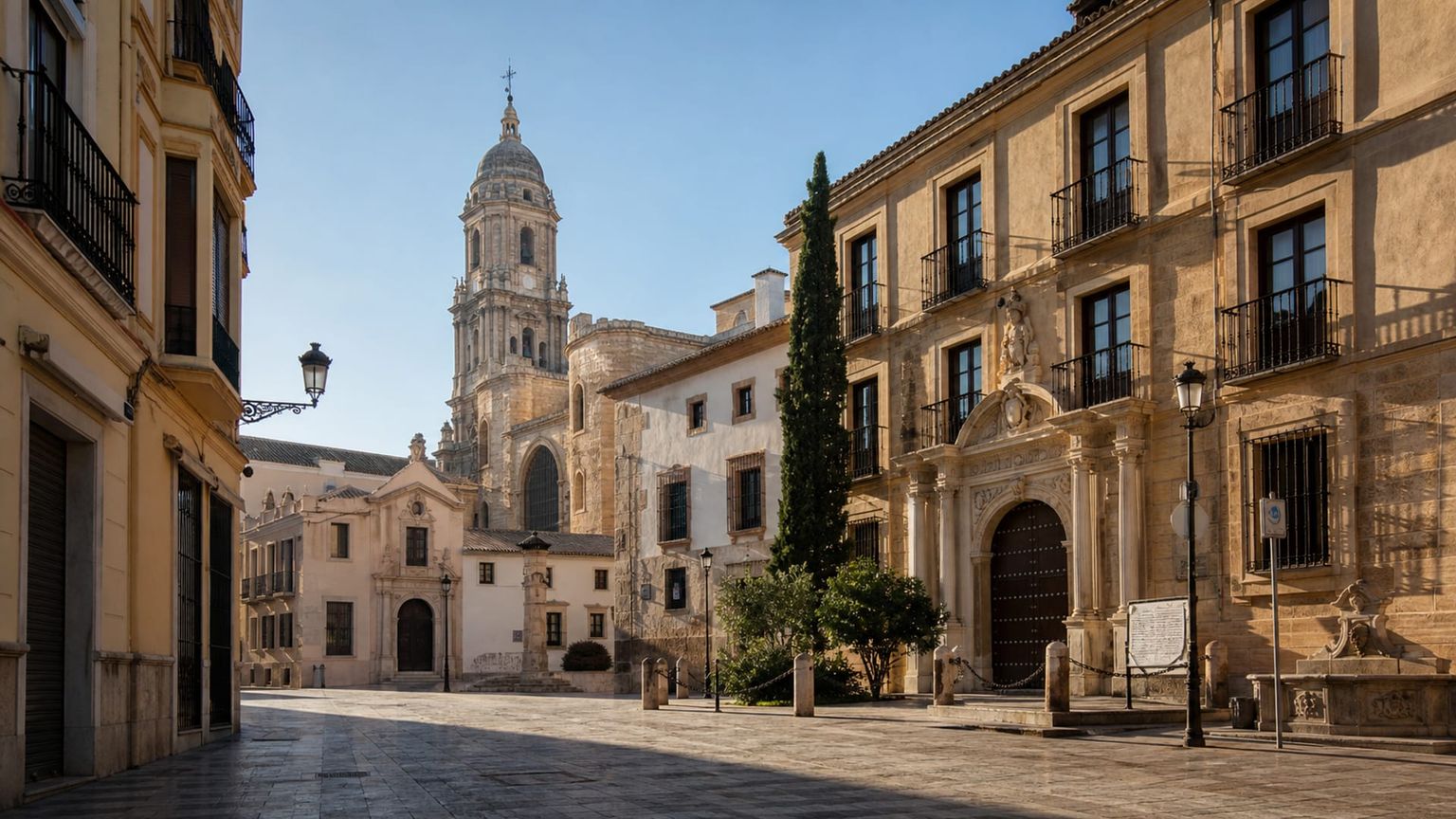
Málaga’s historic core gathers the Cathedral, Roman Theater, museums, and the main shopping streets in one walkable district. It suits visitors who want to step out into the city’s oldest streets and reach major sights without planning transport for every outing.
Best for: First-time visits, sightseeing, and travelers who want to walk to the main monuments
What to expect: Busy pedestrian streets, restaurant terraces, and steady foot traffic from morning until late evening.
Hotel prices: Usually about 140€ to 260€ (~$154 to ~$286) per night for well-rated stays
Distance to major sights: 5 to 10 minutes on foot to Málaga Cathedral and the Roman Theater
Quietness: Lively by day and into the evening, with noticeable street noise near the main squares.
Main trade-off: Rooms in the center cost more, and weekends can bring late-night noise from bars and terraces.
Good to know: Choose a room away from the busiest streets if you want sleep before midnight; the central blocks can be loud even when the rest of the city quiets down.
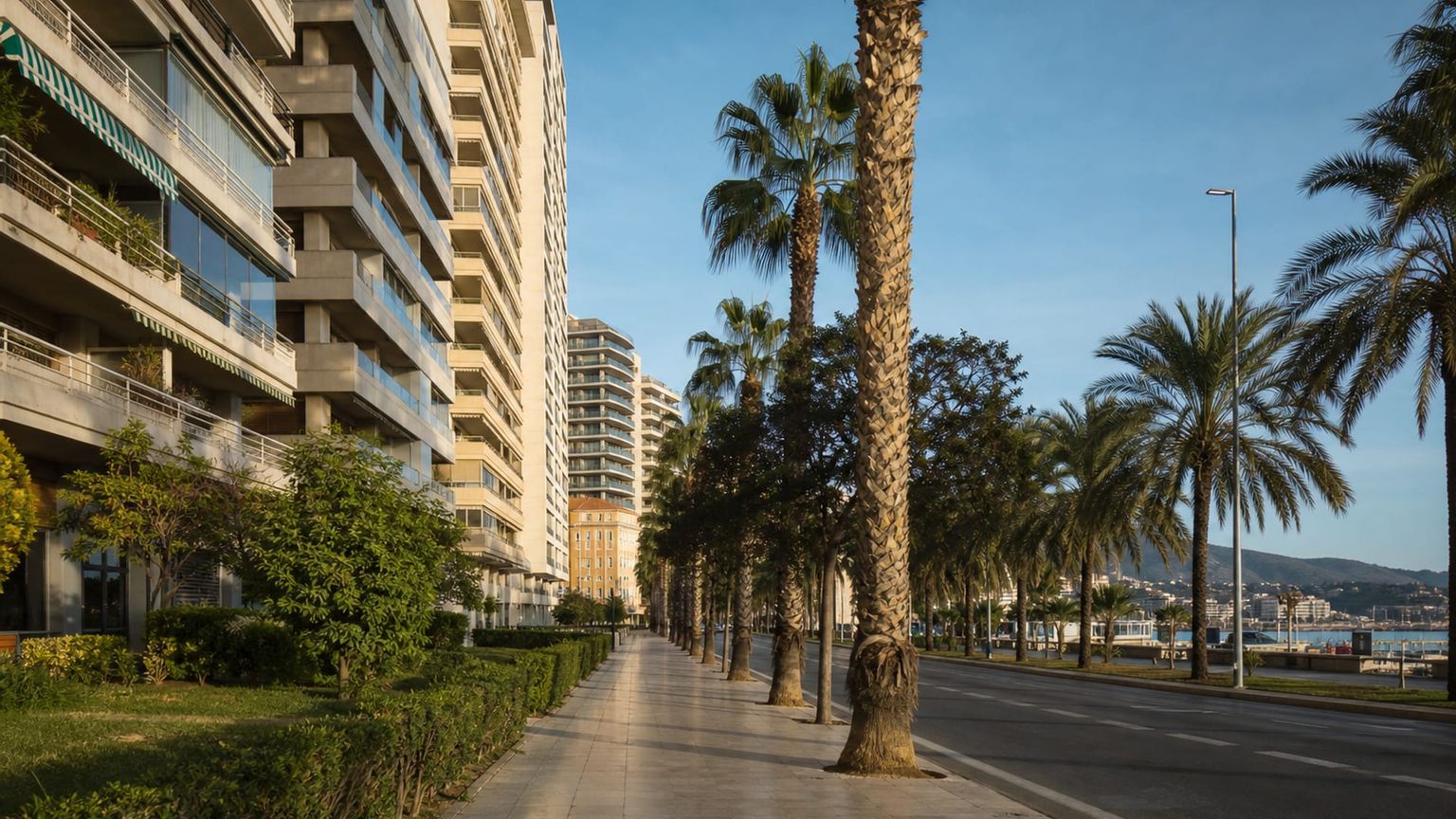
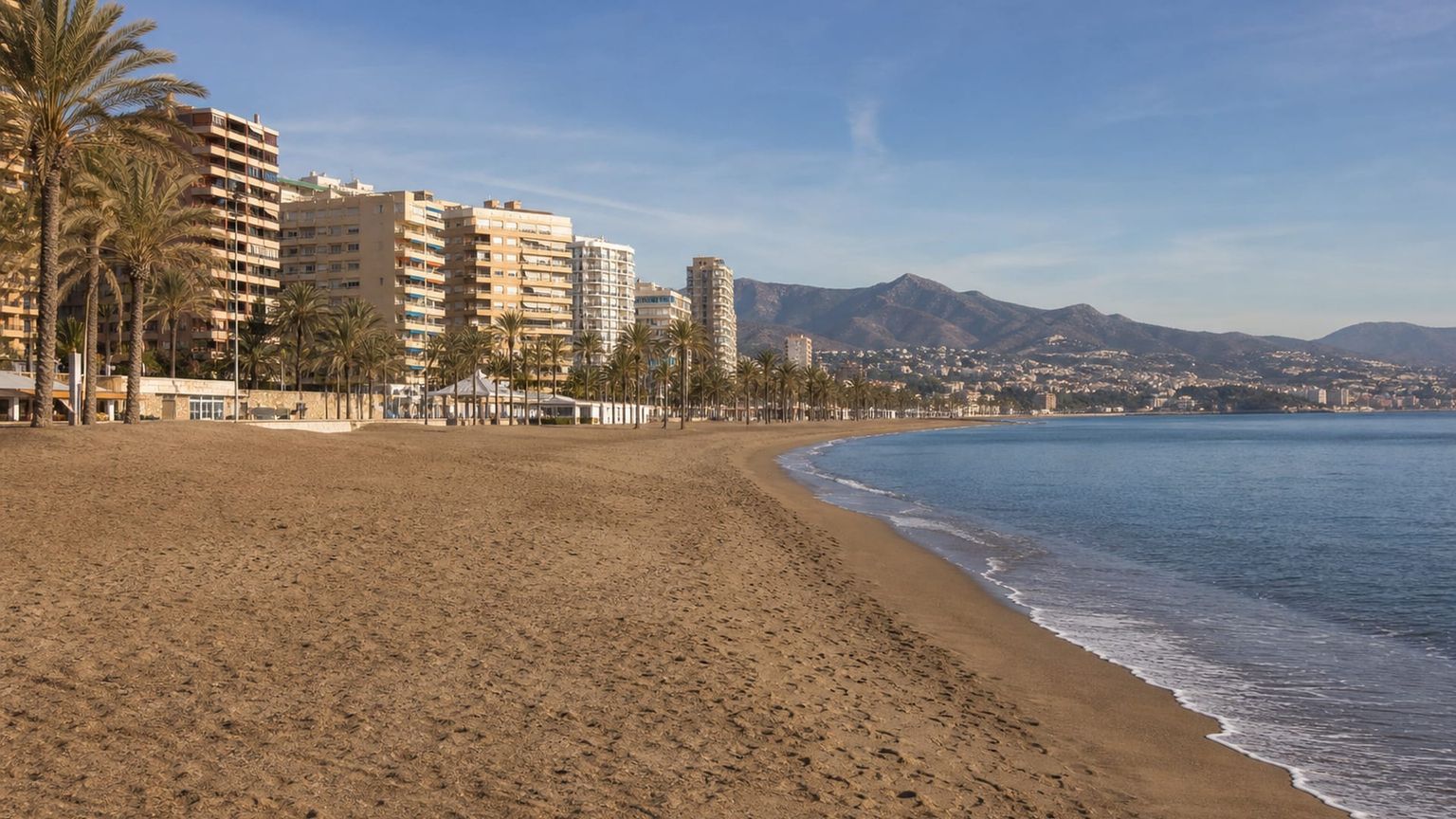
La Malagueta sits east of the old town beside the city beach, with apartment hotels, seafood restaurants, and easy seaside walks. It matters for trips that want the coast in reach while staying close enough to the center for museums and evening plans.
Best for: Beach time, seaside walks, and travelers who want the coast near the center
What to expect: A residential seafront with beachgoers by day, calmer sidewalks at night, and more activity along the promenade in season.
Hotel prices: Usually about 130€ to 240€ (~$143 to ~$264) per night for well-rated stays
Distance to major sights: 10 to 15 minutes on foot to Málaga Cathedral and the historic center
Quietness: Quieter than the old town, though summer evenings can bring more promenade traffic and restaurant noise.
Main trade-off: You will pay a little more for sea views, and you still need to walk or ride in for the densest nightlife.
Good to know: Book early in summer if you want a seafront room, since the best-facing apartments sell out faster than inland stays.
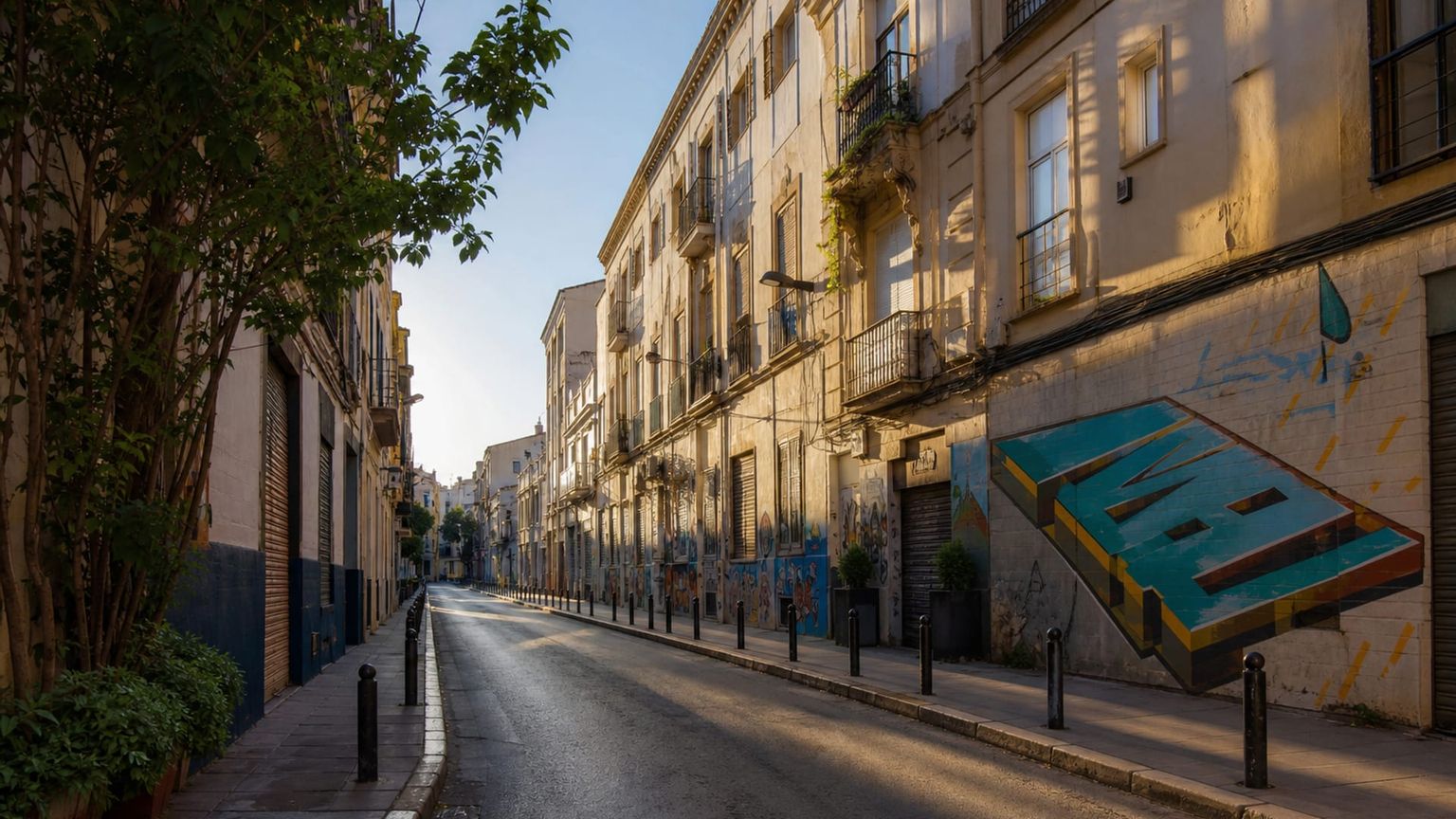
Soho sits between the port and the historic center, with street art, cafés, galleries, and newer hotels in a compact grid. It works well for travelers who want a central base with easier vehicle access and a slightly less tourist-heavy feel than the old town.
Best for: Design lovers, midrange hotels, and travelers who want central access without staying in the busiest core
What to expect: A mixed city neighborhood with cafés, local apartments, and lighter foot traffic than the historic center.
Hotel prices: Usually about 110€ to 210€ (~$121 to ~$231) per night for well-rated stays
Distance to major sights: 10 to 12 minutes on foot to Málaga Cathedral and about 8 minutes to the port
Quietness: Quieter in the day than the old town, then livelier around bars and dining spots after dark.
Main trade-off: You lose a little of the postcard setting, and some blocks feel plain rather than scenic.
Good to know: Check the exact block before booking, because some streets sit near late-night bars while others stay noticeably calmer.
Travelers usually avoid Puerto de la Torre, Campanillas, and Churriana if they want a central stay, because they sit far from Málaga’s main sights and depend more on buses or taxis for evening plans. El Palo and Pedregalejo can also be less convenient for a first visit, since they are east of the center and work better for a beach-focused stay than for quick access to the historic core.
Hotel deals
How to get around Málaga efficiently
Málaga’s airport has no metro link, so the city works best with a mix of walking, the airport bus, Cercanías trains from central stations, and short taxi rides when you cross between the port, the old town, and the hills.

Rail
for crossing the city and reaching the airport
Málaga has no metro connection to the airport, so use Cercanías train line C1 from Málaga-Centro Alameda or María Zambrano instead. A one-way ride costs about $2 ($2) and the ticket is valid for the trip; trains run to the city center in roughly 12 to 15 minutes, with continued rail links north to other suburbs.

Bus
for convenience
Airport buses connect Málaga-Costa del Sol Airport (AGP) with the center on EMT line A Express, plus intercity buses for longer coastal trips. The airport bus to the center costs about $4 ($4), with tickets valid for one ride, and the trip to Alameda Principal usually takes about 20 to 25 minutes outside peak traffic; local city buses cover most neighborhoods, and the metro/tram system is limited compared with the bus network.

Taxi
for convenience or late hours
Licensed taxis use metered fares, with a regulated airport trip into central Málaga typically costing about $25 to $35, depending on time of day, luggage, and traffic. A airport supplement may apply, so ask the driver to confirm the meter, and expect payment by card or cash in most cabs; from the terminal to the historic center, the ride usually takes about 15 to 20 minutes.
*Prices are based on rates updated as of June 2026 and may change at the time of travel.
Use the airport bus for the cheapest transfer, a taxi when you want the door-to-door ride, and walking for the center, since the tightest cluster of sights sits between Centro Histórico, Soho, and the waterfront.
Iconic landmarks
Alcazaba of Málaga
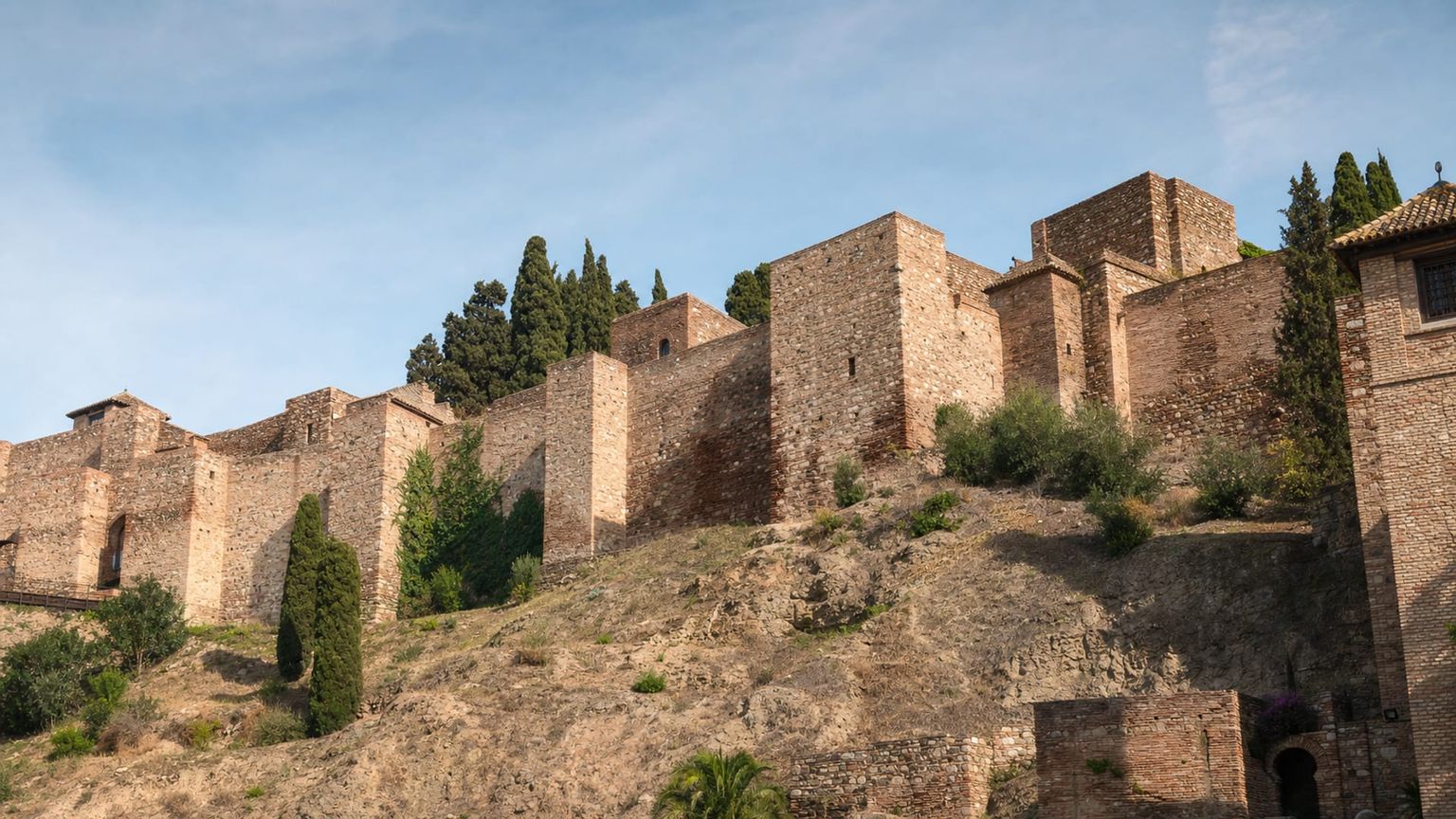
This 11th-century Moorish fortress rises above the old city with double walls, horseshoe arches, and terraces that look over the port. The site links directly to the Roman Theatre below, making one compact visit with clear layers of Málaga’s past.
Time needed: About 1 to 2 hours
Entry: Standard tickets cost $4 to $6 (€3.50 to €5) Visit the official site for details.
Tip: Go early, when the stone paths stay cooler and the upper terraces are quieter.
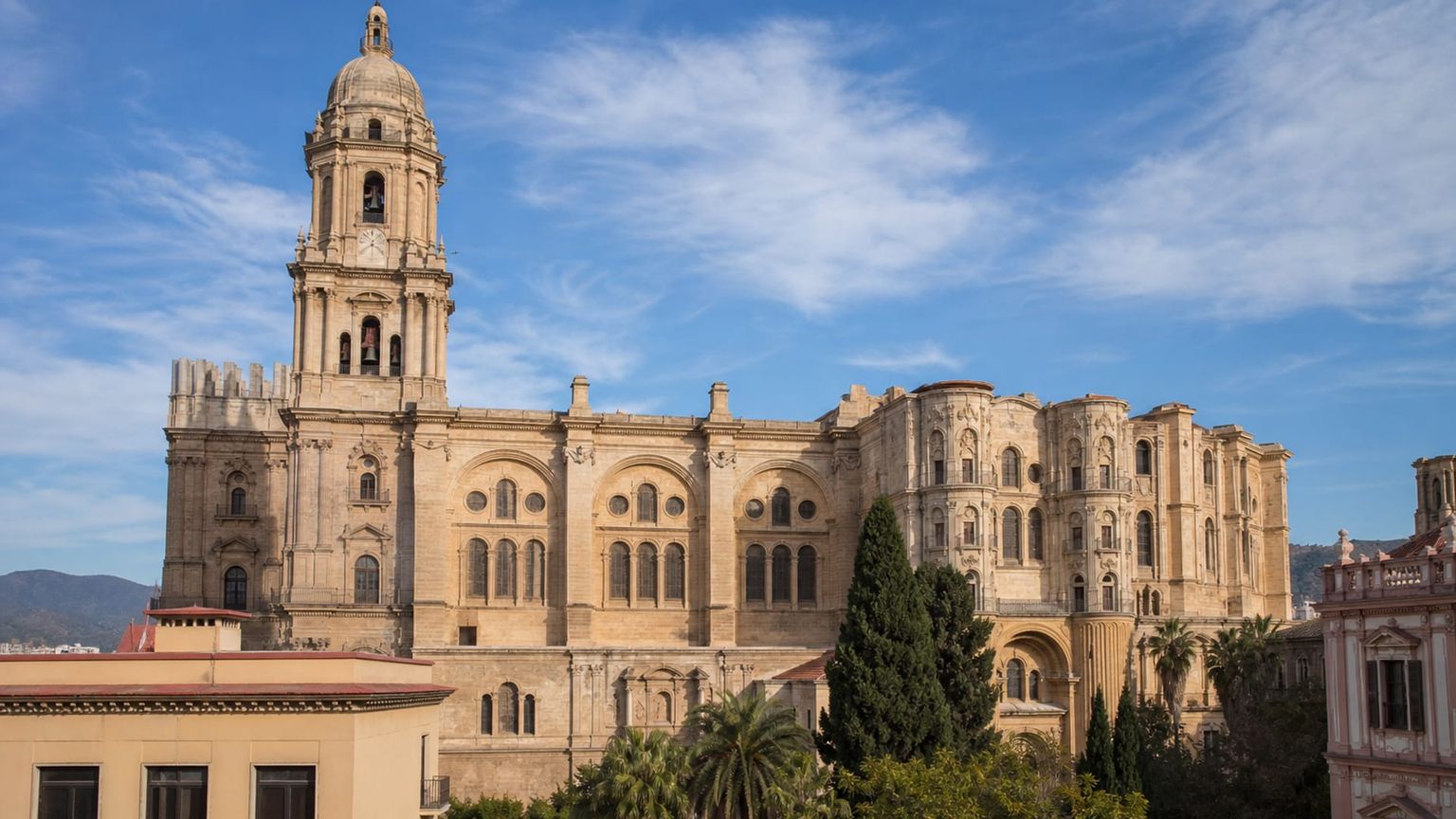
Málaga Cathedral
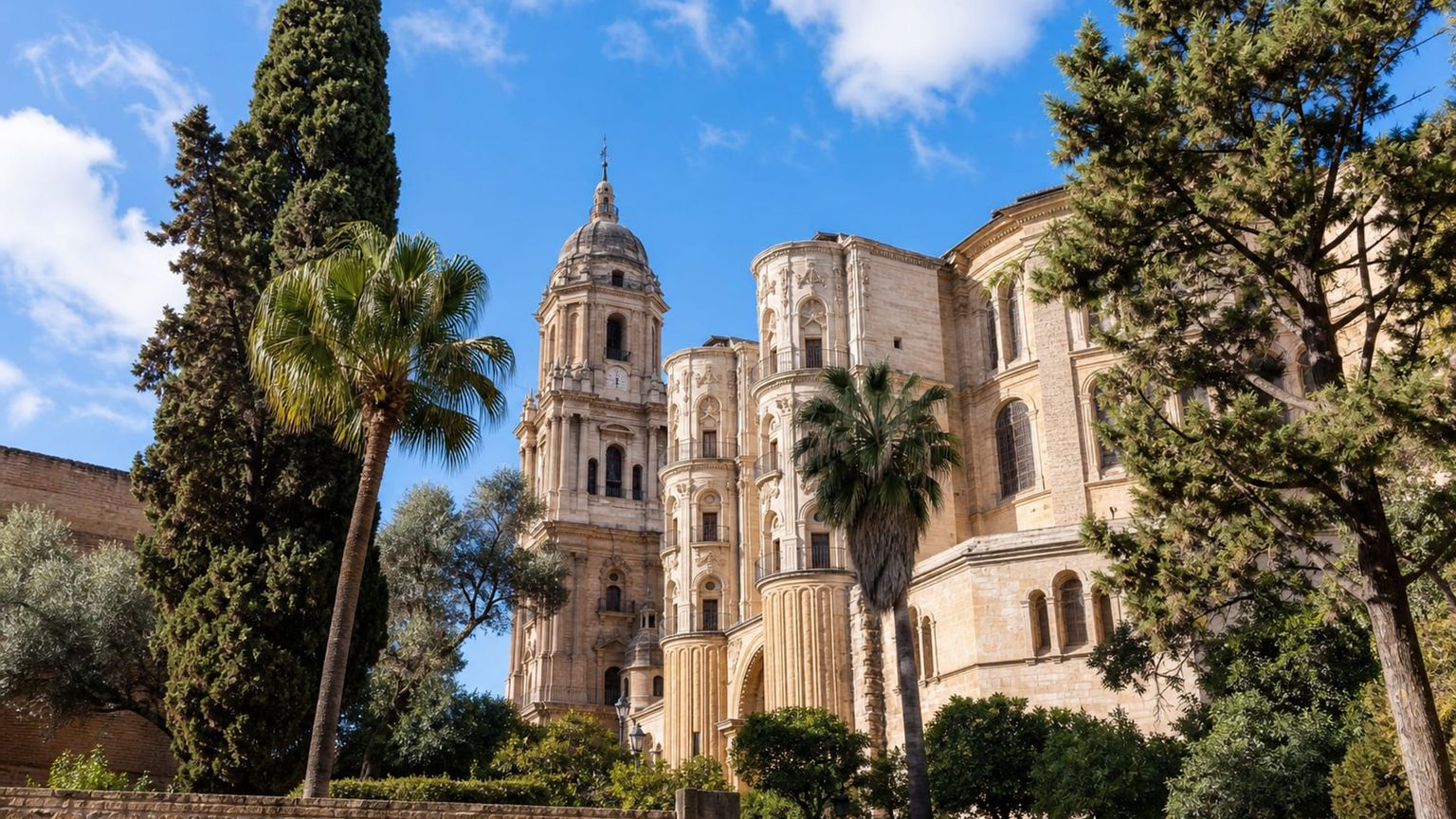
Known locally as La Manquita, this Renaissance cathedral was left with one unfinished tower, a detail that defines its silhouette. Inside, expect a vaulted nave, side chapels, and a strong contrast between the ornate choir and the bright interior space.
Time needed: About 1 hour
Entry: Standard tickets cost $8 to $12 (€7 to €10) Visit the official site for details.
Tip: Visit midmorning, when the nave is bright and the surrounding streets are still calm.
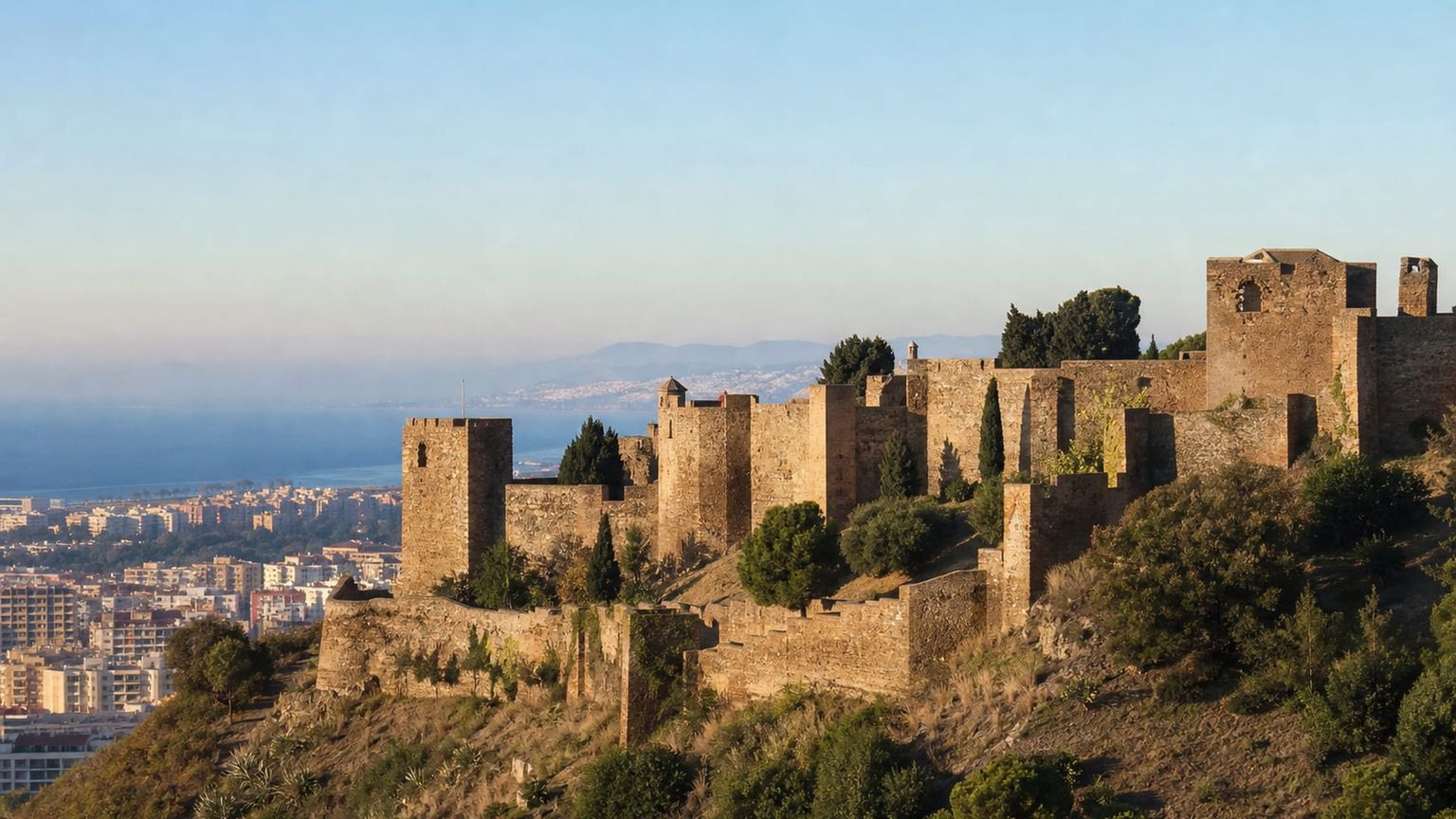
Gibralfaro Castle
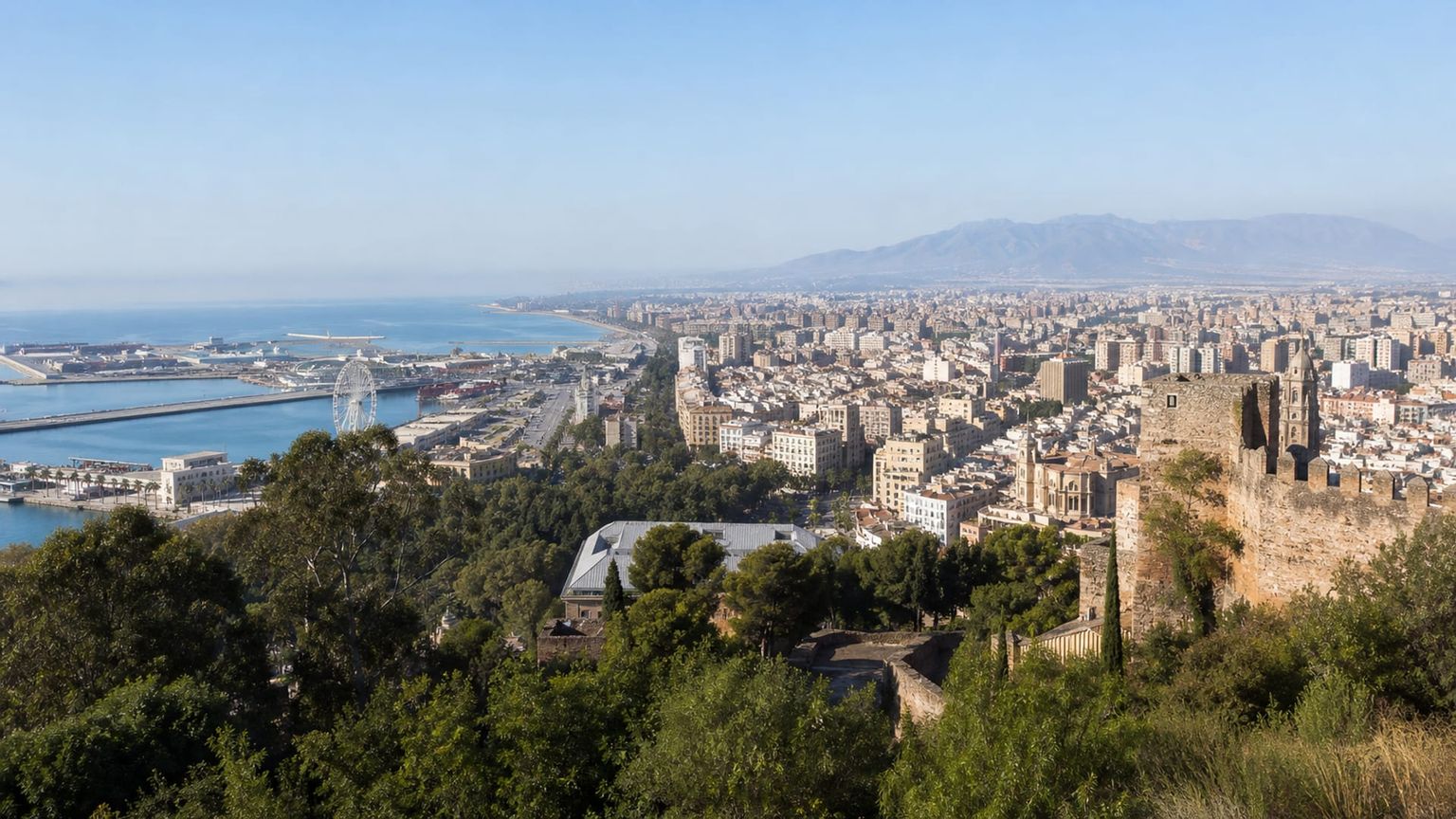
This 14th-century hilltop castle crowns Málaga above the Alcazaba and gives the widest classic view of the bay, bullring, and harbor. Its ramparts, courtyards, and defensive towers make it the city’s clearest military landmark.
Time needed: About 1 to 2 hours
Entry: Standard tickets cost $4 to $6 (€3.50 to €5) Visit the official site for details.
Tip: Come near sunset for the clearest light on the bay and the city rooftops.
Overlooked sites worth visiting

Málaga Park
A long subtropical promenade linking the port to the old town, lined with palms, fountains, and tiled benches. It gives you a shaded walk with public art and frequent benches, not a rushed sightseeing checklist.
Time needed: About 1 hour
Entry: Free to enter; this city park has no admission fee and no timed tickets. It works well for a short walk between the port and the historic center, with open access throughout the day and plenty of places to pause along the main paths.
Tip: Visit late afternoon for softer light and cooler paths.

Centre Pompidou Málaga
A compact branch of the Paris museum, known for its colorful cube above the harbor and rotating modern-art shows. The collection changes often, so the visit stays focused and manageable in one stop.
Time needed: About 1 to 2 hours
Entry: Standard admission is about $12 (€11), with reduced rates for eligible visitors and free entry on selected days for some temporary exhibitions. Prices can vary by show, so check the current schedule before you go Visit the official site for details.
Tip: Check the current exhibition list before setting out.
Traditional food
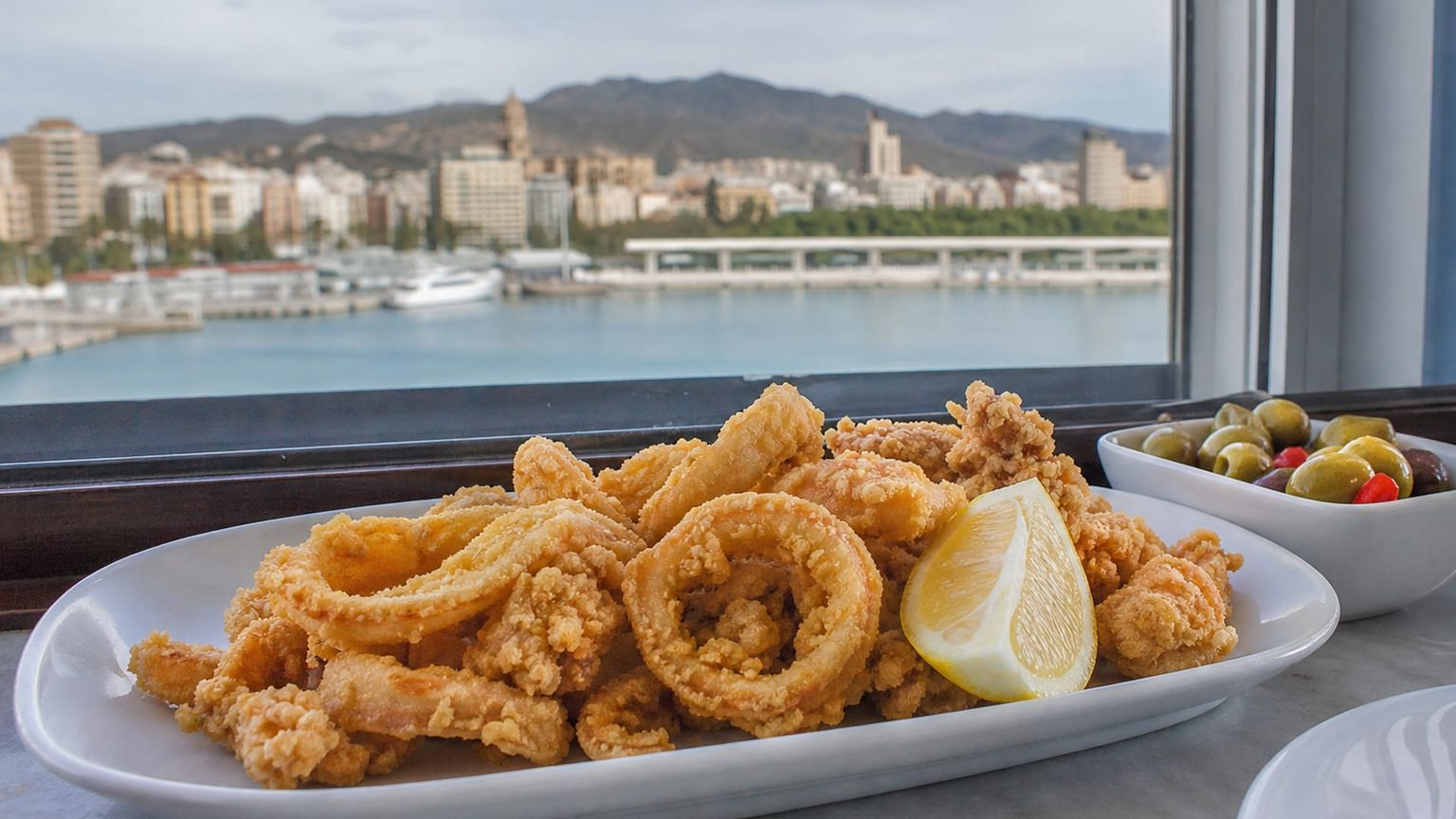
Málaga’s tables lean on sardines, fried seafood, chilled tomato soups, and market produce, with late lunches and unhurried dinners shaping the day. Espetos de sardinas and porra antequerana are part of that coastal, Andalusian mix.
Espetos de sardinas
Skewered sardines are grilled over open heat, then served simply with salt and smoke. El Tintero, on the eastern waterfront, is a classic place to order them near the sea.
Gazpachuelo
This warm Málaga soup blends fish stock, mayonnaise, and potato into a rich coastal dish. Mesón Mariano in the center is a strong local choice for a traditional version.
Fritura malagueña
A mixed fry of small fish and seafood gives you the clearest taste of a Málaga seaside lunch. El Pimpi serves a well-known version in the historic center.
Porra antequerana
This thicker cold tomato soup, topped with egg and ham, is one of Málaga’s most recognizable summer dishes. La Cosmopolita is a dependable downtown stop for it.
Best time to visit Málaga
Málaga shifts from warm, busy beach weather in summer to milder winter days that suit museums and hilltop views, so the best time depends on whether you want sea time or easier walking.
Best for: Balanced weather for the center, parks, and castle visits
What you get: Expect about 60 to 77°F (16 to 25°C), with moderate crowds and comfortable walking weather
Trade-offs: Popular dates can push hotel prices up
Best for: Beach days, late dinners, and long evenings by the port
What you get: Expect about 72 to 90°F (22 to 32°C), with the biggest crowds and the most time spent near the coast
Trade-offs: Midday heat can make uphill sightseeing tiring
Best for: City walks, museums, and quieter waterfront time
What you get: Expect about 63 to 82°F (17 to 28°C), with lighter crowds after the peak season
Trade-offs: Early autumn can still bring hot afternoons
Best for: Easy museum days and clear hilltop views
What you get: Expect about 49 to 64°F (9 to 18°C), with the calmest streets and fewer tour groups
Trade-offs: Sea swimming and long beach days are limited
A realistic 5-day plan in Málaga
Five days in Málaga works well when you treat the center, the hill, and the waterfront as separate parts of the same trip. The plan below starts with arrival, then moves through the monuments, the harbor, La Malagueta, and a final morning close to the old town.
Land at Málaga (AGP), then take the airport bus or a taxi into Soho or Centro Histórico. The airport bus usually costs about $5 (€3), takes roughly 15 to 20 minutes to the center, and runs often enough for an easy arrival. A taxi usually costs about $25 to $35 (€23 to €32) and takes roughly 15 minutes, depending on traffic. Stay in Soho if you want a slightly quieter first night, or in Centro Histórico if you want to walk to dinner without planning transport. After checking in, drink plenty of water, then keep dinner simple with seafood or tapas near the port or on a side street in the old town, where you can sit down early and turn in before the city gets lively.
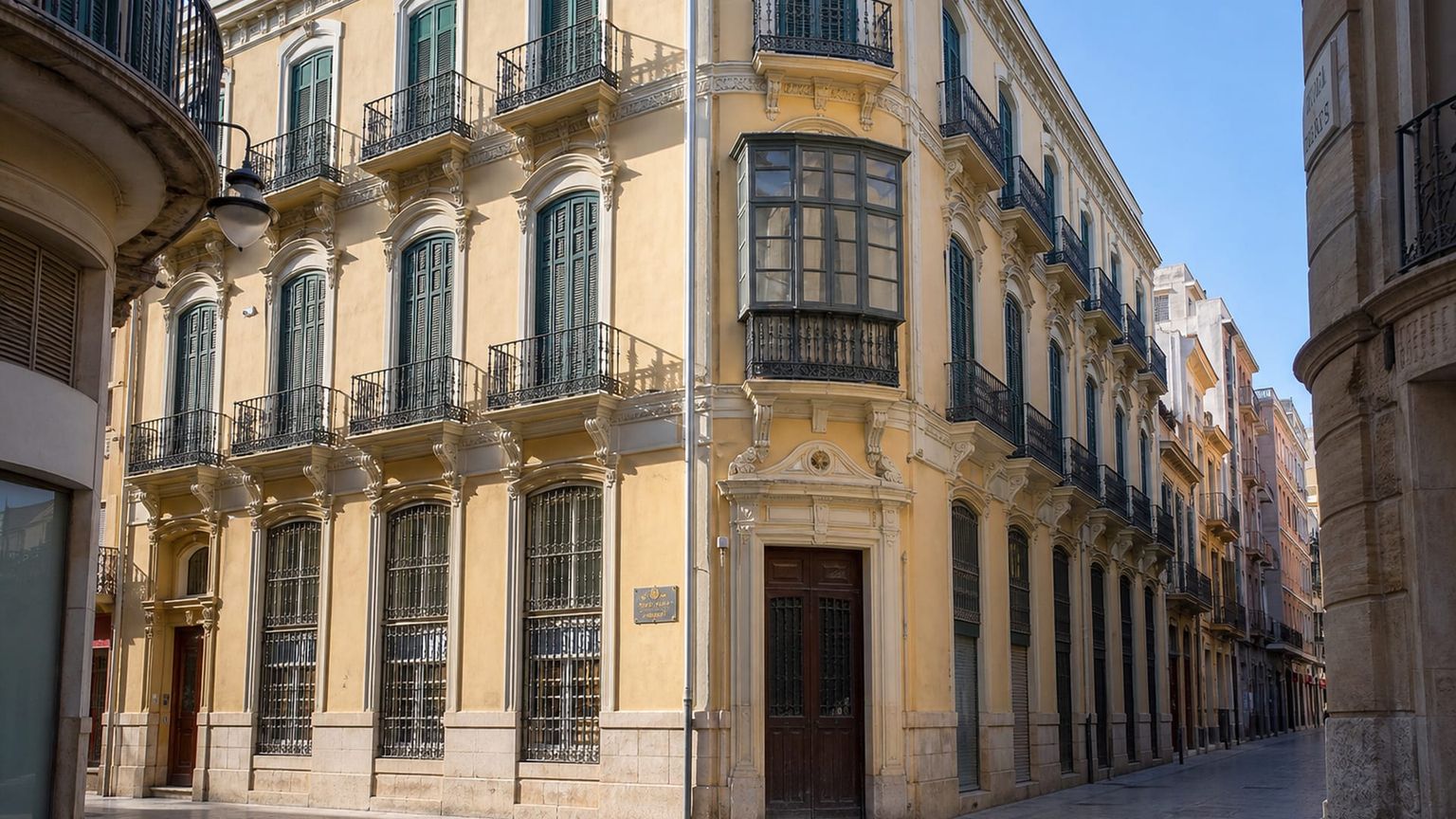
Start with Málaga Cathedral in the midmorning light, then walk about 10 minutes to the Roman Theatre and another 2 to 3 minutes uphill to the Alcazaba of Málaga. Allow about 1 hour for the cathedral, 30 to 45 minutes for the Roman Theatre, and 1 to 2 hours for the Alcazaba, including the terraces. From there, it is about a 15-minute walk or a short taxi ride to Málaga Park for a shaded break between the port and the center. Finish with an easy waterfront walk, then dinner in Centro Histórico, where you can stay close to the main monuments and avoid crisscrossing the city after dark.
Begin at Centre Pompidou Málaga, which sits by the harbor and pairs well with a late morning on the waterfront. From the museum, walk about 10 minutes through Málaga Park toward the historic center, then continue roughly 15 minutes to the main shopping streets around Centro Histórico. After lunch, head uphill to Gibralfaro Castle by taxi or a long walk, then come back down for sunset views over the bay. The castle visits usually take about 1 to 2 hours, and the return to the center takes about 15 to 20 minutes on foot if you descend slowly. End the day with dinner near the cathedral so you can move easily between the old streets and your hotel.
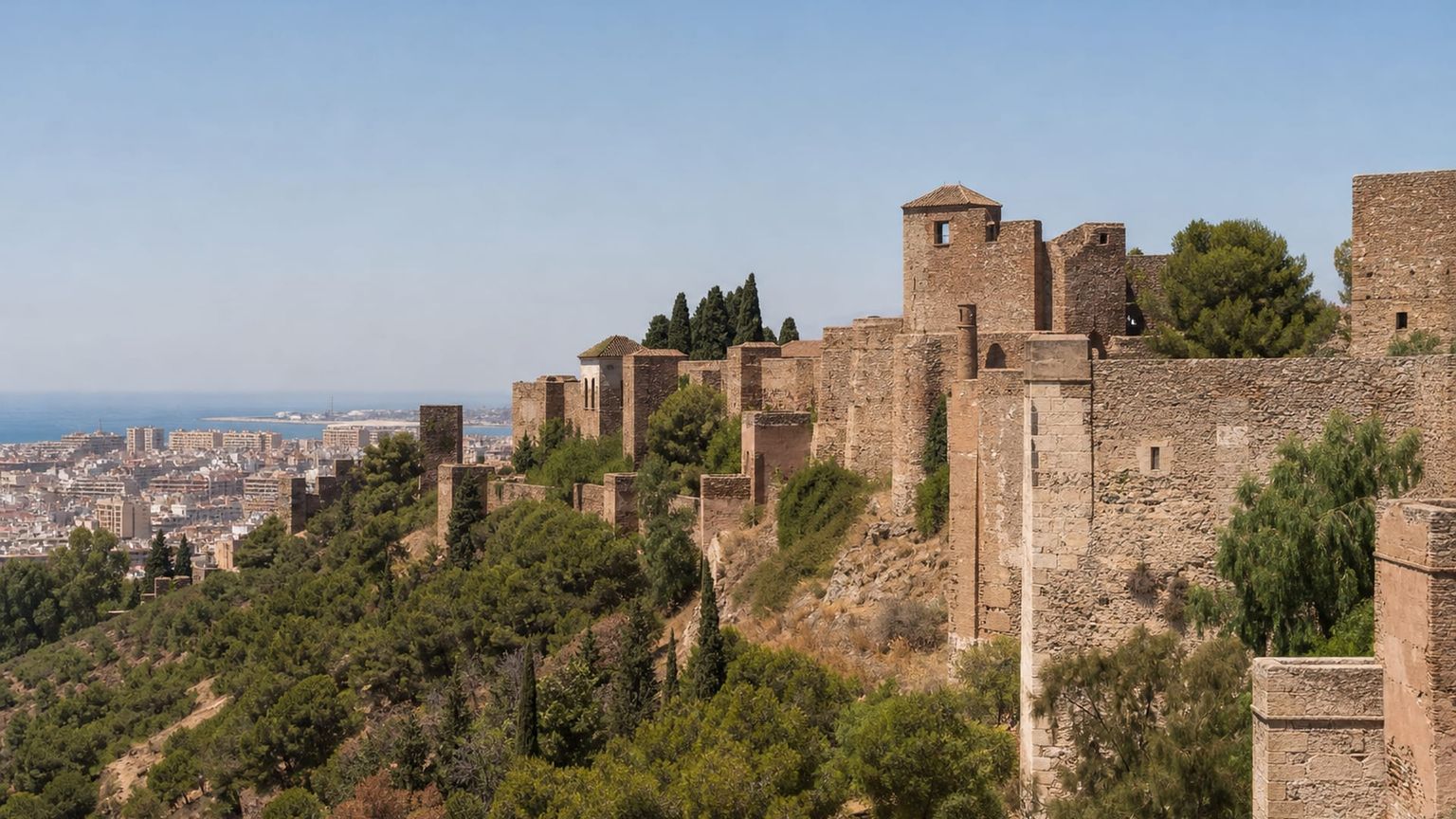
Set out early for Gibralfaro Castle if you did not visit it the day before, because the light is clearer and the paths are less exposed to heat. Pair it with the Alcazaba of Málaga below, which takes about 1 to 2 hours, and budget about 20 to 25 minutes to move between the two on foot if you stop for views. After that, walk about 10 minutes down to Málaga Park for a shaded rest, then continue another 10 minutes to the port area for coffee or a late lunch. Spend the afternoon in La Malagueta, where the beach and promenade give you a change of pace without pulling you far from the center.
A final morning fits best around one last museum visit, a slow walk through the shopping streets of Centro Histórico, and coffee in Soho before departure. If you have time, return to Centre Pompidou Málaga for a last look at the current exhibition, then walk about 10 to 15 minutes back toward the center for souvenirs and a relaxed lunch. Soho works well for a final café stop because it sits close to the port and the old town, so you can head back to the hotel without a long cross-city trip. Leave enough time to collect bags, then take the airport bus or a taxi back to Málaga (AGP) without rushing.
Business-class flights from the US to Malaga
Business-class fares to Málaga vary by coast, airline, and layover length, and the best option from each US region usually comes down to whether you value shorter total time or lower fares. The two routes below show the range from New York and Los Angeles.
From New York, Iberia, Air Europa, American Airlines, Delta Air Lines, and British Airways all appear on the route, and the fastest itineraries usually take about 7 to 8 hours nonstop. If you accept a connection, common hubs include Madrid, London, Paris, Frankfurt, and Lisbon, with layovers of about 10 to 15 hours. Round-trip fares from New York to Málaga usually start at about $2,400 and often reach $5,500; if you do not mind a layover, common routings via Madrid, London, or Paris can cut the price to roughly $900 to $1,600.
Los Angeles itineraries often run through Madrid, London, Paris, Frankfurt, or Amsterdam, with total layovers of about 14 to 20 hours. Iberia, Air Europa, British Airways, Lufthansa, and Air France all serve the market, and round-trip fares generally begin near $3,200 and can climb to $7,000.
Málaga feels different when you slow down
A deliberate Málaga trip keeps the walking tight: Cathedral to Alcazaba, then down through Málaga Park to the port, with one hilltop run to Gibralfaro and a slower evening in Soho or Centro Histórico. That gives the city room to show its layered center, its seafront, and its late dinners without forcing long cross-town moves. For a trip shaped this way, the AranGrant experts can help you turn the route into a clean booking plan