

Chapters:

Need help with your trip?
Our support team is available 24/7. Request a callback or call us directly at (833) 619-0908
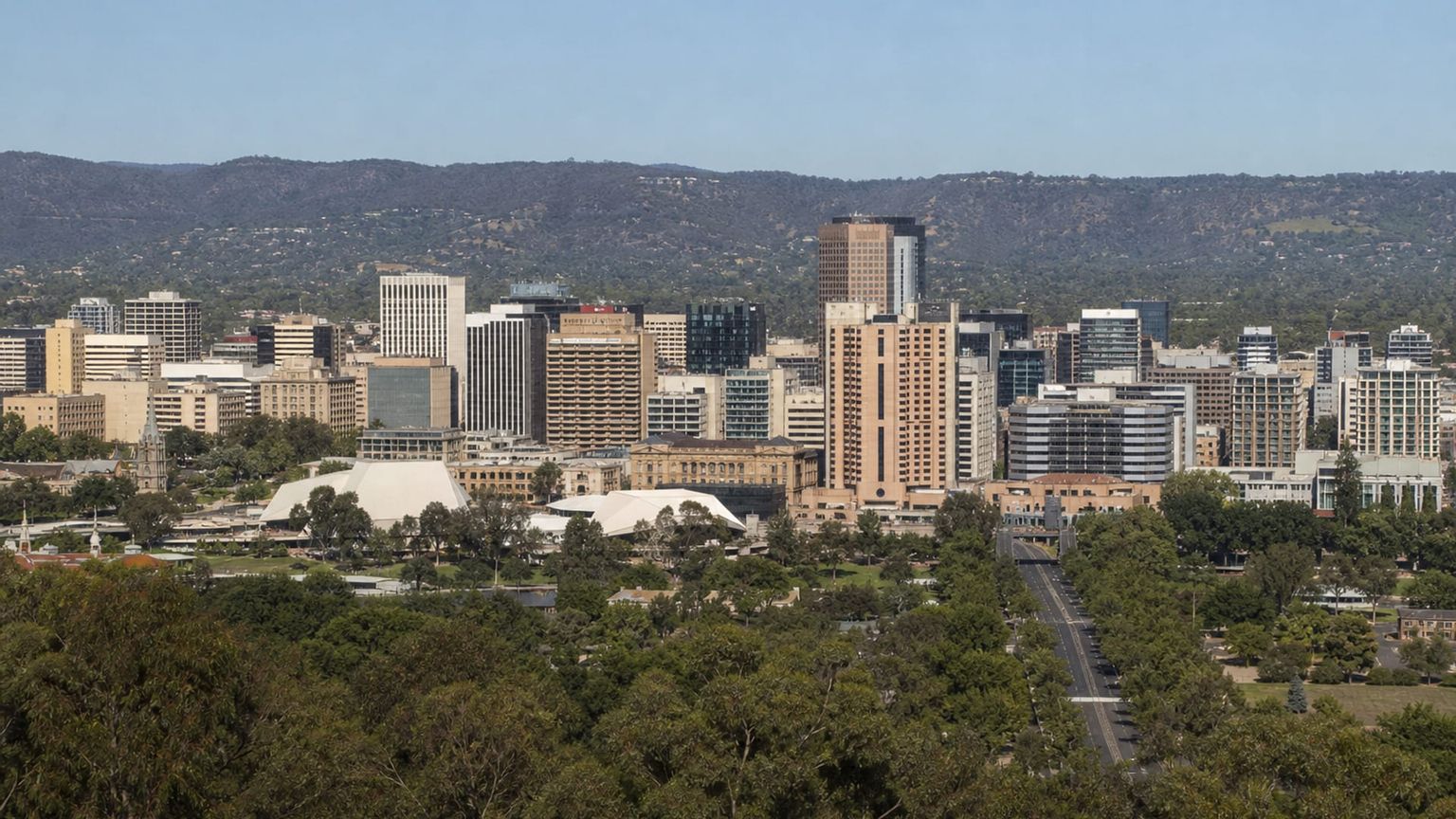
Adelaide trips often start with the CBD, a museum on North Terrace, and one evening in Glenelg, but many visitors miss the small stops that give the city its character. That first pass can leave the days feeling fuller than they need to be.
Distances stay manageable, yet tram, bus, and walking choices still shape how much you see, especially once you add beach time or a night in North Adelaide. Rushing between those areas can turn an easy city into a string of disconnected errands.
This guide sets out a steadier plan: central sights first, then a beach day, then time for quieter detours and a calm departure. It keeps the route simple without flattening the city into one repeated loop.
Useful things to know


Main language(s): English

Currency: The local currency is the Australian dollar (AUD, A$).

Cash and cards: Cards and contactless are widely accepted; carry about A$20 to A$50 ($13 to $33) in cash for small buys.

Tipping: Tip 10% to 15% in restaurants if service is not included; round up for taxis and cafes.

Traditional food: Fritz, pie floater, Coorong mullet, frog cake

Water and coffee costs: Water about A$3 ($2), bar espresso about A$4.50 ($3).

Taxis and ride apps: Uber and Ola operate here; taxis are also easy to find.

Plug and voltage: Type I socket, 230V

Dining and shop opening hours: Breakfast is about 07:00-09:00, lunch 12:00-14:00, and dinner 18:00-21:00. Many kitchens close by 21:30, earlier on Sundays.

Emergency number: Call 000 for police, fire, or ambulance.
Where to stay in Adelaide
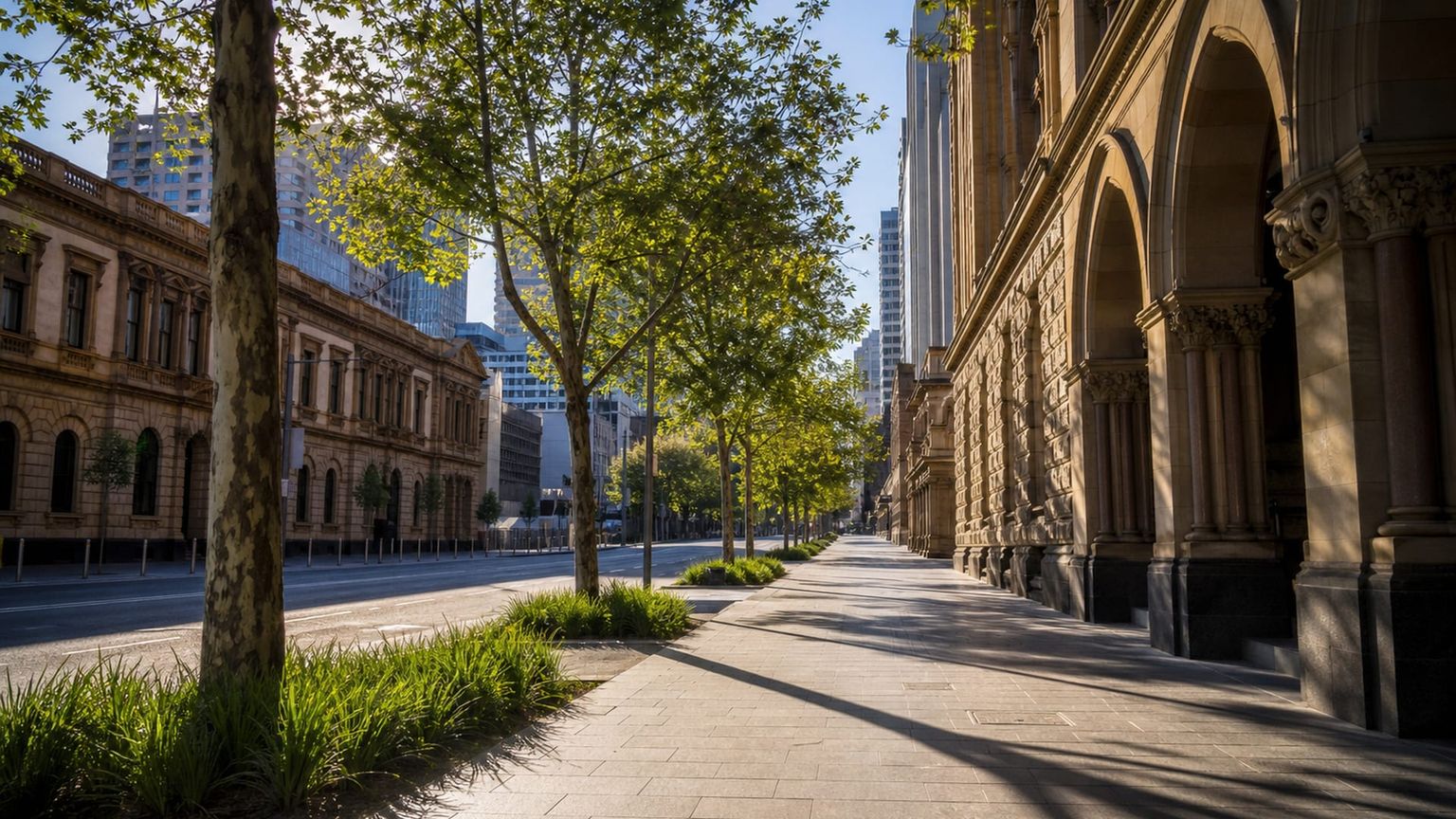
The CBD puts you beside Rundle Mall, the major museums, and the main dining strips, so you can cover most central sights on foot or by tram. It suits visitors who want the widest choice of hotels, restaurants, and transport links in one place.
Best for: First-time visits, car-free stays, and easy access to museums, shopping, and tram links
What to expect: Busy weekdays, steady foot traffic near Rundle Mall, and quieter side streets after office hours.
Hotel prices: Usually about $140 to $260 per night for well-rated stays
Distance to major sights: 5 to 15 minutes on foot to Rundle Mall, Adelaide Central Market, and the Art Gallery of South Australia
Quietness: Lively in the day, then notably calmer on side streets after about 7:00 pm.
Main trade-off: Top central convenience comes with more traffic, higher rates, and less character than the inner neighborhoods.
Good to know: If you plan late dinners or nightlife, check the exact block, since some hotel streets are much livelier than others.
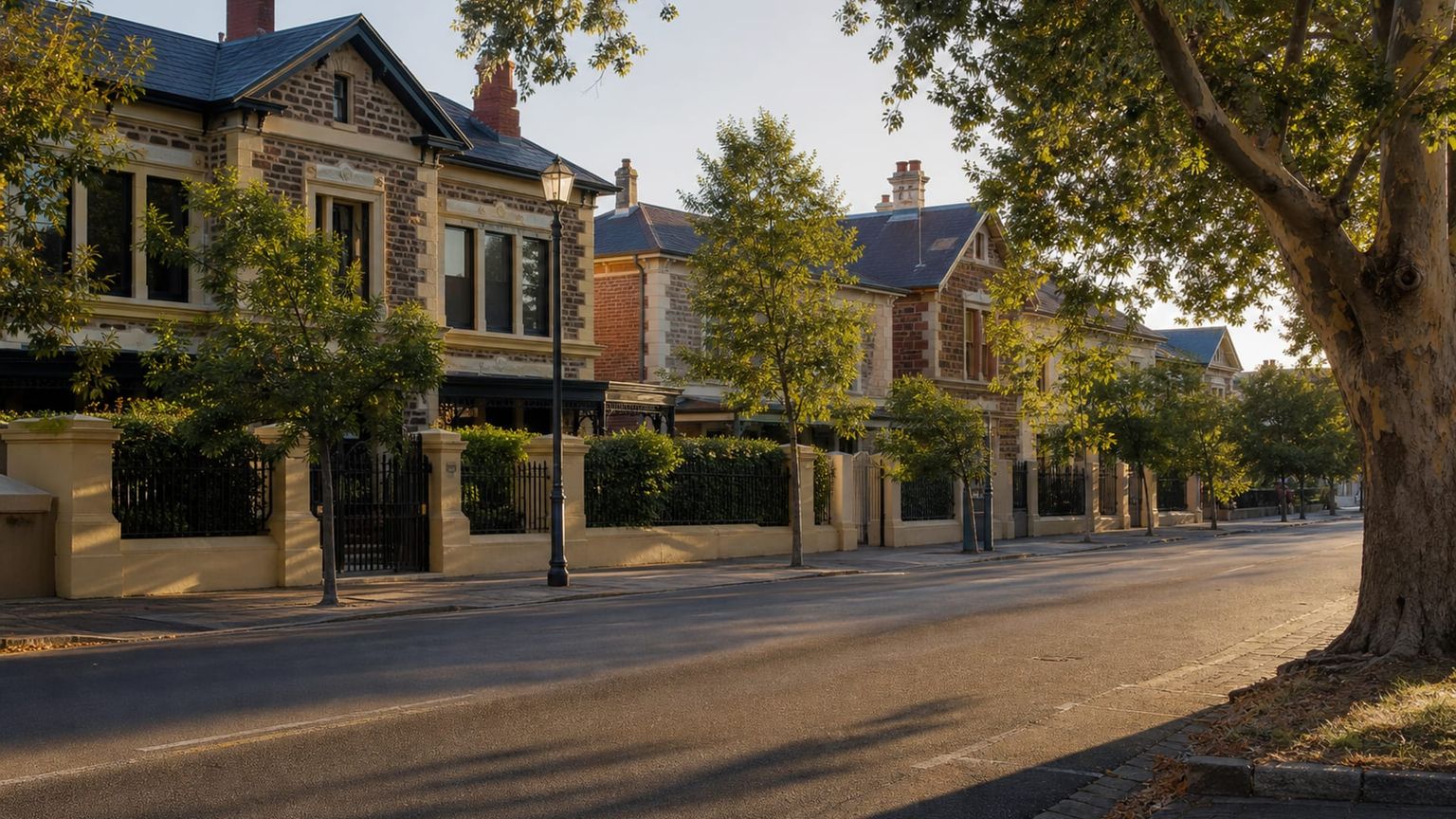
North Adelaide sits just across the river from the city center, with terrace streets, parkland edges, and a strong cluster of restaurants and pubs. It works well if you want a more residential base that still keeps the CBD close.
Best for: Couples, longer stays, and travelers who want restaurants plus a calmer residential setting
What to expect: Leafy streets, well-kept terraces, and a local dining scene that stays active without heavy late-night crowds.
Hotel prices: Usually about $160 to $300 per night for well-rated stays
Distance to major sights: 10 to 20 minutes by bus or about 25 minutes on foot to the Adelaide Oval and the CBD
Quietness: Calm through the day, with a modest dinner crowd and mostly quiet streets late at night.
Main trade-off: You will usually pay a bit more for the setting, and some sights need a short walk or bus ride rather than a doorstep location.
Good to know: If you want to catch an event at Adelaide Oval, book early, since accommodation here tightens on match and concert nights.
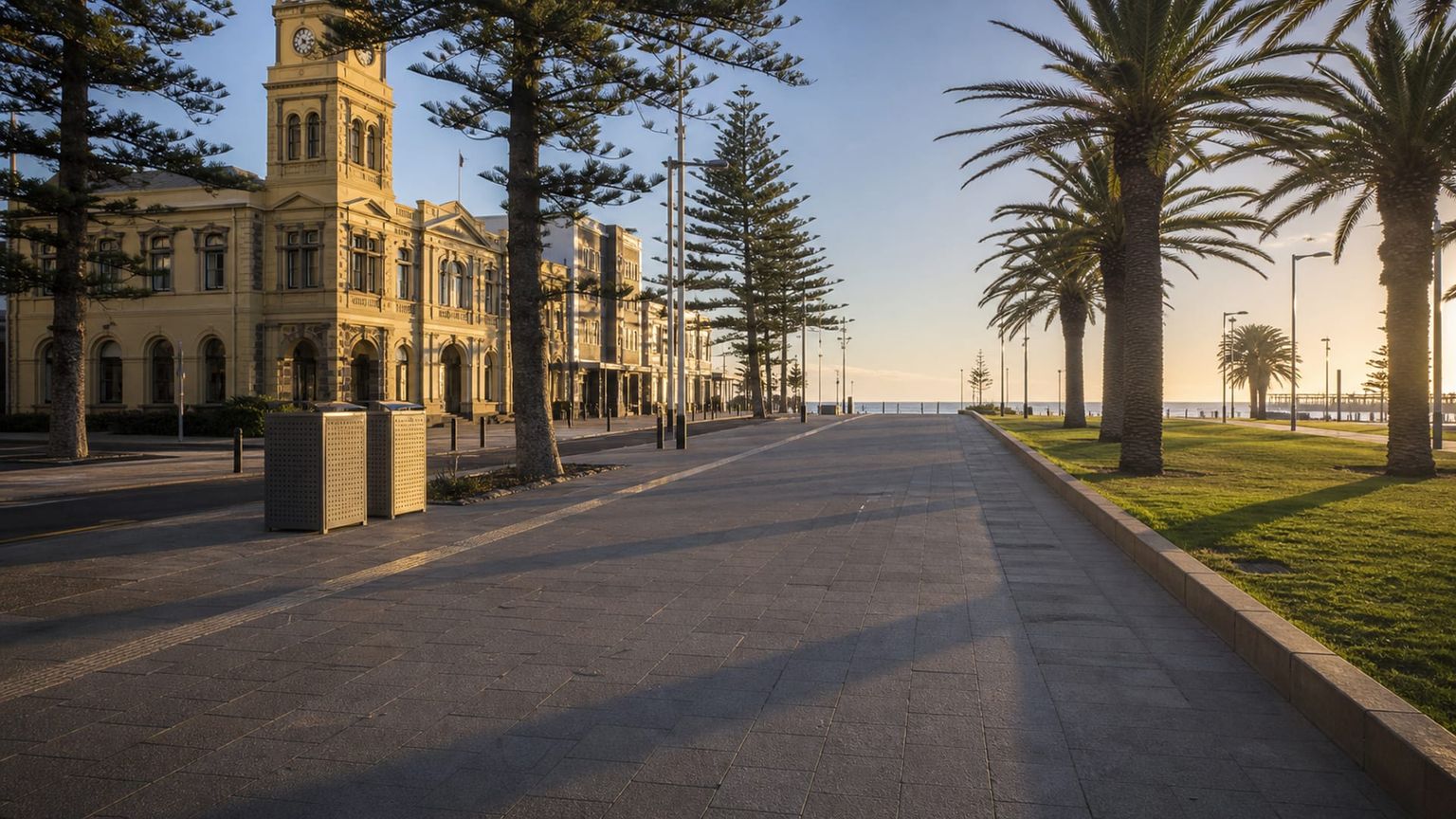
Glenelg is Adelaide’s best-known beach suburb, centered on Jetty Road and the shoreline at Moseley Square. It matters if you want a seaside stay with trams into the city, plus easy access to cafes, casual dining, and sunset walks.
Best for: Beach trips, relaxed evenings, and travelers who want a seaside atmosphere with city access
What to expect: Busy around the tram stop, Jetty Road, and the foreshore, with a holiday crowd that thins after the beach hours.
Hotel prices: Usually about $150 to $280 per night for well-rated stays
Distance to major sights: About 35 minutes by tram to Adelaide Central Market and roughly 25 minutes to Adelaide Airport (ADL) by car
Quietness: Lively by day and on summer evenings, then quieter once the beach crowd goes home.
Main trade-off: The trip into the CBD takes time, and summer weekends can bring higher prices and more noise near the foreshore.
Good to know: If you plan to split time between the beach and the city, stay near the tram corridor so you are not relying on taxis after dinner.
Travelers usually avoid staying in outer northern suburbs such as Salisbury and Elizabeth, since they sit far from the Adelaide city center, the North Terrace museum district, and the main dining and shopping areas. Parts of the far southern beach suburbs, including Semaphore and Largs Bay, are less convenient if you plan late evenings in the CBD, because returning after dinner takes longer and visitor amenities are thinner once you move away from the main strip.
Hotel deals
How to get around Adelaide efficiently
Adelaide’s tram line, suburban buses, and taxis cover the city in different ways, so the best choice depends on whether you are crossing the CBD, heading to Glenelg, or going beyond the core grid.

Metro
for longer distances
Adelaide has no metro network, so suburban rail fills that role for longer cross-city trips. Adelaide Metro trains run from Adelaide (ADL) through the main lines to the northern and southern suburbs, with inner-city trips usually taking about 10 to 30 minutes. A single 2-hour ticket costs about $4.50 ($6.80), and fares are also time-based with day passes available.

Bus and tram
for convenience
The Glenelg tram gives the clearest city-to-beach link, running from the city center to Glenelg in roughly 25 minutes, while Adelaide Metro buses cover the wider grid and many suburban corridors. Use the same ticketing system across buses and trams, with a 2-hour fare about $4.50 ($6.80) and day tickets for longer sightseeing days. Tram frequency is strongest on the core corridor, and buses are the main option for suburbs, the hills, and Adelaide (ADL).

Taxi
for convenience or late hours
Licensed taxis in Adelaide use metered fares, not fixed citywide rates, with airport trips from Adelaide (ADL) to the center typically about $18 to $30 ($27 to $45) before surcharges. You can use a rank, phone dispatch, or ride-hailing apps, and most drivers accept cards as well as cash. Late-night and airport pickups can add extra charges, so ask for an estimated fare before you leave the curb.
*Prices are based on rates updated as of June 2026 and may change at the time of travel.
Use the tram for Glenelg and other corridor trips, buses for wider suburban links, and taxis or ride-hailing when you are moving late or carrying luggage.
Iconic landmarks
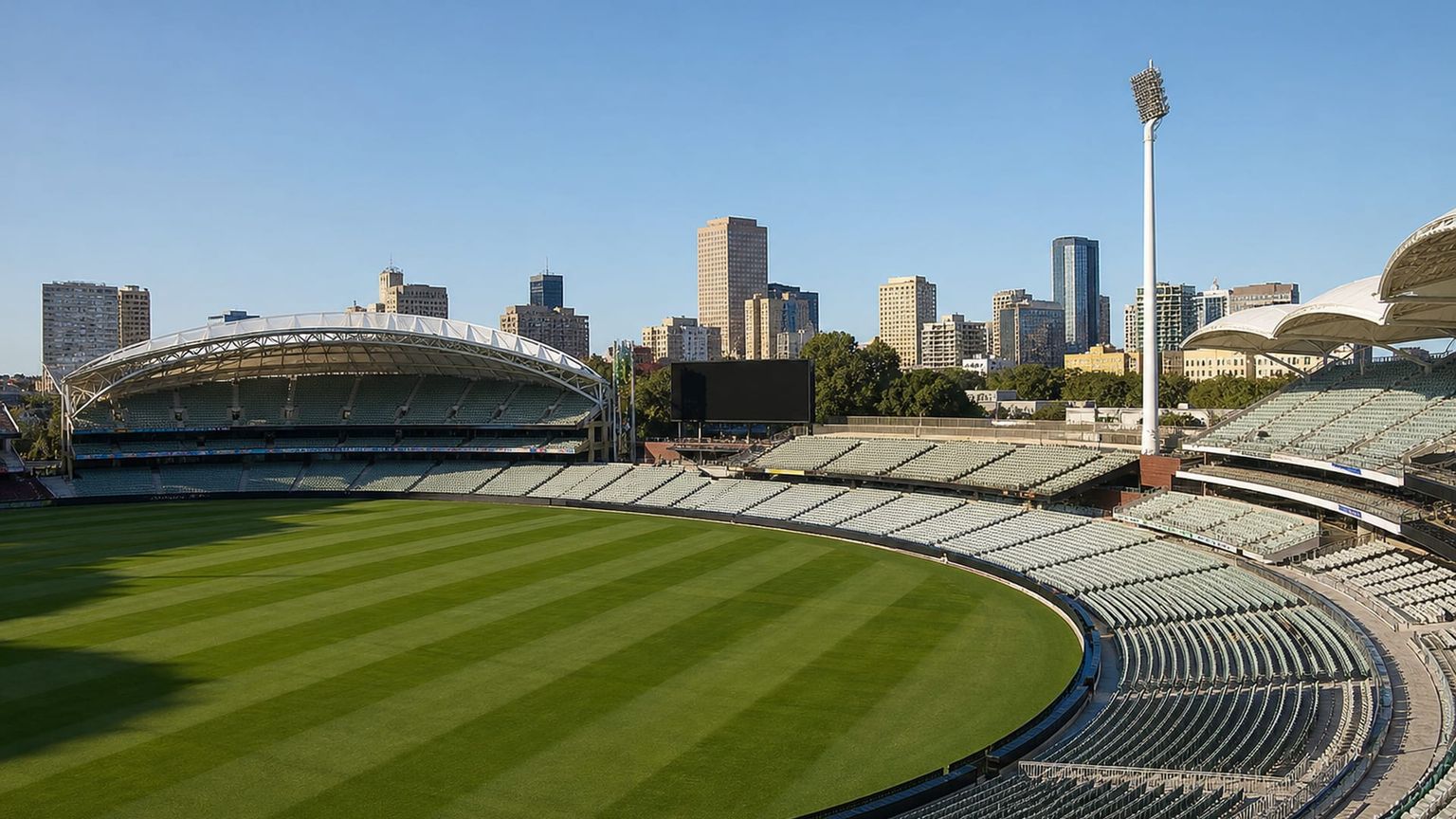
Adelaide Oval
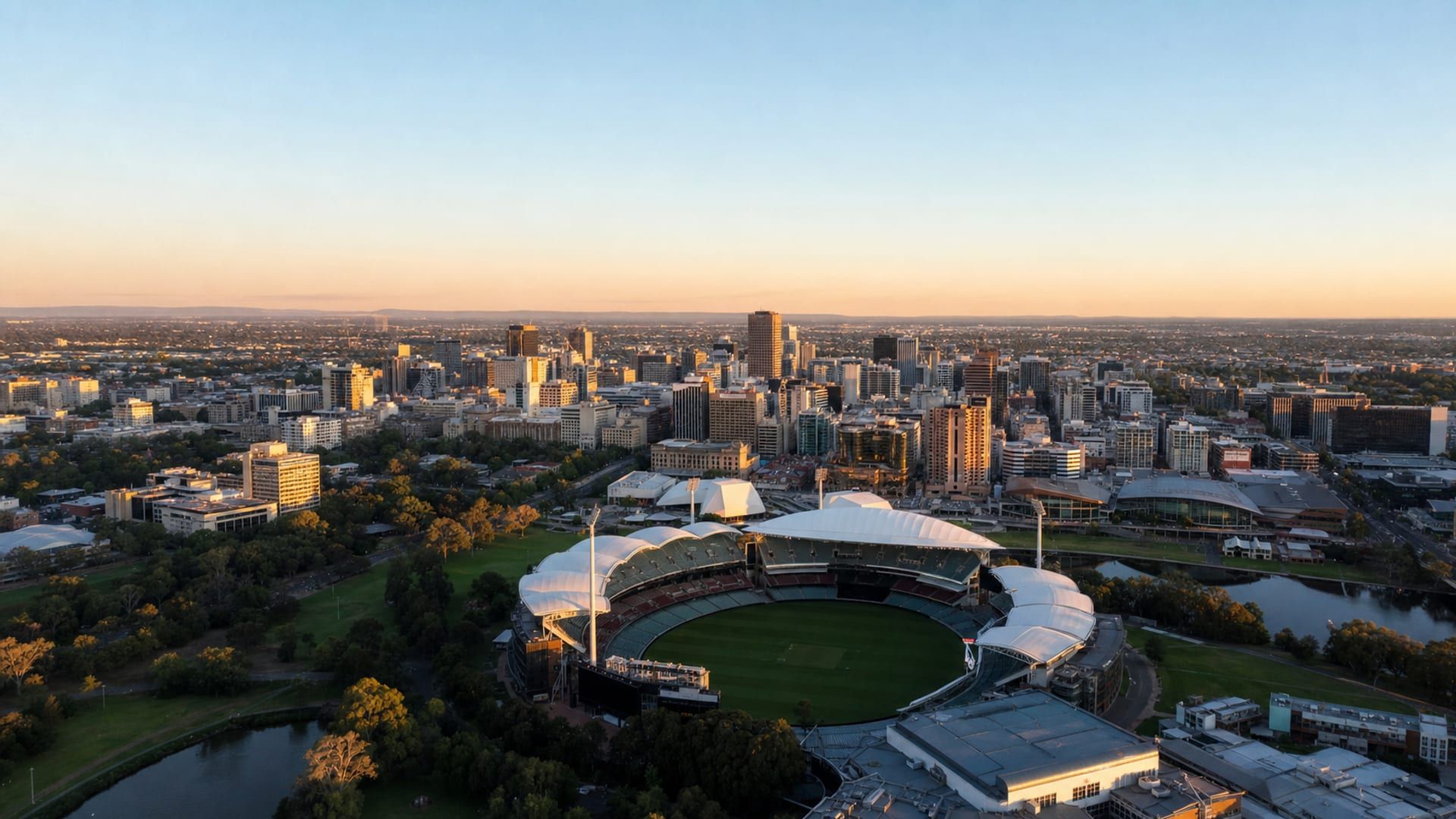
Adelaide Oval is the city’s premier sports ground, home to cricket, Australian rules football, and major concerts. Its heritage scoreboard, Riverbank Stand, and rooftop walk give a clear look at how the venue combines old and new.
Time needed: About 2 to 3 hours
Entry: Match and tour prices vary; standard guided tours cost about $20 to $30 ($13 to $20), depending on the session and access. Visit the official site for details.
Tip: Go on a non-match day for a tour, or arrive early for sunset from the rooftop.
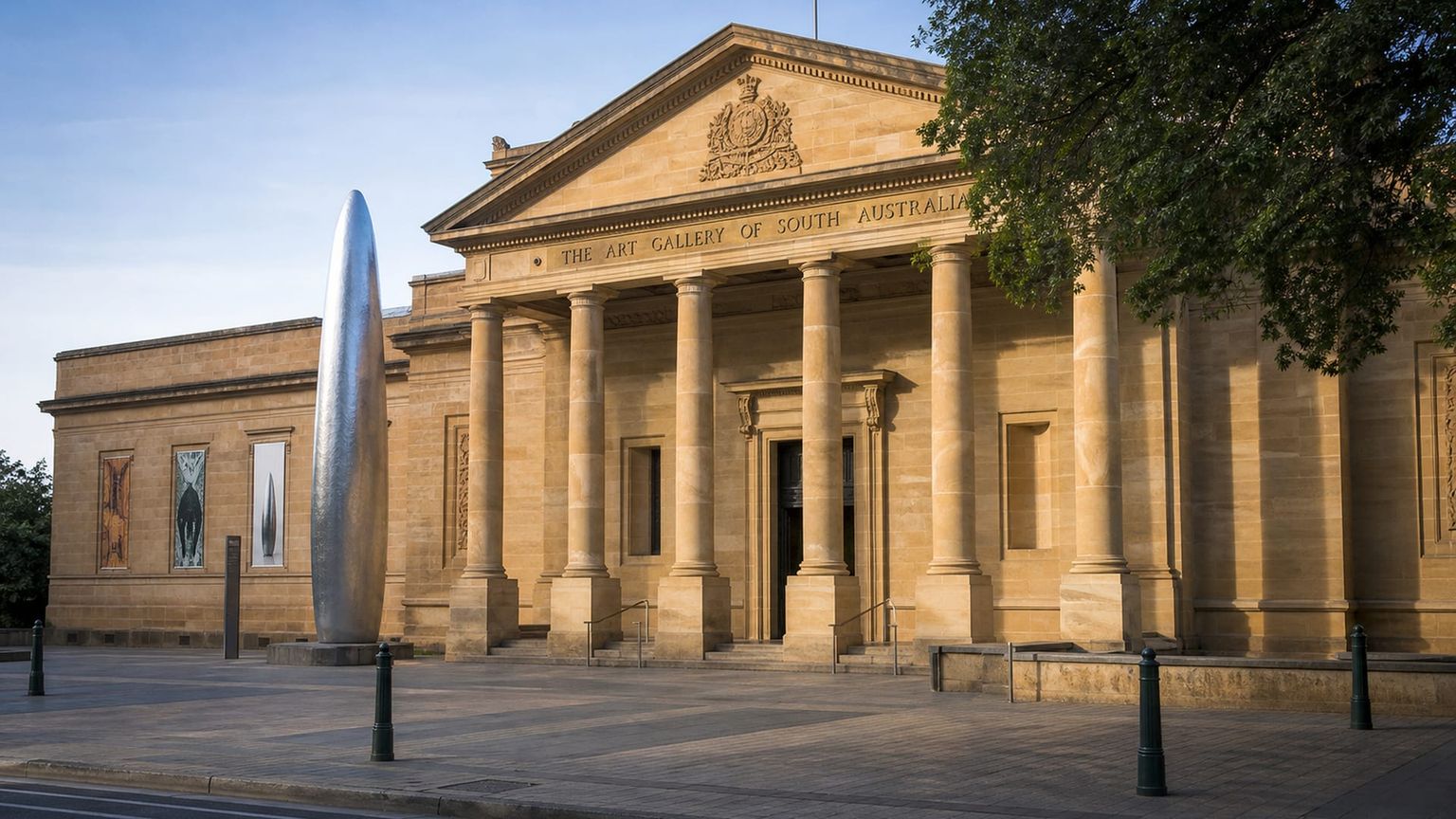
Art Gallery of South Australia
The Art Gallery of South Australia houses one of the country’s strongest public collections, with Australian, Asian, European, and Indigenous works. Its North Terrace setting also makes it easy to pair with nearby cultural stops.
Time needed: About 2 to 3 hours
Entry: General admission is free; special exhibitions usually cost about $10 to $30 ($7 to $20) depending on the show. Visit the official site for details.
Tip: Start with the Australian galleries, then save time for the temporary exhibition rooms.
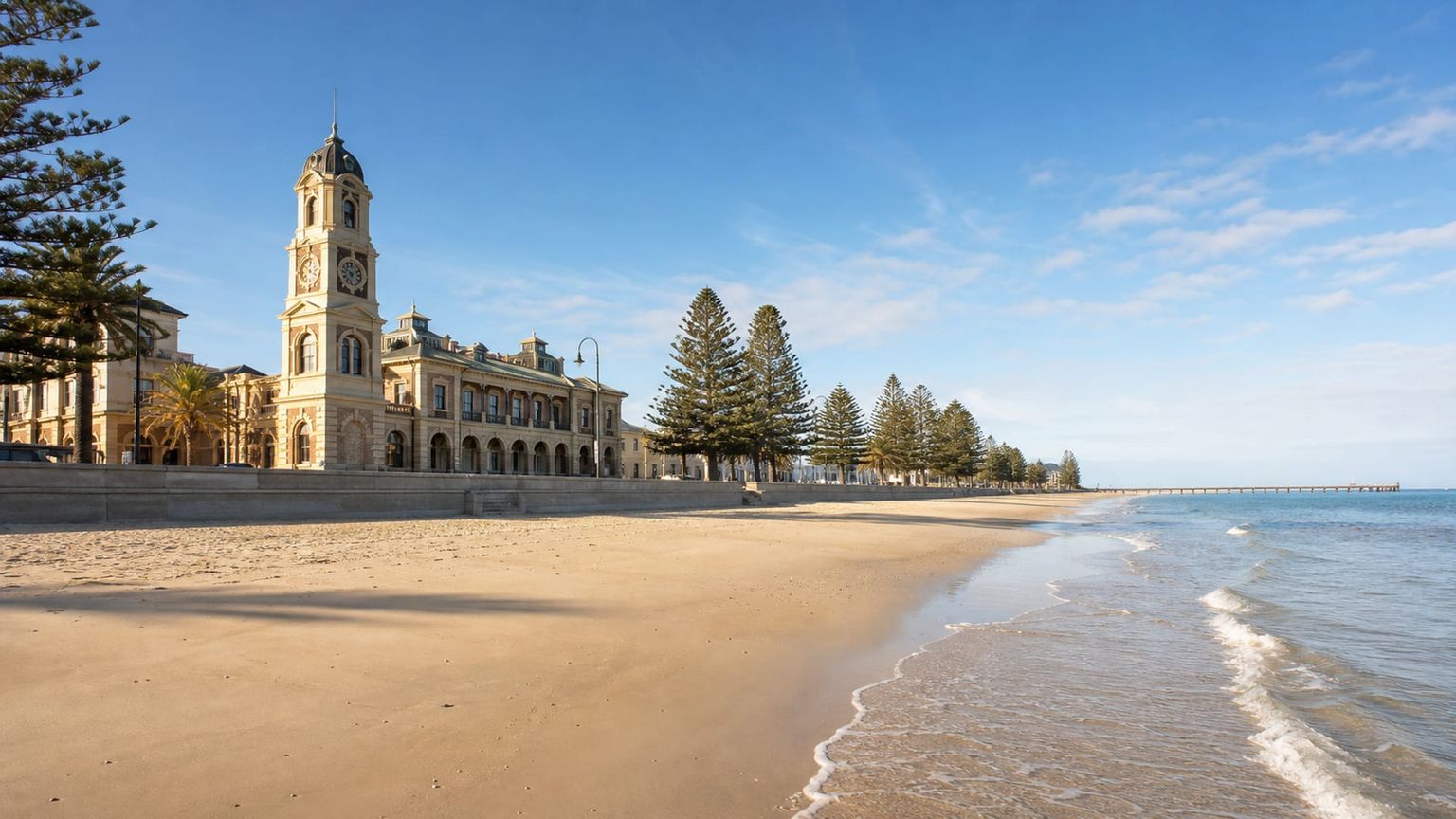
Glenelg Beach
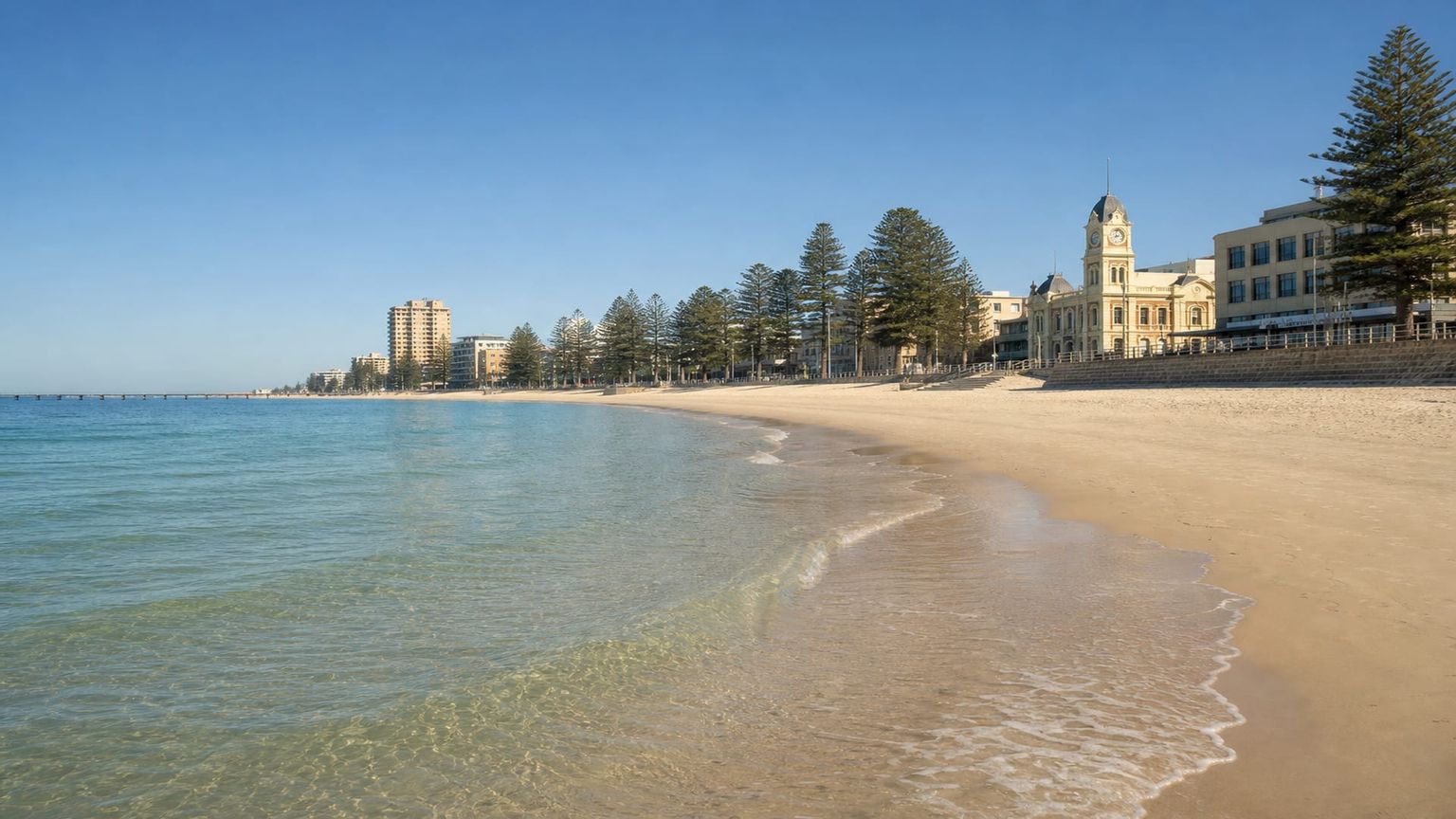
Glenelg Beach sits about 10 km from the center and mixes a long sand beach with historic Jetty Road, the Glenelg Jetty, and a tram link from the city. It is one of Adelaide’s most visited coastal stops.
Time needed: About 3 to 4 hours
Entry: Free to access; tram fares from Adelaide city to Glenelg usually cost about $5 to $7 ($3 to $5) each way, depending on ticket type.
Tip: Visit in late afternoon, when the light is best and the beachside promenade is busiest.
Overlooked sites worth visiting

St Peter's Cathedral crypt
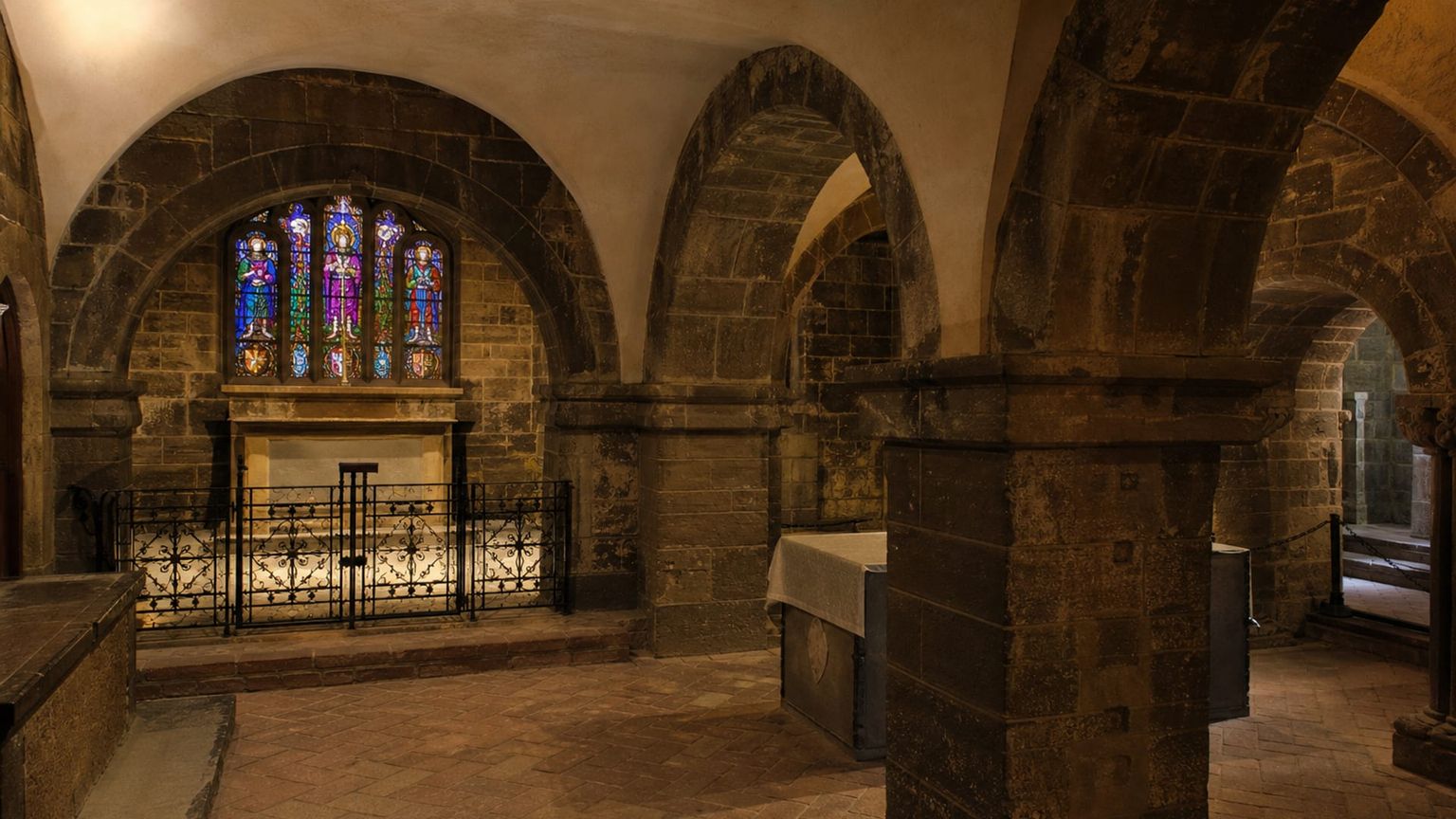
This small underground space below St Peter’s Cathedral holds the tomb of Archbishop James O’Reily and several commemorative plaques. It offers a quiet stop for visitors interested in Adelaide’s Anglican history.
Time needed: About 20 to 30 minutes
Entry: Admission is free to the crypt area, though access depends on cathedral opening hours and may close during services or special events. Check the cathedral timetable before you go, because interior access is not guaranteed every day. Visit the official site for details.
Tip: Visit outside service times for the best chance of entry.

Old Government House, Belair National Park
Set in Belair National Park, this 19th-century residence shows how South Australia’s governors used a summer retreat in the hills. The site pairs timber interiors with a lawn setting and short walking access from the car park.
Time needed: About 45 to 60 minutes
Entry: Entry is free for the house grounds when open to visitors, but opening days and interior access are limited and can change seasonally. Parking in Belair National Park requires a vehicle entry fee of $12 ($12) per car on most days. Visit the official site for details.
Tip: Arrive early on open days to combine the house with a short park walk.
Traditional food
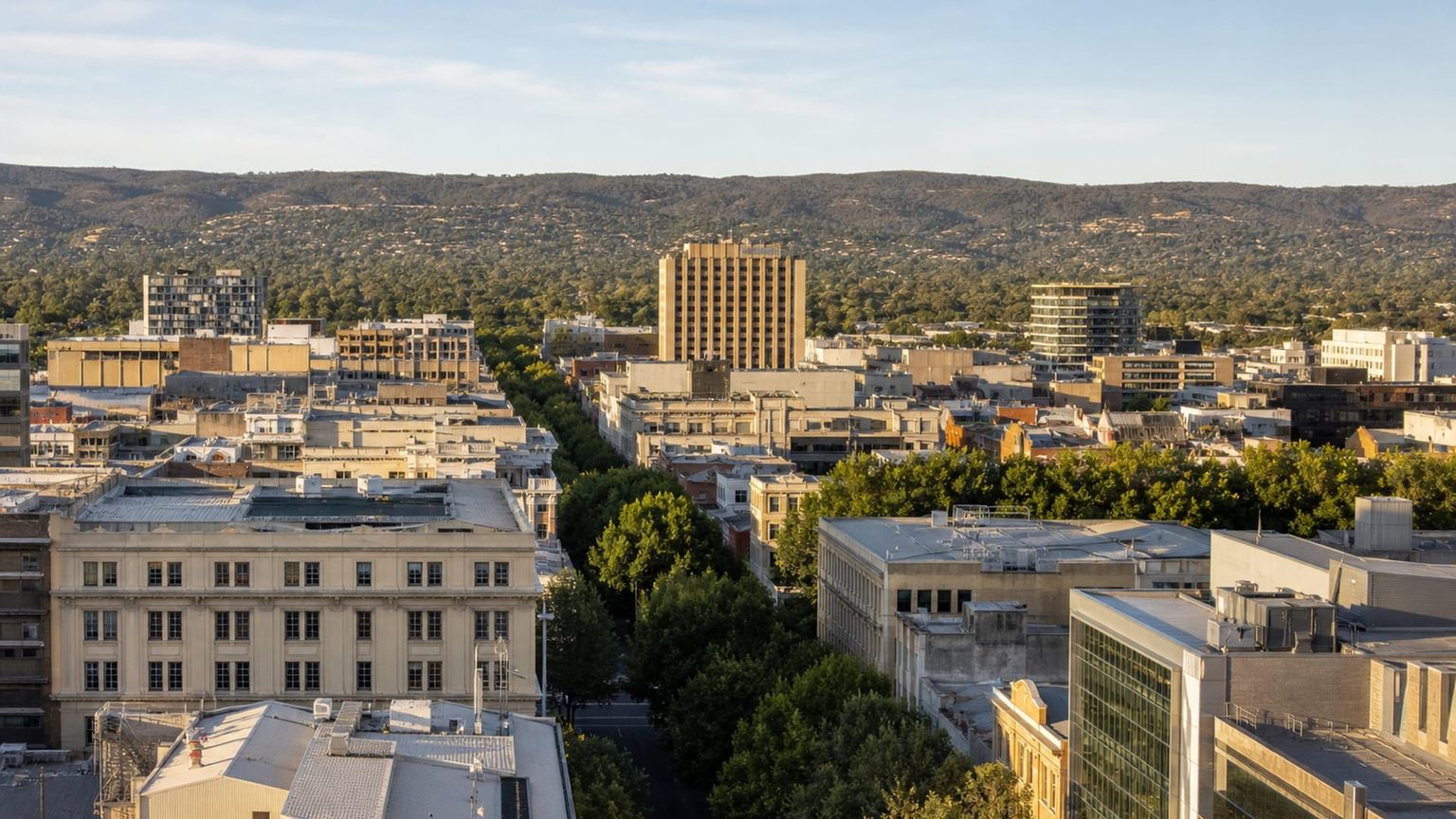
Adelaide’s food leans on South Australian produce, seafood, pastry shops, and old-school lunch counters, with Fritz, pie floater, Coorong mullet, and frog cake showing both comfort food and local identity.
Pie floater
A pie floater is a meat pie served in pea soup, a classic Adelaide meal that works best at a no-frills counter. The Sussex Hotel in Walkerville is a long-standing place to order it.
Fritz
Fritz is Adelaide’s version of luncheon meat, usually eaten cold in a sandwich or with bread and tomato sauce. Adelaide Central Market is the most useful stop for finding good local examples and deli versions.
Coorong mullet
Coorong mullet brings a local fish from South Australia’s coastal waters to the plate, often cooked simply so the texture stays front and center. Sean’s Kitchen serves local seafood in the city and is a strong place to try it.
Frog cake
Frog cake is a South Australian bakery sweet with sponge, cream, and icing, usually sold in bright colors and neat portions. Balfours, a local name in Adelaide, remains the reference point for the classic version.
Best time to visit Adelaide
Adelaide rewards shoulder seasons most of all, when the parks, tram rides, and beach hours feel easier to balance than in the hottest part of summer.
Best for: Beach time, long evenings, and festival season
What you get: Average highs roughly 81 to 89°F (27 to 32°C), with warm nights and busy coastal areas
Trade-offs: Heat waves can make midday sightseeing uncomfortable
Best for: City walking, winery day trips, and market visits
What you get: Average highs about 63 to 81°F (17 to 27°C), with lighter crowds and clear days
Trade-offs: Evenings cool down faster by late May
Best for: Museum days, food stops, and quieter hotels
What you get: Average highs about 59 to 64°F (15 to 18°C), with the lightest visitor traffic outside events
Trade-offs: Shorter days limit beach time and outdoor plans
Best for: Garden walks, outdoor dining, and easy tram days
What you get: Average highs roughly 67 to 77°F (19 to 25°C), with comfortable conditions and moderate crowds
Trade-offs: Pollen and the first hot spells can arrive late in the season
A realistic 5-day plan in Adelaide
A five-day Adelaide stay works best when the center of the city comes first, then the shoreline, then a slower final loop through the museums and shopping streets. The plan below keeps transfers short and leaves room for the parts of the city that are easy to skip if you are not watching the clock.
Land at Adelaide Airport (ADL) and take a taxi or rideshare into the CBD, which usually takes about 15 to 20 minutes and costs roughly $25 to $35. If you want an easier first evening, check into a place near Rundle Mall or North Terrace, then keep dinner close by with something light at the Adelaide Central Market area or a simple meal in the city center. Leave the more ambitious sightseeing for tomorrow, and spend the rest of the night walking a short block or two before turning in early.
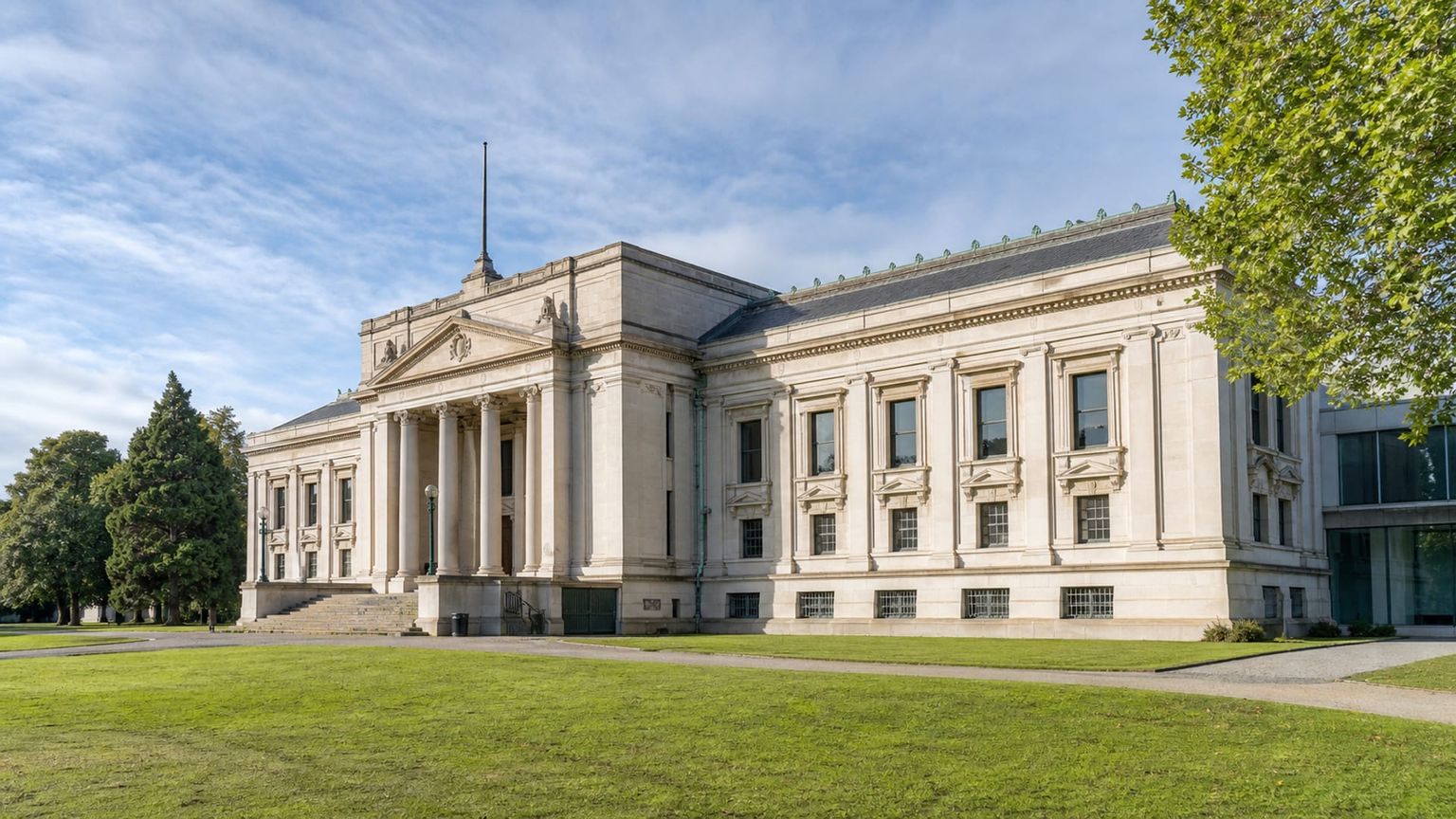
Start on North Terrace with the Art Gallery of South Australia, then spend about 2 to 3 hours inside before walking roughly 5 minutes to nearby museum precinct streets for a coffee break. From there, it is an easy tram or bus ride across to Adelaide Oval, where a guided tour takes about 2 to 3 hours and the rooftop walk gives you a broad view over the River Torrens and the city. Finish back in the CBD for dinner near Rundle Mall, where the evening crowd stays active without needing a long cross-town trip.
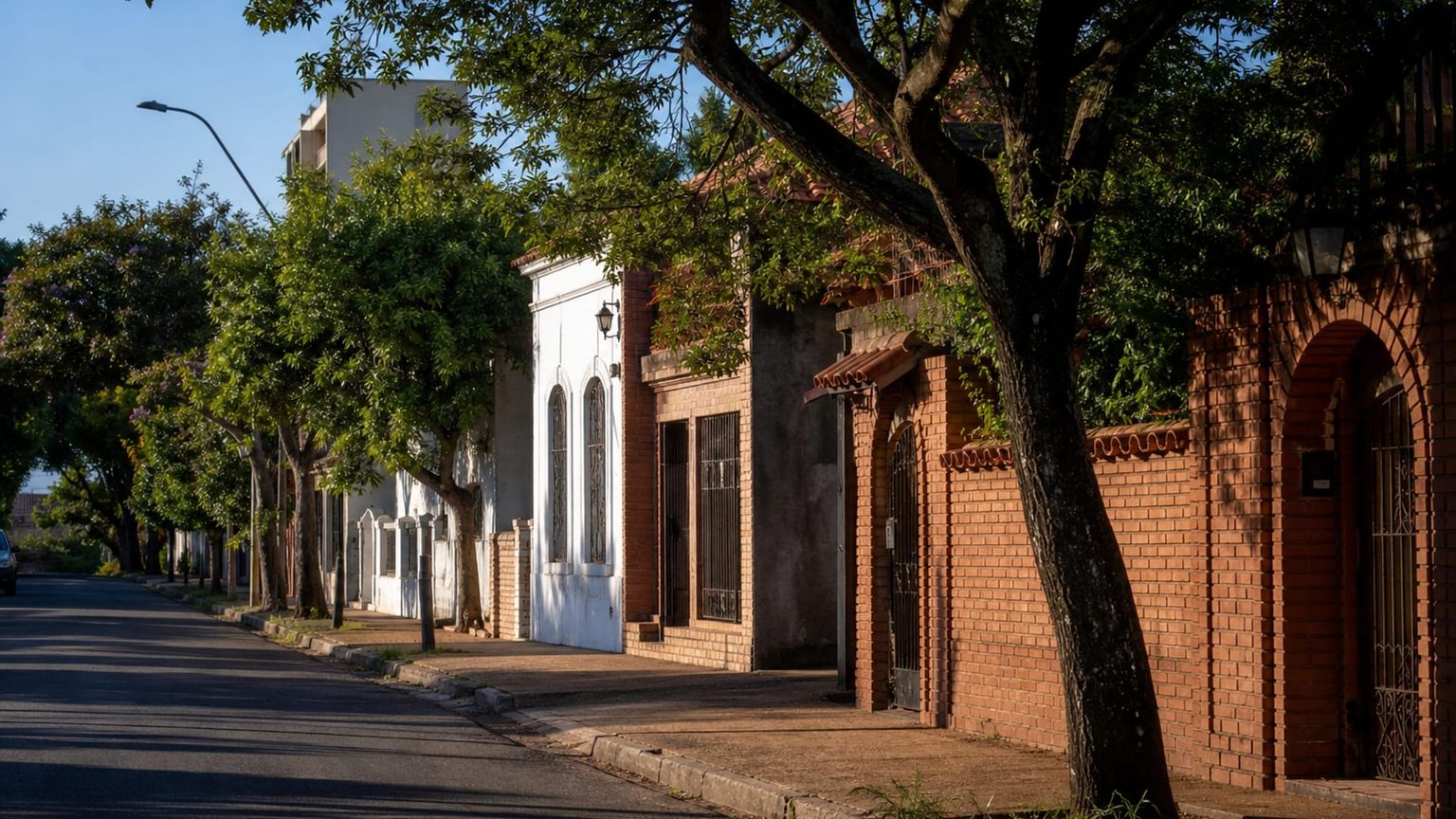
Begin in the CBD at Adelaide Central Market, then walk about 10 minutes to Rundle Mall for shopping and people-watching. After lunch, head north, where a bus or about 25-minute walk brings you to St Peter’s Cathedral crypt for a quieter stop that takes about 20 to 30 minutes, depending on access. End the day in North Adelaide with dinner on the terrace streets, where restaurants and pubs sit close enough together to make an easy evening on foot.
A beach day fits best here, so ride the tram to Glenelg Beach, which usually takes about 35 minutes from the city. Spend the morning and late afternoon between Jetty Road, Moseley Square, and the shoreline, then pause for lunch at a cafe near the foreshore before walking the jetty and the promenade. If you want a fuller outing, stay for sunset, then return to the CBD by tram rather than relying on a late taxi.
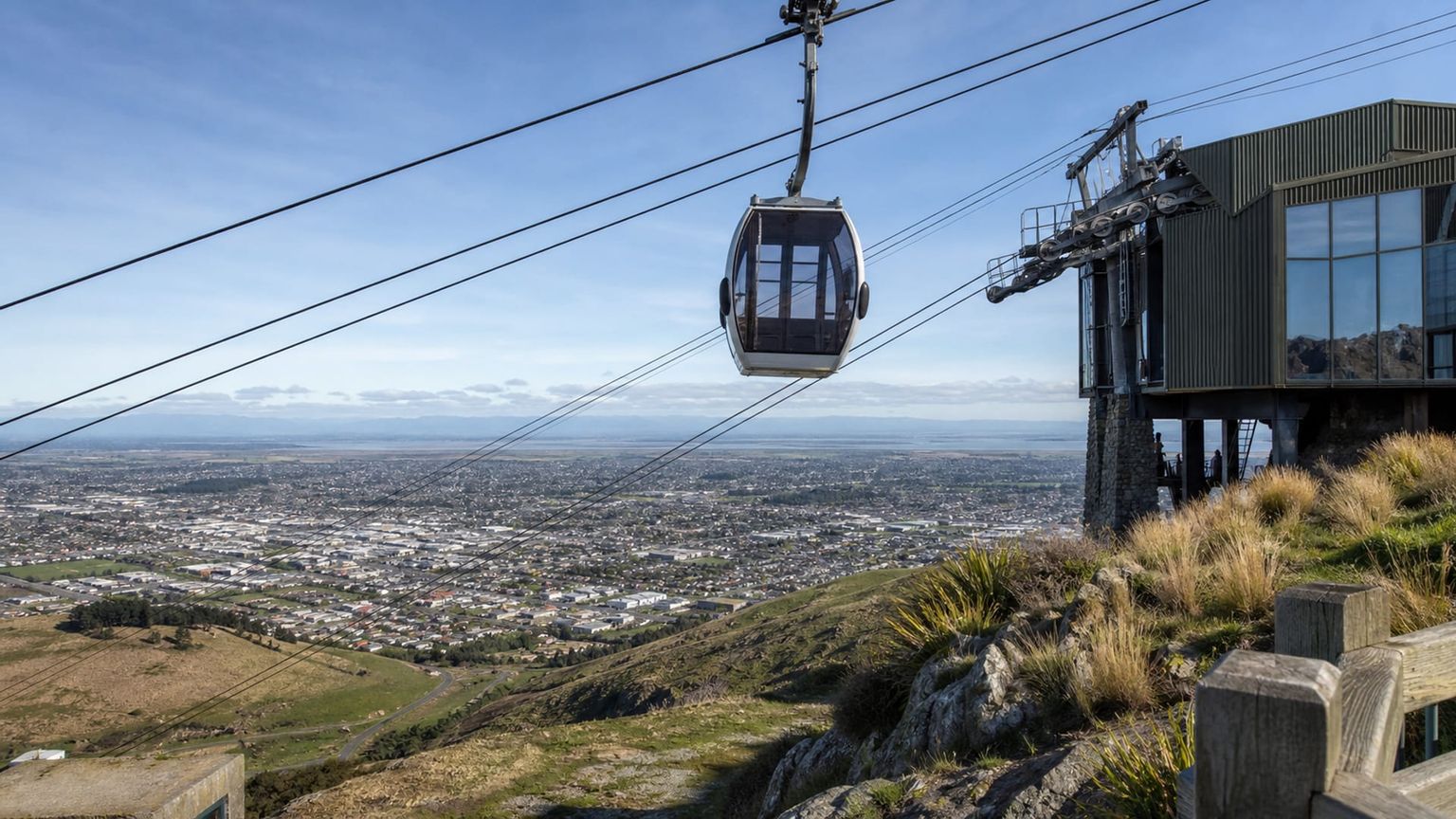
For a final, low-key day, pair a last museum visit with a slow shopping stop in the city center. Return to the Art Gallery of South Australia if you want one more look at the permanent collection, then walk about 10 minutes to the CBD’s retail streets or Rundle Mall for last-minute purchases. Finish with coffee in North Adelaide before heading to Adelaide Airport (ADL), keeping the afternoon free for packing and an easy departure.
Business-class flights from the US to Adelaide
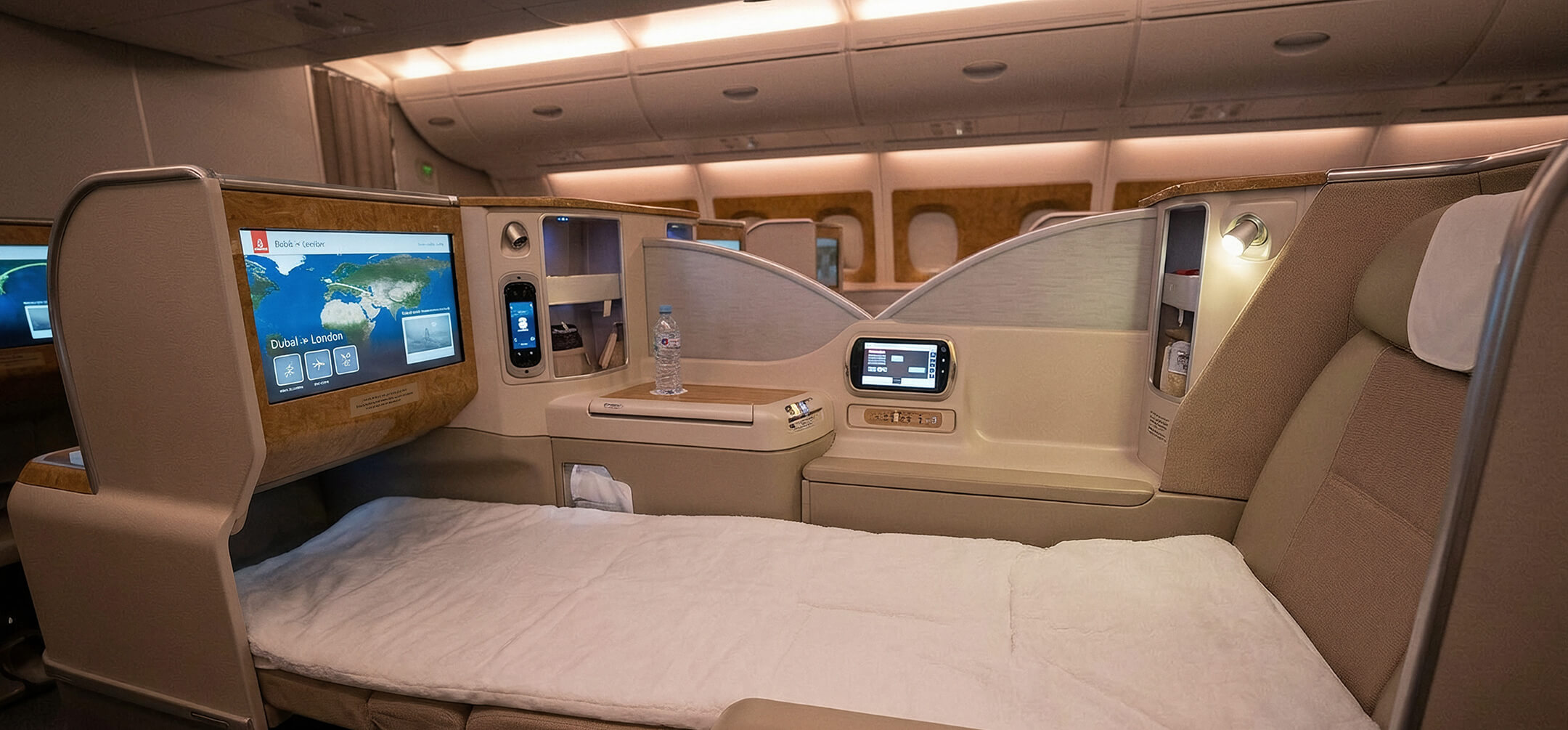
Long-haul flights to Adelaide usually involve at least one stop, and the best option depends on where you start. From New York and Los Angeles, the fare spread can be wide, so it pays to compare timing as well as price.
From New York, airlines such as Qantas Airways, Emirates, Singapore Airlines, Qatar Airways, and United Airlines sell itineraries that typically take 23 to 30 hours with one stop, often through SIN, DOH, DXB, HKG, or LAX. From there, round-trip fares start at $5,500 and can reach $9,500.
Los Angeles offers the faster end of the market, with nonstop trips on Qantas Airways or United Airlines taking about 15 to 16 hours. If you choose a one-stop itinerary, the route usually runs 19 to 28 hours through SYD, MEL, BNE, SIN, or HKG, and round-trip fares start at $4,200 and can reach $7,500.
Adelaide feels different when you slow down
A well-paced Adelaide trip links the CBD, North Terrace, North Adelaide, and Glenelg without forcing long cross-town detours. You can pair the Art Gallery of South Australia with Adelaide Oval, ride the tram to the beach, then return for dinner near Rundle Mall or on the terrace streets. If you want help shaping that mix, the AranGrant experts can build it around your dates and your preferred neighborhood