

Chapters:

Need help with your trip?
Our support team is available 24/7. Request a callback or call us directly at (833) 619-0908
Lanzarote trips often start with a resort base, a day at Timanfaya, and a quick look at the north, while the island’s quieter inland roads and wine country get less time.
That pattern can leave long drives, busier entrances, and rushed meals, because the island rewards early starts and a clear order more than casual wandering.
This guide lays out where to stay, how to move, what to eat, and how to string the days together so each stop fits the next.
Useful things to know
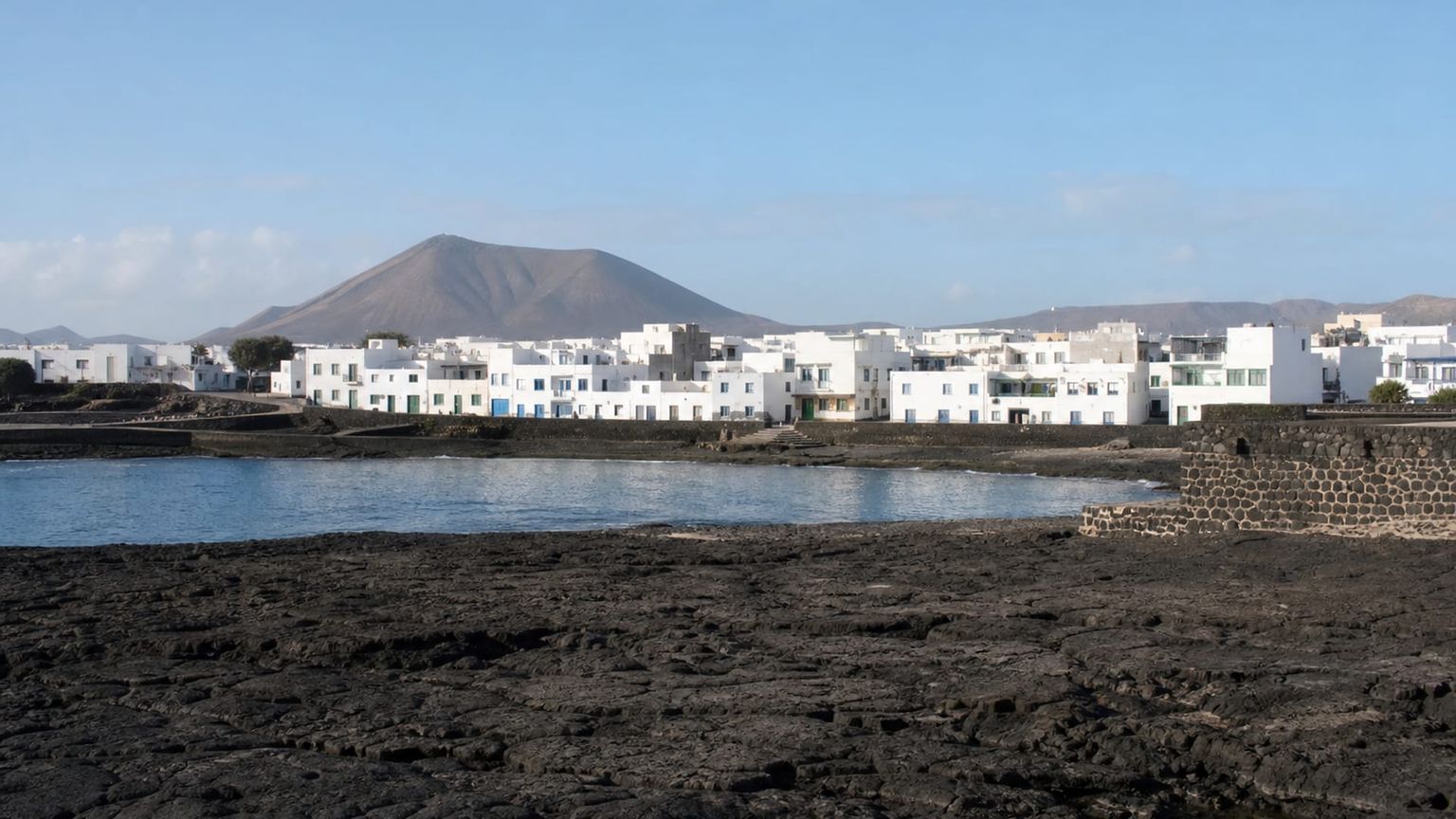

Main language(s): Spanish
Hola (OH-lah) – Hello
Por favor (por fah-VOR) – Please
Gracias (GRAH-syahs) – Thank you
¿Habla inglés? (AH-blah een-GLAYS) – Do you speak English?
¿Cuánto cuesta? (KWAHN-toh KWES-tah) – How much does it cost?

Currency: The local currency is the euro (EUR, €).

Cash and cards: Cards and contactless are widely accepted; keep about €20 to €40 ($22 to $43) in cash for small purchases.

Tipping: Round up small bills; leave about 5-10% in restaurants if service is good.

Traditional food: papas arrugadas, mojos, sancocho canario, gofio

Water and coffee costs: Water ~€2 ($2), bar espresso ~€1.50 to €2.50 ($2 to $3).

Taxis and ride apps: Free Now and Uber operate here; availability can be limited outside Arrecife and the airport.

Plug and voltage: Type C/F socket, 230V

Dining and shop opening hours: Breakfast is about 08:00-10:30, lunch 13:00-15:30, and dinner 20:00-22:30. Many restaurants close between lunch and dinner.

Emergency number: 112 for police, fire, and medical emergencies.
Where to stay in Lanzarote
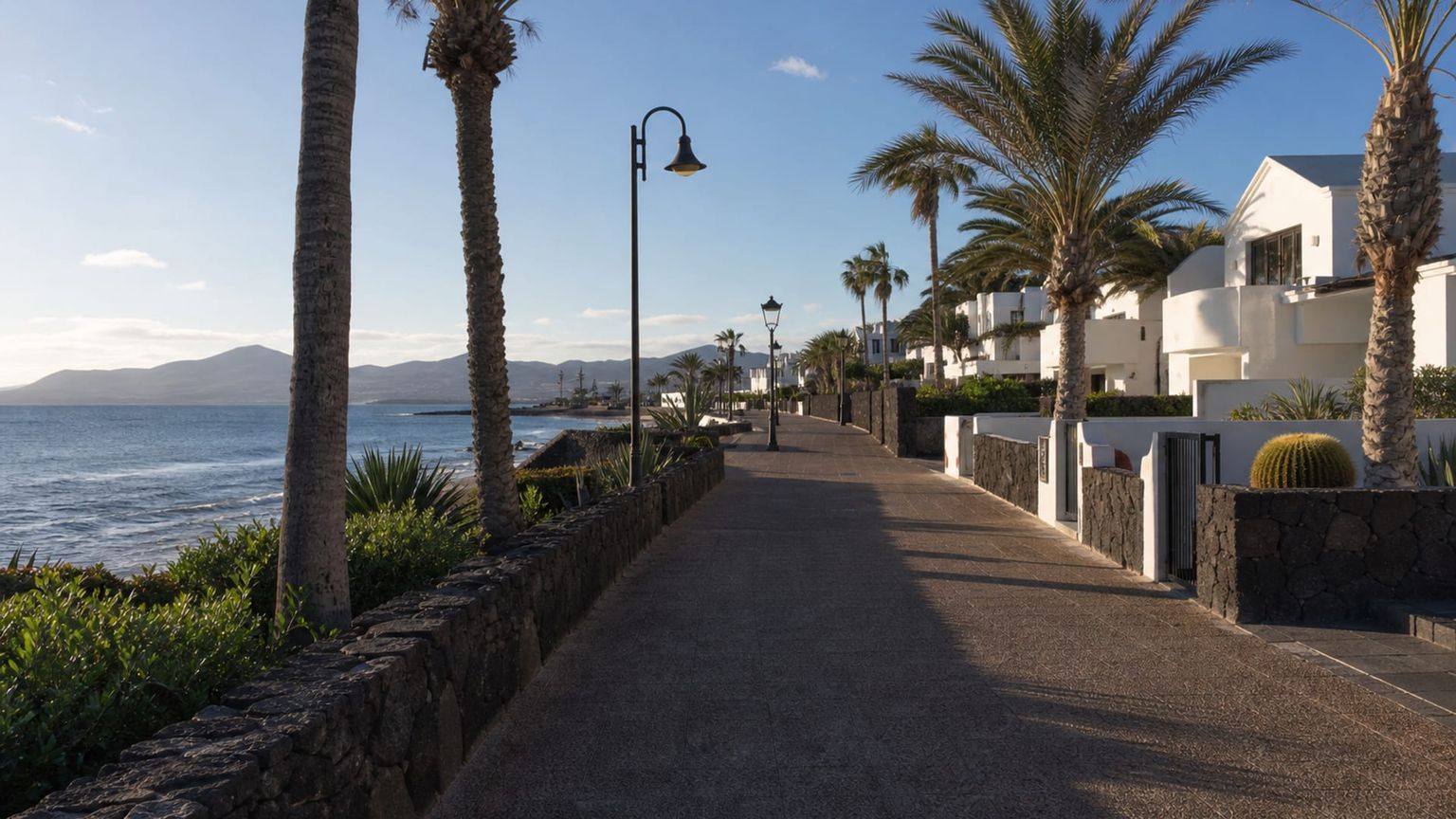
Lanzarote’s best-known resort strip lines a long beach, a marina, and a dense run of restaurants and bars. It matters for travelers who want the island’s widest choice of hotels, easy sea access, and a base that stays active after dark.
Best for: Beach stays, nightlife, and travelers who want the widest hotel choice
What to expect: Busy promenade traffic, many visitors, and a long stretch of shops, bars, and seafront activity.
Hotel prices: Usually about €120 to €260 (~$130 to ~285) per night for well-rated stays
Distance to major sights: About 15 minutes by car to César Manrique Foundation, about 20 minutes by car to Timanfaya National Park visitor area
Quietness: Lively through the day and often noisy late into the evening near the main strip.
Main trade-off: You get the most activity and hotel inventory, but the busiest seafront blocks can feel crowded and parking can be tight in peak season.
Good to know: Choose a room away from the promenade if you want sleep before midnight; many lower-floor units take in music from nearby bars.
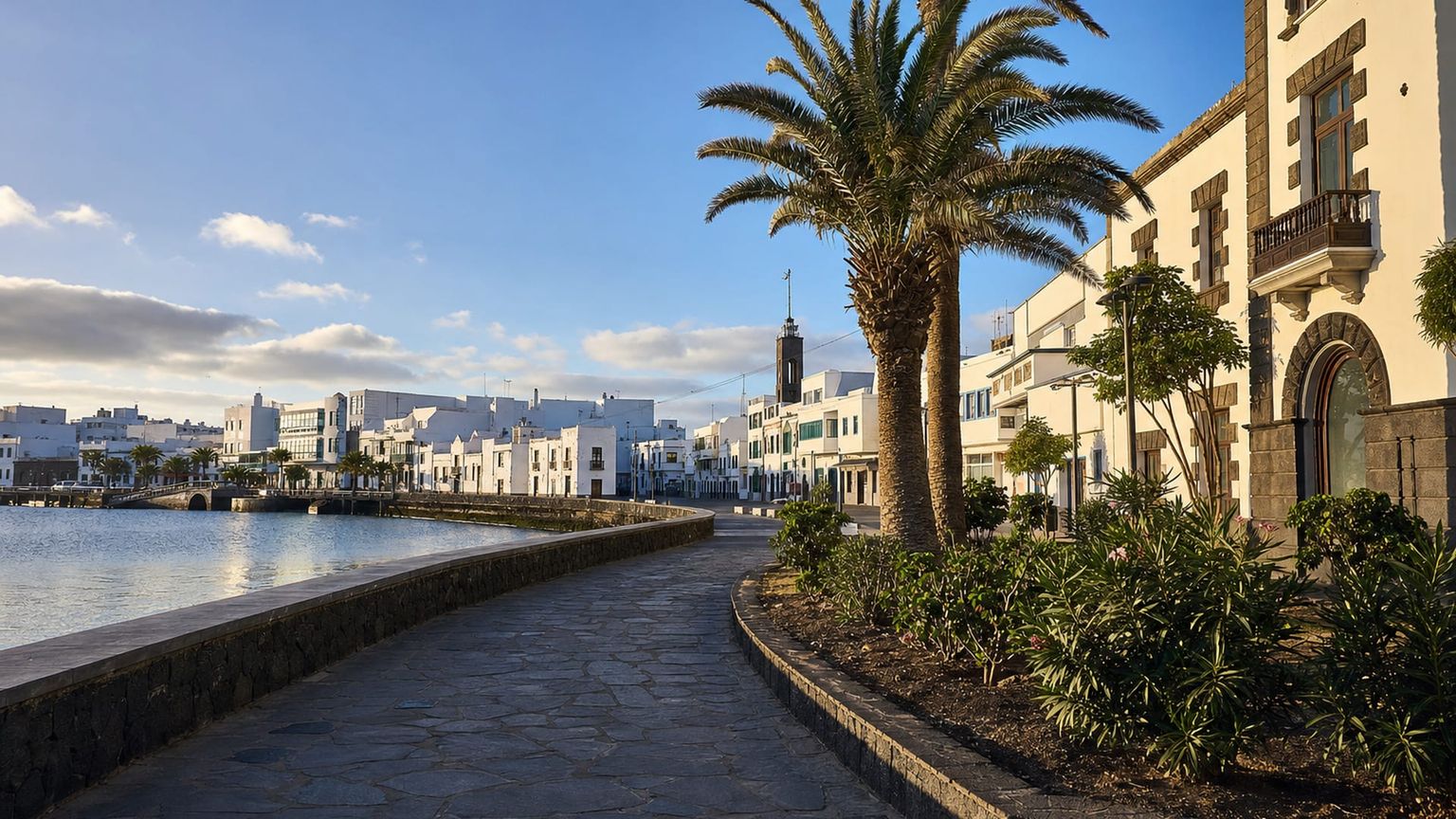
Arrecife is Lanzarote’s capital, with government offices, the main bus station, the port, and a compact urban center. It matters if you want a central, nonresort base with the island’s best public transport links and a more local city setting.
Best for: Public transport users, short business stays, and travelers who prefer a city base
What to expect: Local streets, commuter movement, and a quieter evening scene than the resort towns.
Hotel prices: Usually about €90 to €170 (~$100 to ~185) per night for well-rated stays
Distance to major sights: About 10 minutes on foot to San Ginés, about 15 minutes by car to César Manrique Foundation
Quietness: Moderate during the day, then much calmer after office hours and dinner.
Main trade-off: You gain transport access and lower resort markup, but beach time and late dining usually require a bus, taxi, or car.
Good to know: If you plan to move around the island by bus, staying near the station saves time, especially for early departures.
Playa Blanca sits at the southern tip of Lanzarote, with a marina, sheltered coves, and easy ferry access to Fuerteventura. It matters for travelers who want a newer resort base with a calmer waterfront than Puerto del Carmen and good access to the south coast.
Best for: Families, ferry connections, and travelers who want a calmer resort base
What to expect: Tourist-oriented streets, a waterfront promenade, and a steady but less intense evening scene.
Hotel prices: Usually about €130 to €280 (~$140 to ~305) per night for well-rated stays
Distance to major sights: About 25 minutes by car to Timanfaya National Park visitor area, about 10 minutes on foot to Playa Dorada
Quietness: Busy near the promenade in the day, then noticeably quieter once dinner crowds thin out.
Main trade-off: You are farther from Arrecife and the north, so island-wide sightseeing takes longer by car or bus.
Good to know: Ferry day trips are simple from here, but car-free travelers should check evening bus times before booking dinner plans.
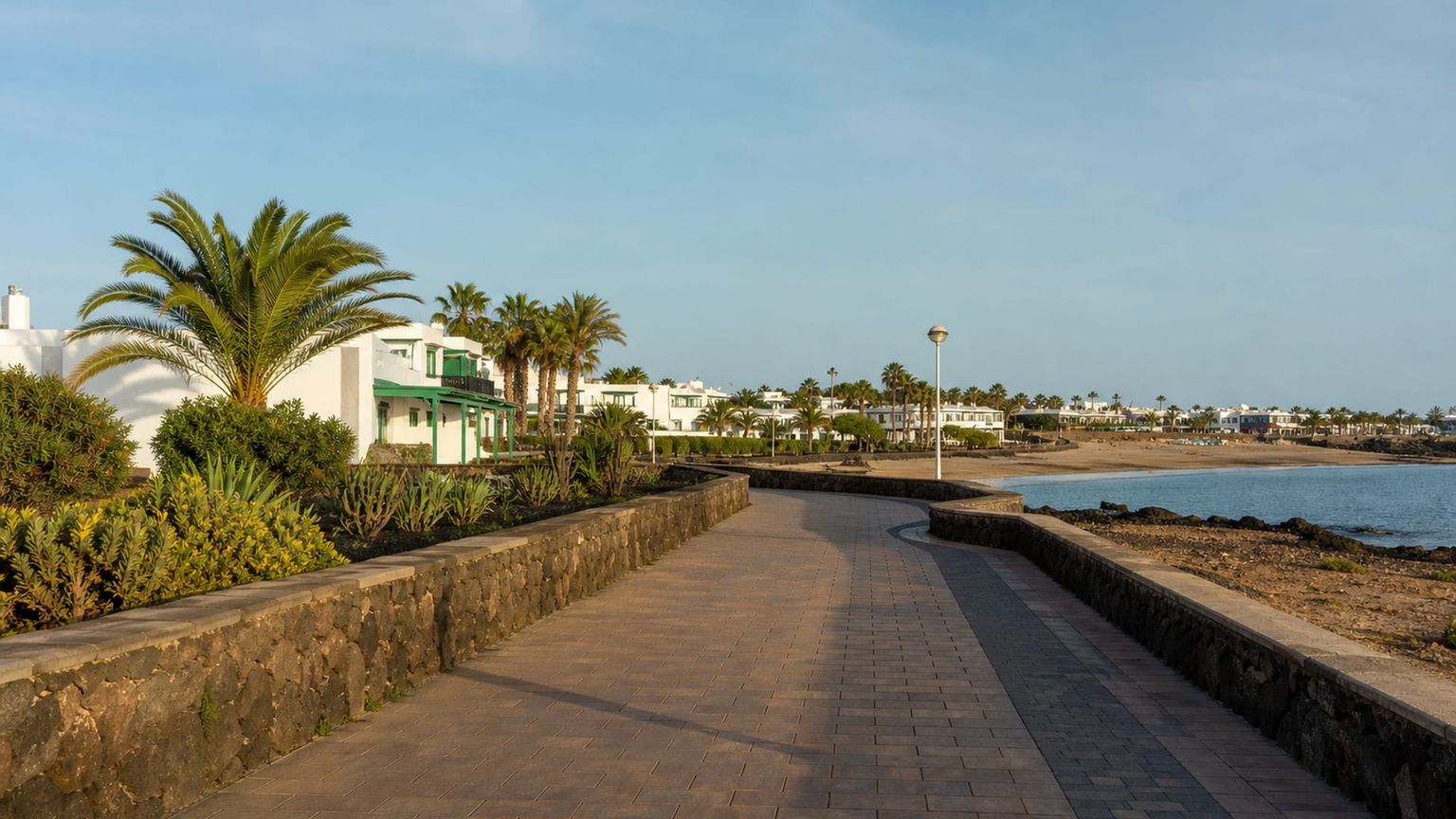
Costa Teguise is a purpose-built resort town on the east coast, known for beaches, wind sports, and a wide spread of apartments and hotels. It matters for visitors who want a resort base with easy beach access and a location that works well for exploring the island by car.
Best for: Beach access, wind sports, and travelers renting a car
What to expect: Resort streets, families, and a steady flow of visitors around the beach and dining areas.
Hotel prices: Usually about €100 to €220 (~$110 to ~240) per night for well-rated stays
Distance to major sights: About 10 minutes by car to Arrecife, about 15 minutes by car to César Manrique Foundation
Quietness: Active in the day and relatively calm away from the main squares at night.
Main trade-off: The setting is convenient for beaches and road trips, but it lacks the character and late-night options of the bigger resort strip.
Good to know: Beachfront stays can catch more wind and surf noise, so inland blocks are worth considering if you prefer quieter evenings.
Travelers usually avoid Arrecife if they want a leisure base, since the capital centers on local services and the airport rather than major sights, and evenings are quieter outside the core. Costa Teguise’s edge zones, Playa Honda, Puerto del Carmen’s far eastern stretches, and Playa Blanca’s outskirts are less convenient if you plan to move around the island often, because they add distance to Timanfaya, the wine region, and the northern viewpoints, while some areas have fewer visitor amenities and more limited night transport.
Hotel deals
How to get around Lanzarote efficiently
ACE sits close to the main resort towns, and the island bus network, taxis, and ride apps each solve a different part of the trip.

Metro
for longer distances
Lanzarote has no metro, so there is no underground network to use from ACE. The closest public-transit option is the island bus network, which links Arrecife, Costa Teguise, Puerto del Carmen, Playa Blanca, and the airport; tickets are usually paid on board or with a transport card, and most airport-to-resort rides take roughly 10 to 40 minutes.

Bus and tram
for convenience
From ACE, Intercity Bus Lanzarote runs the key airport links, including route 22 to Arrecife and route 23 to Puerto del Carmen, with onward buses to other towns. A single ride usually costs about $2 to $6 (€2 to €5), and fares vary by distance; buses are limited late at night, so check the timetable before planning an arrival or departure transfer.

Taxi
for convenience or late hours
Licensed taxis queue outside Lanzarote (ACE) and use metered fares, not fixed airport pricing, with supplements for luggage, nights, Sundays, and holidays. A short hop into Arrecife is about $12 to $18 (€11 to €17), Puerto del Carmen about $19 to $30 (€18 to €28), Costa Teguise about $28 to $38 (€26 to €35), and Playa Blanca about $48 to $65 (€45 to €60); most cabs accept cards, though cash is still common.
*Prices are based on rates updated as of June 2026 and may change at the time of travel.
Use buses for airport and town links, taxis for point-to-point transfers, and ride apps when you are already in Arrecife or near the airport.
Iconic landmarks
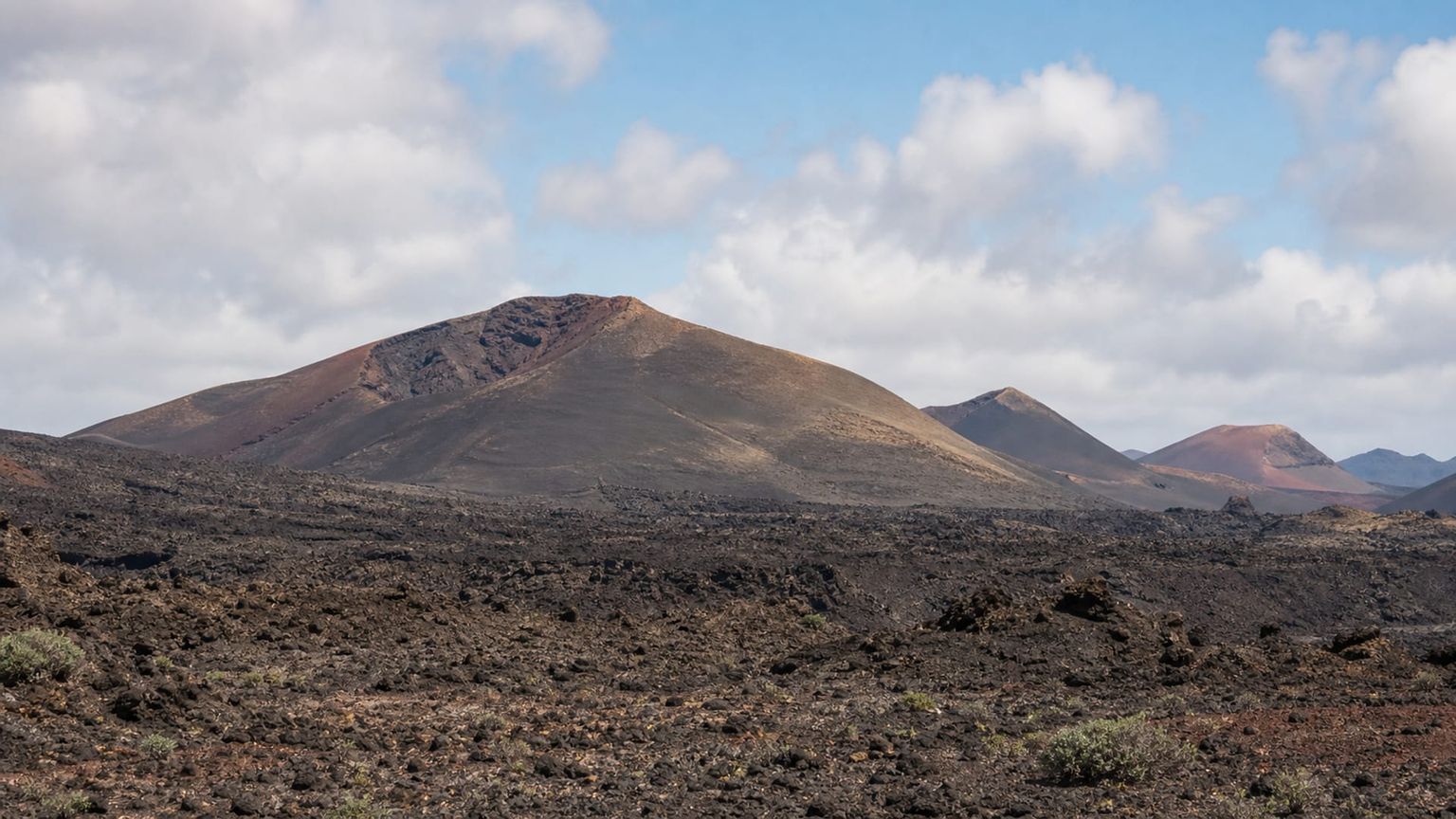
Timanfaya National Park
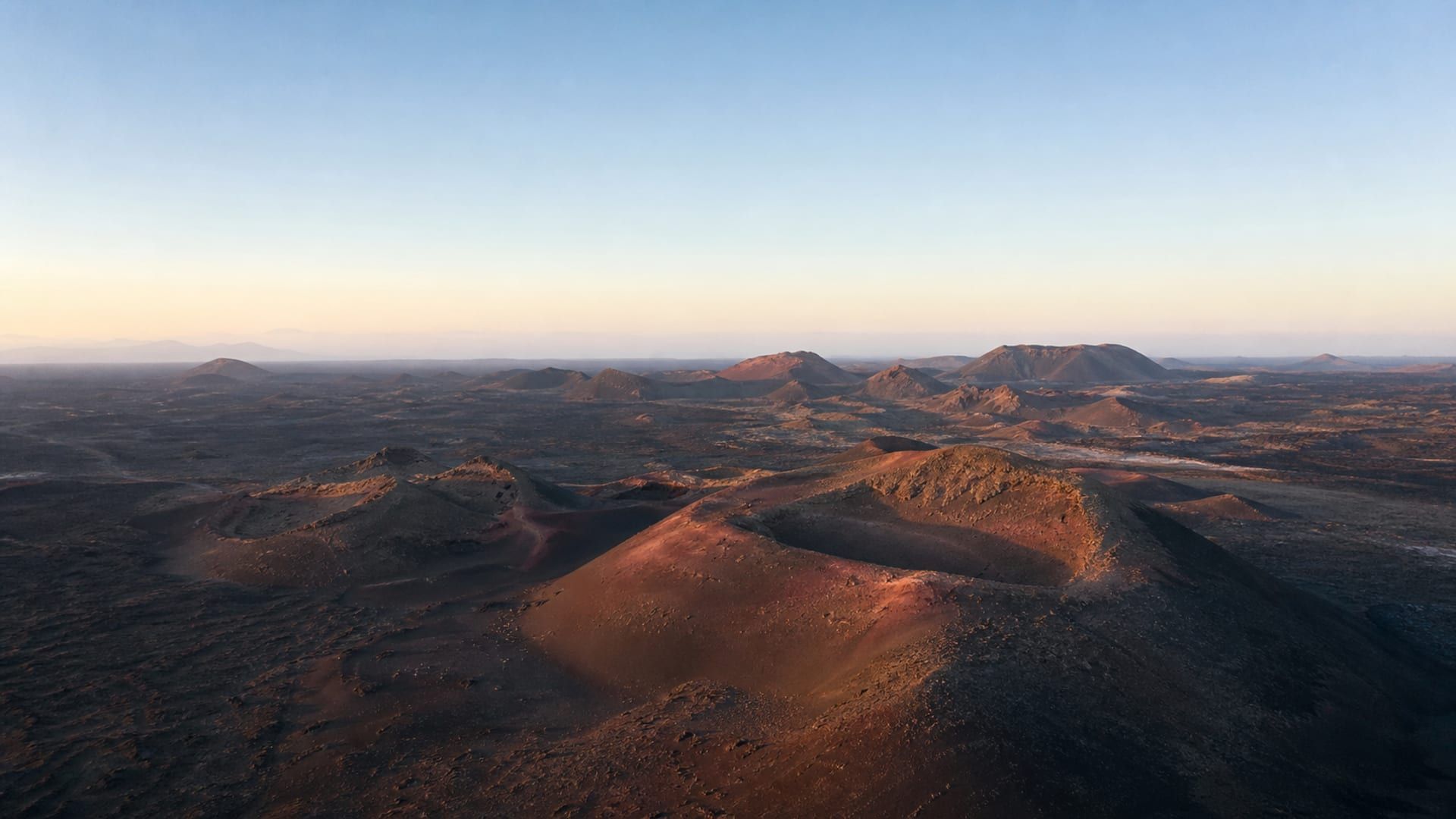
Timanfaya National Park shows Lanzarote’s volcanic interior through the Montañas del Fuego, where guided coach routes pass lava fields, steam vents, and craters. The Islote de Hilario demonstrations show heat still close to the surface.
Time needed: About 2 to 3 hours
Entry: Standard admission costs about $17 ($15) for adults and $8 ($7) for children; guided access and geothermal demos are included in the park visit. Visit the official site for details.
Tip: Go early for cooler weather and clearer views; midday crowds build on coach routes.
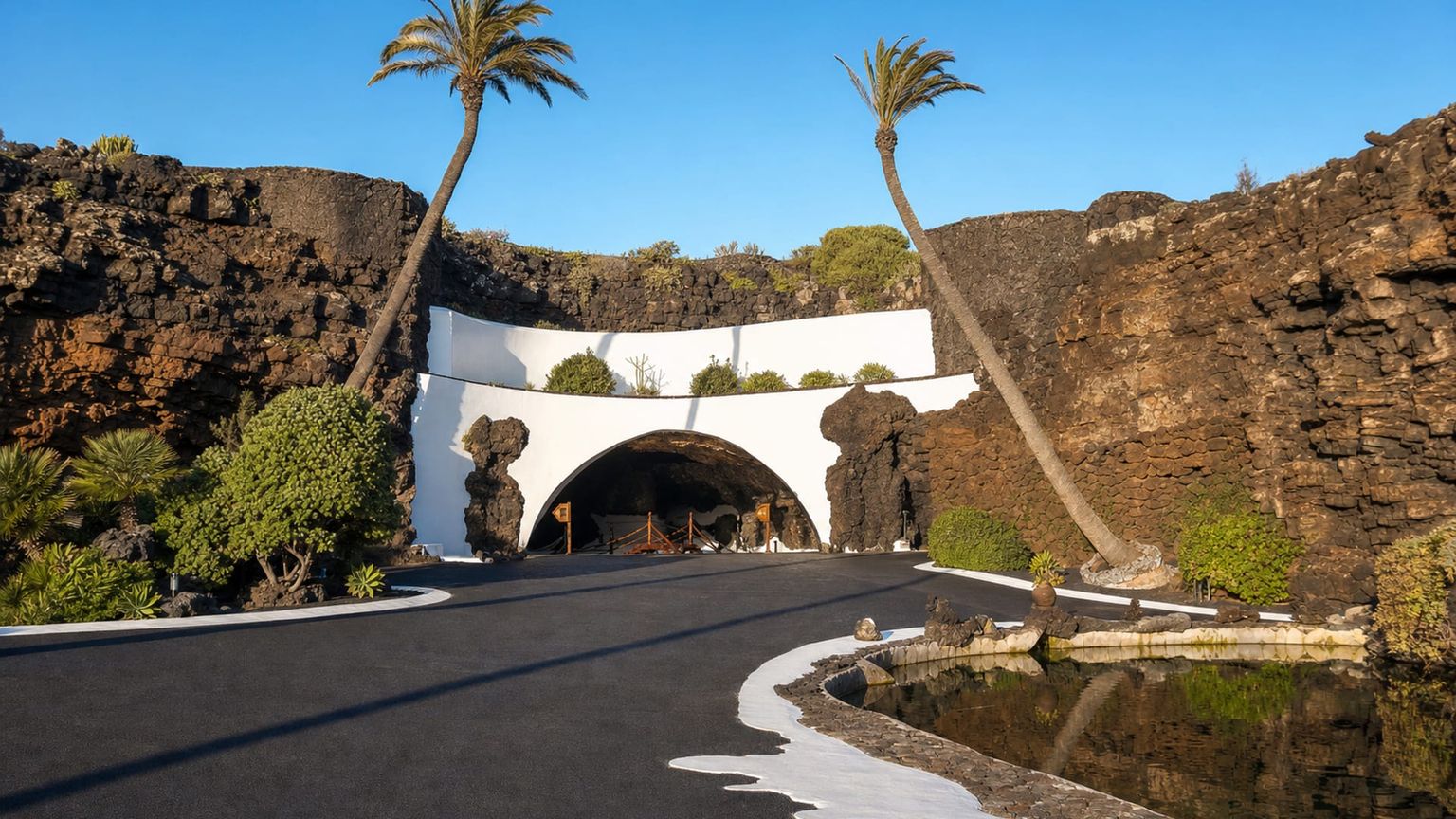
Jameos del Agua
Jameos del Agua transforms a lava tube into César Manrique’s landmark complex, with an underground lake, a concert cave, and gardens set into the volcanic rock. Its white walls and black stone frame one of Lanzarote’s most distinctive interiors.
Time needed: About 1 to 2 hours
Entry: Standard tickets cost about $16 ($14) for adults and $8 ($7) for children, with discounts for Canary Islands residents and combined passes. Visit the official site for details.
Tip: Visit late morning or near closing, when tour groups thin and the lava tube is easier to enjoy.
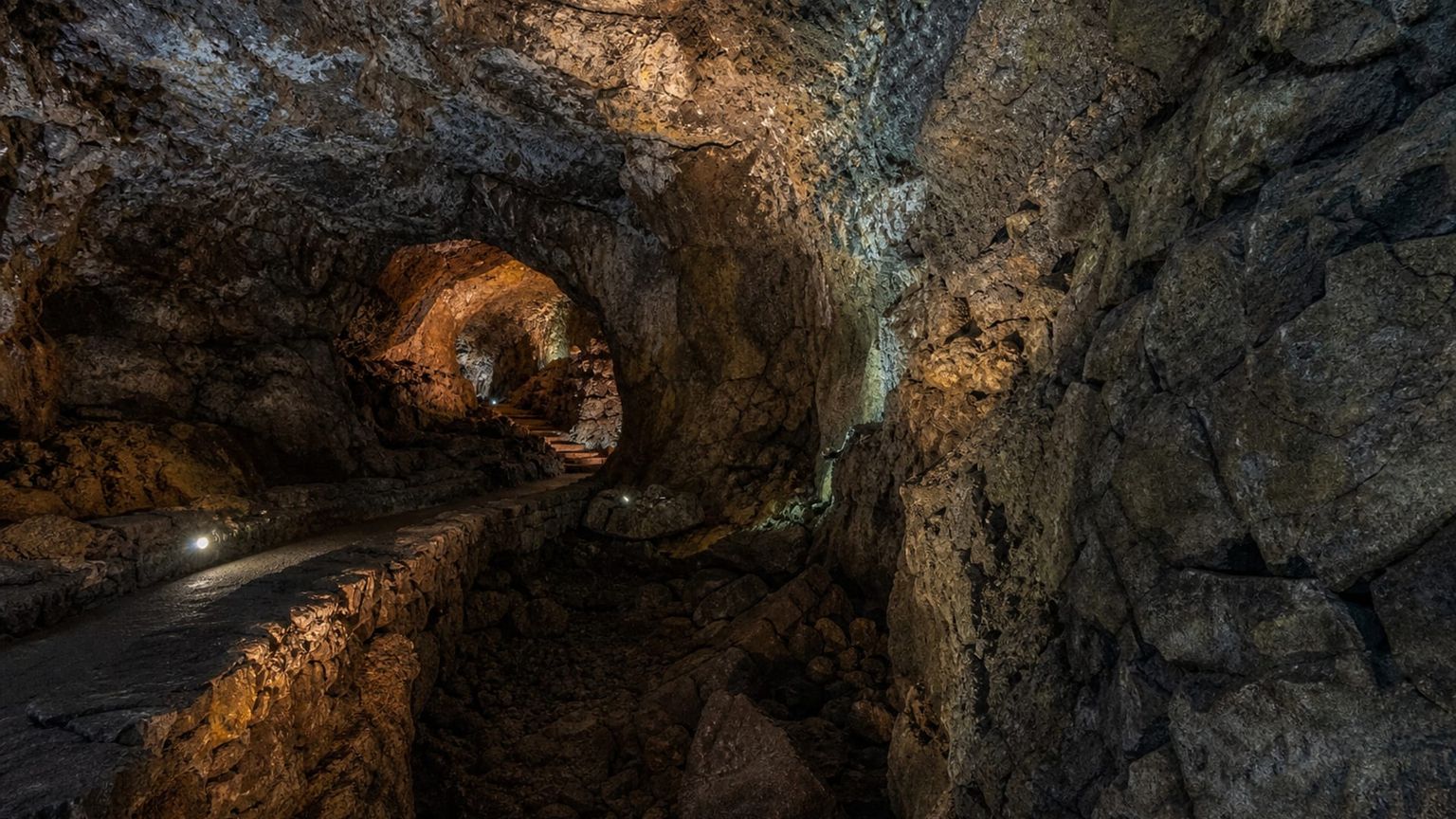
Cueva de los Verdes
Cueva de los Verdes leads visitors through a volcanic tunnel formed by the Corona eruption, with lit chambers, low passages, and a dramatic finale shaped by natural acoustics. The route shows how lava carved a long, hidden corridor.
Time needed: About 1 hour
Entry: Standard tickets cost about $12 ($10) for adults and $6 ($5) for children, with guided entry only and reduced rates for residents. Visit the official site for details.
Tip: Wear closed shoes and arrive a little early, since guided groups enter at fixed intervals.
Overlooked sites worth visiting

La Geria wine landscape
Black ash walls ring low vines across Lanzarote’s central valley, with cellar roads threading past small bodegas and lava fields. Visit at sunrise or late afternoon for the quietest roads and clearest light.
Time needed: About 1 to 2 hours
Entry: Free to drive and walk the public roads and vineyard edges; tasting rooms and winery visits, where offered, usually charge about $6 to $18 ($6 to €17) per person, often redeemable on bottle purchases or paired tastings.
Tip: Go early, before tour vans stop at the bodegas.

Aloe Plus Lanzarote
This small aloe farm and museum near the island’s center shows how the crop is grown, harvested, and turned into gel products. The short indoor visit suits a quick stop between coastal drives and dinner.
Time needed: About 45 minutes to 1 hour
Entry: Admission is usually free for the grounds and shop, with paid factory tours or product demos, when available, typically costing about $5 to $10 ($5 to €9) per person; packaged items are sold separately. Visit the official site for details.
Tip: Pair it with a midday drive, when the indoor exhibits offer shade.
Traditional food
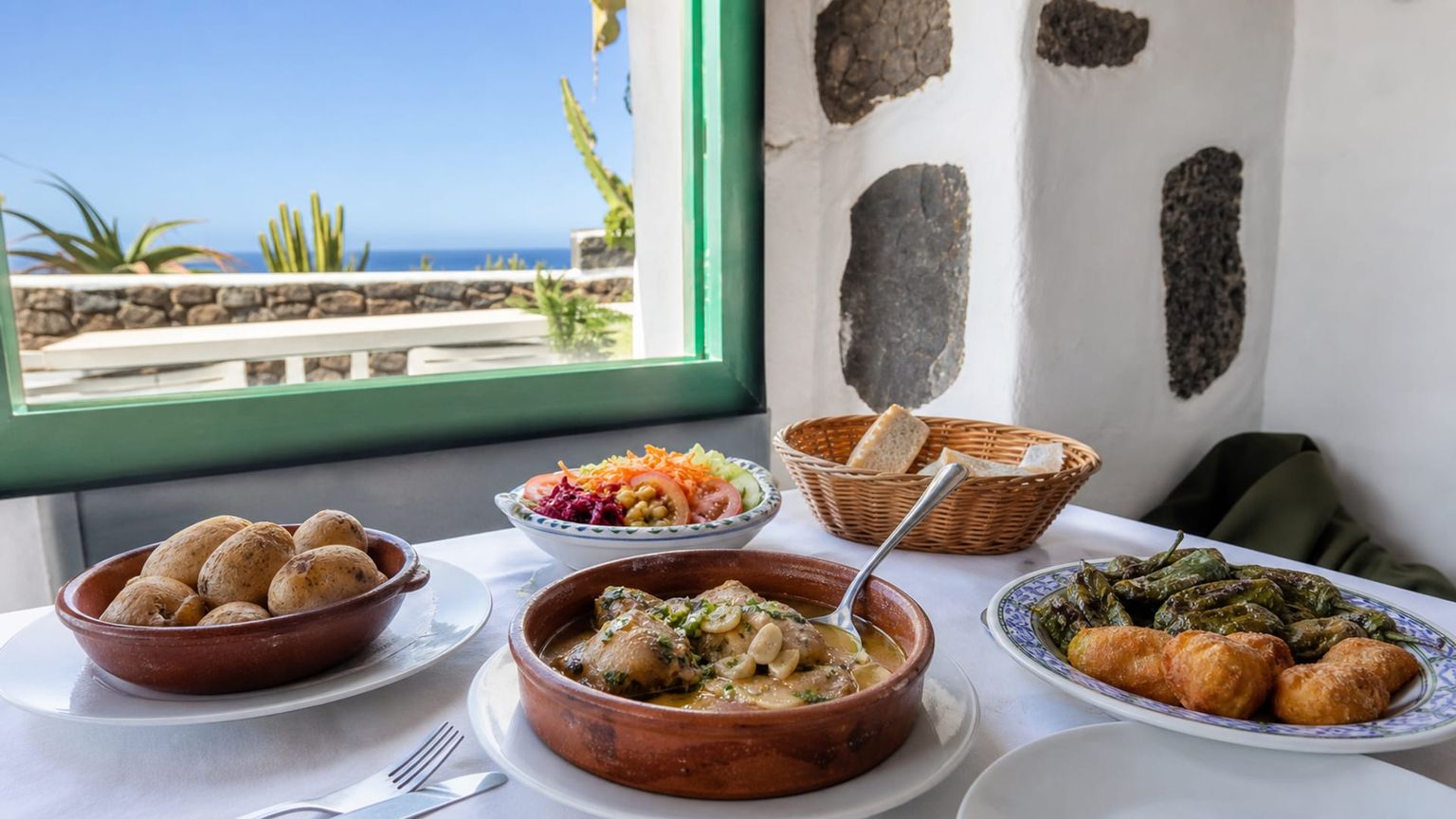
Lanzarote cooking leans on papas arrugadas, mojos, fish, and goat, with gofio and sancocho canario rounding out the plate; meals often stay unhurried, and many kitchens pause between lunch and dinner.
Papas arrugadas
These wrinkled potatoes arrive with sharp mojo sauces and suit a first meal after a beach day. At La Cocina de Colacho in Playa Blanca, the plate sits comfortably beside the island’s seafood focus.
Mojos
The red and green sauces anchor countless Lanzarote meals, from potatoes to grilled vegetables and fish. Restaurante El Navarro in Puerto del Carmen uses them in a setting that matches the island’s local cooking style.
Sancocho canario
This Canarian fish stew, usually served with sweet potato and gofio, gives a fuller inland or family-style lunch. La Carmencita del Puerto in Puerto del Carmen is a strong place to try it.
Gofio
The toasted grain flour shows up in soups, desserts, and savory sauces, giving Lanzarote food a distinctive nutty base. El Risco in Famara pairs it with island ingredients in a dining room known for regional cooking.
Best time to visit Lanzarote
Lanzarote works in every season, but wind, heat, and the size of the island make spring and autumn the easiest times for a wide itinerary.
Best for: Clear sightseeing days and comfortable driving
What you get: About 66 to 75°F (19 to 24°C), with moderate crowds and bright light for the volcano and north coast
Trade-offs: Wind can still shape beach plans
Best for: Beach time and long evenings
What you get: About 72 to 82°F (22 to 28°C), with the busiest resort scene and more demand at restaurants and tours
Trade-offs: Midday sun and peak-season prices raise the pace
Best for: Warm water and balanced sightseeing
What you get: About 70 to 79°F (21 to 26°C), with fewer visitors after the summer peak and good road conditions
Trade-offs: Occasional short bursts of wind or rain can interrupt plans
Best for: Milder hiking, quieter towns, and the clearest room rates
What you get: About 63 to 70°F (17 to 21°C), with lighter crowds and cool evenings
Trade-offs: Beach time is limited unless the sun is strong
A realistic 5-day plan in Lanzarote
The five-day plan starts close to your landing point, then builds outward in a way that keeps the longest drives tied to the biggest sights. It gives the volcanic south, the northern lava landmarks, and the capital an order that works without backtracking.
Land at Lanzarote (ACE), then take a taxi or prebooked transfer into Puerto del Carmen or Arrecife, which usually takes about 10 to 20 minutes and costs roughly $16 to $35 depending on distance and time of day. If you want beach access and the widest choice of restaurants, base yourself near Puerto del Carmen’s promenade; if you prefer a quieter city setting with bus links, Arrecife works well. Drop your bags, drink plenty of water, and keep dinner close to your hotel, a seafront seafood spot in Puerto del Carmen or a simple café near Arrecife’s San Ginés area keeps the first night easy.
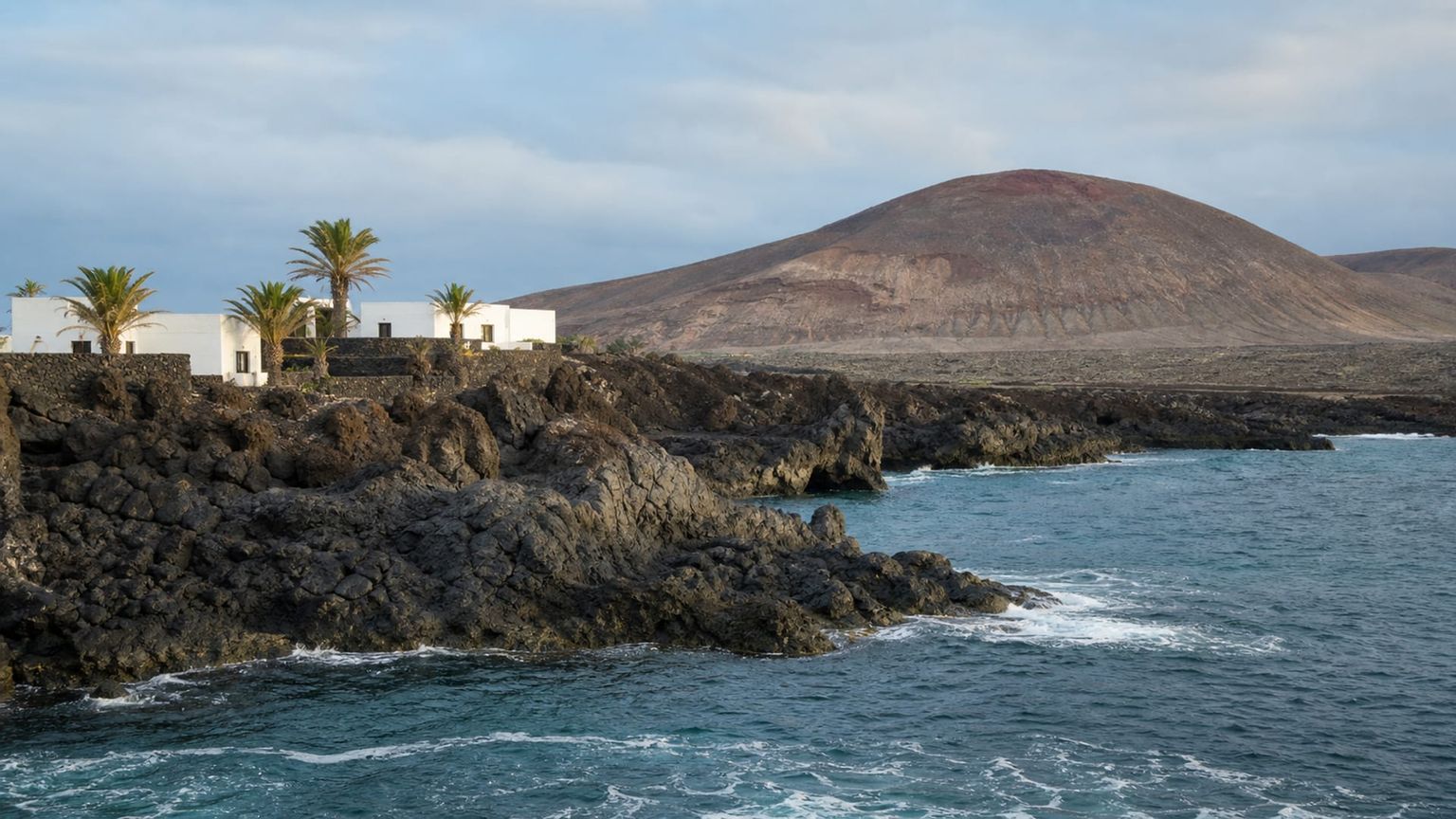
Start early for Timanfaya National Park, then head inland for La Geria wine landscape on the same loop. From Puerto del Carmen, the drive to Timanfaya takes about 20 minutes, and from there La Geria is about 15 to 20 minutes by car, so the two fit neatly into one volcanic day. Allow about 2 to 3 hours for Timanfaya’s guided visit, then spend 1 to 2 hours among the black-ash vineyard rows and tasting rooms. If you are staying in Playa Blanca, Timanfaya is about 25 minutes away by car, while La Geria sits another short drive north, so an early departure keeps the roads calmer and the light better for photos.
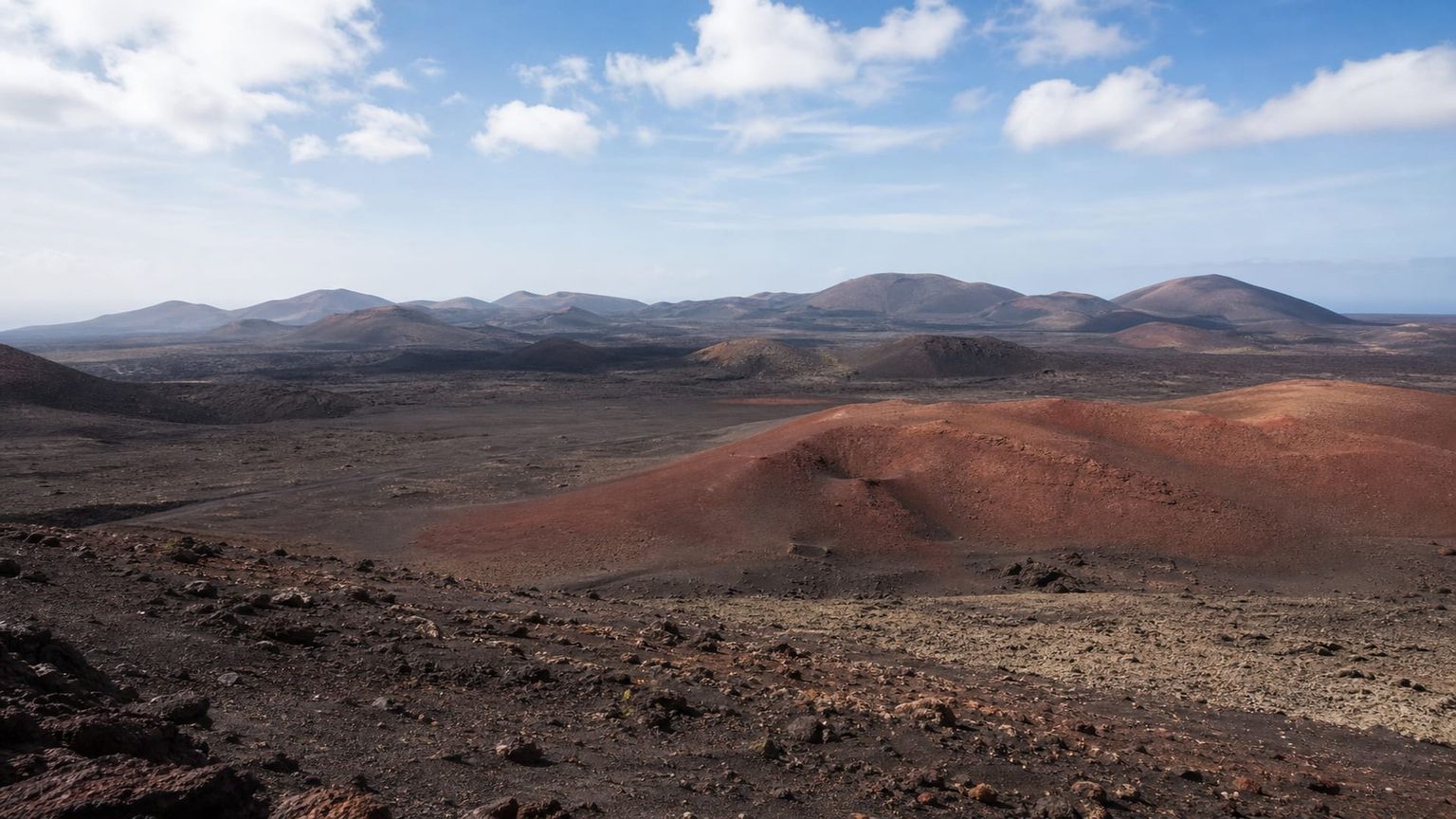
Begin with Jameos del Agua, then continue to Cueva de los Verdes, two northern highlights linked by about a 10-minute drive. Jameos del Agua usually takes 1 to 2 hours, and its lava-tube spaces, garden terraces, and underground lake reward a slower visit. After that, move to Cueva de los Verdes for about 1 hour, where guided entry leads through lit chambers and narrow passages with a strong acoustic finale. If you are staying in Costa Teguise, the drive north is roughly 20 minutes to Jameos del Agua and a little longer to Cueva de los Verdes, so you can return to the east coast for an early dinner.
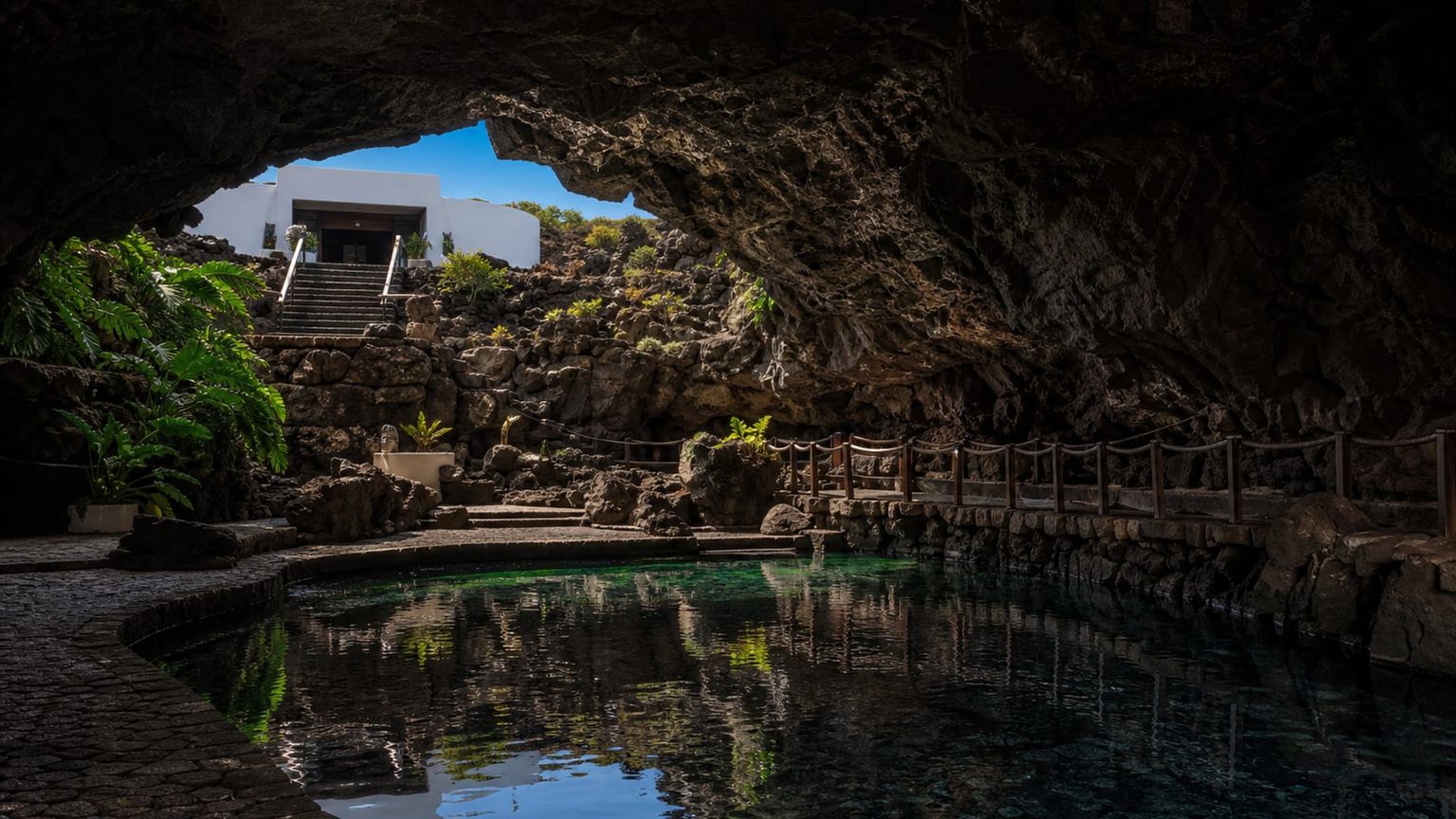
For a lower-key inland stop, start at Aloe Plus Lanzarote, then finish the afternoon in Arrecife. The aloe farm and museum takes about 45 minutes to 1 hour, and it pairs well with a midday drive through the island’s center, especially if you want an indoor break from the wind. From Costa Teguise, the drive is about 10 minutes to Arrecife and about 15 minutes to Aloe Plus Lanzarote, so you can make a tidy half-day circuit. In Arrecife, walk the compact center near the bus station and port, then sit down for dinner by San Ginés or the waterfront before heading back to your base.
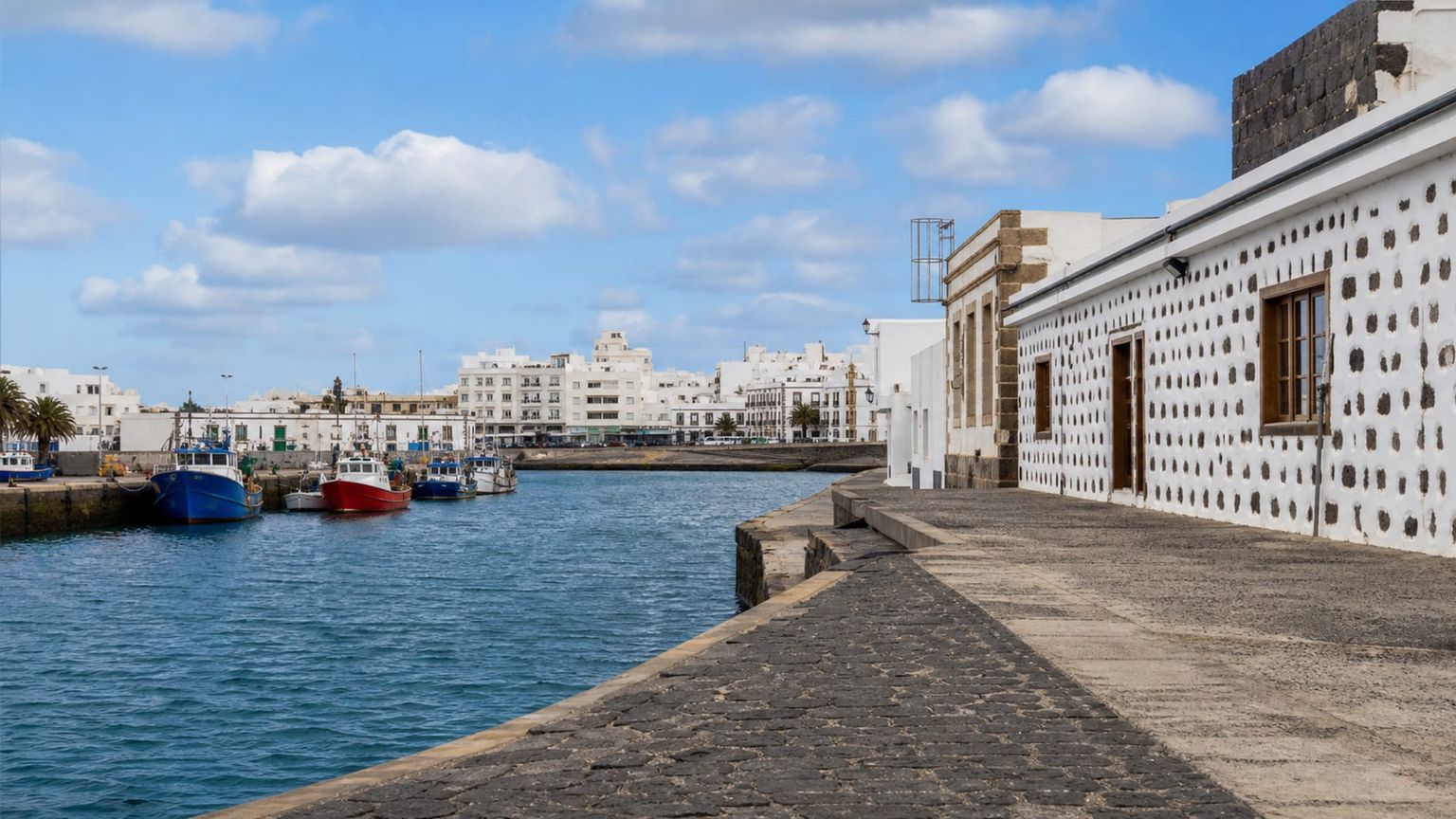
Before you pack, spend a final morning in Puerto del Carmen or Arrecife with a short café stop and a last browse through local shops, since both areas work well for an unhurried last few hours. If you are in Arrecife, the port area and central streets make it easy to pick up snacks or gifts without a long detour; in Puerto del Carmen, the promenade gives you one more sea view and plenty of places for coffee. Keep departure day simple, with a late breakfast, a final walk, and a taxi back to Lanzarote (ACE) about 2 hours before your flight.
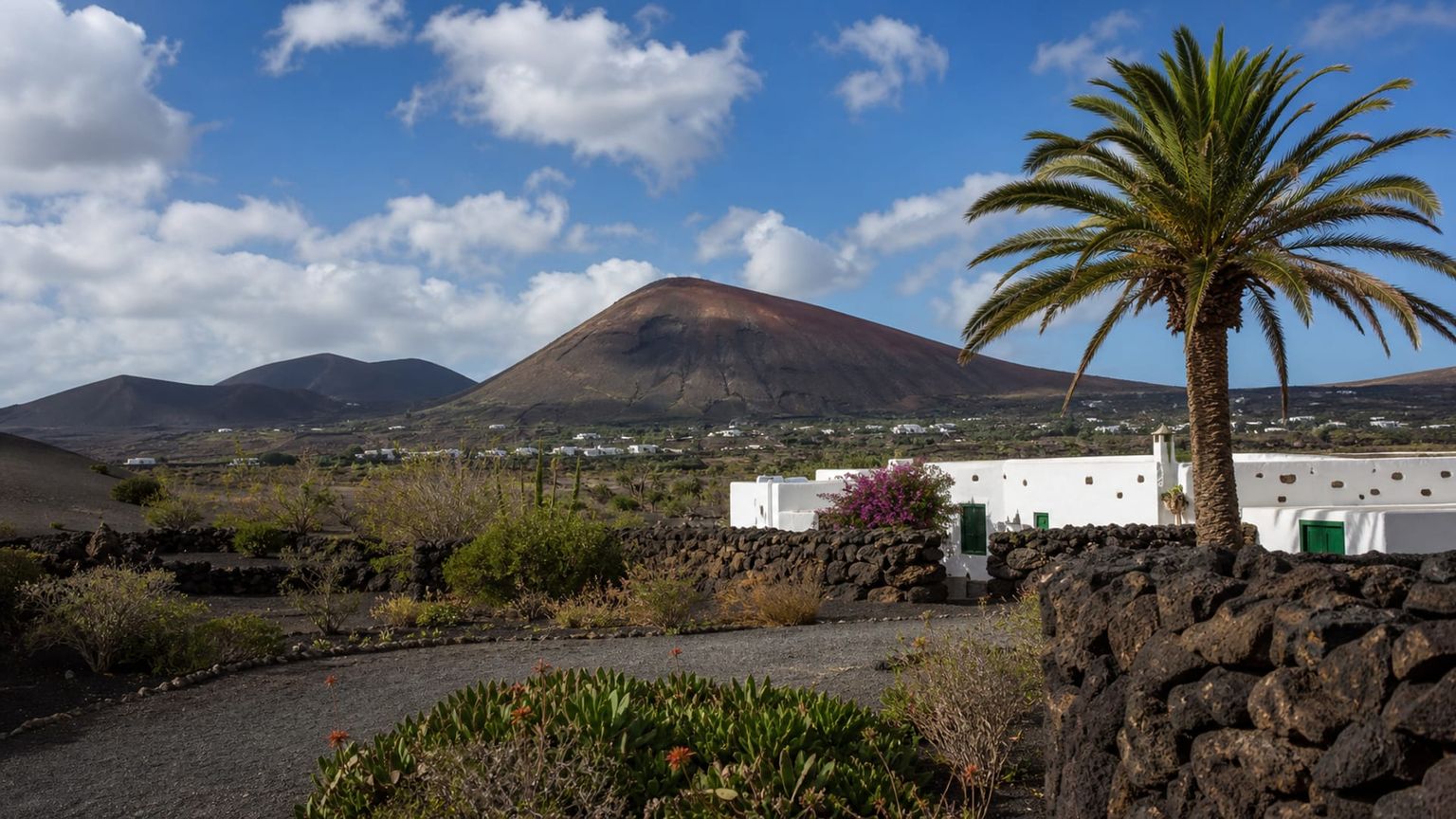
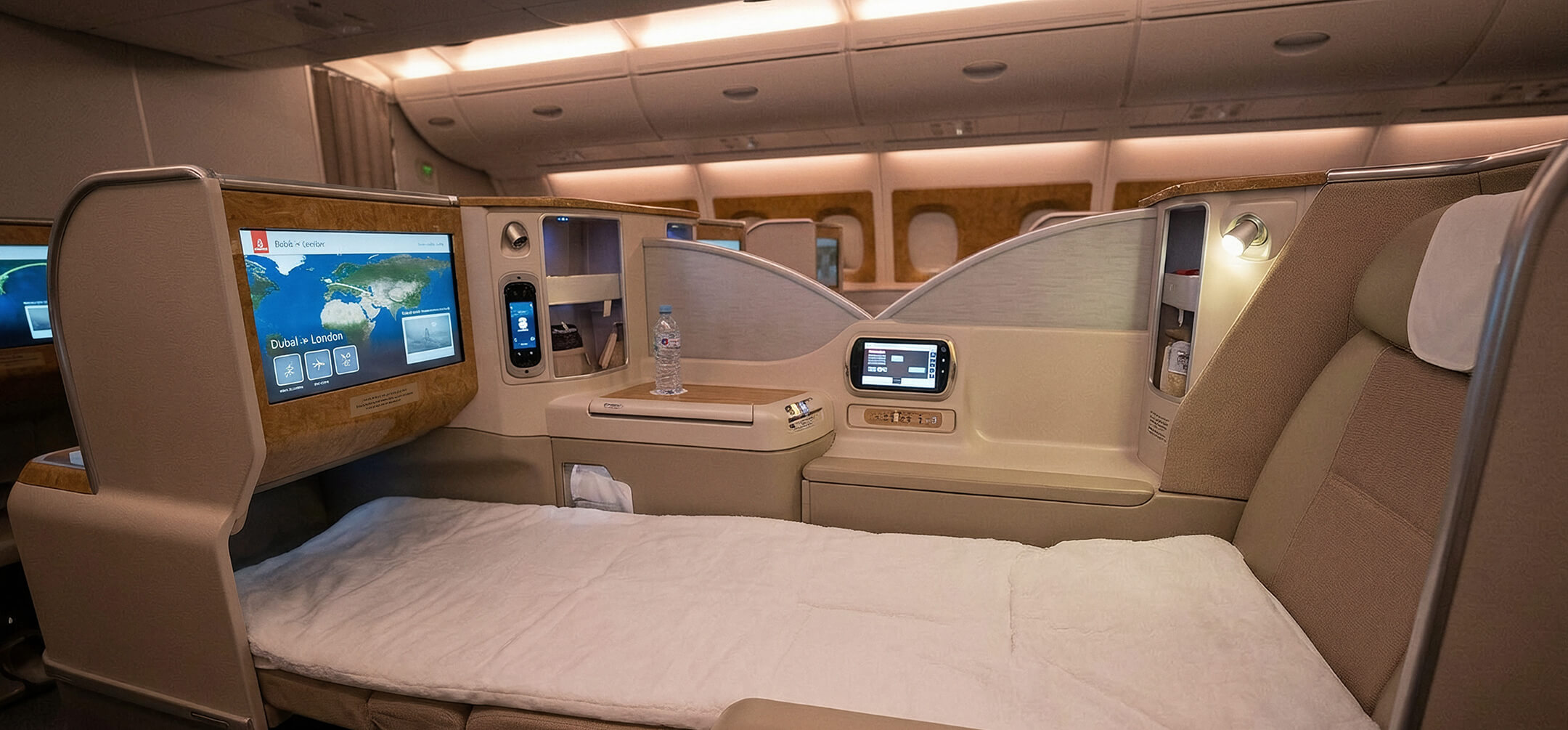
Business-class flights from the US to Lanzarote
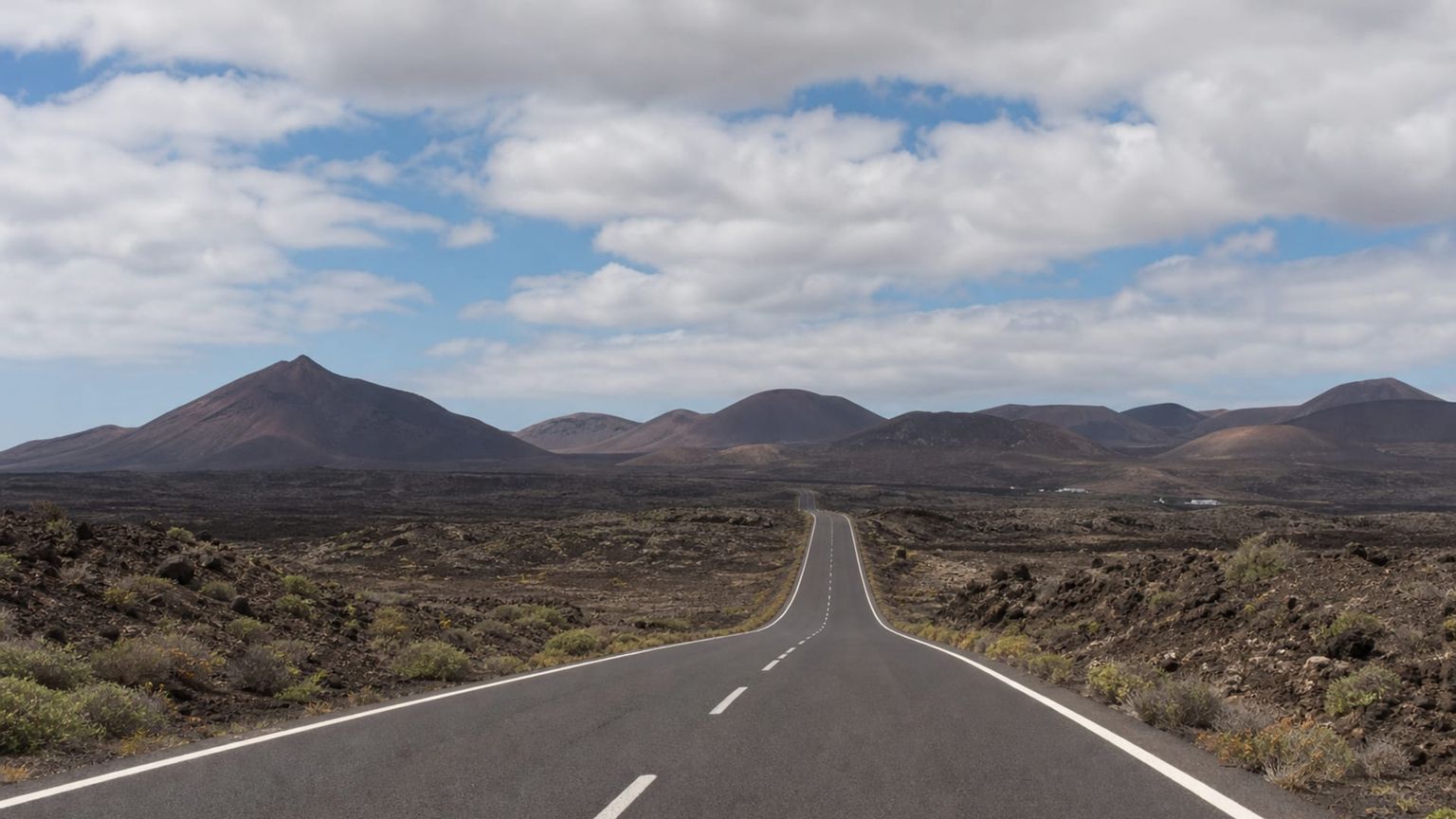
Long-haul itineraries to Lanzarote usually connect through a major European hub, and the best choice often comes down to where your first stop sits. From both coasts of the United States, the route list is short, but the connection time can change the fare.
From New York, British Airways, Iberia, Air France, Lufthansa, TAP Air Portugal, and Delta Air Lines are all possible on one-stop itineraries, with layovers in London (LHR), Madrid (MAD), Paris (CDG), Frankfurt (FRA), or Lisbon (LIS). Those trips usually take about 13 to 18 hours overall, and round-trip fares usually start from $2,400, with one-stop itineraries via Madrid (MAD), London (LHR), or Lisbon (LIS) often lowering the total.
Los Angeles fares usually sit in the $2,700 to $4,100 range round-trip, and the common carriers are British Airways, Iberia, Air France, Lufthansa, and TAP Air Portugal. You will connect through London (LHR), Madrid (MAD), Paris (CDG), Frankfurt (FRA), or Lisbon (LIS), and the total journey usually runs about 16 to 22 hours.
Lanzarote feels different when you slow down
A good Lanzarote trip uses the island in layers, with Puerto del Carmen or Arrecife as the base, then early drives to Timanfaya, La Geria, and the north before the roads fill. Buses, taxis, and a careful dinner schedule do most of the work, and the best days leave room for a last café stop on the promenade or in San Ginés. If you want help turning that outline into a booking plan, AranGrant experts can shape it around your dates and your starting city