

Chapters:

Need help with your trip?
Our support team is available 24/7. Request a callback or call us directly at (833) 619-0908
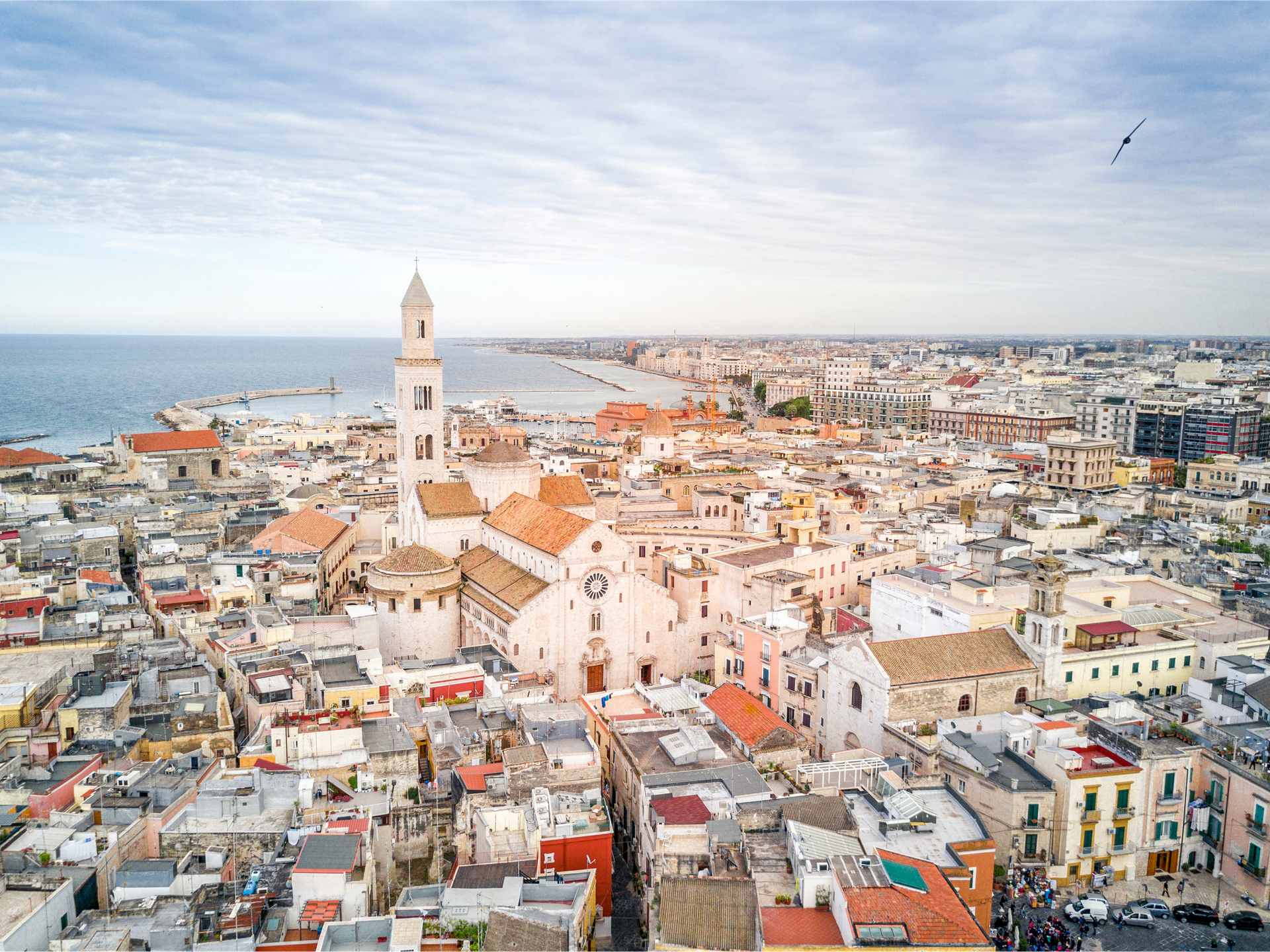
Bari trips often start with the old town, the basilica, and a plate of orecchiette, but many visitors miss how much the city changes once you move a few blocks beyond the lanes.
That habit can make the center feel tighter than it is: streets narrow near Bari Vecchia, the waterfront stretches farther than expected, and transit decisions affect how much time you lose between sights.
This guide maps the city by neighborhood, meal stops, and travel time, so you can see where to stay, what to eat, and how to move without compressing the day.
Useful things to know
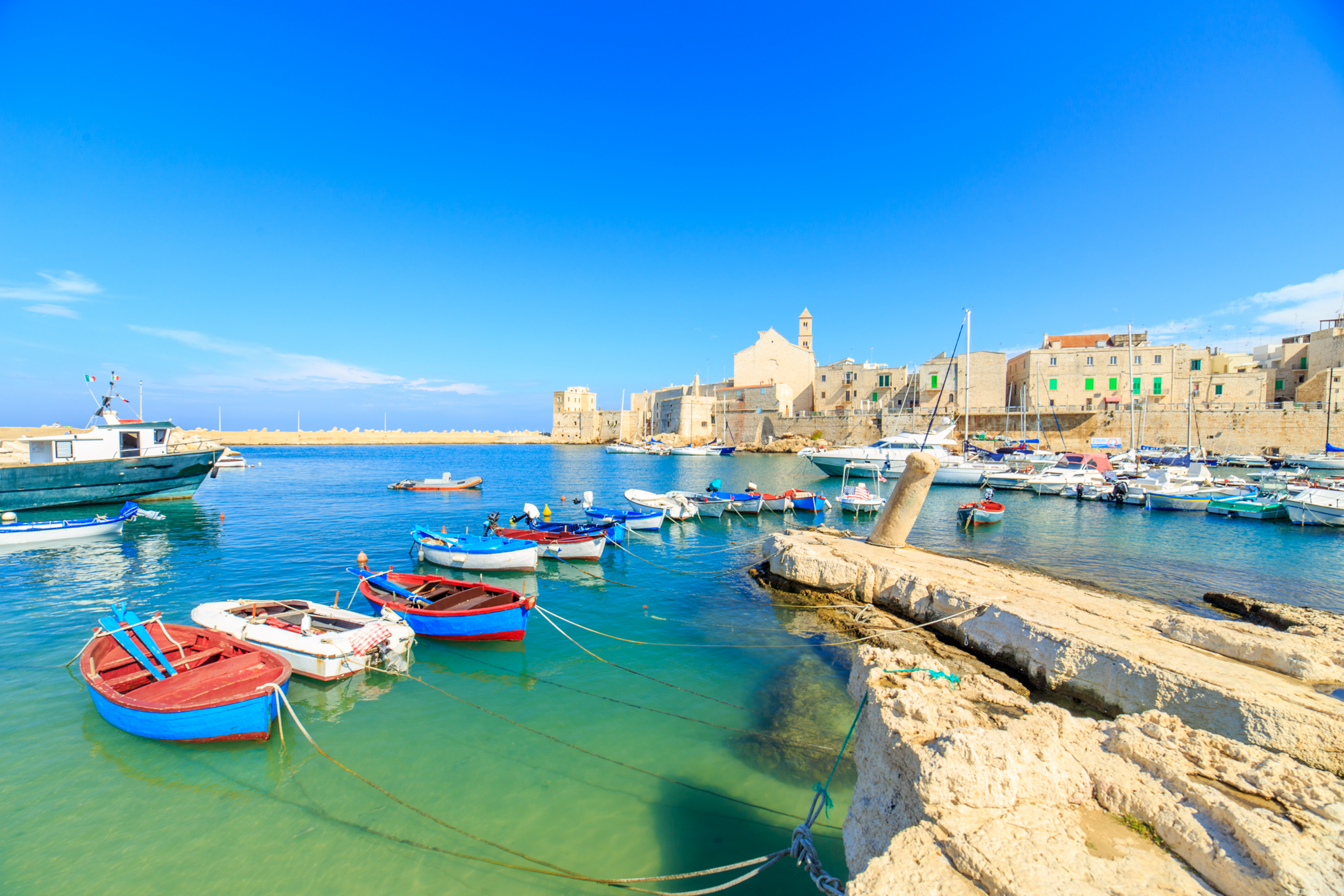

Main language(s): Italian
Ciao (chow) – Hello
Per favore (pehr fah-VOH-reh) – Please
Grazie (GRAHT-see-eh) – Thank you
Parla inglese? (PAHR-lah een-GLEH-zeh) – Do you speak English?
Quanto costa? (KWAHN-toh KOH-stah) – How much does it cost?

Currency: The local currency is the euro (EUR, €).

Cash and cards: Cards and contactless are widely accepted; carry about €20 to €40 ($22 to $44) in cash for small shops and taxis.

Tipping: Round up small bills; leave 5-10% for good service in restaurants.

Traditional food: orecchiette con cime di rapa, tiella barese, sgagliozze, panzerotti

Water and coffee costs: Water ~€1.50 ($2), bar espresso ~€1.20 ($1).

Taxis and ride apps: Free Now and inDrive operate; Uber is limited.

Plug and voltage: Type C/F socket, 230V

Dining and shop opening hours: Breakfast is about 7:00-10:00 am, lunch 12:30-2:30 pm, and dinner 8:00-10:30 pm. Many kitchens close between lunch and dinner, and some restaurants open later on Sundays.

Emergency number: 112 for police, fire, and medical emergencies.
Where to stay in Bari
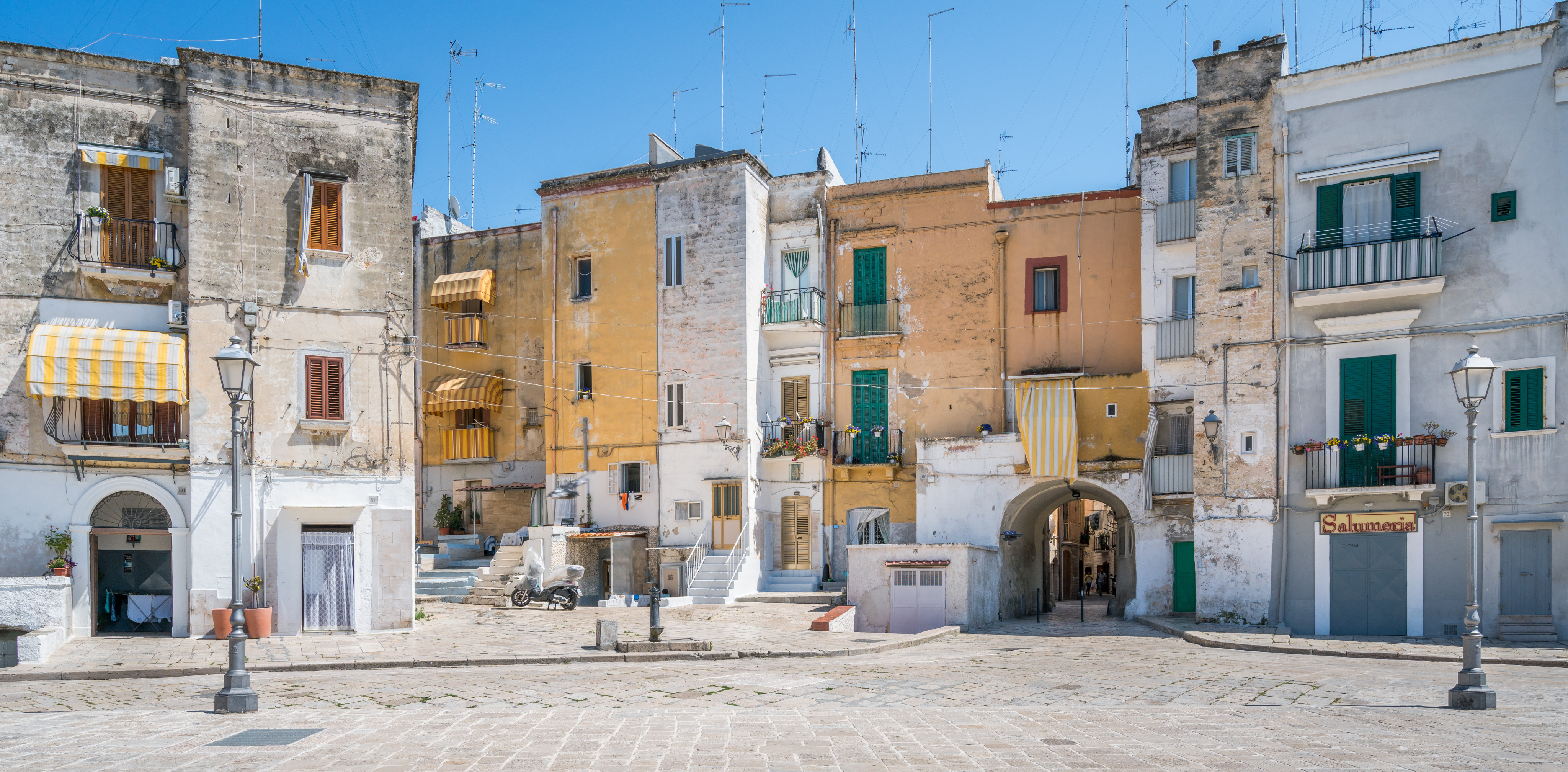
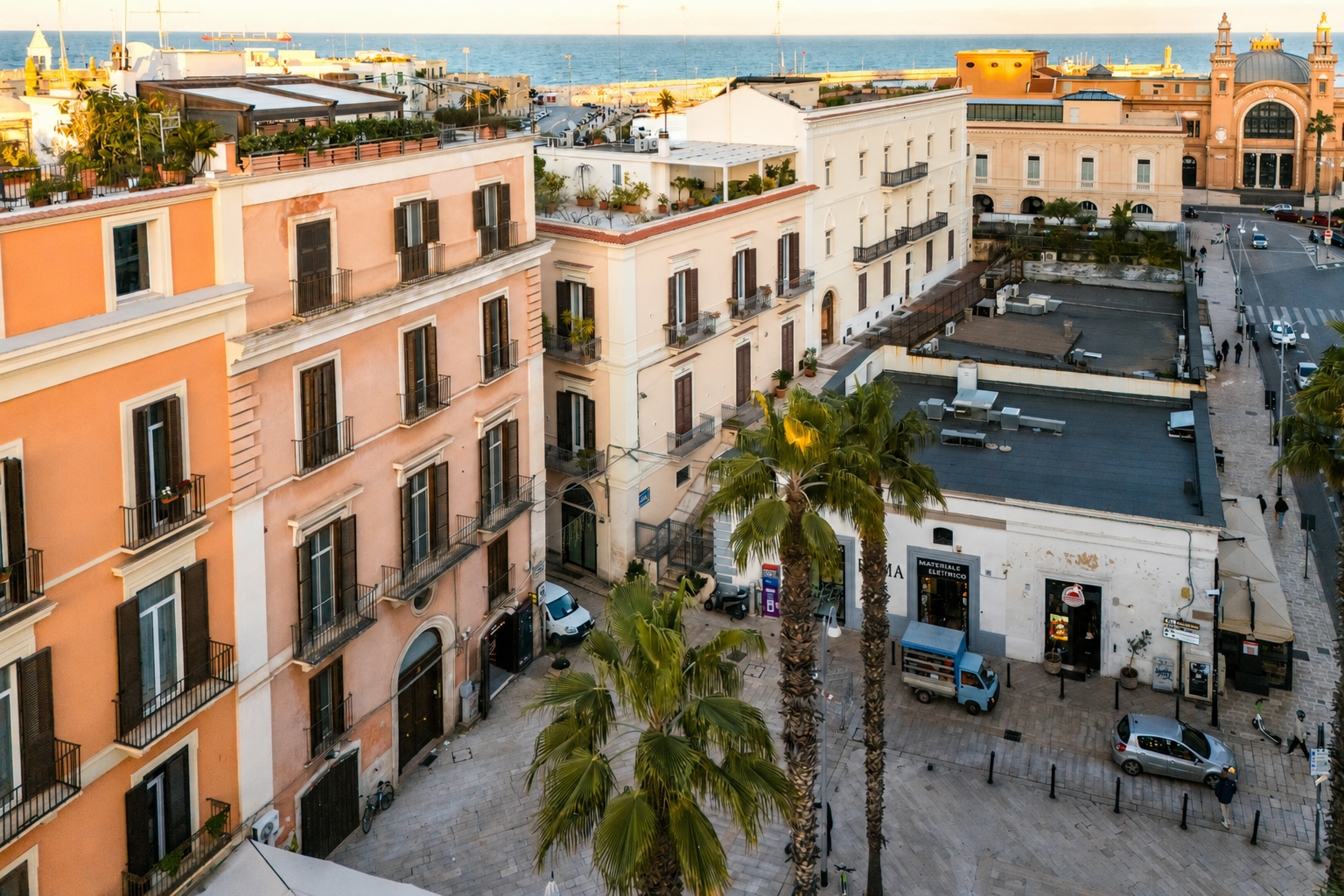
The old town of Bari, packed with narrow lanes, churches, and family-run restaurants, sits between the harbor and the Basilica of Saint Nicholas. It puts you within an easy walk of the waterfront and the city’s most recognisable sights.
Best for: First-time visits, historic sights, and travelers who want to walk to the main old-town landmarks
What to expect: Expect busy lanes by day, locals moving through the quarter, and a stronger restaurant scene in the evening.
Hotel prices: Usually about €100 to €220 (~$110 to ~$240) per night for well-rated stays
Distance to major sights: 5 to 10 minutes on foot to the Basilica of Saint Nicholas and roughly 15 minutes on foot to Lungomare Nazario Sauro
Quietness: Noisy and lively through the day, then calmer in the late evening once tour groups thin out.
Main trade-off: Rooms can be smaller and streets can be lively late, so light sleepers should choose interior-facing accommodation.
Good to know: Taxis and private cars struggle with the narrowest streets, so check the exact access point before booking parking or an airport transfer.
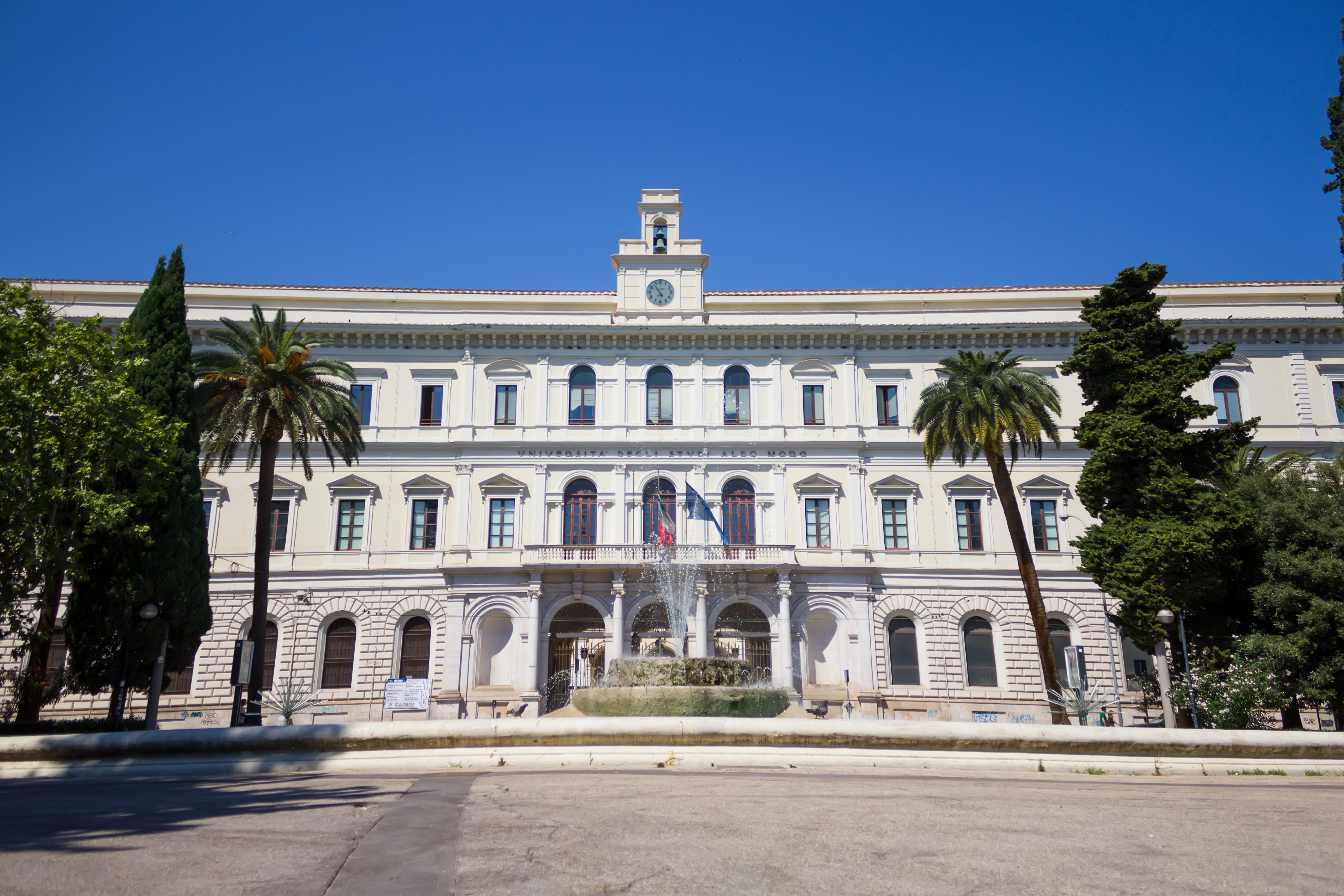
Murat is Bari’s modern grid south of the old town, built around shopping streets, cafes, and the main railway station. It matters for visitors who want central positioning, easier navigation, and fast connections across the city.
Best for: Train arrivals, shopping, restaurant access, and travelers who want a central base with easier luggage handling
What to expect: Expect wider streets, steady daytime foot traffic, and a mix of commuters, shoppers, and dinner crowds at night.
Hotel prices: Usually about €90 to €180 (~$100 to ~$200) per night for well-rated stays
Distance to major sights: 10 to 15 minutes on foot to Bari Vecchia and about 20 minutes on foot to the Basilica of Saint Nicholas
Quietness: Busier in the day near the station and shopping streets, quieter on side streets after dinner.
Main trade-off: You trade old-town character for easier transport access and more predictable streets for walking with luggage.
Good to know: If you plan day trips by train, staying near Bari Centrale saves time, but the blocks closest to the station can feel less attractive at night.
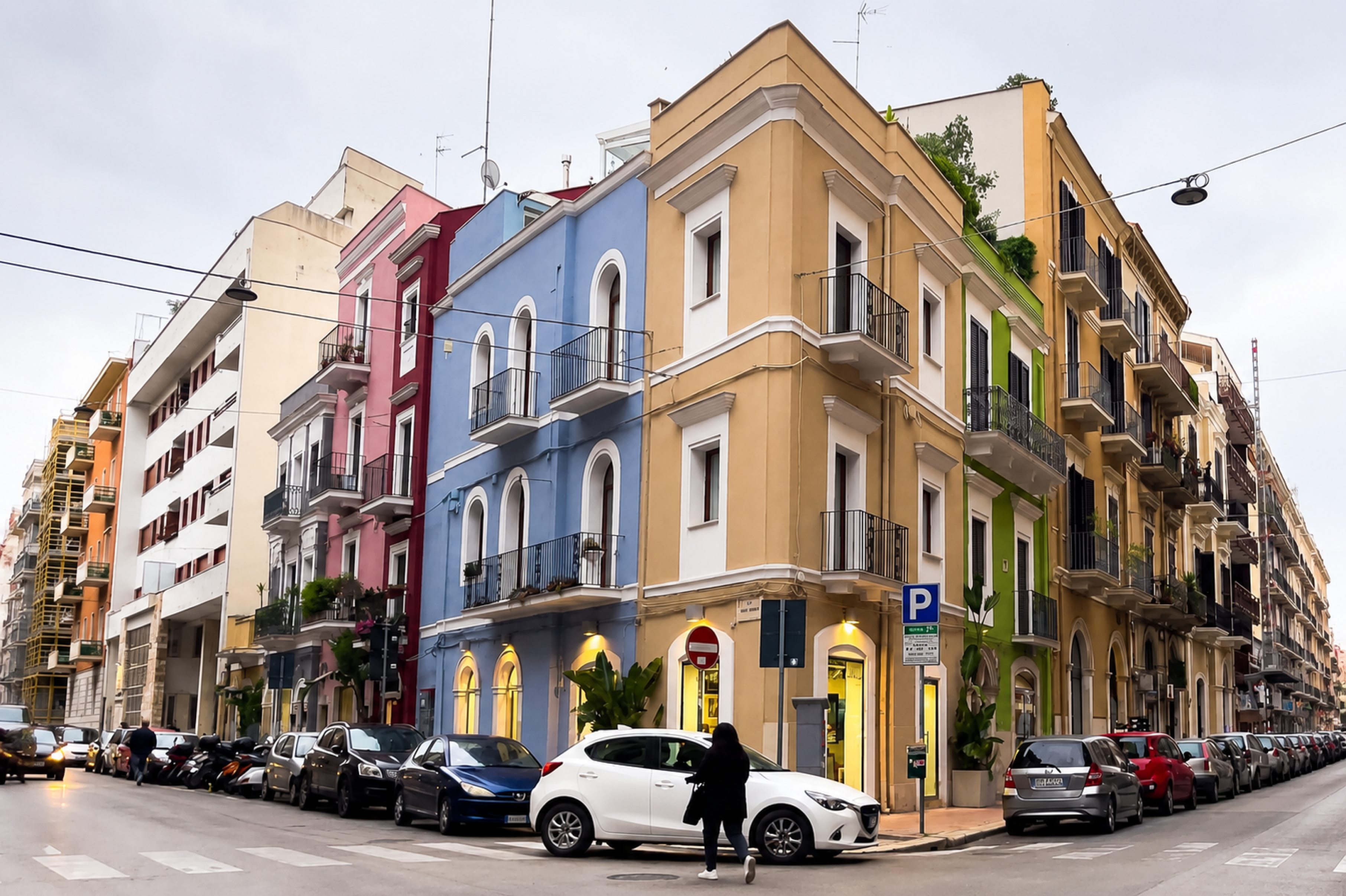
Madonnella sits just east of Murat, between the old center and the seafront, with apartment blocks, neighborhood bars, and quick access to the promenade. It suits travelers who want a residential base near both the water and the historic core.
Best for: Longer stays, seafront walks, and travelers who want a neighborhood feel without leaving the center
What to expect: Expect a lived-in district with local shops, evening bar traffic, and more residents than tourists.
Hotel prices: Usually about €80 to €160 (~$88 to ~$175) per night for well-rated stays
Distance to major sights: 10 to 15 minutes on foot to Bari Vecchia and about 5 minutes on foot to the Lungomare Nazario Sauro
Quietness: Quieter than the old town during the day, with some evening noise near bars and the waterfront.
Main trade-off: You will usually walk a little farther for the densest sightseeing cluster, but the area is often better for space and neighborhood dining.
Good to know: Check the exact street, because blocks closest to the promenade can pick up late evening noise from traffic and bars.
Travelers usually avoid San Girolamo, because it sits far north of the historic center and old port, with fewer visitor amenities than the central districts. Ceglie del Campo, Carbonara di Bari, and Santo Spirito are also less convenient for a short stay, since they are well outside the main sights and can mean longer evening trips back from dinner or the waterfront.
Hotel deals
How to get around Bari efficiently
Bari has no metro, so the trip works best with walking, AMTAB buses, suburban rail, and taxis, each filling a different part of the city map.

Train
for the airport and nearby towns
Bari has no metro, so visitors rely on the suburban rail and regional trains for the closest thing to rapid transit. Trenitalia and Ferrotramviaria links connect Bari Centrale with the airport, the seafront, and nearby towns; fares usually start at about $1.10 (€1) and short airport trips take roughly 15 to 20 minutes, depending on the line.

Bus
for getting around the city
AMTAB runs the city bus network, and the Tempesta, 1, 2, 4, and 19 corridors cover the center, the waterfront, the station area, and many neighborhoods. Single tickets cost about $1.10 (€1) and last 75 minutes, with day passes at about $3.30 (€3); buy before boarding, then validate on entry, and expect local rides to take about 10 to 30 minutes.

Taxi
for convenience or late hours
Licensed taxis use meters in Bari, with no citywide flat fare from the airport, so a daytime ride within the center often costs about $9 to $16 (€8 to €15), while Bari Airport to the central area usually runs about $27 to $38 (€25 to €35). Use the marked taxi ranks at Bari Centrale, the port, and Bari Airport, and confirm card acceptance before you set off, since some cars take cards while others prefer cash.
*Prices are based on rates updated as of June 2026 and may change at the time of travel.
Walk for Bari Vecchia and the waterfront, use buses for cross-town hops, take suburban rail for airport or regional links, and choose a taxi when you want the quickest door-to-door ride.
Iconic landmarks
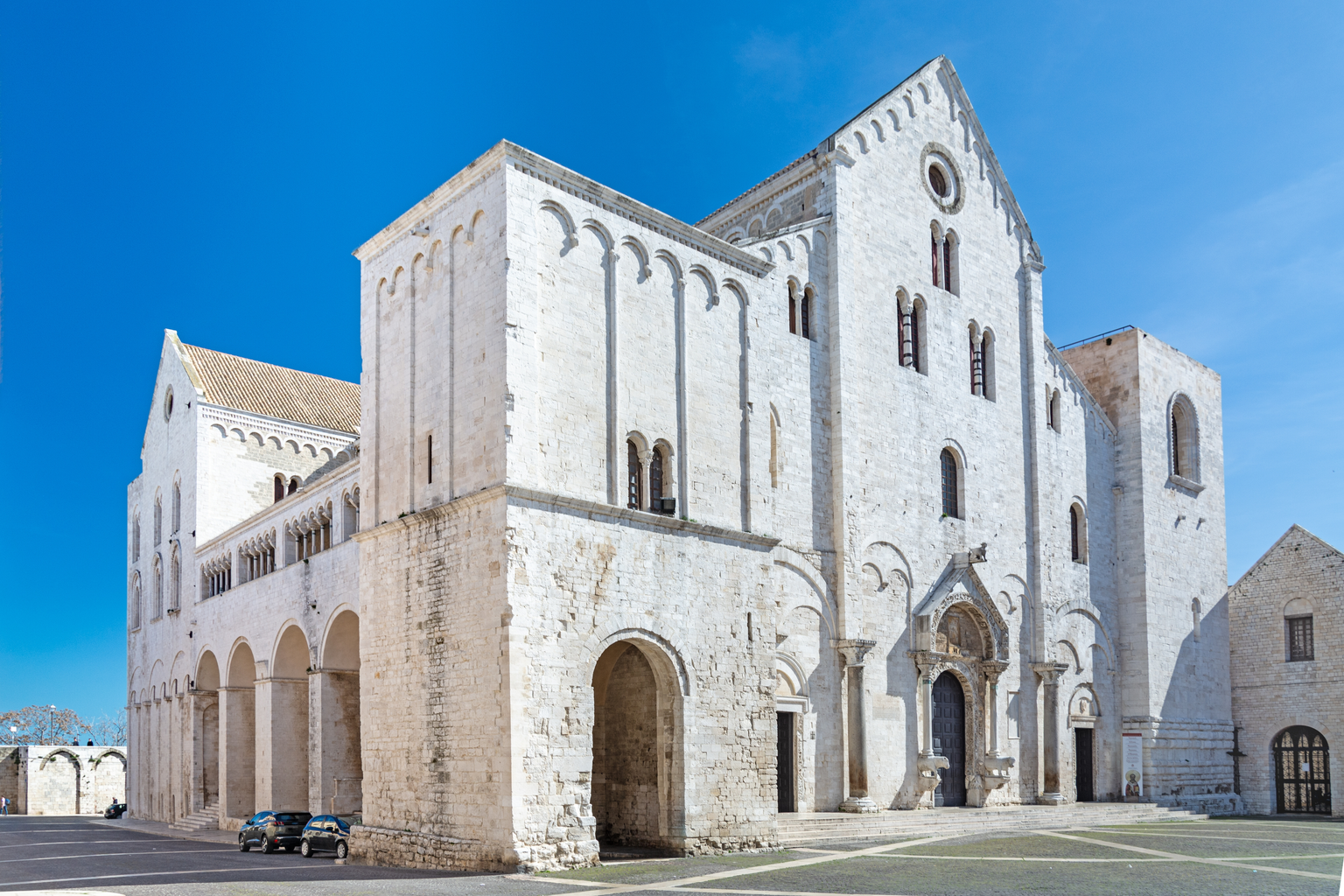
Basilica di San Nicola
This Romanesque basilica holds the tomb of Saint Nicholas and draws pilgrims from both Catholic and Orthodox traditions. Its crypt, carved capitals, and 12th-century stonework make it one of Bari’s defining monuments.
Time needed: About 1 to 2 hours
Entry: Free to access; donations are welcome, and separate charges may apply for special areas or guided visits outside regular worship hours. Visit the official site for details.
Tip: Visit early in the morning to avoid worship-hour crowds and to see the crypt calmly.
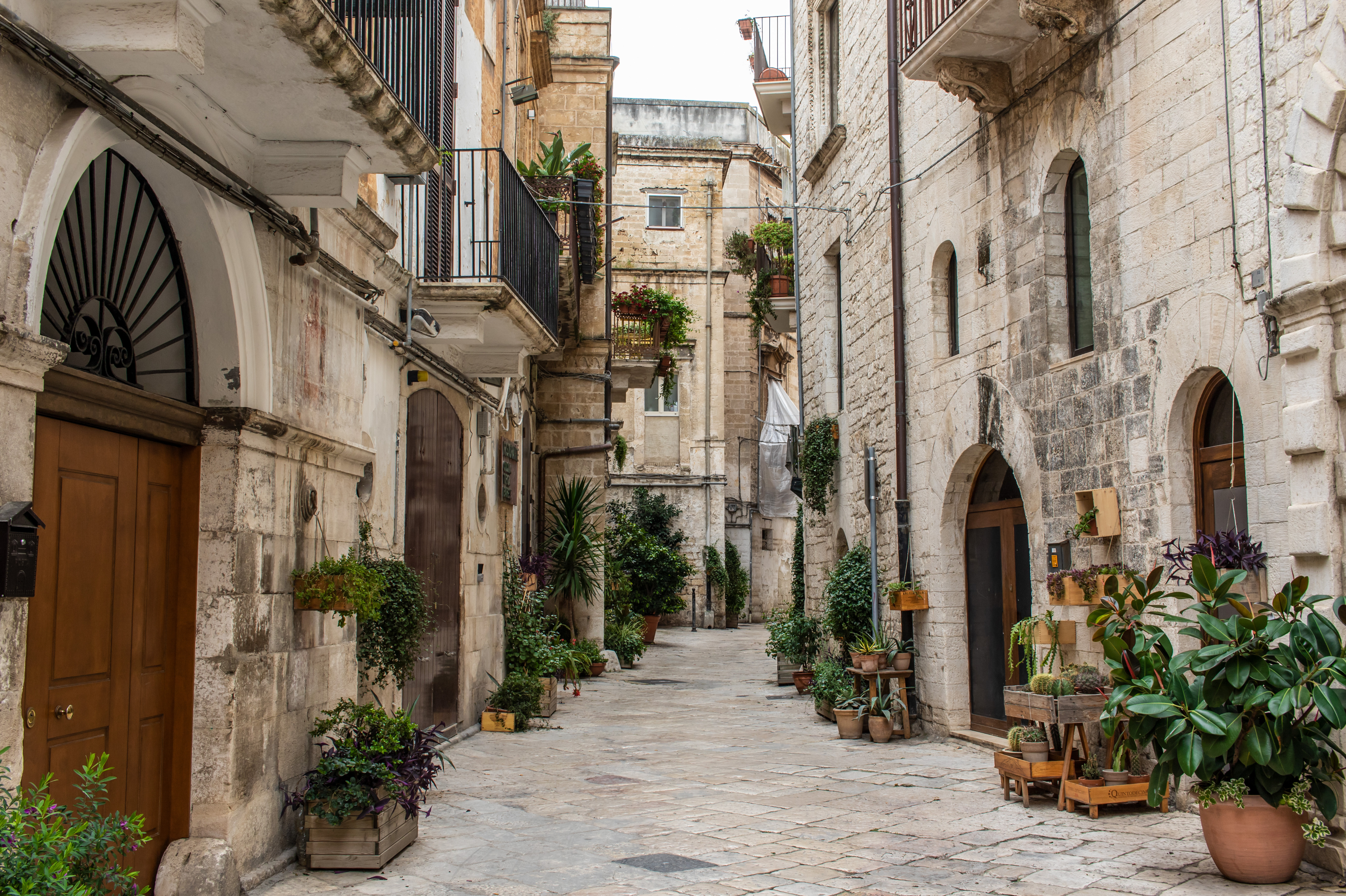
Bari Vecchia
The old town’s narrow lanes, limestone buildings, and small piazzas reveal Bari’s medieval core at street level. Walk between the cathedral, the basilica, and the seafront to see daily life unfold inside the historic center.
Time needed: About 2 to 3 hours
Entry: Free to explore, with no ticket required for the streets and squares; individual churches and museums inside the district may charge separately.
Tip: Go near sunset, when the lanes are lively and the limestone facades catch softer light.
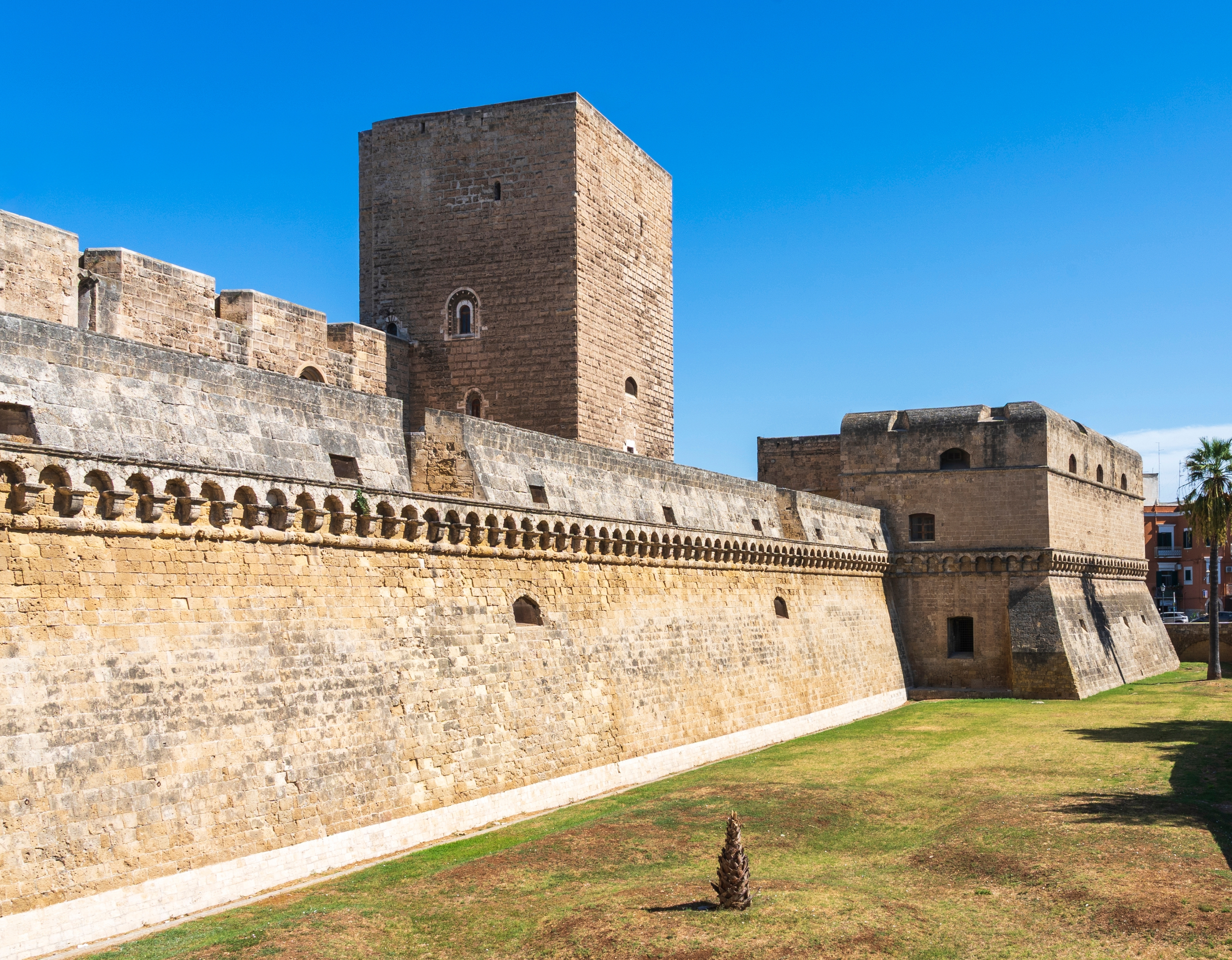
Castello Svevo di Bari
Built by Norman rulers and later reshaped by the Swabians and Aragonese, this seaside fortress anchors Bari’s defensive history. Inside, you can trace layers of military design, while the courtyard and walls frame clear views of the city.
Time needed: About 1 to 2 hours
Entry: Standard tickets cost $11 to $14 (€10 to €13), with reduced rates for children, students, and some temporary exhibitions. Visit the official site for details.
Tip: Arrive before midday for fewer tour groups and better light on the outer walls.
Overlooked sites worth visiting
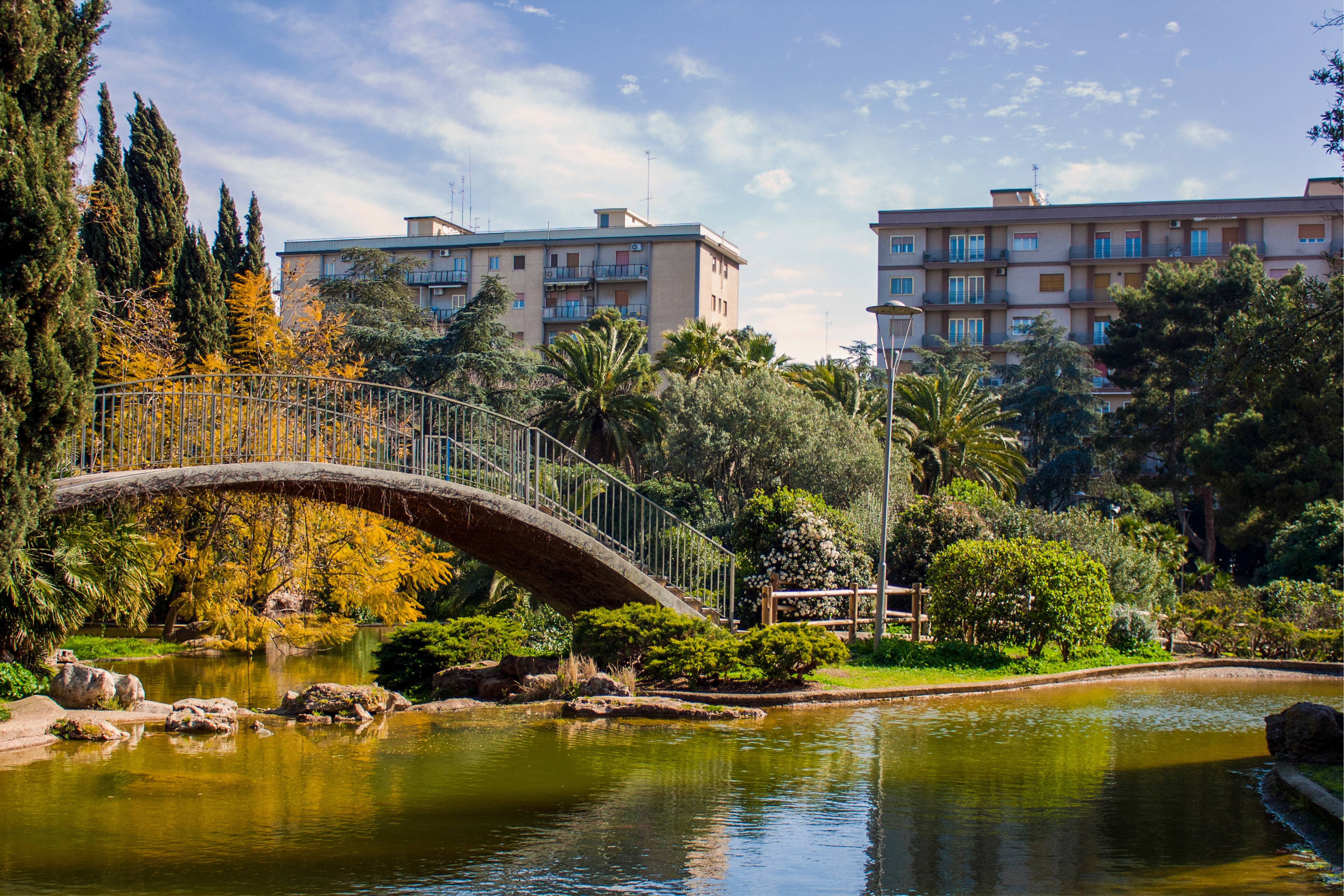
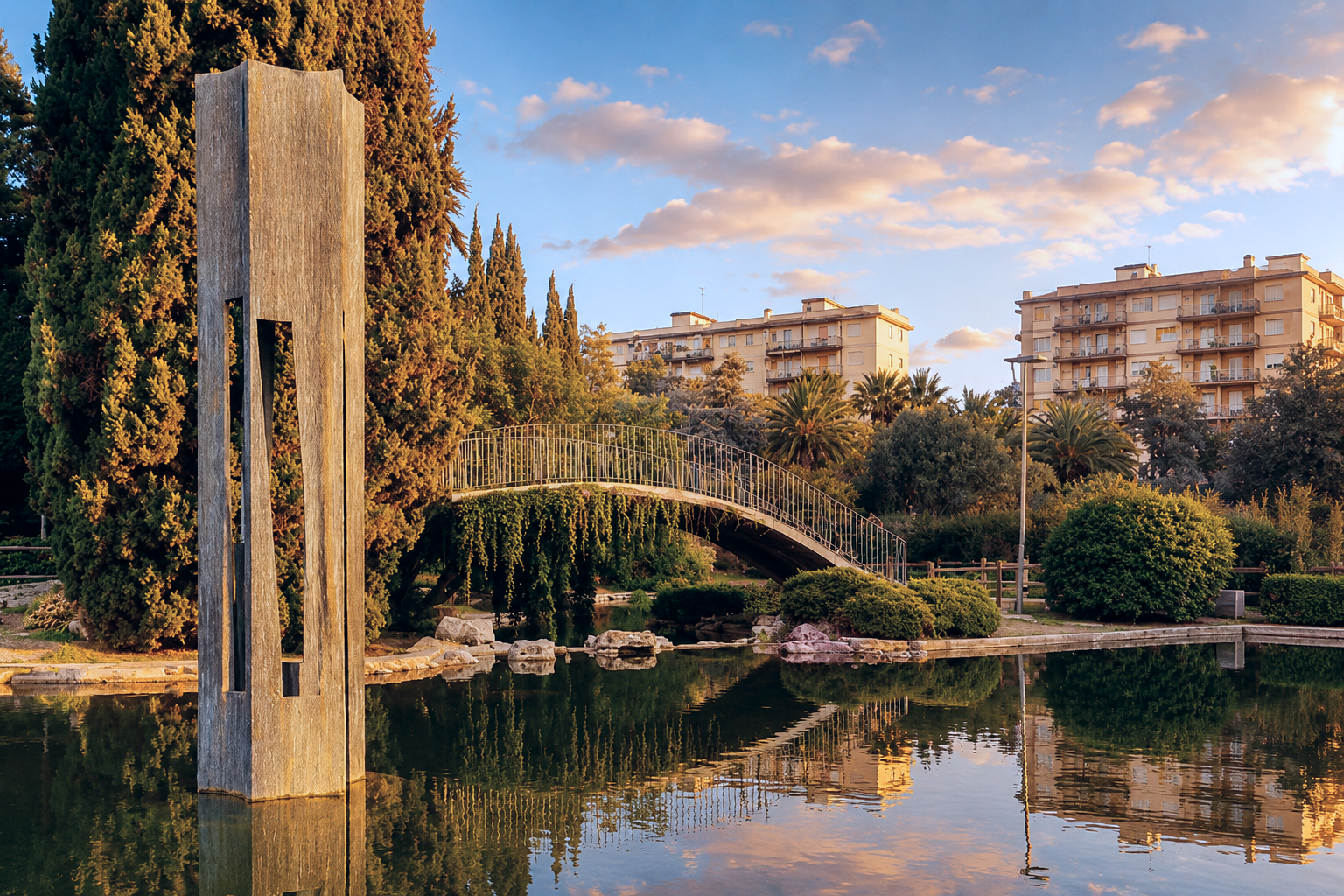
Parco 2 Giugno
Bari’s largest urban park has broad lawns, a lake, and long walking paths that locals use for running, skating, and quiet pauses. It works well for an unhurried break south of the center.
Time needed: About 1 to 2 hours
Entry: Free to access
Tip: Go early or near sunset for cooler paths and softer light.
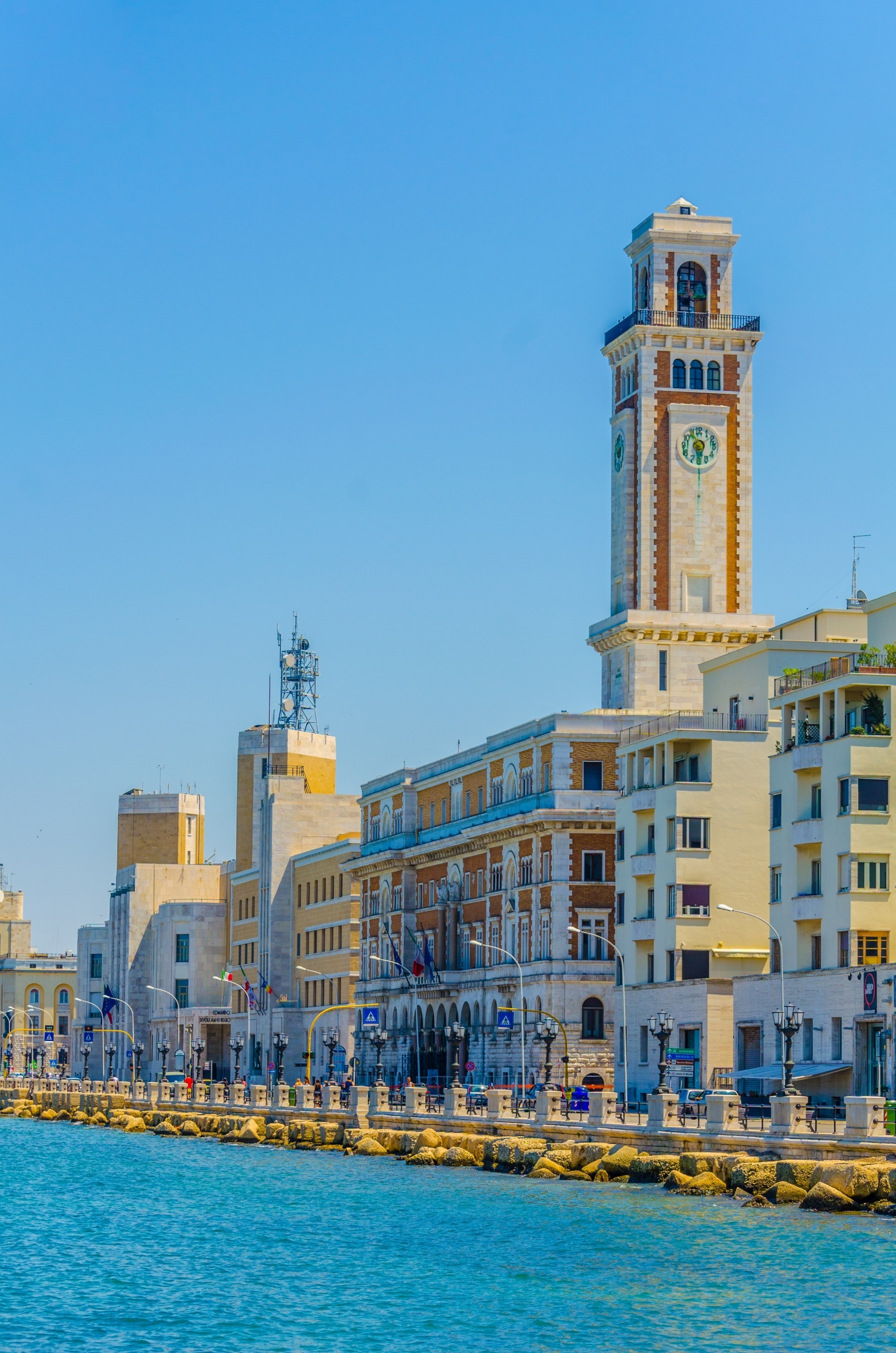
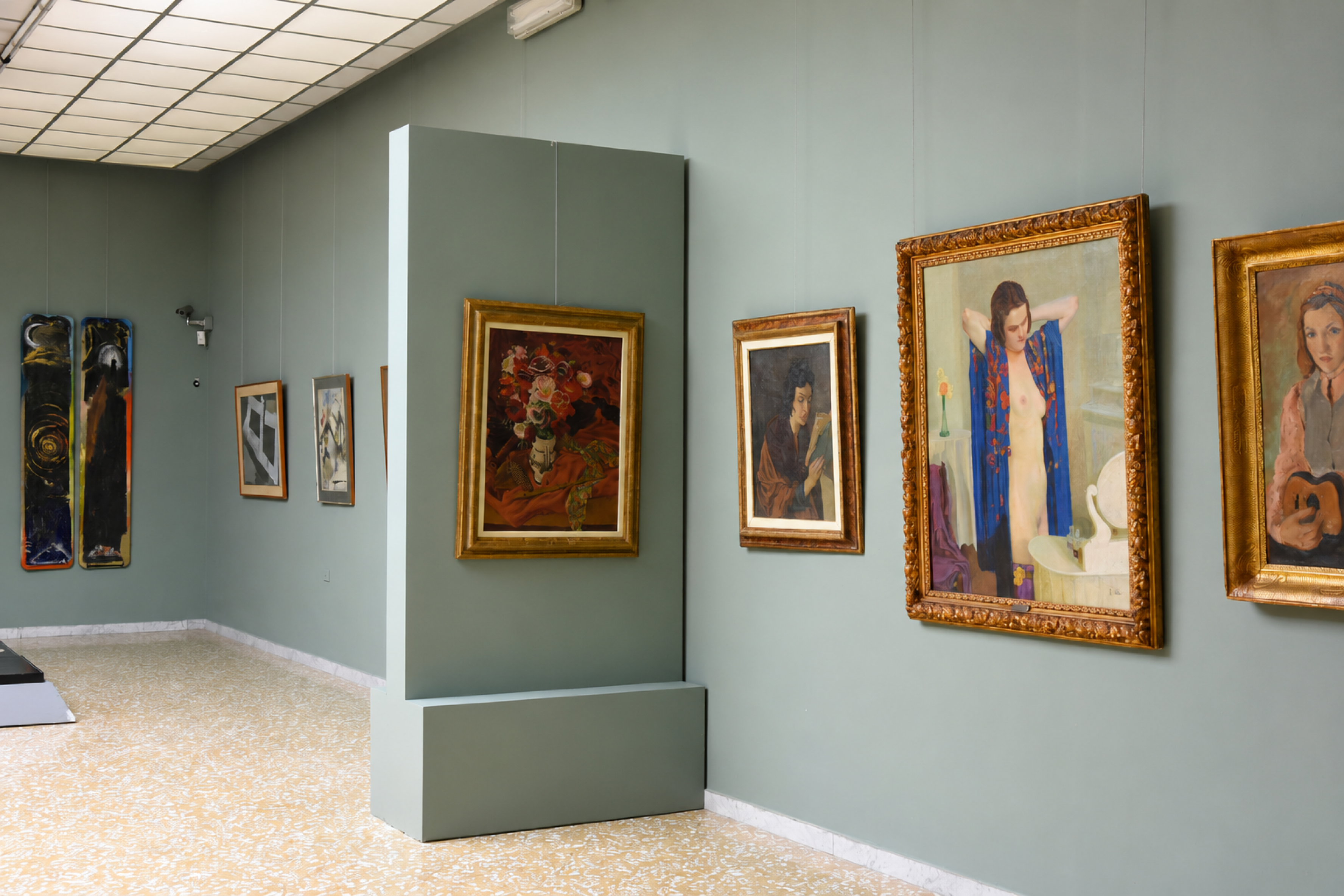
Pinacoteca Corrado Giaquinto
This compact gallery inside the Provincial Palace shows Apulian and Italian art, with seafront views from the upper floors. The collection includes medieval panels, Baroque paintings, and 19th-century works.
Time needed: About 1 hour
Entry: Tickets cost $5 to $8 (€5 to €7) Visit the official site for details.
Tip: Pair it with a walk on the seafront promenade after your visit.
Traditional food
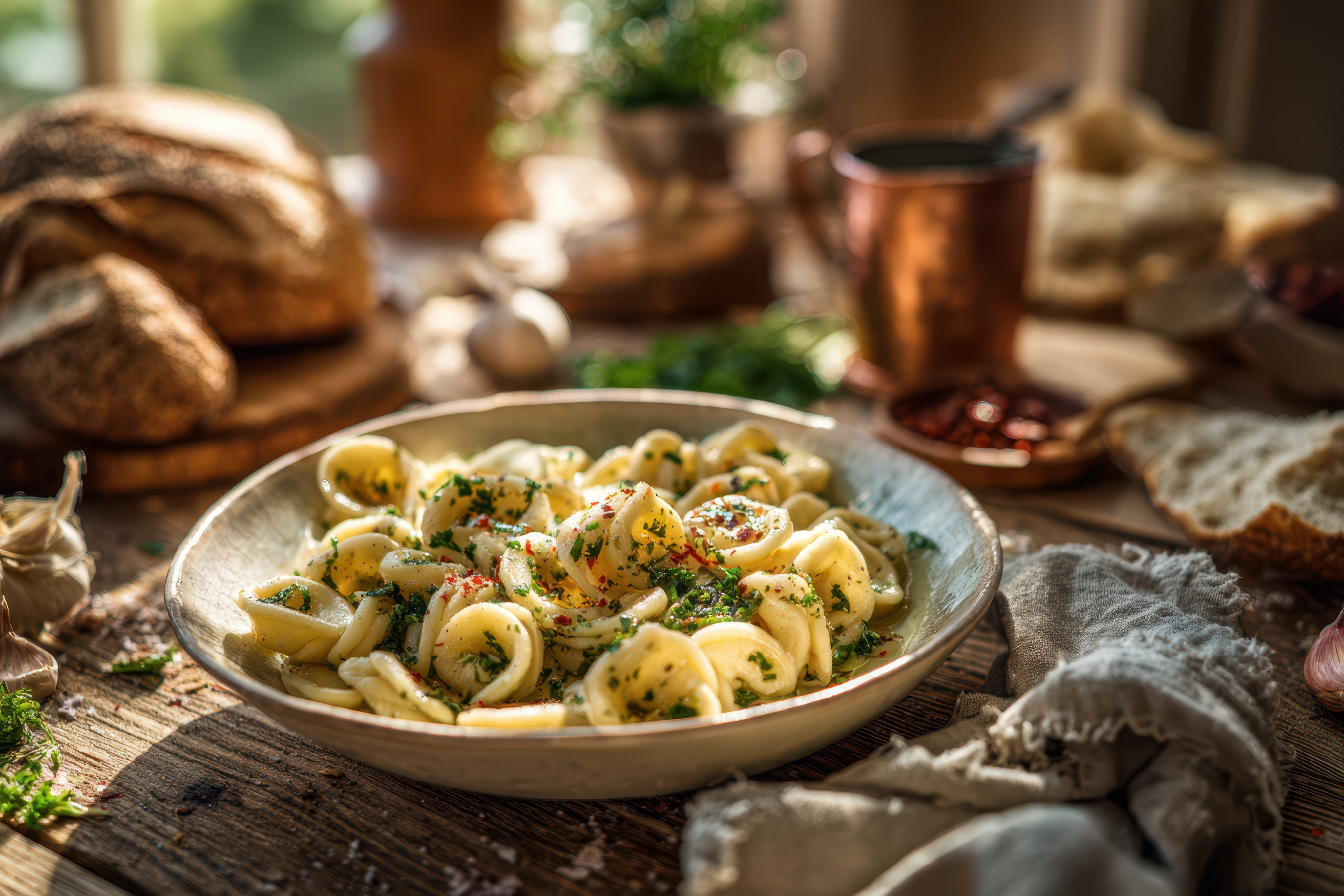
Bari’s cooking leans on durum wheat, greens, seafood, and olive oil, then turns them into dishes like orecchiette con cime di rapa, tiella barese, sgagliozze, and panzerotti, usually served in kitchens that keep local hours and close between services.
Orecchiette con cime di rapa
Handmade ear-shaped pasta with turnip greens, garlic, anchovy, and chili, served in a version that shows Bari’s weekday cooking at its best. Al Pescatore is a canonical place to try it in the city center.
Tiella barese
A baked rice, potato, and mussel dish layered with tomatoes and herbs, then finished until the top takes on a savory crust. La Uascezze is a strong Bari address for it near the old town.
Sgagliozze
Fried squares of polenta sold as a snack, usually crisp outside and soft inside, and easy to pair with an evening walk through Bari Vecchia. Panificio Fiore is one of the best-known spots for the city’s street-food side.
Panzerotti
Fried or baked stuffed dough pockets filled with tomato and mozzarella, often eaten hot and fast. Antico Panificio Santa Rita is a classic choice in Bari for a proper panzerotto stop.
Best time to visit Bari
Bari works in every season, but spring and early autumn give you the easiest mix of waterfront walks, museum time, and meals without the hottest afternoons or the busiest holiday crowds.
Best for: Long walks in Bari Vecchia and seafront afternoons
What you get: About 55 to 76°F (13 to 24°C), with moderate crowds and good conditions for outdoor dining
Trade-offs: Rain can interrupt a few days, so keep a light layer in your bag
Best for: Late evenings, beach time, and long dinners near the promenade
What you get: About 73 to 90°F (23 to 32°C), with the highest visitor numbers and fuller restaurants
Trade-offs: Midday heat makes museum breaks and shaded stops more important
Best for: Balanced sightseeing, food-focused trips, and easier walking
What you get: About 60 to 80°F (16 to 27°C), with moderate crowds after the first weeks of September
Trade-offs: Sea-swim weather fades as the season moves toward November
Best for: Low-key city days, church visits, and quieter restaurant tables
What you get: About 43 to 58°F (6 to 14°C), with the lightest crowds of the year
Trade-offs: Shorter daylight and cooler winds can limit seafront time
A realistic 5-day plan in Bari
Five days in Bari gives you room to separate the old town, the waterfront, and the modern grid instead of trying to see everything in one sweep. The plan below keeps the days distinct, with time for churches, art, parks, and unhurried meals.
Land at Bari Airport, then take the shuttle bus or a taxi into Murat or Bari Vecchia in about 20 to 30 minutes. Budget roughly $4 to $6 for the bus, or about $30 to $45 for a taxi, depending on traffic and the exact address. If you arrive late, book a room near Bari Centrale or just inside the old town so check-in stays simple, then drink water, walk a short stretch of the promenade if you still have energy, and settle into an easy dinner in Murat at a pasta place or a neighborhood trattoria.
Start early at Basilica di San Nicola, where the crypt is calmer before the worship-hour crowd builds, then walk about 5 minutes into Bari Vecchia to follow the lanes toward the cathedral and seafront. Give the old town 2 to 3 hours, with time for photos, coffee, and a slow circuit back toward the waterfront. After lunch, reach Castello Svevo di Bari in roughly 10 minutes on foot from Bari Vecchia, spend 1 to 2 hours inside the fortress, and end the afternoon with a seaside walk along the edge of the historic center.
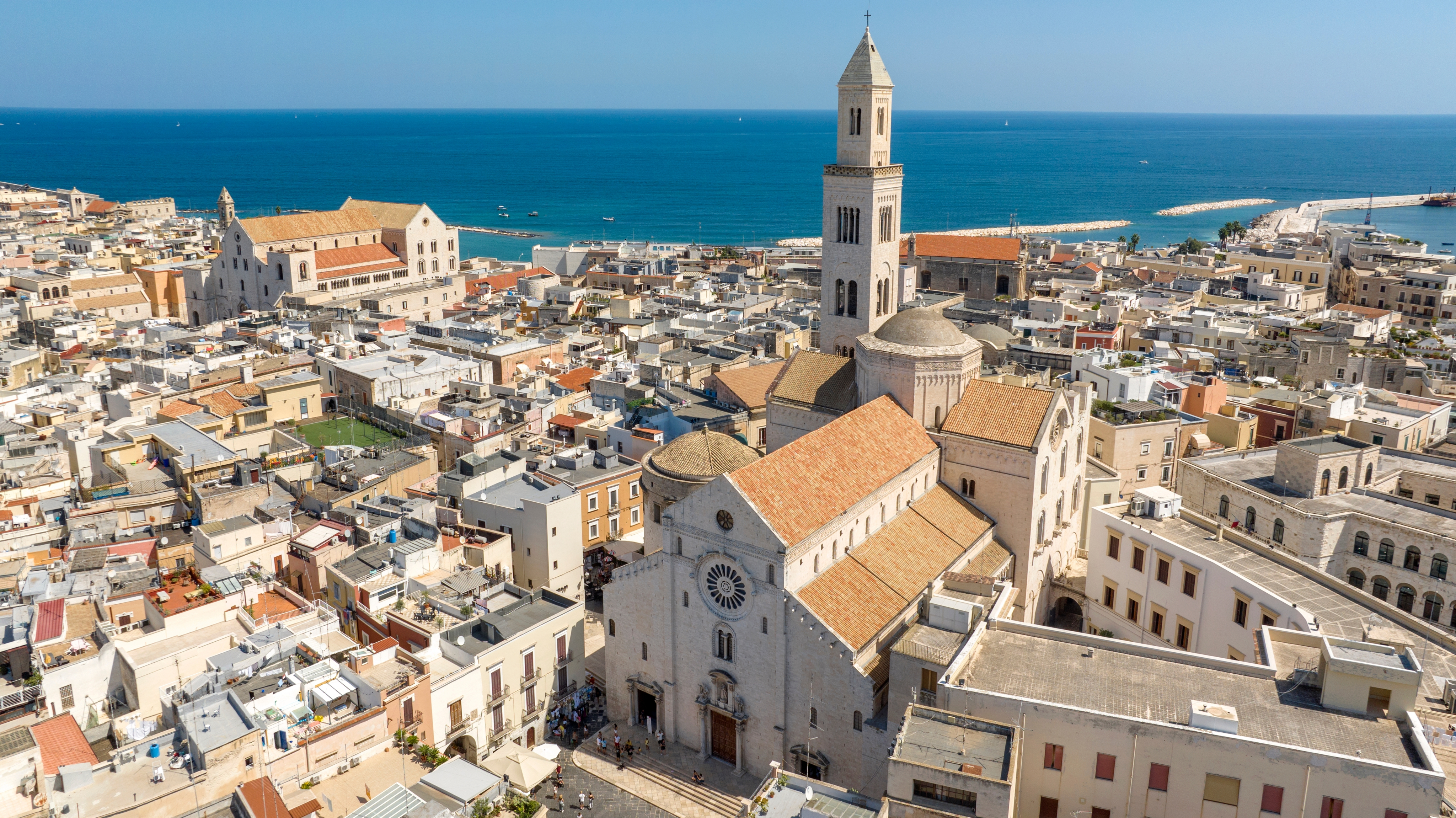
Begin at Pinacoteca Corrado Giaquinto, then continue straight into a promenade walk, since the gallery pairs well with the water views outside the Provincial Palace. From the museum, it is about 10 to 15 minutes on foot to the Lungomare Nazario Sauro, where you can stop for lunch or an espresso before heading east into Madonnella for a look at local streets and resident life. Finish with an easy evening back along the waterfront, or stay in Madonnella for dinner if you want a quieter meal than the old town.
A half-day in Parco 2 Giugno gives the itinerary a break from stone streets, and it works best if you reach it early or near sunset for cooler paths. From Murat, plan about 15 to 20 minutes by bus or taxi, or a longer walk if you want the city between stops. Spend 1 to 2 hours on the lawns and by the lake, then return toward the center for a late lunch and a low-key evening near your hotel, either in Murat for easier transport or in Bari Vecchia if you want one last meal in the historic core.
For the final morning, stop at Pinacoteca Corrado Giaquinto if you missed it earlier, or revisit it for an unhurried hour before departure. Then head into Murat for shopping on the central grid near Bari Centrale, where you can handle last-minute clothing, books, or local food purchases without crossing the old town’s tighter lanes. Finish with coffee in Madonnella near the promenade, since it sits close to the waterfront and gives you an easy route back to the airport or station when it is time to leave.
Business-class flights from the US to Bari

For long-haul arrivals, Bari usually works through one-stop itineraries rather than nonstop options from the U.S. The two examples below show how pricing and timing shift by coast.
From New York, ITA Airways, Lufthansa, Turkish Airlines, Swiss International Air Lines, and British Airways are common options. If you do not mind a layover, connections via FRA, MUC, or IST usually take 10 to 15 hours and often lower the fare, with round-trip prices from $2,200 to $4,800.
Los Angeles trips often route through FRA, MUC, IST, ZRH, or CDG on ITA Airways, Lufthansa, Turkish Airlines, Swiss International Air Lines, or Air France. Round-trip fares generally start at $2,500 and climb to $5,500, with one-stop journeys taking roughly 14 to 19 hours.
Bari feels different when you slow down
A deliberate Bari trip usually means pairing Bari Vecchia with Murat and Madonnella, then using buses, suburban rail, or a taxi only when the city stops lining up neatly on foot. That mix keeps the basilica, the fortress, the promenade, and the park in play without forcing the same route every day. If you want AranGrant experts to help shape a Bari stay around the old town or the seafront, start there







