
Imagine boarding a first-class cabin in your favorite travel hoodie and a pair of flip-flops, only to notice a fellow passenger eyeing your casual attire. Debates about airline dress codes have been around for ages, but they feel more relevant than ever as booking an affordable business class seat through platforms like AranGrant becomes a reality for more travelers. So, is wearing flip-flops in First Class a faux pas, or just a personal comfort choice? Let’s break down the unwritten rules of in-flight attire and see where we might draw the line.
In this article:
No Official Dress Code – Just Basic Decency and Safety
Most airlines do not have strict dress codes for passengers. In fact, airline policies are usually buried in the fine print of the contract of carriage, and they focus on common-sense boundaries.
For example, Hawaiian Airlines explicitly requires footwear for safety and bans swimwear like Speedos or bikini bottoms on board. Likewise, Qantas Airlines asks lounge visitors to follow a “smart casual” dress guideline, which means no beach flip-flops or Ugg boots in their lounges. These rules aren’t about style as much as they are about safety, cleanliness, and not offending fellow travelers.
Where is the line, then? It mostly comes down to basic decency and comfort. Airlines expect you to wear something and to keep your private parts covered. One frequent flyer’s rule of thumb: wear clean, non-smelly clothes and cover everything that needs to be covered. This standard applies in the economy, business, or first class alike. In other words, a T-shirt and jeans are fine, but a bathing suit or a shirt with offensive slogans is not.
The Comfort vs. Class Debate: Then and Now
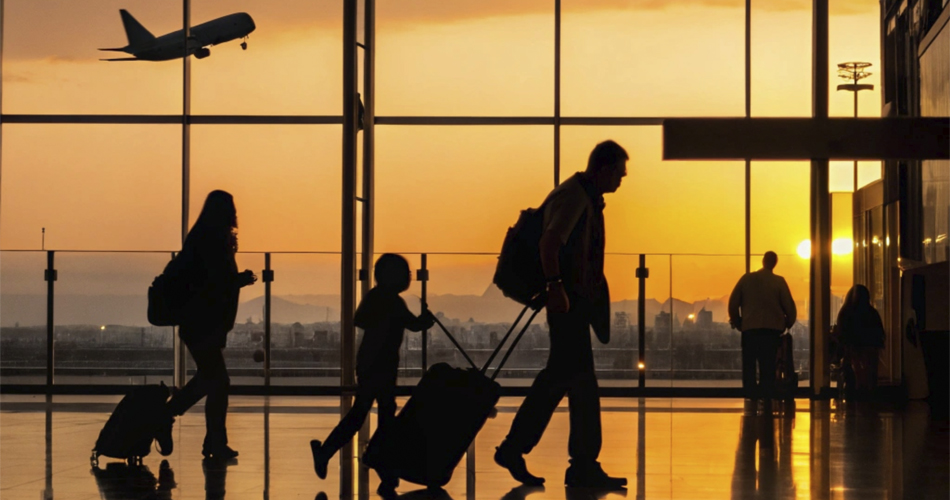
There’s a generational and cultural shift at play. In the so-called “golden age” of flying decades ago, passengers used to dress up to the nines for air travel – suits, ties, dresses, you name it. But air travel then was a special occasion: tickets cost a fortune (flying was significantly more expensive than today), and flights were social events.
Fast forward to today, and flying – even in First Class – has become much more common, even routine, especially for business travelers. As a result, comfort has trumped formality for most people.
If you feel underdressed in First Class, consider this: many top airlines hand out pajamas and slippers to premium cabin passengers and encourage you to change into them right after takeoff.
The fact that airlines like Emirates, Qatar Airways, and others provide loungewear is a pretty good sign that relaxation is a priority. So if someone chooses to start the flight in sweatpants or flip-flops, it’s hardly against the spirit of First Class travel. As one travel blogger quipped, if airlines expect formal dress, “why do they give out pajamas and slippers?” Good point!
None of this is to say you can’t dress up. By all means, if putting on a blazer or a stylish outfit makes you feel good when flying First Class, go for it. Just remember that it’s a personal choice. These days, you won’t earn a free upgrade just by wearing a suit (those days are long gone). Airlines care more about your ticket status and miles than your dress shoes.
What Frequent Flyers Actually Wear
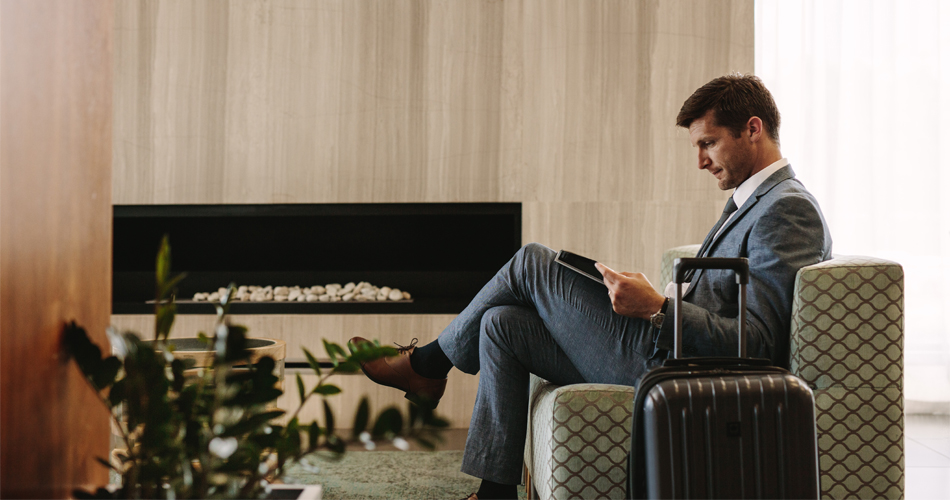
The unofficial uniform of many frequent flyers is something like clean sneakers or loafers, comfy pants, and layers on top (a nice hoodie or cardigan over a t-shirt). This way, you stay comfortable on a long flight and can adjust if the cabin gets chilly. The goal is to look presentable but stay comfortable for sleeping or sitting for hours.
And what about those flip-flops? Plenty of travelers (especially on long-haul flights or beach-bound routes) do wear sandals or flip-flops in First and Business Class. In a forum for Delta frequent fliers, one person admitted, “I almost always wear flip-flops and almost always fly first class. No one cares.”. The general consensus among frequent flyers is that flip-flops by themselves aren’t a problem as long as you practice good hygiene and etiquette.
Etiquette Matters More Than Attire
So what kind of behavior crosses the line? It turns out most people are far more concerned about courtesy and cleanliness than whether you’re wearing sandals or Oxfords. For instance, walking around the cabin barefoot is almost universally frowned upon (and many airlines explicitly ban being barefoot outside of your seat). If you like to kick off your shoes during a flight, wear socks or the slippers provided to keep it polite.
A little consideration goes a long way. Strong perfumes or body odor can be just as troublesome as an inappropriate outfit. Wearing a skimpy top or offensive T-shirt might get you side-eyed (or even kicked off if the crew deems it “lewd or patently offensive”). Before heading to the airport, a good rule is to check yourself in the mirror and ask: Would I wear this around kids or strangers in a tight space for hours? If the answer is yes, you’re likely fine.
Also, remember that cultural norms vary. If you’re flying to or from a conservative region, it’s wise to err on the modest side. For example, some Middle Eastern airlines have advised that passengers dress modestly (women covering shoulders and knees, men avoiding shorts) in line with local customs. Being respectful of local culture, even on the plane, can save you from unwanted attention.
Read also: Why Business Class Costs So Much
Comfort and Respect Can Coexist
Ultimately, flying First Class (or any class) is about enjoying the journey safely and comfortably. You paid for that pricey seat, which often runs into the thousands of dollars, so you have the right to make yourself comfortable. If that means wearing your $2 Old Navy flip-flops instead of dress shoes, so be it! Just be smart about it. And if it’s a quick flight, no one expects you to dress like you’re on a runway – come as you are.In other words, wear what makes you comfortable, within reason.
If you keep yourself neat, respect those around you, and follow crew instructions, you’ll be flying in style – no matter what you have on your feet. And when you’re ready to book your next First Class experience, AranGrant is here to get you there in comfort and confidence.