

Chapters:

Need help with your trip?
Our support team is available 24/7. Request a callback or call us directly at (833) 619-0908
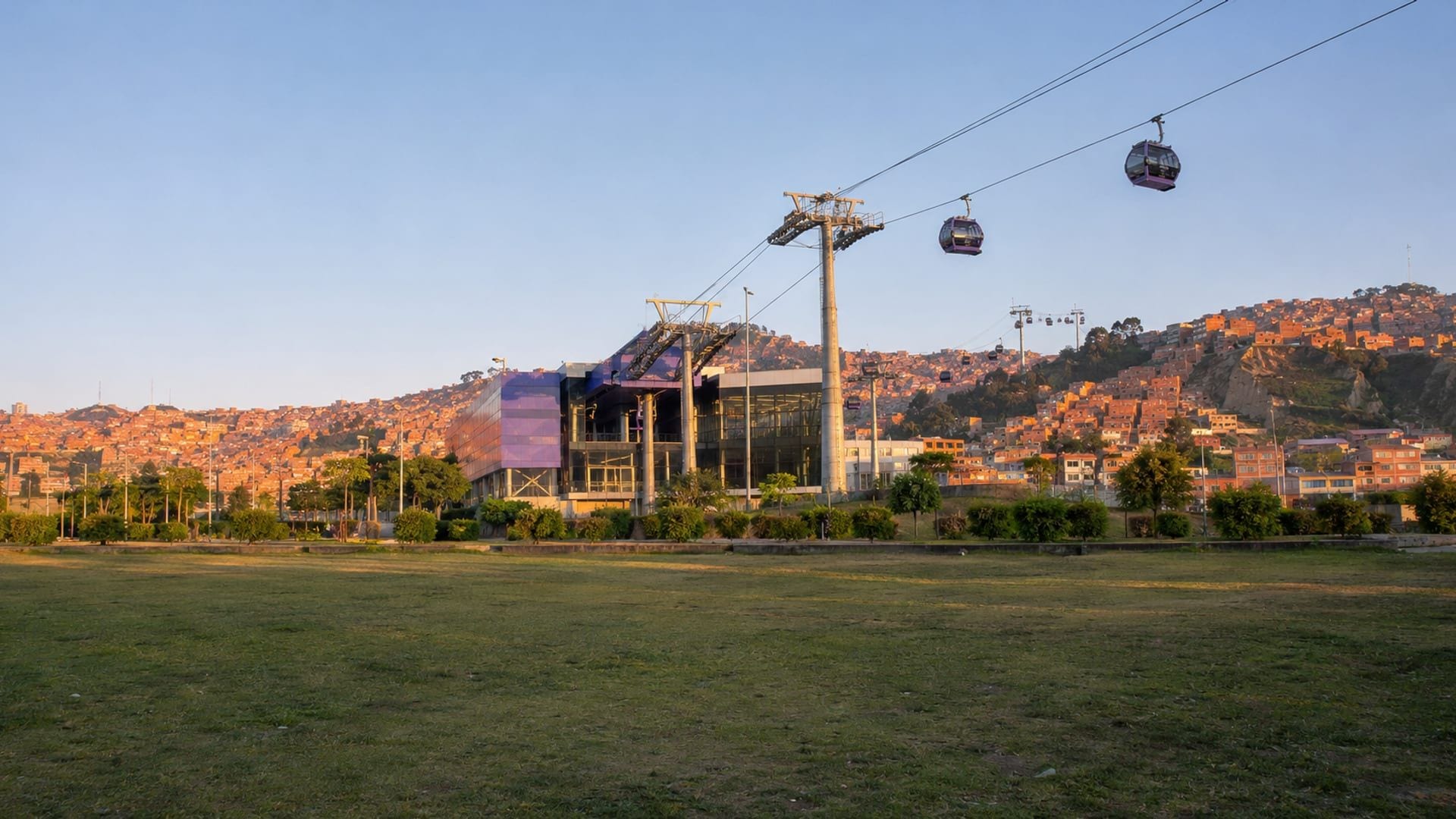
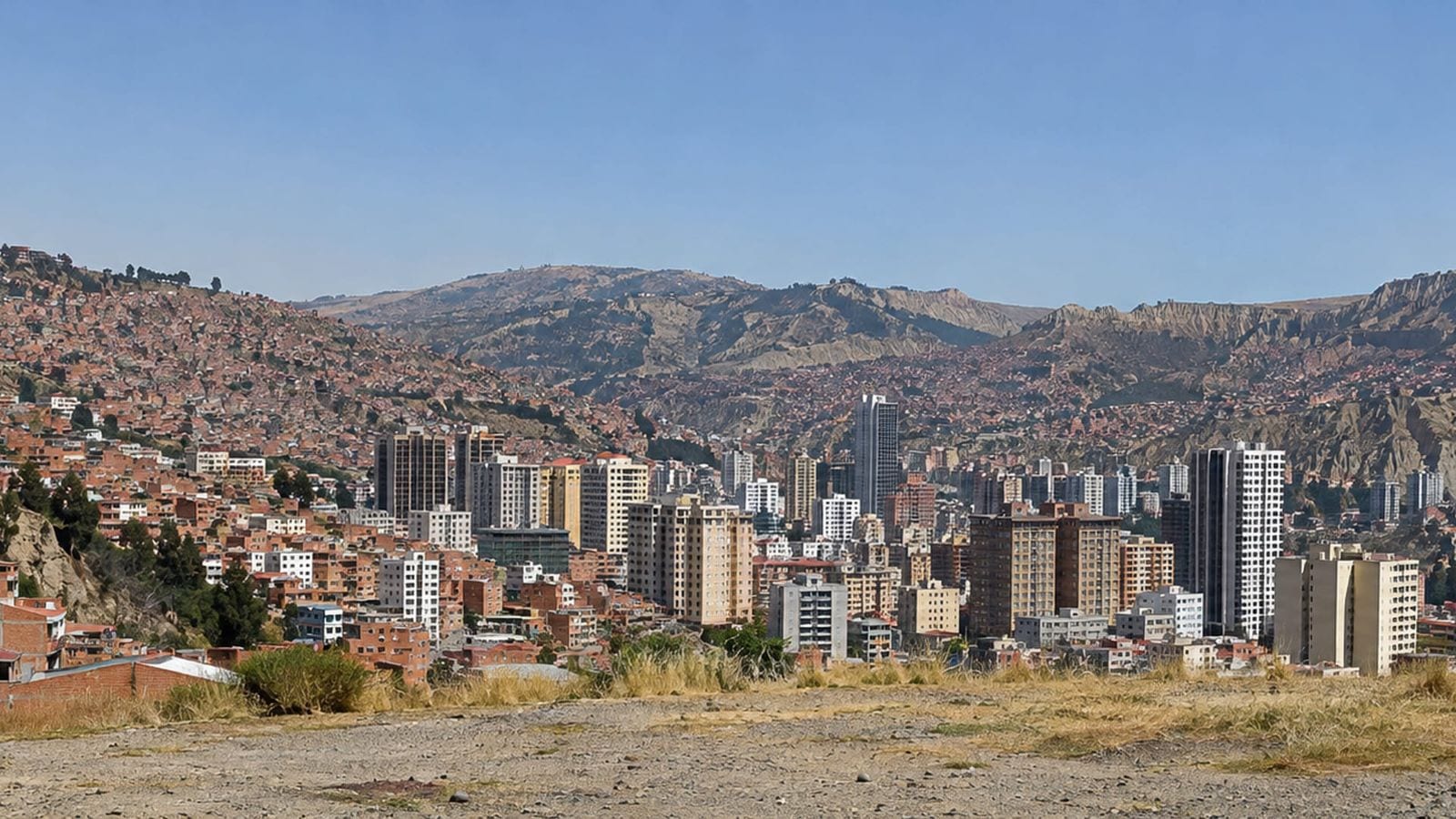
La Paz stretches across a steep Andean valley, where colorful houses climb the hillsides beneath the snow-covered peaks of the Cordillera Real. At more than 11,900 feet (3,600 meters) above sea level, Bolivia’s administrative capital is known for its dramatic geography, bustling markets, colonial streets, and cable cars traveling above densely packed neighborhoods. Plaza Murillo and the Witches’ Market reveal different sides of the historic center, while the lower Zona Sur has modern restaurants and unusual eroded landscapes.
The city’s steep streets and high altitude call for a gentler pace, especially during the first two days. This guide covers where to stay, transport, major attractions, traditional food, and a five-day itinerary through La Paz’s historic districts and mountain scenery.
Useful things to know

Main language(s): Spanish
Hola (OH-lah) – Hello
Por favor (por fah-VOR) – Please
Gracias (GRAH-syahs) – Thank you
¿Habla inglés? (AH-blah een-GLAYS) – Do you speak English?
¿Cuánto cuesta? (KWAHN-toh KWES-tah) – How much does it cost?

Currency: Bolivian boliviano (BOB, Bs)

Cash and cards: Hotels and larger restaurants accept cards, but smaller businesses often prefer cash. Carry Bs 100 to Bs 200 (US$8 to US$17) in small denominations.

Tipping: Tipping is optional. Round up the bill or leave 5% to 10% at restaurants when service is not included.

Traditional food: Salteñas, anticuchos, pique macho, silpancho

Water and coffee costs: Bottled water generally costs Bs 5 (US$0.42), while an espresso costs Bs 12 (US$1).

Taxis and ride apps: Radio taxis and hotel-arranged transfers are useful for visitors. InDrive is another booking option, although availability varies. Agree on the fare before departure.

Plug and voltage: Type A and Type C sockets, generally 230 V, 50 Hz. Check appliance compatibility, as plug adapters do not convert voltage.

Dining and shop opening hours: Breakfast is commonly served from 7 am to 10 am, lunch from 1 pm to 3 pm, and dinner from 8 pm to 10 pm. Many shops close earlier on Sundays.

Emergency number: Dial 110 for police, 119 for fire rescue, and 118 for an ambulance.
Where to stay in La Paz
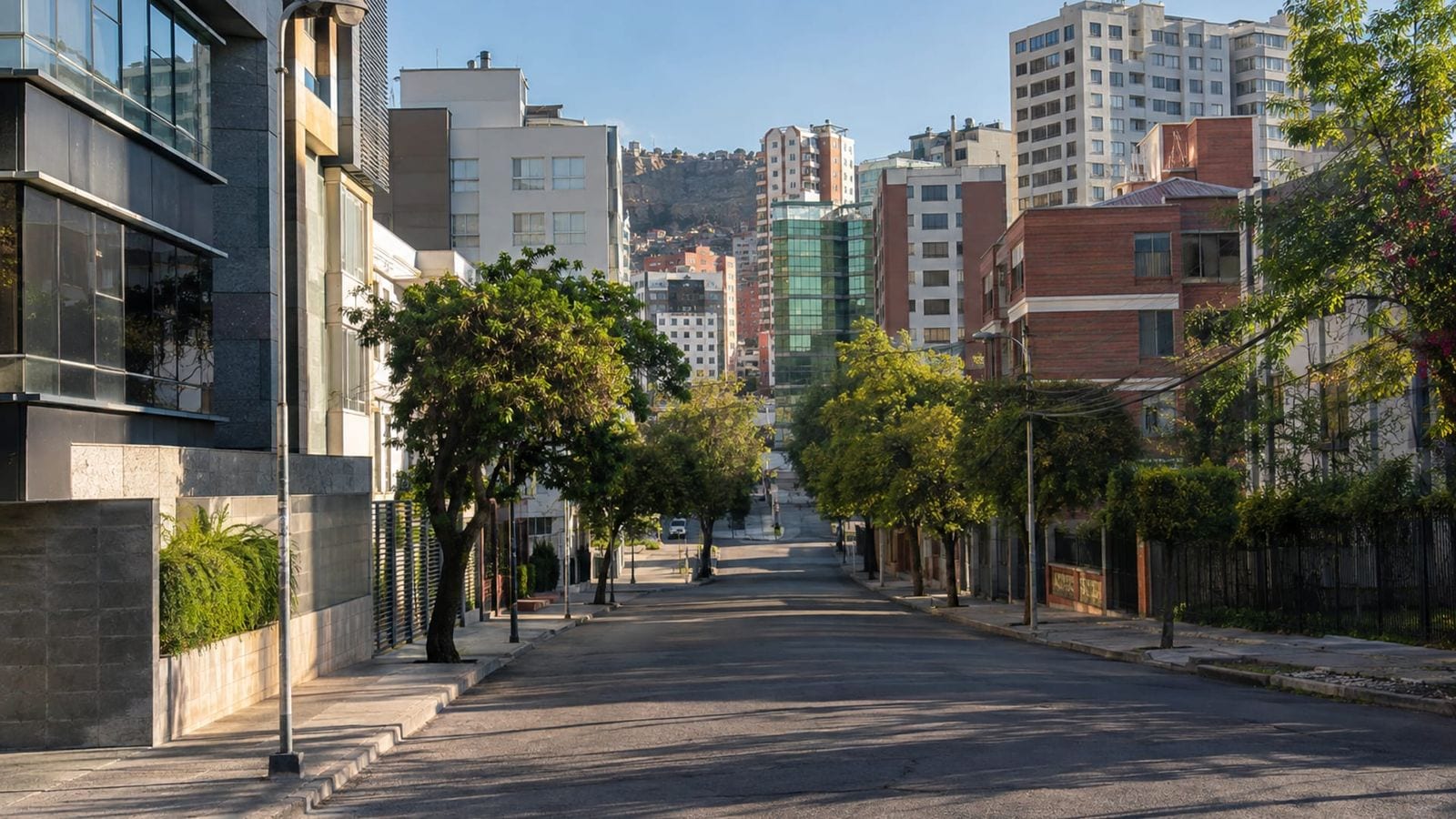
Sopocachi lies west of central La Paz, with tree-lined streets, independent restaurants, cafés, galleries, and established hotels. Its location near the Yellow Line cable car and the historic center appeals to visitors who want restaurants close to their accommodation.
Best for: Restaurants, cafés, nightlife, and convenient access to central La Paz
What to expect: Residential buildings, independent shops, galleries, and busy dining streets
Hotel prices: Well-rated stays generally cost Bs 415 to Bs 1,065 (US$35 to US$90) per night.
Distance to major sights: Plaza Murillo and the Witches’ Market are usually 10 to 20 minutes away by taxi.
Quietness: Side streets are quieter, although restaurant areas stay active after dark.
Main trade-off: Popular streets can be noisy, and central accommodation commands higher prices.
Good to know: Choose a hotel away from major intersections if you prefer quieter evenings.
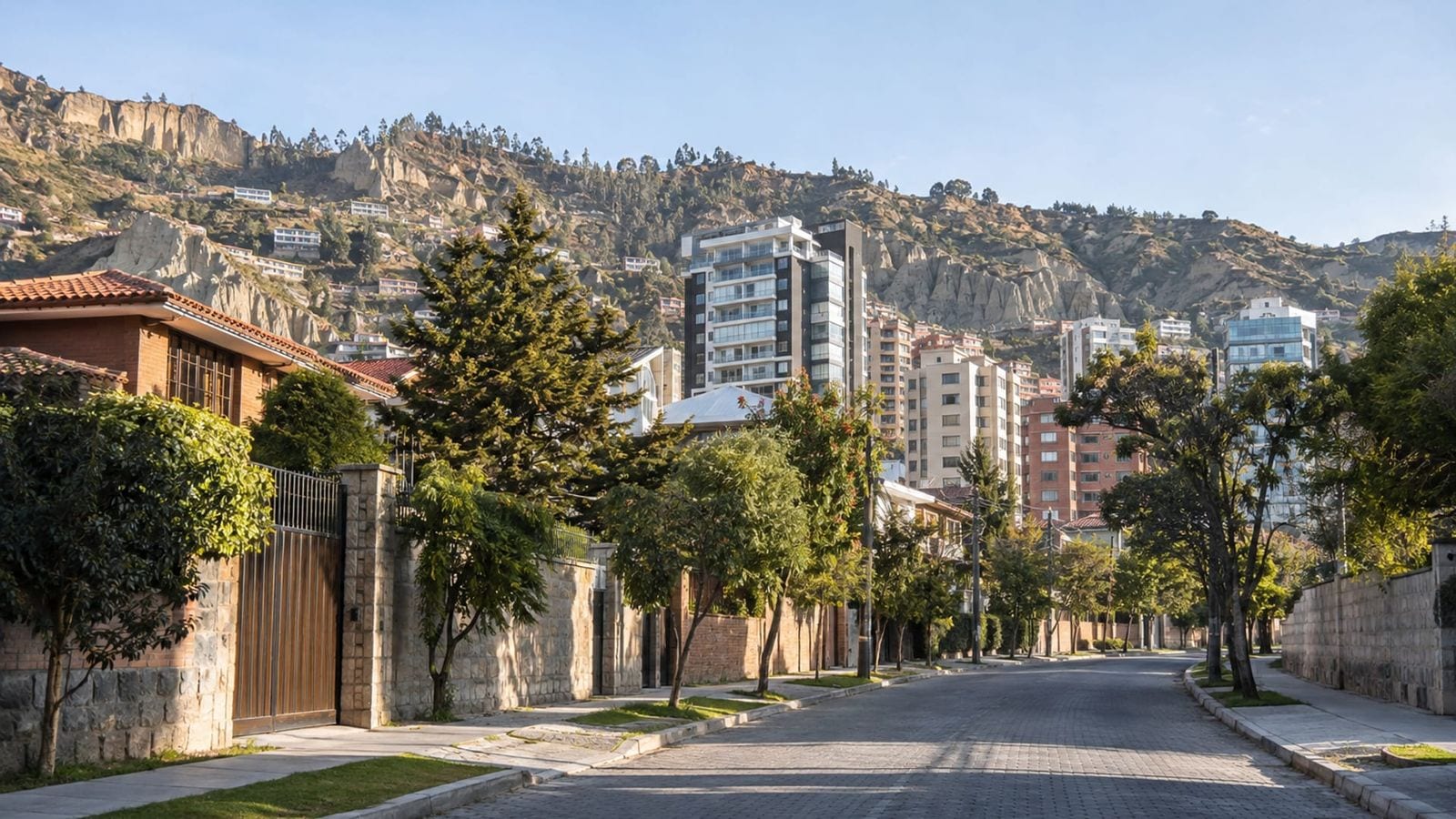
Zona Sur occupies the lower southern part of La Paz, where the climate is slightly warmer. Areas such as Calacoto, Achumani, and Irpavi have modern hotels, shopping centers, parks, and restaurants. The district suits longer visits and travelers who prefer newer accommodation.
Best for: Longer stays, families, business visits, and modern accommodation
What to expect: Residential avenues, shopping centers, restaurants, and larger buildings
Hotel prices: Accommodation commonly costs Bs 470 to Bs 1,420 (US$40 to US$120) per night.
Distance to major sights: Plaza Murillo is typically 25 to 40 minutes away by taxi.
Quietness: Residential streets are generally quiet, with more activity near shopping areas.
Main trade-off: Historic attractions require longer journeys, particularly during rush hour.
Good to know: The Green Line cable car provides an alternative to road traffic for certain journeys.
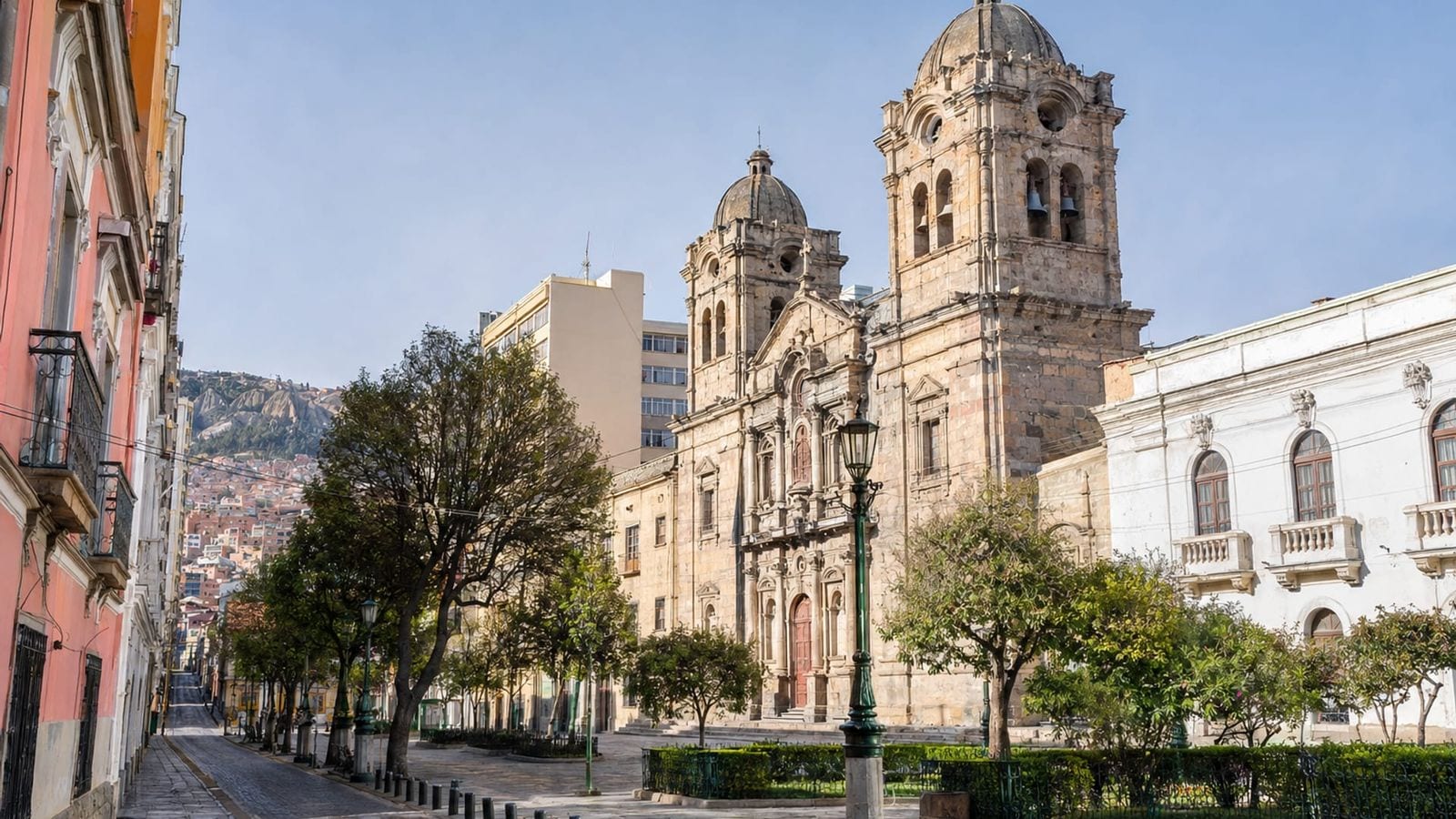
Centro covers the historic streets surrounding Plaza Murillo, San Francisco Basilica, government buildings, museums, and traditional markets. Its dense street network places many major attractions within walking distance, so it is convenient for first-time visitors.
Best for: Historic landmarks, museums, markets, and central sightseeing
What to expect: Busy streets, colonial buildings, vendors, shops, and government offices
Hotel prices: Well-rated accommodation ranges from Bs 415 to Bs 1,180 (US$35 to US$100) per night.
Distance to major sights: Plaza Murillo and Calle Jaén are within a 5 to 15-minute walk of many central hotels.
Quietness: Commercial streets get quieter after shops and offices close.
Main trade-off: Traffic, crowds, and steep sidewalks can make some journeys tiring.
Good to know: Choose accommodation on a well-lit main street and arrange taxis for late returns.
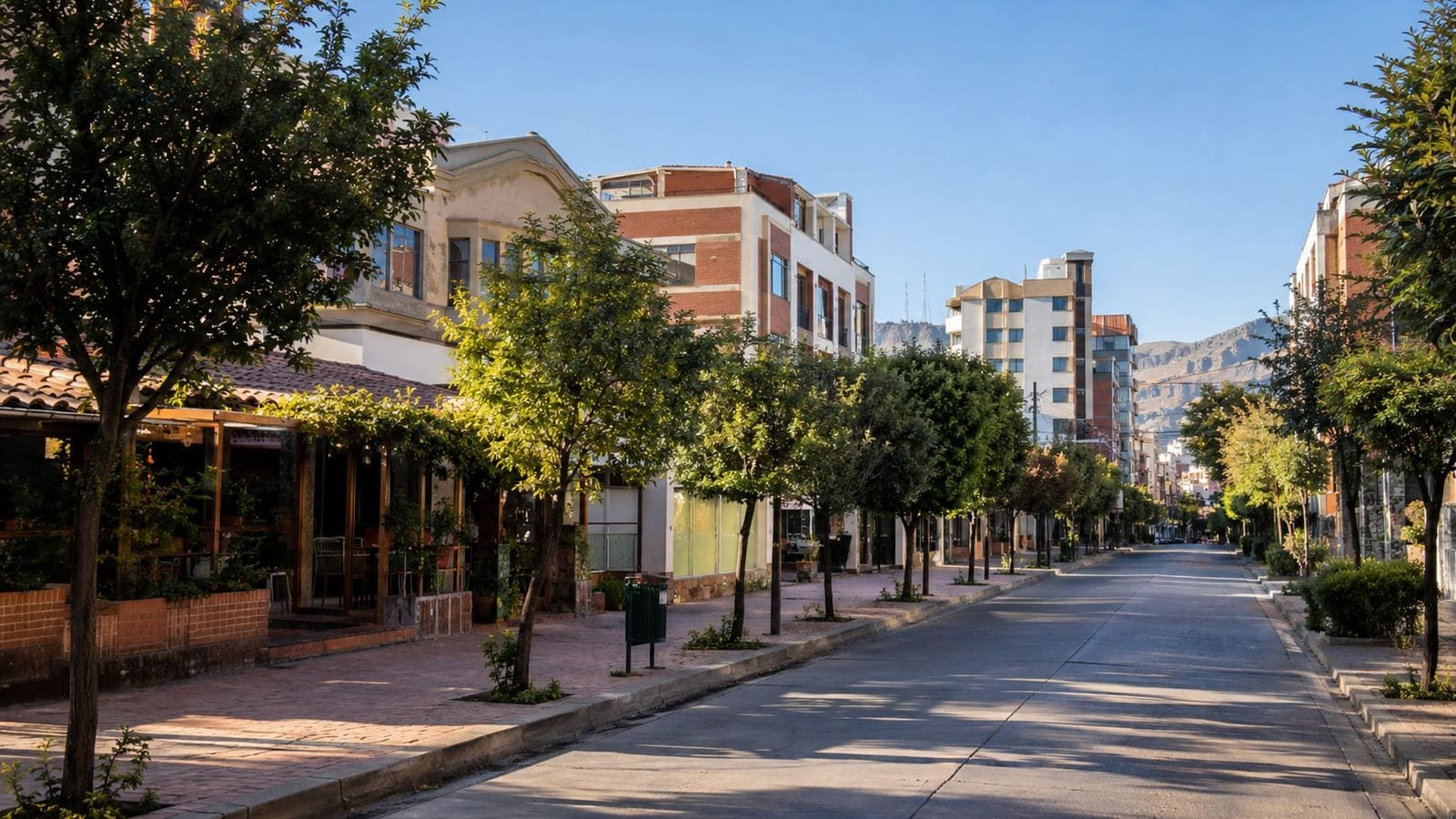
San Miguel is an established neighborhood within Zona Sur, known for its cafés, restaurants, boutiques, banks, and modern apartment buildings. Its compact commercial streets appeal to visitors who prefer neighborhood restaurants to the crowded streets of the historic center.
Best for: Dining, shopping, modern hotels, and residential surroundings
What to expect: Sidewalk cafés, boutiques, restaurants, and contemporary apartment buildings
Hotel prices: Well-rated stays cost Bs 530 to Bs 1,535 (US$45 to US$130) per night.
Distance to major sights: Plaza Murillo is usually 25 to 40 minutes away by taxi.
Quietness: Residential streets are quiet, while restaurant areas attract evening visitors.
Main trade-off: Reaching the historic center and northern attractions requires additional travel.
Good to know: Check the nearest cable car station and taxi access before booking.
El Alto and distant hillside areas are less convenient for first-time visitors, particularly when returning from restaurants after dark. Sopocachi and Centro offer better access to historic attractions. Zona Sur and San Miguel suit travelers who prefer modern hotels.
Hotel deals
How to get around La Paz efficiently
La Paz’s steep terrain makes transport essential for longer journeys. Mi Teleférico, buses, and taxis each serve different parts of the city.

Metro
for longer distances
Mi Teleférico connects La Paz and El Alto through 10 color-coded cable car lines. A journey costs Bs 3 (US$0.25) for the first line; transfers cost Bs 2 (US$0.17). The Yellow and Green lines connect Sopocachi with southern districts. Buy tickets at stations or use a rechargeable card.

Bus and tram
for convenience
PumaKatari buses serve specific routes through La Paz, with fares of Bs 3 (US$0.25) with a smart card or Bs 3.50 (US$0.30) in cash. Private minibuses cover additional routes at distance-based fares. Destinations are displayed on the windshield. Confirm your stop with the driver before boarding.

Taxi
for convenience or late hours
Radio taxis and hotel-arranged vehicles provide direct journeys between districts. Short rides cost Bs 25 to Bs 60 (US$2 to US$5); airport transfers to central La Paz cost Bs 95 to Bs 180 (US$8 to US$15). Agree on the fare before boarding and carry cash in bolivianos.
*Prices are based on rates updated as of November 2026 and may change at the time of travel.
Mi Teleférico is useful for crossing the valley, taxis suit airport transfers and late journeys, and buses provide inexpensive daytime transport.
Iconic landmarks
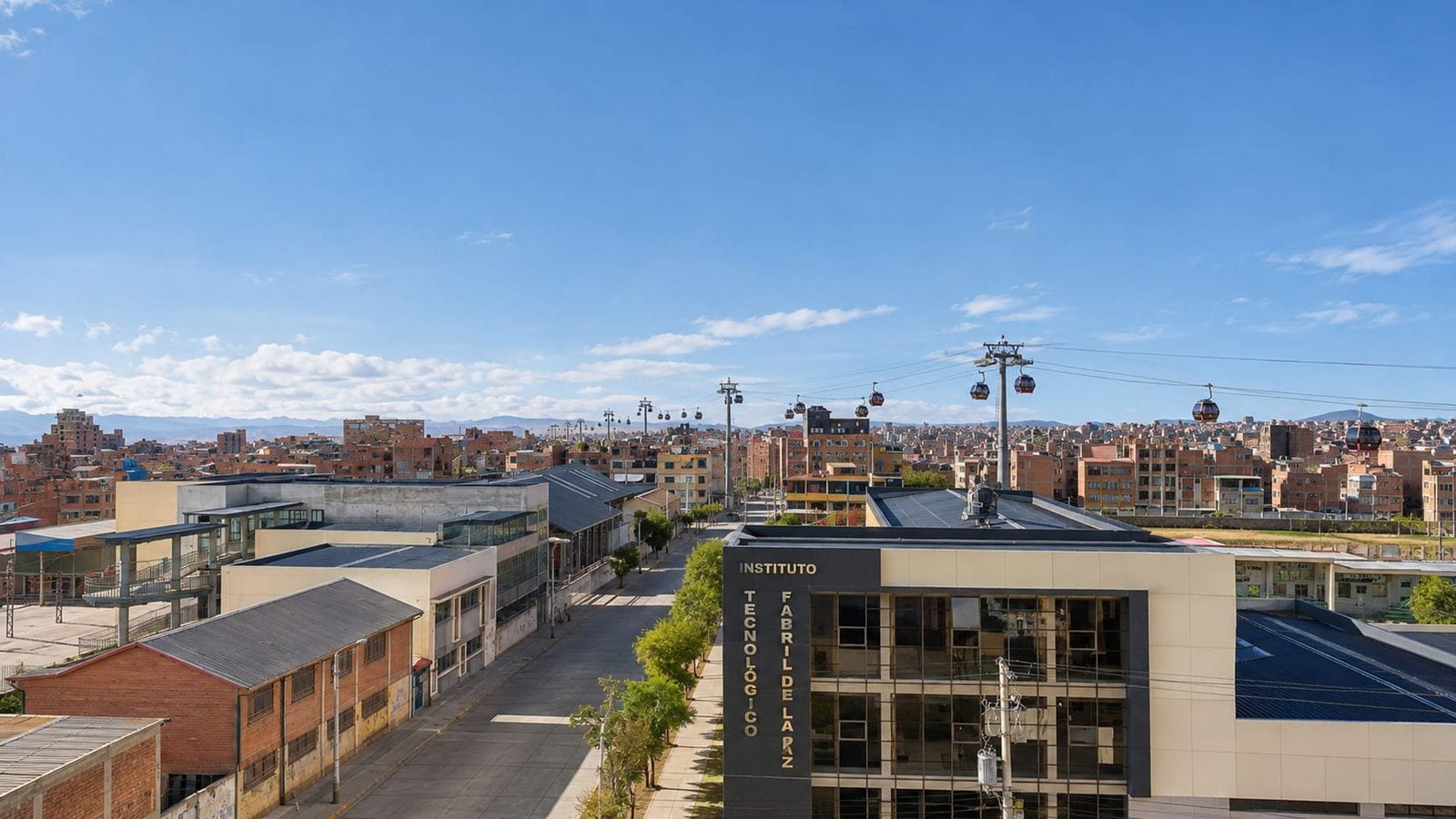
Mi Teleférico
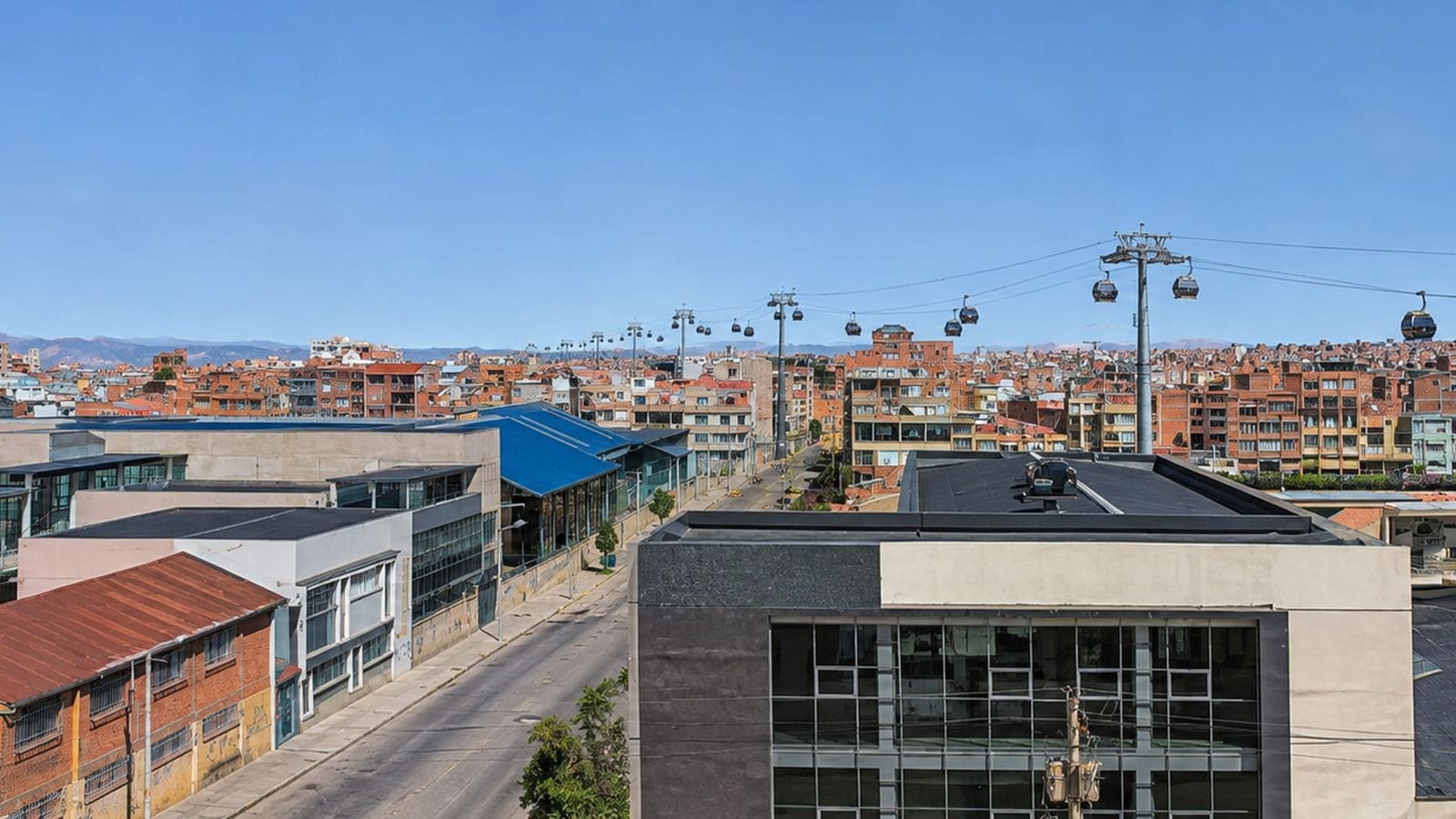
La Paz’s cable car network carries passengers above steep neighborhoods, busy streets, and the deep valley separating the city from El Alto. Its stations connect residential districts and viewpoints, making the journey both practical transport and an introduction to the city’s unusual geography.
Time needed: 1 to 2 hours
Entry: A regular journey costs Bs 3 (US$0.25), and transfers cost Bs 2 (US$0.17). Visit the official site for details.
Tip: Take the Red Line to El Alto, then return via the Silver and Yellow lines for different city views.
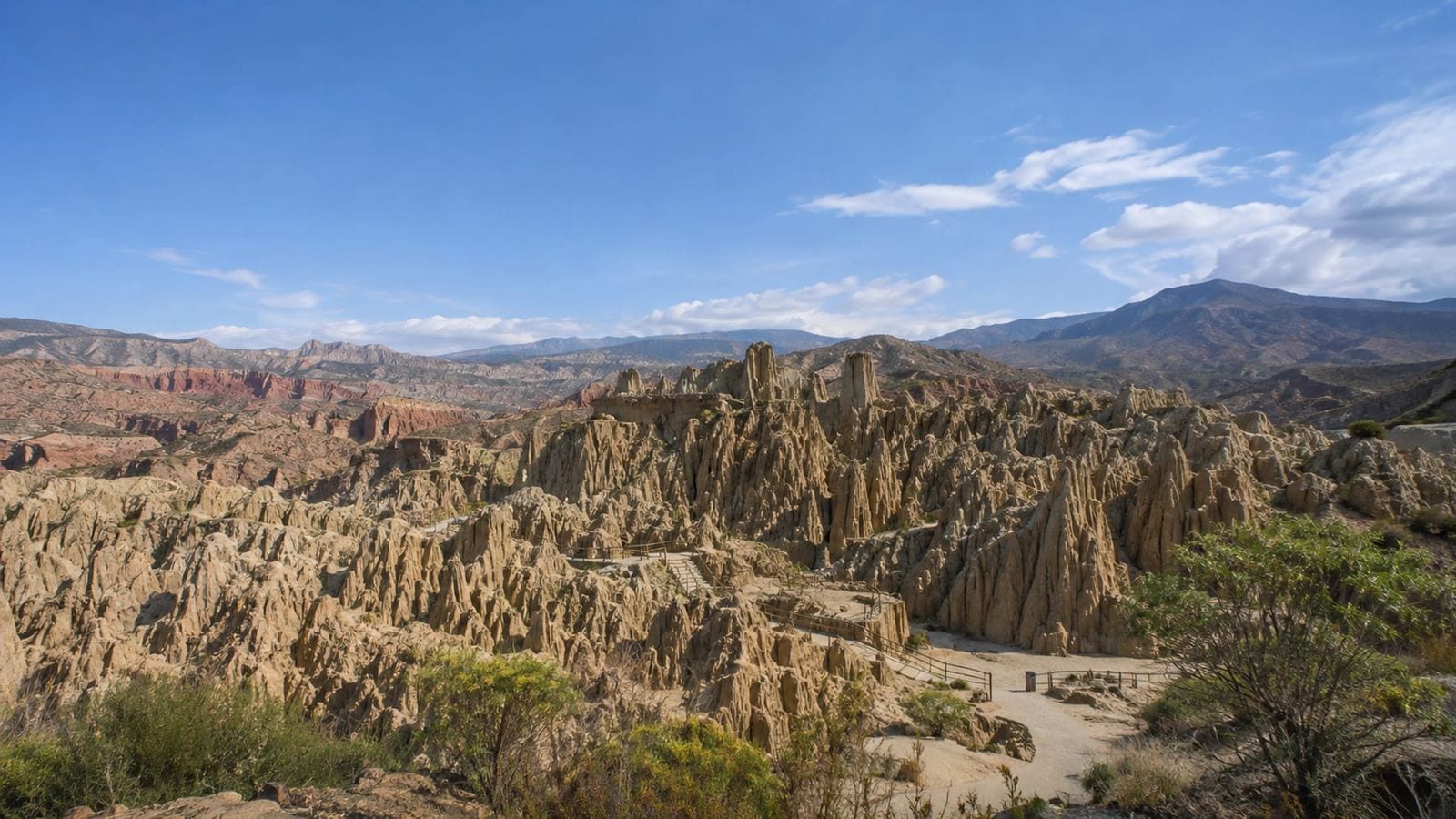
Valle de la Luna
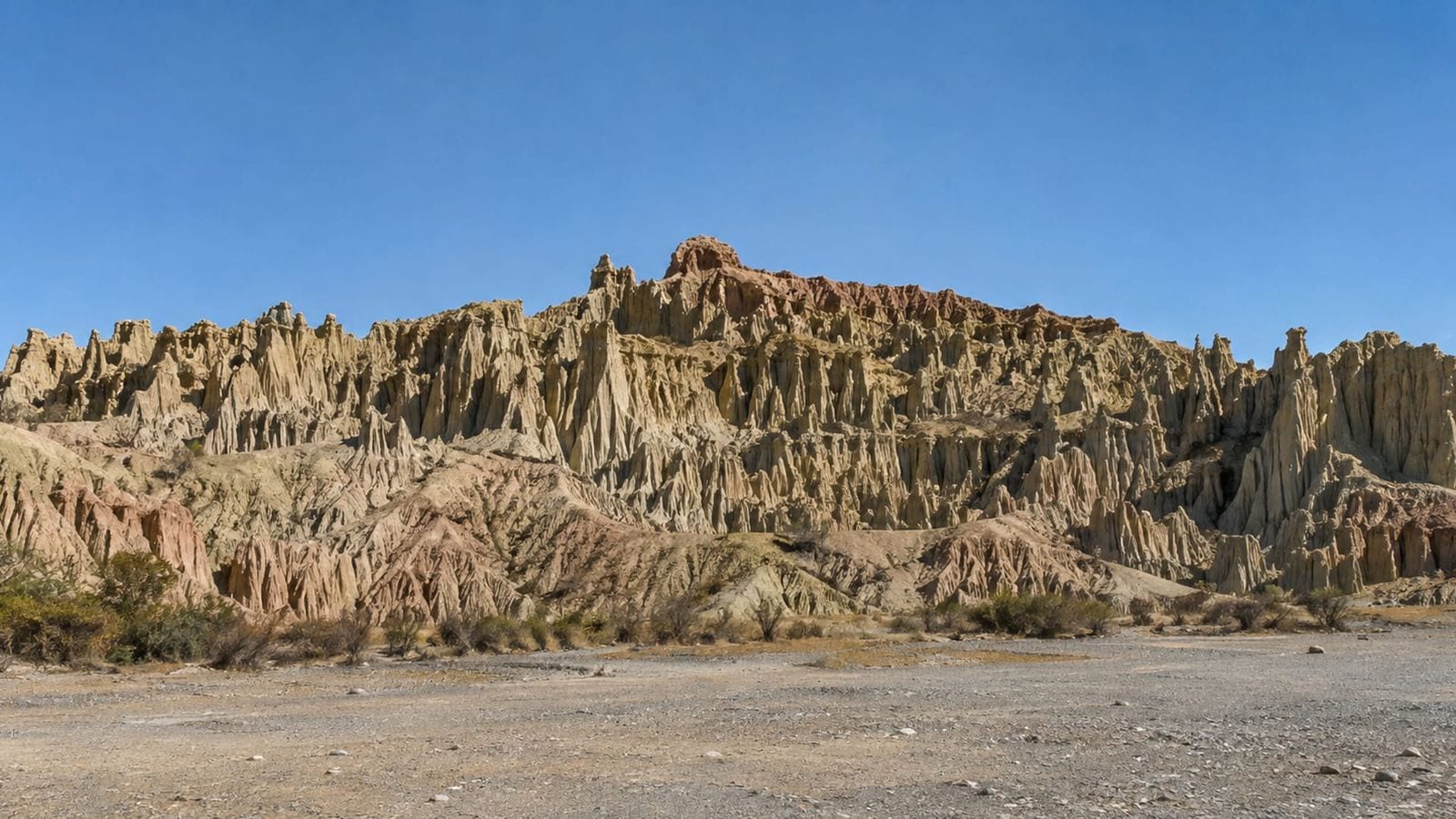
Valle de la Luna, or Valley of the Moon, lies in Mallasa, south of central La Paz. Erosion has shaped its clay formations into narrow ridges, towers, and gullies, creating an unusual landscape with short walking circuits and viewpoints.
Time needed: 45 minutes to 1 hour
Entry: Foreign visitors pay Bs 15 (US$1.27). The site opens daily from 9 am to 6 pm. Visit the official site for details.
Tip: Bring cash for admission and wear shoes with good grip, as the paths are uneven.
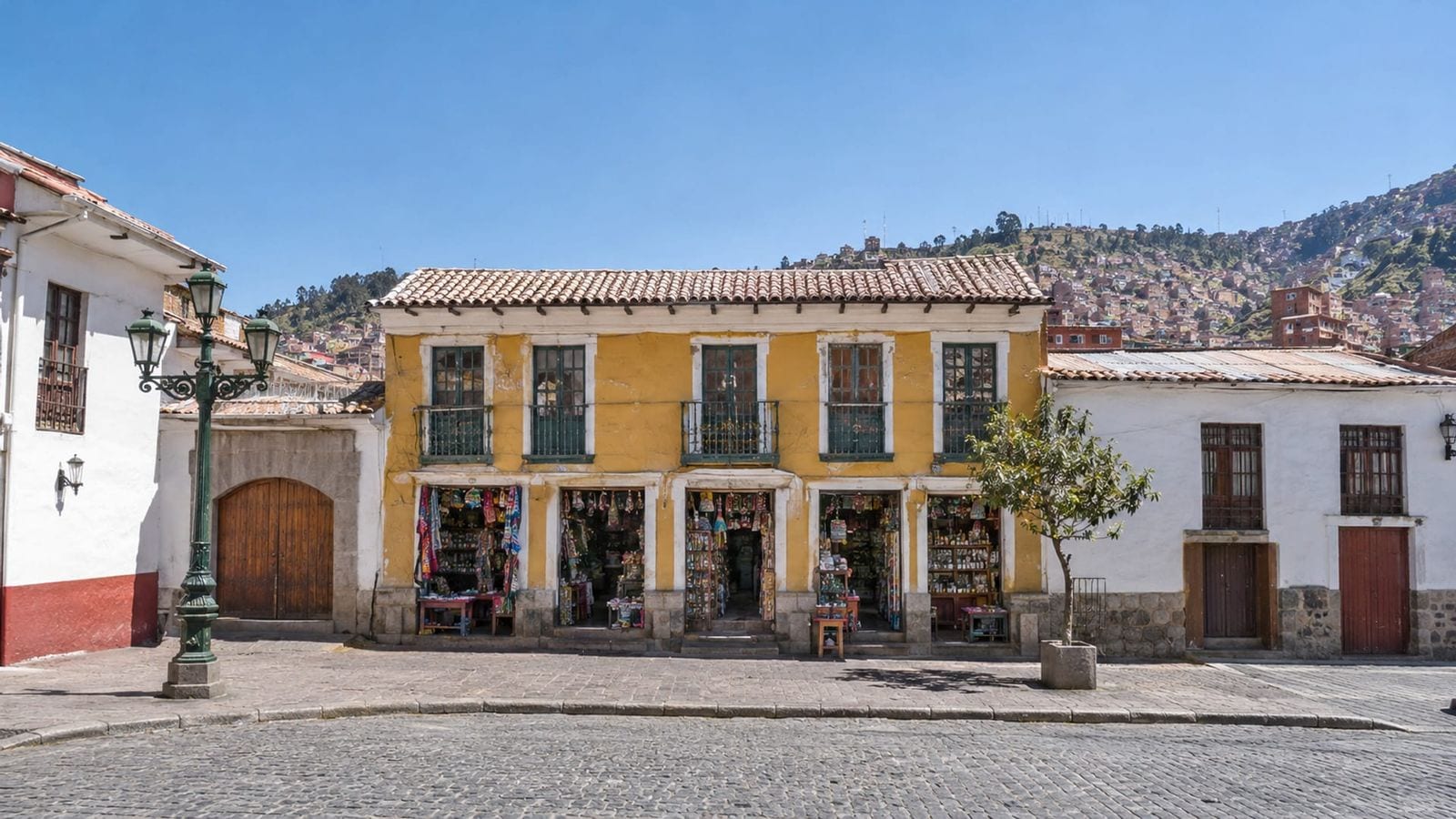
Witches' Market
The Witches’ Market, near Calle Linares and Calle Sagárnaga, is known for stalls selling medicinal herbs, traditional offerings, textiles, and ritual objects associated with Andean spiritual practices. It offers an introduction to Aymara traditions within the historic commercial district.
Time needed: 45 minutes to 1 hour
Entry: Access is free, with purchases priced individually by vendors.
Tip: Ask permission before photographing vendors or ceremonial objects.
Overlooked sites worth visiting

Mirador Killi Killi
Mirador Killi Killi is a hillside viewpoint in Villa Pabón, overlooking central La Paz and the surrounding slopes. On clear days, visitors can see the densely built valley and the snow-covered Illimani mountain.
Time needed: 30 to 45 minutes
Entry: Public access is free, with no admission ticket required.
Tip: Take a taxi uphill to the viewpoint to avoid a demanding climb at altitude.

Calle Jaén
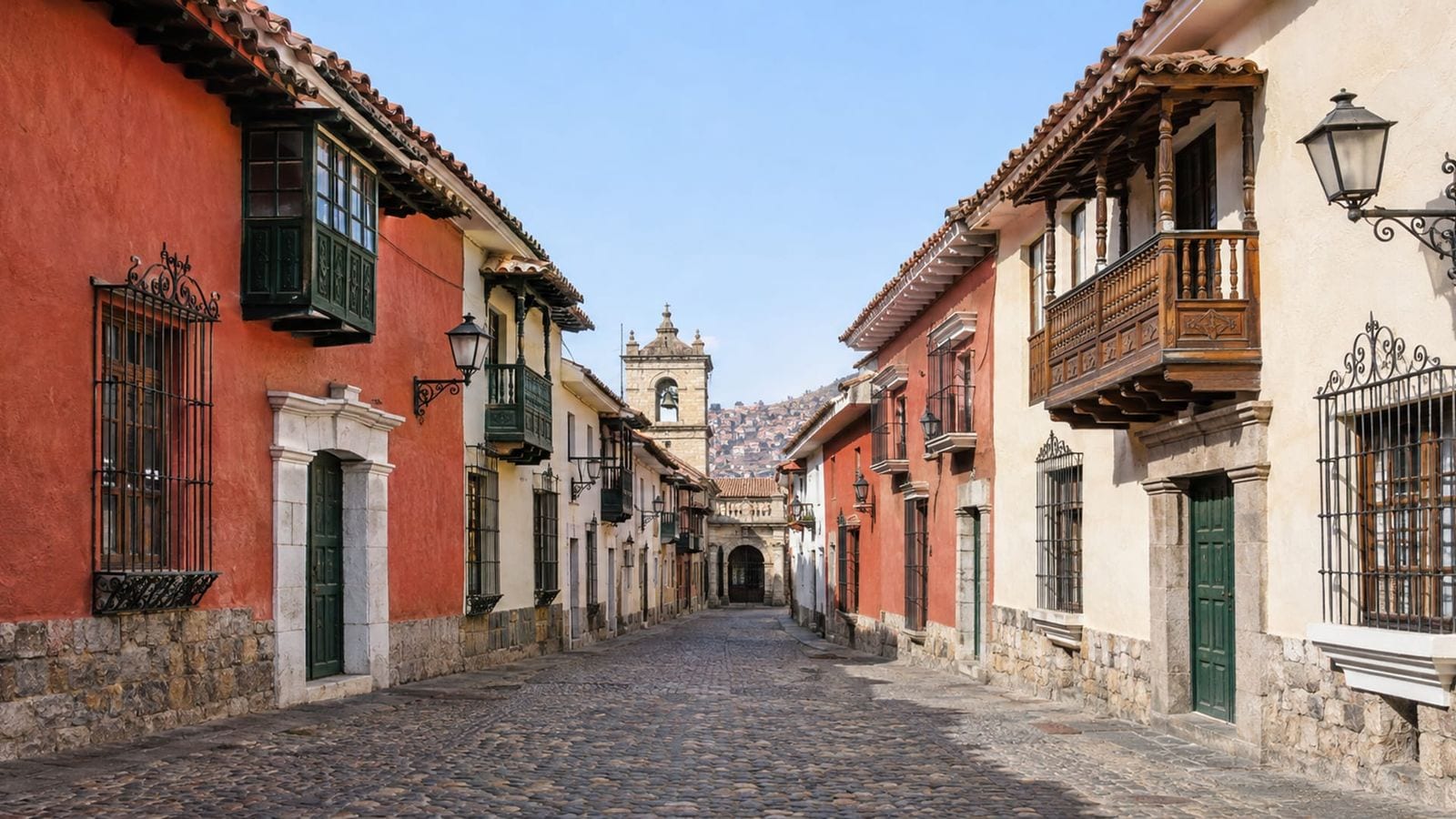
Calle Jaén is a preserved colonial street near Plaza Murillo, lined with colorful facades, wooden balconies, and small museums. Its cobbled pavement and historic buildings offer a glimpse of La Paz’s colonial past.
Time needed: Allow 45 minutes to 1 hour for the street, longer if visiting museums.
Entry: Walking the street is free. The last published municipal museum tariff for foreign visitors was Bs 20 (US$1.70).
Tip: Visit Tuesday through Saturday if you want to enter the museums, which are generally closed on Sundays and Mondays.
Traditional food
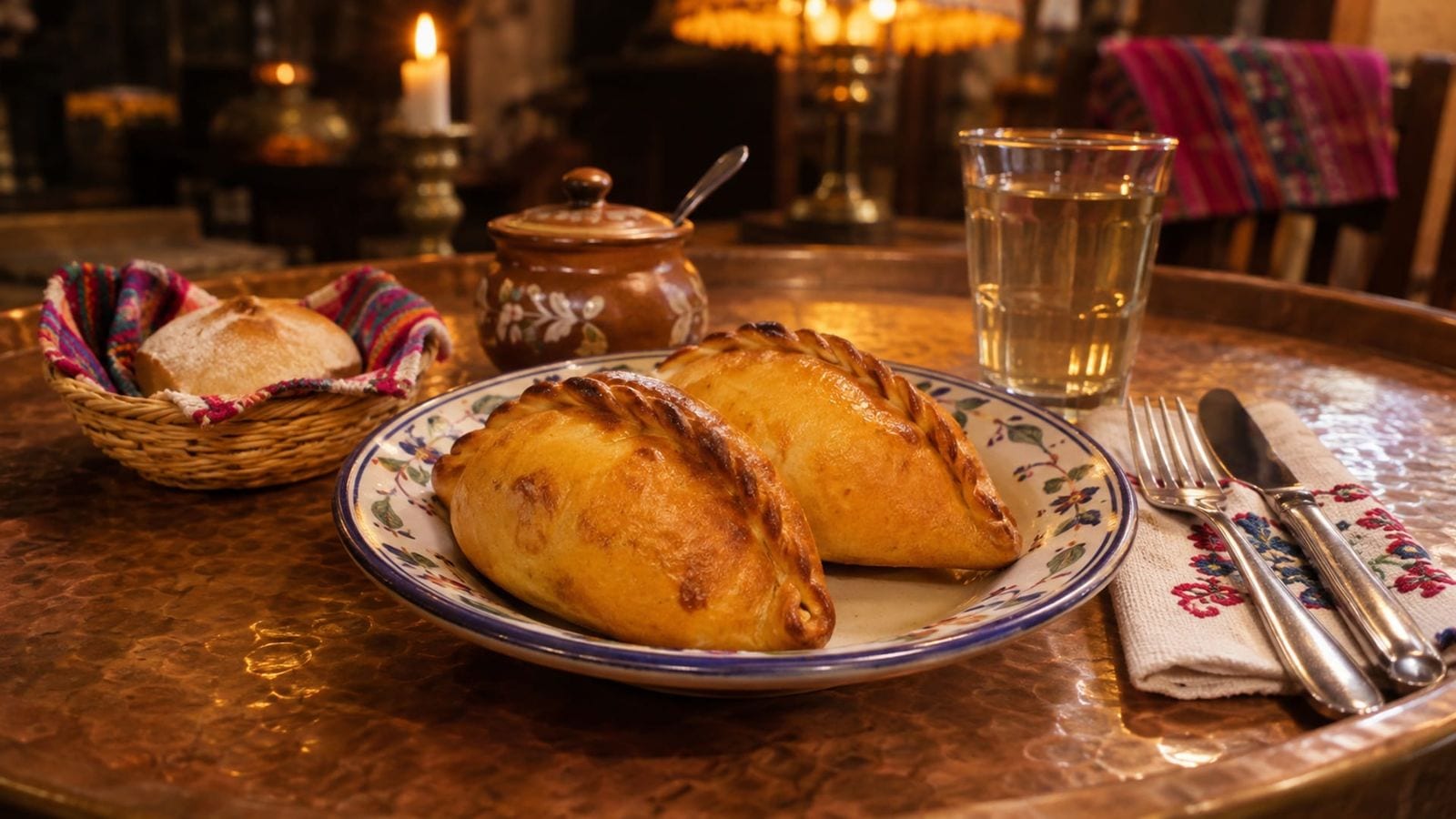
La Paz’s cuisine features potatoes, corn, meat, and traditional Andean seasonings. Salteñas, anticuchos, pique macho, and silpancho offer different introductions to the city’s everyday dining traditions.
Salteñas
Salteñas are pastries filled with beef or chicken, potatoes, vegetables, and a rich broth. They are traditionally eaten during the morning. Paceña La Salteña has branches in Centro, Sopocachi, and Calacoto, serving salteñas from 8 am to 2 pm.
Anticuchos
Anticuchos are skewers of marinated beef heart grilled over charcoal and commonly served with potatoes and a spicy peanut sauce. They are popular as evening street food in La Paz. Corazón en Llamas on Gabriel René Moreno Street specializes in anticuchos and opens in the evening.
Pique macho
Pique macho is a generous dish of beef, sausage, fried potatoes, onions, tomatoes, peppers, and spicy seasonings. Originally from Cochabamba, it is widely enjoyed throughout Bolivia and often served in portions suitable for sharing. El Pueblo del Pique in Achumani offers several versions, including traditional pique macho.
Silpancho
Silpancho combines a thin, breaded beef cutlet with rice, potatoes, a fried egg, and chopped tomato and onion. Originally associated with Cochabamba, it has become a familiar meal in La Paz. La Casa del Silpancho in Irpavi specializes in the dish, served as a substantial lunch or dinner.
Best time to visit La Paz
La Paz has a rainy season from December to March and a drier winter from May to August. Clear winter skies favor mountain views, although nights can be cold.
Best for: Green hillside scenery, cultural attractions, and quieter travel periods
What you get: Temperatures typically range from 45°F to 60°F (7°C to 16°C), with greener landscapes and frequent afternoon rain.
Trade-offs: Rain and cloud cover can obscure mountain views and interrupt outdoor excursions.
Best for: Historic sightseeing, cable car rides, and increasingly clear mountain views
What you get: Temperatures range from 41°F to 59°F (5°C to 15°C), with rainfall decreasing and more reliable conditions for exploring.
Trade-offs: Mornings become colder, especially on exposed streets and viewpoints.
Best for: Clear mountain views, dry-weather sightseeing, and cable car excursions
What you get: Temperatures generally range from 37°F to 57°F (3°C to 14°C), with dry air, bright skies, and good visibility of the surrounding peaks.
Trade-offs: Nights are cold, and popular travel dates can bring higher hotel demand.
Best for: City walks, markets, neighborhood cafés, and mild afternoon weather
What you get: Temperatures rise from 43°F to 61°F (6°C to 16°C), with pleasant daytime conditions before the wetter months arrive.
Trade-offs: Rain becomes more frequent toward November as the wet season approaches.
A realistic 5-day plan in La Paz
Five days allow you to explore La Paz’s historic streets, traditional markets, cable car network, and southern landscapes without rushing between districts. The itinerary starts with a lighter day to adjust to the altitude before moving through the historic center and Zona Sur.
Arrive at El Alto International Airport (LPB), then take a registered taxi to your hotel in Sopocachi or Centro; the ride takes 30 to 50 minutes, depending on traffic. La Paz’s altitude can be tiring after a long flight, so keep the first day light and avoid strenuous walks. Once settled, explore the cafés and restaurants around Sopocachi, where you can enjoy dinner close to your accommodation. If you feel comfortable, visit the Montículo viewpoint for a first look at the surrounding hills before returning to your hotel.
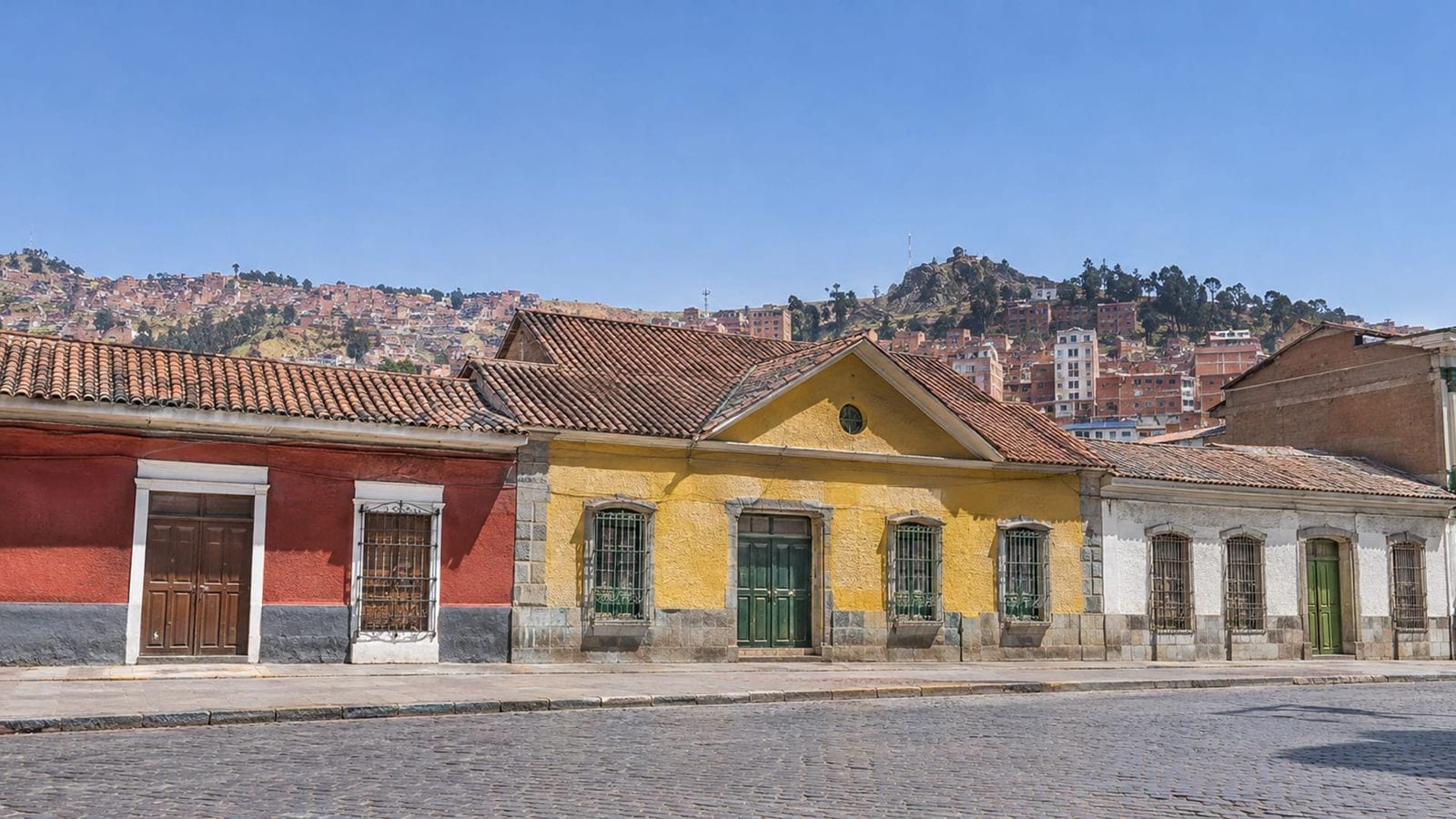
Start at Plaza Murillo, surrounded by government buildings and the Metropolitan Cathedral, then visit the National Museum of Art to explore Bolivia’s artistic heritage. Continue to nearby Calle Jaén, where colorful colonial houses contain museums devoted to local history and culture. After lunch, walk toward the Witches’ Market to browse traditional Andean offerings, herbs, and crafts. End with coffee near San Francisco Basilica, keeping the day’s attractions within the historic center.
Travel south to Valle de la Luna, a 30- to 45-minute taxi journey from central La Paz, where erosion has created towers and gullies in the clay landscape. Follow one of the marked walking circuits, stopping at viewpoints to appreciate the unusual formations. Afterward, continue to San Miguel or Calacoto for lunch and explore the area’s cafés, shops, and restaurants. Zona Sur lies at a lower elevation than the historic center, offering a different perspective on the city’s geography before dinner.
Begin at Estación Central and take the Red Line cable car toward El Alto, where the densely built valley unfolds beneath you. At 16 de Julio, transfer to the Silver Line, followed by the Yellow Line toward Sopocachi, for views across different neighborhoods and elevations. After lunch, return to central La Paz and take a taxi uphill to Mirador Killi Killi, where you can see the city’s streets, hillsides, and Illimani on a clear day. Return to Sopocachi for dinner.
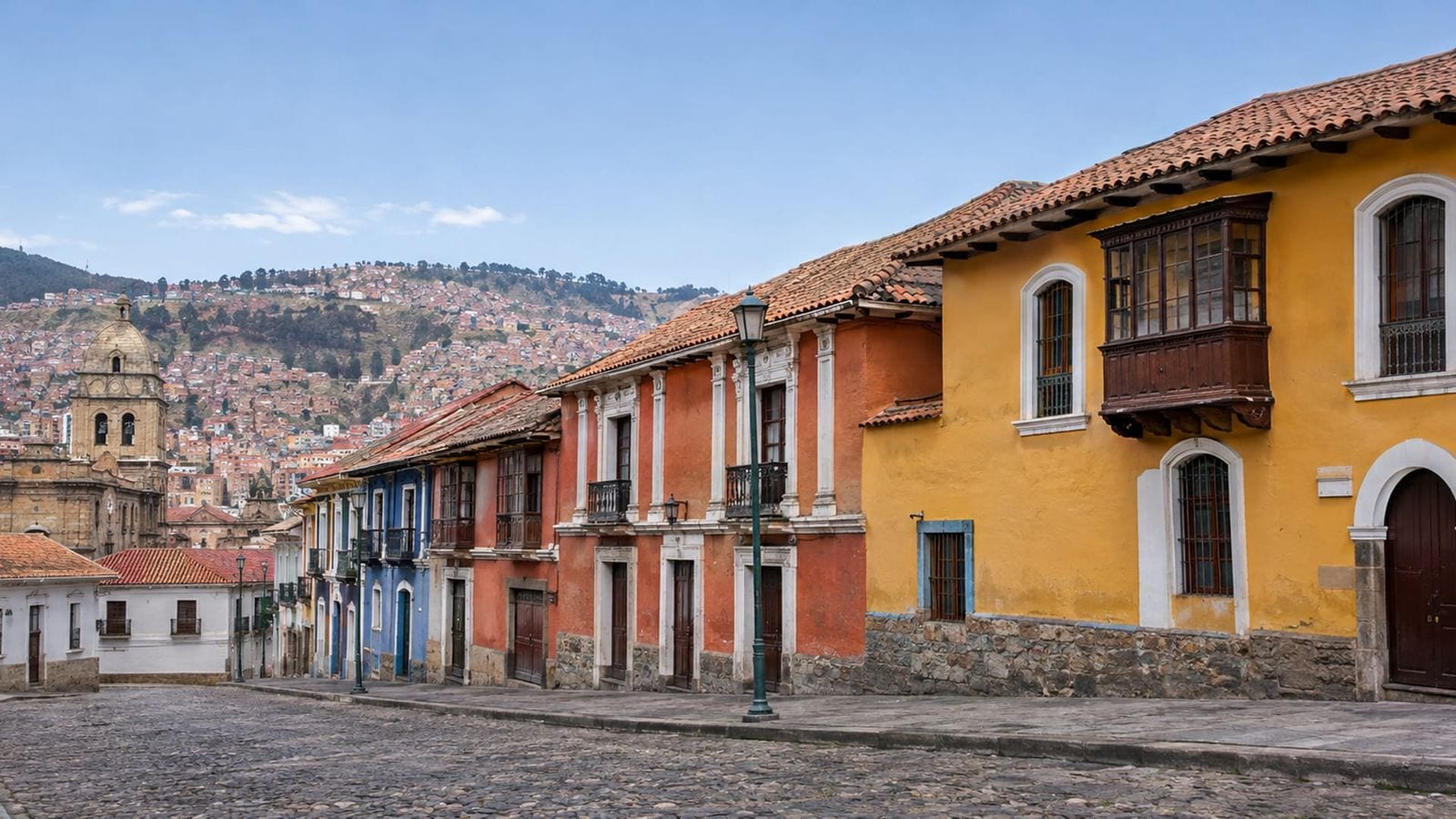
Spend your final morning near the historic center, stopping for a traditional salteña before visiting the National Museum of Ethnography and Folklore. Its collections explore Bolivia’s cultural traditions through textiles, ceremonial objects, and exhibitions in a historic building. Foreign admission costs Bs 35 (US$3), and the museum opens from 8:30 am to 4:30 pm on weekdays. Return to your hotel to collect your luggage, then allow an hour for the taxi transfer to El Alto International Airport.
Business-class flights from the US to La Paz
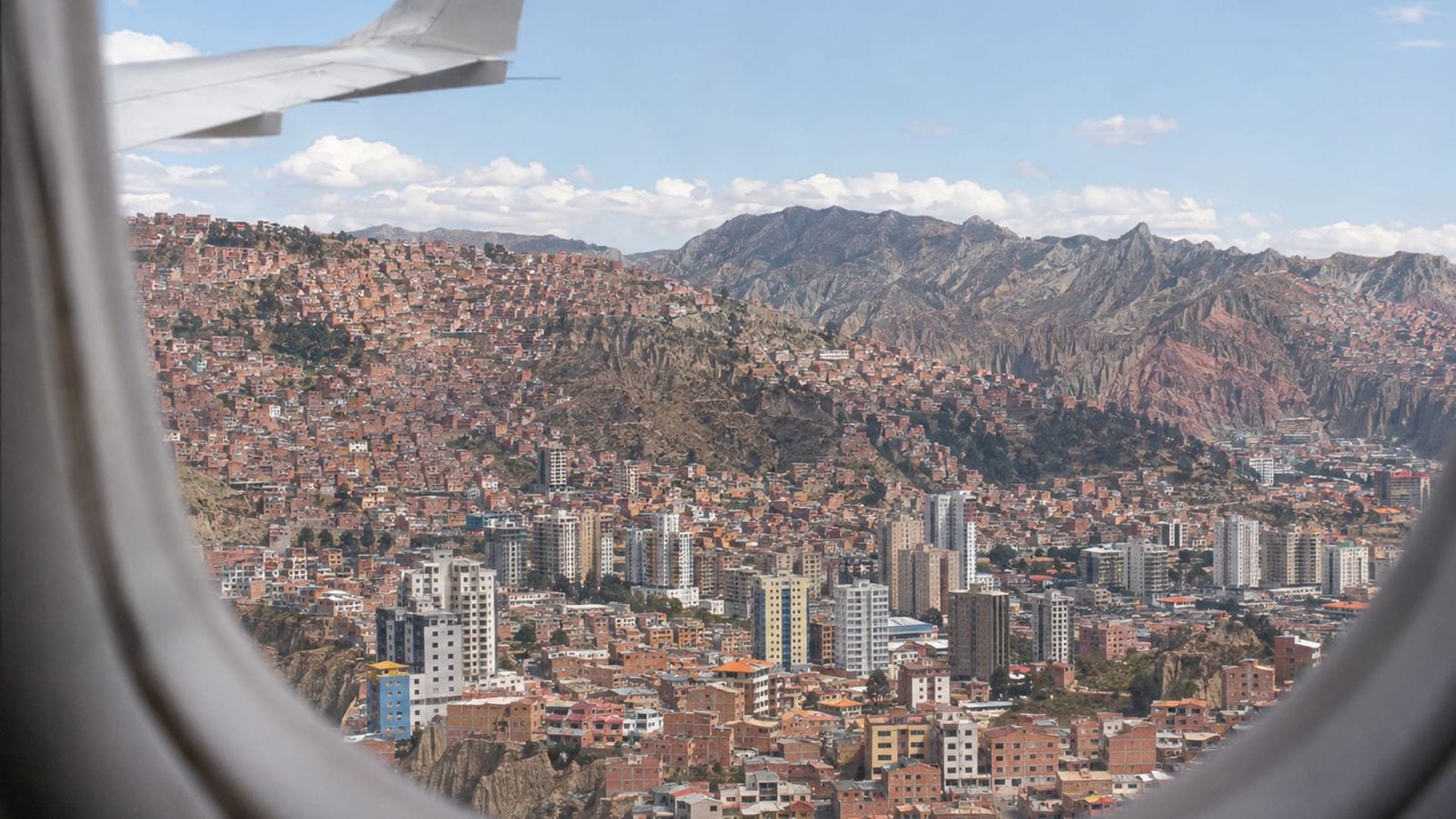
There are no nonstop flights from the US to La Paz (LPB). Travelers can take flights with one or two layovers to this destination.
New York (JFK) to La Paz (LPB)
Airlines like LATAM, Avianca, COPA Airlines, and Delta Air Lines offer flights on the New York–La Paz route. Avianca offers one-stop itineraries through Bogotá (BOG), with total journey times generally ranging from 11 to 16 hours, depending on the layover. The flight from New York to Bogotá takes about 6 hours; the one to La Paz takes 4 hours. Round-trip business-class fares on this route range from $3,300 to $4,800.
Los Angeles (LAX) to La Paz (LPB)
From Los Angeles, travelers can take flights to La Paz with LATAM, Avianca, COPA Airlines, Alaska Airlines, United Airlines, and Delta Air Lines. Avianca connects Los Angeles to La Paz through San Salvador (SAL) and Bogotá (BOG), with two stops before reaching Bolivia. Total travel times range from 18 to 30 hours, depending on the layover duration. Round-trip business-class fares range from $2,100 to $5,400.
La Paz, from Andean streets to mountain views
La Paz’s steep streets, colorful markets, colonial architecture, and cable cars make it one of South America’s most distinctive cities. The historic center reveals its cultural heritage, while Zona Sur and the surrounding viewpoints show how neighborhoods spread across the Andean valley. AranGrant experts can help you compare business-class flights and hotels that suit your travel dates and preferred location.