
Part of the appeal of an all-inclusive vacation is how little you have to think about once you arrive. At the best all-inclusive resorts, your room, meals, drinks, and many of the things you do during the day are already covered, so you can enjoy your time without worrying about arranging your plans for the day.
But all-inclusive can mean very different things from one resort to another. Choosing the right one comes down to what is bundled into the price, how far that bundle goes beyond the basics, and which destination suits the kind of vacation you want.
Read in this post:
What separates a true all-inclusive resort from a basic package deal

A true all-inclusive resort has accommodation, all meals, alcoholic and non-alcoholic drinks, and at least some activities or entertainment included in one price. That goes beyond half-board, which usually includes breakfast and one other meal, or full board, which includes breakfast, lunch, and dinner but generally leaves activities and entertainment outside the package.
The label itself can be misleading, though, and that is the first thing to settle when working out what the best all-inclusive resorts are. Some properties market themselves as all-inclusive resorts while their base rate covers only buffet meals and house drinks, with much of the rest charged item by item. The best all-inclusive resorts cover the full bundle in one price, so you don’t have to pay extra for other items upon arrival.
The modern all-inclusive concept dates back to 1950, when Gérard Blitz opened the first Club Med village in Alcúdia, Mallorca. It was a beach camp made up of canvas tents, where guests arrived for two-week vacations with their meals and activities already arranged for them. One price covered much of the trip and removed the need to plan meals, sports, and entertainment separately.
Club Med itself shows how far the format has developed. What began as a simple tent village eventually became permanent resorts with children’s clubs, sports lessons, several restaurants and buffets, and entertainment throughout the day. Modern all-inclusive resorts use the same basic idea, although exactly what the price covers differs by resort.
Luxury all-inclusive resorts take that model far enough to deserve a separate comparison with standard properties.
What separates a luxury all-inclusive resort from a standard one
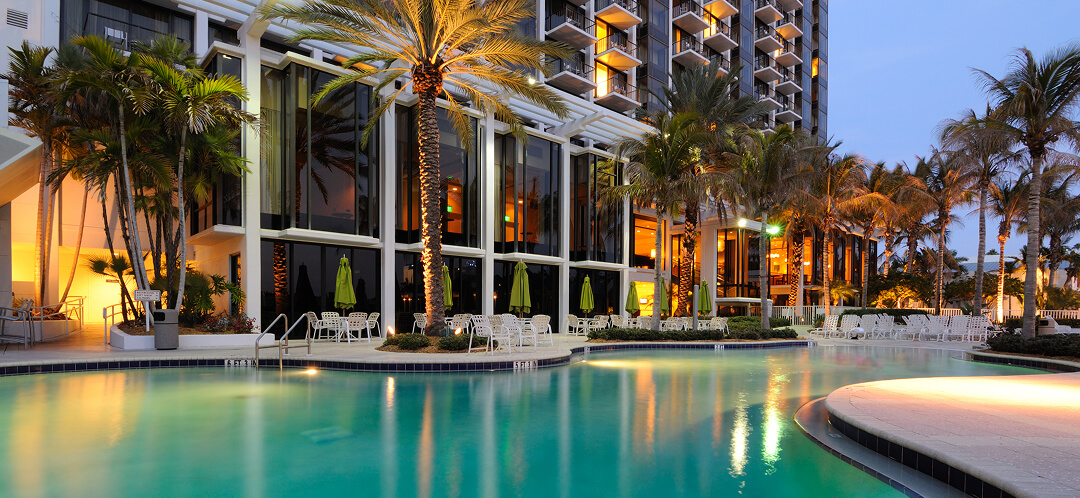
A luxury all-inclusive resort offers rooms and suites with features such as a private or plunge pool, along with personal attention from a butler or concierge, room service, broad access to à la carte restaurants, and premium drinks without extra charges. Such features are unavailable at standard all-inclusive resorts.
The premium tier grew out of the traditional all-inclusive market itself. Established brands, Club Med included, began building luxury all-inclusive resorts in the same format for guests who wanted the convenience of an all-inclusive without giving up the standards they expected from a luxury hotel. However, the exact package still changes by property and room category. A benefit available with every suite at one resort may come only with the highest room categories somewhere else.
Because both standard and luxury all-inclusives can include a long list of meals, drinks, activities, and other benefits, the package alone does not always tell you which tier a resort belongs to. But independent ratings can make that distinction clearer. Forbes Travel Guide, for example, evaluates all-inclusive properties using the same standards it applies to other luxury hotels, and AAA does something similar through its Diamond rating system. They give you an independent point of reference for judging whether a resort meets a luxury standard, making them a useful starting point for figuring out what the best luxury all-inclusive resorts are.
What types of luxury all-inclusive resorts are there?
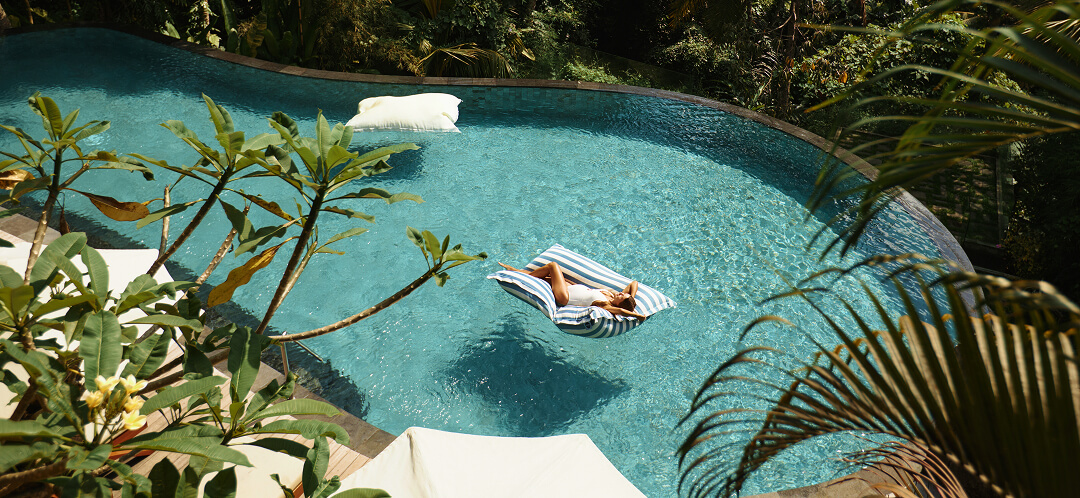
Luxury all-inclusive resorts often cater to specific trips and travelers, so the right format depends on what you want from your vacation. The most popular types include:
- Adults-only resorts: These properties set a minimum guest age, which varies by resort. Their dining, entertainment, pools, and activities cater to adult guests only.
- Couples-focused resorts: These properties focus mainly on two-person trips such as honeymoons and anniversaries. Many offer private dinners, couples’ spa treatments, and activities designed for two.
- Wellness resorts: These properties put much more emphasis on fitness, spa treatments, nutrition, yoga, meditation, and structured wellness programs. A package may include some activities, while treatments or specialist programs cost extra.
- Golf resorts: Golf-focused all-inclusive resorts include green fees, transport to the course, practice facilities, or preferred tee times. The exact golf benefits depend on the package.
There are more types of luxury all-inclusive resorts than these four, and individual properties can fit more than one category. An adults-only resort can also have a strong wellness focus, for example.
Once you know the kind of resort you want, the destination becomes the next major choice.
Which destinations consistently produce the best all-inclusive resorts
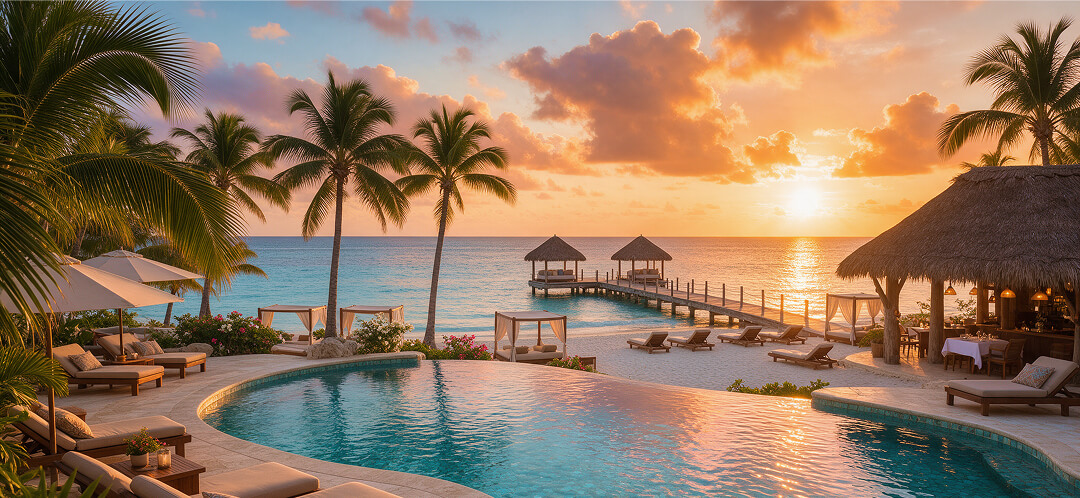
Mexico, the Caribbean, and parts of the Mediterranean have some of the strongest luxury all-inclusive markets. This is where the best all-inclusive resorts are because these regions have large resort areas and long-established all-inclusive industries, with options ranging from traditional beach properties to specialty resorts.
At the luxury level, resorts in different regions can offer a similar standard of accommodation and personal attention. What changes with the destination is everything outside that shared level of comfort: the food, culture, landscape, and activities.
Mexico
Mexico has luxury all-inclusives on both the Caribbean and Pacific coasts, so there is no single Mexican resort experience. Some properties also include Mexican cooking classes, tequila or mezcal tastings, and other activities connected to local food and drinks.
- Cancún and the Riviera Maya
Cancún and the Riviera Maya are on Mexico’s Caribbean coast, on the eastern side of the Yucatán Peninsula. The Mesoamerican Reef, a vast coral reef system, lies just offshore, so snorkeling and other water activities are a natural part of many resort programs here.
The region also has cenotes, which are natural freshwater sinkholes, and major Maya archaeological sites. Visiting those usually requires arranging a separate trip from the resort, but they are among the region’s main cultural and natural attractions.
- Cabo San Lucas and Los Cabos
Los Cabos is at the southern end of the Baja California Peninsula in northwestern Mexico, where desert landscape meets the Sea of Cortez and the Pacific. Many luxury all-inclusives here feature Baja seafood, Mexican wine, tequila, mezcal, and regional dishes on their menus or in tastings.
The dry landscape also completely changes the scenery. Resort areas often open onto desert hills, rocky headlands, and wide ocean views, giving Los Cabos a distinctly Baja setting instead of the tropical landscape found on Mexico’s Caribbean coast.
Punta Cana and the Dominican Republic
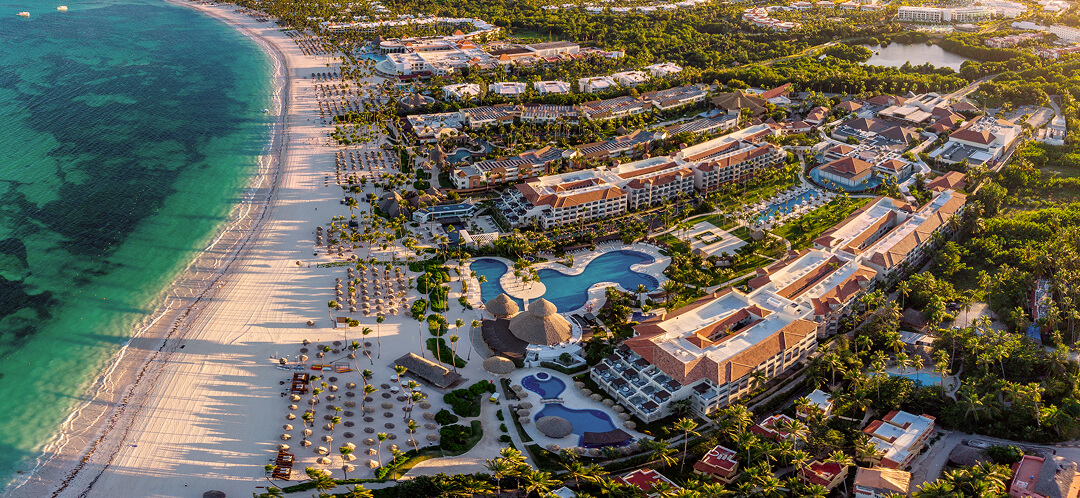
Punta Cana has one of the Caribbean’s largest concentrations of all-inclusive resorts, with luxury properties also found in other coastal areas such as Miches. Dominican food, live music, and merengue dance classes often appear in resort programs, and some properties also include water sports such as kitesurfing and wingsurfing.
Jamaica
Most of Jamaica’s luxury all-inclusives are in Montego Bay, Negril, and Ocho Rios. Many resorts include water sports such as snorkeling, water skiing, or scuba diving. Jamaican food and music are also much more than background details at many properties, with local dishes and live entertainment often forming part of the daily resort experience.
Aruba
Aruba has a dry climate and an arid interior, with cacti and rocky terrain instead of the tropical greenery associated with many Caribbean islands. That landscape is one of the island’s defining differences. Some luxury all-inclusive resorts here include guided cycling, local rum tastings, and water activities, while the island’s compact size also makes it possible to see a substantial part of Aruba without spending the entire day traveling.
The Bahamas
The Bahamas consists of hundreds of islands and cays, and some high-end resorts make that geography part of the package by including boat access to a private offshore island or cay. That means you can spend part of the day on another island or beach without arranging a separate boat trip yourself, which is great for travelers who prefer variety.
Turks & Caicos
Most major resorts in Turks & Caicos are on Providenciales, where you will also find Grace Bay and most of the territory’s hotels and restaurants. The island also hosts the weekly Island Fish Fry, an evening event with local food vendors, live music, crafts, and cultural performances. Across Turks & Caicos more broadly, local traditions also include ripsaw music, also called rake ‘n’ scrape, and Junkanoo celebrations with costumed performers, drums, and dancing, making this destination a great place to immerse yourself in island culture.
Costa Rica
You’ll find most of Costa Rica’s luxury all-inclusive resorts in Guanacaste and the Gulf of Papagayo on the Pacific coast, where some resorts offer Costa Rican cooking classes, coffee tastings, and other local activities. What makes Costa Rica especially different is what lies beyond the resort: rainforests, volcanoes, national parks, and wildlife areas can all become part of the trip, so you can split your time between the coast and exploring the country.
St. Lucia
St. Lucia has a steep volcanic landscape, with mountains rising directly behind much of the Caribbean coast. The Pitons, two volcanic peaks in the southwest, are the island’s best-known natural landmarks. Resorts in this part of the island often look out toward the Pitons, the coastline, or both, so the views become one of the strongest reasons to choose St. Lucia for an all-inclusive vacation.
Puerto Rico
In Puerto Rico, all-inclusive options tend to be smaller resorts and wellness retreats, where packages may cover meals, drinks, and selected activities. The format leaves plenty of room for exploring the island itself, from Old San Juan and Puerto Rican restaurants to El Yunque, beaches, and coastal towns.
Hawaii
Hawaii’s resort packages tend to cover certain parts of the trip instead of everything under one rate. Depending on the property, the package may include breakfast, resort credits, admission to a luau, or some cultural and beach activities. A small number of luxury retreats also include all meals and wellness activities. This format offers some of the convenience of an all-inclusive while leaving more of the trip open for exploring the islands.
The Mediterranean
Greece and Turkey both have large luxury all-inclusive markets along their Mediterranean and Aegean coasts, but these destinations are seasonal, unlike Caribbean and Mexican destinations. The best time for a resort vacation is from late spring through early fall, with the main beach season running from June through September.
In Greece, the appeal is often the mix of resort time with island villages, archaeological sites, and local tavernas. Some luxury all-inclusive resorts even include a car for a day, admission to some museums or landmarks, and meals at local restaurants.
In Turkey, the experience is often more self-contained within large coastal resorts, especially along the Antalya coast. Many properties include extensive sports facilities, Turkish cuisine, and hammam experiences in the package. Trips to ancient sites or the Taurus Mountains usually cost extra, although resorts can often arrange them for you.
What sets apart all-inclusive resorts with the best dining and drinks
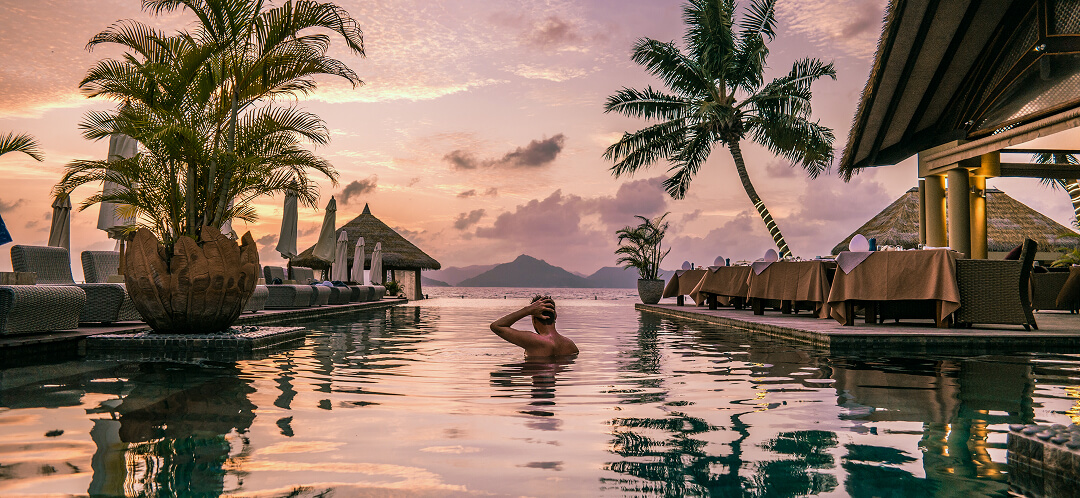
Dining is one of the clearest differences between standard and luxury all-inclusive resorts. Standard properties often limit how many times you can eat at specialty restaurants during a trip, or require reservations with limited availability. Luxury all-inclusive resorts usually remove those caps and include access to all of their on-site restaurants throughout the trip.
The drink selection follows the same distinction. Standard packages include regular beer, wine, and spirits but charge extra for imported or top-shelf liquor. Luxury resorts include premium brands as part of the package, although particular wines, Champagne, or especially high-end bottles may still cost extra.
The number and variety of restaurants is also one of the best clues to which all-inclusive resorts have the best food. A property built mainly around one buffet offers a very different dining experience from one with six or more restaurants that include à la carte menus and serve different cuisines.
Tip: Even fully all-inclusive resorts can limit specialty restaurant visits or require reservations. Check how many specialty dinners are included per trip before assuming you will have unrestricted access.
What a stay at a top all-inclusive resort typically costs
Luxury all-inclusive resorts can start at a few hundred dollars per night for two adults and reach well into four figures for higher-end suites and villas. Destination and season have a major effect on the price, as does the room category and how much the resort includes.
Prices vary widely by region. For example, the Dominican Republic is one of the Caribbean’s more affordable all-inclusive markets, where resorts such as Secrets Playa Esmeralda start at about $315 per night for two adults on selected late-September dates. Turks & Caicos sits at the other end, with some of the highest hotel rates in the region, and at resorts such as Beaches Turks & Caicos, rates for two adults start at about $660 per night.
Luxury resorts in Greece often fall between the two: at Ikos Aria, an entry-level room starts at about €425 ($485) per night. At all three resorts, larger suites, villas, private pools, and other higher room categories push the price considerably higher.
Those starting prices are only a snapshot, because rates at the same resort change significantly depending on the time of year and when you book. Across the wider Caribbean hotel market, for example, the average daily rate was about $460 in March 2026, then fell to about $325 in June and $330 in July, according to STR hotel performance data reported by Caribbean Journal. Those figures cover Caribbean hotels generally, but they show how strongly the season can affect accommodation prices.
Whether those rates are appealing also depends on what you compare them with. A regular luxury hotel may advertise a lower room rate, but an all-inclusive price covers more of the vacation. Comparing the room rates alone can make the all-inclusive look more expensive than the actual difference in cost.
Therefore, when comparing all-inclusive resorts, look at the total cost per person and per night for properties in the same destination and travel period, with a similar level of inclusions. If the package includes activities you would otherwise arrange and pay for separately, check what those would cost on their own as well. That gives you a clearer idea of how much value you are actually getting from the rate.
What to check before booking so there are no surprise costs
Before paying, check what is included for your exact room category and package. Pay particular attention to benefits that can differ even within the same property, such as how many hours of butler service you receive, the value of any spa credit, whether airport transfers are included, and whether a private-pool room also includes in-suite dining.
Budget separately for excursions sold by third-party operators. Resorts may include selected local activities of their own, but outside tours, boat trips, and other independently operated excursions usually cost extra.
Also check whether gratuities, premium bottles, golf, private lessons, or motorized water sports carry additional charges.
Tip: Before paying the final balance, ask the resort or travel agent for an itemized list of everything your package and room category include. That gives you one clear record of restaurant limits, room-specific benefits, transfers, and other exclusions instead of having to piece the information together from different pages.
You might also like to read: Escape the Cold: Top Luxury Tropical Resorts for Your Winter Getaway