

Chapters:

Need help with your trip?
Our support team is available 24/7. Request a callback or call us directly at (833) 619-0908
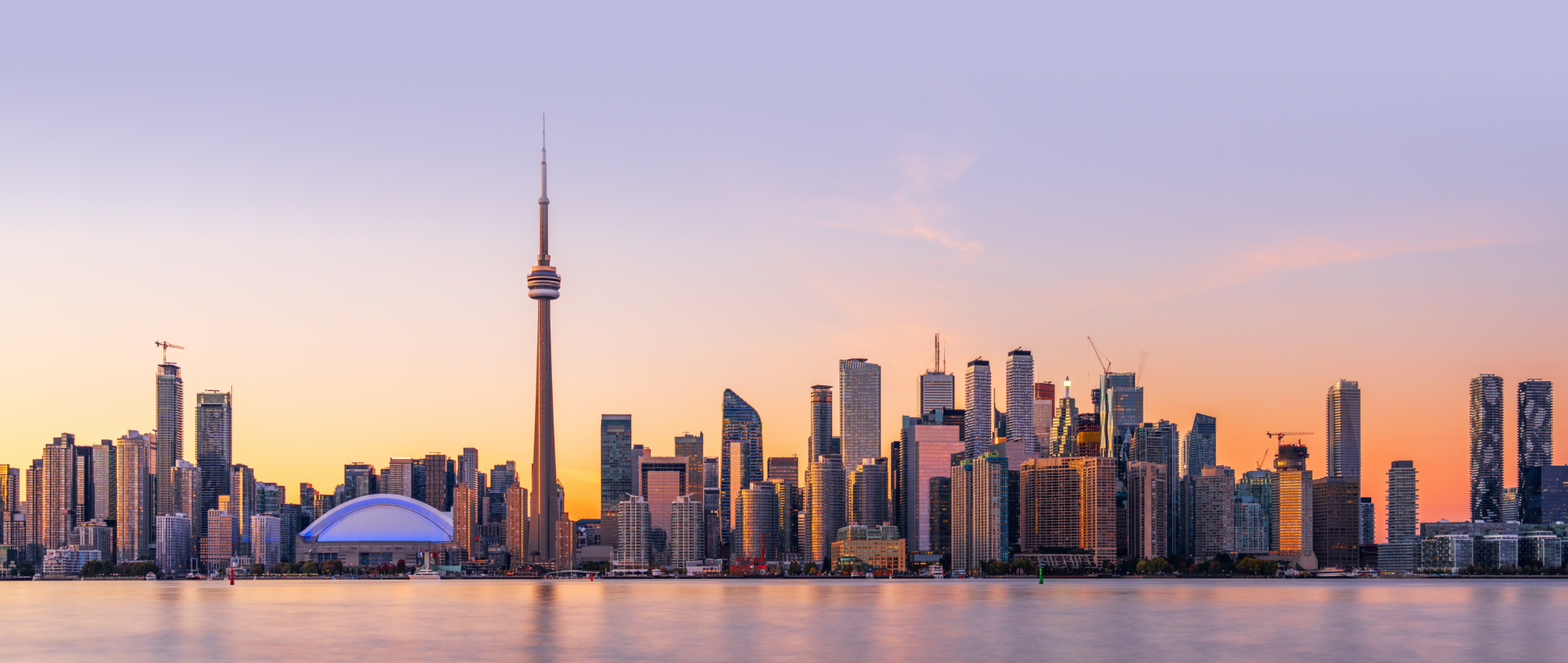
Toronto trips often begin with the same checklist, Union Station, the CN Tower, a museum, then dinner near the hotel. What many visitors miss is how much time they lose moving between those stops, especially when they stay too far north or treat the waterfront as an afterthought.
The city covers more ground than first-time maps suggest, and busy corridors such as Yonge, Bloor, and the lakeshore can slow a day if you stack too much into it. Transit helps, but crowd levels, event traffic, and neighborhood spacing all shape the pace.
This guide trims the guesswork by grouping sights by district, pairing food with each area, and setting a day-by-day route that respects how Toronto actually works on the ground.
Useful things to know

Main language(s): English

Currency: The local currency is the Canadian dollar (CAD, C$).

Cash and cards: Cards and contactless are widely accepted; keep about C$20 to C$40 ($15 to $30) in cash for small vendors.

Tipping: Tip 15-20% in restaurants; round up taxis and coffee tabs.

Traditional food: Peameal bacon sandwich, butter tart, Nanaimo bar, poutine

Water and coffee costs: Water about C$3 ($2), bar espresso about C$4 to C$6 ($3 to $4).

Taxis and ride apps: Uber and Lyft operate here; confirm pickup zones at the airport.

Plug and voltage: Type A/B socket, 120V

Dining and shop opening hours: Breakfast runs about 07:00-10:00, lunch 12:00-14:00, and dinner 18:00-21:00. Many kitchens close by 22:00; last call can be earlier outside downtown.

Emergency number: Call 911 for police, fire, or medical emergencies.
Where to stay in Toronto
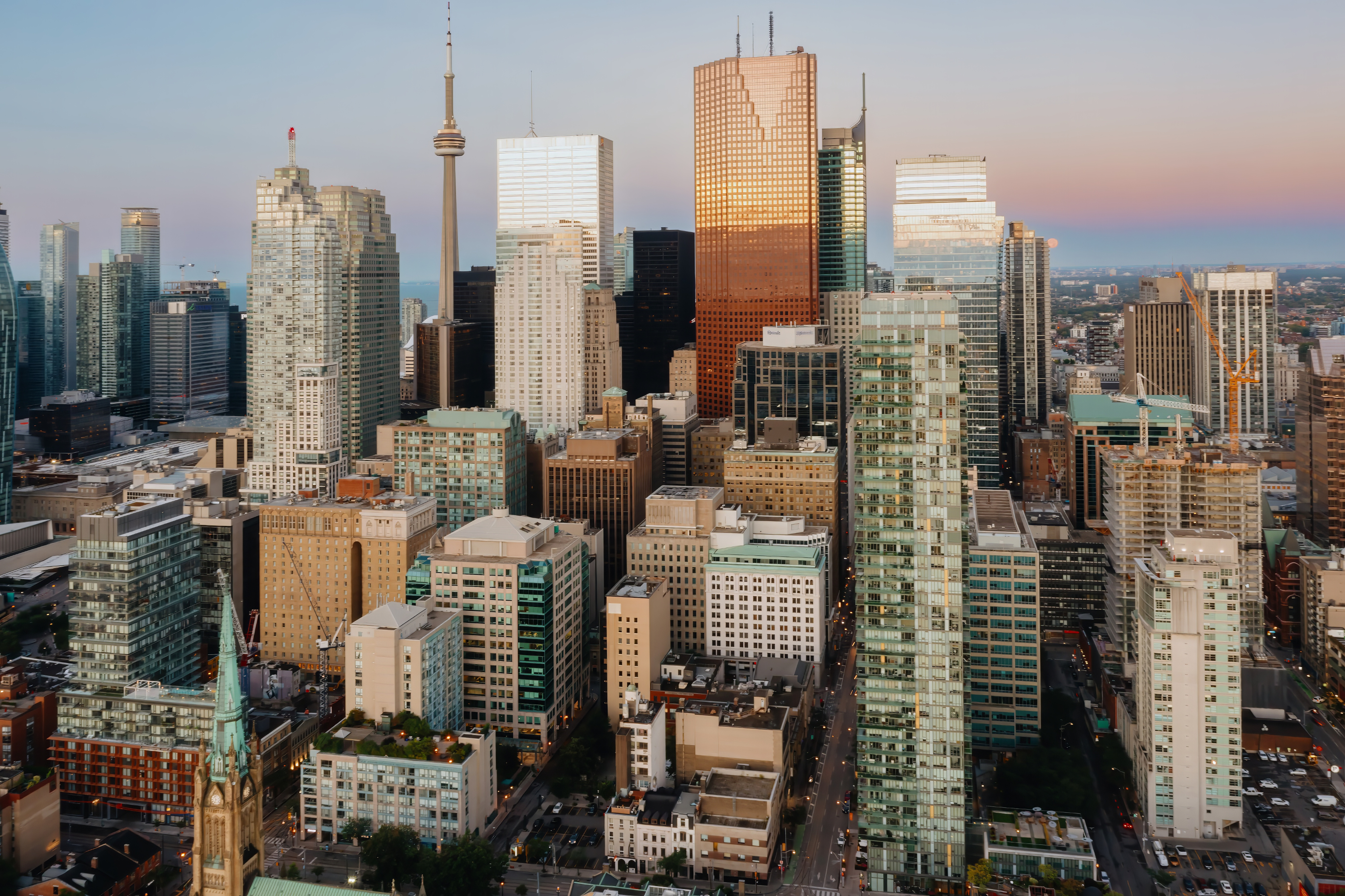
Toronto’s downtown core puts you beside the city’s tallest towers, major offices, and the main shopping streets. It suits visitors who want the CN Tower, Hockey Hall of Fame, and Union Station within an easy transit walk.
Best for: First-time visits, business trips, and close access to major sights
What to expect: Busy sidewalks, office traffic on weekdays, and the heaviest concentration of restaurants and late openings in the city.
Hotel prices: Usually about $220 to $420 per night for well-rated stays
Distance to major sights: 5 to 15 minutes on foot to the CN Tower and Ripley’s Aquarium, about 10 minutes on transit to the waterfront
Quietness: Loudest on weekdays and around games, then quieter late at night once offices empty out.
Main trade-off: Hotels often cost more here, and some streets feel crowded well into the evening.
Good to know: If you plan to rely on transit, Union Station gives you the easiest rail and subway connections in the city.
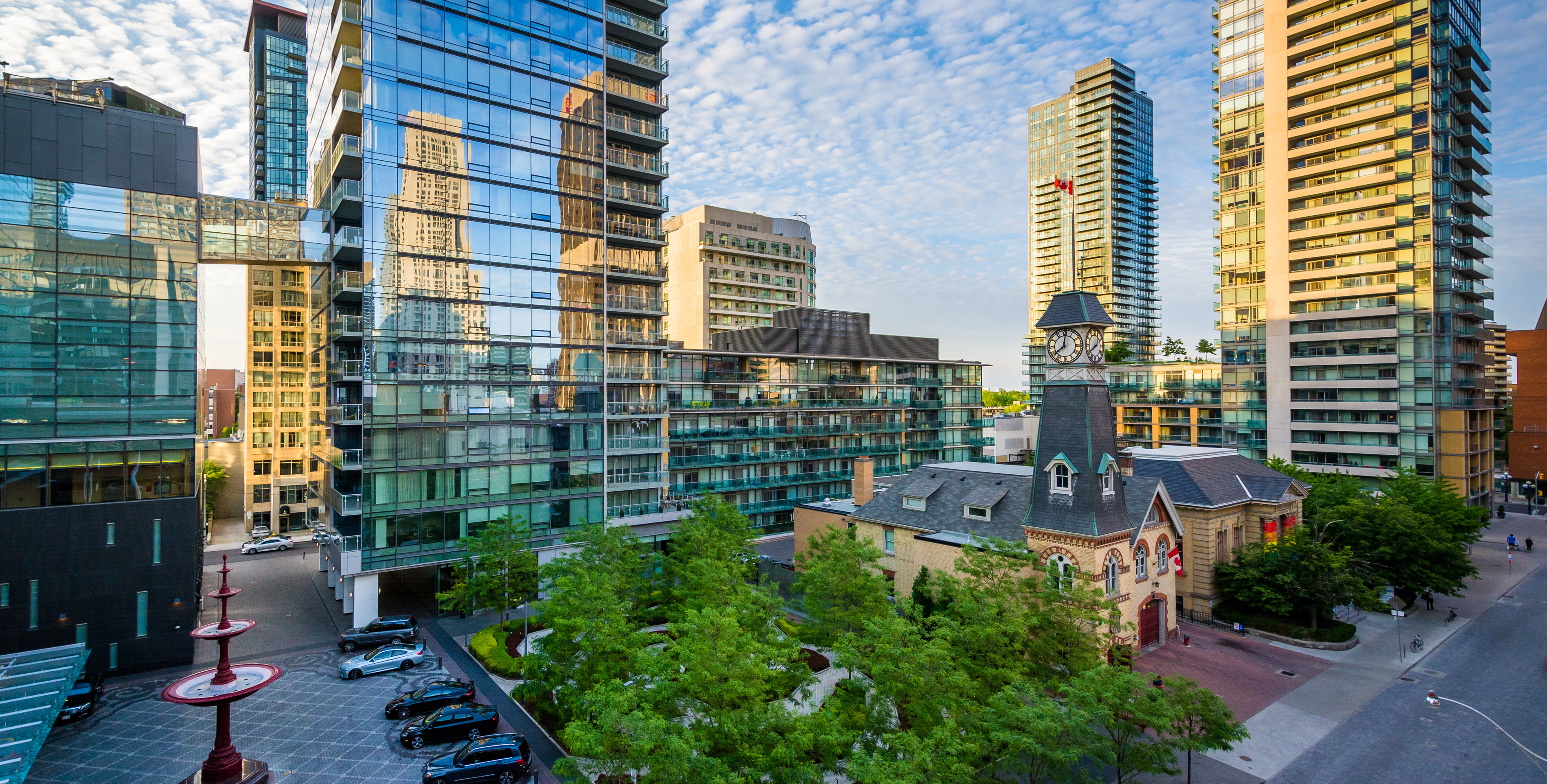
Yorkville is Toronto’s upscale shopping and dining district, with designer boutiques, galleries, and many of the city’s better hotels. It works well for travelers who want a central base near the Royal Ontario Museum and the University of Toronto.
Best for: Upscale stays, museums, shopping, and central access
What to expect: Stylish storefronts, steady foot traffic, and a mix of residents, shoppers, and hotel guests throughout the day.
Hotel prices: Usually about $260 to $500 per night for well-rated stays
Distance to major sights: 10 to 15 minutes on foot to the Royal Ontario Museum, about 15 to 20 minutes on transit to the Art Gallery of Ontario
Quietness: Calmer in the early morning, then livelier through dinner and shopping hours.
Main trade-off: Rooms here can be expensive, and dining options skew toward higher-priced spots.
Good to know: The Bloor-Yonge subway interchange is close by, so you can move across the city without depending on taxis.
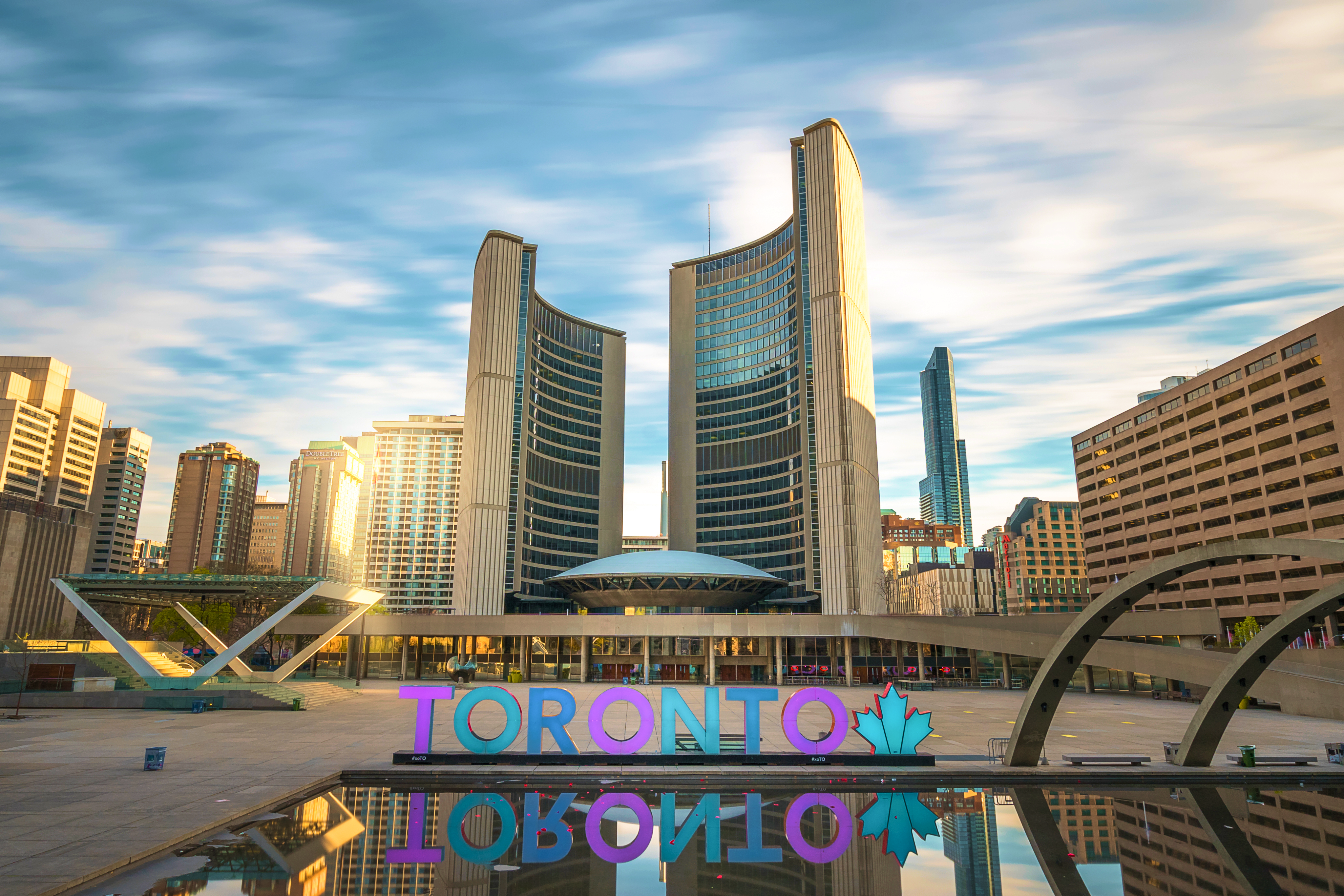
The Entertainment District sits west of the financial core and concentrates theaters, sports venues, bars, and large hotels. It suits travelers who want to be near night out spots, the CN Tower, and major event venues.
Best for: Nightlife, concerts, sports events, and central hotel bases
What to expect: Heavy evening crowds, pre-show restaurant traffic, and very active streets when events let out.
Hotel prices: Usually about $240 to $450 per night for well-rated stays
Distance to major sights: 5 to 10 minutes on foot to the CN Tower, about 15 minutes on transit to St. Lawrence Market
Quietness: Busy and noisy into the late evening, then notably calmer after venues close.
Main trade-off: The area can feel crowded on event nights, and some hotels face higher weekend rates.
Good to know: If you need early sleep, check whether your hotel faces a theater, bar street, or arena entrance before booking.
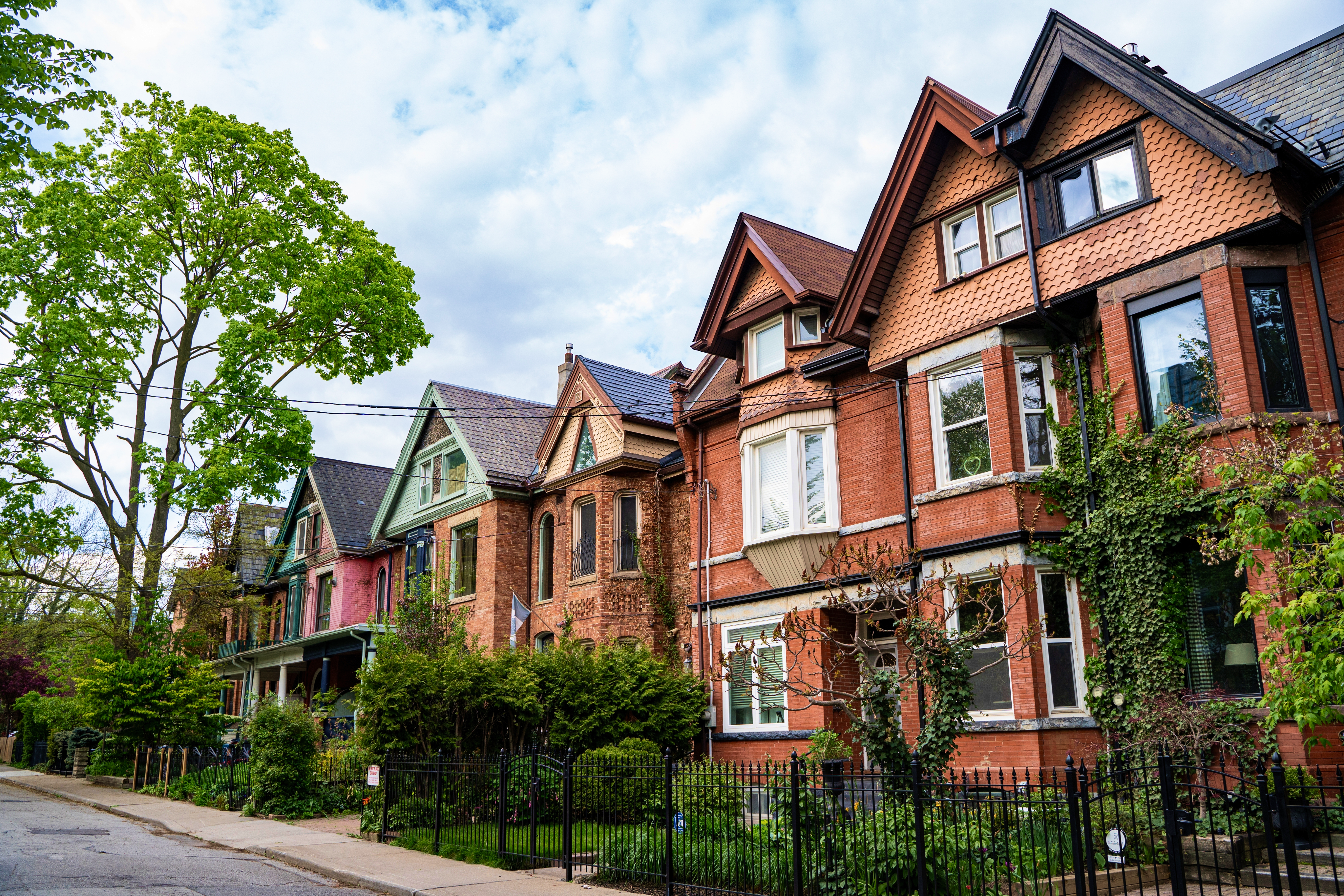
The Annex is a residential neighborhood just north of downtown, lined with cafes, low-rise houses, and student-oriented streets. It matters for visitors who want a local base near the University of Toronto, the Royal Ontario Museum, and two subway lines.
Best for: Quiet evenings, longer stays, and travelers who prefer a local-feeling base
What to expect: Tree-lined blocks, independent cafes, students, and a pace that is livelier than the suburbs but calmer than downtown.
Hotel prices: Usually about $180 to $320 per night for well-rated stays
Distance to major sights: 10 to 20 minutes on foot to the Royal Ontario Museum, about 15 minutes on transit to Union Station
Quietness: Quieter at night than downtown, with more daytime movement near campus and Bloor Street.
Main trade-off: You get fewer large hotels, and some blocks are farther from late-night dining.
Good to know: Bloor Street traffic can be steady, so choose a side street if street noise matters to you.
Travelers usually avoid staying in Scarborough, Etobicoke, and North York unless they have a specific reason to be there, because these areas sit far from most downtown sights and can mean longer trips on transit or by car. The farther reaches of the waterfront and the airport district are also less convenient for visitors, with fewer tourist amenities and limited appeal for evening plans.
Hotel deals
How to get around Toronto efficiently
Toronto’s TTC makes the core manageable, with the subway carrying the longest cross-town hops and streetcars filling in the waterfront and east-west corridors.

Metro
for longer distances
Toronto’s subway, the TTC, runs Line 1 and Line 2 through the core, with Line 1 reaching Union Station, Yonge and Bloor, and Yorkdale, and Line 2 linking downtown with Danforth and Kipling. A 2-hour TTC fare costs about $2.70 ($3.70) and lets you transfer across subway, bus, and streetcar within that window; single rides are about $3.60 ($4.95). Trains usually run every few minutes in the peak period, and a ride from Union to Bloor-Yonge takes roughly 7 minutes, while Union to Kipling takes about 20 minutes.

Bus and tram
for convenience
Toronto’s bus and streetcar network fills in the gaps beyond the subway, with the 501 Queen and 504 King streetcars serving long east-west corridors, plus buses covering neighborhoods such as North York, Scarborough, and Etobicoke. The same 2-hour TTC fare applies, so you can tap once and continue on bus or streetcar until the transfer expires. Expect about 25 to 45 minutes for many downtown-to-neighborhood trips, depending on traffic and signal delays.

Taxi
for convenience or late hours
Licensed taxis in Toronto use metered fares, not fixed citywide set rates, and most cabs accept cards, mobile payment, and cash. From Toronto Pearson Airport to downtown, a flat-rate limousine or taxi fare is typically about $50 to $65 ($68 to $88), while metered street fares in the city often start near $4 ($5) and climb by distance and time. You can hail a cab on the street in the core, use a stand at major hotels and Union Station, or book by phone or app; a downtown ride usually lands in the $10 to $25 ($14 to $34) range, traffic permitting.
*Prices are based on rates updated as of June 2026 and may change at the time of travel.
Use the subway for longer links, streetcars and buses for neighborhoods the rails miss, and taxis or ride-hail when you are crossing town late or carrying bags.
Iconic landmarks
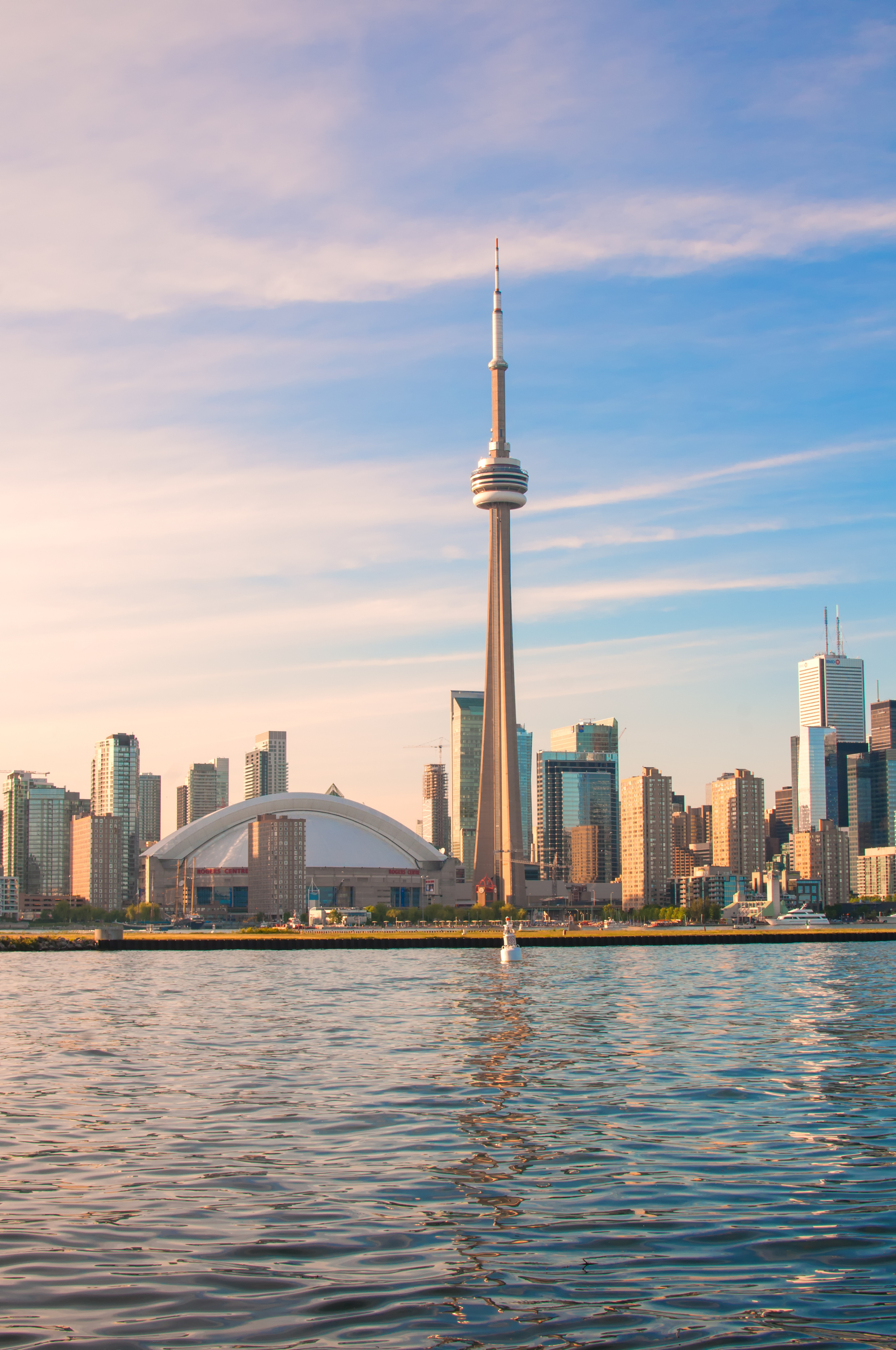
CN Tower
Toronto’s best-known skyline landmark rises 1,815 feet above downtown, with glass-floored ledges and a revolving dining room. On clear days, the observation decks show the lake, the islands, and the city grid in one sweep.
Time needed: About 1.5 to 2 hours
Entry: General admission starts at $43 ($58) and varies by deck; separate pricing applies to EdgeWalk, dining, and timed experiences. Visit the official site for details.
Tip: Visit late afternoon, then stay for sunset if the sky is clear and calm.
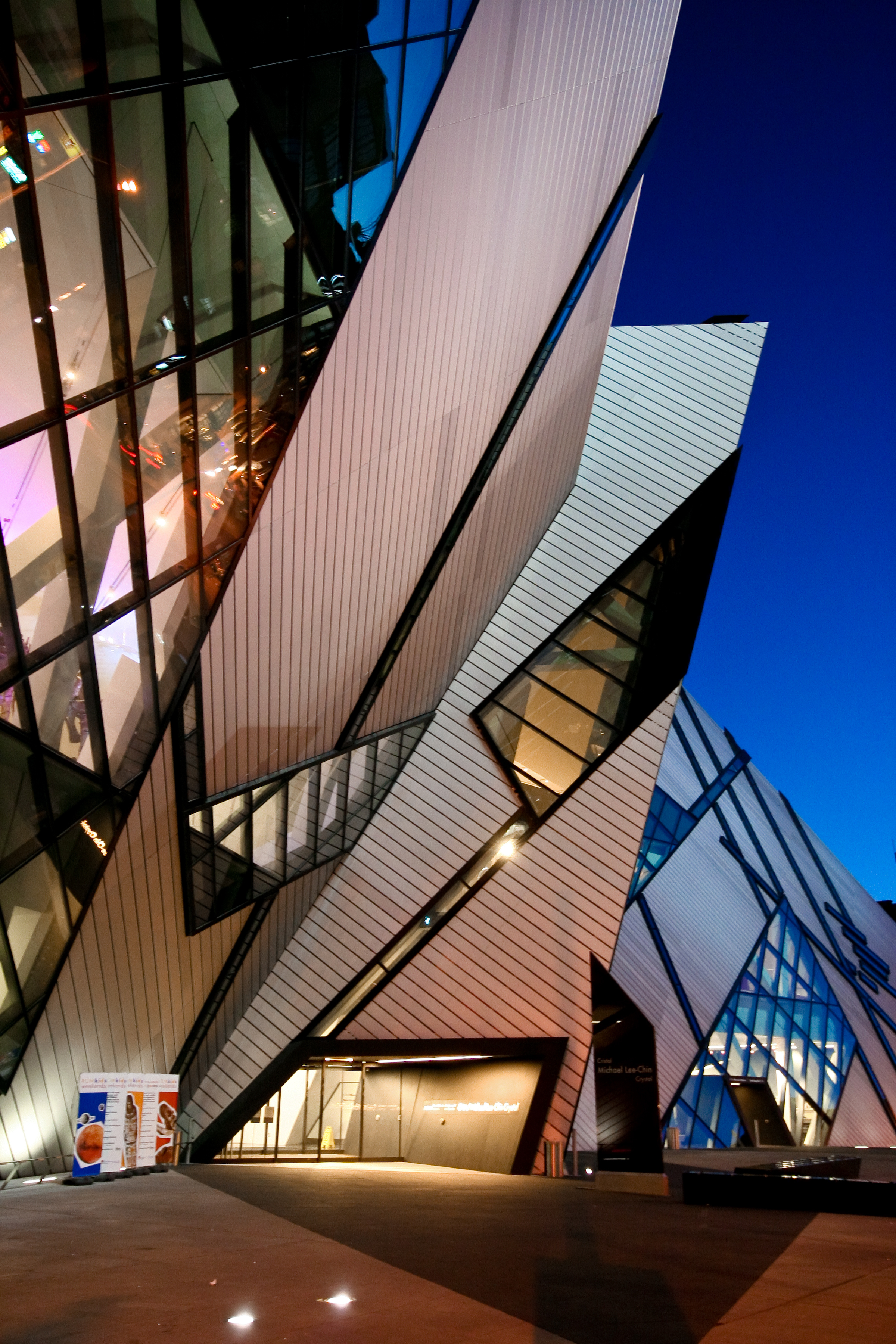
Royal Ontario Museum
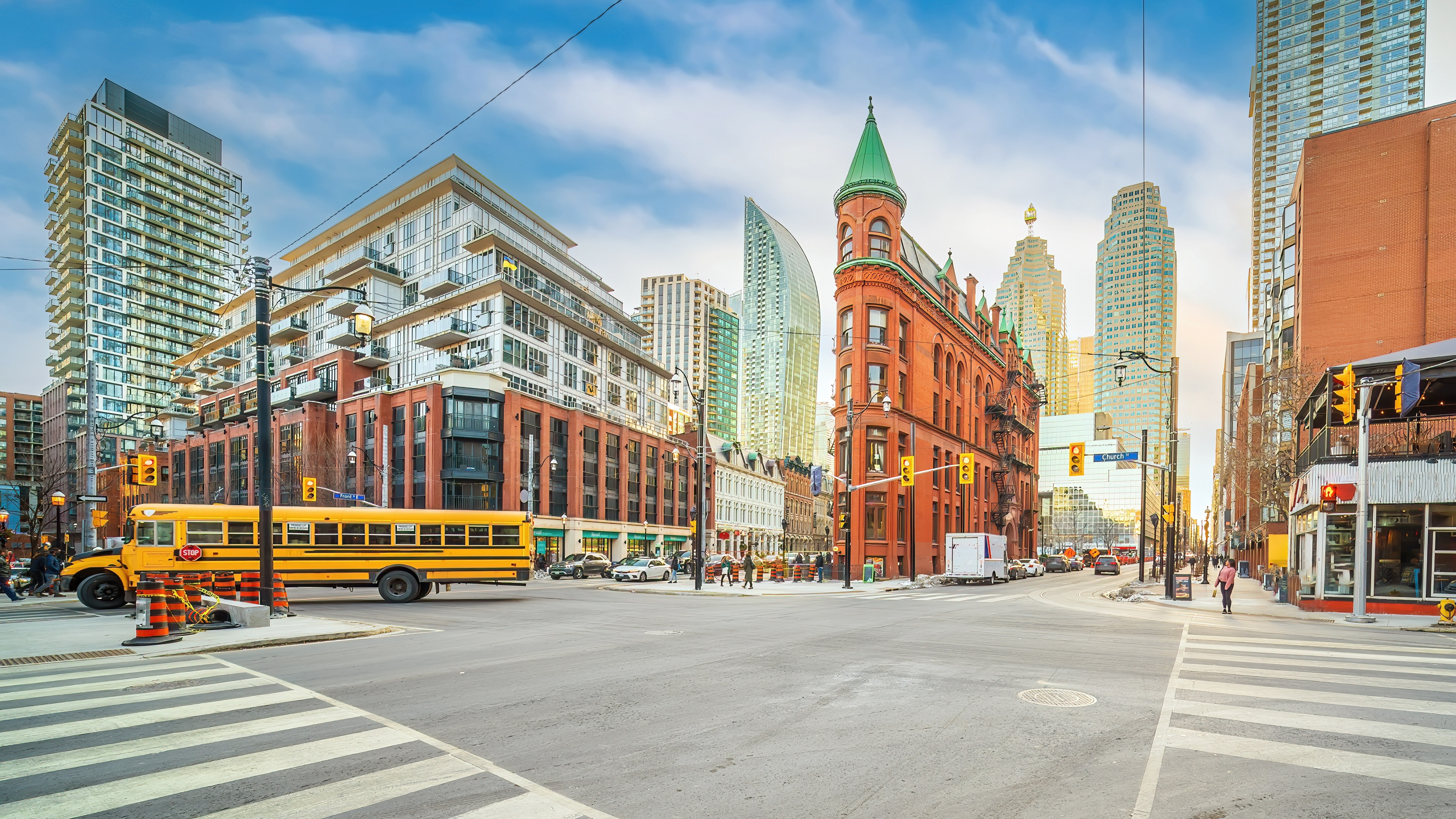
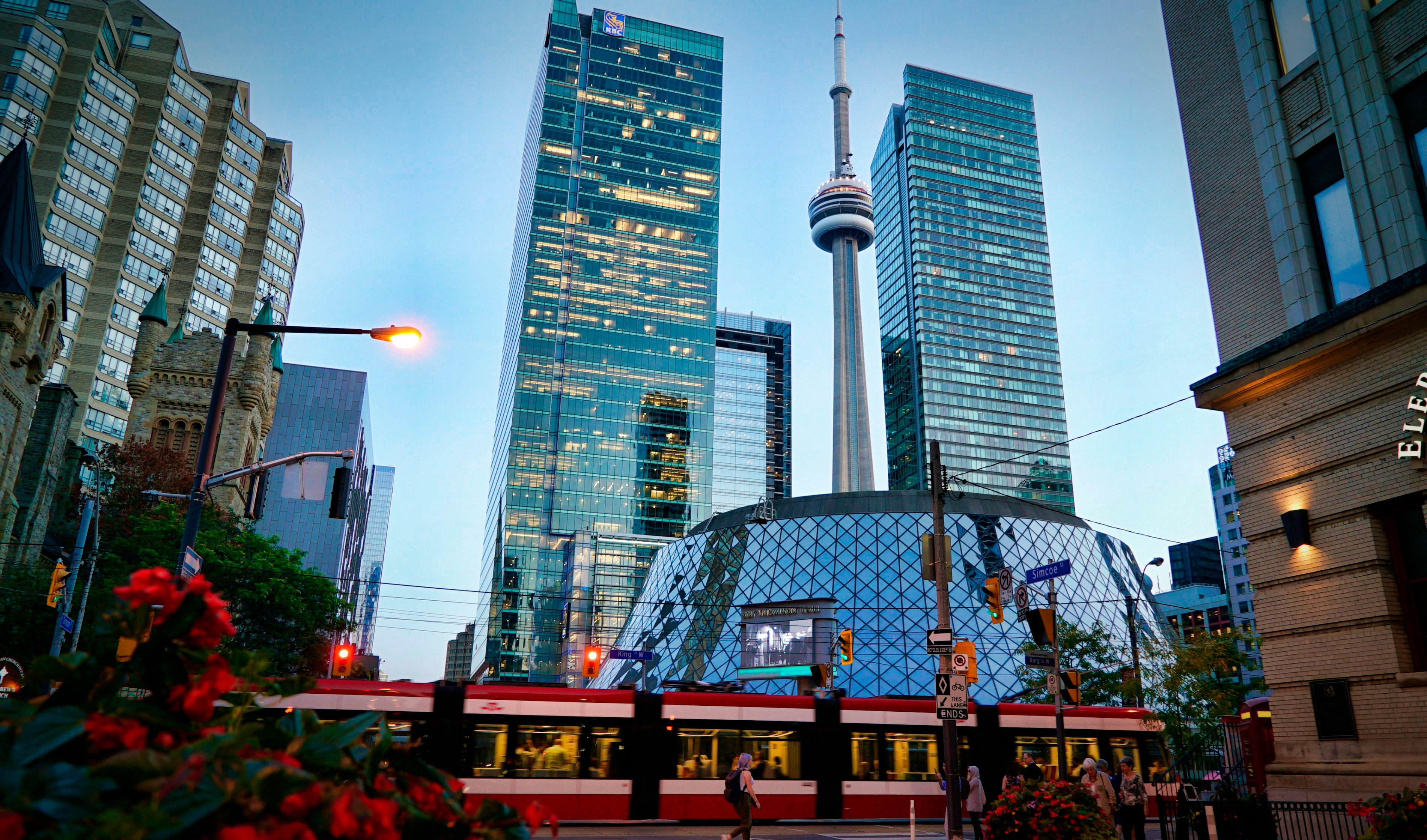
The Royal Ontario Museum pairs a sharp angular addition with one of Canada’s largest collections. Inside, galleries cover dinosaurs, world cultures, and natural history, with strong depth for a half-day stop.
Time needed: About 3 to 4 hours
Entry: Adult admission starts at $26 ($35) and rises for special exhibitions; youth, student, and family rates are also available. Visit the official site for details.
Tip: Arrive early on weekdays, before school groups and tour buses fill the galleries.
Toronto Islands
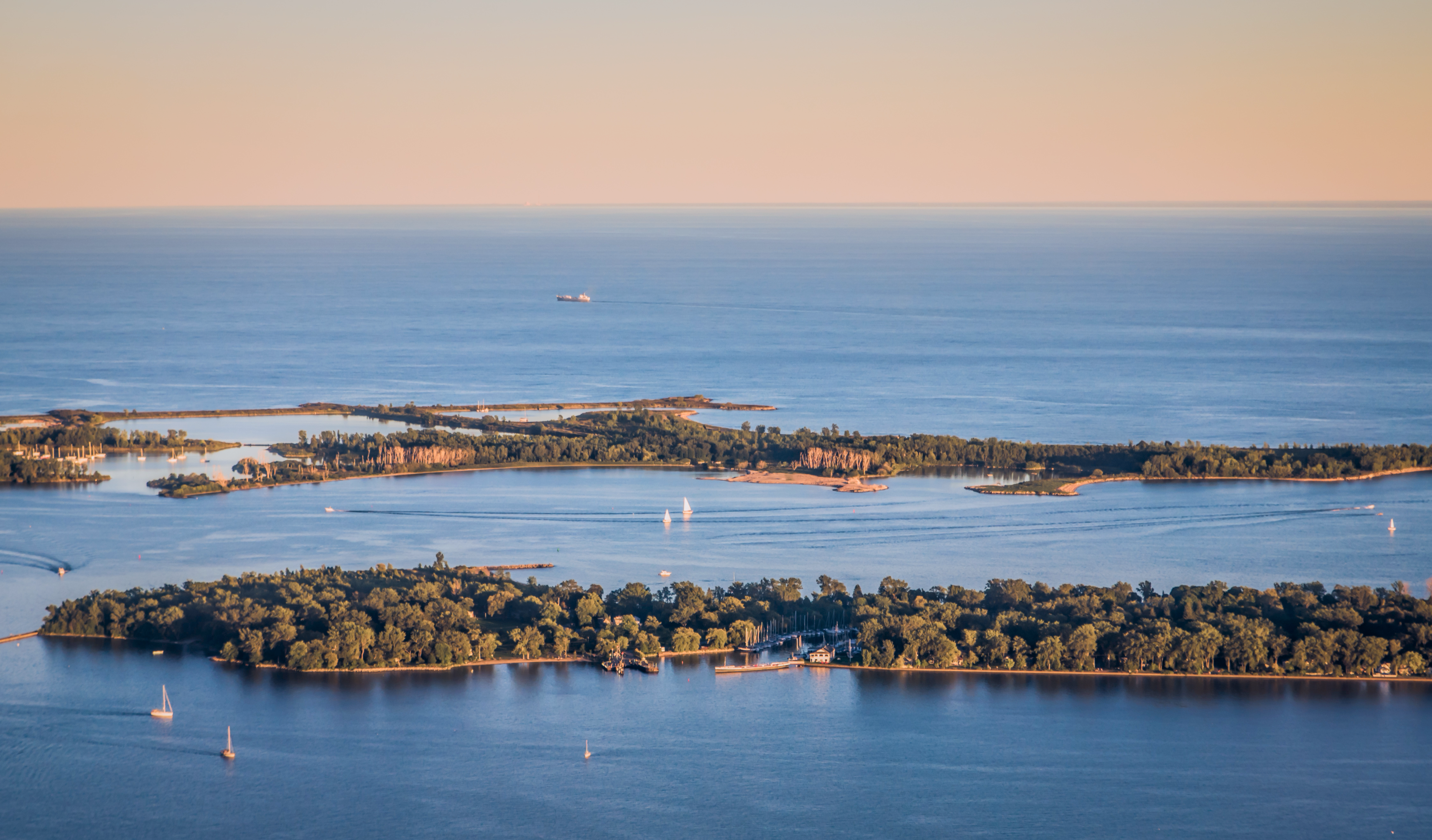
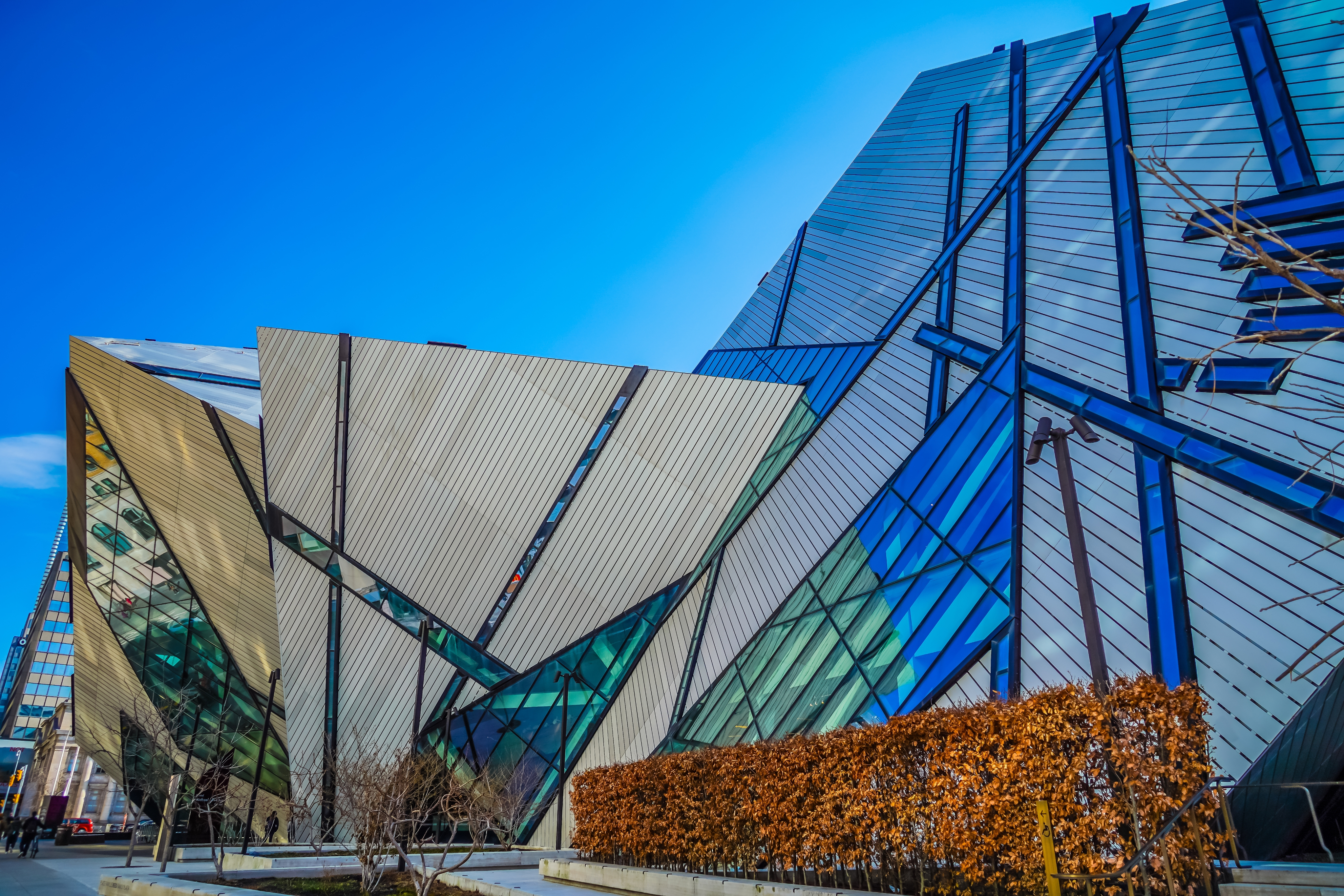
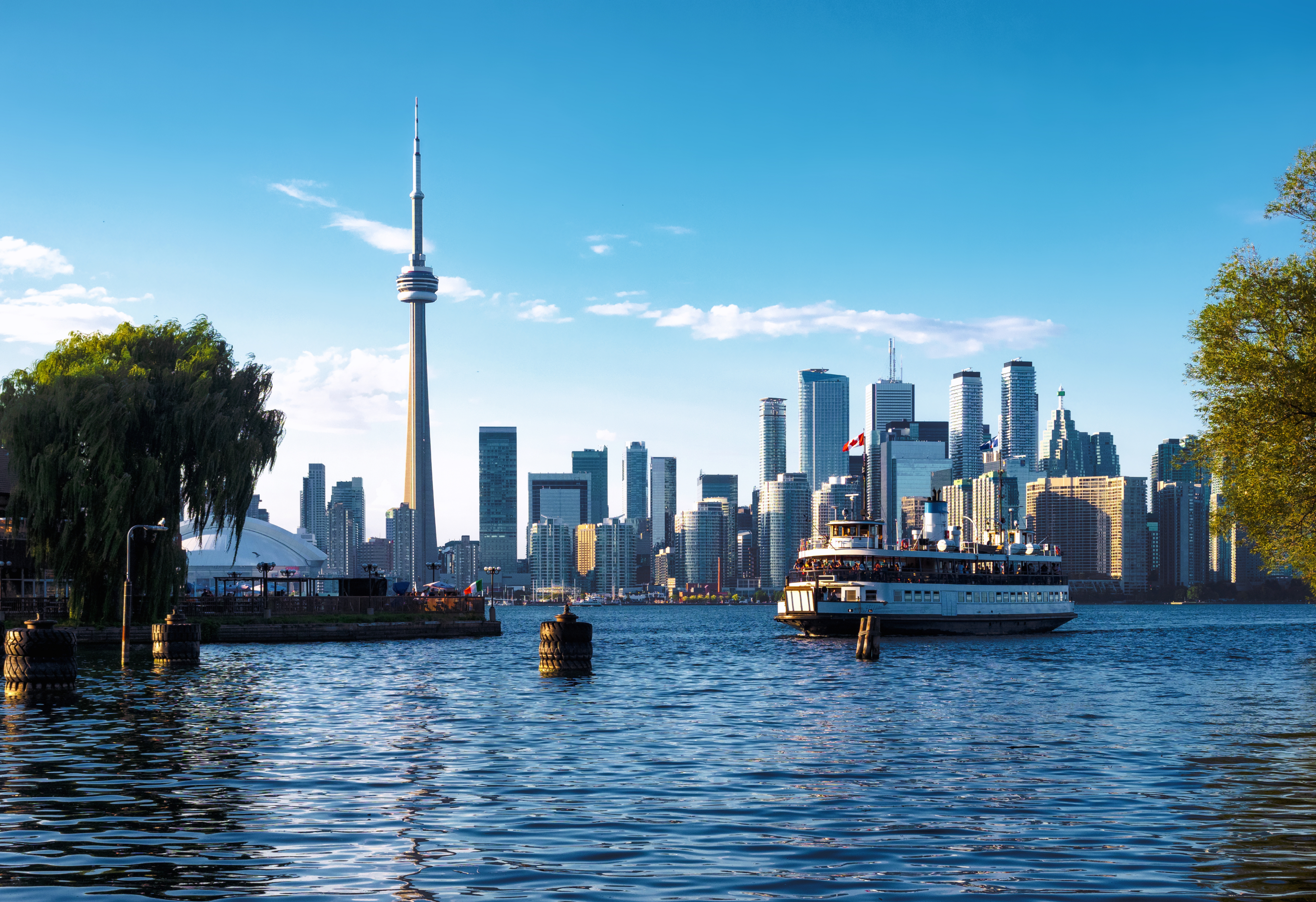
The Toronto Islands sit just offshore, with ferry access to a chain of car-free parks, beaches, and harbor views. They frame downtown from the water and give you a clear look back at the skyline from Centre Island or Ward’s Island.
Time needed: About 3 to 5 hours
Entry: Ferry fares cost $8.03 ($10.79) for adults, $5.86 ($7.88) for youth, and $3.91 ($5.26) for seniors; children under 2 ride free. Visit the official site for details.
Tip: Go on a weekday morning for shorter ferry lines and quieter paths.
Overlooked sites worth visiting

Toronto Music Garden
A lakeside garden shaped with Yo-Yo Ma’s input, its paths, plantings, and performance spaces follow Bach’s Suite No. 1 in G major. Visit for a quiet walk beside the harbor.
Time needed: About 1 hour
Entry: Free to access; no ticket is required for the garden or its lakeside paths, and it opens daily as a public park space. Check the City of Toronto page for any special event closures or maintenance notices before you go.
Tip: Go near sunset for the best harbor light.
Spadina Museum
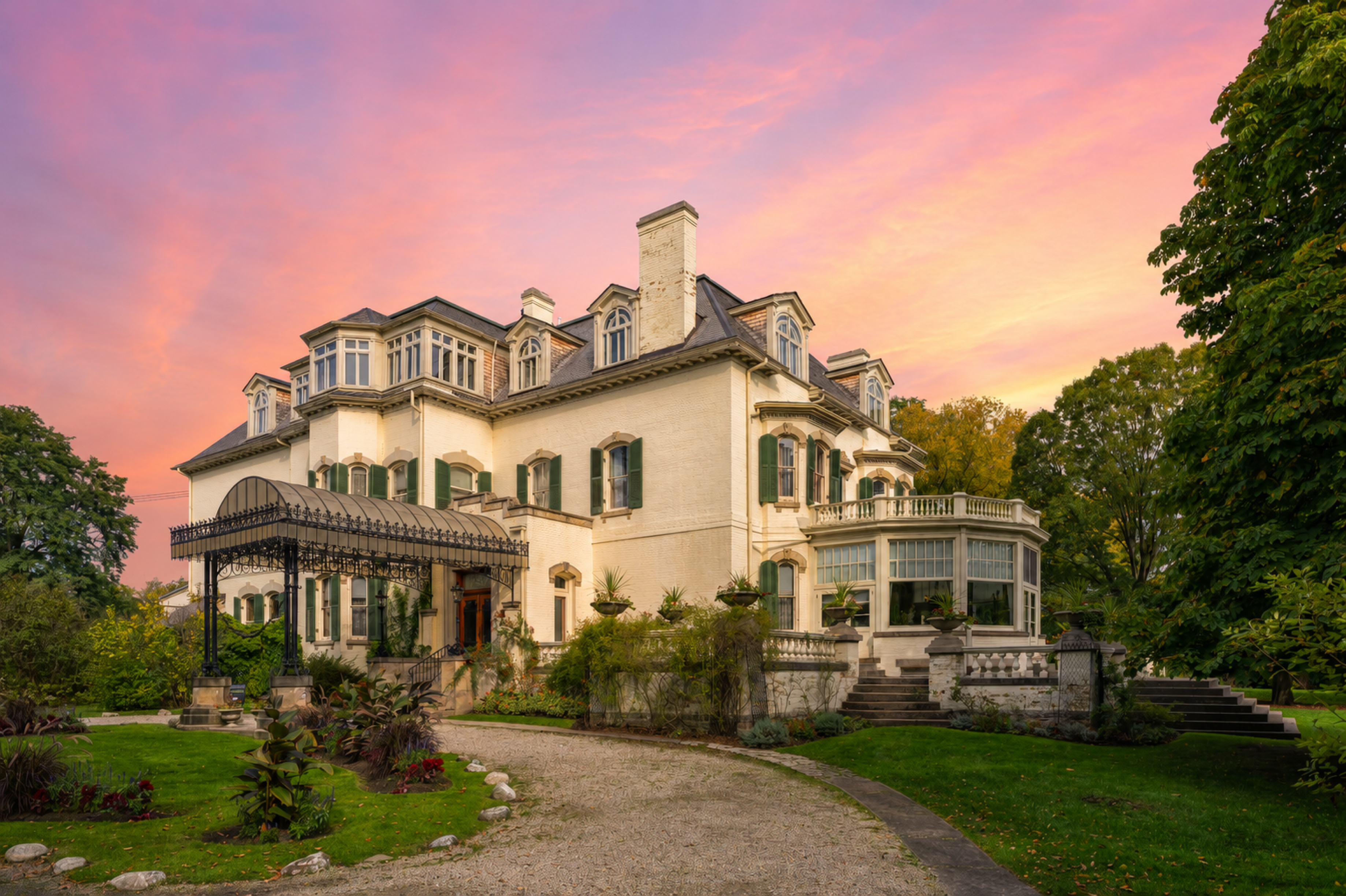
This restored 1860s house shows Toronto domestic life from the 1920s through the 1930s, with period rooms, wallpapers, and household details intact. The compact site is easy to pair with nearby Casa Loma.
Time needed: About 1 to 1.5 hours
Entry: Admission typically costs about $8 to $12 ($9 to $13) for adults, with reduced rates for seniors, youth, and children. Toronto History Museums sometimes change pricing for exhibitions, so check current hours and ticketing before your visit. Visit the official site for details.
Tip: Allow time for the garden and the upper-floor rooms.
Traditional food

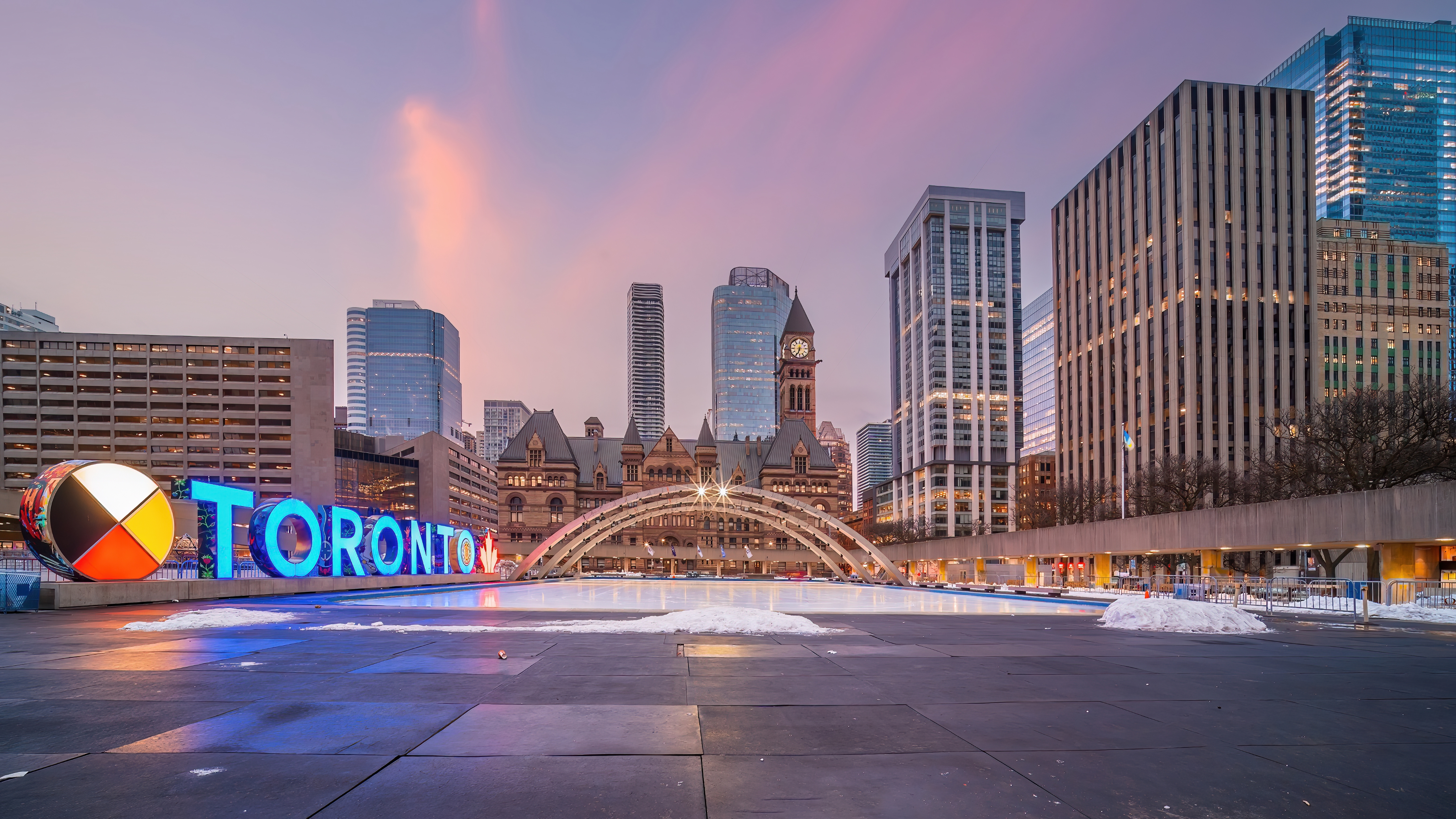
Toronto’s food scene pulls from many immigrant kitchens, but the city’s comfort staples still matter: peameal bacon, butter tarts, and poutine show up beside espresso bars, market counters, and late-night diners.
Peameal bacon sandwich
This Toronto classic stacks cornmeal-crusted back bacon on a bun, often with mustard and a quick breakfast pace. Carousel Bakery at St. Lawrence Market is the city’s best-known stop for it.
Butter tart
A butter tart brings a sweet, gooey filling in a flaky shell, and the best versions keep the center rich without turning heavy. Wanda’s Pie in the Sky is a dependable Toronto reference for it.
Nanaimo bar
This layered no-bake square mixes a crumb base, custard buttercream, and chocolate topping. Cobs Bread has a citywide presence in Toronto and sells a version that fits the local snack lineup.
Poutine
Fries, cheese curds, and gravy make poutine a late-day favorite when you want something salty and filling. Poutini’s House of Poutine is one of Toronto’s clearest go-to addresses for it.
Best time to visit Toronto
Toronto changes a lot by season, from lake wind and humid summer days to crisp winter streets that can turn slick after snowfall.
Best for: Museum visits, neighborhood walks, and lighter crowd levels before summer demand builds
What you get: About 37 to 68°F (3 to 20°C), with cool mornings and rising afternoon warmth; spring break and holiday weekends can still add traffic
Trade-offs: Rain and sudden temperature swings make packing a little more complicated
Best for: Waterfront time, island visits, patios, and long days for stacking sights
What you get: About 63 to 82°F (17 to 28°C), with the busiest hotels, ferries, and attractions of the year
Trade-offs: Heat, humidity, and event crowds can slow cross-town moves
Best for: Clear sightseeing days, museum visits, and comfortable walking weather
What you get: About 43 to 72°F (6 to 22°C), with fewer peak-season lines after Labor Day and through much of October
Trade-offs: Days shorten quickly, and late November can turn cold
Best for: Indoor sightseeing, theater nights, and lower hotel demand outside the holidays
What you get: About 19 to 34°F (-7 to 1°C), with lighter sidewalks on some days and slower travel after snow
Trade-offs: Wind off the lake and icy sidewalks can make short walks feel longer
A realistic 5-day plan in Toronto
A five-day Toronto stay works best when you keep the first two days close to Union Station and Yorkville, then widen the circle to the islands, the Annex, and the Entertainment District. That sequence cuts back on backtracking and leaves room for meals without rushing between landmarks.
Land at Toronto Pearson International Airport (YYZ) and take UP Express to Union Station in about 25 minutes for $12 ($12.35), or book a taxi or ride-hail for roughly 30 to 45 minutes depending on traffic and a fare that often lands near $60 to $80 before tip. Stay near the Downtown core or Yorkville so you can check in, walk for water, and keep dinner close, then choose a light meal near Union Station or on Bloor Street and turn in early after a flight day.
Start at the Royal Ontario Museum in Yorkville, which usually takes about 3 to 4 hours, then walk about 10 to 15 minutes through the neighborhood for lunch and a short browse at nearby boutiques. In the afternoon, ride the subway or take a taxi about 15 minutes to the Downtown core for the CN Tower, where about 1.5 to 2 hours gives you time for the deck and the view over the harbor.
Head to the ferry docks in the morning for the Toronto Islands, where the boat ride from downtown takes about 10 to 15 minutes and the fare is $8.03 ($10.79) for adults. Spend about 3 to 5 hours on Centre Island or Ward’s Island, then return to the waterfront and walk about 10 minutes to the Toronto Music Garden for an easy late-afternoon pause by the lake.
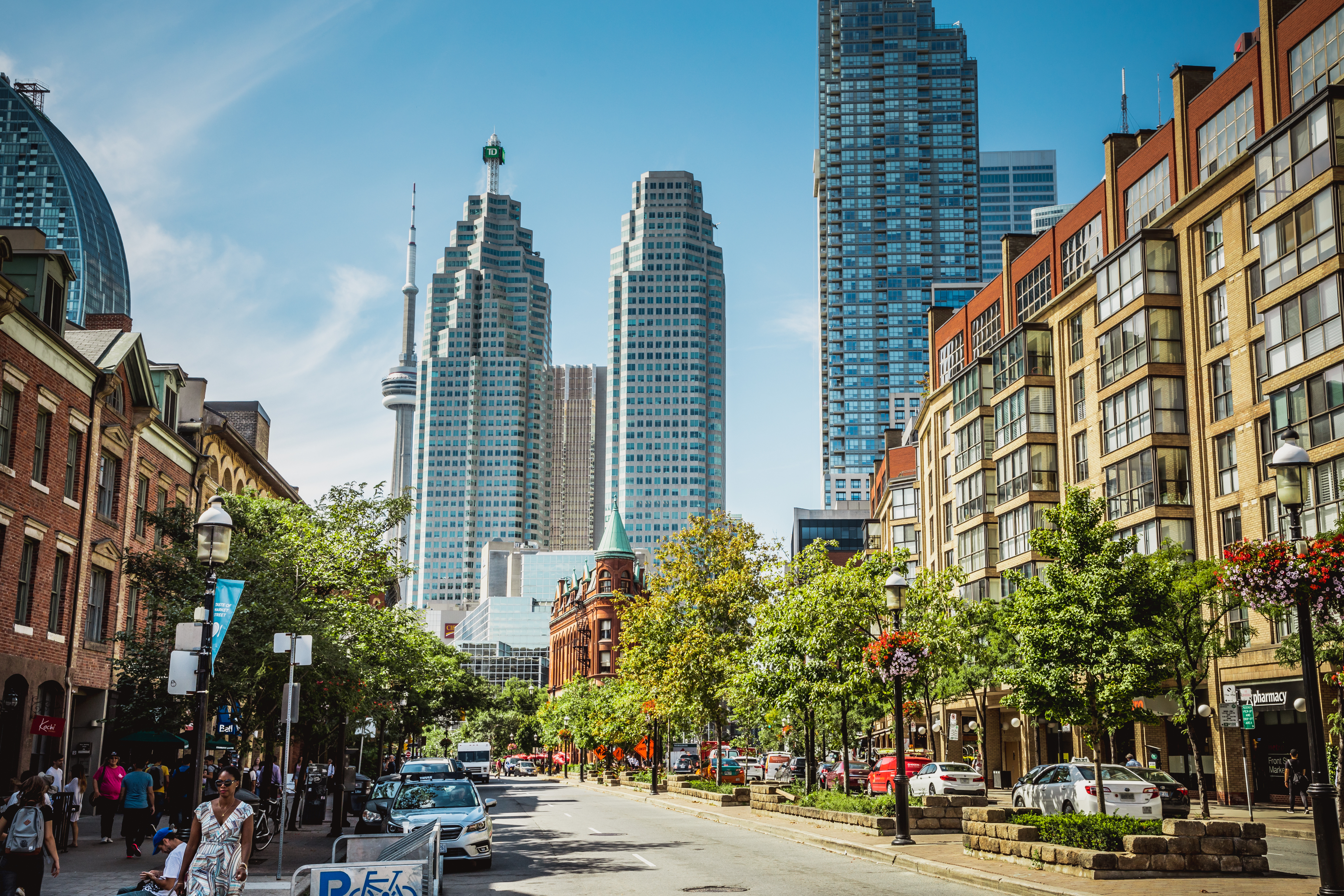
Begin in the Annex with a coffee stop on Bloor Street, then spend 1 to 1.5 hours at Spadina Museum, which sits close enough to pair neatly with the neighborhood’s quieter streets. From there, take a taxi or subway ride of about 15 to 20 minutes to the Entertainment District for an evening around the CN Tower and the surrounding restaurants, where you can finish with dinner before the crowds thin.
For a last, unrushed day, start with one more museum visit in Yorkville or the Downtown core, then spend the afternoon shopping on Bloor Street and Cumberland Street, where designer stores and smaller boutiques sit close together. Finish with a café stop in the Annex, sit with a final pastry or coffee, and keep your bag near Union Station or Bloor-Yonge so departure day stays simple.
Business-class flights from the US to Toronto
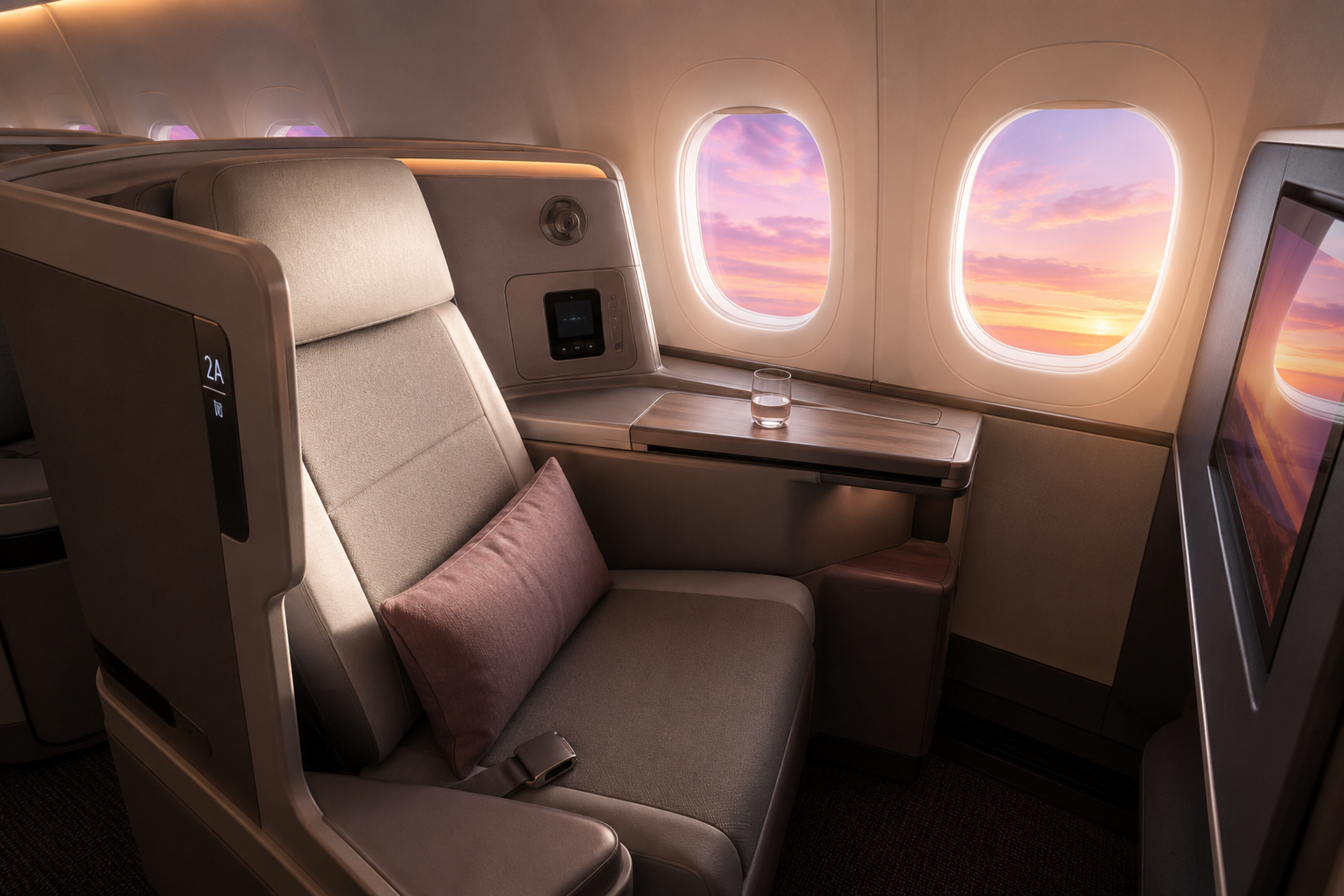
Toronto has two common long-haul patterns in this guide, one from New York and one from Los Angeles. The route details matter because they shape whether you arrive with enough energy for a first evening near Union Station or need a slower landing.
Air Canada, Delta Air Lines, American Airlines, United Airlines, Air France, and Lufthansa all appear on New York to Toronto itineraries, and nonstop flying takes about 1.5 to 2 hours. If you choose a fare with a stop, common hubs include YYZ, YUL, BOS, DTW, and ORD, with about 3.5 to 6.5 hours total trip time. Round-trip fares from New York to Toronto usually start at $700 and can reach $1,800.
From Los Angeles, Air Canada, WestJet, Delta Air Lines, United Airlines, American Airlines, and Alaska Airlines serve Toronto, with nonstop flights taking about 4.5 to 5.5 hours. When a stop makes sense on price, common hubs include YYZ, SFO, SEA, DEN, and YVR, and the total trip often runs about 7 to 11 hours. Fares start from $900, with many round-trip tickets landing between $1,100 and $2,500.
Toronto feels different when you slow down
A well-paced Toronto trip usually moves in layers: Union Station on arrival, Yorkville for museums and shopping, the islands for open water, and the Annex or Entertainment District for evening plans that fit your energy. Transit does the connecting, but the neighborhoods set the tone. If you want to build a stay around the CN Tower, the ROM, and a lakeside pause, the AranGrant experts can help you shape the right route







