

Chapters:

Need help with your trip?
Our support team is available 24/7. Request a callback or call us directly at (833) 619-0908
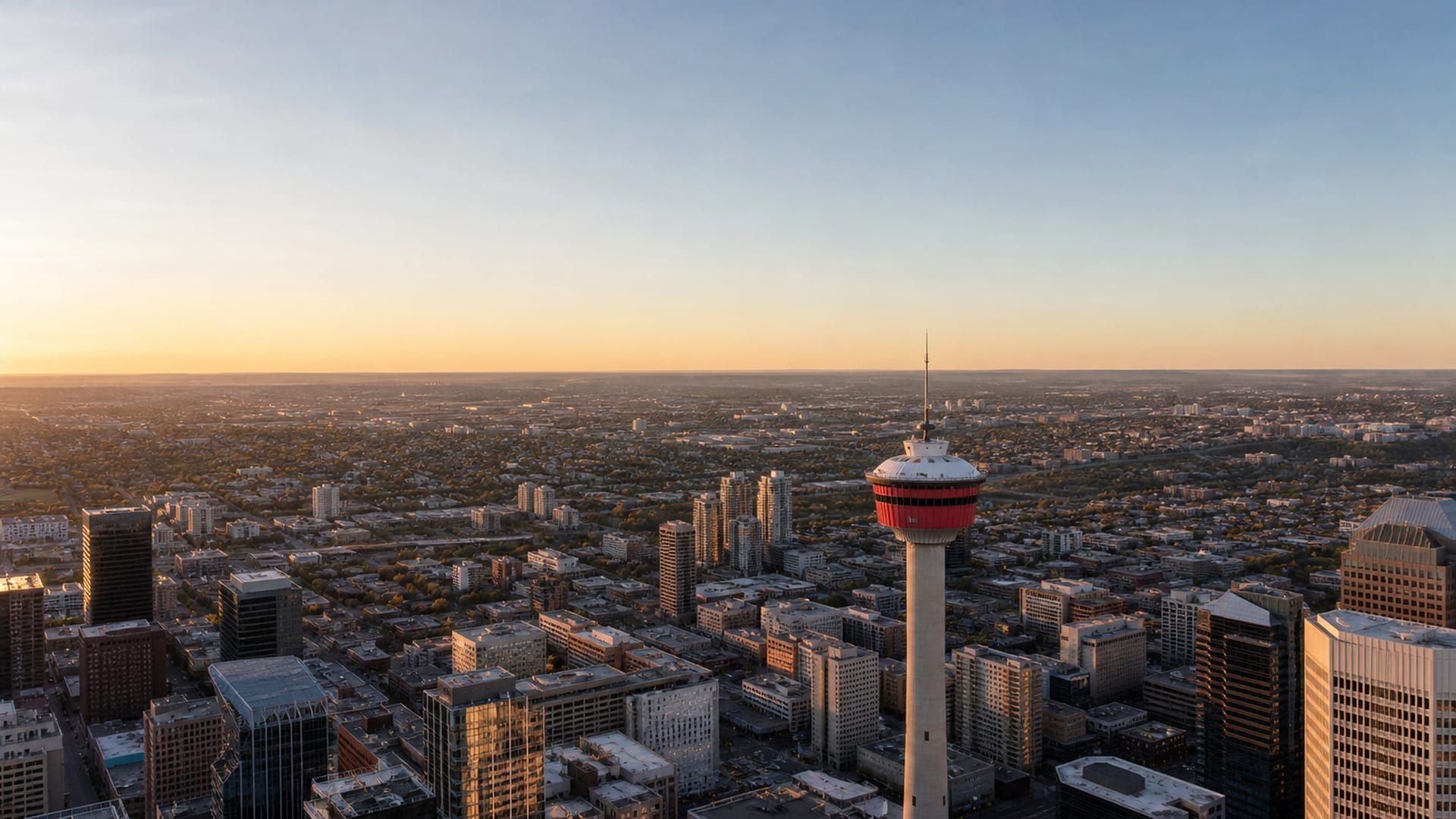
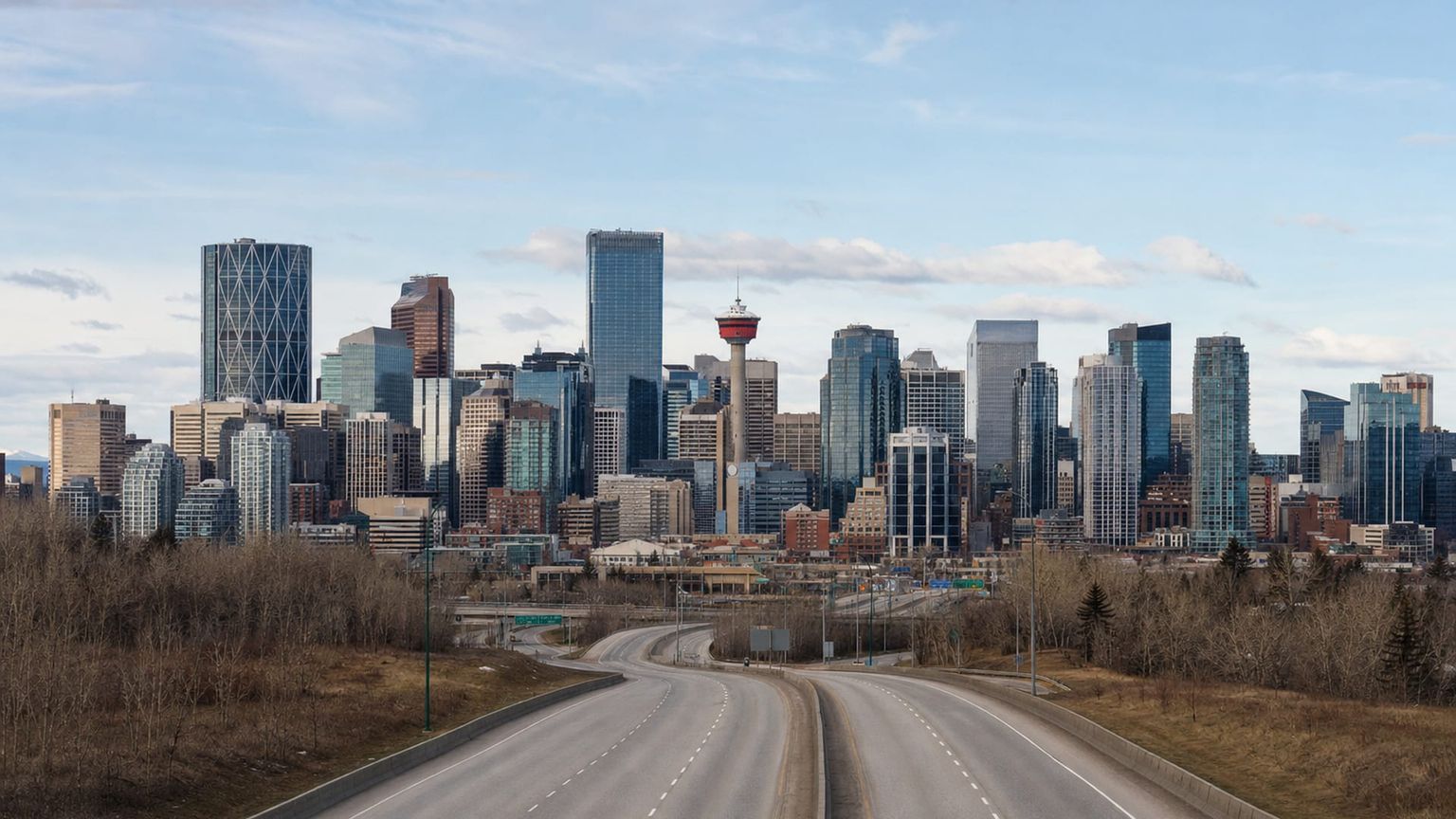
Calgary trips often begin with a quick downtown check-in, a look at the skyline, and one or two headline stops before the schedule fills up. What many visitors miss is how much time they lose when they treat the city as if its main sights sit close together.
Downtown, Beltline, Kensington, and Mission each reward a different pace, and the river paths, CTrain line, and bridge crossings can stretch a simple outing if you do not plan the sequence well. In winter, distance and weather make that even more noticeable.
This guide groups the city into workable days, pairs neighborhoods with the right attractions, and sets meals and transit in a order that keeps each stop in context.
Useful things to know

Main language(s): English

Currency: The local currency is the Canadian dollar (CAD, C$).

Cash and cards: Cards and contactless are widely accepted; carry about C$20 to C$40 ($15 to $30) in cash for tips or small vendors.

Tipping: Tip 15-20% at restaurants and for taxis; round up small bills and coffee orders.

Traditional food: poutine, ginger beef, Calgary-style steak, Alberta beef

Water and coffee costs: Water about C$2 to C$4 ($1.50 to $3), bar espresso about C$3.50 to C$5 ($2.50 to $4).

Taxis and ride apps: Uber and Lyft operate here; confirm pickup zones at Calgary International Airport (YYC).

Plug and voltage: Type A/B socket, 120V

Dining and shop opening hours: Breakfast runs about 07:00-10:00, lunch 11:30-14:00, and dinner 17:00-21:00. Many kitchens close earlier on Sundays.

Emergency number: Dial 911 for police, fire, and medical emergencies.
Where to stay in Calgary
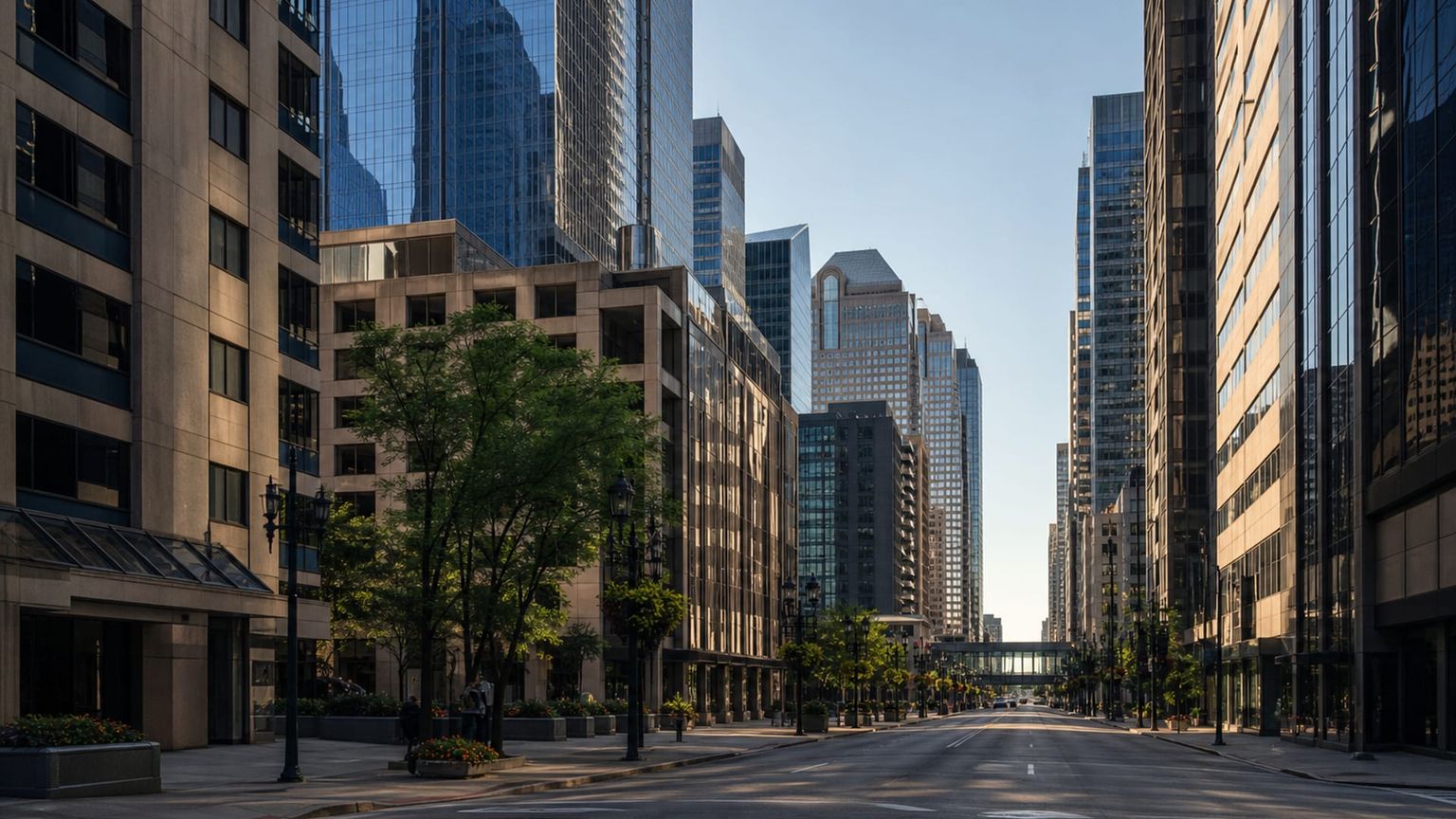
Calgary’s central business district places you beside office towers, the Bow River paths, and the main transit spine. It suits visitors who want quick access to museums, dining, and the city core without relying on a car.
Best for: Central sightseeing, business trips, and visitors who want the easiest transit access
What to expect: Weekday streets stay busy with office workers, while evenings are calmer except near Stephen Avenue and the arena district.
Hotel prices: Usually about $150 to $260 per night for well-rated stays
Distance to major sights: 10 to 20 minutes on foot to Stephen Avenue and the Calgary Tower
Quietness: Busier in the day, quieter after office hours outside the main dining strips.
Main trade-off: Parking costs are high, and the area can feel sparse at night away from the main entertainment blocks.
Good to know: Choose a hotel close to a CTrain station if you plan to move around without driving; the grid is easy, but winter weather makes longer walks less pleasant.
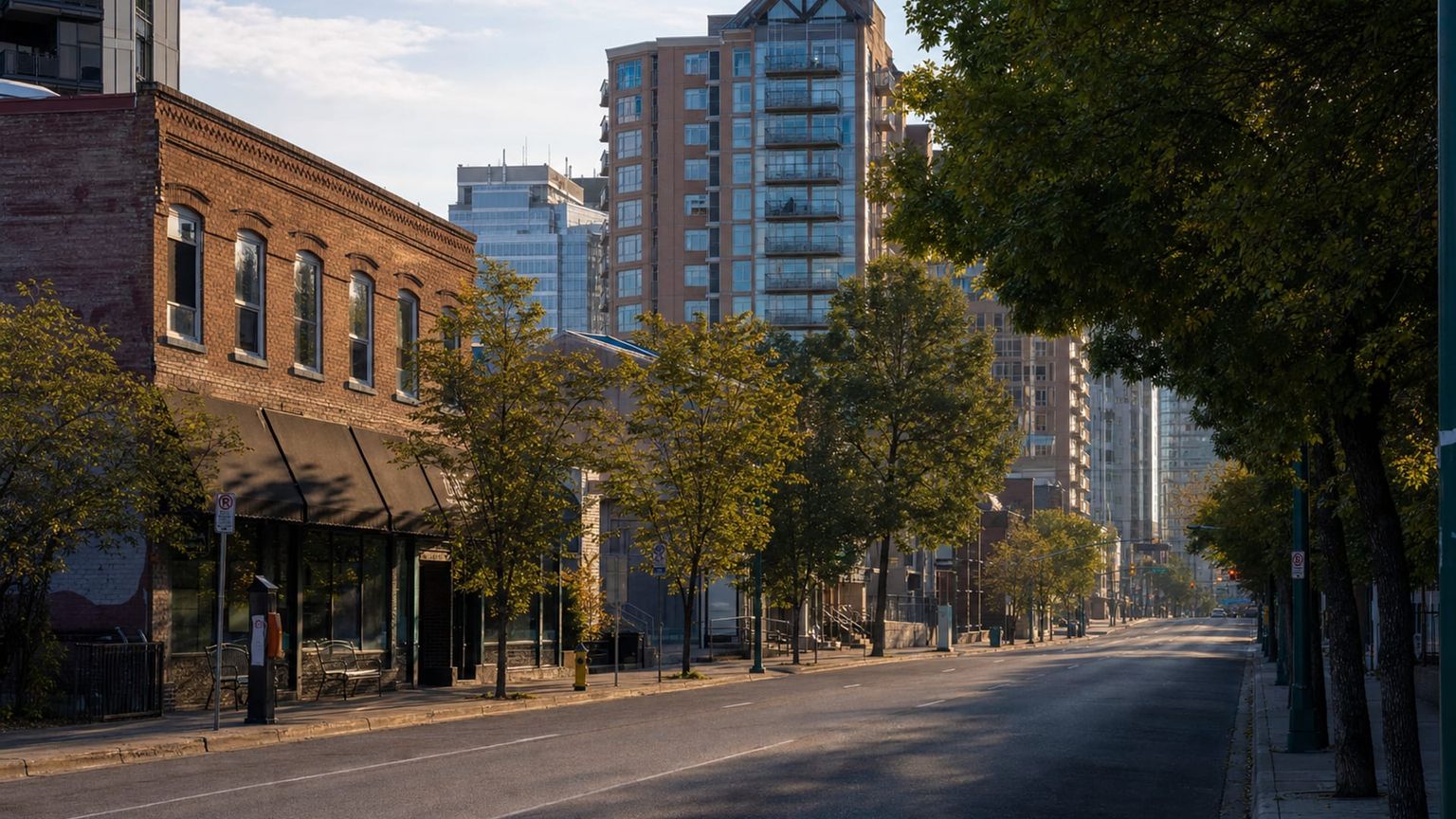
Beltline sits just south of downtown and combines condo towers, bars, restaurants, and local shops along 17th Avenue. It works well for travelers who want a dense dining scene and late-night options within walking distance.
Best for: Dining, nightlife, and travelers who want to walk to downtown
What to expect: Expect lively sidewalks, steady restaurant traffic, and more pedestrian activity in the evening than in the morning.
Hotel prices: Usually about $140 to $240 per night for well-rated stays
Distance to major sights: 15 to 25 minutes on foot to the Calgary Tower, about 10 minutes by transit
Quietness: Active through the evening, then noticeably calmer late at night on side streets.
Main trade-off: Rooms near 17th Avenue can be noisier, and the most attractive stays book early on weekends.
Good to know: If you are sensitive to noise, ask for a room facing away from 17th Avenue and the club blocks; the difference can be significant.
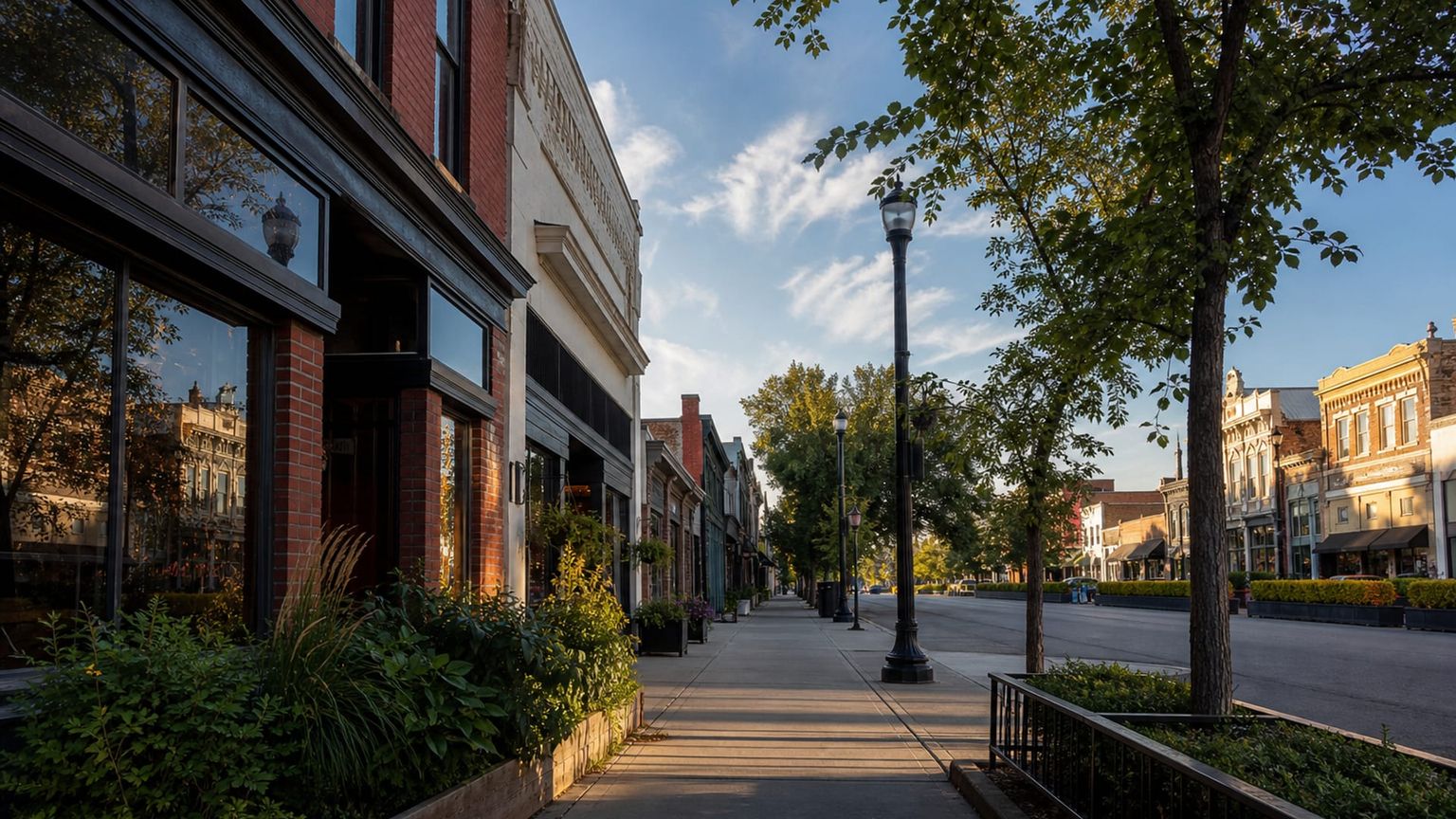
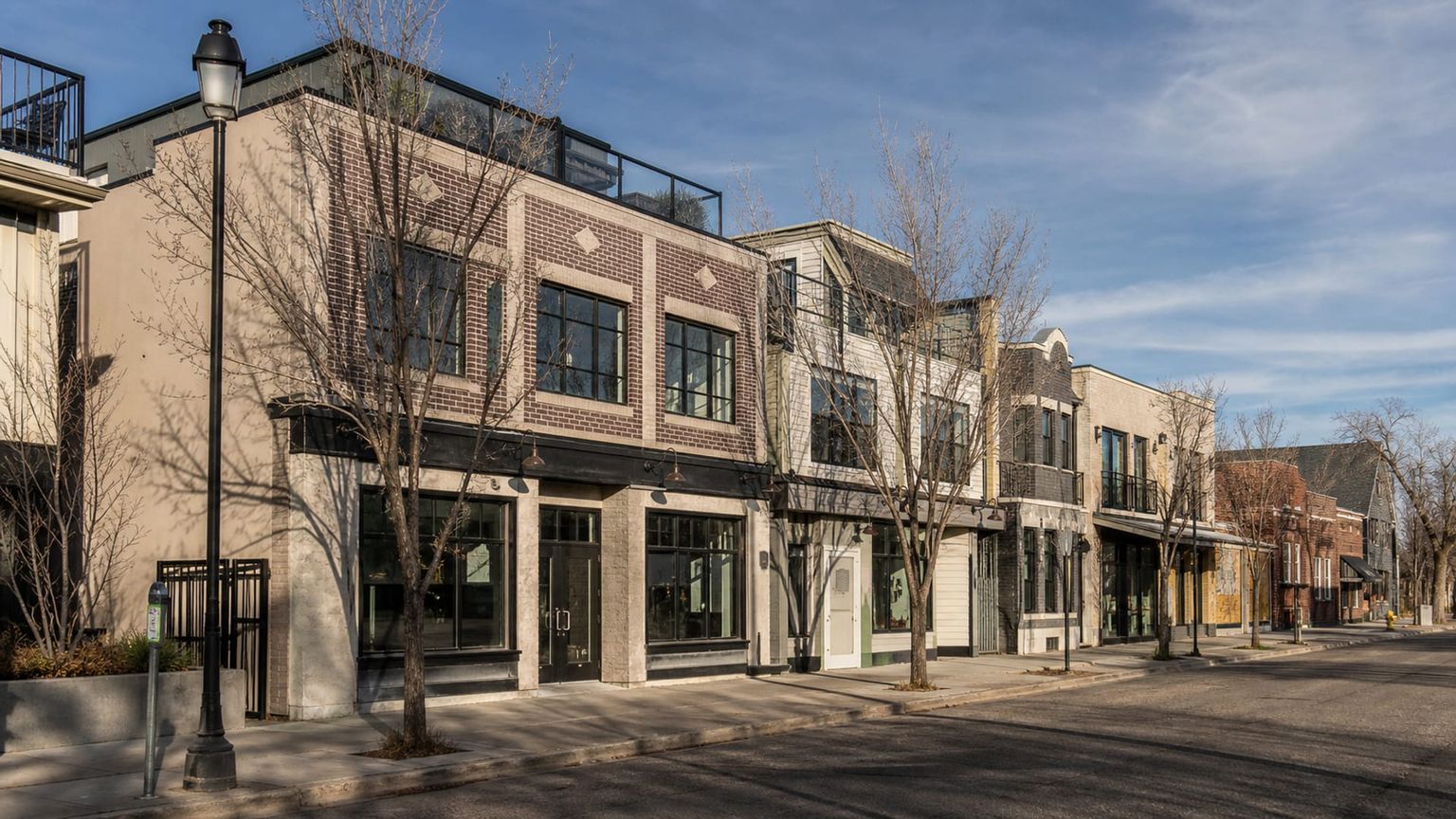
Kensington sits northwest of downtown across the Bow River and offers cafés, boutiques, and easy access to the Sunnyside area. It suits visitors who want a neighborhood feel with quick transit and walkable river paths.
Best for: Cafés, independent shops, and travelers who prefer a smaller neighborhood base
What to expect: The streets are lively without feeling frantic, with brunch crowds, pedestrians, and local shoppers most of the day.
Hotel prices: Usually about $160 to $280 per night for well-rated stays
Distance to major sights: 10 to 15 minutes by transit to downtown, about 25 minutes on foot to Prince’s Island Park
Quietness: Busy in the daytime, with a gentler pace in the late evening once the restaurants close.
Main trade-off: Inventory is smaller than downtown, so rates can climb during festivals and busy summer weekends.
Good to know: You will be close to both the river paths and the CTrain, which makes it easier to split time between downtown and neighborhood dining.
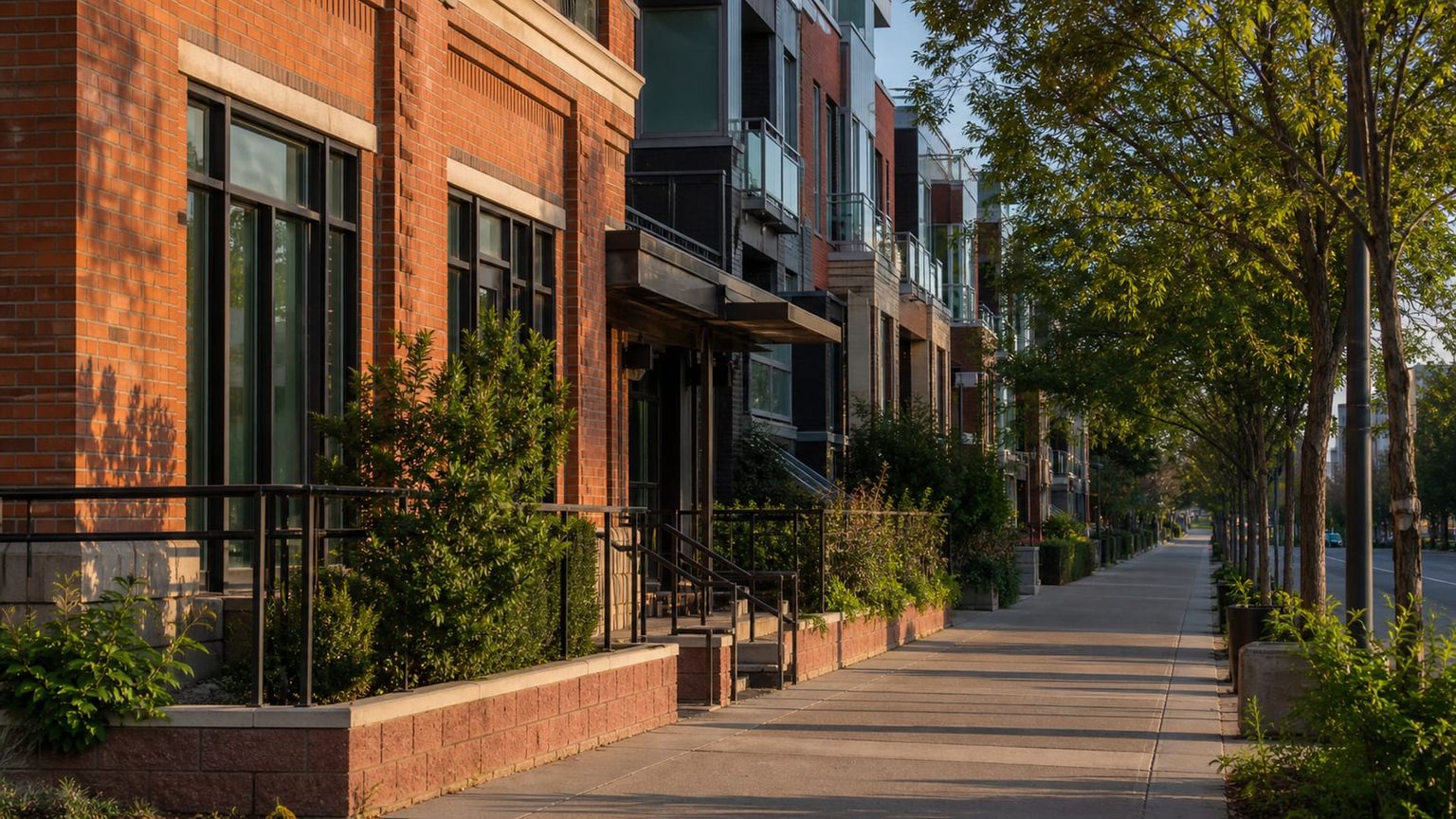
Mission sits south of downtown along the Elbow River and has a compact mix of restaurants, bars, and older low-rise streets. It appeals to visitors who want a walkable base near 4th Street and the river pathways.
Best for: Walkable dining, river access, and travelers who want a smaller central base
What to expect: Sidewalks stay active in meal hours, with a mix of locals, diners, and people moving between nearby neighborhoods.
Hotel prices: Usually about $170 to $300 per night for well-rated stays
Distance to major sights: 15 to 20 minutes on foot to the Calgary Tower, about 10 minutes by transit to downtown
Quietness: Quieter on residential blocks, but restaurant streets stay lively into the evening.
Main trade-off: Street parking can be limited, and some of the best dining is concentrated in a few busy blocks.
Good to know: This area works best if you plan to walk for dinner and use transit for longer outings, since many streets are narrower than in the core.
Travelers usually avoid staying in Northeast Calgary neighborhoods such as Monterey Park, Taradale, and Saddle Ridge, since they sit far from the downtown core, the Beltline, and most major attractions, with limited walkable visitor amenities. Southeast industrial areas near Deerfoot Trail, including Foothills and Quarry Park, are also less convenient because they are geared to offices and hospitals rather than sightseeing, and evening travel usually requires a car.
Hotel deals
How to get around Calgary efficiently
Calgary has no subway, so most visitors rely on the CTrain, Route 300, taxis, rideshares, and short walks between central neighborhoods.

Metro
for longer distances
Calgary has no metro or subway, so the best nearest equivalent is the CTrain light rail network, which runs from the airport area only after a bus or taxi connection into the city. A one-way adult fare costs $3.70 (approximately $2.70 USD) and stays valid for about 90 minutes across transfers. Downtown trips on transit usually take about 30 to 45 minutes from the CTrain corridor, longer if you start at Calgary (YYC) and connect by bus.

Bus and tram
for convenience
Route 300, the Airport/City Centre Express, links Calgary (YYC) with downtown in about 30 to 40 minutes and uses regular Calgary Transit fares, including the same roughly 90-minute transfer window. Calgary Transit buses cover most neighborhoods, and the CTrain reaches the main city corridors, including downtown, the Beltline, and the south and northwest lines. A single adult fare costs $3.70 (approximately $2.70 USD), and day passes are available for riders making several trips.

Taxi
for convenience or late hours
Licensed taxis at Calgary (YYC) use metered fares, not fixed citywide prices, and the airport adds a flat pickup fee before the meter starts. A typical ride to downtown usually costs about $40 to $55 ($29 to $40), with the total rising in traffic or in outer neighborhoods. Most cabs take credit cards, debit cards, and cash, and you can queue at the official taxi rank outside the terminal.
*Prices are based on rates updated as of June 2026 and may change at the time of travel.
Use the CTrain for downtown-to-downtown hops, a taxi or rideshare for airport runs and cross-town trips, and walking when you stay near the river or on 17th Avenue.
Iconic landmarks
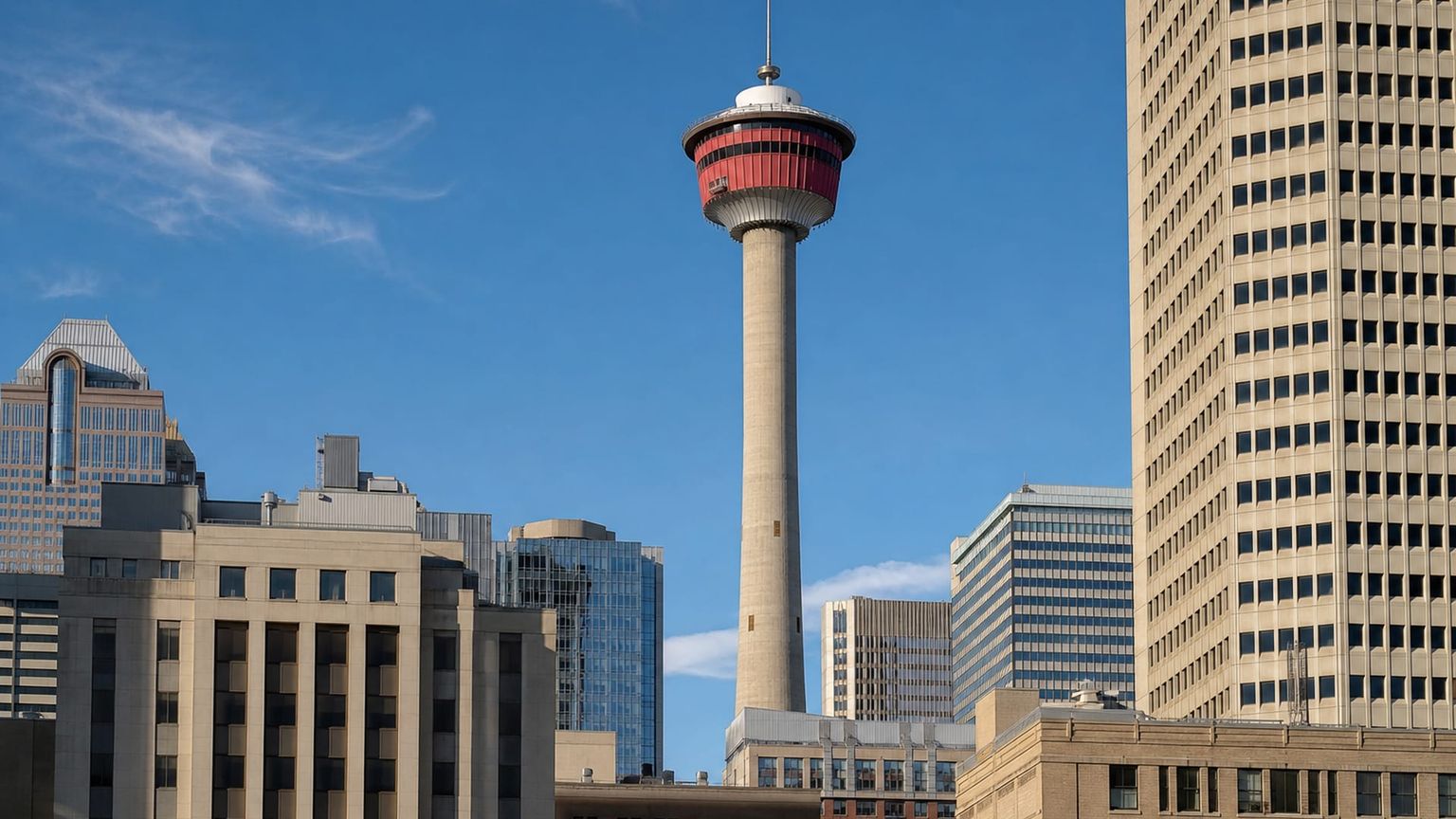
Calgary Tower
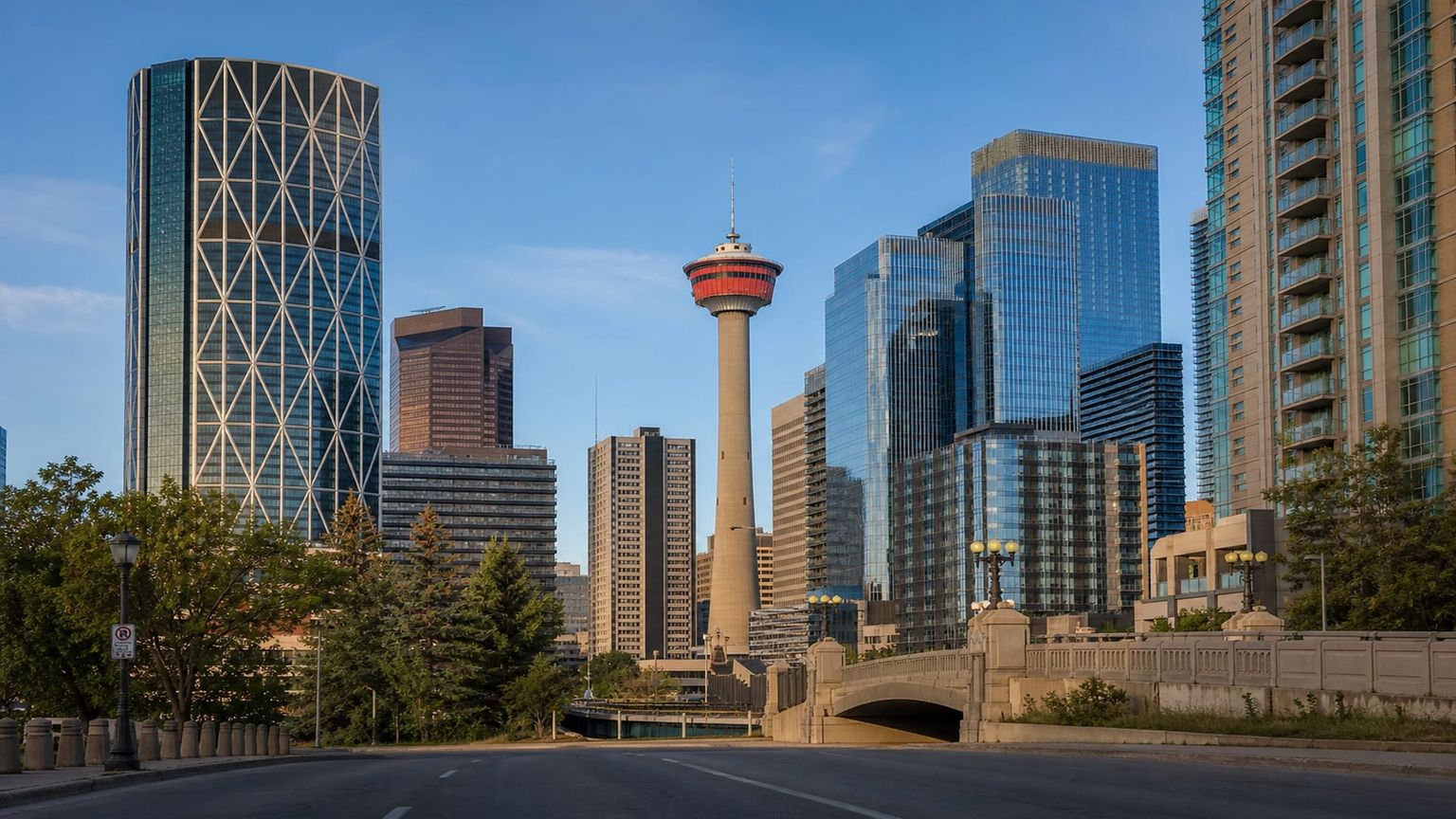
The Calgary Tower rises above downtown and gives a clear 360-degree view of the skyline, the Bow River, and the Rockies on clear days. The glass floor adds a short, memorable pause before you head back to street level.
Time needed: About 45 to 60 minutes
Entry: Standard admission costs $19.99 ($27.50) for adults, $12.99 ($17.88) for youth, and $14.99 ($20.64) for seniors and students. Visit the official site for details.
Tip: Go late afternoon for long views and softer light over downtown and the river.
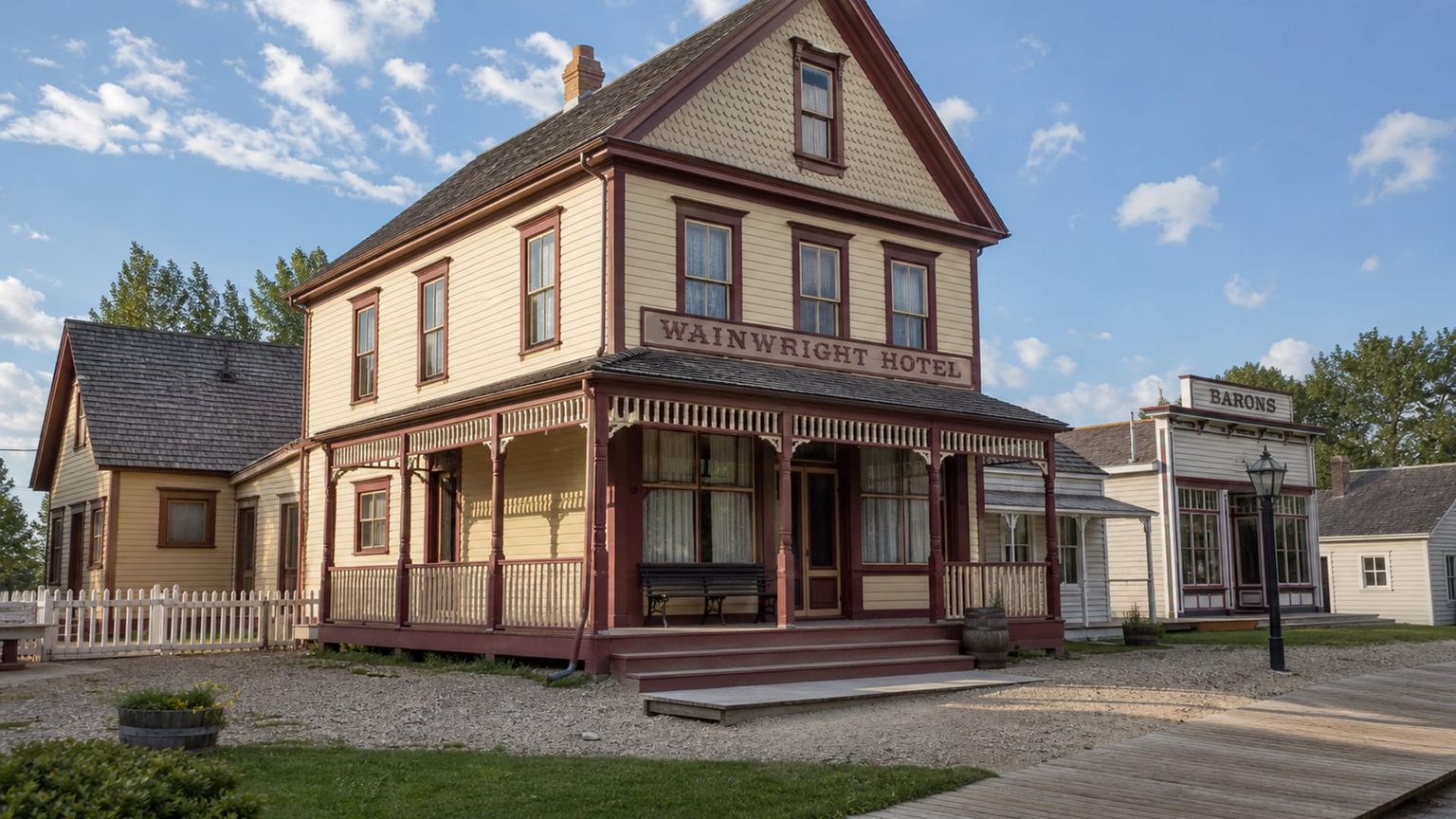
Heritage Park Historical Village
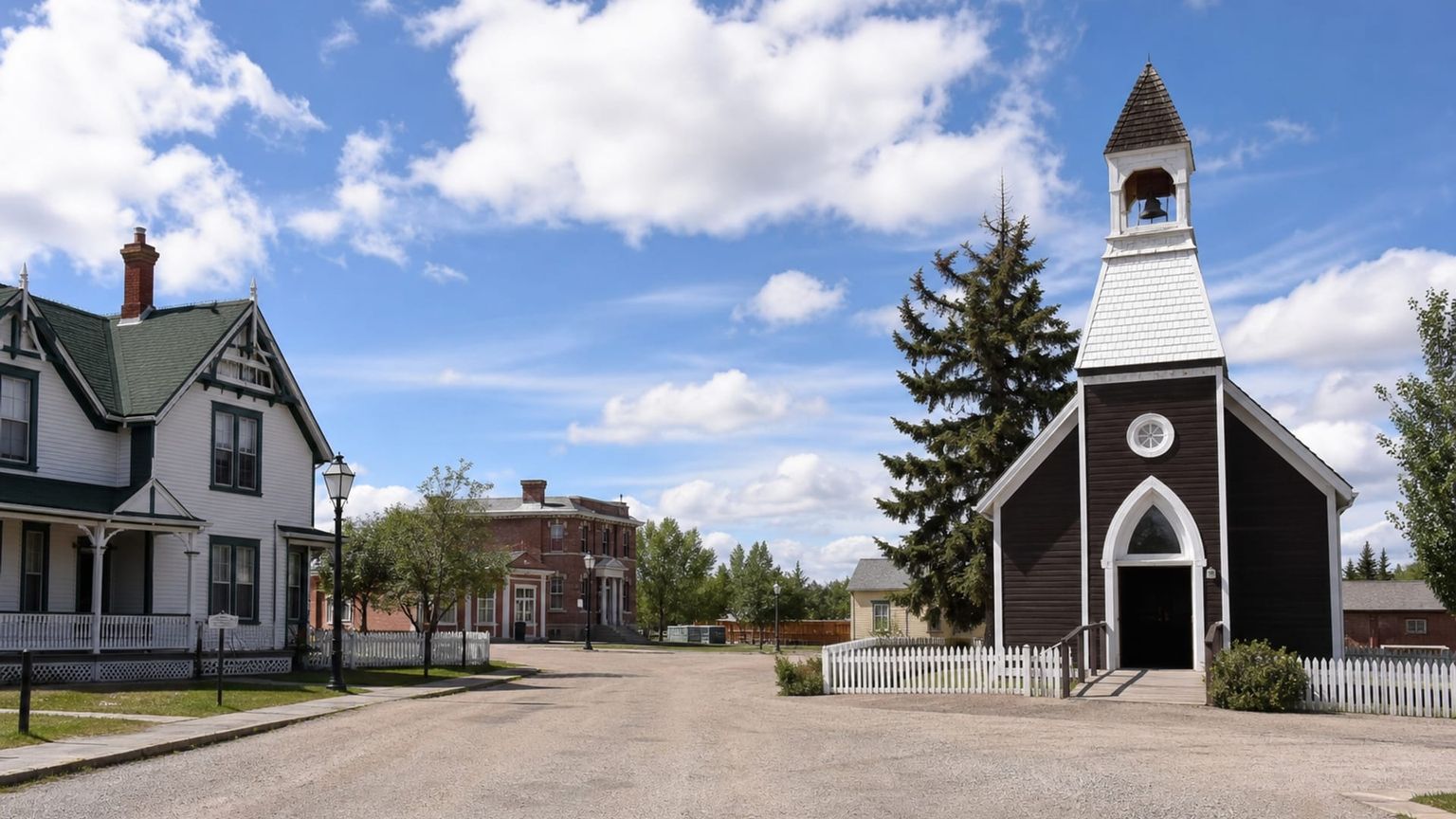
Heritage Park Historical Village recreates prairie and early Alberta life with a steam train, vintage buildings, and working exhibits spread across a large site. It gives Calgary one of its clearest looks at local history in a single visit.
Time needed: About 3 to 4 hours
Entry: Standard admission costs $34.95 ($48.07) for adults, $27.95 ($38.44) for seniors, and $24.95 ($34.30) for youth aged 3 to 15. Visit the official site for details.
Tip: Arrive early, then ride the steam train before spending time in the indoor exhibits.
Prince's Island Park
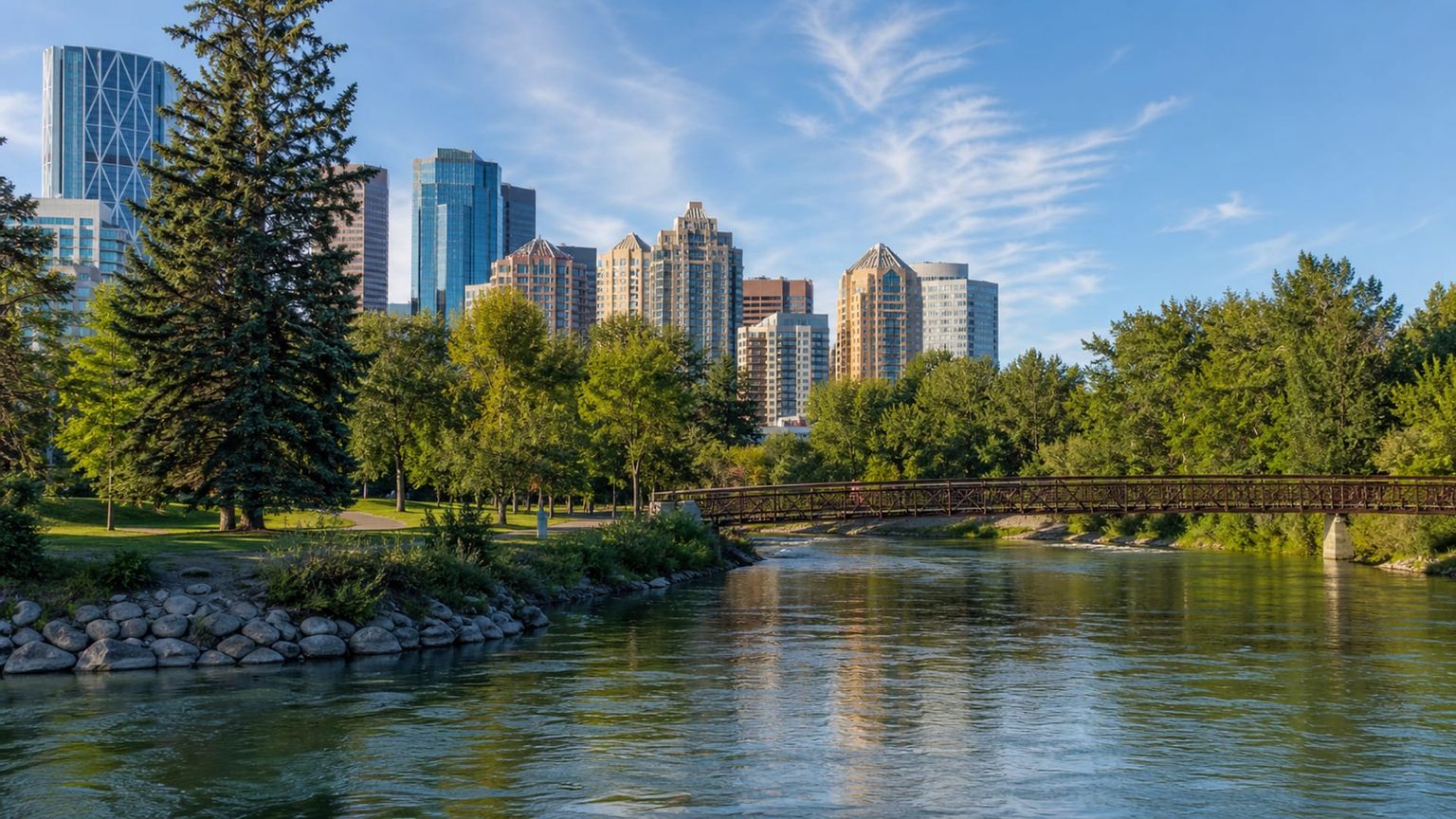
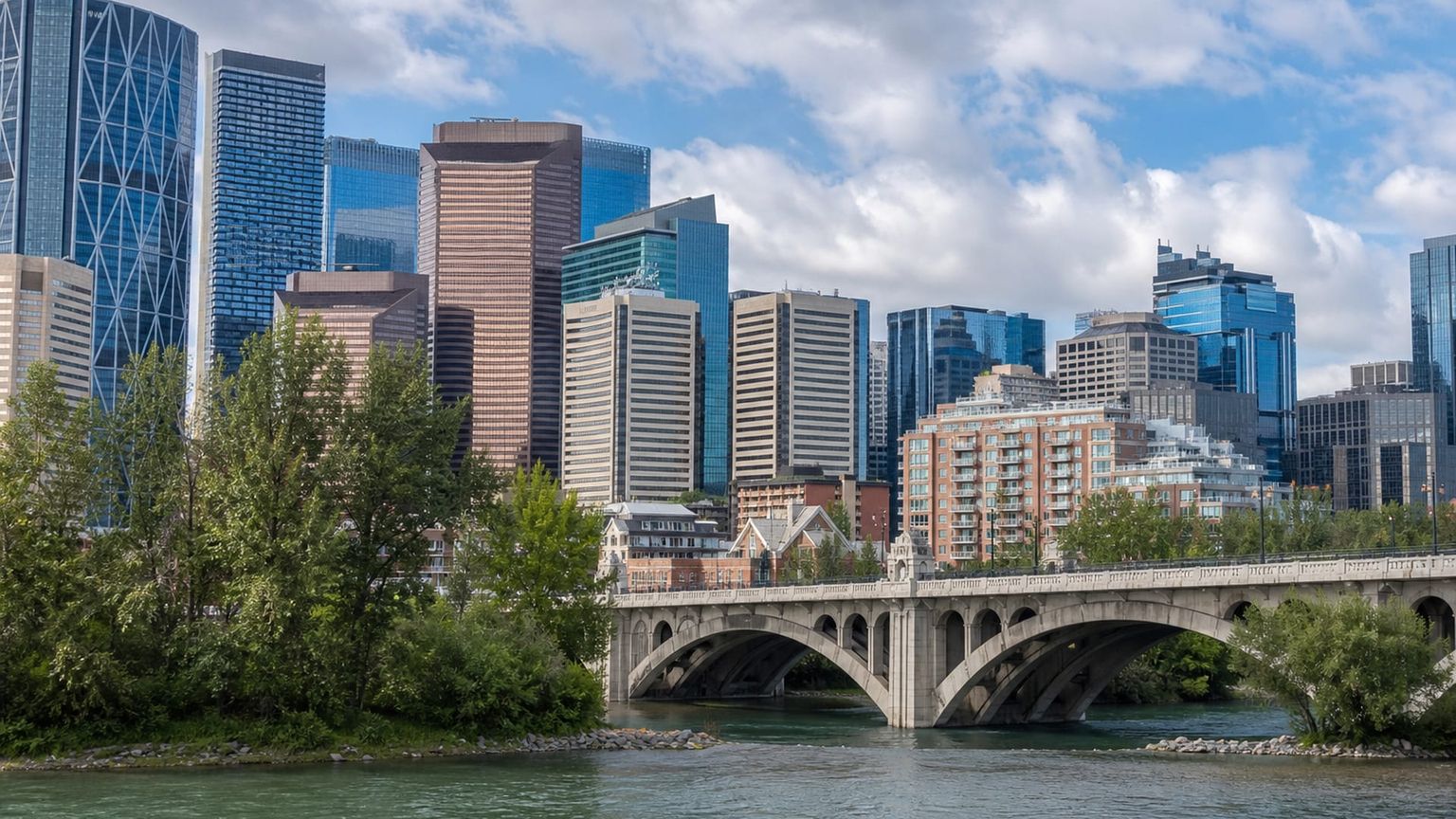
Prince’s Island Park sits in the Bow River and links downtown Calgary to quiet paths, lawns, and views of the river channel. It is also one of the best spots for festivals, bridge photos, and an easy walk close to the center.
Time needed: About 1 to 2 hours
Entry: Free to access
Tip: Come near sunset for the best light on the river and skyline, then cross back by the Peace Bridge.
Overlooked sites worth visiting

Reader Rock Garden
A restored 1930s rock garden with winding stone paths, small ponds, and layered alpine plantings. It sits on a hillside in south-central Calgary, so it works well for a quiet hour between downtown stops.
Time needed: About 1 hour
Entry: Free to access, with no admission fee for general visits. Seasonal planting displays, benches, and the upper and lower garden paths are open to the public during park hours; special events may set separate pricing.
Tip: Go in late spring for peak blooms and softer light.

Gasoline Alley Museum
This compact museum at Heritage Park shows more than 100 vintage vehicles, neon signs, and restored gas pumps. It gives a close look at prairie car culture without the size or crowds of a major auto museum.
Time needed: About 1 to 2 hours
Entry: Admission is included with Heritage Park general admission, which typically costs about $34.95 ($34.95) for adults, about $24.95 ($24.95) for seniors, and about $19.95 ($19.95) for youth; exact seasonal rates can change. Visit the official site for details.
Tip: Pair it with a late-afternoon visit to Heritage Park.
Traditional food
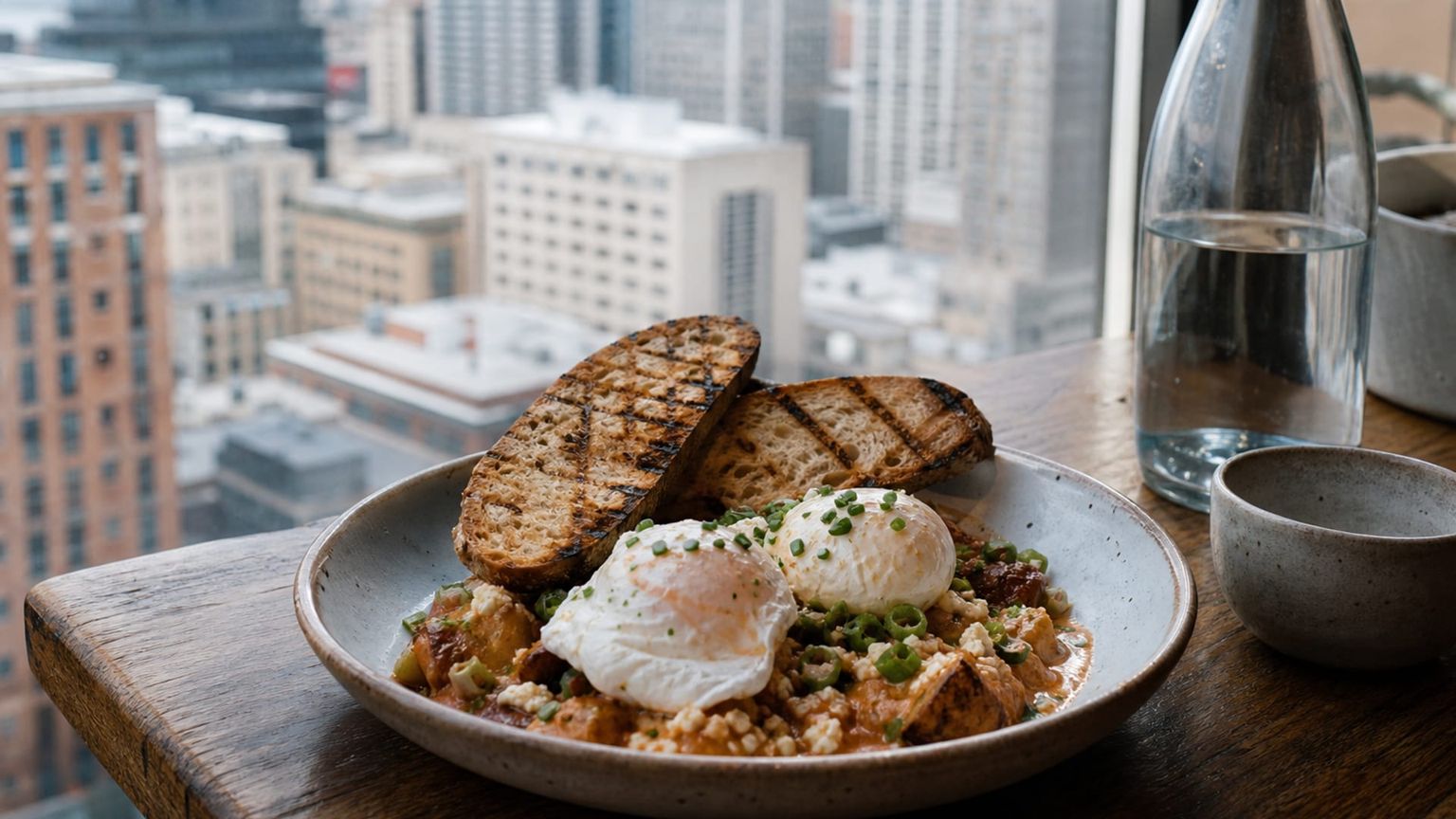
Calgary’s dining leans on Alberta beef, ginger beef, poutine, and steakhouse cooking, with portions that suit a city built around hearty meals and late dinners. Expect simple plates, strong grilling, and a casual order of service.
Ginger beef
Crisp beef in a sweet-spicy sauce, a Calgary original that shows up on many local menus. Try it at Golden Inn, a long-running Chinatown restaurant with a strong local following.
Poutine
Fries, cheese curds, and gravy suit Calgary’s cold-weather appetite, especially after a long day downtown. CHARCUT Roast House serves a refined version that keeps the dish rooted in local comfort food.
Calgary-style steak
A thick, well-seared steak with a straightforward presentation, often built around Alberta beef. Caesar’s Steak House is one of the city’s classic addresses for that style of dinner.
Alberta beef
Alberta beef appears in everything from steak dinners to roast plates, and the quality is a major part of Calgary’s food identity. Modern Steak in the Beltline makes it a clear centerpiece of the menu.
Best time to visit Calgary
Calgary changes sharply by season, with warm, bright summers, crisp shoulder months, and long winters that can change how far you want to walk.
Best for: Garden visits, river walks, and lighter crowds before summer events start
What you get: Temperatures usually range from 28 to 64°F (-2 to 18°C), with moderate crowds and some lingering cold snaps
Trade-offs: Weather can shift quickly, so a warm morning can turn chilly by afternoon
Best for: Outdoor dining, parks, festivals, and long daylight hours
What you get: Temperatures usually range from 50 to 77°F (10 to 25°C), with the busiest crowds of the year in the main districts
Trade-offs: Popular river paths, patios, and event spaces can feel busy on weekends
Best for: Clear views, comfortable walking, and neighborhood dining without peak summer demand
What you get: Temperatures usually range from 25 to 68°F (-4 to 20°C), with lighter crowds after the first cool weeks
Trade-offs: Late fall brings shorter days and a faster drop in temperatures
Best for: Museum time, tower views on clear days, and a quieter city core
What you get: Temperatures usually range from 5 to 32°F (-15 to 0°C), with fewer tourists but cold streets and possible snow
Trade-offs: Wind and ice can shorten walks between districts
A realistic 5-day plan in Calgary
Calgary works best when the days have a clear order. This five-day plan starts with the downtown core, moves into parks and history, then ends with a lighter departure day that keeps airport timing simple.
Land at Calgary (YYC), then take a taxi or rideshare into downtown, Mission, or Beltline in about 20 to 30 minutes for roughly $40 to $60 CAD. If you prefer transit, the Route 300 airport bus and the CTrain can get you into the core for less, though the trip takes longer and usually runs about 45 to 60 minutes depending on your stop. Check in, drink some water, and keep dinner close to your hotel, perhaps on Stephen Avenue in Downtown Calgary or along 17th Avenue in Beltline, where you can settle in without a long walk after the flight.
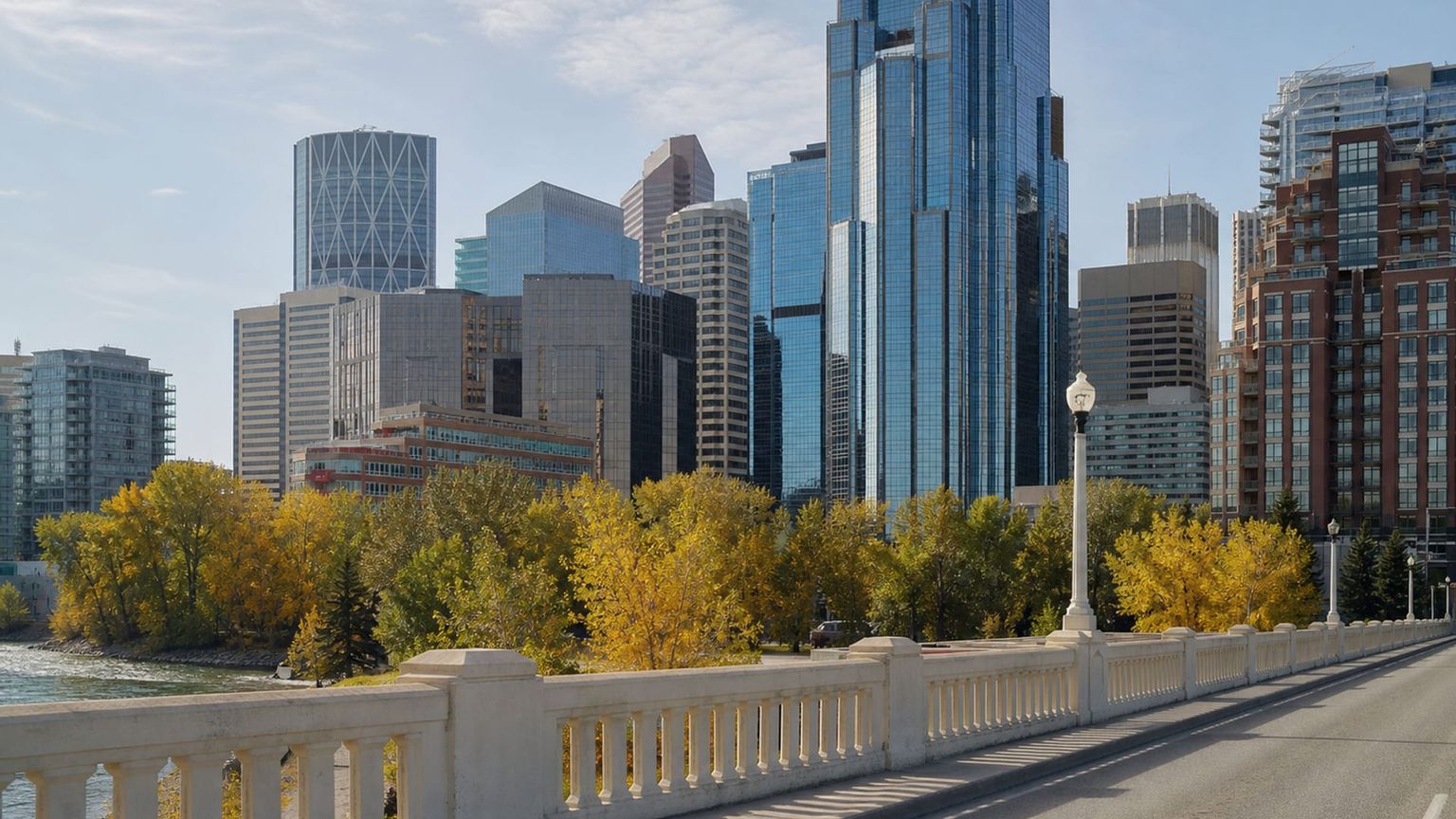
Start with Prince’s Island Park in the morning, then walk back across the Peace Bridge into downtown for a tower stop. The park is free and usually takes about 1 to 2 hours, and the walk to the Calgary Tower takes about 15 minutes on foot. Go up the tower in the late afternoon, when the light is better over the Bow River and the skyline, and expect the visit to take about 45 to 60 minutes. Finish with dinner in Downtown Calgary, where the streets stay active near Stephen Avenue and the central dining blocks.
Begin in the south-central part of the city at Reader Rock Garden, which takes about 1 hour and sits roughly 10 to 15 minutes by taxi from Downtown Calgary. From there, continue to Heritage Park Historical Village, about 20 minutes away by car or rideshare, and plan for 3 to 4 hours on site. The steam train, historic buildings, and the Gasoline Alley Museum fit well in one long visit, and admission to the museum is included with Heritage Park entry. Book an early dinner in Mission afterward, where you can reach the neighborhood from Heritage Park in about 15 to 20 minutes by car.
Head back to the river and spend the morning in Kensington, where cafés, independent shops, and the Sunnyside side of the neighborhood make an easy start to the day. From Kensington, Prince’s Island Park is about 25 minutes on foot or about 10 minutes by transit, so you can cross into downtown for another riverside walk or a second look at the Bow River paths. If you want a shorter afternoon, stay on foot in Kensington for lunch and browse the local shops before moving south to Beltline for dinner on 17th Avenue. That stretch gives you one compact day with neighborhood streets, transit access, and a clear return to the core.
Begin with a final museum stop in the downtown core, then spend the rest of the day closer to your hotel so departure logistics stay simple. If you want shopping, head to Stephen Avenue in Downtown Calgary for central stores and easy CTrain access, or choose 17th Avenue in Beltline for independent shops and a denser café scene. In Kensington, a late coffee and a pastry make a good last pause before you collect your bags and head back to Calgary (YYC), and you can reach the airport by taxi or rideshare in about 20 to 30 minutes from the core.
Business-class flights from the US to Calgary
Calgary (YYC) connects to both coasts with a mix of nonstop and one-stop itineraries, so it pays to compare timing as well as fare. The East Coast and West Coast examples below show how the route shape changes by origin.
From New York, Air Canada, Delta Air Lines, and United Airlines handle the route, and a nonstop flight takes about 4 to 4.5 hours. If you do connect, common layover points include Denver (DEN), Chicago (ORD), Washington, D.C. (IAD), and Minneapolis (MSP), with total travel usually stretching to about 6 to 10 hours. Round-trip fares from New York to Calgary usually start at about $1,200 and can reach $3,500.
Los Angeles offers a shorter trip, with Air Canada, WestJet, Delta Air Lines, and United Airlines on the route and nonstop flying time of about 2.5 to 3 hours. One-stop options may connect through San Francisco (SFO), Seattle (SEA), Denver (DEN), or Vancouver (YVR), and those itineraries usually run about 5 to 9 hours door to door. From Los Angeles, round-trip fares usually run $900 to $2,800, with one-stop itineraries sometimes pricing lower than nonstop options.
Calgary feels different when you slow down
A well-paced Calgary trip usually ties downtown to the river paths, then folds in Beltline dinners, Kensington cafés, and one longer stop at Heritage Park. Transit keeps the core connected, but the best days still depend on choosing the right order for each neighborhood. If you want to shape that plan with local timing and hotel advice, ask the AranGrant experts to help you build it before you book







