

Chapters:

Need help with your trip?
Our support team is available 24/7. Request a callback or call us directly at (833) 619-0908
Moncton trips often begin with a downtown hotel, a seafood dinner, and a quick stop at Magnetic Hill or the Tidal Bore, but many visitors miss how much the city rewards timing. The biggest gaps usually come from treating it as a drive-through stop.
Distances look short, yet river crossings, daylight windows, and meal hours shape the day more than a map does. If you move without a plan, you can lose the best part of the bore or end up dining far from where you stayed.
This guide organizes Moncton by neighborhood, tide, and transfer time, so the city opens in a cleaner sequence instead of a rushed checklist.
Useful things to know

Main language(s): English

Currency: The local currency is the Canadian dollar (CAD, $).

Cash and cards: Cards and contactless are widely accepted; carry about C$20 to C$40 ($15 to $30) in cash for small purchases.

Tipping: Tip 15-20% at restaurants; round up taxis and small bills.

Traditional food: seafood chowder, lobster roll, poutine, blueberry grunt

Water and coffee costs: Water about C$2 ($1.50), bar espresso about C$3 to C$4 ($2 to $3).

Taxis and ride apps: Uber operates here; local taxis are also available.

Plug and voltage: Type A/B socket, 120V

Dining and shop opening hours: Breakfast is about 07:00-10:00, lunch 12:00-14:00, and dinner 17:00-21:00. Many kitchens close by 22:00, with some spots closed on Sunday or Monday.

Emergency number: Dial 911 for police, fire, and ambulance.
Where to stay in Moncton
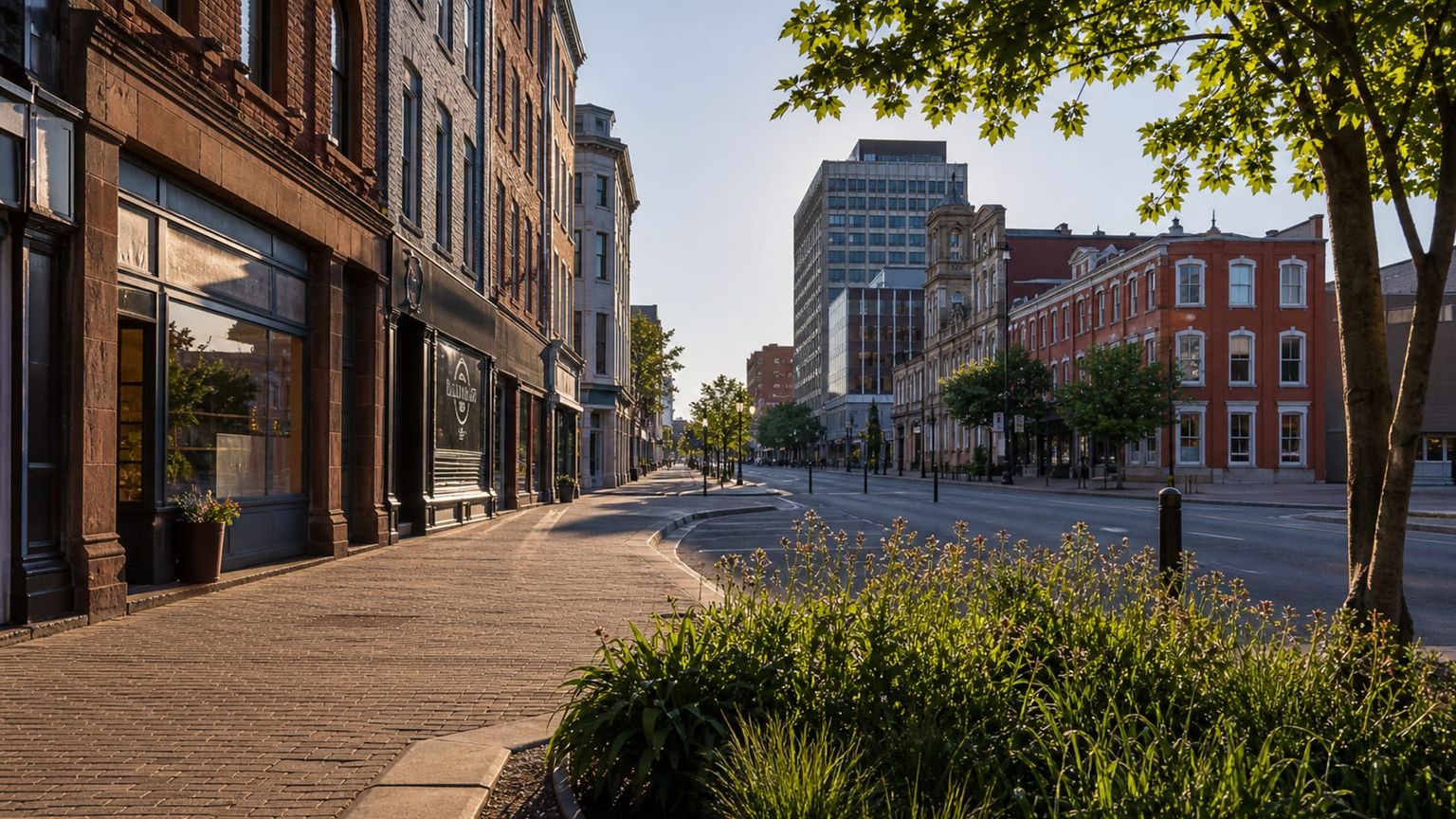
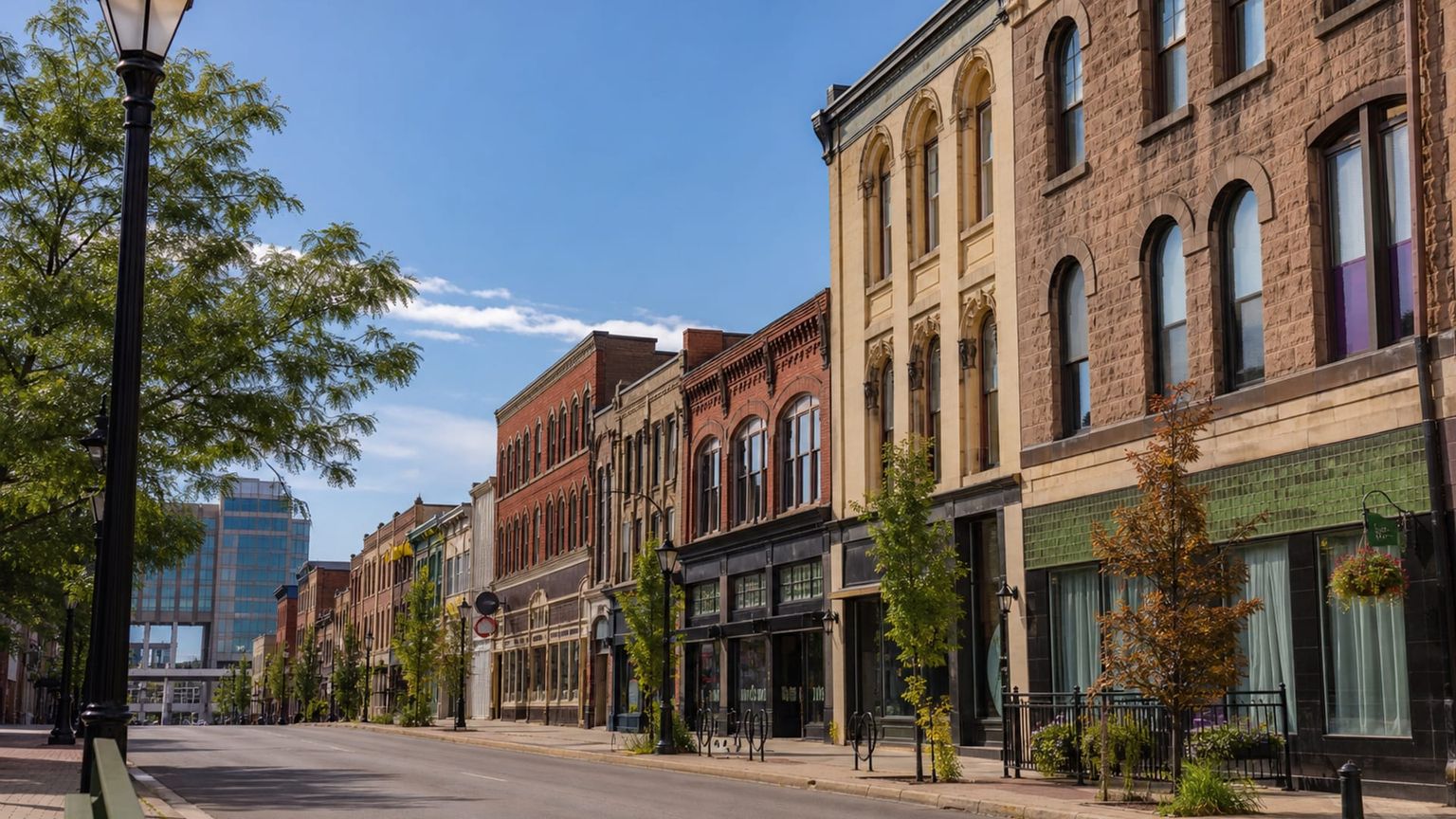
Moncton’s core sits along Main Street and the Petitcodiac River, with the city’s densest mix of restaurants, offices, and hotels. It suits visitors who want easy access to Avenir Centre, the riverfront, and the main transit connections without relying on a car.
Best for: Restaurant access, Avenir Centre events, and a central base for getting around
What to expect: Sidewalk traffic stays active by day, then thins after dinner except on event nights.
Hotel prices: Usually about $110 to $180 per night for well-rated stays
Distance to major sights: 10 to 15 minutes on foot to Avenir Centre; about 5 minutes by transit to Bore Park
Quietness: Busier in the daytime, with more street noise on weekends and during concerts; evenings are calmer on side streets.
Main trade-off: You pay more for central convenience, and the liveliest blocks can feel busy near event time.
Good to know: If you plan to walk to dinner or a game, pick a room away from Main Street to cut noise after late arrivals.
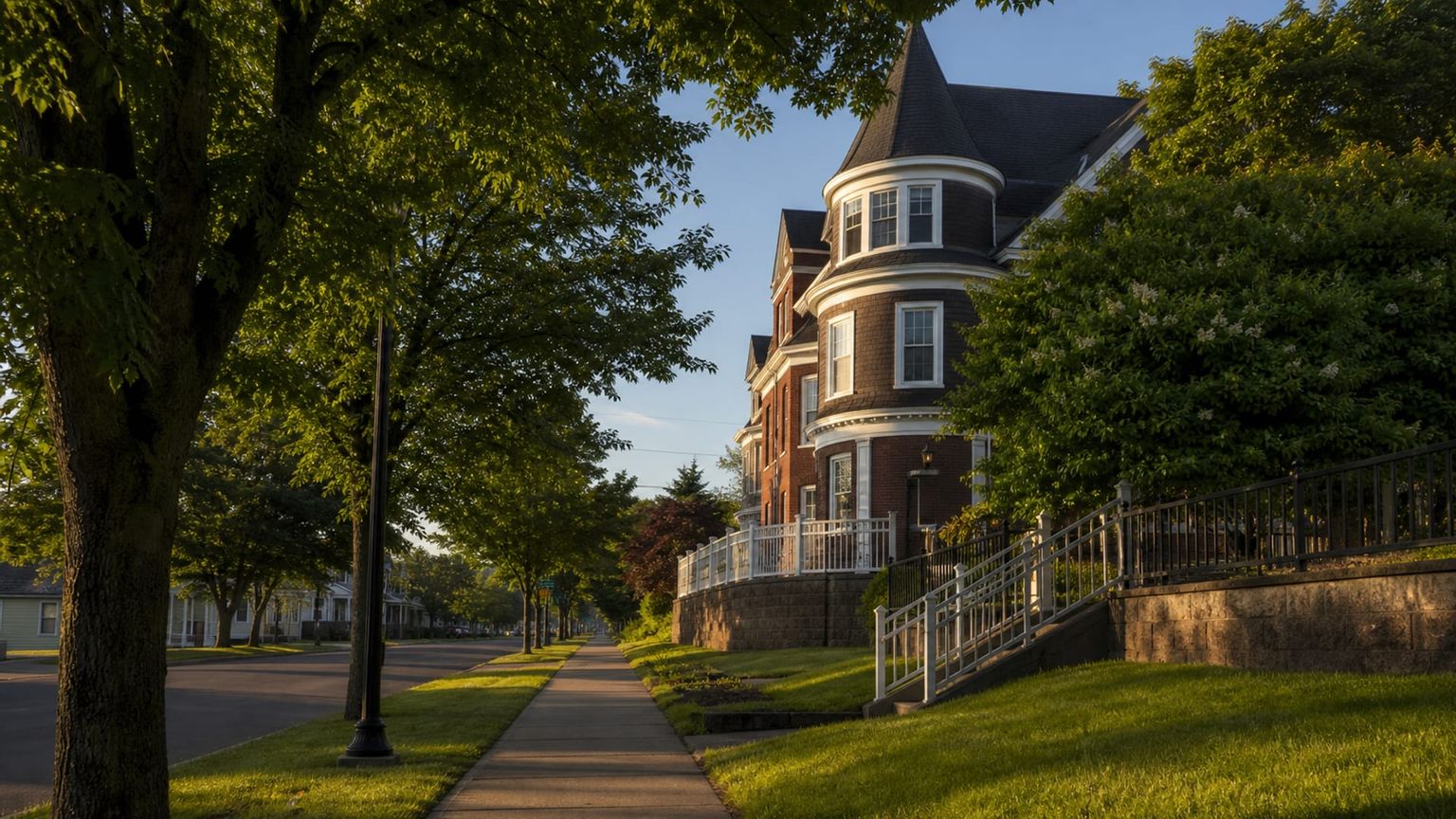
Riverview sits just across the river from downtown Moncton, linked by bridges and close to parks, golf, and residential streets. It works well for travelers who want a quieter base while still reaching central Moncton quickly.
Best for: Quieter stays, family trips, and visitors who do not mind crossing the river for meals
What to expect: Residential streets, local shops, and park traffic replace late-night foot traffic.
Hotel prices: Usually about $100 to $170 per night for well-rated stays
Distance to major sights: About 10 to 15 minutes by car to Avenir Centre; roughly 10 minutes to Bore Park
Quietness: Daytime activity centers on errands and parks, while evenings stay notably calmer than downtown.
Main trade-off: You will spend more time on bridge crossings if you plan several downtown dinners or late shows.
Good to know: Choose Riverview if you have a car or are comfortable with rideshares, since transit options thin out after dark.
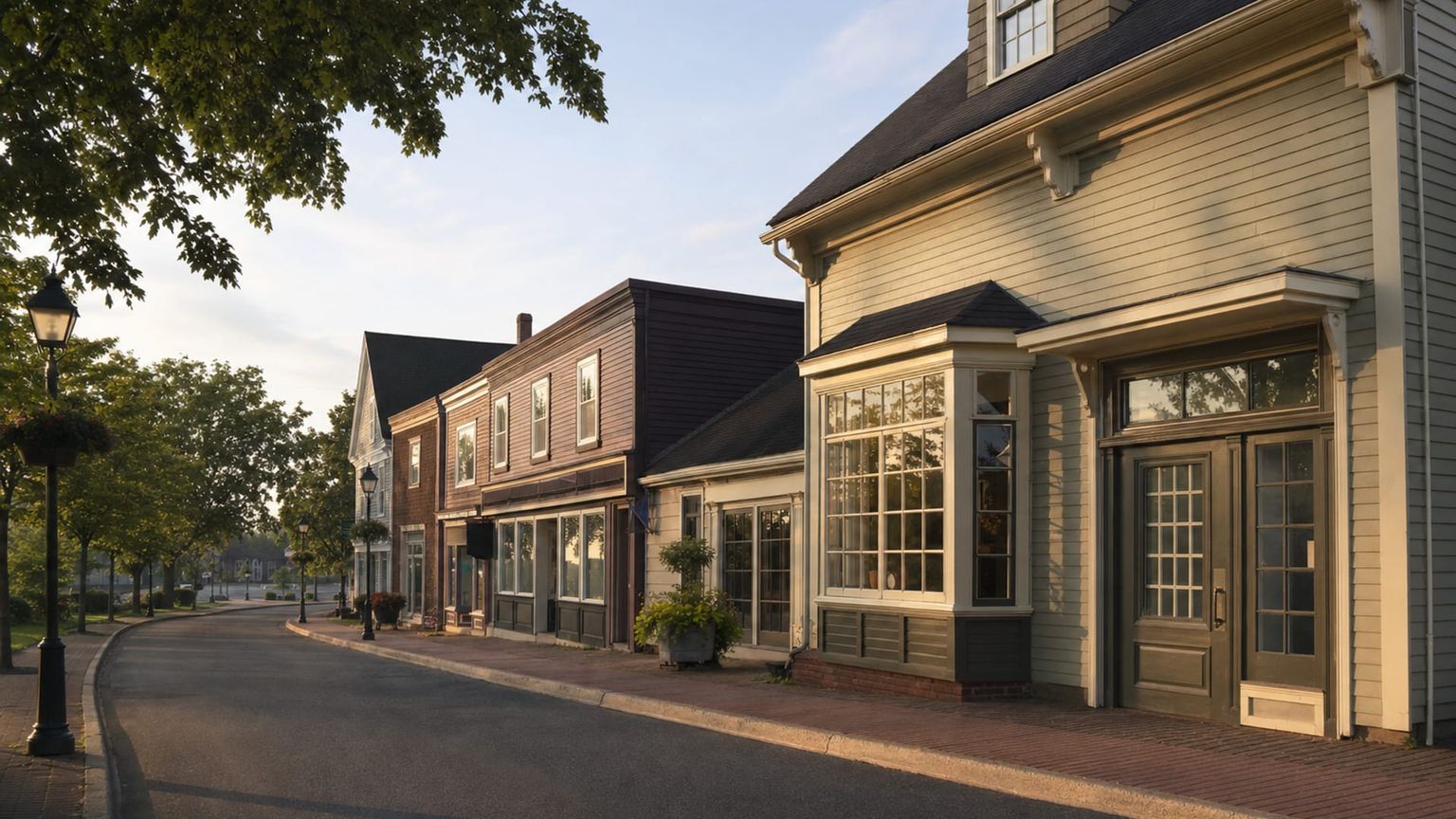
Dieppe is Moncton’s French-speaking neighboring city, with shopping, restaurants, and newer hotels clustered near Champlain Place and the airport corridor. It suits travelers who want modern lodging and quick access to Moncton International Airport.
Best for: Airport access, shopping, and travelers who prefer newer hotel inventory
What to expect: Expect commercial strips, mall traffic, and less late-night street life than in central Moncton.
Hotel prices: Usually about $110 to $190 per night for well-rated stays
Distance to major sights: About 10 minutes by car to Moncton International Airport; roughly 15 minutes to Avenir Centre
Quietness: Daytime shopping traffic can be busy, but evenings are generally quieter once stores close.
Main trade-off: You will trade walkable nightlife for easier airport access and a broader choice of newer hotels.
Good to know: If you have an early flight, Dieppe cuts the chance of an airport commute crossing the city at rush hour.
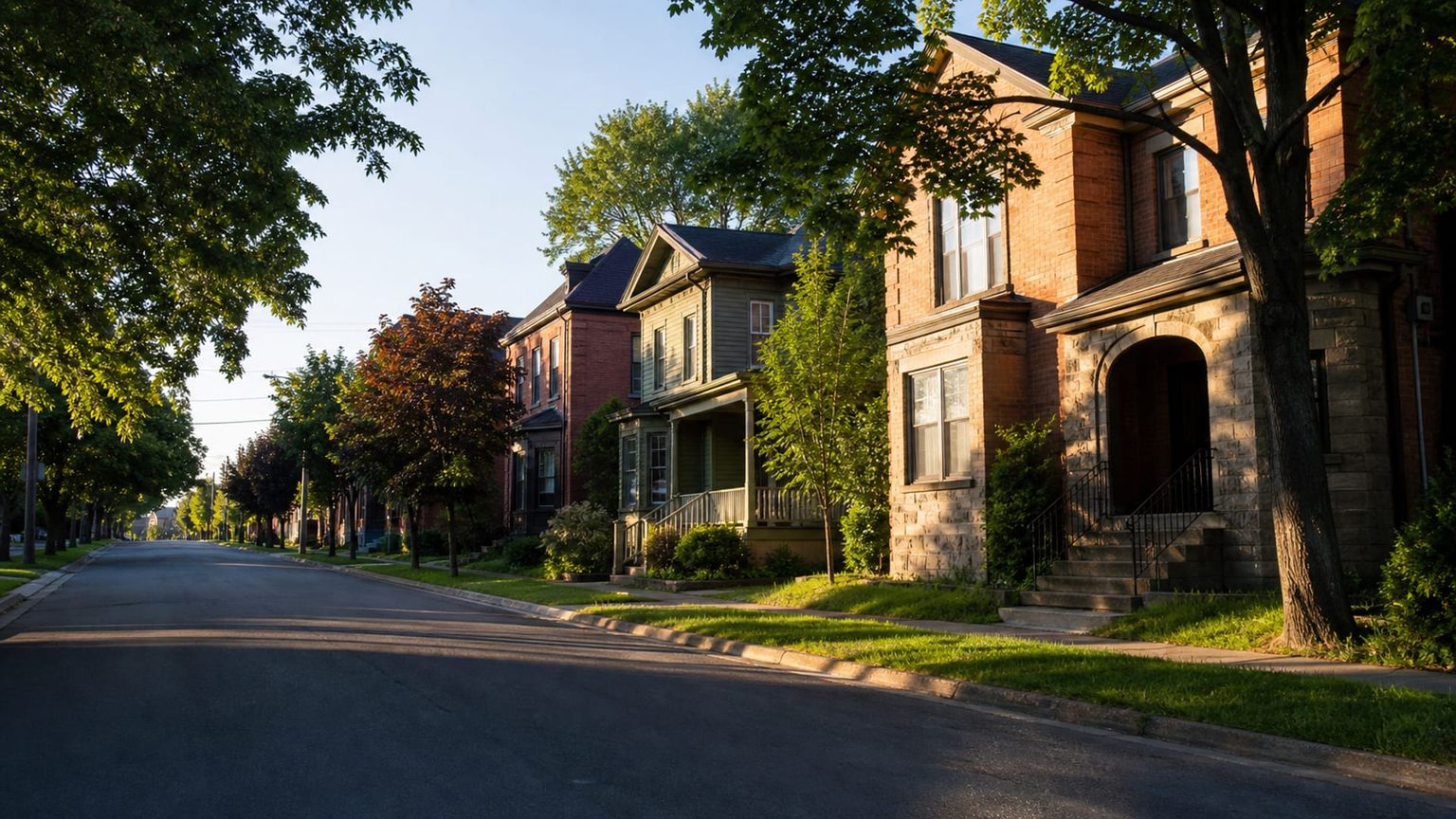
The West End covers established residential streets west of downtown, with quick access to major roads, grocery stores, and local services. It appeals to visitors who want a lower-key neighborhood feel while staying within a short drive of central Moncton.
Best for: Longer stays, car travelers, and guests who prefer residential streets over hotel clusters
What to expect: You will see local traffic, schools, and small retail rather than tourist crowds.
Hotel prices: Usually about $95 to $160 per night for well-rated stays
Distance to major sights: About 10 minutes by car to Avenir Centre; roughly 12 minutes to Bore Park
Quietness: Calm through the day apart from school and commute hours, then quiets further in the evening.
Main trade-off: The area offers fewer hotels and little walkable dining, so most meals mean a drive or rideshare.
Good to know: Book here only if you are comfortable basing your stay around a car, since evening dining options are limited on foot.
Travelers usually avoid staying in industrial stretches of Dieppe near the airport and along highways such as Amirault Street, since they sit away from Moncton’s main sights, the riverfront, and downtown dining. The outer edges of the north end, including the area near Trinity Drive and Wheeler Boulevard, are less convenient for walking to visitor attractions and for evening plans without a car.
Hotel deals
How to get around Moncton efficiently
Moncton has no metro, so the practical mix is walking downtown, Codiac Transpo for bus trips, and taxis or rideshares when you cross the river or head toward the airport.

Metro
for longer distances
Moncton has no metro or subway network, so visitors rely on buses, taxis, and walking for local trips. For airport-area stays near Moncton (YQM), there is no rail substitute to plan around, just road transfers into the city.

Bus and tram
for convenience
Codiac Transpo runs Moncton, Dieppe, and Riverview on a local bus network with no tram. Fares are about $2.75 CAD ($2) per ride, with day and pass options that vary by rider type, and most trips into downtown take roughly 15 to 30 minutes depending on origin and transfer needs. Check schedules closely because evening and weekend frequency is limited, and some outlying areas need a connection or a longer walk to the stop.

Taxi
for convenience or late hours
Licensed taxis in Moncton use metered fares rather than set citywide flat rates, and airport trips from Moncton Airport (YQM) to central Moncton usually cost about $25 CAD to $35 CAD ($18 to $26), depending on traffic and exact drop-off point. Hail by phone or at marked stands, since street hailing is uncommon, and most cars accept cash and major cards, though it is wise to confirm card payment before you start the ride.
*Prices are based on rates updated as of June 2026 and may change at the time of travel.
Walk for downtown sights, use the bus for inexpensive links across Moncton, Dieppe, and Riverview, and book a taxi or rideshare when you need the quickest airport run or a late dinner.
Iconic landmarks
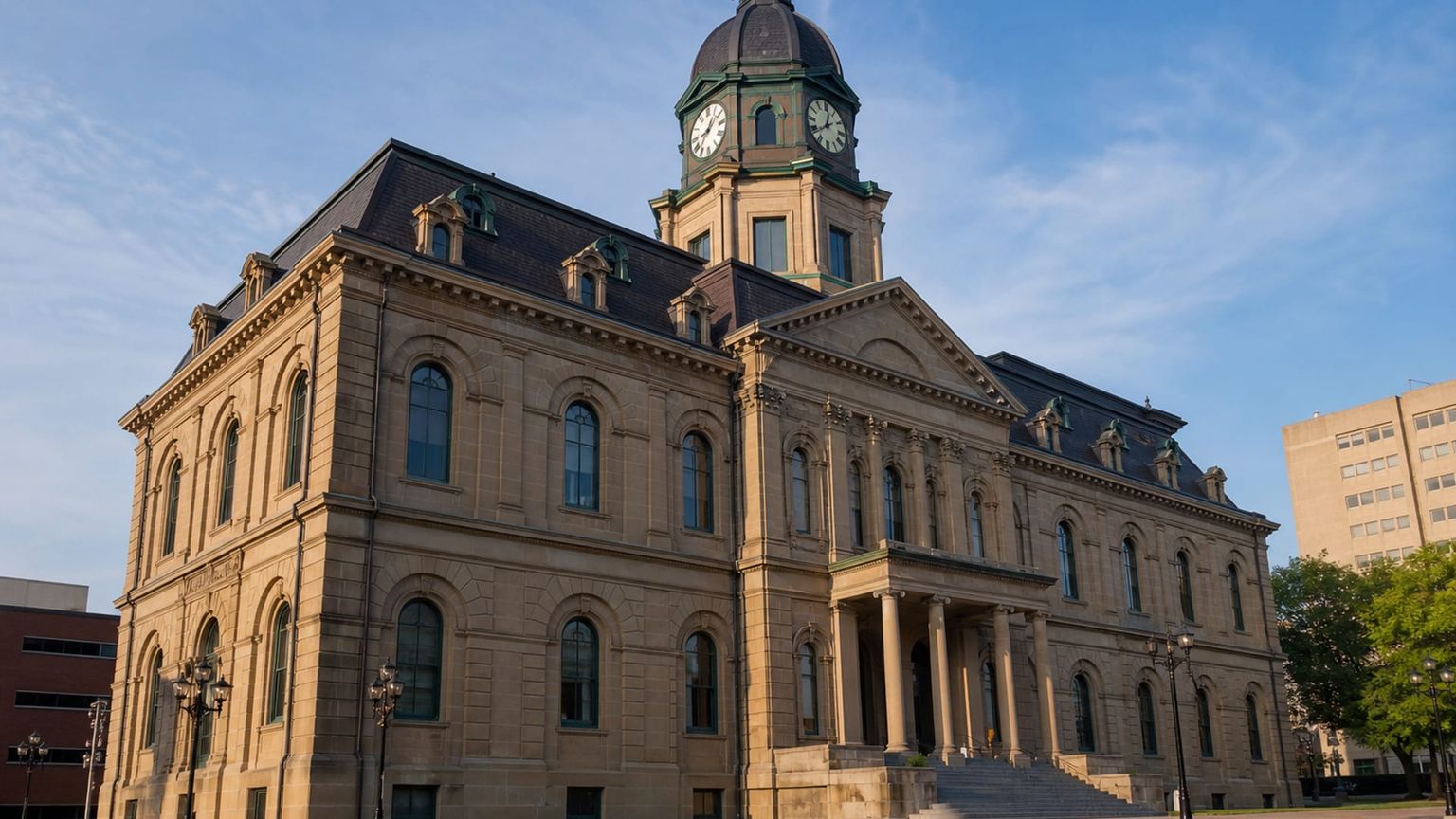
Resurgo Place
Moncton’s city museum pairs local history with transportation exhibits, including the story of the Tidal Bore and the city’s railway past. Its compact galleries work well for a first stop near downtown.
Time needed: About 1 to 2 hours
Entry: Admission is $10.65 ($12) for adults, $9.20 ($10) for seniors and students, and $6.20 ($7) for children. Visit the official site for details.
Tip: Visit early in the day for quieter galleries and easier parking nearby.
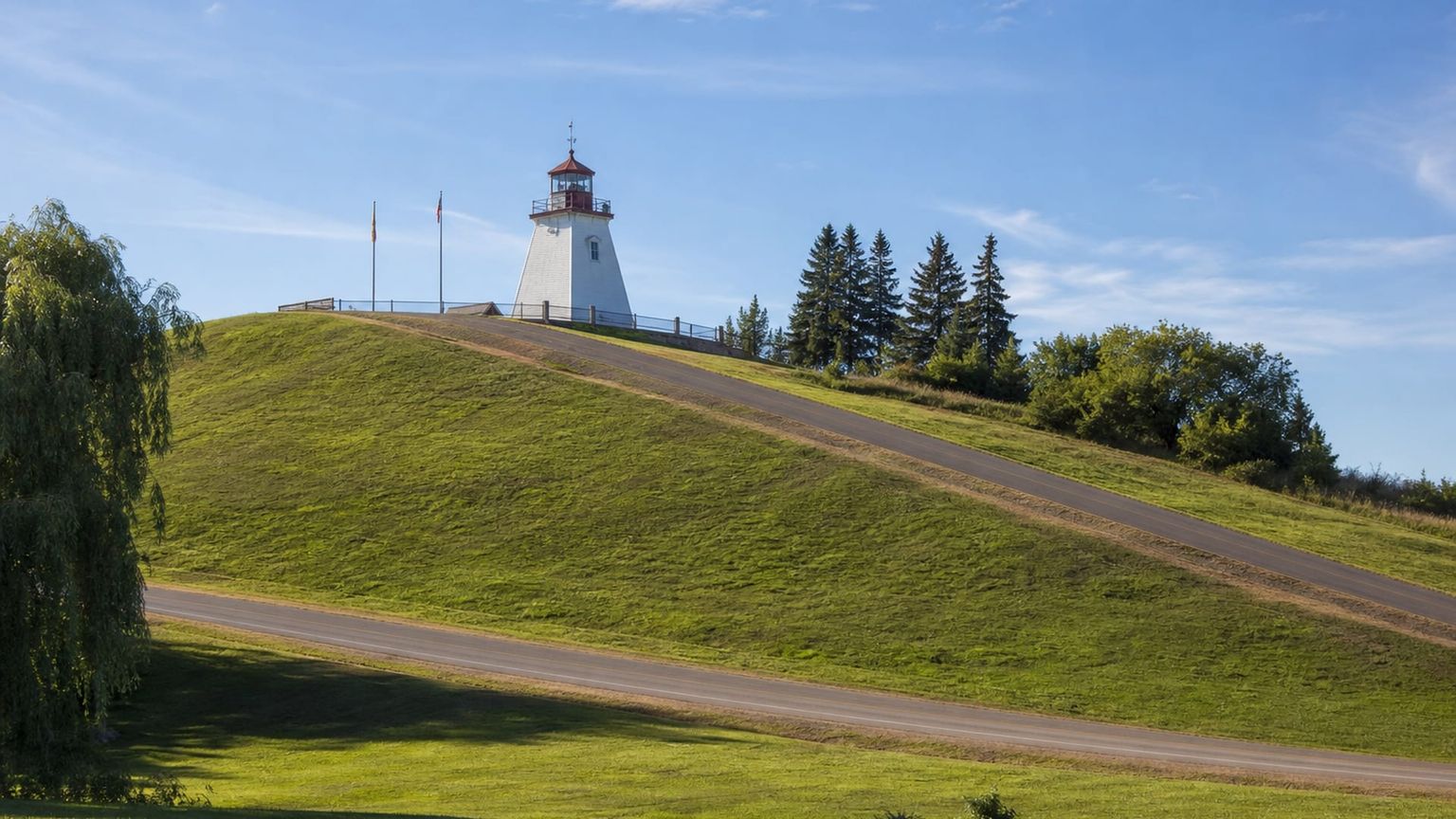
Magnetic Hill
This stretch of road is Moncton’s best-known oddity, where cars appear to roll uphill when placed in neutral. The effect draws visitors to the marked viewing area and nearby pull-off north of the city.
Time needed: About 30 to 45 minutes
Entry: Free to visit, with no admission fee for the roadside viewing area and pull-off spaces.
Tip: Go in daylight and follow the marked lane to see the illusion most clearly.
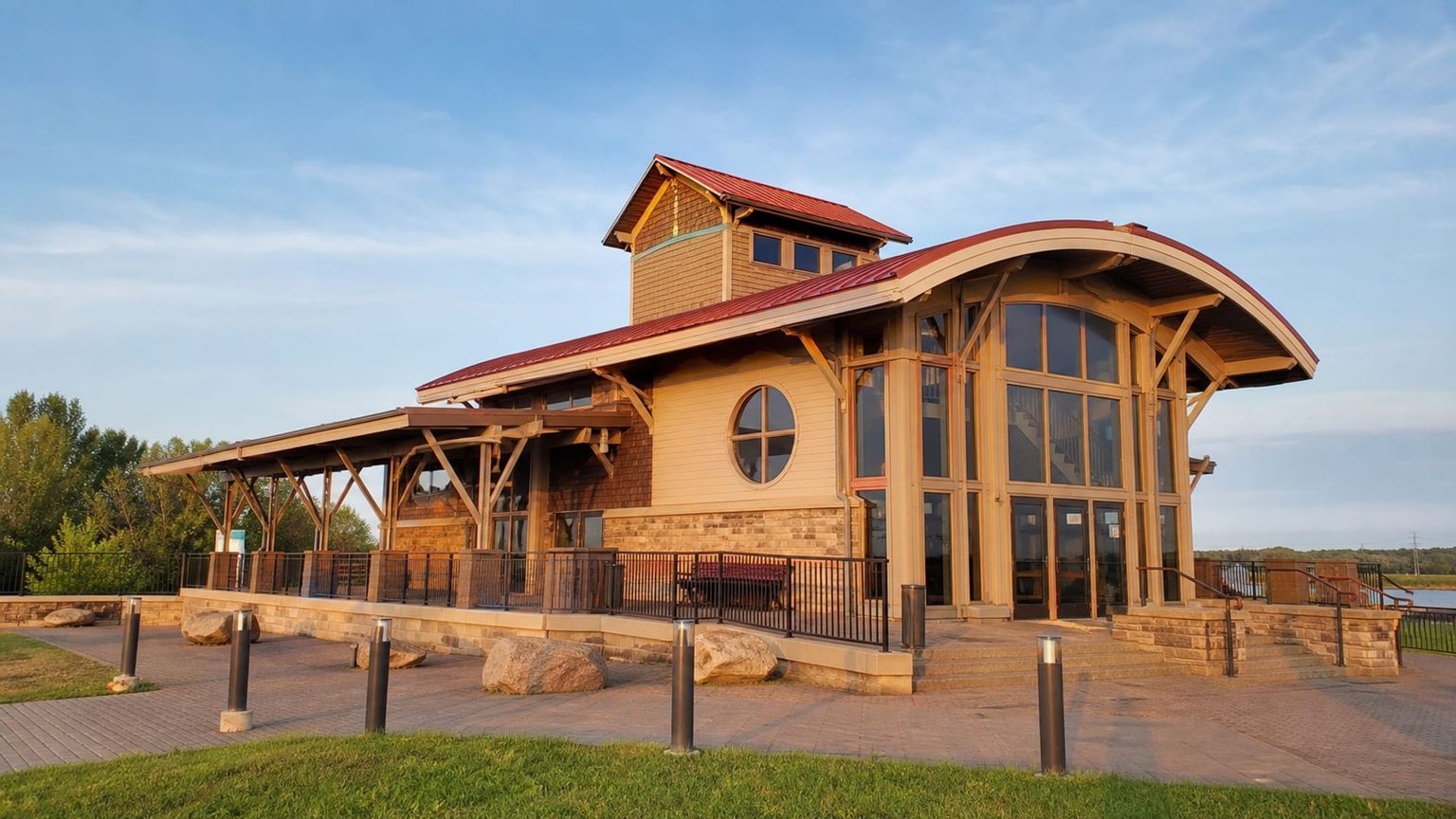
Tidal Bore Viewing Site
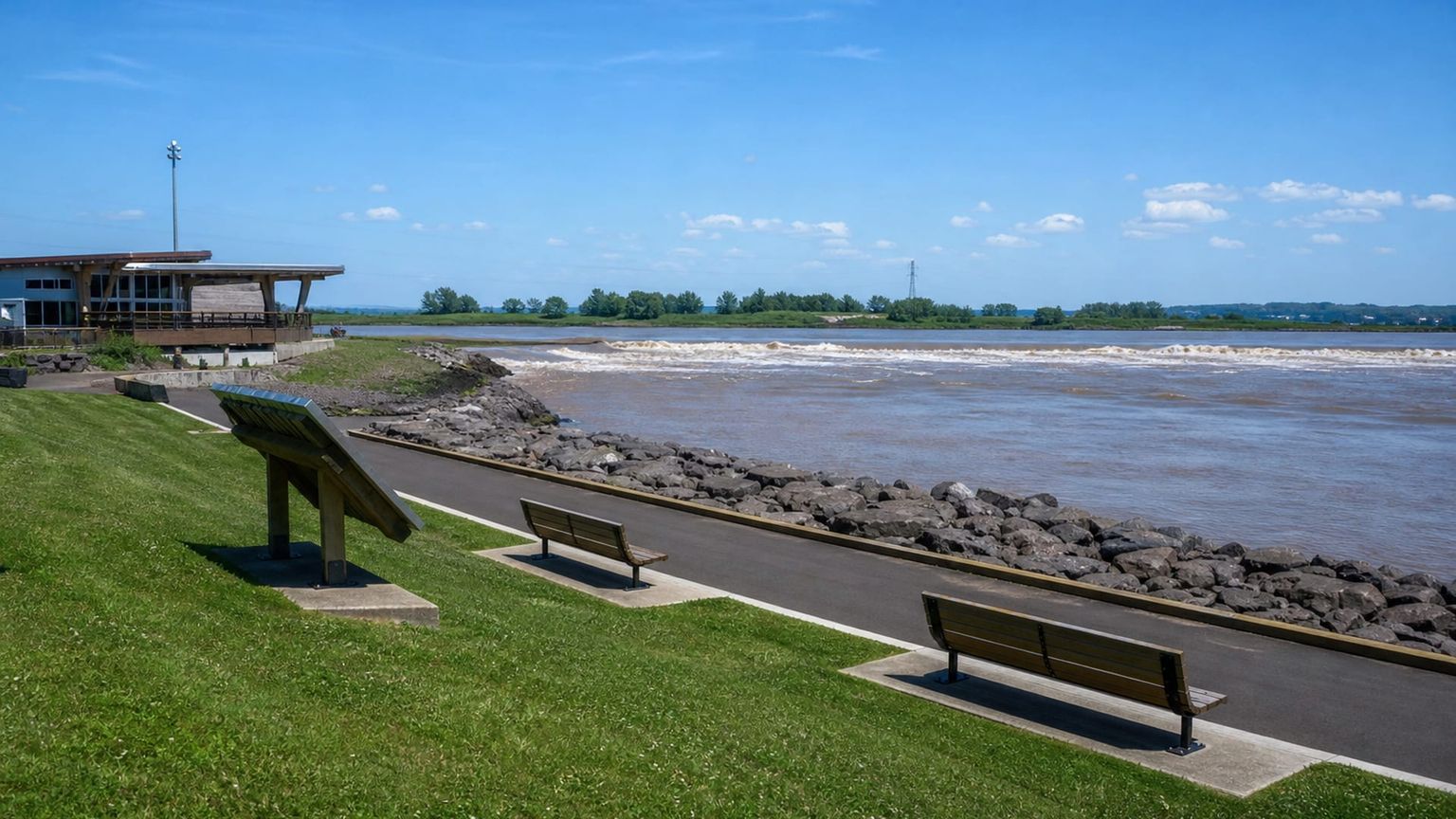
At high tide, the Peticodiac River sends a moving wave upstream through Moncton, often with surfers riding the surge. The viewing platform near downtown gives a clear look at one of the city’s signature natural events.
Time needed: About 20 to 30 minutes
Entry: Free to access, with no admission fee for the riverfront viewing platform or nearby public areas.
Tip: Check the tide table first, then arrive 10 minutes before the posted bore time.
Overlooked sites worth visiting

Irishtown Nature Park
A 2,200-acre forest, wetland, and lakeside reserve on Moncton’s north edge, with roughly 20 km of trails for walking, cycling, birding, and winter snowshoeing.
Time needed: About 1 to 3 hours
Entry: Free to access; there is no admission fee for the park or trail network, and you can enter on foot, by bike, or by car during daylight hours. Seasonal conditions can affect trail footing after rain or snow.
Tip: Go early for quieter trails and better bird activity.

Resurgo Place
Moncton’s main local-history museum pairs railway exhibits with the city’s transportation story and a hands-on science zone, all in a compact downtown setting.
Time needed: About 1 to 2 hours
Entry: Admission is typically about $8 to $10 ($11 to $14) for adults, with lower rates for children, students, and seniors, plus occasional family pricing and free entry on select community days. Check the current schedule before you go. Visit the official site for details.
Tip: Allow extra time for the interactive gallery.
Traditional food

Moncton’s table leans into Atlantic seafood, potato comfort food, and berry desserts, with chowder, lobster rolls, poutine, and blueberry grunt showing up in casual dining rooms and late-shift kitchens alike.
Seafood chowder
A creamy bowl of local shellfish and fish that suits Moncton’s maritime setting. Catch 22 Lobster Bar is a strong downtown pick for a well-made version.
Lobster roll
Sweet lobster with a chilled or lightly dressed filling, usually served in a split-top bun. The Tide and Boar Gastropub is a canonical Moncton stop for it.
Poutine
Fries, cheese curds, and gravy, often used as a late-day comfort meal after a walk downtown. Hub City Pub is a dependable Moncton address for this plate.
Blueberry grunt
A warm Nova Scotia and New Brunswick dessert of berries and dumpling-style dough, best ordered when the kitchen lists a house-made sweet. Calactus Restaurant is a long-running Moncton choice for it.
Best time to visit Moncton
Moncton changes most with daylight and season, so the same sights can feel very different depending on whether you arrive for summer patios, fall color, or winter trail conditions.
Best for: River views, lighter crowds, and early trail walks
What you get: Expect about 34 to 63°F (1 to 17°C), with quieter streets before summer arrives
Trade-offs: Weather shifts quickly, and cool rain can cut outdoor time short
Best for: Patios, the Tidal Bore, and long daylight for day trips
What you get: Expect about 54 to 77°F (12 to 25°C), with the busiest hotel and dining calendar
Trade-offs: Popular sights and restaurants need more advance planning
Best for: Comfortable city walks and color in nearby parks
What you get: Expect about 39 to 66°F (4 to 19°C), with moderate crowds after Labor Day
Trade-offs: Shorter days make late sightseeing less flexible
Best for: Museums, indoor meals, and snow-covered trail outings
What you get: Expect about 10 to 32°F (-12 to 0°C), with lighter visitor traffic and colder evenings
Trade-offs: Snow and icy sidewalks can slow cross-town movement
A realistic 5-day plan in Moncton
A five-day Moncton stay works best when you split it by riverfront time, north-end sights, and a slower final day. That order keeps the museum, the bore, Magnetic Hill, and the easier meal districts in a sequence that fits the city’s layout.
Land at Moncton International Airport (YQM), then take a taxi or rideshare into downtown Moncton or Dieppe, which usually takes about 10 to 15 minutes and costs roughly $20 to $30. If you are staying in Downtown Moncton, check in near Main Street or the riverfront, drink some water, and keep dinner close, with an easy first meal at a downtown bistro or a place near Avenir Centre so you do not have to cross the city after a flight.
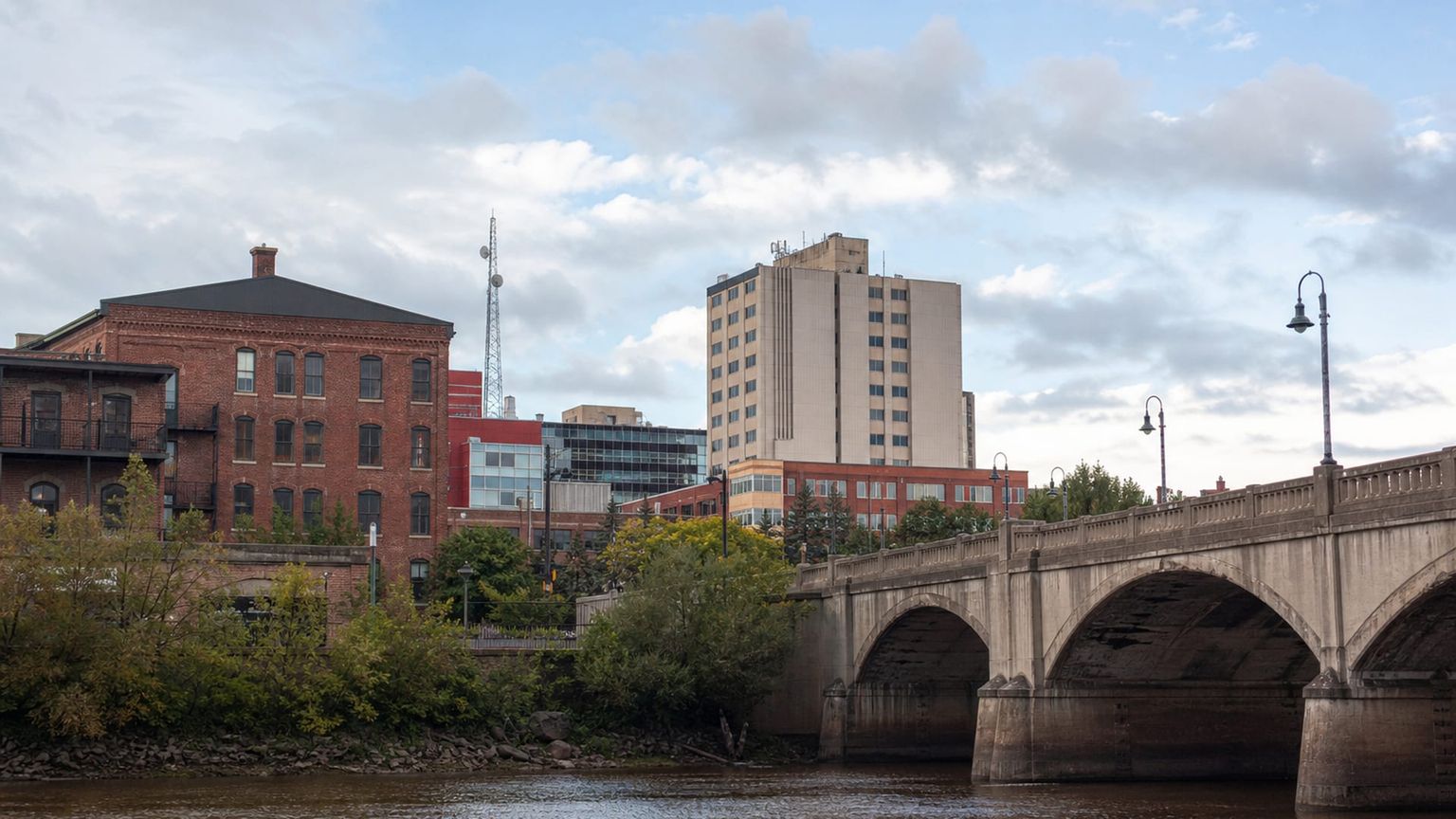
Begin at Resurgo Place, where you can spend about 1 to 2 hours on the city’s railway and Tidal Bore exhibits, then walk about 10 minutes to the Tidal Bore Viewing Site for the riverfront perspective. After that, stay along the downtown core for lunch and an unhurried afternoon around Main Street, or continue by rideshare to Bore Park if you want a second look at the river; the viewing site and museum both sit close enough to make this the easiest day to move on foot or by short transit hops.
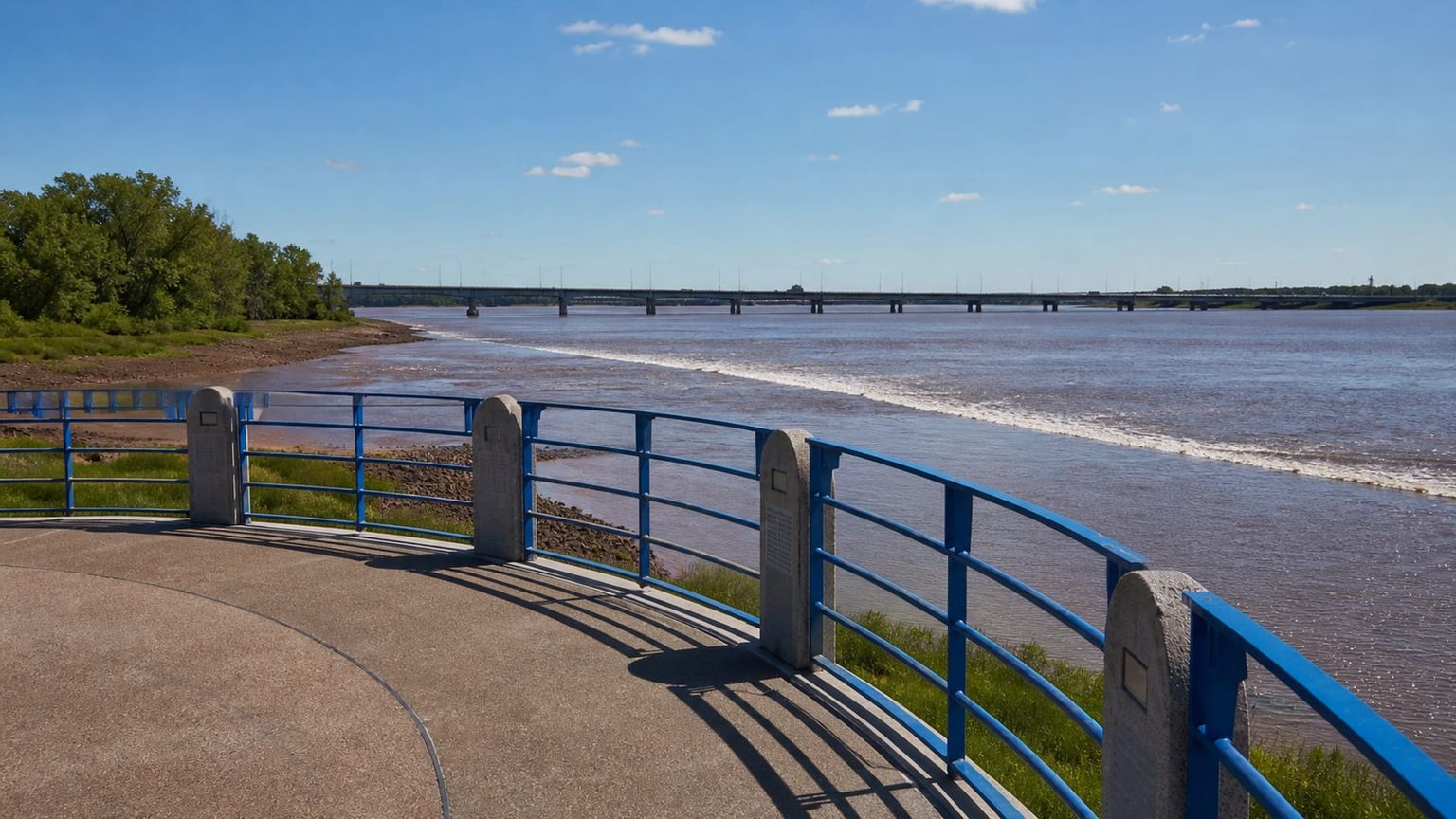
Start north of the center at Magnetic Hill, about 15 to 20 minutes by car from Downtown Moncton, and spend roughly 30 to 45 minutes at the roadside viewing area to see the slope illusion. From there, head to Irishtown Nature Park, which is about 10 to 15 minutes away by car, for 1 to 3 hours on the trails, then return toward dinner in Dieppe if you want newer restaurant options near Champlain Place on the way back to your hotel.
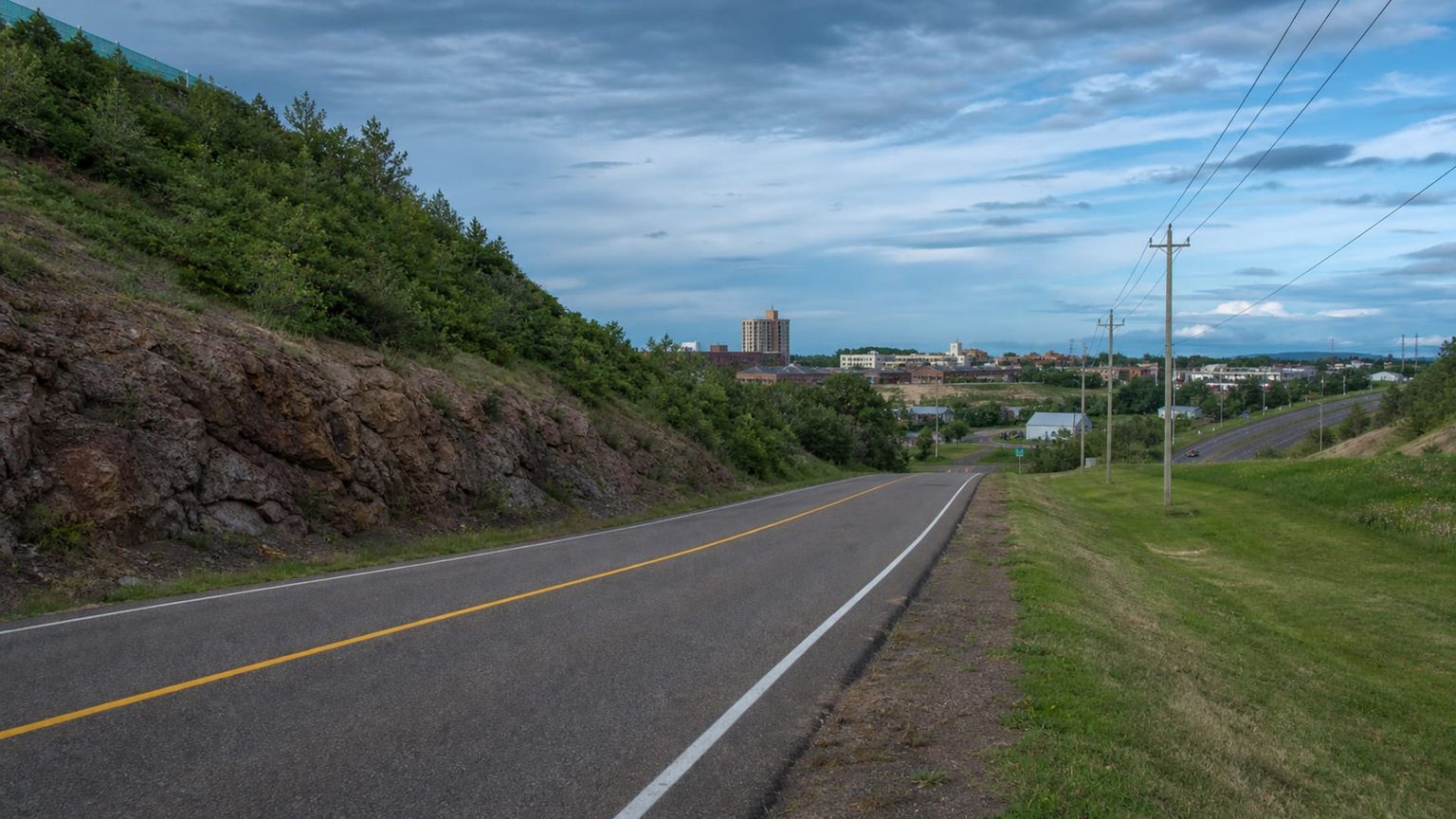
Take a river-focused morning by returning to the Tidal Bore Viewing Site, then cross to the other side of your itinerary with a walk or short drive back through downtown, where Resurgo Place is about 5 to 10 minutes away on foot or by transit depending on your starting point. In the afternoon, shift to Riverview for a quieter late-day pause in a café or park setting, then cross the bridge back for dinner in Downtown Moncton, a route that keeps the day compact while still giving you both the city center and the river edge.
Finish with a low-key last day by revisiting one museum stop, or by returning to Resurgo Place if you want a final look at the city’s rail and Tidal Bore story before you head out. If your flight is later, spend your remaining hours in Dieppe at Champlain Place for shopping, then settle into a café in Downtown Moncton or Riverview, pack from there, and leave enough margin to reach Moncton International Airport (YQM) without rushing; airport transfers from downtown or Dieppe usually take about 10 to 15 minutes by car.
Business-class flights from the US to Moncton
Reaching Moncton from either coast usually means a one-stop itinerary for West Coast travelers and a shorter hop for East Coast travelers. The fare bands and routing hubs vary enough that it helps to compare the two separately.
From New York, Air Canada, Air France, Delta Air Lines, Porter Airlines, and United Airlines all appear in the market, with nonstop flying time of about 1.5 to 2 hours when you find a direct option. If you connect, common hubs include YYZ, YUL, BOS, ORD, and EWR, and the trip usually stretches to about 4 to 8 hours overall. Round-trip fares start at about $900, with nonstop options usually sitting near $1,300 to $2,100.
Los Angeles itineraries are longer, with round-trip fares generally beginning near $1,100 and rising to roughly $2,400 for nonstop itineraries. Air Canada, Alaska Airlines, American Airlines, and WestJet serve the market, and nonstop flying time usually runs about 7 to 8 hours; if you connect, typical hubs include YYZ, YVR, ORD, DFW, and MSP, and the total trip often lands around 9 to 14 hours.
Moncton feels different when you slow down
A deliberate Moncton stay keeps you near Main Street, the Tidal Bore Viewing Site, and the right bridge crossing at the right time, then adds Magnetic Hill or Irishtown Nature Park when the day can support it. That approach leaves room for dinner in Downtown Moncton or Dieppe without turning every move into a long transfer. If you want a tighter plan built around these districts, AranGrant experts can help shape the trip around your flight, hotel, and season







