

Chapters:

Need help with your trip?
Our support team is available 24/7. Request a callback or call us directly at (833) 619-0908
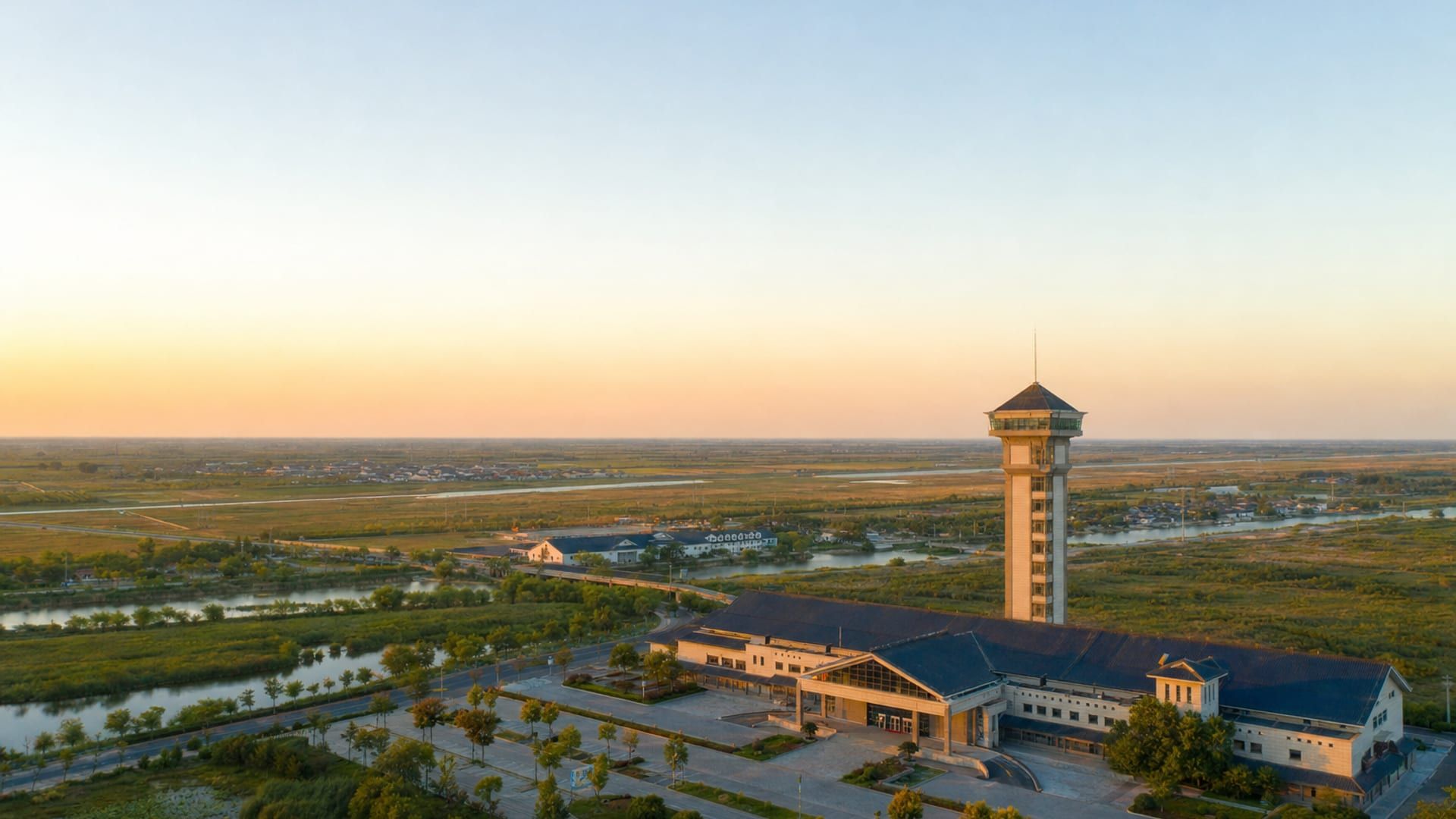
Yancheng trips often begin with a hotel in Tinghu, a taxi from Yancheng Nanyang International Airport (YNZ), and a quick look at the wetlands, but many visitors leave the coast for later and then lose time to distance.
That pattern works poorly here because the best bird sites sit well outside the center, Yandu Park and the museums take local travel, and the day can feel scattered if every stop starts from scratch.
This guide separates the city core from the coastal outings, so you can plan transfers, meals, and timing with fewer detours and a clearer order.
Useful things to know

Main language(s): Mandarin Chinese
你好 (nǐ hǎo) – Hello
请 (qǐng) – Please
谢谢 (xiè xie) – Thank you
你会说英语吗? (nǐ huì shuō yīngyǔ ma?) – Do you speak English?
多少钱? (duō shao qián?) – How much does it cost?

Currency: The local currency is the Chinese yuan (CNY, ¥).

Cash and cards: Cards and contactless are widely accepted in Yancheng; carry about ¥200 to ¥300 ($28 to $42) in cash for small vendors and taxis.

Tipping: Tipping is not customary; round up only in informal settings if you want.

Traditional food: Fish noodle soup, Yancheng braised pork, Shanghai crab shell cake, glutinous rice balls

Water and coffee costs: Water about ¥3 to ¥6 ($0.40 to $0.85), bar espresso about ¥20 to ¥35 ($2.80 to $4.90).

Taxis and ride apps: DiDi operates here; keep a local payment method ready.

Plug and voltage: Type A/C socket, 220V

Dining and shop opening hours: Breakfast is roughly 07:00-09:00, lunch 11:30-13:30, and dinner 17:30-20:00. Many restaurants close in the midafternoon.

Emergency number: Call 110 for police, 120 for ambulance, 119 for fire.
Where to stay in Yancheng
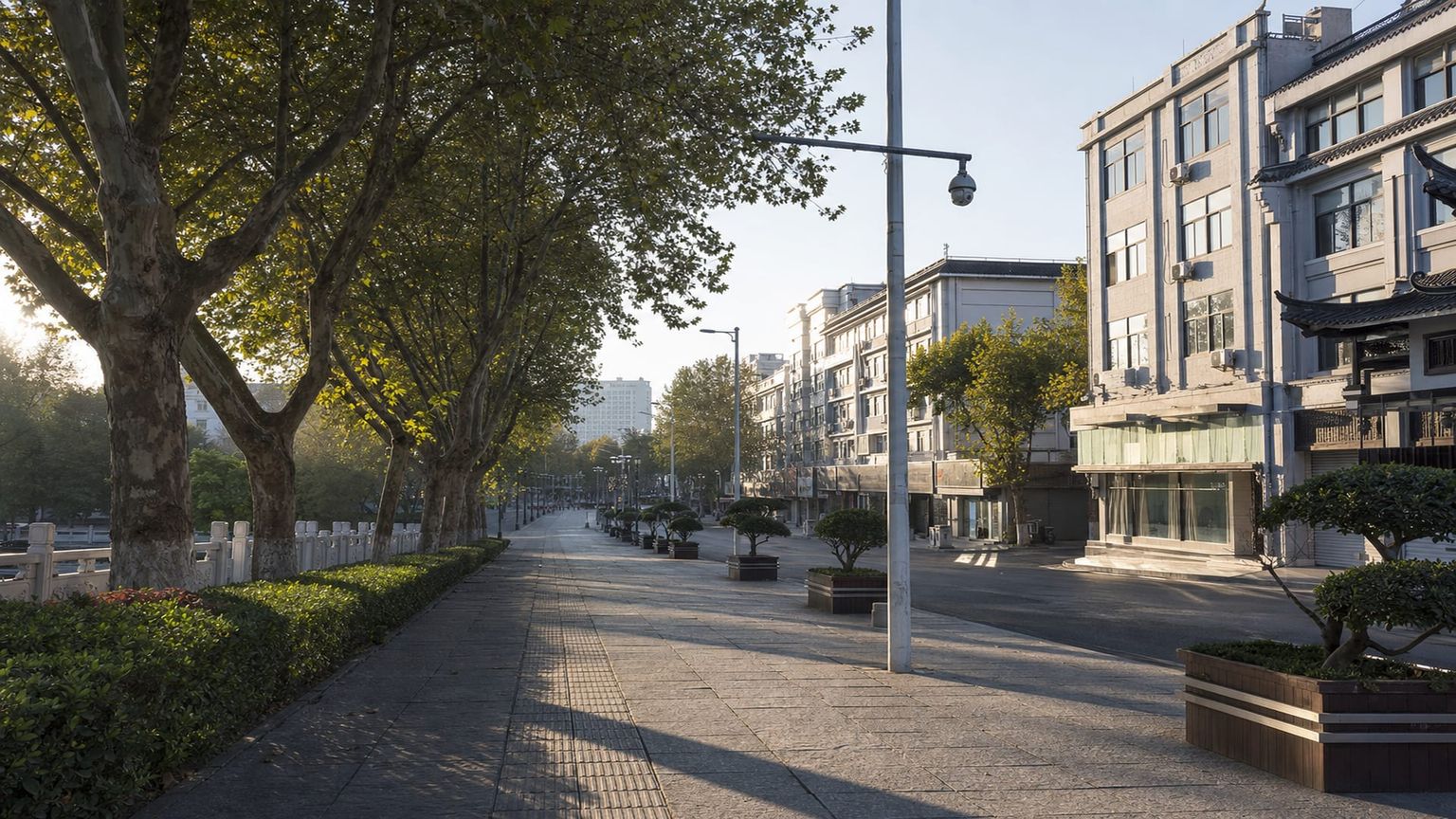
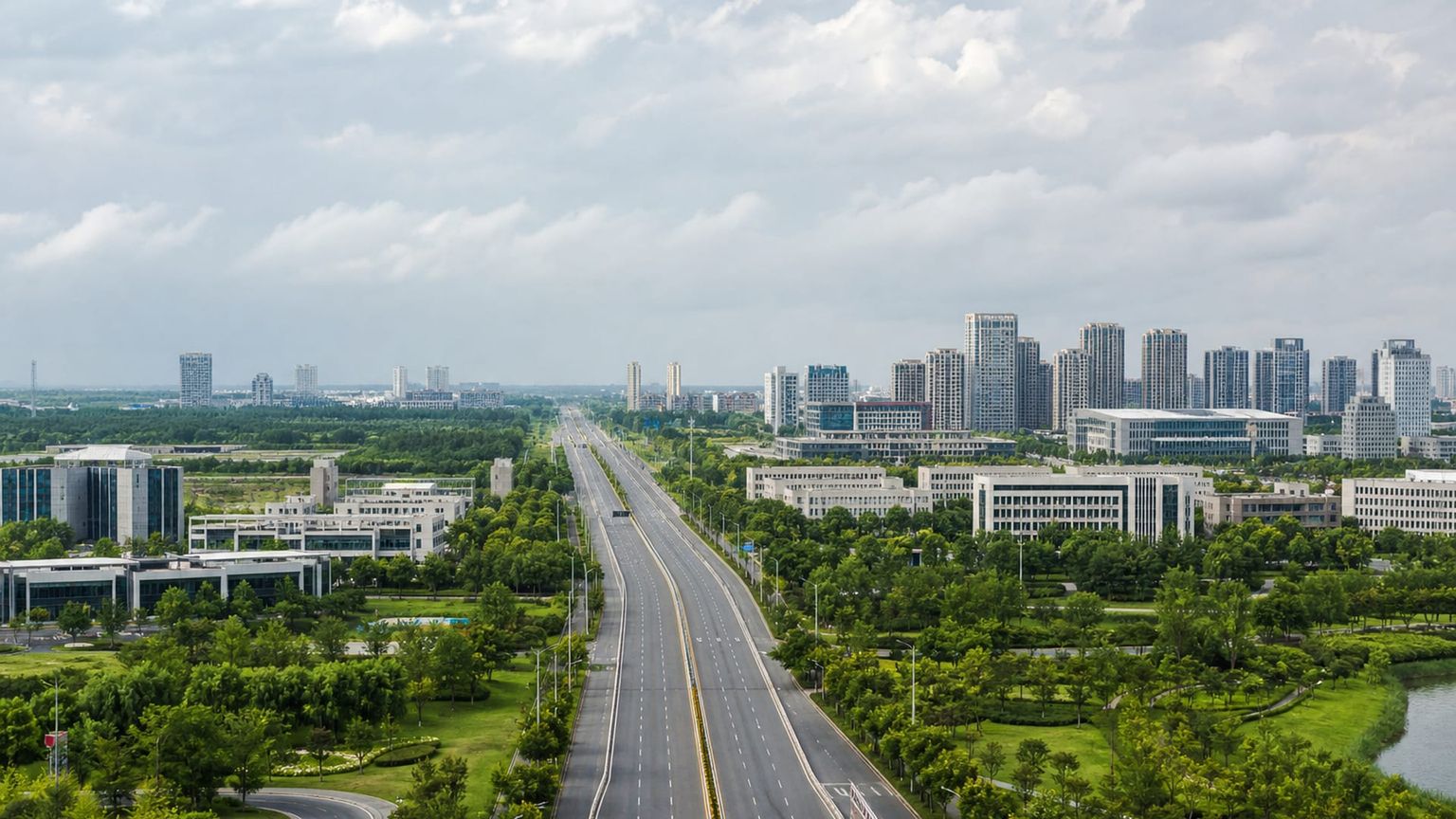
Tinghu is Yancheng’s main urban core, with the city government area, major malls, restaurants, and the widest range of hotels. It suits visitors who want an easy base for taxis, dining, and access to the city’s best-known parks and museums.
Best for: First-time visits, business trips, dining, and access to central sights
What to expect: Busy streets by day, steady restaurant traffic at night, and the most urban atmosphere in the city.
Hotel prices: Usually about $45 to $110 per night for well-rated stays
Distance to major sights: About 15 to 25 minutes by taxi to Yancheng Museum and Dafeng streets; about 30 to 40 minutes to Yancheng Railway Station
Quietness: Livelier in the day, with moderate evening noise near malls and main roads.
Main trade-off: You pay more for central convenience, and the busiest blocks can feel traffic-heavy at rush hour.
Good to know: Choose a hotel a block or two off the main commercial streets if you want quieter nights and easier drop-offs.
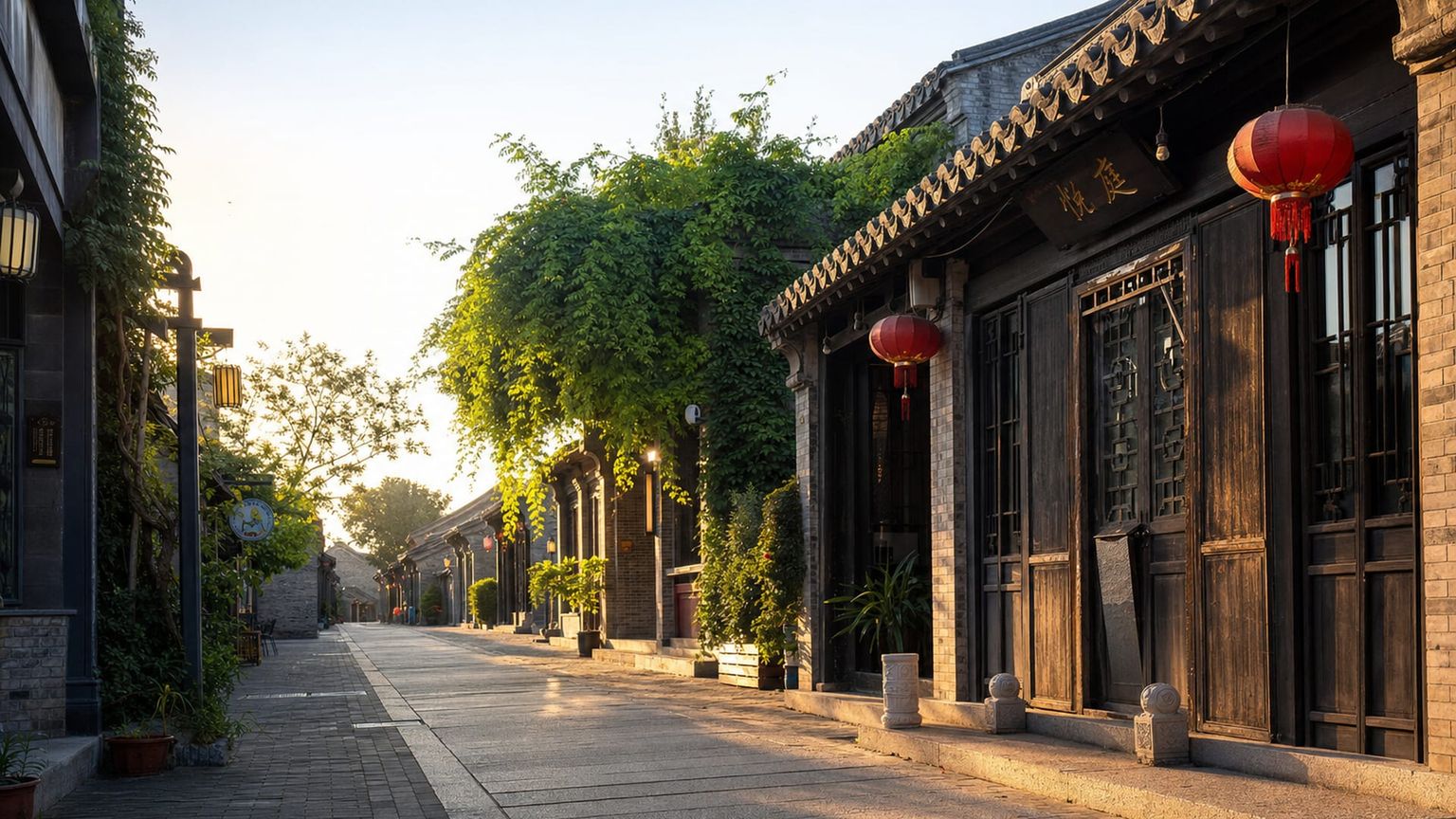
Yandu sits just south and west of the center, with newer housing areas, local food streets, and easier road access than the most built-up core. It works well for travelers who want lower-key surroundings without leaving the main city.
Best for: Families, longer stays, and travelers who prefer newer residential streets
What to expect: Residential blocks, neighborhood shops, and fewer late-night crowds than the city center.
Hotel prices: Usually about $35 to $85 per night for well-rated stays
Distance to major sights: About 20 to 35 minutes by taxi to Yancheng Museum and the central commercial area
Quietness: Quieter through the day, with only light evening activity near neighborhood restaurants.
Main trade-off: You save some money, but you will rely more on taxis for central sights and major shopping.
Good to know: Check whether your hotel sits near a bus corridor or main road, because some side streets are harder to reach late at night.
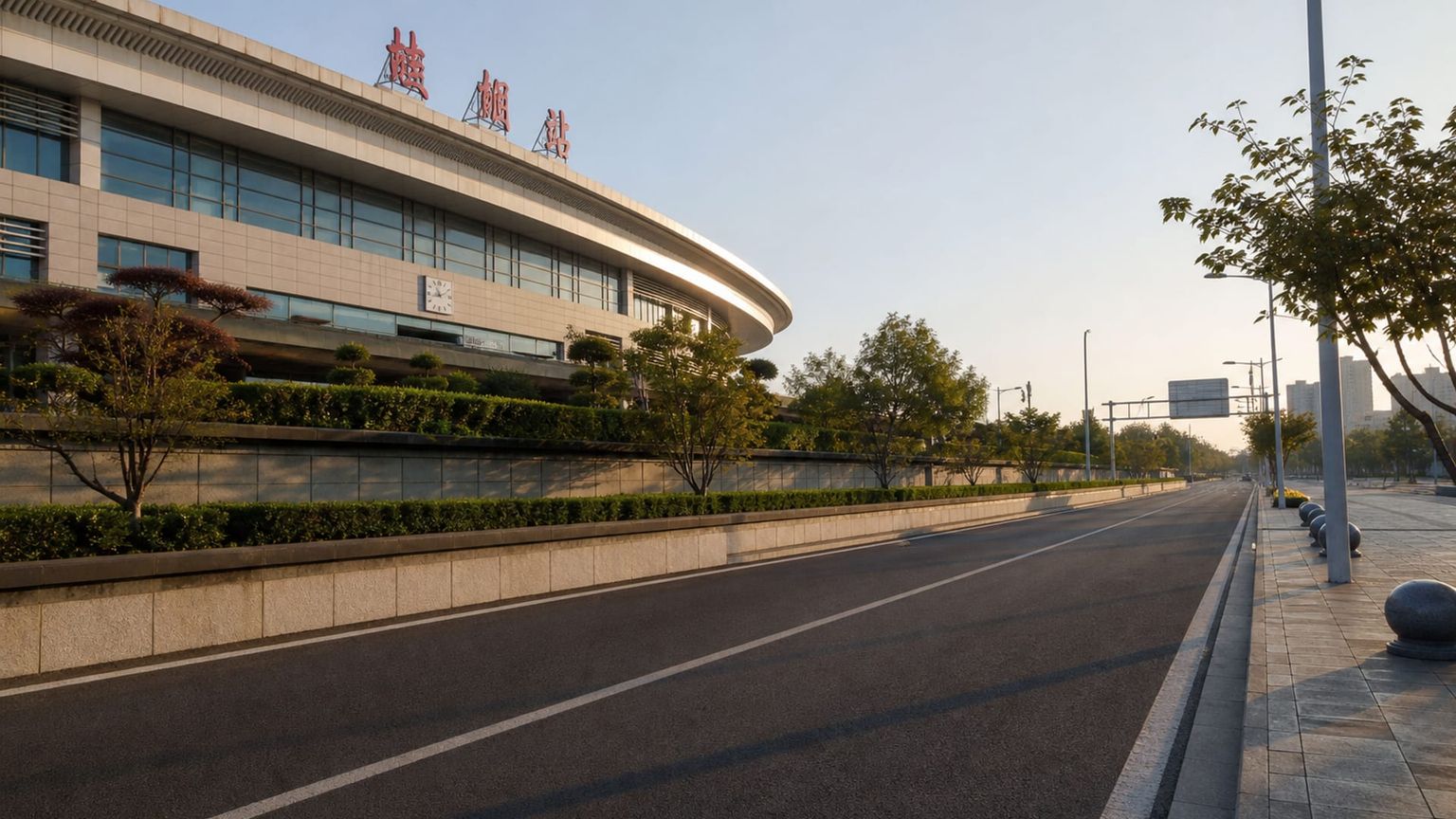
The area around Yancheng Railway Station is built for arrivals and departures, with chain hotels, quick meals, and direct road links to the rest of the city. It suits short stays when train access matters more than neighborhood character.
Best for: Train travelers, overnight stops, and early departures
What to expect: Functional streets, steady taxi flow, and light foot traffic rather than sightseeing crowds.
Hotel prices: Usually about $30 to $75 per night for well-rated stays
Distance to major sights: About 25 to 35 minutes by taxi to Yancheng Museum and the central park areas
Quietness: Busy around commute times, then relatively calm after trains slow down in the evening.
Main trade-off: The area is convenient for rail connections, but it gives you less to do on foot after dinner.
Good to know: If you book here, ask for a room away from the station-facing side to reduce late train noise.
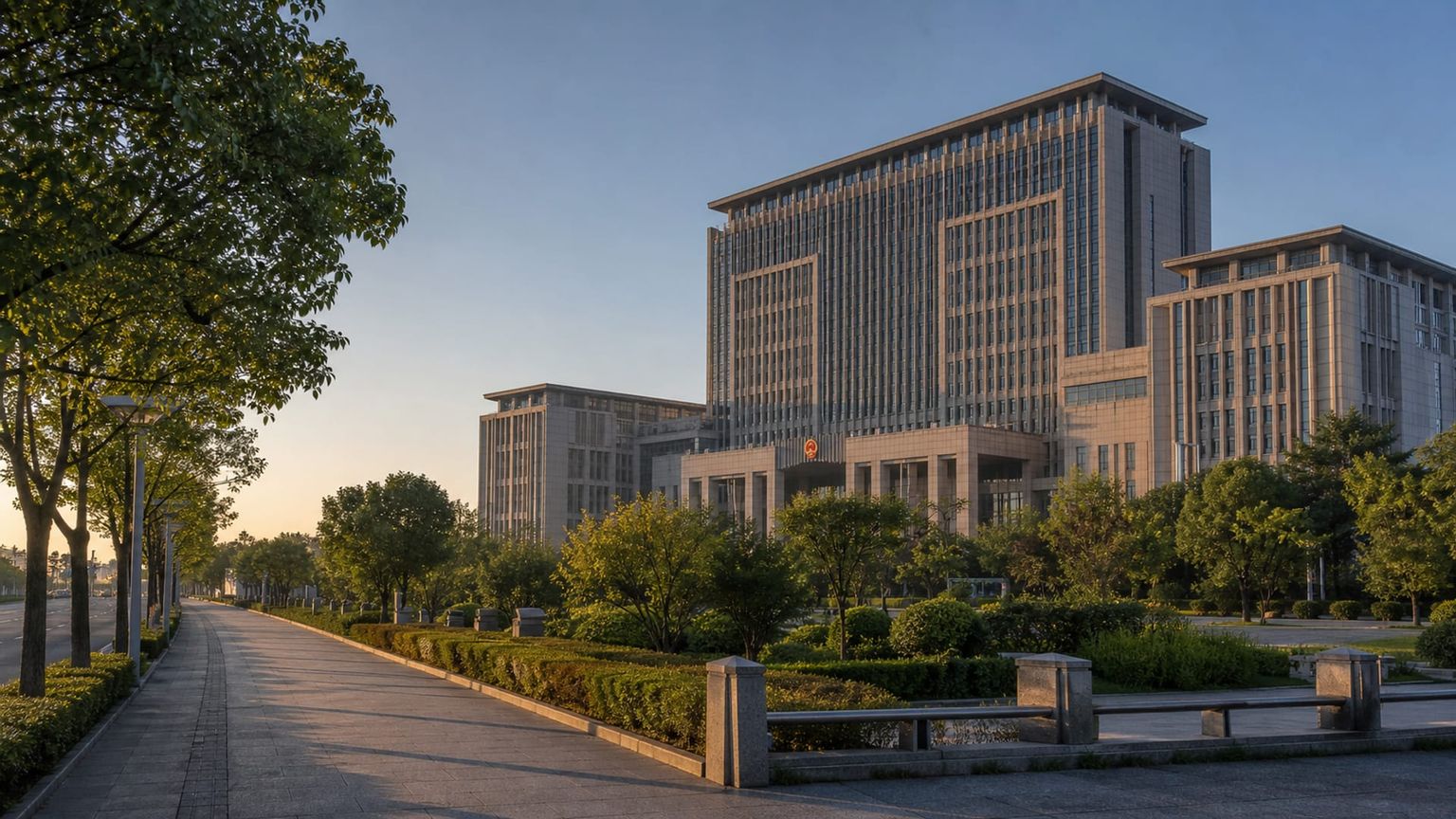
The city government and nearby park belt in Tinghu gives you a greener stay with broad roads, civic buildings, and access to lakeside walks. It is a useful choice if you want a calmer base that still sits close to the central business area.
Best for: Travelers who want parks, morning walks, and a central but less hectic base
What to expect: Open boulevards, daytime walkers, and a more orderly street pattern than the shopping streets nearby.
Hotel prices: Usually about $40 to $95 per night for well-rated stays
Distance to major sights: About 10 to 20 minutes by taxi to Yancheng Museum and the main shopping streets
Quietness: Quieter in the evening than the mall zones, with most activity concentrated in daylight hours.
Main trade-off: Hotels can cost a bit more than outer districts, and dining choices thin out after the evening rush.
Good to know: This area works best if you plan to use taxis for dinner, since late-night restaurant options are more limited than in the core.
Travelers usually avoid Tinghu District’s outer suburban edges, because they sit far from the main commercial core and major sightseeing areas, with fewer visitor amenities. The same goes for Dafeng District and the more remote parts of Dongtai City, where evening travel into Yancheng’s central hotels takes longer and dining options are thinner.
Hotel deals
How to get around Yancheng efficiently
Yancheng has no metro, so buses, taxis, and DiDi do most of the work between the airport, Tinghu, and the wetland sites.

Metro
for longer distances
Yancheng has no metro, so visitors rely on buses, taxis, and the airport-area road network instead. The airport sits about 20 to 30 minutes from central Yancheng by car, depending on traffic, and you should plan for ground transport rather than rail.

Bus and tram
for convenience
Bus routes link Yancheng Nanyang International Airport, YNZ, with the city center and main districts, with fares typically about $1 to $2 (¥5 to ¥15) and transfers usually valid for one ride only unless the local operator states otherwise. Buses are the cheapest option, but they run on local timetables and can take about 45 to 70 minutes to reach the core urban area, so check the last return departure if you are traveling on the same day.

Taxi
for convenience or late hours
Licensed taxis use metered fares, not fixed airport pricing, and the airport to central Yancheng trip usually costs about $8 to $15 (¥60 to ¥110), with late-night or longer cross-city rides higher. Drivers normally accept cash and local payment apps, and you can book through airport taxi ranks, hotel staff, or ride-hailing apps for pickup at Yancheng Nanyang International Airport (YNZ).
*Prices are based on rates updated as of June 2026 and may change at the time of travel.
Use buses for the cheapest airport link, taxis or DiDi for hotel-to-hotel moves, and keep longer road trips for the reserve and wetland days.
Iconic landmarks
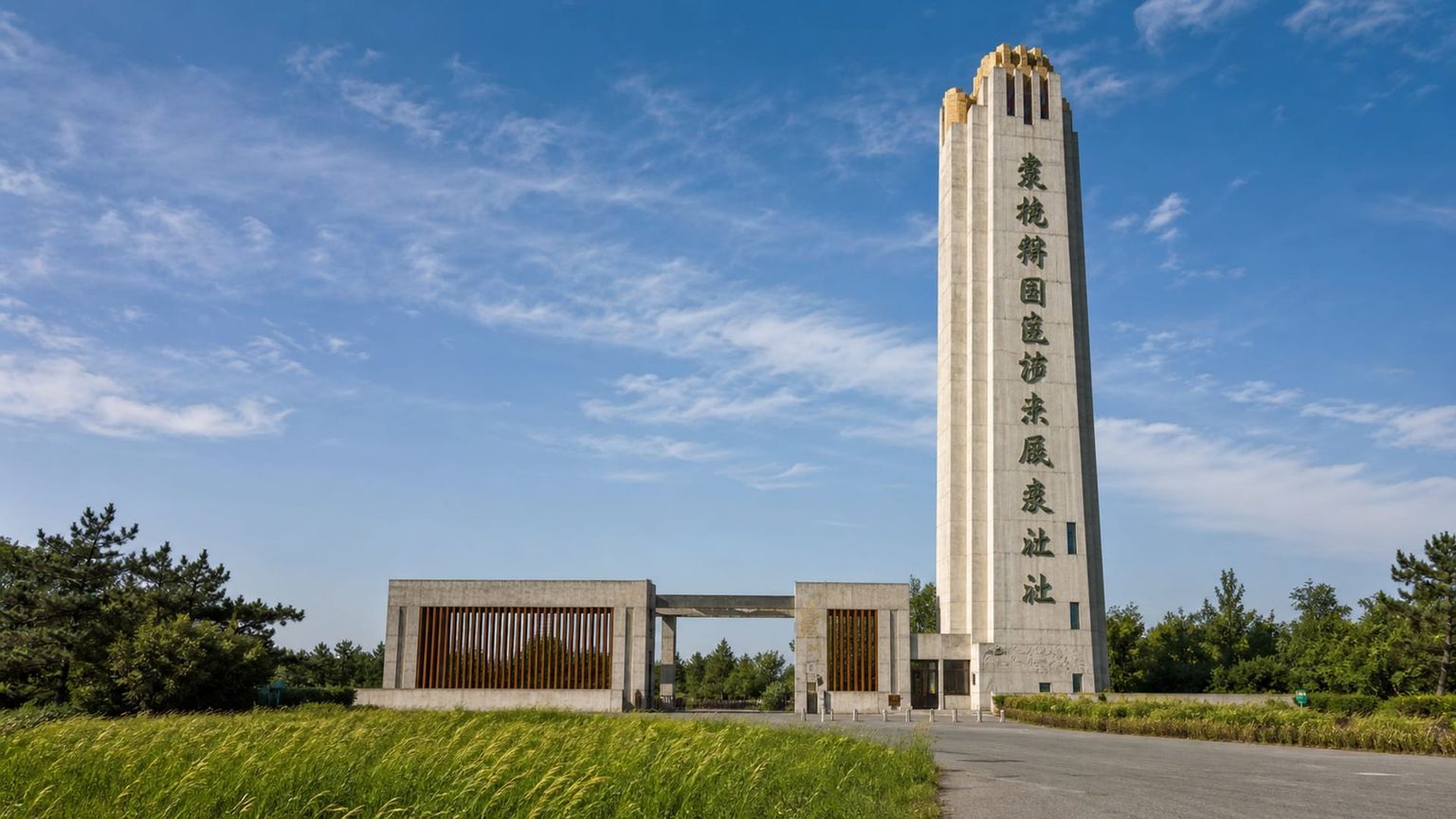
Sheyang National Nature Reserve
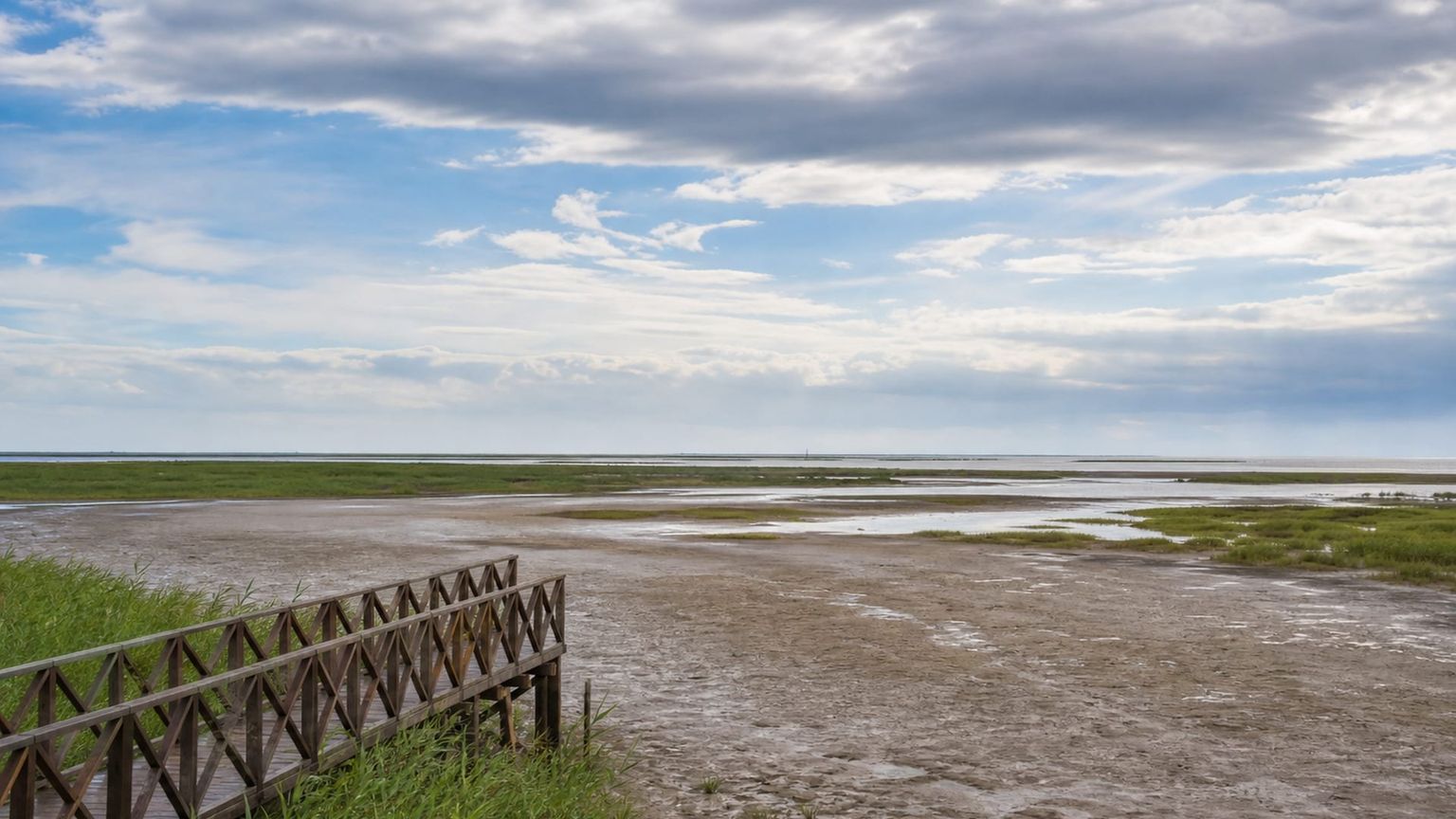
This coastal reserve protects tidal flats, reed beds, and migratory bird habitat on Yancheng’s Yellow Sea edge. Walk the boardwalks and observation points for cranes, egrets, and shorebirds, with the best views changing by season and tide.
Time needed: About 2 to 3 hours
Entry: Admission is free; vehicle access and some guided areas may carry separate local charges
Tip: Visit at low tide or early morning for wider flats and better bird activity.
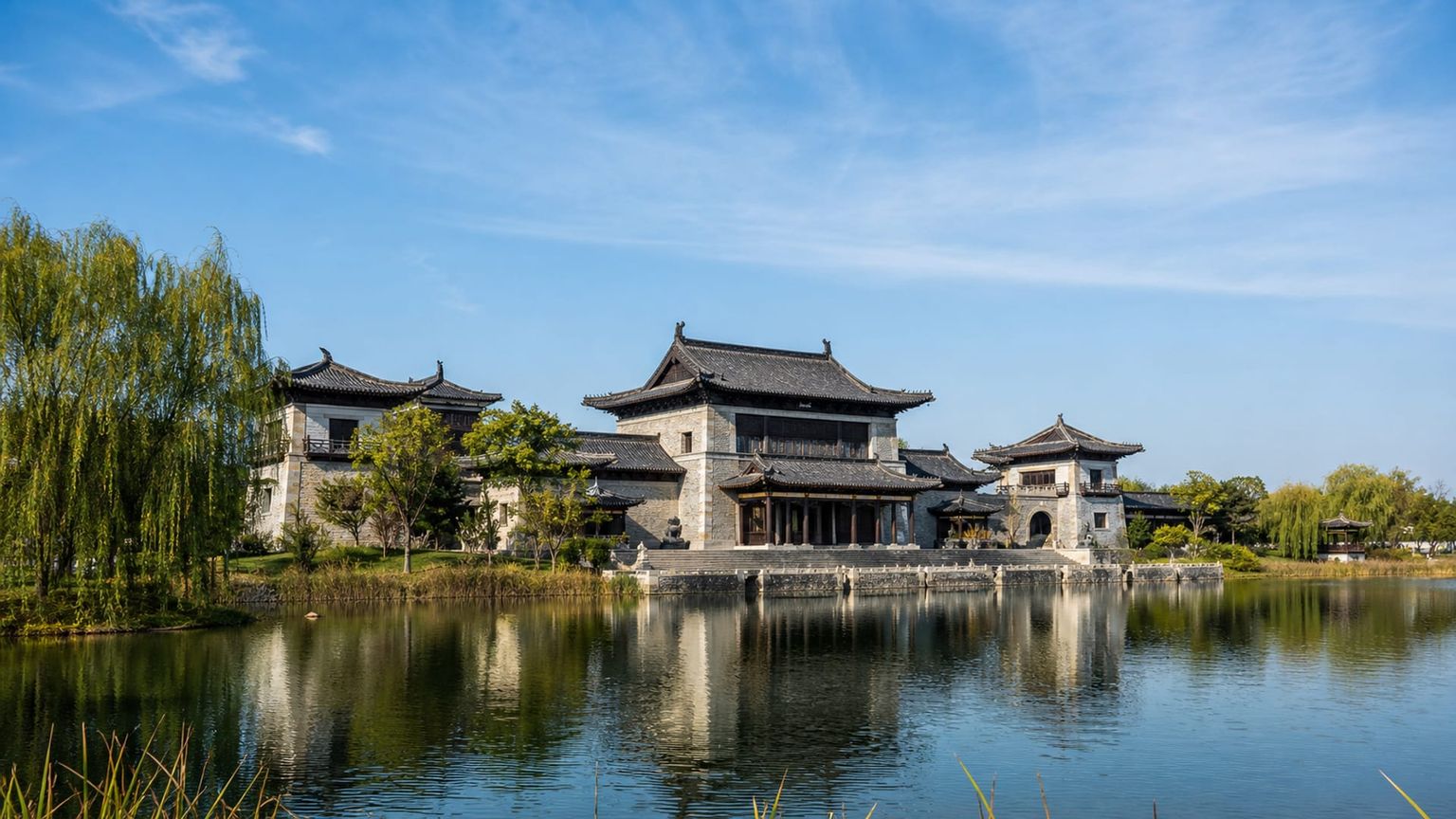
Yandu Park
Yandu Park sits in central Yancheng and pairs lakes, lawns, bridges, and pavilions with a large public green space. It works well for an easy city stop, especially when you want water views, walking paths, and a clear look at local daily life.
Time needed: About 1 to 2 hours
Entry: Free to access; some seasonal rides, rentals, or special exhibitions may charge separately
Tip: Go near sunset for lake reflections, then stay after dark for the lit bridges.
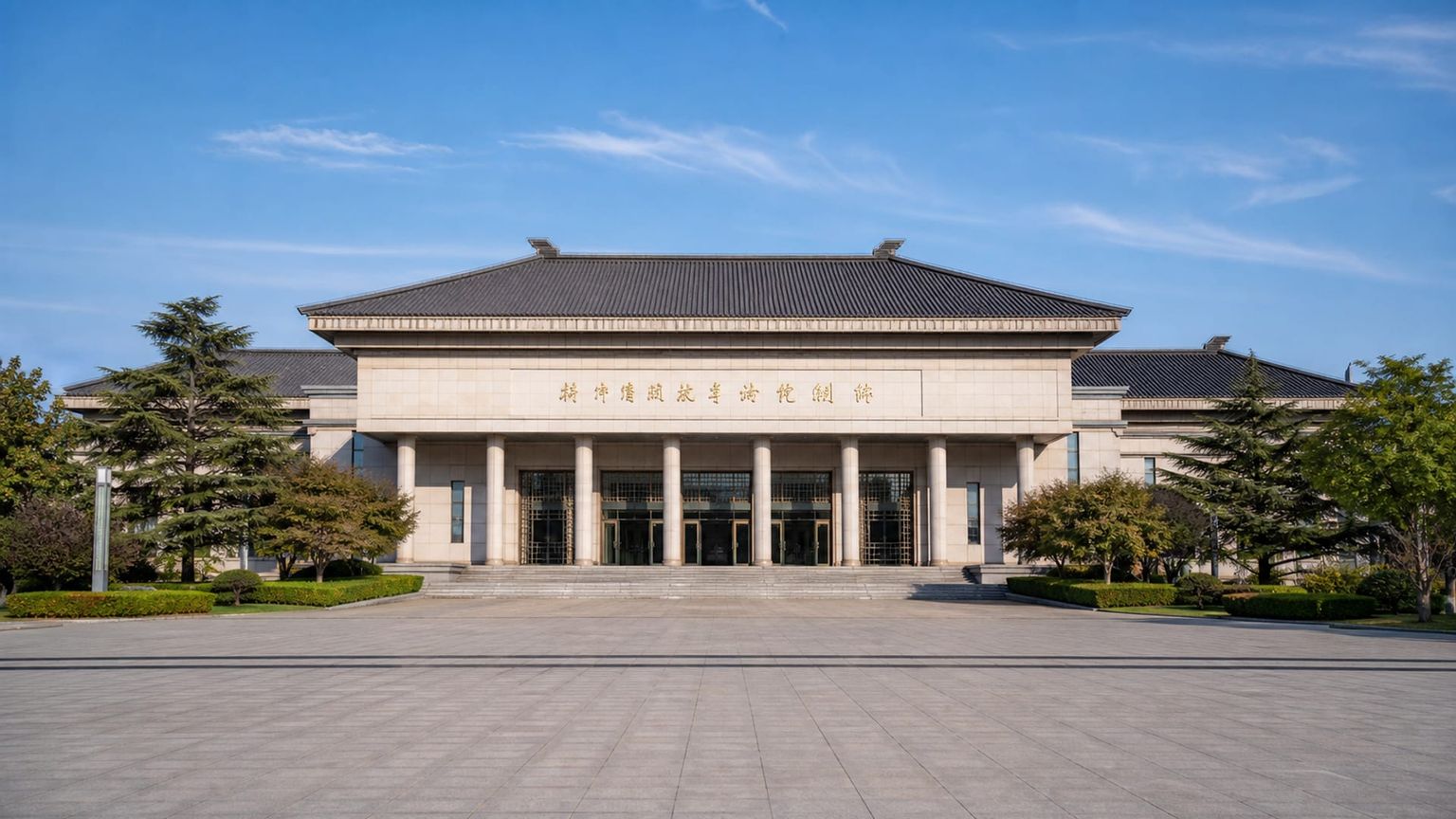
New Fourth Army Memorial Hall
This memorial hall presents Yancheng’s wartime history through exhibits on the New Fourth Army, battlefield records, and revolutionary leaders. The galleries are compact but detailed, making it one of the city’s clearest stops for modern history.
Time needed: About 1 to 2 hours
Entry: Admission is free; bring ID if the front desk asks for visitor registration at entry Visit the official site for details.
Tip: Allow extra time for the main exhibit rooms, then follow the route in order.
Overlooked sites worth visiting

Tiaozini Wetland Scenic Area
A broad mudflat and reed landscape on the coast east of Yancheng, with boardwalks and viewing points for migratory birds. Visit at low tide for clearer shell and bird activity.
Time needed: About 2 to 3 hours
Entry: Tickets cost about $9 ($65) per adult in peak periods, with lower off-peak rates at some gates; shuttle or scenic-area transport may cost extra. Check the current gate you plan to use before going, because prices and access points can vary by season and by bird-viewing zone.
Tip: Go near low tide and bring binoculars.

Yancheng Museum
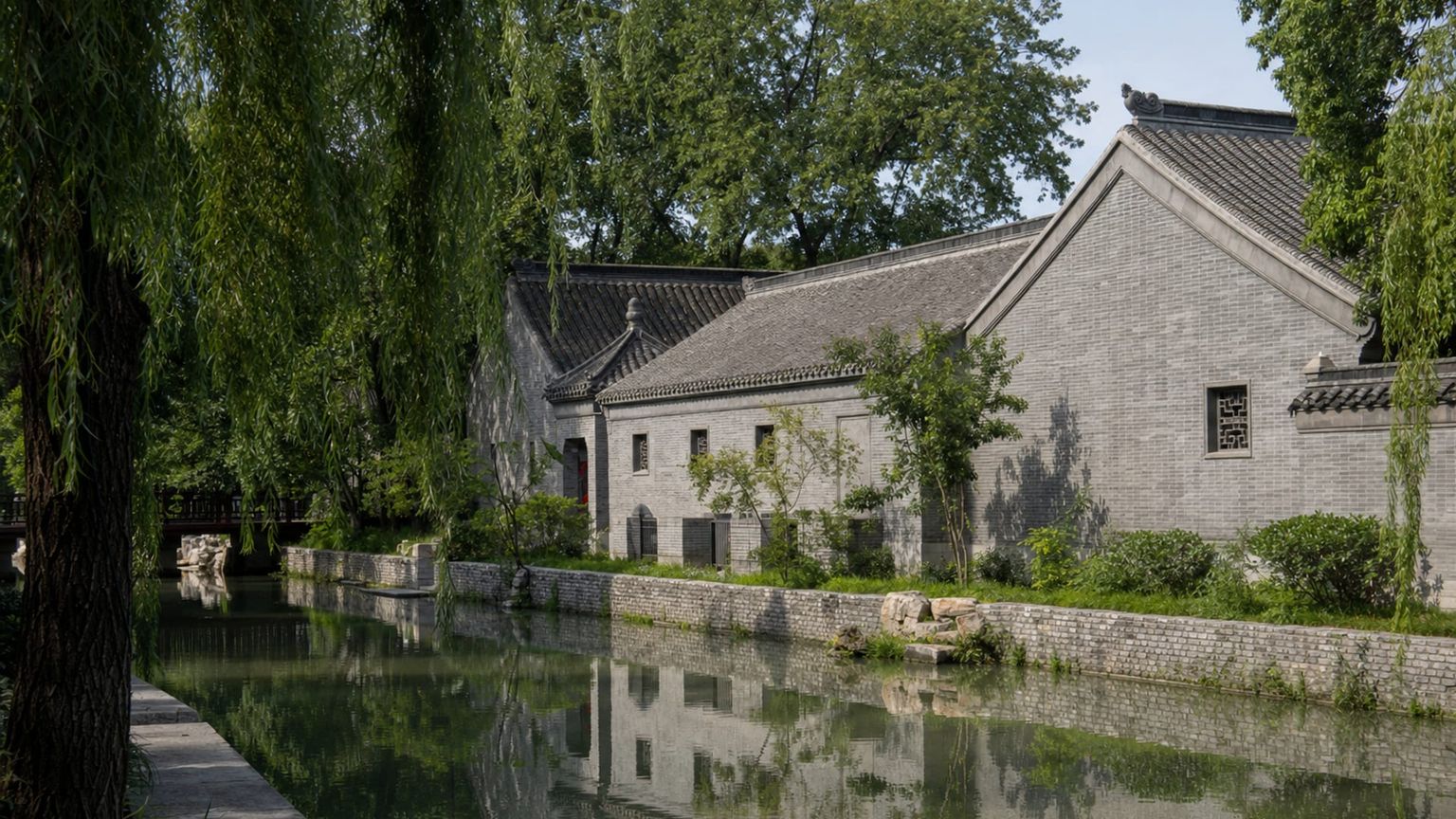
This compact museum covers local history, coastal ecology, and the salt industry in one easy stop near the city center. Its galleries make a good indoor contrast to Yancheng’s open wetlands.
Time needed: About 1 to 1.5 hours
Entry: Admission is free, but special exhibitions or temporary displays may charge a separate fee. Entry usually follows standard museum hours, with last admission earlier than closing on busy days, so check the day you plan to go if you want the full collection.
Tip: Pair it with a morning visit to avoid peak crowds.
Traditional food
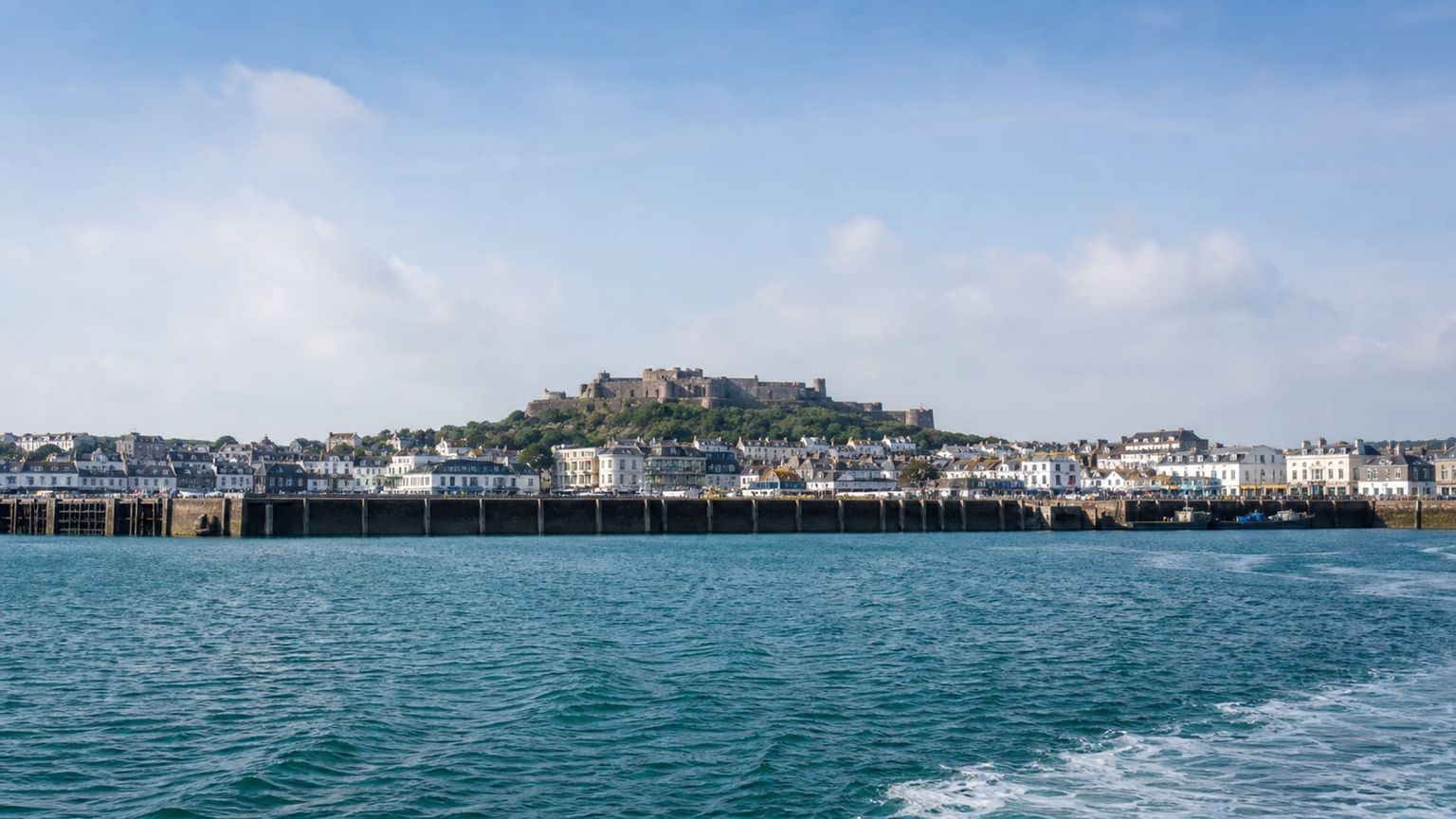
Yancheng’s table leans on freshwater and coastal ingredients, with fish noodle soup, braised pork, and simple wheat snacks beside steaming bowls of noodles and dumplings. Meals usually follow clear service windows, and many kitchens close in the midafternoon.
Fish noodle soup
This local bowl pairs a light broth with noodles and fish, usually finished with herbs and a clean, savory edge. Use Fuqiao Noodle House in Yancheng as a canonical stop for a straightforward version.
Yancheng braised pork
Slow-cooked pork comes glossy and richly seasoned, with the kind of soy-backed flavor that fits a rice meal. Yancheng local restaurants in Tinghu often serve a dependable city-style plate, and Tinghu Restaurant is a representative choice.
Shanghai crab shell cake
These flaky, sesame-coated pastries deliver a crisp shell and a slightly sweet filling, which makes them a good snack between sightseeing stops. Yancheng-style pastry shops and snack counters serve them, and Dongtai Snack Street is a plausible local pick.
Tangyuan
Glutinous rice balls usually arrive in a warm, lightly sweet broth or syrup, with a soft exterior and a simple finish. Yancheng dessert shops and dumpling houses sell them widely, and Jiujiu Tangyuan is a common reference point.
Best time to visit Yancheng
Yancheng shifts with the tide and the season, so the coast rewards careful timing while the city center stays useful year-round.
Best for: Birding, park walks, and mild city sightseeing
What you get: About 50 to 73°F (10 to 23°C), with lighter crowds before summer travel rises
Trade-offs: Wind can still cut across the open wetlands
Best for: Long daylight hours and greener park scenes
What you get: About 73 to 90°F (23 to 32°C), with heavier weekend crowds and more humidity
Trade-offs: Heat and moisture make coastal outings feel longer
Best for: Clearer weather for reserve visits and museum stops
What you get: About 52 to 77°F (11 to 25°C), with moderate crowds and comfortable conditions
Trade-offs: Tide timing still matters on the coast
Best for: Quieter hotels and unhurried indoor days
What you get: About 30 to 48°F (-1 to 9°C), with light crowds and shorter sightseeing windows
Trade-offs: Cold wind can reduce time outdoors at the wetlands
A realistic 5-day plan in Yancheng
The five-day plan starts in the city center, then pushes outward to the museum, the reserve, and the tidal flats before ending with a lighter departure day. That sequence keeps the longest transfers on separate days and leaves room for simpler evenings back in Tinghu.
Land at Yancheng Nanyang International Airport (YNZ) and take a taxi into Tinghu District center, which usually takes about 25 to 35 minutes and costs roughly $8 to $14, depending on traffic and the hotel’s exact street. If you want an easy first night, stay near the city government and park belt or the main Tinghu commercial streets, where late check-in is simple and dinner options stay open later than in the outer districts. After you settle in, keep the pace low with a short walk and a light meal near your hotel, then hydrate and rest so the coastal day later in the trip does not feel rushed.
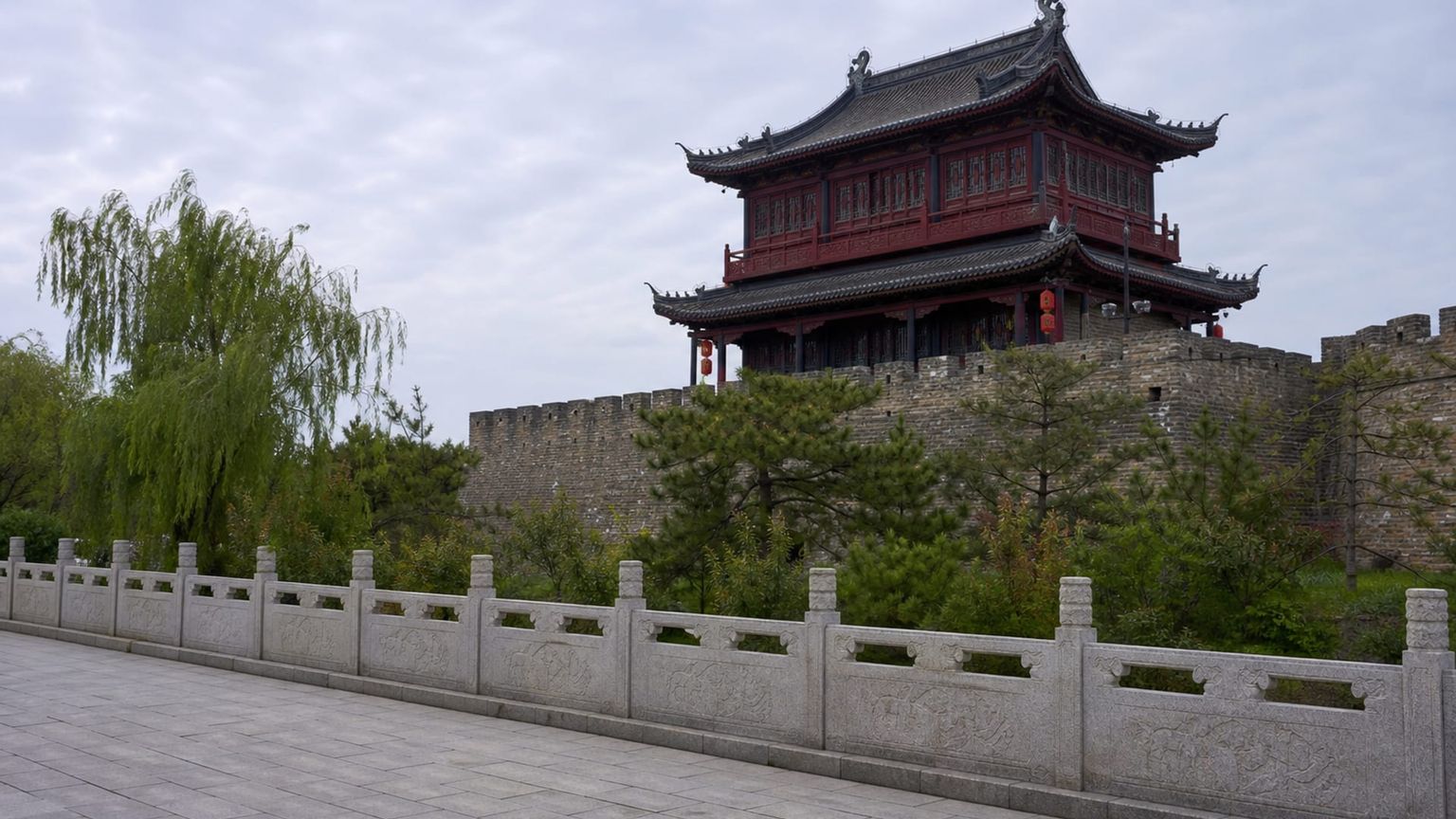
Begin at Yancheng Museum, where a morning visit gives you time for the local history, salt industry displays, and coastal ecology galleries before midday crowds build, then head to Yandu Park, about 10 to 15 minutes by taxi from the museum. Spend 1 to 2 hours by the lakes and bridges, and if you arrive near sunset, stay a little longer for the reflections on the water and the lit walkways after dark. For dinner, return to Tinghu District center, about 10 to 20 minutes away by taxi, where the restaurant streets give you the widest choice without a long cross-town ride.
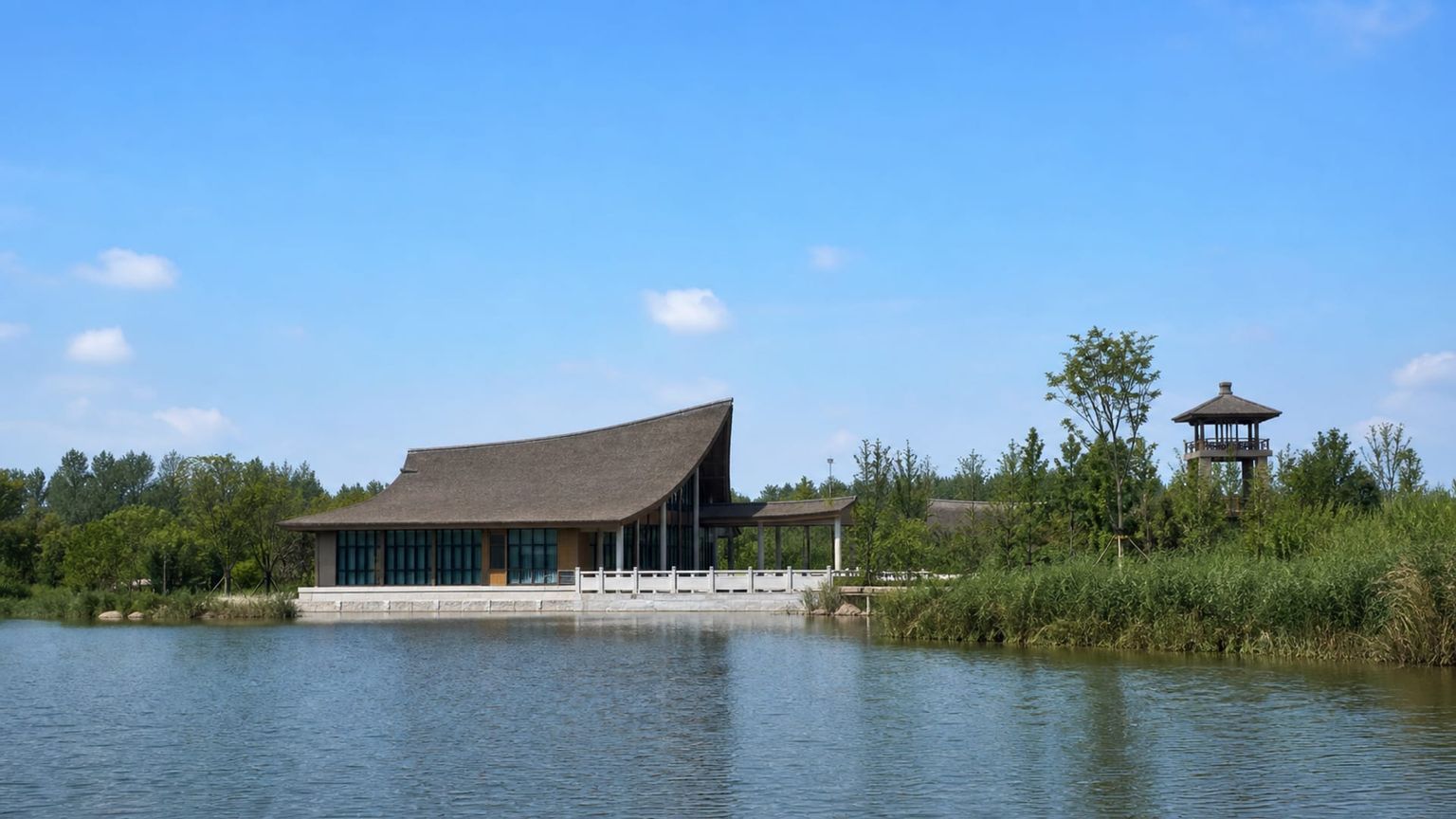
Sheyang National Nature Reserve works best as an early start, because low tide and morning light bring the broad flats and bird activity into view. From central Tinghu, plan on roughly 1.5 to 2 hours by road each way, then spend about 2 to 3 hours on the boardwalks and observation points watching cranes, egrets, and shorebirds across the reed beds. Bring binoculars, pack water, and leave enough time for a late lunch back in the city, since the reserve sits far enough from the core that you will not want to chain a second long stop onto the same day.
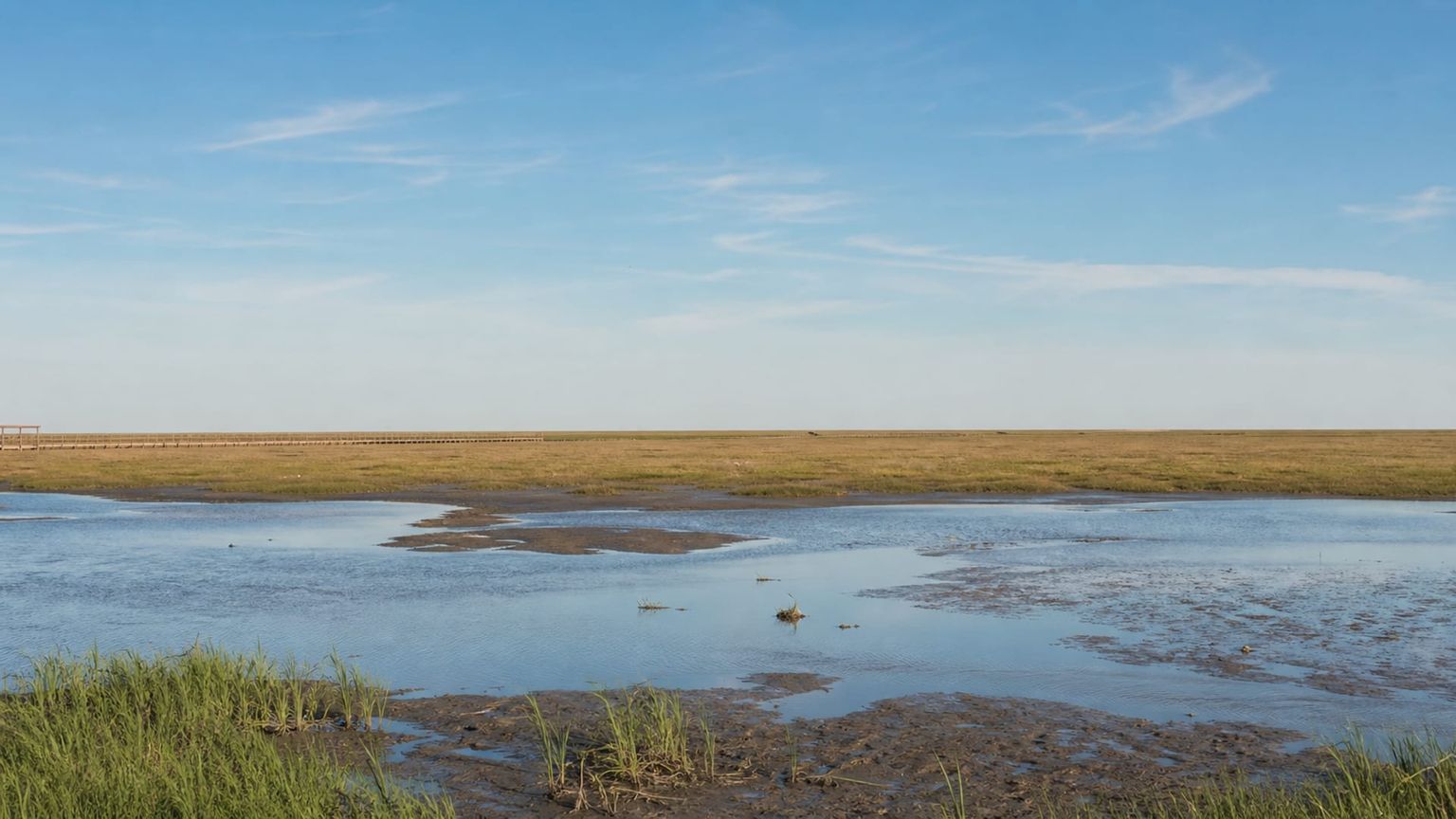
Head east again for Tiaozini Wetland Scenic Area, where the mudflats and viewing points reward a low-tide arrival and a slower pace than the city sites. Entry costs about $9 ($65) in peak periods, with lower off-peak rates at some gates, and shuttle or scenic-area transport may add extra cost, so check the gate you plan to use before you go. After about 2 to 3 hours in the wetland zone, return to Tinghu District center for a simple evening walk or an early dinner, because the long coastal transfer makes a second major outing unrealistic on the same day.
Start with one final indoor stop at New Fourth Army Memorial Hall, which gives you a compact historical summary and takes about 1 to 2 hours to see properly. From there, move back into the city center for a relaxed lunch, then spend the afternoon shopping in Tinghu District center, where the main commercial streets and malls make it easy to pick up snacks or last-minute gifts before your airport transfer. If you have extra time before leaving, sit down for coffee in the city government and park belt, then head to Yancheng Nanyang International Airport (YNZ) with enough margin for traffic.
Business-class flights from the US to Yancheng
From New York and Los Angeles, the trip usually requires a connection, so the useful comparison is which hubs, carriers, and fare bands fit your dates. The examples below show the routes travelers most often price first.
Air China, China Eastern Airlines, Korean Air, Cathay Pacific, Qatar Airways, and Turkish Airlines serve the New York to Yancheng market. Round-trip fares from New York to Yancheng usually start at $3,200 and can reach $5,800, with one-stop itineraries through Beijing, Shanghai, Seoul, Hong Kong, Doha, or Istanbul often pricing lower.
From Los Angeles, expect about $3,000 to $5,400 for a round trip; China Southern Airlines, China Eastern Airlines, Air China, Korean Air, Cathay Pacific, and EVA Air appear often on the main one-stop options. The most common connection points run through Guangzhou, Shanghai, Beijing, Seoul, Hong Kong, or Taipei, which can bring the fare down on some dates.
Yancheng feels different when you slow down
A deliberate Yancheng trip gives each area a job: Tinghu for meals and late arrivals, the city government and park belt for calmer evenings, Yancheng Museum for context, and the coastal reserve and Tiaozini for low-tide hours. With taxis, DiDi, and the airport bus filling the gaps, the city becomes easier to read day by day. If you want help matching dates, hotels, and transfer times, the AranGrant experts can shape the trip around the wetland tides and your flight window







