

Chapters:

Need help with your trip?
Our support team is available 24/7. Request a callback or call us directly at (833) 619-0908
Wuhan itineraries often start with the same three stops, a tower, a snack lane, and the lake, then leave the rest to chance. That shortcut skips the city’s real pattern, where cross-river distance, traffic, and opening hours shape every day.
The result is too much time in transit and too little time at the places that reward a longer look, from riverfront streets to temple courtyards.
This guide sets out a tighter order, with neighborhoods, transit, food, and day plans arranged so each move has a clear purpose.
Useful things to know

Main language(s): Mandarin Chinese
你好 (nǐ hǎo) – Hello / good morning
请 (qǐng) – Please
谢谢 (xiè xie) – Thank you
你会说英语吗? (nǐ huì shuō yīngyǔ ma?) – Do you speak English?
多少钱? (duō shǎo qián?) – How much does it cost?

Currency: The local currency is the Chinese yuan (CNY, ¥).

Cash and cards: Cards and contactless are accepted in many hotels and chains; carry roughly ¥200 to ¥400 ($28 to $56) in cash.

Tipping: Tipping is not expected; round up small amounts or leave a little in upscale hotels and restaurants.

Traditional food: Hot dry noodles, Wuhan duck neck, Wuchang fish, bean skin

Water and coffee costs: Water ~¥3 ($0.40), bar espresso ~¥20 ($2.80).

Taxis and ride apps: Didi works in Wuhan; Uber does not operate locally.

Plug and voltage: Type A/C socket, 220V

Dining and shop opening hours: Breakfast is about 07:00-09:00, lunch 12:00-13:30, and dinner 18:00-20:00. Some restaurants stay open later, but many kitchens close by 21:00.

Emergency number: Call 110 for police, 119 for fire, 120 for ambulance.
Where to stay in Wuhan
Wuhan’s central commercial strip, Jianghan Road pairs historic shopfronts with big retail blocks, river access, and heavy transit links. It works well for visitors who want walkable access to central sights, restaurants, and late-evening activity without leaving the core district.
Best for: Shopping, central sightseeing, and travelers who want easy access to the riverfront
What to expect: Busy sidewalks, constant retail traffic, and plenty of restaurants and cafes from morning through late evening.
Hotel prices: Usually about CNY 400 to CNY 900 (~$55 to ~$125) per night for well-rated stays
Distance to major sights: About 10 to 20 minutes by metro or taxi to Yellow Crane Tower, and roughly 15 minutes on foot to the Bund area
Quietness: Noisy by day and evening, with the busiest blocks staying active late.
Main trade-off: The area has strong transit access, but central locations and weekend demand push rates up.
Good to know: If you plan to stay out late, pick a room off the main shopping blocks, since street noise carries into the night.
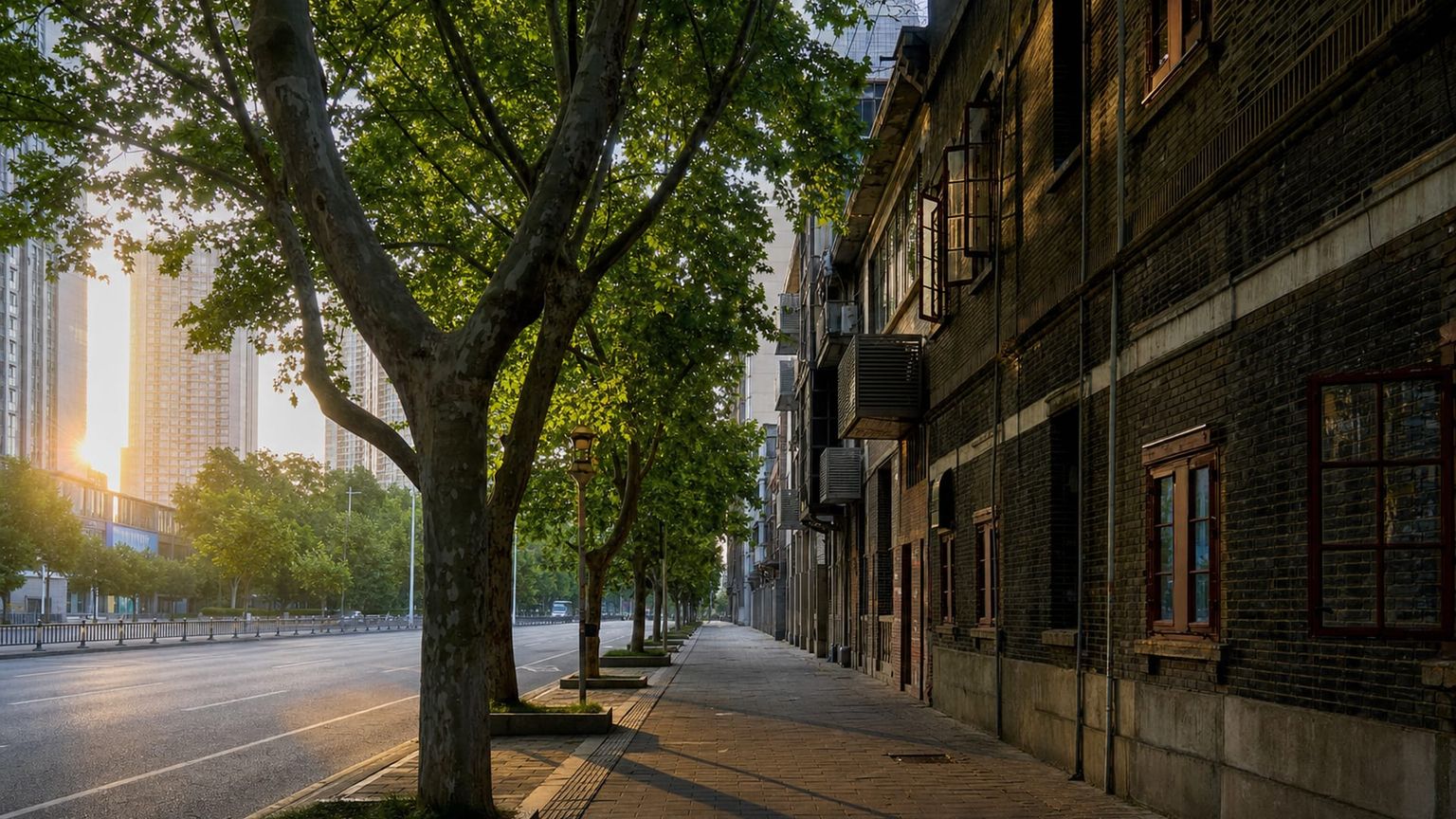
Wuchang is a broad central district on the south bank of the Yangtze, with the Yellow Crane Tower, older neighborhoods, and several university areas. It suits travelers who want a mix of major sights, local food, and more varied lodging options than the busiest commercial core.
Best for: Sightseeing, local dining, and travelers who want a base near the Yellow Crane Tower
What to expect: A mix of student streets, local eateries, and busy traffic corridors, with livelier pockets near landmarks and campuses.
Hotel prices: Usually about CNY 300 to CNY 700 (~$40 to ~$95) per night for well-rated stays
Distance to major sights: About 10 minutes by taxi to Yellow Crane Tower, and roughly 25 minutes by metro to Jianghan Road
Quietness: Calmer on side streets, but activity rises near universities and landmark zones, especially in the evening.
Main trade-off: You get better value than the riverfront core, but you will trade some walkability to the main shopping district.
Good to know: Metro links make cross-river movement easy, but late-night dining clusters can be several blocks from the quieter hotel streets.
Optics Valley sits in eastern Wuhan and functions as a modern business and university district with malls, newer hotels, and wide roads. It makes sense for visitors with meetings in the east, longer stays, or anyone who prefers newer buildings over older central neighborhoods.
Best for: Business travel, newer hotels, and visitors with plans in eastern Wuhan
What to expect: Wide avenues, office towers, mall traffic, and a younger crowd around dining and shopping complexes.
Hotel prices: Usually about CNY 350 to CNY 800 (~$50 to ~$110) per night for well-rated stays
Distance to major sights: About 35 to 50 minutes by metro to Yellow Crane Tower, and roughly 40 minutes to Jianghan Road
Quietness: Quieter at night than the city center, though mall zones still have evening foot traffic.
Main trade-off: You gain newer rooms and more space, but most classic sightseeing spots sit far across town.
Good to know: For sightseeing days, build extra transit time into your schedule, since cross-city rides can be long during rush hours.
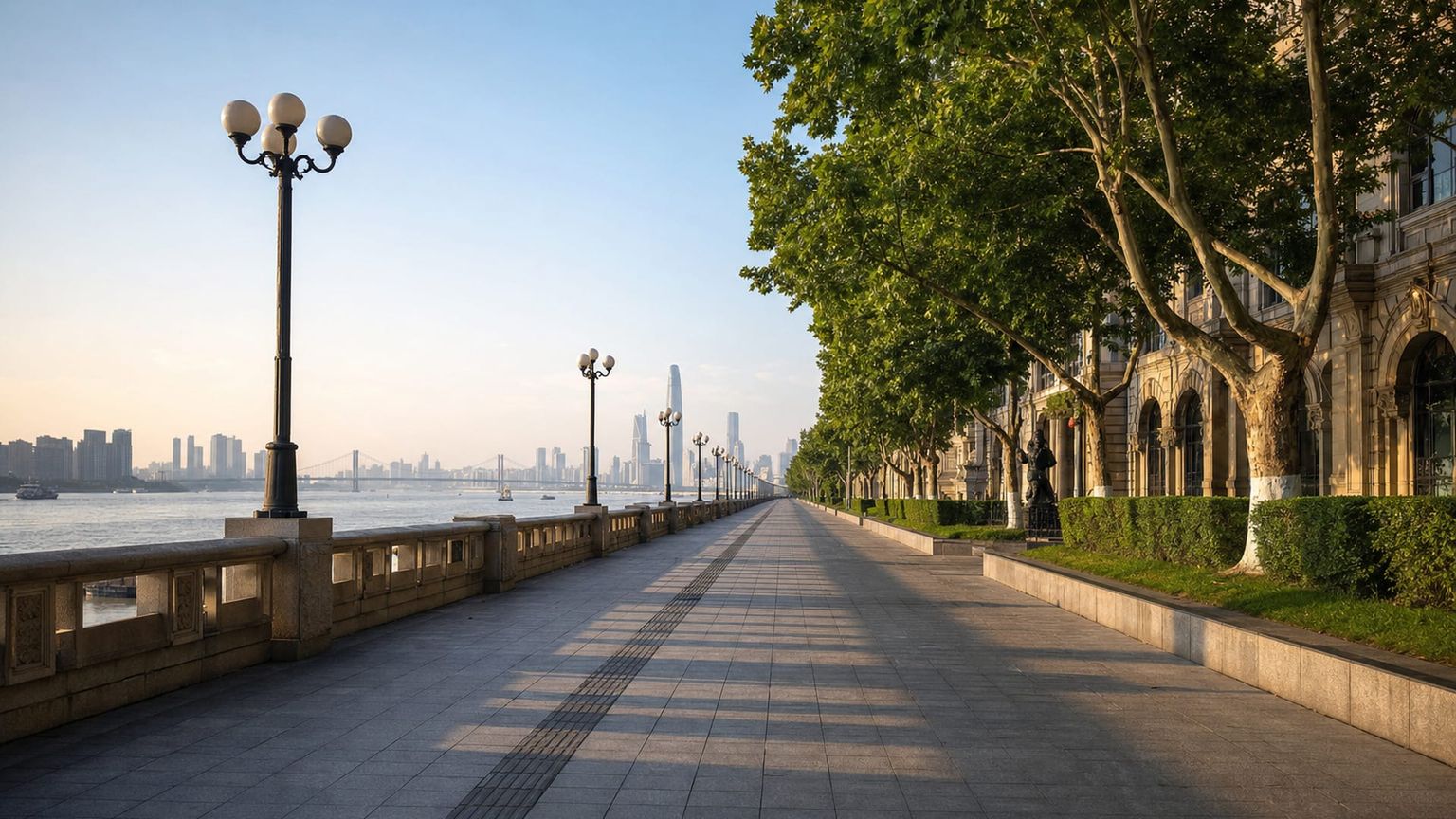
Hankou riverfront covers the central north-bank stretches near the Yangtze, where treaty-era buildings, promenade walks, and older commercial streets sit close together. It suits visitors who want river views, heritage architecture, and an easy base for central Wuhan exploration.
Best for: River views, heritage walks, and travelers who want a central north-bank base
What to expect: Tour buses, promenade walkers, and active evening streets near the river, with quieter lanes a block or two inland.
Hotel prices: Usually about CNY 350 to CNY 850 (~$50 to ~$120) per night for well-rated stays
Distance to major sights: About 15 minutes by taxi to Jianghan Road, and roughly 20 minutes to Wuhan’s Bund waterfront areas
Quietness: Busier along the promenade and restaurant streets by evening, calmer in the inland blocks after dark.
Main trade-off: The setting is attractive and central, but the best riverfront locations can cost more than inland hotels.
Good to know: Choose a higher floor or an inland side street if you want to avoid promenade noise and late pedestrian traffic.
Travelers usually avoid staying in Xinzhou District, far northeast of the main visitor areas and centered on the airport and suburban industry rather than sightseeing. Jiangxia District, Caidian District, and Hannan District are also less convenient for a first visit because they sit well outside the core urban sights, have fewer hotel clusters and visitor amenities, and add long evening rides back from riverside or downtown dining areas.
Hotel deals
How to get around Wuhan efficiently
Wuhan Metro, airport buses, taxis, and Didi all matter here, because the city spreads across both sides of the Yangtze and a simple walk often gives way to a cross-river ride.

Metro
for longer distances
Wuhan Metro serves Wuhan Tianhe International Airport through Airport North, and trains connect onward to Hankou, Wuchang, and the city center. Fares are distance-based, typically about $0.30 to $1.20 (RMB 2 to 8), with single rides valid for that trip and transfers made within the network rather than on one ticket. From the airport area to central Hankou, expect roughly 40 to 60 minutes depending on the line and connection.

Bus and tram
for convenience
Airport buses link Wuhan Tianhe International Airport with Hankou, Wuchang, and other major districts, and city buses cover dense local corridors once you reach the urban area. Most rides cost about $0.30 to $0.60 (RMB 2 to 4), usually paid with QR code, transit card, or exact cash on some routes, and a single fare covers one boarding. Allow about 60 to 90 minutes for the airport coach into the core districts, with longer trips in heavy traffic.

Taxi
for convenience or late hours
Licensed taxis use the meter in Wuhan, with airport pickups following standard metered fares rather than a fixed flat rate. Expect about $3 to $5 (RMB 20 to 35) for the flag drop and roughly $0.30 to $0.45 (RMB 2 to 3) per kilometer after that, so a ride from Wuhan Tianhe International Airport into central districts usually lands near $15 to $30 (RMB 105 to 210), depending on distance and traffic. Drivers line up at official stands, and most accept cash, WeChat Pay, or Alipay.
*Prices are based on rates updated as of June 2026 and may change at the time of travel.
Use the metro for airport access and cross-city trips, taxis or Didi for point-to-point hops, and buses when you want the lowest fare and do not mind a longer ride.
Iconic landmarks
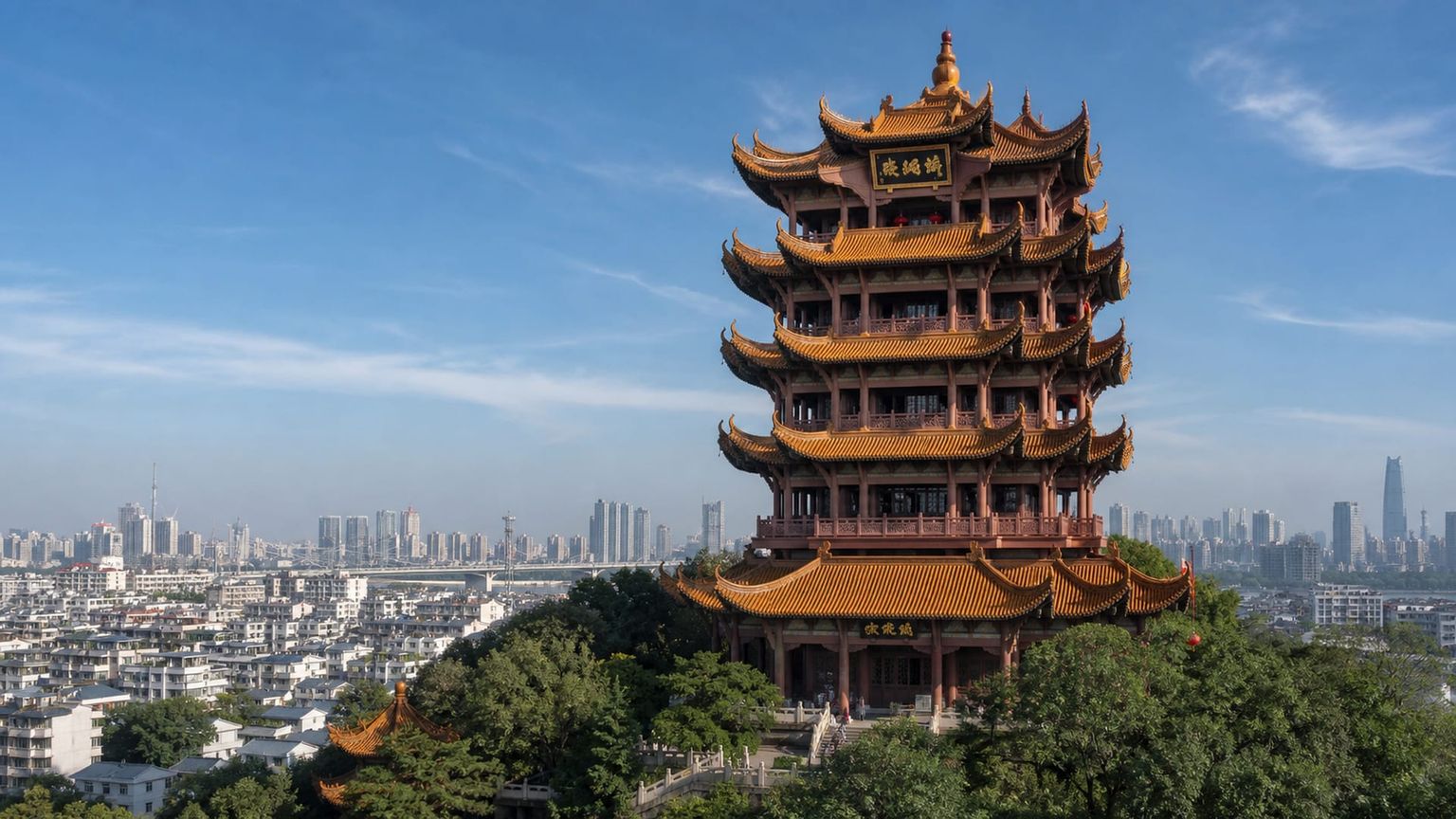
Yellow Crane Tower
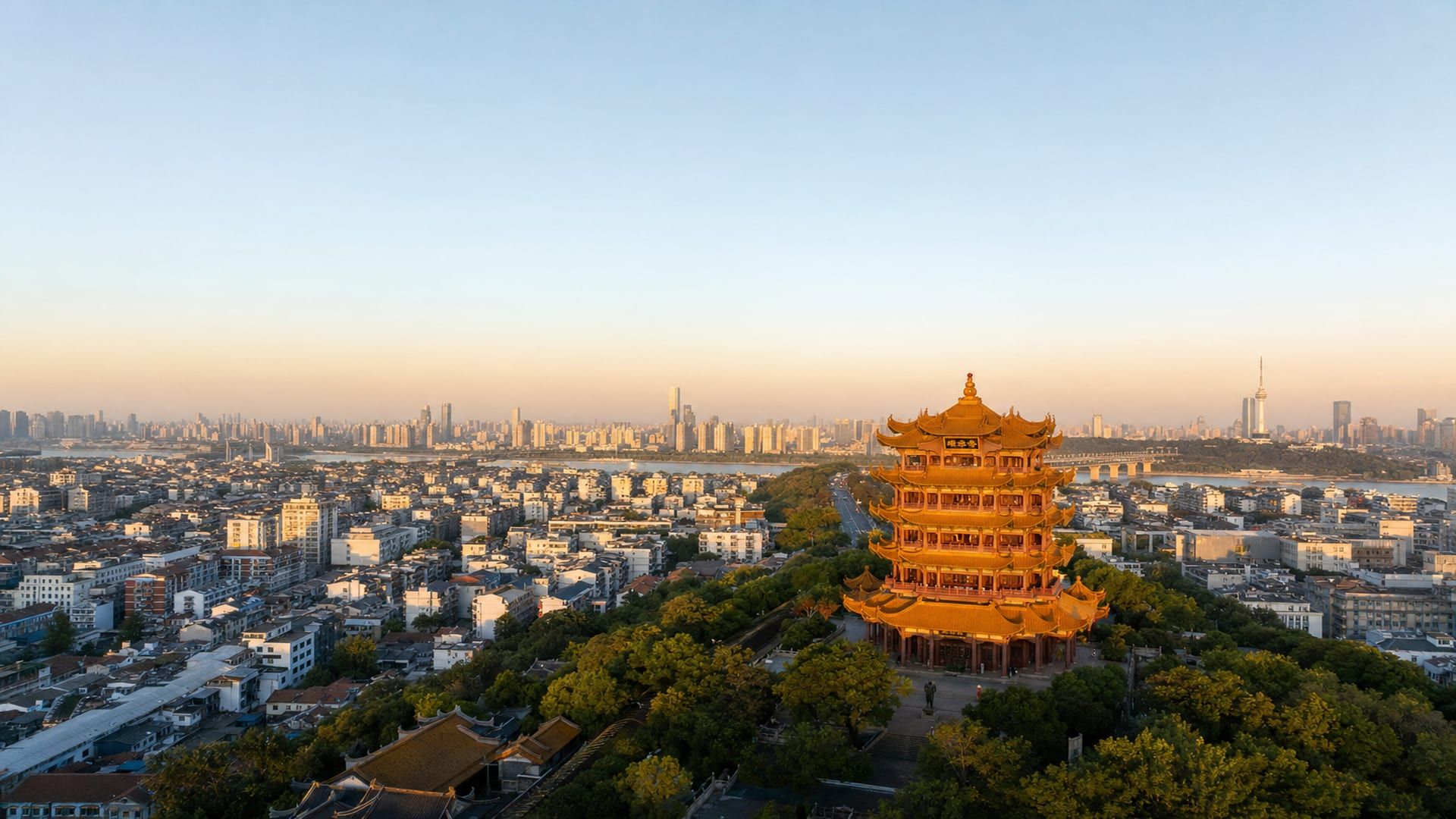
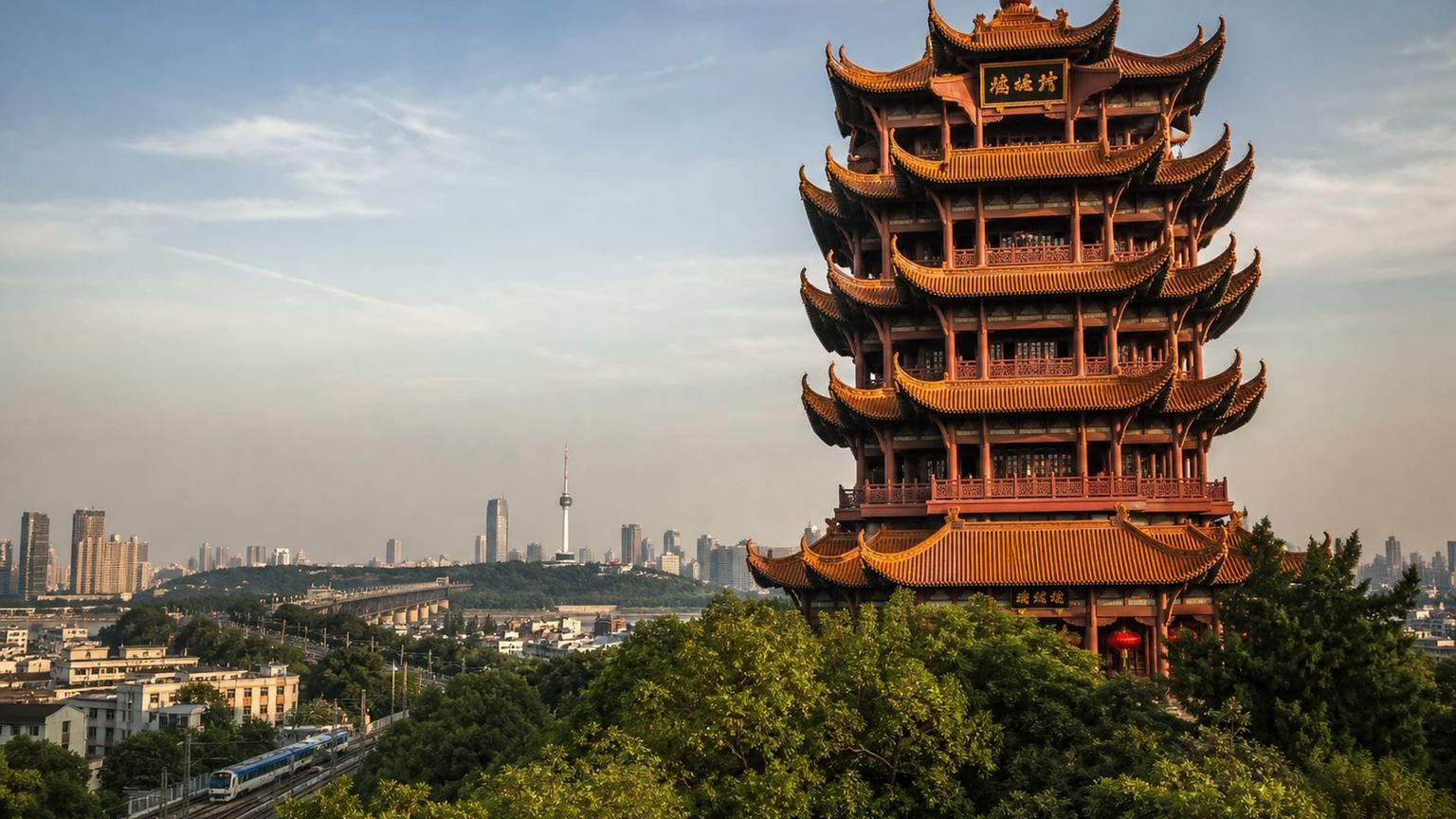
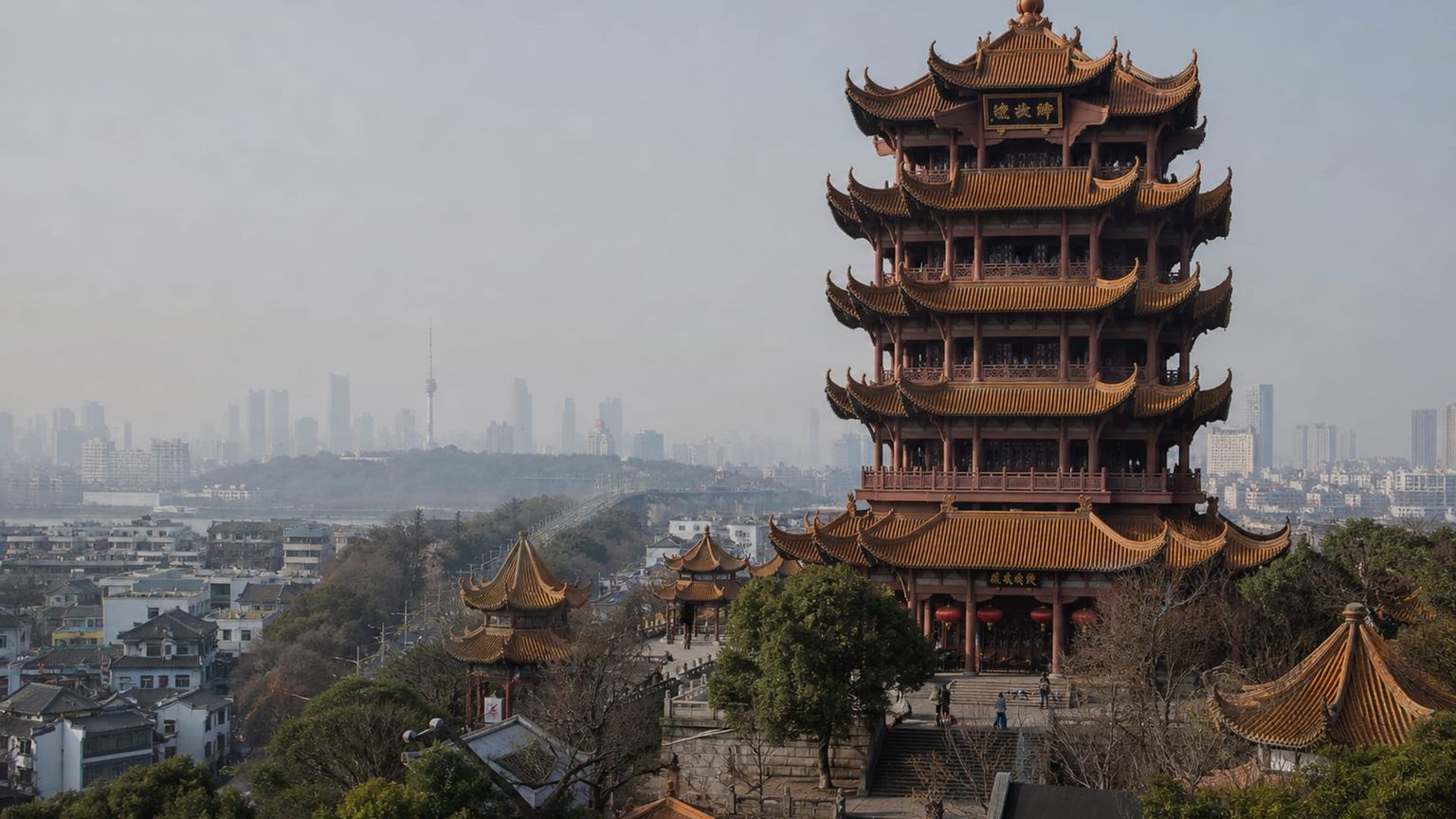
Wuhan’s signature landmark rises above Snake Hill on the Yangtze bank, with layered pavilions, calligraphy halls, and city views from the upper terraces. The present tower is a 1980 rebuild, but the site’s history goes back more than 1,700 years.
Time needed: About 2 to 3 hours
Entry: Tickets cost $11 to $16 (¥80 to ¥120), with prices varying by season and ticket package for tower access and some exhibits. Visit the official site for details.
Tip: Go late afternoon, then stay for sunset and the night lighting over the river.
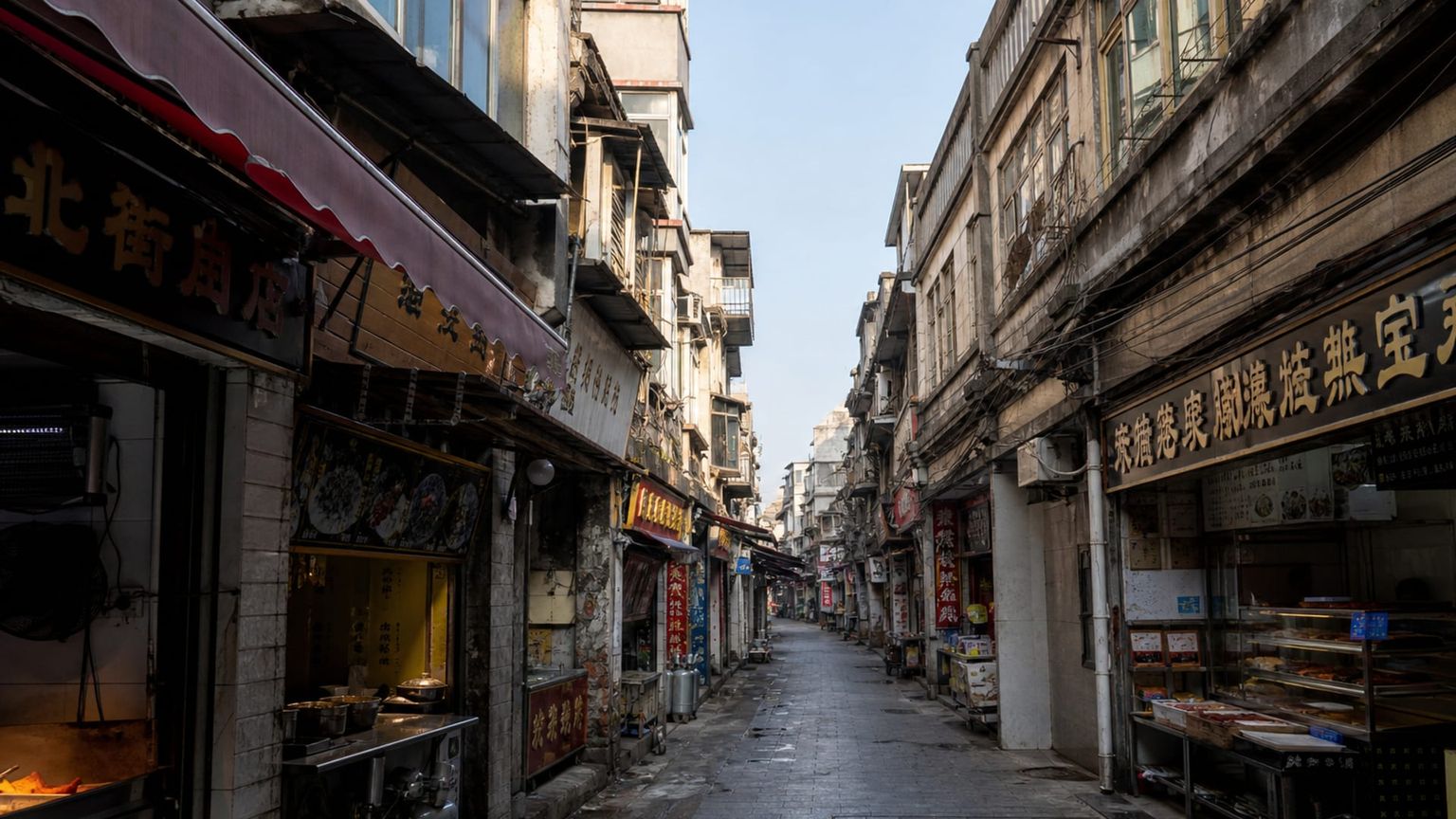
Hubu Alley
This narrow food street on the west bank of the Yangtze is one of Wuhan’s best-known snack stops, with hot dry noodles, bean skin, and soup dumplings packed into a compact pedestrian lane. It gives a direct look at the city’s street-food culture.
Time needed: About 1 to 2 hours
Entry: Free to access, with food and drink priced separately at each stall or shop.
Tip: Arrive before the dinner rush so you can move through stalls without long waits.
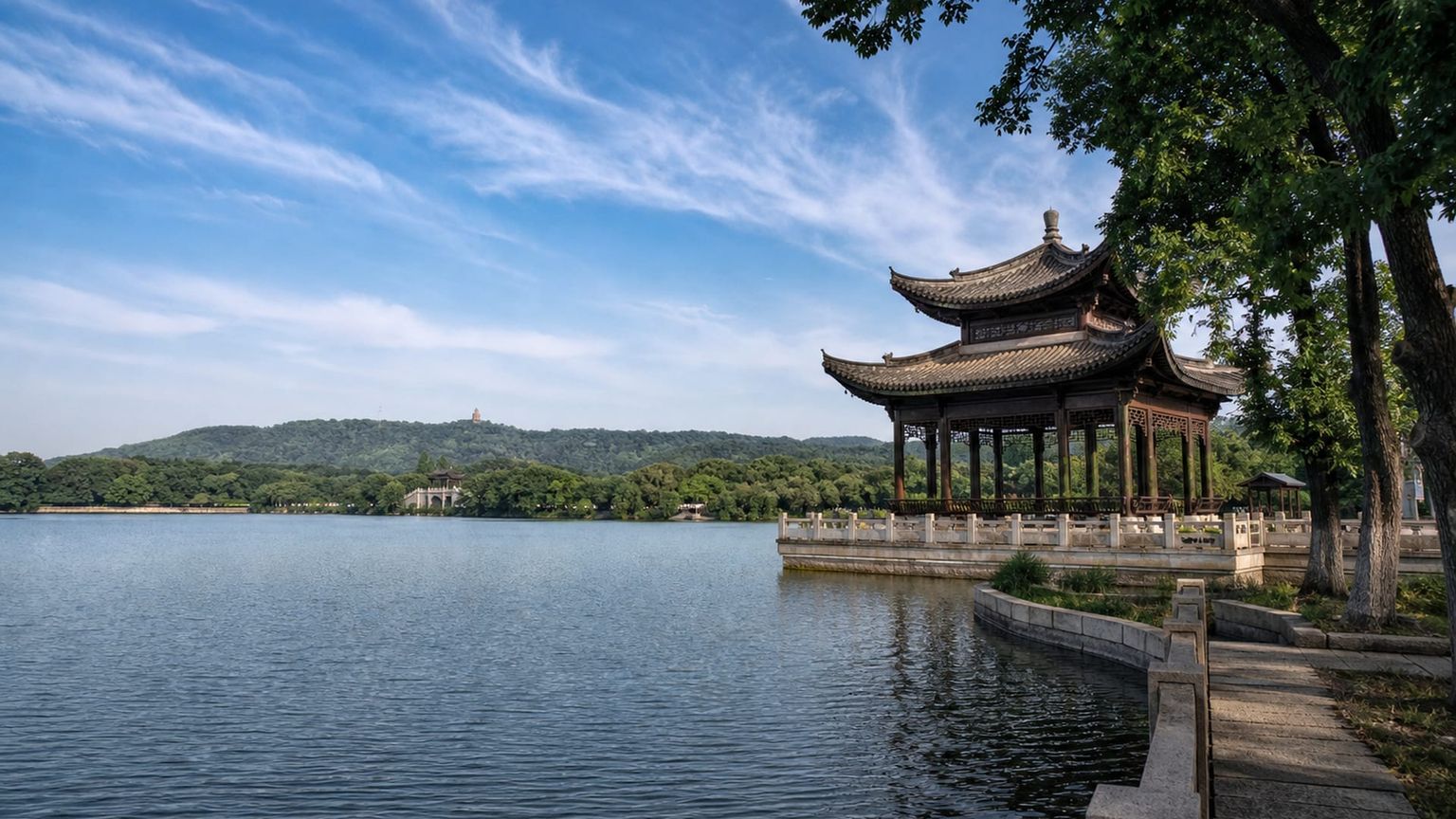
East Lake Scenic Area
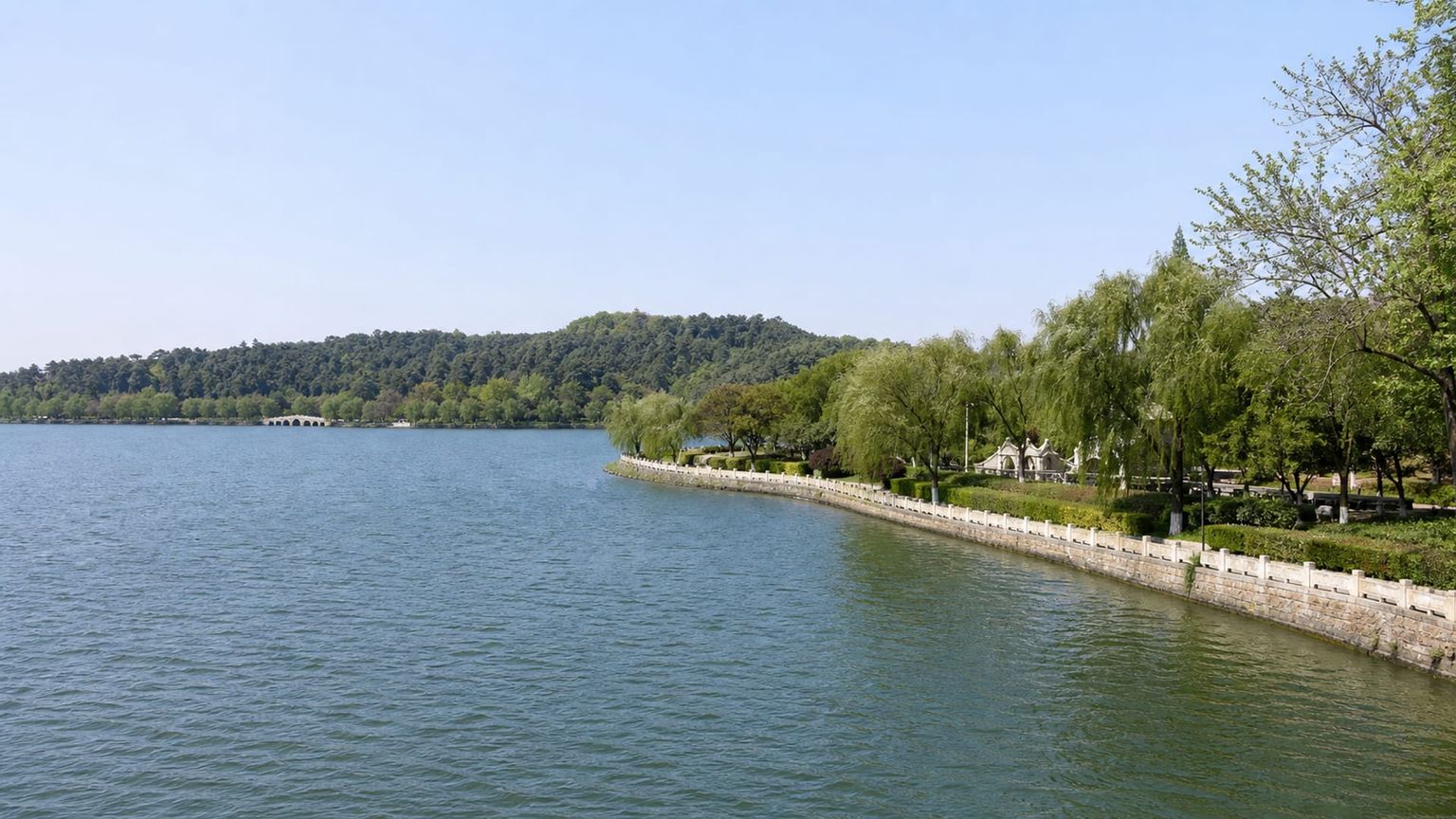
East Lake is Wuhan’s largest urban lake, with long waterfront paths, gardens, and boat piers spread across a broad park landscape. The Cherry Blossom Garden, greenways, and hill views make it one of the city’s main outdoor draws.
Time needed: About 3 to 5 hours
Entry: Park entry is free in many sections; boat rides and some gardens cost $3 to $18 (¥20 to ¥130) depending on the area. Visit the official site for details.
Tip: Use one entrance and focus on one zone, since the lake area is too large to cover fully on foot.
Overlooked sites worth visiting

Guiyuan Temple
This Qing-era Buddhist temple draws fewer sightseeing crowds than Wuhan’s marquee landmarks, yet its halls, courtyards, and incense pavilions preserve a dense layer of local religious history in Hanyang.
Time needed: About 1 to 1.5 hours
Entry: Admission costs about $4 ($30); the temple usually opens during daytime hours, with last entry often about 30 minutes before closing. Seasonal festivals and special ceremonies can change access, so check the current notice board at the gate before you go.
Tip: Arrive early for quieter courtyards and softer light.

Moshui Lake Wetland Park
West of the core, this lakefront park mixes boardwalks, reed beds, and long water views with wide paths for walking or cycling. It suits a slow visit when you want open space without leaving the city.
Time needed: About 2 to 3 hours
Entry: Free to access. The park is open during daytime and evening hours, and some zones may close for maintenance or heavy rain. Bring water, since food stalls are limited outside peak times and the walking circuit covers a large area.
Tip: Go at sunset for clearer lake reflections and cooler paths.
Traditional food
Wuhan cooking leans on wheat noodles, lake fish, duck, and soy-heavy snacks, with heat from chili oil and vinegar in many dishes. Hot dry noodles lead the day, while evening streets fill with stalls serving fast, salty bites.
Hot dry noodles
The city’s signature breakfast mixes sesame paste, soy sauce, pickled vegetables, and springy wheat noodles. Cai Lin Ji is the classic stop for a first bowl in Wuhan.
Wuhan duck neck
Braised duck neck comes spicy, chewy, and built for snacking between sightseeing stops. Zhou Hei Ya is the best-known chain for this style in Wuhan.
Wuchang fish
This local freshwater fish is usually steamed, so the flesh stays clean and delicate. Tan Yuxian is a strong Wuhan name for a proper Wuchang fish meal.
Bean skin
Bean skin folds sticky rice, dried tofu, meat, and mushrooms into a pan-fried square with a crisp edge. Lao Tongcheng is a classic Wuhan stop for this dish.
Best time to visit Wuhan
Wuhan changes more by humidity, heat, and rain than by dramatic temperature swings, so the best season often depends on whether you want clearer walking weather or easier hotel rates.
Best for: Cherry blossoms, lake walks, and the most comfortable sightseeing days
What you get: Roughly 50°F to 77°F (10°C to 25°C), with moderate crowds and some festival peaks at East Lake
Trade-offs: Rain can interrupt outdoor plans, especially in April
Best for: Long evenings on the riverfront and late indoor sightseeing
What you get: About 77°F to 95°F (25°C to 35°C), with heavier crowds at shaded parks and more people moving after sunset
Trade-offs: Heat, humidity, and sudden storms can slow daytime plans
Best for: River views, temple visits, and comfortable cross-town days
What you get: Approximately 54°F to 79°F (12°C to 26°C), with steady visitor numbers and clearer skies in many weeks
Trade-offs: Golden-week holidays can bring sharp crowd spikes
Best for: Quieter museums, lower prices, and uncrowded riverfront walks
What you get: About 34°F to 50°F (1°C to 10°C), with lighter crowds except during Lunar New Year travel
Trade-offs: Cold wind off the river makes long outdoor stops less inviting
A realistic 5-day plan in Wuhan
Five days is enough to give Wuhan a clear shape if you split it between the south-bank landmarks, the north-bank riverfront, and one slower day for the lake. The sequence below limits backtracking and keeps the busiest food stops near evening plans.
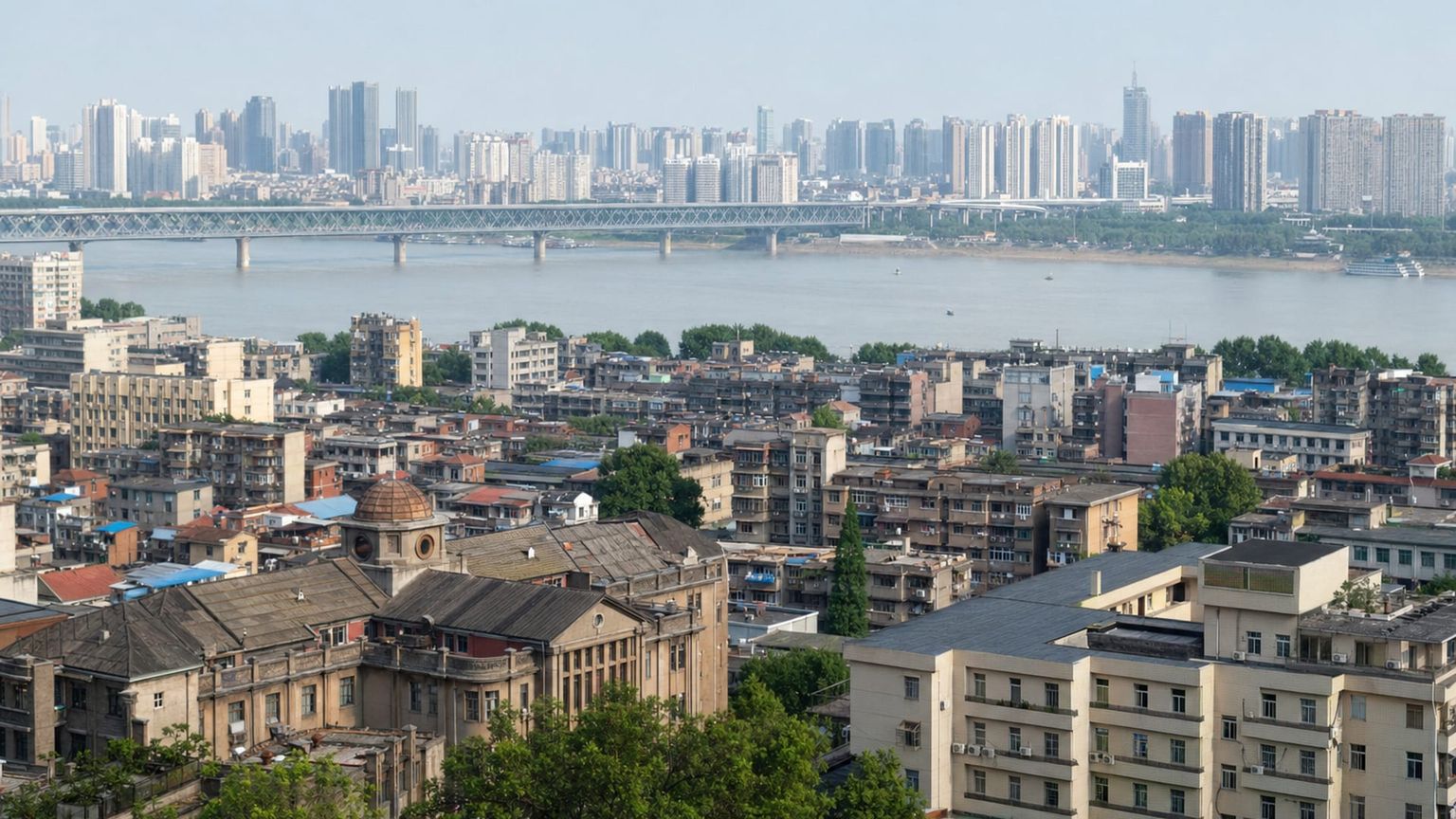
Land at Wuhan (WUH) and take a taxi or ride-hail to Jianghan Road, which usually takes about 30 to 45 minutes and costs roughly CNY 40 to CNY 80. If you want a quieter first night, stay on a side street near the Hankou riverfront or just off Jianghan Road, then have a light dinner of hot dry noodles and soup dumplings at a nearby restaurant before an early night. Keep water with you, because central sidewalks stay busy into the evening and the riverfront can draw a lot of foot traffic after dark.
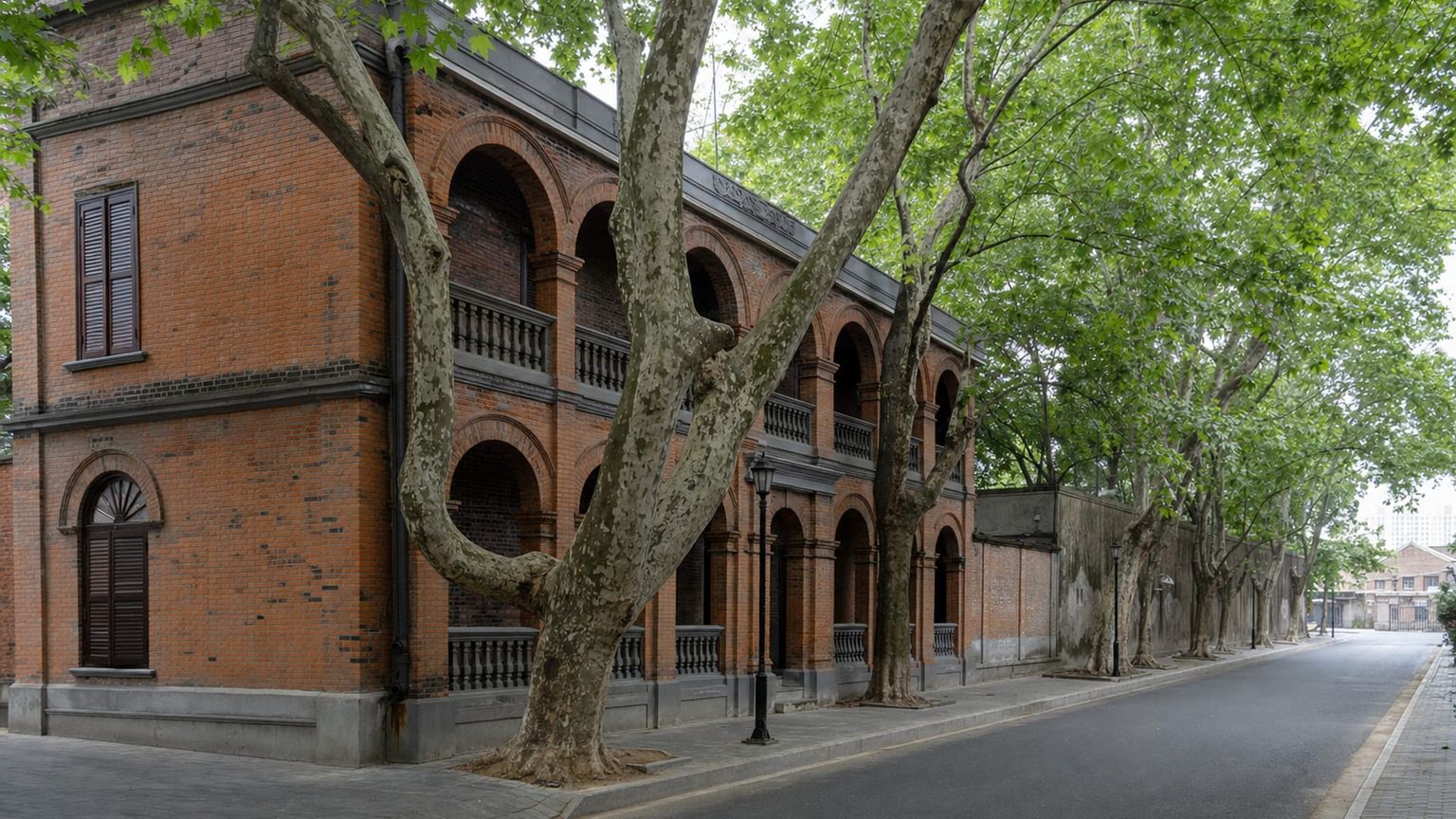
Start in Wuchang with Yellow Crane Tower, then plan about 2 to 3 hours on site before crossing the Yangtze for dinner. A taxi between Wuchang and Hubu Alley usually takes about 20 to 30 minutes depending on traffic, or you can combine metro and a short walk in roughly 35 to 45 minutes if you want to avoid peak-hour road delays. Go to Hubu Alley before the dinner rush, then linger for snacks such as bean skin, hot dry noodles, and soup dumplings while the stalls are still moving quickly.
Begin at East Lake Scenic Area and choose one section rather than trying to cover the full park, since the lake area is too large for a single walking loop. Budget about 3 to 5 hours for a lakefront walk, a garden visit, or a short boat ride, and expect about 25 to 40 minutes by taxi from central Wuchang or roughly 45 minutes by metro and a walk. In the late afternoon, head west to Guiyuan Temple, which usually takes about 20 to 30 minutes by taxi from the East Lake area after you leave the park. Spend about 1 to 1.5 hours among the courtyards and incense pavilions, then finish with a simple dinner nearby.
Pair Moshui Lake Wetland Park with the Hankou riverfront for a day that shifts from open water to city heritage. Moshui Lake is best in the late afternoon, and you should allow about 2 to 3 hours for boardwalks and lakeside paths; from there, a taxi to Hankou riverfront usually takes about 25 to 40 minutes, depending on traffic and your exact park exit. Walk the promenade, look for treaty-era buildings and older commercial streets, then settle into one of the riverside restaurants for an early dinner while the waterfront stays active.
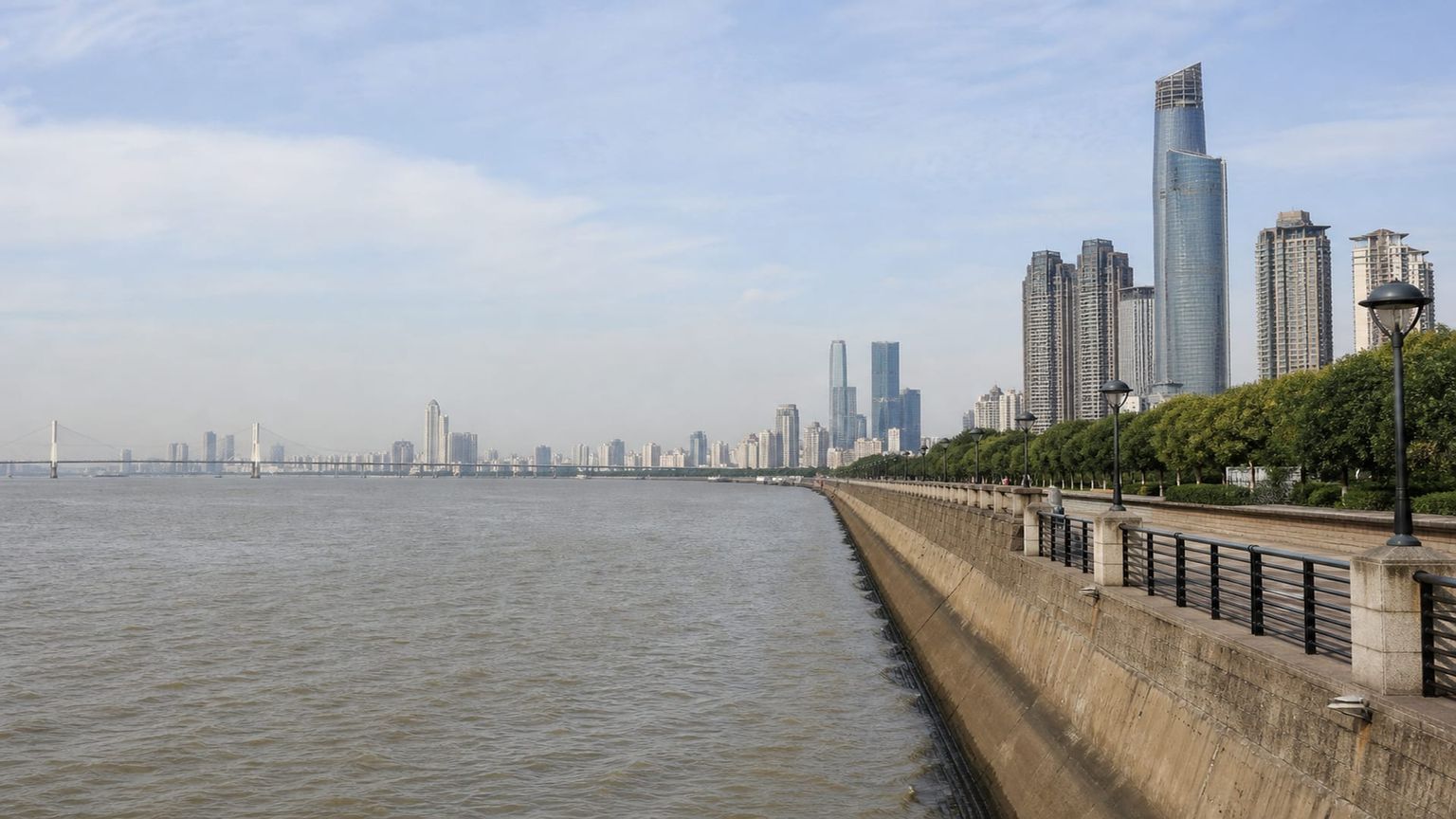
For a final half-day, start with one last look at Yellow Crane Tower if you want a high-point view, then head back toward Jianghan Road for shopping and a slow café stop. The tower visit works well in the late morning or early afternoon and usually takes about 2 to 3 hours, while the trip back to the city core is about 10 to 20 minutes by metro or taxi depending on where you are staying. Finish in Jianghan Road with a coffee or tea break, then browse the historic shopfront blocks before heading to Wuhan (WUH) for your departure.
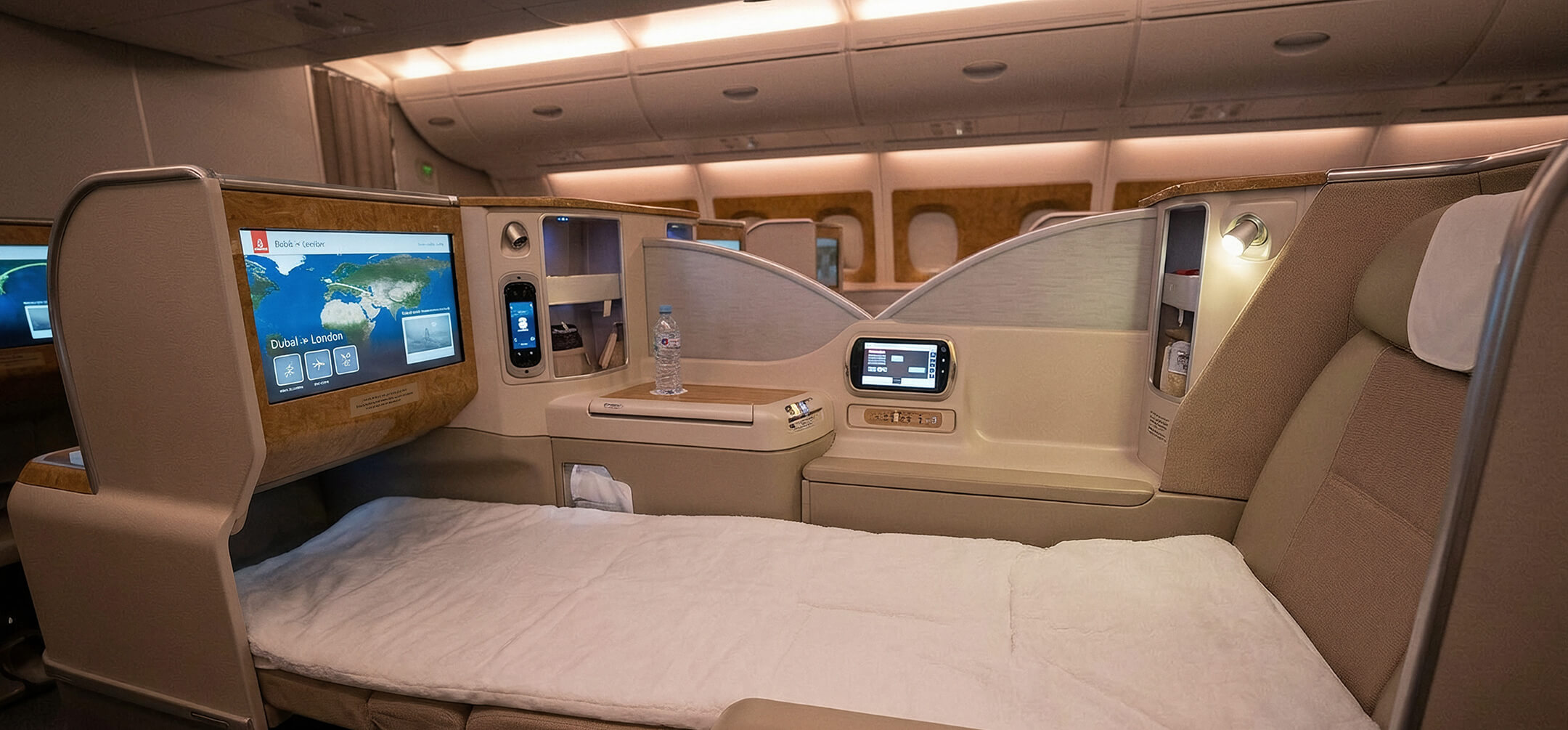
Business-class flights from the US to Wuhan
Flights to Wuhan usually come with a layover from the United States, and the main trade-off is whether you value shorter overall travel time or a lower fare. The two examples below show how that changes from New York and Los Angeles.
From New York, Air China, China Eastern Airlines, Korean Air, Asiana Airlines, Cathay Pacific, and EVA Air all appear on typical itineraries to Wuhan. Nonstop service is not the norm, so one-stop trips through Beijing (PEK), Shanghai (PVG), or Seoul (ICN) usually take 18 to 24 hours and often reduce the total fare. Business fares from New York to Wuhan usually start at $5,000 and can reach $9,500 round-trip.
Los Angeles itineraries often run through Beijing (PEK), Shanghai (PVG), Hong Kong (HKG), Taipei (TPE), or Seoul (ICN), and that routing choice is where most of the fare difference shows up. China Southern Airlines, China Eastern Airlines, Air China, Korean Air, Cathay Pacific, and EVA Air all serve this market, with one-stop trips generally taking 19 to 26 hours. Business-class round trips often price from $4,800 to $8,800, usually in the lower part of that range when the connection is through PEK, PVG, or HKG.
Wuhan feels different when you slow down
A deliberate Wuhan trip uses the city in layers, Jianghan Road for central walking, Wuchang for Yellow Crane Tower, East Lake for open space, and the Hankou riverfront for evening views. Metro rides and short taxis do the connective work, while Hubu Alley and the breakfast noodle shops keep the schedule grounded in local food. If you want to refine the route, the AranGrant experts can help you shape it around the season, the river, and the neighborhoods that fit your pace