

Chapters:

Need help with your trip?
Our support team is available 24/7. Request a callback or call us directly at (833) 619-0908
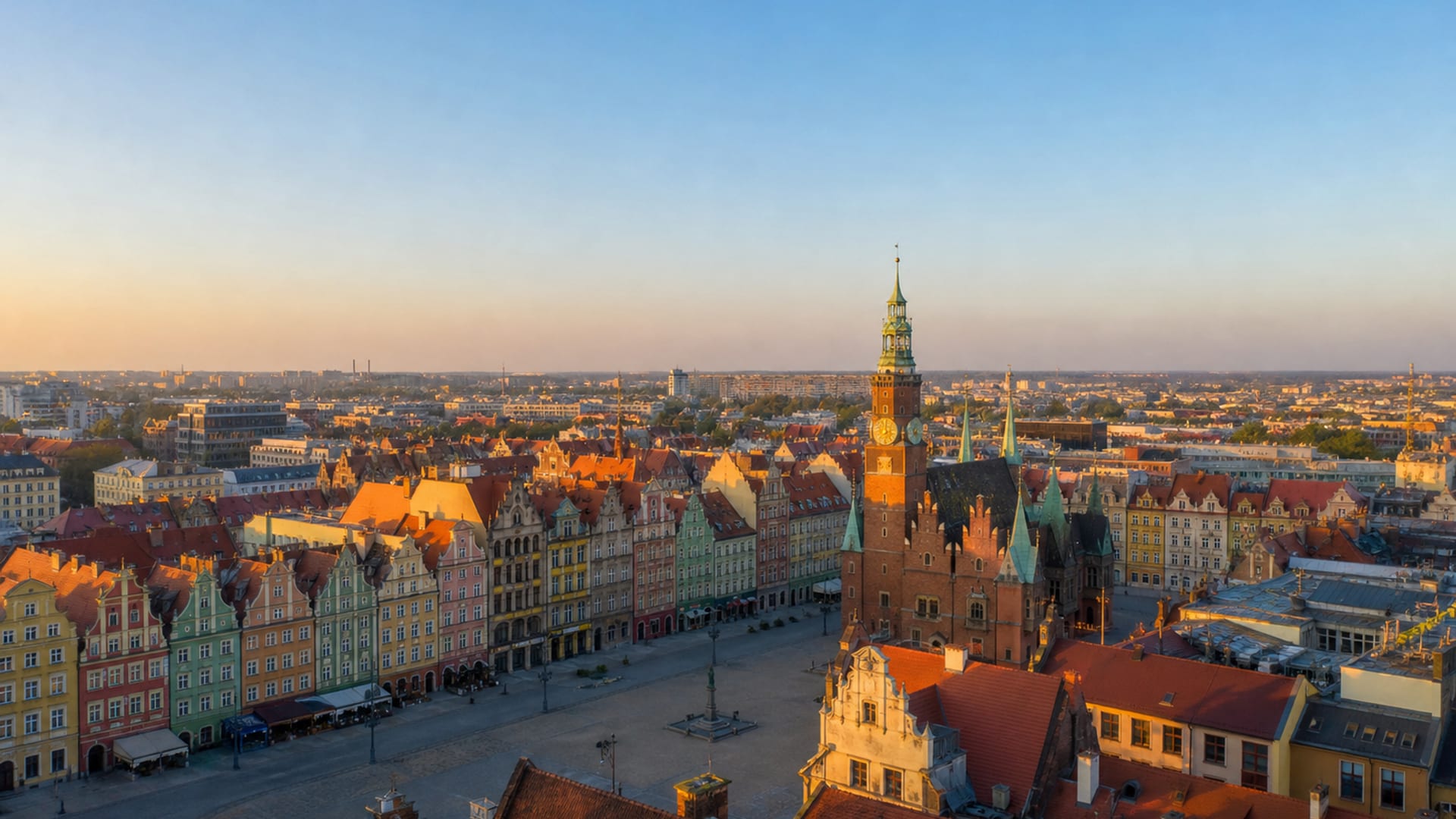
Wrocław earned its nickname, the city of a hundred bridges, on a dozen islands where the Oder River splits into channels and canals.
The Gothic Market Square gives the city its familiar postcard image, but Cathedral Island’s cobbled streets, Centennial Hall’s 1913 concrete dome, and Szczytnicki Park’s Japanese garden each show a different side of it.
Five days give enough room to move through these areas without rushing between them, from the compact historic core to the wider parkland and riverfront at the city’s edges.
Useful things to know

Main language(s): Polish
Dzień dobry (jen DOH-brih) – Hello
Proszę (PROH-sheh) – Please
Dziękuję (jen-KOO-yeh) – Thank you
Czy mówisz po angielsku? (chih MOO-vish poh an-GYEL-skoo) – Do you speak English?
Ile to kosztuje? (EE-leh toh koh-shtoo-yeh) – How much does it cost?

Currency: Polish zloty (PLN, zł)

Cash and cards: Most shops and restaurants accept cards and contactless payments. Carry 100 zł to 200 zł ($27 to $54) in cash for small shops and taxis.

Tipping: Round up taxi fares and small bills. Leave 10% in restaurants if service is good.

Traditional food: Śląskie kluski, pierogi ruskie, żurek, kaczka po polsku

Water and coffee costs: Water costs 6 zł to 10 zł ($1.60 to $2.70). A bar espresso costs 12 zł to 16 zł ($3.25 to $4.30).

Taxis and ride apps: Bolt and Uber operate throughout Wrocław. Traditional taxis line up at ranks, or you can book one by phone.

Plug and voltage: Type E socket, 230V

Dining and shop opening hours: Restaurants serve breakfast from 7:00 am to 10:00 am, lunch from noon to 3:00 pm, and dinner from 6:00 pm to 9:00 pm. Many stay open until 10:00 pm, with shorter hours on Sundays.

Emergency number: 112 for police, fire, and medical emergencies
Where to stay in Wrocław
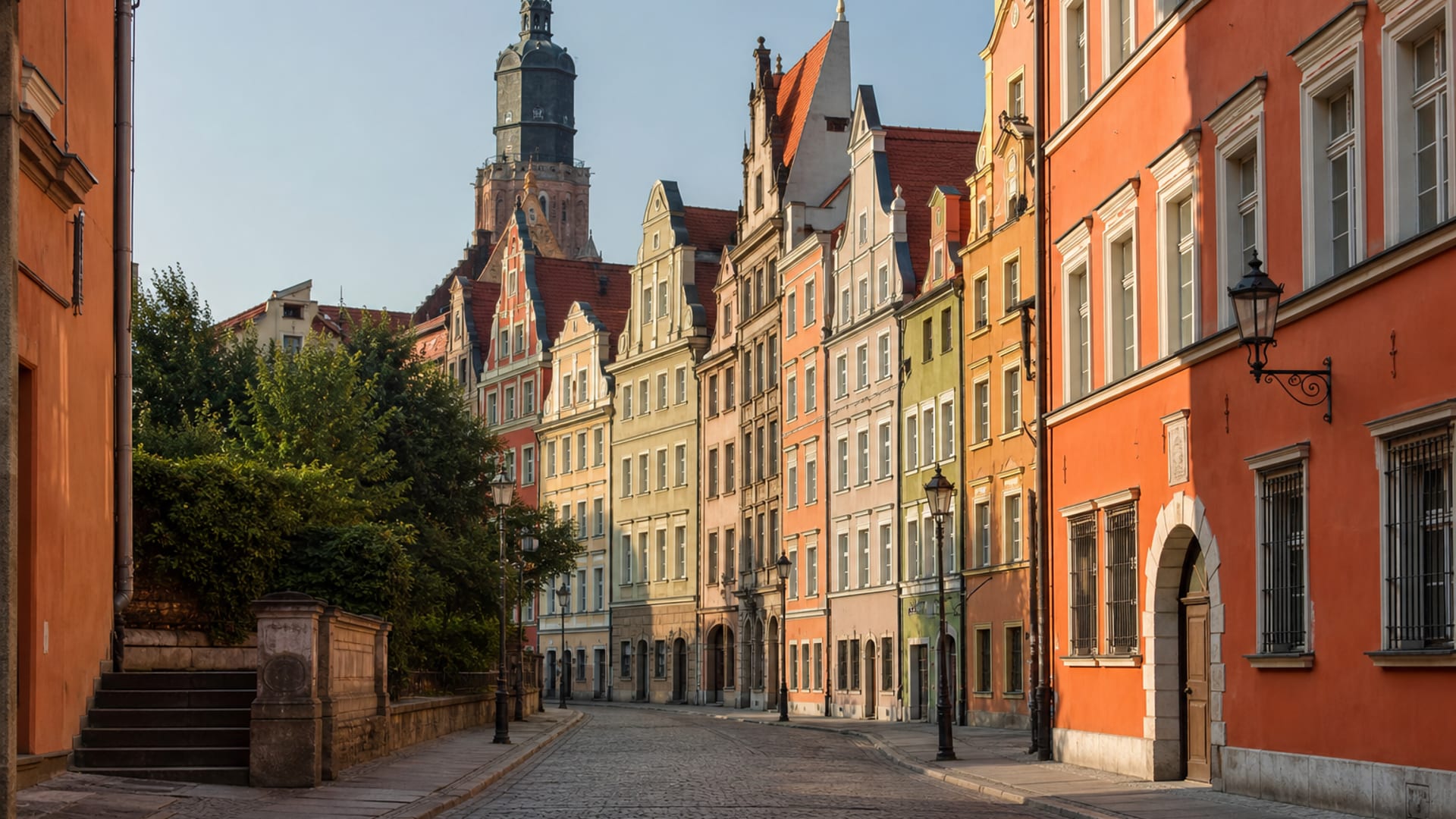
Wrocław’s historic center clusters around the Market Square, the Gothic Town Hall, and the pedestrian streets branching off it. Cobblestone streets lead past guild houses and cafes, and museums, restaurants, tram stops, and the city’s landmarks stay within a short walk of most addresses here.
Best for: First-time visits, sightseeing, dining, and travelers who want the main sights close by
What to expect: Busy sidewalks during the day, especially near the Market Square, with a full restaurant scene and a late-evening hum
Hotel prices: Well-rated hotels in this area cost 500 zł to 900 zł ($135 to $243) per night.
Distance to major sights: 5 to 10 minutes on foot to the Market Square; 10 to 15 minutes on foot to the cathedral area
Quietness: Daytime brings crowds near the Market Square, while evenings stay lively around bars and restaurants but quiet down on side streets.
Main trade-off: You pay more for a central address, and the busiest streets stay lively late into the evening.
Good to know: Walking from here covers most of the key sights, so you can limit how much travel time the trip requires.
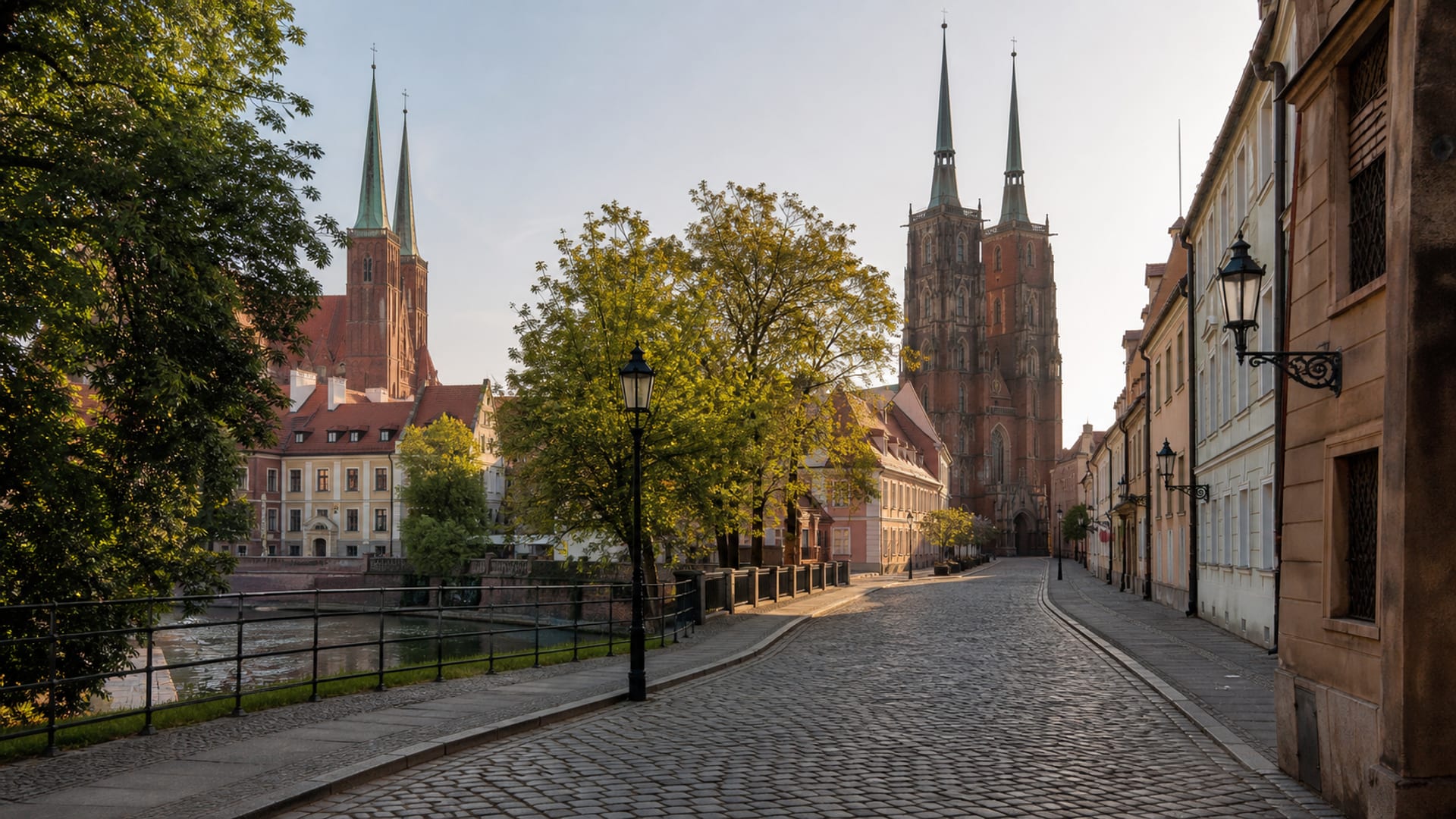
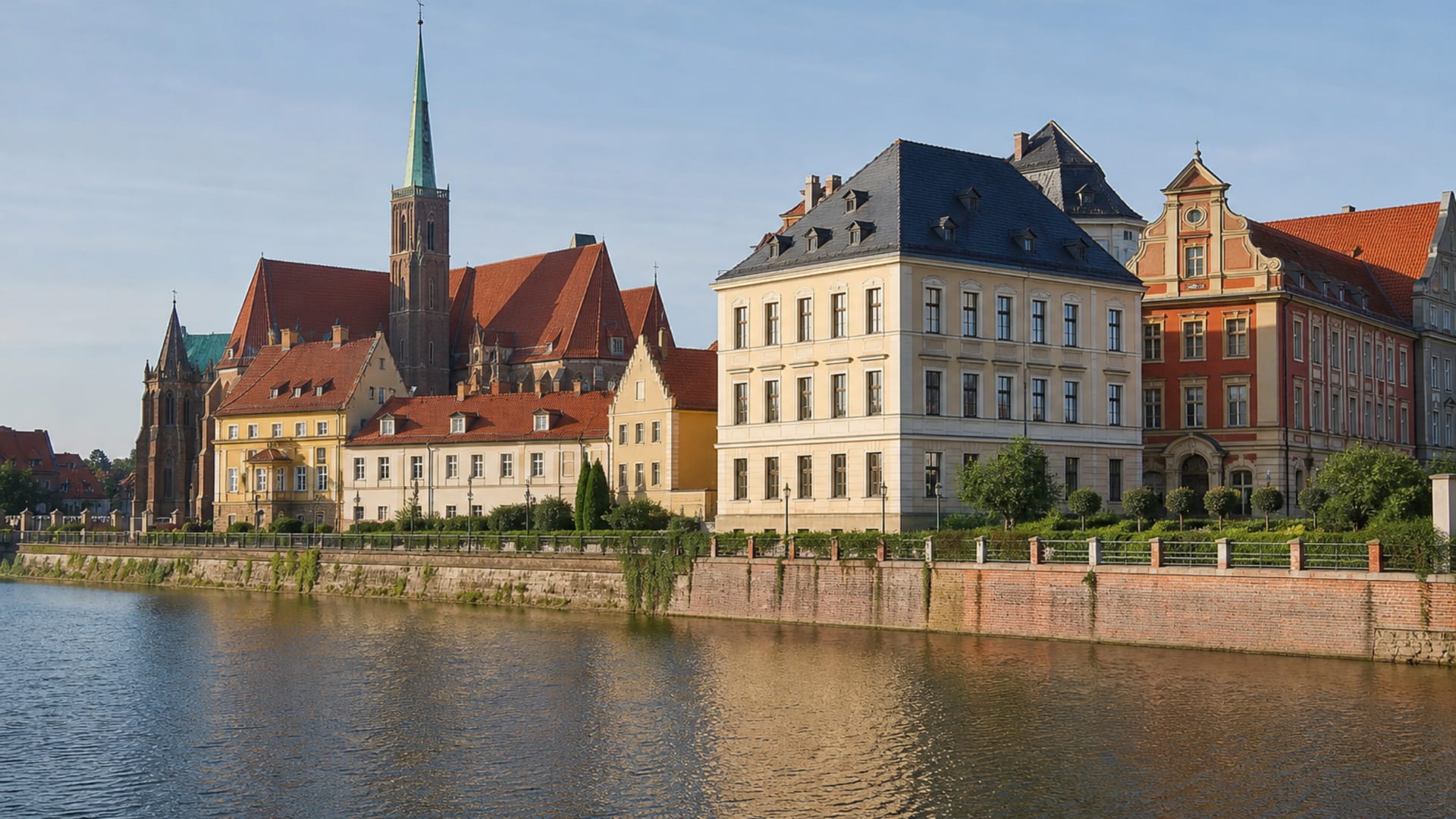
Ostrów Tumski is Wrocław’s cathedral island, a compact historic quarter on the Oder River. Cobbled streets circle St. John the Baptist Cathedral, and lamp-lit evenings give the island a quiet, older feel with fast access to river walks and a short walk into the busier city center.
Best for: Quiet evenings, historic surroundings, river walks, and easy access to the center
What to expect: Low-key streets, light foot traffic after dark, and a more residential feel than the market area.
Hotel prices: Well-rated hotels in this area cost 450 zł to 800 zł ($121 to $216) per night.
Distance to major sights: 5 to 10 minutes on foot to the Cathedral of St. John the Baptist; about 15 minutes on foot to the Market Square
Quietness: Daytime brings visitors and walkers, while evenings turn calmer once church and sightseeing traffic drops.
Main trade-off: Dining and late-night choices are thin here, so you will cross into the center more often for meals.
Good to know: Shops and restaurants close earlier here than around the Market Square, even with the historic core just a short walk away.
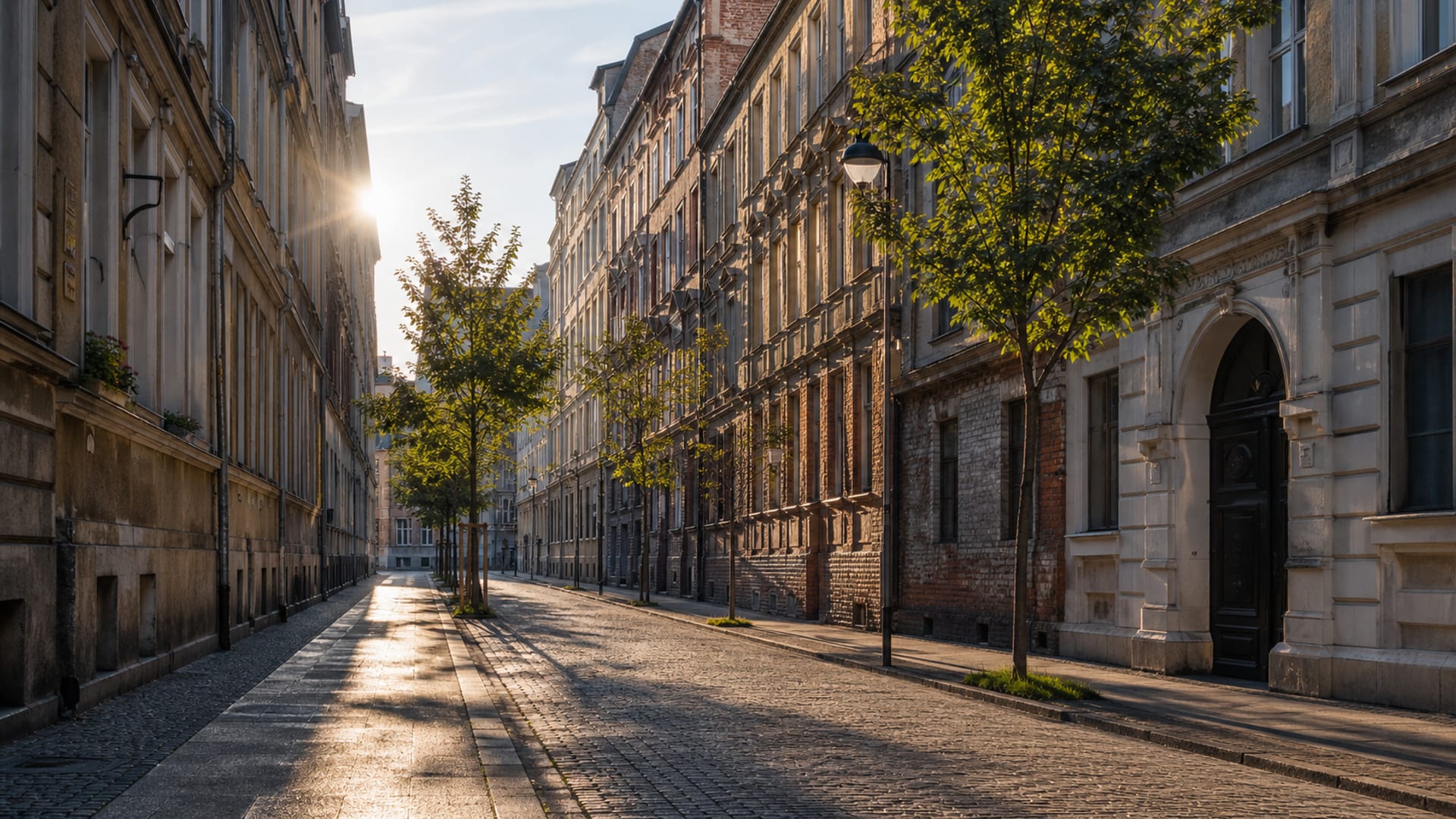
Nadodrze lies just north of the Old Town, with renovated townhouses, street art, galleries, and cafes lining former industrial blocks. Good tram links keep the Old Town and the riverfront within easy reach, making it a quieter alternative to staying on the busiest tourist streets.
Best for: Design-minded stays, café hopping, and travelers who want center access while avoiding the Market Square crowds
What to expect: A mix of local foot traffic, small creative businesses, and livelier streets near the tram stops
Hotel prices: Well-rated hotels in this area cost 350 zł to 650 zł ($95 to $175) per night.
Distance to major sights: 10 to 15 minutes on foot to the Market Square; about 10 minutes by tram to the cathedral area
Quietness: Daytime is busy around cafes and tram stops, while evenings turn quieter away from the main streets.
Main trade-off: The area lacks the Old Town’s historic backdrop, and reaching top restaurants or landmarks often means a short tram ride.
Good to know: Check the exact block before booking, since the atmosphere shifts quickly between a quiet street and a busier road.
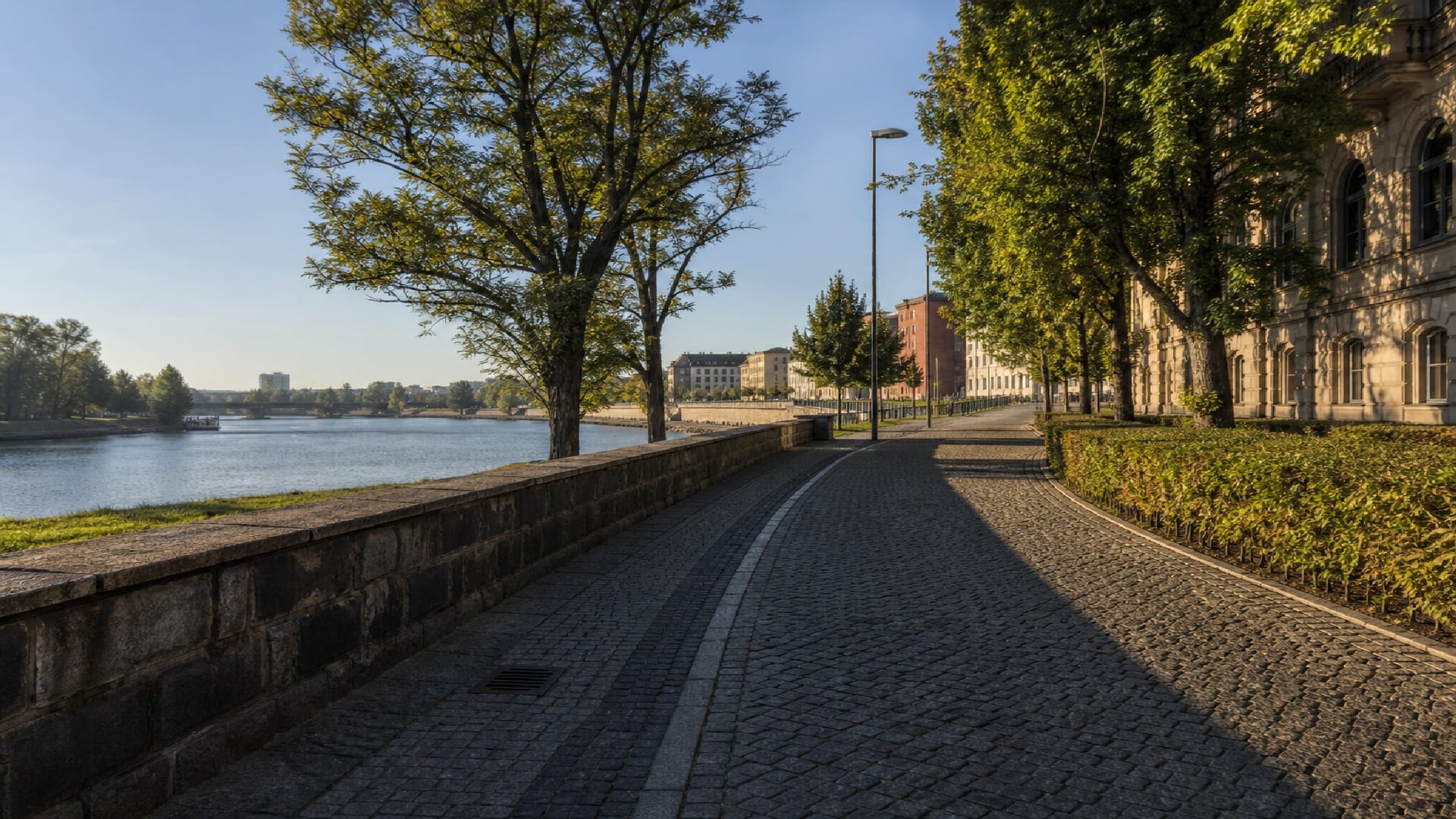
Przedmieście Oławskie is the riverfront district southeast of the Old Town, home to the National Museum, Park Słowackiego, and streets along the Oder. It keeps the Old Town close while giving easier access to green space and the train station.
Best for: River walks, park time, museum visits, and travelers who prefer a quiet central stay
What to expect: Moderate street activity by day, with walkers and cyclists near the river and fewer late-night crowds
Hotel prices: Well-rated hotels in this area cost 400 zł to 750 zł ($108 to $202) per night.
Distance to major sights: 10 to 20 minutes on foot to the Market Square; about 10 minutes on foot to the National Museum
Quietness: Daytime stays active near the river paths, while evenings are quieter than the Old Town and its main streets.
Main trade-off: Some addresses are farther from the main restaurant strip, so evenings may call for a tram ride or a longer walk.
Good to know: Choose a place near a tram stop if you plan to move between the riverfront and the center several times a day.
Travelers avoid Psie Pole, Zakrzów, and Jerzmanowo for hotel stays. These areas lie well outside the historic center, adding a long tram or bus ride to the Market Square. Swojczyce and Muchobór Wielki also offer fewer visitor-oriented hotels.
Hotel deals
Getting around Wrocław
Trams cover most of central Wrocław, buses reach the airport, and taxis are the easiest choice late at night or for direct hops.

Bus
for rides to the airport
Airport transfer buses run on line 106 from the main train station, or bus 206 at night. A single ticket costs 4.60 zł ($1.25), and the ride takes about 35 to 45 minutes depending on traffic.

Tram
for convenience
Trams cover the Old Town, the river islands, and districts such as Plac Grunwaldzki and Krzyki. A single-ride ticket costs 4.60 zł ($1.25), and a 24-hour ticket costs 15 zł ($4). Ticket machines are available at most stops, and mobile apps also sell tickets.

Taxi
for convenience or late hours
Licensed taxis charge by taximeter. A ride from Wrocław Airport (WRO) to the center costs 75 zł to 100 zł ($20 to $27) during the day, and more at night. From the main station to the Old Town, expect 15 zł to 25 zł ($4 to $7) for a short hop.
*Prices are based on rates updated as of June 2026 and may change at the time of travel.
Use trams for central hops, buses or taxis for the airport, and taxis or Bolt late at night when trams stop running.
Iconic places in Wrocław
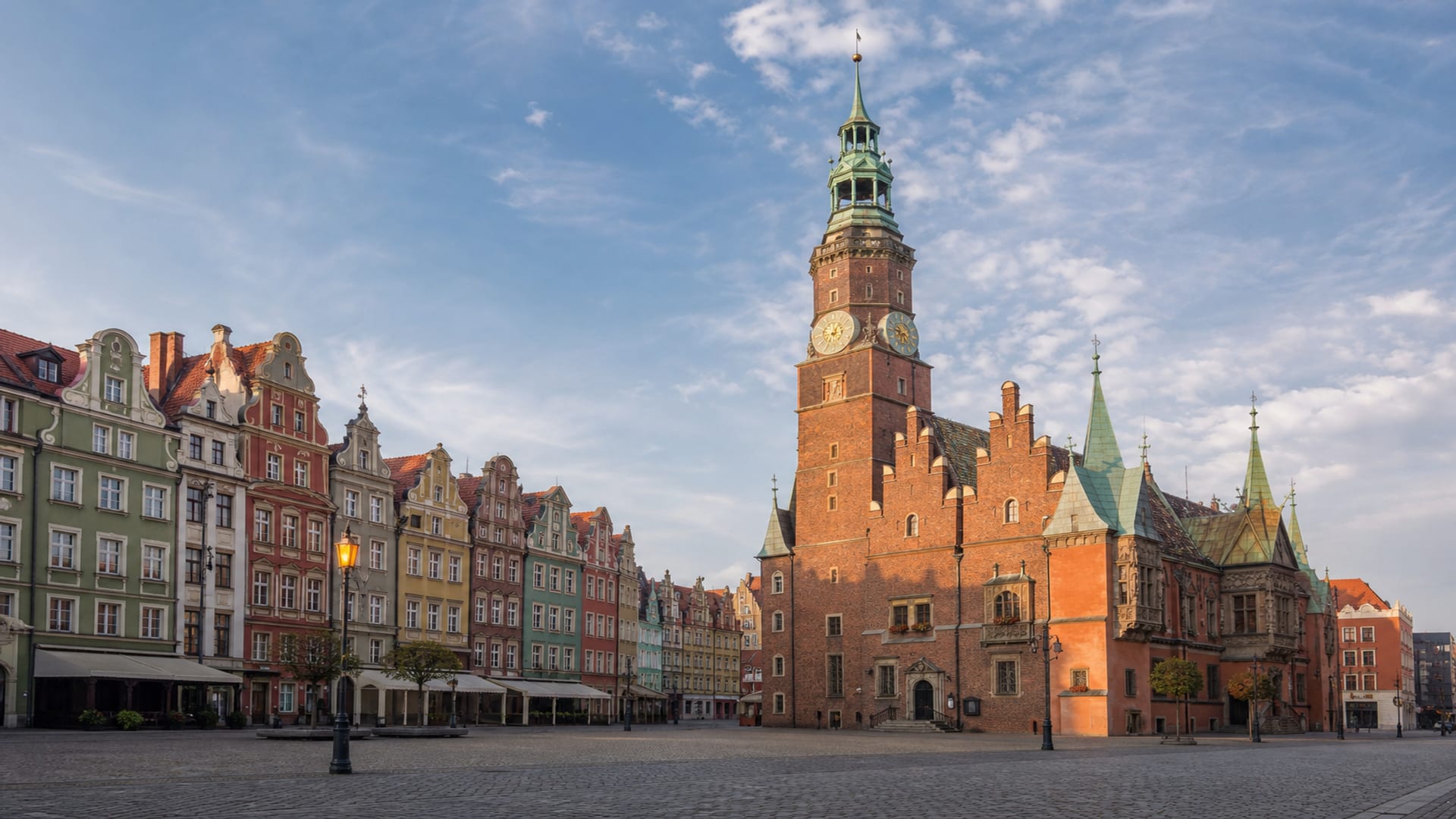
Wrocław Market Square
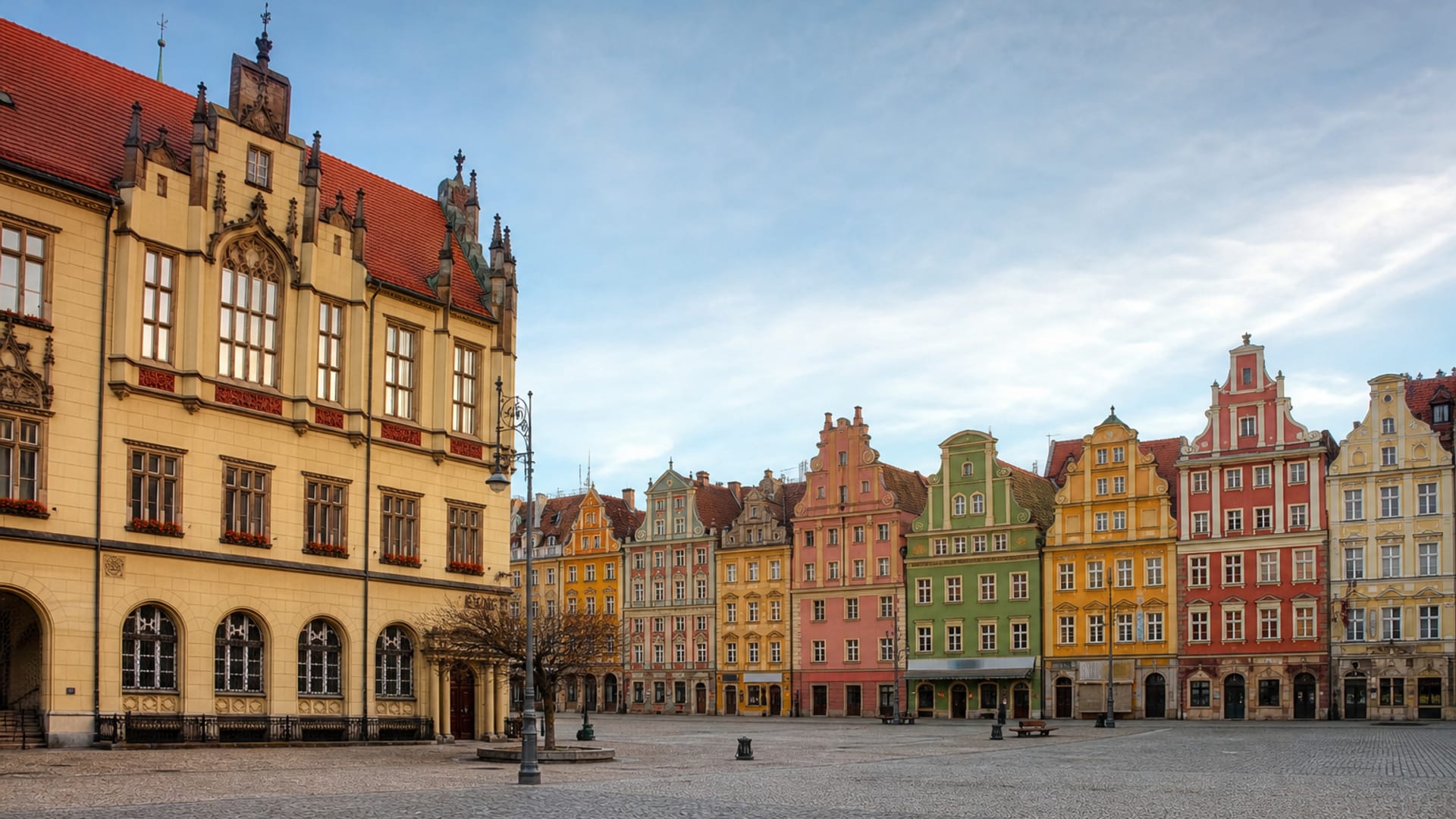
Wrocław’s Market Square, Rynek, centers the old town with colorful guild houses, the Gothic Old Town Hall, and a daily flow of cafés and street activity. It is the best place to start a first walk through the historic core.
Time needed: About 1 to 2 hours
Entry: Admission is free. Old Town Hall museum visits cost extra. Visit the official site for details.
Tip: Visit early or after dusk for clearer photos and fewer crowds in the square.
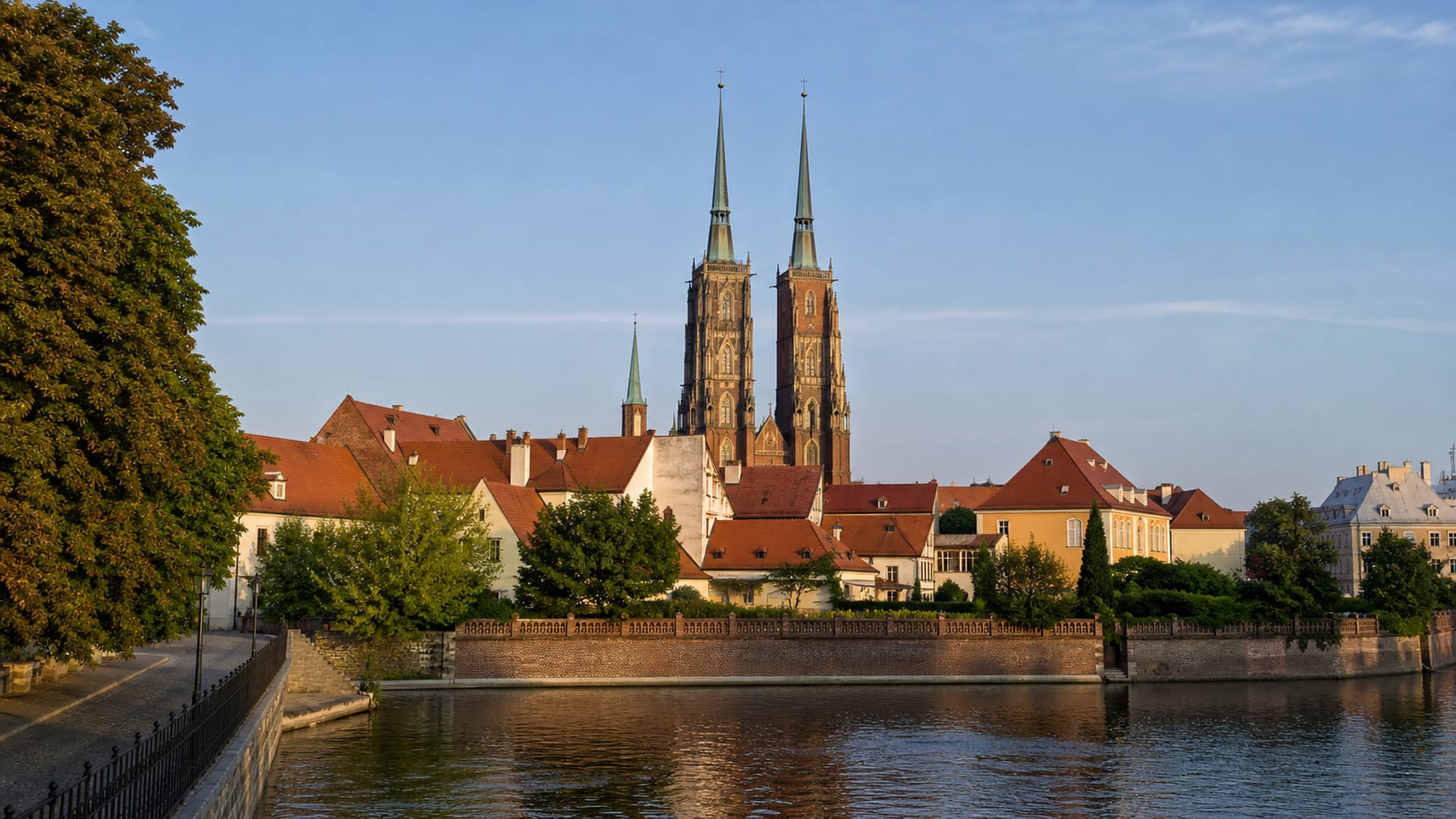
Cathedral Island
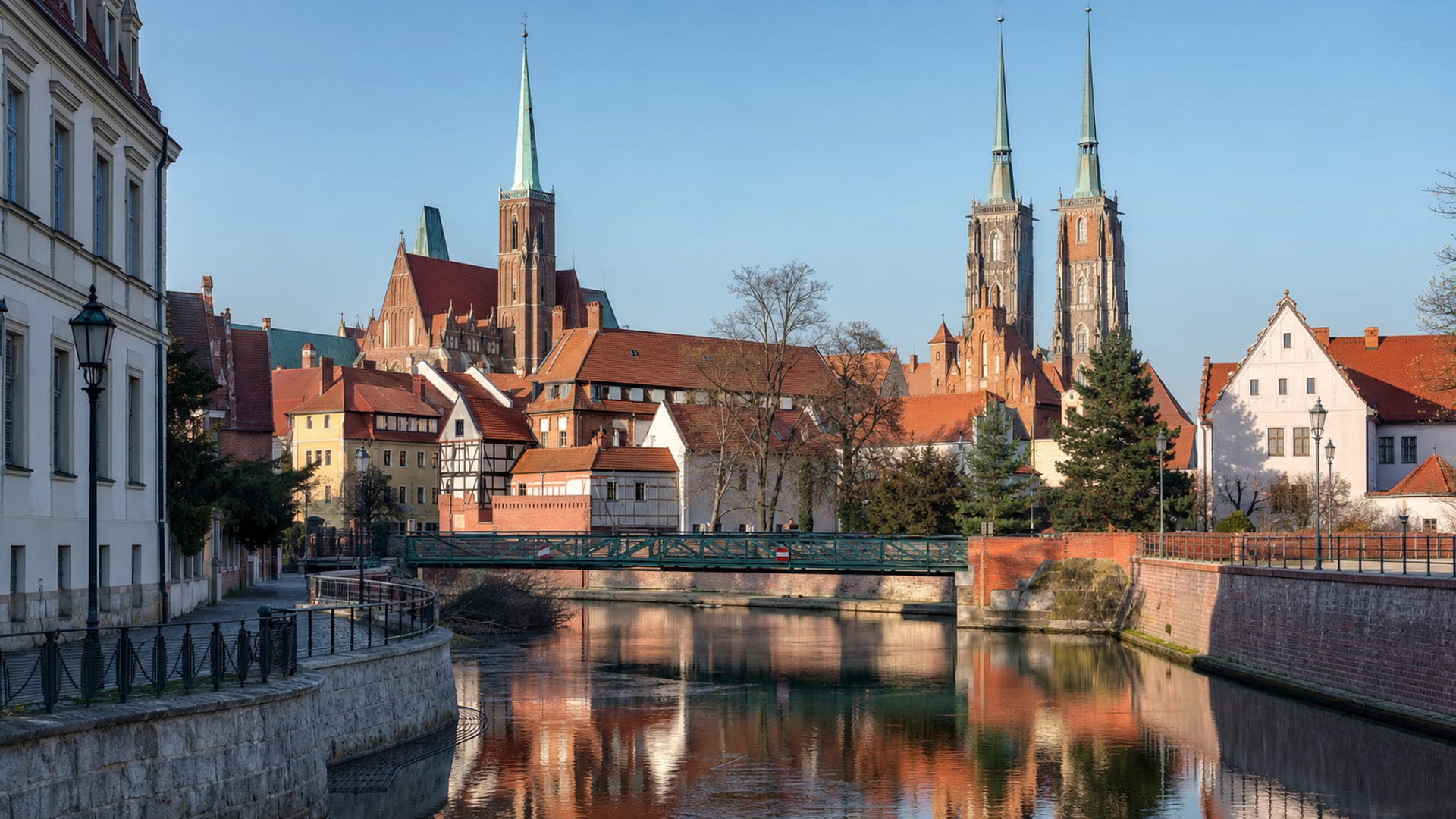
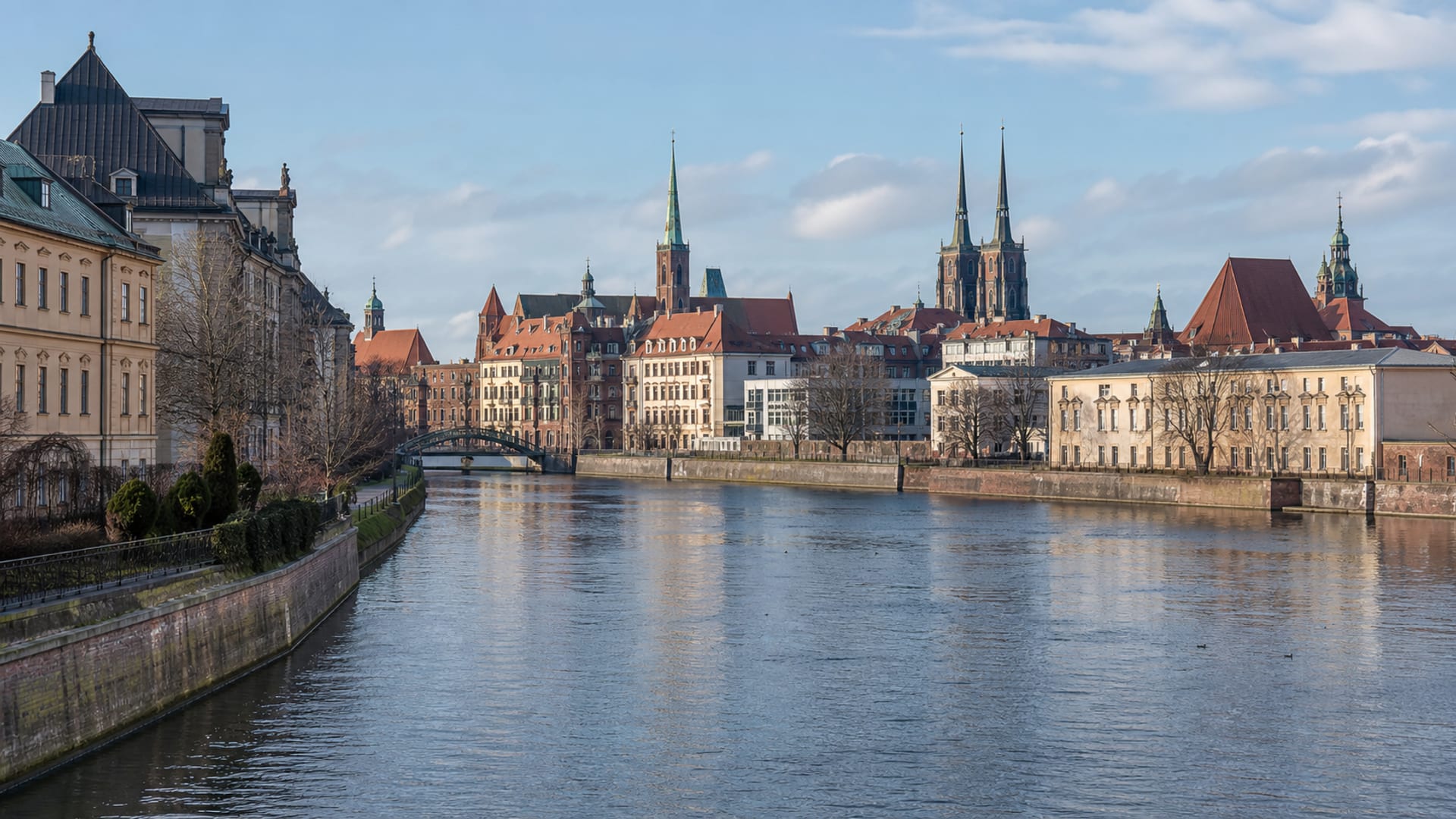
Cathedral Island, Ostrów Tumski, is Wrocław’s oldest district, with cobbled streets, lamp-lit lanes, and the twin towers of St. John the Baptist Cathedral. The bridges and river views set it apart from the busier center.
Time needed: About 1 to 2 hours
Entry: Admission is free. Cathedral and tower access cost extra. Visit the official site for details.
Tip: Go near sunset, then stay for the lamplighter’s evening route.
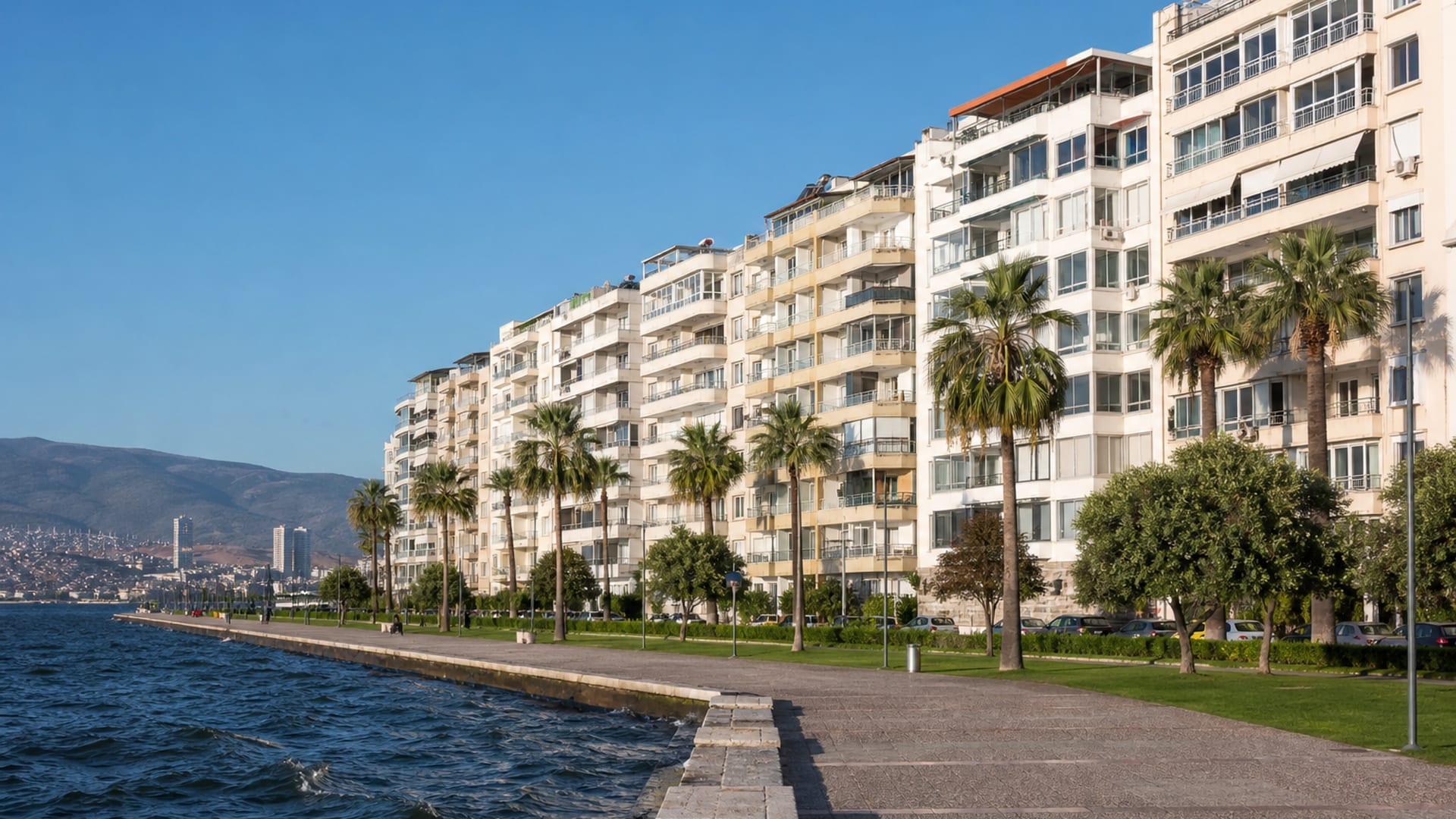
Centennial Hall
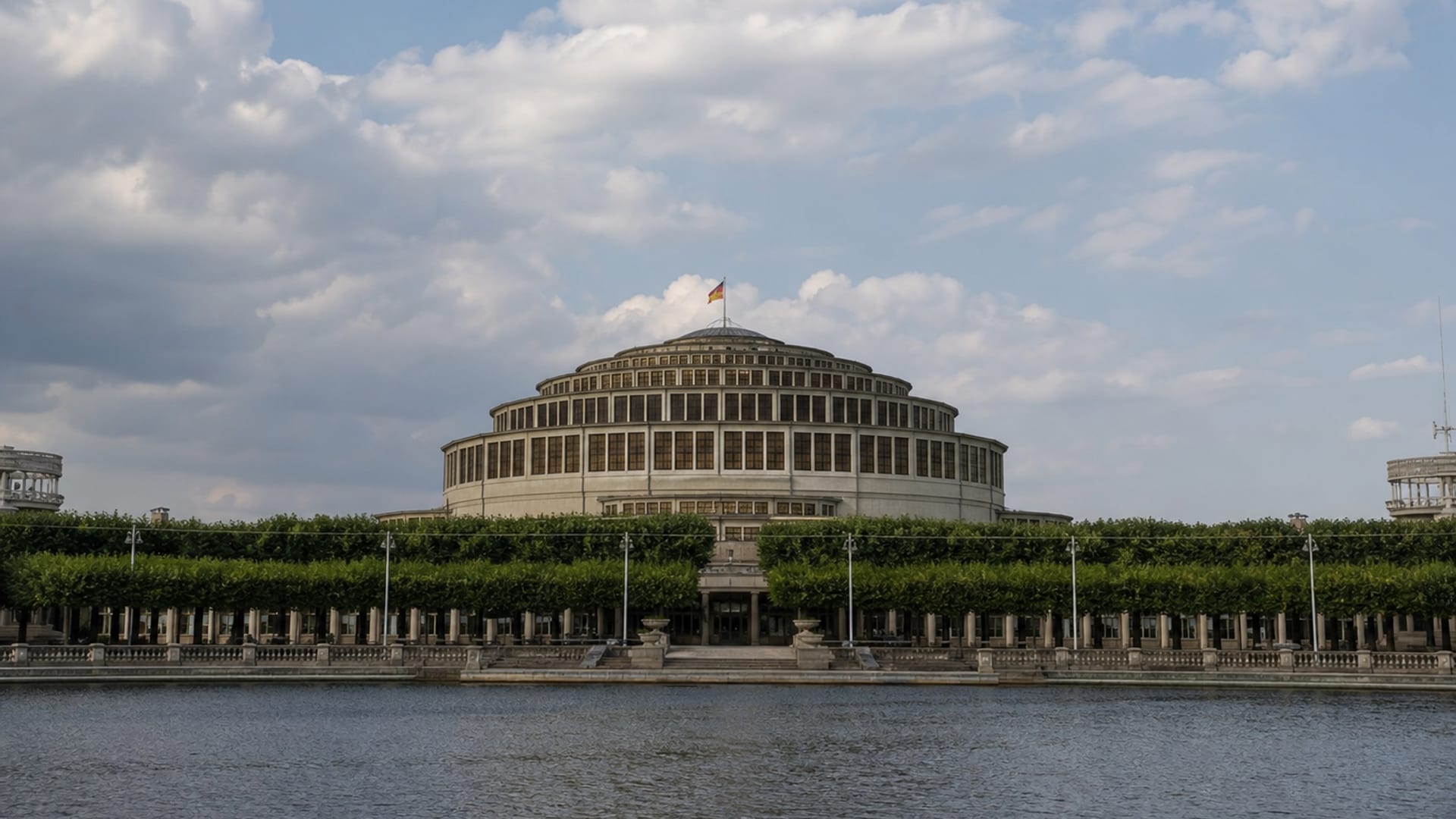
Centennial Hall, a UNESCO-listed concrete landmark from 1913, anchors a large exhibition complex with the Wrocław Multimedia Fountain, the Four Domes Pavilion, and the Pergola. Its scale and engineering make it one of the city’s clearest modern icons.
Time needed: About 2 to 3 hours
Entry: Standard tickets cost 25 zł to 30 zł ($7 to $8). Visit the official site for details.
Tip: Pair the hall with the evening fountain show for the best sequence.
Overlooked places in Wrocław

Szczytnicki Park and Japanese Garden
A large eastern park with tree-lined paths, a pond, and a compact Japanese garden that charges separately. It suits a slower visit, with long walks, benches, and seasonal foliage.
Time needed: About 1.5 to 2.5 hours
Entry: Park entry is free. Garden tickets cost 30 zł ($8) for adults. No booking needed. Visit the official site for details.
Tip: Visit early on weekdays for quieter paths and softer light.

Museum of Architecture
Poland’s only museum devoted to architecture, set in a former monastery near the old town. Its models, drawings, and fragments cover medieval to modern Polish buildings in a compact visit.
Time needed: About 1 to 1.5 hours
Entry: Standard tickets cost 20 zł ($5), reduced tickets cost 14 zł ($4). Entry is free on Wednesdays. Visit the official site for details.
Tip: Go on a rainy afternoon, when the galleries are easiest to enjoy.
What to eat in Wrocław
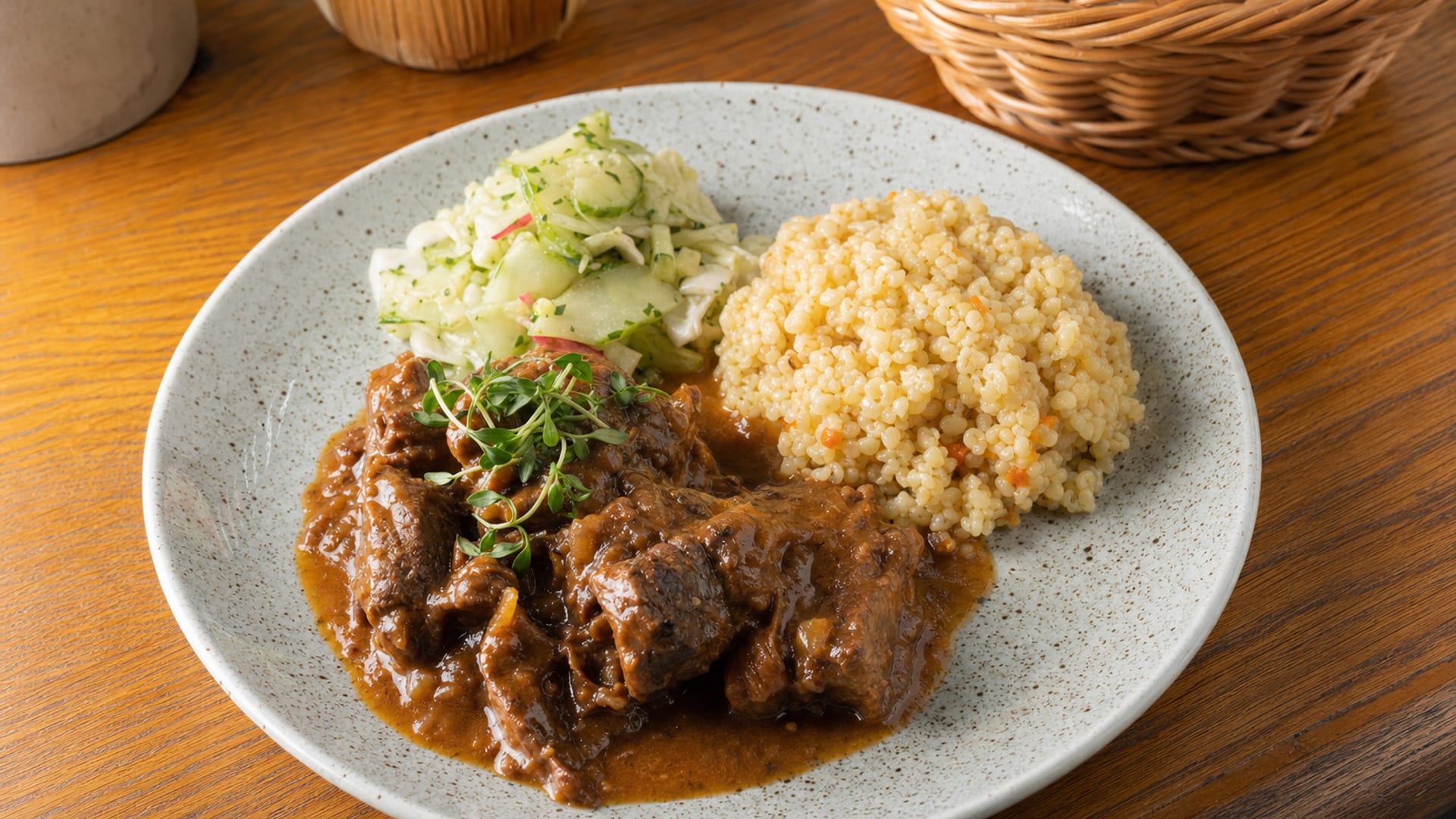
Hearty Polish and Silesian dishes fill Wrocław’s menus, from dumplings and sour soups to duck and potatoes, all made for long lunches and leisurely dinners.
Śląskie kluski
These potato dumplings are a Silesian staple, usually served with meat and sauce. Restauracja Wrocławska serves a local version rooted in pre-war Wrocław recipes.
Pierogi ruskie
Filled dumplings with potato, cheese, and onion make an easy first order in Wrocław. Pierogarnia Stary Młyn serves them right on the Market Square.
Żurek
This sour rye soup is one of the clearest flavors in Polish cooking, often served with sausage and egg. Konspira serves it in a bread bowl, inside a retro dining room near the Market Square.
Kaczka po polsku
Duck prepared with Polish-style accompaniments brings a richer main course to the table. Dwór Polski is known for its duck and game dishes on the Market Square.
Best time to visit
Wrocław changes most between the bright, busy months and the quiet, cold season, shaping how much time you spend outdoors.
Best for: River walks, park visits, blooming gardens, and outdoor cafés in the Old Town
What you get: Temperatures range between 32°F and 68°F (0°C to 20°C). Mornings stay cold in March, and crowds are lighter than on summer weekends.
Trade-offs: Rain showers and cold snaps in March can still interrupt long walks outdoors.
Best for: Long sightseeing days, festivals, and outdoor dining across the Old Town
What you get: Temperatures range between 54°F and 78°F (12°C to 26°C). Visitor traffic peaks here, filling the Old Town and around Centennial Hall.
Trade-offs: Popular areas are busy, and midday heat makes some walks slower.
Best for: Colorful park walks, easier museum planning, and quieter streets by late fall
What you get: Temperatures range between 34°F and 68°F (1°C to 20°C). Crowds thin out steadily as the season moves from September into November.
Trade-offs: Shorter days and wetter, colder weather arrive by late October.
Best for: Indoor museum visits, Christmas market time, and quiet, uncrowded streets
What you get: Temperatures range between 26°F and 40°F (-3°C to 5°C). Crowds stay light through winter, except during the holiday market period.
Trade-offs: Cold, wind, and short daylight hours limit long outdoor routes.
A 5-day plan in Wrocław
Five days give Wrocław enough time for its historic core, the river islands, and the large eastern park zone without packing too much into any one day.
From Wrocław Airport, take a taxi or rideshare to the Old Town or Ostrów Tumski, about 20 to 30 minutes and 75 zł to 100 zł ($20 to $27). Public buses (106 by day, 206 at night) take about 35 to 45 minutes and cost 4.60 zł ($1.24) per person. After checking in, stay close to your hotel and have a light dinner nearby, in the Market Square or along the quieter streets near the cathedral. Drink plenty of water and keep the evening short so the next morning starts well.
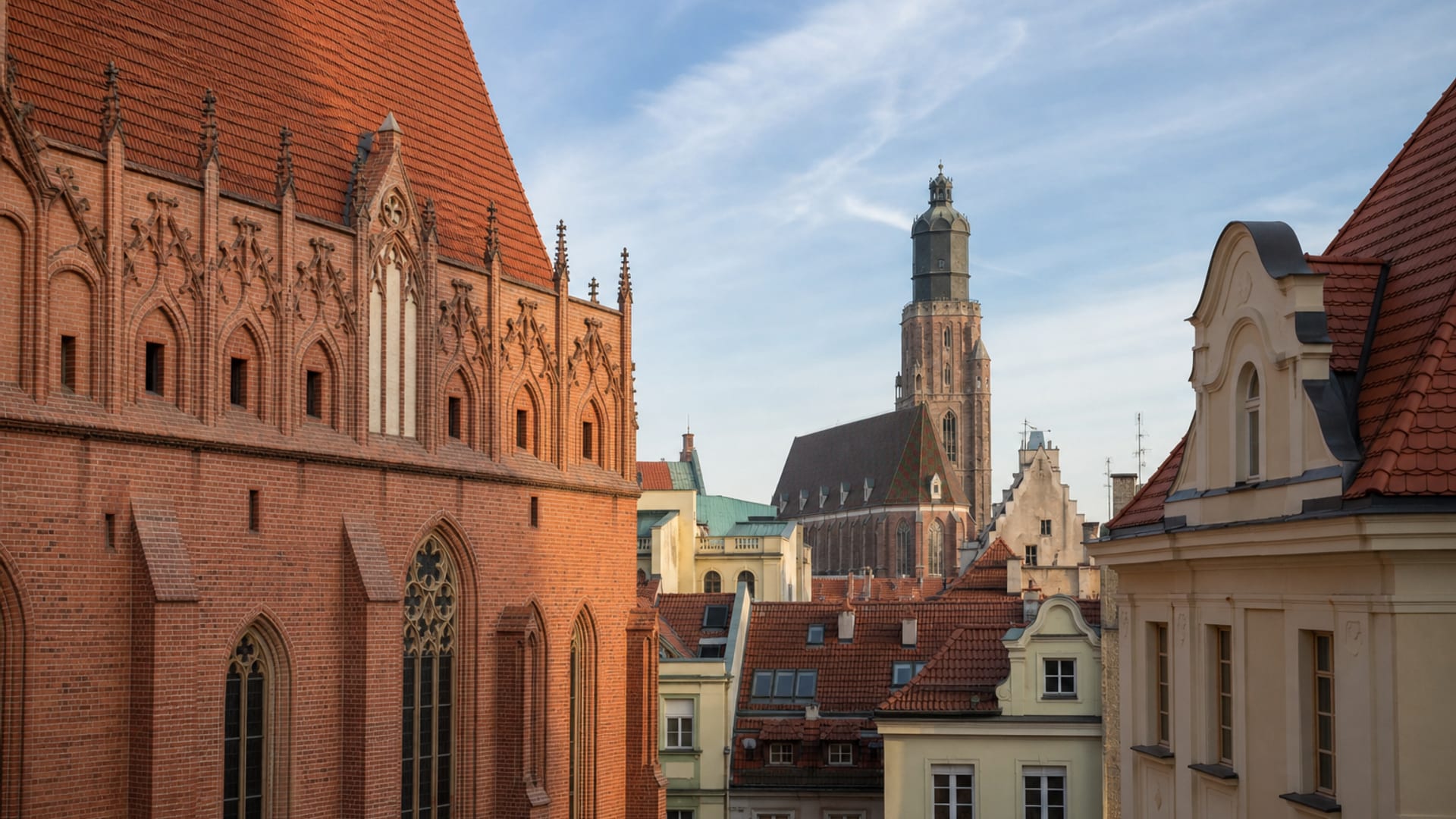
Start in the Wrocław Market Square, then spend 1 to 2 hours circling the colorful guild houses and the Old Town Hall before walking about 10 minutes to the Museum of Architecture for a compact indoor visit. From there, walk about 15 to 20 minutes to Cathedral Island, where the bridges, cobbled streets, and river views set it apart from the busier square. End with dinner back in the Old Town, or take a slow return walk after dark when the facades and lanterns stand out.
Spend a day on the eastern riverfront, starting with Centennial Hall, where the hall, Pergola, and Wrocław Multimedia Fountain fill about 2 to 3 hours. From the center, plan on about 20 to 25 minutes by tram or about 35 minutes on foot, then continue to Szczytnicki Park and the Japanese Garden, about 10 to 15 minutes on foot from Centennial Hall. Finish with a calm walk through the park paths before heading back toward Przedmieście Oławskie or the Old Town for dinner.
Begin with a morning on Cathedral Island, then walk about 20 minutes or take a short tram ride to Szczytnicki Park and the Japanese Garden for a slower stretch of green space. After lunch, return toward the center and spend the afternoon at the Museum of Architecture, about 10 to 15 minutes on foot from the Market Square, for 1 to 1.5 hours. If you still have energy, end the day with another pass through the Old Town side streets between the square and the river.
For the last day, start with a final stop at the Museum of Architecture if you want one more indoor visit, then walk or take a short tram ride into Nadodrze for café time and a look at the renovated townhouse streets. If shopping appeals to you, stay in the center and browse the streets off the Market Square, where small shops and galleries cluster close together. Keep the pace unhurried, then head back to your hotel with enough time to pack and check out without rushing.
Business-class flights from the US to Wrocław
No nonstop flights connect the US to Wrocław, so every route from either coast requires a stop at a European hub.
New York (JFK) to Wrocław (WRO)
LOT Polish Airlines, Lufthansa, KLM, Air France, and Turkish Airlines connect New York to Wrocław (WRO) with one stop, most often in Warsaw (WAW), Frankfurt (FRA), Munich (MUC), Amsterdam (AMS), Paris (CDG), or Istanbul (IST). The fastest connections take about 9 to 10 hours total, while most one-stop itineraries run 11 to 15 hours. Round-trip business-class fares typically start at about $3,700 and can reach about $6,800.
Los Angeles (LAX) to Wrocław (WRO)
Lufthansa, KLM, LOT Polish Airlines, and Scandinavian Airlines connect Los Angeles to Wrocław (WRO) with one stop, typically through Frankfurt (FRA), Amsterdam (AMS), Warsaw (WAW), or Copenhagen (CPH). Total travel time usually takes 14 to 18 hours. Round-trip business-class fares typically cost $4,200 to $7,500, with the longer transatlantic routings toward the top of that range.
Wrocław is made for wandering
A five-day Wrocław trip splits cleanly by area: the Market Square first, Cathedral Island for quieter evenings, then Centennial Hall and Szczytnicki Park as a separate riverfront day. Trams and short walks keep each day anchored to one part of the city, instead of doubling back across the same bridges more than once. Once your dates are set, AranGrant can help you find business-class flights and hotels that match the pace you have planned.







