

Chapters:

Need help with your trip?
Our support team is available 24/7. Request a callback or call us directly at (833) 619-0908
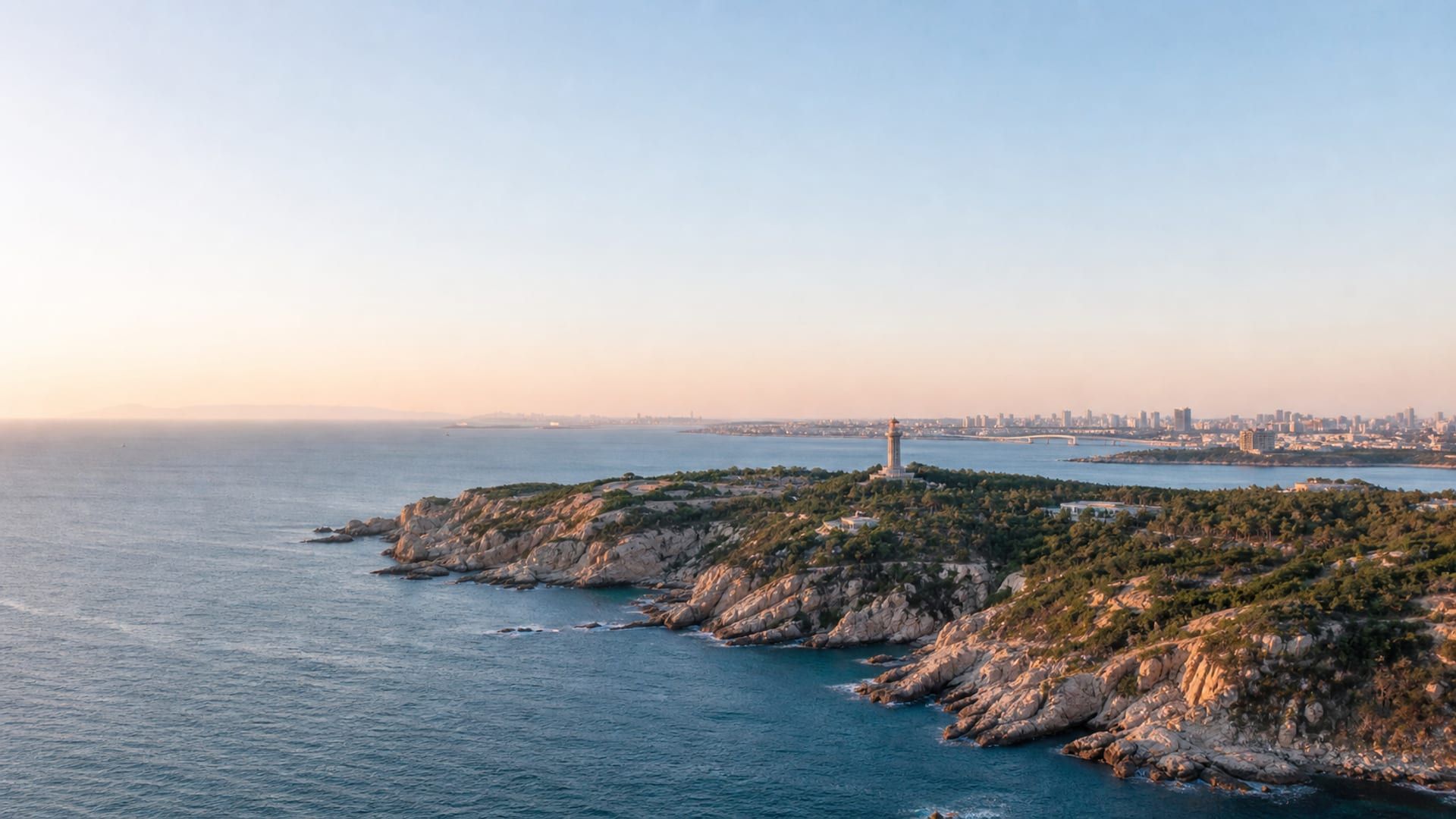
Weihai trips often start with a harbor hotel, a seawall walk, and one long outing to Liugong Island or Chengshantou. Travelers who stay only near the waterfront usually miss how much time the city takes to cross, and how quickly dinner options thin out away from the core.
That matters because the coast, the central districts, and the airport sit far enough apart that a casual plan can waste an afternoon in taxis or buses. Peak hours also cluster near the bay, so timing shapes the day as much as the sight line.
This guide sorts Weihai by base area, meal choices, seasonal timing, and day-by-day movement, so the trip stays tied to actual distances instead of guesses.
Useful things to know

Main language(s): Mandarin Chinese, Korean
Nǐ hǎo (nee how) – Hello
Qǐng (ching) – Please
Xièxie (shyeh-shyeh) – Thank you
Nǐ huì shuō Yīngyǔ ma? (nee hway shwoh ying-yoo ma) – Do you speak English?
Duōshǎo qián? (dwoh-shaow chyen) – How much does it cost?

Currency: The local currency is the Chinese yuan (CNY, ¥).

Cash and cards: Cards and contactless are accepted in larger hotels and shops, but carry about ¥200 to ¥400 ($28 to $56) in cash for smaller places.

Tipping: Tipping is not customary; round up small bills if you want to.

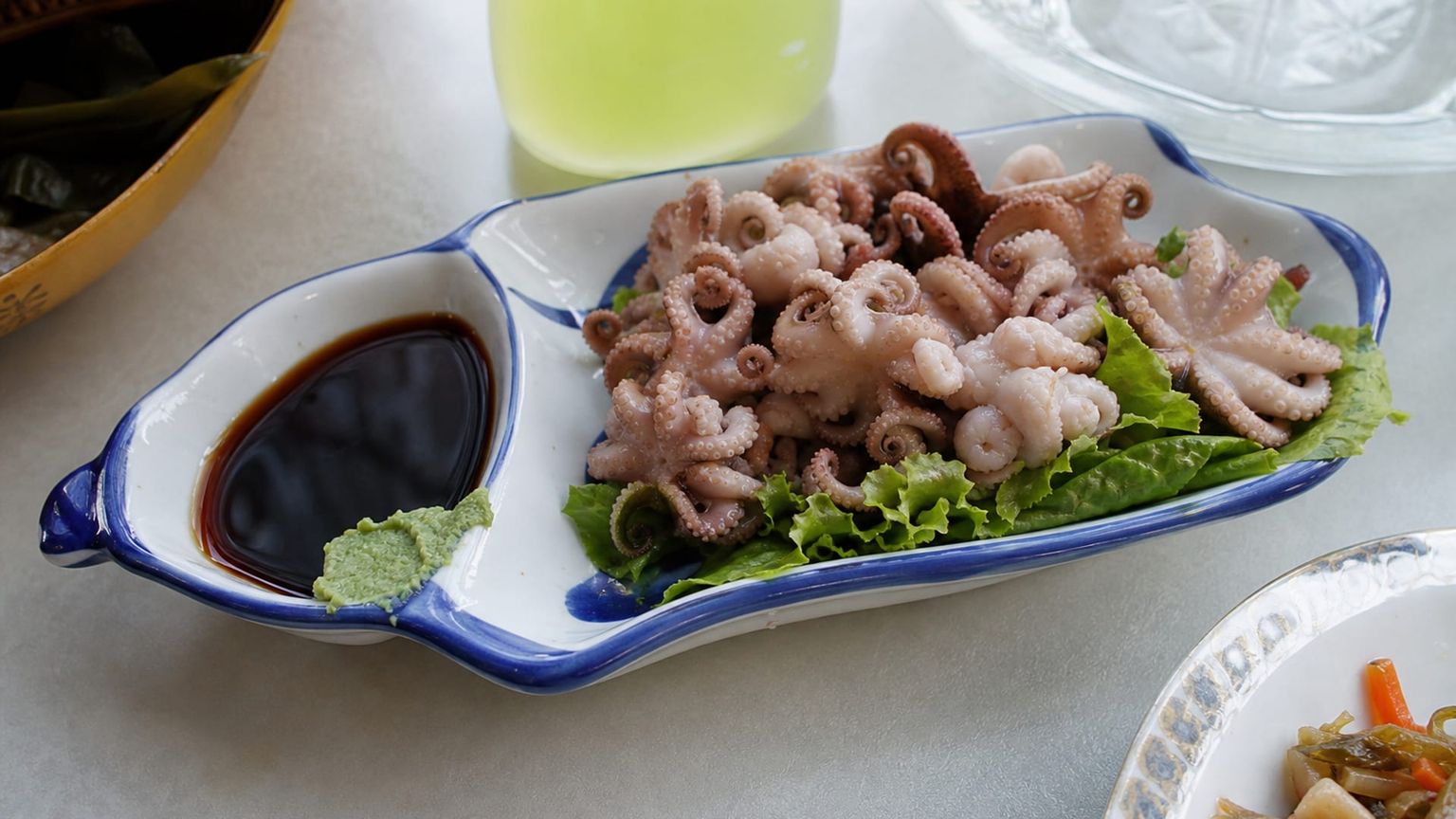
Traditional food: Haiyang oyster soup, scallion pancake, Weihai seafood dumplings, steamed abalone

Water and coffee costs: Water ~¥3 to ¥6 ($0.40 to $0.85), bar espresso ~¥18 to ¥30 ($2.50 to $4.20).

Taxis and ride apps: Didi operates here; keep a translation app ready for smaller drivers.

Plug and voltage: Type C/F socket, 220V

Dining and shop opening hours: Breakfast is about 07:00-09:00, lunch 12:00-13:30, and dinner 18:00-20:00. Many restaurants close between lunch and dinner.

Emergency number: Dial 110 for police, 120 for ambulance, and 119 for fire.
Where to stay in Weihai
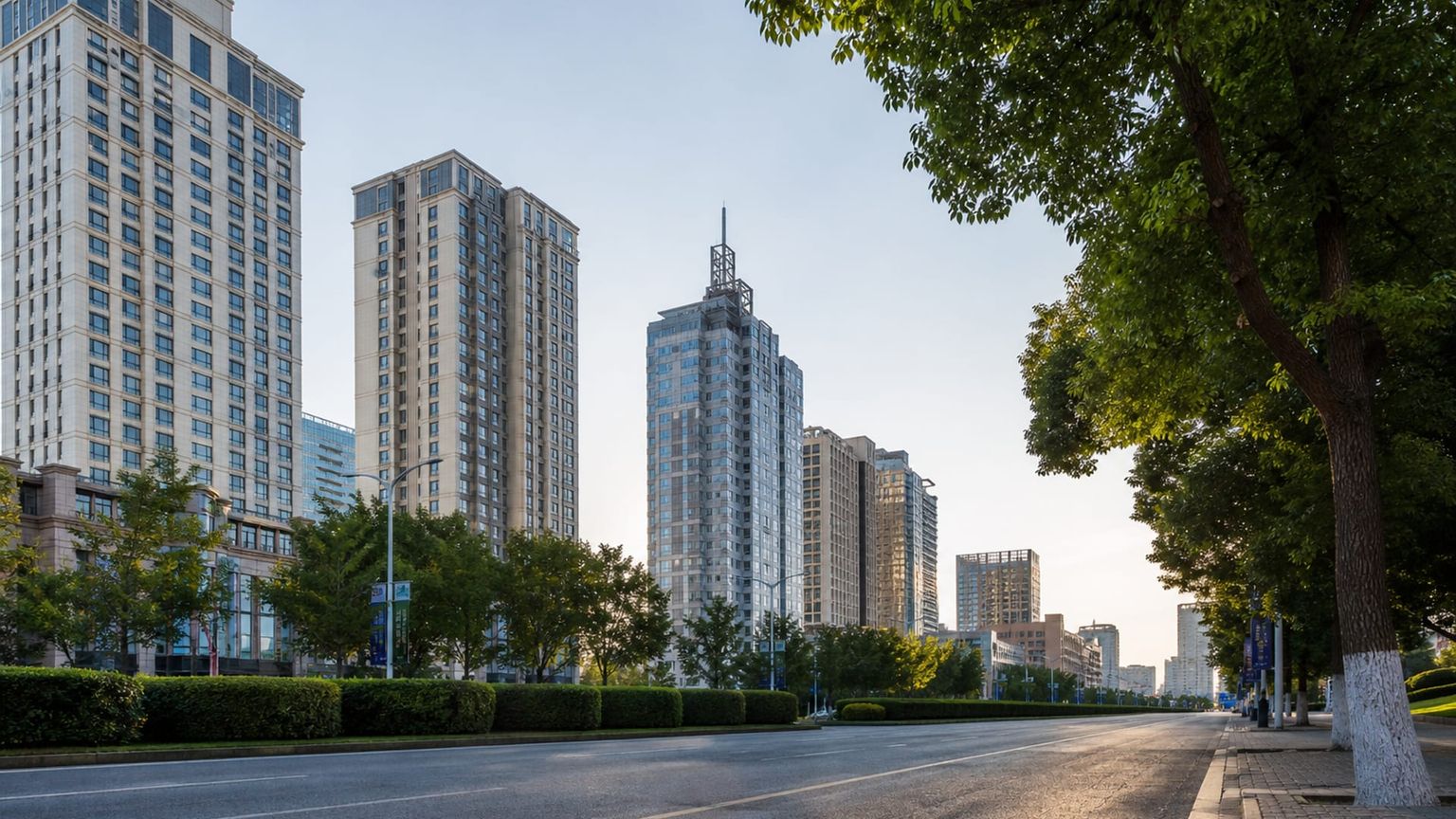
Huancui is Weihai’s core urban district, with the main shopping streets, government offices, and most full-service hotels. Staying here puts you close to transport links, restaurants, and the city’s everyday pace.
Best for: First-time visits, business trips, and travelers who want central access to dining and transport
What to expect: Busy streets in the day, with shopping traffic and office workers; evenings settle down after dinner.
Hotel prices: Usually about $45 to $110 per night for well-rated stays
Distance to major sights: About 15 to 25 minutes by transit to Weigao Plaza, about 20 to 30 minutes to Weihai Park
Quietness: Daytime is active and commercial, then nights are noticeably calmer on side streets
Main trade-off: You get the most convenience, but the area lacks the sea views and resort setting that define Weihai’s coast
Good to know: Choose this if you plan to move around the city often, since taxis and buses are easiest to arrange from here.
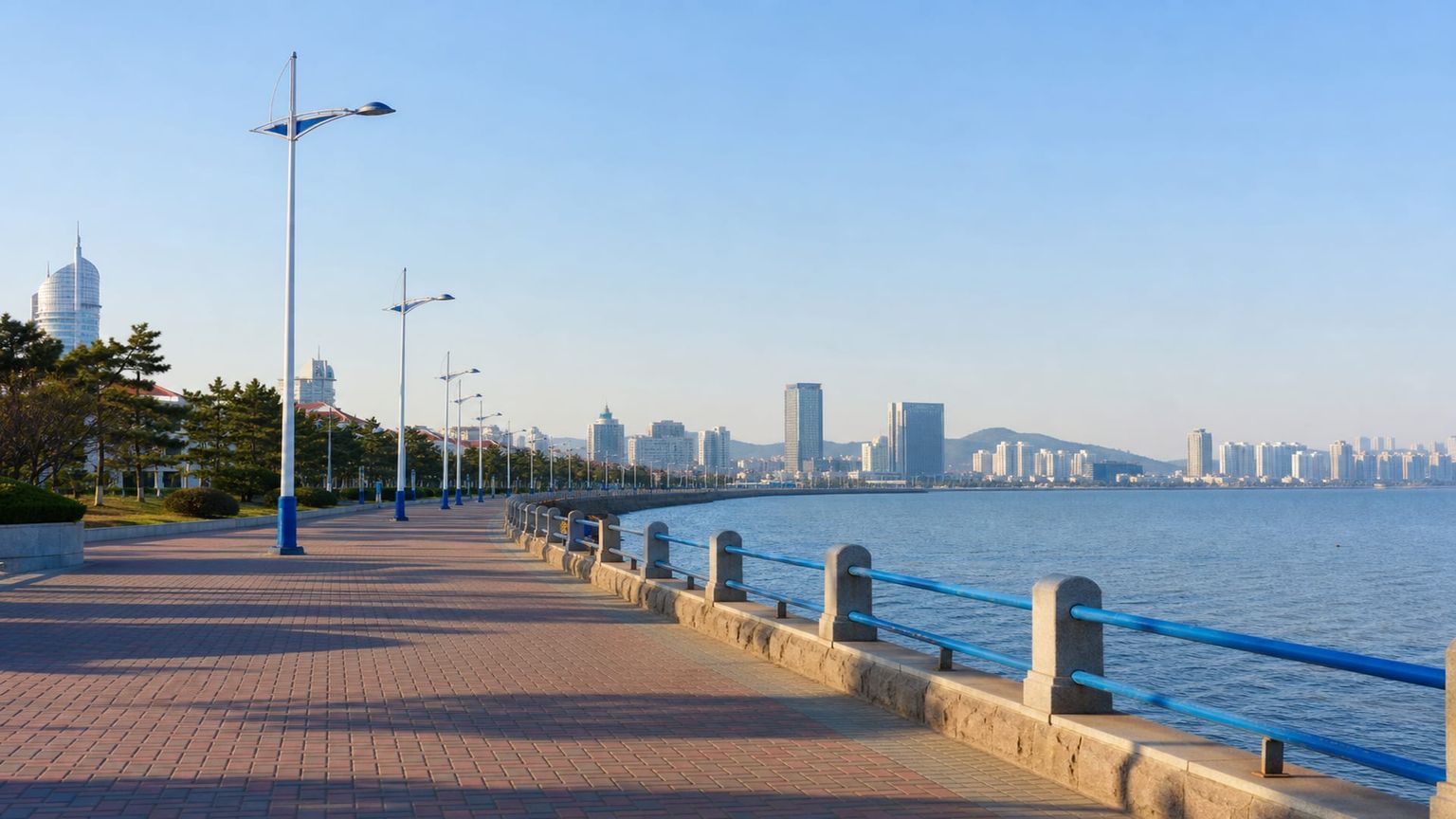
The Weihai Bay seafront lines the coast with promenades, hotels, and sea-facing apartments near the waterfront parks. It matters for visitors who want the ocean close at hand and easy access to sunset walks, ferry views, and photo stops.
Best for: Sea views, waterfront walks, and travelers who prefer a coastal base
What to expect: More visitors along the promenade, joggers, and families in the evening, especially near scenic overlooks.
Hotel prices: Usually about $60 to $150 per night for well-rated stays
Distance to major sights: About 10 to 20 minutes by taxi to Liu公 Island Ferry Terminal, about 15 to 25 minutes to Weihai Park
Quietness: Daytime is lively along the promenade, while late nights are generally quieter except near larger hotels
Main trade-off: Waterfront rooms cost more, and some stretches sit farther from the densest dining streets
Good to know: Book higher floors if you want less traffic noise, because the coastal road can stay active during peak sightseeing hours.
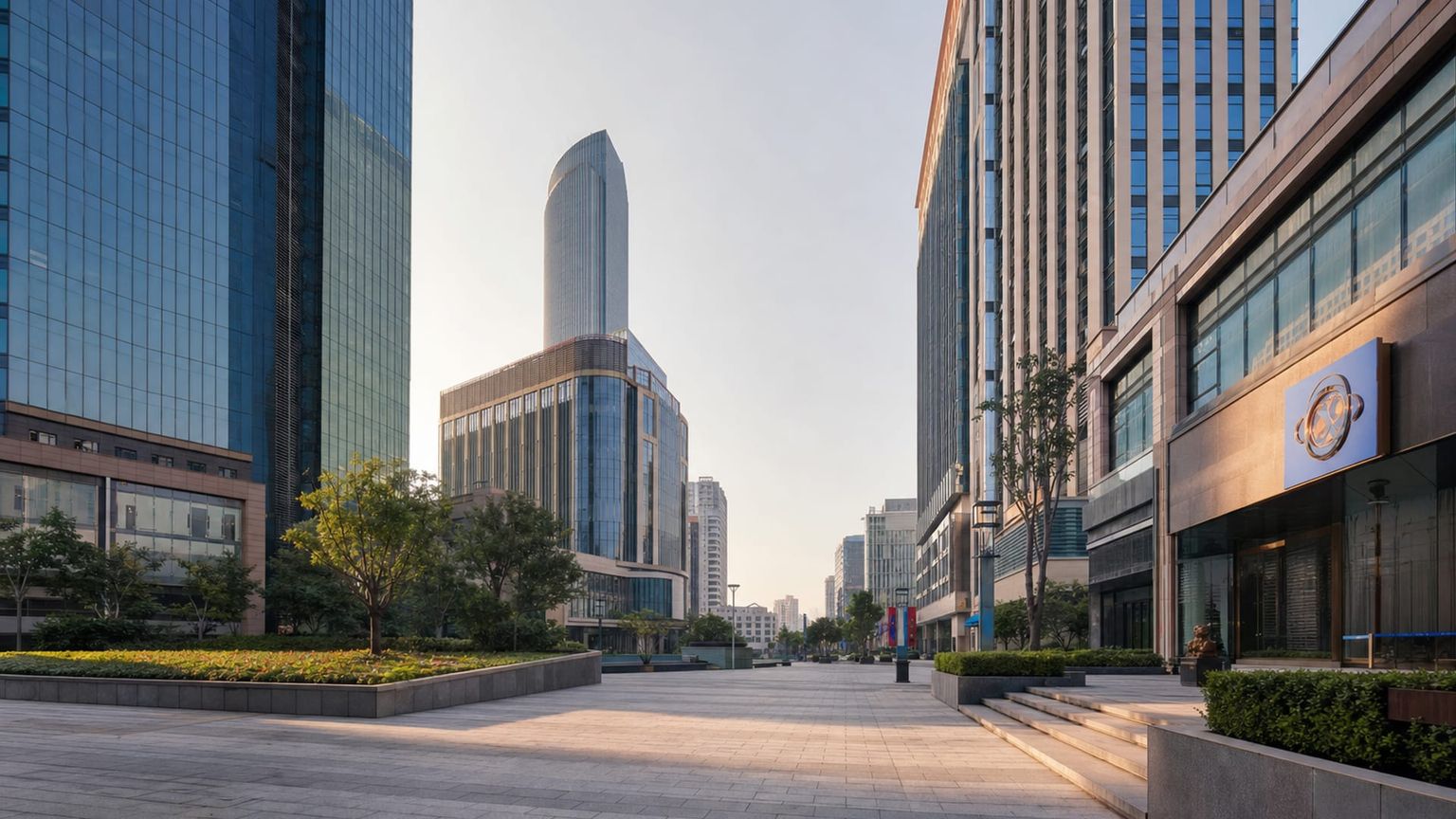
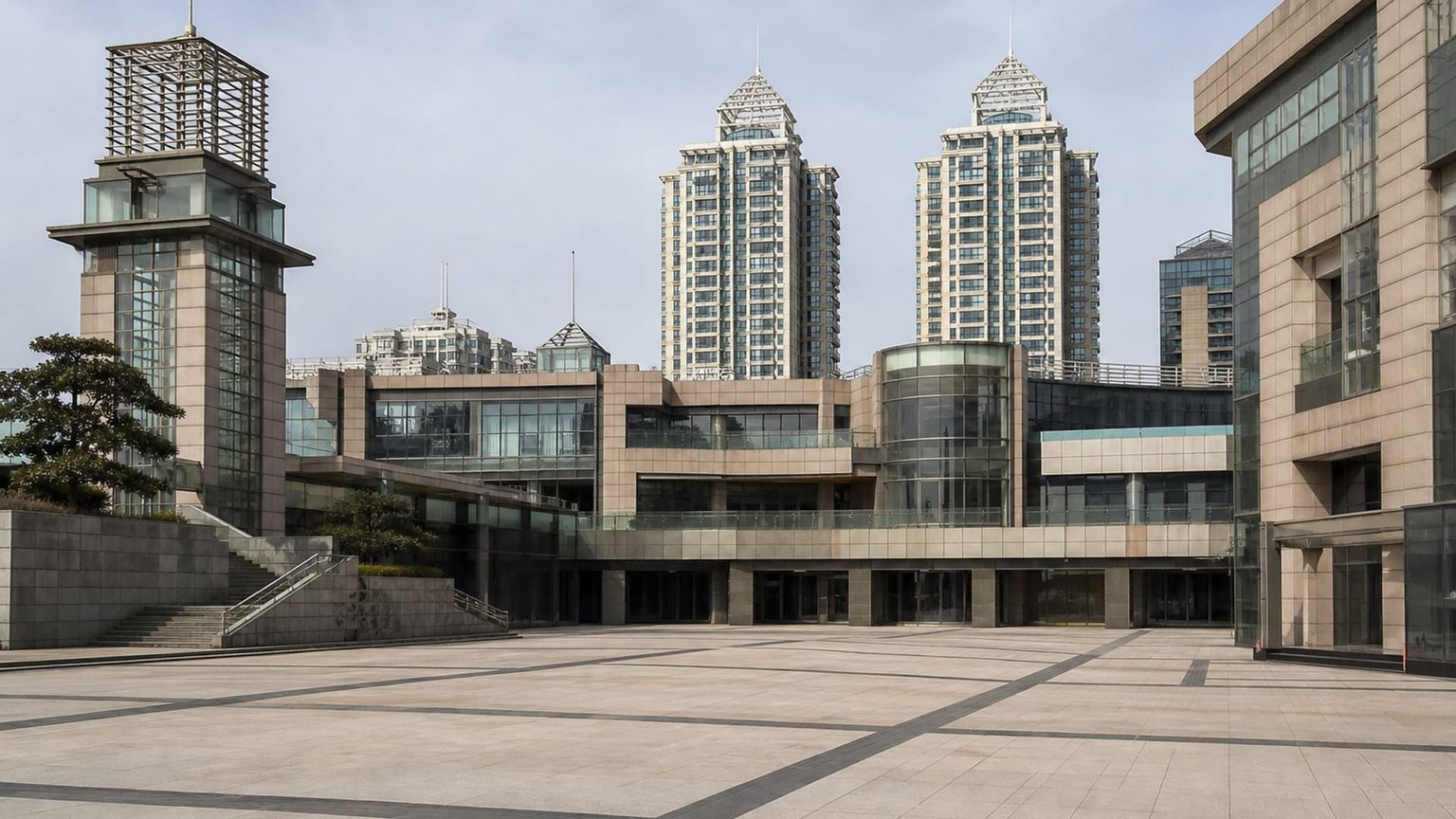
Weigao Plaza is one of Weihai’s main modern commercial zones, with malls, restaurants, cinemas, and larger hotels. It works well for visitors who want retail, chain dining, and easy evening options without leaving the central city.
Best for: Shopping, dining, and travelers who want easy access to modern amenities
What to expect: Heavy foot traffic around the mall and restaurant blocks, with the busiest scene after work and on weekends.
Hotel prices: Usually about $50 to $120 per night for well-rated stays
Distance to major sights: About 10 to 20 minutes by transit to Huancui Tower, about 20 to 30 minutes to Weihai Park
Quietness: Day and evening both stay busy near the plaza, while nearby residential blocks are calmer
Main trade-off: The area is convenient, but it has less character than the waterfront and can feel commercial after dark
Good to know: Pick a hotel one or two blocks off the plaza if you want easier sleep, since the main commercial streets stay bright and busy late.
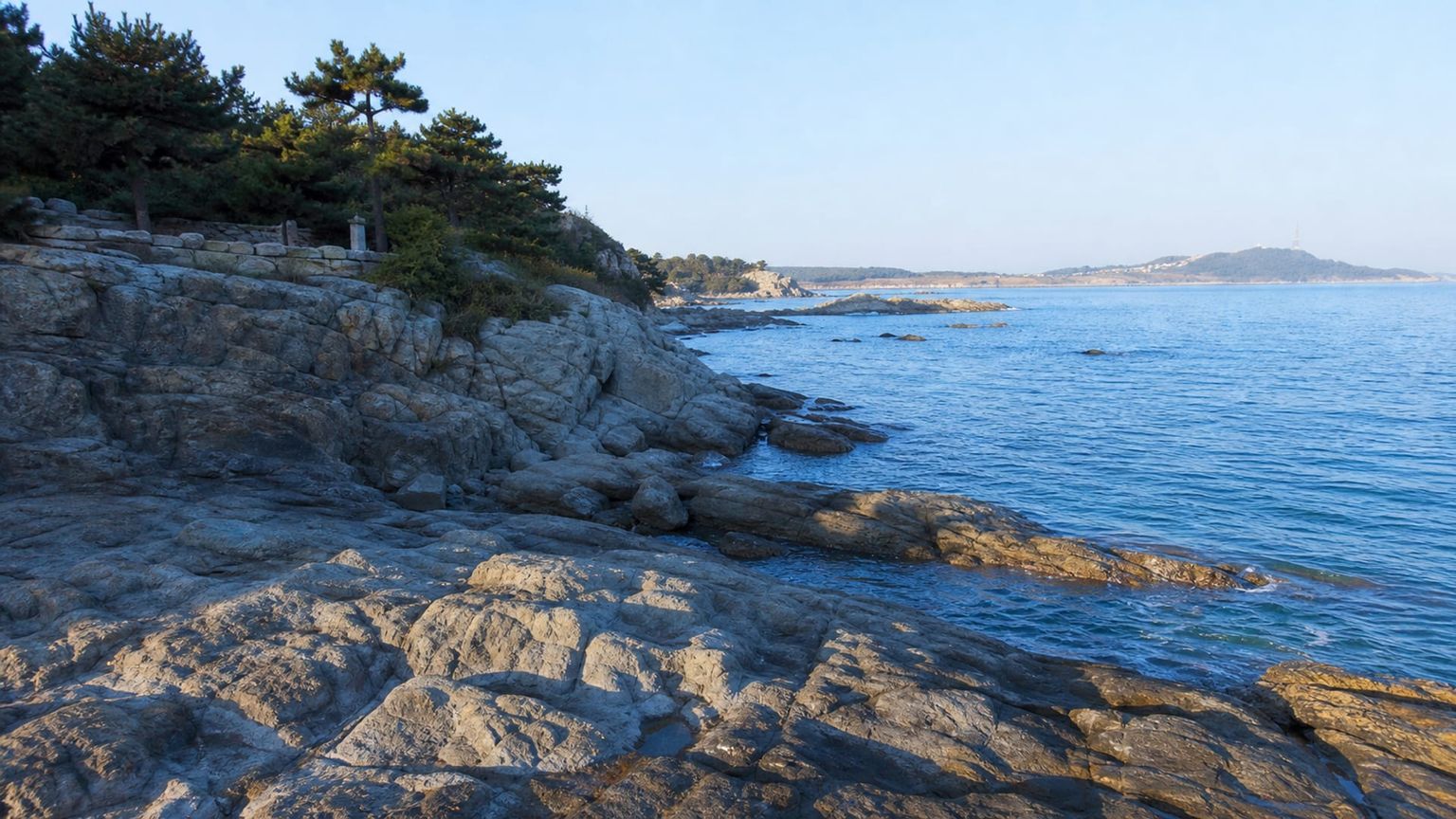
Shidao sits within Weihai’s wider city area on the coast, with beaches, seafood restaurants, and a more resort-like layout than the central districts. It matters for travelers who want a relaxed seaside stay and do not mind being farther from the city’s core.
Best for: Beach time, seafood dining, and travelers who prefer a resort-style coast
What to expect: Tourist activity centers on the shoreline, with a slower street scene and more local traffic than nightlife.
Hotel prices: Usually about $40 to $100 per night for well-rated stays
Distance to major sights: About 30 to 45 minutes by car to Weihai Park, about 25 to 40 minutes to Liu公 Island Ferry Terminal
Quietness: Days are active near the coast, while evenings turn quiet once diners and beachgoers leave
Main trade-off: You gain a more coastal setting, but you will spend more time reaching central Weihai attractions
Good to know: Stay here only if the sea matters more than being in the middle of the city, because late-night dining choices thin out after the beach area closes.
Travelers usually avoid Rushan City proper, which sits far from Weihai’s main coastal sights and adds long cross-city transit. Wendeng outer suburban districts are less convenient for a short stay because visitor amenities are sparse and evening taxis can be limited. Rongcheng’s inland townships are also a weak hotel base, since they are far from the main urban waterfront areas and public transport is less frequent after dark. Gaoqu industrial zones near the port are best skipped for lodging, because they have fewer restaurants and little to do on foot.
Hotel deals
How to get around Weihai efficiently
Weihai has no metro, so most visitors rely on buses, taxis, and short Didi rides to move between the airport, the waterfront, and central districts.

Metro
for longer distances
Weihai has no metro system, so your main rail option is the China Railway station network, which serves city-to-city trips rather than local neighborhood hops; for airport transfers, use bus or taxi instead.

Bus and tram
for convenience
Airport buses and city buses connect Weihai Airport (WEH) with the central districts, with tickets typically about $2 to $5 (CNY 15 to CNY 35), valid for the single ride you board; expect roughly 30 to 60 minutes to the main urban area, then use the wider bus network for coastal sights, the train station, and residential districts.

Taxi
for convenience or late hours
Licensed taxis use meters, with a flag fall of about $1 to $2 (CNY 8 to CNY 12) and city trips often costing about $6 to $18 (CNY 40 to CNY 130), while airport rides to central Weihai usually fall near $12 to $22 (CNY 85 to CNY 160); hail them at marked taxi stands or book through a local app, and most drivers accept cash and mobile payment.
*Prices are based on rates updated as of June 2026 and may change at the time of travel.
Use buses for the airport and longer point-to-point trips, taxis for direct coastal hops, and walking only when your hotel, dinner, and sightseeing cluster in the same district.
Iconic landmarks
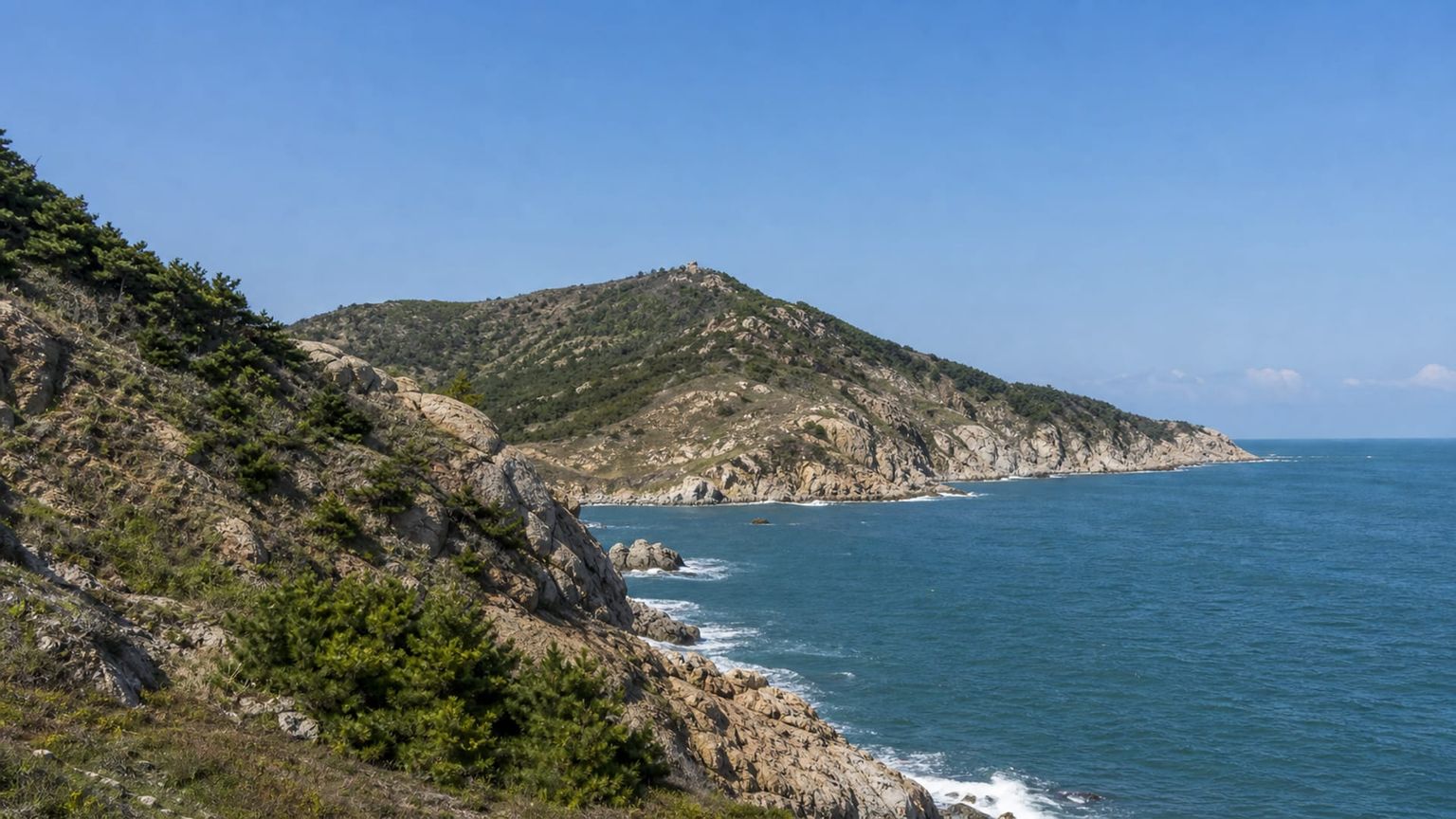
Chengshantou Scenic Area
At Weihai’s eastern tip, Chengshantou combines cliff paths, tidal rock platforms, and sea views over the Yellow Sea. The Head of Asia marker makes it one of the city’s signature coastal stops, with sunrise draws and weathered granite along the shore.
Time needed: About 2 to 3 hours
Entry: Tickets cost about $12 to $18 (about ¥85 to ¥130), with prices varying by season and package. Visit the official site for details.
Tip: Arrive near sunrise for the clearest views and cooler walking conditions.
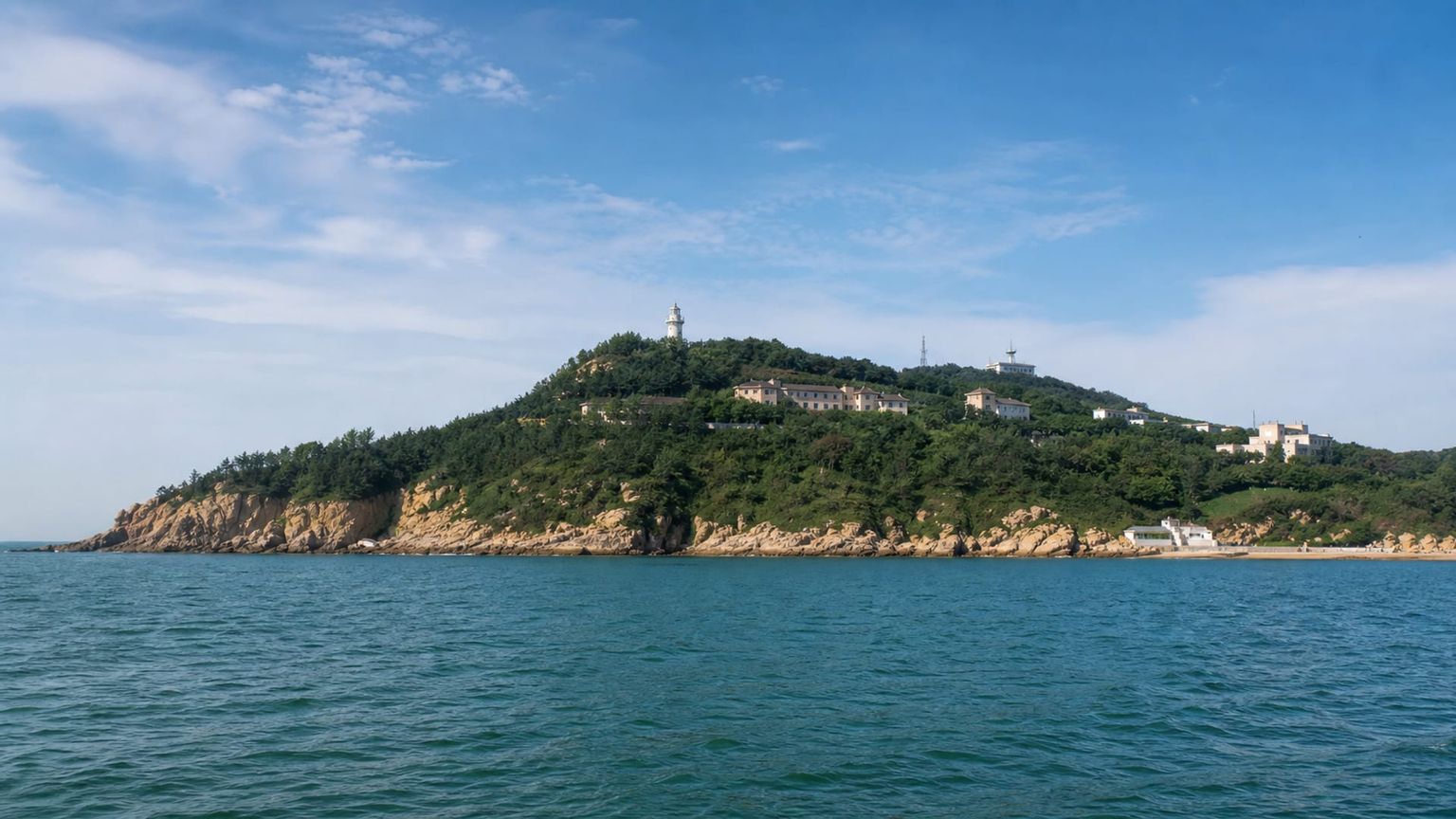
Liugong Island
Liugong Island sits in Weihai Bay and pairs pine-covered hills with naval history, including the Sino-Japanese War Museum and old German forts. Ferries make the visit feel distinct, and the island’s shoreline keeps the harbor in view throughout.
Time needed: About 4 to 5 hours
Entry: Tickets cost about $18 to $25 (about ¥130 to ¥180), including island access and round-trip ferry fares. Visit the official site for details.
Tip: Take an early ferry so you can see the museum before the afternoon return rush.
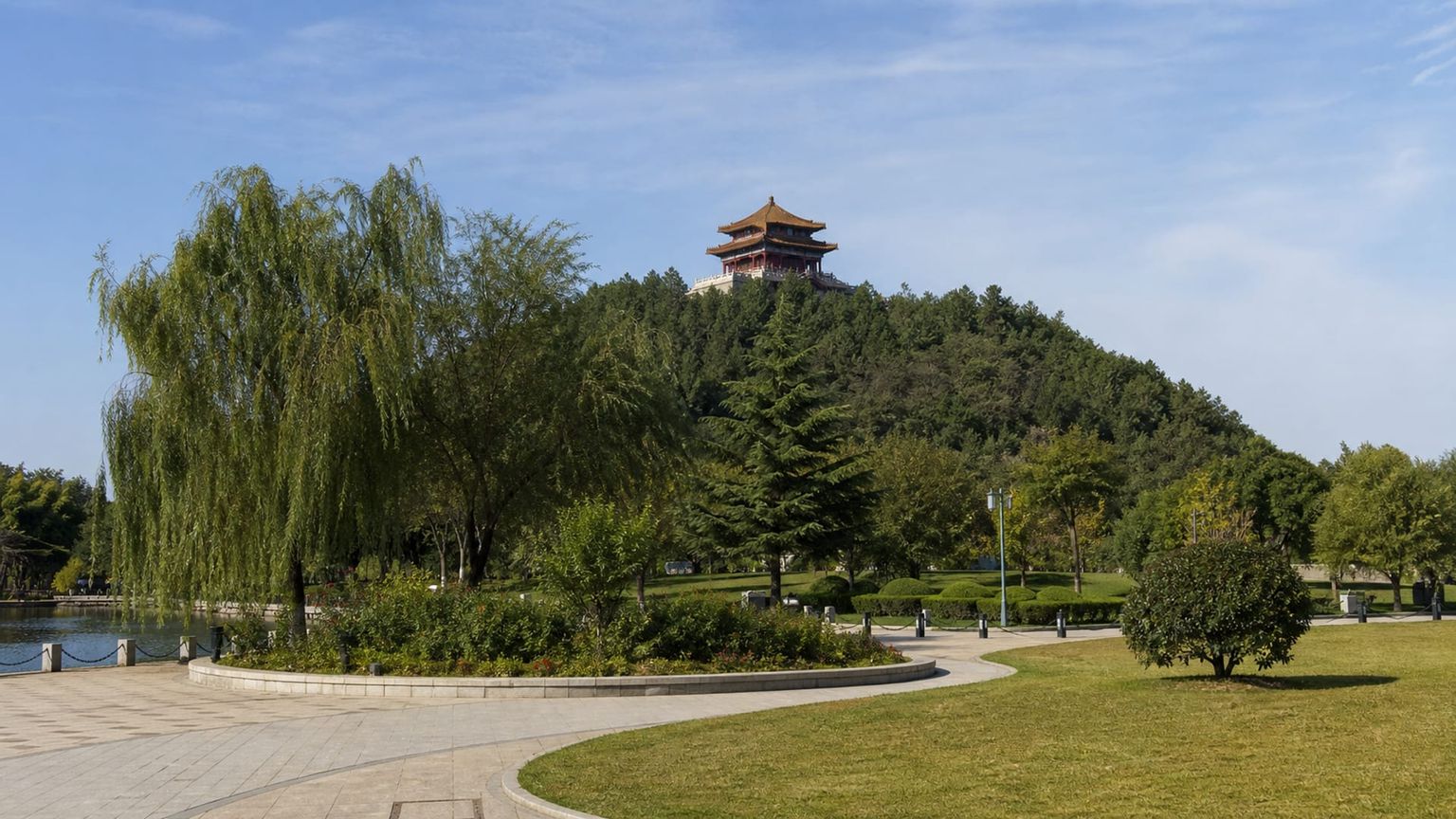
Weihai Park
Weihai Park stretches along the coast with sandy beach access, a long waterfront promenade, and views toward Weihai Bay. Locals use it for walking, cycling, and evening seaside time, while the open shoreline gives an easy break between city stops.
Time needed: About 1 to 2 hours
Entry: Free to access, with optional paid rentals and attractions inside the park varying by operator and season.
Tip: Visit near sunset, when the promenade is livelier and the bay light is strongest.
Overlooked sites worth visiting

Liugong Island National Forest Park
This island off Weihai Harbor pairs wooded paths with bay views, and ferries bring you to Qing-era forts, a naval museum, and shaded coastal walks. It suits a slow half-day outdoors.
Time needed: About 3 to 4 hours
Entry: Ferry and park access typically cost about $12 to $18 (approximately ¥85 to ¥130), with separate fees for some museums and shuttle rides inside the island area; prices vary by season and package.
Tip: Take the first ferry for cooler walks and clearer harbor light.

Weihai Huancui Tower
Huancui Tower sits on a hill in central Weihai, with a compact climb, city views, and a small temple complex that rewards a short stop. The visit is brief, but the hilltop setting opens up the skyline.
Time needed: About 1 hour
Entry: Admission is usually free to about $4 (approximately ¥0 to ¥30), depending on temporary exhibit or temple-area access rules. Some sections may close for maintenance, and any paid add-ons are posted at the gate.
Tip: Go near sunset for the clearest city and harbor views.
Traditional food
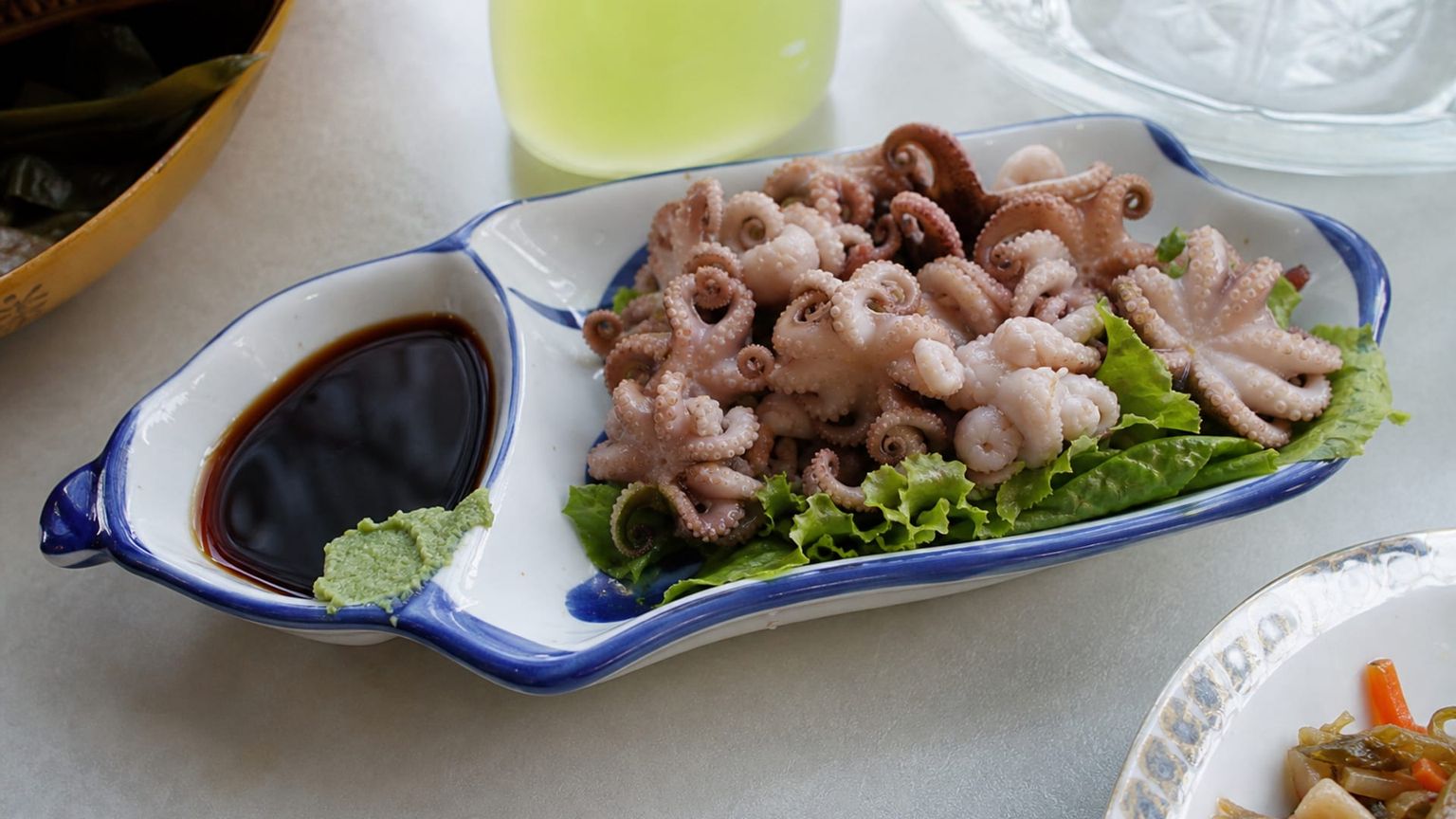
Weihai’s cooking leans hard on the sea, with oyster soup, seafood dumplings, abalone, and simple wheat dishes that support briny broths and scallion-heavy flavors. Meals often happen early, then quiet down before the next dinner window.
Haiyang oyster soup
This light seafood soup brings out the briny sweetness of local oysters, often with a clear broth that suits a simple lunch or early dinner. Laobian Dumpling Restaurant in Weihai is a strong canonical stop for it.
Scallion pancake
Crisp, layered, and built for breakfast or a snack between sightseeing stops, this is one of the city’s easiest wheat-based staples. Shandong-style breakfast shops in Huancui District, including Kongji Food Street eateries, handle it well.
Weihai seafood dumplings
These dumplings usually come packed with shrimp, fish, or mixed seafood, then served with vinegar and chili on the side. Weihai is a strong place for them, and Laobian Dumpling Restaurant is a dependable local reference.
Steamed abalone
Steamed abalone keeps the texture firm and the seasoning restrained, which suits Weihai’s coastal dining style. Huaxing Seafood Restaurant is a canonical choice for a seafood-focused meal in the city.
Best time to visit Weihai
Weihai changes most through wind, sea light, and humidity, so the best season depends on whether you want cooler capes, calmer promenades, or softer beach weather.
Best for: Capes, parks, and clear walking weather
What you get: About 41°F to 68°F (5°C to 20°C), with moderate crowds and a good balance of daylight and comfort
Trade-offs: Wind can make coastal walks feel cooler than the forecast suggests
Best for: Beach time, sunset promenades, and ferry days
What you get: About 68°F to 84°F (20°C to 29°C), with the heaviest visitor traffic along the coast and on ferry routes
Trade-offs: Heat and humidity build, especially on exposed waterfront paths
Best for: The most comfortable mix of city views and shoreline walks
What you get: About 48°F to 72°F (9°C to 22°C), with moderate crowds and clear air after the peak summer period
Trade-offs: Evenings cool quickly, so layers help after sunset
Best for: Quiet streets and low-key sightseeing
What you get: About 21°F to 39°F (-6°C to 4°C), with light crowds and shorter outdoor windows
Trade-offs: Cold wind can limit long waterfront stays
A realistic 5-day plan in Weihai
A five-day Weihai stay works best when the coast sets the pace and the central districts handle meals, transfers, and an easier final day. The plan below keeps island ferries, capes, and city viewpoints in a sequence that fits the actual geography.
Land at Weihai Dashuibo Airport (WEH), then take a taxi to Huancui District center, which usually takes about 40 to 50 minutes and costs about $13 to $20 (about ¥95 to ¥145). Check into a hotel near Weigao Plaza or the Huancui District center so dinner and late-night transit stay simple, then settle in with water, a short walk for fresh air, and an early seafood meal or noodle shop on the nearby commercial streets.
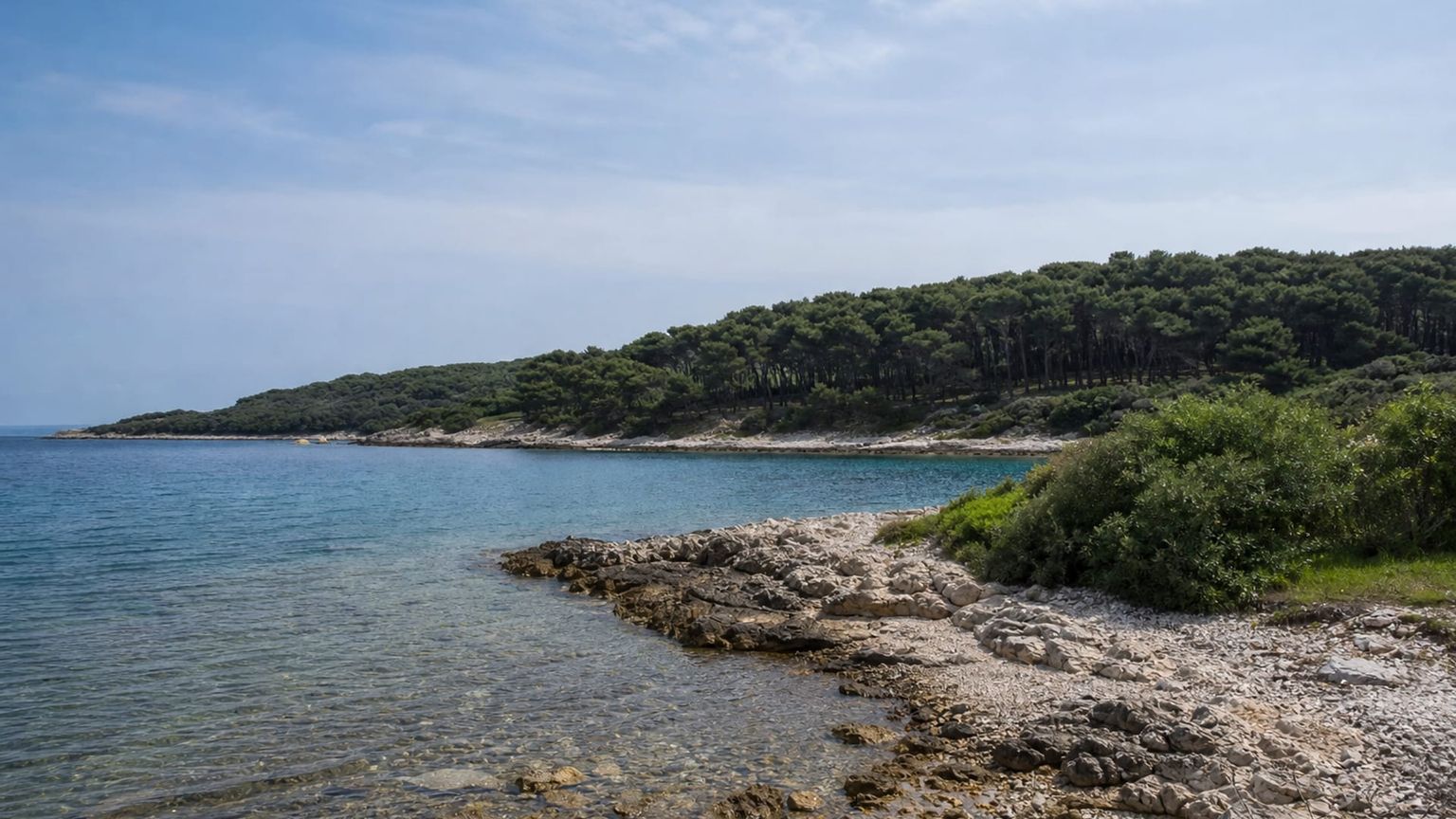
Start early with Liugong Island, where the ferry ride and harbor crossing set up the day, and plan about 4 to 5 hours for the island visit. From the Weihai Bay seafront, reach the ferry terminal by taxi in about 10 to 20 minutes, then spend the late afternoon at Weihai Park, which is about 15 to 25 minutes by taxi from the seafront. Stay for sunset on the promenade, then have dinner near the waterfront or back in Weigao Plaza for broader restaurant choice.
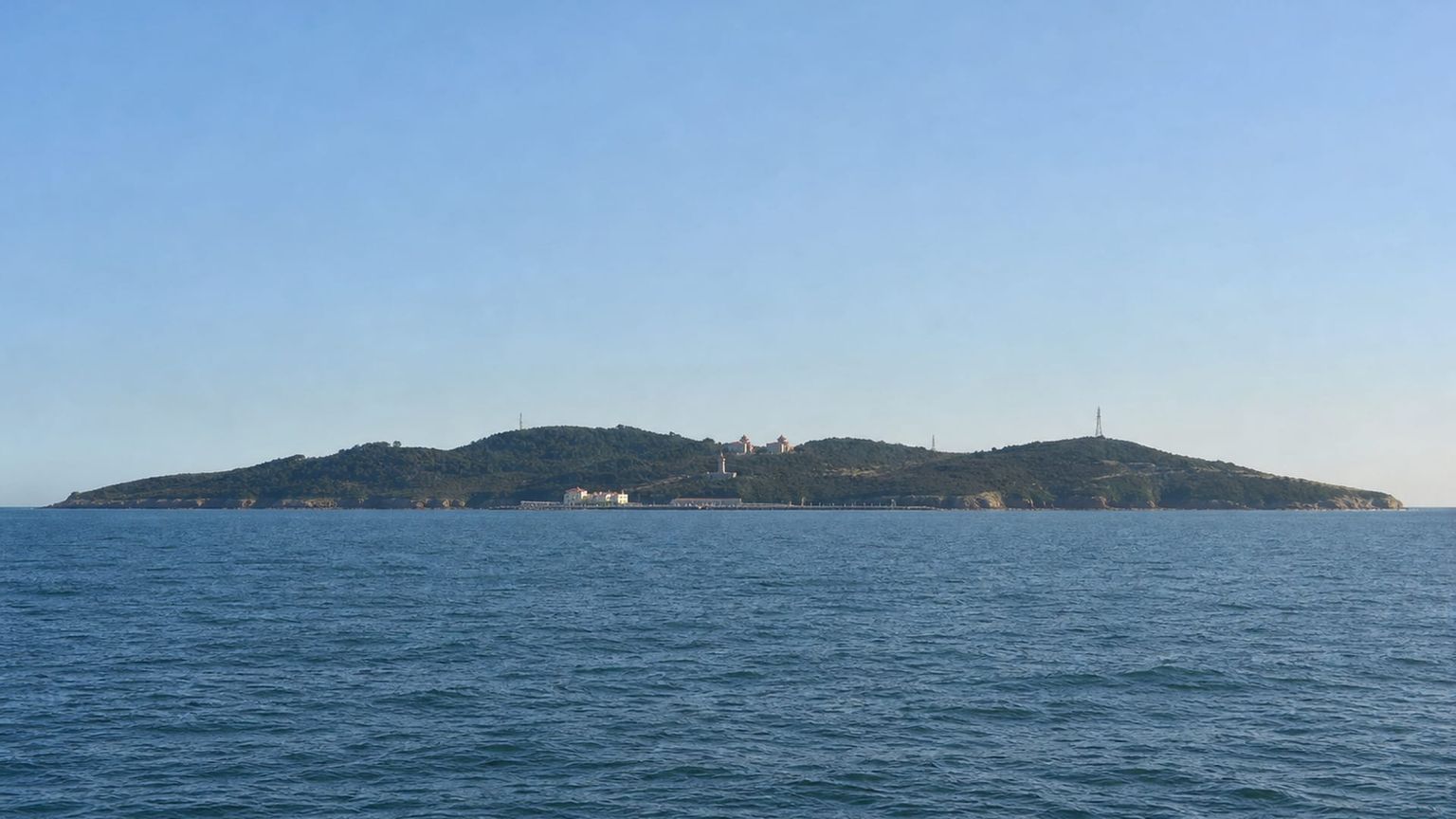
Head east at sunrise for Chengshantou Scenic Area, since the capeside light and cooler air suit the cliff paths; the visit takes about 2 to 3 hours. After that, return toward the city for lunch and continue to Weihai Huancui Tower, a short hill climb of about 1 hour with wide central-city views. In the evening, return to the Weigao Plaza area, where taxis and buses are easy to find, and choose a casual dinner in the mall district.
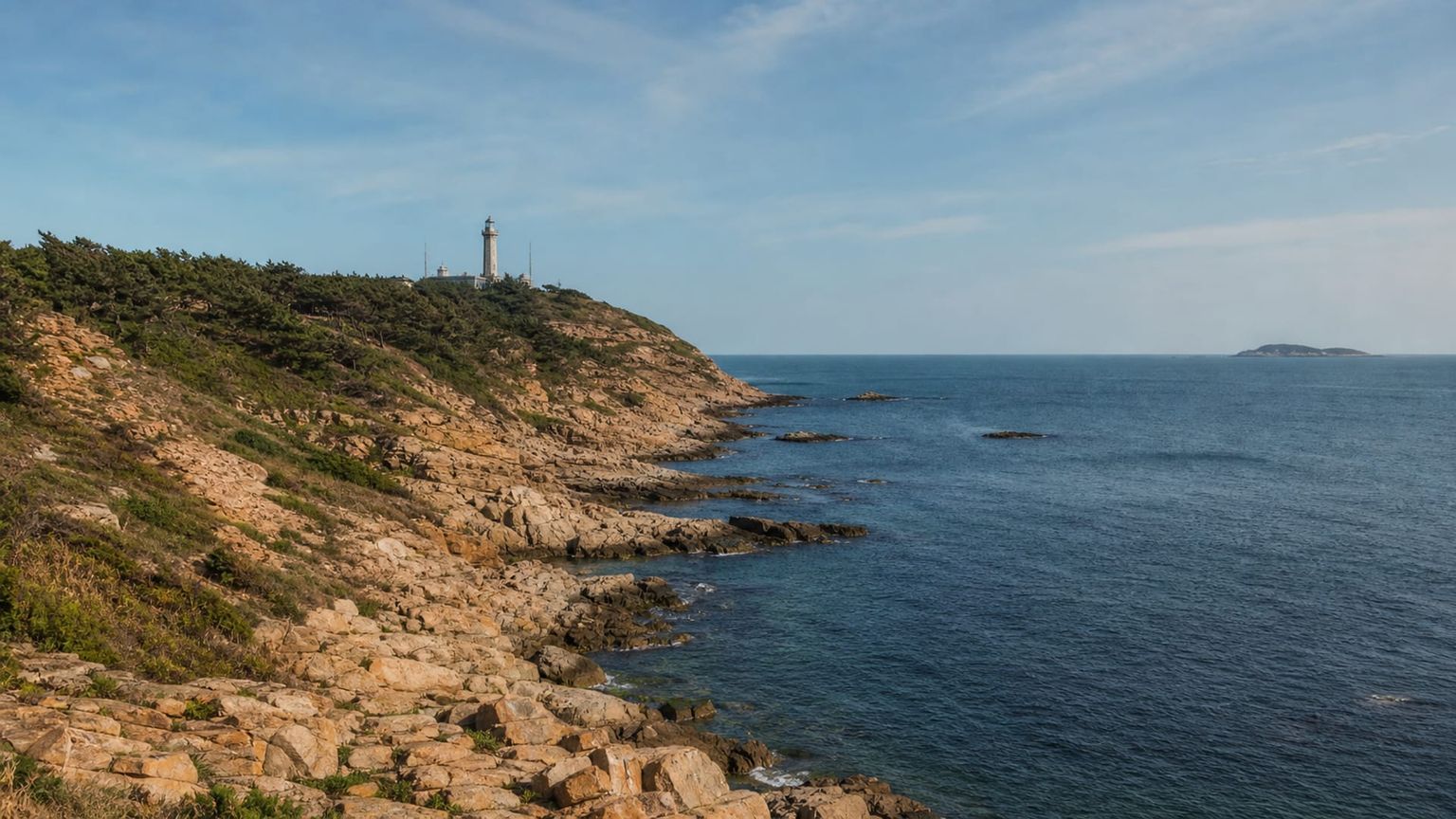
Begin with Liugong Island National Forest Park, taking the first ferry for cooler walks and calmer harbor light, then spend about 3 to 4 hours on the wooded paths, forts, and museum stops. After you return to shore, move to Weihai Park for an easy coastal pause, which is about 15 to 25 minutes away by taxi from the ferry area, and finish with a slow dinner in the Weihai Bay seafront zone so you can watch the water after dark.
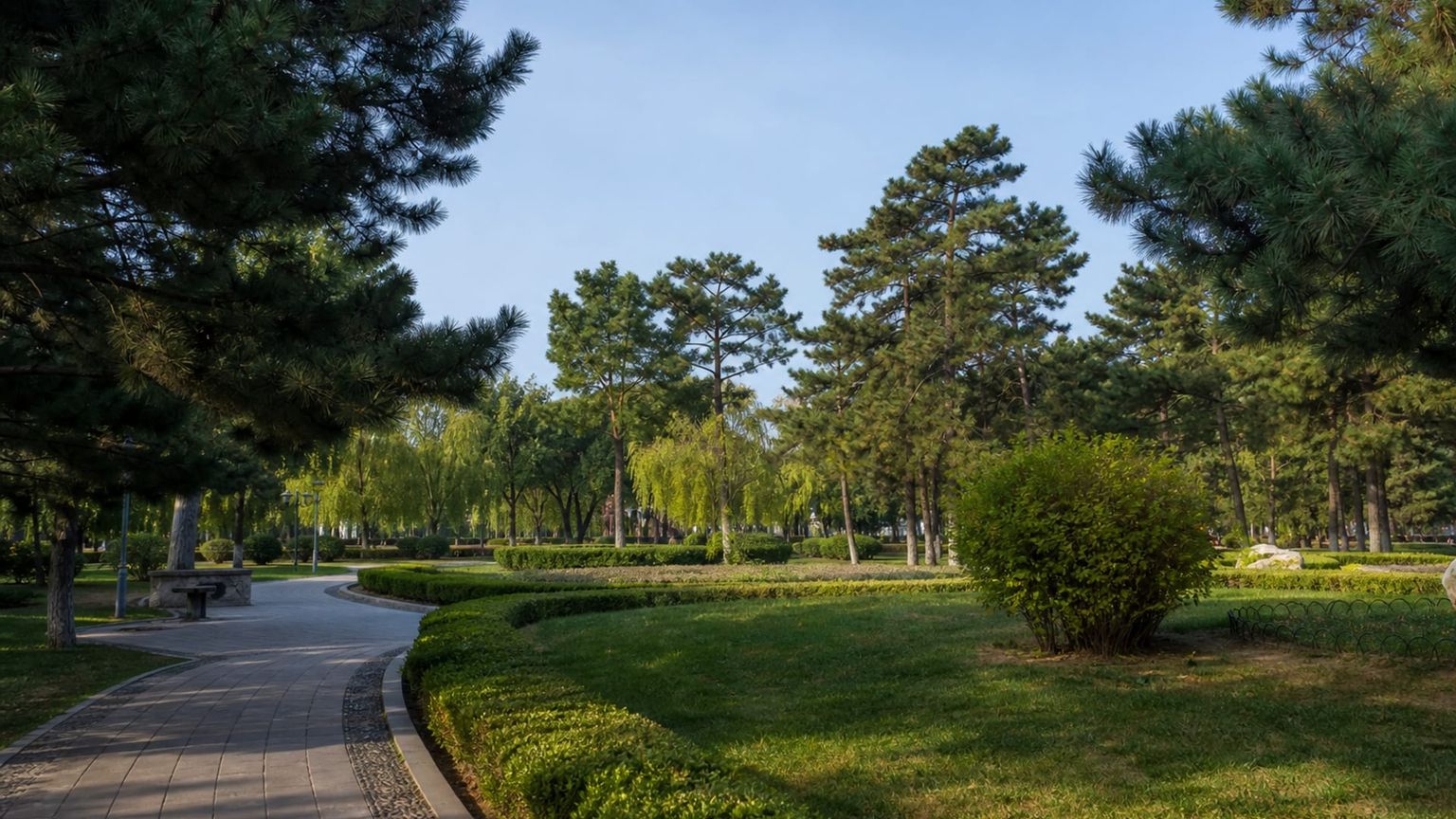
For the last day, start with a short visit to Weihai Huancui Tower if you want one more city view, then shift into shopping and coffee time at Weigao Plaza, where the mall blocks and restaurant streets keep the schedule easy. If you prefer a quieter finish, sit for a café break in Huancui District center before heading to the airport, and allow about 40 to 50 minutes by taxi from central Weihai to Weihai Dashuibo Airport (WEH).
Business-class flights from the US to Weihai
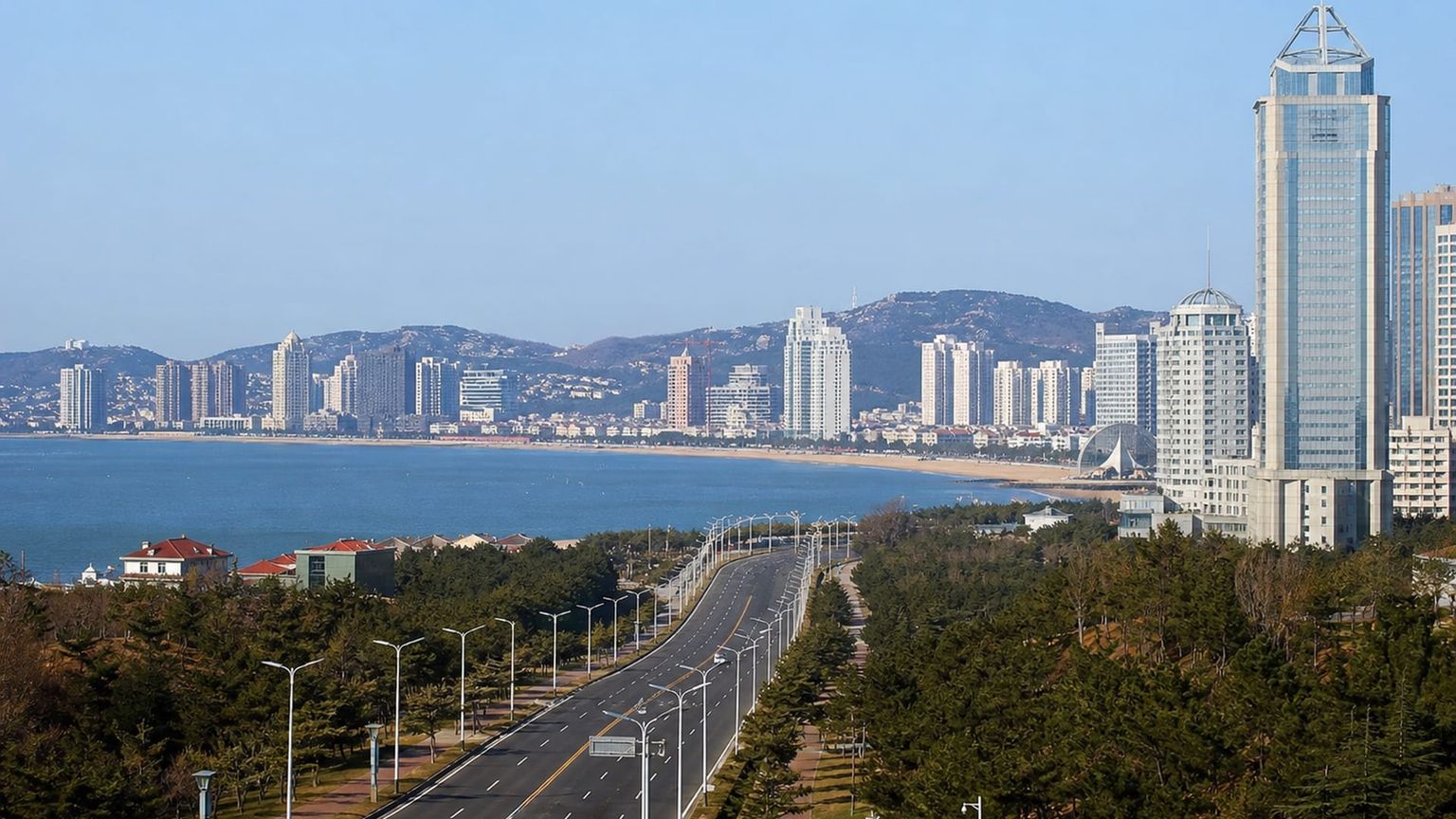
Reaching Weihai from the US usually means a one-stop trip, so routing and layover length matter more than the airline name alone. The two examples below show how East Coast and West Coast departures usually differ.
From New York, China Eastern Airlines, Air China, Korean Air, Asiana Airlines, Cathay Pacific, and Turkish Airlines appear on common itineraries, with total journey times of roughly 17 to 23 hours. Frequent hub options include Beijing (PEK), Seoul (ICN), Hong Kong (HKG), Istanbul (IST), and Shanghai (PVG), and round-trip fares usually start at $4,200 and reach about $8,500.
Los Angeles flyers usually see China Airlines, Korean Air, China Eastern Airlines, Air China, and Cathay Pacific on itineraries that run about 14 to 20 hours. Layovers often connect through Taipei (TPE), Seoul (ICN), Hong Kong (HKG), Shanghai (PVG), or Beijing (PEK), and round-trip fares range from $3,800 to about $7,600.
Weihai feels different when you slow down
A good Weihai trip follows the map, not just the shoreline: Huancui District for dinners and taxis, Liugong Island for history, Weihai Park for dusk, and Chengshantou for an early capeside start. Once you plan around ferry times, taxi distances, and the city’s early meal hours, the days fit together cleanly. If you want a Weihai itinerary shaped around the bay and the central districts, AranGrant experts can help build it







