

Chapters:

Need help with your trip?
Our support team is available 24/7. Request a callback or call us directly at (833) 619-0908
Vilnius often begins with the Old Town, a tower view, and one meal of cepelinai, then slips into a short list of highlights before departure. Travelers sometimes miss how much the city changes block by block, from cathedral square to river paths and residential streets.
That simple loop can leave gaps, because Vilnius rewards walking routes that connect places with very different pace and scale. Distances stay manageable, but a few hills, transit hops, and wider neighborhood spreads can make timing matter more than the map suggests.
This guide keeps the center in focus while adding Užupis, the Hill of Three Crosses, food stops, airport transfers, and a day-by-day plan that fits the city’s actual layout.
Useful things to know

Main language(s): Lithuanian
Labas (LAH-bahs) – Hello
Prašau (PRAH-show) – Please
Ačiū (AH-choo) – Thank you
Ar kalbate angliškai? (ahr KAL-bah-teh ahng-lee-SHKAH-ee) – Do you speak English?
Kiek kainuoja? (kyek ky-noh-YOH-ah) – How much does it cost?

Currency: The local currency is the euro (EUR, €).

Cash and cards: Cards and contactless are widely accepted; keep about €20 to €40 ($22 to $43) in cash for small purchases and taxis.

Tipping: Round up small bills; leave 5-10% in restaurants if service is good.

Traditional food: Cepelinai, cold beet soup, kugelis, Lithuanian rye bread

Water and coffee costs: Water ~€1.50 to €2 ($2 to $2.50), bar espresso ~€2 to €3 ($2 to $3.50).

Taxis and ride apps: Bolt and Uber operate here; taxis are also easy to find.

Plug and voltage: Type C/F socket, 230V

Dining and shop opening hours: Breakfast is about 07:00-10:00, lunch 12:00-15:00, and dinner 18:00-21:00. Some places close earlier on Sundays.

Emergency number: 112 for police, fire, and medical emergencies.
Where to stay in Vilnius

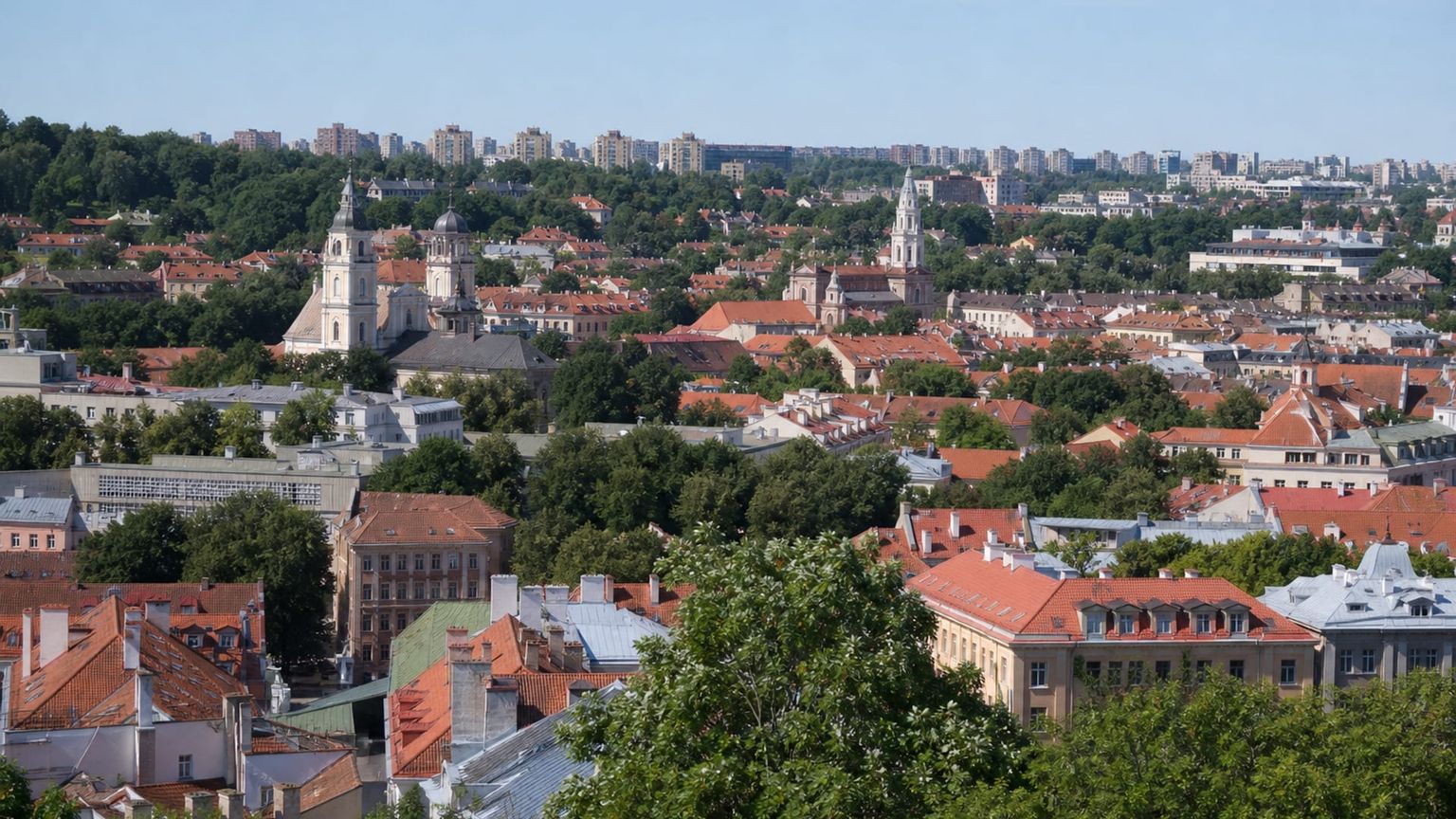
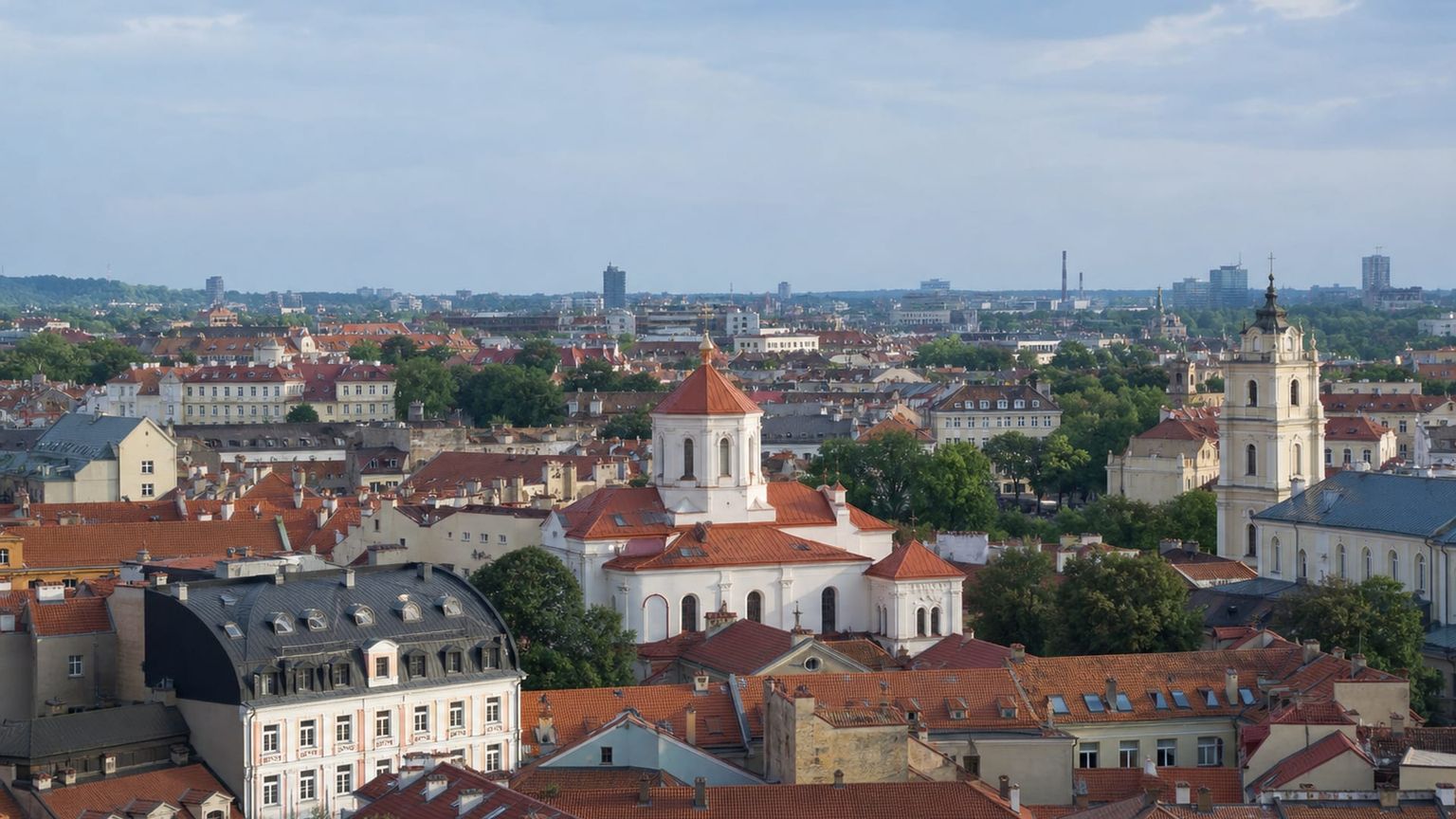
Vilnius Old Town is the historic core, a UNESCO-listed maze of Baroque churches, narrow lanes, and courtyards. Staying here puts you closest to the main sights, from Cathedral Square to Gediminas Hill, with cafés and restaurants that keep the area active into the evening.
Best for: First-time visits, sightseeing, and travelers who want to walk to the main landmarks
What to expect: Cobblestone streets, constant foot traffic by day, and a busy restaurant scene after dark.
Hotel prices: Usually about €90 to €180 (~$98 to ~$196) per night for well-rated stays
Distance to major sights: 5 to 15 minutes on foot to Cathedral Square and Gediminas Tower
Quietness: Livelier by day and evening, with late-night noise on main streets and squares
Main trade-off: You pay more here, and some rooms face narrow streets that can carry street noise late into the evening.
Good to know: Choose a room away from the main nightlife streets if you want better sleep; many buildings are historic, so elevators and larger layouts are not guaranteed.
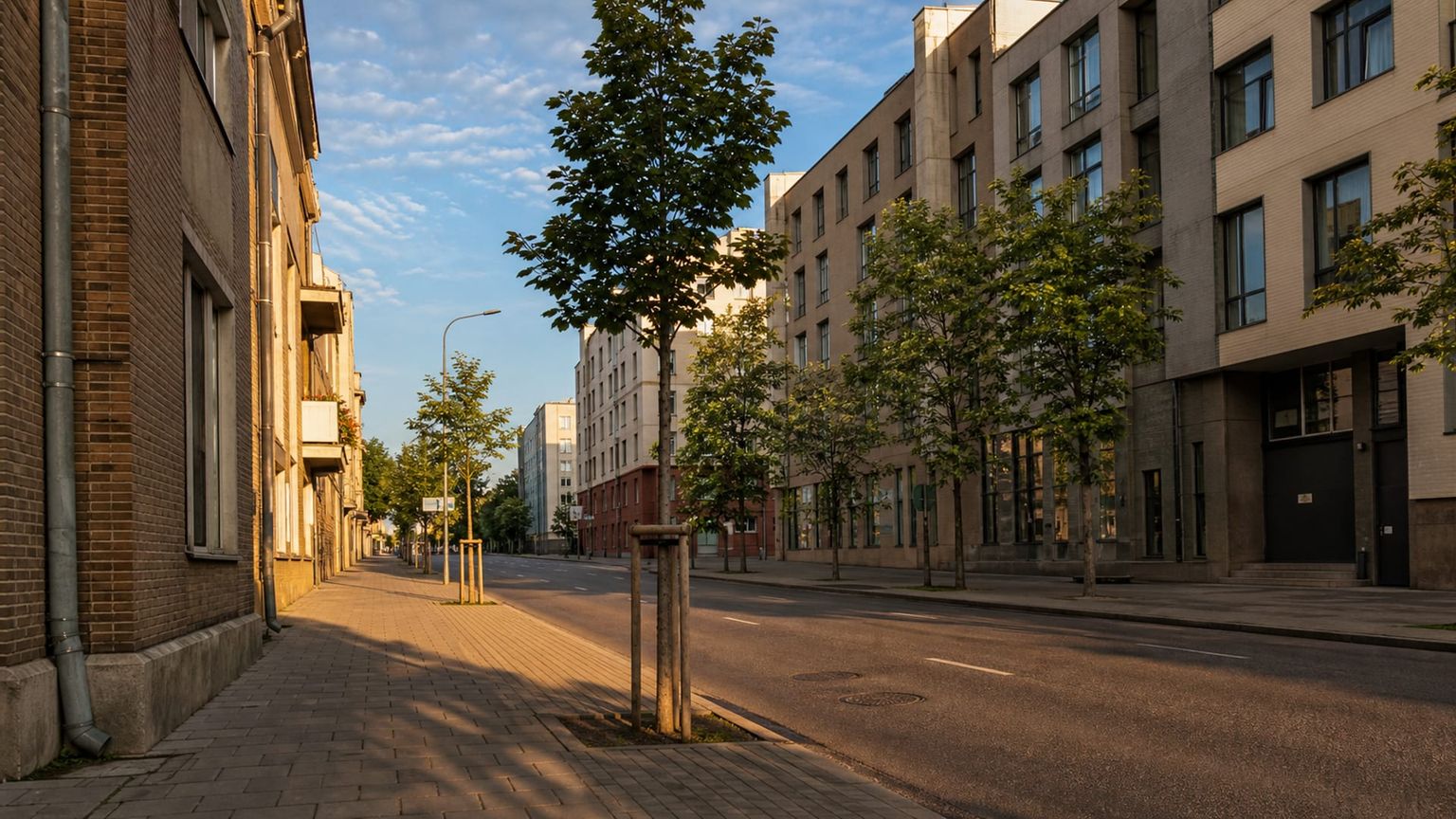
Naujamiestis sits just south of the center and combines apartment blocks, creative spaces, and a growing number of bars and restaurants. It works well if you want quick access to the Old Town without paying the highest central rates, while staying near Vilnius Station and bus links.
Best for: Mid-range stays, transit access, and travelers who prefer a local neighborhood close to the center
What to expect: Mixed residential streets, busier avenues near the center, and a moderate evening scene near dining strips.
Hotel prices: Usually about €60 to €120 (~$65 to ~$131) per night for well-rated stays
Distance to major sights: 10 to 20 minutes on foot to the Old Town, about 10 minutes by transit to Cathedral Square
Quietness: Quieter on side streets, with more traffic and late activity near major roads and nightlife spots
Main trade-off: You may need a short walk or ride for the most scenic parts of the city, and some blocks feel less historic than the center.
Good to know: Check the exact address, since a stay near the station or on a main road can be noisier than a place tucked deeper into the neighborhood.
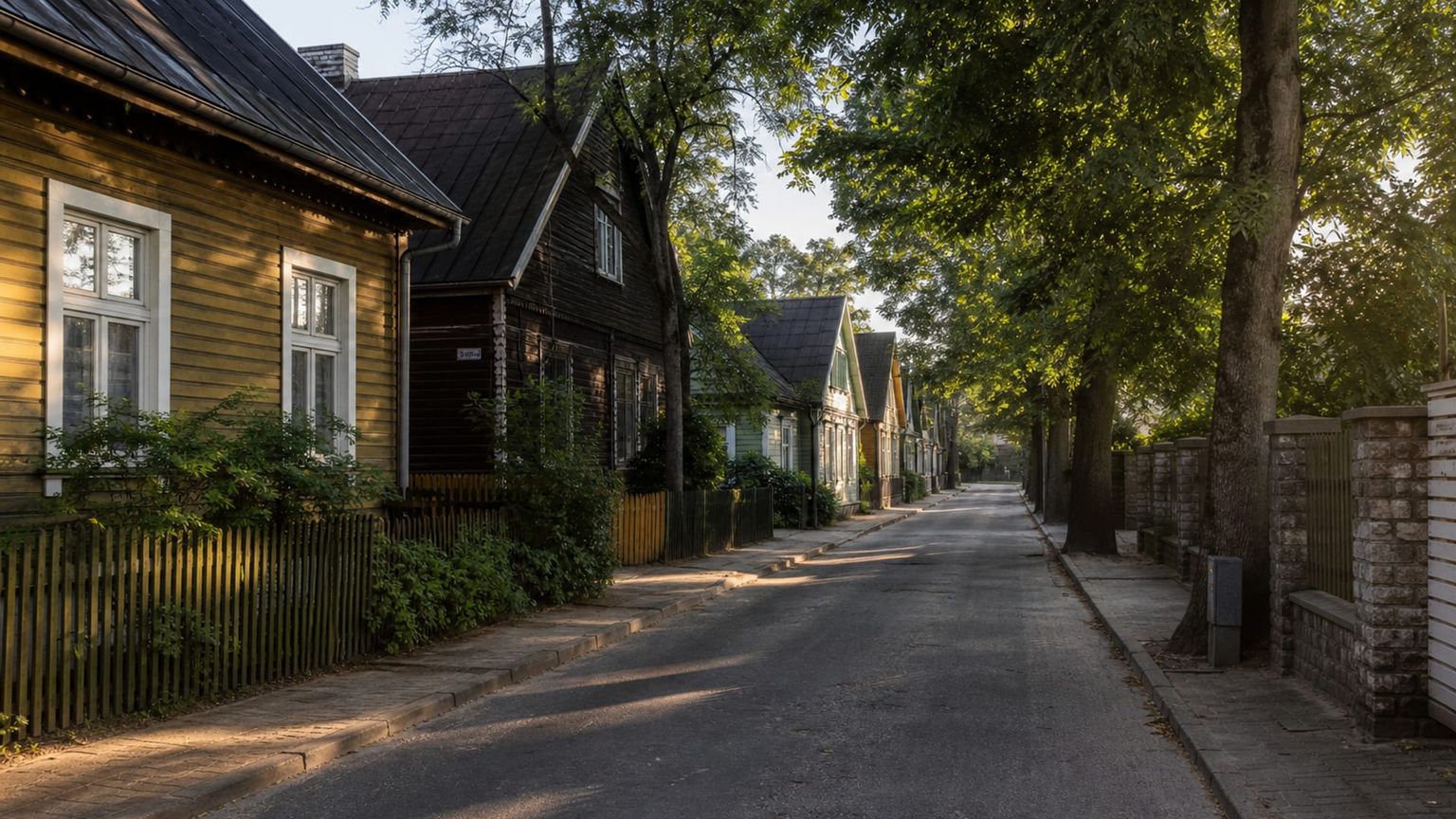
Žvėrynas is a leafy residential district west of the center, known for wooden houses, parks, and a more domestic feel than the tourist core. It suits visitors who want a calmer base with easy taxi or bus access to the Old Town, while still feeling close to the river and embassy district.
Best for: Calmer stays, longer visits, and travelers who do not need to be in the tourist core at night
What to expect: Residential streets, light café traffic, and a quieter pace than the Old Town or station area.
Hotel prices: Usually about €70 to €140 (~$76 to ~$153) per night for well-rated stays
Distance to major sights: 15 to 25 minutes by transit to Cathedral Square, about 10 minutes by taxi to the Old Town
Quietness: Usually quiet during the day and especially calm in the evening
Main trade-off: Dining and late-night options are thinner than in the center, so you may rely on transit or taxis after dinner.
Good to know: This is a better fit if you value sleep over doorstep access, but expect fewer hotels and shorter restaurant hours than in central districts.
Travelers usually avoid sleeping in Fabijoniškės, Pašilaičiai, and just off the airport side of Naujininkai, because they sit well away from Vilnius Old Town and the main museum district and offer fewer visitor-oriented hotels and restaurants. Verkiai and the far edges of Antakalnis are also less convenient for a short stay, since they add time to evening trips back from the center and do not place many sights within walking distance.
Hotel deals
How to get around Vilnius efficiently
Vilnius has no metro, so buses, trolleybuses, taxis, rideshare apps, and walking do most of the work between the Old Town, Naujamiestis, and the airport.

Metro
for longer distances
Vilnius has no metro system, so visitors rely on buses, trolleybuses, and walking for most trips; the closest rail-style option is the suburban train on limited corridors, useful mainly for longer cross-city or airport-adjacent transfers rather than inner-neighborhood travel.

Bus and tram
for convenience
The bus and trolleybus network covers the historic center, residential districts, and many links to Vilnius Airport and the main station; a single ride costs about $0.75 to $1.00 depending on purchase method, and timed tickets usually stay valid for about 30 minutes to 60 minutes. Buy tickets in the Trafi app, from kiosks, or on board where available, then validate as instructed, since controllers check frequently.

Taxi
for convenience or late hours
Licensed taxis use metered fares, not fixed citywide set prices, and the airport trip to the center usually costs about $15 to $25, while shorter inner-city rides often land near $5 to $12. Use official ranks at Vilnius Airport, prebook through a licensed app or dispatch line, and expect card payment to be accepted by many cars, though cash still helps if the terminal fails.
*Prices are based on rates updated as of June 2026 and may change at the time of travel.
Walk in the center, use buses or trolleybuses for longer cross-town hops, and take taxis or rideshare apps for late arrivals, airport transfers, or hilltop stops after dark.
Iconic landmarks

Vilnius Cathedral and Cathedral Square
Vilnius Cathedral anchors Cathedral Square with a Neoclassical facade and a detached bell tower. Inside, the baroque St. Casimir Chapel and the crypts trace the city’s Catholic and Grand Duchy history in the old center.
Time needed: About 1 to 2 hours
Entry: Free to enter the cathedral; tower tickets cost about $4 ($4) to $6 ($6) Visit the official site for details.
Tip: Go early in the day for lighter crowds and softer light on the square.

Gate of Dawn
The Gate of Dawn is the last surviving city gate, and its chapel holds the revered image of the Blessed Virgin Mary. Pilgrims and visitors come for the baroque facade, the chapel interior, and the view over the old-town entrance.
Time needed: About 30 to 45 minutes
Entry: Free to access the gate area; chapel visits are free, donations are welcome Visit the official site for details.
Tip: Visit before noon, then walk down Pilies Street into the old town.
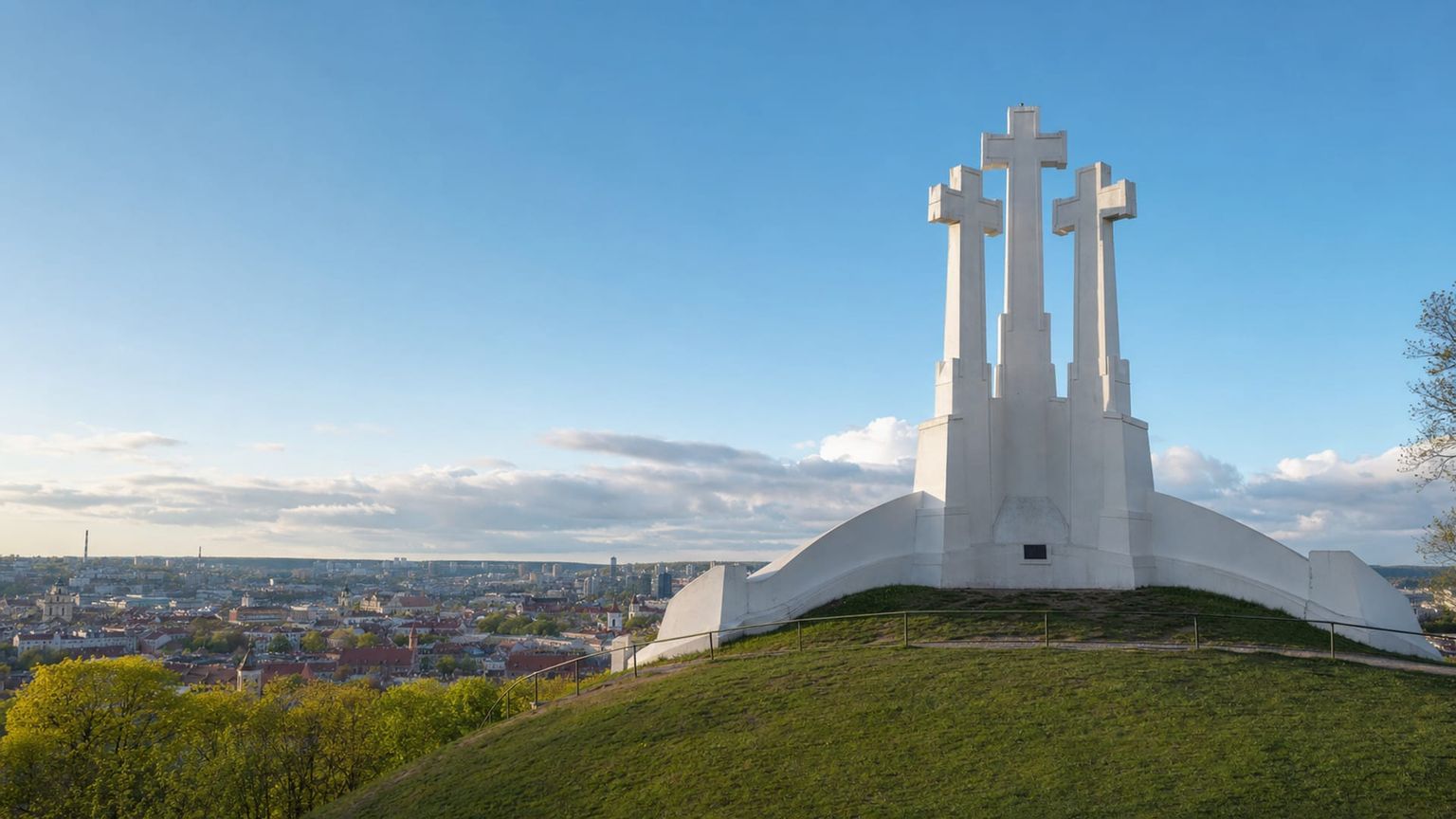
Hill of Three Crosses
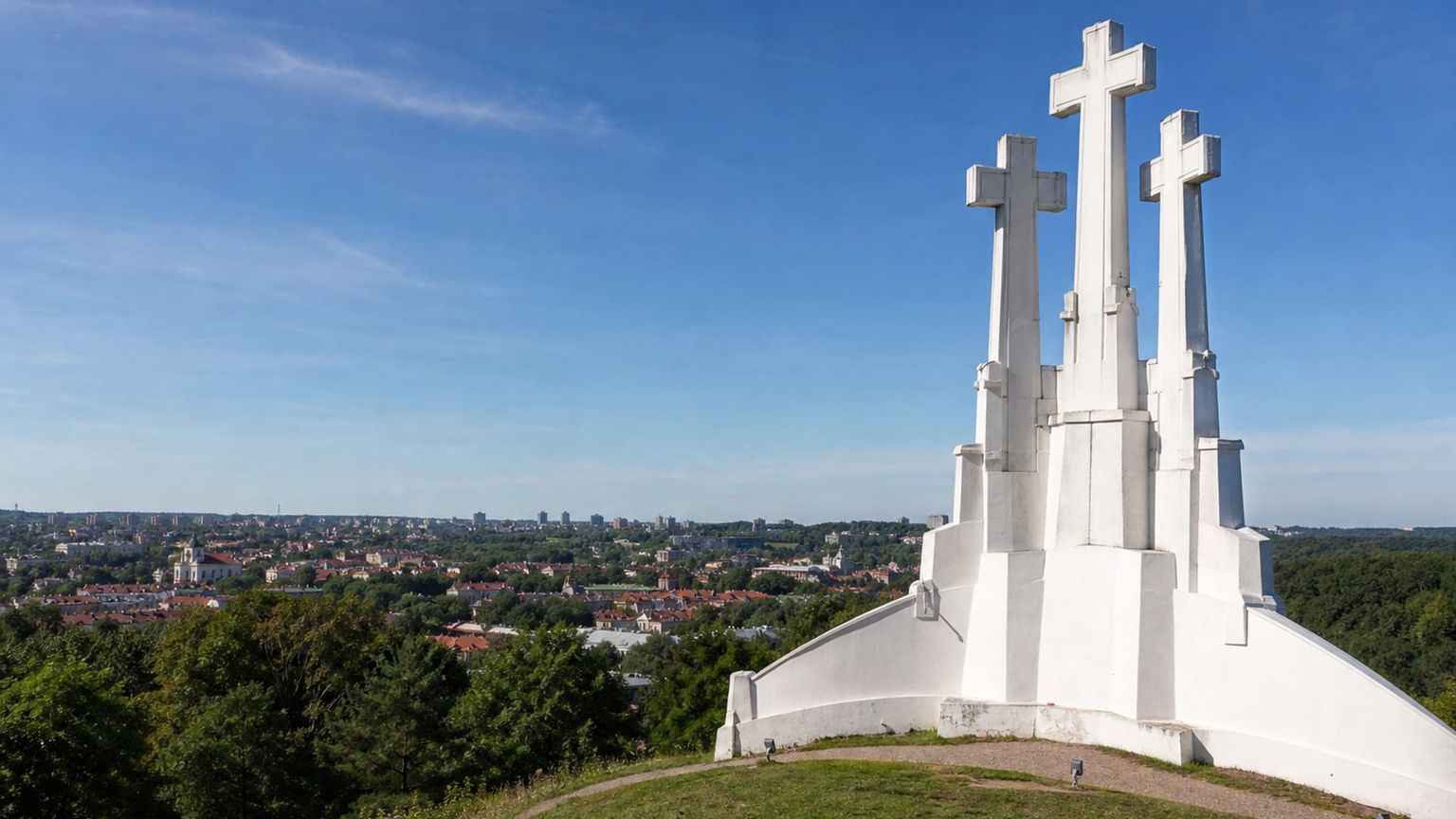
The Hill of Three Crosses rises above the Neris with a panoramic look at Vilnius Old Town. The current concrete monument dates to 1989, replacing earlier wooden and stone versions tied to local legend.
Time needed: About 45 to 60 minutes
Entry: Free to access
Tip: Come at sunset or after rain, when the city lights and river are most vivid.
Overlooked sites worth visiting

Užupis yard and riverside walk
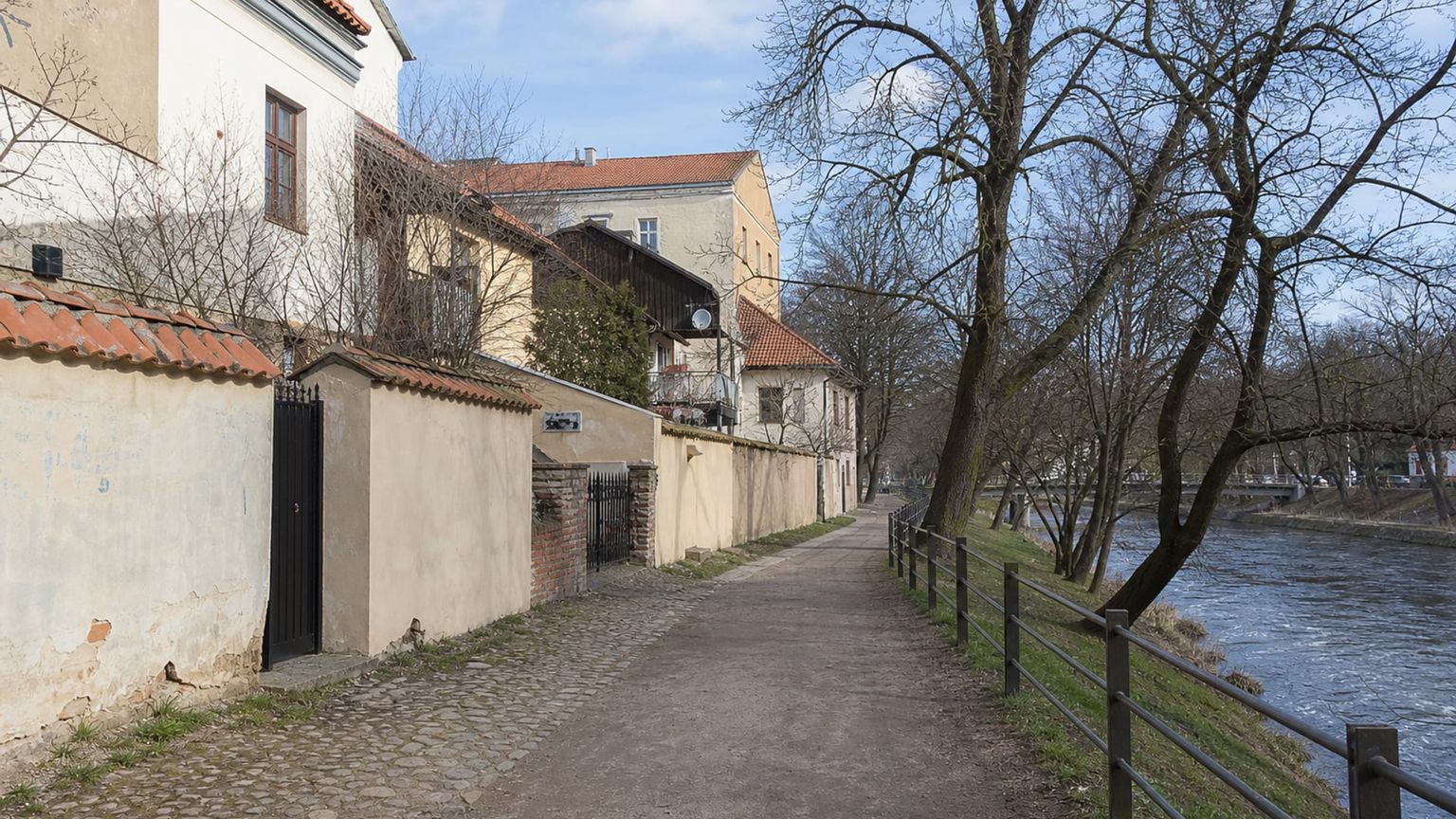
Cross into Užupis for a low-key walk along the Vilnia River, where murals, small courtyards, and the republic’s signboards cluster near the water. It works well as a brief pause between Old Town and Bernardine Park.
Time needed: About 1 to 2 hours
Entry: Free to access; the river path, bridges, murals, and public squares are open year-round without a ticket, and you can linger as long as you like. Some studios and cafes nearby set their own hours, but the walk itself has no admission cost.
Tip: Go in late afternoon for better light on the riverfront.

Vilnius Bernardine Cemetery
This wooded cemetery east of the Old Town holds 19th-century graves, cast-iron crosses, and family monuments in a quiet hilltop setting. It suits visitors who want a compact stop with sculpture, history, and little foot traffic.
Time needed: About 45 to 60 minutes
Entry: Free to access. The grounds are open to the public without a ticket, and you only need to budget for time on foot, since the paths are narrow in places and many graves sit on uneven ground with limited signage.
Tip: Visit on a clear morning for easier reading of the inscriptions.
Traditional food
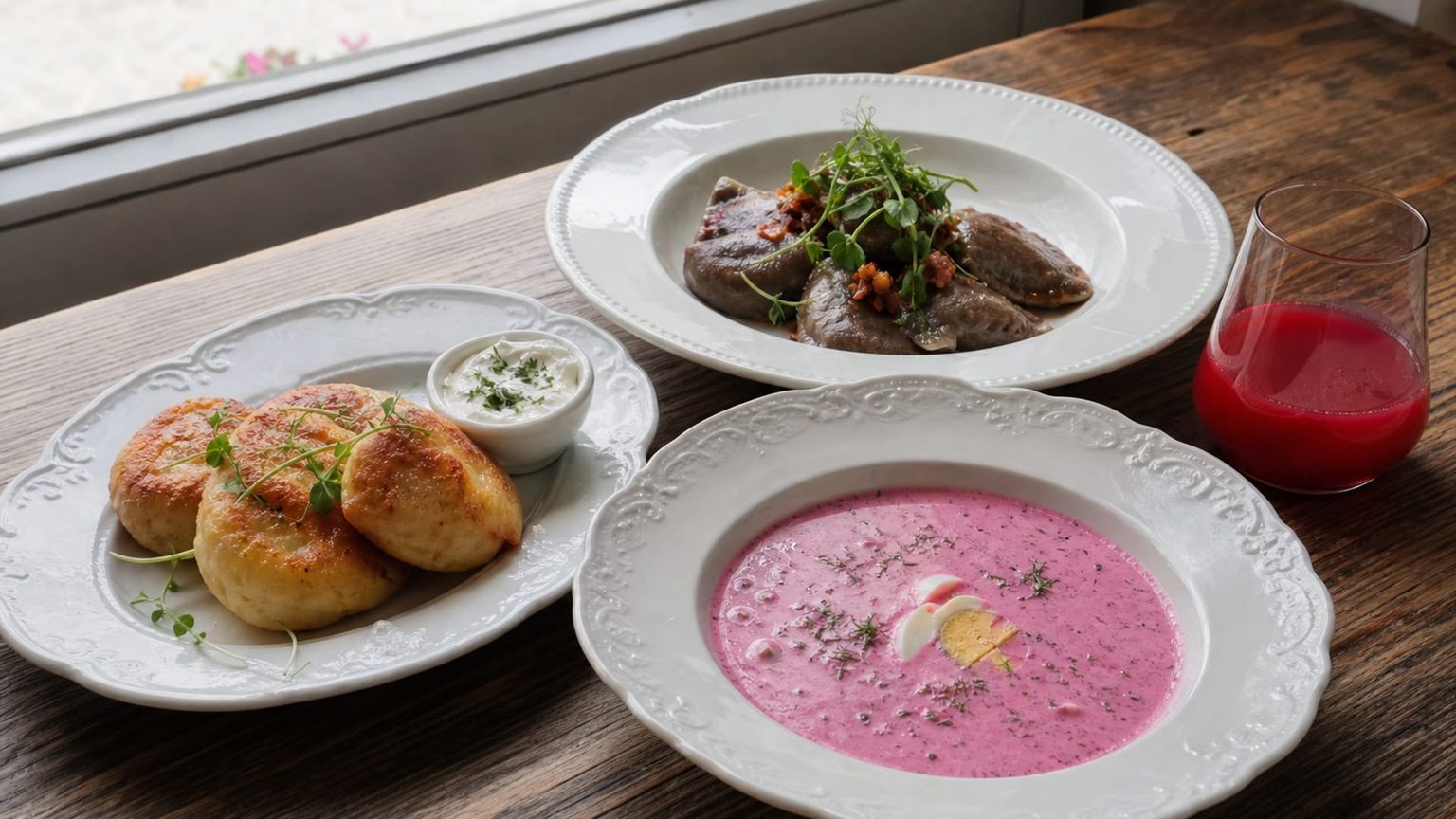
Vilnius cooking leans on potatoes, rye, dairy, and beet-root brightness, with cepelinai, cold beet soup, kugelis, and dark bread anchoring the table. Portions are generous, and traditional dishes sit comfortably beside newer bistros and cafés.
Cepelinai
Potato dumplings filled with meat or curd, usually served with sour cream and bacon. Etno Dvaras in the Old Town is one of the city’s best-known places to order them.
Cold beet soup
This bright pink summer soup mixes beets, kefir, cucumber, dill, and sometimes egg for a chilled first course. Lokys in the Old Town serves a classic version in a historic setting.
Kugelis
Baked potato pudding with a crisp top and a rich, savory interior, often paired with sour cream or cracklings. Bernelių Užeiga is a long-running Vilnius address for the dish.
Lithuanian rye bread
Dense rye bread appears on tables across Vilnius, often with butter, cheese, or smoked fish. Restaurant Lokys treats it as part of the meal, not a side note.
Best time to visit Vilnius
Vilnius changes most clearly between snowy winters, bright late-spring evenings, and a warm, green summer center, while autumn adds color and cooler walking weather.
Best for: Churches, parks, and the first long walking days
What you get: About 36°F to 63°F (2°C to 17°C), with lighter crowds in March and more visitors by May
Trade-offs: Rain and cool winds can interrupt longer outdoor loops
Best for: Outdoor dining, river walks, and late sunsets
What you get: About 55°F to 77°F (13°C to 25°C), with the busiest streets and the fullest café terraces
Trade-offs: Peak demand can raise hotel rates and crowd the main sights
Best for: Old Town walks, museums, and softer light in the parks
What you get: About 39°F to 61°F (4°C to 16°C), with moderate visitor numbers before the weather turns colder
Trade-offs: Shorter days and damp weather arrive quickly in late October
Best for: Festive squares, quiet museums, and indoor meals after dark
What you get: About 19°F to 34°F (-7°C to 1°C), with the fewest crowds and the coldest sidewalks
Trade-offs: Ice, snow, and limited daylight can slow walking plans
A realistic 5-day plan in Vilnius
This five-day plan keeps the city compact at the start, then widens the scope toward Užupis, the river, and the hill above the center. By the end, you will know where Vilnius is easiest on foot and where a short ride makes more sense.
Land at Vilnius (VNO), then take a taxi or rideshare into Old Town for about 15 to 20 minutes, usually roughly $12 to $20. If you are staying in Naujamiestis, the ride is slightly shorter and often a little cheaper, while Žvėrynas adds a few extra minutes west of center. After check-in, drink water, then choose a light dinner near Cathedral Square or Pilies Street, where you can stay close to your room and avoid a long first night out.
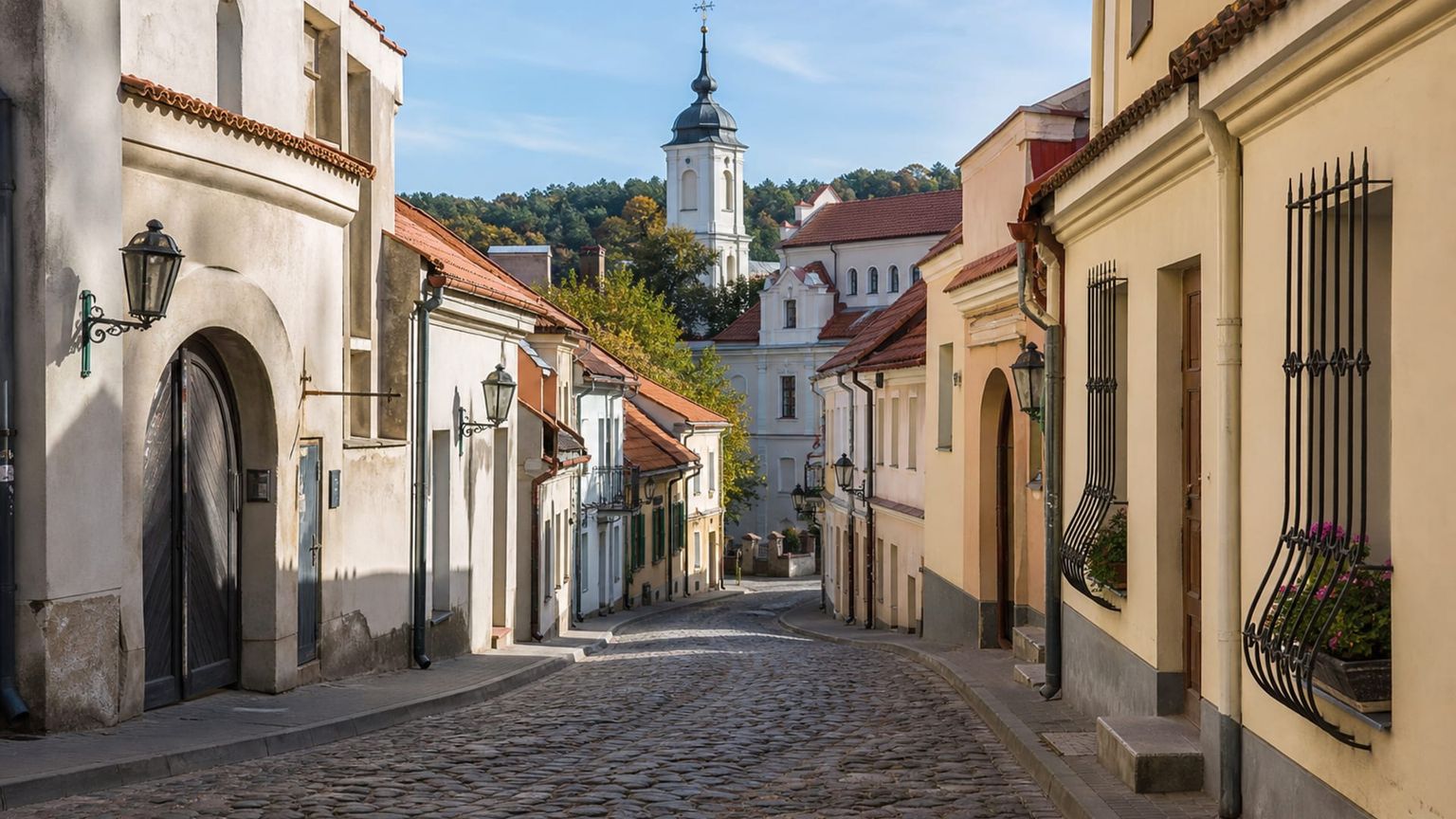
Start at Vilnius Cathedral and Cathedral Square, where one to two hours covers the church, the square, and, if you want the view, the tower for about $4 to $6. From there, walk 10 to 15 minutes to the Gate of Dawn, then continue another 10 to 15 minutes into the southern edge of the Old Town for lunch. In the afternoon, wander back through the historic center toward Pilies Street, then end the day with an easy dinner in Old Town, where most restaurants sit within a short walk of your hotel.

Begin in Užupis, crossing from the Old Town on foot in about 10 minutes for the yard, river path, and bridges along the Vilnia River. Stay for roughly 1 to 2 hours, then walk 15 minutes back toward Bernardine Park and continue uphill for the Vilnius Bernardine Cemetery, where a quiet 45 to 60 minute visit fits well after lunch. If you want a longer loop, return through the riverfront and finish with coffee near Užupis before heading back to the center.
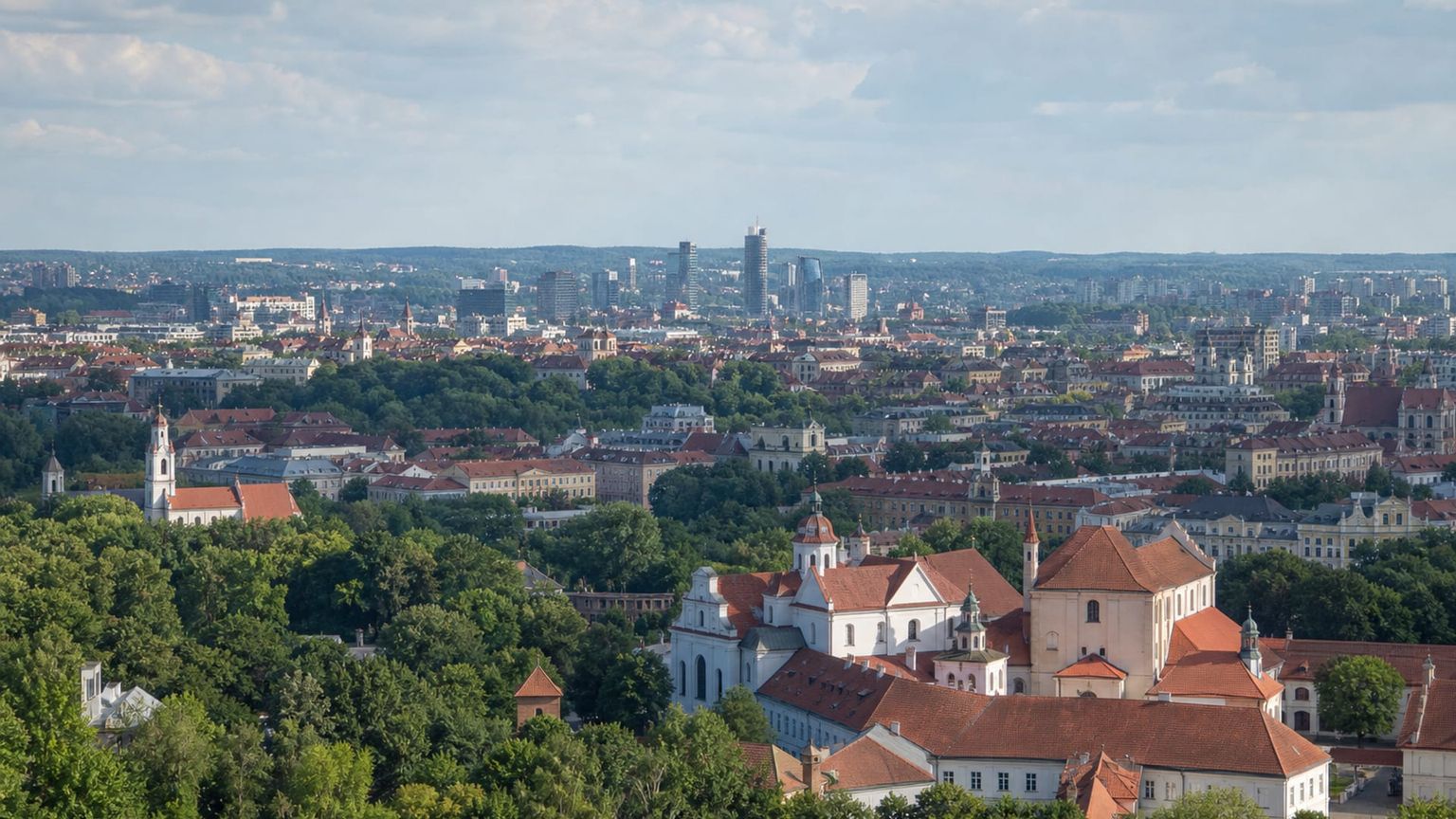
Head up to the Hill of Three Crosses first, ideally in the late afternoon, for a 45 to 60 minute visit and clear views over the river and rooftops. From there, walk back down toward the Old Town in about 20 minutes, then spend your evening in the center with dinner near Cathedral Square or on the quieter side streets of Žvėrynas if you want a calmer last stop. If you prefer a mid-day break, the hill also pairs well with a slow lunch before sunset.
Open with one last stop at the Gate of Dawn if you did not linger there earlier, then spend the rest of the day at an unhurried pace in Naujamiestis. The neighborhood works well for a final café stop, a short look at local shops, and an easy route back toward Vilnius Station or the airport. If your flight is later in the day, a late coffee near the station keeps the schedule simple without pulling you far from your bags.
Business-class flights from the US to Vilnius
Business-class trips to Vilnius usually connect through major European hubs rather than running nonstop from the US. The quickest itineraries from each coast differ, so the best choice often depends on whether you value a shorter total journey or a lower fare.
From New York, carriers including Delta Air Lines, Finnair, LOT Polish Airlines, Lufthansa, Turkish Airlines, and Scandinavian Airlines typically price round trips between $2,500 and $6,500. Nonstop time is about 8 to 9 hours, while one-stop itineraries through Amsterdam, Copenhagen, Frankfurt, Istanbul, or Helsinki often land in the 11 to 16 hour range and can bring fares down to roughly $1,200 to $2,200.
Los Angeles travelers usually see Lufthansa, Turkish Airlines, Air France, KLM, and LOT Polish Airlines on the main one-stop options, with round trips often about $2,900 to $7,000. The nonstop market is about 13 to 16 hours, while common connections through Frankfurt, Istanbul, Amsterdam, Paris, or Warsaw usually take 16 to 22 hours and can lower the fare to about $1,400 to $2,600.
Vilnius feels different when you slow down
A deliberate Vilnius trip stays close to the city’s real shape, with mornings in Cathedral Square, an afternoon turn through Užupis, and an uphill finish at the Hill of Three Crosses before dinner in the Old Town or Naujamiestis. Buses, trolleybuses, and short taxi rides fill the gaps without pulling you far off course. If you want help shaping the details, the AranGrant experts can build your Vilnius plan around the season and neighborhood that fit you best