

Chapters:

Need help with your trip?
Our support team is available 24/7. Request a callback or call us directly at (833) 619-0908
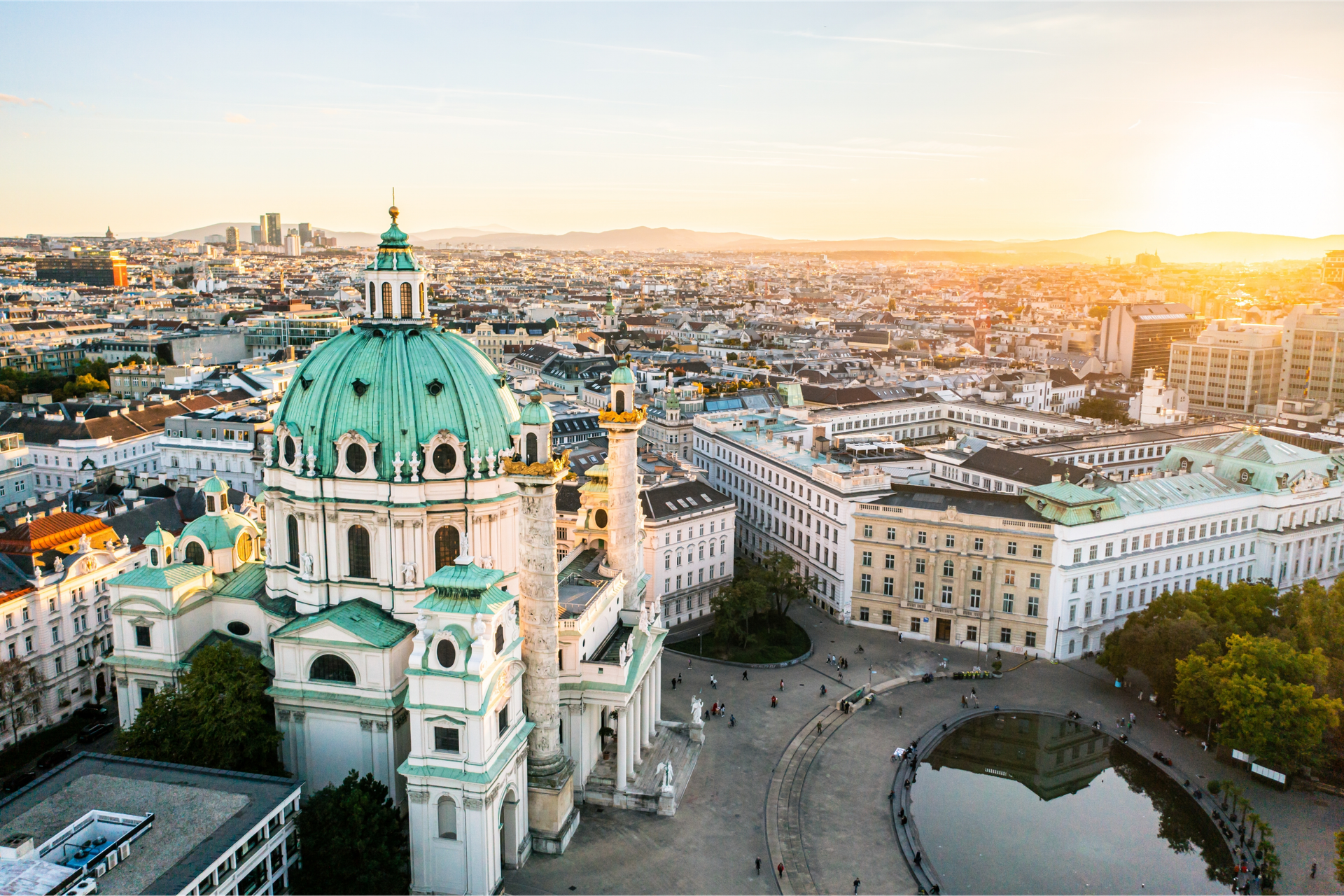
Vienna rewards travelers who give its landmarks time to sit together in one trip, yet many itineraries still race from cathedral to palace without stopping for the neighborhoods between them. That leaves the Ring, the café streets, and the transit links that make the city easy to read largely unused.
When days are packed too tightly, distances become less manageable than they look on a map, museum queues build, and the walk from one district to another starts to shape the whole schedule. The result is often more time in transit and less time at the sights.
This guide slows the sequence down. It places the old center, the palace districts, and a few quieter stops into a clear order, so Vienna unfolds through short transfers, timed visits, and space for coffee between major landmarks.
Useful things to know
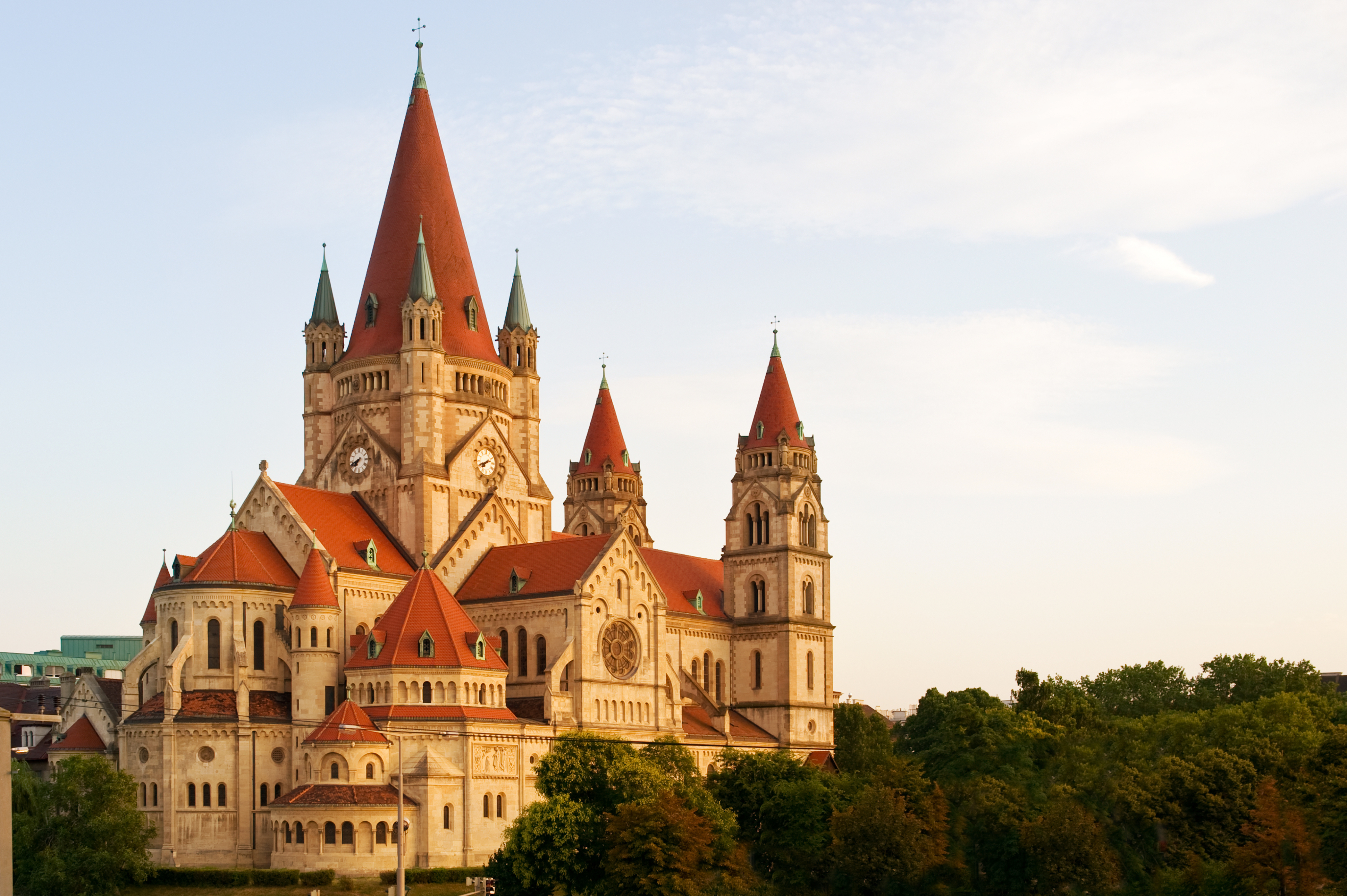

Main language(s): German
Hallo (HAH-loh) – Hello
Bitte (BIT-teh) – Please
Danke (DAHN-keh) – Thank you
Sprechen Sie Englisch? (SHPREH-khen zee ENG-lish?) – Do you speak English?
Wie viel kostet das? (vee feel KOS-tet dahs?) – How much does it cost?

Currency: The local currency is the euro (EUR, €).

Cash and cards: Cards and contactless are widely accepted; keep about €20 to €40 ($22 to $43) in cash for small purchases and market stalls.

Tipping: Round up or leave about 5% to 10% for good service.

Traditional food: Wiener schnitzel, Tafelspitz, Apfelstrudel, Sachertorte

Water and coffee costs: Water ~€2 ($2), bar espresso ~€3 ($3).

Taxis and ride apps: Uber and Bolt operate here; FREENOW is also available.

Plug and voltage: Type C/F socket, 230V

Dining and shop opening hours: Breakfast runs about 7:00-10:00 am, lunch 12:00-2:00 pm, and dinner 6:00-10:00 pm. Some restaurants close on Sunday afternoons or all day Sunday.

Emergency number: 112 for police, fire, and ambulance; 133 police, 122 fire, 144 ambulance.
Where to stay in Vienna
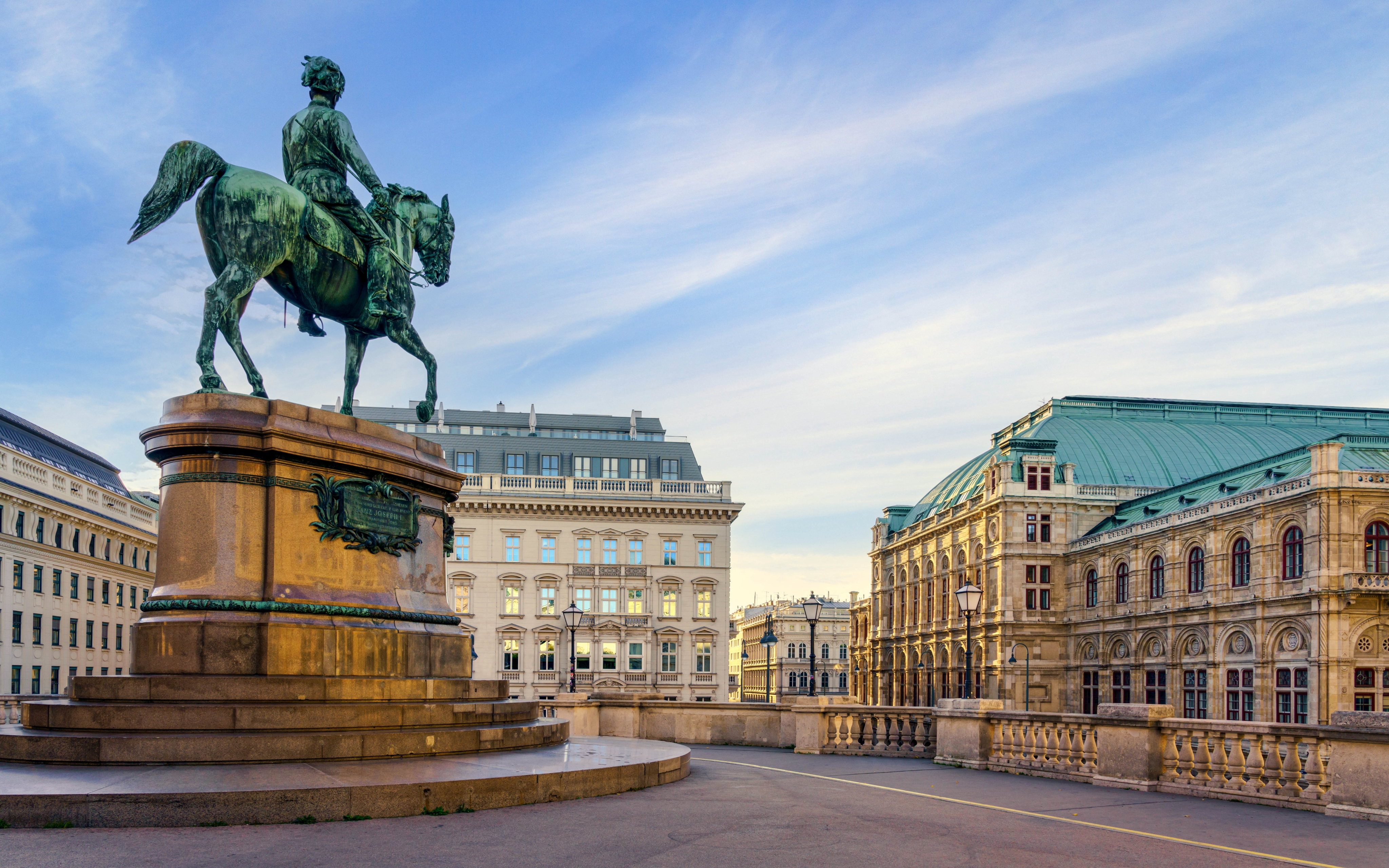
Vienna’s historic center packs imperial landmarks, major museums, and elegant shopping streets into the first district. It puts the Hofburg, St. Stephen’s Cathedral, and many transit links within an easy walk, which makes it a strong base for a short stay.
Best for: First-time visits, classic sightseeing, and travelers who want to walk to major landmarks
What to expect: Stately streets, upscale hotels, steady daytime foot traffic, and the highest concentration of visitors in the city.
Hotel prices: Usually about €220 to €450 (~$240 to ~$490) per night for well-rated stays
Distance to major sights: 5 to 10 minutes on foot to St. Stephen’s Cathedral, 10 to 15 minutes on foot to the Hofburg
Quietness: Busy through the day and lively into the evening, especially on main shopping streets; side streets settle earlier.
Main trade-off: Room rates are the highest in Vienna, and the most central blocks bring more tourist traffic and late dining noise.
Good to know: Expect the best walkability, but book early if you want a quieter room facing an inner courtyard.
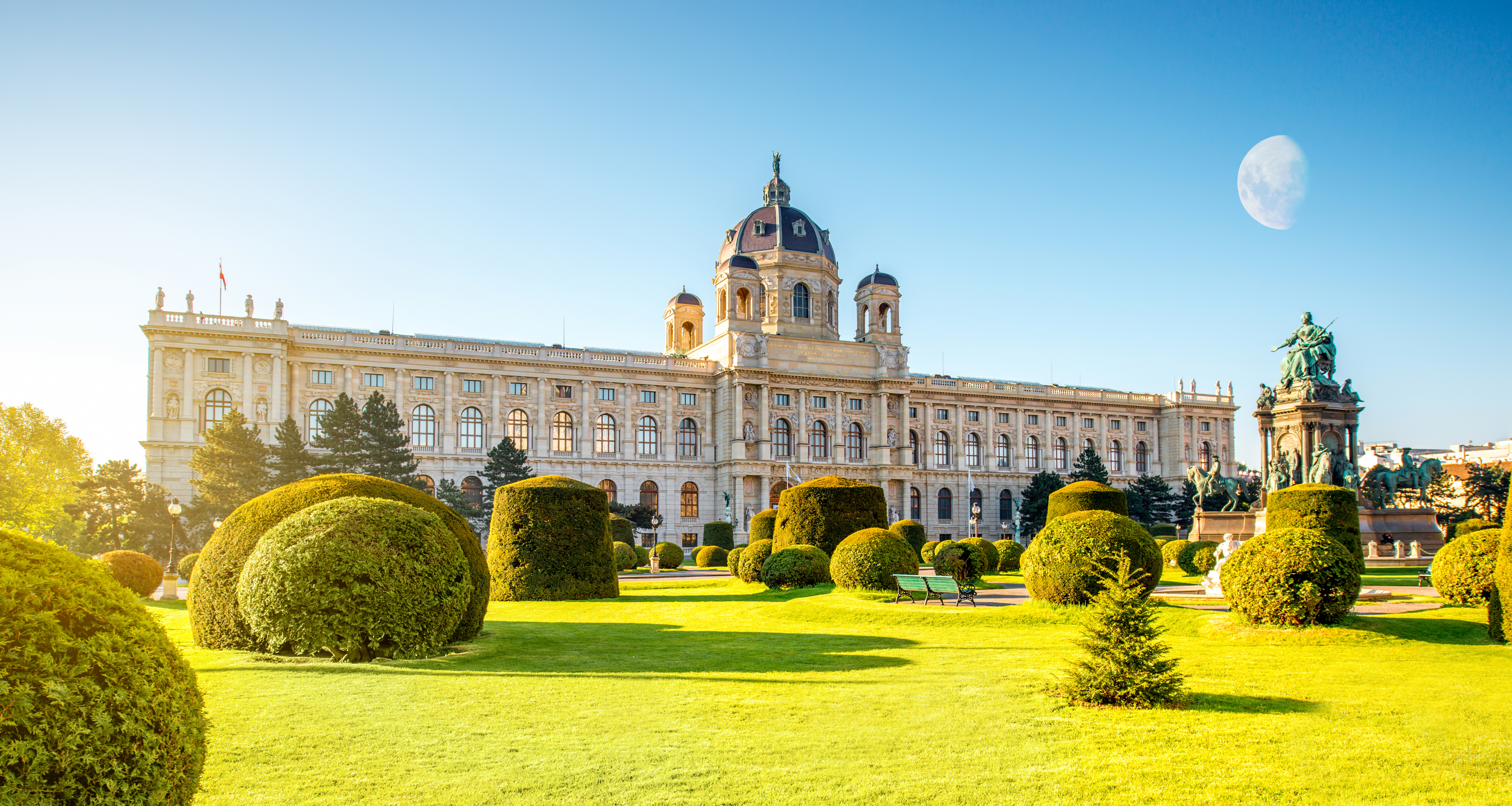
Neubau sits west of the Ring and blends gallery spaces, design shops, and neighborhood cafés with quick access to the MuseumsQuartier. It suits travelers who want a central base with more local street life than the old town.
Best for: Museum visits, café time, design and shopping, and travelers who want a central but less formal base
What to expect: Busy sidewalks, independent shops, restaurant terraces, and a younger local crowd, especially near the MuseumsQuartier and Mariahilfer Straße.
Hotel prices: Usually about €140 to €280 (~$155 to ~$305) per night for well-rated stays
Distance to major sights: 10 to 15 minutes on foot to the MuseumsQuartier, about 20 minutes by transit to St. Stephen’s Cathedral
Quietness: Active during the day and early evening, then calmer on residential side streets after dinner.
Main trade-off: You gain a lively neighborhood feel, but top central sights take longer to reach on foot than from the first district.
Good to know: Lodging near Mariahilfer Straße can be noisy, so check whether your room faces the street or an interior courtyard.
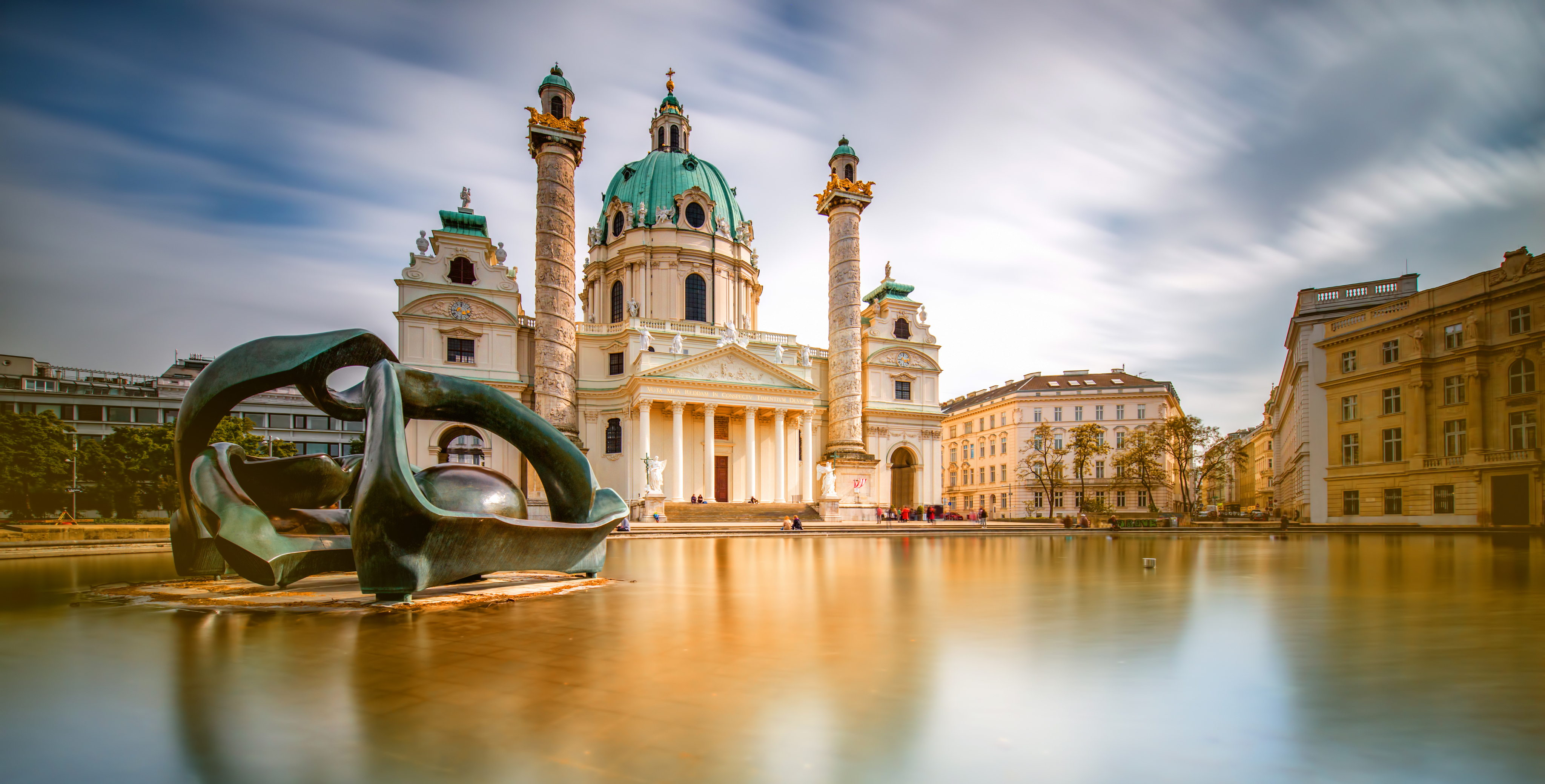
Wieden is a compact inner district south of the center, known for its markets, coffeehouses, and easy access to the Belvedere. It works well for travelers who want central transport links without staying in the busiest core.
Best for: Short stays, public transport access, and travelers who want a quieter central base with good dining nearby
What to expect: Residential streets, small shops, cafés, and a moderate local crowd rather than heavy tourist traffic.
Hotel prices: Usually about €120 to €240 (~$130 to ~$260) per night for well-rated stays
Distance to major sights: 10 to 15 minutes on foot to Belvedere Palace, about 15 minutes by transit to St. Stephen’s Cathedral
Quietness: Calmer than the center in the evening, with only a few lively stretches near major roads and restaurants.
Main trade-off: Some of the best hotels sit near busy traffic corridors, so the quietest streets are not always the most convenient ones.
Good to know: It is a good choice if you plan to use trams and U-Bahn lines often, since many stays sit close to both.
Travelers usually avoid staying in Donaustadt, because many parts sit far from Vienna’s main sights and sightseeing often requires long U-Bahn or tram rides. Favoring locations in outer stretches of Liesing, Floridsdorf, Simmering, and parts of Favoriten farther from the center can also mean fewer visitor amenities nearby and longer evening trips back after dinner or concerts.
Hotel deals
How to get around Vienna efficiently
Vienna’s U-Bahn, trams, buses, and airport rail link make it easy to pair long walks in the center with short rides between districts.

Metro
for longer distances
Vienna’s U-Bahn is the backbone of city transport, with U1, U2, U3, U4, and U6 linking the center, the airport rail connection at Wien Mitte, and major sights in roughly 5 to 20 minutes between central stops. A single ticket costs about $3 (€2.40) and is valid for 90 minutes on the broader network; 24-hour passes cost about $9 (€8) and 72-hour passes about $18 (€16). Trains run frequently from early morning until about midnight, with all-night weekend service on some lines, and stations are well signed in English.

Bus and tram
for convenience
Trams and buses cover the gaps the U-Bahn leaves, with the tram ring, inner districts, and outer neighborhoods all well served, including useful links to the Westbahnhof, Prater, Schönbrunn, and the university area. Tickets are the same as for the metro, so one $3 (€2.40) ticket covers transfers for 90 minutes if you keep moving in one direction, and day passes work on both trams and buses. Night buses replace many daytime routes after midnight, which makes late returns into the center and residential districts manageable without relying on taxis.

Taxi
for convenience or late hours
Licensed Vienna taxis use metered fares rather than fixed citywide set prices, and a ride from Vienna Airport (VIE) to the center usually costs about $45 to $60 (€40 to €55), depending on traffic and luggage. A short inner-city trip often falls between about $12 and $25 (€11 and €23), with night surcharges and waiting time added to the meter. You can hail taxis at ranks, call one through a dispatcher, or book in an app; cards are accepted by many cars, but it is wise to confirm before departure.
*Prices are based on rates updated as of June 2026 and may change at the time of travel.
Use the U-Bahn for the main jumps across town, trams and buses for the gaps, and taxis when you are arriving late, carrying luggage, or heading to the airport.
Iconic landmarks
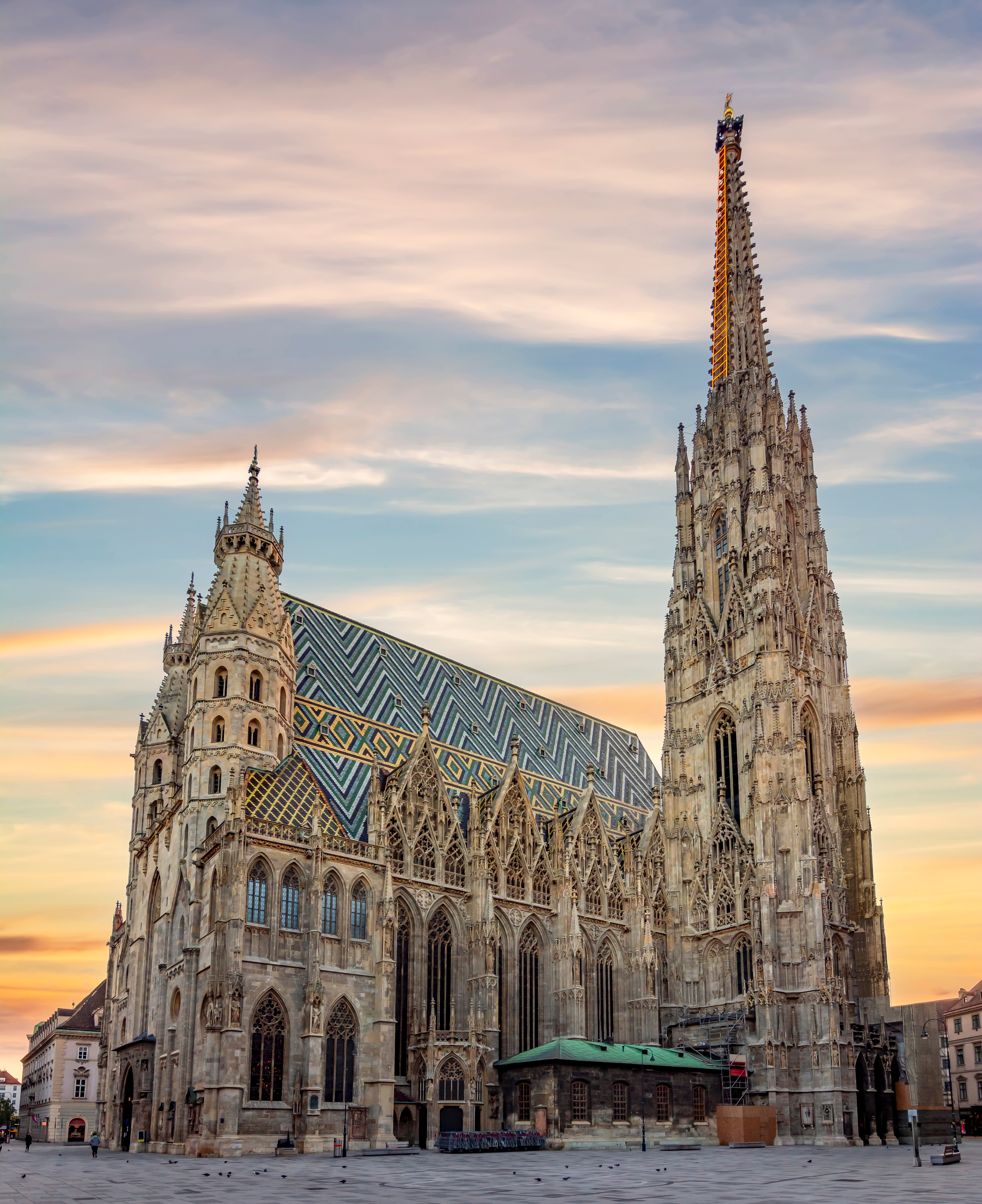
St. Stephen's Cathedral
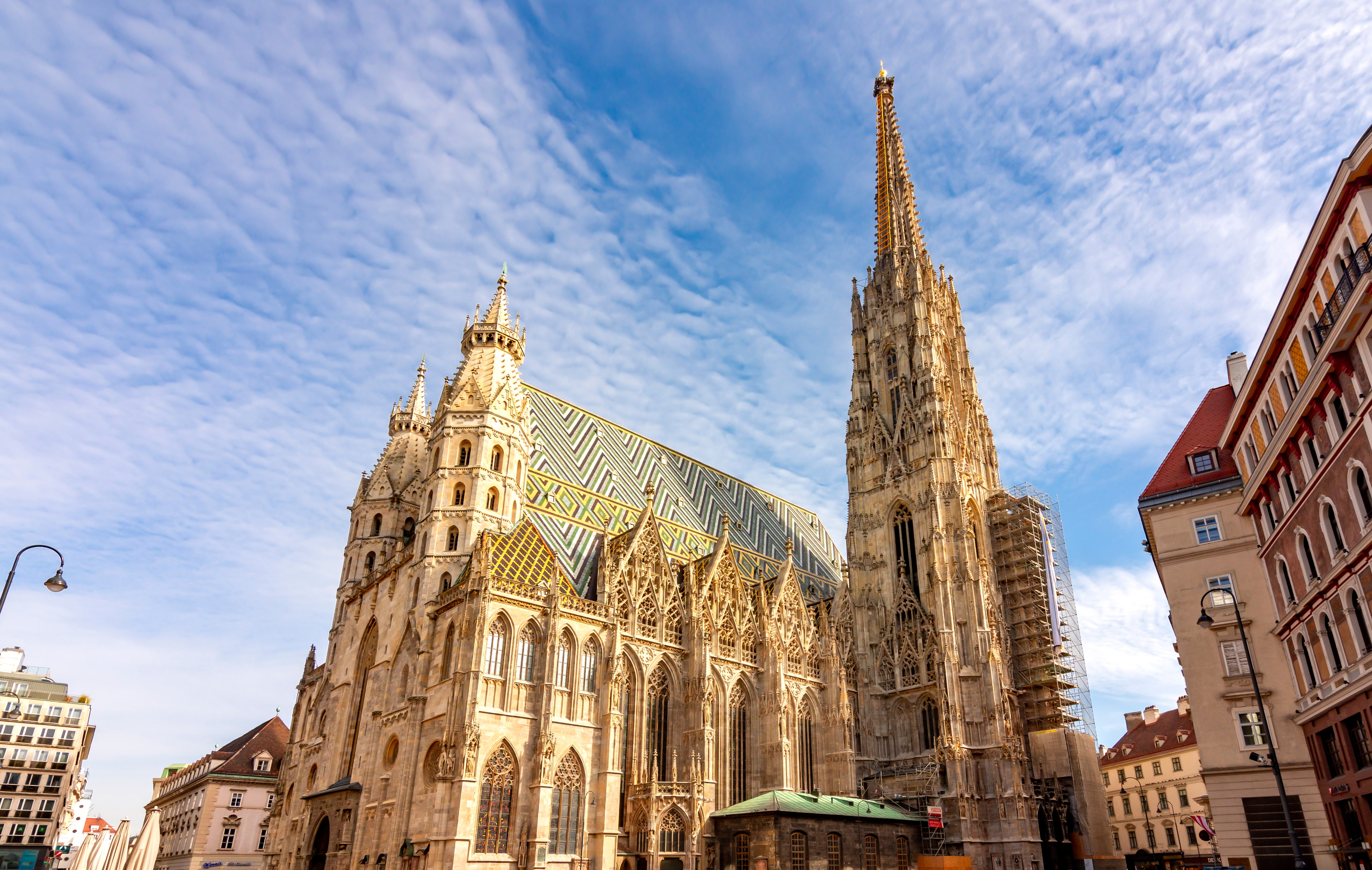
Vienna’s Gothic landmark anchors the old center with a tiled south roof, a soaring nave, and a south tower that opens wide views over the city. The cathedral also holds side chapels, tombs, and regular organ concerts.
Time needed: About 1 to 2 hours
Entry: Cathedral access is free; tower and paid areas cost about $6 to $18 (€5 to €16), depending on the section and route you choose Visit the official site for details.
Tip: Arrive early for quieter nave access, then climb the south tower before midday crowds build.
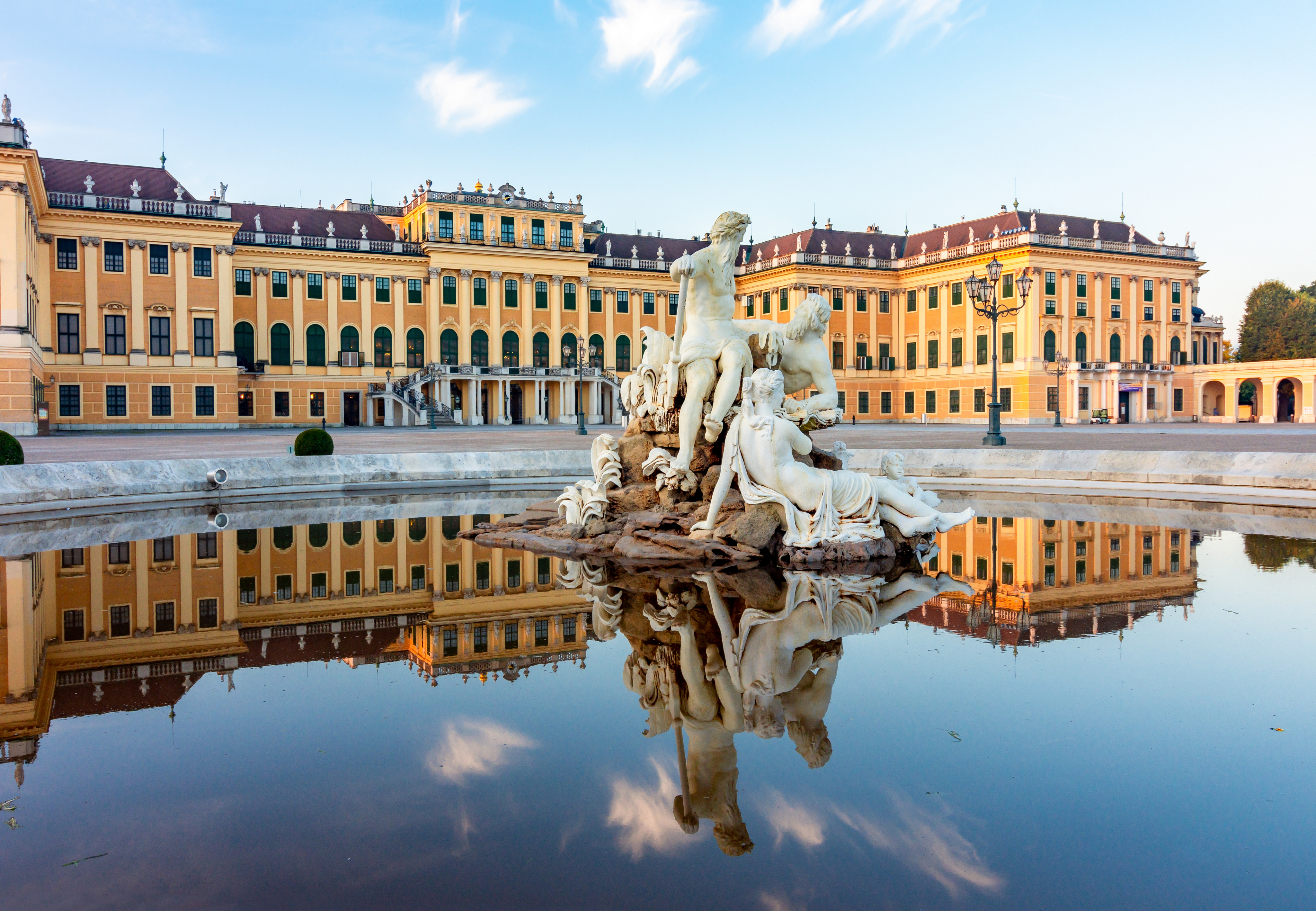
Schönbrunn Palace
This Habsburg palace pairs ceremonial state rooms with formal gardens, fountains, and the Gloriette on the hill behind the main building. The site shows imperial Vienna at full scale, with large visitor routes through the former summer residence.
Time needed: About 3 to 4 hours
Entry: Palace tickets cost about $27 to $41 (€24 to €37), depending on the rooms and ticket type; garden access is free Visit the official site for details.
Tip: Start with the palace interior, then walk the gardens while the fountains and paths are still quiet.
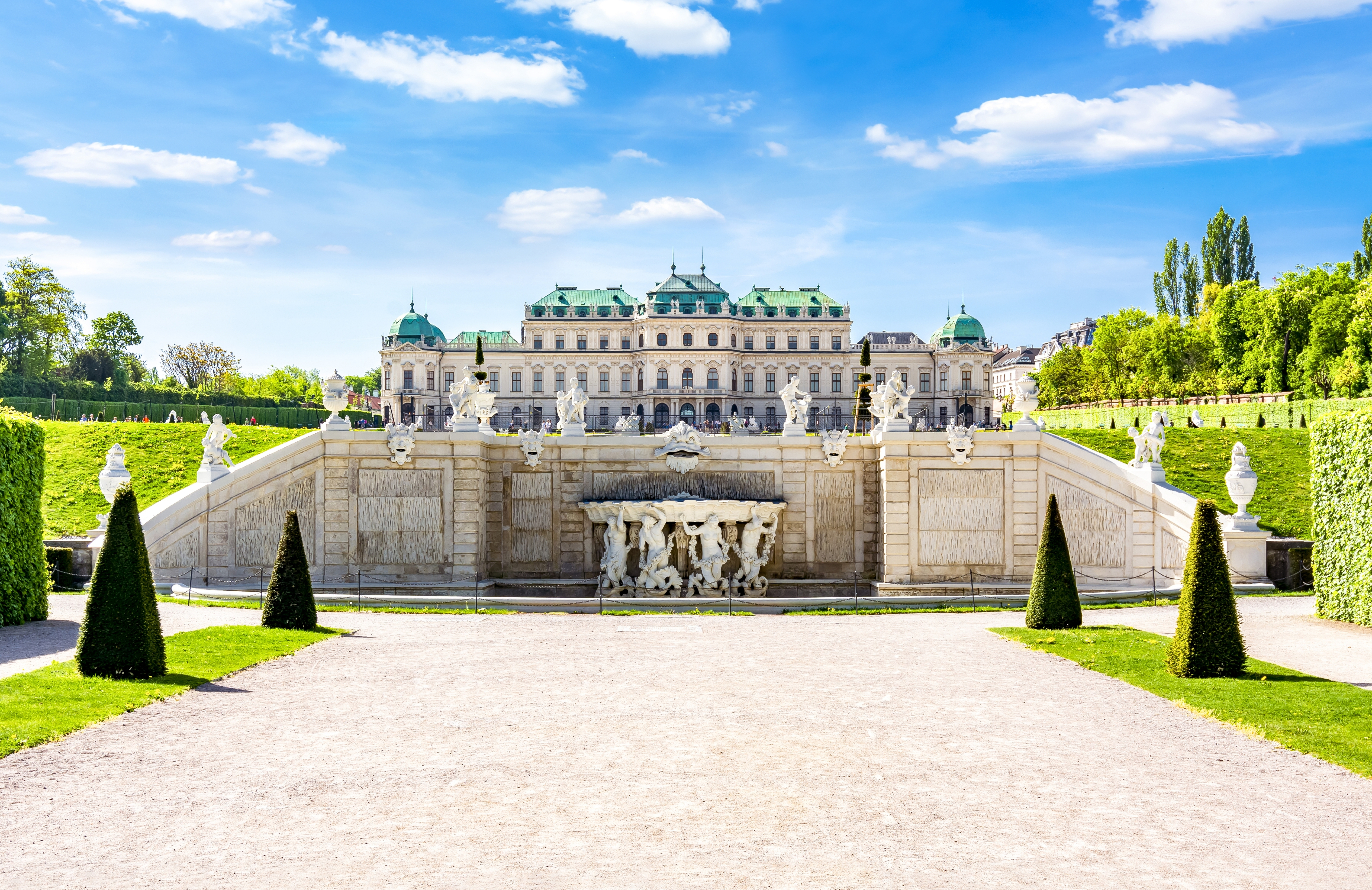
Belvedere Palace
The Belvedere complex links two baroque palaces with terraced gardens and one of Austria’s strongest art collections. Upper Belvedere draws visitors for Klimt’s The Kiss, while the gardens frame long axial views toward the city.
Time needed: About 2 to 3 hours
Entry: Museum tickets cost about $19 to $28 (€17 to €25), depending on the building and exhibit access you choose Visit the official site for details.
Tip: Visit the upper palace first, then cross the gardens for open sightlines after the museum.
Overlooked sites worth visiting
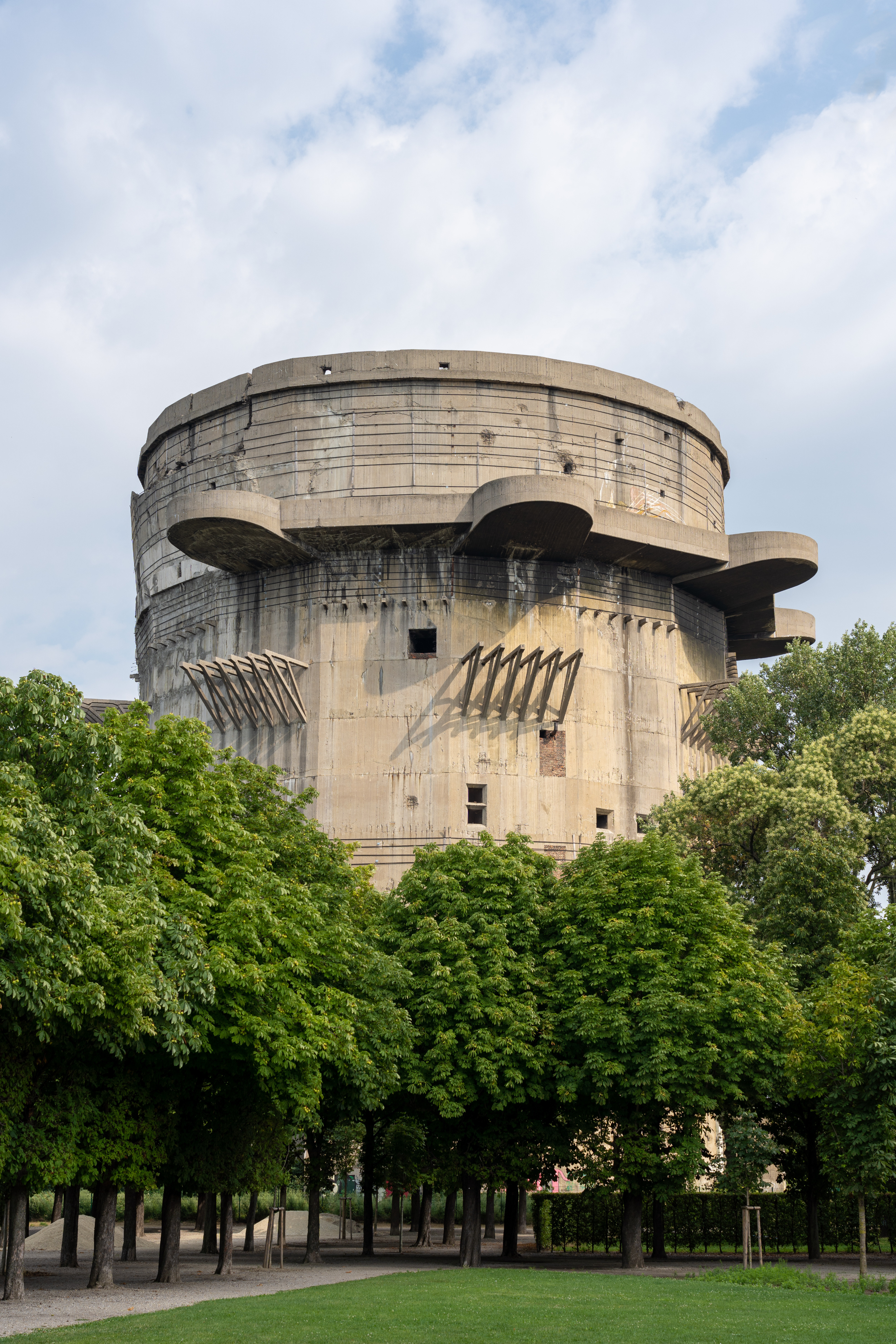
Augarten
A Baroque park in Leopoldstadt with broad lawns, clipped avenues, and two flak towers that frame the skyline. The 18th-century porcelain manufactory and garden paths make it a quiet city walk.
Time needed: About 1 to 2 hours
Entry: Free to access; only paid facilities inside the park, such as the porcelain shop or museum events, add separate costs. Entry to the grounds itself does not require a ticket, and the park is open to the public during posted daily hours.
Tip: Go late afternoon for long shadows on the avenues.
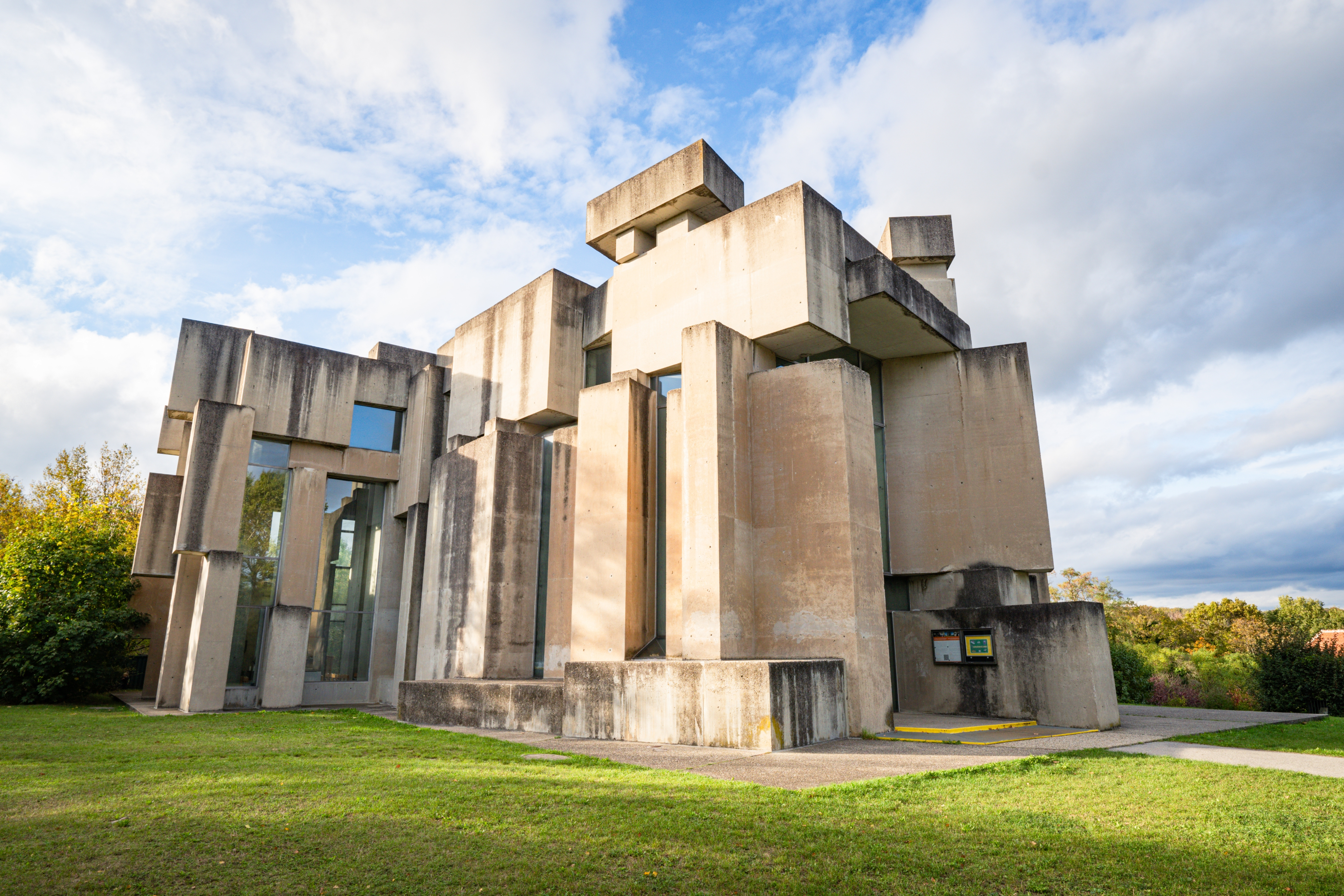
Wotruba Church
This concrete church on the edge of Vienna stacks 152 asymmetrical blocks into a striking hillside silhouette. Inside, the small nave and stained glass create a compact stop with sharp visual contrast.
Time needed: About 45 minutes to 1 hour
Entry: Guided visits typically cost about $6 to $12 (€5 to €11), depending on the program and age group. Exterior viewing is free at any time, but interior access is usually limited to posted tour hours or special openings Visit the official site for details.
Tip: Check the tour calendar before you climb the hill.
Traditional food

Vienna’s food leans on beef, cutlets, pastries, and coffeehouse desserts, with Wiener schnitzel, Tafelspitz, Apfelstrudel, and Sachertorte shaping the classic table. Lunches are often unhurried, and cake with coffee is part of the city’s daily routine.
Wiener schnitzel
The city’s signature breaded veal cutlet arrives crisp and thin, usually with potato salad or lemon. Figlmüller on Wollzeile is the classic address for a first plate in Vienna.
Tafelspitz
This boiled beef dish comes with broth, horseradish, and apple, and it shows the more formal side of Viennese cooking. Plachutta Wollzeile is the standard stop for it in the city.
Apfelstrudel
Flaky pastry wrapped around spiced apples, raisins, and crumbs makes a regular café finish in Vienna. Café Central serves a well-known version in a landmark setting.
Sachertorte
This dense chocolate cake with apricot jam and glaze is the city’s best-known dessert. Café Sacher Wien is the canonical place to order it with whipped cream.
Best time to visit Vienna
Vienna shifts with the seasons, from café-heavy indoor days in winter to long park walks and palace gardens in the milder months.
Best for: Palace gardens, café stops, and comfortable walking days
What you get: About 45 to 68°F (7 to 20°C), with lighter crowds than summer and a good mix of indoor and outdoor time
Trade-offs: Rain can interrupt longer walks and afternoon plans
Best for: Long daylight, open-air dining, and late evenings in the parks
What you get: About 60 to 82°F (16 to 28°C), with the busiest hotel, museum, and palace periods of the year
Trade-offs: Queues grow at major sights, and hot afternoons can slow sightseeing
Best for: Museum days, coffeehouses, and clear urban walking
What you get: About 43 to 68°F (6 to 20°C), with moderate crowds and comfortable conditions for moving between districts
Trade-offs: Shorter daylight starts to limit late outdoor plans
Best for: Museums, concerts, cafés, and holiday markets
What you get: About 28 to 41°F (-2 to 5°C), with lighter daytime crowds outside the Christmas period
Trade-offs: Cold mornings and occasional snow make longer walks less appealing
A realistic 5-day plan in Vienna
A five-day Vienna trip works best when you group the center, the palaces, and the quieter outer stops into separate days. That keeps the walking manageable and gives each neighborhood enough time to feel distinct.
Land at Vienna (VIE) and take the City Airport Train to Wien Mitte in about 16 minutes, or a taxi in roughly 20 to 30 minutes if your hotel sits in Innere Stadt, Wieden, or Neubau. Budget about €4.50 to €14 for the train, and roughly €40 to €55 for a taxi, depending on traffic and pickup point. After check-in, stay close to your base, then settle in with water and a light dinner near Stephansplatz if you are in the first district, or near Karlplatz and the Naschmarkt edge if you are in Wieden. A short evening walk is enough for your first night, especially if you want to sleep well before your cathedral and palace days.
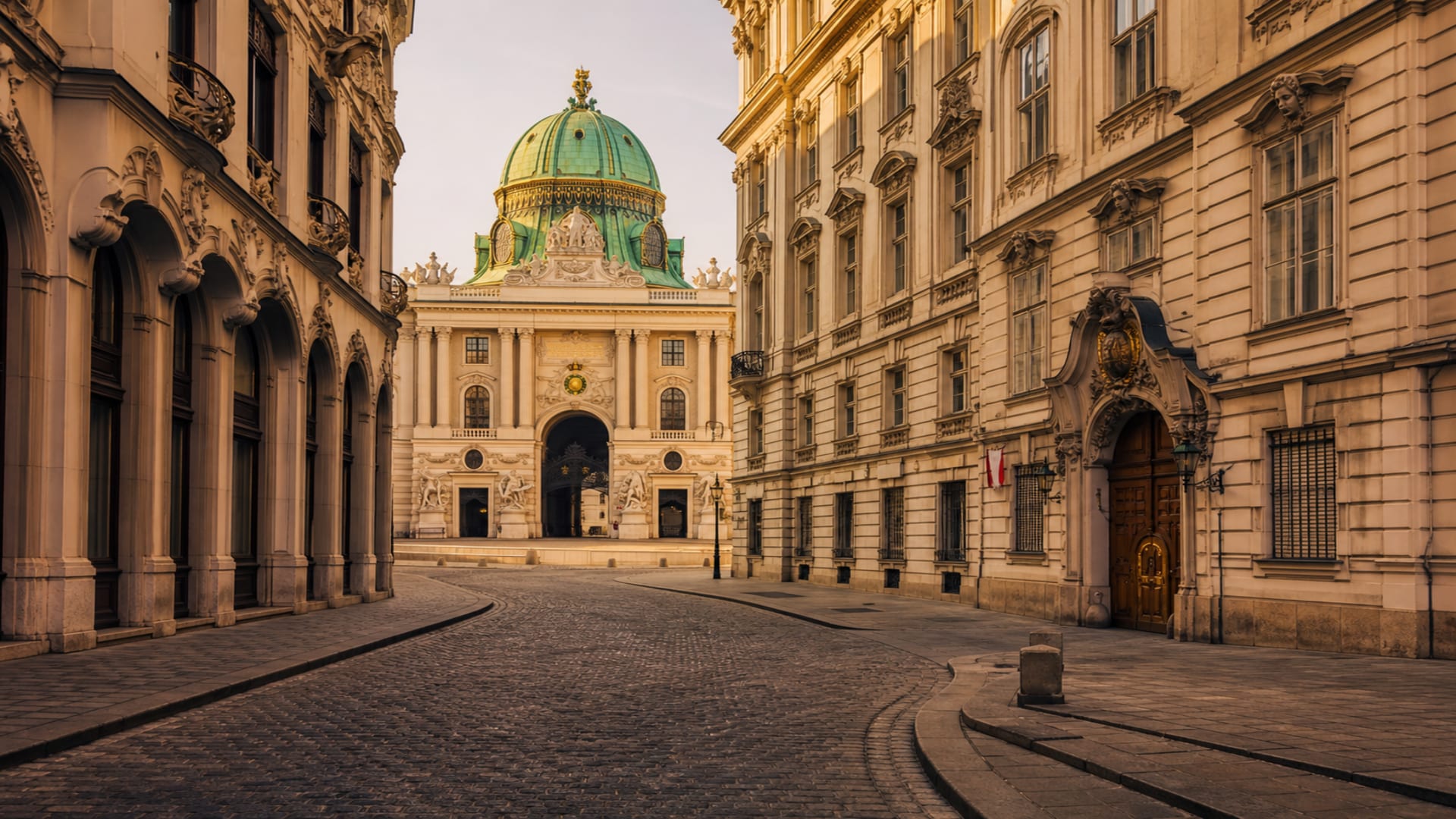
Begin at St. Stephen’s Cathedral, where an early arrival gives you quieter nave access before the tower queues build. Plan about 1 to 2 hours here, then walk 10 minutes through the old center to the Hofburg area for a first look at imperial Vienna from the outside and nearby museum streets. From there, continue by U-Bahn or tram to the Belvedere Palace in about 15 to 20 minutes, where the upper palace, Klimt’s The Kiss, and the terraced gardens make a strong afternoon anchor. End the day with a coffee and cake stop in Innere Stadt, then return on foot if you are staying nearby or by transit in about 10 to 20 minutes from the Belvedere.
Schönbrunn Palace fills most of the morning, and it works best when you start with the palace interior, then move into the gardens before the midday crowds spread out. From Innere Stadt, the U4 takes about 20 to 25 minutes, followed by a short walk to the main gate; allow 3 to 4 hours for the rooms, gardens, and a hilltop look toward the Gloriette. After lunch nearby, ride back toward the center in roughly 25 minutes and spend the late afternoon in Neubau at the MuseumsQuartier, where the museum courtyards, design shops, and café terraces are close enough to move between on foot. If you still want a final stop, Mariahilfer Straße sits a short walk away and gives you an easy shopping stretch before dinner.
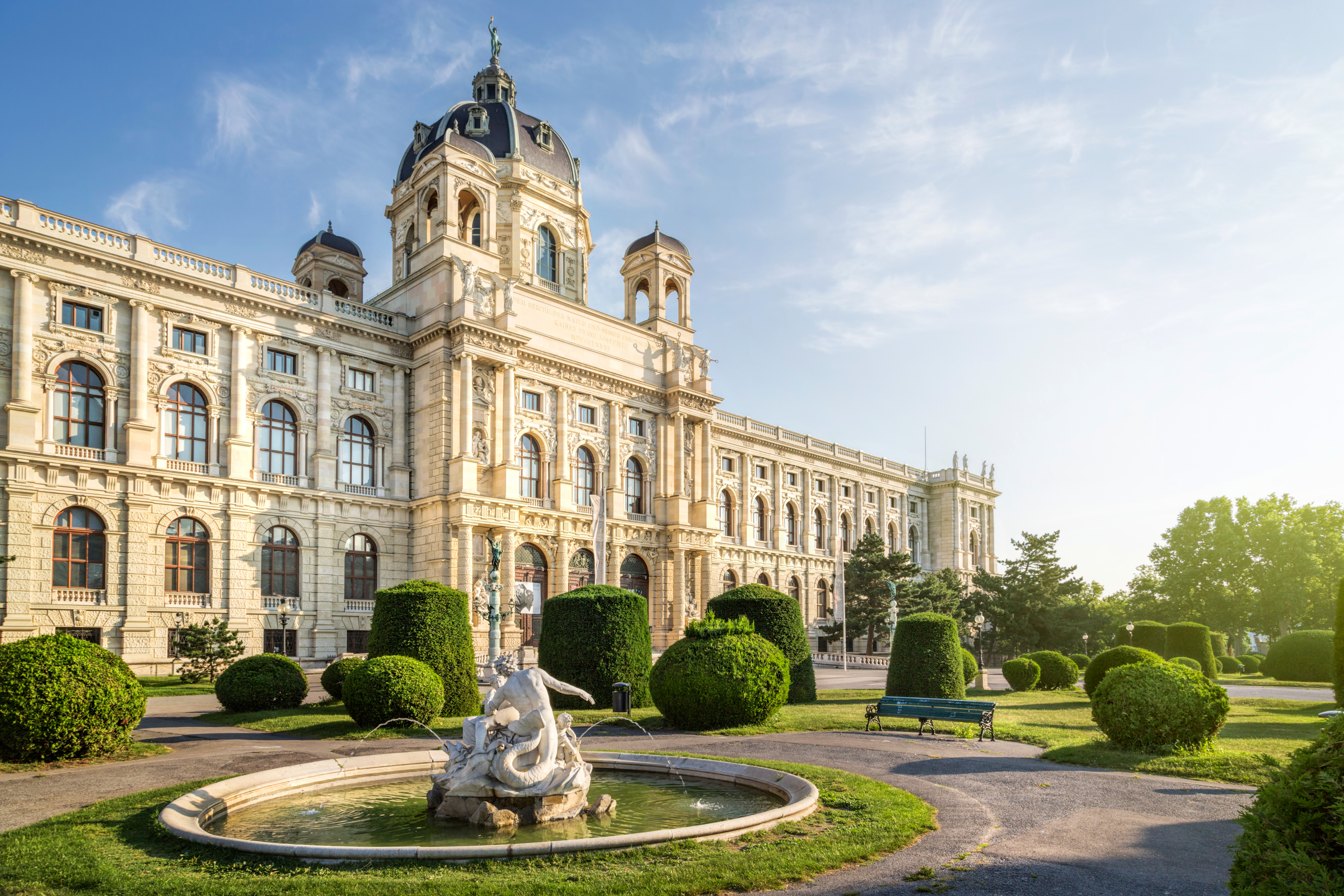
Start in Augarten, where broad lawns and long avenues give you a quieter morning walk about 10 minutes by transit north of the center, or about 20 minutes if you are already in Leopoldstadt. Spend 1 to 2 hours there, then continue to Wotruba Church by tram and bus in roughly 35 to 45 minutes from the inner city, with about 45 minutes to 1 hour on site for the exterior and any scheduled interior visit. In the afternoon, return toward Wieden for an unhurried coffee stop near the side streets south of Karlsplatz, then finish with a low-key dinner in the district rather than crossing back and forth across the Ring. The day gives you a mix of park space, modern architecture, and a quieter residential base.
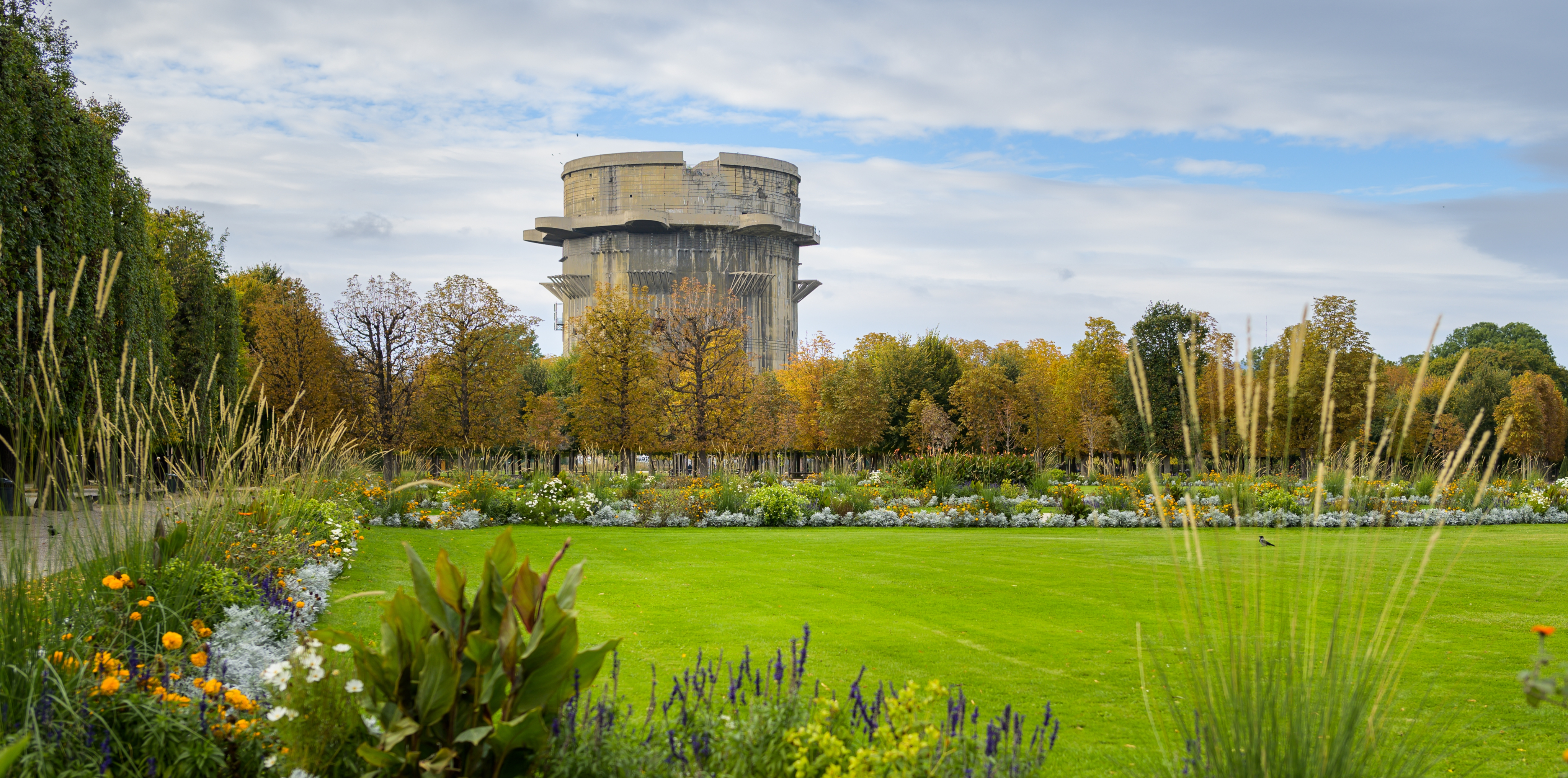
One last art stop fits best at the Upper Belvedere, where you can spend about 2 hours with the collection before heading back toward the city center. Afterward, browse Mariahilfer Straße in Neubau for a final round of shopping, then pause for coffee in Wieden, where the café streets near Karlsplatz and the smaller blocks west of it make an easy last stop before the airport. If your flight is later, return to Innere Stadt for an early dinner near Graben or Stephansplatz, then collect bags and head to Vienna (VIE) with enough time for check-in and security.
Business-class flights from the US to Vienna
Vienna sits within easy reach of one-stop long-haul links from both coasts of the United States. The strongest itineraries usually run through a major European hub, with fares shifting based on departure city, season, and how much time you want to spend in transit.
From New York, Austrian Airlines, Lufthansa, SWISS, Turkish Airlines, Air France, and British Airways all appear on itineraries to Vienna. Nonstop flying takes about 8 to 9 hours, while one-stop options often connect through FRA, MUC, ZRH, IST, CDG, or LHR and take about 10 to 14 hours. Round-trip fares start at about $2,200 and often reach $6,500 on nonstop itineraries.
Los Angeles travelers usually see Austrian Airlines, Lufthansa, SWISS, Turkish Airlines, Air France, and British Airways on the route to Vienna. If you do not mind a layover, common routings via FRA, MUC, or IST can bring round-trip fares down to about $1,000 to $2,200, while typical travel time lands about 14 to 18 hours.
Vienna feels different when you slow down
A deliberate Vienna trip gives each part of the city its own place on the map: St. Stephen’s Cathedral and the Hofburg for the center, Schönbrunn for the western palace day, Belvedere for art, and Wieden or Neubau for coffee between stops. The U-Bahn keeps those pieces close enough to connect without rushing. If you want help matching your hotel area, transit, and museum days, ask the AranGrant experts for a Vienna plan built around your dates







