

Chapters:

Need help with your trip?
Our support team is available 24/7. Request a callback or call us directly at (833) 619-0908
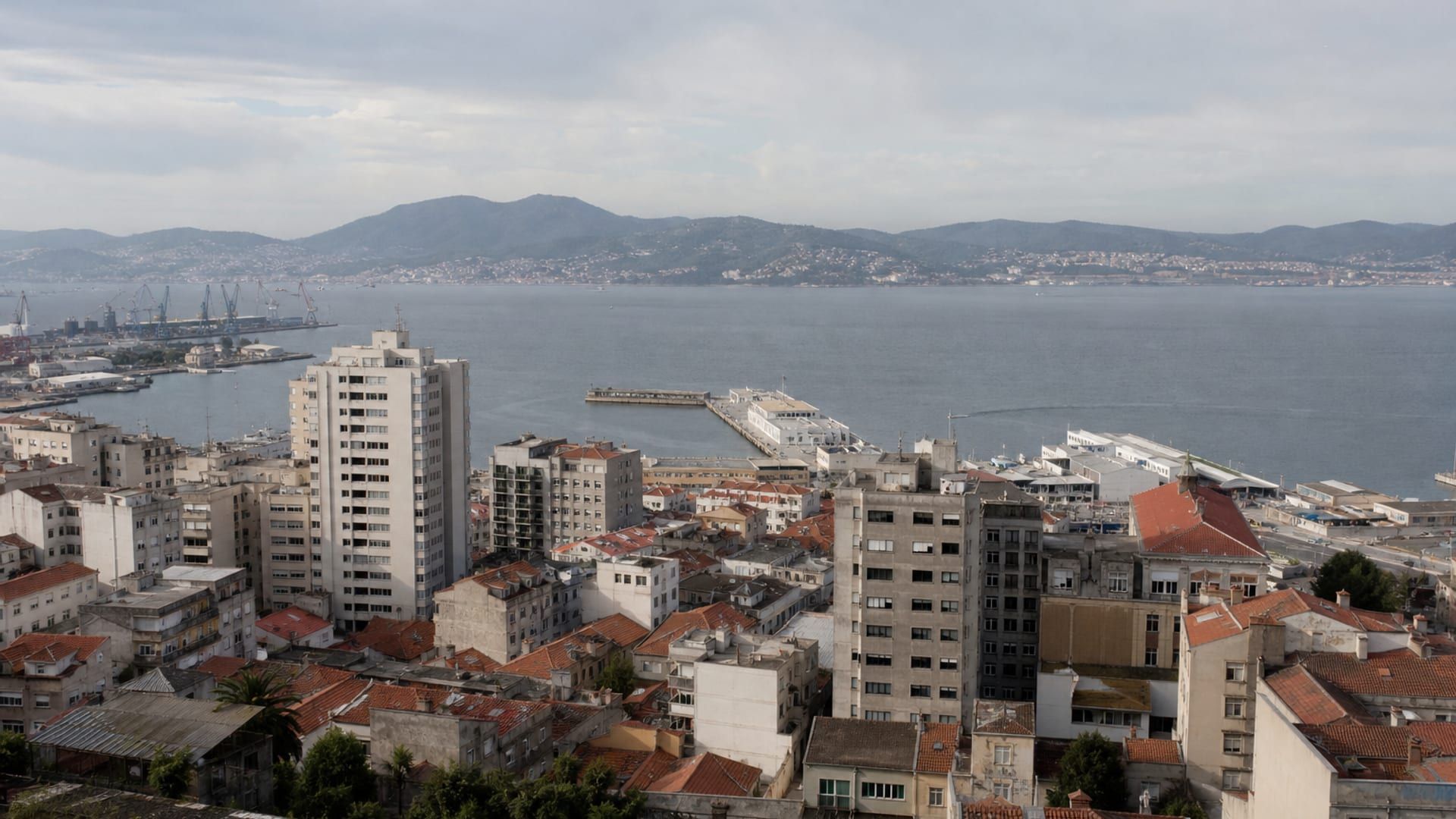
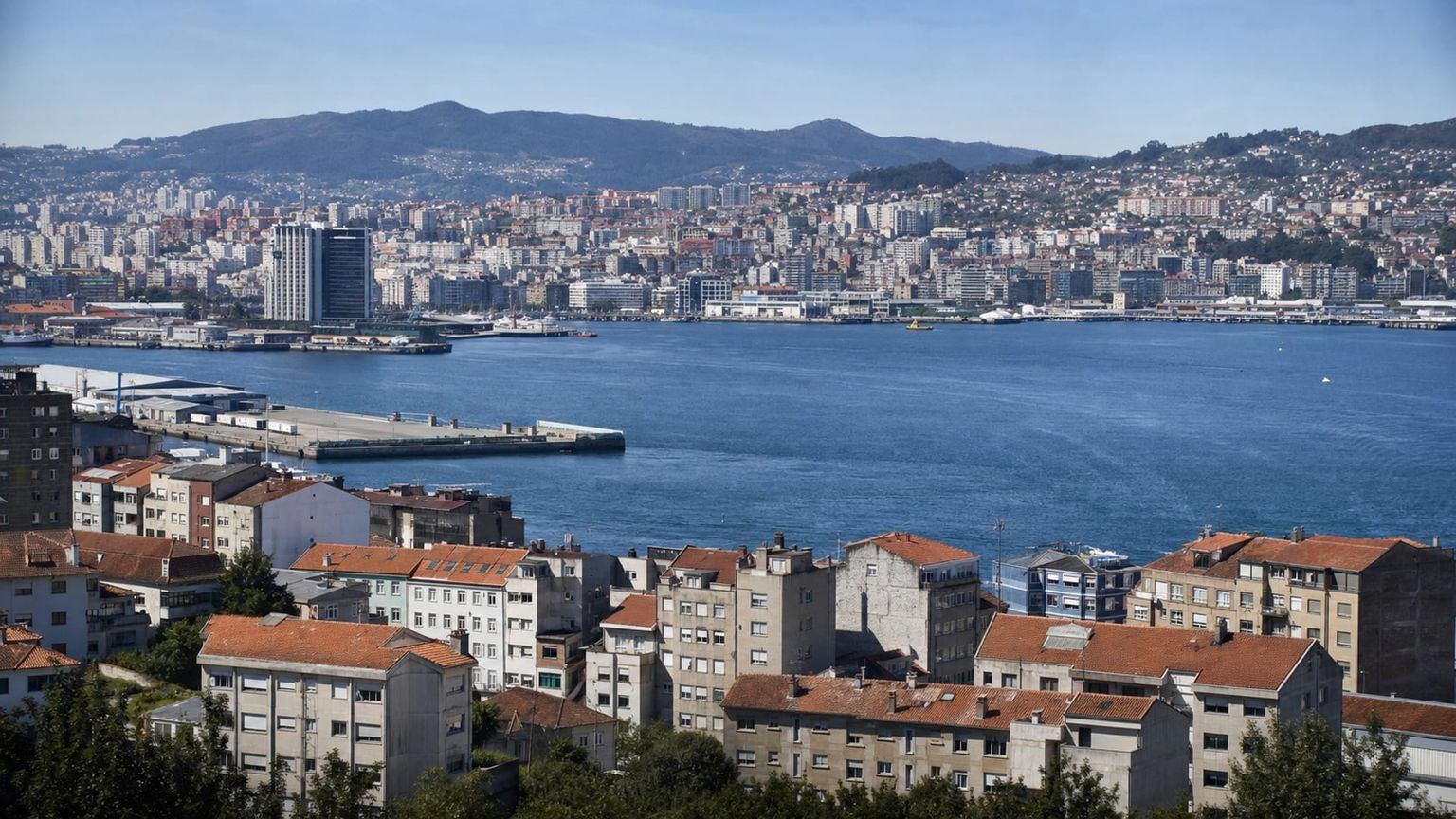
Vigo often gets treated as a stopover with a seafood meal, a harbor look, and maybe one ferry if the schedule allows. That leaves out how much the city shifts between the old lanes, the shopping avenues, and the western waterfront.
If you try to fit it into one quick loop, you spend time crossing between districts and miss the difference between a base in Casco Vello and one in Ensanche or Bouzas. The city rewards shorter moves and a clearer order.
This guide organizes Vigo by neighborhood, transit, and timing, so the ferry, beach, museum, and old-town stops sit in a sequence that matches how the city actually works.
Useful things to know

Main language(s): Spanish
Hola (OH-lah) – Hello
Por favor (por fah-VOR) – Please
Gracias (GRAH-see-ahs) – Thank you
¿Habla inglés? (AH-blah een-GLAYS) – Do you speak English?
¿Cuánto cuesta? (KWAHN-toh KWES-tah) – How much does it cost?

Currency: The local currency is the euro (EUR, €).

Cash and cards: Cards and contactless are widely accepted; keep about €20 to €40 ($22 to $44) in cash for small shops, taxis, and tips.

Tipping: Round up small bills; leave about 5-10% in restaurants if service is good.

Traditional food: Pulpo a la gallega, empanada gallega, lacón con grelos, zamburiñas

Water and coffee costs: Water ~€1.50 ($2), bar espresso ~€1.50 to €2 ($2 to $2).

Taxis and ride apps: Free Now and Bolt operate here; Uber is limited.

Plug and voltage: Type C/F socket, 230V

Dining and shop opening hours: Breakfast is about 08:00-10:00, lunch 13:30-15:30, and dinner 20:30-22:30. Many restaurants close between lunch and dinner.

Emergency number: 112 for police, fire, and medical emergencies.
Where to stay in Vigo
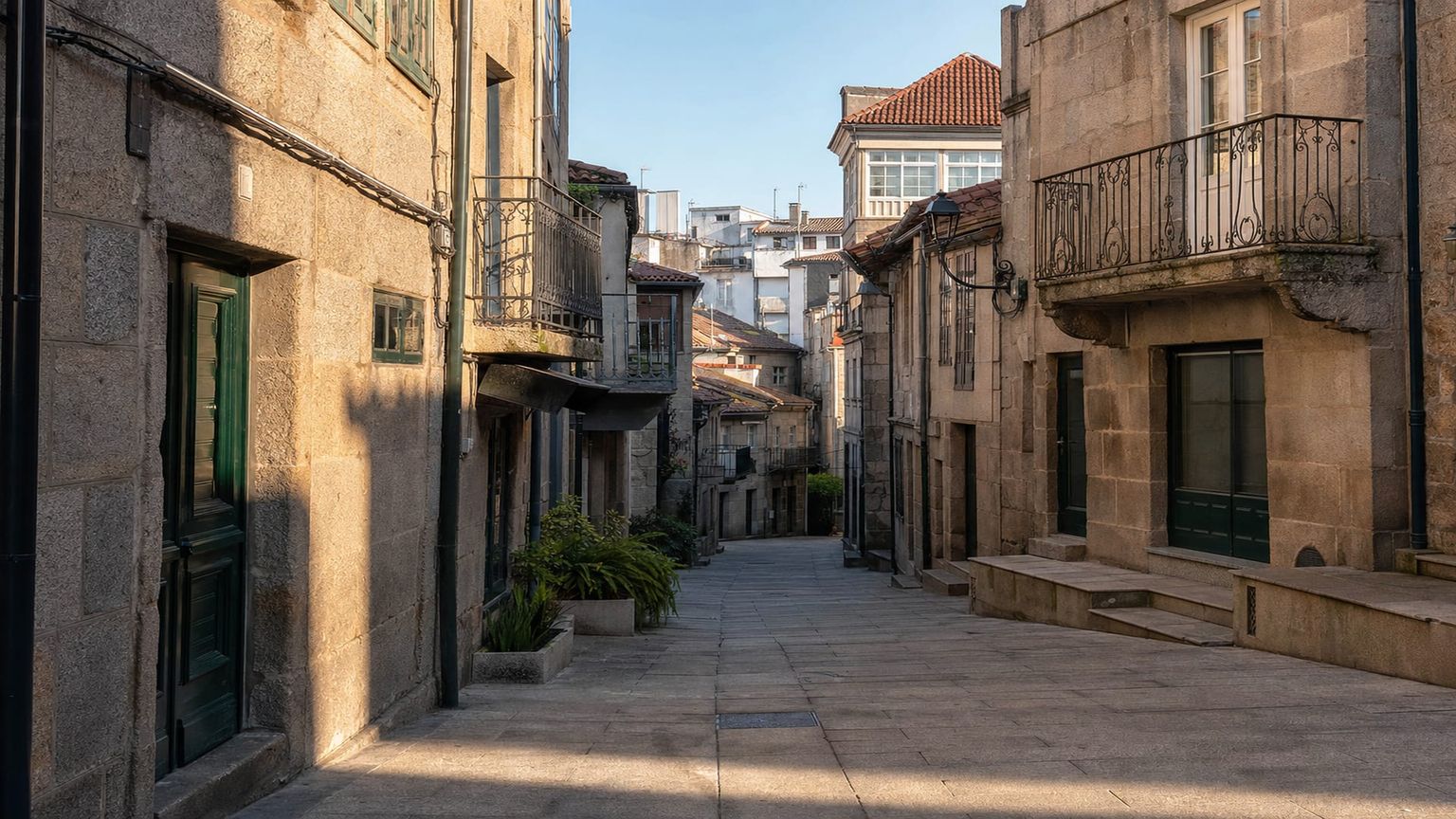
Vigo’s old town clusters around steep lanes, small squares, and the port edge, with the city’s most historic buildings within a compact walkable core. It suits visitors who want to step out to tapas bars, the waterfront, and the central market without depending on transit.
Best for: First-time visits, dining out, and staying close to the waterfront and central sights
What to expect: Expect narrow streets, late dining, and steady foot traffic in the evening, especially near the main squares and bar streets.
Hotel prices: Usually about 70€ to 150€ (~77$ to ~165$) per night for well-rated stays
Distance to major sights: 5 to 10 minutes on foot to the port and Mercado da Pedra, about 15 to 20 minutes on foot to Alameda and the Contemporary Art Museum
Quietness: Quieter in the morning, then lively and sometimes noisy at night near bars and terraces.
Main trade-off: Street noise and limited parking are common, and many buildings have steep stairs or smaller rooms.
Good to know: If you plan to go out for dinner, choose a side street rather than the busiest square, since late-night noise carries well between stone buildings.
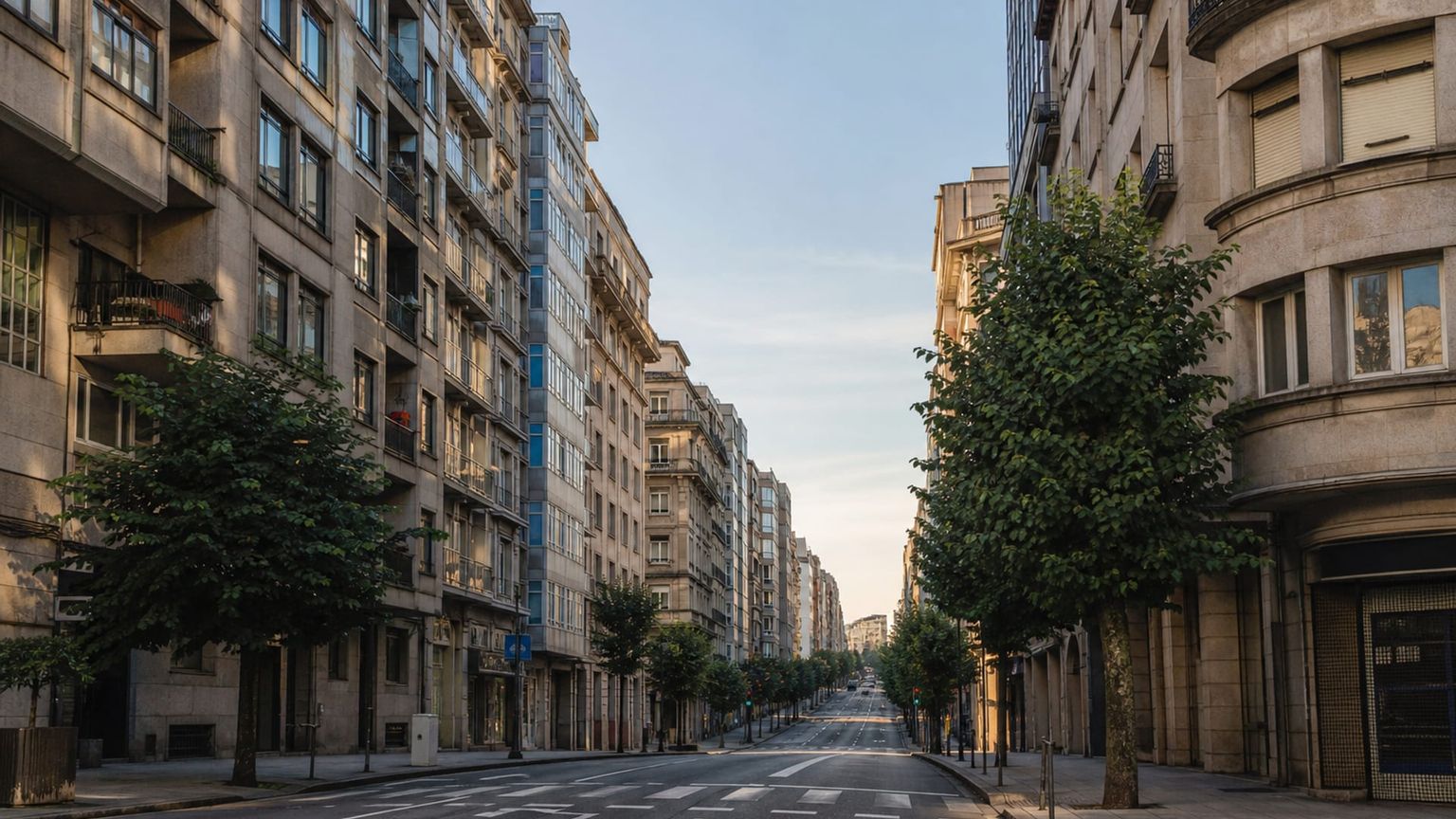
Ensanche is Vigo’s central shopping district, with broad avenues, apartment blocks, and easy access to the train station, major stores, and business addresses. It works well as a base if you want fast transit links and a more modern streetscape than the old town.
Best for: Train arrivals, shopping, and travelers who want central access without staying in the old town
What to expect: Expect busy daytime sidewalks, frequent cars and buses, and a mix of shoppers, commuters, and hotel guests.
Hotel prices: Usually about 75€ to 170€ (~83$ to ~187$) per night for well-rated stays
Distance to major sights: 10 to 15 minutes on foot to the old town, about 10 minutes on foot to the train station, roughly 20 minutes on foot to Castro Park
Quietness: Busy during the day, then calmer at night once shops close, with only main avenues staying active.
Main trade-off: You give up some historic atmosphere, and the most scenic waterfront walks take a longer walk or short taxi ride.
Good to know: If you arrive by rail, this area cuts down on luggage hauling because the station, taxis, and city buses are all close together.
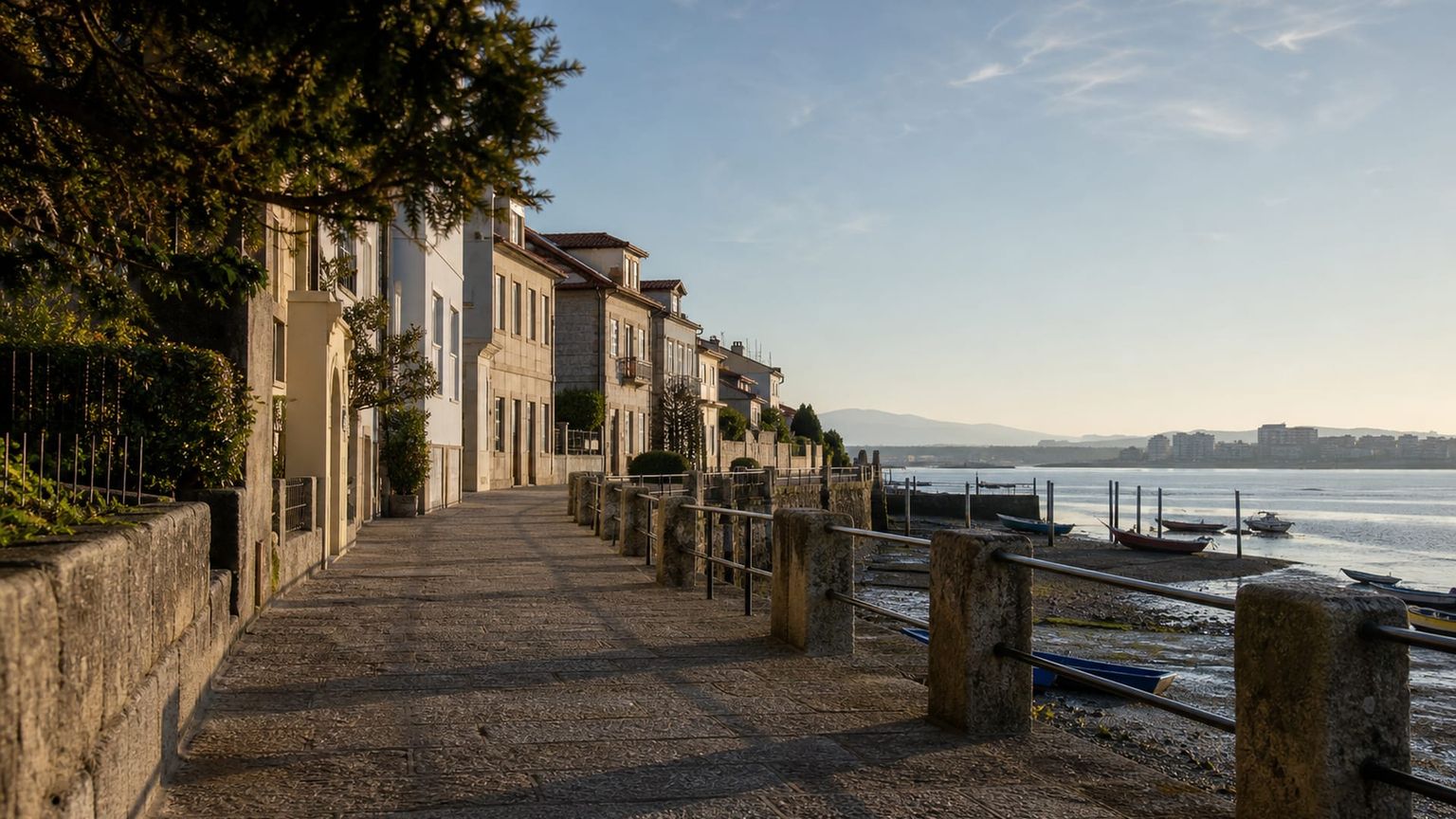
Bouzas sits west of the center on the waterfront, with a village-like layout, a working harbor, and plenty of local restaurants. It appeals to travelers who want a residential base with seaside walks and easier access to the beaches west of Vigo.
Best for: Longer stays, waterfront walks, and travelers who want a residential base with local dining
What to expect: Expect an active neighborhood core at meal times, quieter side streets, and a more local pace than the center.
Hotel prices: Usually about 65€ to 130€ (~72$ to ~143$) per night for well-rated stays
Distance to major sights: About 15 to 20 minutes by taxi to the old town, roughly 20 to 25 minutes by bus to Estación Marítima, and 10 to 15 minutes on foot to the waterfront promenade
Quietness: Calm in the morning and evening, with more noise around restaurants and the harbor at meal hours.
Main trade-off: You will spend more time getting to the central sights, and hotel choice is narrower than in the core.
Good to know: Check the bus stop location before booking, because service can thin out later in the evening compared with the central districts.
Travelers usually avoid staying in Teis, Navia, and Sampaio, because these outer neighborhoods sit well away from the old town, the waterfront, and the main shopping streets, with fewer visitor amenities and longer evening taxi rides. The industrial port edge near Guixar is also less convenient for a base, since it sits apart from the main sightseeing areas and offers little to do on foot after dark.
Hotel deals
How to get around Vigo efficiently
Vigo has no metro, so most visitors move between the city bus network, taxis, and walkable central streets, with the airport bus linking the center to Vigo (VGO).

Metro
for longer distances
Vigo does not have a metro system, so the closest fixed-route option is the urban bus network, plus the modern tramless rail links that serve the wider province. For airport transfers, look to buses and taxis instead, since they cover the main city and coastal neighborhoods without a subway-style network.

Bus and tram
for convenience
Vitrasa runs Vigo’s urban buses, with frequent links across the center, the train station area, Bouzas, Coia, and beaches such as Samil. A single ride costs about $1.50 (€1.40), and rechargeable cards lower the fare; most tickets are valid for one trip only, so check your boarding rules before you tap or buy. For the airport, the V9A bus connects Vigo (VGO) with the city and usually takes about 25 to 35 minutes, depending on traffic.

Taxi
for convenience or late hours
Licensed taxis in Vigo use meters, not fixed citywide set fares, and airport journeys from Vigo (VGO) to the center usually cost roughly $25 to $35 (€23 to €32), with higher totals late at night, on holidays, or if traffic builds. You can hail one on the street, use ranks at major stands, or call a radio taxi company, and most cabs accept card payment, although carrying some cash is still wise.
*Prices are based on rates updated as of June 2026 and may change at the time of travel.
Use buses for central links and beach trips, taxis for the airport and late returns, and walking for Casco Vello, where the key sights sit close together.
Iconic landmarks
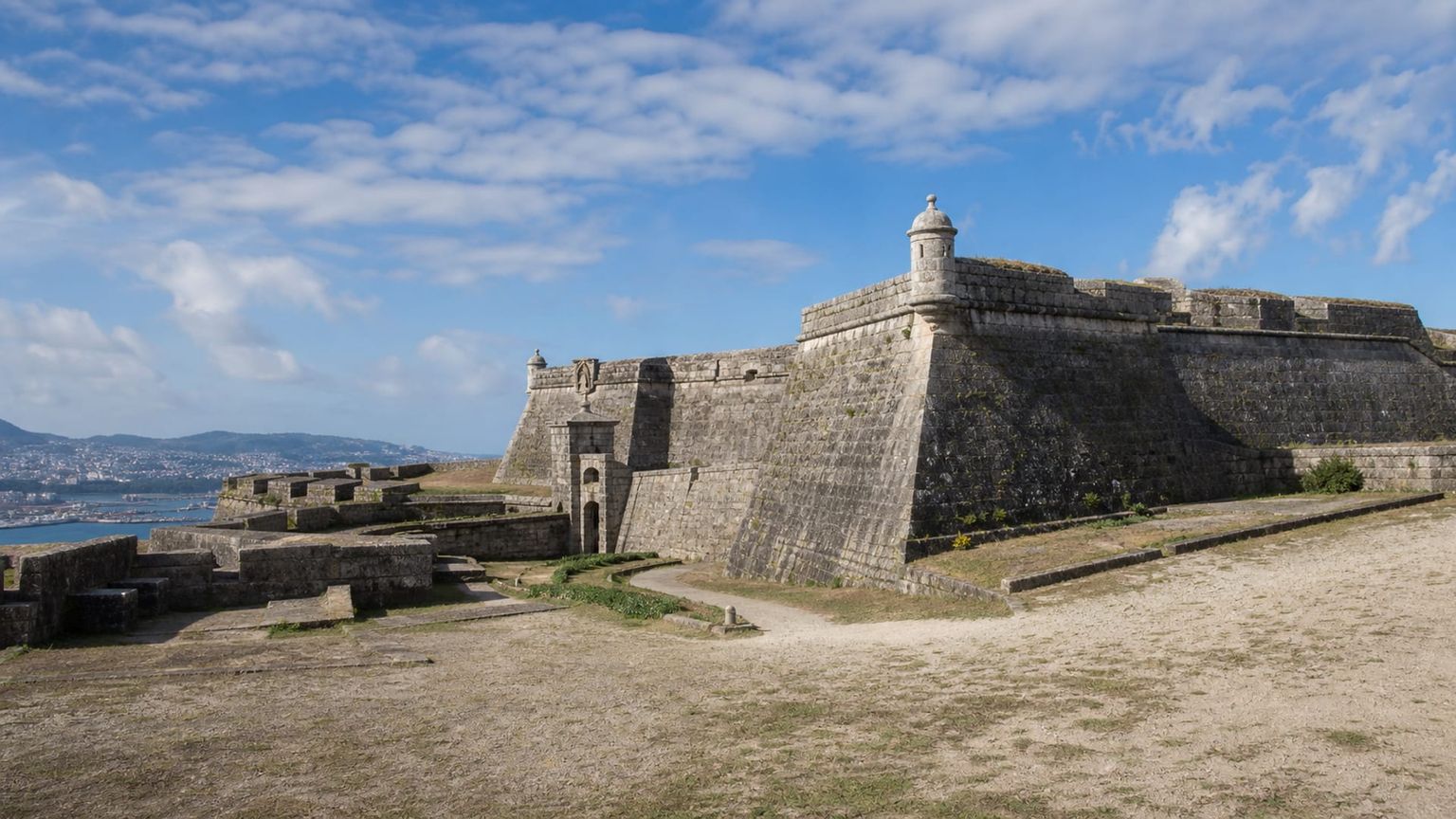
Castro Fortress
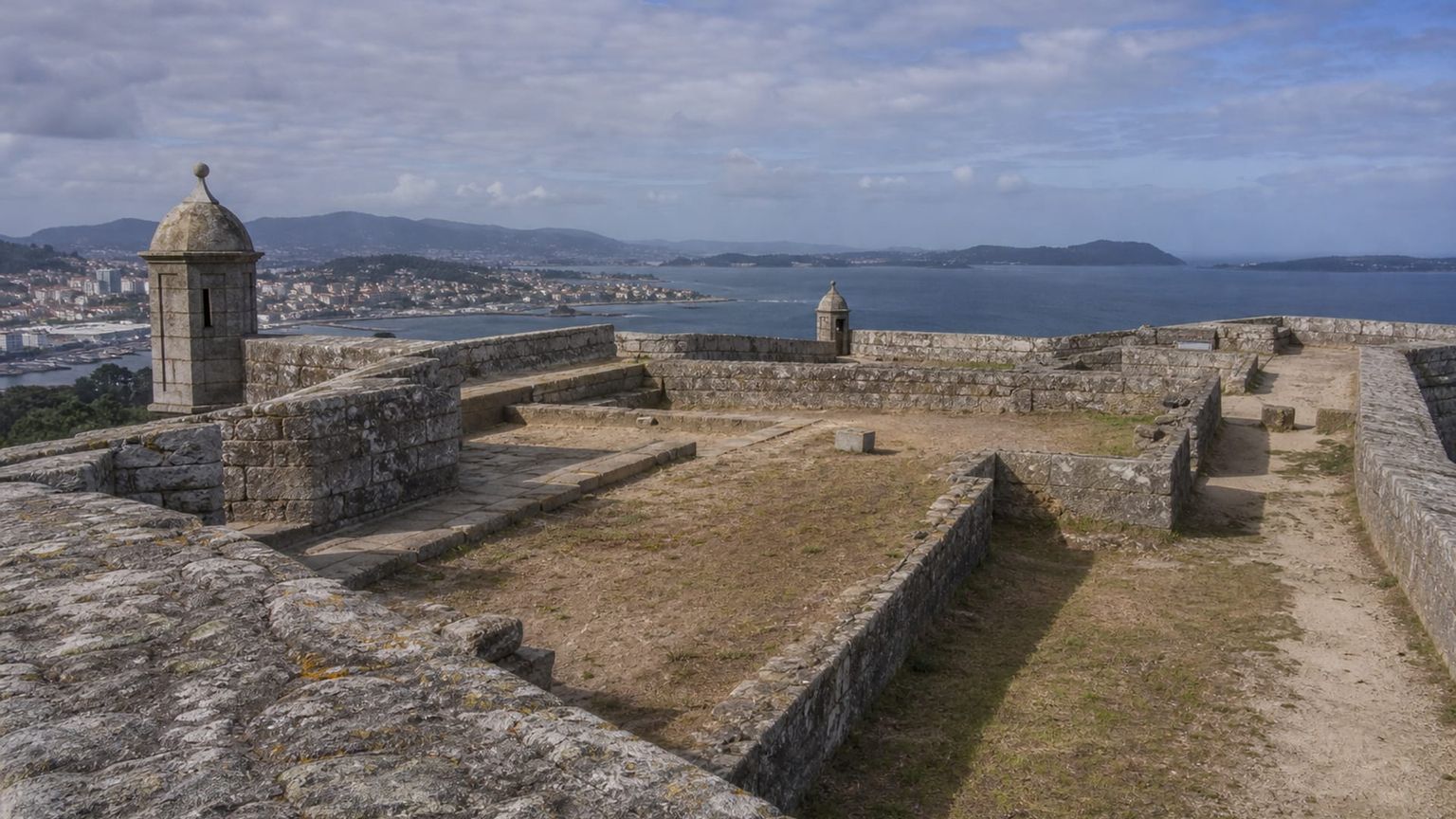
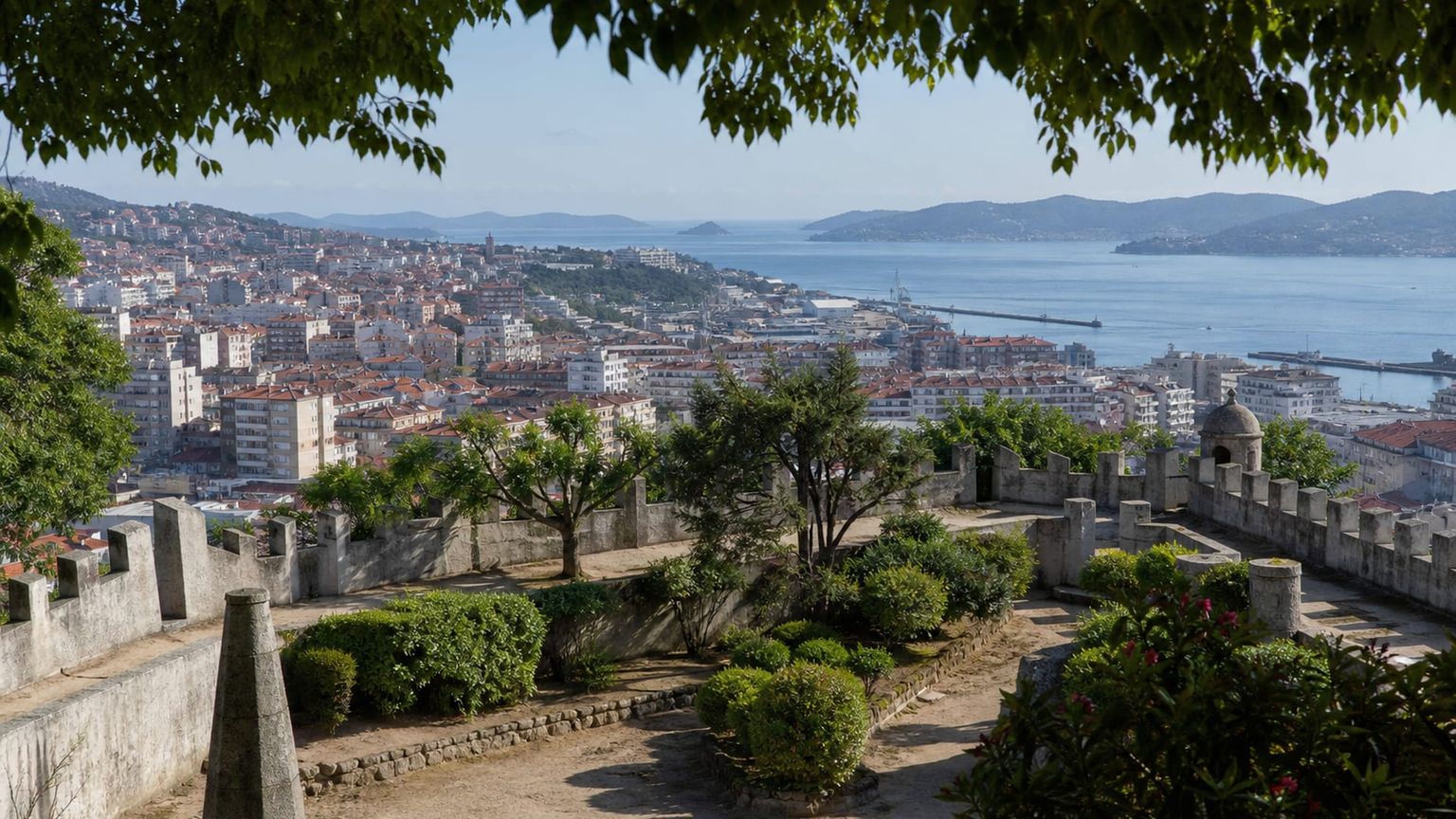
This hilltop fortress crowns central Vigo with stone ramparts, gardens, and broad views over the harbor. Built in the 17th century to defend the coast, it also preserves the old castle grounds and a quiet overlook above the city.
Time needed: About 1 to 2 hours
Entry: Free to access; no timed entry is required Visit the official site for details.
Tip: Go late in the day for softer light and a calmer climb back downhill.
Samil Beach
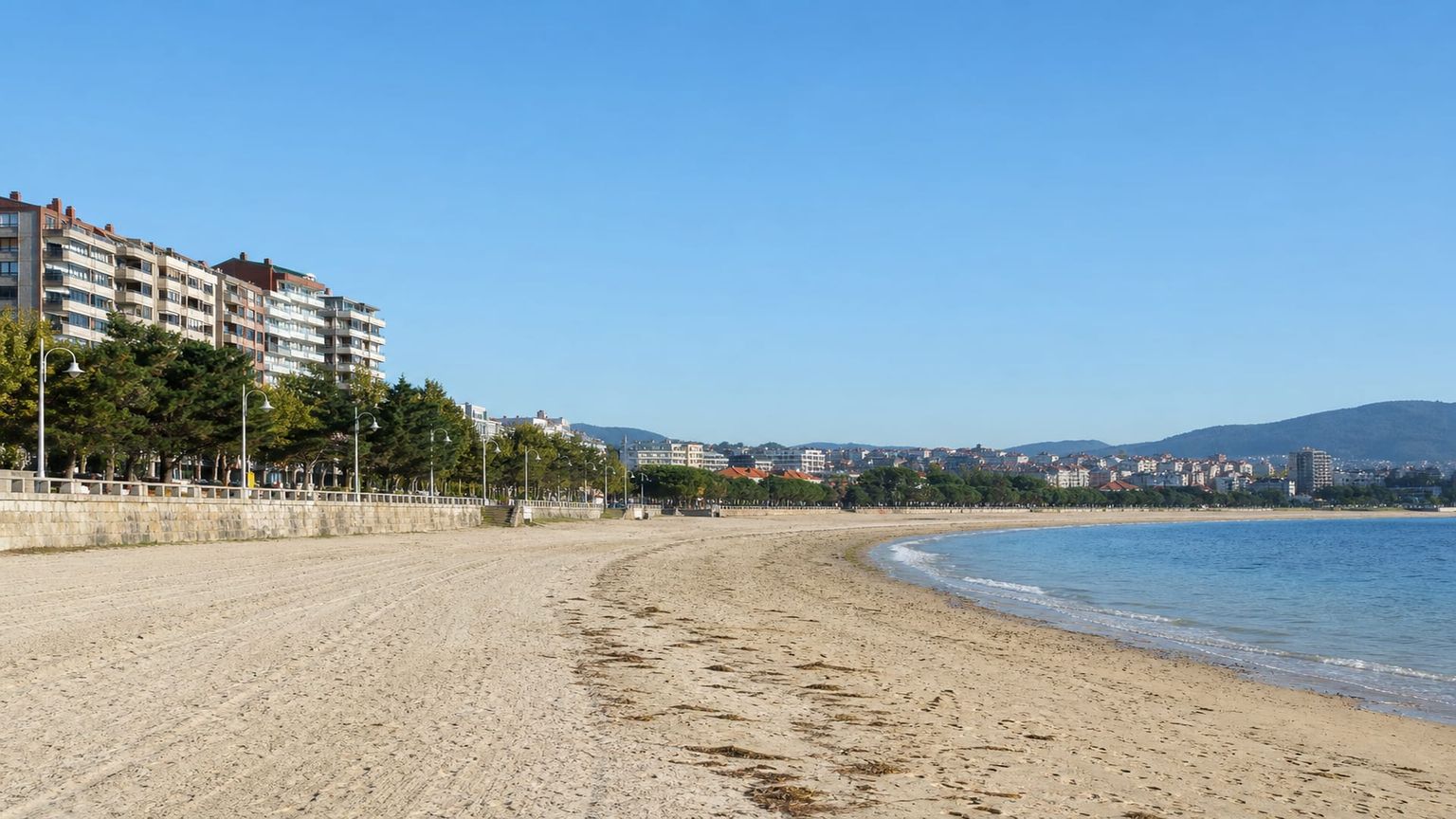
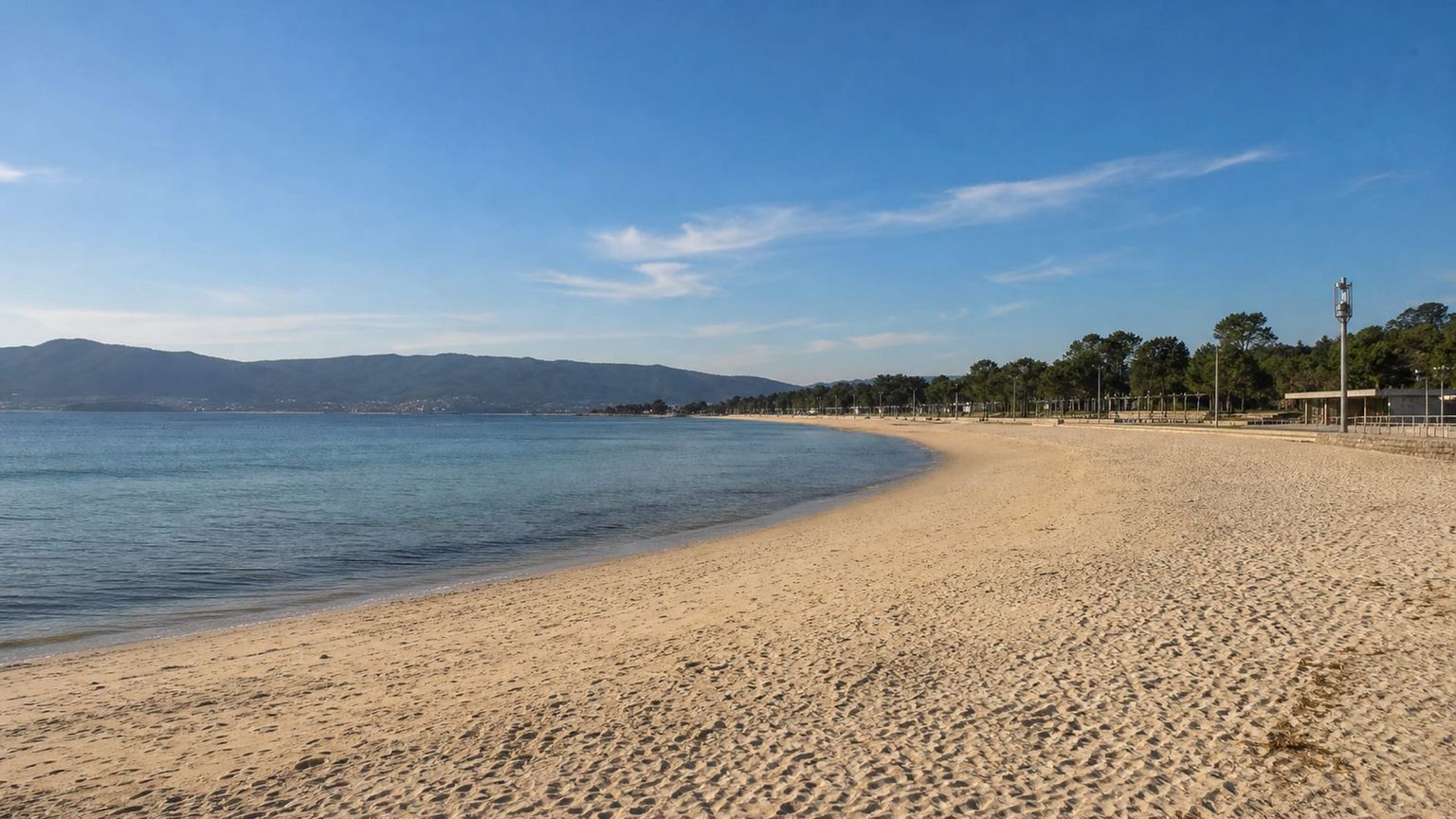
Samil stretches for more than a kilometer on Vigo’s western edge, with a long promenade, pools, and a wide sandbar facing the Atlantic. It is a city beach, but its scale and open water make it one of Vigo’s signature public spaces.
Time needed: About 2 to 3 hours
Entry: Free to access; no timed entry is required
Tip: Visit in the morning if you want easier parking and a quieter promenade.
Cíes Islands, Atlantic Islands of Galicia National Park
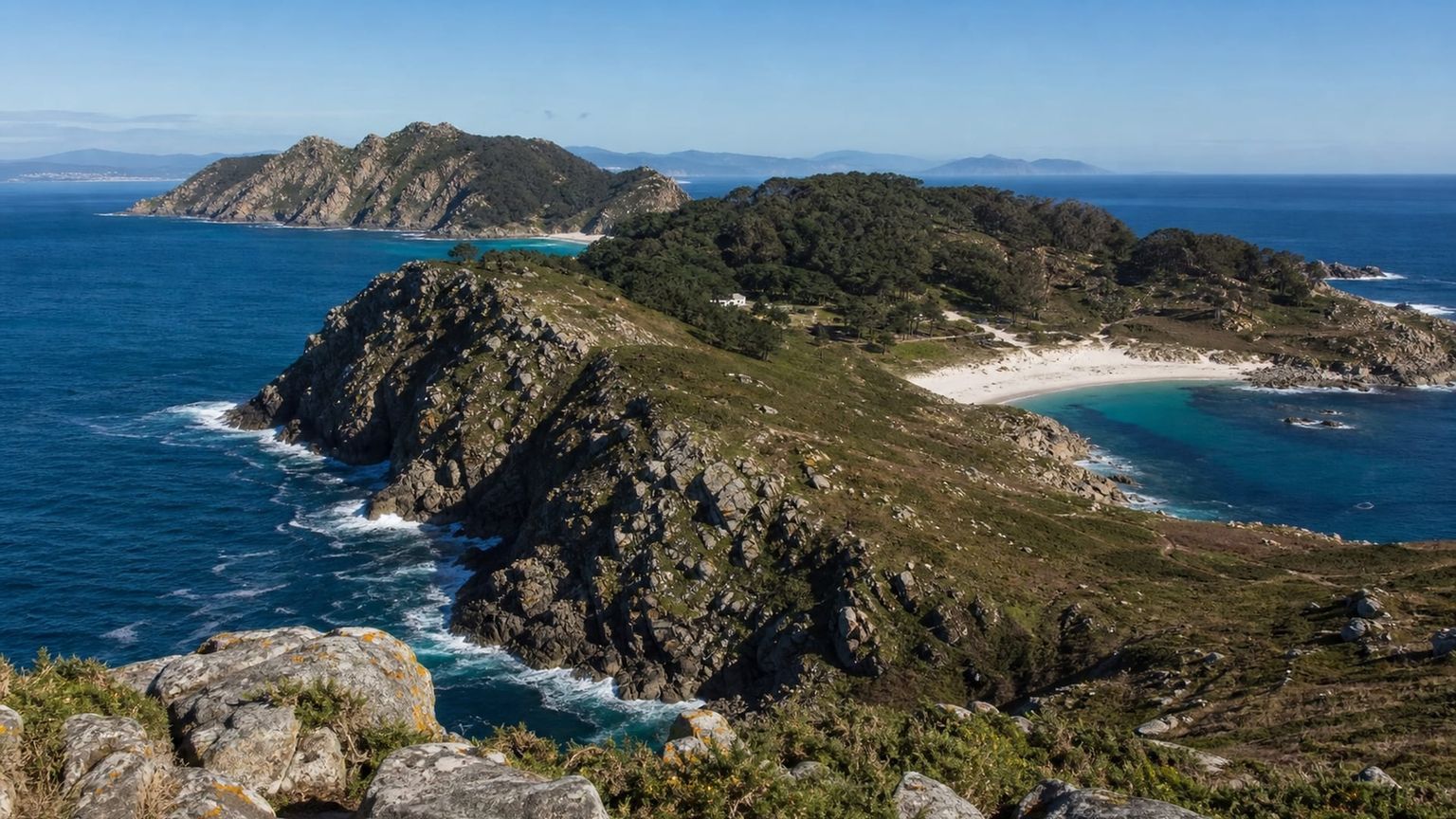
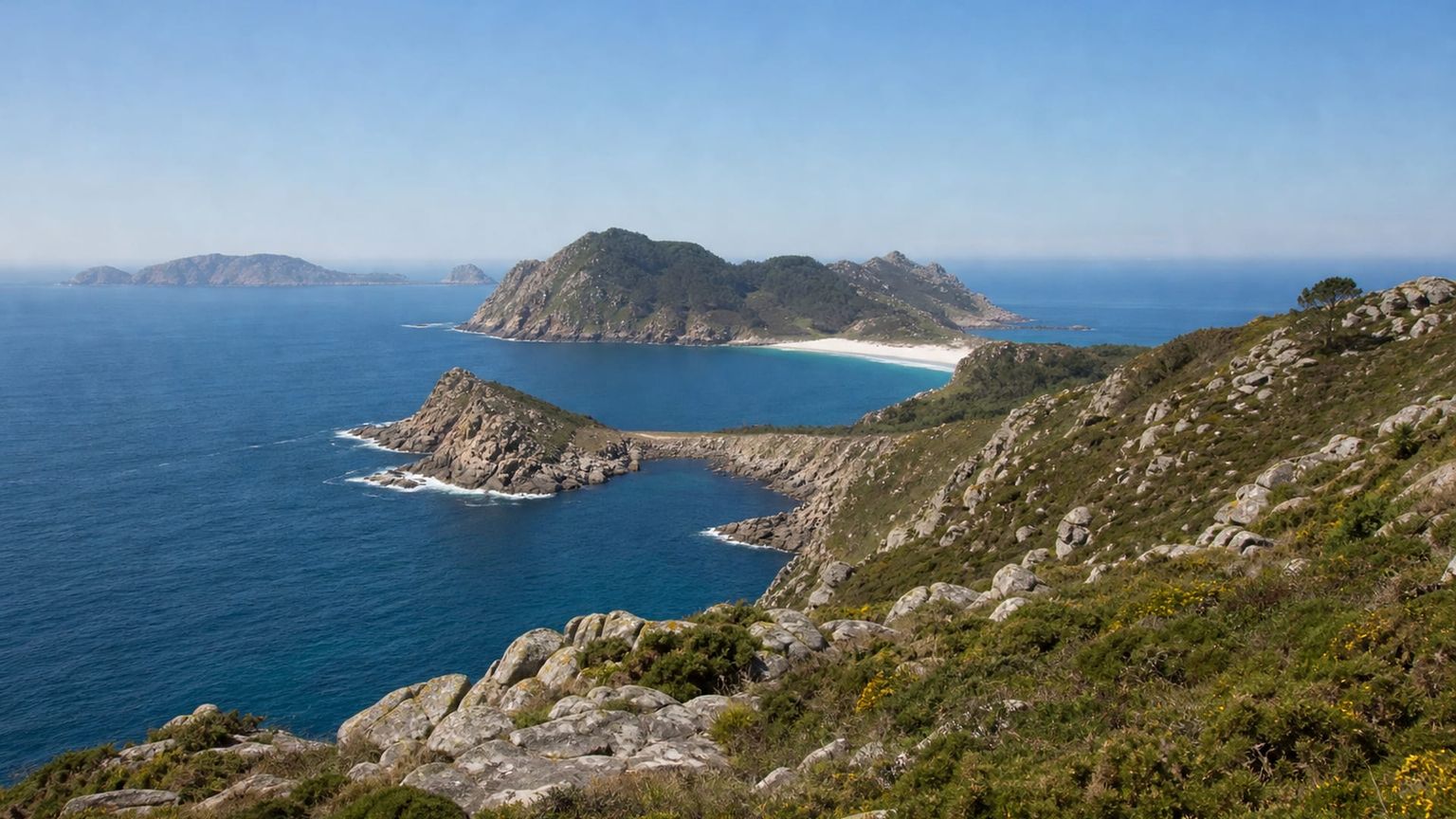
The Cíes Islands sit off Vigo’s coast inside the Atlantic Islands of Galicia National Park, known for white sand, clear water, and marked coastal trails. Ferries leave from Vigo, and the main routes stay close enough for a day trip.
Time needed: About 6 to 8 hours
Entry: Ferry fares usually cost $27 to $45 (€25 to €42), plus park access rules apply Visit the official site for details.
Tip: Take an early ferry, then use the return to avoid the busiest afternoon departures.
Overlooked sites worth visiting

Monte do Castro Park
This hillside park wraps a Roman and medieval hilltop into open lawns, stone walls, and shaded paths above central Vigo. Go for city views, short walks, and the excavated Castro settlement.
Time needed: About 1 to 2 hours
Entry: Free to access. The park and archaeological area have no admission fee, and visitors can walk the grounds without a ticket. Some facilities, including the museum and occasional temporary exhibits, may have separate hours or charges.
Tip: Visit late afternoon for softer light over the harbor.

Marco Contemporary Art Museum
This compact museum in the old town shows rotating contemporary art in a small, easy-to-cover space. Its narrow focus, changing shows, and central setting make it a quiet counterpoint to Vigo’s waterfront.
Time needed: About 45 minutes to 1 hour
Entry: Standard admission costs about $5 ($4.50). Reduced rates are usually available for students, seniors, and some groups, and temporary exhibitions or special events may use separate pricing or free-entry days depending on the program. Visit the official site for details.
Tip: Check current exhibitions before you go, because the lineup changes often.
Traditional food
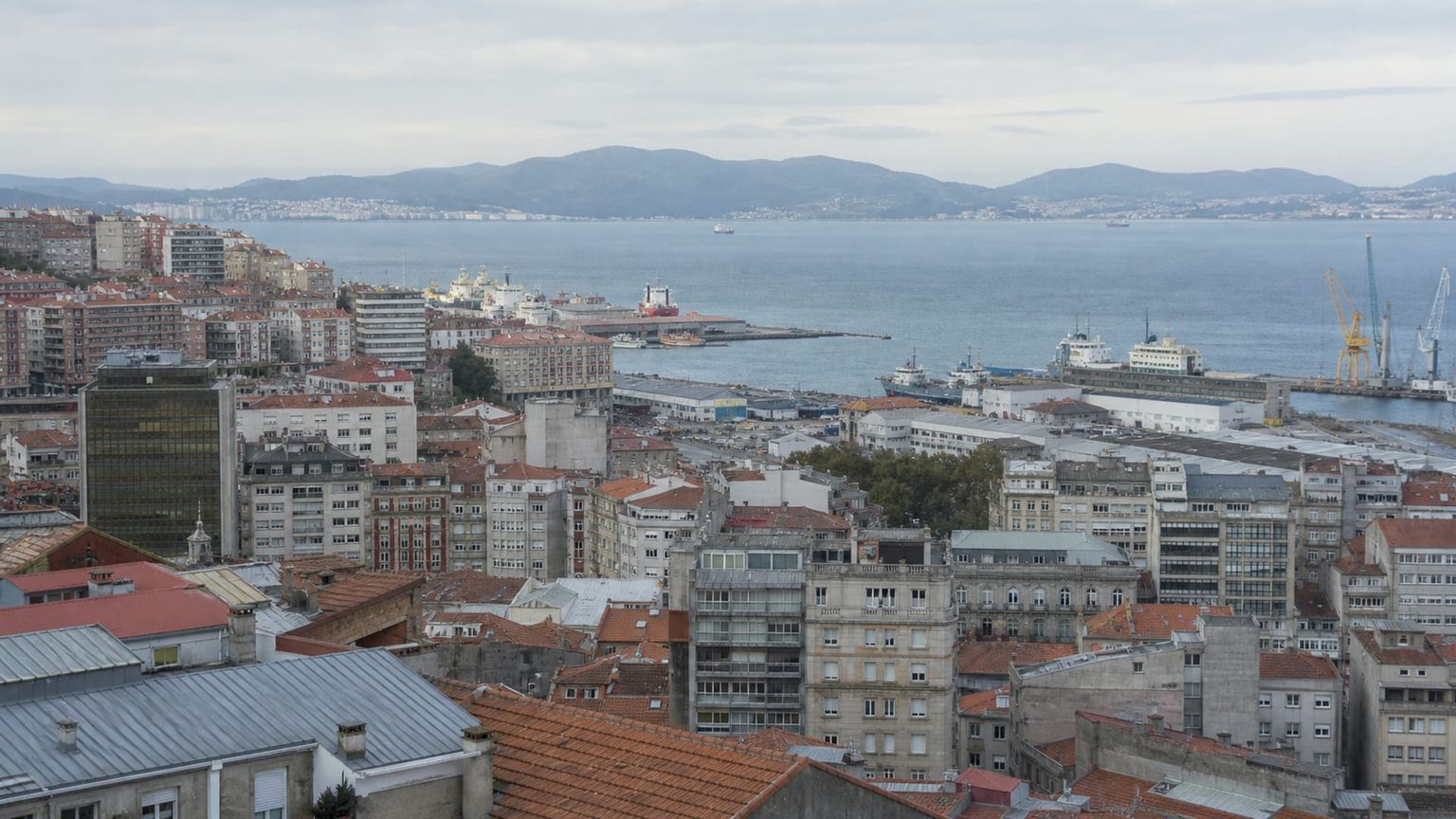
Vigo’s cooking leans on Atlantic seafood, Galician potatoes, greens, and pastry, with pulpo a la gallega, empanada gallega, lacón con grelos, and zamburiñas defining the table. Lunch runs long, dinner starts late, and bars often serve food in relaxed rounds.
Pulpo a la gallega
Tender octopus comes with olive oil, paprika, and potatoes, a classic Galician plate that suits Vigo’s seafood focus. For a dependable city-center version, try Casa Marco, where the dish fits an otherwise broad Galician menu.
Empanada gallega
This baked pie usually comes filled with tuna, cod, or local seafood, and it works as both a lunch plate and a snack with wine. O Porton serves a well-known version in Vigo, with a menu built around regional staples.
Lacón con grelos
Pork shoulder, turnip greens, and potatoes make one of Galicia’s most comforting winter dishes. Casa Vella delivers a classic take in Vigo, where the kitchen leans into traditional cooking.
Zamburiñas
These small scallops often arrive grilled with garlic, olive oil, and herbs, and they show how close Vigo dining stays to the harbor. At Maruja Limón, the dish appears in a more refined format that still respects the local catch.
Best time to visit Vigo
Vigo stays mild through much of the year, with the clearest beach weather in summer and the most comfortable walking conditions in spring and early autumn.
Best for: Old-town walks, hilltop views, and lighter dining crowds
What you get: Expect about 54°F to 65°F (12°C to 18°C), with moderate crowds and frequent rain that can come and go quickly.
Trade-offs: Beach days may still feel cool, and a wet afternoon can change plans.
Best for: Samil Beach, the Cíes Islands, and long waterfront evenings
What you get: Expect about 63°F to 77°F (17°C to 25°C), with the busiest crowds of the year and the most outdoor energy.
Trade-offs: Ferries, beaches, and seaside restaurants draw the heaviest demand.
Best for: Balanced sightseeing, food stops, and fewer crowds than midsummer
What you get: Expect about 55°F to 70°F (13°C to 21°C), with moderate crowds and comfortable days for walking.
Trade-offs: Rain returns more often as the season advances.
Best for: Museum visits, short city walks, and quieter restaurant nights
What you get: Expect about 46°F to 58°F (8°C to 14°C), with light crowds and a higher chance of damp weather.
Trade-offs: You will have fewer beach or island options.
A realistic 5-day plan in Vigo
Vigo works well as a city of short hops: old-town streets one day, the hill and museum circuit the next, then the beach, the islands, and a final shopping morning. The plan below keeps those moves in a sequence that matches distance, opening hours, and the city’s late dining schedule.
Fly into Vigo (VGO), then take a taxi into Casco Vello or Ensanche in about 20 to 25 minutes for roughly $23 to $29 (€21 to €27). Check in, drink water, and keep dinner close by in Casco Vello, where you can settle into a tapas bar on a side street rather than a square packed with late-night noise. If you have energy, walk to the port edge for a short look at the waterfront before turning in early.
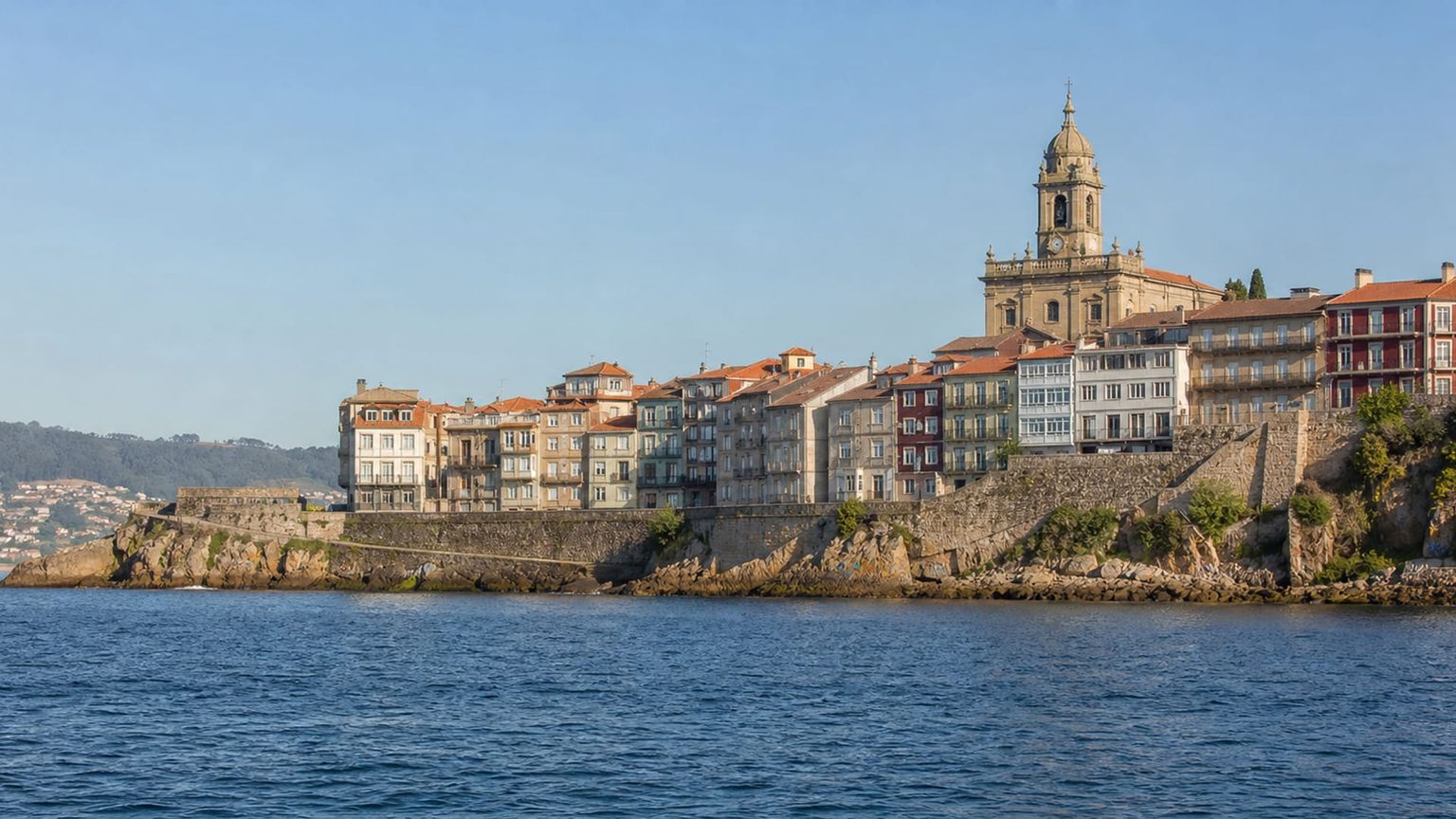
Start with Monte do Castro Park in late morning, then continue uphill to Castro Fortress, which sits about 10 to 15 minutes away on foot and gives you wide harbor views. Spend about 1 to 2 hours between the park paths and the fortress grounds, then walk downhill toward the old town in roughly 15 minutes for lunch in Casco Vello. In the afternoon, visit Marco Contemporary Art Museum, about 5 to 10 minutes on foot from the main old-town lanes, and end with a slow dinner nearby so you stay inside the historic core.
Head to the waterfront for a beach day at Samil Beach, reached in about 15 to 20 minutes by taxi from Casco Vello or about 25 to 35 minutes by bus from Ensanche. Plan 2 to 3 hours for the promenade, pools, and sandbar, then return to the center for a late lunch, since the trip back usually takes about the same amount of time. If you still want one more stop, pair the beach with an easy harbor walk in Bouzas, about 10 to 15 minutes farther west by taxi, for an early evening seafood meal.
Book the early ferry to the Cíes Islands, then expect about 6 to 8 hours total for the round trip and time on the island trails and beaches; fares usually cost $27 to $45 (€25 to €42), plus park rules apply. From Vigo’s port, the boat ride gives you a full-day change of pace, and the return trip is easier if you avoid the busiest afternoon departures. Back in town, keep the evening simple with a waterfront drink in Casco Vello or Bouzas, depending on where you are staying.
A final morning in Ensanche works well for shopping, since the central avenues place stores, cafés, and the train station within an easy walk of each other. If you want one last cultural stop, return to Marco Contemporary Art Museum for its compact galleries, or linger in Casco Vello over coffee before checking out. For a late trip out, a relaxed walk through the district’s main streets gives you one more look at Vigo’s center without adding another transfer.
Business-class flights from the US to Vigo
From both New York and Los Angeles, Vigo usually means a one-stop itinerary rather than a direct flight. The best options depend on how much you want to trade fare level for total travel time and connection point.
From New York, airlines such as American Airlines, Iberia, Aer Lingus, Air Europa, and TAP Air Portugal commonly price round trips from about $2,200 to $5,500. If you prefer to save money, itineraries via Madrid, Lisbon, or Dublin often pull the fare down, with total travel times of about 10 to 16 hours.
Los Angeles itineraries with Iberia, Air France, Lufthansa, TAP Air Portugal, and British Airways usually land in the $3,400 to $7,500 range, with connections through Madrid, Lisbon, Paris, Frankfurt, or London. Total journey time generally runs about 14 to 19 hours, so choosing the connection point matters as much as the fare.
Vigo feels different when you slow down
A deliberate Vigo trip moves between Casco Vello, Monte do Castro, Samil, and the port without wasting time on unnecessary cross-city detours. Taxis work well for the airport and the beach edge, while walking suits the old town and the museum cluster. If you want help shaping the route, the AranGrant experts can build it around the ferry schedule, a waterfront stay in Bouzas, or a final morning in Ensanche