

Chapters:

Need help with your trip?
Our support team is available 24/7. Request a callback or call us directly at (833) 619-0908
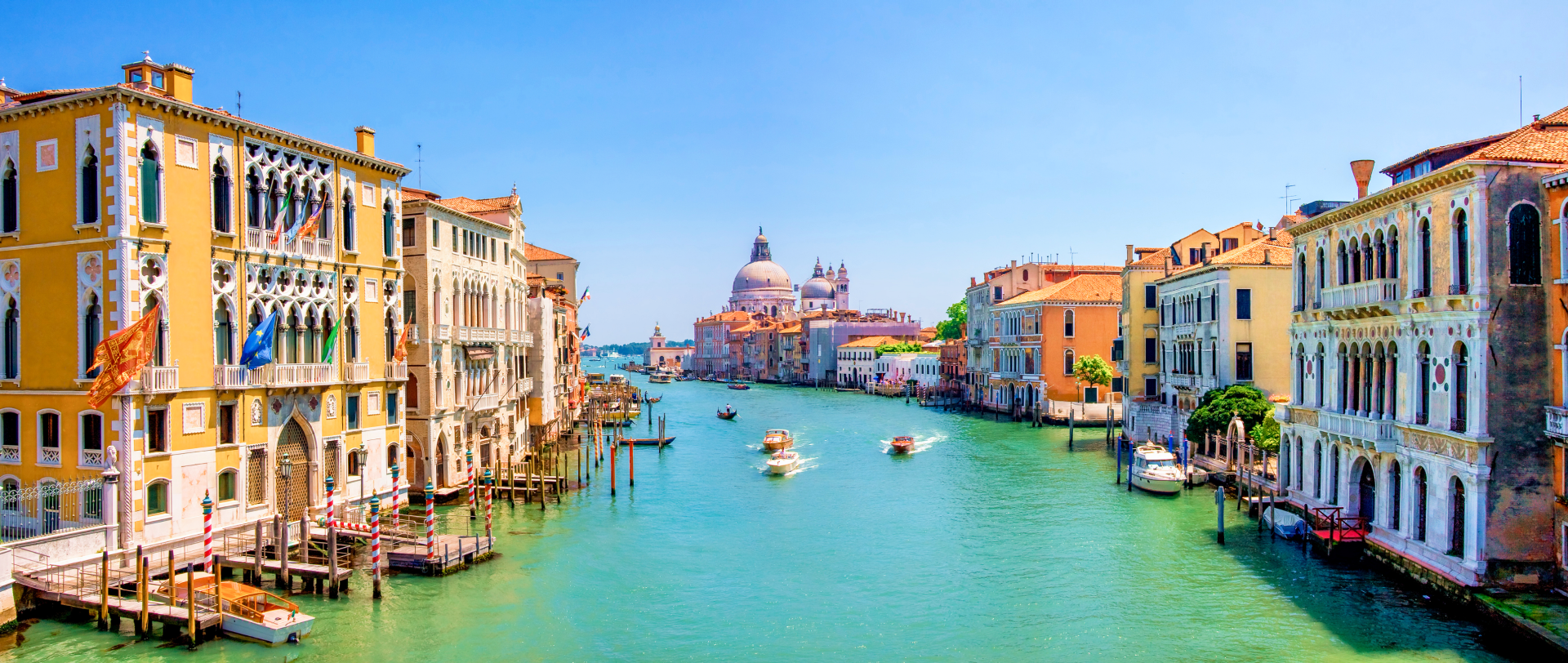
Venice usually begins with a single landmark loop: St. Mark’s, the Doge’s Palace, one canal crossing, then dinner near the square. Travelers often stop there and miss how quickly the city changes once you move into Cannaregio, Dorsoduro, or Castello.
That narrow pattern can be costly in time and energy. Distances are short on a map but longer on bridges and crowded walkways, and vaporetto stops, lunch closures, and evening water traffic all shape the day more than many first-time visitors expect.
This guide sets a steadier pace, pairing major sights with neighborhood routes, realistic transit choices, and a five-day plan that leaves room for meals, museum time, and the city’s late-day calm.
Useful things to know

Main language(s): Italian
Ciao (chow) – Hello
Per favore (pehr fah-VOH-reh) – Please
Grazie (GRAH-tsee-eh) – Thank you
Parla inglese? (PAHR-lah een-GLEH-zeh) – Do you speak English?
Quanto costa? (KWAHN-toh KOH-stah) – How much does it cost?

Currency: The local currency is the euro (EUR, €).

Cash and cards: Cards and contactless are widely accepted, but carry about €20 to €40 ($22 to $44) for vaporetto tickets and small purchases.

Tipping: Round up the bill; service charges often appear on checks, and extra tipping is optional.

Traditional food: Sarde in saor, risotto al nero di seppia, bigoli in salsa, baccalà mantecato

Water and coffee costs: Water about €2 ($2), bar espresso about €1.50 to €2.50 ($2 to $3).

Taxis and ride apps: Uber and itTaxi operate here; taxis are limited in central Venice, and water taxis are separate.

Plug and voltage: Type C, F, and L socket, 230V

Dining and shop opening hours: Breakfast is about 7:00-10:00 am, lunch 12:30-2:30 pm, and dinner 7:30-10:00 pm. Many restaurants close mid-afternoon, and some smaller places close one day a week.

Emergency number: 112 for police, fire, and medical emergencies.
Where to stay in Venice
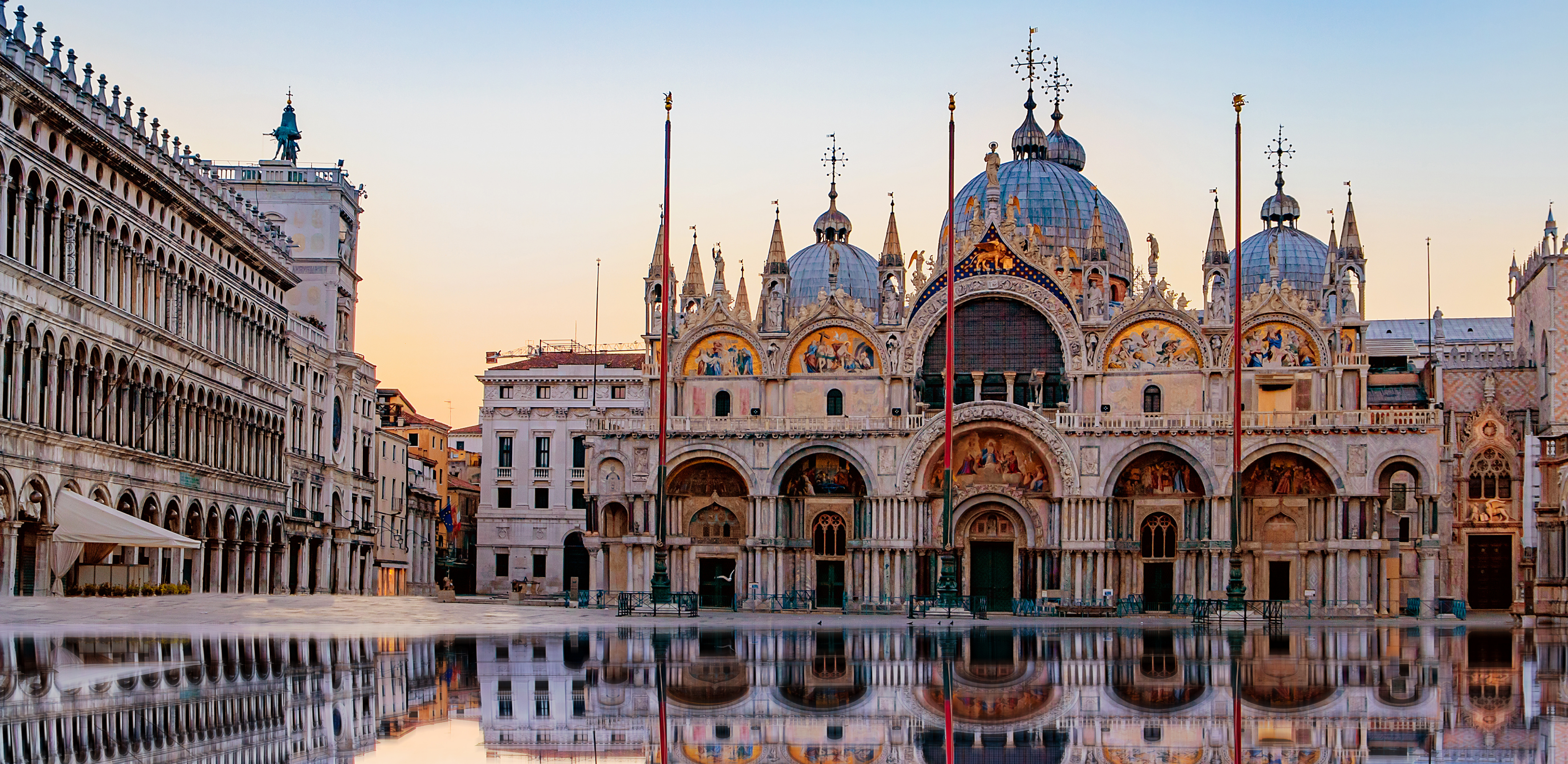
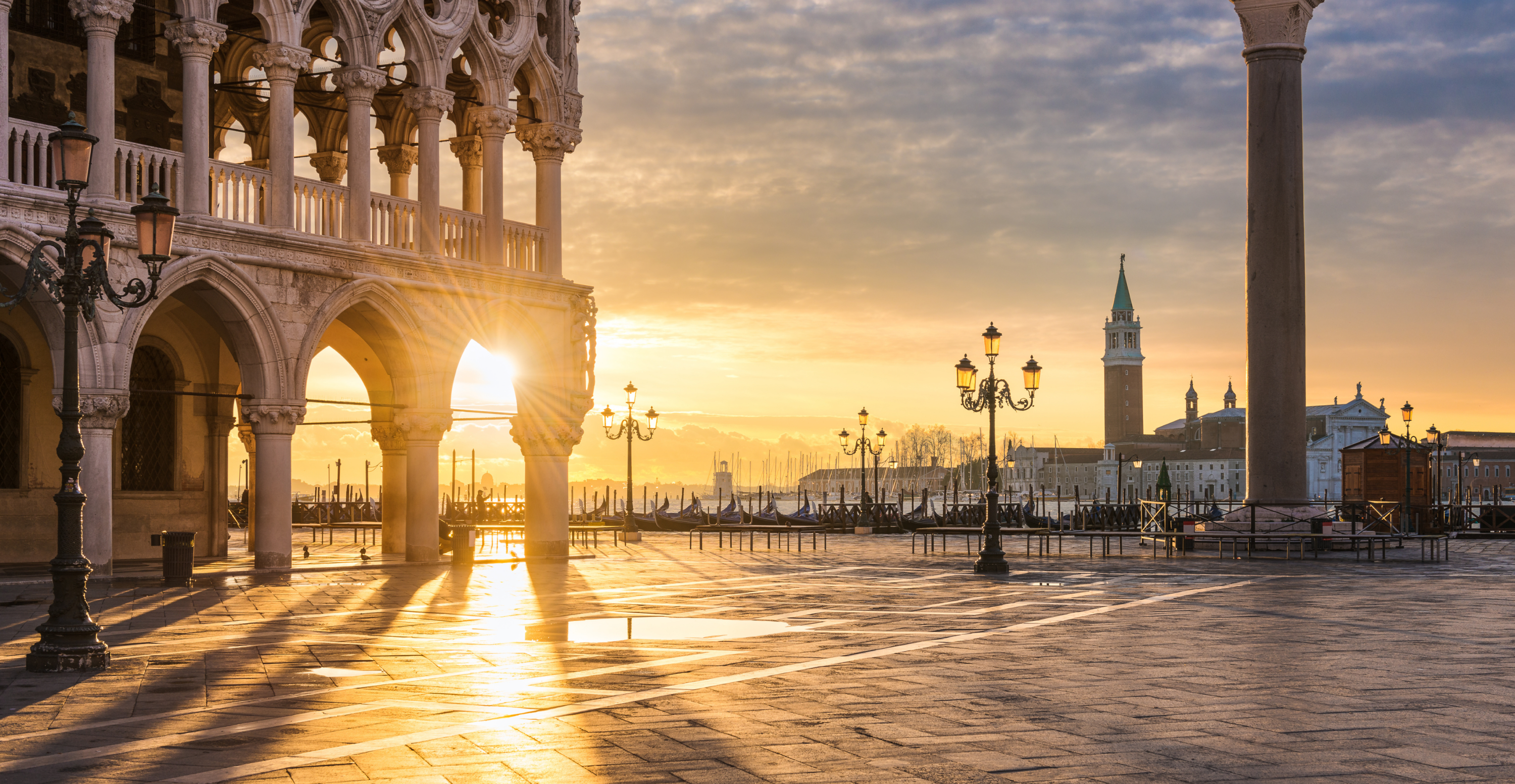
Venice’s most iconic core, home to St. Mark’s Square, the basilica, and the Grand Canal’s busiest crossings. Staying here puts major sights, elegant arcades, and the city’s most visited waterfront within an easy walk.
Best for: First-time visits, landmark access, and short stays centered on major sights
What to expect: Elegant facades, heavy daytime foot traffic, and restaurant terraces that fill quickly near the main squares.
Hotel prices: Usually about €250 to €500 (~$275 to ~550) per night for well-rated stays
Distance to major sights: 5 to 10 minutes on foot to St. Mark’s Square; about 15 minutes on foot to the Doge’s Palace
Quietness: Busy through the day, then noticeably calmer late at night once the day visitors leave.
Main trade-off: You pay more here, and many properties sit in smaller historic buildings with compact rooms.
Good to know: Water taxis and vaporetto stops are close, but most evening dining still needs advance booking in peak months.
A south-side district of canals, art museums, and university life, with wider walking routes and a more lived-in feel than the historic core. It gives you quick access to the Accademia, the Peggy Guggenheim Collection, and Fondamente Zattere.
Best for: Museum visits, canal walks, and travelers who want a less crowded central base
What to expect: Cafes, student traffic, gallery visitors, and a mix of neighborhood life with quieter side streets.
Hotel prices: Usually about €180 to €320 (~$198 to ~352) per night for well-rated stays
Distance to major sights: 10 to 15 minutes on foot to the Accademia; about 20 minutes on foot to St. Mark’s Square
Quietness: Livelier near Zattere and the university, calmer on interior lanes and later in the evening.
Main trade-off: You will walk a bit more for the most famous sights, and some waterfront rooms command premium rates.
Good to know: Several dinner spots close earlier than in the core, so late arrivals should check kitchen hours.
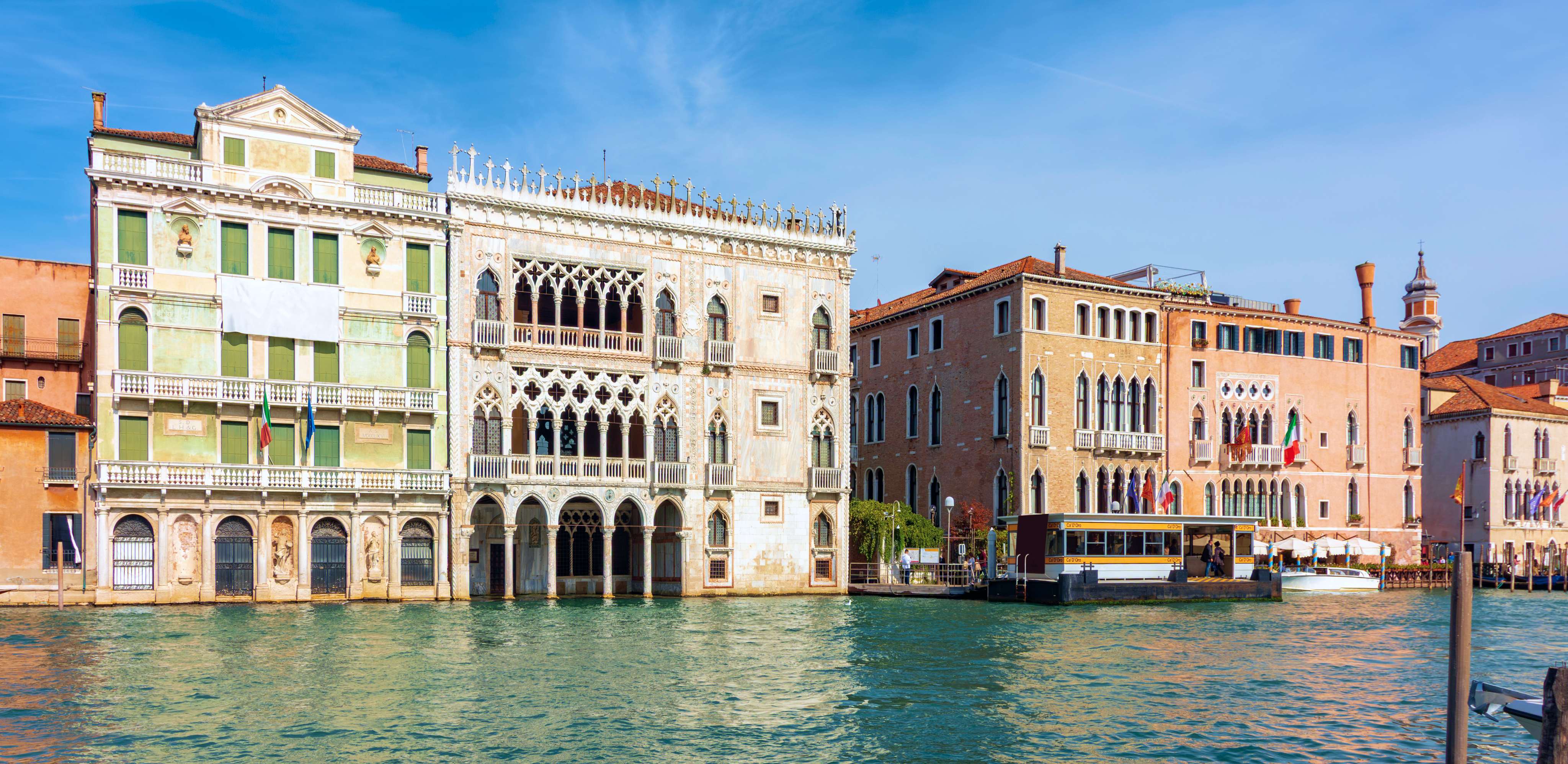
A large north-side district with residential canals, the Jewish Ghetto, and one of Venice’s best mixes of local life and visitor access. It gives you easier arrivals from the station and more space for restaurants without losing central access.
Best for: Arrivals by train, longer stays, and travelers who want local streets with central access
What to expect: Everyday neighborhood movement, canal-side bars, and quieter alleys that still see steady visitor flow.
Hotel prices: Usually about €150 to €280 (~$165 to ~308) per night for well-rated stays
Distance to major sights: 10 to 15 minutes on foot to Venice Santa Lucia station; about 25 minutes on foot to St. Mark’s Square
Quietness: Calmer than San Marco during the day, with some lively stretches near the main canals in the evening.
Main trade-off: You save on room rates, but some of the most scenic addresses sit farther from the main monuments.
Good to know: If you plan to use the train or arrive with luggage, this area avoids some of the longest bridge-heavy walks.
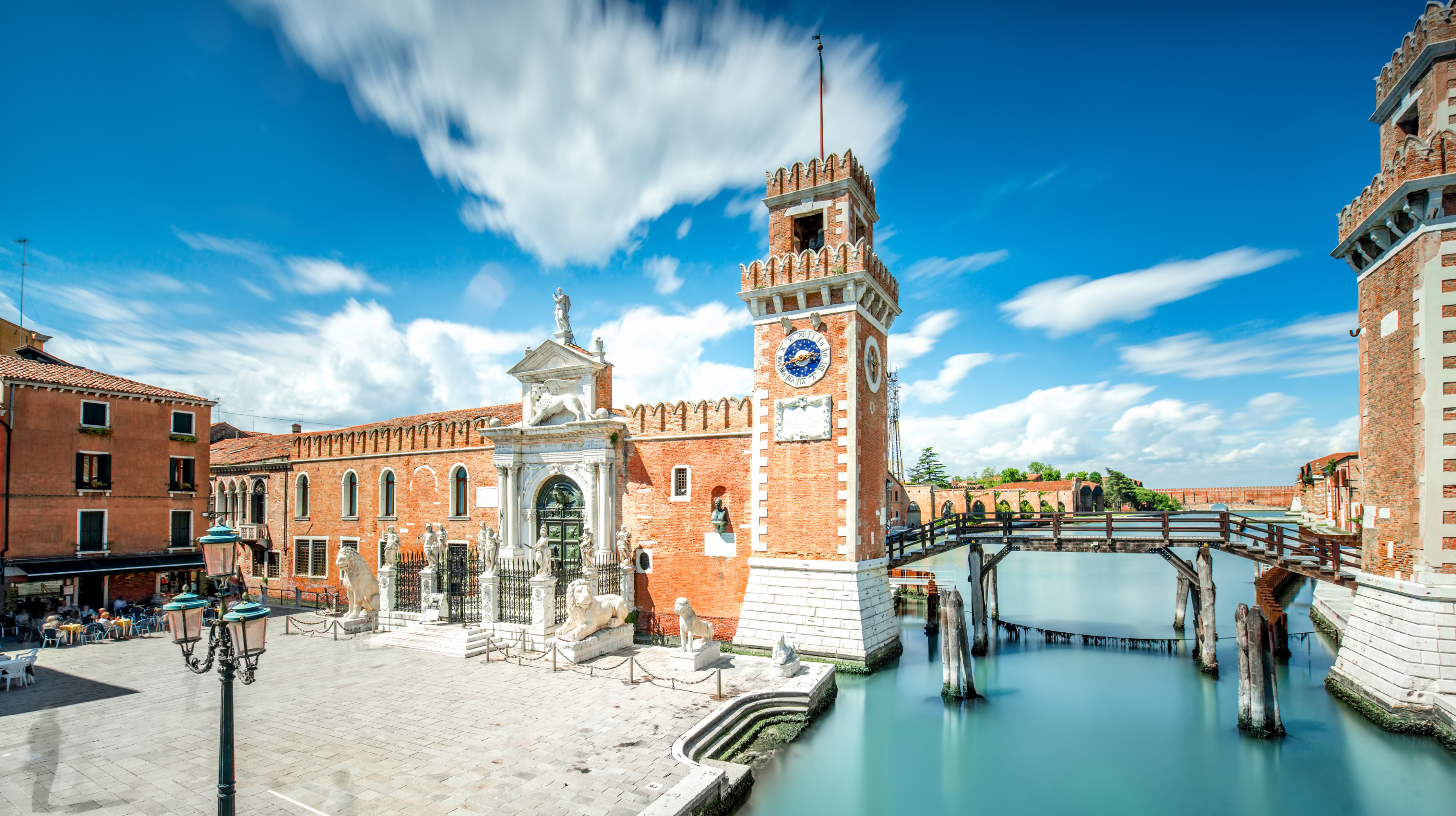
Venice’s largest district stretches east from St. Mark’s with quiet residential lanes, small squares, and the gardens near the Biennale site. It suits travelers who want room to move, plus access to the Arsenale and eastern waterfront.
Best for: Longer stays, quieter evenings, and access to the Biennale and eastern Venice
What to expect: Local groceries, neighborhood bars, and lighter foot traffic away from the museum entrances and cruise-terminal approaches.
Hotel prices: Usually about €160 to €300 (~$176 to ~330) per night for well-rated stays
Distance to major sights: 15 to 20 minutes on foot to St. Mark’s Square; about 10 minutes on foot to the Arsenale
Quietness: Generally quieter than the core, with busier pockets near major crossings and exhibition venues.
Main trade-off: Some lanes feel far from the central sights, so you may rely on longer walks or vaporetto rides.
Good to know: Choose a property near a vaporetto stop if you want to avoid long detours with luggage or after late museum hours.
Travelers usually avoid staying in Mestre for a first Venice visit, because it is across the causeway from the main sights and adds a daily train or bus ride. San Giuliano and the mainland around Venice (VCE) are less convenient for sightseeing, since visitor amenities are limited compared with the historic center and evenings require transport back over the lagoon. Lido is also a weaker base if you want easy walking access to St. Mark’s Square and the main canal areas, because you must depend on vaporetto crossings. Isola della Giudecca can work for quieter stays, but it sits apart from the main monument cluster and offers fewer dining and shopping options after dark.
Hotel deals
How to get around Venice efficiently
Venice has no metro, so most visitors combine walking with vaporetti, airport buses, regional trains, and occasional taxis or water taxis.

Vaporetti
for longer distances
Venice has no metro system, so visitors rely on vaporetti, regional trains, and walking for most trips. From Venice (VCE), the closest rail link is Venezia Mestre or Venezia Santa Lucia by airport bus and then train, and the airport bus into the city takes about 20 to 30 minutes.

Bus and train
for convenience and airport rides
ACTV runs the main bus and tram network on the mainland, including links between Venice (VCE), Mestre, Piazzale Roma, and the islands by combined bus and waterbus travel. A standard ticket costs about $1.85 (€1.70) for 75 minutes, while airport bus tickets are about $11 ($10) one way; buses and trams work well for Mestre and the lagoon edge, but they do not replace walking and boats inside central Venice.

Taxi
for convenience or late hours
Licensed taxis use metered fares, and Venice (VCE) to Piazzale Roma usually costs about $44 to $55 (€40 to €50), with late-night or luggage surcharges possible. You can book at the taxi rank or by phone, and most cars accept cards, though it helps to confirm before departure; for trips to Mestre, fares are often about $22 to $33 (€20 to €30).
*Prices are based on rates updated as of June 2026 and may change at the time of travel.
Use boats for lagoon transfers, buses for the mainland and airport links, and walking for the short links between churches, squares, and museums inside the historic center.
Iconic landmarks
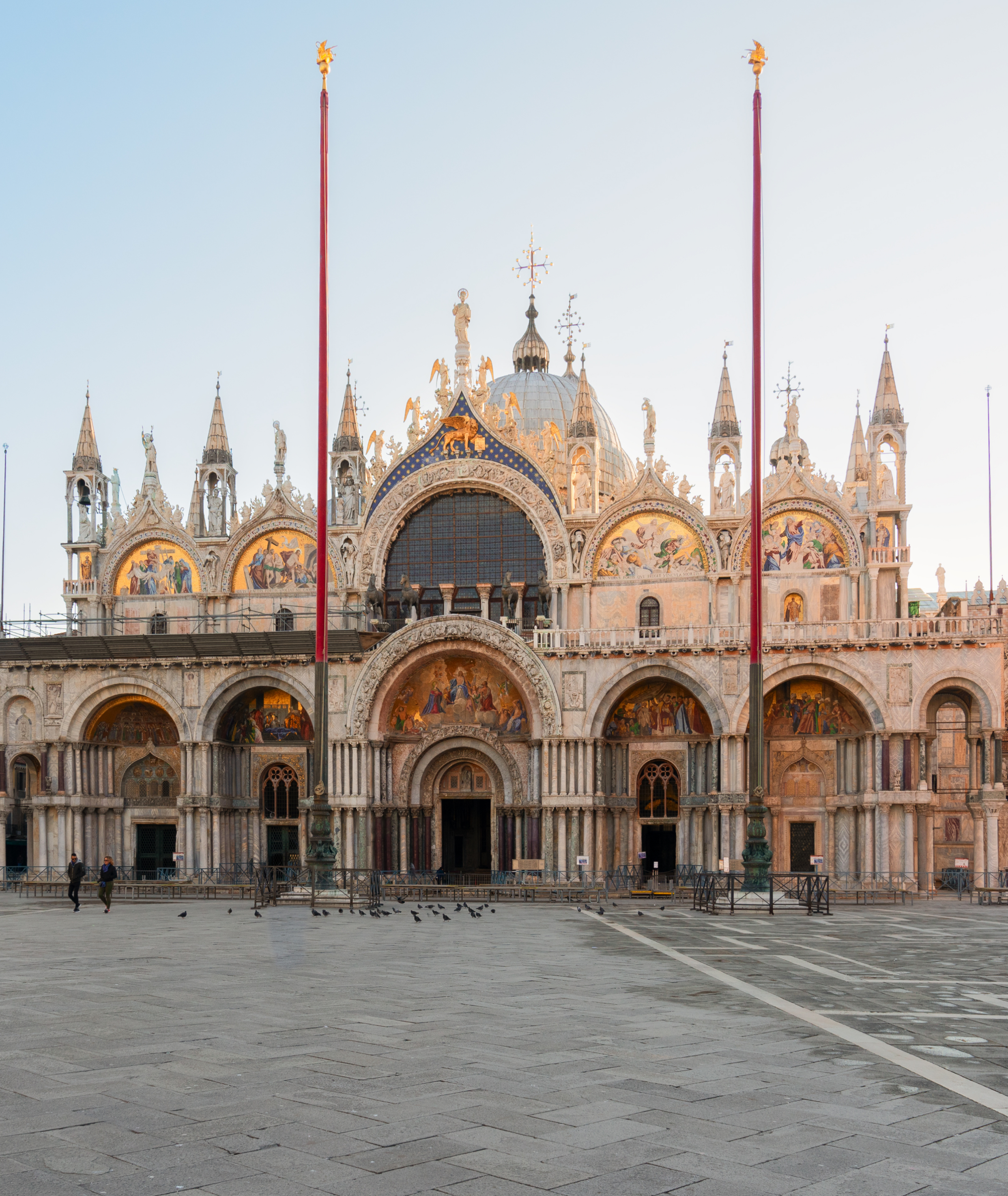
St. Mark's Basilica
Venice’s great Byzantine church fronts Piazza San Marco with glittering mosaics, marble floors, and the Pala d’Oro above the altar. The terrace gives a close look at the square and the lagoon edge.
Time needed: About 1 to 2 hours
Entry: Entry is free for the basilica; museum, terrace, and Pala d’Oro add about $9 to $17 (€8 to €15) in timed add-ons Visit the official site for details.
Tip: Go early for shorter lines and softer light on the mosaics inside the dome.
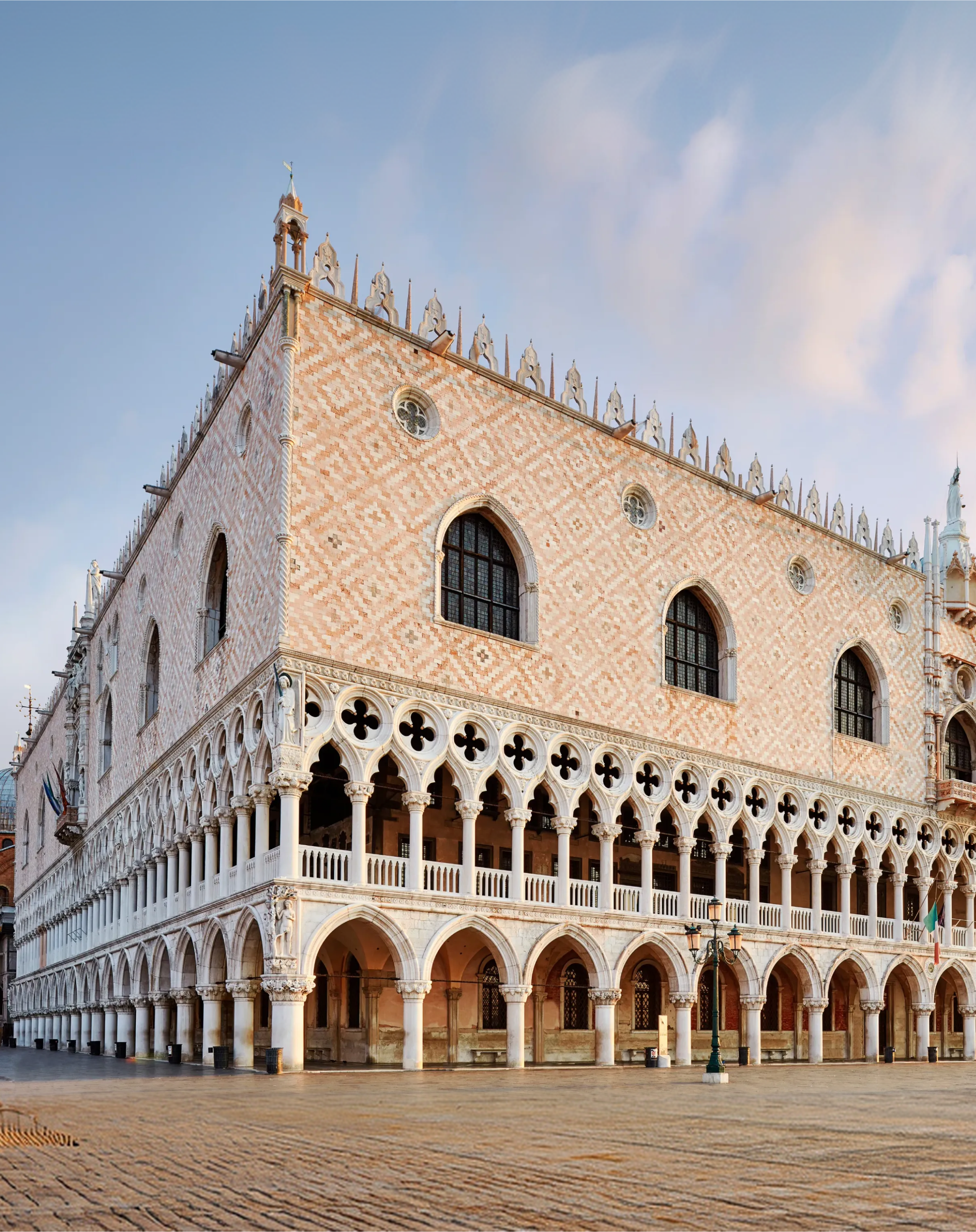
Doge's Palace
This former seat of Venetian power pairs Gothic arcades with grand council chambers, painted ceilings, and the Bridge of Sighs. The route through the prisons adds a sharp contrast to the ceremonial rooms above.
Time needed: About 2 to 3 hours
Entry: Standard admission costs about $34 to $39 (€30 to €35), with audio guide and combined museum tickets priced higher Visit the official site for details.
Tip: Arrive before midday to avoid the longest queues at the palace entrance and bridge.
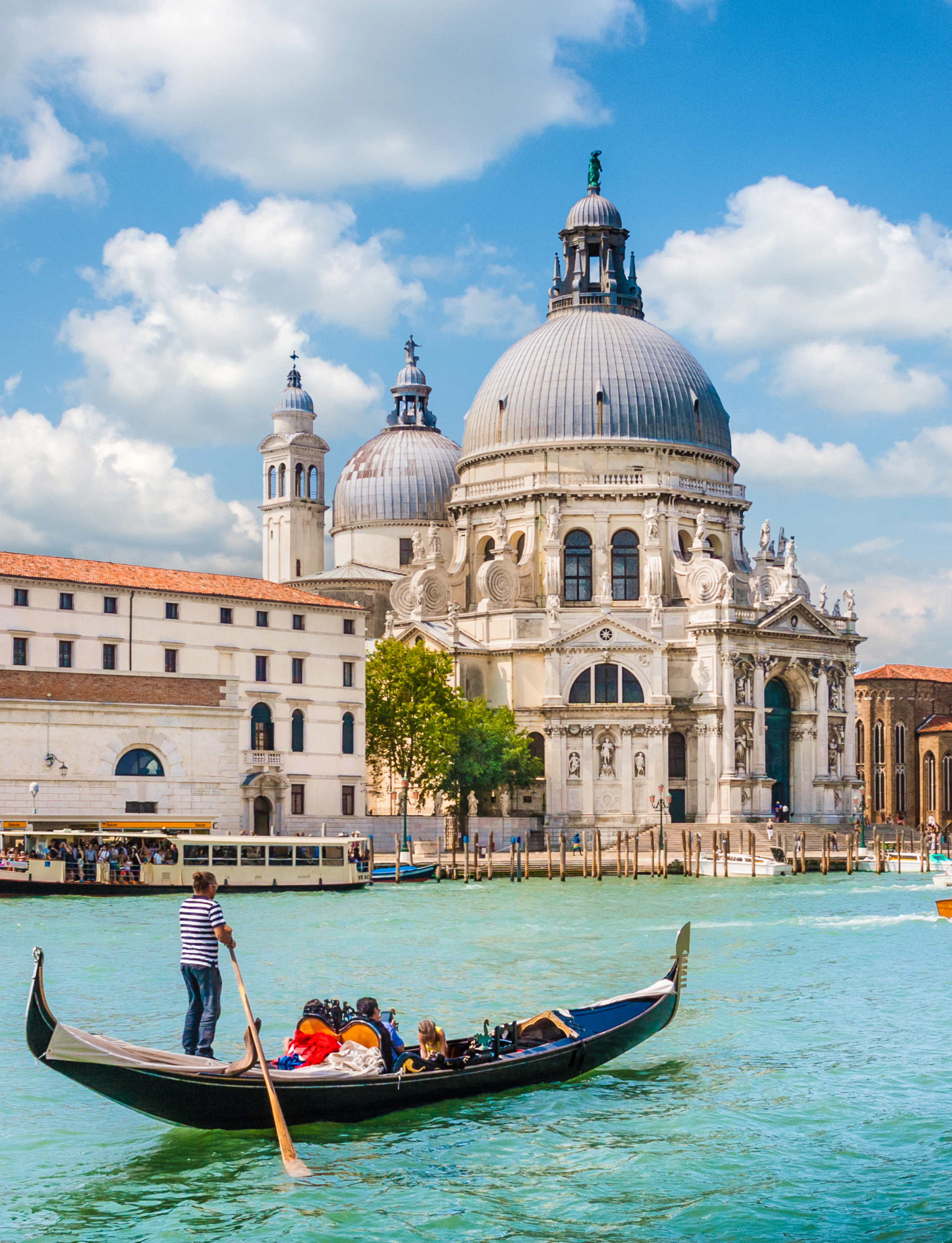
Basilica di Santa Maria della Salute
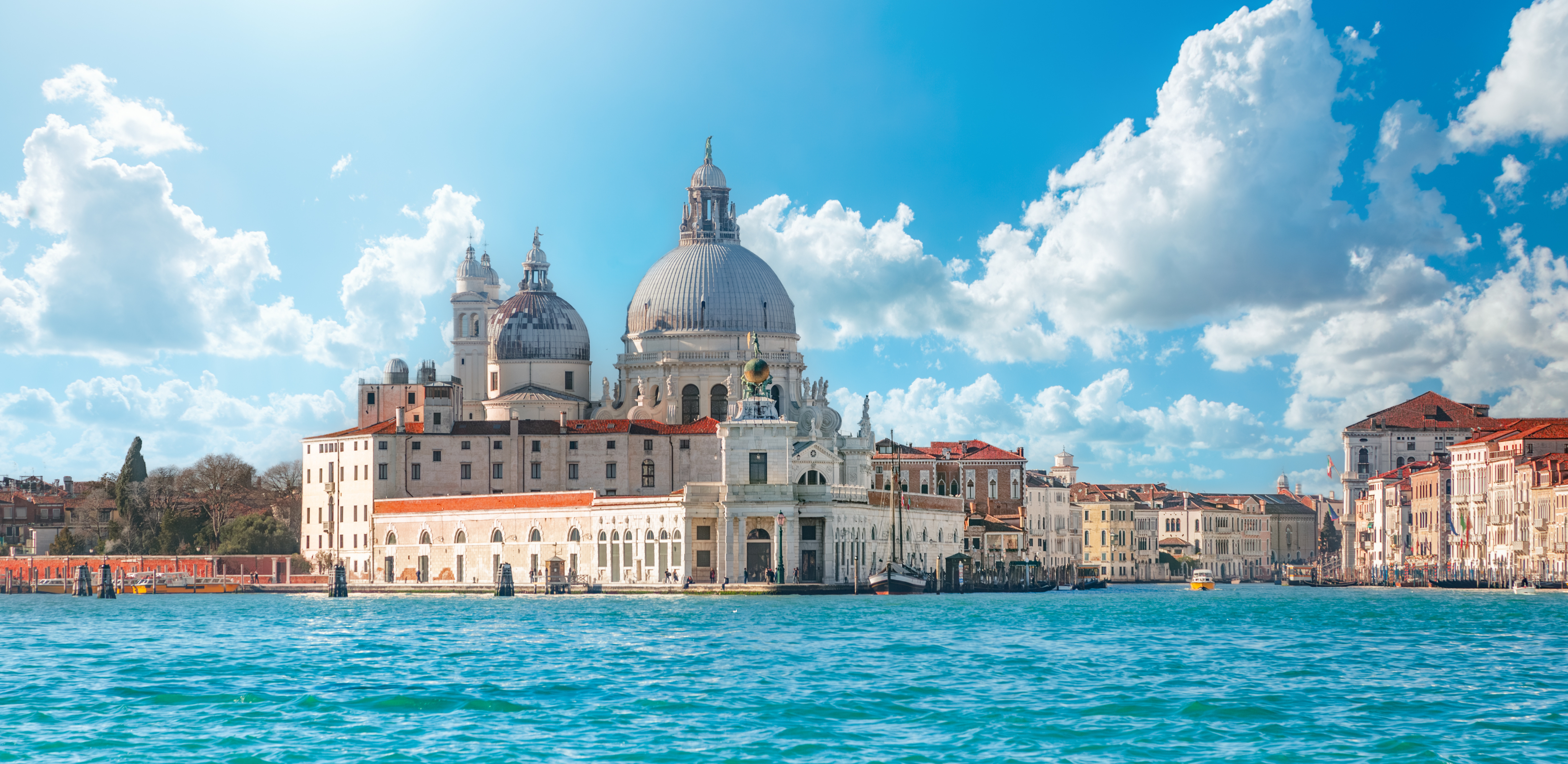
Built after the 1630 plague, this Baroque landmark marks the Grand Canal entrance with a vast dome, stone volutes, and a bright octagonal plan. Inside, Tintoretto and Titian anchor the side chapels.
Time needed: About 45 to 60 minutes
Entry: Free to enter; donations are welcome, and the sacristy usually charges about $6 to $9 (€5 to €8) when open.
Tip: Late afternoon light works well from the Accademia side or the nearby water bus stop.
Overlooked sites worth visiting
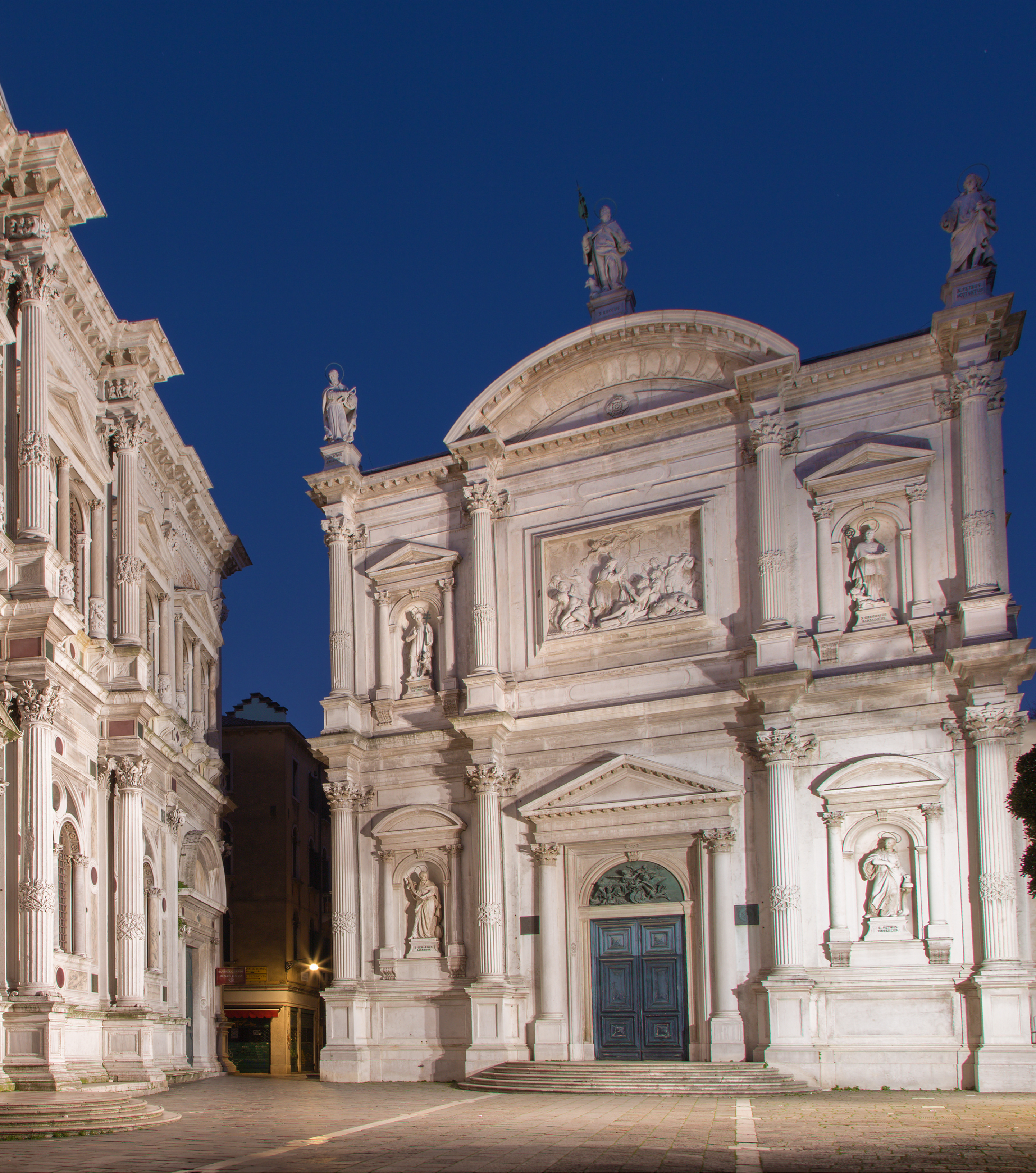
Scuola Grande di San Rocco
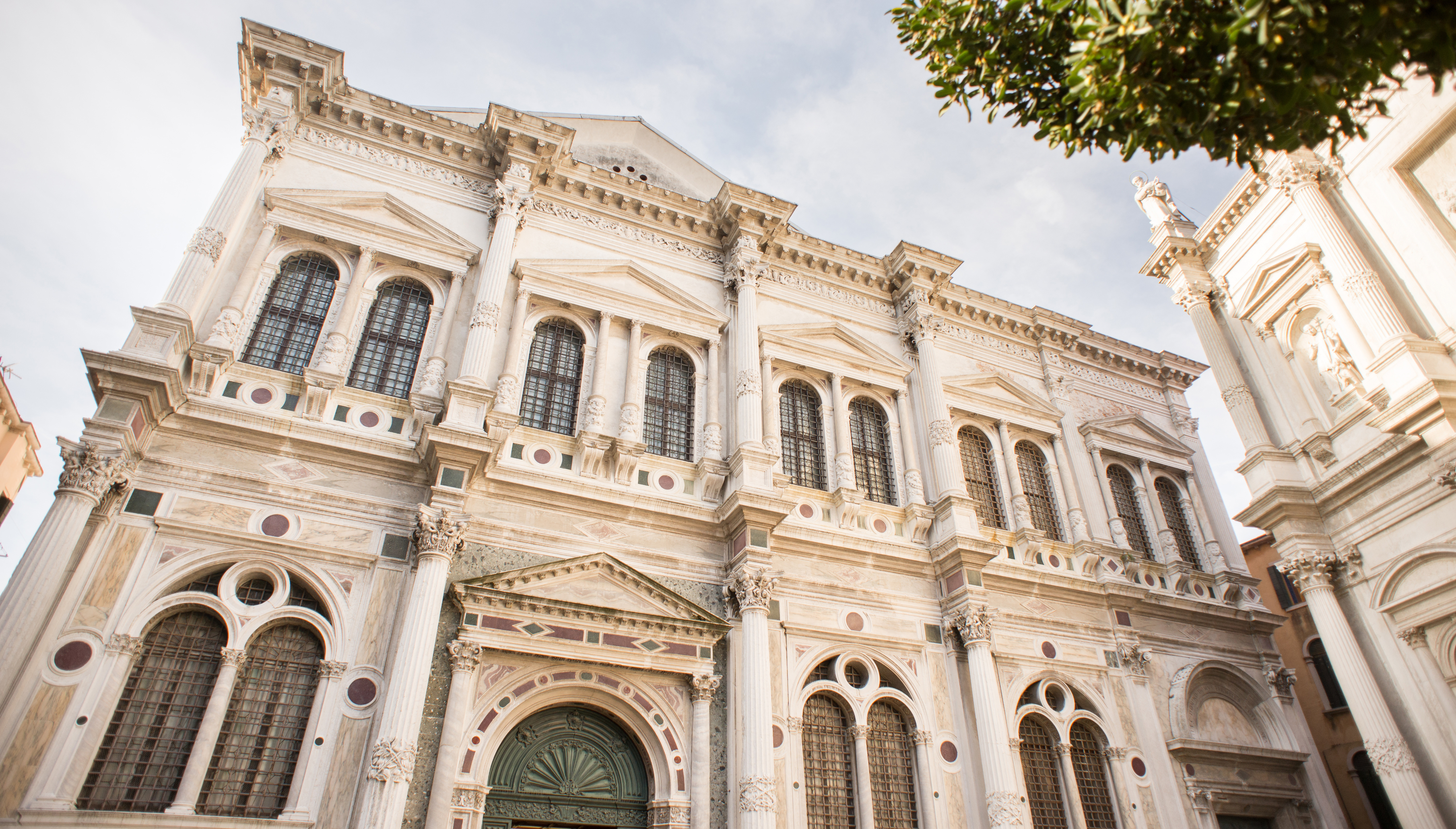
Tintoretto’s paintings cover the upper halls and the smaller rooms, making this brotherhood house a concentrated stop for Renaissance art. The façade is plain, so the interior comes as the surprise.
Time needed: About 1 hour
Entry: Tickets cost $10 to $12 (€9 to €11), with reduced rates for children, students, and seniors. Audio guides cost extra, and last entry is typically about 30 minutes before closing.
Tip: Visit early for fewer tour groups and quieter rooms.
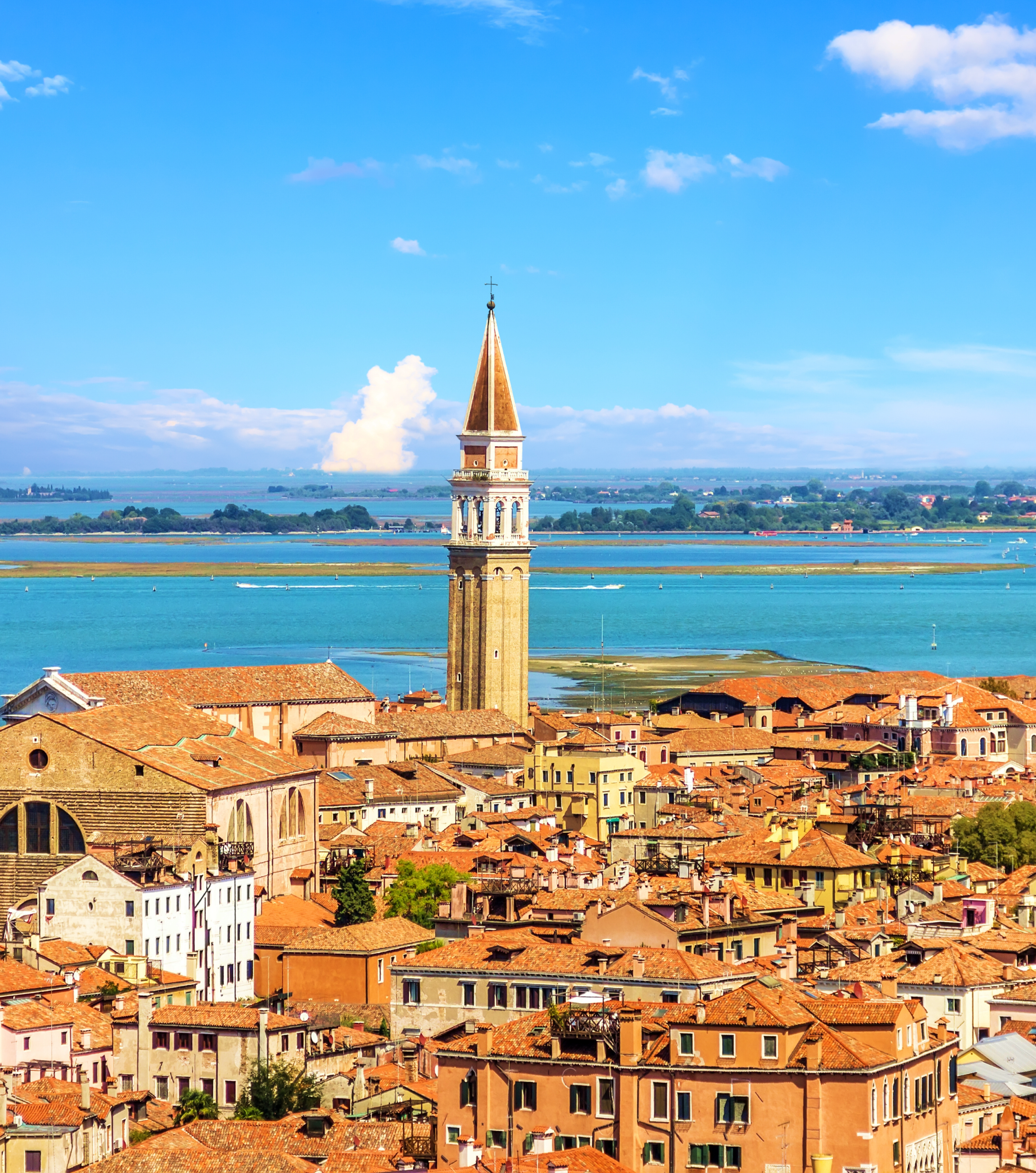
San Francesco della Vigna
This Franciscan church sits far from the busiest canals and rewards a slower visit with a serene cloister, Palladio’s façade, and Veronese canvases. It suits travelers who want art and architecture in one compact stop.
Time needed: About 45 minutes
Entry: Free to enter the church; donations are welcome. Cloister and special area access, when open, may require a small contribution or a timed visit during limited hours, so check the day’s schedule at the entrance.
Tip: Go late morning, when the cloister light is best.
Traditional food
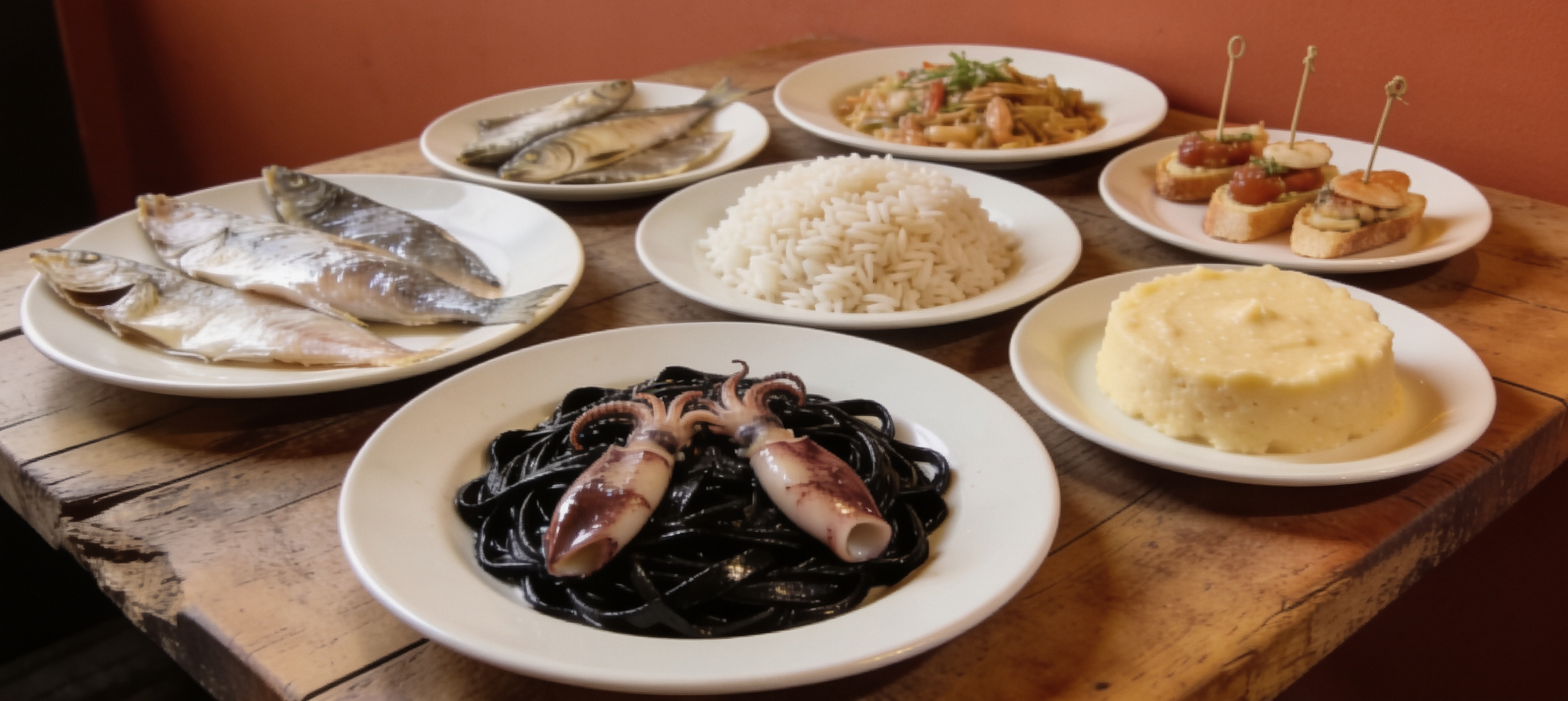
Venetian cooking leans on the lagoon and the market, with salted fish, cuttlefish ink, rice, polenta, and cicchetti served in compact bars. Meals often follow local hours, so lunch and dinner timing matters as much as the menu.
Sarde in saor
Sweet-and-sour sardines with onions, raisins, and pine nuts, a classic Venetian bar dish that works well as a starter or cicchetti plate. Cantina Do Spade is a strong canonical stop for it near Rialto.
Risotto al nero di seppia
Black cuttlefish risotto, glossy and briny, with the lagoon flavor carrying through the rice. Corte Sconta has a long-standing reputation for seafood dishes in Castello and fits this plate well.
Bigoli in salsa
Thick pasta with anchovy and onion sauce, one of Venice’s most traditional everyday dishes. Osteria ai Promessi Sposi in Cannaregio is a good city-center choice for a version rooted in the local repertoire.
Baccalà mantecato
Whipped salt cod served as a creamy spread, usually with polenta or bread. All’Arco near Rialto is a classic place to try it in cicchetti form.
Best time to visit Venice
Venice changes sharply with the seasons, from bright spring walks and warm canal evenings to winter fog, so the best time depends on whether you want longer days, lower crowds, or cooler sightseeing weather.
Best for: Mild weather, blooming light, and balanced sightseeing days
What you get: Temperatures usually run about 50 to 68°F (10 to 20°C), with moderate crowds and easier walking than in peak summer
Trade-offs: Rain can still interrupt outdoor plans, especially in March and April
Best for: Long daylight, late dinners, and full use of boat links
What you get: Temperatures often sit between 68 and 84°F (20 and 29°C), with the heaviest crowds and the busiest waterfronts
Trade-offs: Heat, humidity, and congestion can make bridges and squares tiring by midday
Best for: Museum days, gentler temperatures, and strong restaurant timing
What you get: Expect roughly 50 to 75°F (10 to 24°C), with lighter crowds in October and more rain later in the season
Trade-offs: Higher water levels can affect some walks and add disruption in late autumn
Best for: Quieter squares, sharper canal views, and lower room rates
What you get: Temperatures usually range from about 36 to 48°F (2 to 9°C), with the fewest visitors outside holidays
Trade-offs: Cold damp weather and shorter days limit how long you want to stay outside
A realistic 5-day plan in Venice
Five days in Venice works best when you alternate headline sights with quieter districts, then let the routes between them do some of the work. That way, the city reads as a sequence of walks, boat rides, and meals rather than a list of stops.
Land at Venice (VCE) and reach your hotel by water taxi or the Alilaguna boat line, which usually takes about 30 to 45 minutes and costs roughly $18 to $40, depending on your stop and ticket choice. If you are staying in San Marco, drop your bags, drink some water, and keep dinner close by, perhaps near Piazza San Marco or along the Grand Canal, where you can sit down without adding much walking after the transfer. For a quieter first night, Dorsoduro or Cannaregio makes sense, since both have easier neighborhood dinners and a calmer pace once the day visitors leave.
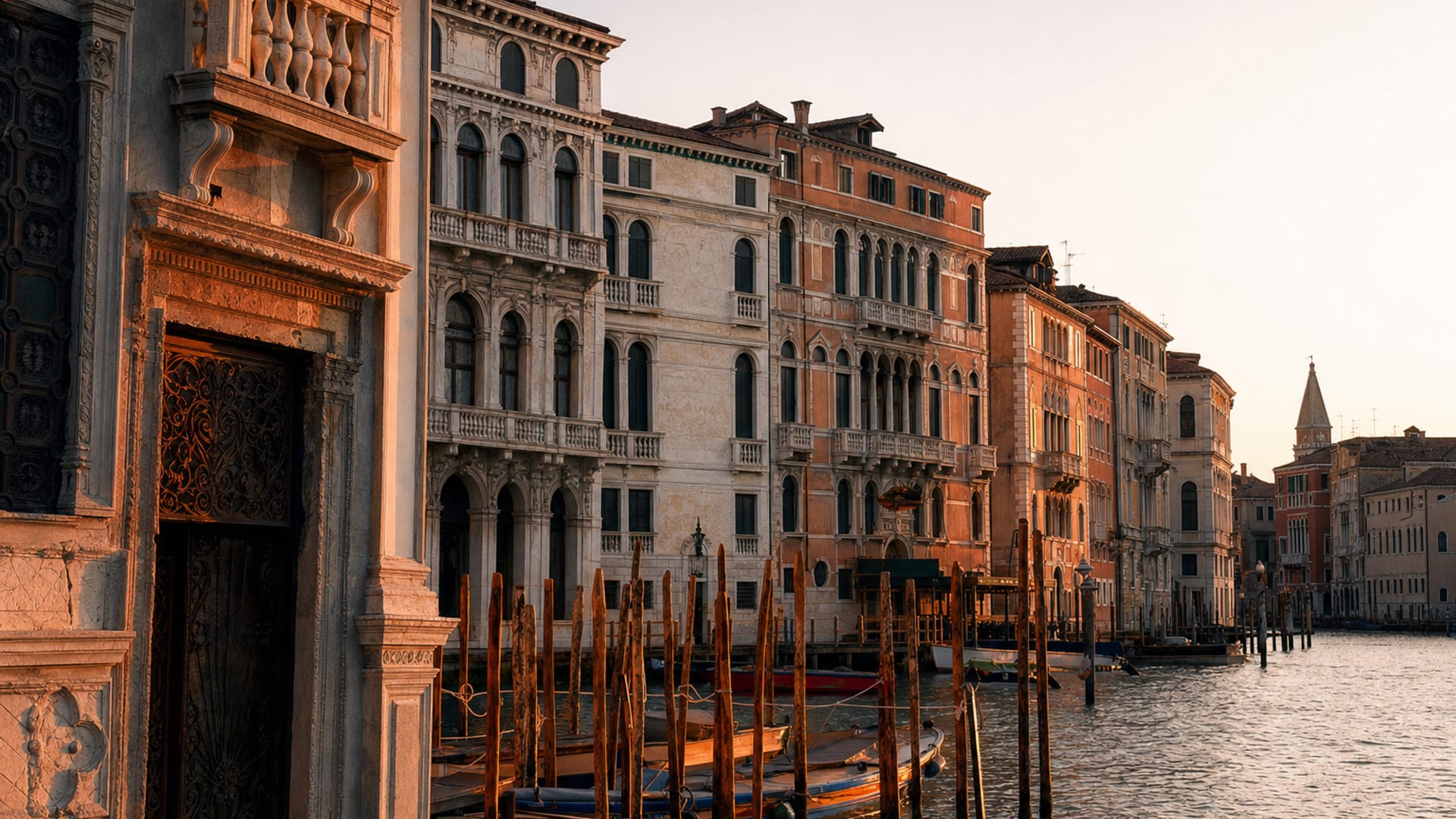
Start in St. Mark’s Square with St. Mark’s Basilica, then walk about 5 minutes to the Doge’s Palace for the full civic and ceremonial contrast. After lunch, cross the area toward the Grand Canal and spend time at the Basilica di Santa Maria della Salute, which is about a 15 to 20 minute walk from the palace area depending on your route, or a short vaporetto ride across the water. End the afternoon with a canal-side stroll in San Marco so you can see the square after the heaviest daytime traffic eases.
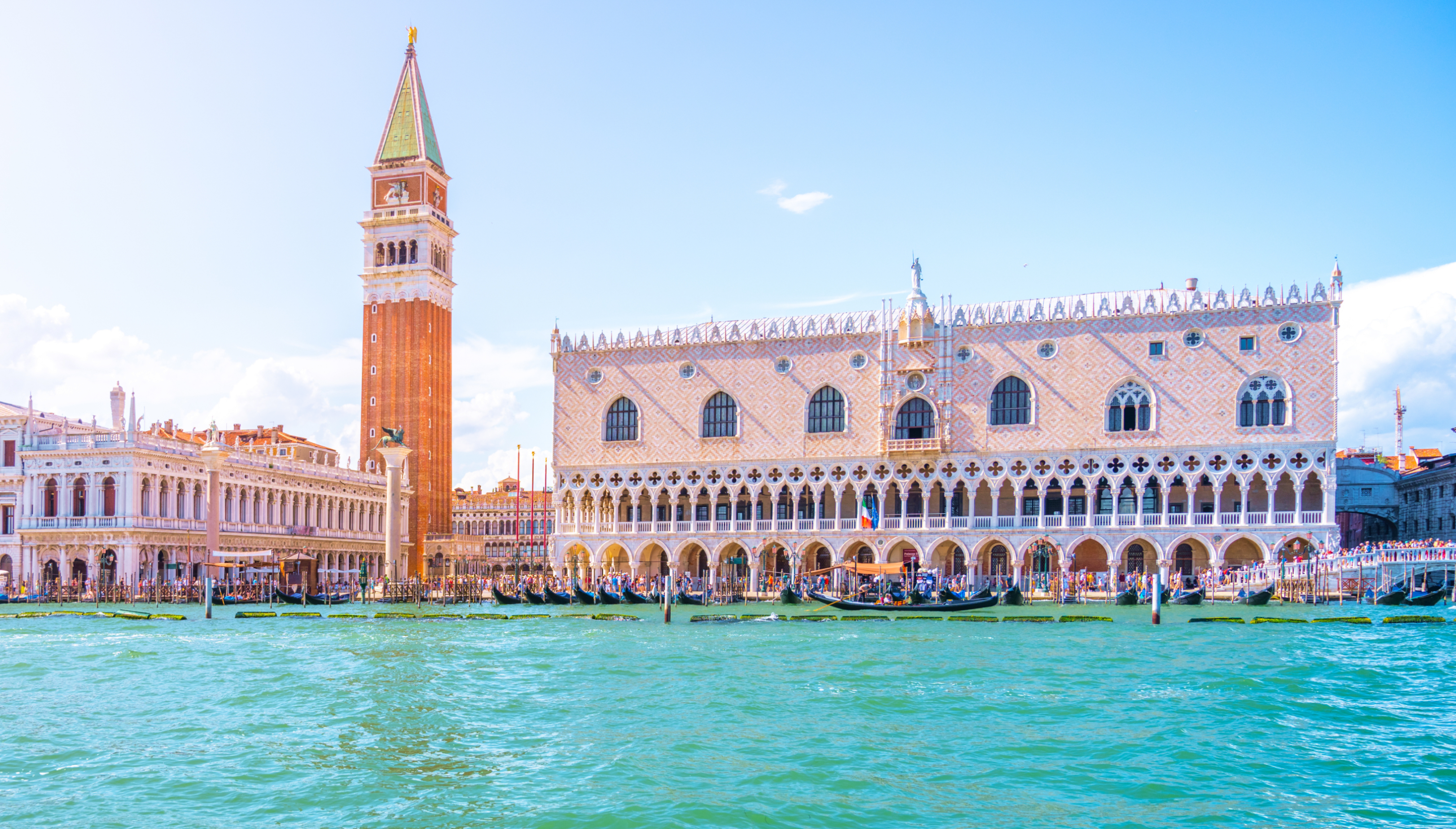
Begin in Dorsoduro with the Scuola Grande di San Rocco, then walk roughly 10 to 15 minutes to the Basilica di Santa Maria della Salute for a second, more open canal-front stop. From there, continue to the Peggy Guggenheim Collection area and the Accademia side, about 10 minutes on foot, so you can pair museum time with a slow walk along the water. Finish with an early evening meal near Zattere, where restaurant terraces and harbor views make a good break after a full art-heavy day.
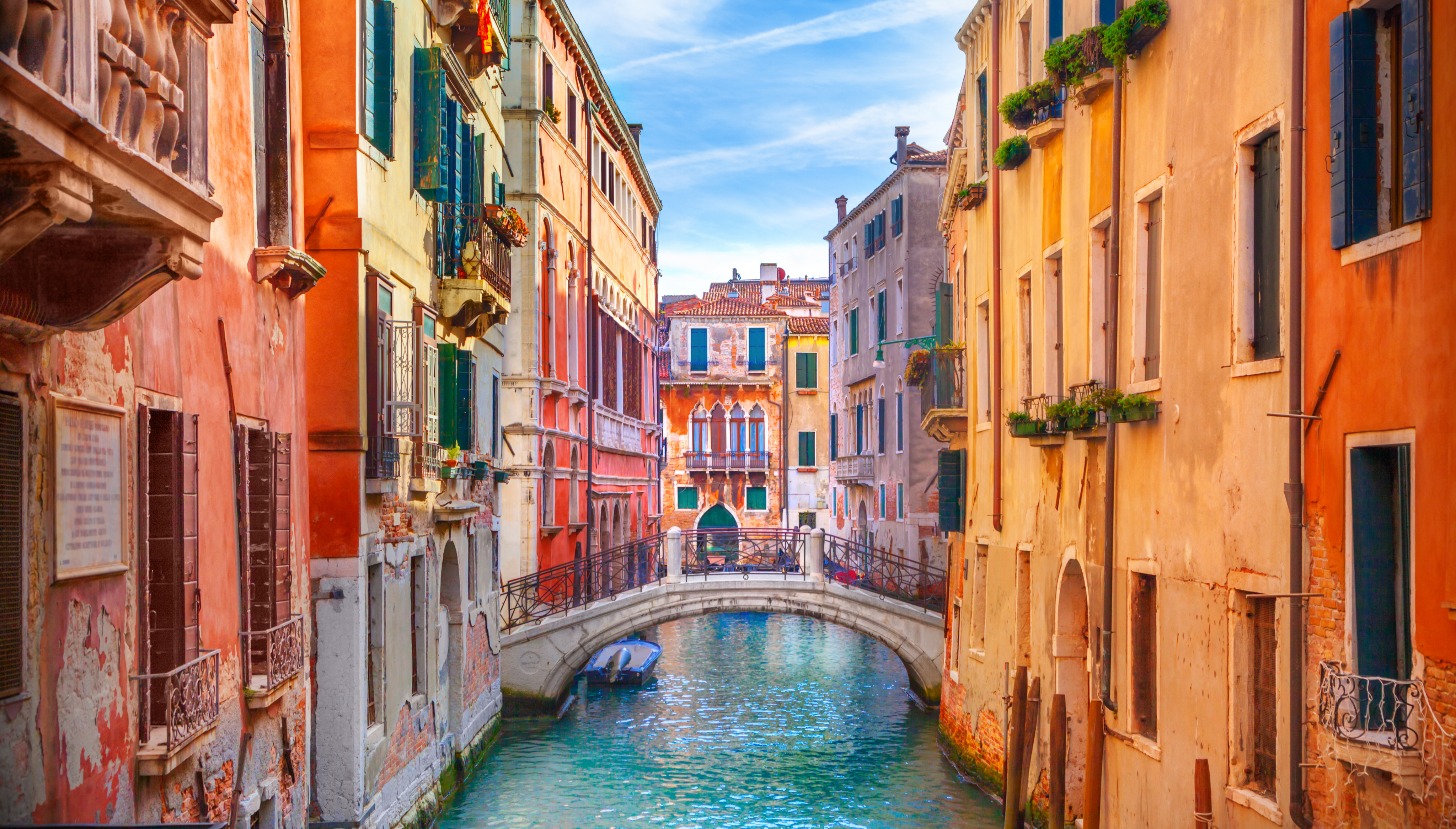
Head east into Castello for San Francesco della Vigna, then take about 15 to 20 minutes on foot or a short vaporetto ride back toward the Arsenale and the lagoon edge. After that, continue through the residential lanes toward the Biennale zone, where the walk gives you a better sense of Venice beyond the main square circuit. If you want one last major interior, return toward San Marco for a late-afternoon revisit of St. Mark’s Basilica or the palace exterior, depending on your pace and ticket timing.
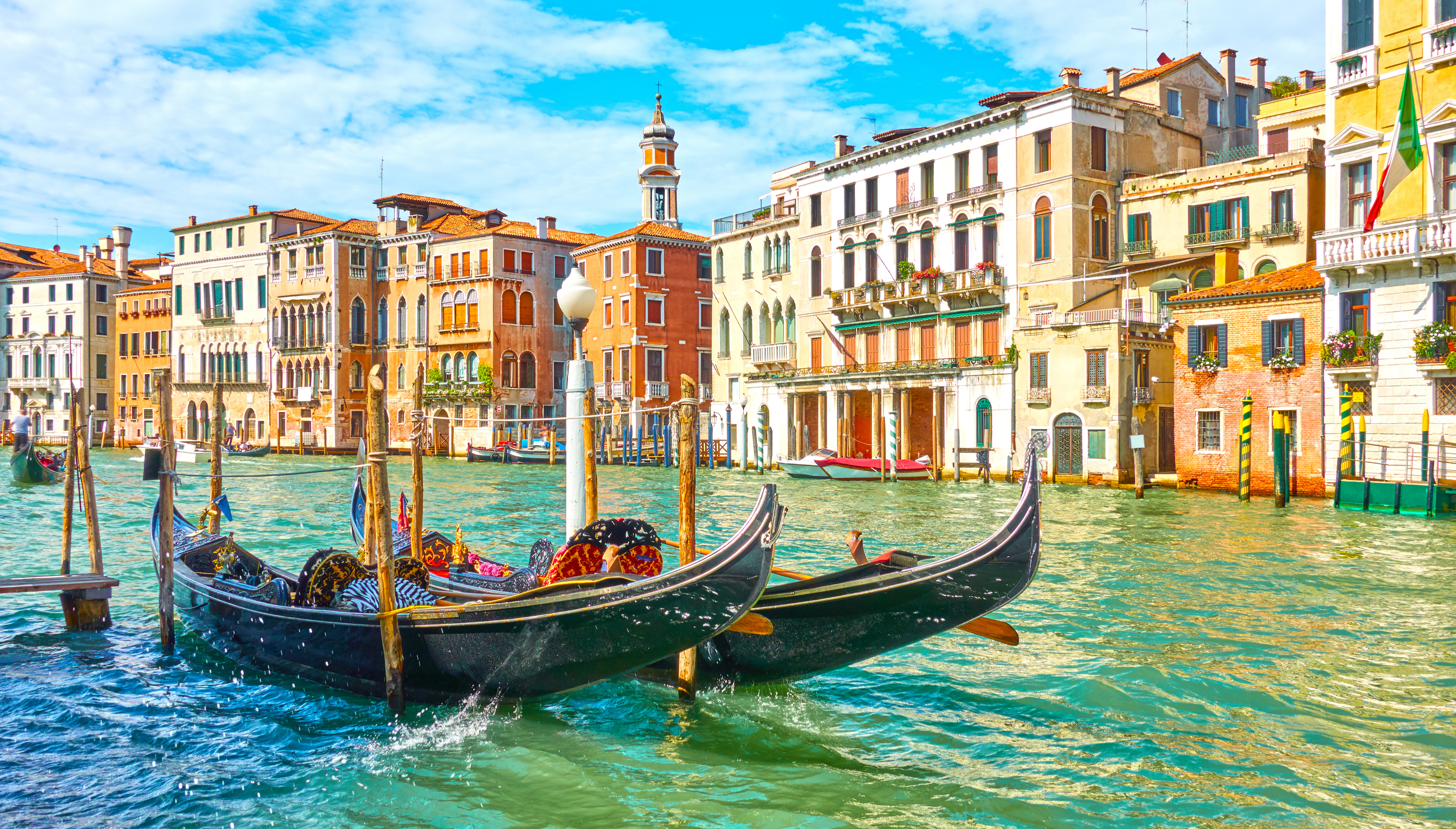
A final morning fits best in Cannaregio, where you can combine a last café stop near the Jewish Ghetto with low-key shopping along the neighborhood streets before checkout. If you still want one more indoor visit, the San Francesco della Vigna church or a second look at the Scuola Grande di San Rocco works well without forcing a long cross-city move. From there, leave enough time to reach Venice (VCE) by water taxi or boat transfer, especially if your departure point sits far from the nearest stop.
Business-class flights from the US to Venice

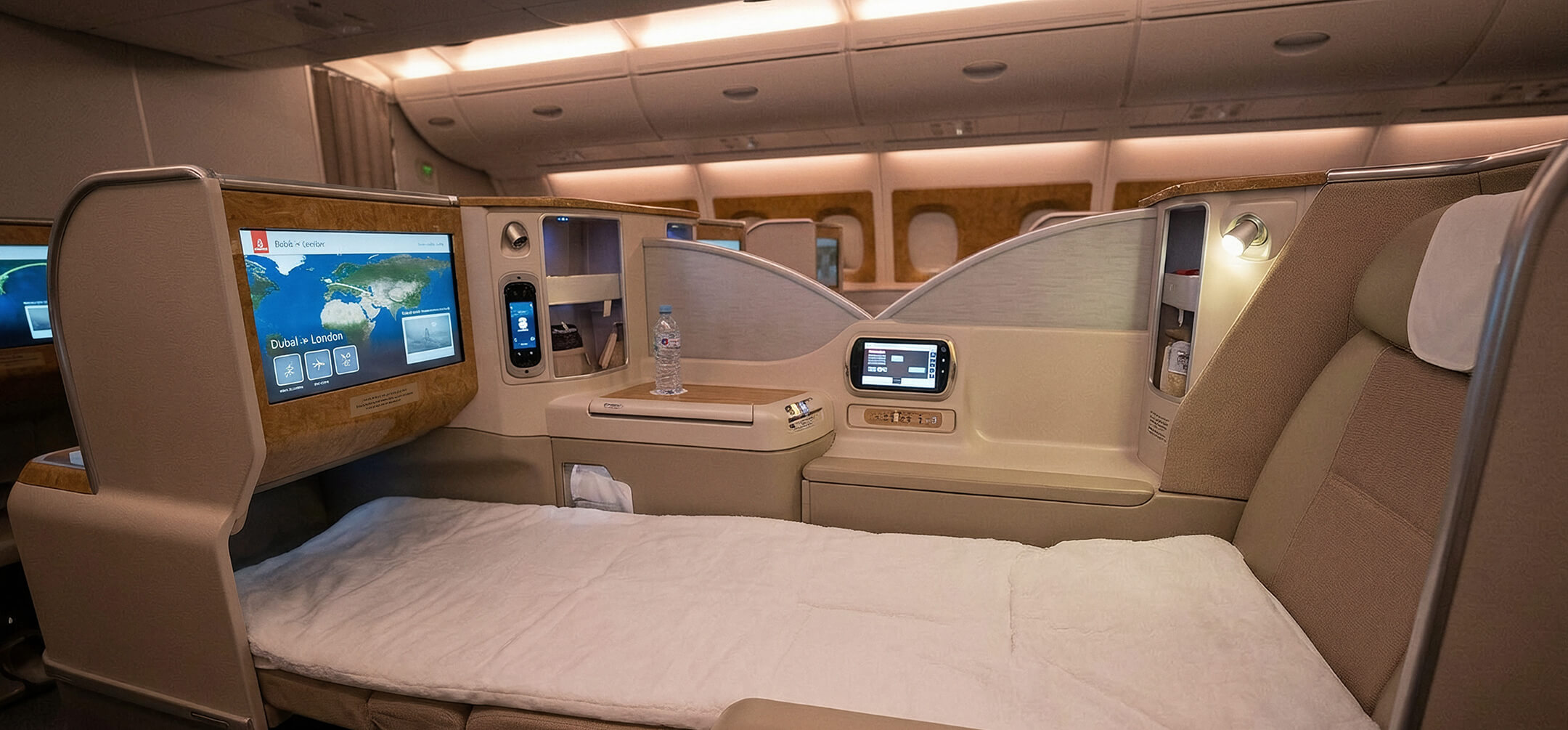
For long-haul arrivals, the main choice is whether to connect through Europe, the Middle East, or another major hub. The timing, layover length, and pricing band change enough that it pays to compare both coasts separately.
From New York, carriers including United Airlines, Delta Air Lines, Emirates, Turkish Airlines, and Lufthansa link the city with Venice in about 8 to 9 hours nonstop, while one-stop options usually route through FRA, MUC, IST, DXB, or CDG and take about 11 to 16 hours. Round-trip fares from New York to Venice usually start at about $3,200 and can reach $7,500.
Los Angeles travelers usually see Delta Air Lines, United Airlines, Lufthansa, British Airways, and Air France on the board, with nonstop flying time of about 13 to 14 hours. If you connect, common hubs include LHR, CDG, FRA, AMS, and MAD, and total travel time generally falls in the 15 to 21 hour range. From Los Angeles, expect roughly $3,800 to $8,500 for a round trip.
Venice feels different when you slow down
A good Venice trip keeps the map in mind but follows the bridges, boat stops, and neighborhood meals that shape the day. San Marco gives you the famous core, Dorsoduro and Cannaregio add room for art and dinner, and Castello opens the eastern edge near the Arsenale and the Biennale area. If you want help shaping that mix into a trip that fits your dates, ask the AranGrant experts to compare options for Venice and build the route around your pace