

Chapters:

Need help with your trip?
Our support team is available 24/7. Request a callback or call us directly at (833) 619-0908
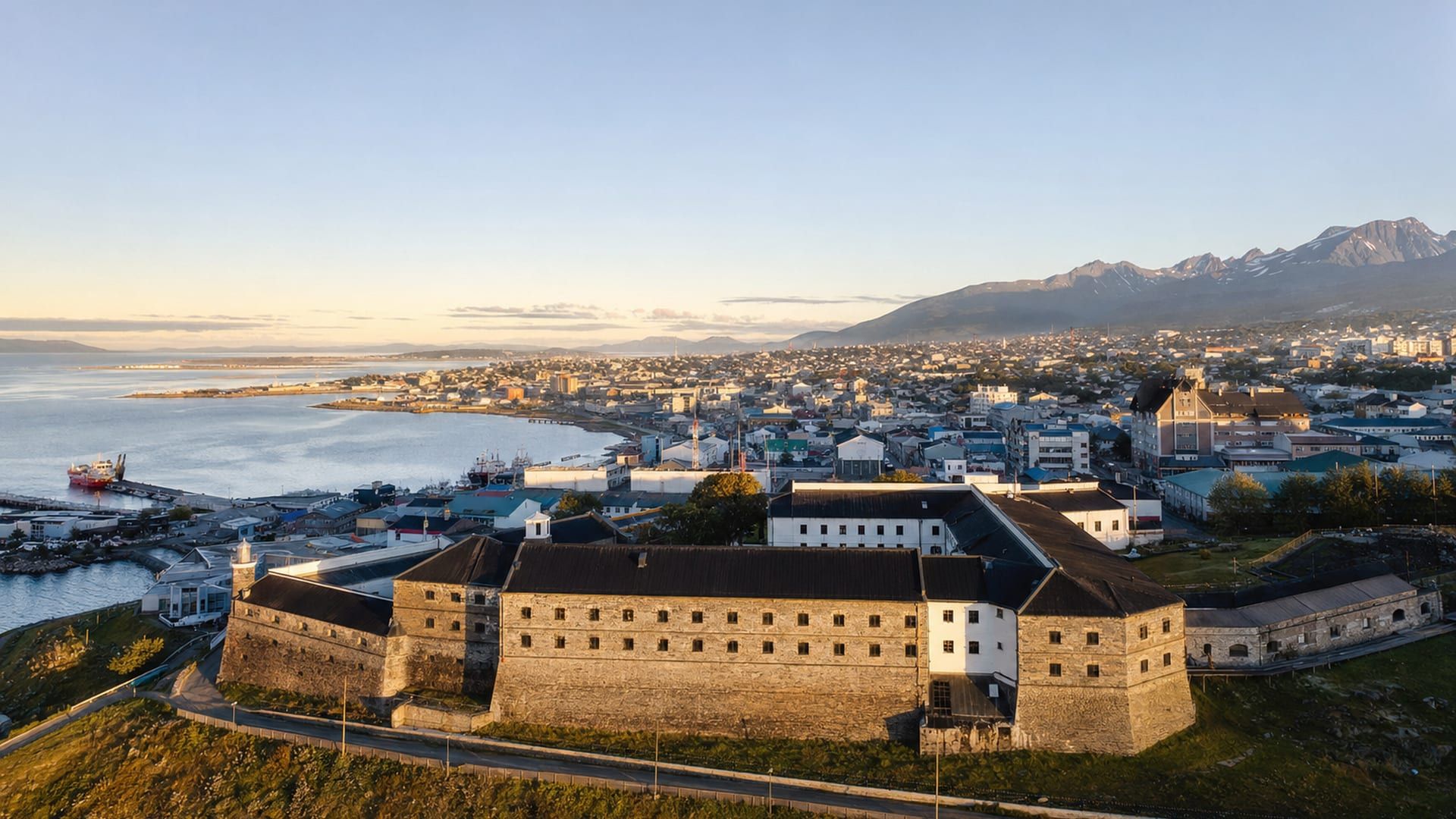
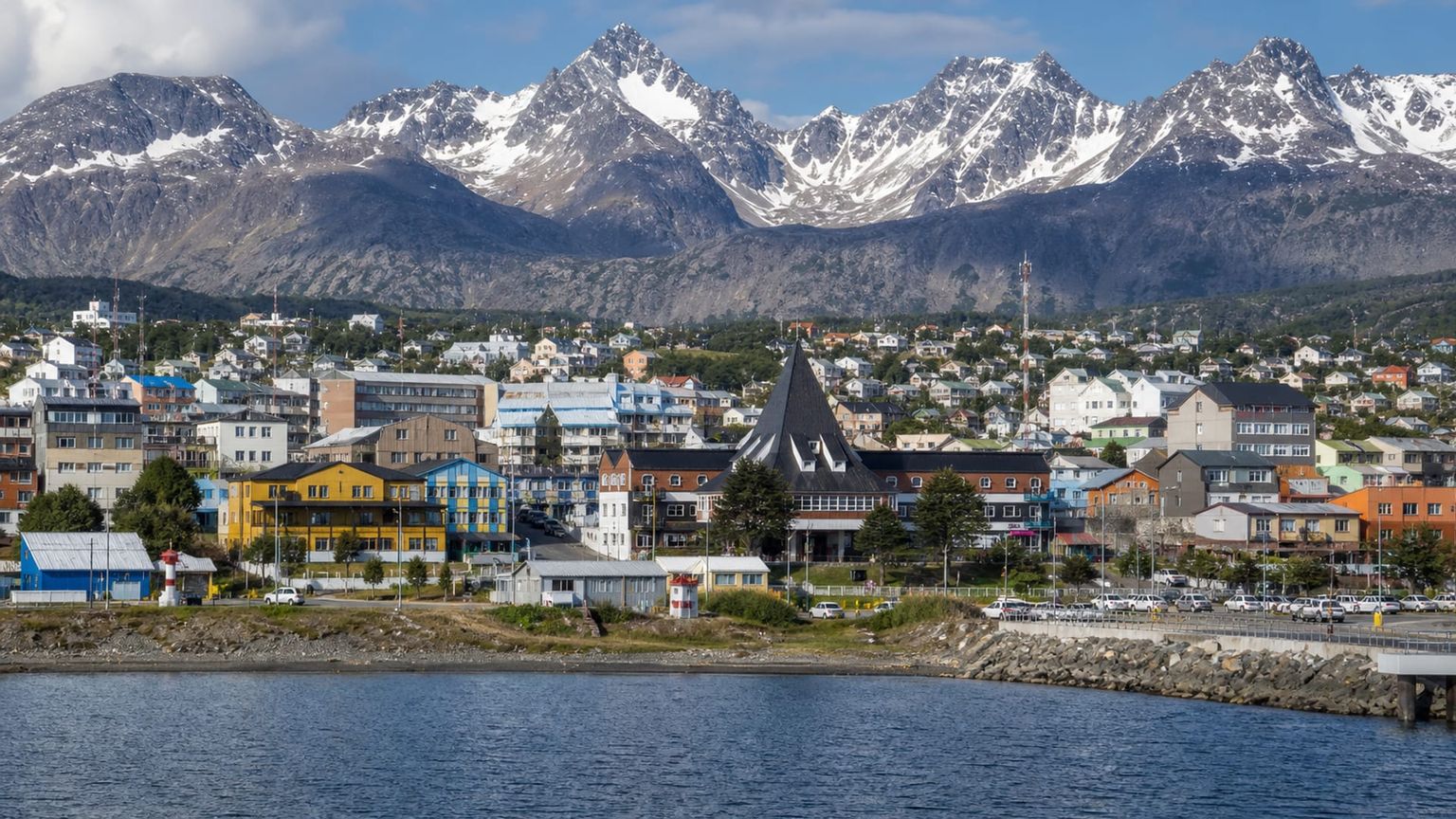
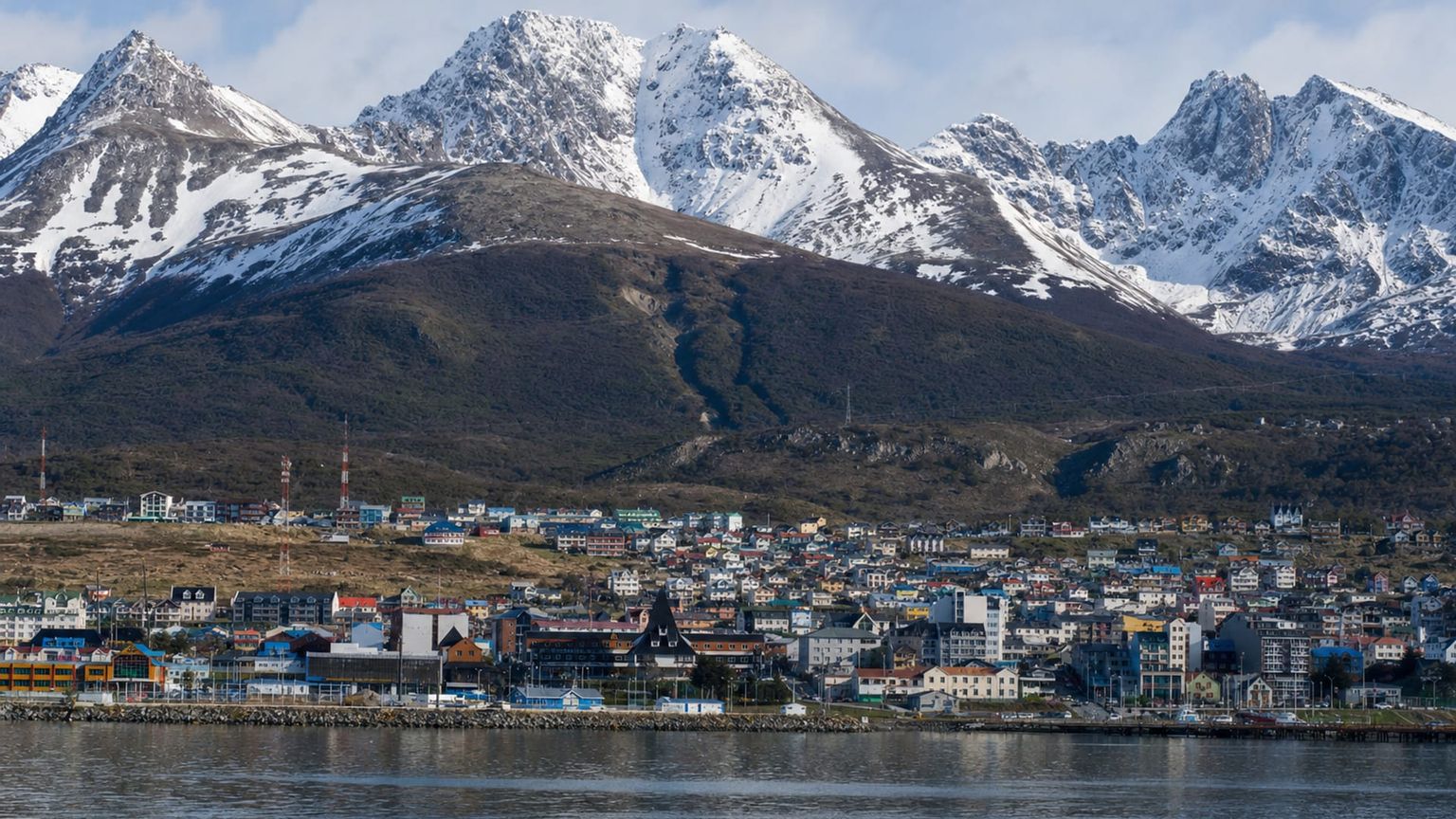
Ushuaia stretches between the Beagle Channel and steep mountain slopes, with the waterfront, port, museums, residential streets, and trailheads compressed into a narrow strip of land. The center is small, but many of the places people come here for lie beyond it, from Tierra del Fuego National Park to glacier viewpoints and boat departures.
That changes the rhythm of a short stay. Weather can shift quickly, roads climb sharply away from the shore, and outdoor plans often need more time than they seem to on a map.
This guide shows you how to divide five days between the city, the national park, the water, and the surrounding mountains without packing every day too tightly.
Useful things to know

Main language(s): Spanish
Hola (OH-lah) – Hello
Por favor (por fah-VOR) – Please
Gracias (GRAH-syahs) – Thank you
¿Habla inglés? (AH-blah een-GLES) – Do you speak English?
¿Cuánto cuesta? (KWAHN-toh KWEHS-tah) – How much does it cost?

Currency: Argentine peso (ARS, $)

Cash and cards: Cards are widely accepted, but carry ARS 10,000–ARS 20,000 (US$6.50–US$13) for taxis, small shops, tips, and places where cash is easier.

Tipping: Leave 10% at restaurants when service is good. Small cash tips are also useful for hotel staff, guides, and drivers.

Traditional food: Centolla, merluza negra, cordero fueguino, and calafate jam are among the foods most closely associated with Ushuaia and Tierra del Fuego.

Water and coffee costs: At central cafés, water runs ARS 4,600–ARS 9,000 (US$3–US$6), while an espresso costs ARS 3,000–ARS 5,000 (US$2–US$3.30)

Taxis and ride apps: Metered taxis and fixed-fare remises are widely used. Uber operates in Ushuaia, but Cabify does not currently list the city.

Plug and voltage: Argentina officially uses Type I plugs with 220V, 50Hz power. Type C sockets may also appear, so US travelers should bring an adapter.

Dining and shop opening hours: Shops commonly open 9:30 am–12:30 pm and 3:30 pm–8:30 pm. Restaurants generally serve lunch between noon and 3 pm and dinner from 7:00 pm to 11:30 pm.

Emergency number: Call 911 for the national emergency service and 100 for firefighters.
Where to stay in Ushuaia
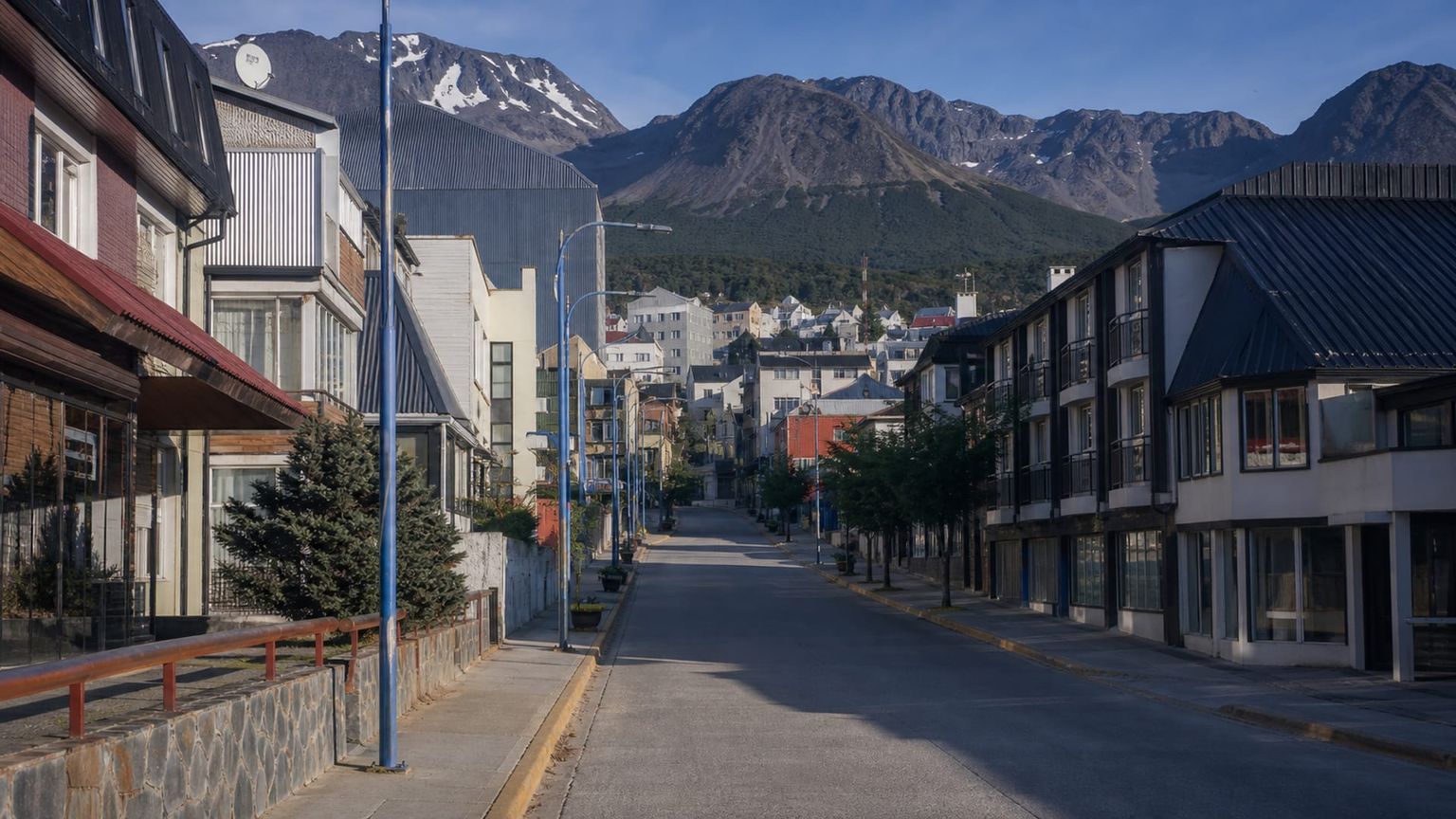
Downtown Ushuaia follows Avenida San Martín and the waterfront, where restaurants, shops, museums, tour offices, and the cruise pier cluster within a few blocks. Staying here keeps boat departures and central sights close, while the steep residential streets begin just behind the commercial strip.
Best for: First-time visits, dining, and travelers who want to walk to the port and central sights
What to expect: Busy sidewalks by day, with the most traffic near shops, cafés, and tour offices; evenings quieten after dinner hours.
Hotel prices: Usually about $90 to $220 per night for well-rated stays
Distance to major sights: 5 to 15 minutes on foot to the Maritime and Presidio Museum, about 10 minutes on foot to the port
Quietness: Lively in the daytime, then noticeably calmer after 9:00 pm once shops close.
Main trade-off: Central rooms can be smaller, and the best-located hotels often cost more than properties a few blocks uphill.
Good to know: Stay near Maipú or San Martín if you have an early Beagle Channel departure.
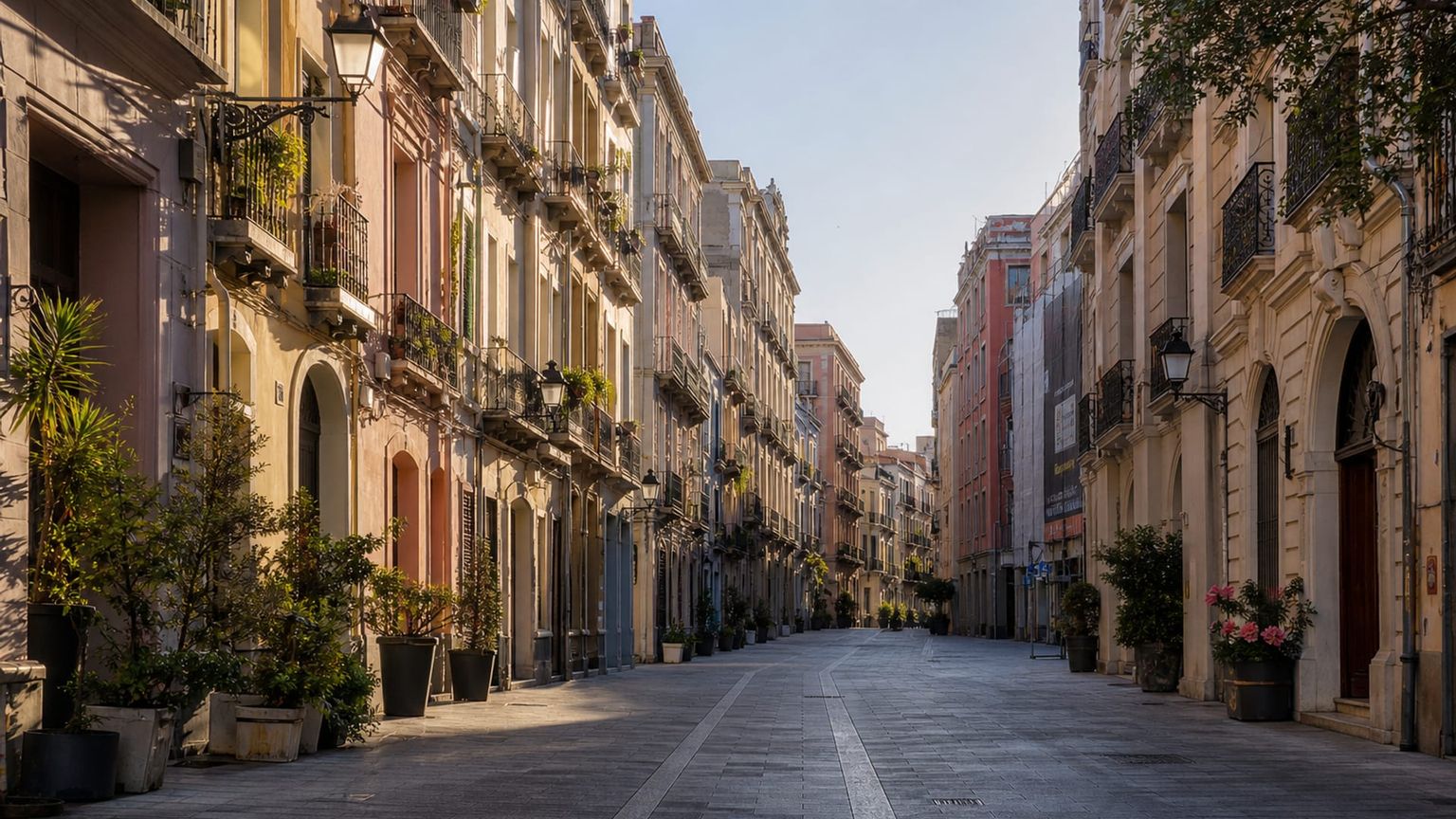
Bahía Encerrada lies east of the center beside a sheltered inlet, waterfront paths, and residential blocks. It feels calmer than San Martín but still keeps downtown restaurants, the port, and museums within walking distance, making it a useful middle ground between convenience and quieter evenings.
Best for: Bay views, lighter traffic, and visitors who want to stay near downtown without being in the busiest blocks
What to expect: Low-key residential streets, a few small hotels, and steady foot traffic along the waterfront path, especially at sunrise and sunset.
Hotel prices: Usually about $80 to $180 per night for well-rated stays
Distance to major sights: 10 to 20 minutes on foot to Avenida San Martín, about 15 minutes on foot to the port
Quietness: Quiet through most of the day, with a little more movement along the waterfront in the early evening.
Main trade-off: You will still walk uphill for some central errands, and dining choices are thinner than in the main strip.
Good to know: This is a useful compromise if you want bay views without giving up easy access to central Ushuaia.
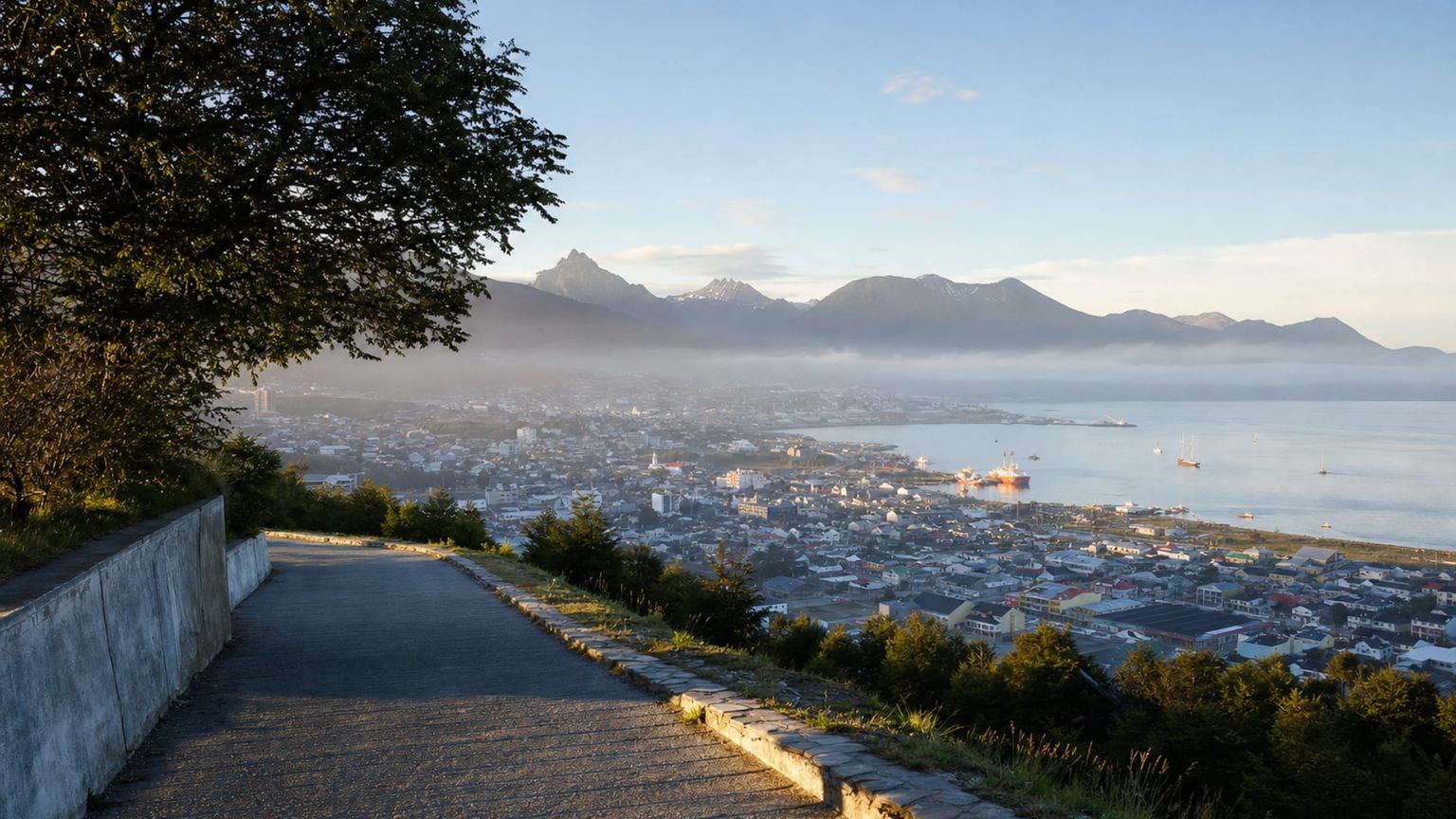
The Martial hillside rises above central Ushuaia along Luis Fernando Martial, with wooded slopes, mountain views, and several upscale hotels and lodges. You trade quick waterfront access for quieter surroundings, more space, and easier access to the Martial Glacier road and nearby trails.
Best for: Hillside views, quieter evenings, and travelers comfortable with steeper walks or short taxi rides
What to expect: Mostly residential streets, light traffic, and fewer people on the sidewalks than in the waterfront district.
Hotel prices: Usually about $85 to $200 per night for well-rated stays
Distance to major sights: 15 to 25 minutes on foot to Avenida San Martín, about 10 minutes by taxi to the port
Quietness: Very quiet during the day and evening, with sound mainly from cars passing on the hill road.
Main trade-off: The climb can be tiring after dinner or in bad weather, so you may use taxis more often than if you stay downtown.
Good to know: This area is especially useful if Martial Glacier or nearby trails are high on your list.
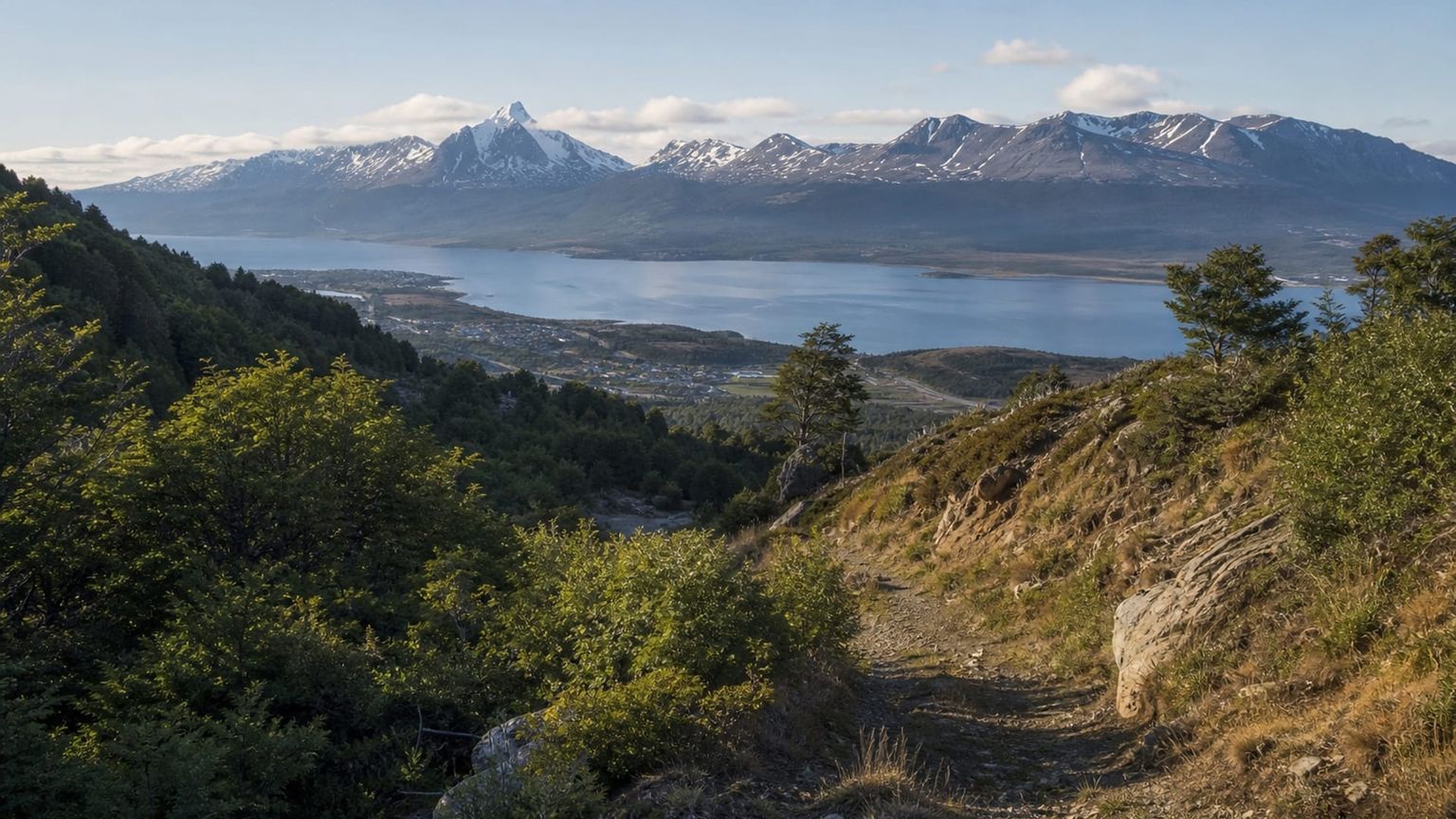
Bahía Cauquén stretches along the Beagle Channel west of central Ushuaia, with resort-style hotels, apartments, and open waterfront views. It feels removed from the commercial center, suiting travelers who want quiet, scenery, and hotel facilities more than nightly access to downtown restaurants.
Best for: Scenic stays, spa-style lodges, and travelers who prefer a quieter hillside base with a car or taxis
What to expect: Scattered lodges, limited street activity, and very little through traffic compared with downtown.
Hotel prices: Usually about $110 to $260 per night for well-rated stays
Distance to major sights: 15 to 25 minutes by taxi to the Maritime and Presidio Museum, about 20 minutes by taxi to the port
Quietness: Quiet all day and evening, with almost no nightlife noise.
Main trade-off: You give up walkability, and a simple dinner or grocery run usually means a taxi.
Good to know: Some resorts provide scheduled city and airport transfers, which can reduce your reliance on taxis.
For a first stay, avoid booking a hotel too far up the hillside unless you are comfortable using taxis. Downtown is easiest for tours and dining, Bahía Encerrada is quieter, and Bahía Cauquén suits travelers who prefer a resort-style stay.
Hotel deals
How to get around Ushuaia efficiently
Ushuaia’s buses cover the city itself, while taxis, remises, and tourist minibuses handle the airport, national park, and farther trailheads.

City buses
for longer distances
Lines A, B, C, and D serve Ushuaia’s main neighborhoods and central streets. A standard ride costs ARS 1,280 (US$0.85). You can pay with SUBE, QR SUBE, or contactless Visa and Mastercard cards.

Regular minibuses
for convenience
Minibuses leave from Maipú and Juana Fadul for Tierra del Fuego National Park, stopping at several points inside. Round trips commonly cost ARS 25,000–ARS 45,000 (US$16–US$30). The park entrance fee is separate from the transport fare.

Taxis and remises
for convenience or late hours
Taxis use meters, while remises charge fixed fares booked in advance. The airport is 3 miles (5 km) from central Ushuaia and has no public bus. Budget ARS 6,000–ARS 10,000 (US$4–US$6.50) for many airport-to-center taxi trips, depending on traffic and time.
*Prices are based on rates updated as of October 2026 and may change at the time of travel.
Use city buses for everyday trips, taxis or remises for the airport and direct rides, and regular minibuses when heading into the national park.
Iconic landmarks
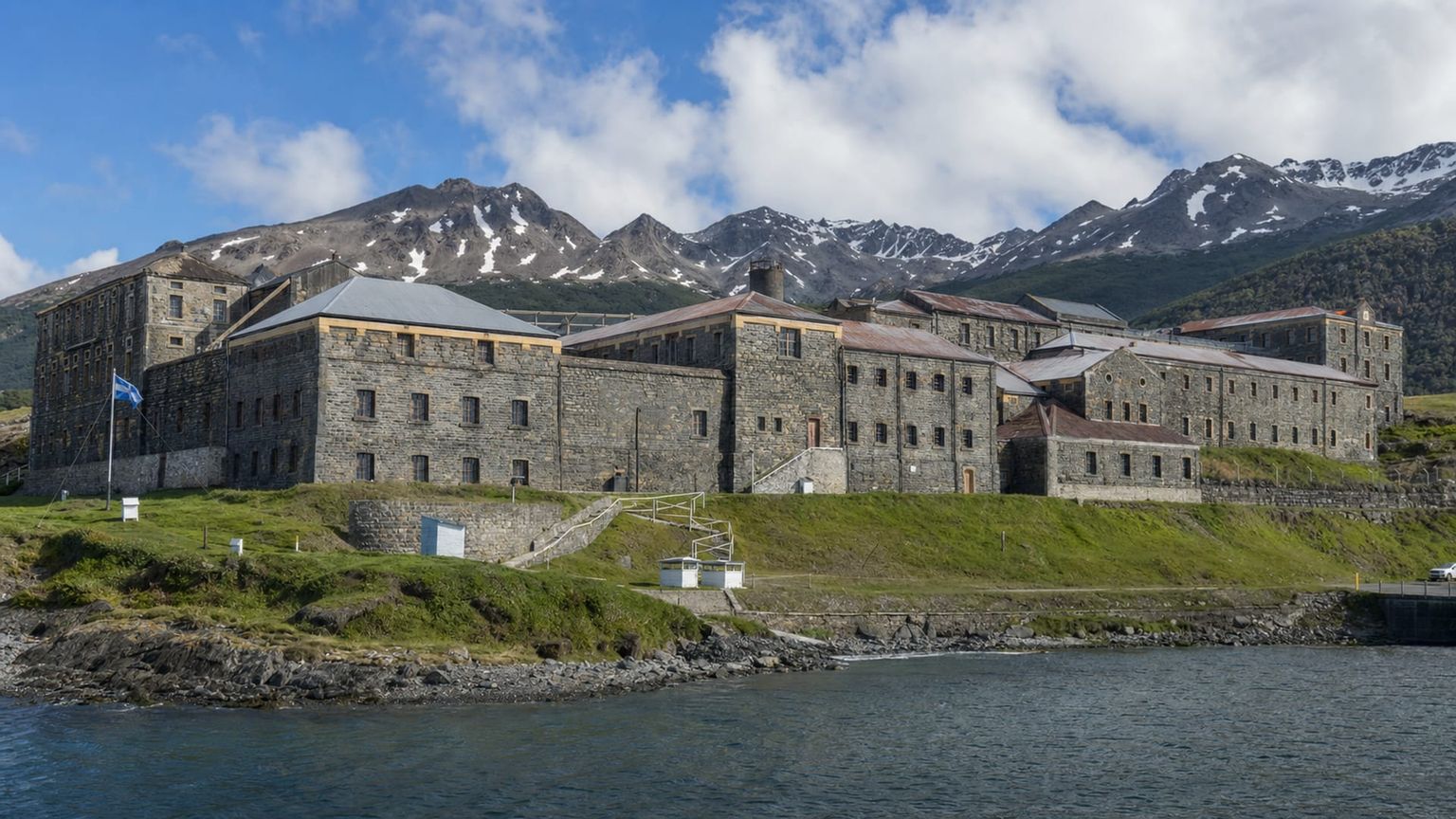
Museo Marítimo y del Presidio de Ushuaia
Set inside Ushuaia’s former prison and naval base, this museum complex explores the city’s penal, maritime, and Antarctic history through preserved cell blocks, ship models, historical displays, and art galleries. The original prison architecture remains one of its strongest features.
Time needed: A visit takes 2–3 hours.
Entry: Adults pay ARS 50,000 (US$33). Tickets are sold onsite only. Check the official website for more details.
Tip: Keep your ticket, as admission remains valid for two consecutive days.
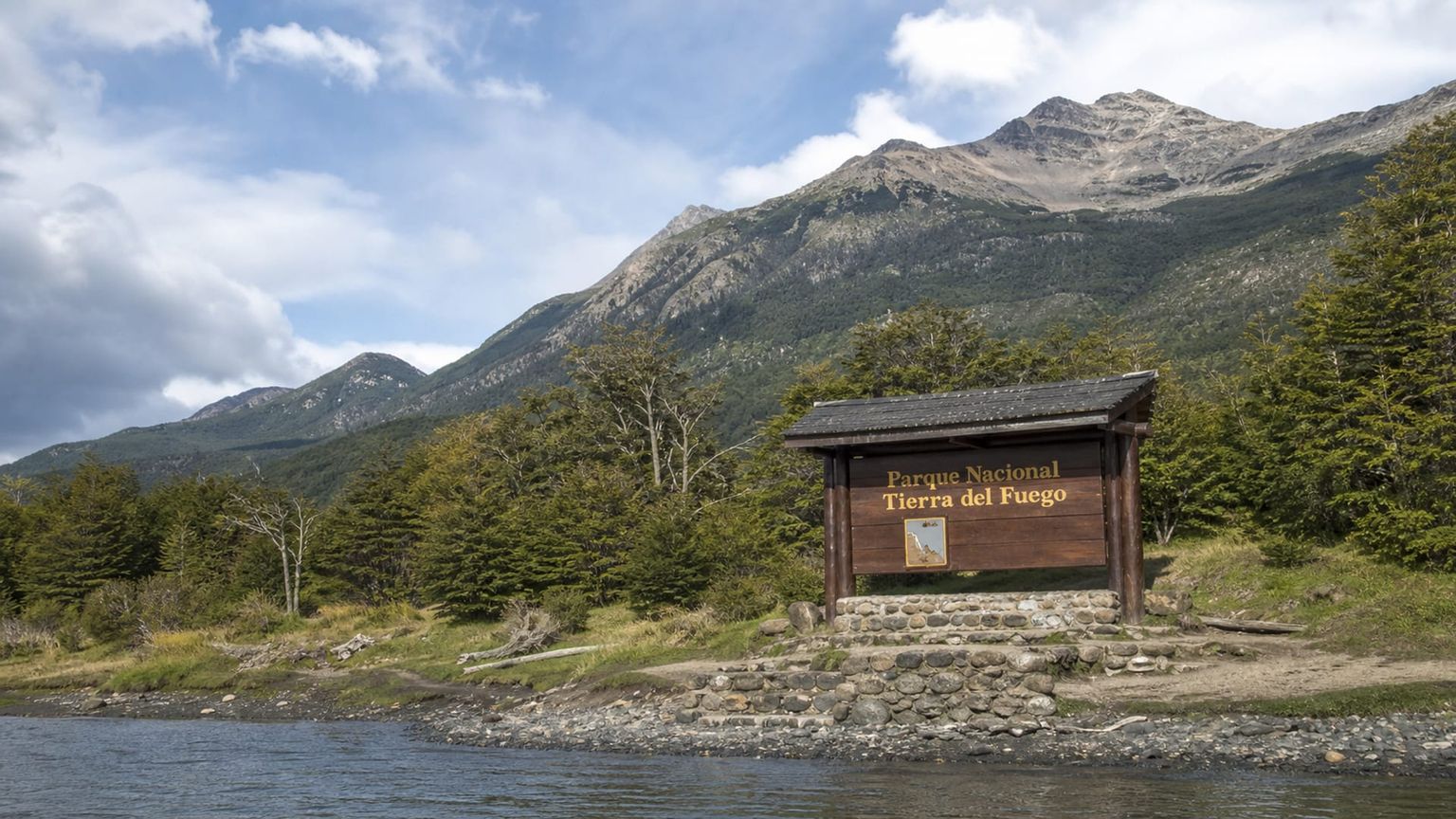
Tierra del Fuego National Park
Tierra del Fuego National Park protects forests, peat bogs, rivers, lakes, mountains, and coastline west of Ushuaia. Trails and roads lead to Lapataia Bay, Ensenada Zaratiegui, and viewpoints where the southern Andes meet the Beagle Channel.
Time needed: You will need 4–6 hours for a visit.
Entry: General admission costs ARS 40,000 (US$26). Check the official website for more details.
Tip: Start early if you want to combine several trails and coastal viewpoints.
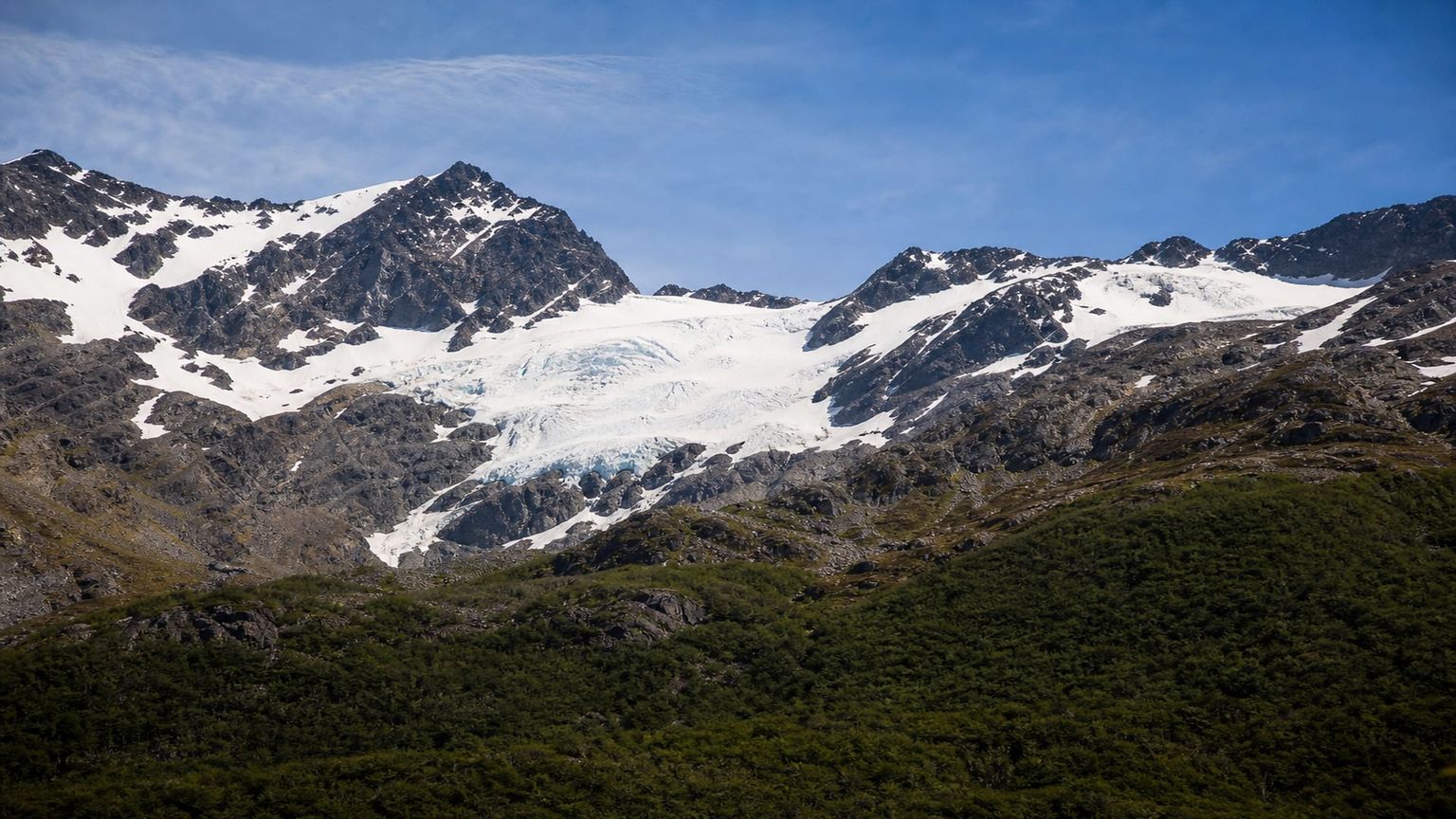
Glaciar Martial
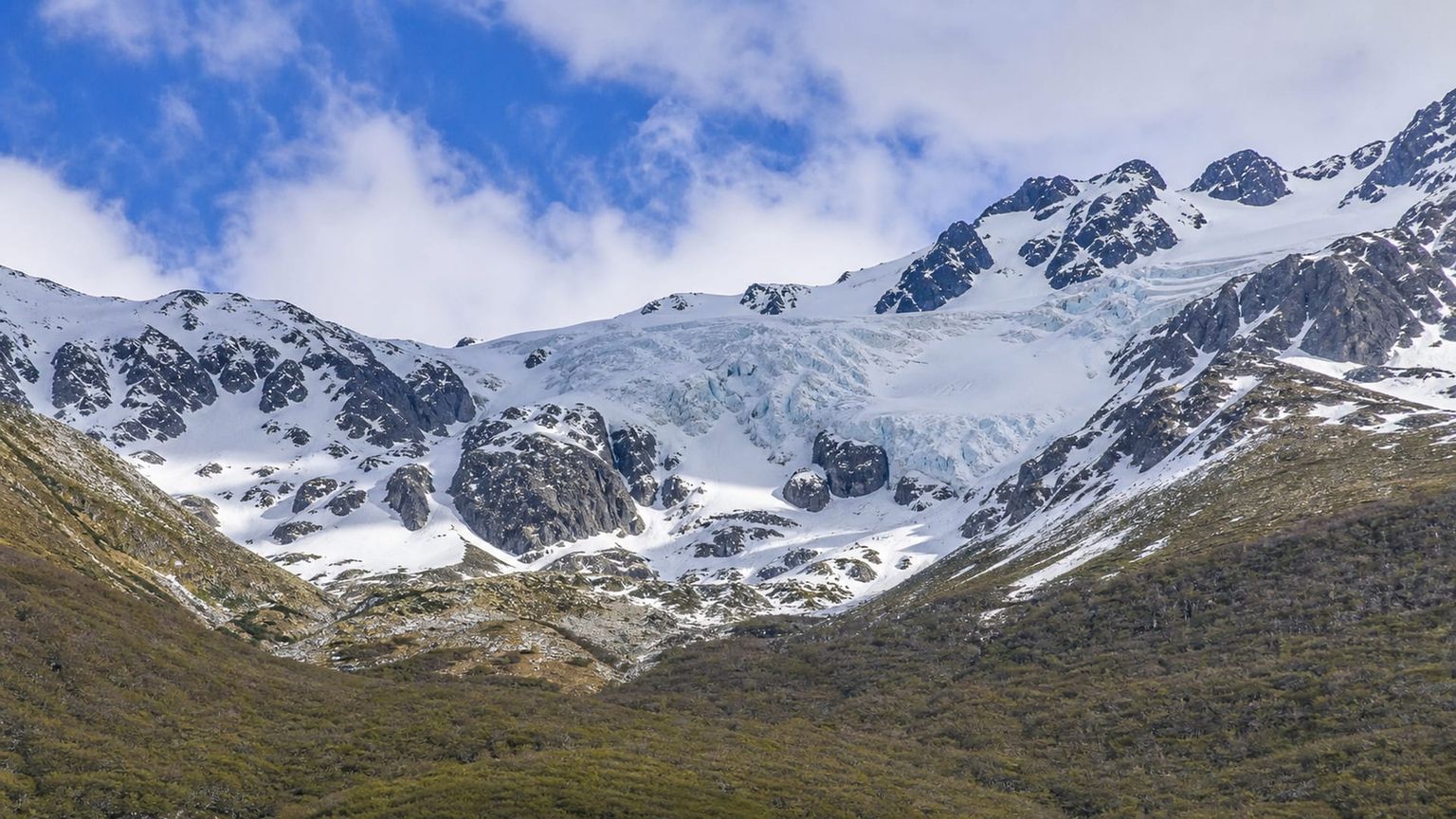
Martial Glacier rises above Ushuaia within a protected mountain area just 4 miles (7 km) from the center. Trails climb through lenga forest toward glacier viewpoints, with increasingly wide views over the city, Beagle Channel, and surrounding peaks.
Time needed: A visit takes 2–4 hours, depending on the trail.
Entry: The mandatory visitor-service fee is ARS 15,000 (US$10). Check the official website for more details.
Tip: Check trail conditions before leaving, as snow and wind can change access quickly.
Overlooked sites worth visiting

Casa Beban
Casa Beban is a restored early-20th-century house brought from Sweden in panels and rebuilt on Ushuaia’s waterfront. It hosts exhibitions and preserves a quieter piece of the city’s settler history.
Time needed: A visit takes 45–60 minutes.
Entry: You can visit for free; no booking is required. Check the official website for more details.
Tip: Visit on a weekday if you want to catch one of the scheduled guided visits.

Bahía Encerrada
Bahía Encerrada is a protected urban wetland beside the waterfront, with marked paths, viewpoints, and more than 50 bird species. It is an easy nature stop within walking distance of central Ushuaia.
Time needed: A visit takes 45–60 minutes.
Entry: You can visit for free at any time. Check the official website for more details.
Tip: Spring and summer are better for bird activity around the wetland.
Traditional food
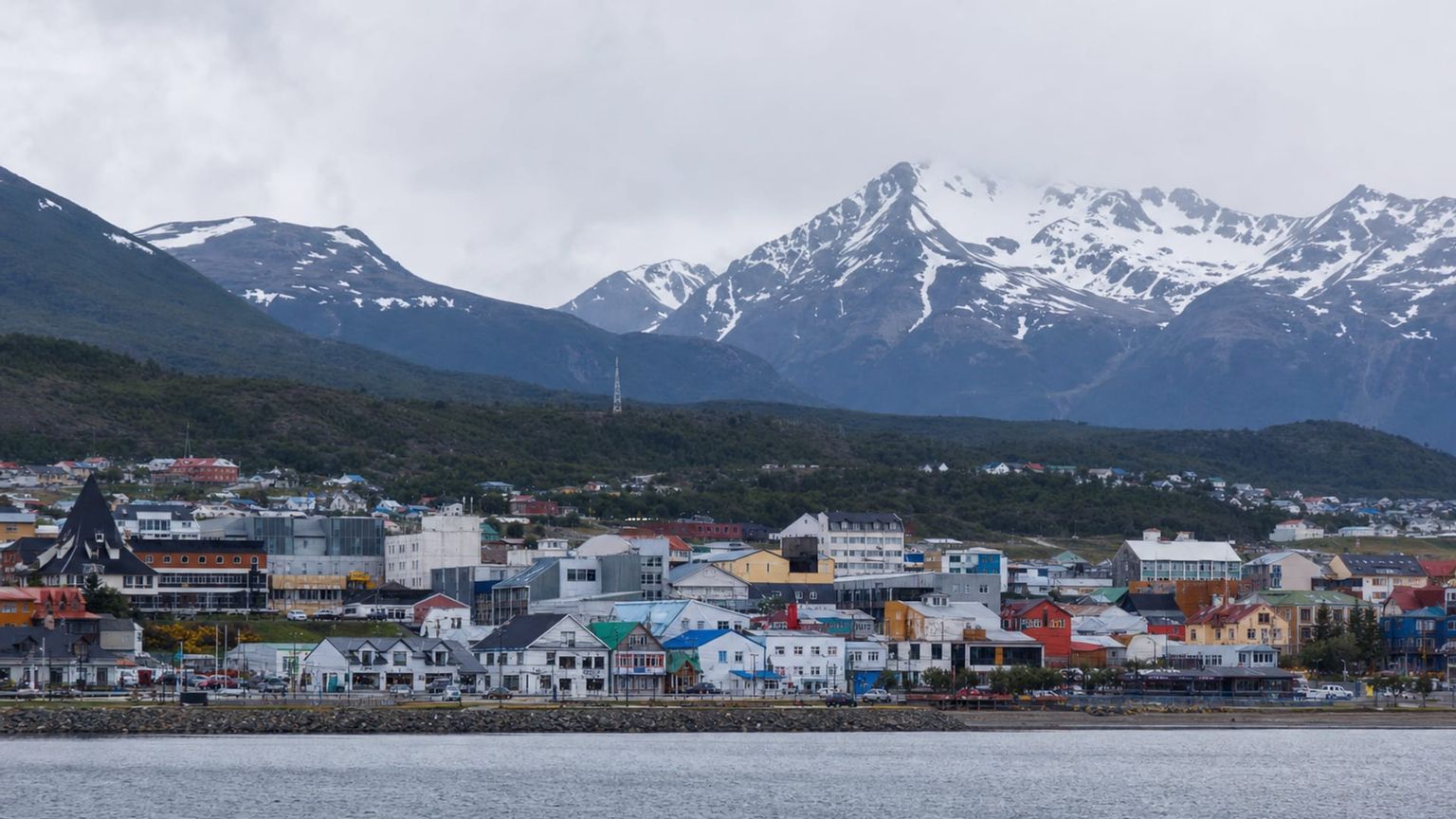
Ushuaia cuisine centers on cold-water seafood, Fuegian lamb, and Patagonian berries, with rich dishes shaped by the Beagle Channel and the far south.
King crab
Centolla is southern king crab from the Beagle Channel, usually served whole, in salads, or in rich seafood dishes. Tía Elvira keeps live crab in its aquarium and serves centolla as the house specialty on the Ushuaia waterfront.
Merluza negra
Merluza negra is a rich, flaky deep-water fish caught in the South Atlantic, prized for its buttery texture. Chez Manu lists black hake among its Fuegian specialties and serves dinner from its hillside dining room above Ushuaia.
Cordero fueguino
Cordero fueguino is lamb slow-roasted over wood until the outside chars and the meat turns tender and juicy. La Cantina de Llanos cooks its lamb on the spit for more than six hours and serves it with vegetables or potatoes.
Calafate jam
Calafate jam is made from the small tart berry found across Patagonia and is commonly spread on toast or used in sweets. Lino’s Chocolatería Artesanal sells calafate jam in central Ushuaia alongside chocolates and regional products.
Best time to visit Ushuaia
Ushuaia changes sharply by season, with summer bringing long daylight, winter snow, and spring wind that can reshape outdoor plans.
Best for: Boat trips, long hikes, national park days, and the longest daylight of the year
What you get: Summer averages 43°F–59°F (6°C–15°C), with almost 18 hours of daylight, long hiking windows, and the broadest range of boat trips.
Trade-offs: Wind can still be strong, and January is one of the busiest months for visitors.
Best for: Fall colors, quieter trails, cooler walks, and photography in changing forests
What you get: March starts near 41°F–56°F (5°C–13°C), then May cools toward 35°F–45°F (2°C–7°C), bringing orange-red forests and shorter days ahead.
Trade-offs: Daylight shortens quickly, and some seasonal excursions reduce departures later in fall.
Best for: Snow sports, mountain scenery, museums, and winter excursions beyond the city
What you get: Winter stays near 31°F–44°F (-1°C–7°C), with only 7–8 hours of daylight, regular snow, and strong conditions for skiing and snowshoeing.
Trade-offs: Icy streets, short days, and snow can slow road trips and make exposed paths harder.
Best for: Longer days, lingering snow, trekking, and early-season outings beyond the city
What you get: Spring ranges from 34°F to 55°F (1°C–13°C), with longer daylight, melting snow, fresh greenery, and more trails reopening by November.
Trade-offs: This is Ushuaia’s most changeable and windy season, so outdoor plans need flexibility.
A realistic 5-day plan in Ushuaia
Five days in Ushuaia give you enough time for the city, the Beagle Channel, the national park, and one mountain day without stacking major outings together. Keep one plan per area, watch the weather, and leave the final morning easy.
After landing at Ushuaia Airport (USH), head to your hotel and keep the first evening close to the center. If you are staying downtown, use the time to get oriented around Avenida San Martín, the port, and the waterfront, then have dinner nearby. Pick up water, snacks, or any extra layers you need for the next few days, but leave the museum, boat trip, and longer outdoor outings for later. The first night is more useful for settling in than trying to squeeze in a major sight.
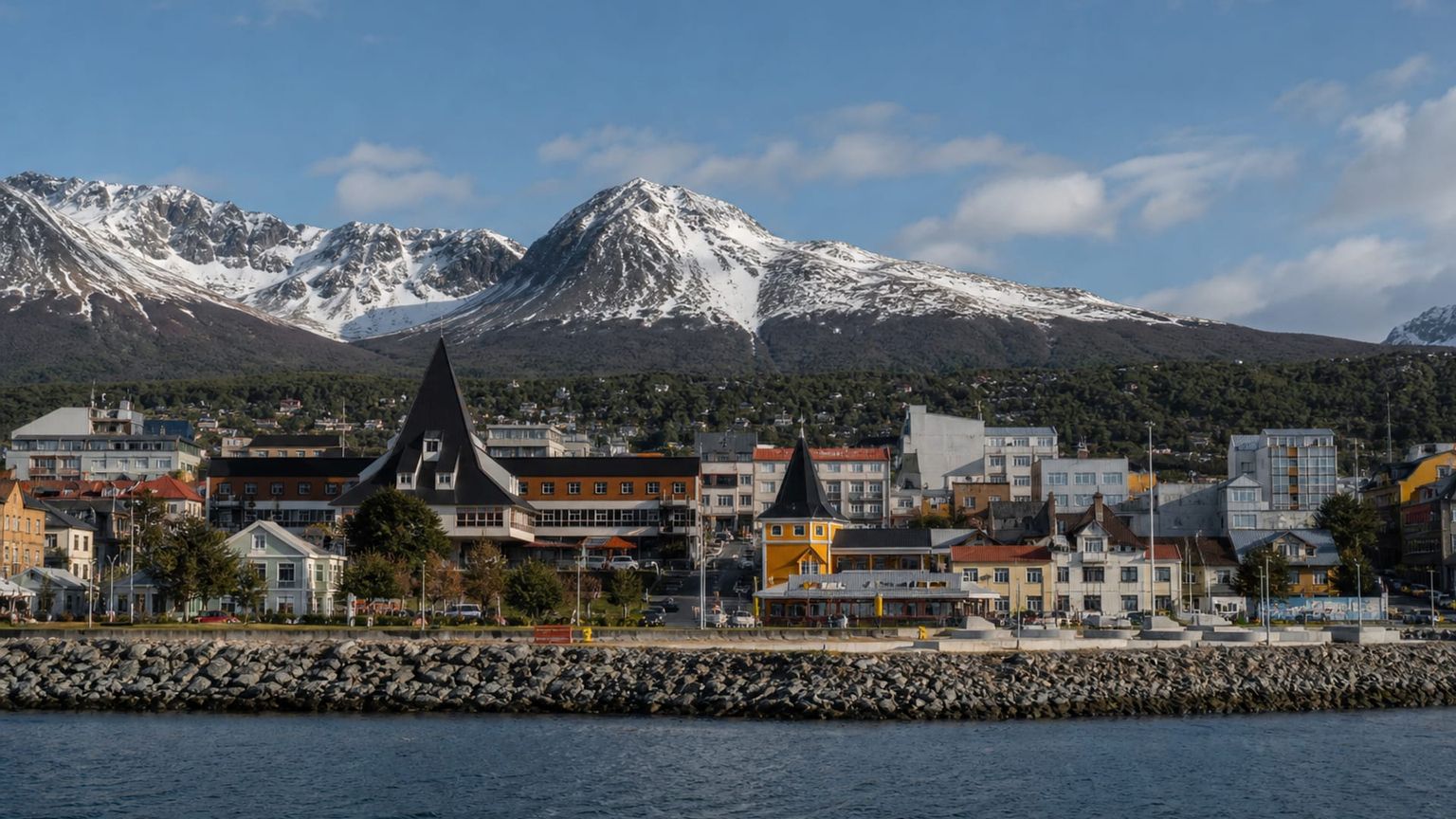
If Ushuaia’s maritime history interests you, spend the morning at the Museo Marítimo y del Presidio and give the former prison complex a full morning. After lunch, switch from history to the Beagle Channel with an afternoon boat trip from the port, choosing a sailing that fits the weather. Back on land, stay around the waterfront for dinner instead of adding another cross-town stop. Museum first and water second gives the day two very different views of the city without much travel between them.
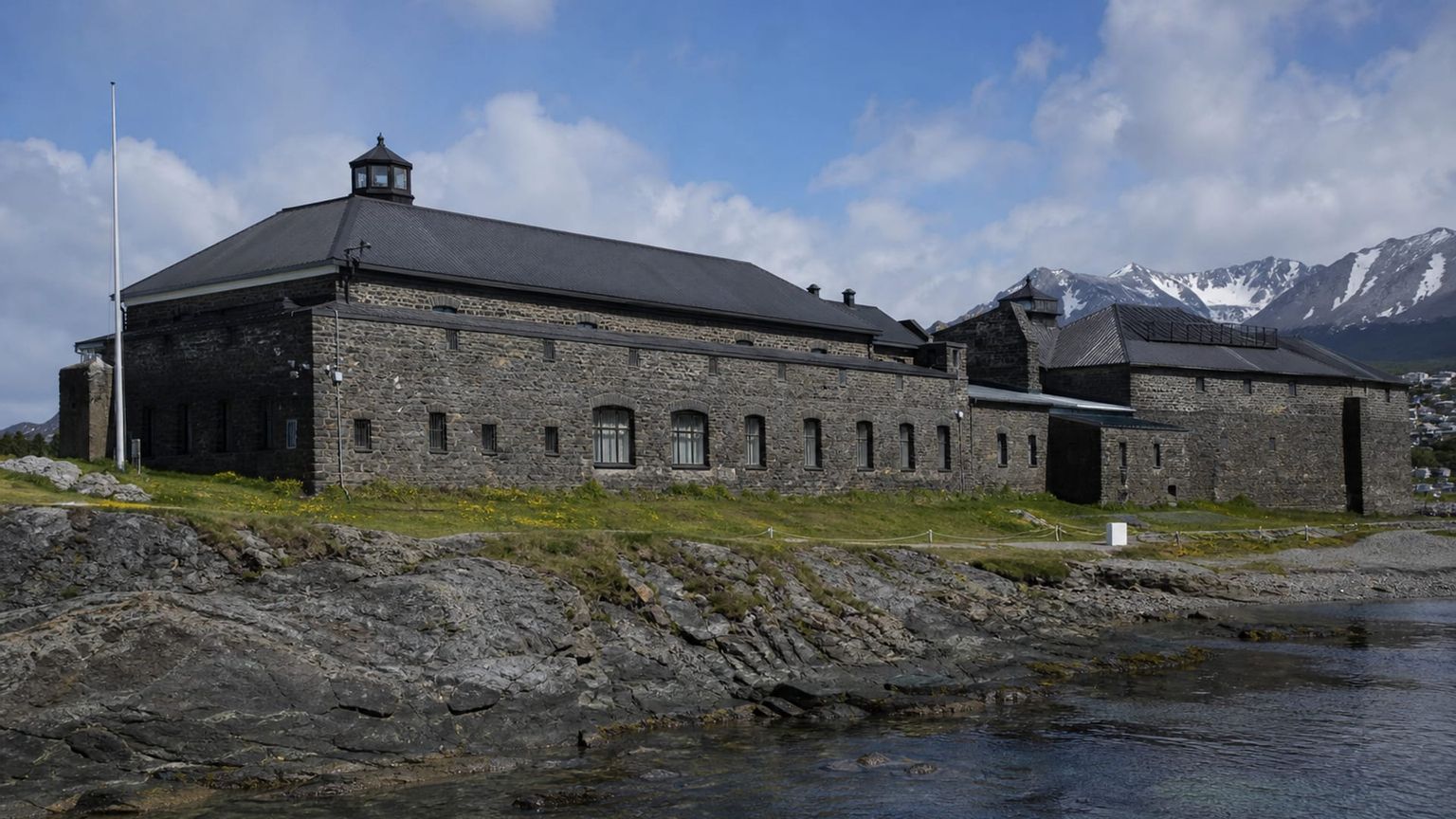
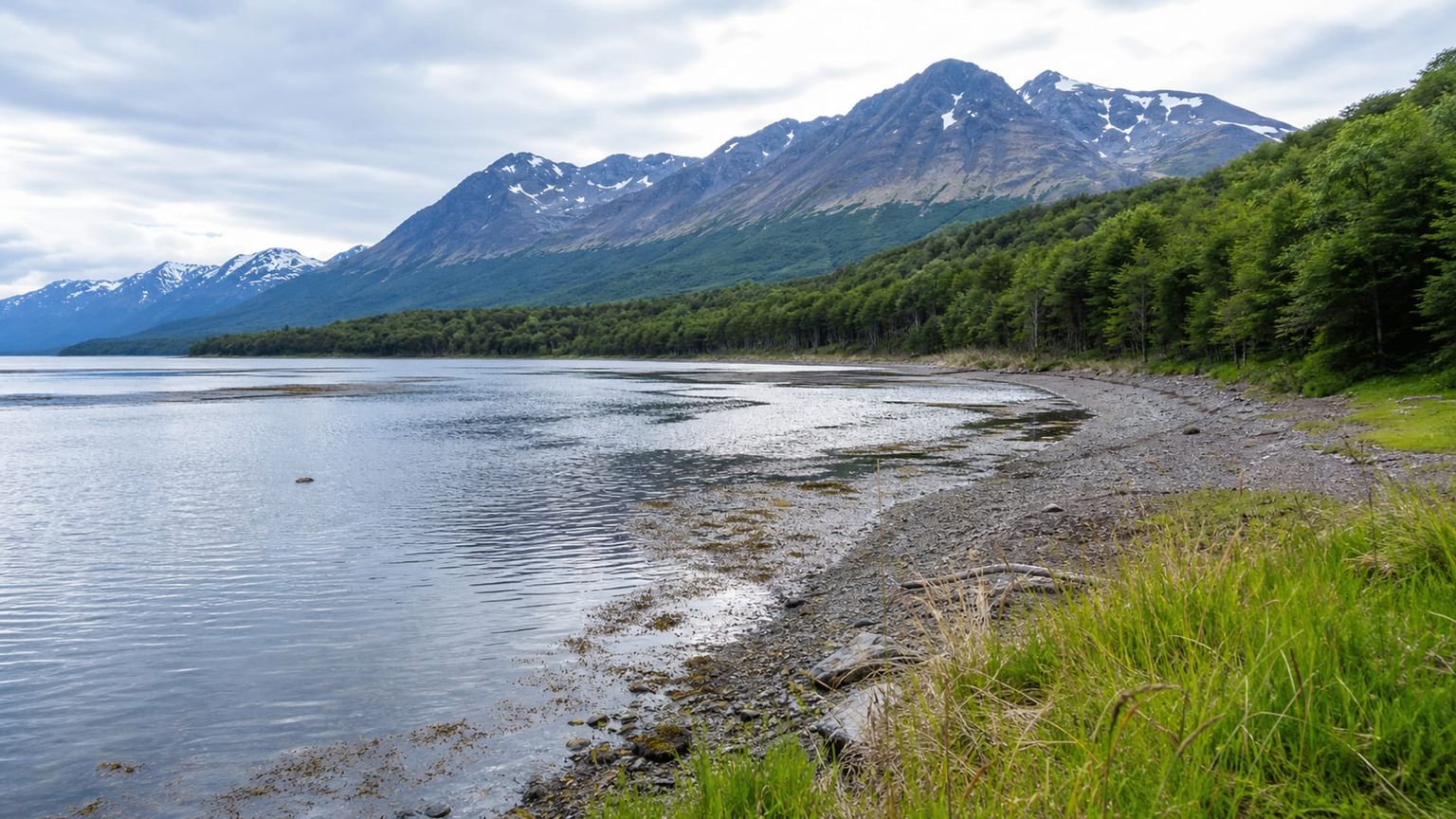
Give Tierra del Fuego National Park most of this day instead of treating it as a quick stop outside the city. Take a regular minibus, taxi, or organized excursion from Ushuaia, then choose the trails and viewpoints that match the weather and your energy. Lapataia Bay and the forested coastal areas are the main draw, but there is no need to rush between every stop. Return to town for an easy dinner and keep the evening free, especially if the wind or rain made the day more tiring than expected.
If you want one mountain day without committing to a remote trek, plan it around Martial Glacier. The reserve is only a drive above the center, but the trails climb quickly, and conditions can change with wind, snow, or rain. Choose an easier forest or glacier-viewpoint trail for a shorter outing, or spend longer on the higher routes when conditions are good. Come back downhill for a late lunch or coffee, then keep the rest of the afternoon open instead of forcing in another major attraction.
Keep the final morning local with Casa Beban and Bahía Encerrada, two easy stops near the waterfront that do not need a long transfer. If local history interests you, start with Casa Beban, then follow the shore toward the urban wetland for bay views and a quieter final walk. Have breakfast or coffee nearby, return for your bags, and leave enough time for the short ride to Ushuaia Airport (USH). This keeps departure day useful without making it feel scheduled to the minute.
Business-class flights from the US to Ushuaia
There are no nonstop flights from JFK or LAX to Ushuaia. On certain days, LATAM offers one-stop service through São Paulo; otherwise, you can expect flights with two stops.
New York (JFK) to Ushuaia (USH)
LATAM offers one-stop flights through São Paulo (GRU), with total travel time of 17–18 hours. Other flights usually include two stops and can take 19–25 hours. Round-trip business-class fares currently start near $4,600 and commonly run up to $7,500, depending on dates.
Los Angeles (LAX) to Ushuaia (USH)
From Los Angeles, LATAM also offers limited one-stop service through São Paulo (GRU), with the shortest trips taking roughly 20 hours. On other dates, two or more stops push the journey closer to 21–28 hours. Business-class fares currently start near $5,800 and can rise to $8,000 or more on less flexible dates.
Ushuaia changes with every direction
Ushuaia makes more sense when you treat the city, mountains, national park, and Beagle Channel as separate parts of the trip instead of trying to stack them together. Weather can change the order of a day quickly, so a little structure leaves more room to adjust without losing the places you came to see. When you are ready to book, AranGrant travel experts can help you compare business-class flights to Ushuaia and hotels across the city.







