

Chapters:

Need help with your trip?
Our support team is available 24/7. Request a callback or call us directly at (833) 619-0908
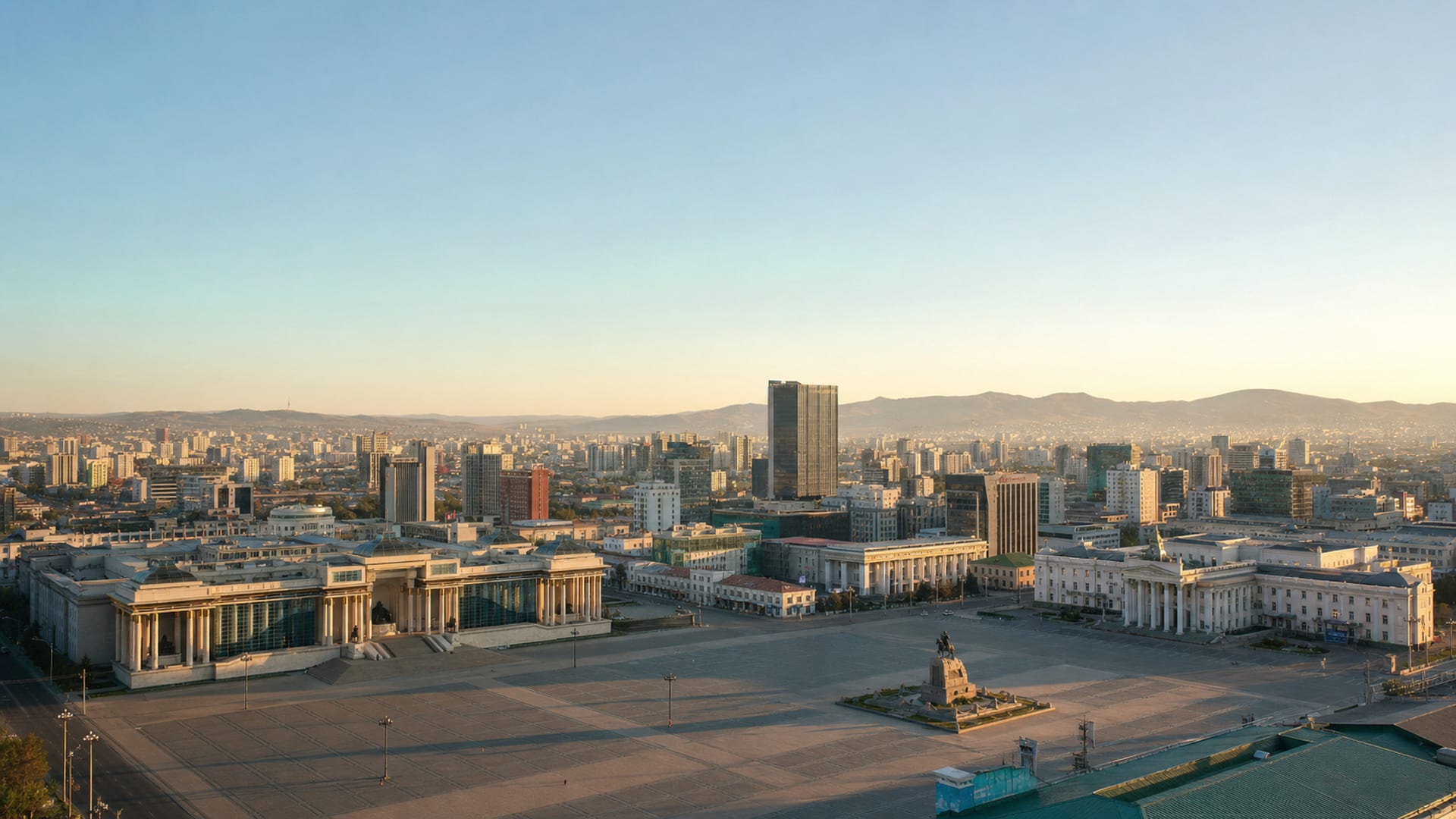
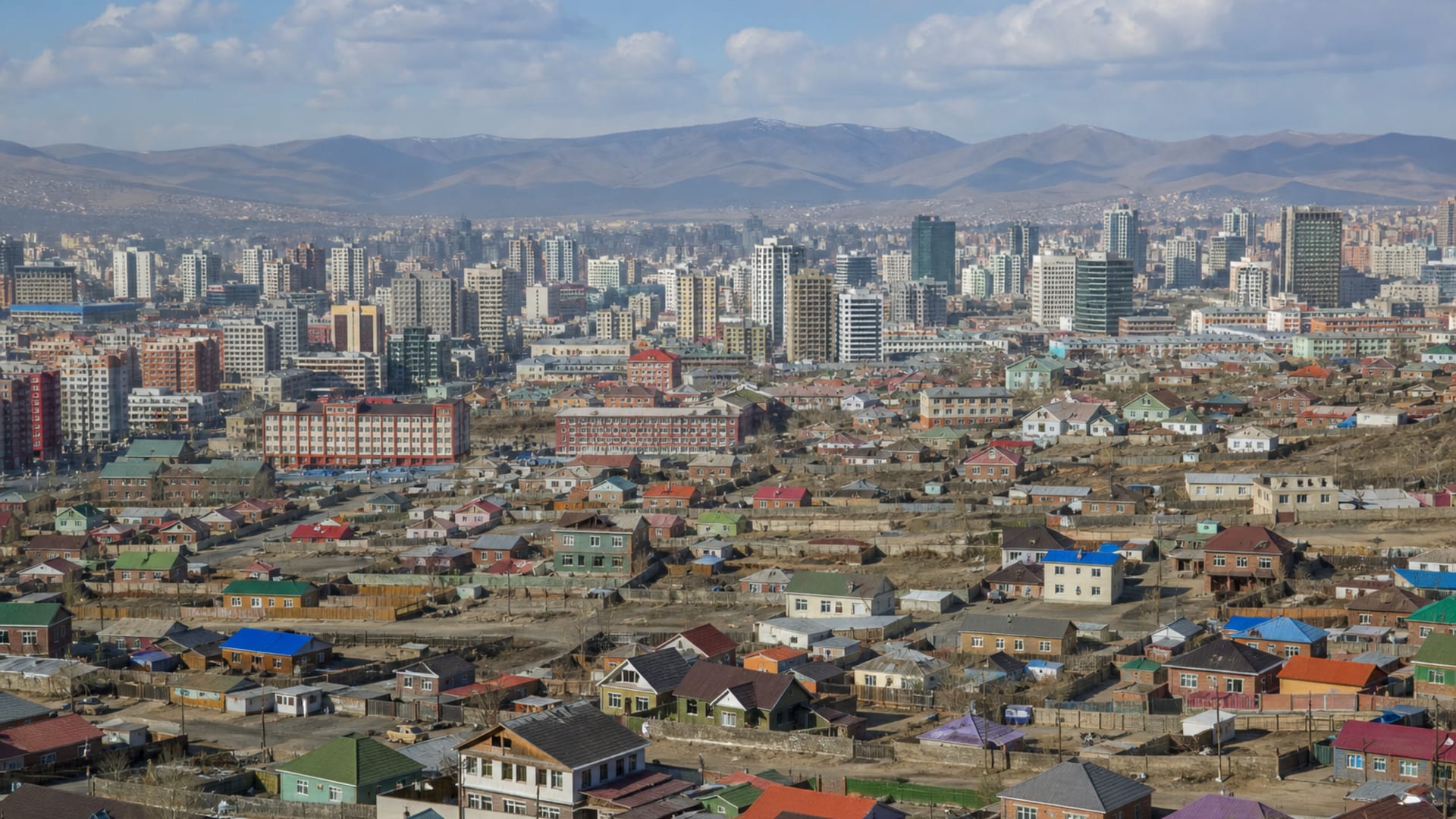
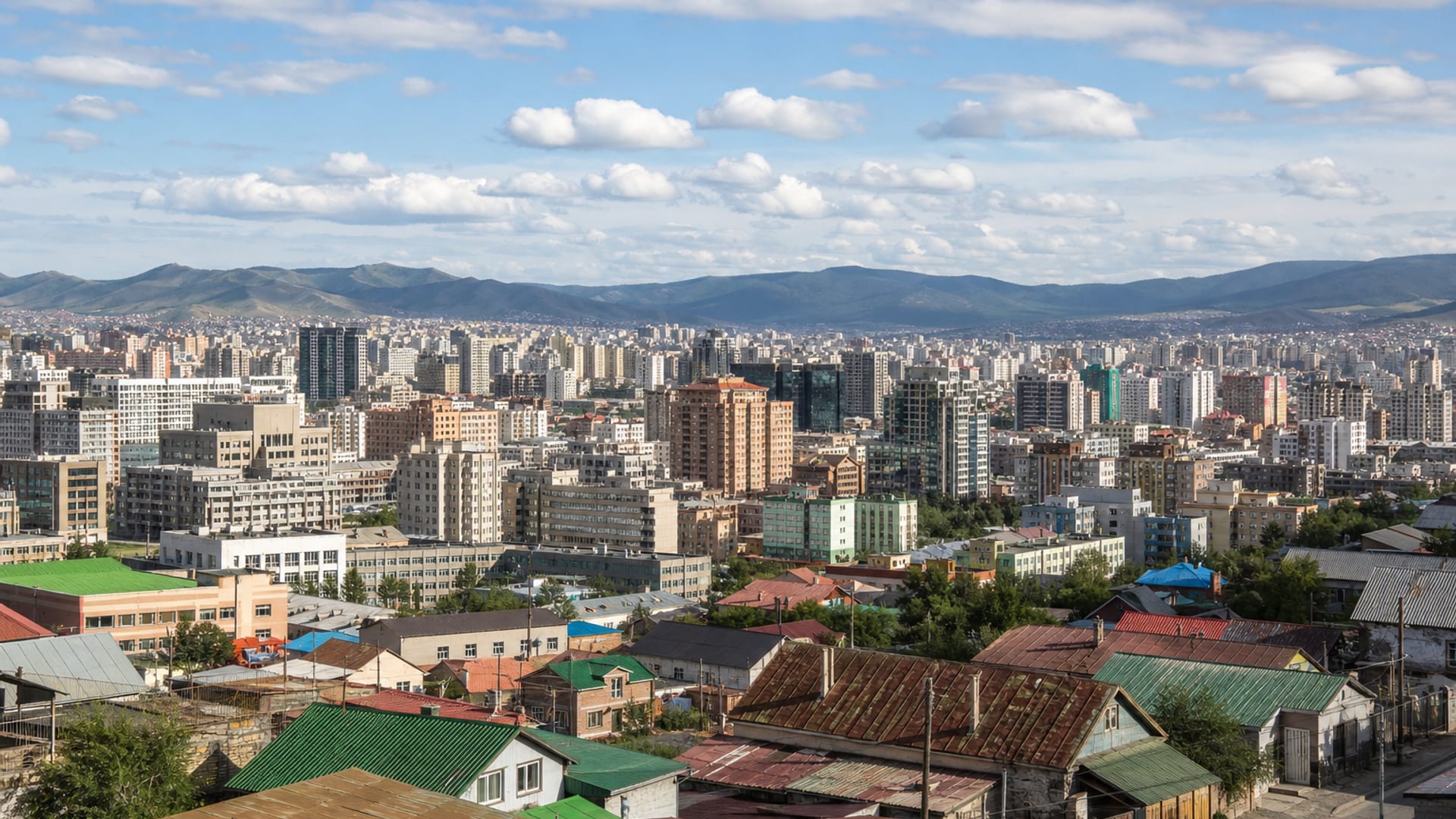
Ulaanbaatar brings Mongolia’s political institutions, Buddhist history, museums, restaurants, shopping, and fast-growing residential districts into a broad valley surrounded by mountains. Sükhbaatar Square anchors the center, and Peace Avenue carries much of its commercial activity, while Gandan Monastery and Zaisan introduce very different sides of the capital.
This article covers practical neighborhoods for a stay, transportation, major sights, Mongolian food, seasonal conditions, a day-by-day itinerary, and business-class flights from major US hubs.
Useful things to know

Main language(s): Mongolian
Сайн байна уу (sain baina uu) – Hello / good day
Баярлалаа (bayarlalaa) – Thank you
Баяртай (bayartai) – Goodbye
Та англиар ярьдаг уу? (ta angliar yaridag uu?) – Do you speak English?
Үнэ хэд вэ? (ünee hed ve?) – How much does it cost?

Currency: Mongolian tugrik (MNT, ₮)

Cash and cards: Larger hotels, malls, and restaurants commonly accept cards. Carry ₮50,000–₮100,000 ($14–$28) for smaller purchases and cash-only taxis.

Tipping: Tipping is not mandatory. Round up small bills or leave 5%–10% at higher-end restaurants when service is good.

Traditional food: Buuz, khuushuur, tsuivan, and boodog

Water and coffee costs: Bottled water generally costs ₮2,000–₮4,000 ($0.60–$1.10), while espresso drinks commonly cost ₮6,000–₮10,000 ($1.70–$2.80).

Taxis and ride apps: UBCab is widely used for app-based rides. At the airport, use the authorized taxi desk instead of accepting unsolicited offers.

Plug and voltage: Type C/F socket, 220V, 50Hz

Dining and shop opening hours: Cafés often open at 8:00 am, lunch is served around noon, and restaurants commonly serve dinner from 6:00 pm. Smaller establishments may close earlier.

Emergency number: Call 103 for an ambulance, 102 for police, or 101 for fire.
Where to stay in Ulan Bator
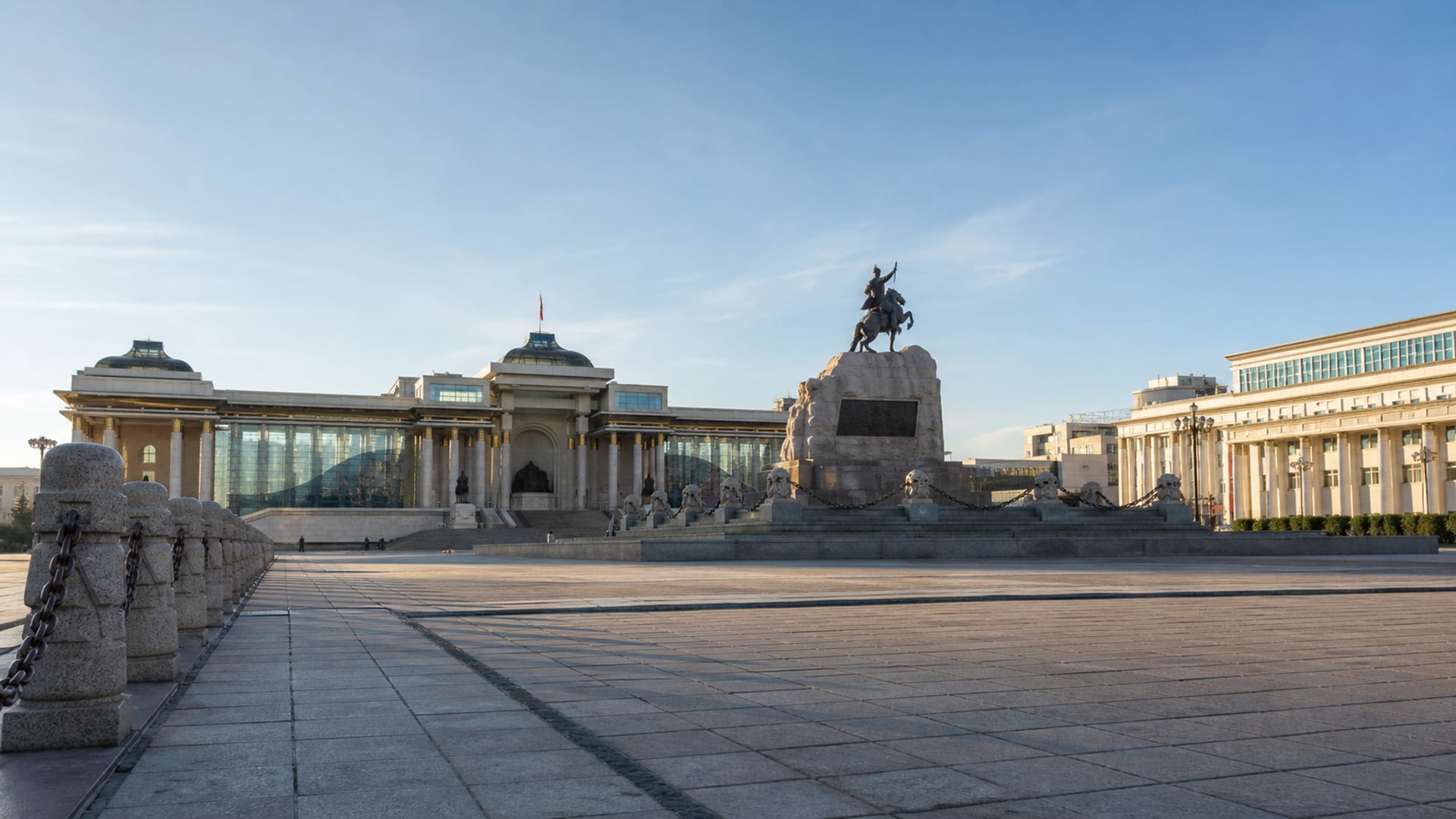
The blocks around Sükhbaatar Square form Ulaanbaatar’s main sightseeing district, with government buildings, museums, hotels, restaurants, and tour offices close together. Accommodation ranges from hotels to smaller central properties, and many sights are within walking distance.
Best for: First visits, museums, central sightseeing, and organized tour pickups
What to expect: Large public spaces, offices, museums, hotels, restaurants, and steady daytime activity
Hotel prices: Nightly rates at well-reviewed properties typically range from ₮306,000 to ₮750,000 ($85–$210).
Distance to major sights: The National Museum and National Art Gallery are both within a short walk of the square.
Quietness: Streets around government buildings get quieter after offices close.
Main trade-off: Central hotels are among the city’s most expensive, particularly during the summer travel season.
Good to know: Staying here reduces the number of taxi trips needed for the main museums and central restaurants.
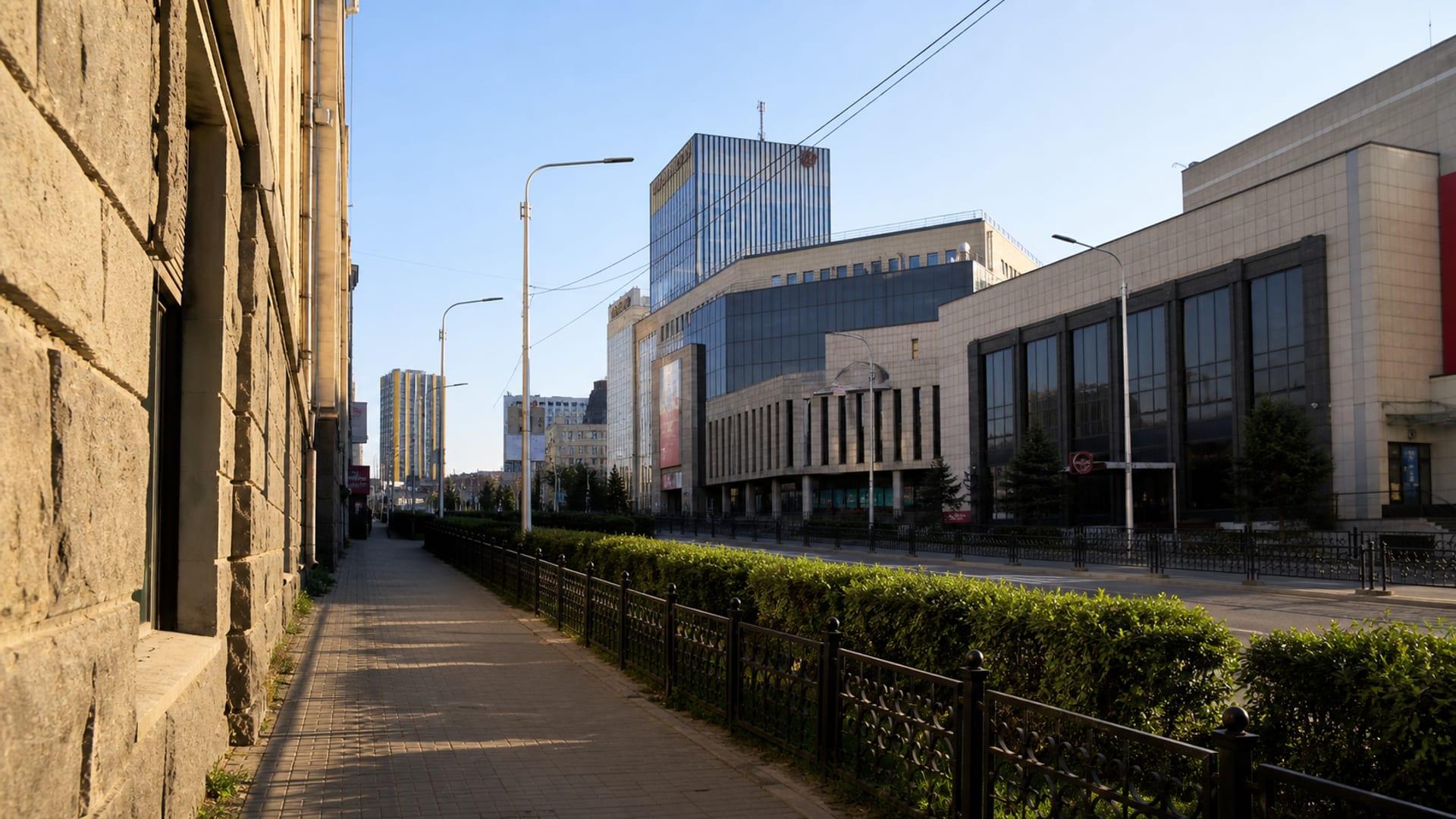
The State Department Store area is one of central Ulaanbaatar’s busiest commercial areas, with shops, supermarkets, cafés, banks, restaurants, and hotels lining Peace Avenue and nearby streets. Central museums and dining are within a manageable walk or short taxi ride.
Best for: Shopping, restaurants, everyday services, and central access
What to expect: Busy traffic, shops, cafés, local shoppers, restaurants, and frequent taxis
Hotel prices: Rooms in well-reviewed properties generally cost ₮240,000–₮610,000 ($70–$170) per night.
Distance to major sights: Sükhbaatar Square is approximately 15 to 20 minutes away on foot.
Quietness: Side streets generally receive less traffic noise than Peace Avenue itself.
Main trade-off: Heavy traffic can make short taxi journeys surprisingly slow during peak hours.
Good to know: Choose accommodation away from the main avenue if road noise is a concern.
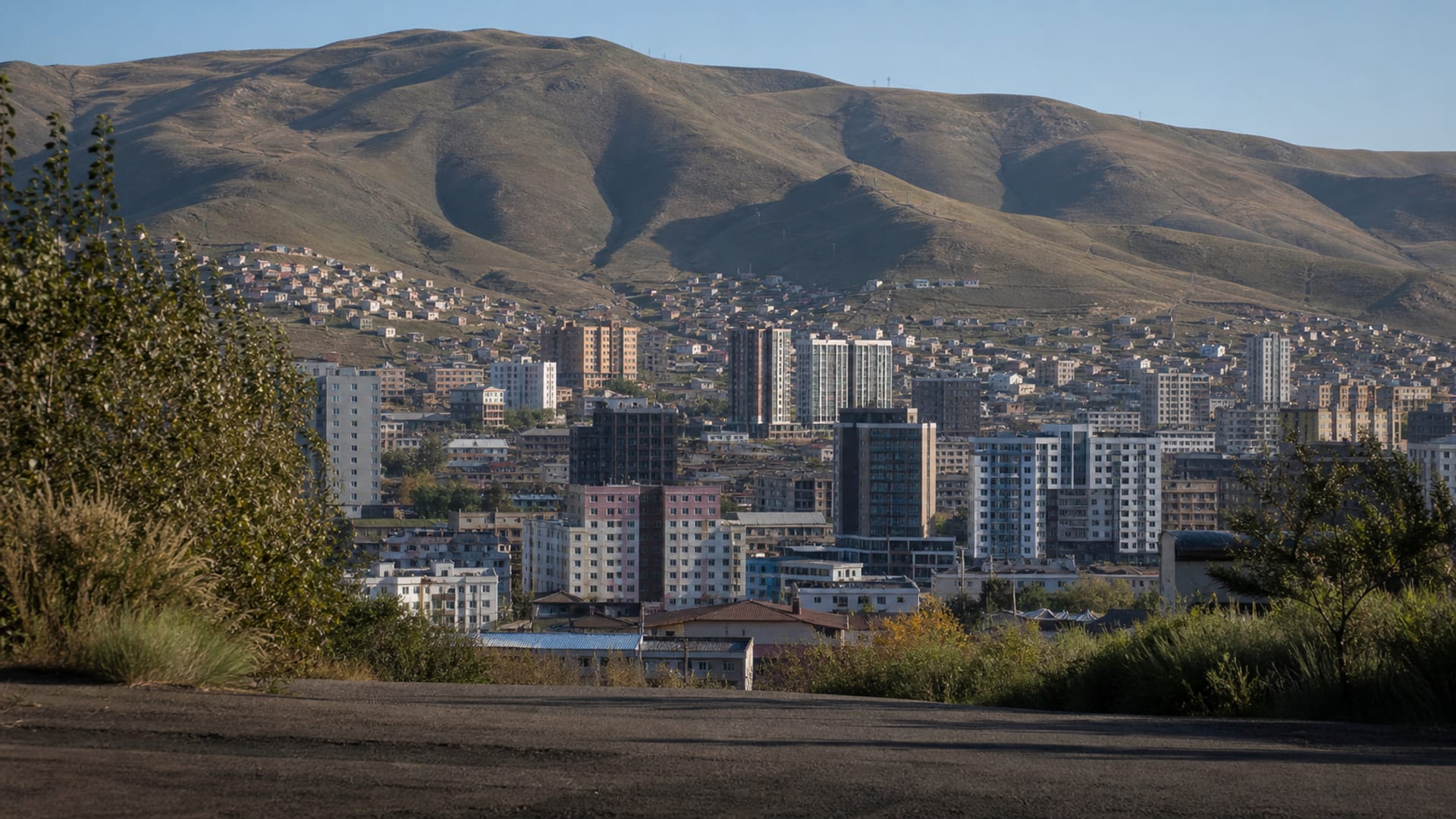
Khan Uul stretches south of central Ulaanbaatar and features newer apartment developments, offices, shopping complexes, hotels, and residential areas near the Tuul River. Properties here often offer larger rooms and newer facilities, but they are far away from many of the city’s sights.
Best for: Newer hotels, larger rooms, business travel, and longer stays
What to expect: Modern apartment blocks, offices, shopping centers, wider roads, and less tourist activity
Hotel prices: Hotels in the district commonly charge ₮270,000–₮680,000 ($75–$190) per night.
Distance to major sights: Zaisan is nearby, while Sükhbaatar Square requires a longer drive north through city traffic.
Quietness: Residential streets generally have less late-night foot traffic than the central districts.
Main trade-off: Most museums, historic sights, and central restaurants require transportation.
Good to know: Check realistic rush-hour travel times before choosing a property far south of the center.
Outer parts of Bayanzurkh, Songinokhairkhan, and districts well beyond the central sightseeing area add unnecessary travel time for most first visits. Hotels beside Chinggis Khaan International Airport are also far away from central Ulaanbaatar.
Hotel deals
Getting around Ulaanbaatar
Travelers in Ulaanbaatar can rely on buses, taxis, ride apps, and airport shuttles to navigate the city.

Metro
for longer distances
The X19 airport bus links Chinggis Khaan International Airport (UBN) with Sükhbaatar Square. Tickets cost ₮15,000 ($4.20) for adults. The trip can take up to 90 minutes, depending on traffic.

Bus and tram
for convenience
City buses form the main public network, with routes linking the center, major residential districts, and sites such as the train station. They charge ₮1,000 ($0.30) for up to four rides per day. Travelers can pay with a bank card or with a special transportation card.

Taxi
for convenience or late hours
Licensed taxis in Ulaanbaatar usually use metered fares, although some drivers quote fixed prices for airport and cross-town trips. A ride from Ulan Bator (ULN) into the center often costs ₮54,000–₮90,000 ($15–$25), while shorter city trips cost ₮7,200–₮21,600 ($2–$6). Carry cash in Tugrik, because cards are uncommon and many taxis do not accept cards.
*Prices are based on rates updated as of September 2026 and may change at the time of travel.
Use buses for central routes, taxis or UBCab for direct neighborhood transfers, and the airport shuttle when your arrival time matches its operating schedule.
Iconic places in Ulan Bator
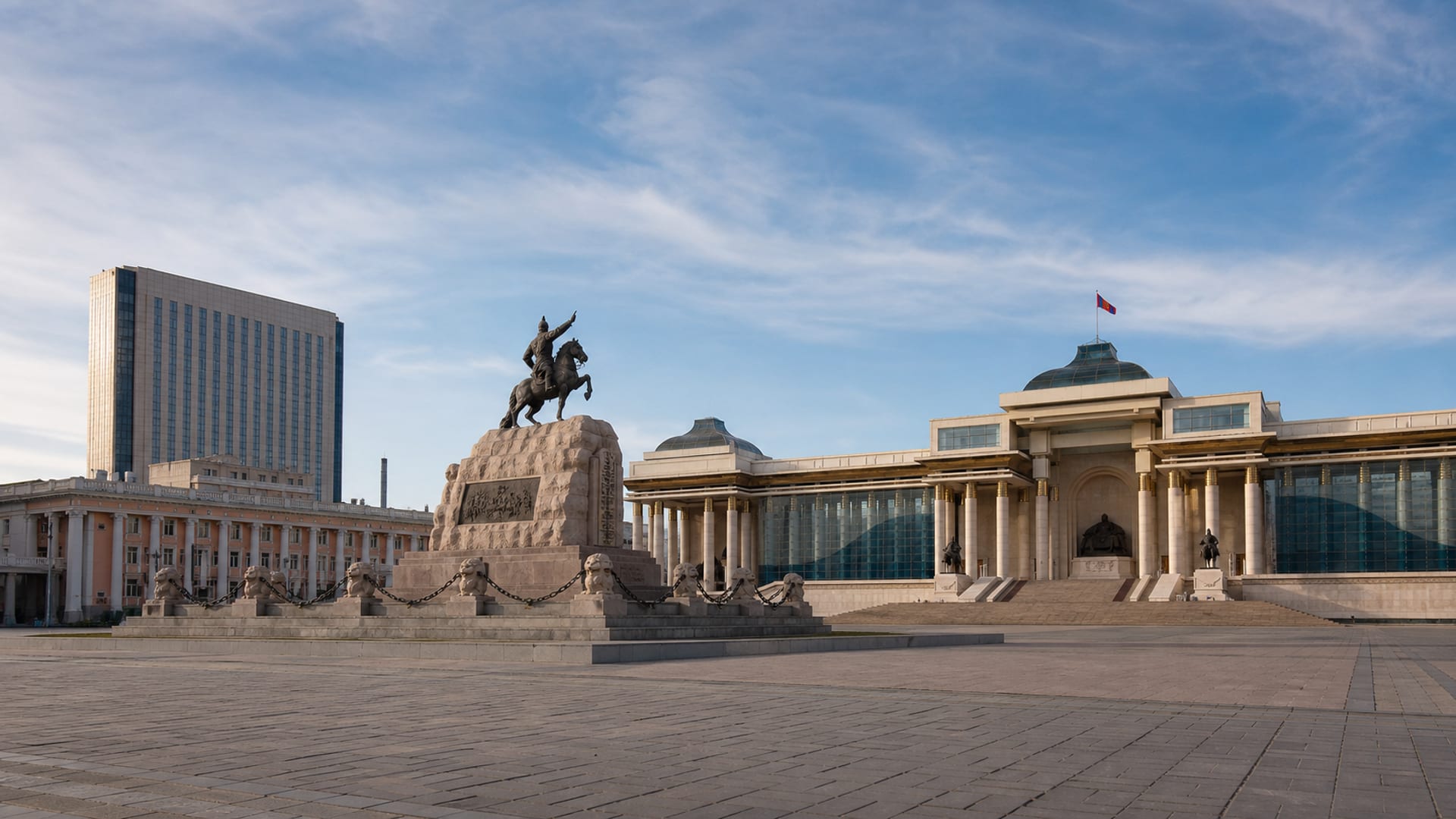
Sükhbaatar Square
Sükhbaatar Square is Ulaanbaatar’s principal civic space, framed by government buildings, cultural institutions, and the Parliament House. The large Chinggis Khaan monument at the northern end makes the square a natural starting point for the central district.
Time needed: 45 minutes to 1 hour
Entry: Free; the public square has no admission charge.
Tip: Visit early, then continue directly to the nearby National Museum.
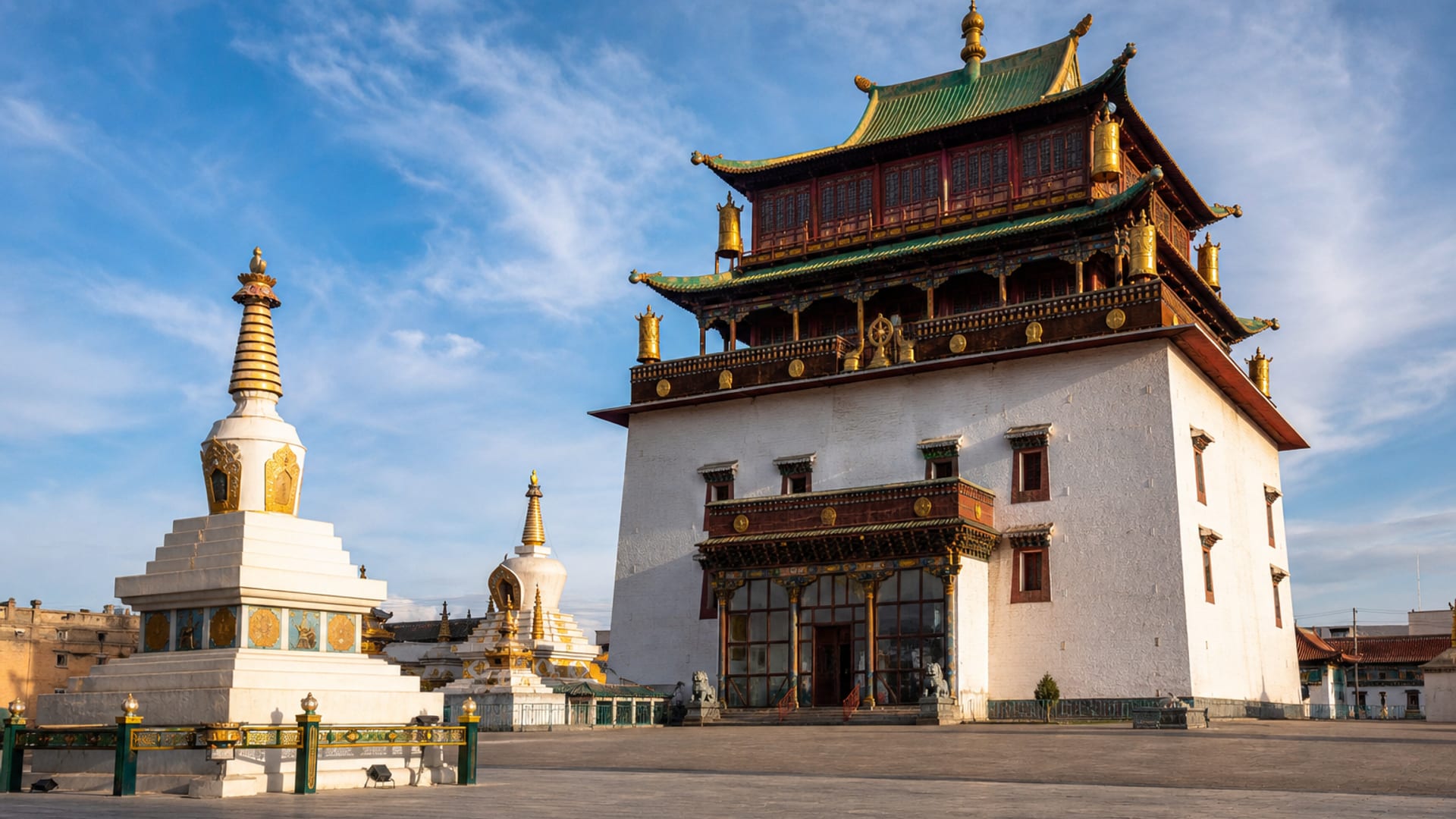
Gandan Monastery
Founded in the 19th century, Gandantegchinlen Monastery is Mongolia’s principal Buddhist center. Its temples surround the 87-foot (26.5-meter) Migjid Janraisig statue, while monks and worshippers continue to use the complex for daily religious practice.
Time needed: 1 to 2 hours
Entry: Grounds are free to visit; some temple interiors require a separate ticket. Visit the official site for details.
Tip: Visit in the morning when religious activity is usually more visible.
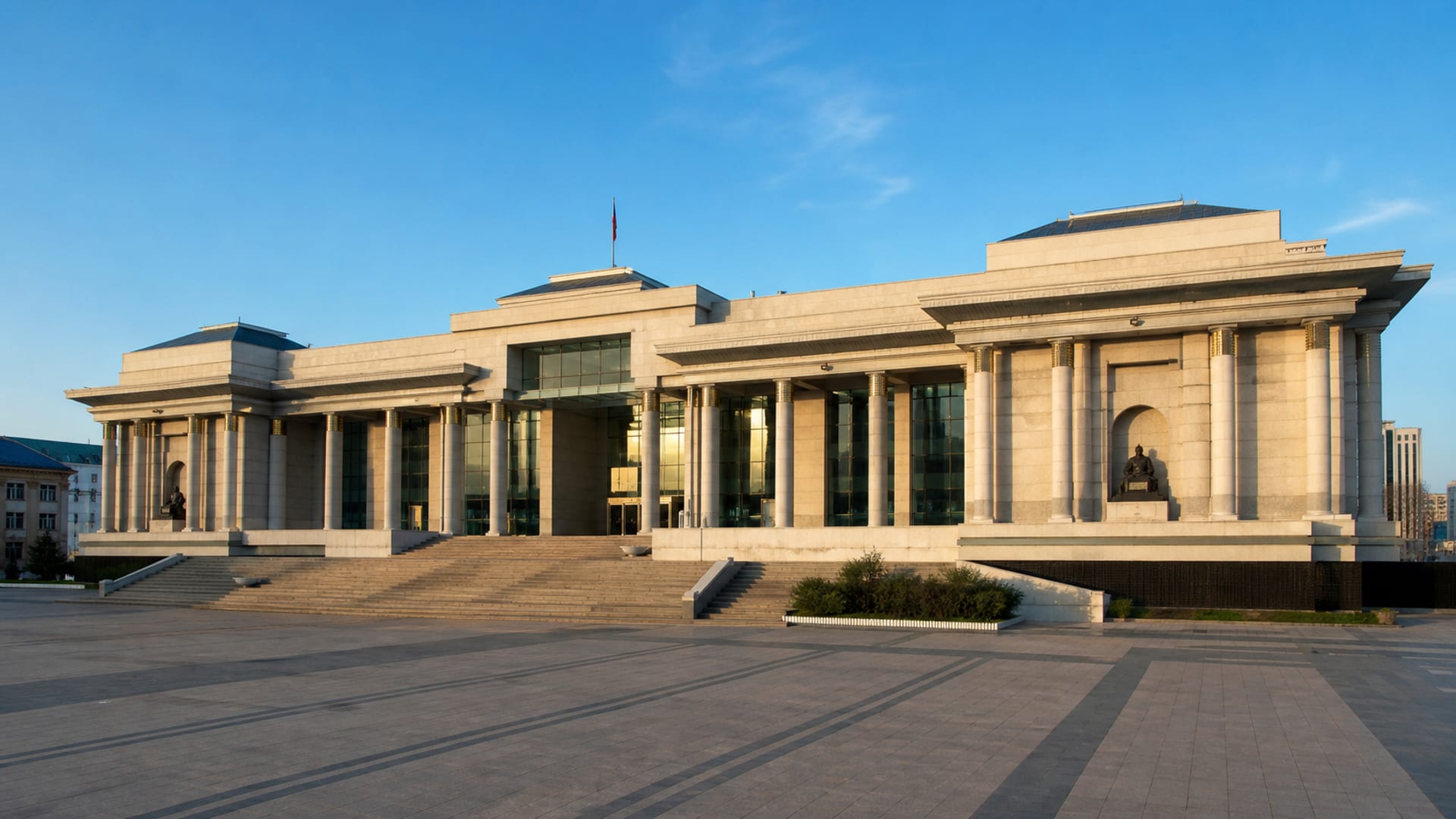
National Museum of Mongolia
The National Museum of Mongolia traces the country from prehistory through the Mongol Empire and modern independence. Its collections include archaeological finds, traditional clothing, weapons, religious objects, and displays explaining Mongolia’s nomadic cultures.
Time needed: 2 to 3 hours
Entry: Adult tickets cost ₮20,000 ($5.60). Visit the official website for more details.
Tip: Start upstairs early and allow extra time for the empire-era galleries.
Overlooked places in Ulaanbaatar

Ulaanbaatar Zaisan Memorial Hill
Zaisan Memorial stands on a hill south of central Ulaanbaatar, with a circular Soviet-Mongolian mural and broad views across the city and Tuul River valley.
Time needed: 1 hour
Entry: Free
Tip: Visit in the late afternoon for clearer views before evening traffic builds.

Mongolian National Modern Art Gallery
The National Art Gallery presents Mongolian painting, sculpture, graphics, and other visual art near Sükhbaatar Square. Its collection spans both traditional subjects and contemporary work.
Time needed: 1 to 2 hours
Entry: Admission usually costs about $2 to $4 (about 7,000 to 14,000 MNT) for adults, with lower prices for students and children. Special exhibitions may charge separately, and the gallery can close briefly between display changes.
Tip: Add it after the National Museum to keep both visits in the same area.
What to eat in Ulaanbaatar
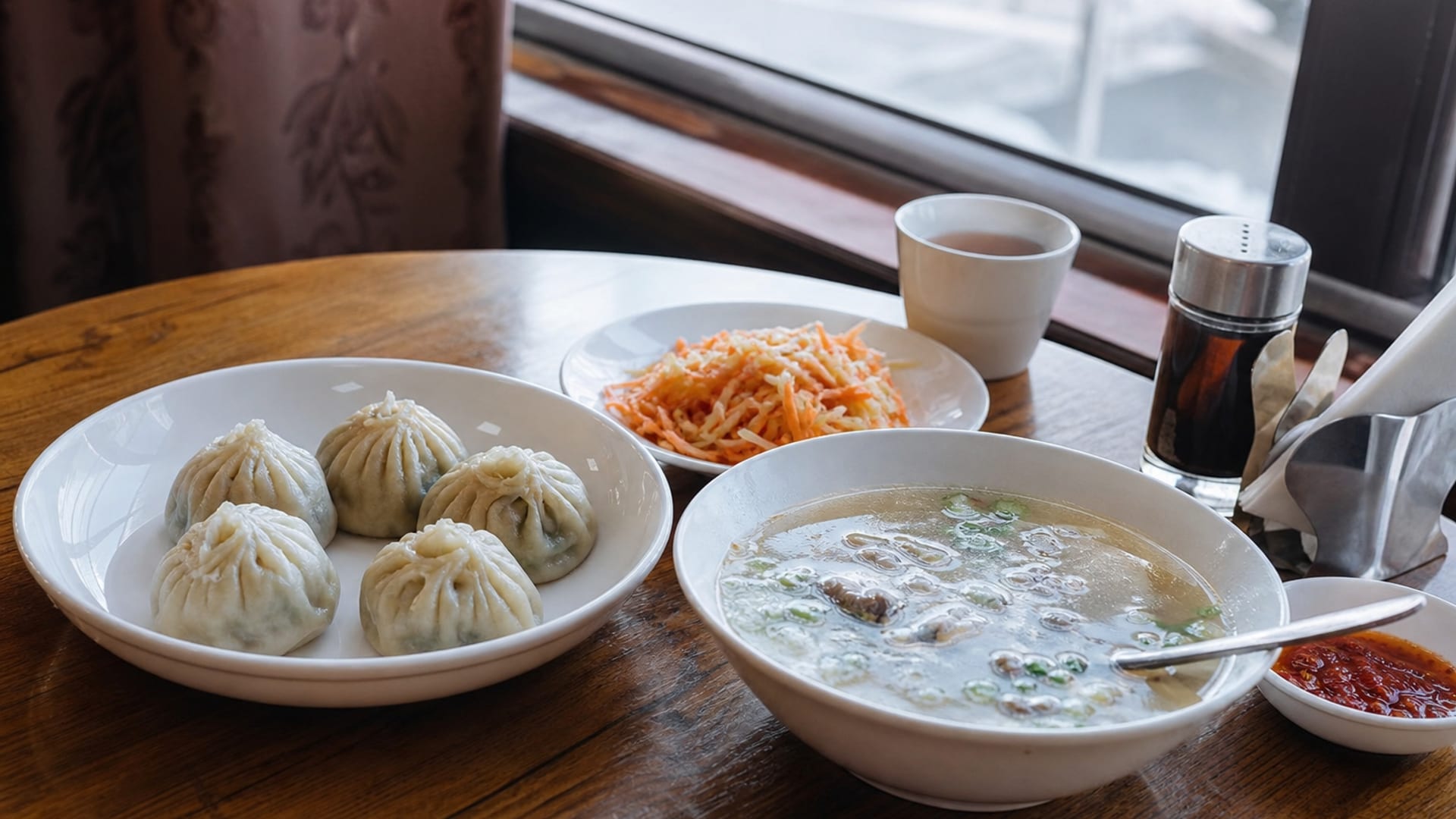
Ulaanbaatar’s traditional food mainly uses meat, flour, noodles, and dairy, with dumplings and filling hot dishes particularly common during Mongolia’s long cold season.
Buuz
Buuz are steamed dumplings filled with seasoned mutton or beef and are among Mongolia’s most familiar everyday dishes. Modern Nomads serves traditional Mongolian dishes, including buuz, at several locations around Ulaanbaatar.
Khuushuur
Khuushuur are flat, fried pastries filled with minced meat, with a crisp outer layer and juicy center. They are especially associated with Naadam but are served throughout the year. Khara Khorum (KK) offers them as part of its Mongolian menu.
Tsuivan
Tsuivan combines thick noodles with meat, onions, carrots, cabbage, or other vegetables cooked together in a single pan. You can enjoy these at Mongolian’s Restaurant inside the Shangri-La Mall.
Boodog
Boodog traditionally uses hot stones to cook meat from the inside and is more closely associated with countryside meals than everyday city dining. The best way to enjoy boodog is to try a version prepared by local nomadic families.
Best time to visit Ulan Bator
Ulaanbaatar has a strongly continental climate, with very cold winters, short warm summers, and rapid temperature changes during spring and fall.
Best for: Museums, city sightseeing, and travelers comfortable with changing weather
What you get: Temperatures rise from approximately 30°F to 63°F (-1°C to 17°C), with warmer afternoons by May.
Trade-offs: Strong winds, dust, and cold mornings can interrupt longer outdoor plans.
Best for: Zaisan, long sightseeing days, outdoor excursions, and first visits
What you get: Average daytime highs reach approximately 72°F–75°F (22°C–24°C), with long daylight and peak visitor demand.
Trade-offs: Hotels and tours book faster around the summer and Naadam period.
Best for: Clear city views, museums, and cooler walking conditions
What you get: Daytime highs fall from approximately 61°F to 23°F (16°C to -5°C), with colder nights arriving quickly.
Trade-offs: Temperatures drop sharply by late October and November.
Best for: Museums, indoor cultural sights, and travelers prepared for severe cold
What you get: : Average daytime highs around 3°F–14°F (-16°C to -10°C), with very cold nights
Trade-offs: Extreme cold and short daylight significantly reduce comfortable outdoor sightseeing.
A 5-day plan in Ulan Bator
Five days give you enough time to enjoy Ulaanbaatar’s central museums, Gandan Monastery, Peace Avenue, Zaisan, and the southern districts without scheduling several traffic-heavy journeys on the same day.
Land at Chinggis Khaan International Airport (UBN), then take an official taxi to Sükhbaatar Square or the Peace Avenue area. A trip from the airport to the city center can cost ₮54,000–₮90,000 ($15–$25), and traffic can make the journey considerably longer than the distance suggests. After check-in, keep the evening close to your hotel with dinner and a short walk instead of adding a museum or cross-city taxi ride.
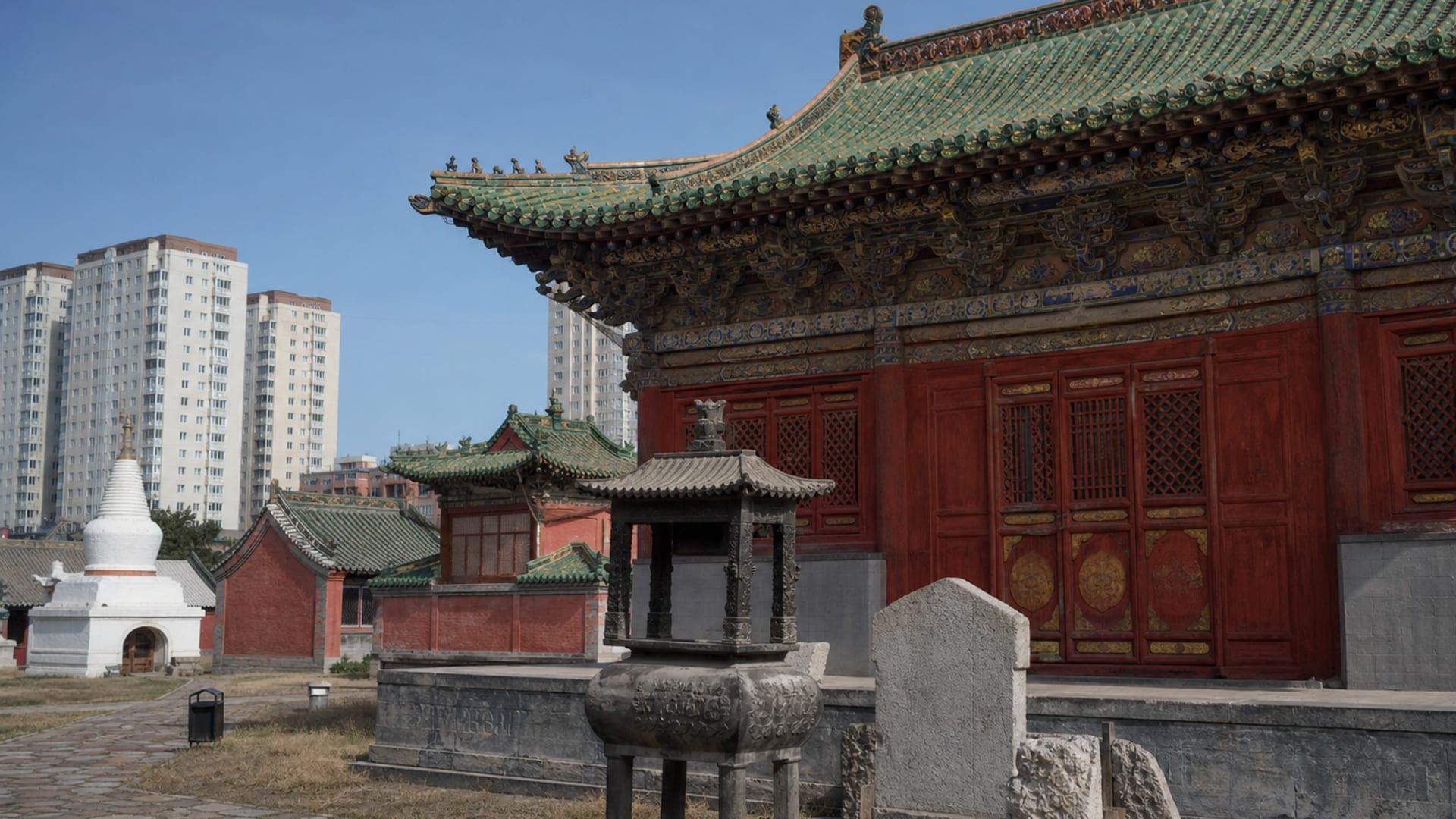
Start at Sükhbaatar Square and spend 45 minutes to 1 hour around the civic buildings and monuments. Walk a few minutes to the National Museum of Mongolia and allow 2 to 3 hours inside. Adult admission for the museum costs ₮20,000 ($6). Have lunch nearby, then visit the National Art Gallery on the square for about 1 hour. Keeping all three stops together avoids using a taxi during the busiest part of the day.
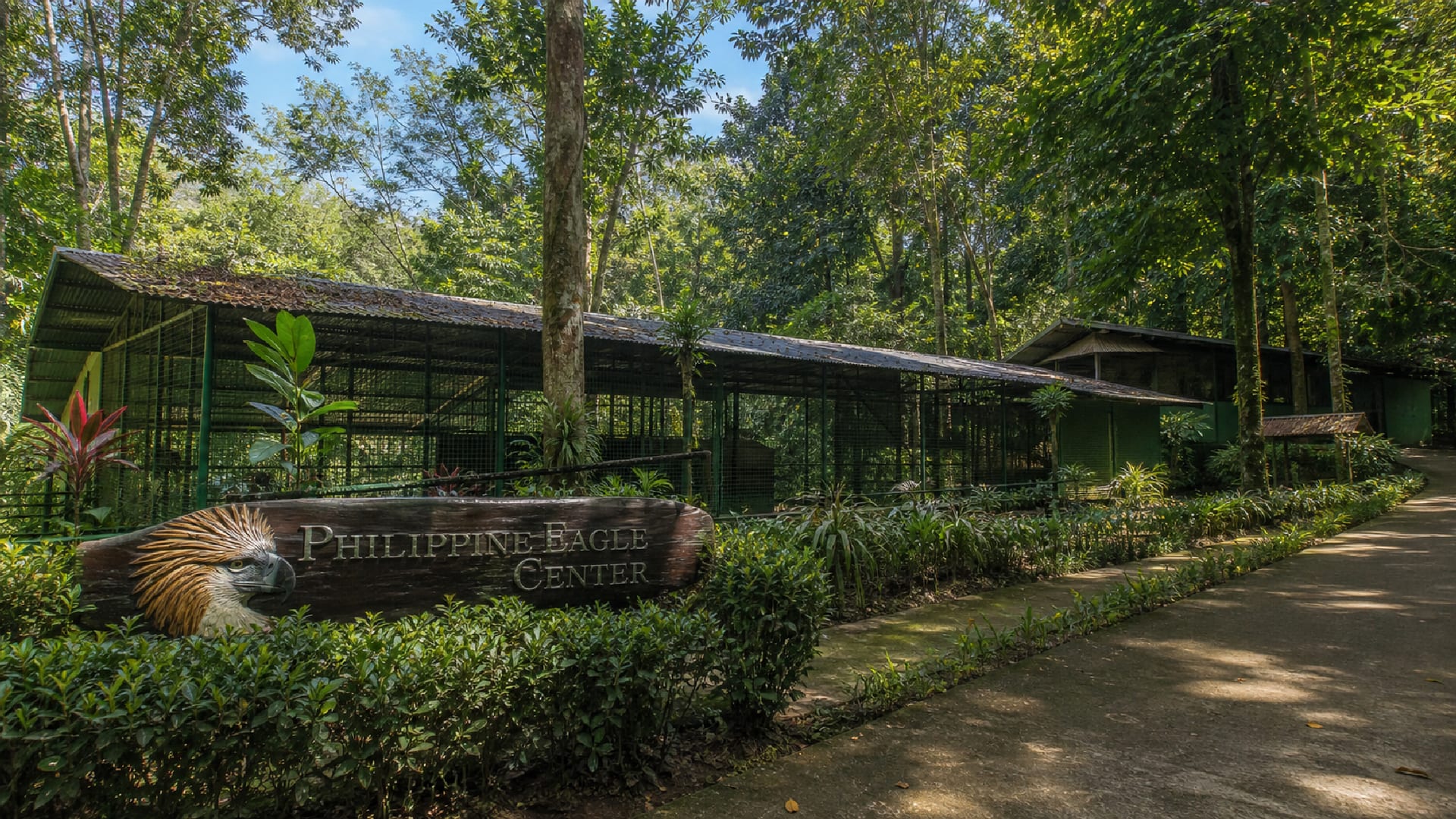
Take a taxi or UBCab from the central district to Gandan Monastery. This trip may take 15 to 25 minutes, depending on traffic. Spend 1 to 2 hours exploring the active monastery complex, then return toward Peace Avenue for lunch. Use the afternoon for the State Department Store and nearby shops, cafés, or restaurants. Staying along the avenue afterward avoids another cross-city transfer before dinner.
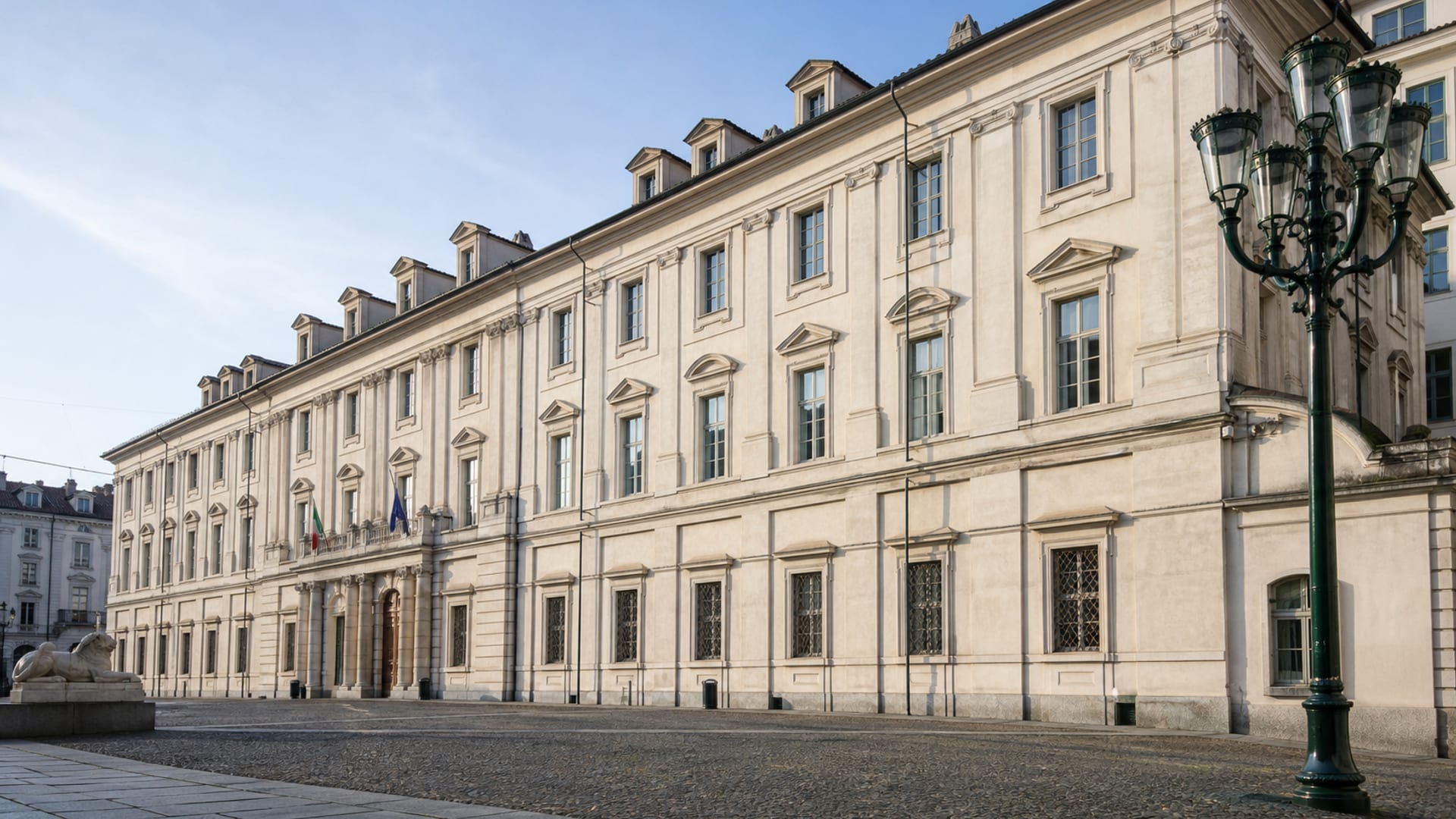
Take a taxi or UBCab south to Zaisan Memorial, and allow about 1 hour for the stair climb, mural, and city views. From the hill, continue on foot into Khan Uul for lunch or cafés rather than returning immediately to the center. The district’s newer shopping and residential areas give you a different look at modern Ulaanbaatar. Return before the evening traffic peak if possible, since the northbound journey can slow considerably later in the day.
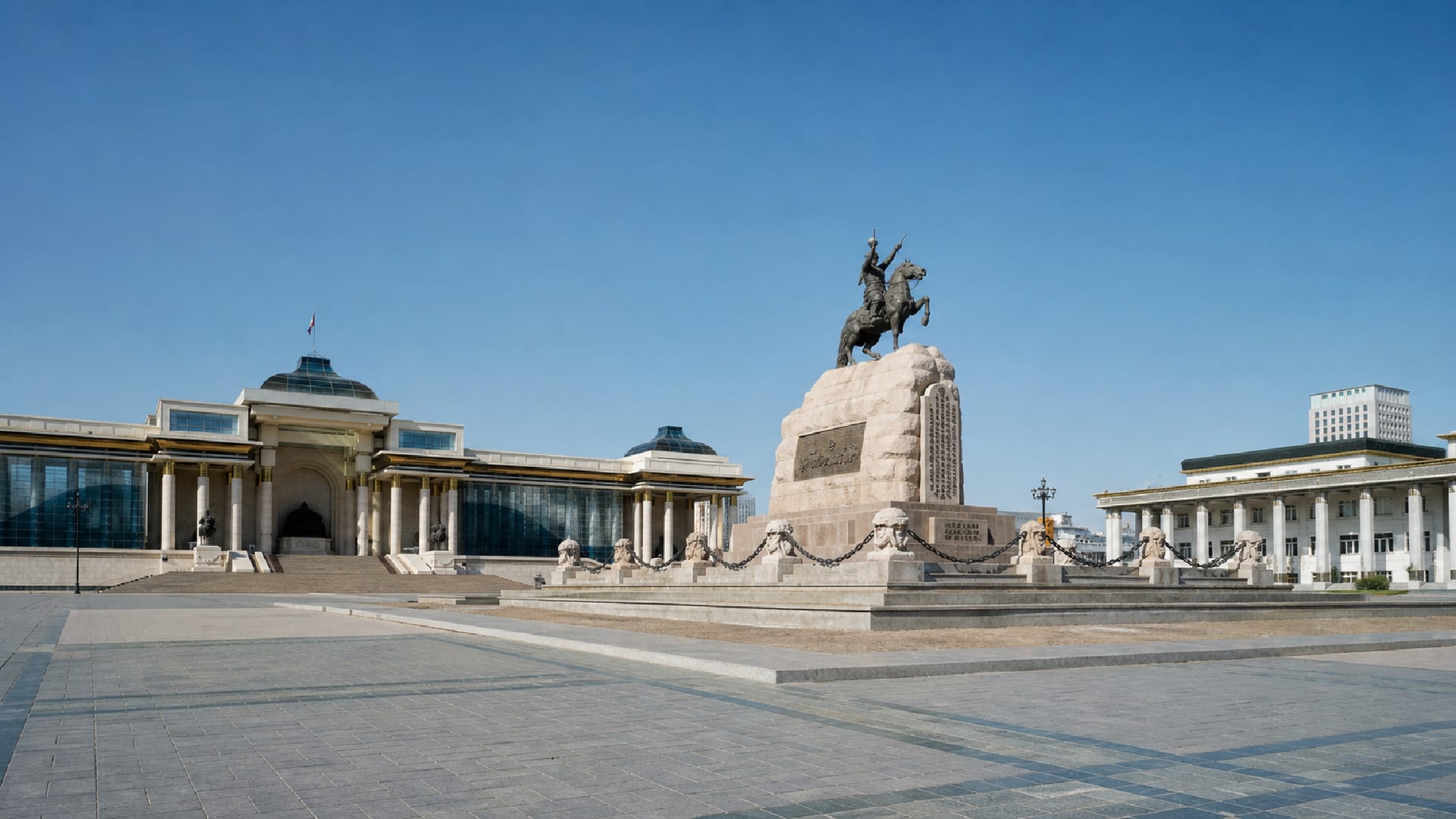
Keep the last morning around Sükhbaatar Square or Peace Avenue for shopping, coffee, or any central museum you missed earlier. Store your luggage at the hotel and avoid returning to Zaisan or another outer district before departure. You can take the taxi to the airport or opt for the X19 airport bus. The latter costs ₮15,000 ($4.50). Allow substantial extra time for city traffic.
Business-class flights from the US to Ulan Bator
There are no nonstop flights from New York (JFK) or Los Angeles (LAX) to Chinggis Khaan International Airport (UBN). Both routes require at least one connection in Asia or Europe.
New York (JFK) to Ulaanbaatar (UBN)
Korean Air, Turkish Airlines, Air China, and Asiana Airlines offer connecting itineraries between John F. Kennedy International Airport (JFK) and Ulaanbaatar. Common hubs include Seoul (ICN), Istanbul (IST), and Beijing (PEK). The fastest journeys take about 19 hours, although longer connections can extend the trip considerably. Current round-trip business-class tickets from the airlines cost between $5,600 and $8,600.
Los Angeles (LAX) to Ulaanbaatar (UBN)
Airlines like Asiana Airlines, Air China, United Airlines, and Turkish Airlines provide connecting flights from Los Angeles International Airport (LAX) to Ulaanbaatar. These flights take 19 to 27 hours and have one or two stops in cities like Seoul (ICN), Beijing (PEK), Istanbul (IST), and San Francisco (SFO). Round-trip business-class tickets on this route range from $6,200 to $7,500.
Discover Ulaanbaatar’s History, Culture, and Local Flavor
A good Ulan Bator trip stays rooted in the center, with Sukhbaatar Square, the National Museum, Gandan Monastery, and Peace Avenue forming the core of each day. Taxis make the longer hops manageable, while the square and nearby museums reward slower walking between meals. If you want a trip plan shaped around those districts and a cleaner arrival day, the AranGrant experts can help you build it