

Chapters:

Need help with your trip?
Our support team is available 24/7. Request a callback or call us directly at (833) 619-0908
Knoxville itineraries often start with downtown hotels, a pass through Market Square, and one museum before dinner, yet many visitors miss how quickly the city opens up once you add the river, gardens, and green space south and east of the center.
That narrow loop can leave you crossing town at the wrong hour, arriving when lots are closed, or spending more time in traffic than on the streets you came to see.
This guide spaces out the core neighborhoods, parks, and arrival-day logistics so each day has a clear purpose and the city never feels piled on top of itself.
Useful things to know

Main language(s): English

Currency: The local currency is the US dollar (USD, $).

Cash and cards: Cards and contactless are widely accepted; carry about $20 to $40 in cash for tips and small purchases.

Tipping: Tip 15-20% at sit-down restaurants; round up taxis and small bills.

Traditional food: Barbecue pulled pork, country ham, fried catfish, fried okra

Water and coffee costs: Water about $2 ($2), bar espresso about $3 ($3.50).

Taxis and ride apps: Uber and Lyft operate here; wait times can stretch late at night.

Plug and voltage: Type A/B socket, 120V

Dining and shop opening hours: Breakfast is about 07:00-10:00, lunch 11:30-14:00, and dinner 17:00-21:00. Many restaurants close midafternoon.

Emergency number: 911 for police, fire, and medical emergencies.
Where to stay in Knoxville
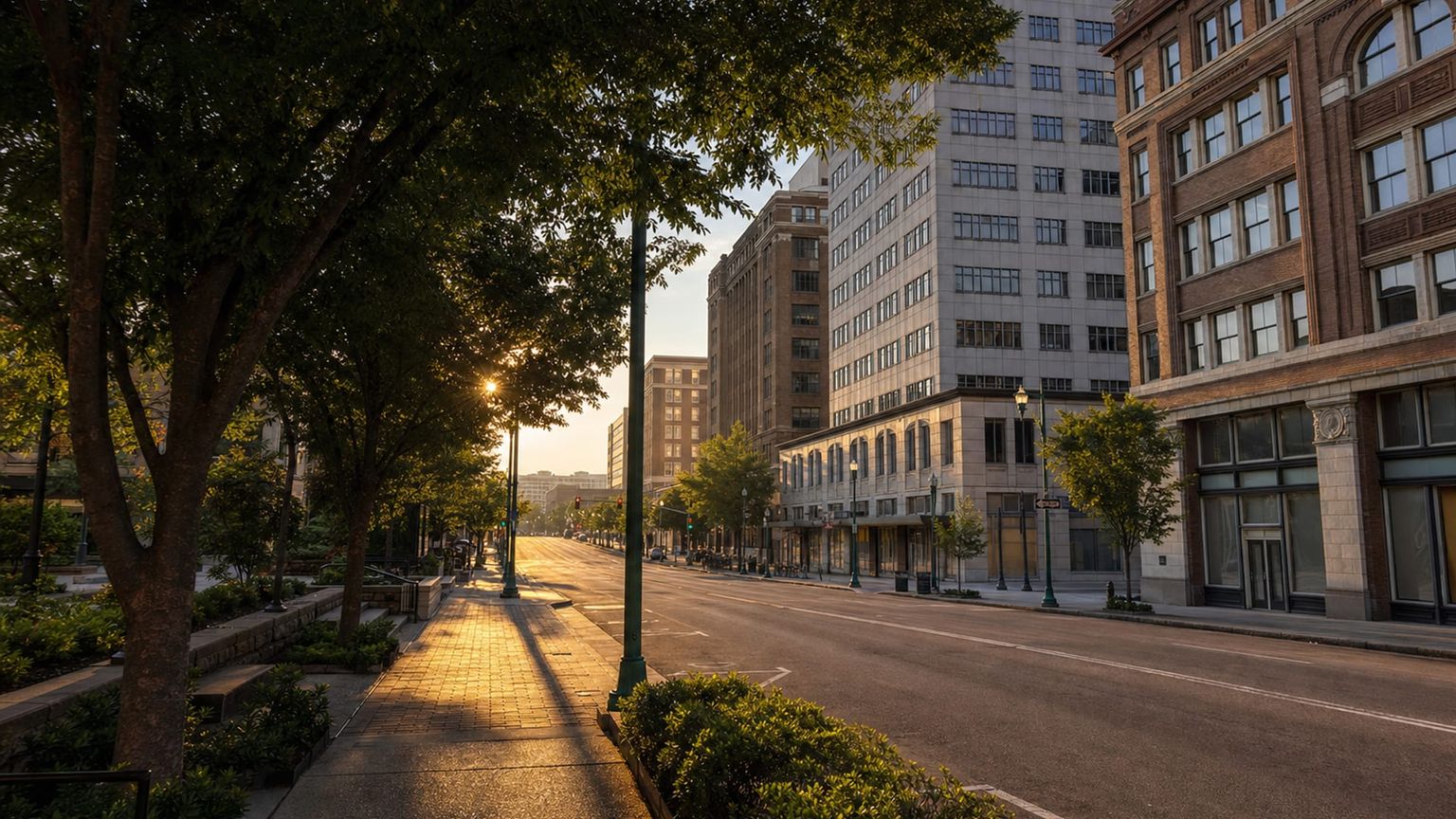
Knoxville’s central business district, with Market Square, the Old City, and a dense cluster of restaurants, bars, and event venues. It works well if you want walkable access to the city’s main sights, game-day energy, and the most late-night options in one base.
Best for: First-time visits, dining, nightlife, and car-free stays
What to expect: Busy sidewalks by day, then a heavier restaurant and bar crowd after work and on event nights.
Hotel prices: Usually about $170 to $280 per night for well-rated stays
Distance to major sights: 10 to 15 minutes on foot to Market Square; 5 to 10 minutes by car to the Tennessee Theatre
Quietness: Lively in the day and evening, with the most noise on weekends and during downtown events.
Main trade-off: Hotel rates run higher here, and street noise can carry late into the night near entertainment blocks.
Good to know: If you are sensitive to noise, choose a room away from the main bar streets or expect music and foot traffic until late.
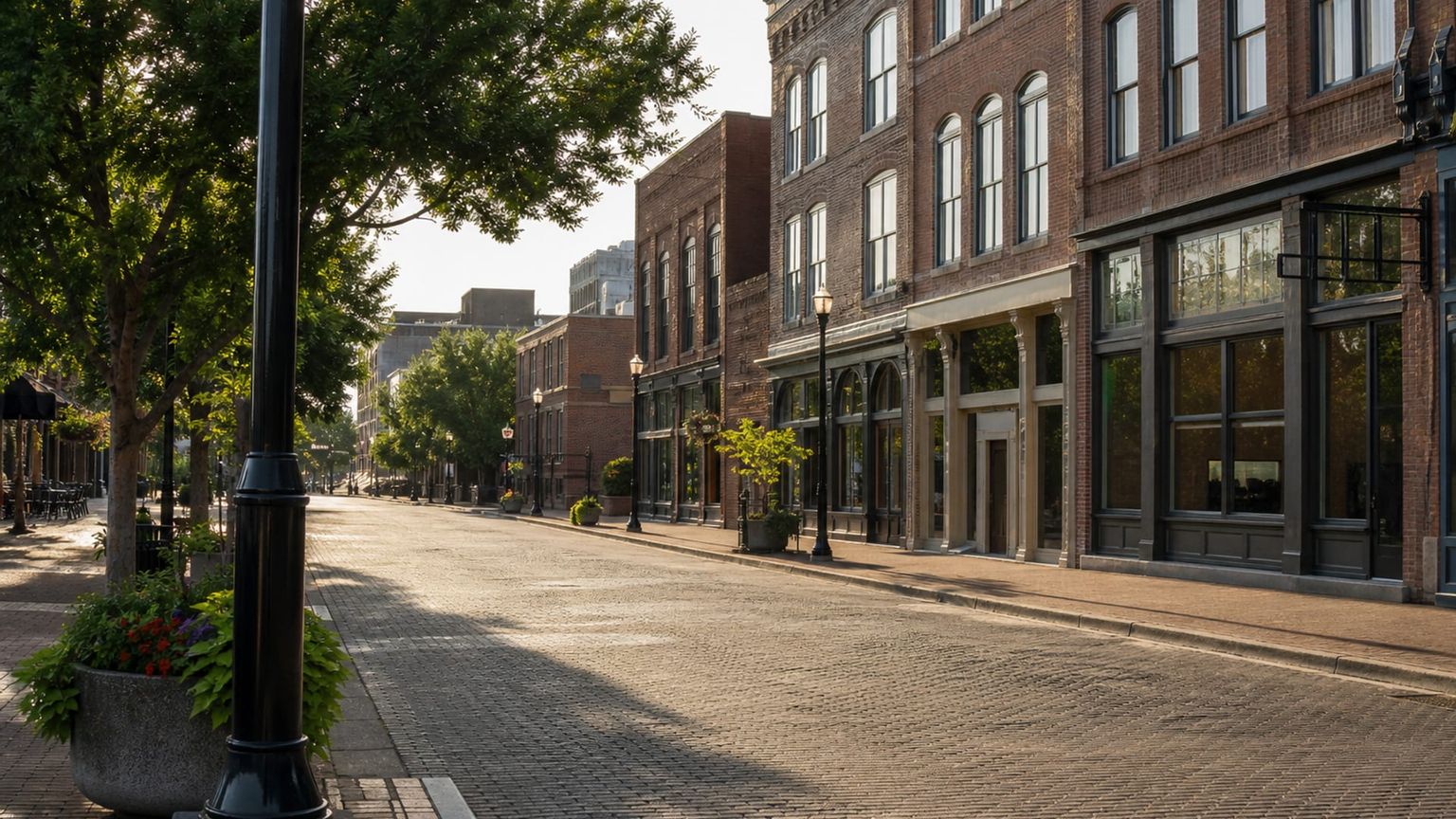
A compact historic district east of downtown, known for brick warehouses, live music rooms, coffee bars, and late-opening restaurants. It suits visitors who want a walkable base with character and easy access to downtown’s core attractions.
Best for: Nightlife, music fans, and travelers who want an evening-focused base
What to expect: Narrow streets, active patios, and a noticeable nightlife crowd on Thursday through Saturday nights.
Hotel prices: Usually about $160 to $260 per night for well-rated stays
Distance to major sights: 10 minutes on foot to Market Square; 12 to 15 minutes on foot to the Tennessee Theatre
Quietness: Calm in the morning, then much louder after dinner as bars and music venues fill up.
Main trade-off: You get immediate access to the city’s nightlife, but some blocks can stay noisy well past midnight.
Good to know: Parking is limited in and around the district, so staying here works best if you plan to walk or use rideshares after dark.
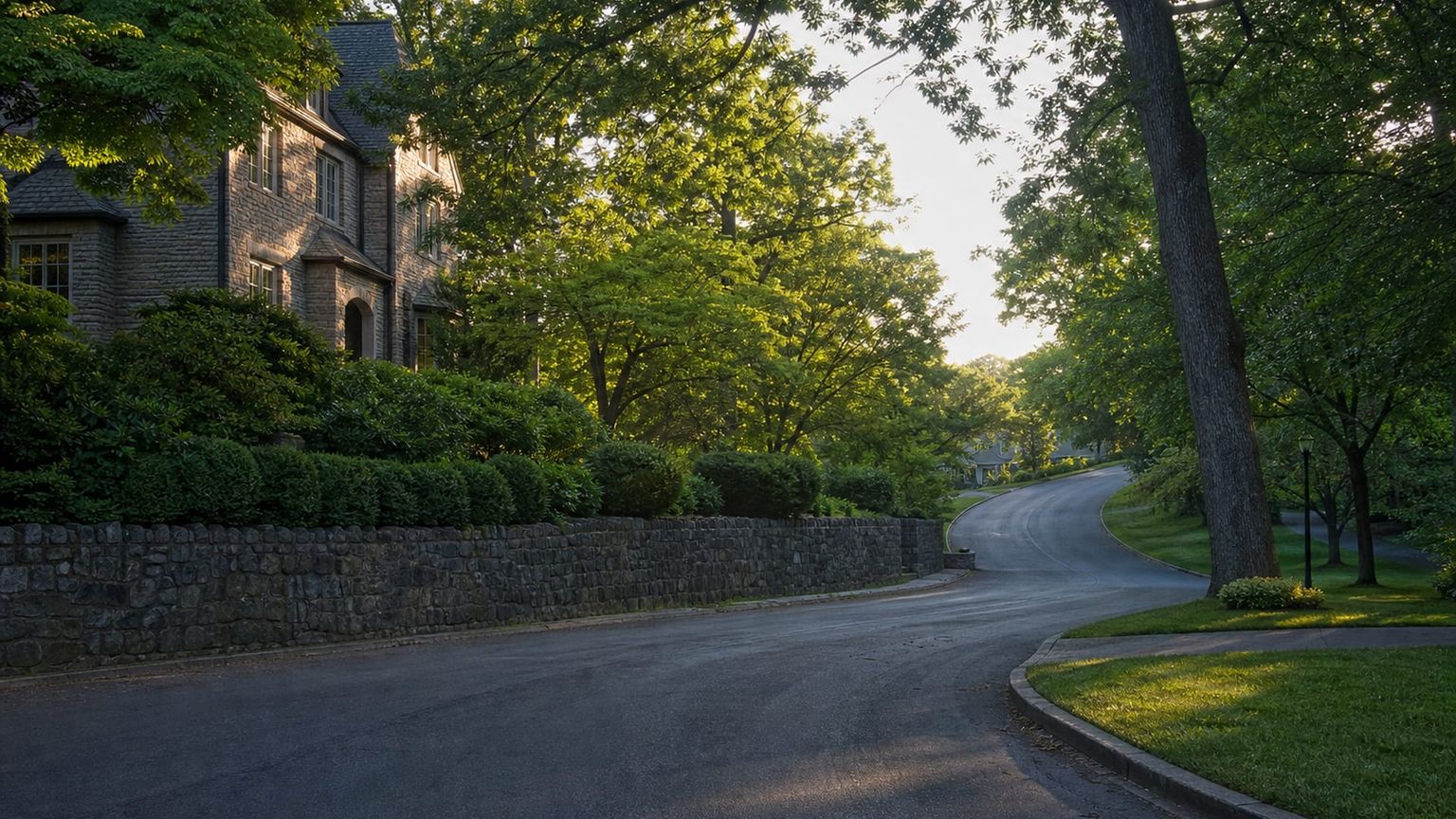
A residential neighborhood west of downtown along the Tennessee River, with tree-lined streets, parks, and larger homes. It appeals to travelers who want a quieter base, river access, and a short drive to downtown without staying in the middle of the action.
Best for: Quiet stays, longer visits, and travelers with a car
What to expect: Mostly local foot traffic, joggers, and parkgoers, with very little nightlife or retail activity after dark.
Hotel prices: Usually about $130 to $220 per night for well-rated stays
Distance to major sights: 15 to 20 minutes by car to Market Square; 10 minutes by car to the Knoxville Museum of Art
Quietness: Very quiet in the evening, with only light neighborhood activity and park traffic by day.
Main trade-off: You will depend on a car or rideshare for most dinners and sightseeing, since commercial options are limited.
Good to know: This area suits travelers who want more space and parking, but it is not the best choice if you plan to walk to dinner each night.
Travelers usually avoid staying in West Knoxville near Turkey Creek for a sightseeing trip, because it sits about 20 to 30 minutes from downtown Knoxville and the Old City in normal traffic, with more chain retail than visitor-focused dining and attractions. Cedar Bluff and parts of Bearden are also less convenient for visitors, since they are set west of the center and work better for errands than for walking to downtown sights or catching late-evening plans without a car.
Hotel deals
How to get around Knoxville efficiently
Knoxville has no metro, so the visit works best with walking downtown, KAT buses for longer links, and taxis or rideshares for airport and late-night trips.

Metro
for longer distances
Knoxville has no metro or subway system; the closest fixed-route option is the Knoxville Area Transit bus network, with downtown as the main hub and most visitors relying on buses plus walking or rideshares.

Bus and tram
for convenience
KAT runs the main city network, with fares at $1.50 ($1.50) per ride and day passes at $4 ($4), usually good for unlimited rides until the service day ends. Routes from downtown reach the University of Tennessee, Cumberland Avenue, West Knoxville, and many shopping corridors, but service is limited at night and on Sundays on many lines. Pay onboard or use the transit app, and check schedules carefully because headways can be long outside peak hours.

Taxi
for convenience or late hours
Licensed taxis in Knoxville use metered fares, not fixed citywide rates, and airport trips from Knoxville (TYS) to downtown usually cost about $30 to $45 before tip, depending on traffic and the meter. Cabs queue at the airport and major hotels, while street hails are uncommon, so calling ahead or using an app is often the easiest option. Most accept cards, though it helps to confirm payment before you set off.
*Prices are based on rates updated as of June 2026 and may change at the time of travel.
Walk for the center, use KAT when the route fits its schedule, and choose a taxi or rideshare for TYS, evening returns, or any cross-town stretch that would otherwise take too long.
Iconic landmarks
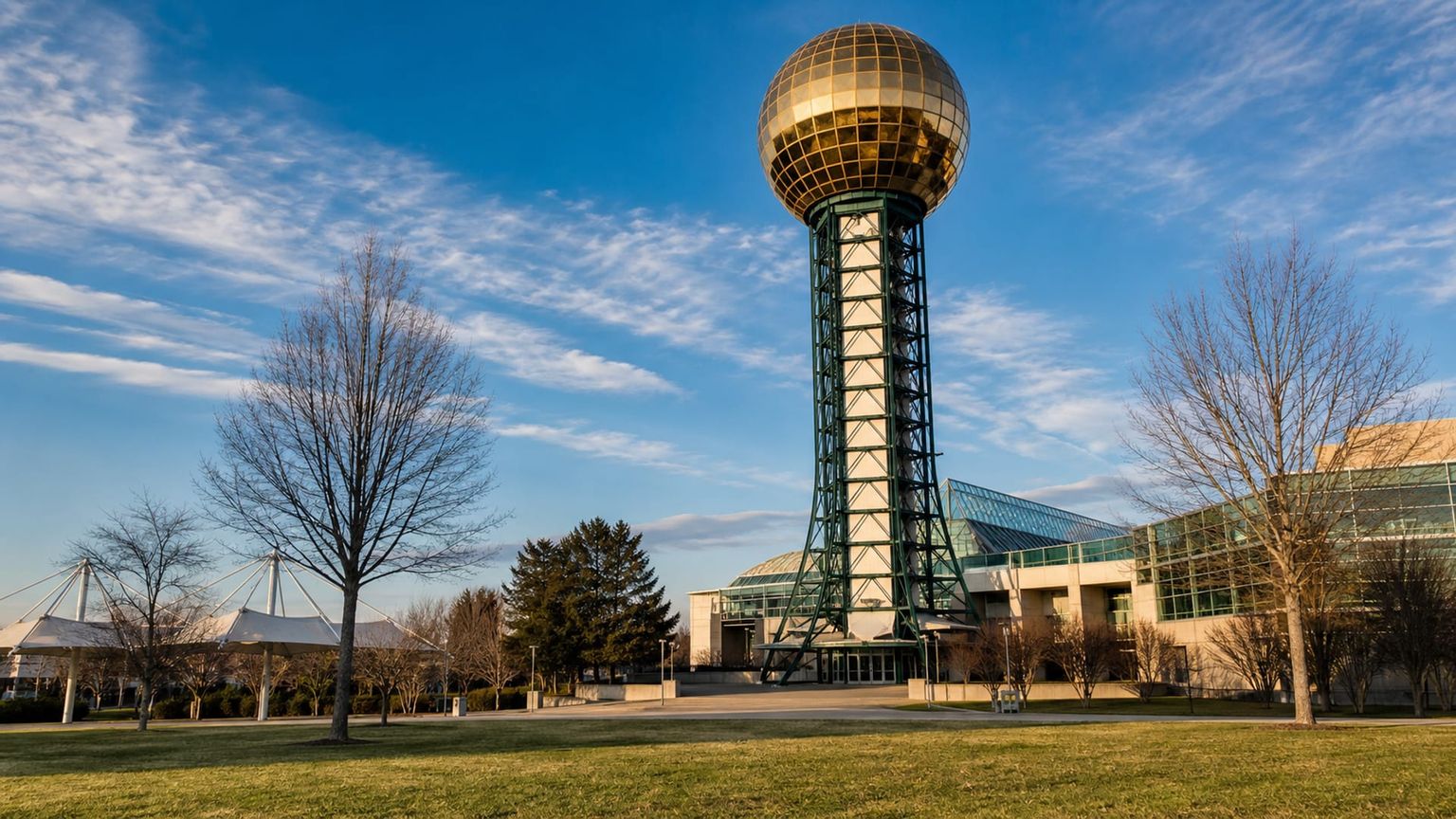
World's Fair Park
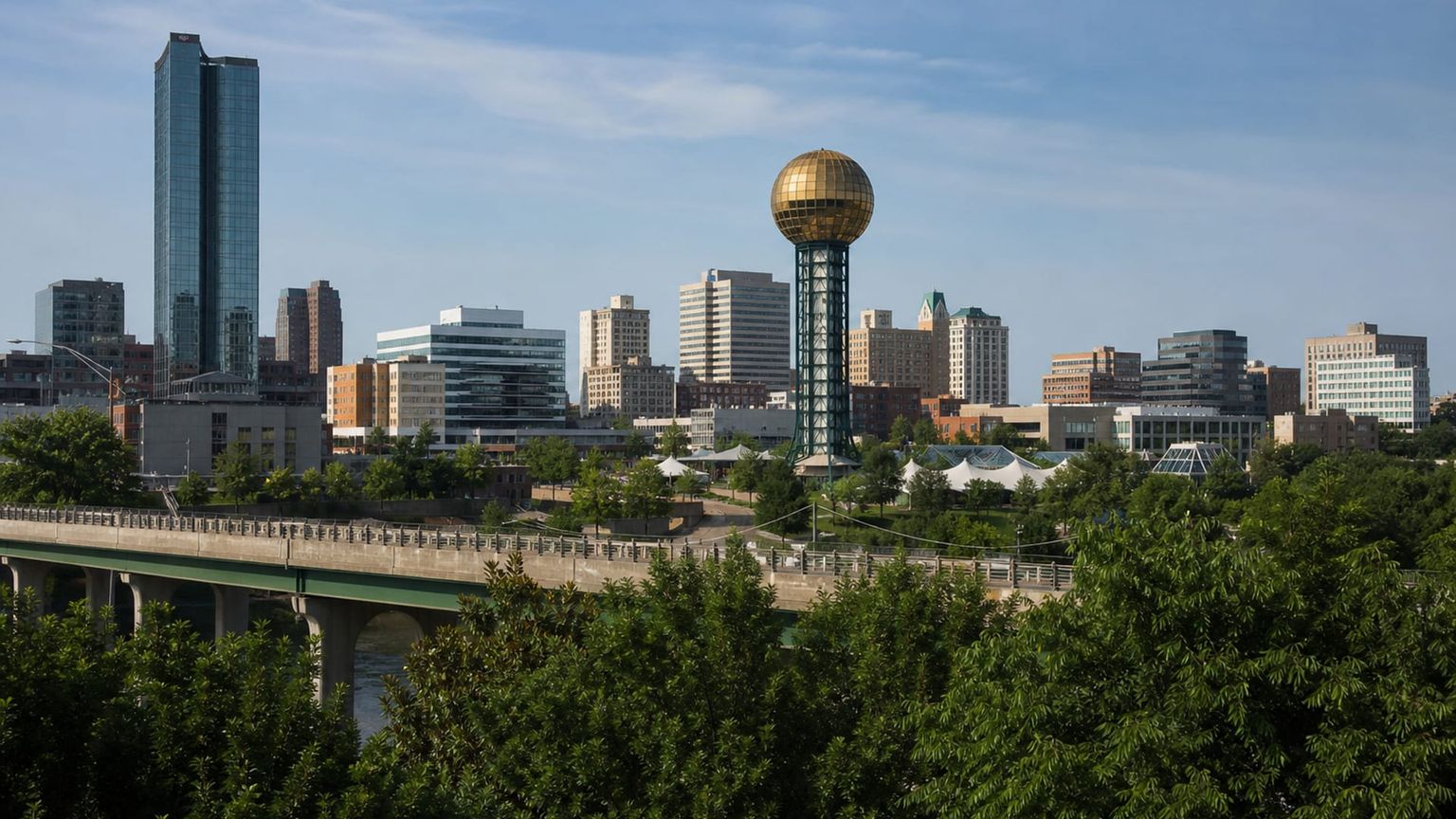
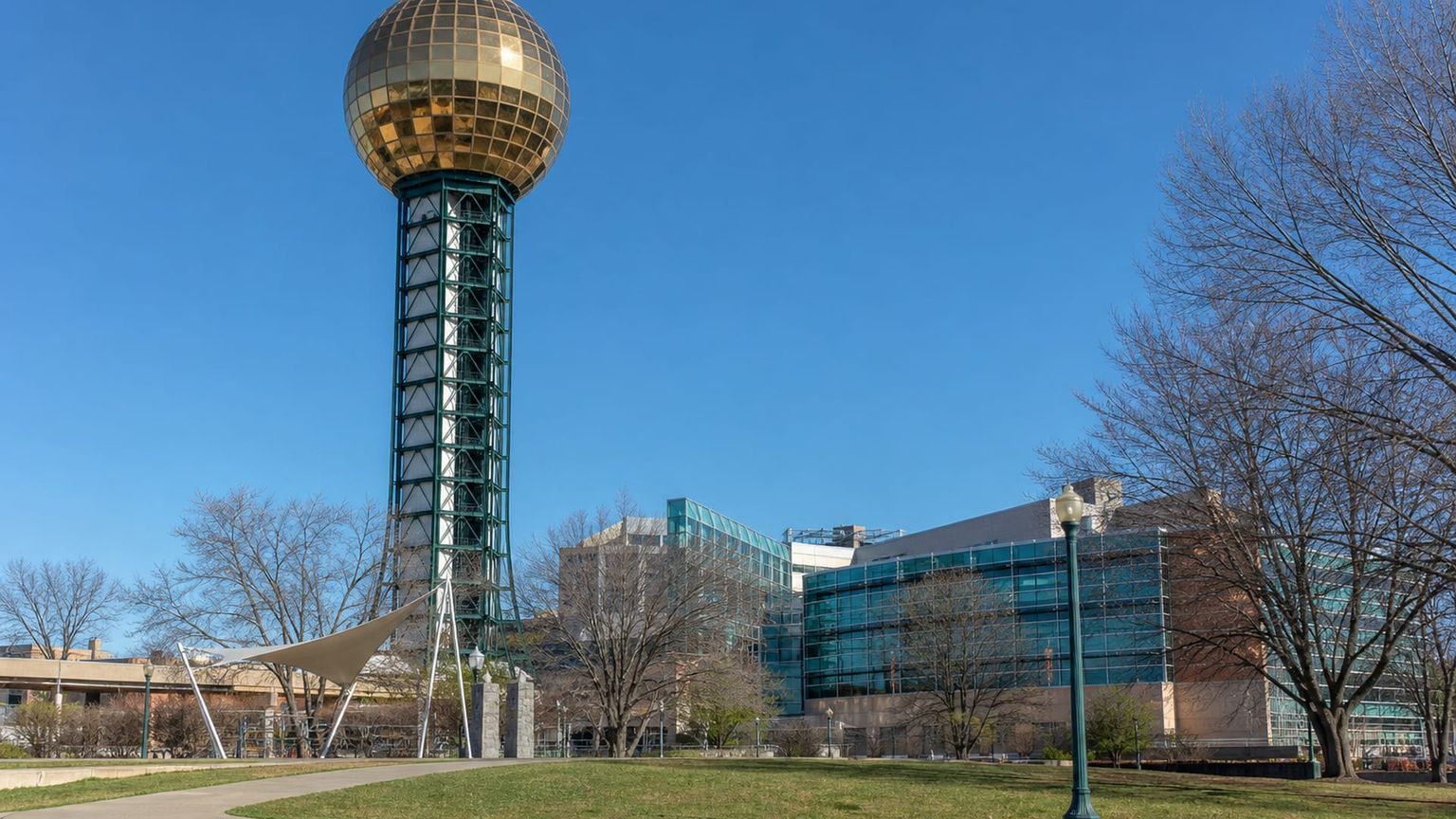
Built for Knoxville’s 1982 World’s Fair, this downtown park centers on the Sunsphere, the 1982 Tennessee Amphitheater, fountains, and broad lawns. It gives a clear read on the city’s civic core in one walk.
Time needed: About 1 to 2 hours
Entry: Free to access; Sunsphere observation deck tickets cost $5 to $10 Visit the official site for details.
Tip: Go near sunset for cooler walks and better views from the Sunsphere deck.
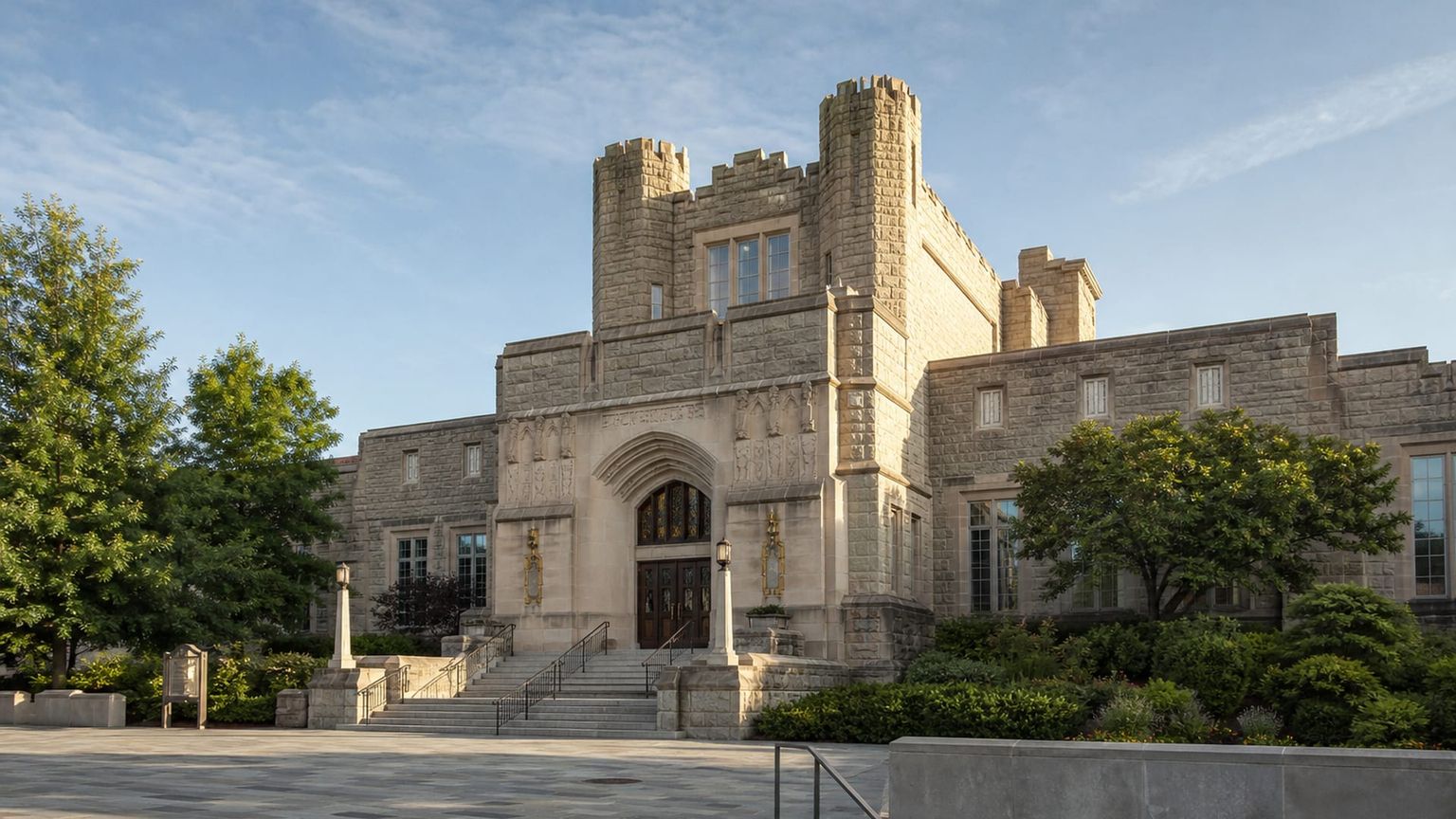
East Tennessee History Center
This downtown museum and archive traces East Tennessee from Indigenous settlement through the Civil War, the railroad era, and modern Knoxville. Exhibits change, but the regional focus stays sharp and well documented.
Time needed: About 1 to 2 hours
Entry: General admission costs $10 ($10) for adults, $8 ($8) for seniors and $5 ($5) for children Visit the official site for details.
Tip: Visit earlier in the day if you want quieter galleries and better time with exhibits.
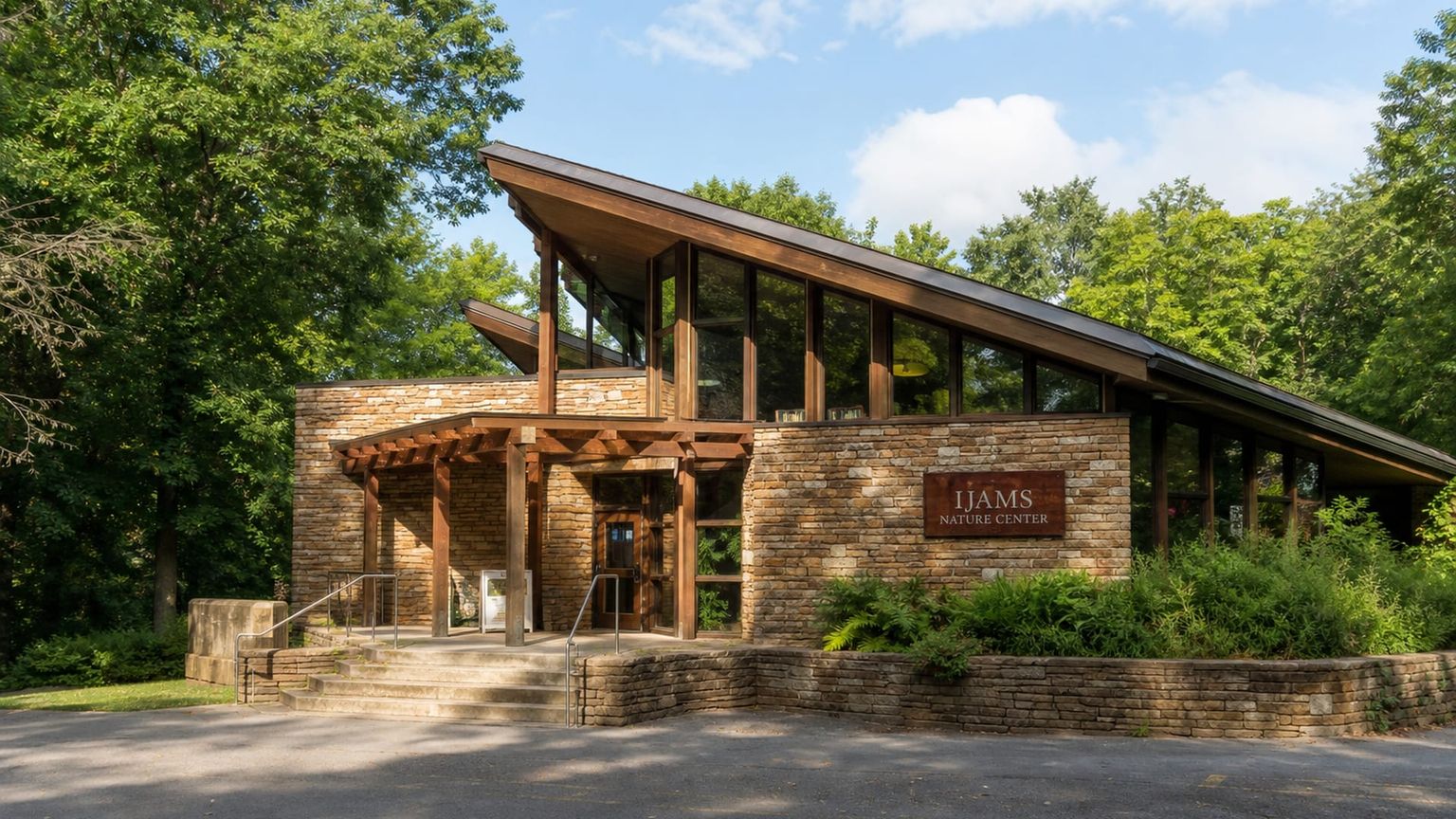
Ijams Nature Center
South of downtown, Ijams preserves river bluffs, quarry lakes, and shaded trails along the Tennessee River. Visitors come for short hikes, paddling, and overlooks that place Knoxville’s edge country within an easy half-day trip.
Time needed: About 2 to 4 hours
Entry: Trail access costs $0; select programs and rentals cost $10 to $35 ($10 to $35) Visit the official site for details.
Tip: Start early for easier parking and softer light on the quarry water and bluffs.
Overlooked sites worth visiting

Knoxville Botanical Garden and Arboretum
This 47-acre garden east of downtown pairs stone walls, native plantings, and seasonal beds with quiet walking paths. The grounds suit a slower visit, with several short loops and historic garden rooms.
Time needed: About 1 to 2 hours
Entry: Free to access. The garden is open daily from dawn to dusk, and the main grounds do not charge admission. Check the official site for seasonal event hours, occasional road or trail closures, and any facility updates before you go. Visit the official site for details.
Tip: Go in the morning for cooler paths and softer light.

Muse Knoxville
This compact children’s museum sits in Chilhowee Park and packs hands-on science exhibits, a planetarium, and a small play space into one visit. It works well for an hour indoors, especially on hot or rainy days.
Time needed: About 1 to 2 hours
Entry: Tickets are typically $12 to $15 ($12 to $15) for general admission, with some planetarium shows and special programs priced separately. Hours vary by day, so verify current schedules and ticket details on the official site before visiting. Visit the official site for details.
Tip: Check the planetarium schedule before you arrive.
Traditional food
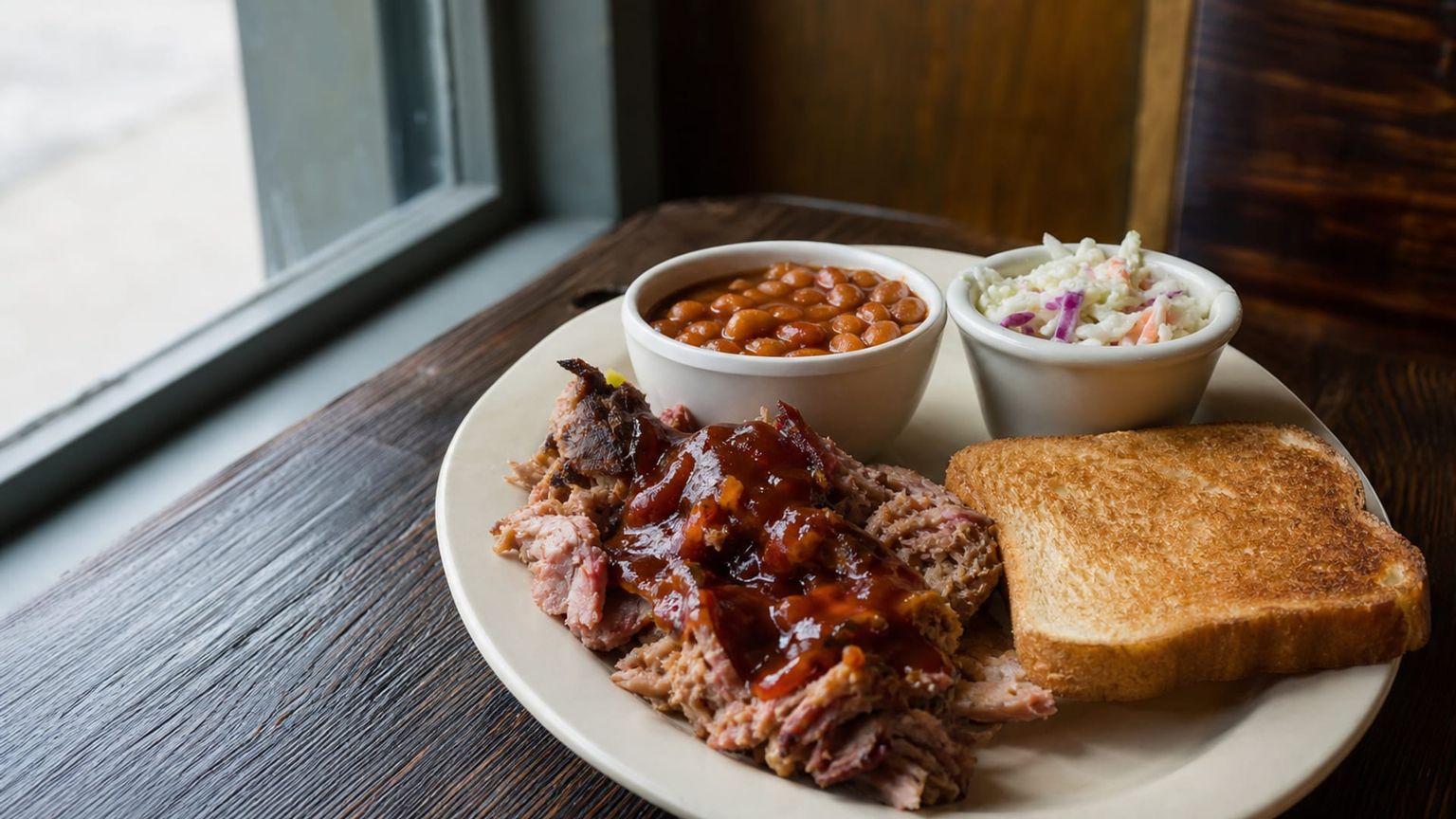
Knoxville’s table leans on barbecue pulled pork, country ham, fried catfish, and fried okra, with plates that favor smoke, salt, cornmeal, and frying over ornament. Casual dining rooms and local counters do most of the work here.
Barbecue pulled pork
Slow-smoked pork with a tangy sauce is a Knoxville staple, and Sweet P’s Barbeque and Downtown Dive serves a version that matches the city’s barbecue-first comfort-food lean.
Country ham
Salt-cured ham appears in breakfast plates and sandwiches across East Tennessee, and Pete’s Coffee Shop and Restaurant is a classic place to order it in Knoxville.
Fried catfish
Cornmeal-fried catfish fits the region’s river-and-country cooking, and The Plaid Apron often appears on local short lists for a carefully made plate in Knoxville.
Fried okra
Fried okra brings the vegetable side of the region into focus, and Jackie Lee’s serves a version that sits comfortably beside its Southern plates and barbecue.
Best time to visit Knoxville
Knoxville shifts more by humidity and foliage than by dramatic temperature swings, so spring and fall reward walking while summer pushes more value onto shaded trails, indoor museums, and earlier starts.
Best for: Dogwoods, garden visits, and long walks downtown
What you get: Temperatures usually run about 55-78°F (13-26°C), with moderate crowds and some weekend event traffic downtown
Trade-offs: Afternoon rain can interrupt outdoor plans
Best for: Ijams, early museum visits, and evening square time
What you get: Expect roughly 70-90°F (21-32°C), with the heaviest crowds on event nights and the best comfort before noon
Trade-offs: Heat and humidity make midday walking tiring
Best for: Market Square, river views, and park walks under clear light
What you get: Temperatures often sit about 50-76°F (10-24°C), with strong demand around football weekends and festivals
Trade-offs: Peak dates can tighten hotel availability
Best for: Museums, coffee stops, and quieter downtown days
What you get: Typical temperatures range from 32-52°F (0-11°C), with light crowds and short waits at most indoor sights
Trade-offs: Cold snaps can make evening walks less appealing
A realistic 5-day plan in Knoxville
The five-day plan starts in the center, then adds history, river trails, garden paths, and one final indoor stop before departure. That order keeps the driving light and lets each neighborhood serve a clear part of the trip.
Fly into Knoxville (TYS), then take a taxi or rideshare to Downtown Knoxville or the Old City in about 20 to 30 minutes, usually for roughly $25 to $35 before tip. If you want the easiest first night, book a room near Market Square, unpack, drink water, and head out for a light dinner at a nearby restaurant instead of planning a full evening. That keeps you close to your bed while still giving you an immediate look at the city center.
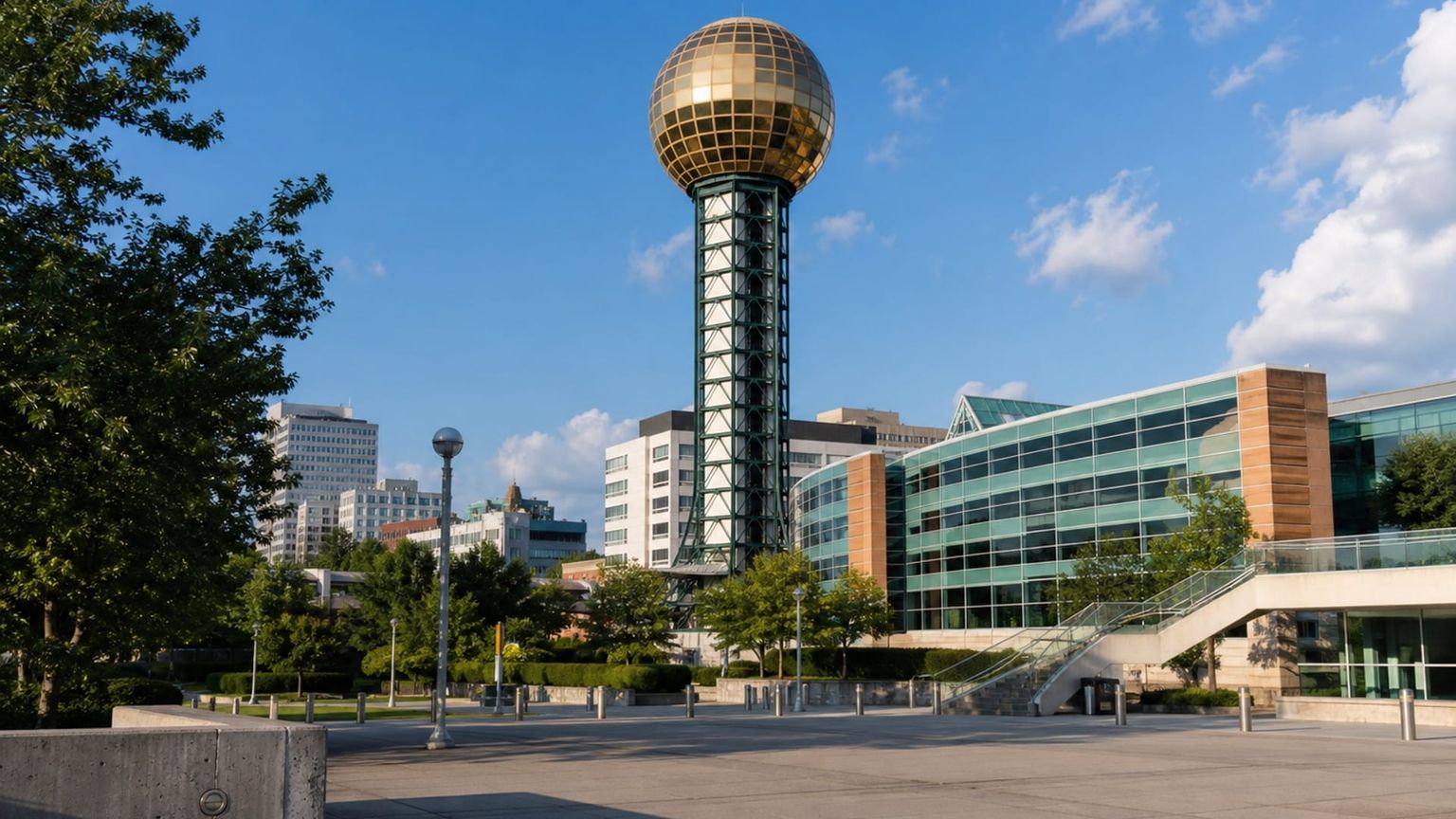
Start at World’s Fair Park, where the Sunsphere, fountains, and open lawns give you a clear first look at downtown Knoxville. From there, walk about 10 minutes to the East Tennessee History Center for 1 to 2 hours of exhibits on the region’s past, then continue about 5 minutes to Market Square for lunch and a slow afternoon among the cafes and storefronts. If you have energy after dinner, the Old City is a short 10-minute walk east from Market Square and adds live music, brick warehouses, and late-opening bars without needing a car.
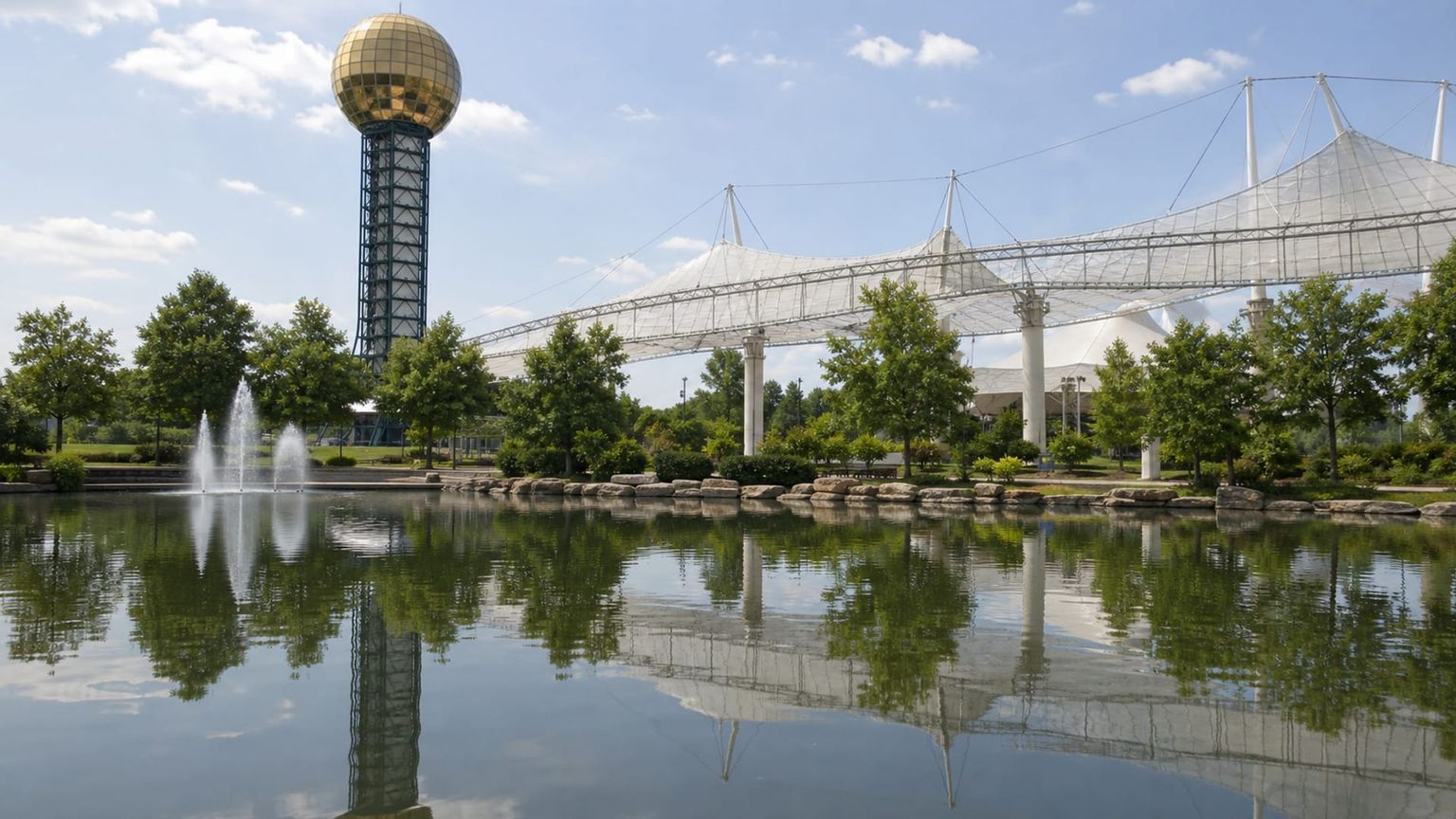
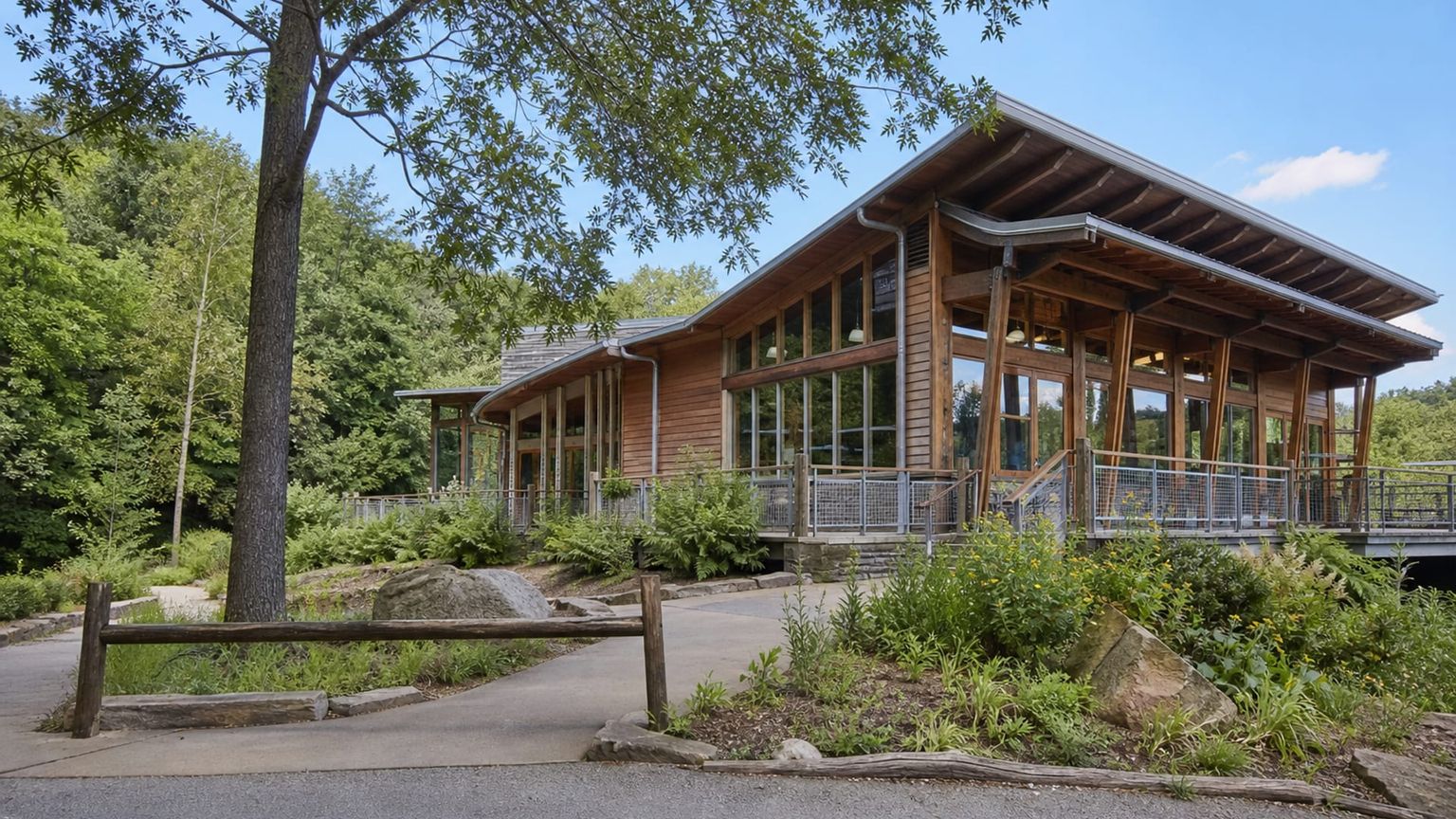
A morning at Ijams Nature Center sets up a strong outdoor day, and the drive from Downtown Knoxville takes about 15 minutes. Spend 2 to 4 hours on short trails, quarry views, and river bluffs, then return downtown for lunch and a quieter reset. In the afternoon, walk or drive about 10 minutes to the Knoxville Botanical Garden and Arboretum for 1 to 2 hours among stone walls, seasonal beds, and shaded paths, which gives the day a second, calmer green stop.
Begin in the Old City with coffee, then walk about 10 minutes to Market Square for browsing and people-watching before lunch. Afterward, head back toward World’s Fair Park, about 10 to 12 minutes on foot from the square, and spend time at the park and, if you want the view, the Sunsphere deck, where tickets cost $5 to $10. Finish the evening in downtown Knoxville, where you can choose from restaurants within a few blocks instead of planning another cross-town drive.
A final morning at Muse Knoxville works well if you want one last indoor stop before heading out, especially if your departure is later in the day, and the museum’s hands-on exhibits and planetarium make it easy to fit into about 1 to 2 hours. Afterward, browse the shops and galleries in the Old City, then settle in at a cafe there or in nearby Downtown Knoxville for one last coffee before the airport ride. From the city center, allow about 20 to 30 minutes to reach Knoxville (TYS) by taxi or rideshare.
Business-class flights from the US to Knoxville
Knoxville usually takes one stop from either coast, and the useful comparison is often between a faster routing and a lower fare. For both New York and Los Angeles, the airline list is broad enough to shape the trip by schedule rather than by scarcity.
From New York City, American Airlines, Delta Air Lines, United Airlines, JetBlue, and Alaska Airlines all sell itineraries to Knoxville. Nonstop flights take about 1.5 to 1.75 hours, while one-stop options via Charlotte (CLT), Atlanta (ATL), Dallas/Fort Worth (DFW), or Houston (IAH) usually take roughly 3.5 to 6 hours, and round-trip fares typically start at about $500 and can reach $1,200. If you do not mind a layover, those common routings often cut the fare noticeably.
Los Angeles travelers can choose among American Airlines, Delta Air Lines, United Airlines, Alaska Airlines, and Southwest Airlines. Direct itineraries take about 4.5 to 5 hours, and one-stop options through DFW, DEN, ORD, ATL, or CLT usually run about 6 to 9 hours, with round-trip fares from roughly $700 to $1,600 and nonstops at the upper end.
Knoxville feels different when you slow down
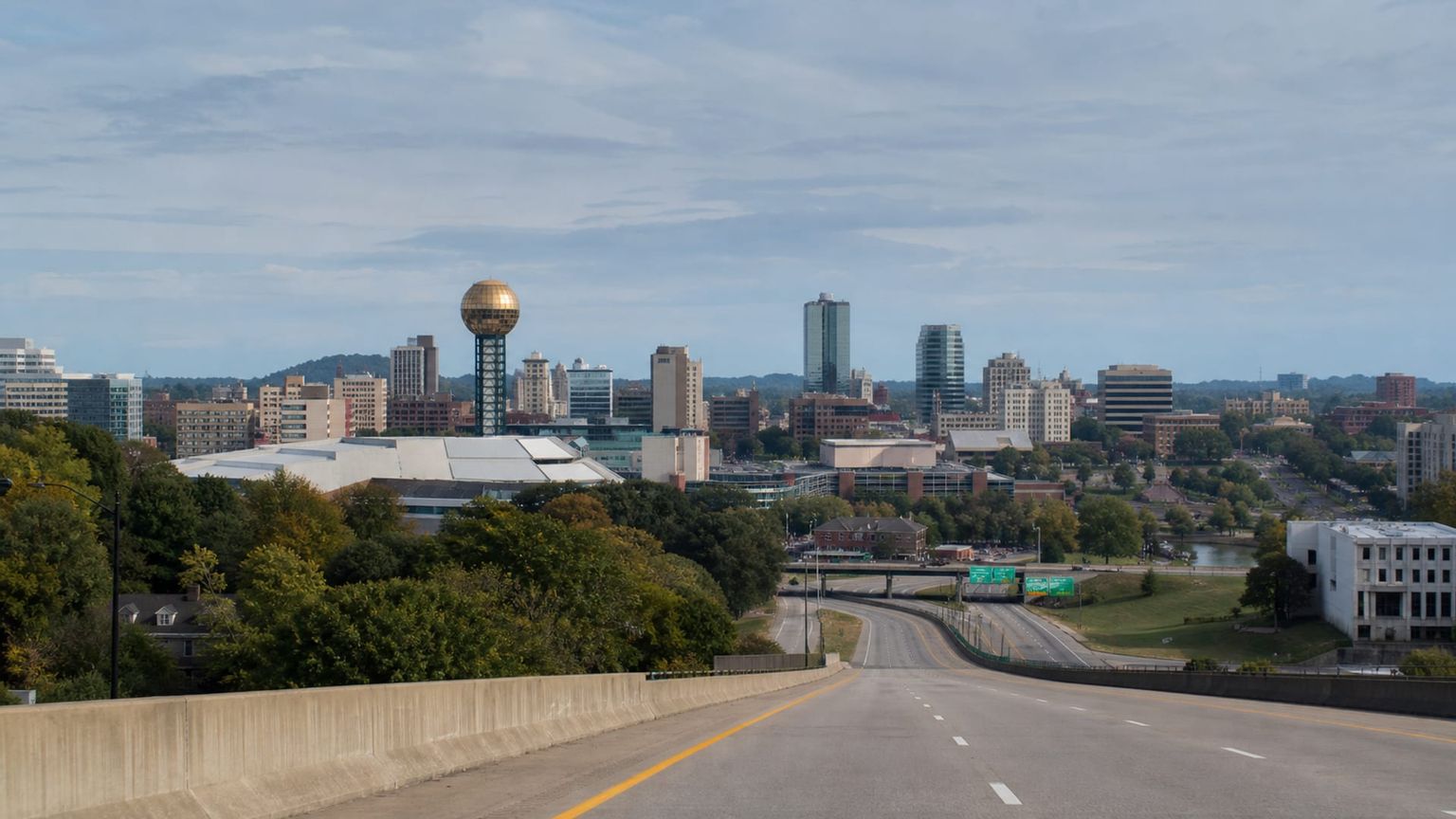
A deliberate Knoxville trip usually means basing yourself downtown or in the Old City, then moving between Market Square, World’s Fair Park, Ijams, and the Botanical Garden with a mix of walking and short rides. That keeps the city legible without forcing long cross-town drives. If you want help matching your dates to the right neighborhood and flight pattern, the AranGrant experts can help you build a Knoxville plan around the season you want to catch