

Chapters:

Need help with your trip?
Our support team is available 24/7. Request a callback or call us directly at (833) 619-0908
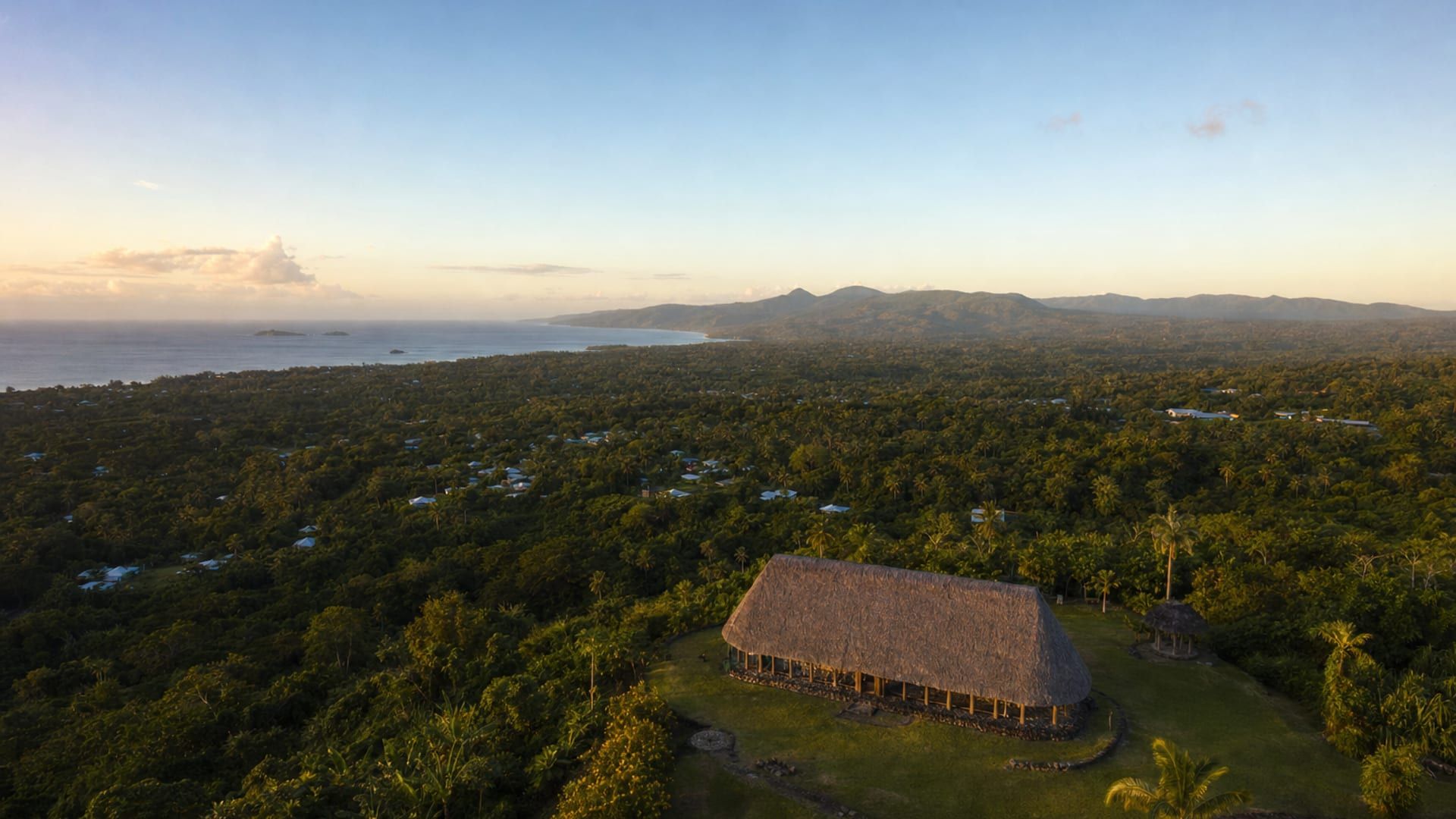
Taveuni Island trips often begin with a night in Matei, then a fast move toward waterfalls or coastal walks. Travelers sometimes miss how widely the sights are spread, and how early the island slows after dark.
That pattern can waste daylight on backtracking and leave the best walks rushed. Roads are limited, taxi fares are set locally, and the eastern and southern sights need planning if you want to avoid long gaps between stops.
This guide lays out the island in a cleaner order, with where to stay, what to eat, when to go, and how to link each day without packing too much into one stretch.
Useful things to know

Main language(s): English

Currency: The local currency is the Fijian dollar (FJD, $).

Cash and cards: Cards are accepted at some resorts and larger operators, but carry FJ$100 to FJ$200 ($45 to $90) in cash for taxis, meals, and small shops.

Tipping: Tip 5-10% at restaurants if service is good; round up small bills elsewhere.

Traditional food: Kokoda, Lovo, Cassava cake, Fish curry

Water and coffee costs: Water about FJ$3 ($1.50), bar espresso about FJ$6 ($2.75).

Taxis and ride apps: No ride apps are widely available; use hotel taxis or prebooked transfers.

Plug and voltage: Type I socket, 240V

Dining and shop opening hours: Breakfast runs about 07:00-09:00, lunch 12:00-14:00, and dinner 18:00-21:00. Many places close early on Sundays.

Emergency number: Call 911 for police, fire, or ambulance.
Where to stay in Taveuni Island
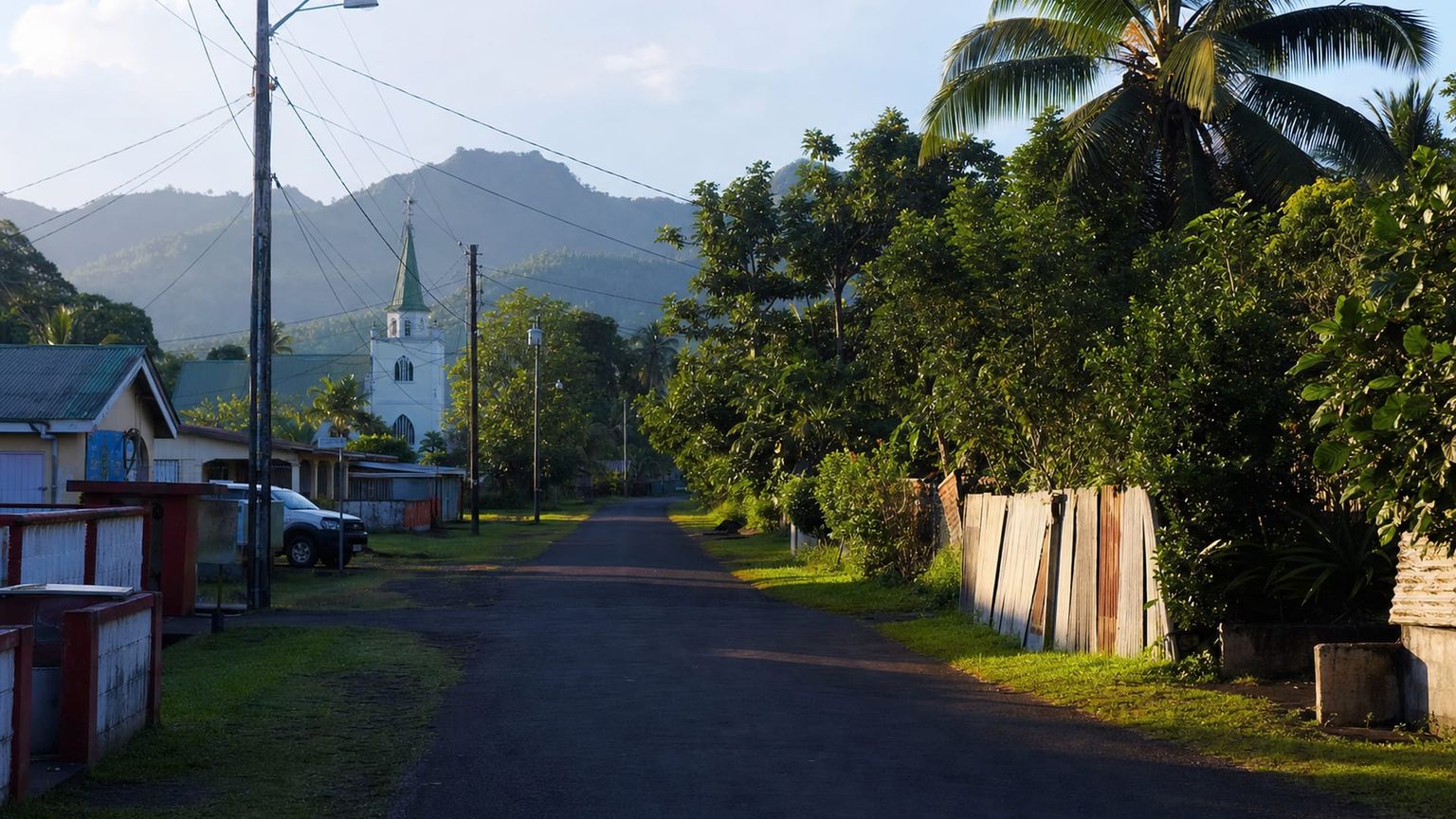
Waiyevo sits on Taveuni’s main north coast road, close to the island’s administrative center and the ferry links to Vanua Levu. It suits visitors who want easy access to shops, transport, and the short hop toward the island’s dive and waterfall sites.
Best for: Ferry connections, road access, and travelers who want the island’s most convenient transport hub
What to expect: A small roadside settlement with modest traffic, simple shops, and a local day-to-day pace.
Hotel prices: Usually about $70 to $160 per night for well-rated stays
Distance to major sights: About 10 minutes by car to Waitavala Natural Waterslide; about 25 minutes by car to Bouma National Heritage Park
Quietness: Quieter at night, with more passing traffic and local activity during the day.
Main trade-off: You gain transport convenience, but you will need to ride farther for beaches and resort-style dining.
Good to know: If you plan to use the ferry or hire a driver, check whether your lodge can arrange pickups, since taxi options are limited after dark.
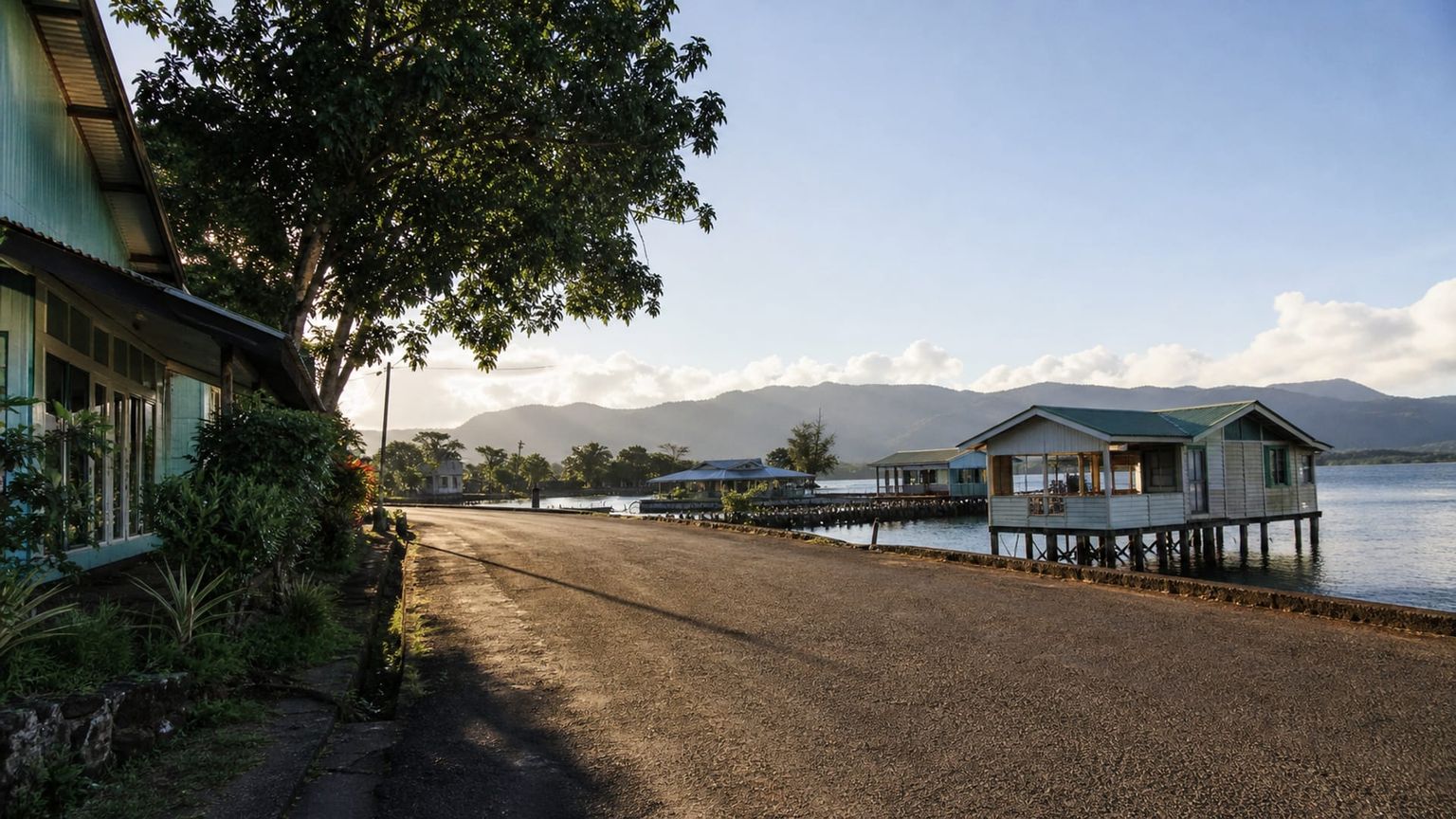
Somosomo is one of Taveuni’s central settlements, close to schools, churches, and small stores that serve island residents. It works well for travelers who want a local base with quick access to the main road and a short drive to the island’s south and east coast sights.
Best for: Local atmosphere, central road access, and travelers who plan to explore by car
What to expect: A quiet village setting with light traffic, a few basic businesses, and limited evening activity.
Hotel prices: Usually about $60 to $140 per night for well-rated stays
Distance to major sights: About 15 minutes by car to Waitavala Natural Waterslide; about 30 minutes by car to Bouma National Heritage Park
Quietness: Quiet most of the day and very quiet after sunset.
Main trade-off: Accommodation here is often simpler, and you will depend on road transport for most meals and excursions.
Good to know: Stock up on snacks and cash before you settle in, because ATMs and late-opening shops are not common here.
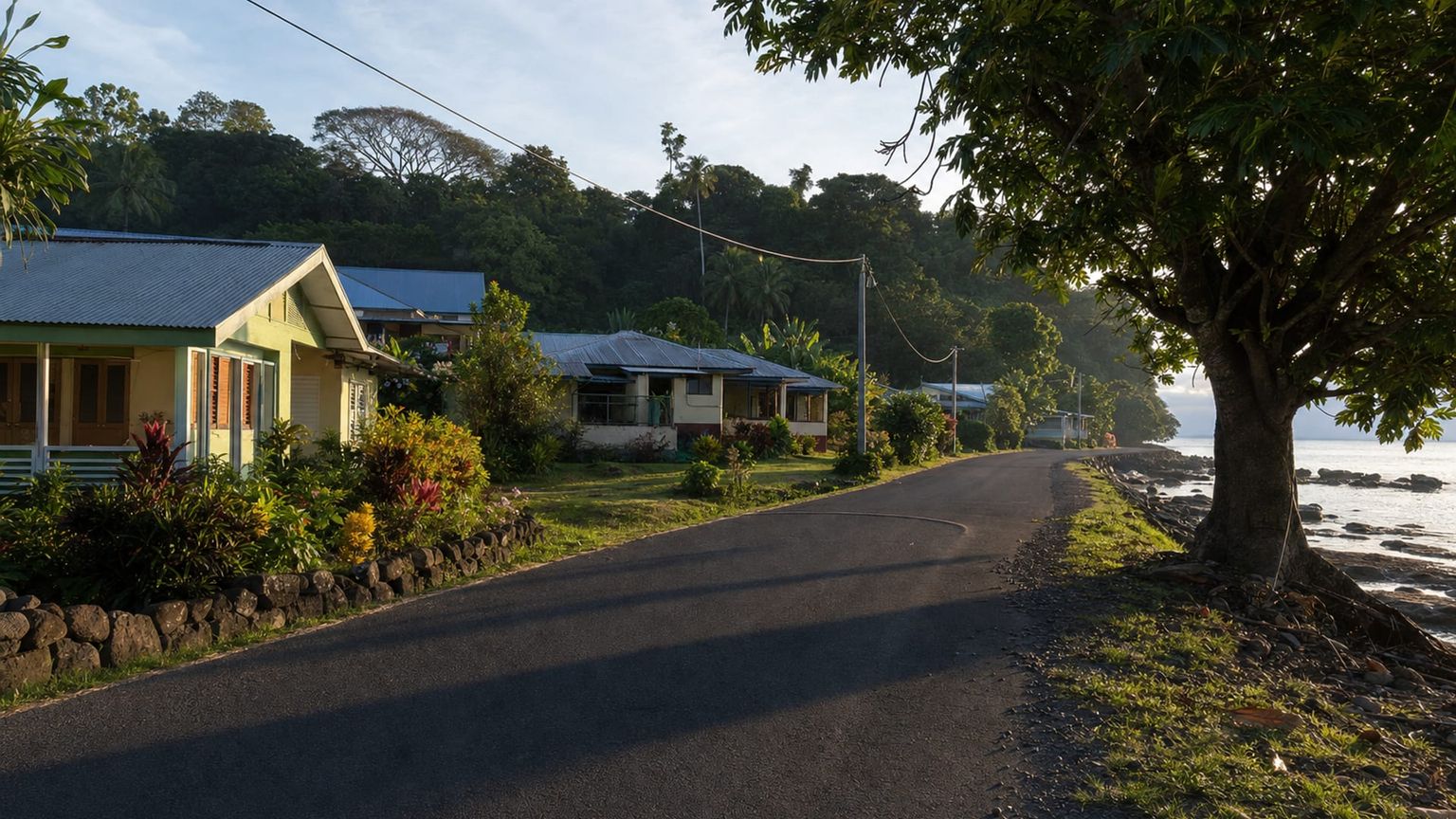
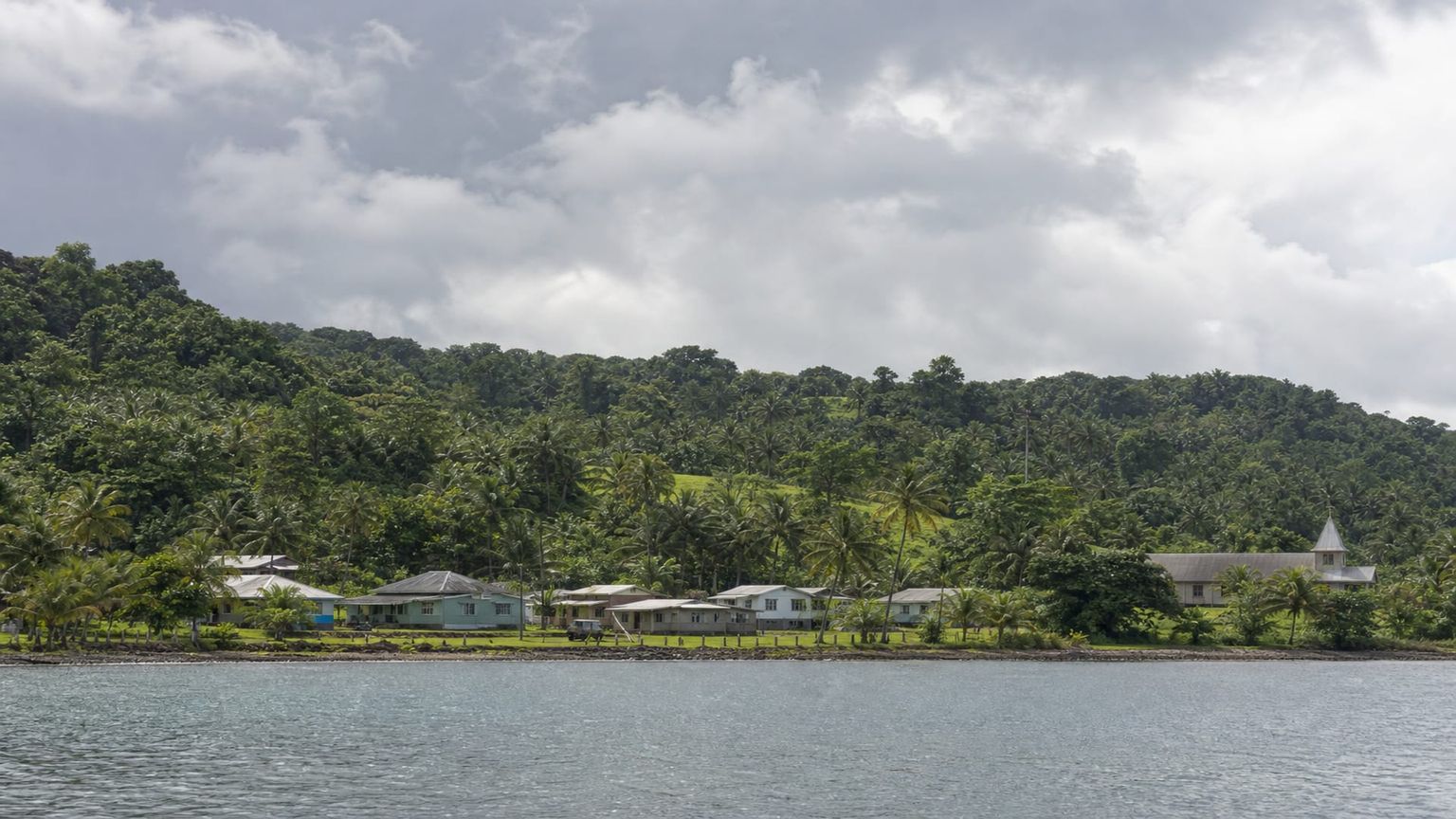
Lavena sits on Taveuni’s far northeast coast, next to the trailhead for the island’s well-known coastal walk and waterfall country. It suits travelers who want the most direct access to nature walks, snorkeling, and a remote coastal setting.
Best for: Nature walks, snorkeling, and travelers who want the island’s most remote coastal setting
What to expect: A sparse coastal area with very little street life, limited services, and a strong village feel.
Hotel prices: Usually about $90 to $220 per night for well-rated stays
Distance to major sights: On foot to Lavena Coastal Walk; about 20 minutes by car to Bouma Falls
Quietness: Quiet in the daytime and extremely quiet at night, with only occasional local movement.
Main trade-off: The setting is beautiful, but dining choices and transport options are limited compared with the island’s central settlements.
Good to know: Bring cash, insect repellent, and any essentials with you, because replacing forgotten items can take time from this side of the island.
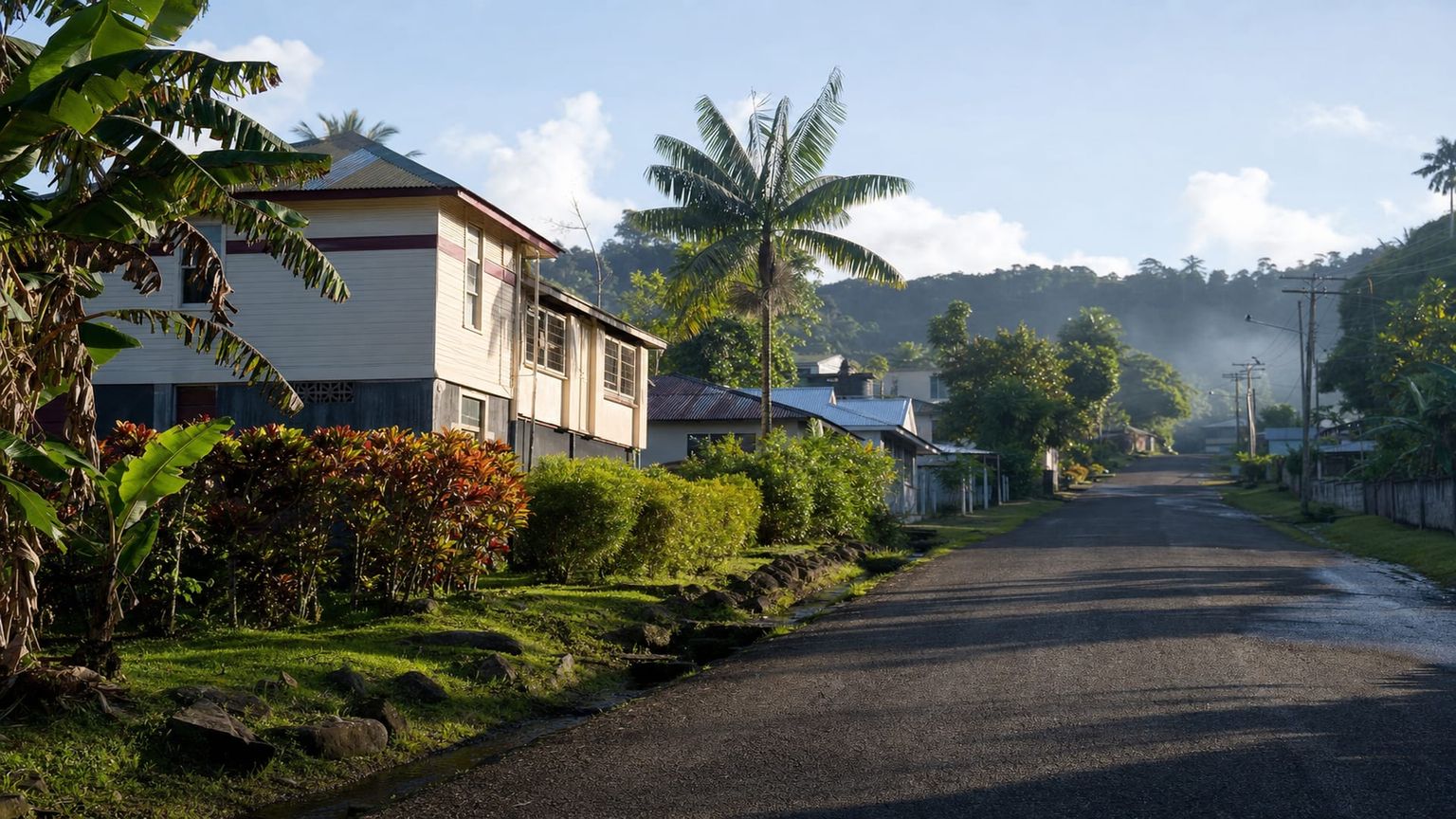
Matei stretches along Taveuni’s northwestern coast near the island’s airport and several small lodges and villas. It matters because it offers the easiest arrivals, a cluster of coastal stays, and some of the island’s best sunset-facing water views.
Best for: Airport access, resort-style stays, and travelers who want to minimize transfer time
What to expect: A low-key coastal strip with scattered accommodation, narrow roads, and a few eateries near the lodges.
Hotel prices: Usually about $110 to $280 per night for well-rated stays
Distance to major sights: About 5 minutes by car to Taveuni (TVU); about 30 minutes by car to Bouma National Heritage Park
Quietness: Calm during the day and quiet after dark, with more activity only around the airport and lodges.
Main trade-off: You are close to the airport, but the island’s main waterfall and hiking areas sit farther away.
Good to know: If you arrive late or leave early, this is the easiest place to keep transfers short, but you should book airport pickup in advance.
Travelers usually avoid the far western edge of Taveuni near Navakawau and Vuna because it sits well away from the main visitor sights and has very limited dining and lodging options. The southern and inland stretches near Waiyevo and the rainforest interior are less convenient for overnight stays, since most activity centers on the coastal road and evening transport is sparse.
Hotel deals
How to get around Taveuni Island efficiently
On Taveuni Island, roads, local buses, taxis, and prebooked transfers do the work that a rail network would elsewhere.

Metro
for longer distances
Taveuni Island has no metro or suburban rail, so visitors rely on roads, buses, and taxis instead.

Bus and tram
for convenience
Public buses link the main settlements and villages on Taveuni Island, with the busiest links serving Matei, Waiyevo, and the southern side of the island. Services are infrequent and often follow local schedules rather than fixed clockface timetables, so ask your accommodation to confirm departure times a day ahead. Fares are usually paid in cash on board, and a short hop costs about $1 to $3.

Taxi
for convenience or late hours
Licensed taxis on Taveuni Island usually use set local fares rather than meters, with airport trips from Taveuni Airport (TVU) to nearby resort areas typically about $10 to $25, and longer cross-island rides often about $25 to $60. Confirm the price before departure, because rates vary by distance and time of day, and bring cash in small bills since card payment is uncommon.
*Prices are based on rates updated as of June 2026 and may change at the time of travel.
Use taxis for airport runs and longer cross-island rides, buses for cheap hops between settlements, and a hired driver when you want to pair scattered sights in one day.
Iconic landmarks
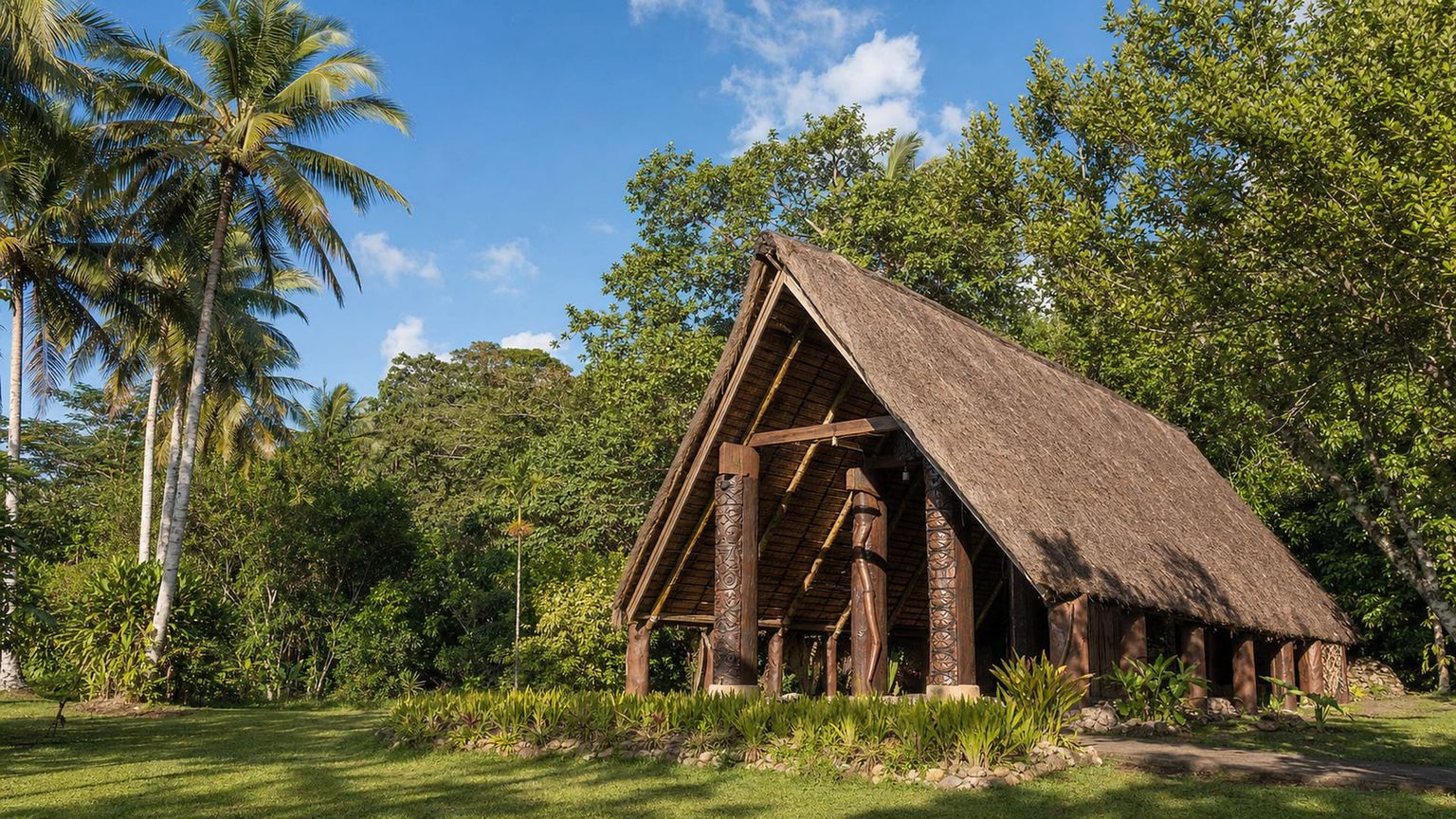
Bouma National Heritage Park
Taveuni’s best-known protected area centers on a chain of forest tracks, coastal viewpoints, and the Bouma waterfalls. The park protects native rainforest and village-managed land on the island’s southeast side.
Time needed: About 3 to 5 hours
Entry: Entry to the park and its trails is about $7 to $14 FJD per person, with separate village fees sometimes collected at access points.
Tip: Go early, because the waterfalls and tracks are cooler and quieter before midday.
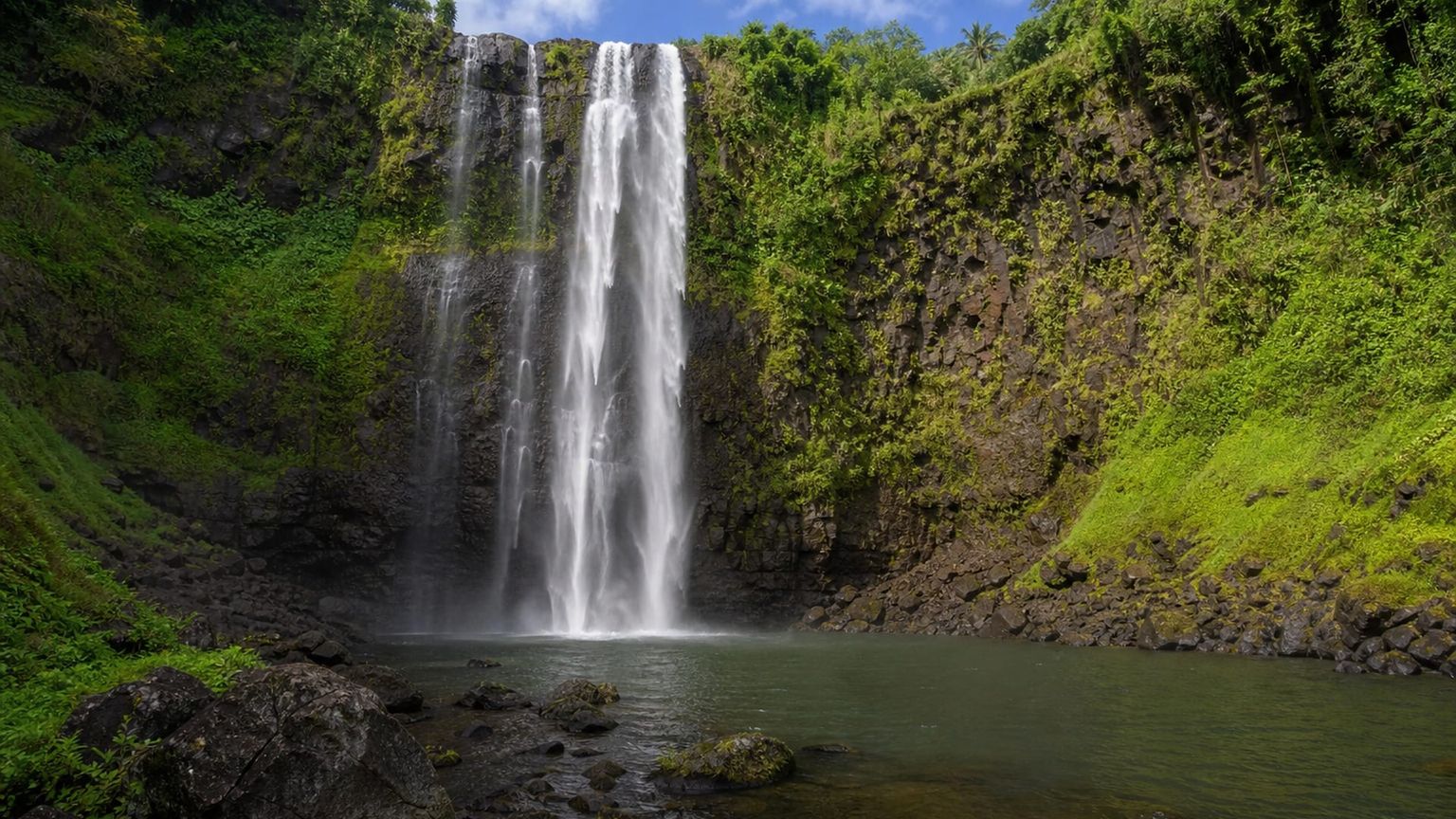
Tavoro Waterfalls
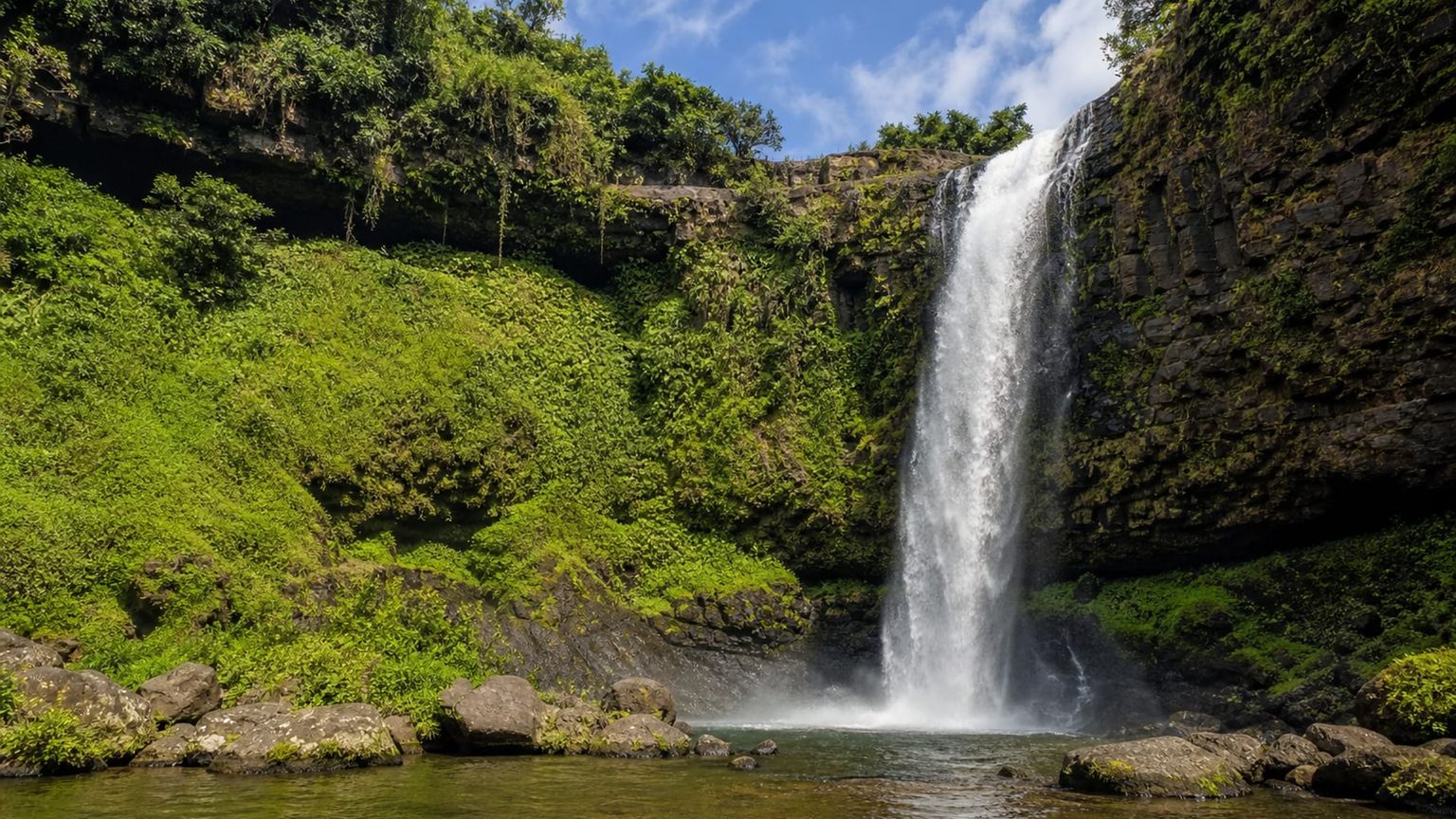
Tavoro Waterfalls, inside Bouma National Heritage Park, links three falls by marked rainforest paths and stream crossings. The first pool is the easiest to reach, while the upper falls reward stronger legs with longer climbs and wider views.
Time needed: About 2 to 4 hours
Entry: Park entry and village access fees total about $7 to $14 FJD per person, depending on the route and local collection point.
Tip: Wear shoes with grip, since the tracks can be slippery after rain and spray from the falls.
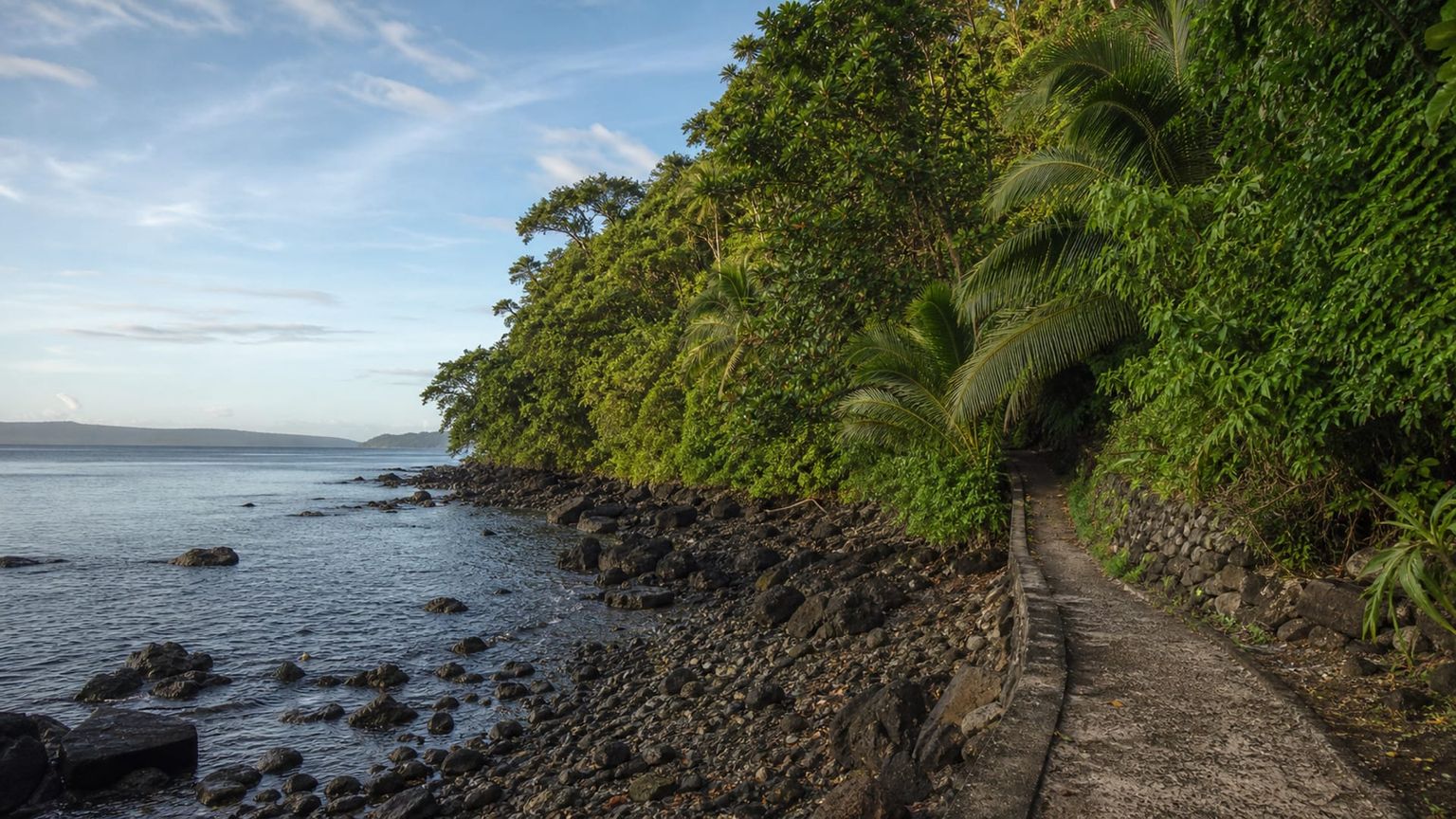
Lavena Coastal Walk
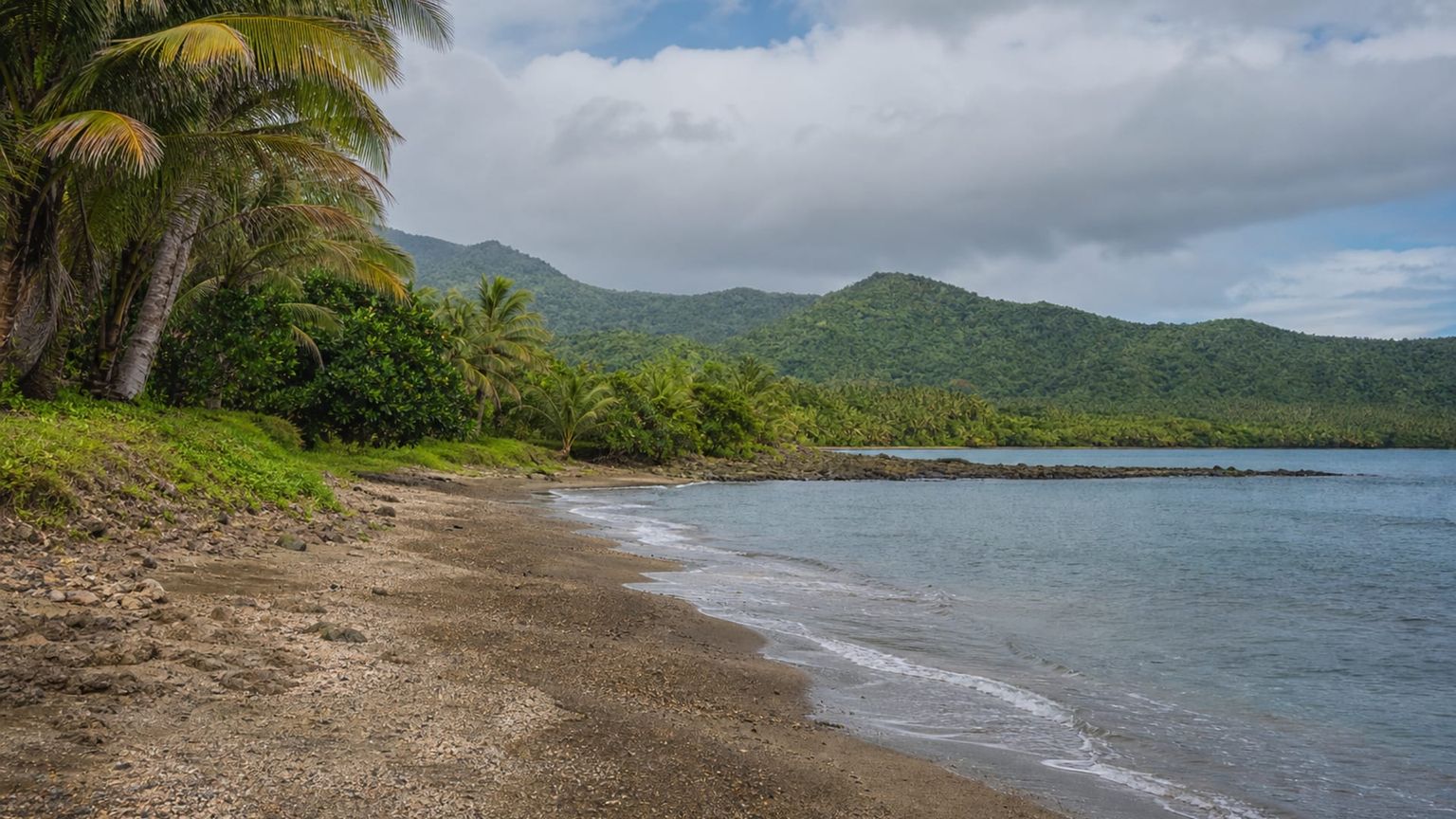
The Lavena Coastal Walk follows a shoreline path, river crossings, and black-sand beach stretches before ending at a waterfall and swim spot. It gives a clear look at Taveuni’s east coast, with village land, reef edges, and forest in one route.
Time needed: About 3 to 4 hours
Entry: Access fees are about $7 to $14 FJD per person, usually collected through the local village or trail gate.
Tip: Start at low tide if you want easier footing on the beach sections and stream crossings.
Overlooked sites worth visiting

Bouma Falls
A short forest walk leads to three waterfalls on the Bouma track, with swimming spots below the first cascade. The path crosses bridges and root sections through dense lowland rainforest.
Time needed: About 2 hours
Entry: Entry to Bouma National Heritage Park usually costs about $10 to $15 ($23 to $34 FJD) per person, with local guide fees added on some walks and transport separate. Cash is the easiest way to pay at the park gate.
Tip: Go early, when the pools are quieter and the light is better.

Holy Cross Catholic Church, Vuna
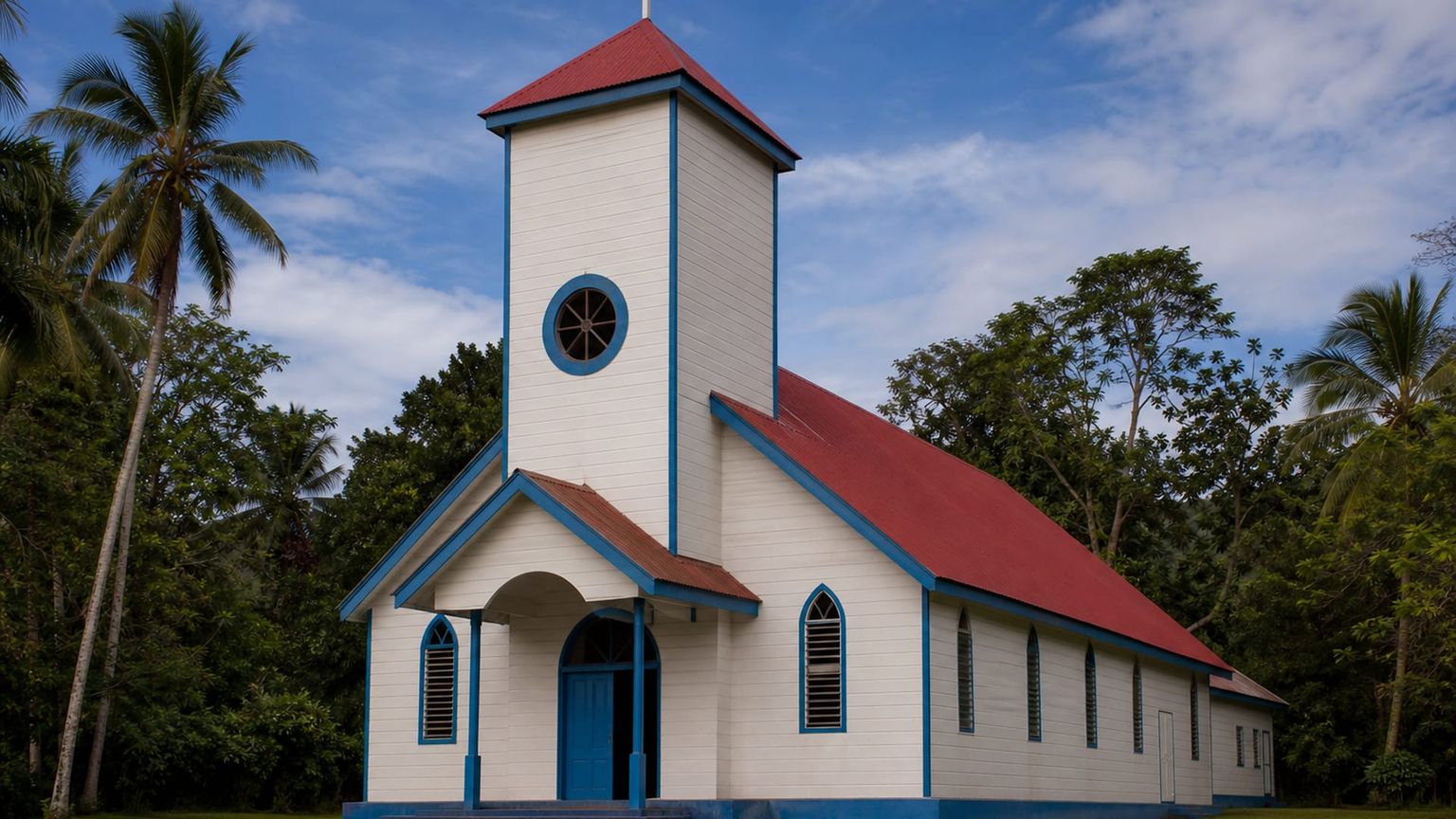
This compact seaside church in Vuna draws attention for its simple white exterior, painted interior details, and village setting near the coast. It gives a clear look at everyday Catholic life on the island.
Time needed: About 30 to 45 minutes
Entry: Free to access. Donations are welcome if you stop for a brief visit or attend a service, and there is no ticket desk or timed entry. Bring small cash if you want to leave a contribution.
Tip: Visit on a weekday for a quieter stop and easier photos.
Traditional food
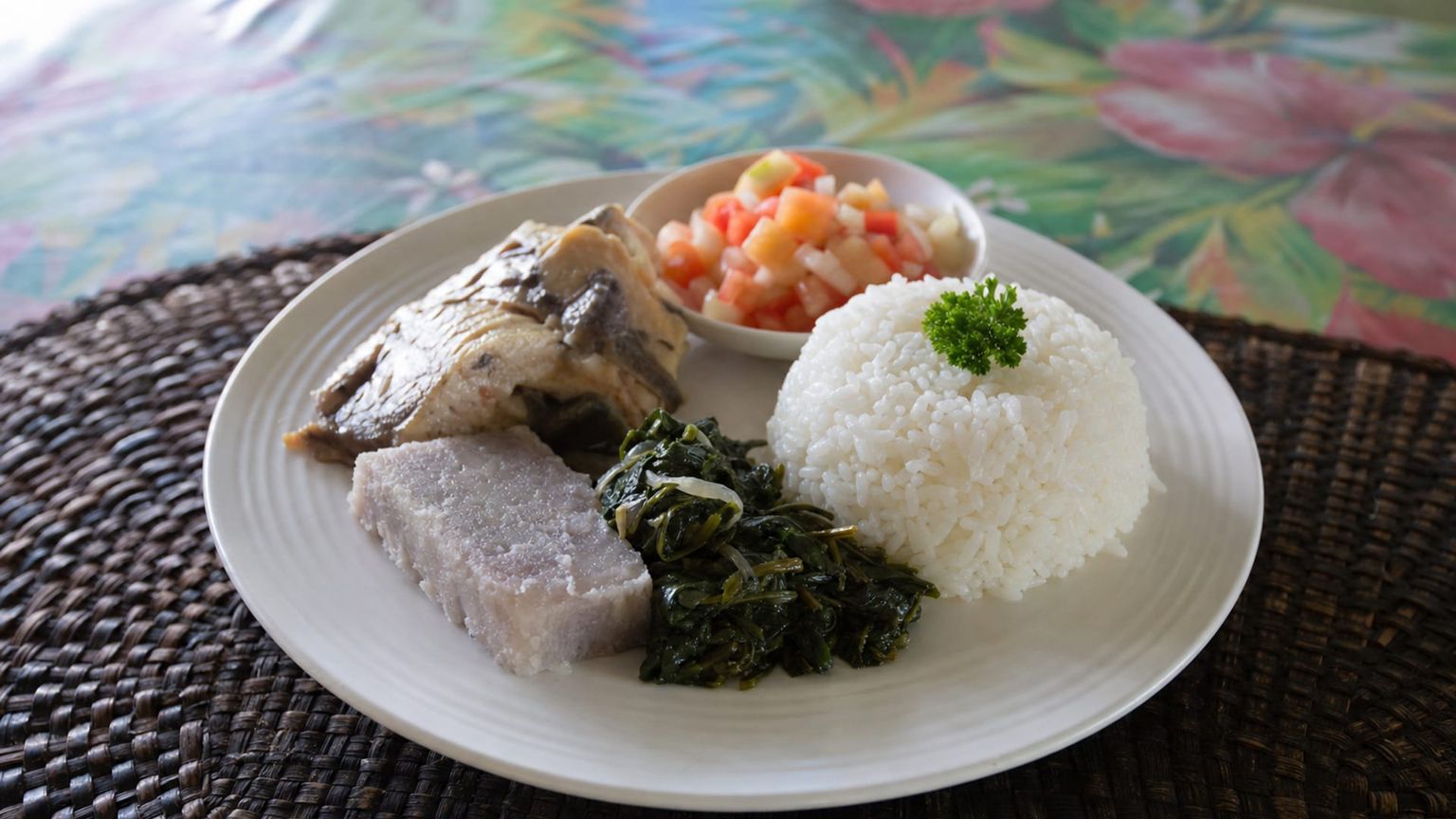
Taveuni cooking leans on reef fish, coconut, cassava, and slow earth-oven meals, with kokoda, lovo, cassava cake, and fish curry appearing often on lodge menus and village tables.
Kokoda
Fresh fish cured in citrus and finished with coconut gives kokoda its bright, cool flavor. The canonical stop is Maravu Taveuni Lodge in Matei, where lodge dining suits the dish’s island setting.
Lovo
Lovo uses an earth oven to cook meat, root crops, and vegetables until they turn smoky and tender. Taveuni Dive Resort in Waiyevo is a fitting place to look for it, especially when the kitchen serves a special meal.
Cassava cake
Cassava cake brings a dense, lightly sweet finish that pairs well with tea or coffee after a long day outdoors. The canonical restaurant pick is Makaira Resort Restaurant in Matei, where it fits the lodge menu well.
Fish curry
Fish curry combines reef fish with spices and coconut for a richer island meal. A solid canonical stop is Coconut Grove Beachfront Cottages in Matei, where seafood-heavy dinners suit the coast.
Best time to visit Taveuni Island
Taveuni’s best months bring drier trails and clearer water, while the wetter season adds heavier rain, softer roads, and fewer comfortable hours for long walks.
Best for: Warm sea swims and lush rainforest scenery
What you get: About 79 to 88°F (26 to 31°C), with fewer visitors but frequent rain and humid afternoons
Trade-offs: Downpours can slow road travel and make trails muddy
Best for: Balanced weather for waterfalls and coastal walks
What you get: About 77 to 85°F (25 to 29°C), with moderate crowds and better visibility on the tracks
Trade-offs: Some showers still break up the day
Best for: The most comfortable stretch for hiking and island touring
What you get: About 72 to 82°F (22 to 28°C), with the driest conditions and the highest visitor demand
Trade-offs: Lodges can book up early
Best for: Clear water, green hills, and flexible day planning
What you get: About 75 to 86°F (24 to 30°C), with lighter crowds before the wet season builds
Trade-offs: Humidity rises toward November
A realistic 5-day plan in Taveuni Island
The five-day plan starts near the airport, then moves east for the longest walks before turning inland and south. That sequence cuts down on backtracking and leaves room for slower afternoons in the central settlements.
Land at Taveuni (TVU) and head about 5 minutes by car to Matei, where airport pickup keeps the first transfer short and costs roughly $10 to $20 with a prearranged driver. Check in near the coastal strip, drink water, and settle into a light dinner at one of the lodge restaurants in Matei, since late-night choices are limited once you move away from the airport road.
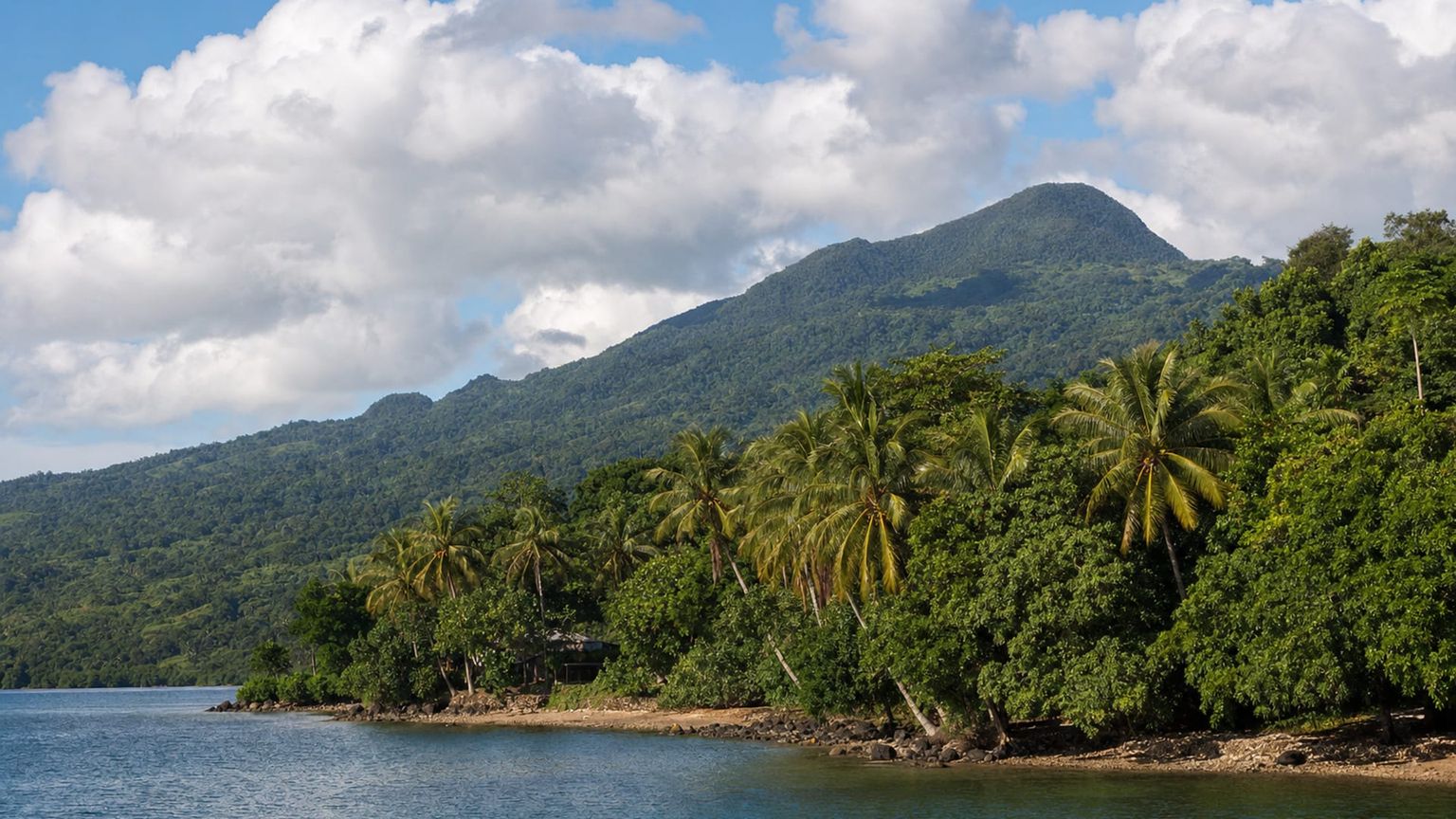
Start early in Lavena, then walk the Lavena Coastal Walk, a roughly 3 to 4 hour outing that threads black-sand shoreline, river crossings, and a waterfall finish. From the trailhead, continue about 20 minutes by car to Bouma Falls for a shorter forest walk and swim stop, then stay in the Bouma National Heritage Park area long enough to cover the trails before returning to Lavena for a quiet evening.
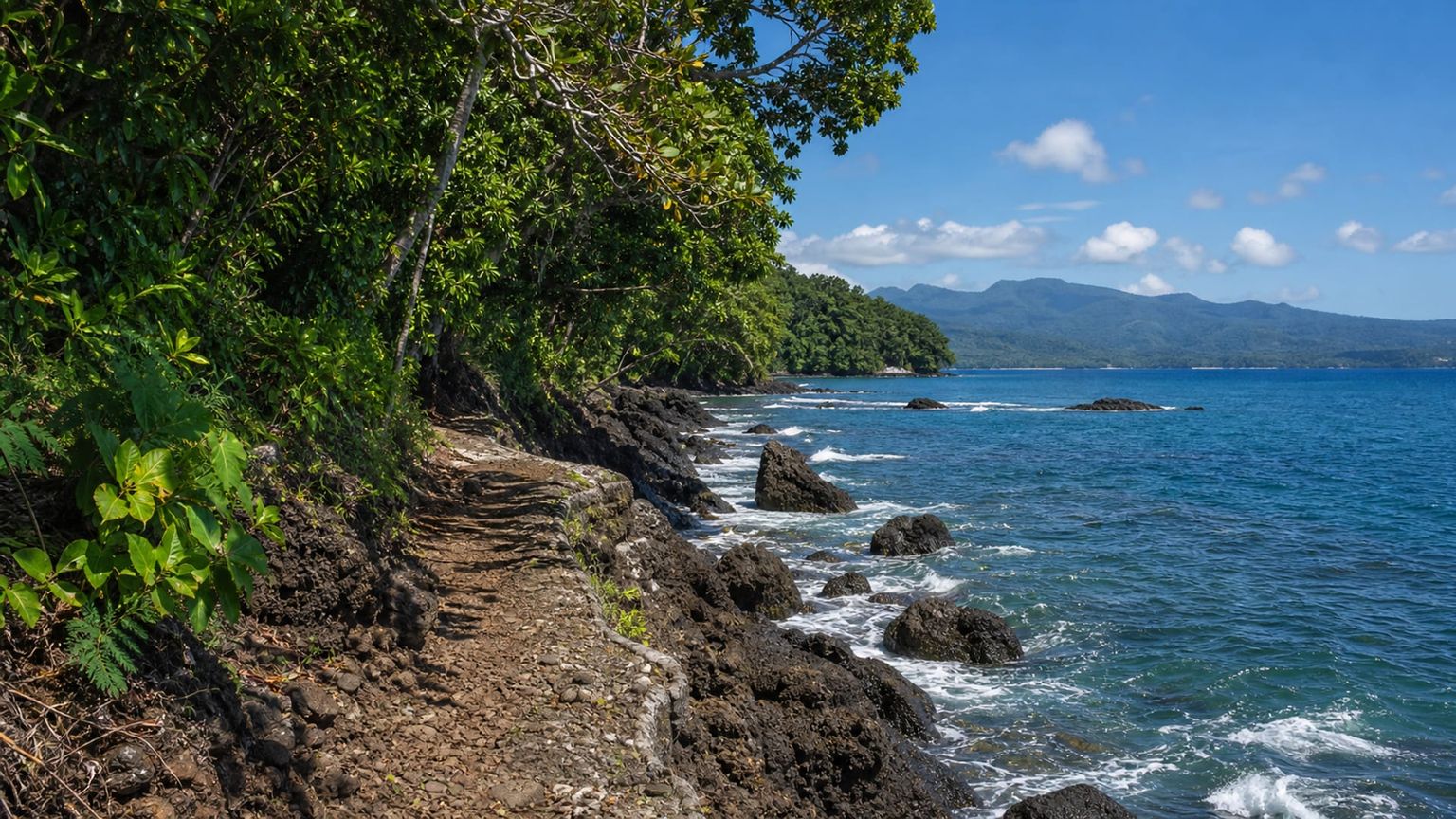
Bouma National Heritage Park takes the main slot today, and an early start matters because the tracks and waterfalls stay cooler before midday. Spend about 3 to 5 hours on the park trails and Tavoro Waterfalls, then add time at the lower falls pools and the upper viewpoints; the walk between the park access points and the waterfall circuit is short, but the climbs and stream crossings make the pace slow enough to fill the morning and early afternoon.
Drive from Somosomo to Vuna for Holy Cross Catholic Church, a visit that works well on a weekday and takes about 30 to 45 minutes once you are on site. After that, continue to the roadside settlement around Waiyevo, about 15 minutes by car from Somosomo and roughly 10 minutes from Waitavala Natural Waterslide, then finish the afternoon at Waitavala if you want a short swim stop before dinner back in Waiyevo.
A final easy morning fits Matei best, where you can have coffee near the airport strip and fit in one last coastal walk before your transfer. If you want a late-trip stop beyond the beach, head to Somosomo for small shops and basic supplies, then return to Matei for an unhurried lunch and your airport pickup, keeping the last stretch close to Taveuni (TVU).
Business-class flights from the US to Taveuni Island
Reaching TVU usually means connecting through the South Pacific, Australia, or New Zealand, with one-stop itineraries more common than direct service from North America. The business-class examples below show how the long haul typically prices from both coasts of the United States.
From New York, Fiji Airways, Air New Zealand, Qantas, and United Airlines usually route through NRT, HKG, SYD, AKL, or NAN, and the trip often takes about 18 to 28 hours with one stop. Round-trip fares usually run from $6,200 to $9,500.
Los Angeles itineraries usually use Fiji Airways, Qantas, Air New Zealand, or United Airlines, with stops in NAN, SYD, AKL, NRT, or HKG and total travel times of roughly 15 to 24 hours. Round-trip fares usually start from $5,400 and can reach $8,500.
Taveuni Island feels different when you slow down
A deliberate Taveuni Island trip has a clear shape: overnight near Matei if you want short transfers, then a move to Lavena or Bouma for the long walks, with Waiyevo or Somosomo filling the middle when you want road access and local shops. Taxis, buses, and prebooked drivers matter more here than any single central district. If you want AranGrant experts to help map those stops into one workable stay, start with Matei and Bouma and build from there







