

Chapters:

Need help with your trip?
Our support team is available 24/7. Request a callback or call us directly at (833) 619-0908
Tottori trips often start with the dunes, a temple, and a quick hotel check-in, yet many visitors miss how much time the city spends on short bus rides and early closing hours.
That pattern can leave central sights squeezed between transfers, with dinner options thinning once you move away from Tottori Station. The coast also takes more planning than it first appears.
This guide sets the route in a clearer order, from station-area bases to dune visits and airport-side stops, so each day has a defined purpose.
Useful things to know

Main language(s): Japanese
Konnichiwa (koh-nee-chee-wah) – Hello / good afternoon
Onegaishimasu (oh-neh-guy-shee-mas) – Please
Arigatou gozaimasu (ah-ree-gah-toh goh-zai-mas) – Thank you
Eigo o hanasemasu ka? (eh-goh oh hah-nah-seh-mas kah) – Do you speak English?
Ikura desu ka? (ee-koo-rah dess kah) – How much does it cost?

Currency: The local currency is the Japanese yen (JPY, ¥).

Cash and cards: Cards and contactless are accepted in many places, but carry about ¥3,000 to ¥5,000 ($20 to $35) in cash.

Tipping: Tipping is not customary; no tip is expected in restaurants, taxis, or hotels.

Traditional food: Matsuba crab, Tottori beef, shojin salad, pear jelly

Water and coffee costs: Water about ¥100 to ¥150 ($1 to $1.50), bar espresso about ¥400 to ¥500 ($3 to $3.50).

Taxis and ride apps: Uber has limited availability; local taxis are the norm.

Plug and voltage: Type A/B socket, 100V

Dining and shop opening hours: Breakfast is about 07:00-09:00, lunch 11:30-14:00, and dinner 18:00-21:00. Many restaurants close between lunch and dinner, and some shut one day a week.

Emergency number: 119 for fire and ambulance, 110 for police.
Where to stay in Tottori
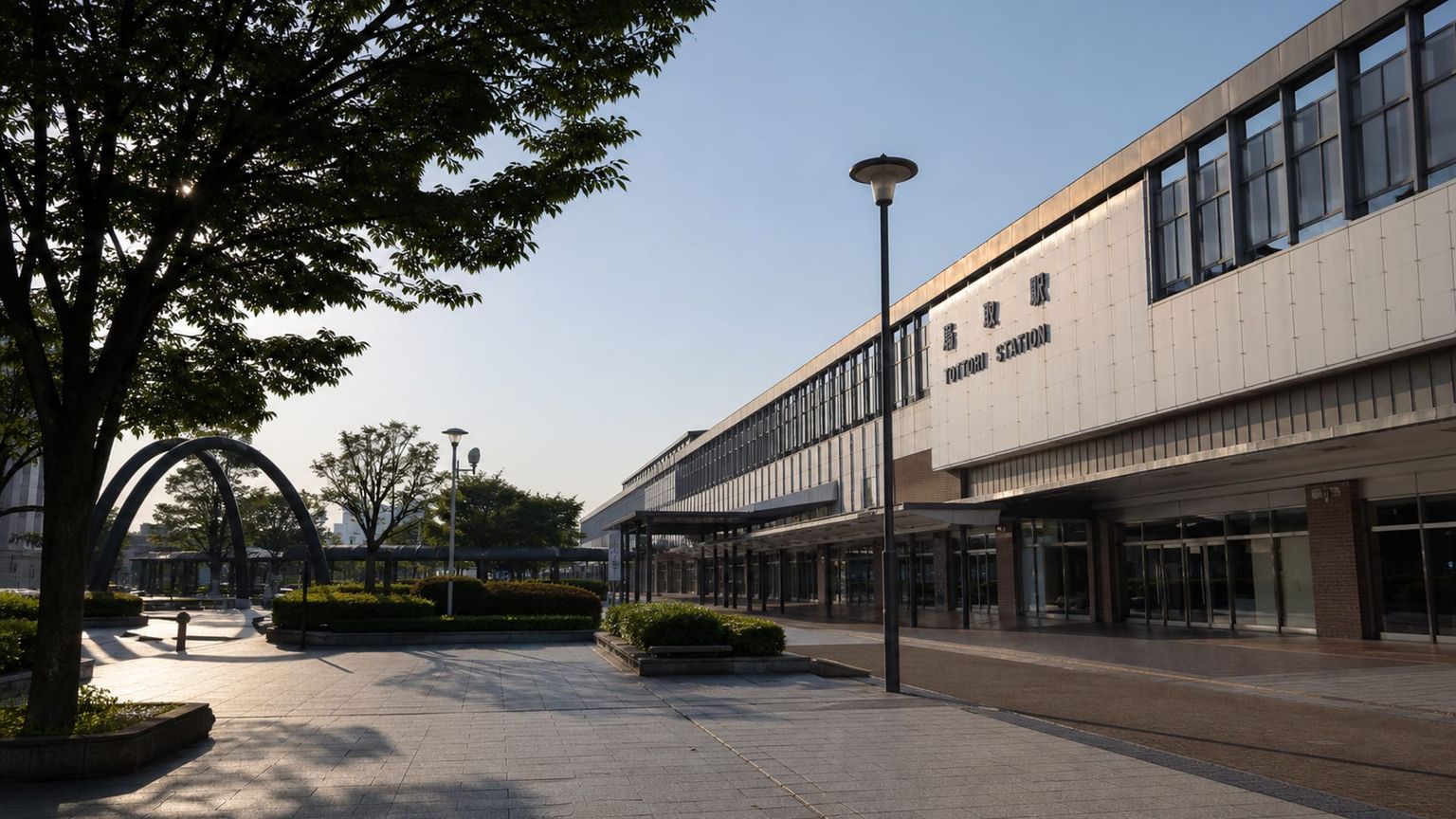
Tottori Station is the city’s main transport hub, with hotels, restaurants, buses, and taxis clustered around the north and south exits. It suits travelers who want the simplest base for rail arrivals, airport transfers, and easy access to downtown dining.
Best for: Rail arrivals, short stays, and travelers who want the easiest access to buses and taxis
What to expect: Busy during commute hours and after trains arrive, with the most activity near the station exits and main roads.
Hotel prices: Usually about ¥8,000 to ¥18,000 ($54 to $122) per night for well-rated stays
Distance to major sights: About 10 minutes by bus to Tottori Castle Ruins; about 25 minutes by bus to Tottori Sand Dunes
Quietness: Lively in the day, quieter at night once the last trains leave.
Main trade-off: You trade a more local neighborhood feel for convenience, and the area can look subdued after dinner.
Good to know: If you plan early departures, this is the easiest place to keep logistics simple because airport buses and most rail connections are close at hand.
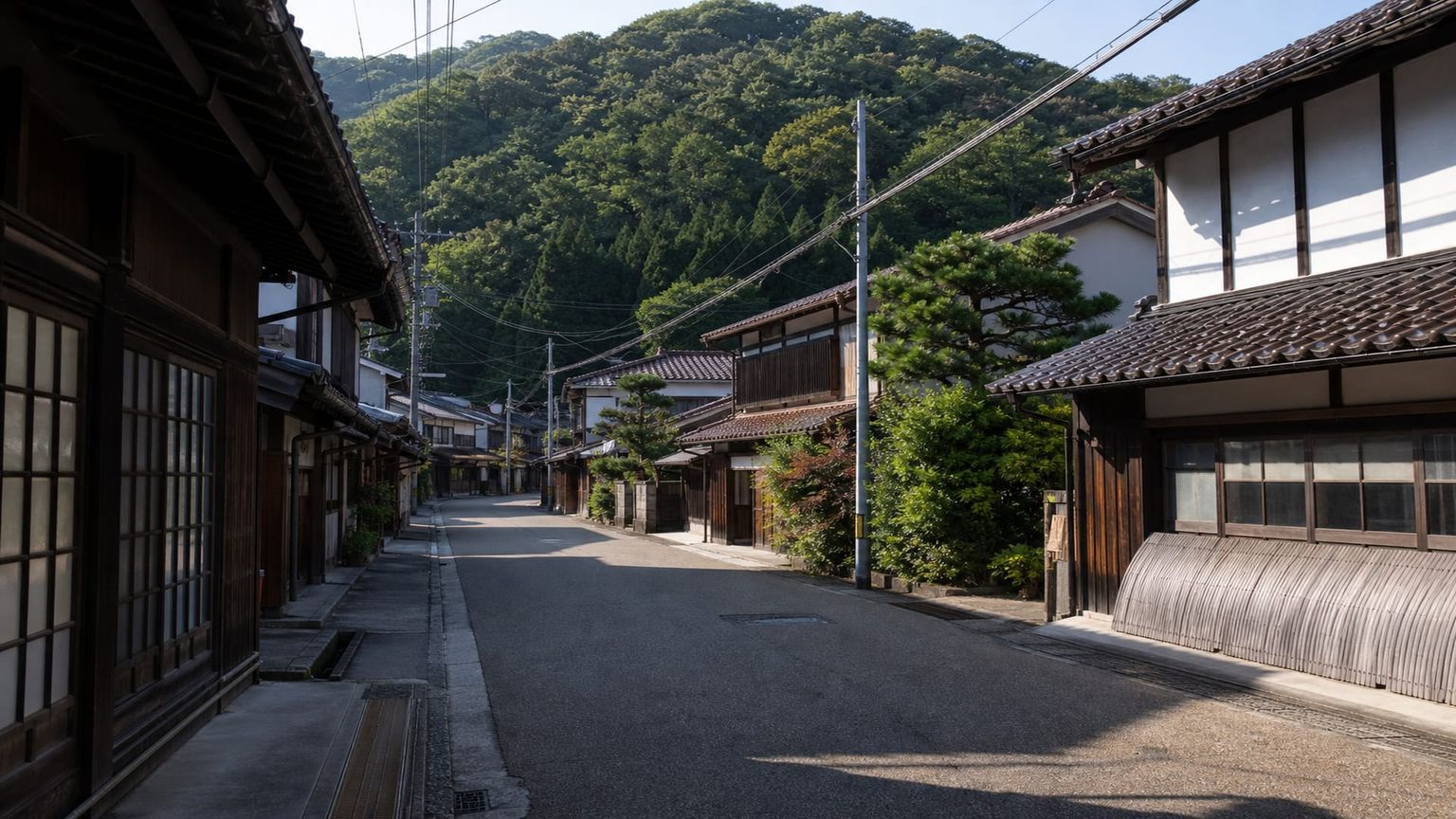
Miyanoshita sits just south of central Tottori and mixes apartment blocks, local shops, and neighborhood restaurants. It matters if you want a lower-key stay with decent access to the station area and the city center without being right beside the busiest blocks.
Best for: Quieter residential stays, longer visits, and travelers who prefer local dining over nightlife
What to expect: Mostly residential streets with modest evening activity and fewer late-open businesses than near the station.
Hotel prices: Usually about ¥6,500 to ¥14,000 ($44 to $95) per night for well-rated stays
Distance to major sights: About 10 to 15 minutes by bus to Tottori Station; about 20 minutes by bus to Tottori Castle Ruins
Quietness: Calm through the day, very quiet after dark.
Main trade-off: You gain lower-key surroundings, but you will rely more on buses, taxis, or walking for dinner and sightseeing.
Good to know: Plan your meals before late evening, because the number of open restaurants drops sharply outside the main station corridors.
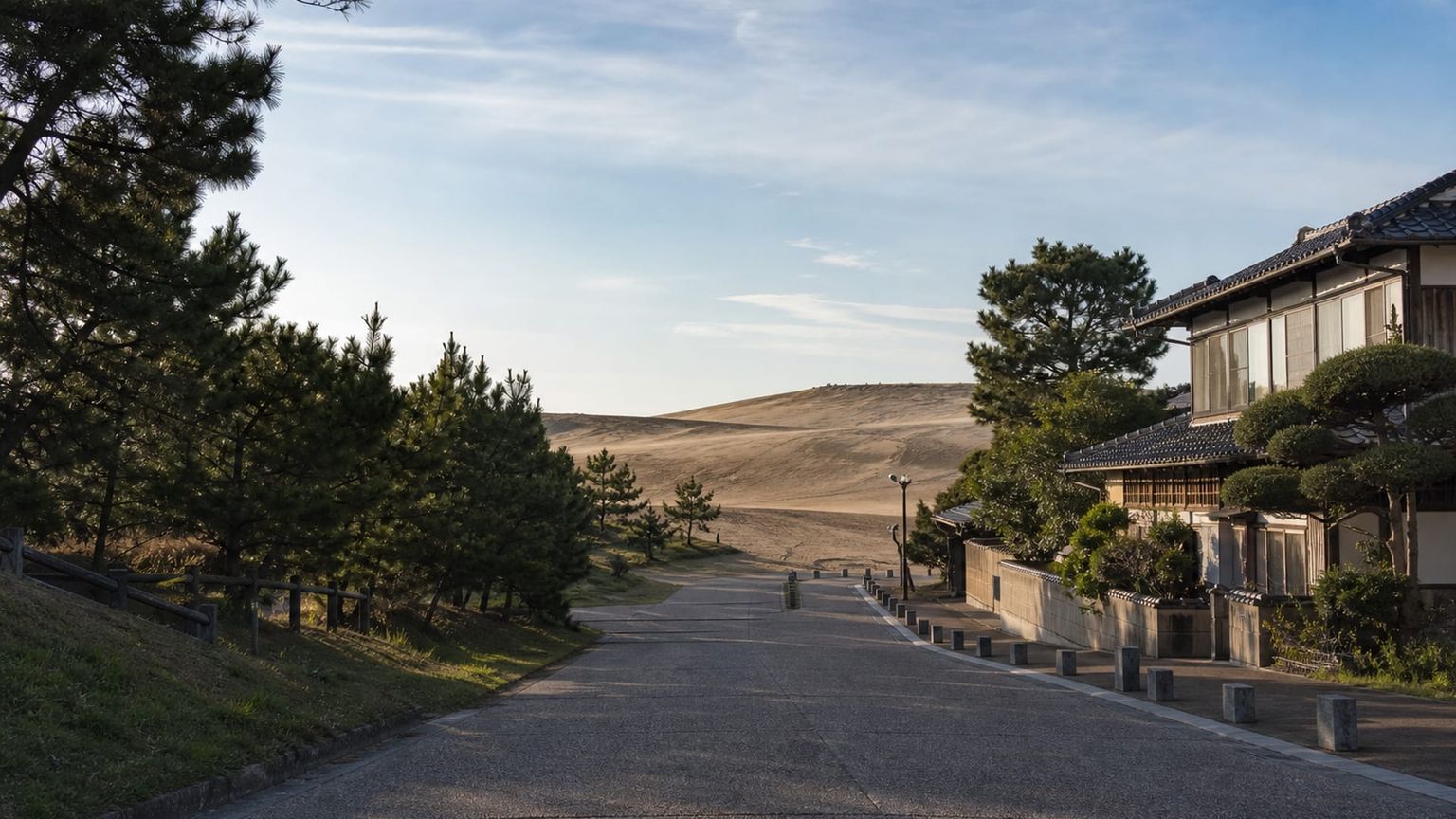
The Sand Dunes area stretches along the coast east of central Tottori, near the prefecture’s best-known landmark and the Sand Museum. Staying here puts you closest to sunrise walks, dune visits, and coastal scenery, but it sits farther from the station and downtown dining.
Best for: Beach and dune access, photography, and travelers focused on the coastal landscape
What to expect: Tourist activity centers on the dunes and museum, with scattered hotels and fewer shops than in the station area.
Hotel prices: Usually about ¥8,000 to ¥20,000 ($54 to $135) per night for well-rated stays
Distance to major sights: About 5 to 10 minutes on foot to Tottori Sand Dunes; about 20 minutes by bus to Tottori Station
Quietness: Quiet at night, with the most daytime activity near the main visitor areas.
Main trade-off: You gain immediate access to the dunes, but you will spend more time reaching central restaurants, shops, and rail services.
Good to know: This base works best if you want first light on the dunes, since public transport runs less often in the early morning than it does around the station.
Travelers usually avoid staying in Tottori Port and the Sand Museum edge of the coast, since both sit far from the main station area and have limited evening dining and transit options. Karo and the beachside fringe near Tottori Sand Dunes are also less convenient, because they are removed from central sights and can require longer taxi rides after sunset. If you want a base with more visitor amenities, the areas immediately west of Tottori Station are usually a better fit.
Hotel deals
How to get around Tottori efficiently
Tottori has no subway, so most visitors move between the station, the dunes, and the airport by JR trains, local buses, and taxis.

Metro
for longer distances
Tottori has no subway or metro network, so visitors rely on JR trains and buses instead; the nearest rail links center on Tottori Station, with local and limited express services connecting the airport area to the city in about 20 to 25 minutes by bus or about 15 to 20 minutes by taxi.

Bus and tram
for convenience
Local buses link Tottori Airport, Tottori Station, and the sand dune area, with many airport rides taking about 20 to 25 minutes and fares usually about $4 to $5 (¥600 to ¥700); check posted timetables, as headways can be modest outside peak times, and pay with cash or a transport card where accepted.

Taxi
for convenience or late hours
Licensed taxis use metered fares rather than fixed airport rates, and the airport-to-central-Tottori ride usually costs about $25 to $35 (¥3,800 to ¥5,200) and takes about 15 to 20 minutes; find taxis at the stand outside arrivals, and most accept cash, with some also taking major cards or QR payments.
*Prices are based on rates updated as of June 2026 and may change at the time of travel.
Buses suit airport and dune trips, taxis work best for late returns or door-to-door transfers, and walking fills the gaps in the station area and downtown.
Iconic landmarks
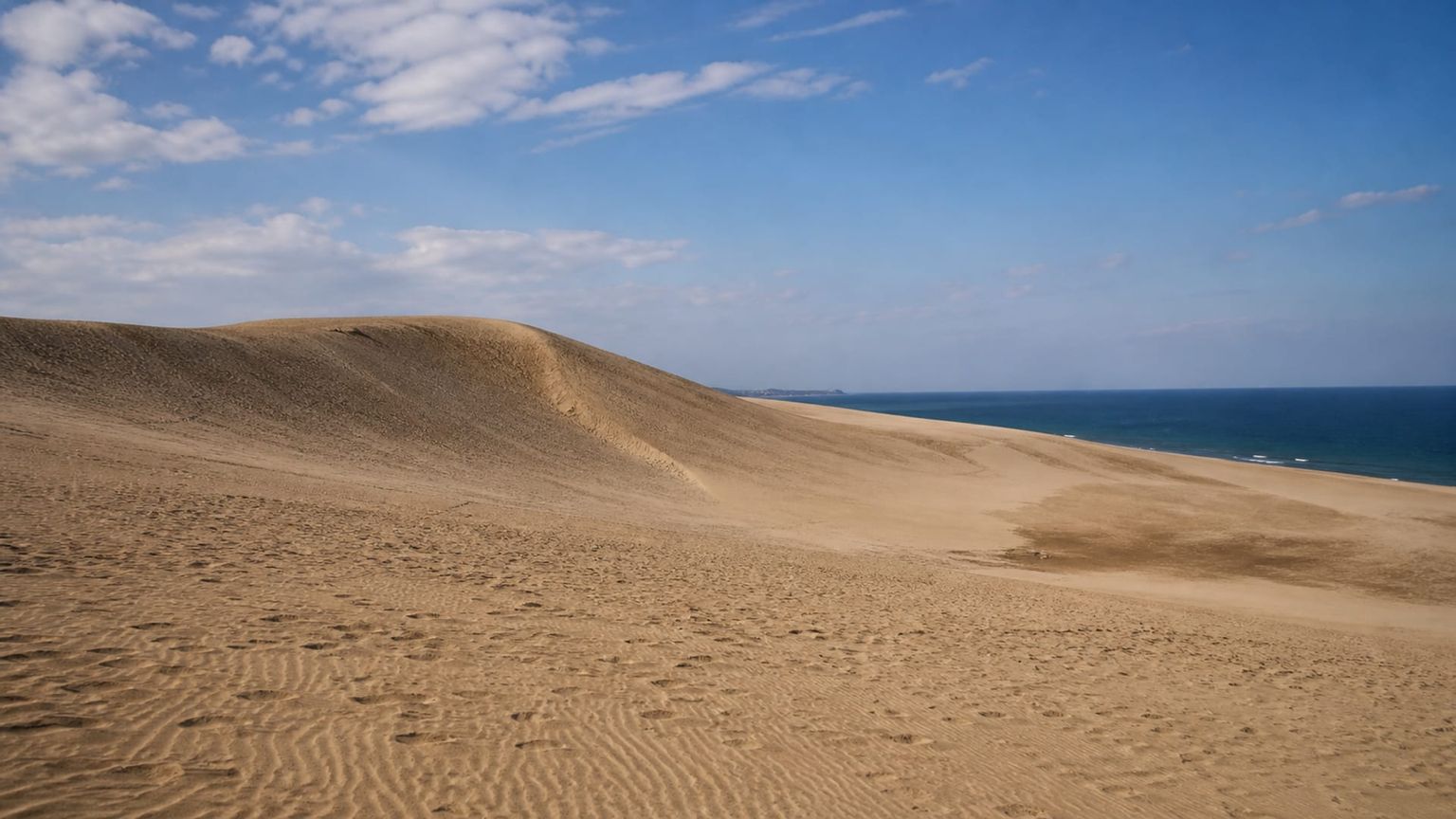
Tottori Sand Dunes
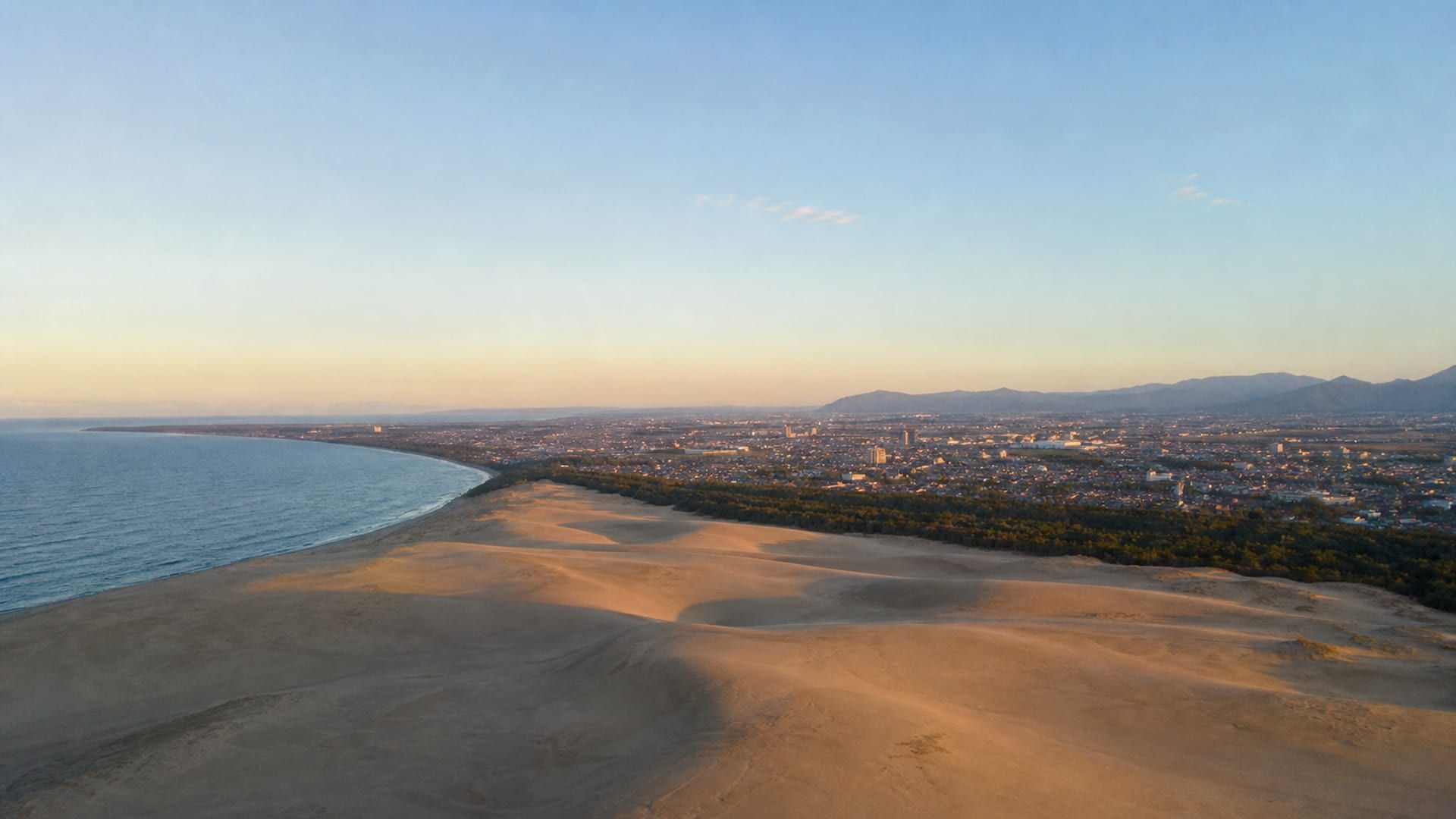
Tottori Sand Dunes stretch along the Sea of Japan and rise to about 50 meters, with broad views, wind-sculpted ridges, and a marked walking area. The site also links to the Sand Museum, so you can pair the landscape with a short museum stop.
Time needed: About 2 to 3 hours
Entry: Free to access; Sand Museum tickets cost $6 ($600) for adults, and $3 ($300) for students and children, with separate fees for camel rides and activities. Visit the official site for details.
Tip: Go early or late in the day, when the sand is cooler and the light is better.
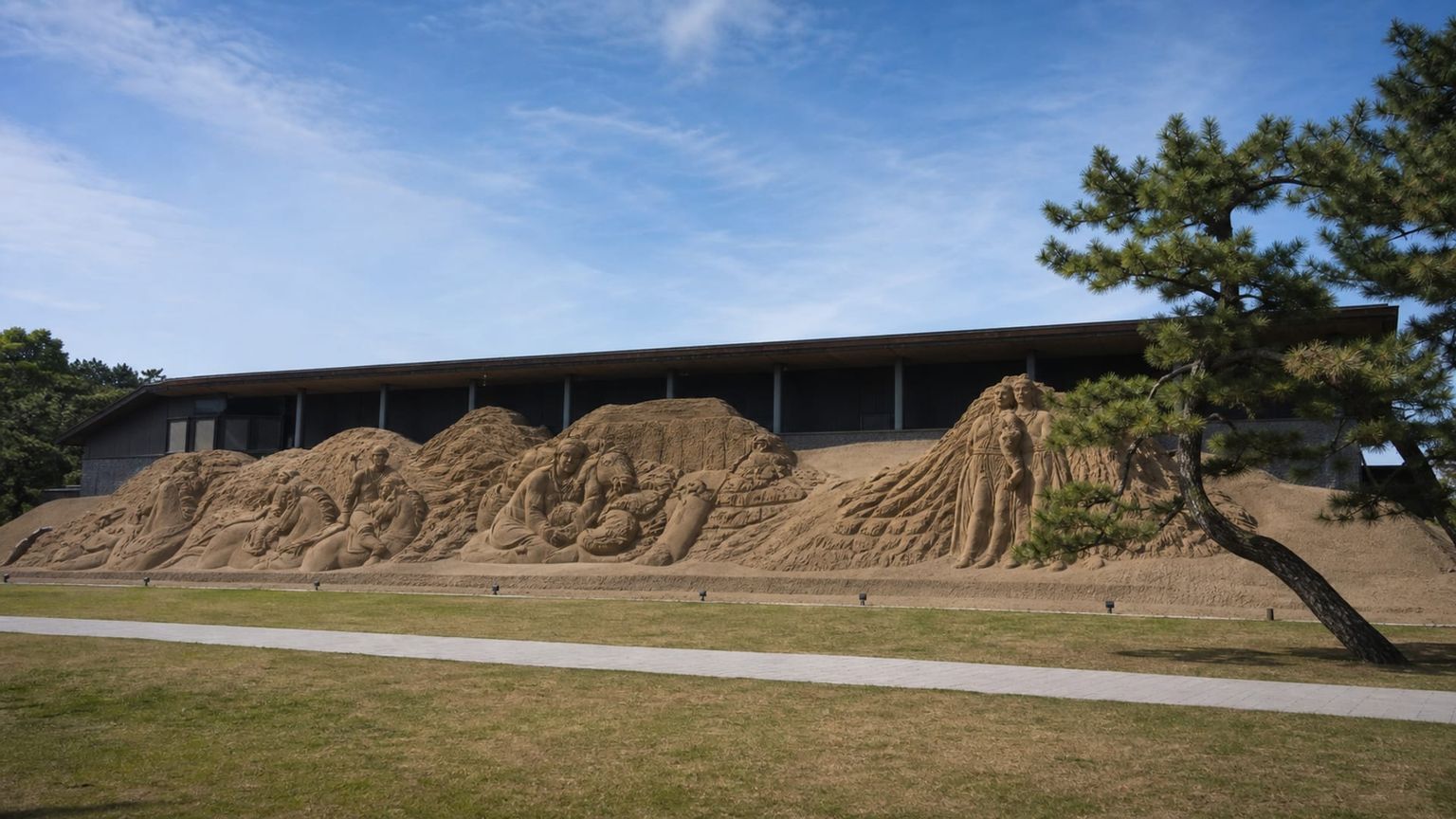
Sand Museum
The Sand Museum presents large-scale sand sculptures that change by exhibition theme, with works made entirely from compacted sand and water. It sits beside the Tottori Sand Dunes, which makes it an easy add-on to the same visit.
Time needed: About 1 to 2 hours
Entry: Adult admission is $6 ($600); high school and university students pay $4 ($400), and elementary and junior high students pay $3 ($300). Visit the official site for details.
Tip: Visit midday if you want the dunes before or after, then use the museum as a cool break.
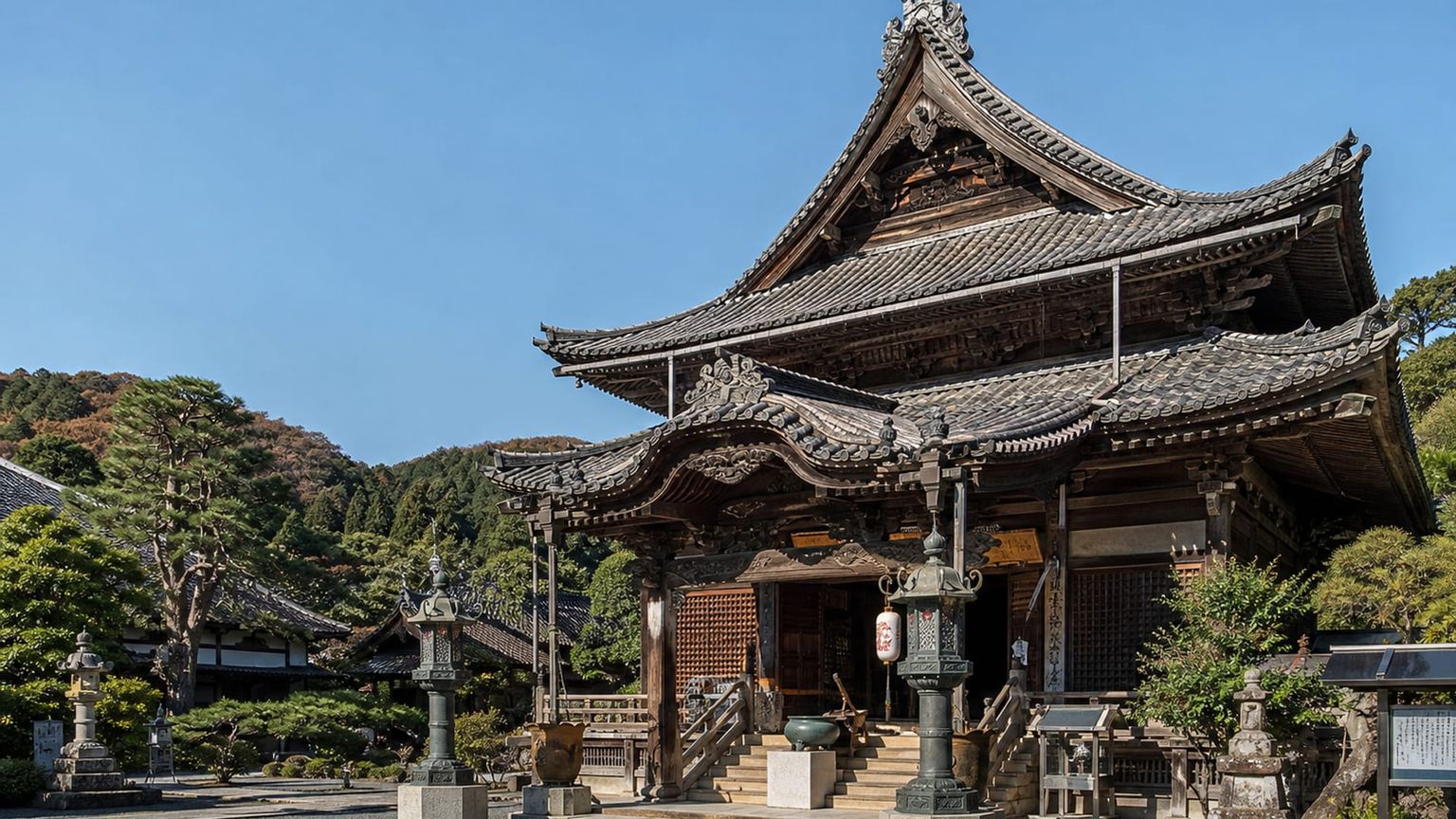
Kannon-in
Kannon-in is a 17th-century temple linked to the Ikeda clan, with a mossy garden, teahouse buildings, and a dry landscape garden that draws from Zen design. It lies within central Tottori, so you can pair it with nearby museum or castle-site stops.
Time needed: About 45 to 60 minutes
Entry: Admission is $4 ($400) for adults and $2 ($200) for children; garden and temple grounds use the same ticket, with seasonal hours. Visit the official site for details.
Tip: Plan a morning visit, when the garden is quiet and the light is best for photos.
Overlooked sites worth visiting

Tottori Sand Dunes Conan Airport House
This small exhibition space inside Tottori Airport highlights the airport’s Conan theming with character displays, photo spots, and local trivia. It suits a short stop before or after a flight.
Time needed: About 30 to 45 minutes
Entry: Admission is free, and the space sits inside Tottori Airport, where you can also see the airport’s Detective Conan branding and related displays without a separate ticket. Hours follow the airport’s operating schedule.
Tip: Visit early, before the terminal gets busy.

Tottori Folk Crafts Museum
Set in a former kura storehouse, this compact museum displays Tottori pottery, dyed textiles, and woodwork linked to the region’s craft traditions. The small scale makes it easy to pair with a nearby city walk.
Time needed: About 1 hour
Entry: Admission usually costs about $3 to $5 (approximately ¥500 to ¥800), depending on the exhibition. Some special displays may charge extra, and the museum typically keeps short daytime opening hours on weekdays and weekends.
Tip: Check opening days, since hours can change for special exhibits.
Traditional food
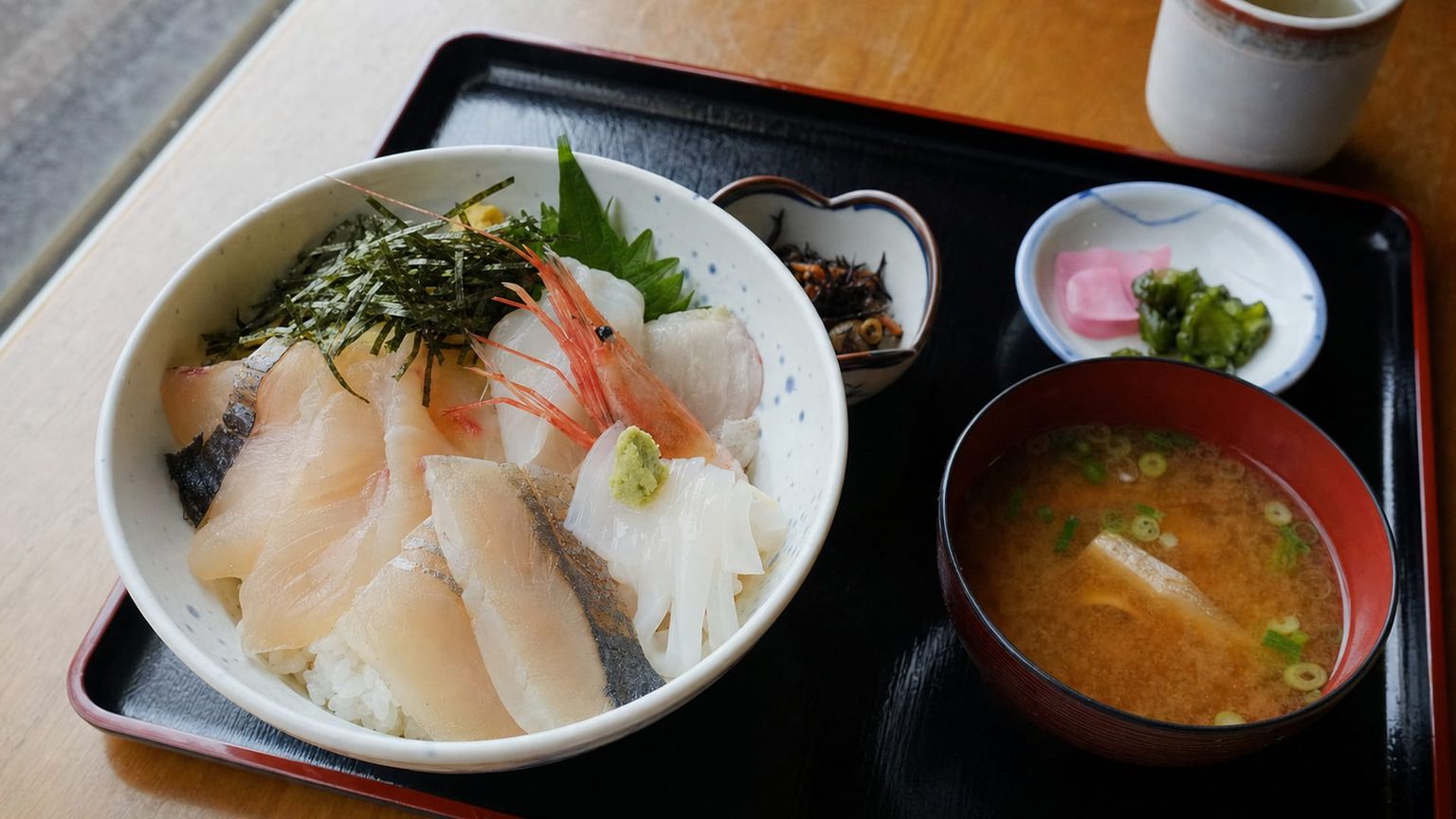
Tottori’s table leans on coastal seafood, beef, temple-side vegetable dishes, and pear sweets, with set lunches and early dinners fitting the city’s shorter dining window.
Matsuba crab
This winter crab defines coastal Tottori cooking, with sweet meat that works well in hot pots, sashimi, or simple boiled servings. Kani Shogun in Tottori is a strong canonical stop for a crab-focused meal.
Tottori beef
Tottori beef offers marbled texture and a clean, savory finish that suits steak, yakiniku, and set meals. Tottori Wagyu Daiki is a well-known local choice for a beef-centered dinner.
Shojin salad
Shojin salad draws on Buddhist vegetarian cooking and usually brings together seasonal vegetables with a restrained, seasoning-light balance. Kannon-in’s tea and temple setting makes it the canonical place to think about this style, even when the kitchen focus shifts by season.
Pear jelly
Pear jelly turns Tottori’s famous fruit into a cool dessert with a soft set and a bright finish. Its clean sweetness fits after lunch, and Mori-no-Okashi Seisakusho is a good local stop for pear-based sweets.
Best time to visit Tottori
Tottori changes more by weather and sea conditions than by dramatic festival peaks, so the best season depends on whether you want dunes, temples, crab, or clearer walking weather.
Best for: Temple visits, city walks, and mild dune outings
What you get: About 46 to 70°F (8 to 21°C), with lighter crowds before the summer travel peak
Trade-offs: Coastal wind can still make the dunes feel cooler than the forecast suggests
Best for: Long daylight for the dunes and airport-side outings
What you get: About 72 to 88°F (22 to 31°C), with moderate crowds and busier weekend beaches
Trade-offs: Heat and humidity make midday dune walks tiring
Best for: Clear views, comfortable walking, and balanced sightseeing days
What you get: About 52 to 74°F (11 to 23°C), with manageable crowds and good conditions for mixed itineraries
Trade-offs: Weather can turn breezy by late November
Best for: Matsuba crab meals and quieter temple visits
What you get: About 34 to 50°F (1 to 10°C), with lighter crowds and occasional snow or strong coastal wind
Trade-offs: Shorter daylight can limit dune time
A realistic 5-day plan in Tottori
Five days gives Tottori enough room to separate the coast, the station district, and the airport side without rushing. The plan below follows that split, so each day stays centered on one part of the city.
Land at Tottori Airport (TTJ), then take the airport bus or a taxi into the Tottori Station area, about 20 to 30 minutes by bus or roughly 15 to 20 minutes by taxi. The bus usually costs about $4 to $5 (approximately ¥600 to ¥700), while a taxi is closer to $18 to $25 (approximately ¥2,700 to ¥3,800), so it makes sense to settle near Tottori Station or Miyanoshita if you want an easy first night. Drop your bags, drink plenty of water, and choose an early dinner in the station district, where you can find simple set meals and ramen without a long search. If you still have energy, a short walk around the main station streets is enough before an early night.
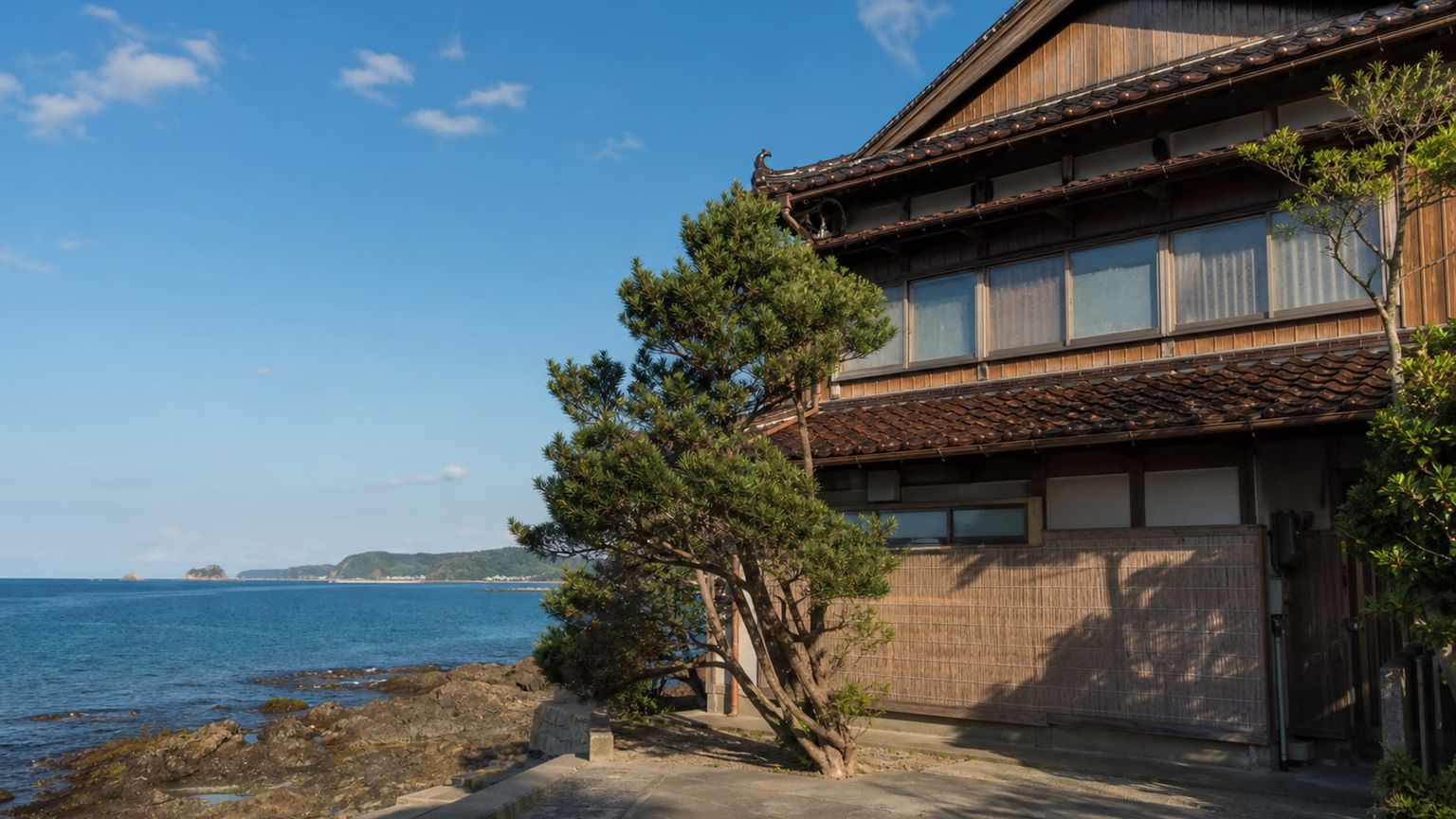
Start with Kannon-in in central Tottori, then move on to the Tottori Folk Crafts Museum, which sits well within a city-center walk or a short taxi ride. Kannon-in takes about 45 to 60 minutes, and the Folk Crafts Museum about 1 hour, so the pair works well as a calm morning and early-afternoon combination. After that, head back toward the station area for lunch, or stop in the nearby city center before dinner. If you want a longer afternoon, add a slow walk through the streets between the temple and downtown, then finish with a meal near Tottori Station.
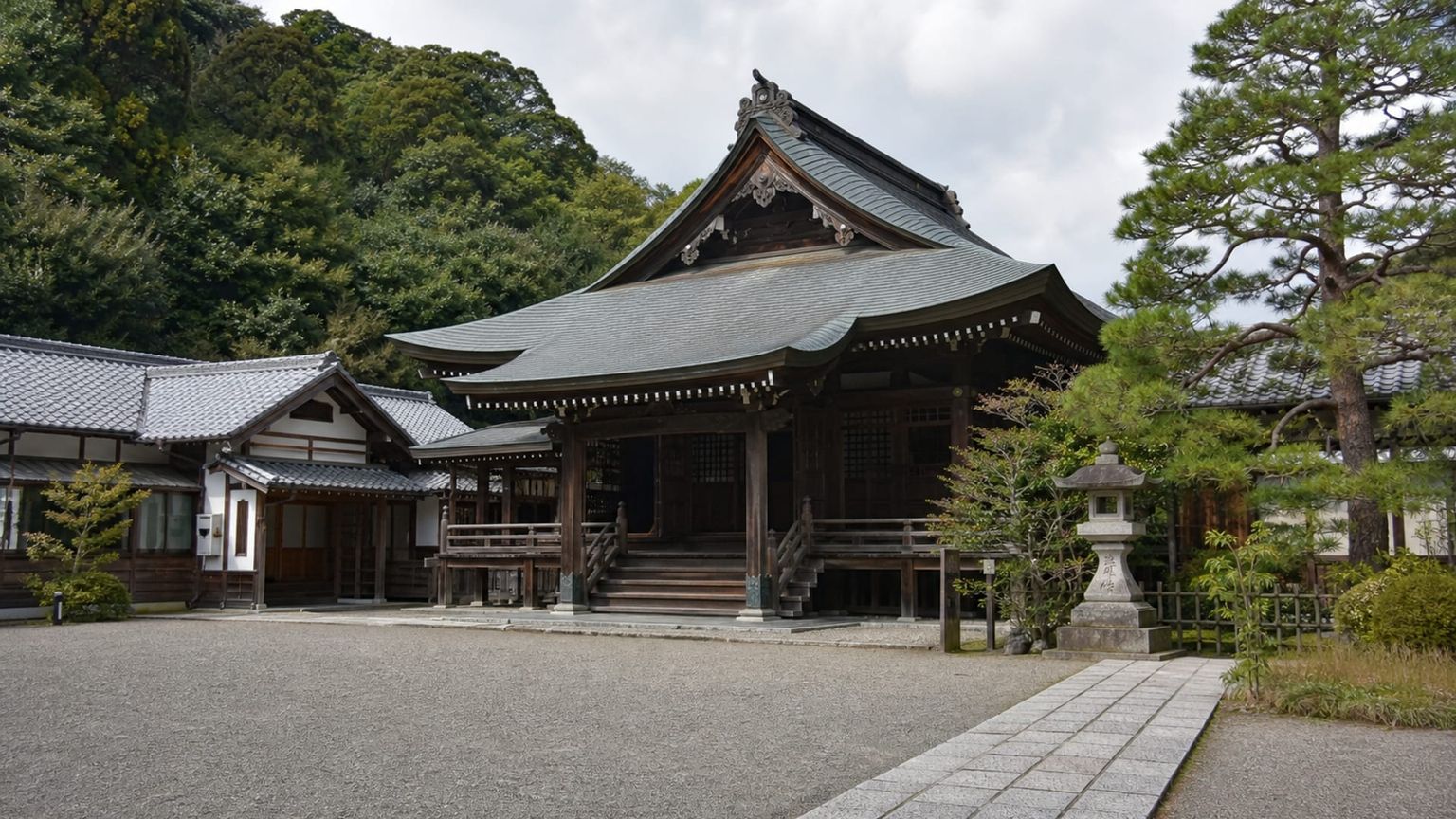
Head east to the coast for the Tottori Sand Dunes, then continue next door to the Sand Museum. From Tottori Station, the dunes area takes about 20 to 25 minutes by bus, and the Sand Museum is a short walk from the dune entrance, so you can move between them without extra planning. Spend about 2 to 3 hours at the dunes, then 1 to 2 hours at the museum, ideally arriving early or late when the sand is cooler and the light is better. Return to the station area for dinner, or stay near the coast if you want to watch the evening fade over the shoreline.
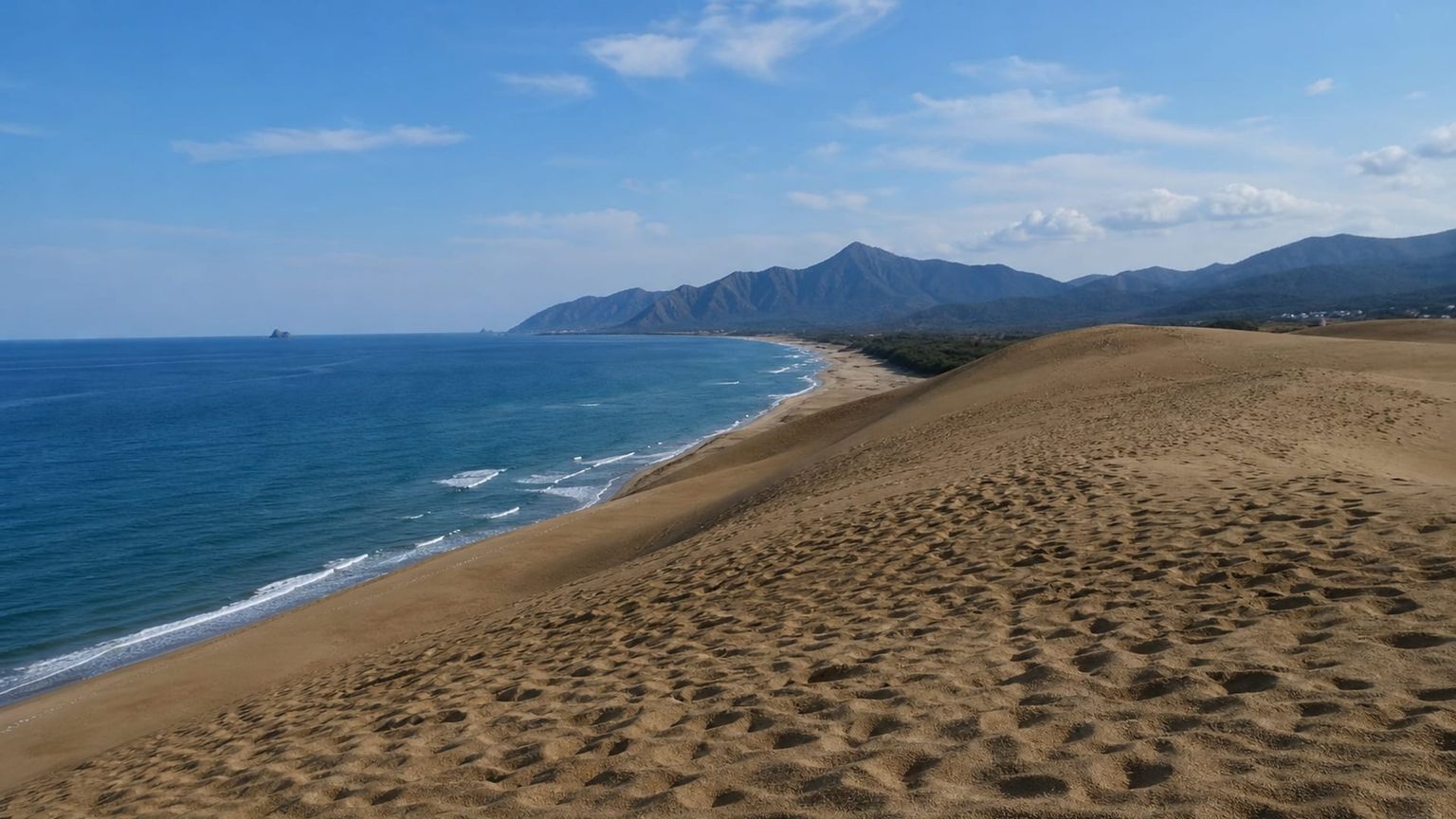
Begin with another morning on the Tottori Sand Dunes if you want a second look at the coast, then switch to the airport side for the Tottori Sand Dunes Conan Airport House. The airport display space works well as a short stop of about 30 to 45 minutes, and it fits neatly before or after a flight-related errand since it sits inside Tottori Airport. From central Tottori, plan on about 20 to 30 minutes by bus or taxi to reach the airport area. End the day back in the city center with an easy dinner near Tottori Station, or a quieter meal in Miyanoshita if you are staying there.
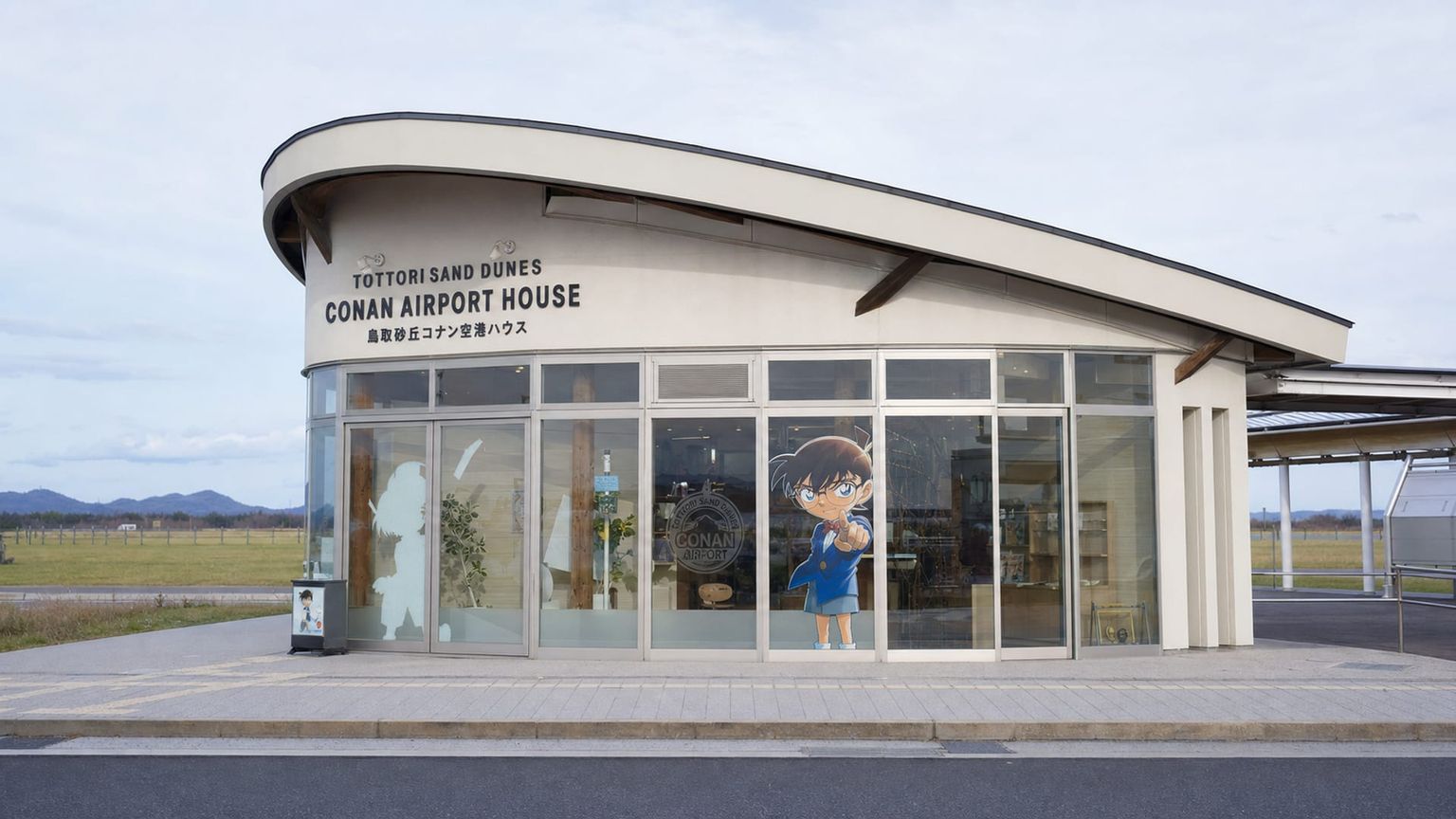
For a final day, linger in the Tottori Station area and the nearby shopping streets, where you can fit in one last museum stop before departure, then a café break in Miyanoshita if your schedule allows. The Tottori Folk Crafts Museum is the best low-key culture stop for this stage of the trip, and it pairs well with a slow walk through the station district for souvenirs and snacks. If your flight leaves from Tottori Airport, leave enough time for the airport bus, then make a short final stop at the Conan-themed airport house if you missed it earlier. Finish with coffee and an early lunch rather than trying to squeeze in one more outing.
Business-class flights from the US to Tottori
Reaching Tottori usually means a one-stop itinerary, and the best options depend on whether you leave from New York or Los Angeles. The route details below show how the layover hubs and total travel time tend to line up.
From New York, Japan Airlines, All Nippon Airways, Korean Air, China Eastern Airlines, China Southern Airlines, and Cathay Pacific all appear on common itineraries. Round-trip fares often start near $4,800 and can reach $7,500, and common layovers via Tokyo (HND) or Tokyo (NRT) can trim the fare when you do not mind adding a connection.
Los Angeles itineraries often price between about $4,400 and $7,100 round trip, with Japan Airlines, All Nippon Airways, Korean Air, Asiana Airlines, Cathay Pacific, and China Eastern Airlines among the carriers that show up most often. Expect about 17 to 27 hours total when you connect through hubs such as HND, NRT, ICN, HKG, PVG, or CAN.
Tottori feels different when you slow down
A deliberate Tottori trip puts the city into distinct blocks, the station area for arrival and dinner, Kannon-in and the Folk Crafts Museum for the middle of the city, then the dunes, the Sand Museum, and the airport house when you want the coast and the terminal in the same plan. Use buses for the long links and taxis when you return late. If you want help shaping the route, AranGrant experts can build it around Tottori Station, the dunes, or an airport transfer day







