

Chapters:

Need help with your trip?
Our support team is available 24/7. Request a callback or call us directly at (833) 619-0908
Thiruvananthapuram often gets treated as a temple stop with a quick side trip to Kovalam, but visitors who move that way miss how much time the city asks for between sights.
The old fort streets, museum cluster, and residential districts sit at different paces, so rushing from one to another usually means extra road time, more queue waiting, and a day that scatters its energy.
This guide organizes the city by neighborhood and timing, so you can pair the temple core, museum district, reservoir edge, and departure logistics without losing half a day to backtracking.
Useful things to know

Main language(s): Malayalam
namaskkaram (nah-mah-skah-rahm) – hello/good morning
sahayikkamo? (sah-hyik-kah-moh) – please
nandhi (nun-dee) – thank you
ningal English samsarikkumo? (neen-gahl English sam-sah-ri-kkoo-moh) – Do you speak English?
ethra aayi? (eth-rah aa-yee) – How much does it cost?

Currency: The local currency is the Indian rupee (INR, ₹).

Cash and cards: Cards and contactless work in larger hotels and shops, but carry about ₹1,000 to ₹2,000 ($12 to $24) in cash for smaller vendors.

Tipping: Round up small bills; 5-10% in restaurants for good service.

Traditional food: Puttu, appam with stew, Kerala sadya, fish molee

Water and coffee costs: Water about ₹20 to ₹30 ($0.25 to $0.35), bar espresso about ₹120 to ₹180 ($1.45 to $2.15).

Taxis and ride apps: Uber and Ola operate here; check airport pickup rules before you book.

Plug and voltage: Type C/F socket, 230V

Dining and shop opening hours: Breakfast is about 07:00-09:30, lunch 12:30-14:30, and dinner 19:30-22:00. Many restaurants close between lunch and dinner.

Emergency number: Dial 112 for police, fire, and ambulance.
Where to stay in Thiruvananthapuram
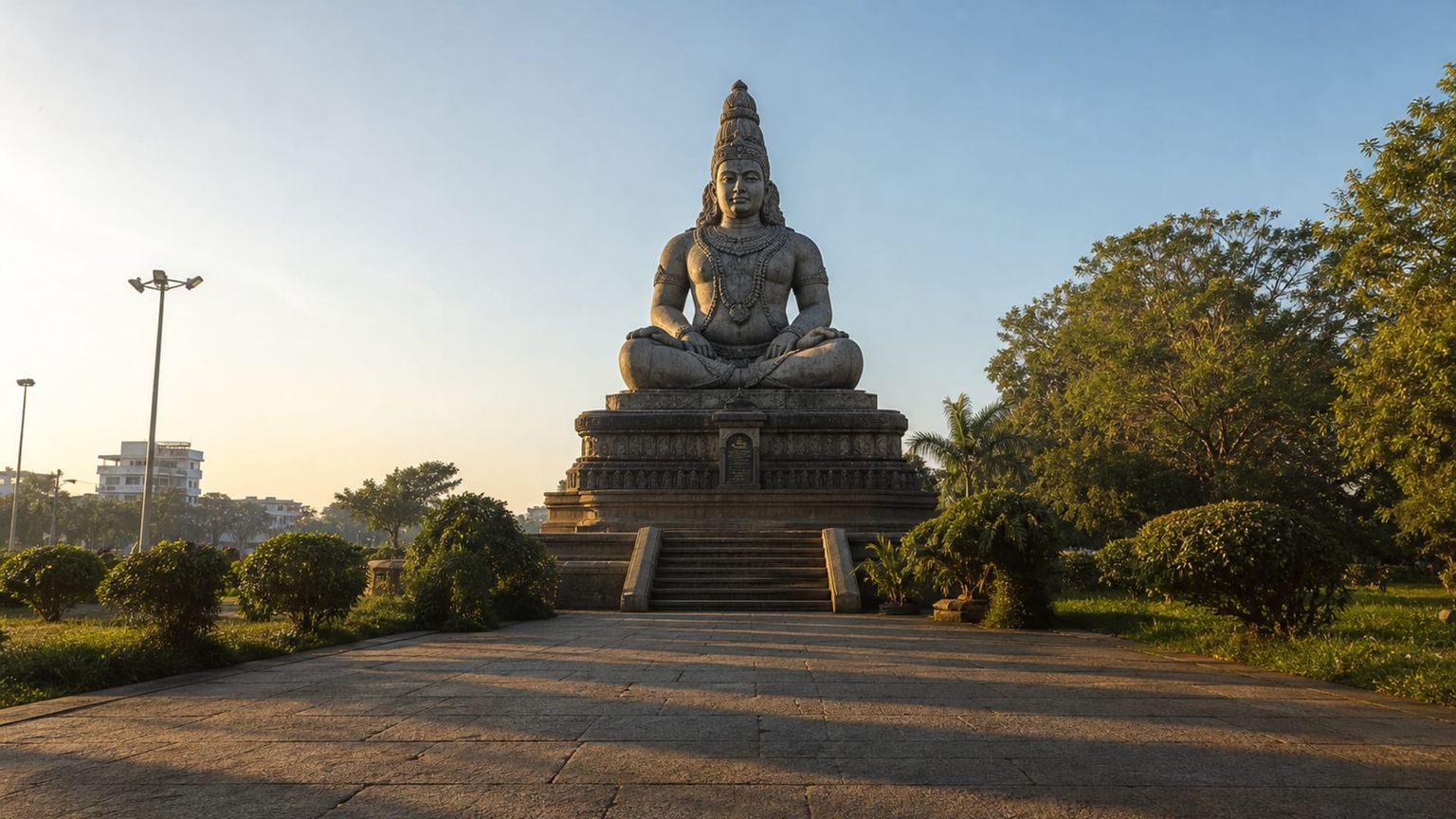
Central Thiruvananthapuram district around the Secretariat, University of Kerala, and the city bus hub. It puts government offices, shopping streets, and easy transit within reach, so you can move between the museum district, the railway station, and downtown without long detours.
Best for: Sightseeing, business stays, and travelers who want quick access to transit and central institutions
What to expect: Busy roads, office traffic, local buses, and a steady daytime crowd from shops and institutions.
Hotel prices: Usually about ₹2,500 to ₹5,500 (~$30 to ~$66) per night for well-rated stays
Distance to major sights: 10 to 15 minutes by auto-rickshaw to Napier Museum, about 10 minutes to Thiruvananthapuram Central
Quietness: Noisy in the day, quieter after office hours, though main roads stay active in the evening.
Main trade-off: You trade a little street calm for faster access to transport, government offices, and central services.
Good to know: If you plan early departures, check whether your hotel sits on a main road, because traffic can make short distances take longer.
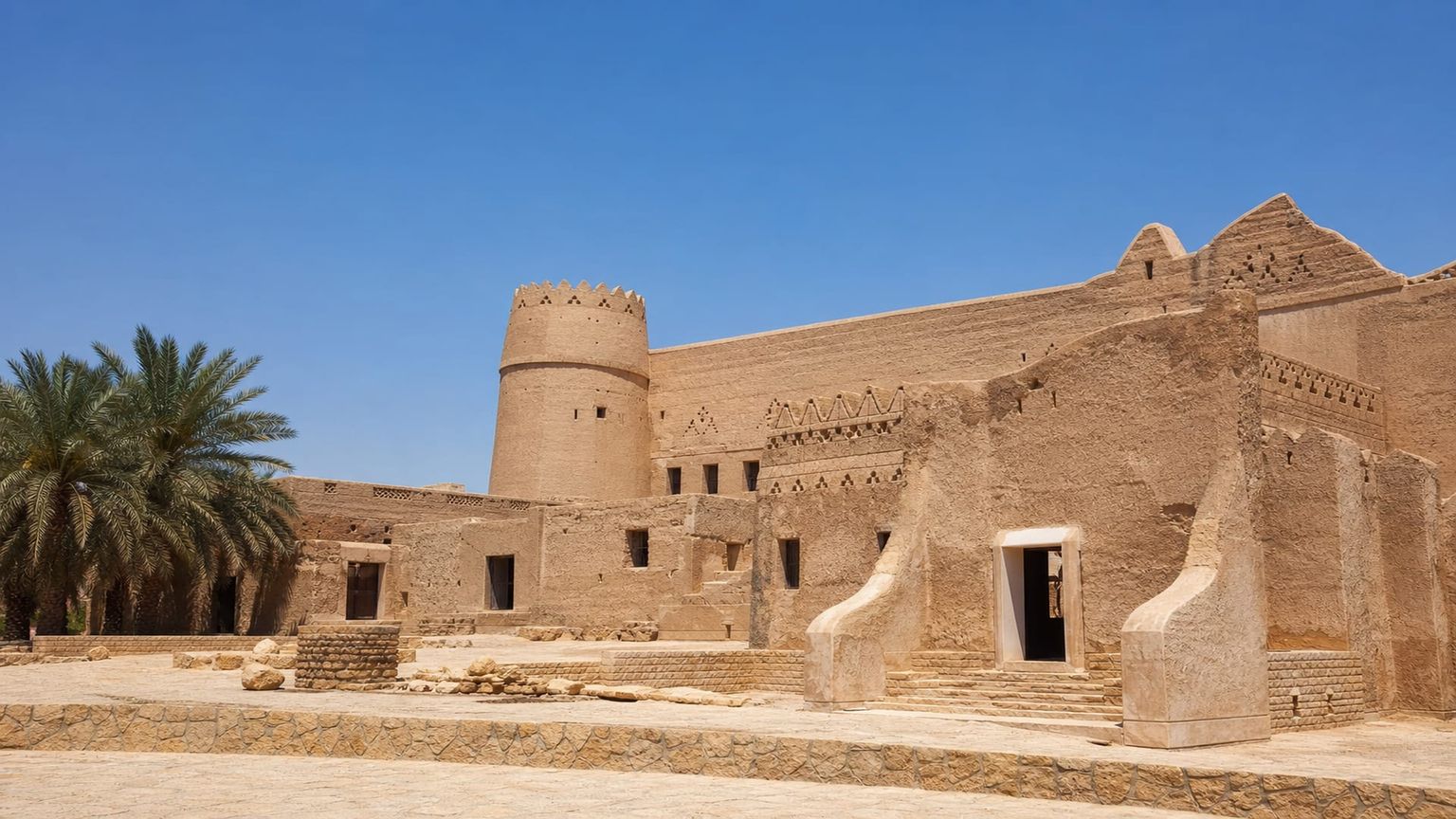
Palayam sits next to the Legislative Assembly, the mosque, and the main market stretch near the city center. It works well for visitors who want a central base with quick access to museums, campus areas, and some of the best connected streets in town.
Best for: Museum visits, central sightseeing, and travelers who want to walk to nearby market streets
What to expect: Lively daytime streets, vendors, buses, and a mix of students, shoppers, and office workers.
Hotel prices: Usually about ₹2,800 to ₹6,000 (~$34 to ~$72) per night for well-rated stays
Distance to major sights: 5 to 10 minutes by auto-rickshaw to Napier Museum, about 15 minutes on foot to Thiruvananthapuram Central
Quietness: Active through the day, with a calmer night scene once shops close.
Main trade-off: Rooms near the market can pick up road noise, especially on busy weekdays.
Good to know: Choose a side street if you sleep lightly, because the main junctions can stay lively well into the evening.
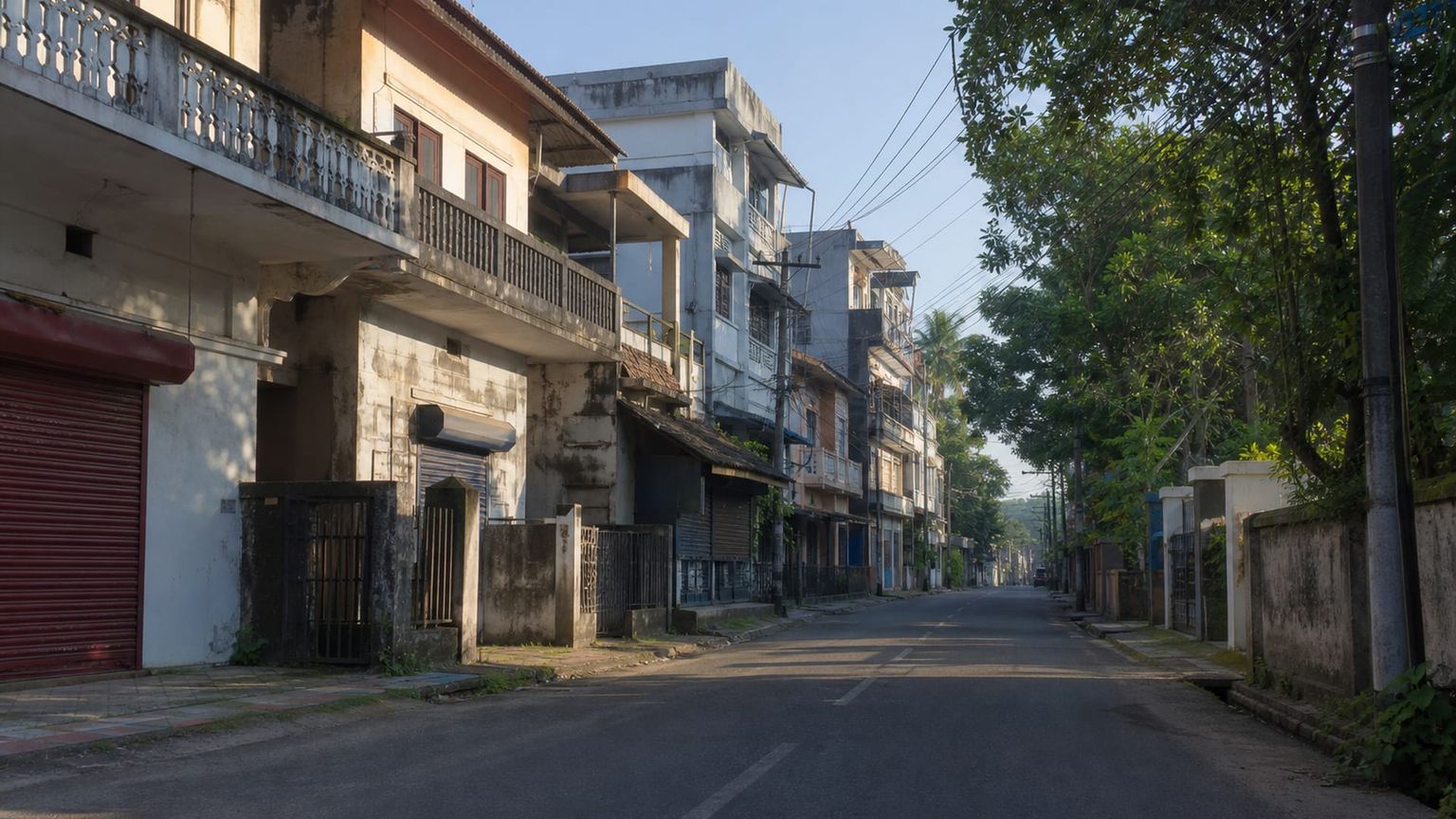
Vanchiyoor is a residential and administrative pocket close to the city core, with easy links to the court complex, district offices, and central Thiruvananthapuram. It suits travelers who want to stay near downtown without being right on the busiest commercial streets.
Best for: Lower-key stays, legal or administrative visits, and travelers who want central access without heavy street noise
What to expect: Residential lanes, local shops, and moderate traffic rather than a constant stream of visitors.
Hotel prices: Usually about ₹2,200 to ₹4,800 (~$26 to ~$58) per night for well-rated stays
Distance to major sights: 10 to 15 minutes by auto-rickshaw to Thiruvananthapuram Central, about 15 minutes to Napier Museum
Quietness: Quieter than Palayam by day, and noticeably calmer after dark.
Main trade-off: You may need a short ride for major shopping streets, dining clusters, and late-night plans.
Good to know: Late dining choices are thinner here, so plan evening meals before you return to the area.
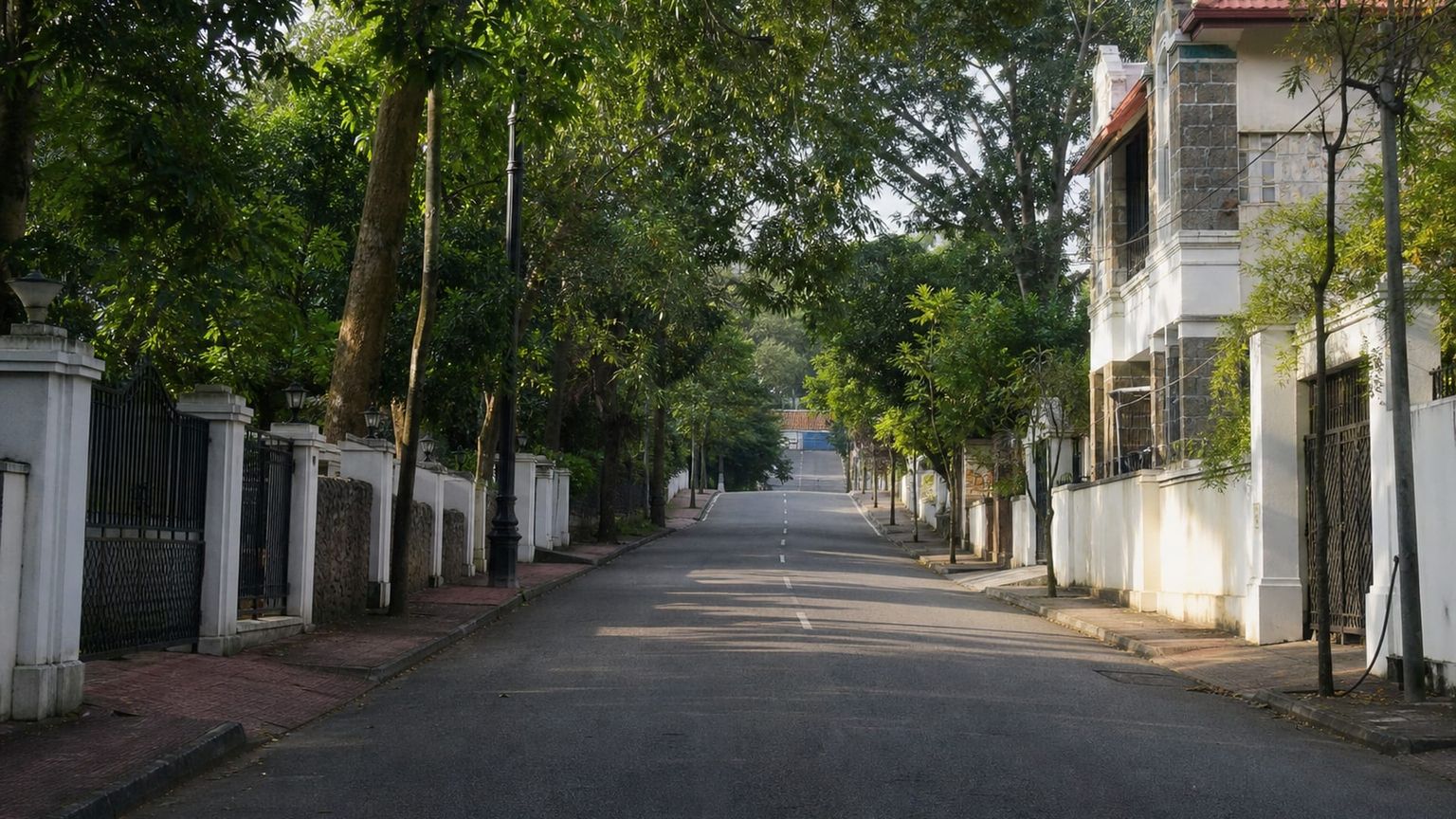
Kowdiar is an upscale residential district north of the center, known for broad roads, embassies, and large homes. It offers a calmer stay with easy road access to the museum zone, the zoo area, and central Thiruvananthapuram.
Best for: Leisure stays, longer visits, and travelers who prefer a quieter residential base with taxi access
What to expect: Tree-lined streets, limited foot traffic, and a more residential atmosphere than the city center.
Hotel prices: Usually about ₹3,500 to ₹8,000 (~$42 to ~$96) per night for well-rated stays
Distance to major sights: 15 to 20 minutes by auto-rickshaw to Napier Museum, about 20 minutes to Thiruvananthapuram Central
Quietness: Quiet during the day and evening, with only localized traffic on the larger roads.
Main trade-off: You will usually pay more for the calmer setting, and most restaurant choices require a short ride.
Good to know: Book here if you want more space, but expect to use cabs for most meals and sightseeing stops.
Travelers usually avoid staying in Balaramapuram, Vizhinjam, and the outer parts of Kovalam if they want easy access to the city, because these areas sit well south of most central sights and can make evening travel back into Thiruvananthapuram inconvenient. Kazhakkoottam is also less convenient for a heritage-focused stay, since it is far from the main temple and museum cluster and caters more to the IT corridor than to visitors spending most of their time in the old city.
Hotel deals
How to get around Thiruvananthapuram efficiently
Thiruvananthapuram has no metro, so the simplest city plan mixes short walks with buses, taxis, and auto-rickshaws, especially between the temple area, Palayam, and the museum district.

Metro
for longer distances
Thiruvananthapuram has no metro system, so visitors usually rely on buses, taxis, and auto-rickshaws for city trips; the closest rail option is Indian Railways at Thiruvananthapuram Central and Kochuveli, with local journeys set by train timetable rather than metro-style tickets.

Bus and tram
for convenience
KSRTC and city buses cover the airport area, Thampanoor, the rail stations, and major corridors such as Kowdiar, Pattom, and Kovalam; fares are usually about $0.12 to $0.60 (₹10 to ₹50), often paid in cash on board, and trips within the city typically take 20 to 45 minutes depending on traffic.

Taxi
for convenience or late hours
Licensed taxis at Thiruvananthapuram Airport (TRV) use fixed or prebooked fares rather than roaming meter taxis, with airport rides to central Thiruvananthapuram usually about $5 to $12 (₹400 to ₹1,000) and Kovalam roughly $8 to $15 (₹700 to ₹1,200); book through the prepaid counter, hotel desk, or app-based cabs, and most drivers accept cash, while app fares are usually card or wallet paid.
*Prices are based on rates updated as of June 2026 and may change at the time of travel.
Use buses for low-cost cross-town rides, auto-rickshaws for short hops, and taxis when you are linking the airport, Kowdiar, or Aruvikkara.
Iconic landmarks
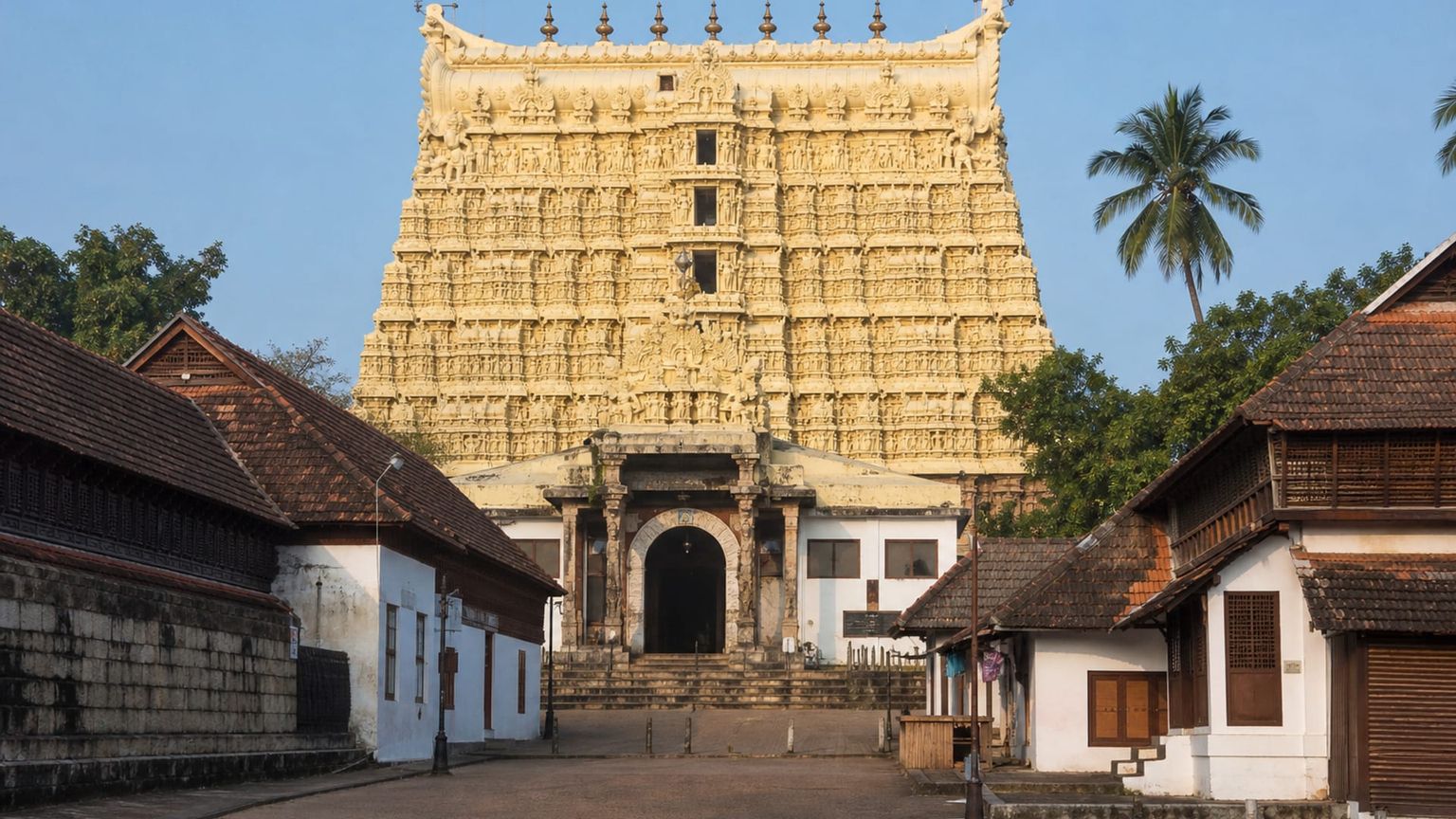
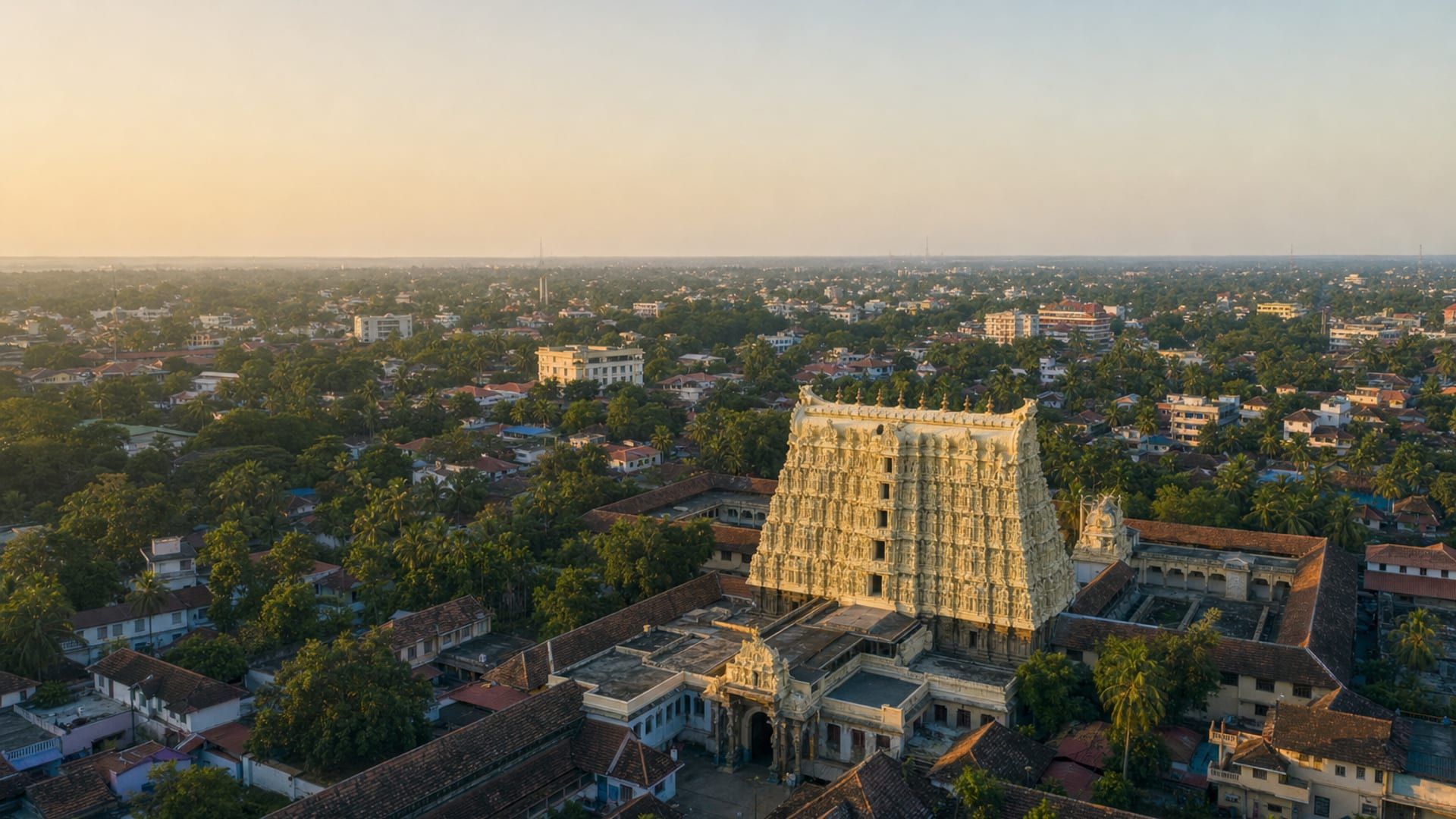
Padmanabhaswamy Temple
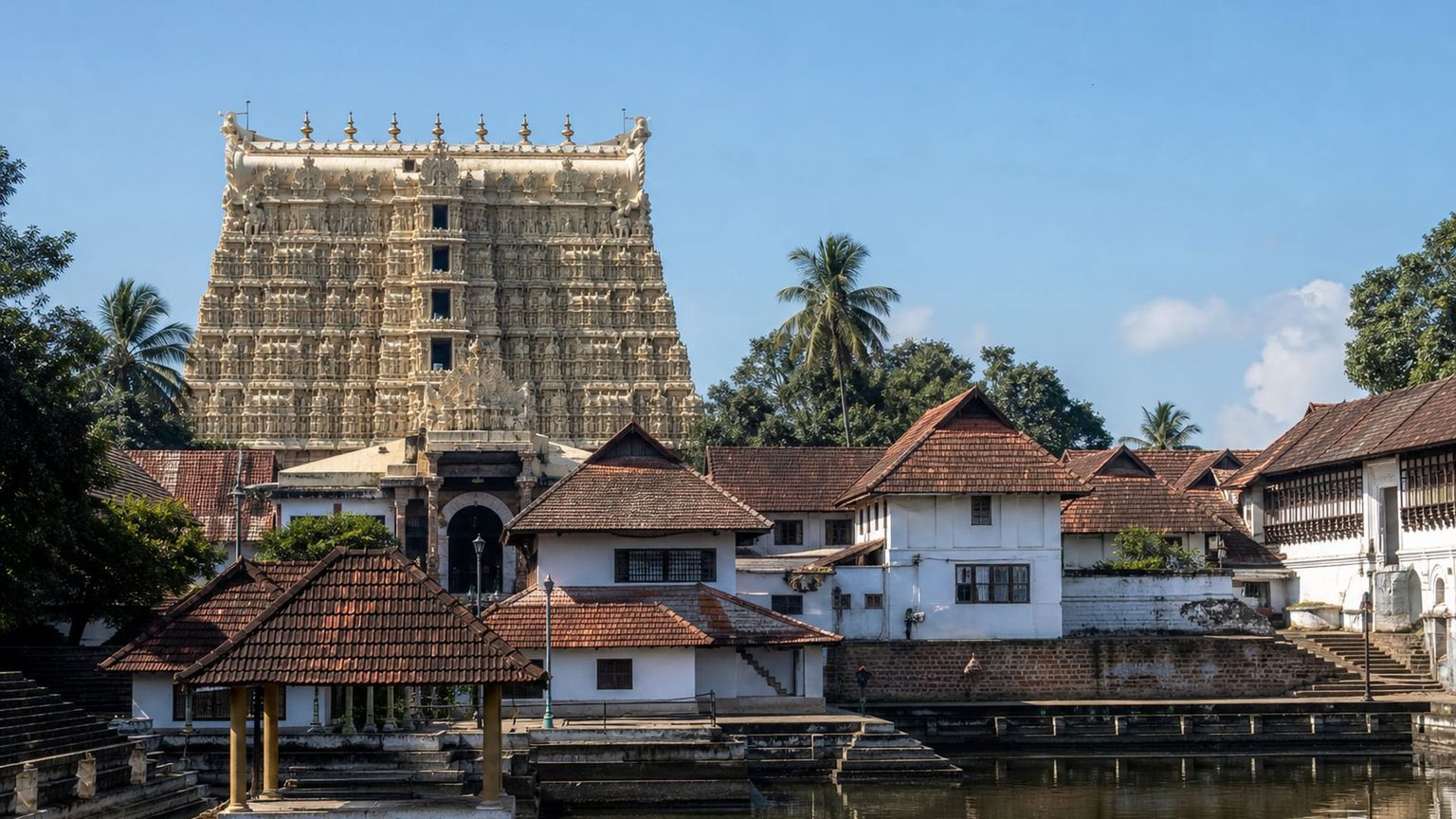
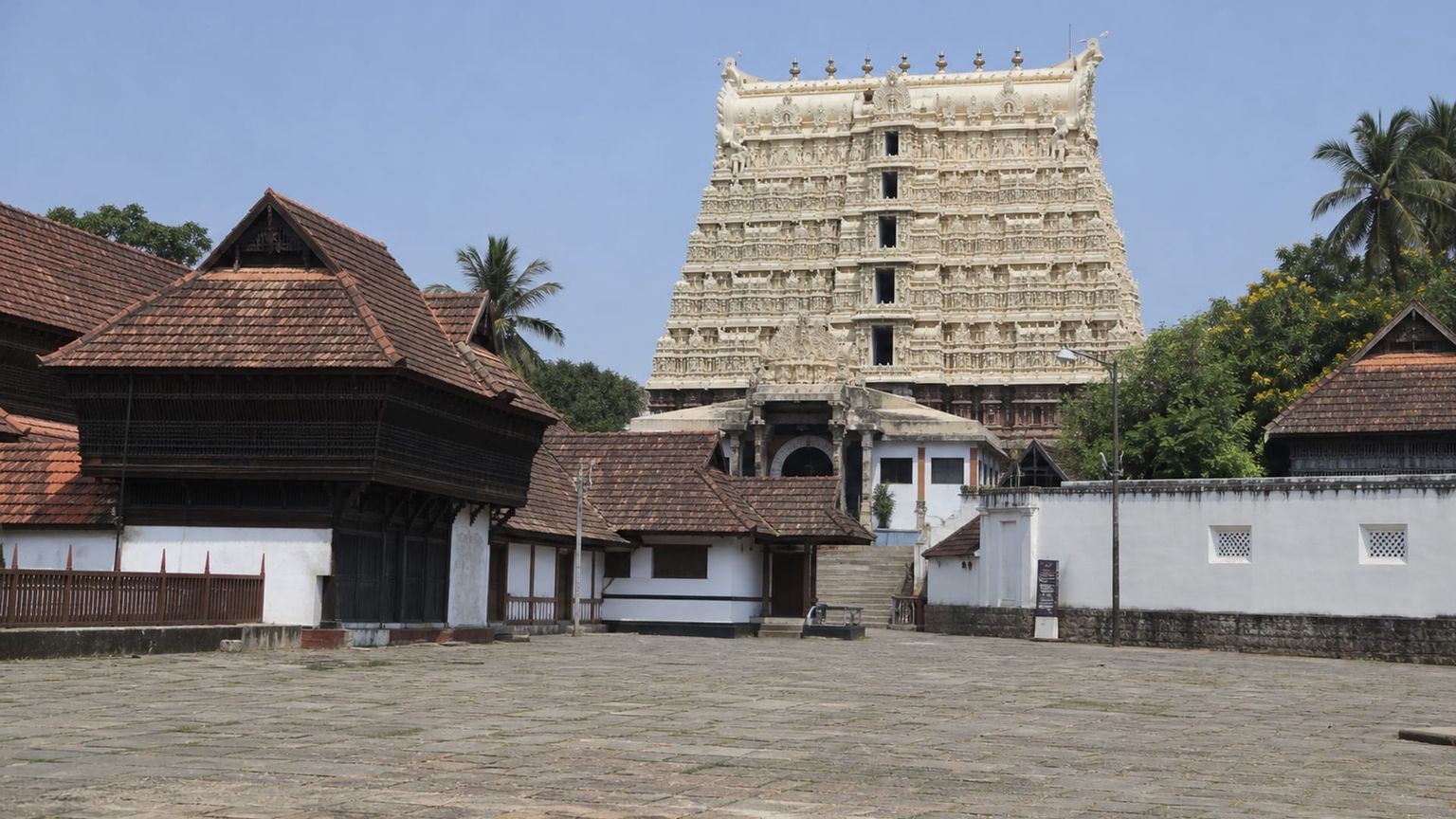
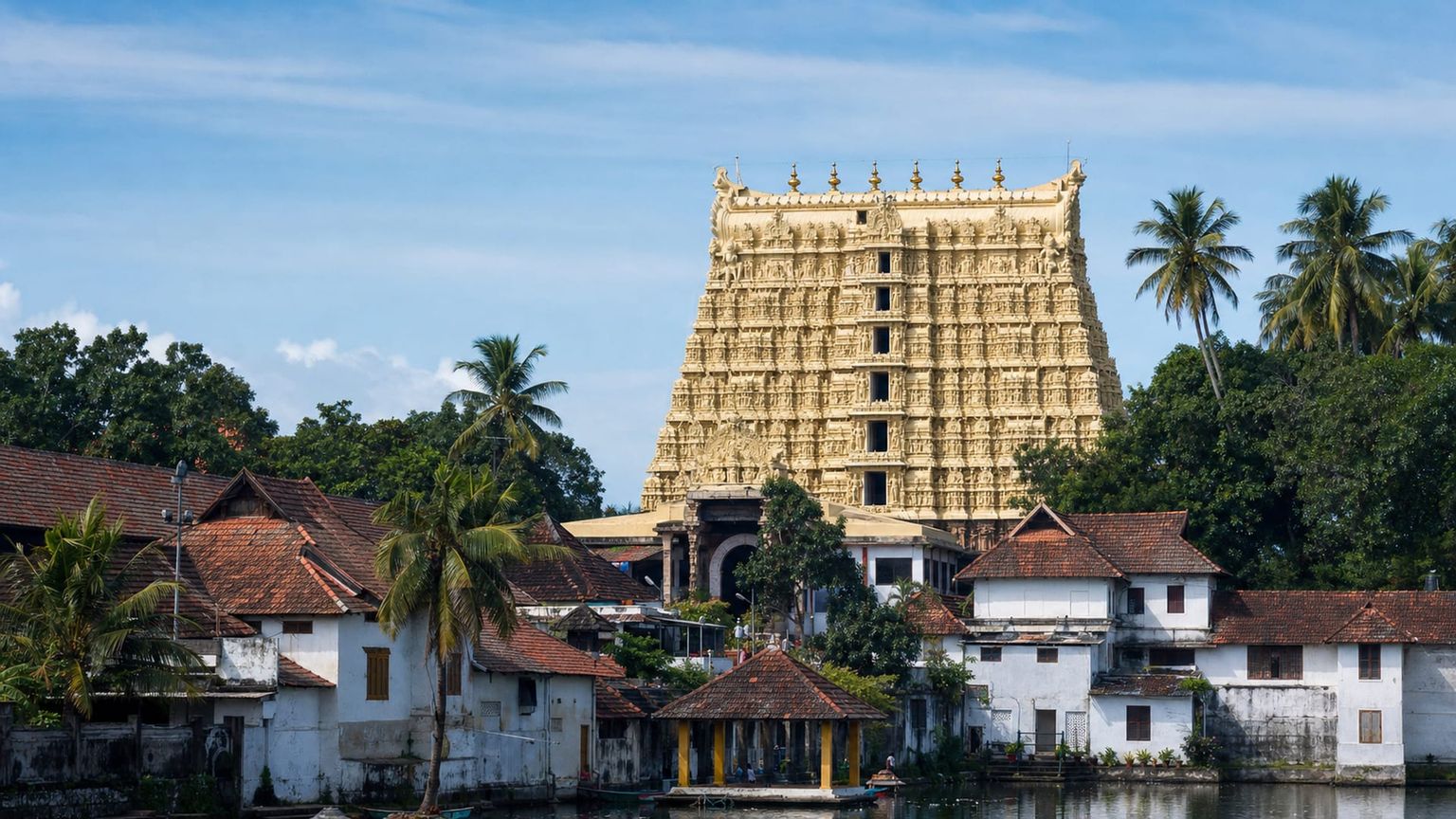
This 16th-century Vishnu temple anchors the old fort area with a towering gopuram, carved corridors, and strict rituals that still shape daily worship. Only Hindus may enter the inner sanctum, so plan for the outer precincts if needed.
Time needed: About 1 to 2 hours
Entry: Free to enter outer temple areas; non-Hindus cannot enter the inner sanctum, and camera use is restricted in most of the complex.
Tip: Arrive early morning for shorter queues and cooler stone corridors inside the fort area.
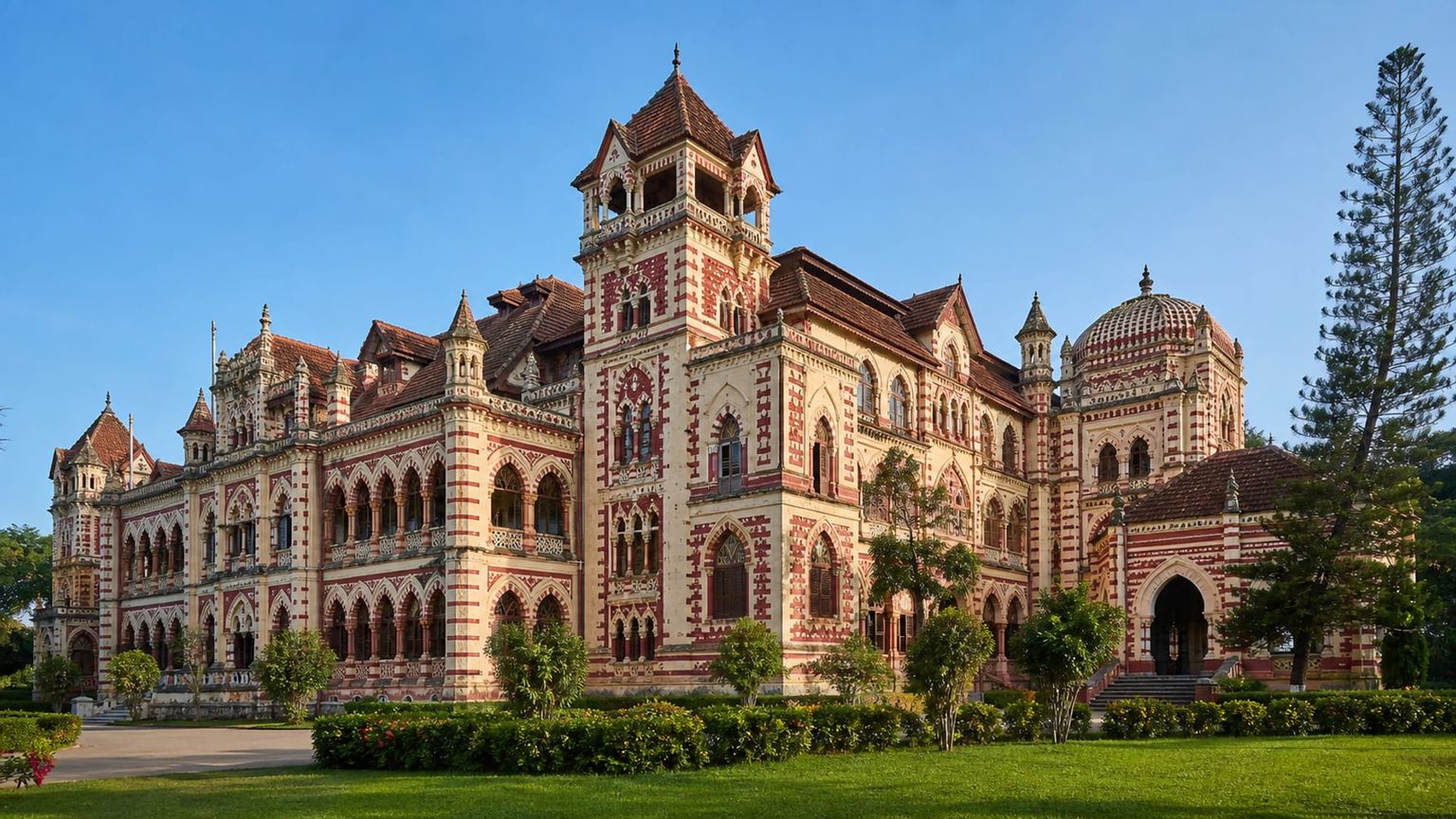
Napier Museum
Set in a 19th-century Indo-Saracenic building, this museum displays bronze idols, carved wood, old coins, and Kerala art in a compact central park setting. The architecture alone makes it a key stop in the city center.
Time needed: About 1 to 2 hours
Entry: Admission is about $1 to $2 ($80 to ₹150) for adults, with separate charges for some camera or video use inside selected galleries. Visit the official site for details.
Tip: Go in the morning, then walk the adjoining park before the midday heat builds up.
Kuthira Malika
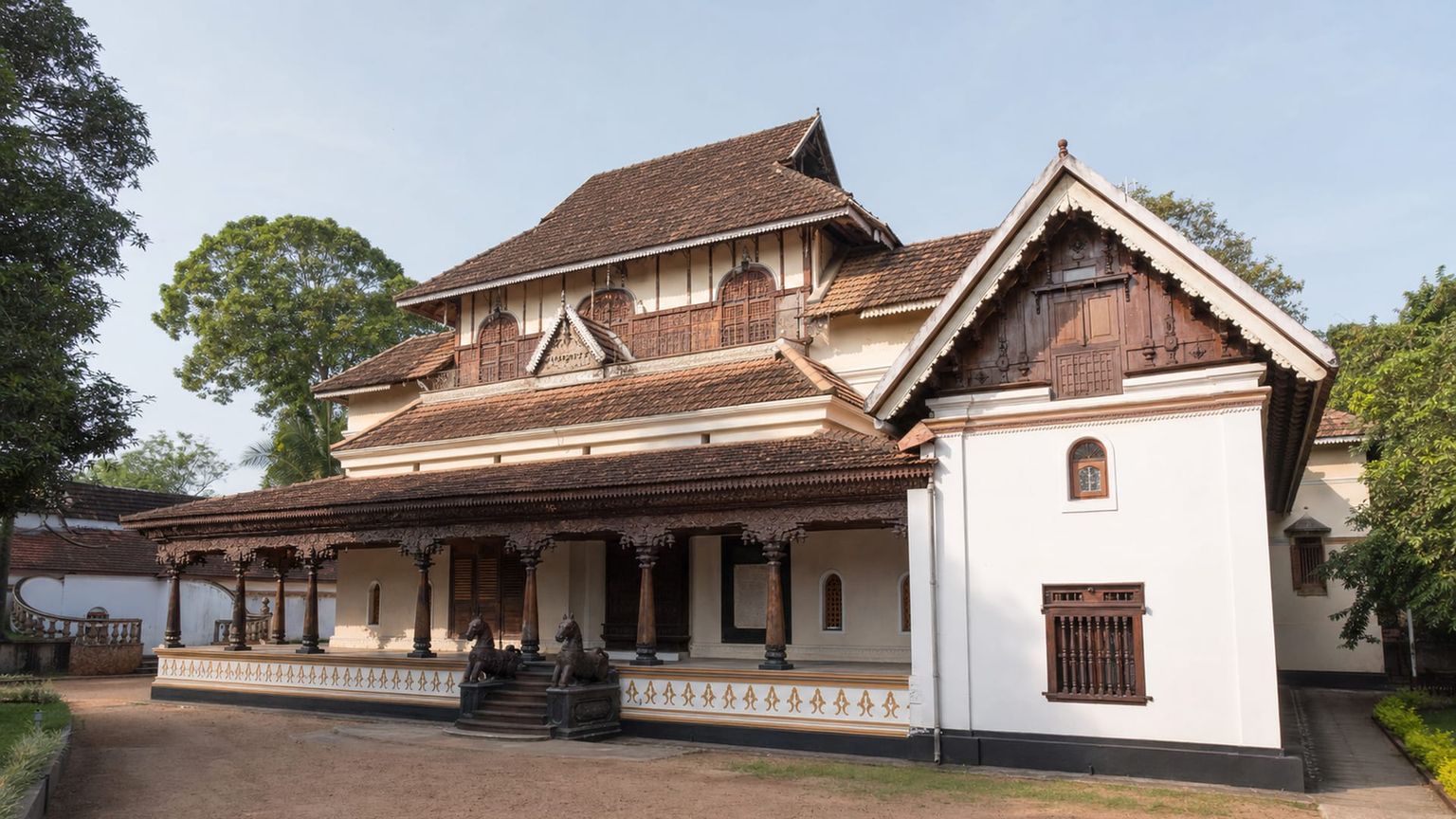
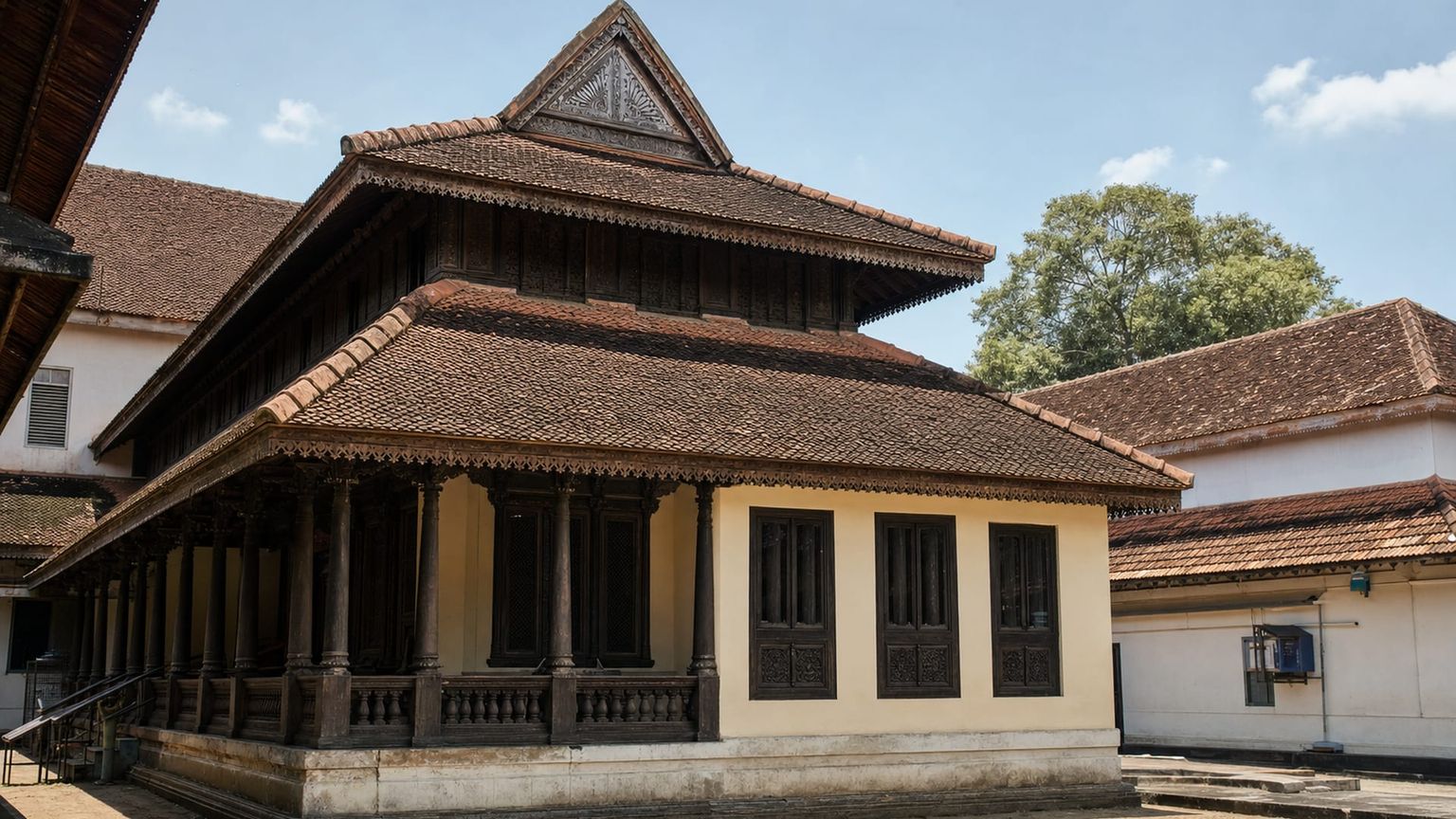
Built by Maharaja Swathi Thirunal, this palace is known for 122 wooden horse carvings on its eaves, polished timber interiors, and royal artifacts. It sits beside Padmanabhaswamy Temple, so you can pair the two in one visit.
Time needed: About 1 hour
Entry: Admission is about $2 to $4 ($100 to ₹250), with a separate fee for cameras and occasional access limits during palace functions. Visit the official site for details.
Tip: Visit after the temple queue eases, then stand back for the facade carvings in daylight.
Overlooked sites worth visiting

Kuthiramalika Palace Museum
This Travancore palace shows carved teak ceilings, horse motifs, and a compact royal collection beside the Sree Padmanabhaswamy Temple complex. It suits a brief culture stop in central Thiruvananthapuram.
Time needed: About 1 hour
Entry: Museum entry is usually about $1 to $2 (₹10 to ₹25) for Indian visitors and about $2 to $3 (₹50 to ₹100) for foreign visitors, with separate camera fees sometimes charged at the gate.
Tip: Go early, before temple crowds build outside the gate.

Aruvikkara Dam and reservoir promenade
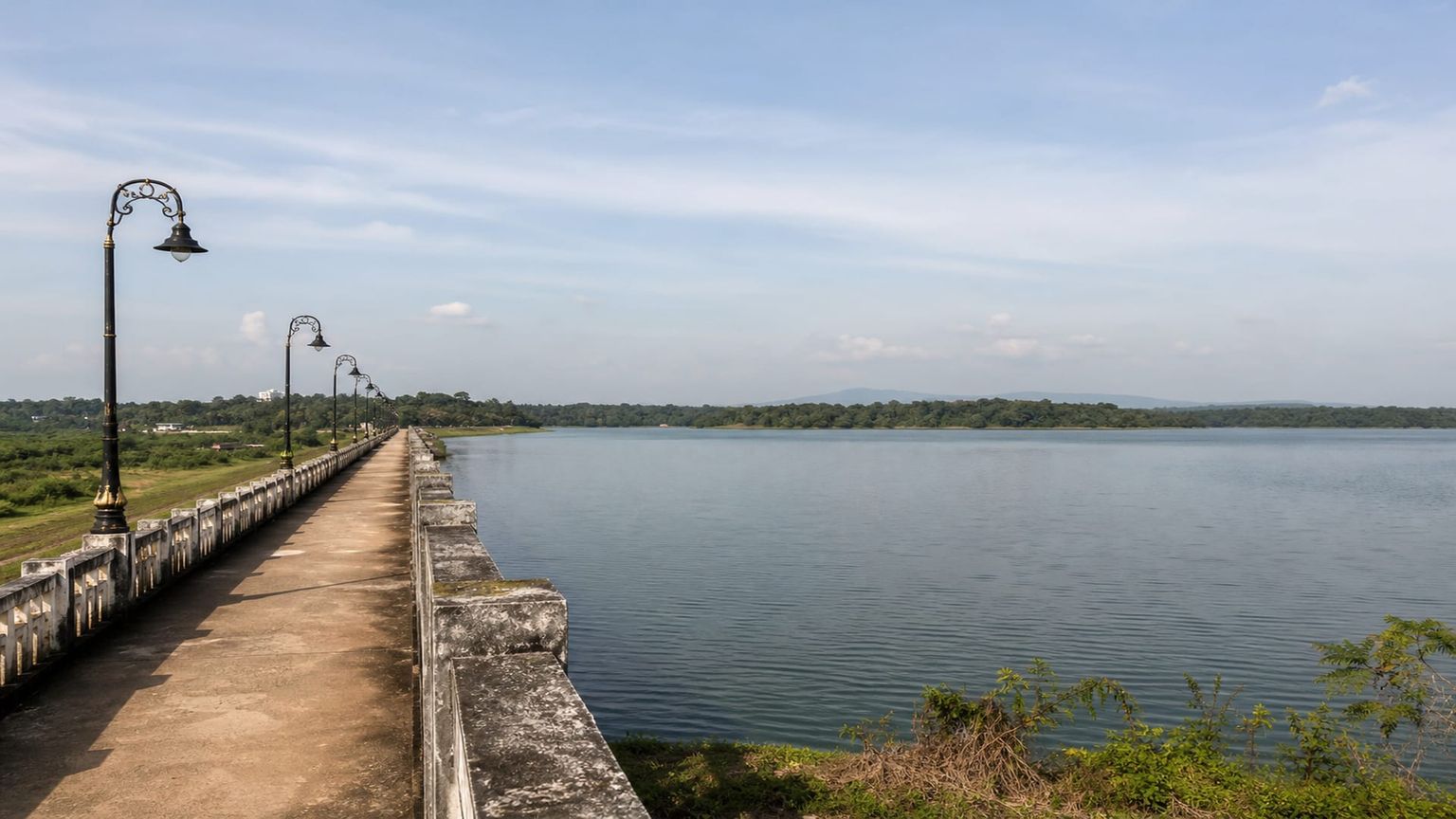
Aruvikkara draws local walkers to a tree-lined reservoir edge about 16 km from the city center, with fishing boats, birdlife, and views over still water. The setting stays calm on weekday mornings.
Time needed: About 1 to 2 hours
Entry: The dam and reservoir promenade are free to enter as a public open-air area. Some adjacent facilities and boating or picnic access may charge separately, but the main walkway has no admission fee.
Tip: Visit in the morning for cooler air and fewer roadside visitors.
Traditional food
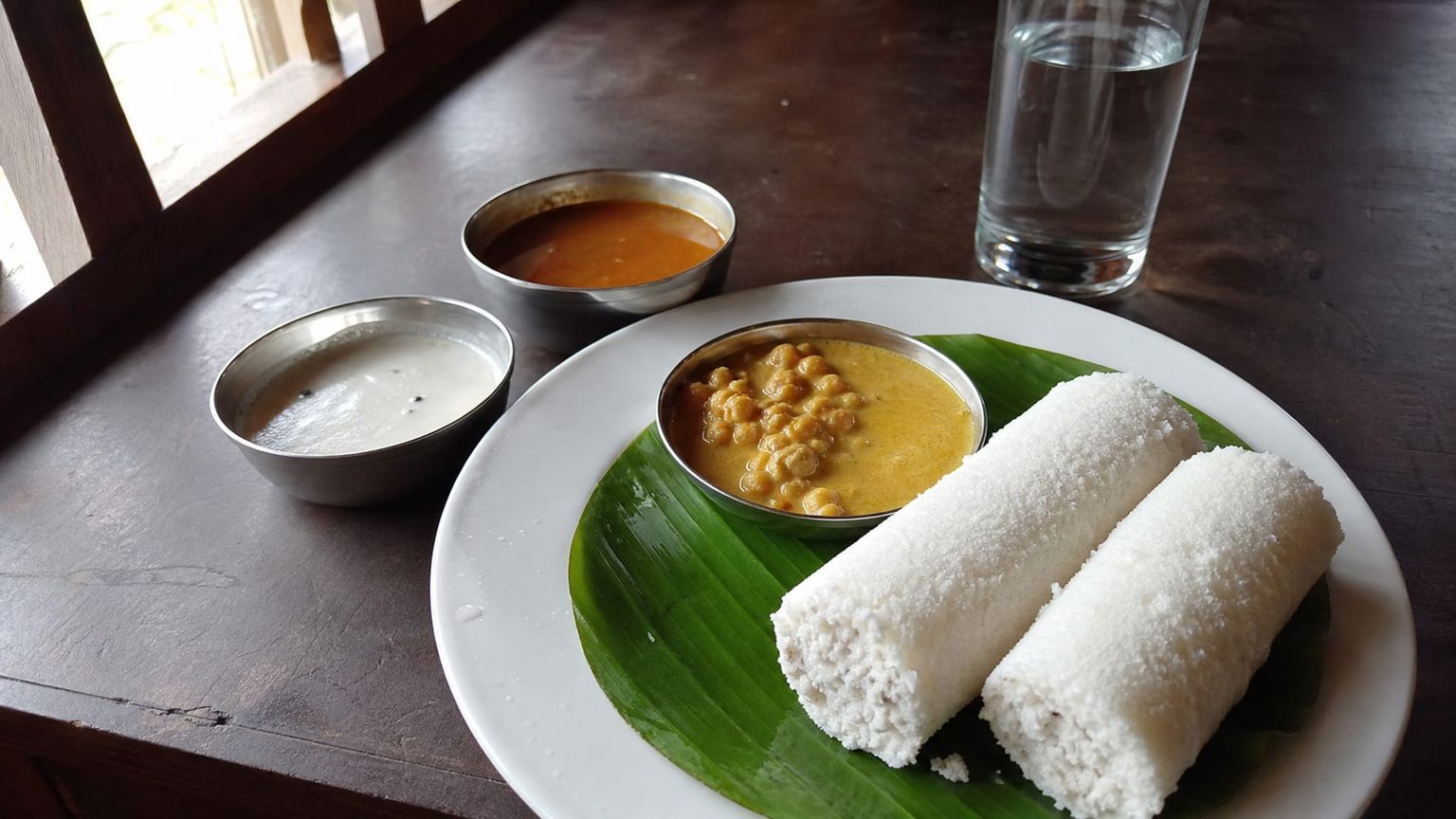
Kerala food here leans on coconut, rice, black pepper, and seafood, with puttu, appam with stew, Kerala sadya, and fish molee anchoring many menus. Meals often arrive with a household pace and a clear breakfast, lunch, and dinner window.
Puttu
Steamed rice flour and coconut layers make this a breakfast staple across the city. Kerala Kitchen serves a well-known version in central Thiruvananthapuram.
Appam with stew
Lacy appam with a coconut-rich vegetable or meat stew is one of the city’s most dependable comfort plates. It is a signature order at Ariya Nivaas in the center.
Kerala sadya
This festive banana-leaf meal brings rice, curries, pickles, and savory sides in a full spread. Villa Maya is a canonical place in Thiruvananthapuram for a more formal sadya meal.
Fish molee
Fish simmered in a pale coconut gravy gives the dish its mild heat and clean finish. It is a strong choice at Mothers Veg Plaza and nearby seafood-focused restaurants in the city.
Best time to visit Thiruvananthapuram
Thiruvananthapuram stays workable year-round, but dry months make temple walks and reservoir outings easier, while the monsoon adds heavier traffic and more interruptions between short neighborhood rides.
Best for: Best overall weather for temple visits and museum walks
What you get: About 70 to 88°F (21 to 31°C), with lighter crowds than the festival peaks and comfortable mornings
Trade-offs: Popular dates can fill central hotels early
Best for: Good for shorter sightseeing days and early starts
What you get: About 75 to 93°F (24 to 34°C), with moderate crowds and warmer afternoons
Trade-offs: Midday heat can make long outdoor stretches tiring
Best for: Best for greener landscapes and quieter museum hours
What you get: About 73 to 86°F (23 to 30°C), with lighter tourist crowds but frequent rain and slower road travel
Trade-offs: Downpours can cut into temple, market, and reservoir plans
Best for: Best balance of clearer skies and easier city movement
What you get: About 72 to 88°F (22 to 31°C), with moderate crowds and better conditions for full-day outings
Trade-offs: Holiday demand can raise hotel rates near the center
A realistic 5-day plan in Thiruvananthapuram
The five-day plan starts in the city center, then moves through the fort district, museum zone, and Aruvikkara before finishing with a lighter departure day. That sequence keeps the longest rides to a minimum and leaves the central neighborhoods for the moments when they are easiest to reach.
Land at Thiruvananthapuram (TRV), then take a taxi or prebooked car into Statue, Palayam, or Vanchiyoor, where central hotels usually sit about 15 to 30 minutes from the airport and cost roughly $6 to $10. If you arrive close to dinner, keep the first evening close to your hotel, drink water, and choose a light meal near Palayam or the Secretariat area rather than heading across town after a long flight. If you want a quieter base for the next few nights, Kowdiar works well, though it adds a little extra road time from the airport and central sights.
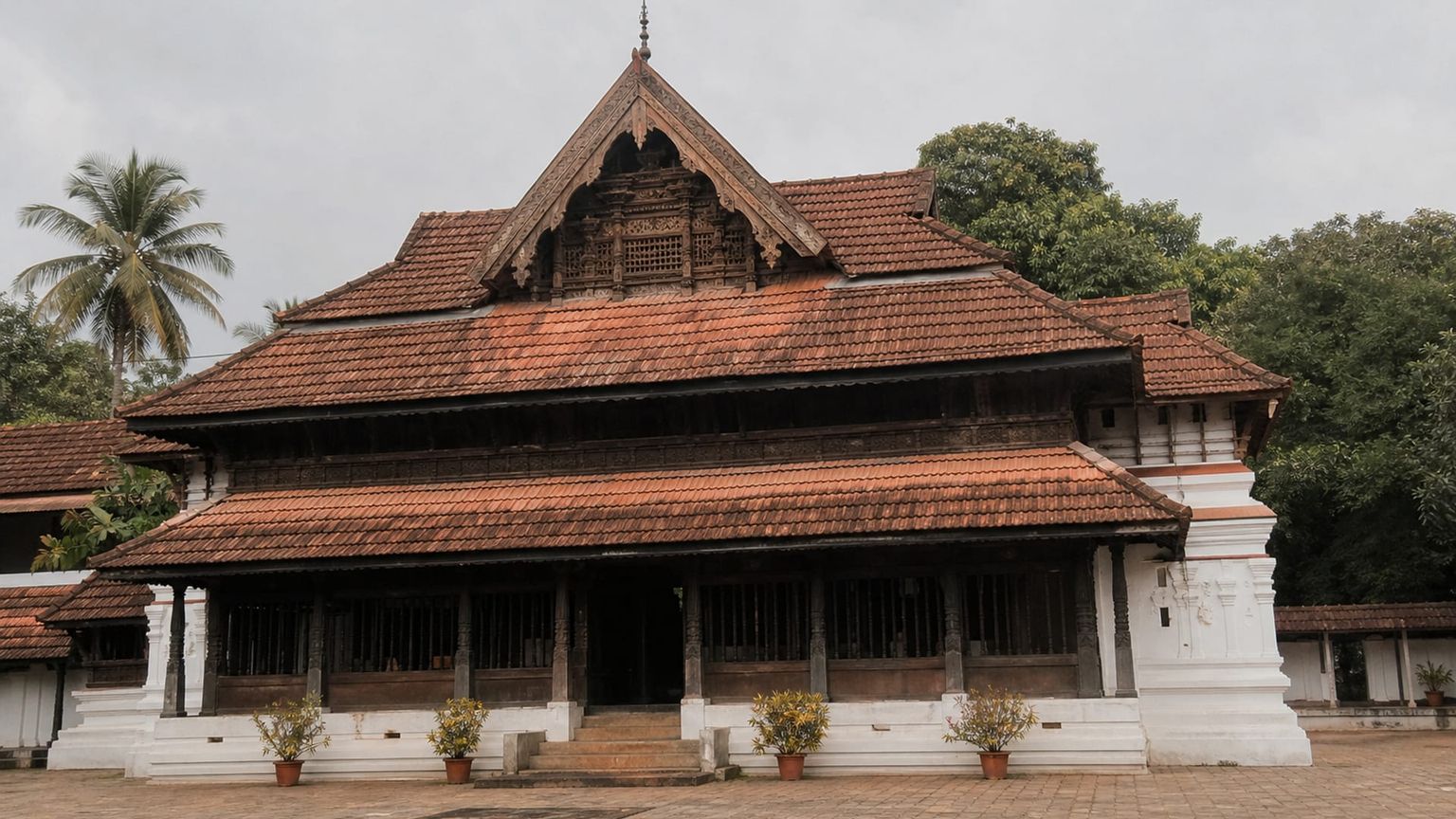
Start early at Padmanabhaswamy Temple, where the outer temple areas open the day with carved corridors and strong ritual activity, then walk about 5 minutes to Kuthira Malika for the palace museum and its horse carvings. From there, take an auto-rickshaw for about 10 minutes to Napier Museum and the adjoining park, then stay in the museum district for lunch before an easy return ride to Palayam or Statue. The afternoon suits a slower pace, with time for a coffee stop near the museum grounds before dinner in central Thiruvananthapuram.
Kowdiar gives this day a calmer start, with broader roads and a shorter ride, about 15 to 20 minutes by auto-rickshaw, to the Napier Museum zone if you did not finish it the day before. Pair the museum with a walk through the nearby park, then continue by taxi to Aruvikkara Dam and reservoir promenade, roughly 45 to 60 minutes from the center depending on traffic. Spend the late afternoon along the reservoir walkway, where the tree-lined water edge and boats give you a change of pace before returning to your hotel for dinner.
Begin with another look at the old fort district if you want a slower museum and heritage morning, then ride about 10 to 15 minutes from the center to finish anything you missed near Kuthira Malika and Padmanabhaswamy Temple. After lunch, head north by cab to Aruvikkara if you skipped it earlier, or stay in town and revisit the market streets near Palayam for shopping and snacks, where the distance from Napier Museum is only about 5 to 10 minutes by auto-rickshaw. End the day back in Vanchiyoor or Statue, which keeps the return short and avoids a late cross-city ride.
For a departure day, start with one last museum stop at Napier Museum if your flight leaves later in the afternoon, then spend the remaining hours shopping near Palayam and browsing the central streets around the Legislative Assembly area. A café break in Kowdiar works well if you want a quieter final stop before the airport, since it sits about 20 minutes from the center by car and gives you an easier reset before departure. Leave enough time to reach Thiruvananthapuram (TRV) in advance, especially if you are traveling after the weekday traffic picks up.
Business-class flights from the US to Thiruvananthapuram
Long-haul flights to Thiruvananthapuram usually connect through Gulf or Southeast Asian hubs, so the route choice matters as much as the fare. From both coasts of the United States, the best options are the ones that keep the stopover simple and the arrival timing workable.
Air India, Emirates, Etihad Airways, Qatar Airways, and Singapore Airlines all appear on the New York side of the market, and the trip usually takes about 18 to 23 hours with one stop through AUH, DOH, DXB, or SIN. Round-trip fares usually start at $3,800 and can reach $7,500.
From Los Angeles, Air India, Emirates, Etihad Airways, Qatar Airways, and Singapore Airlines also serve the market, with layovers through AUH, DOH, DXB, or SIN and total travel time of about 19 to 24 hours. Fares from $3,600 round-trip, and one-stop itineraries through Gulf hubs sometimes lower the fare by several hundred dollars.
Thiruvananthapuram feels different when you slow down
A well-paced Thiruvananthapuram trip usually centers on Statue, Palayam, or Vanchiyoor, with auto-rickshaws for the temple area, taxis for Kowdiar or Aruvikkara, and unhurried meals between the morning and evening rushes. That mix keeps Padmanabhaswamy Temple, Kuthira Malika, and Napier Museum in reach without forcing long cross-city detours. If you want a city plan shaped to your dates, let the AranGrant experts build it around the neighborhood that fits your stay







